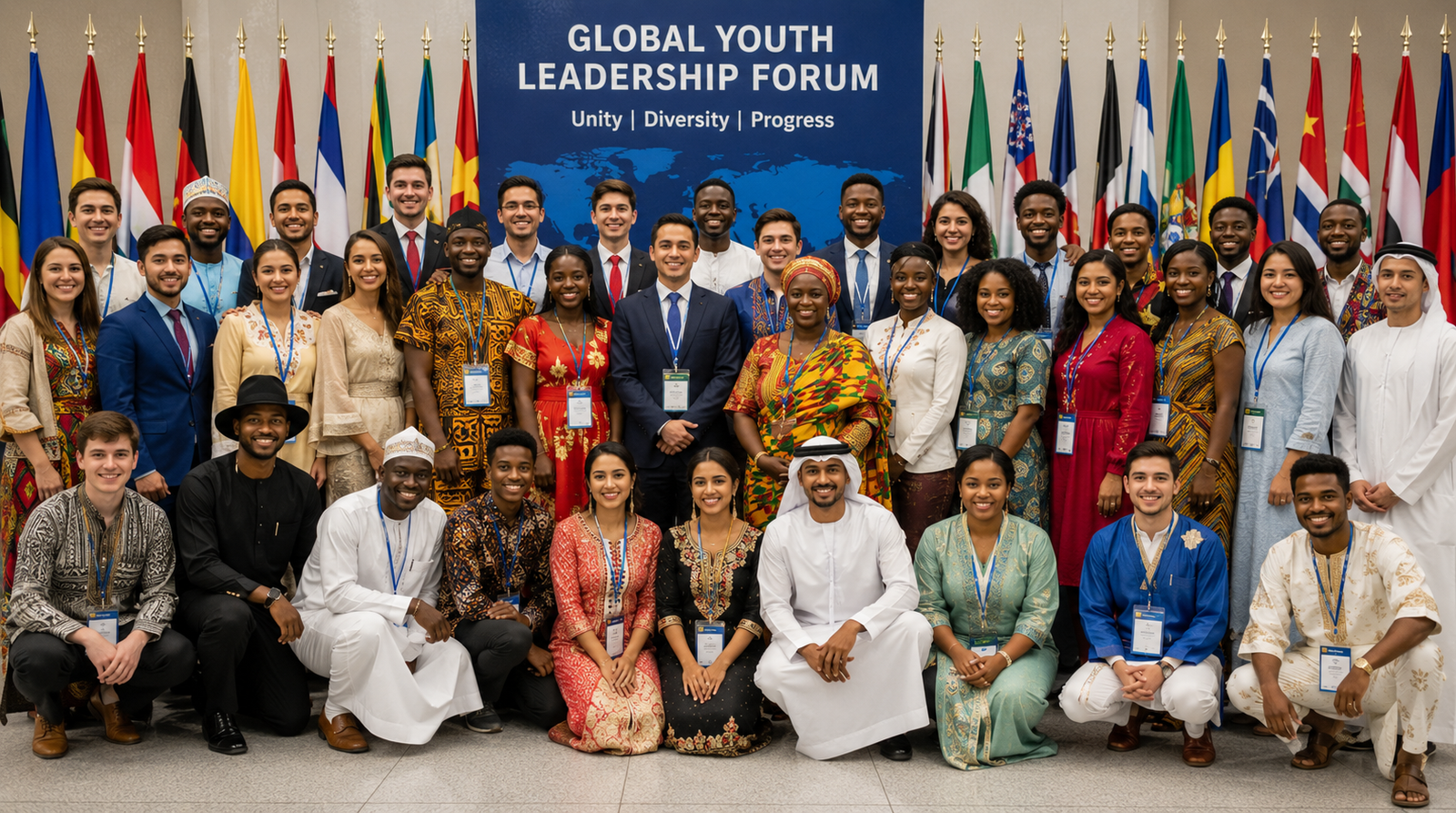
The Youth Alliance for a Better World
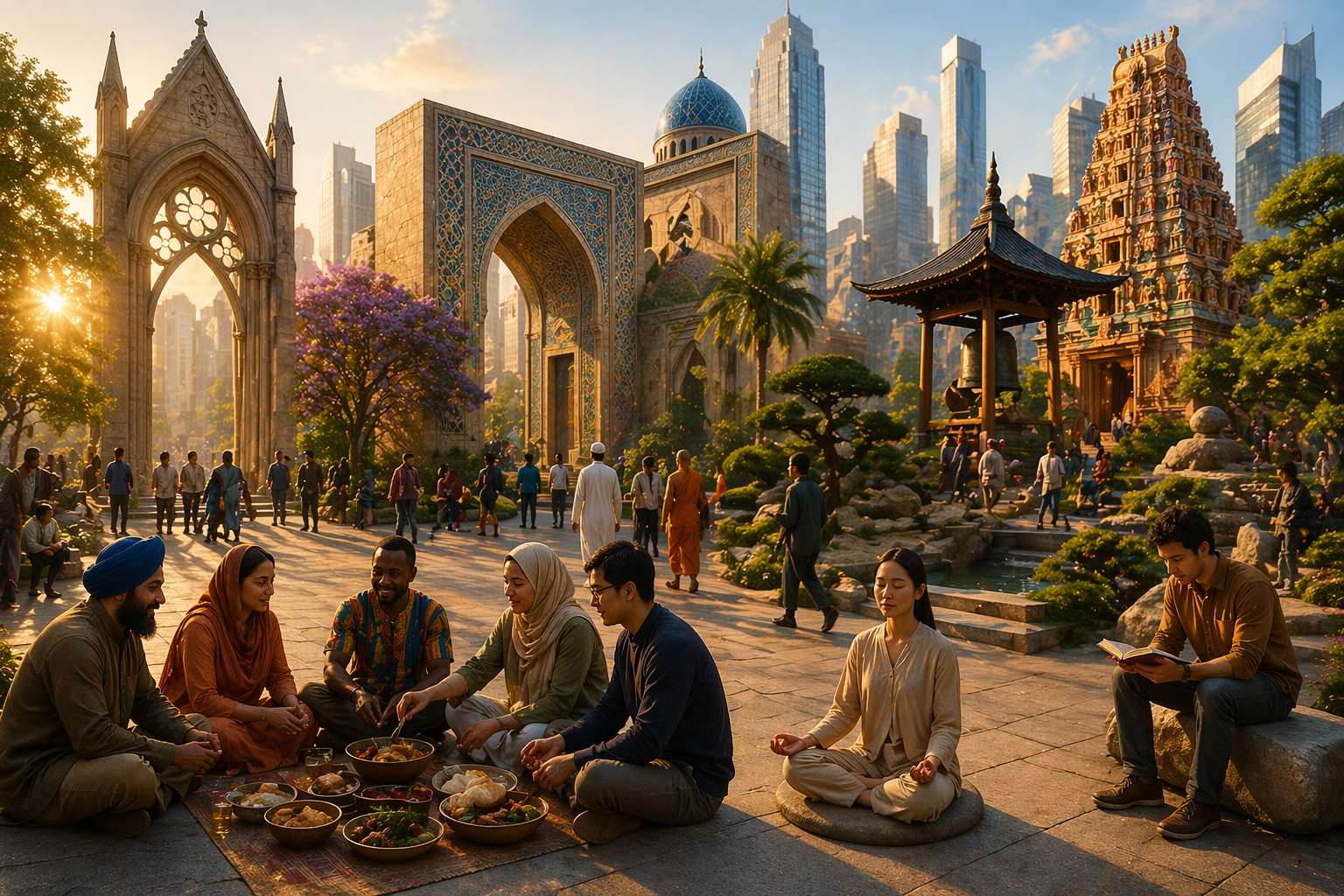
A Generation Dissatisfied with the Status Quo Many young people around the world are deeply dissatisfied with the state of the world today. They are troubled by persistent injustices, armed conflicts
102 results for “global youth movement”

A Generation Dissatisfied with the Status Quo Many young people around the world are deeply dissatisfied with the state of the world today. They are troubled by persistent injustices, armed conflicts

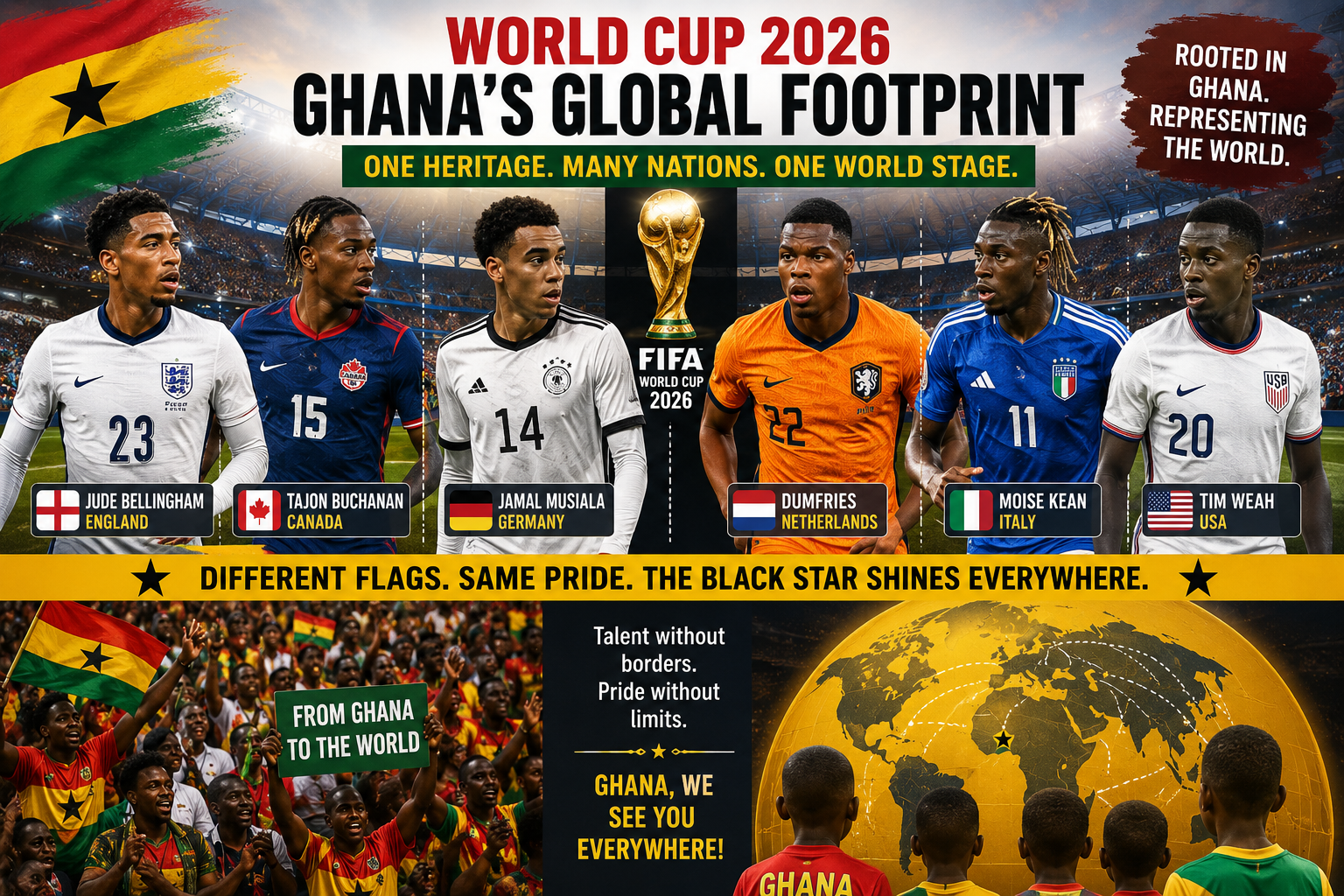
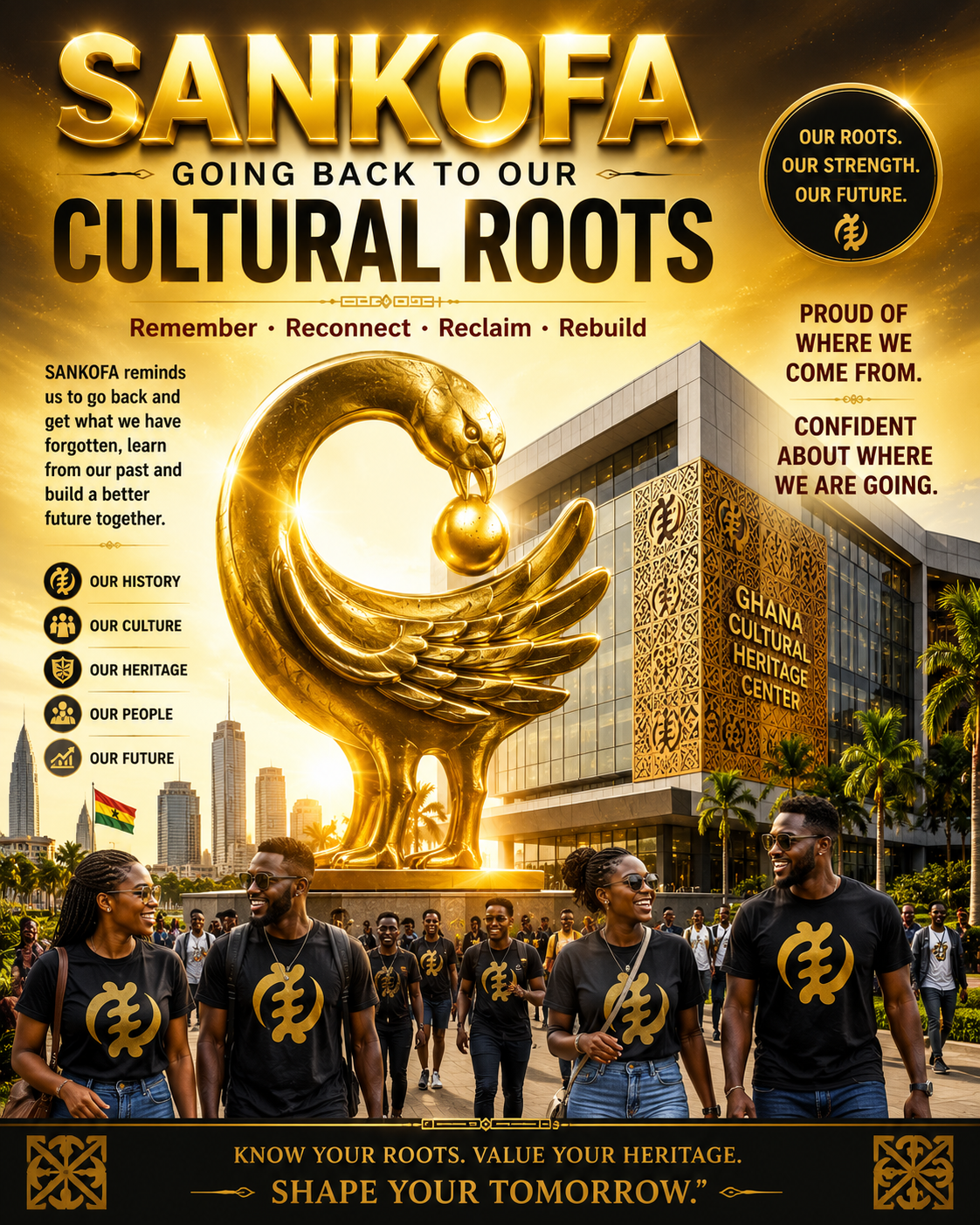
In 2019, Ghana made a bold and historic statement to the world. Through an initiative known as the Year of Return 2019, the country invited people of African descent across the globe to reconnect with their roots, history, and identity. This was not just a tourism campaign. It was a deeply symbolic

Introduction The influence of Ghana on world football extends far beyond the Black Stars. At the 2026 FIFA World Cup, players of Ghanaian heritage can be found representing several nations across Eur

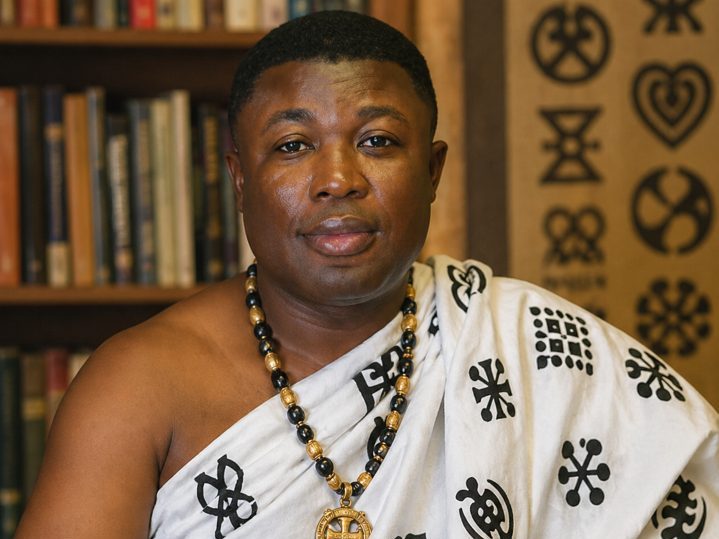
Origins and Cultural Heritage Professor Dr. Mensah Adinkrah, Professor of Sociology, Criminology, and Criminal Justice, is a native of Kwahu-Nkwatia in the Eastern Region of Ghana. Kwahu (also rendered as Kwawu) refers both to a geographical area and to a distinct Akan subgroup inhabiting the region

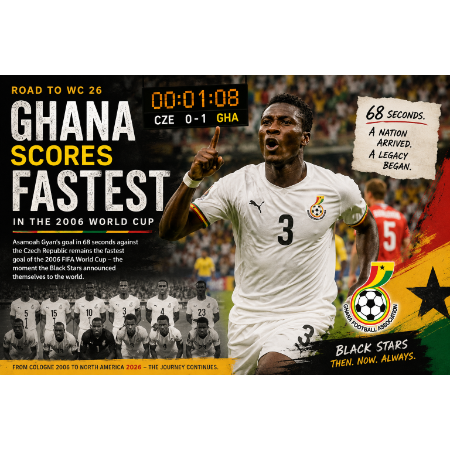
The stadium clock in Cologne had barely ticked past the opening minute when Ghana announced itself to the world. A loose touch in the Czech Republic defence. A flash of movement. Then came the finish

Short commentary on the end result of the Ghana vs Panama match

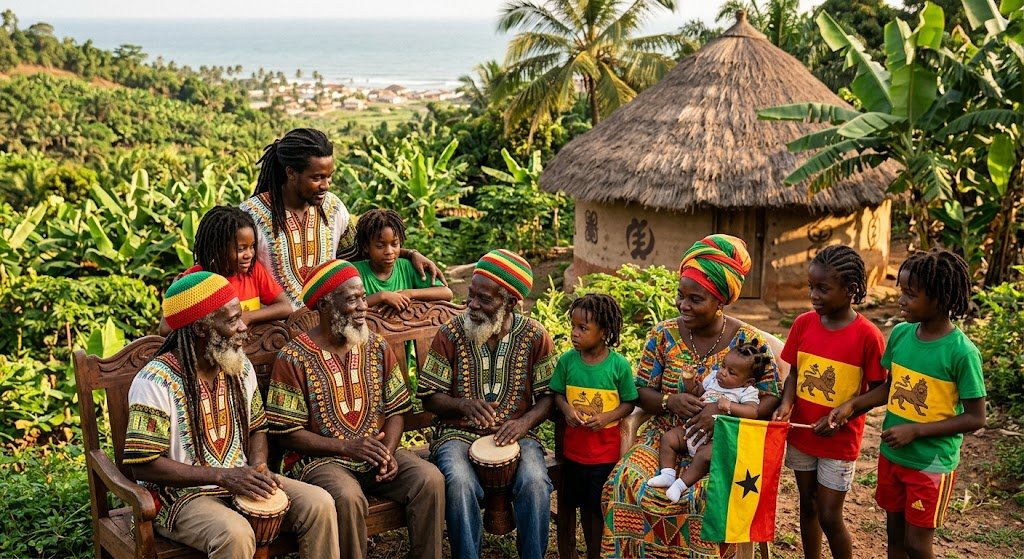
Rastafarians

For centuries, Ghana has stood at the crossroads of global cultural encounters. Long before the modern era of globalization, the land now called Ghana was already a bustling center of trade and intera

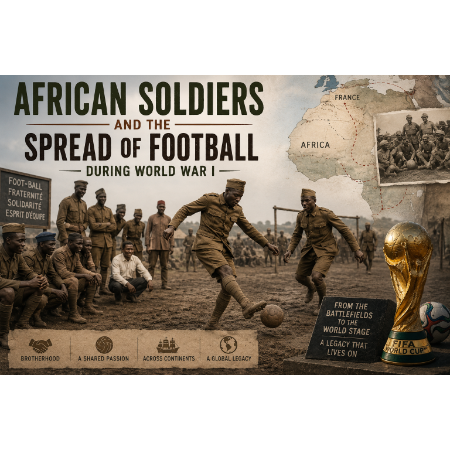
When historians discuss the global spread of football, the story is often told through familiar names and places: English schools, British sailors, South American ports, and European clubs. Yet hidden

Few names in African sport command as much reverence as Azumah Nelson. In the annals of global boxing history, Nelson stands not merely as a champion but as an embodiment of discipline, intellect, and tactical brilliance. His nickname—“The Professor”—suggests a fighter whose victories were not only

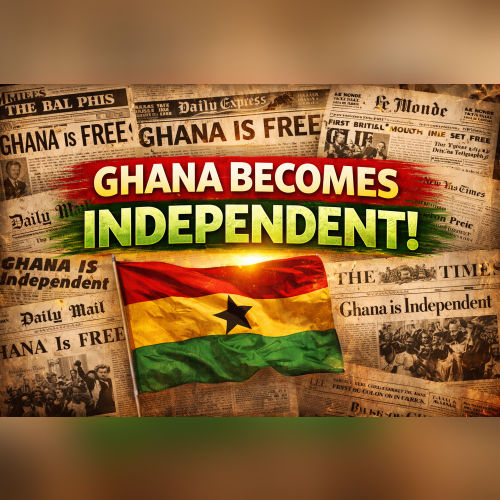
The emergence of Ghana as an independent nation in 1957 was not only a political milestone but also a global media event. Newspapers—both local and international—played a decisive role in announcing the birth of the new state to the world. Through headlines, editorials, photographs, and diplomatic r

The history of slavery and abolition in the area now known as Ghana is deeply intertwined with global economic systems, imperial expansion, African political structures, and the emergence of print journalism as a powerful instrument of public opinion. From the fifteenth century through the nineteent

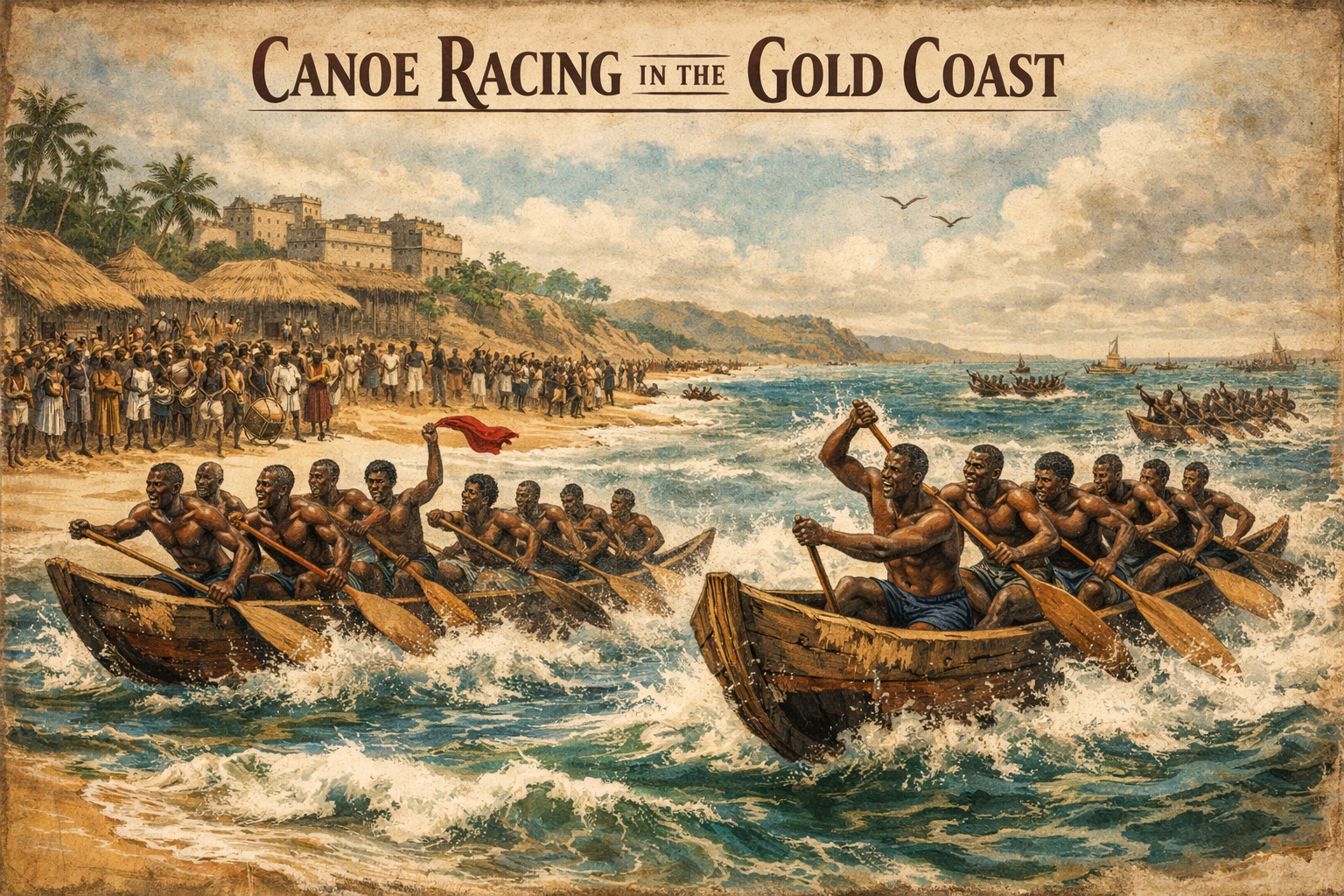
The Atlantic as Living Arena Along the Atlantic edge of the pre-colonial Gold Coast, long before European forts punctuated the shoreline, the sea was already a theatre of movement, daring, and communal pride. The coastal societies of present-day Ghana—particularly the Fante, Ga, and related Akan mar

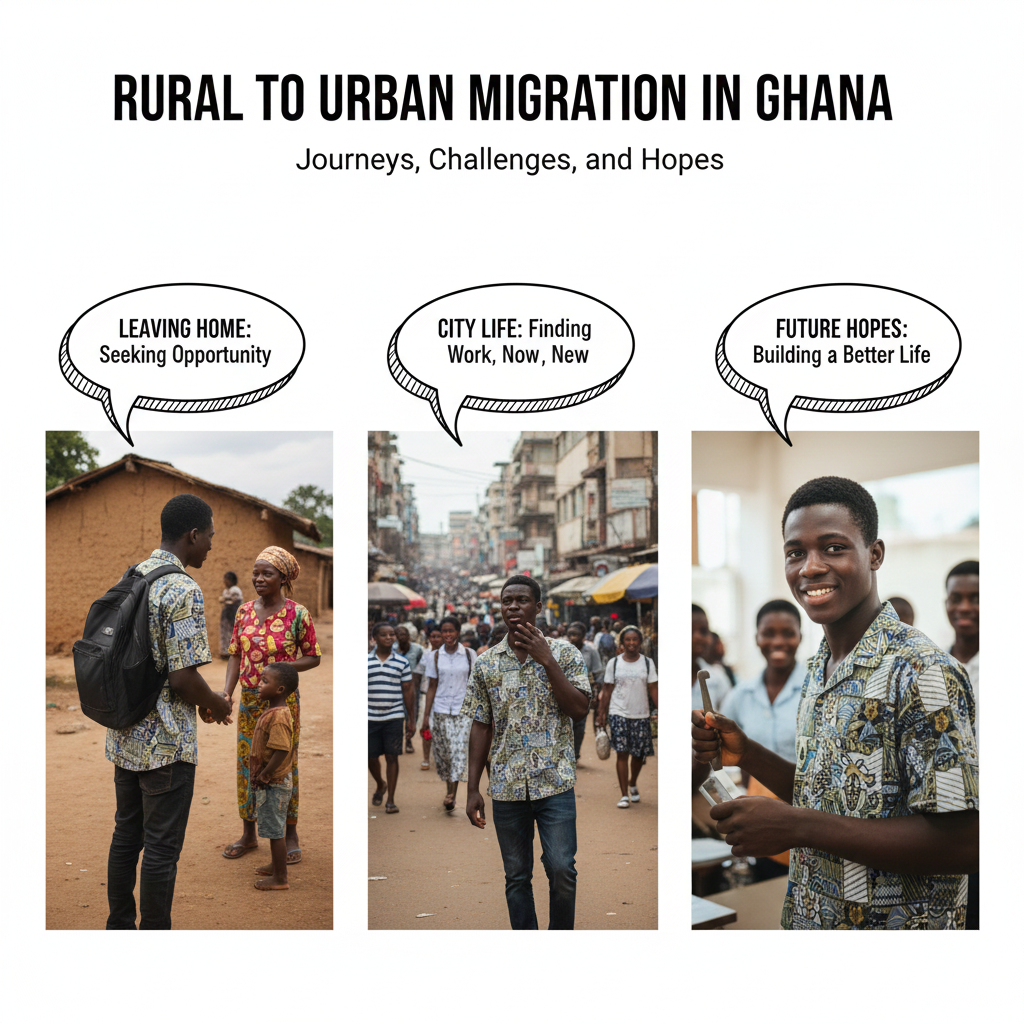
The causes of Rural–Urban Migration are major concerns of African governments like Ghana. Across Ghana and much of Africa, a defining social transformation of the 21st century is the movement of people from the countryside to towns and cities. Every year, thousands of young people leave rural commun

Introduction Lethal violence is a starkly gendered phenomenon. Globally, men are overwhelmingly the primary victims and perpetrators of homicide, typically driven by street crime, gang rivalries, and

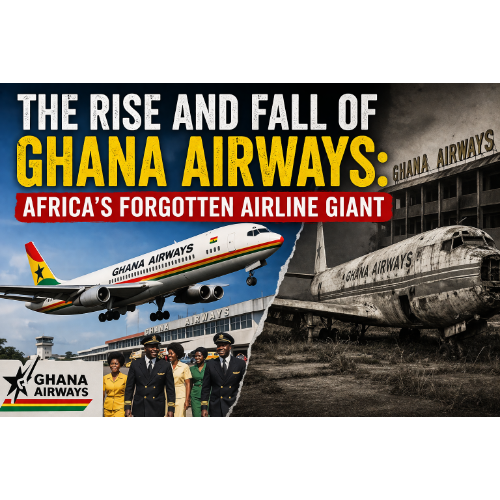
In the years following independence, Ghana set out to build not just a nation, but also a global presence. Among its boldest achievements was the creation of Ghana Airways, once one of Africa’s most respected national carriers. For decades, the airline symbolized ambition, connectivity, and national

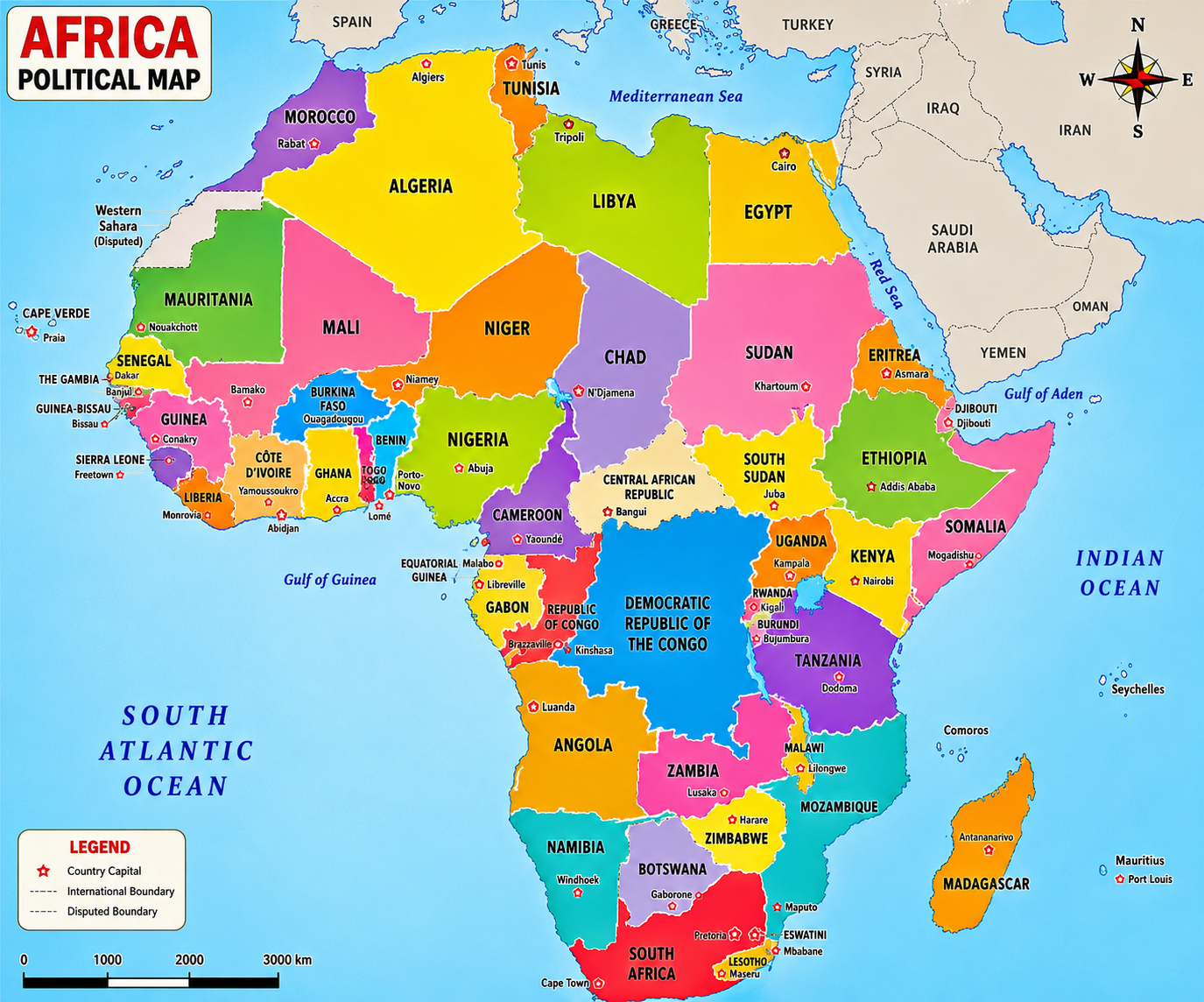
Africa is one of the most misunderstood places in the world. Popular myths—often repeated in classrooms, media, and casual conversation—have distorted global understanding of the continent. Below are some common falsehoods about Africa, alongside the facts. False: Africa Is a Country True: Africa is

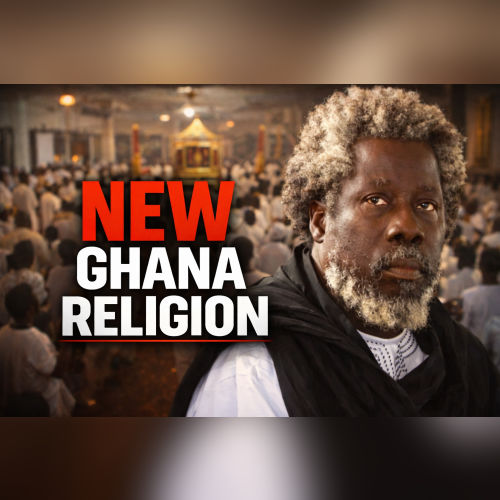
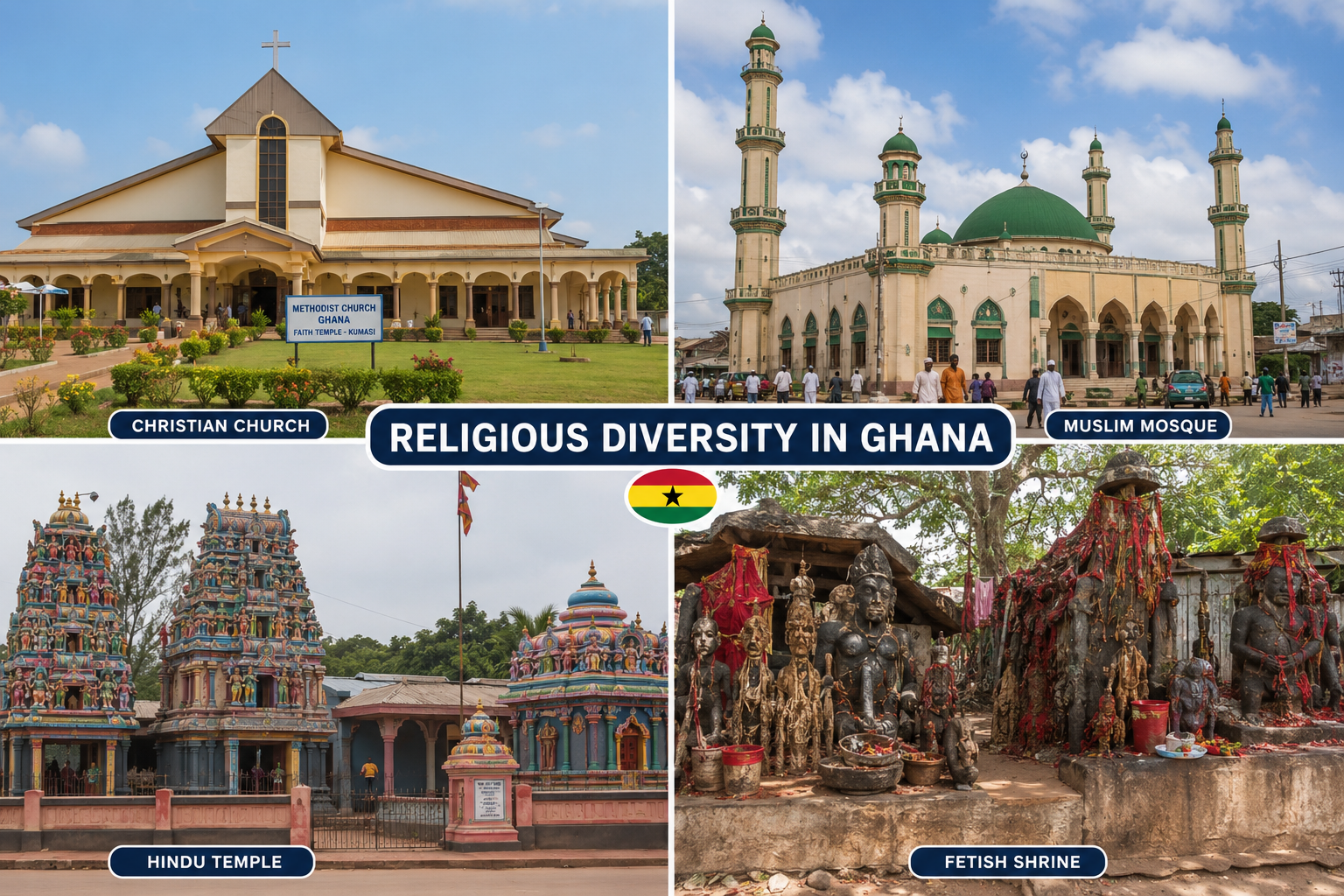
A new religious movement has emerged in Ghana known as Asomdwee Ntonton Som, a name that translates literally as “Peace and Exaltation Religion.” Ghana is a deeply multireligious society, long accustomed to religious plurality. Christianity—represented by historic denominations such as Catholic, Pre

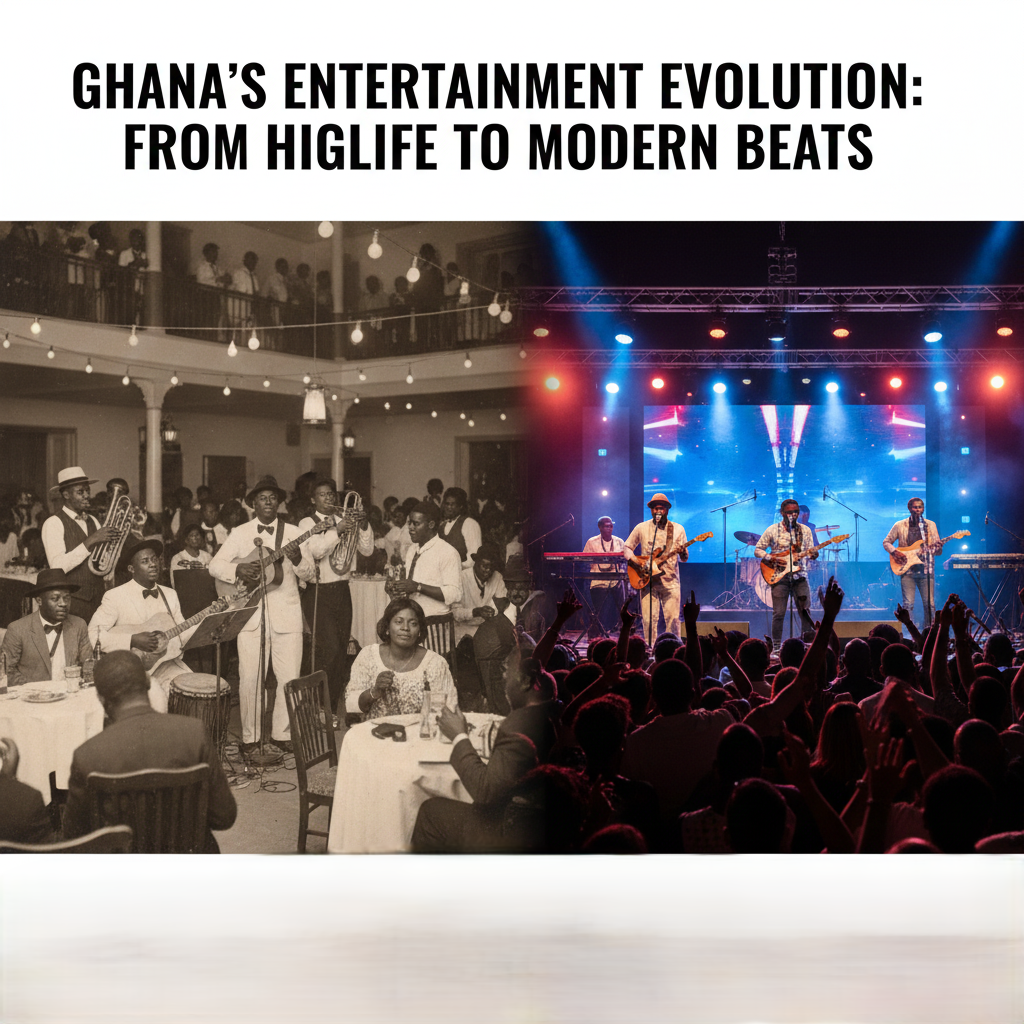
Long before Ghana had a film industry or digital streaming platforms, music was the country’s most powerful form of entertainment—and Highlife became its loudest voice. From colonial ballrooms to roadside bars and global stages, Highlife music has shaped Ghana’s cultural identity for more than a cen

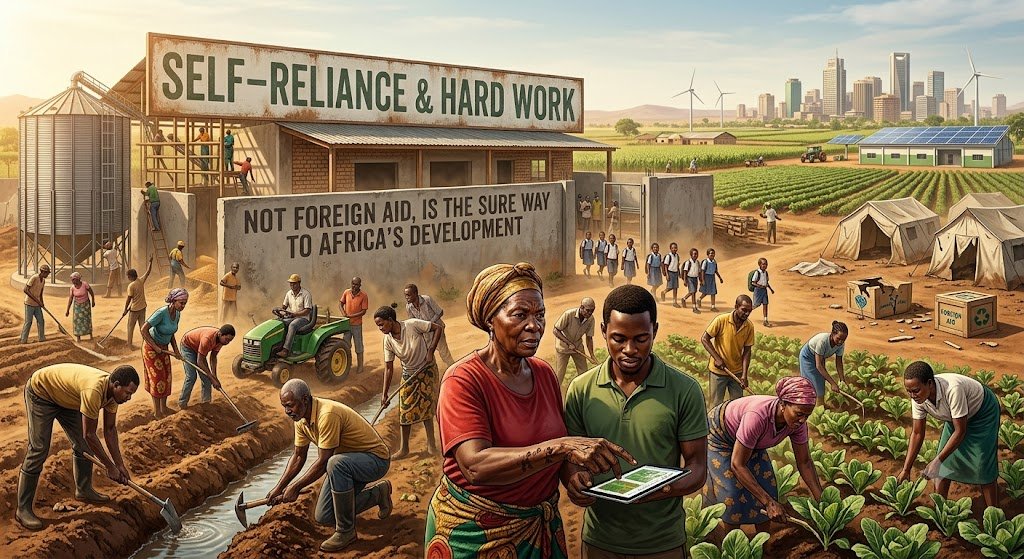
Introduction For decades, African leaders have boarded planes to Europe, North America, Asia, and the Middle East in search of foreign aid. Every year, countless international conferences, donor meet

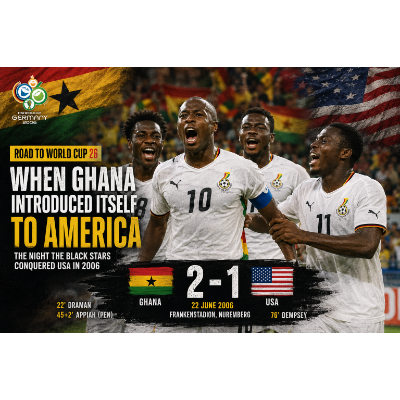
A feature article from the Road to World Cup 2026 countdown series

As part of our dive down the memory lane with the Black Stars, we come to you with another incredible and important performance that highlights some of the best moments of the Ghana National team in the 2006 World Cup campaign.

The story of Ghana’s “Dream Team” is not merely a sporting tale; it is a generational narrative—one that reflects continuity, discipline, and the organic evolution of talent within Ghanaian football. Though the phrase “Dream Team” is more commonly associated with Olympic squads, in Ghanaian discours
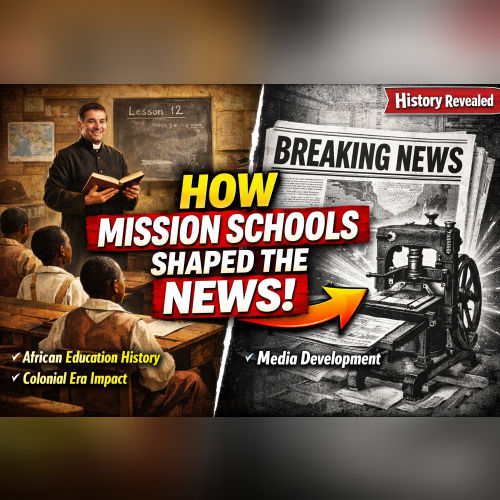
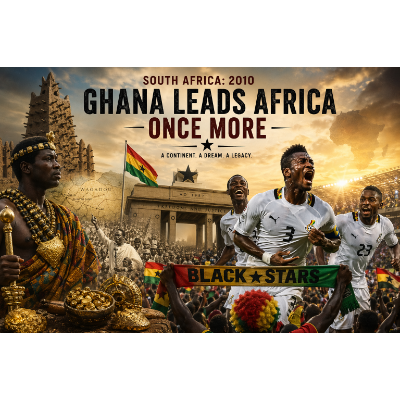
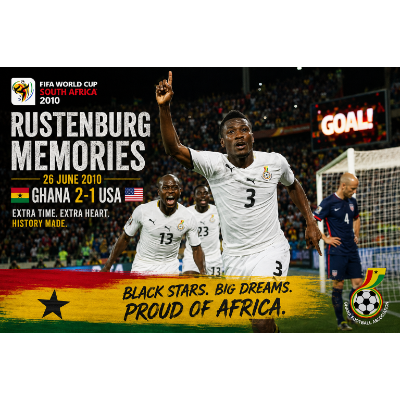
History is rarely linear. It moves in cycles—of rise, dispersal, memory, and resurgence. In July 2010, under the floodlights of Soccer City in Johannesburg, a moment unfolded that seemed to collapse centuries into ninety minutes (and then one hundred and twenty). Ghana’s Black Stars stood on the bri

Sociologists define religion as a system of shared beliefs and practices through which people relate to what they consider sacred or supernatural. In simple terms, religion helps people make sense of life, death, and the world beyond what we can see. A Cultural Universal One important idea in sociol

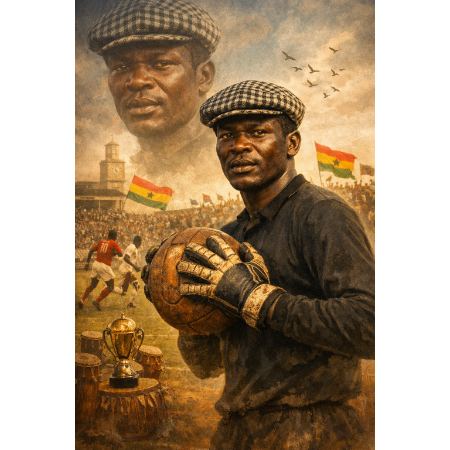
Robert Mensah: A Football Story and Tragedy in the Ghanaian Football In the annals of Ghanaian sporting history, few names evoke as much reverence, myth, and sorrow as Robert Mensah. His story is not merely about football; it is a narrative woven into the socio-cultural fabric of late colonial Gold
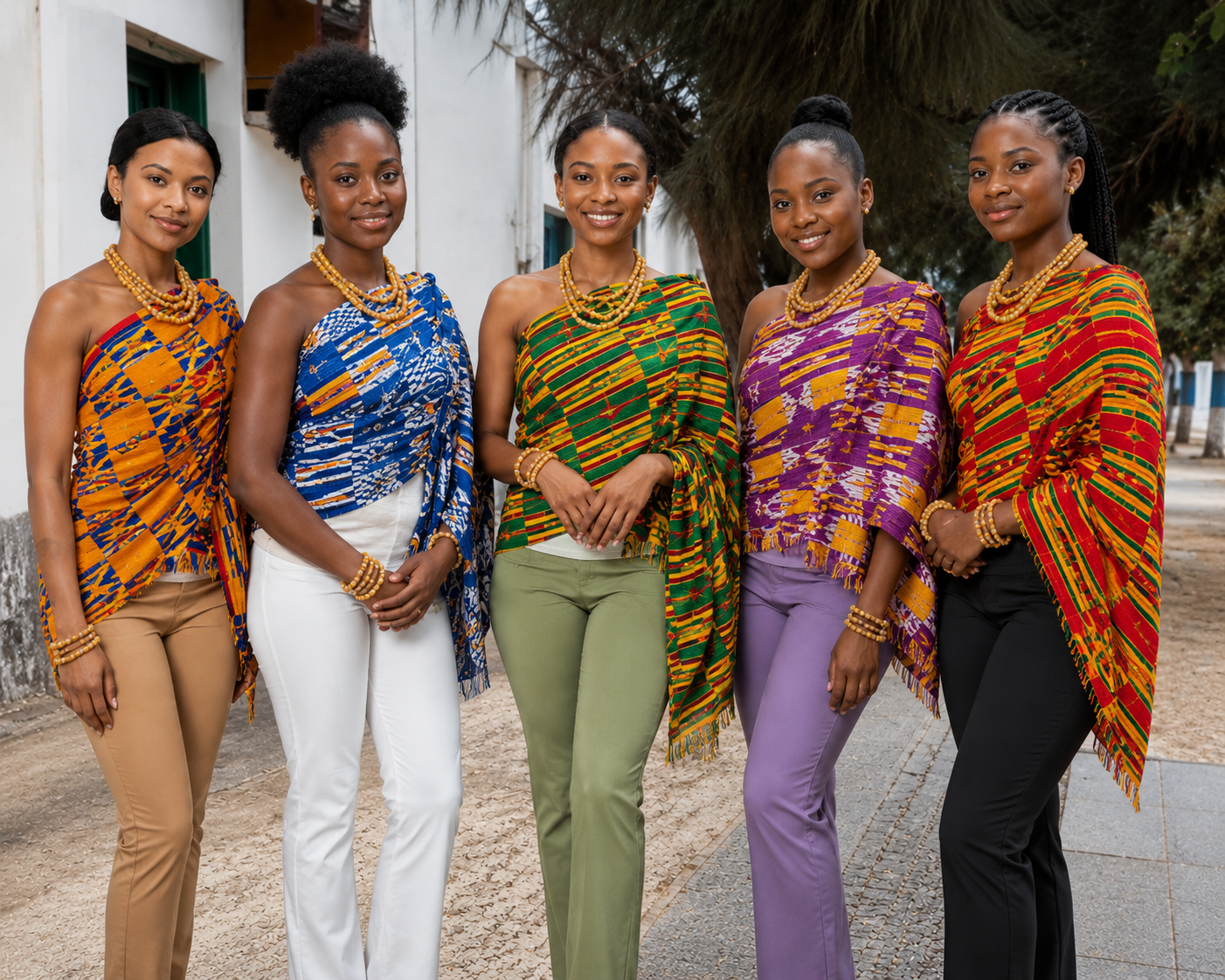
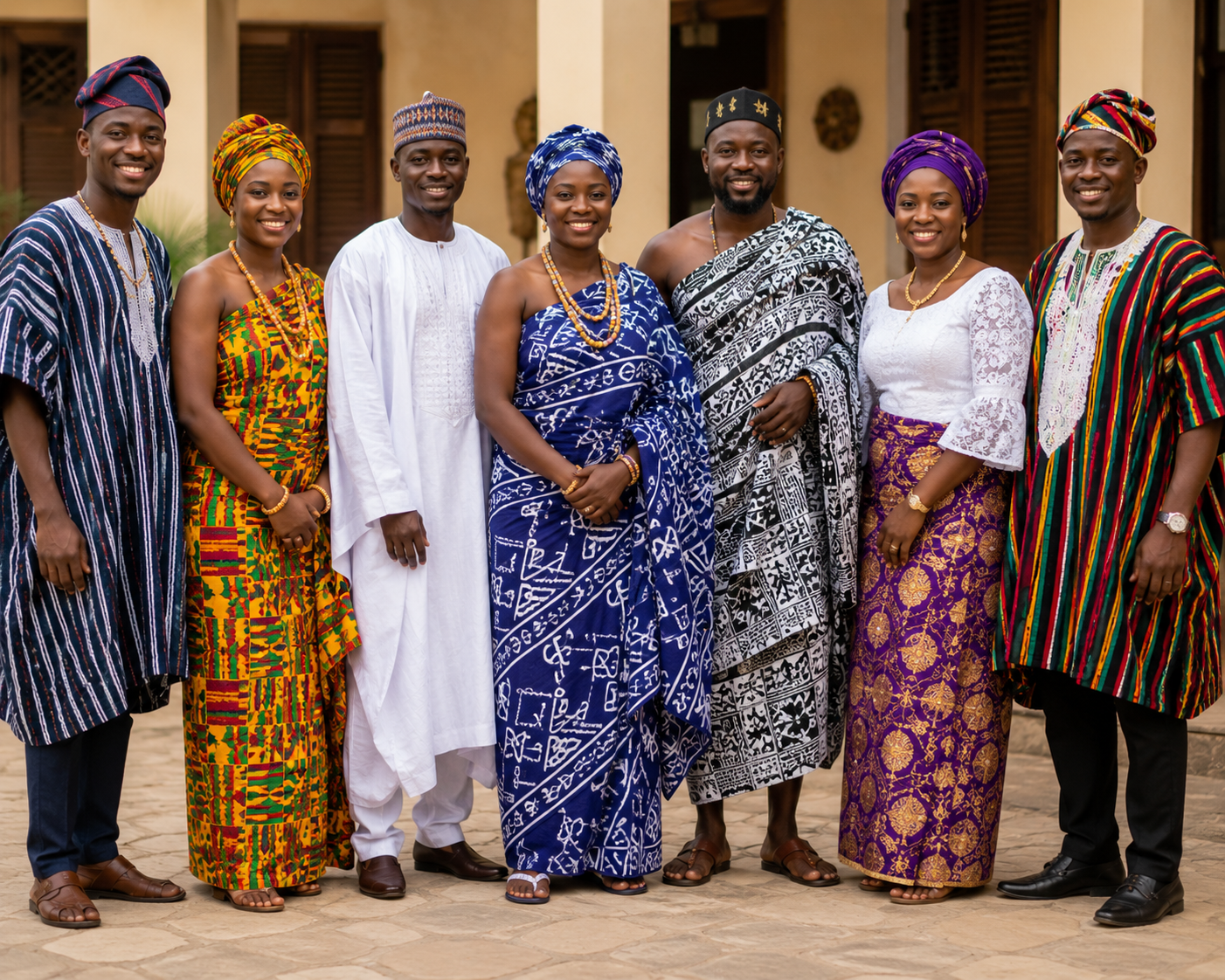
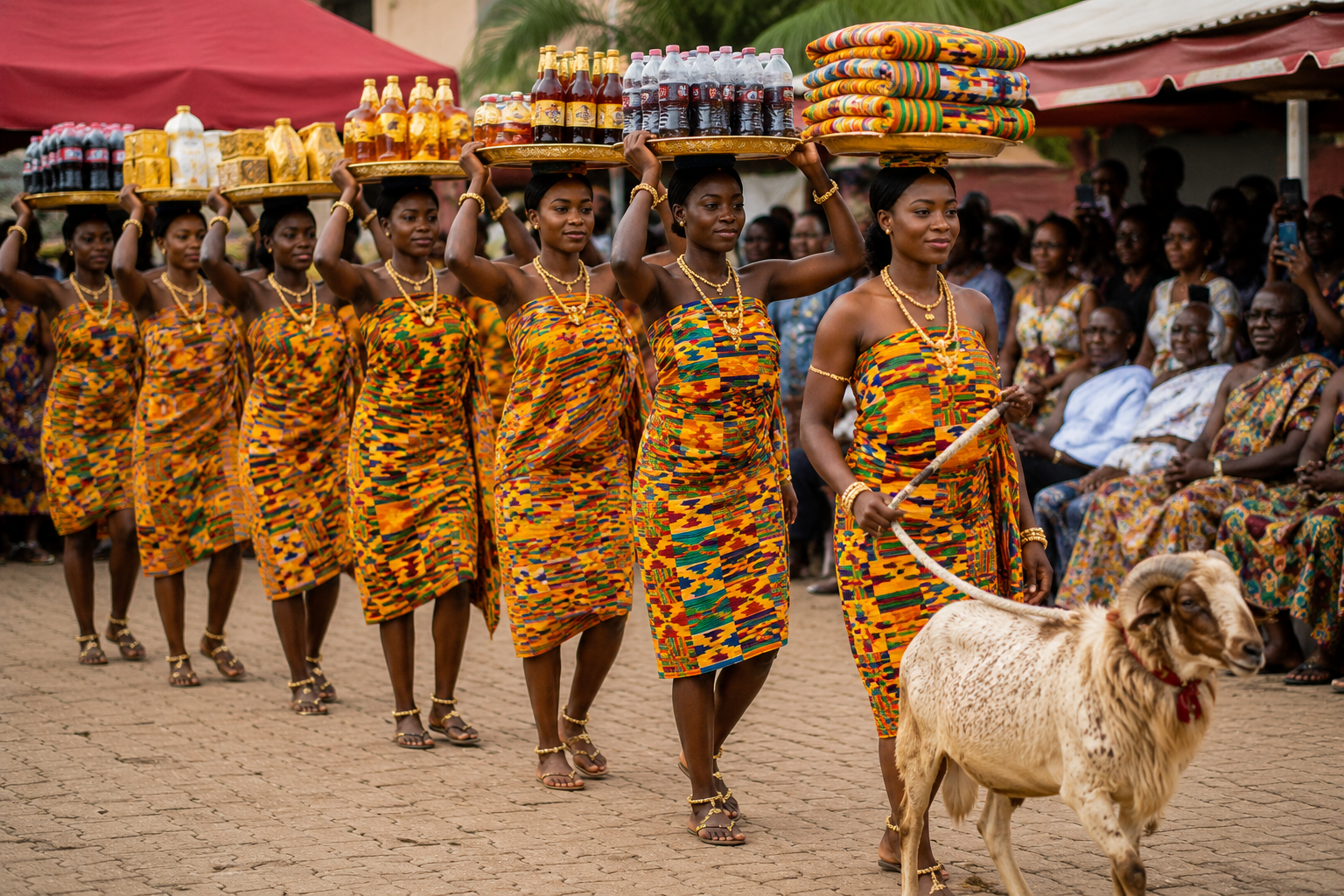
Kente cloth is one of the most famous traditional textiles of West Africa and is strongly associated with Ghana. It is a handwoven cloth made from narrow strips of silk or cotton that are stitched together to form a larger fabric. The cloth is distinguished by its brilliant colors, geometric pattern

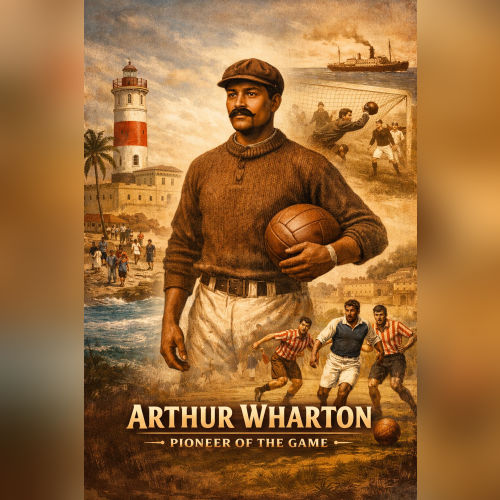
When people discuss the early history of football, the narrative often begins in Britain and gradually expands to the rest of the world. Rarely, however, does the conversation turn toward West Africa—particularly the historic Gold Coast, present-day Ghana. Yet one of the most remarkable pioneers of

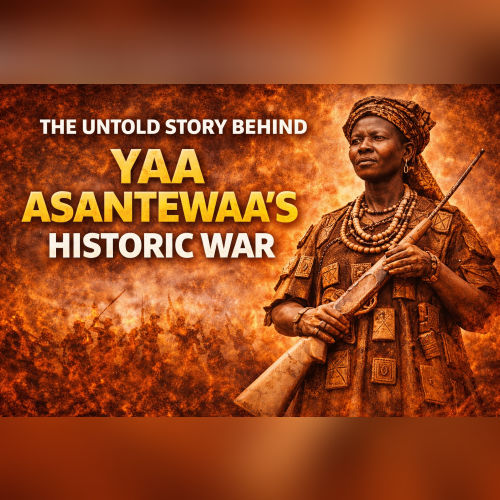
The leadership of Yaa Asantewaa in the 1900 war against British colonial rule remains one of the most extraordinary and symbolically powerful episodes in African resistance history. Her decision to lead the Ashanti (Asante) in armed rebellion was not an accident of circumstance—it emerged from a com

When the Gold Coast achieved independence on March 6, 1957, becoming Ghana, the event generated immense public excitement and hope. For millions of Ghanaians, independence was not merely a constitutional change—it represented the promise of economic prosperity, political empowerment, social transfor

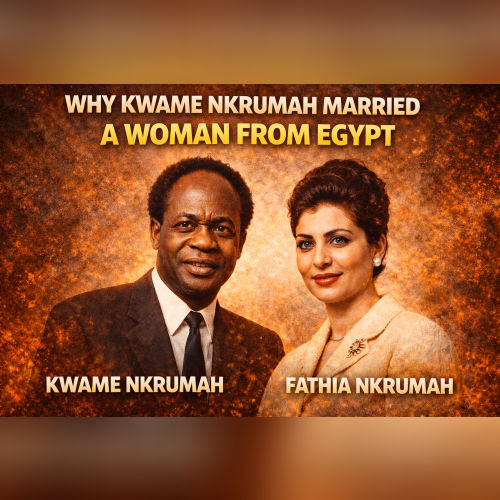
For many years, this question has generated curiosity, debate, and speculation. But the answer lies not only in romance. It lies in politics, diplomacy, and a bold continental vision during one of the most transformative periods in African history. When Ghana gained independence from Britain on Marc

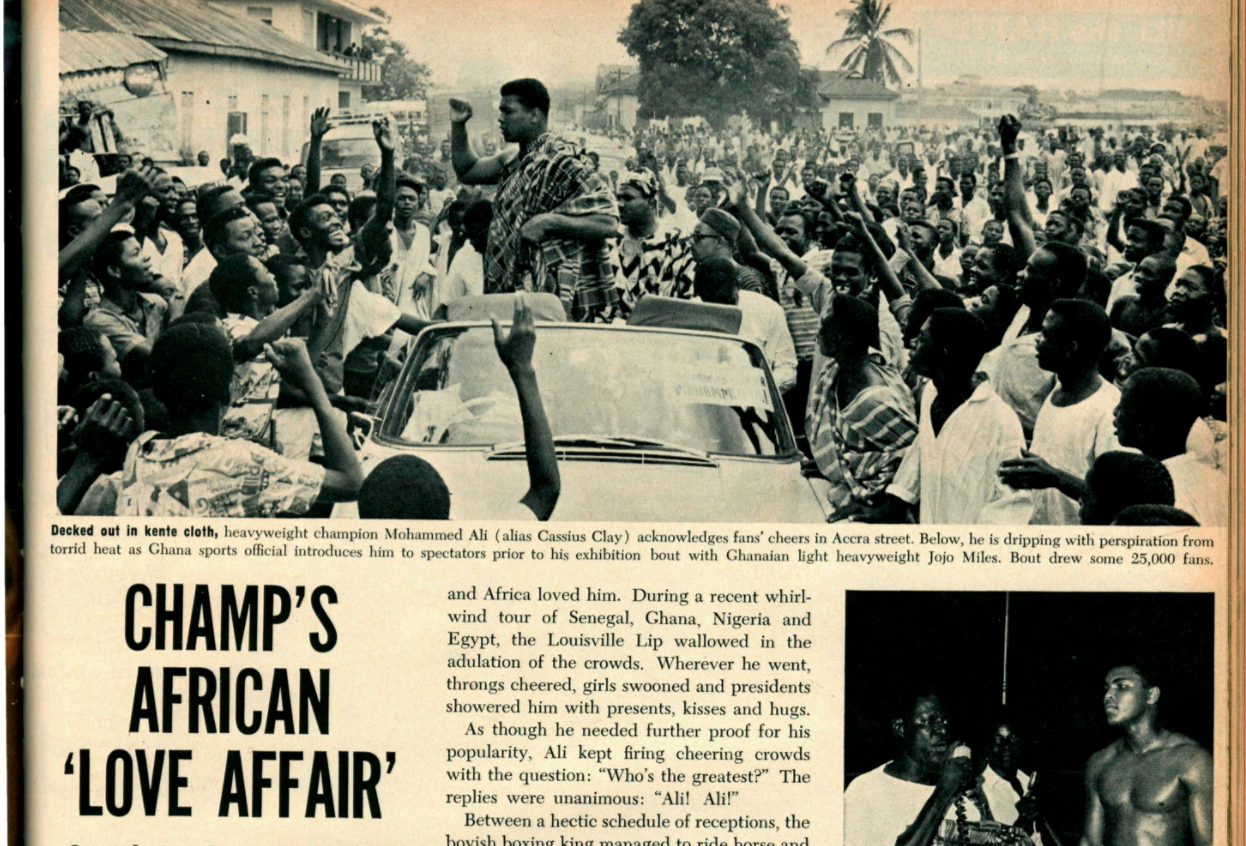
In 1964, at just 22 years old, the newly crowned world heavyweight boxing champion Muhammad Ali stepped onto Ghanaian soil—and into African history. Fresh from his stunning victory over Sonny Liston in Miami, the young champion—then newly renamed Muhammad Ali—embarked on a tour of Africa. One of the

The relationship between newspapers and Ghana’s Independence Day celebrations is deeply rooted in the country’s political history and media evolution. From the late colonial period through the attainment of independence in 1957 and into the post-colonial era, newspapers played a central role in docu

The portrayal of Kwame Nkrumah as a national hero was not simply a spontaneous public perception—it was carefully shaped, amplified, and sustained through newspapers and other media channels during the late colonial and early post-independence periods. In the Gold Coast, now Ghana, the press played

The development of newspaper culture in the Gold Coast—today known as Ghana—was inseparable from the spread of formal education during the nineteenth and early twentieth centuries. Education did far more than teach reading and writing; it fundamentally reshaped social structures, created new intelle

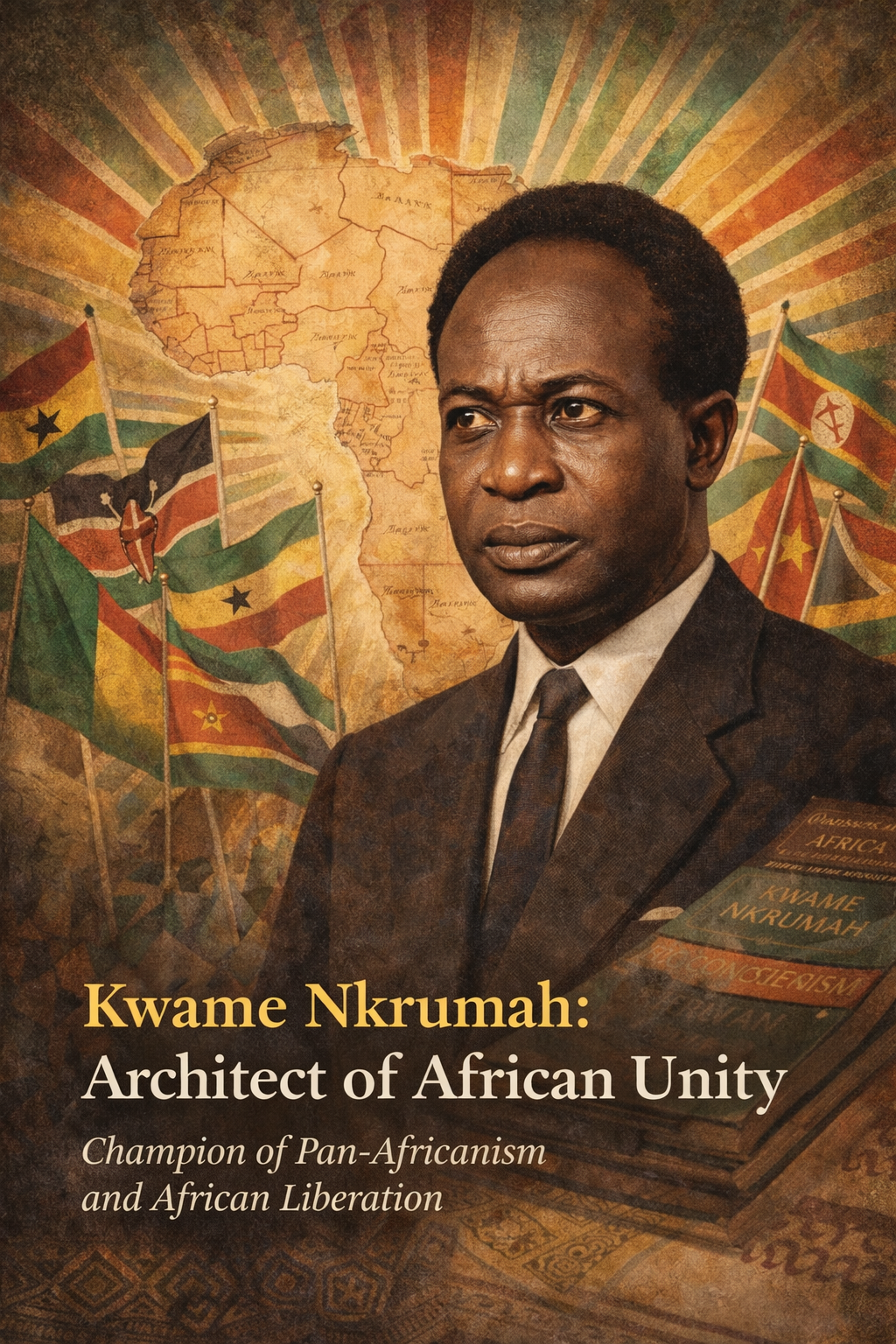
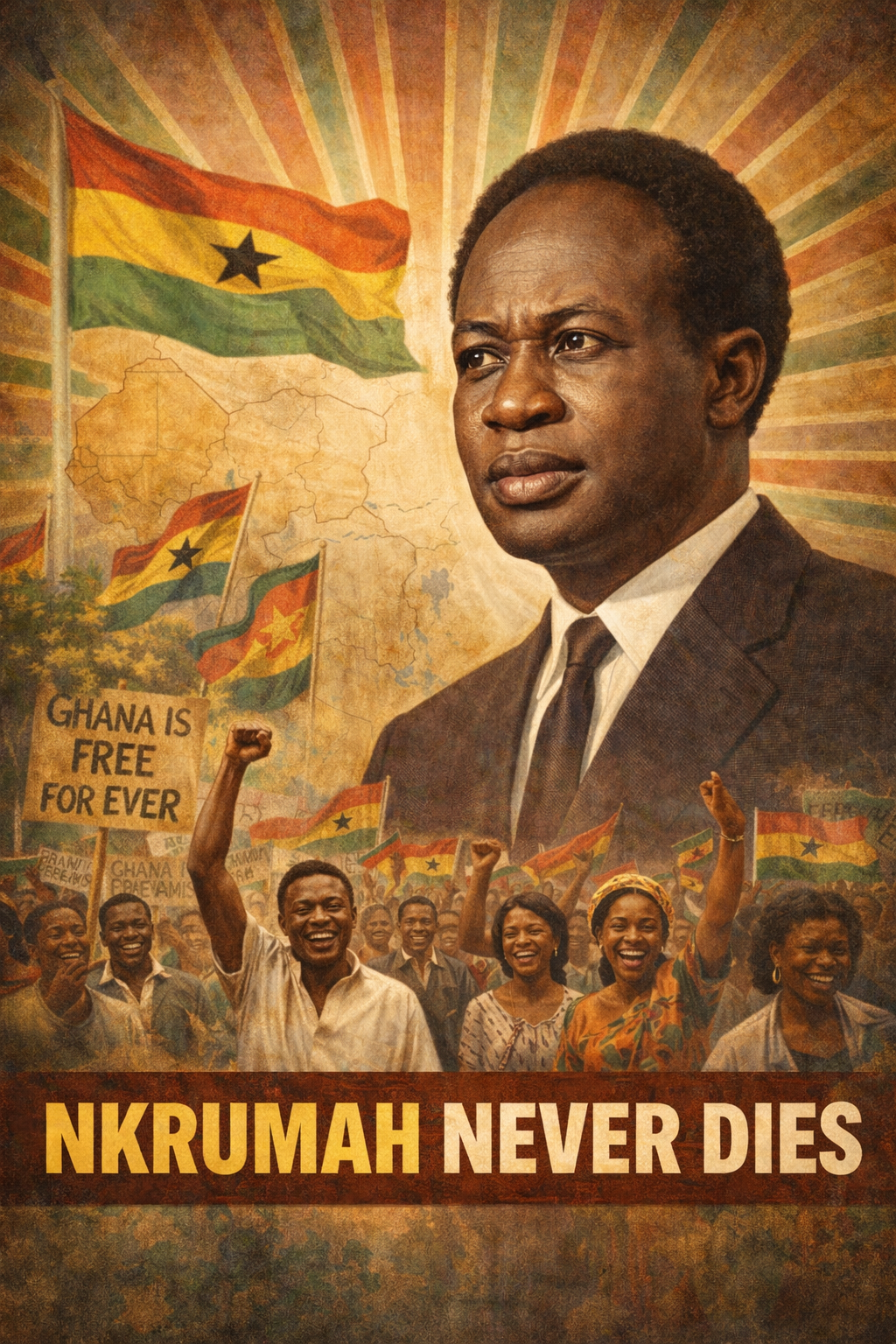
Early Life and Education Kwame Nkrumah was born in 1909 in what Ghana is now, West Africa. He studied both in Ghana and overseas, gaining knowledge that would later shape his vision for his country and the continent. Leader of Ghana’s Independence Nkrumah emerged as one of the most prominent politic

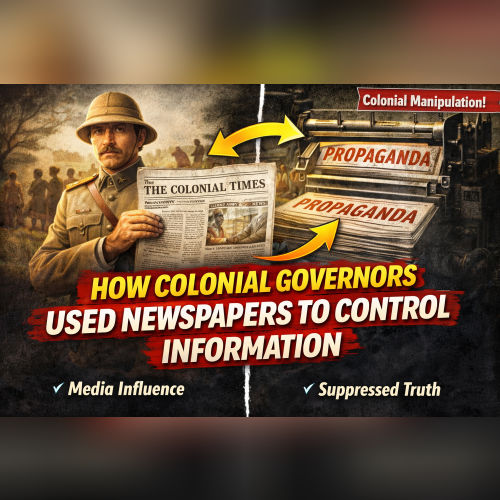
During the colonial period in the Gold Coast—modern-day Ghana—newspapers were not merely instruments of public communication; they were powerful tools of governance and political control. Colonial governors recognized early that controlling the flow of information was essential for maintaining autho

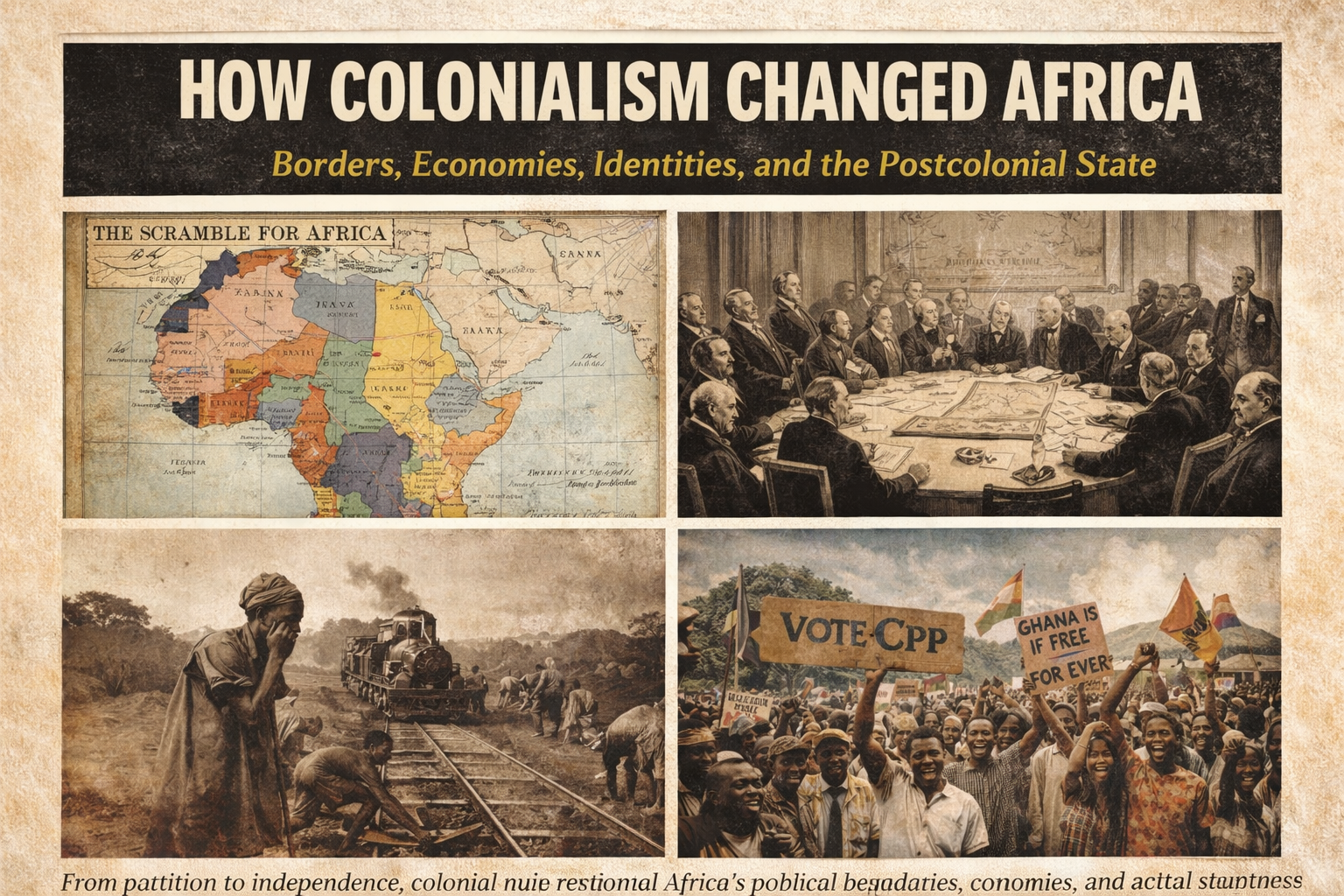
The Slave Trade and Demographic Devastation When we talk about Africa today—its borders, its languages, its religions, its politics—we are also talking about colonialism. The Africa we know in the twenty-first century did not emerge naturally from the past. It was profoundly shaped by centuries of f

The growth of newspaper readership in the Gold Coast—modern-day Ghana—cannot be understood without examining the critical role played by nineteenth-century mission schools. These educational institutions, established by European Christian missions, were not only centers of religious instruction but

The end of the trans-Atlantic slave trade in the nineteenth century is often presented in historical narratives as a clear moral victory led by European abolitionists. However, in reality, the process was complex, uneven, and frequently misrepresented—particularly in early newspapers and colonial re

The qualification of the Ghana national football team — popularly known as the Black Stars — for the 2006 FIFA World Cup stands as one of the most transformative milestones in Ghana’s sporting and national history. It was not merely a football achievement; it was the culmination of decades of ambiti

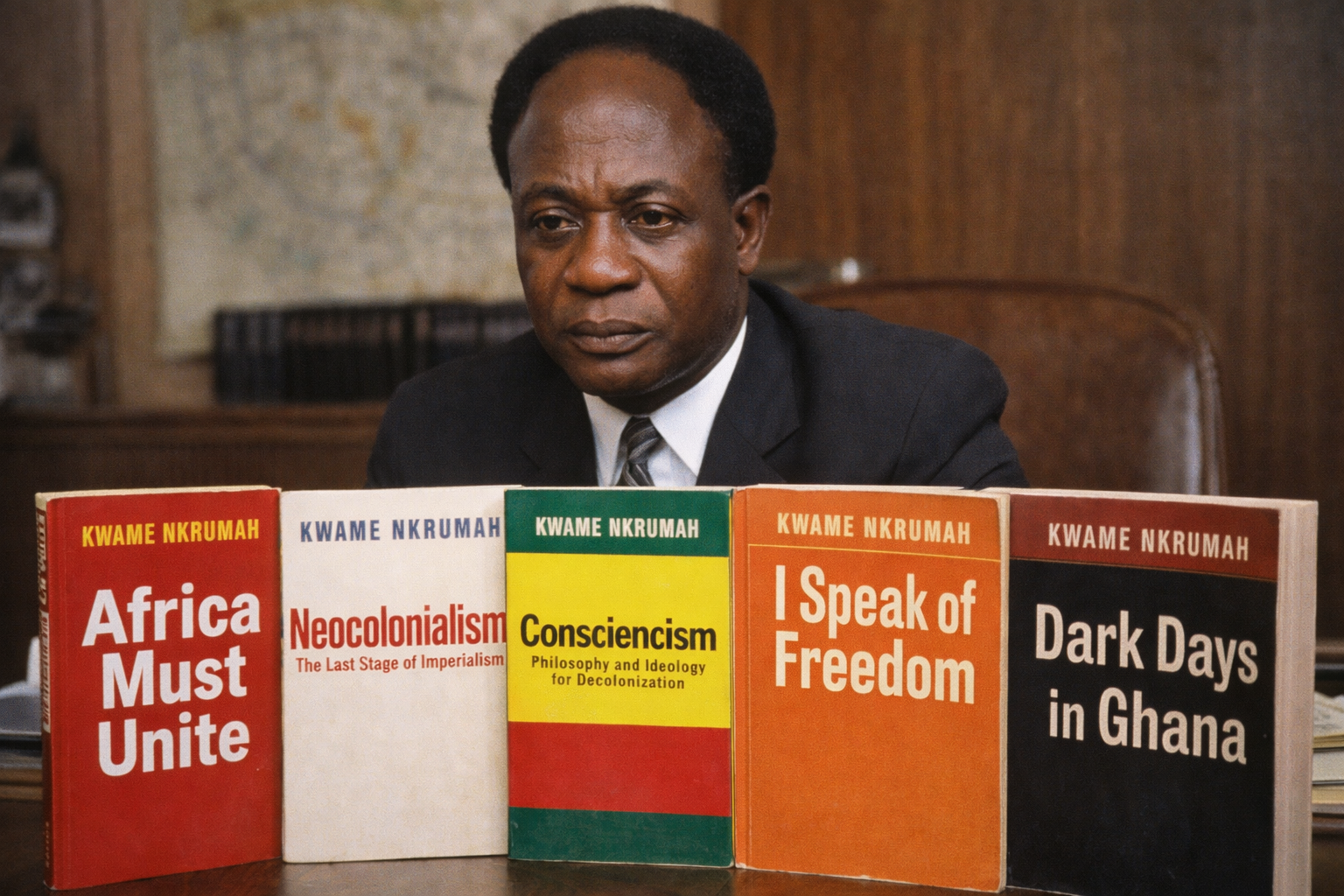
Kwame Nkrumah is one of the foremost Pan-Africanists Africa has ever produced. He devoted his life to the political, economic, and cultural liberation of the African continent. He played a leading role in the establishment of the Organization of African Unity (OAU), now known as the African Union (A

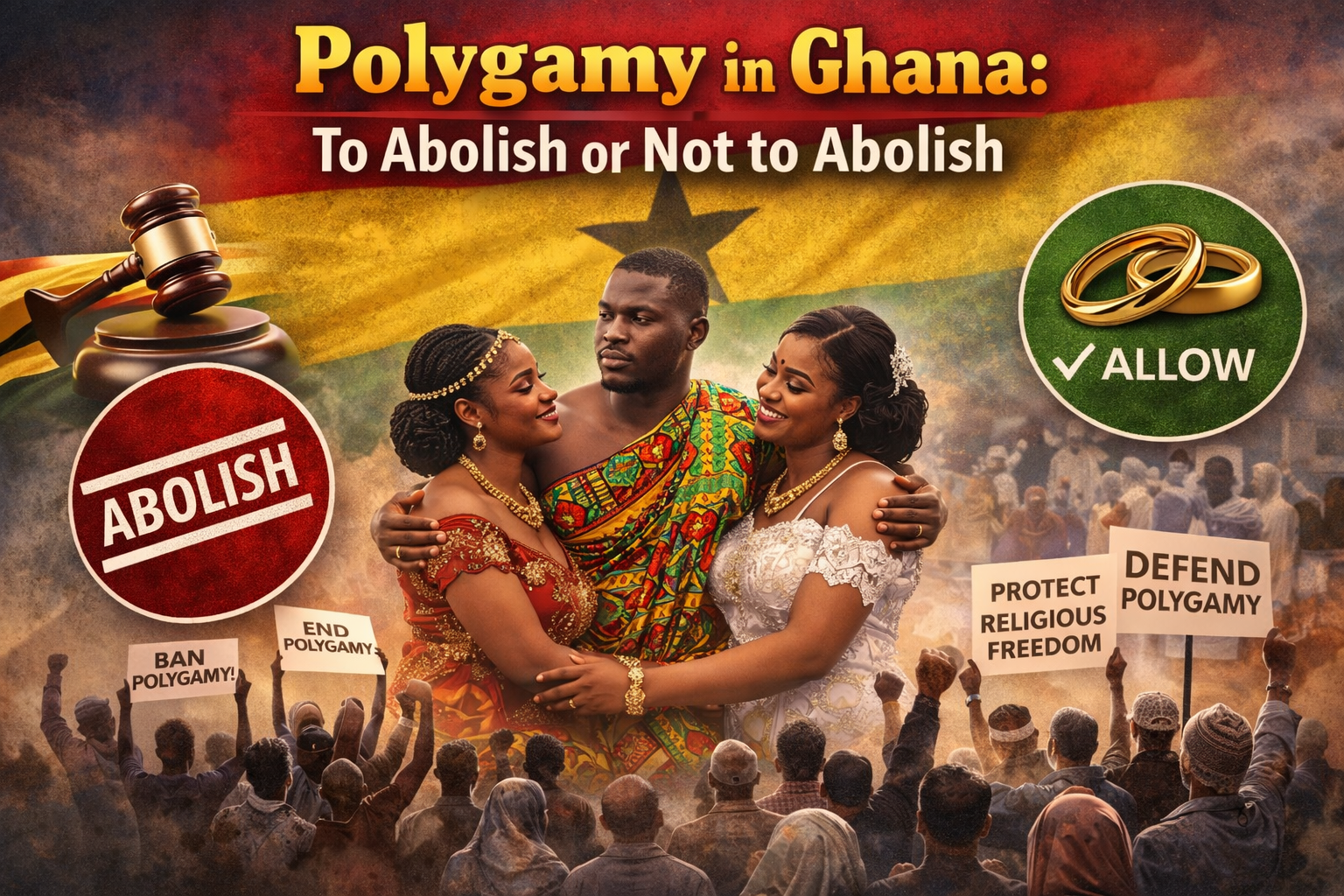
Polygamy refers to a marital arrangement in which a person is permitted to have two or more spouses at the same time. Although the term polygamy is often used loosely in everyday conversation, sociologists and anthropologists make important distinctions among its different forms. There are two main

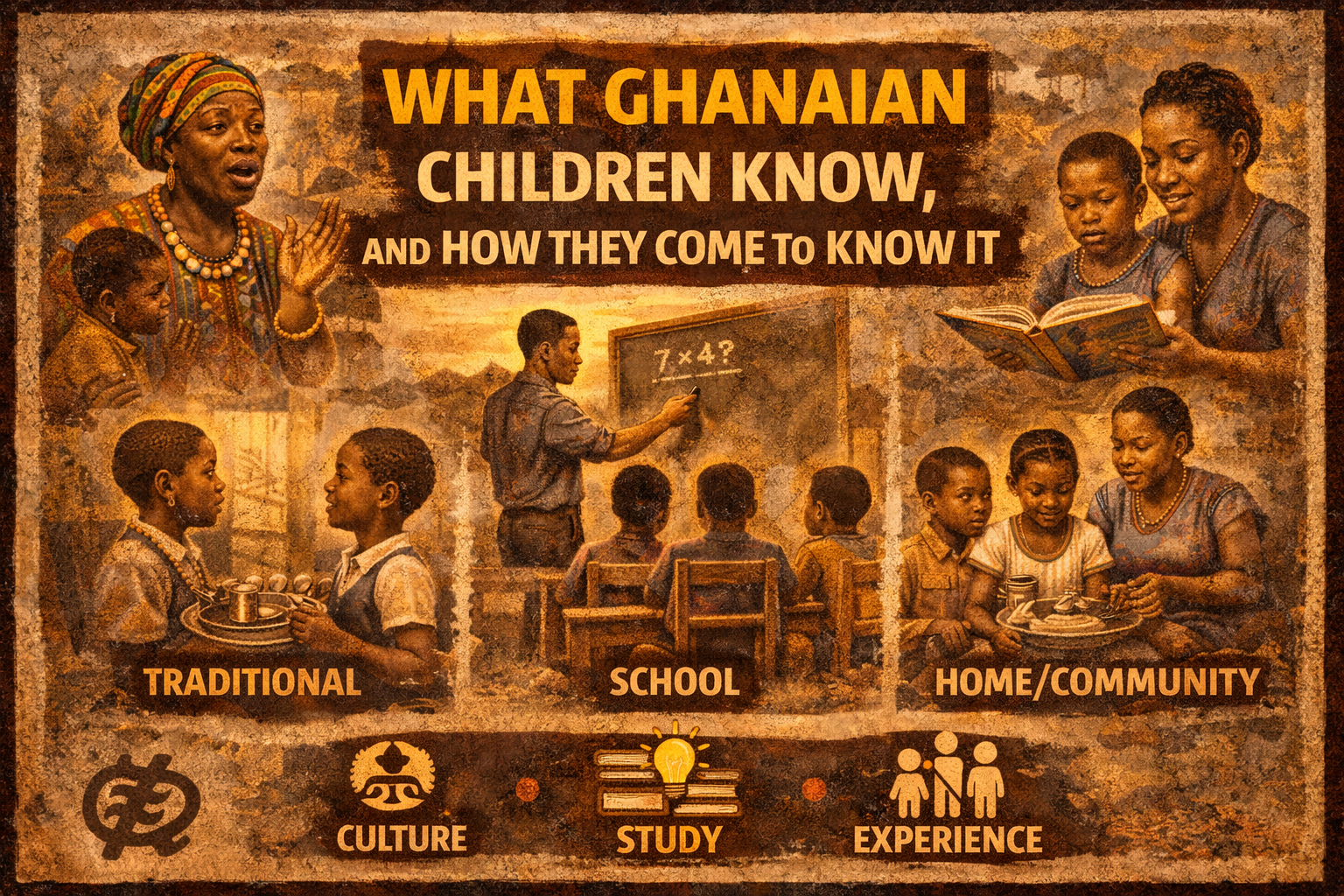
No one is born with knowledge. Human beings are born with the capacity to learn, but what they eventually know—how they speak, think, behave, believe, and interpret the world—is acquired from society. Knowledge, values, attitudes, and skills are socially produced and socially transmitted. By the tim

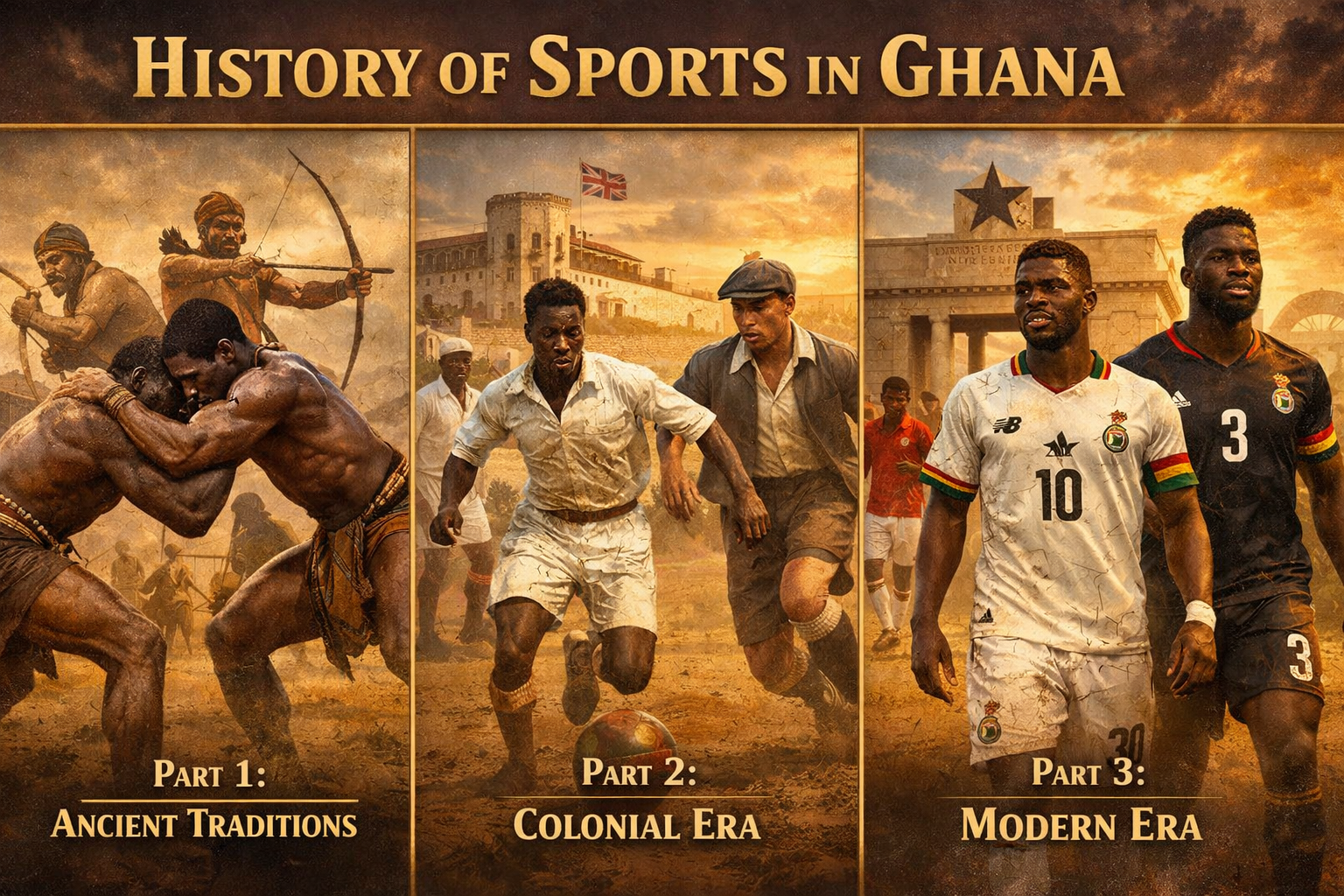
Introduction: Sport as a Mirror of Ghana’s History Long before Ghana was known by its modern name, sport and physical competition were already embedded in the social, political, and spiritual life of its people. From the ancient kingdoms of the Gold Coast to independence in 1957 and into the modern

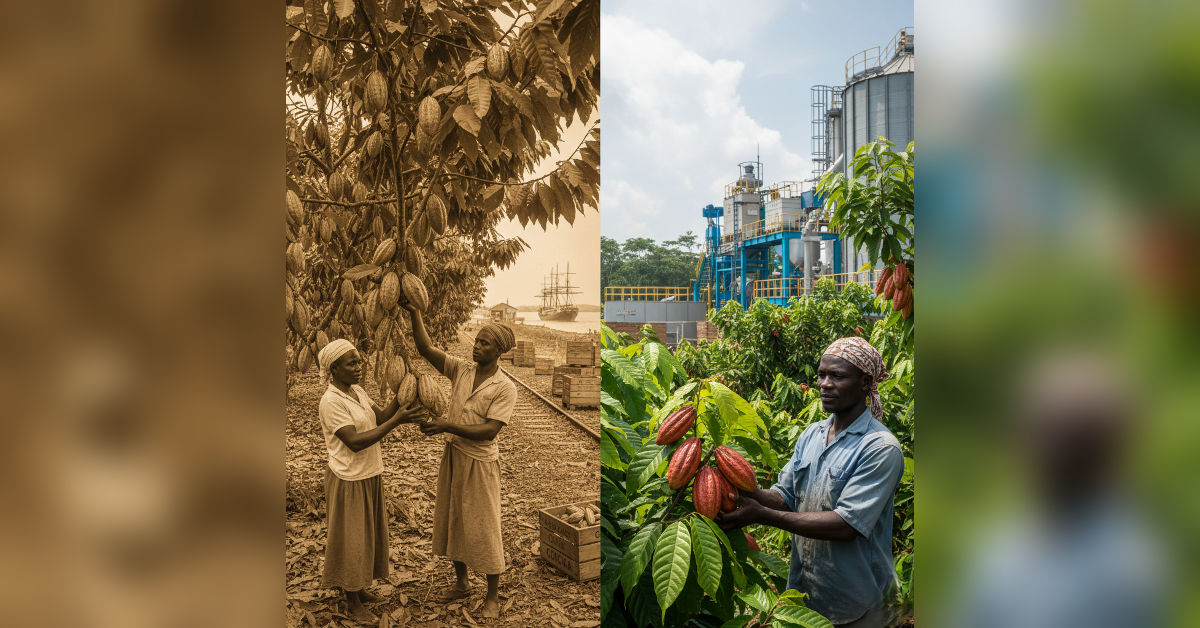
Few business stories have shaped Ghana as deeply and enduringly as cocoa. From a small agricultural experiment in the late 19th century to becoming the backbone of the national economy, cocoa transformed the Gold Coast into one of the world’s most important producers and laid the foundation for mode

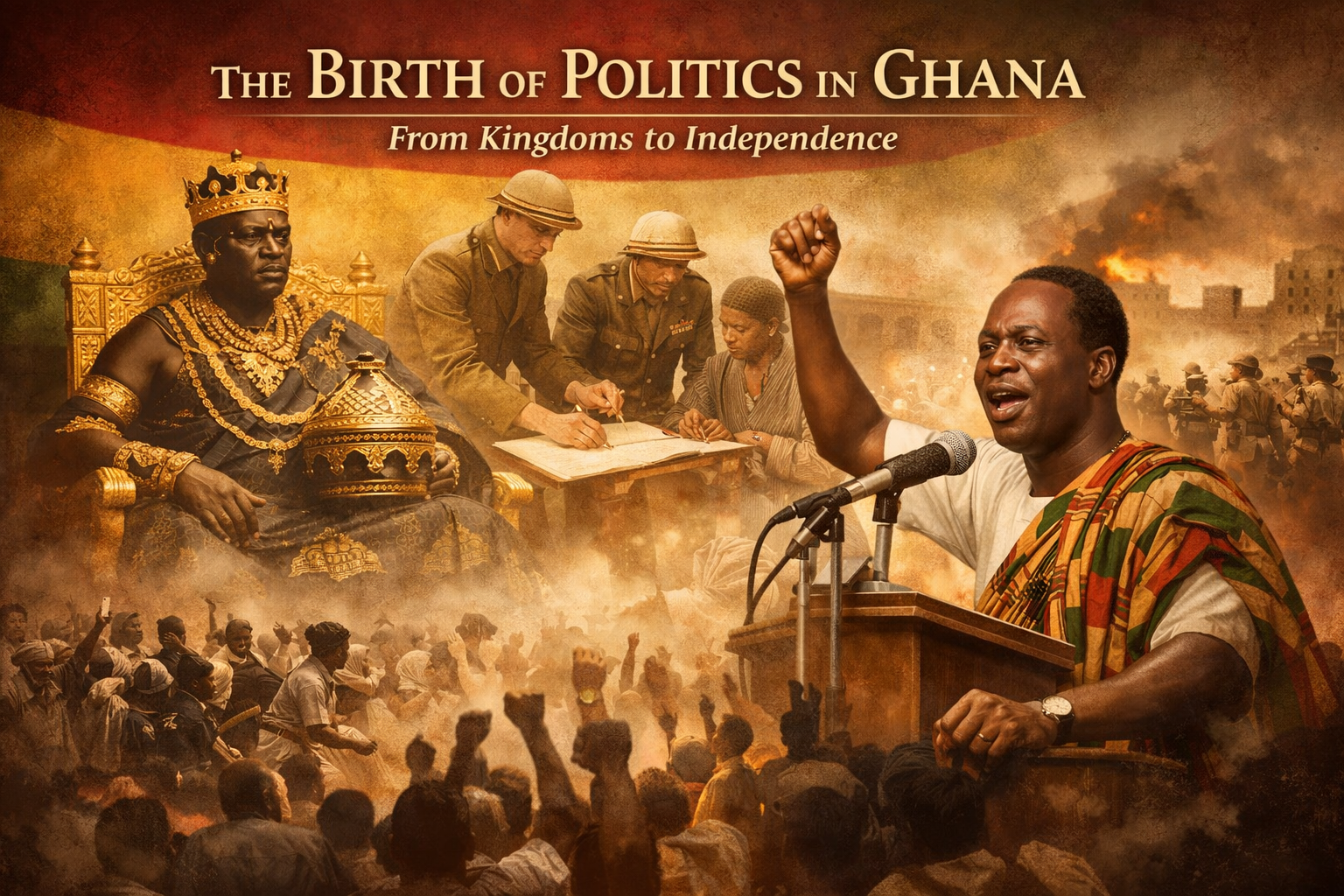
Politics Before the State Called Ghana Long before the name Ghana was adopted in 1957, the land and peoples of the Gold Coast had already developed sophisticated political systems. Politics in Ghana did not begin with Europeans or colonial rule; it evolved from indigenous governance structures, cust


The article explains why the star in Ghana's flag is black, instead of white, silver or golden

Ghana is a country with a rich and vibrant cultural heritage. Long before the arrival of Europeans, the people who inhabited the territory now known as Ghana had developed sophisticated political syst

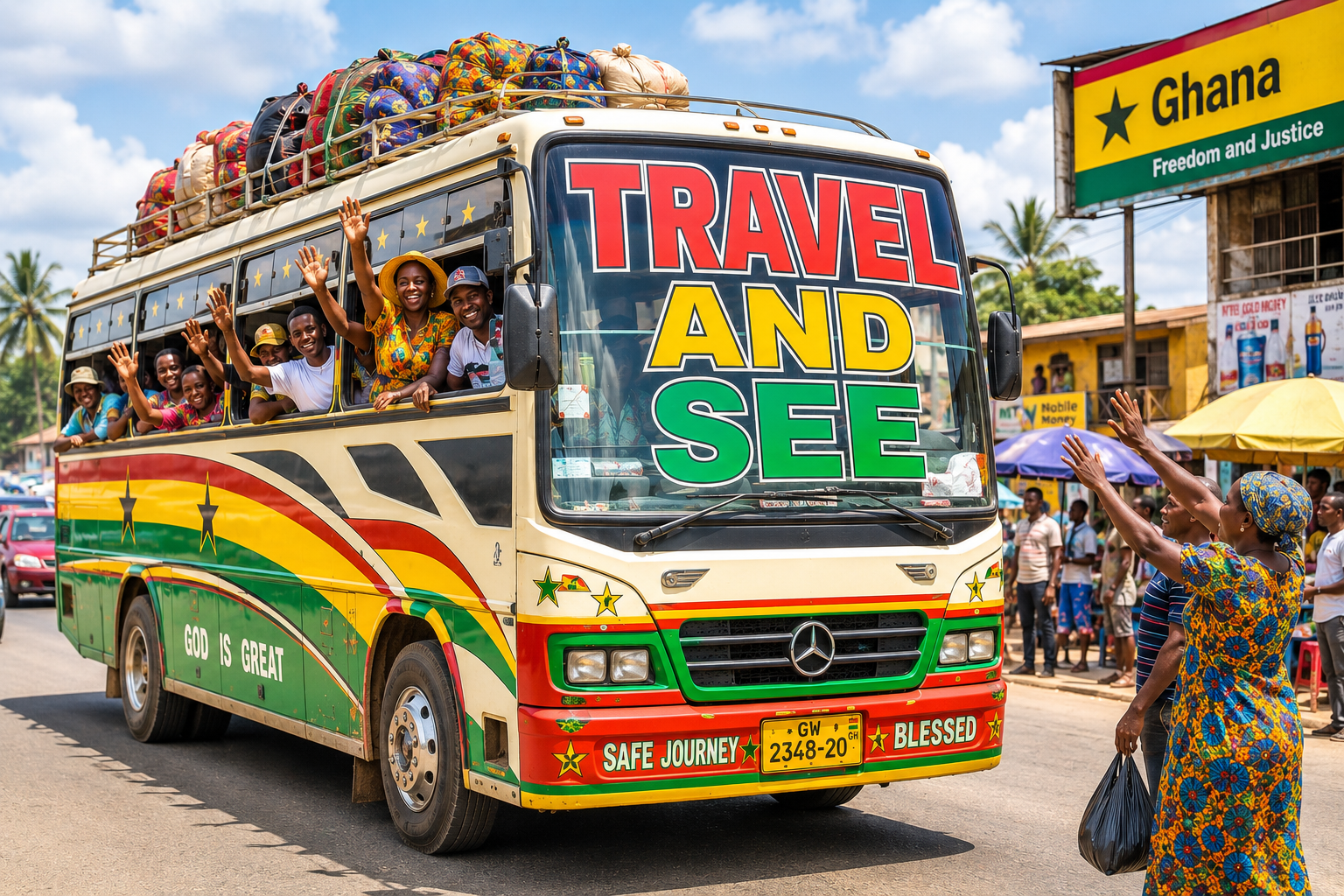
A Popular Ghanaian Vehicle Inscription Ghanaian commercial vehicles are often adorned with colorful inscriptions that convey wisdom, faith, humor, and life lessons. One common inscription seen on veh

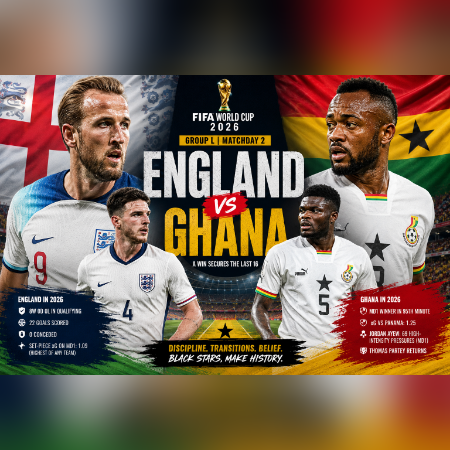
A tactical analysis of what could be a historic encounter between Ghana and England.

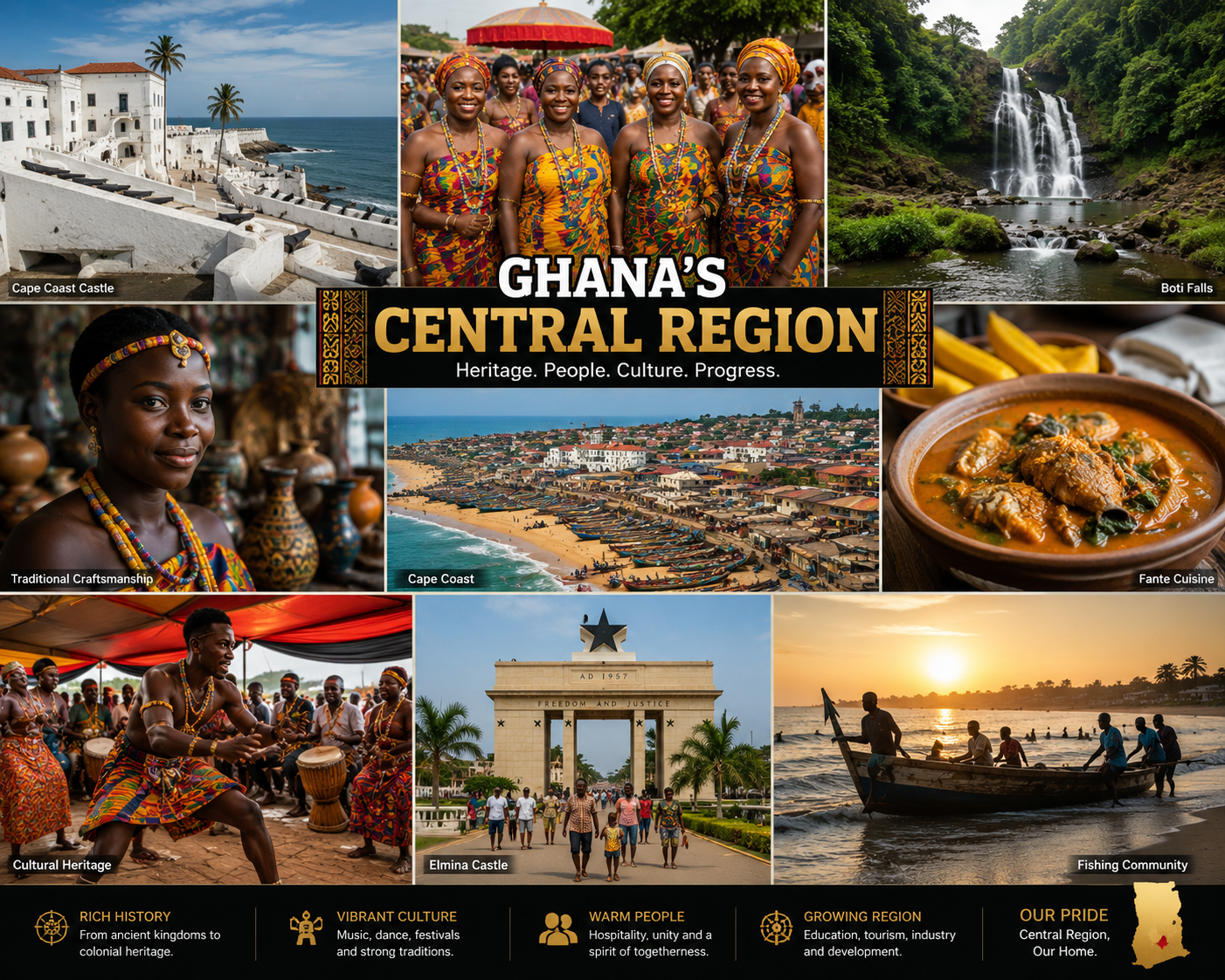
Introduction Among Ghana’s sixteen administrative regions, few possess the historical significance, educational prominence, and cultural richness of the Central Region. Located along Ghana’s southern

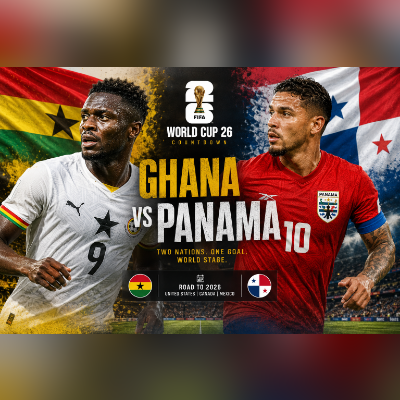
With barely a few hours to the encounter between Ghana and Panama, we try to explore and understand the nature of football legacy that comes with this encounter.

Introduction The Akan have a wise saying: "If you plant plantain, you will harvest plantain; if you plant cassava, you will harvest cassava; and if you plant pineapples, you will harvest pineapples."

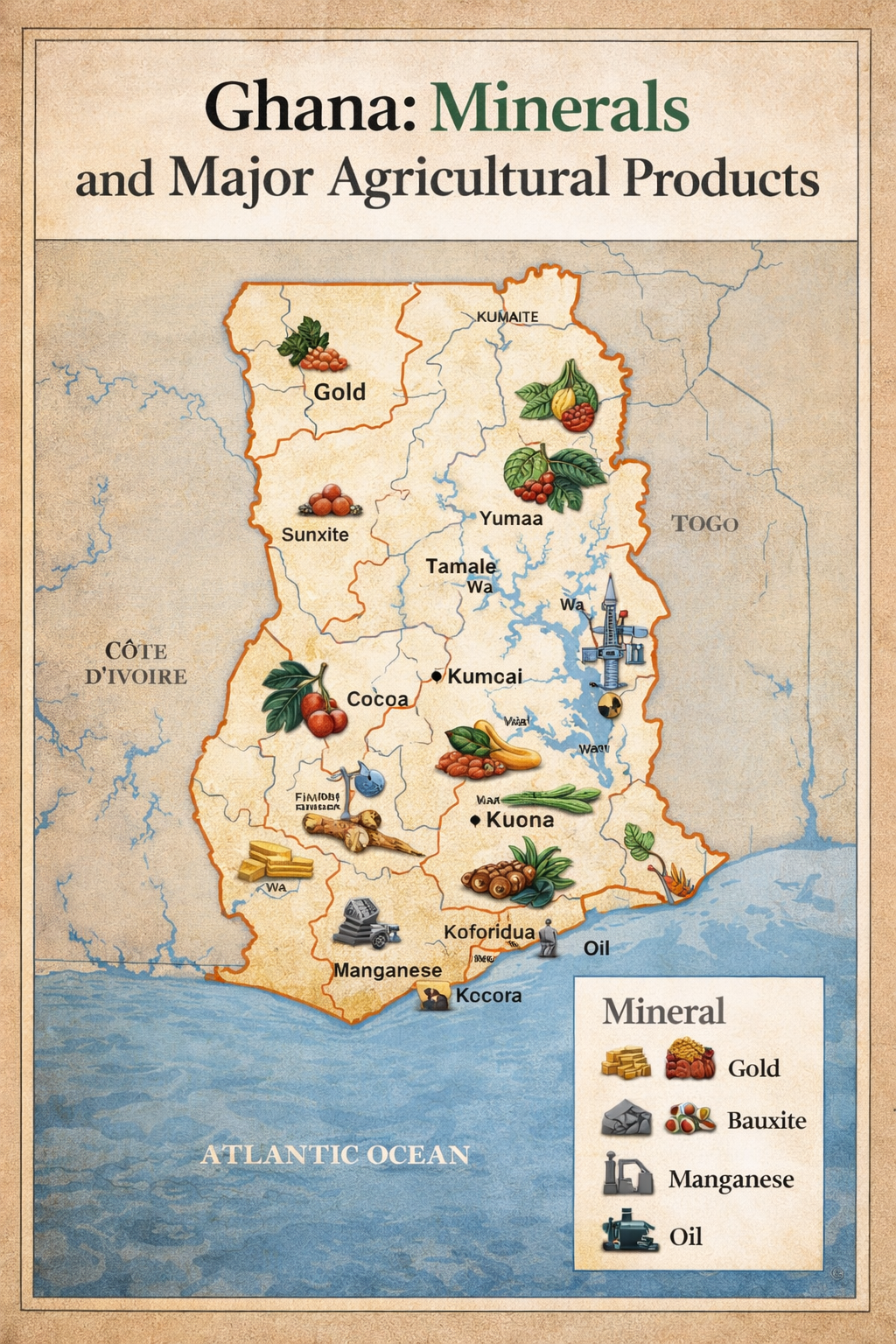
A Nation Richly Endowed Ghana is richly blessed with natural and human resources. The country possesses some of the world's finest deposits of gold and diamonds. It is endowed with bauxite, manganese

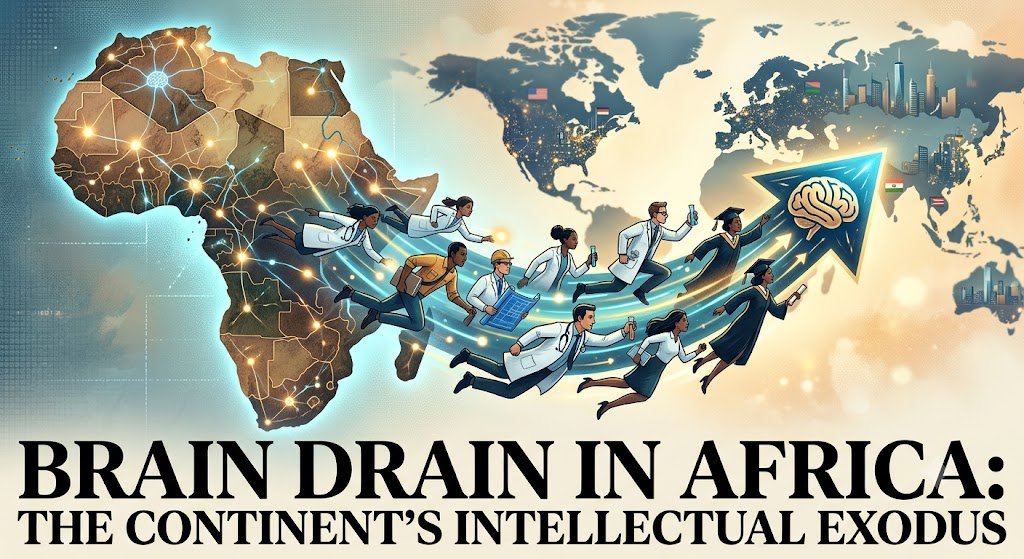
Introduction One of the greatest challenges confronting African countries today is the phenomenon known as "brain drain." Every year, thousands of highly educated and skilled Africans leave their hom

Ghana is widely celebrated as one of Africa's most stable democracies. Since the return to constitutional rule in 1992, the country has conducted regular elections, witnessed peaceful transfers of pow

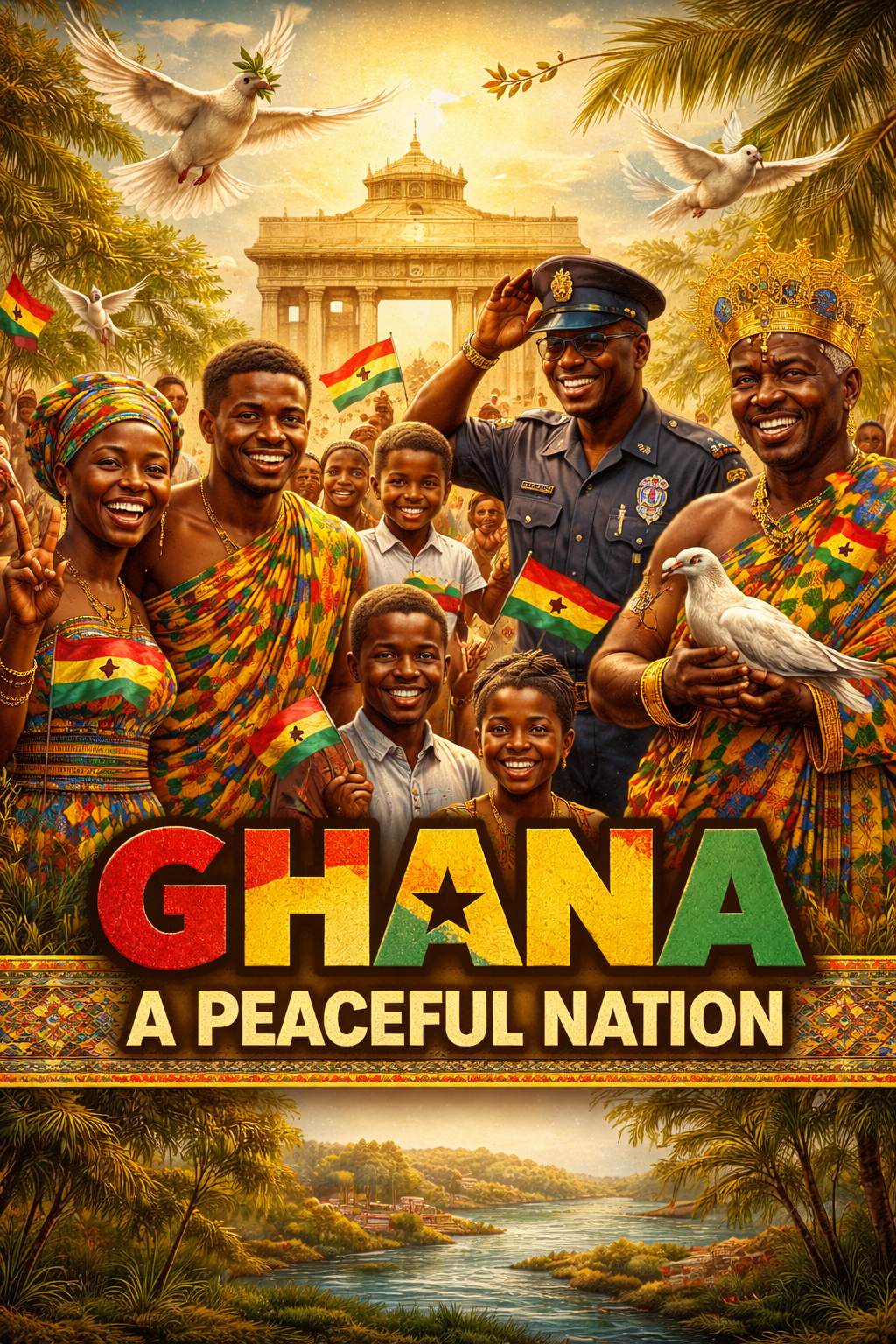
Ghana is often celebrated as one of Africa’s most peaceful and culturally vibrant nations. From the bustling markets of Accra to the fishing communities along the coast, from the savannah settlements

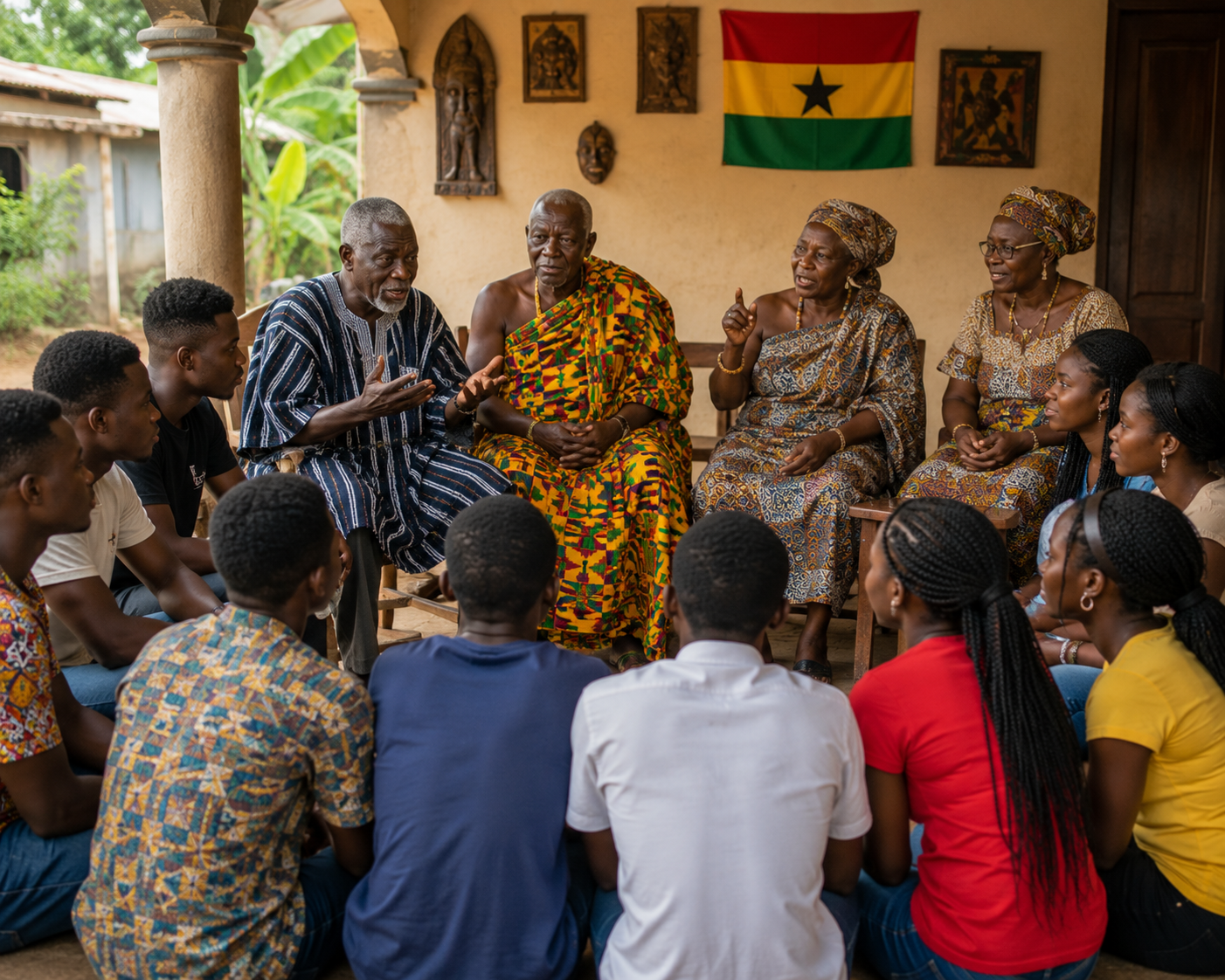
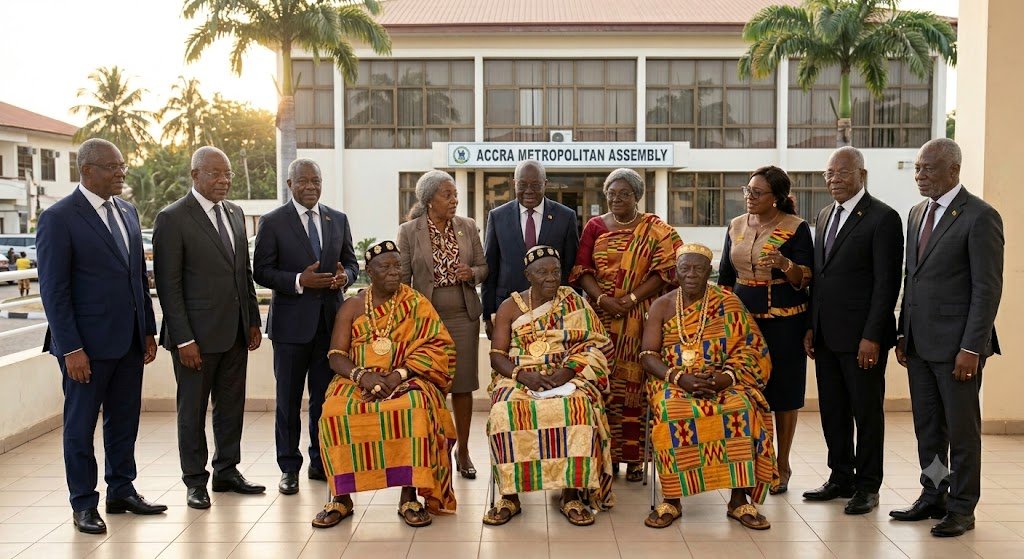
In traditional Ghanaian society, old age is not merely a biological stage of life; it is a position of honor, wisdom, and social responsibility. Elderly men and women occupy a special place within fam

multilingualism, language

Concluding our series on the Black Stars’ remarkable 2010 World Cup campaign is a feature that reflects on its enduring significance for both Ghanaian and African football

Conspicuous Consumption and the Funeral Arena The term “conspicuous consumption” was coined by the American economist and sociologist Thorstein Veblen in his classic work The Theory of the Leisure Cl
This piece takes us back to another breathtaking highlight from the 2010 world cup where the Black Stars reaffirmed their authority in the game of football when the entire world was watching.

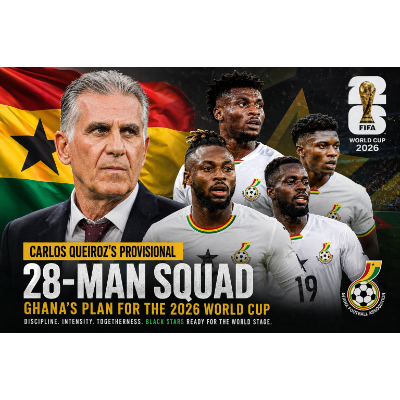
Today's discussion in our series of coverage sports of the black stars heading into the world cup examines the provisional 28-man squad released by Black Stars head coach Carlos Queiroz.

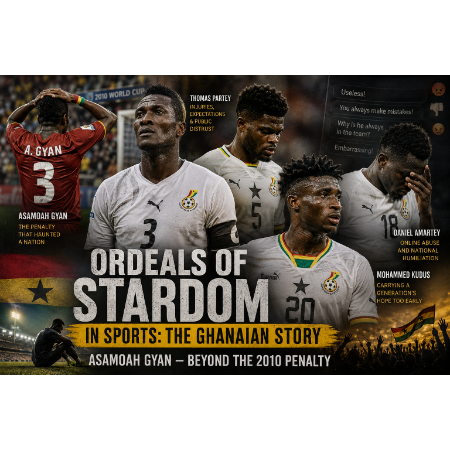
Asamoah Gyan — Beyond the 2010 Penalty There is another layer to Gyan’s ordeal that many people overlook. After the 2010 World Cup heartbreak, he again missed a crucial penalty during the 2012 Afric

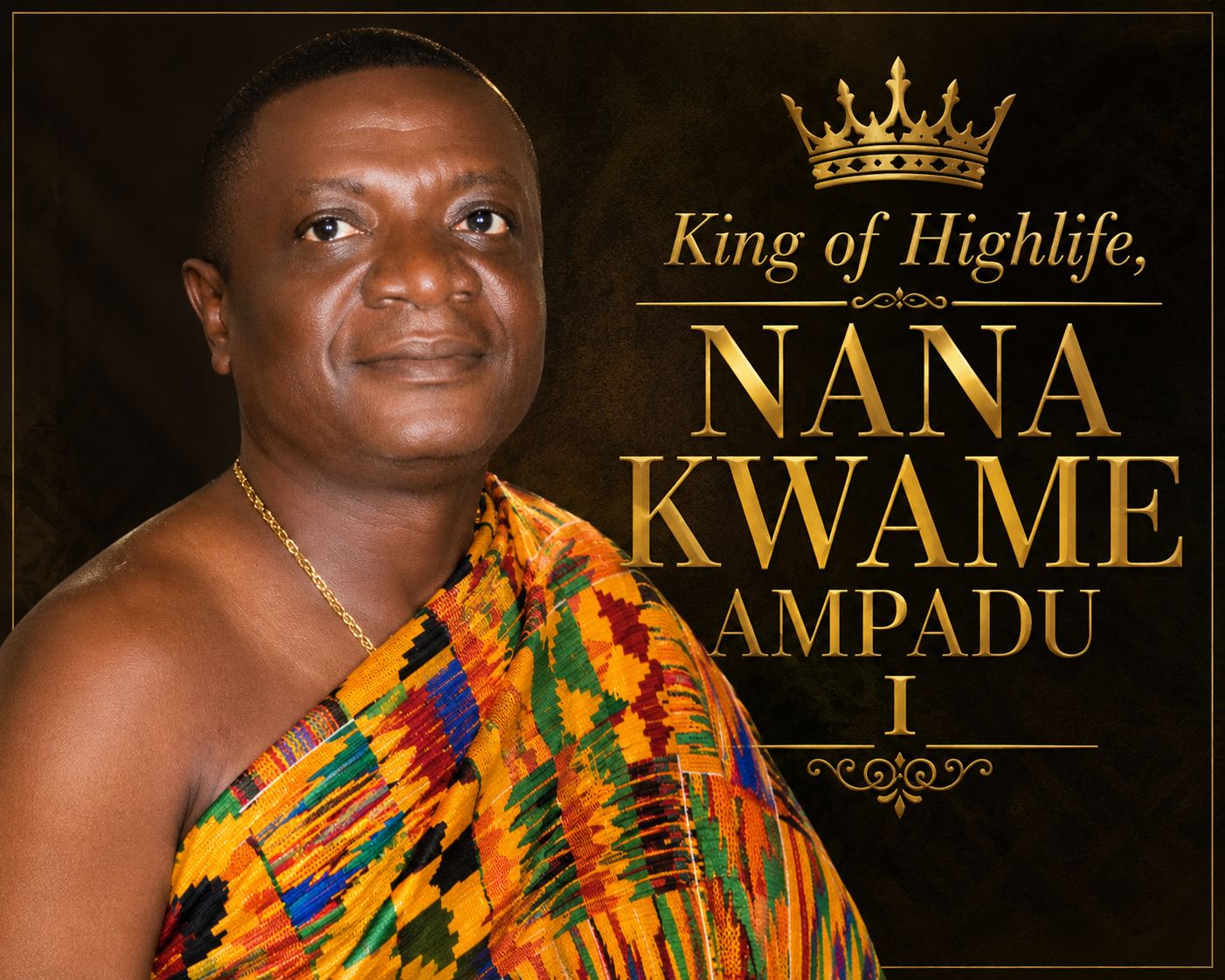
King of Highlife, Nana Ampadu Among the pantheon of Ghanaian musicians who shaped the soundscape of modern West African music, few names command the reverence accorded to Nana Kwame Ampadu I. A compo

From Childhood Fascination to Lifelong Pacifism My father used to tell us stories about the Second World War. As children, we listened with a mixture of awe and excitement. The accounts of military a

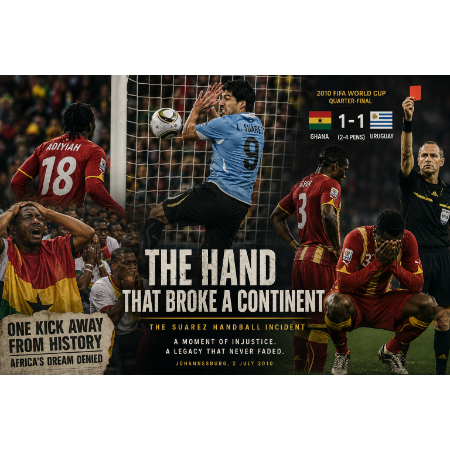
There are football matches that end with a scoreline, and there are matches that never truly end. The 2010 FIFA World Cup quarter-final between Ghana national football team and Uruguay national football team belongs firmly in the second category. More than fifteen years later, the image still burns

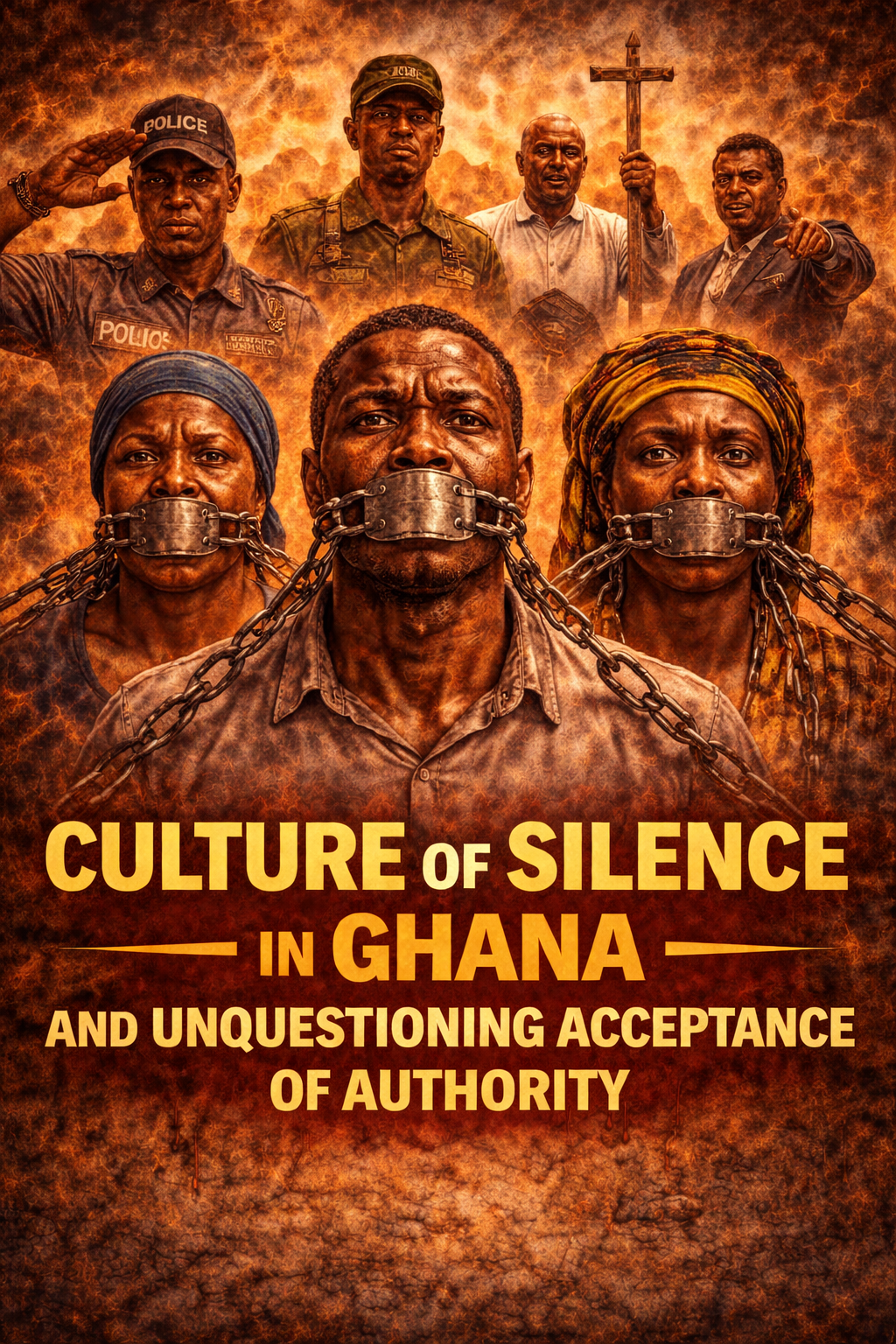
An observable feature of Ghanaian social life is a recurring tendency toward silence in moments that might otherwise call for resistance or confrontation. Even when individuals experience clear forms of mistreatment, there is often a strong social and cultural pull toward restraint rather than actio

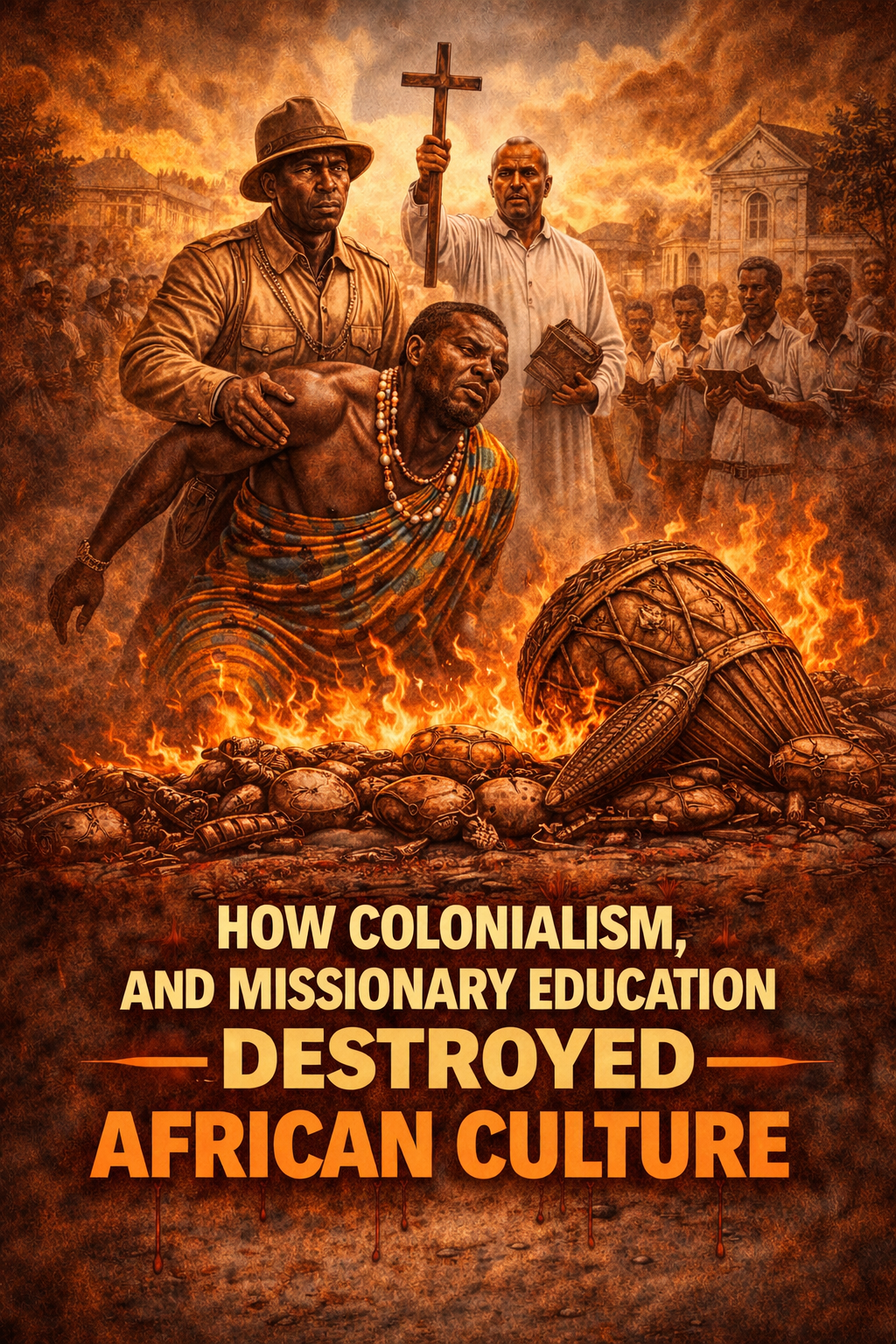
With colonialism came missionaries who sought to convert Africans to Christianity and, in the process, reshape African ways of life. This encounter was not culturally neutral. It involved a systematic attempt—sometimes subtle, often overt—to redefine African identity, values, and social institutions

“Reparation” as an idea or concept refers to the act of making amends for a wrong or injury—especially by providing compensation, restitution, or other forms of redress to those who have been harmed. In its simplest sense, reparation means “repairing the damage” caused by an injustice. In more forma

A Nation Defined by Peace In a region and continent that have, at various historical moments, been scarred by conflict and instability, Ghana stands out as a compelling example of relative peace. Since gaining independence in 1957, the country has largely avoided the large-scale civil wars that have

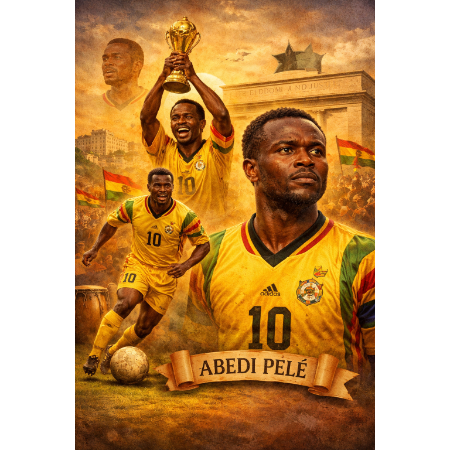
Introduction: A Name That Became a Symbol In the sociological imagination of the Gold Coast—what is today Ghana—names are never merely labels; they are identities, narratives, and sometimes prophecies. The name Abedi Pele transcends the ordinary. It is a fusion of biography, mythmaking, and cultural

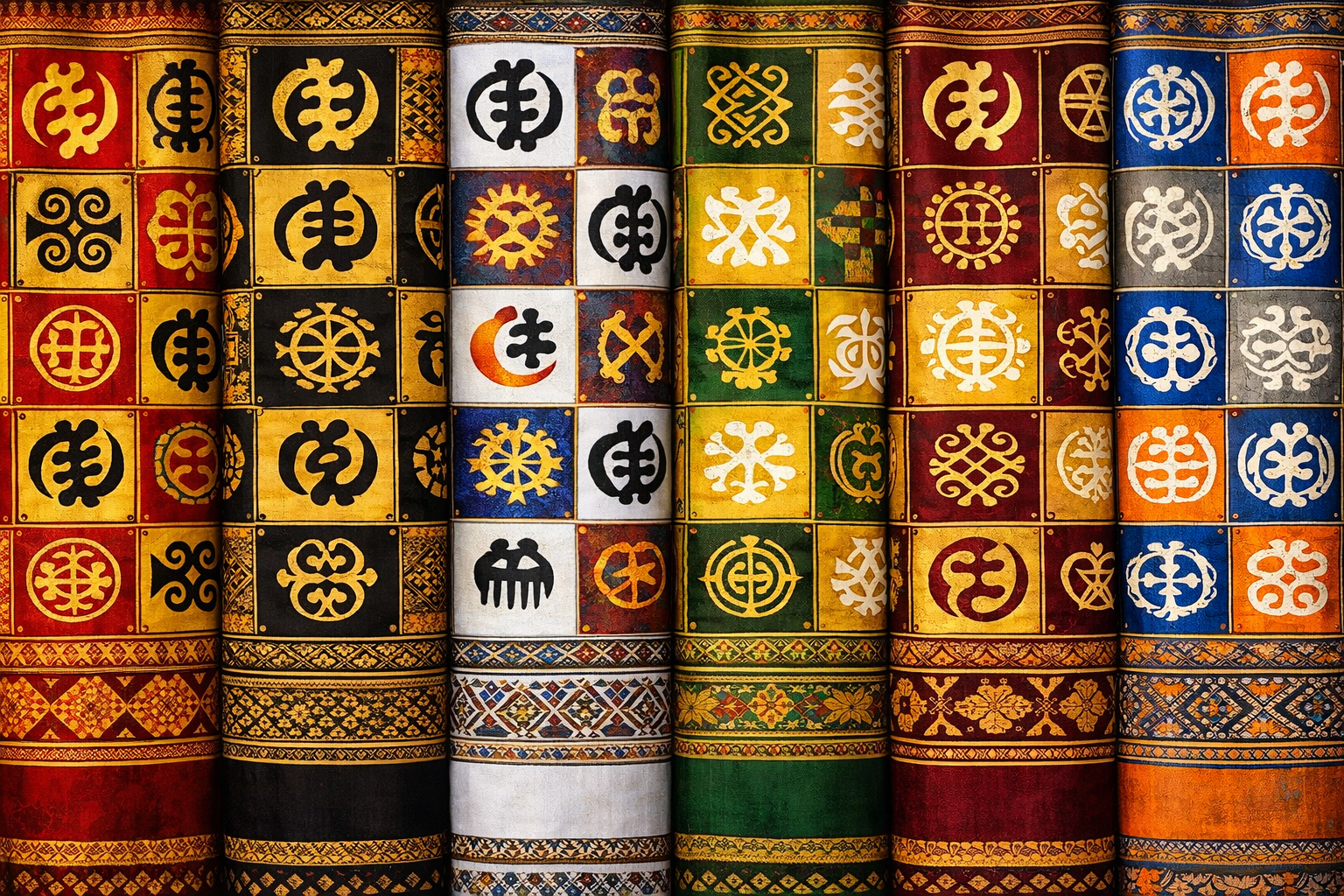
Introduction Adinkra cloth is one of the most important traditional textiles of Ghana and a significant cultural expression among the Akan people, particularly the Asante. Unlike Kente cloth, which is woven, Adinkra cloth is made by stamping symbolic designs onto fabric using special dyes. The cloth

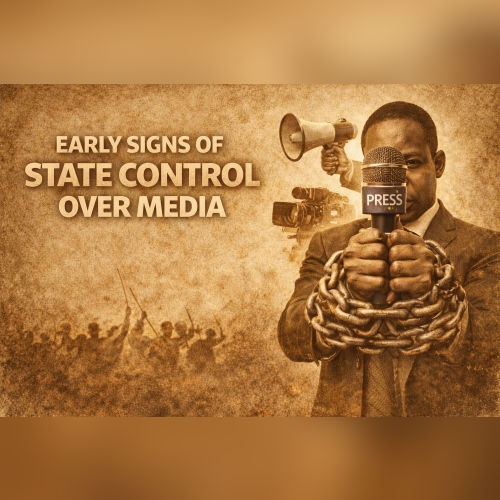
The early years of Ghana’s independence, particularly between 1957 and the mid-1960s, reveal the gradual emergence of state control over the media. While independence initially generated optimism about press freedom, archival newspaper records, government policies, and editorial patterns show that s

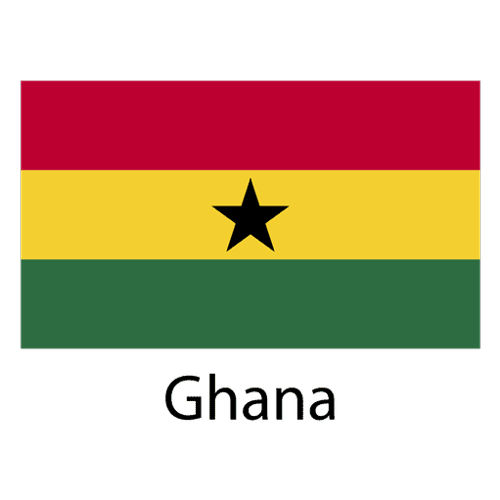
A Historic Emblem of Independence The Ghana national flag is more than a piece of cloth fluttering in the wind; it is a powerful symbol of the country’s history, aspirations, and identity. First officially adopted on March 6, 1957—the same day Ghana became the first African nation to gain independen

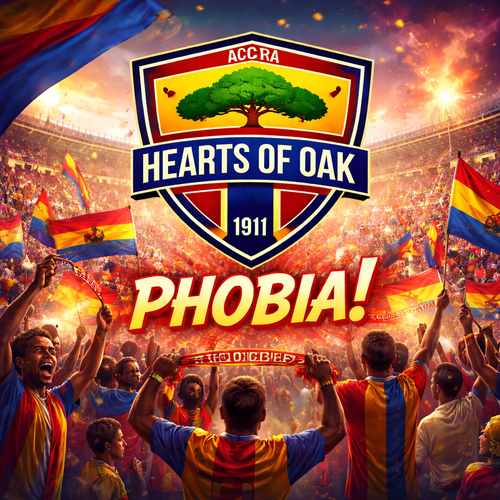
Accra Hearts of Oak Sporting Club was formally established on 11 November 1911 in Accra (then part of the British colony called the Gold Coast). Founded by a group of young men, including Christopher Brandford Nettey and Akom Duncan, it was part of the earliest wave of organized football in the regi

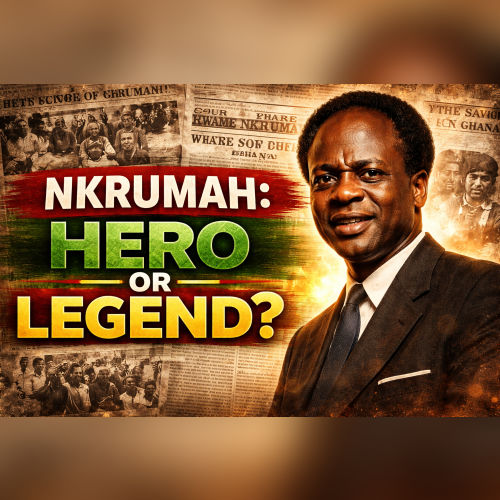
In the history of Ghana, few names command as much reverence and admiration as Kwame Nkrumah. More than half a century after his passing, the memory of the man who led the nation to freedom continues to inspire generations. His words echo in political discourse, his ideas shape national debates, and

Ghana stands for “God Has Anointed the Nation Already.” Many Ghanaians see their country not merely as a geographical territory in West Africa, but as a land endowed with immense natural, human, and spiritual blessings. From abundant mineral wealth to fertile agricultural lands and a vibrant populat

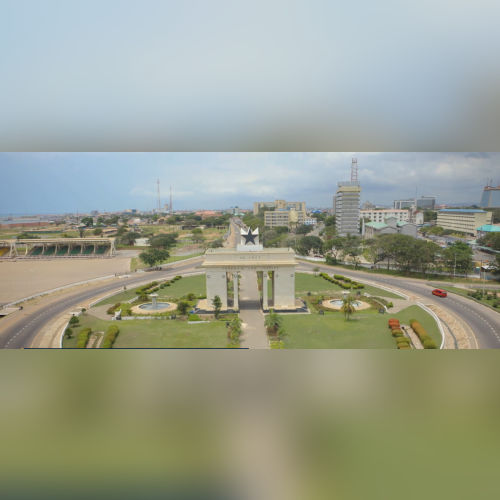
Introduction: Why March Matters Every year, the month of March occupies a sacred place in Ghana’s historical calendar. On 6 March 1957, under the leadership of Kwame Nkrumah, the Gold Coast became Ghana — the first sub-Saharan African nation to gain independence from British colonial rule. March is

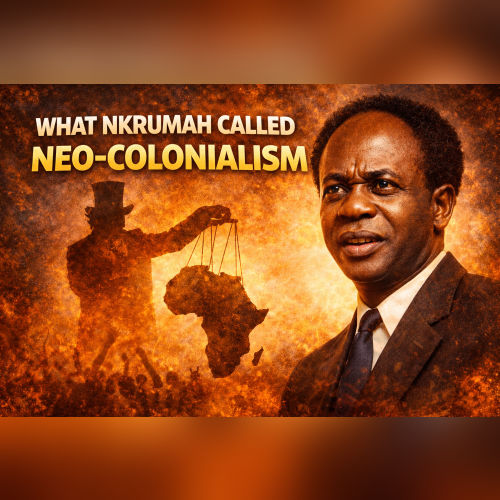
In the years following Ghana’s independence in 1957, one of the most influential political and intellectual concepts articulated by Kwame Nkrumah was “neo-colonialism.” For Nkrumah, independence did not mark the end of foreign domination in Africa. Instead, he argued that a new, more subtle form of

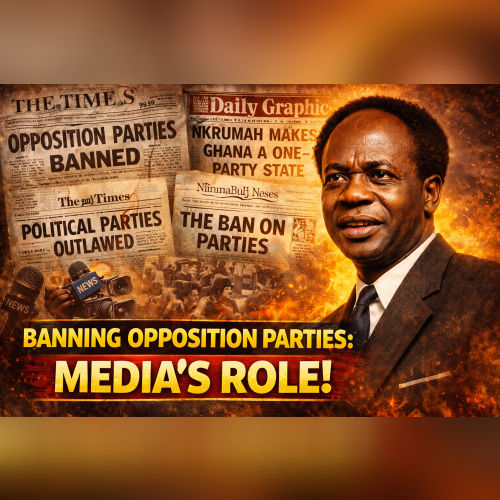
The banning of opposition parties in Ghana during the late 1950s and early 1960s stands as one of the most consequential moments in the country’s political and media history. Newspapers of the era did not merely report the development—they actively shaped how the public understood the meaning of pol

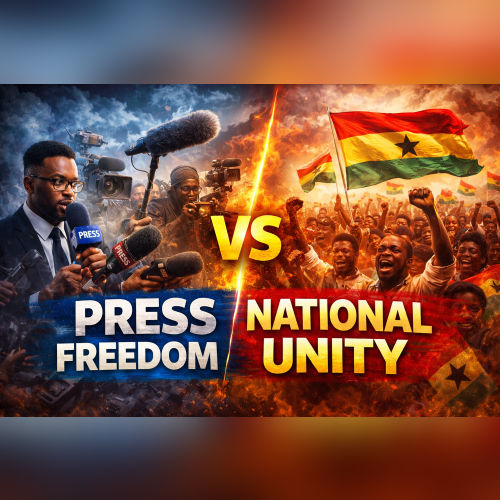
In the years surrounding Ghana’s independence and early nation-building period (roughly the mid-1950s through the early 1960s), one of the most persistent and consequential public discussions revolved around the tension between press freedom and national unity. Newspapers themselves became both the

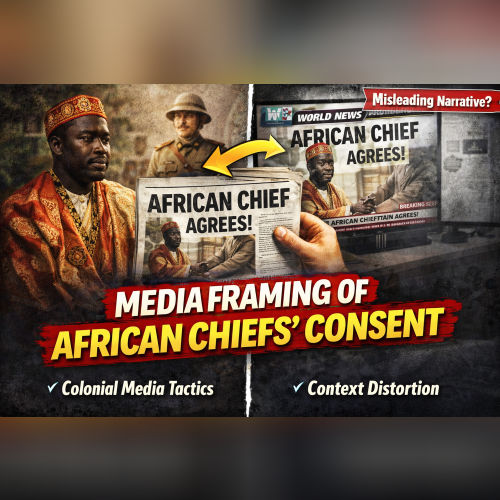
The concept of “chiefs’ consent” occupies a central place in the colonial history of the Gold Coast, present-day Ghana. Throughout the nineteenth and early twentieth centuries, colonial authorities frequently claimed that African chiefs willingly agreed to treaties, land concessions, and administrat

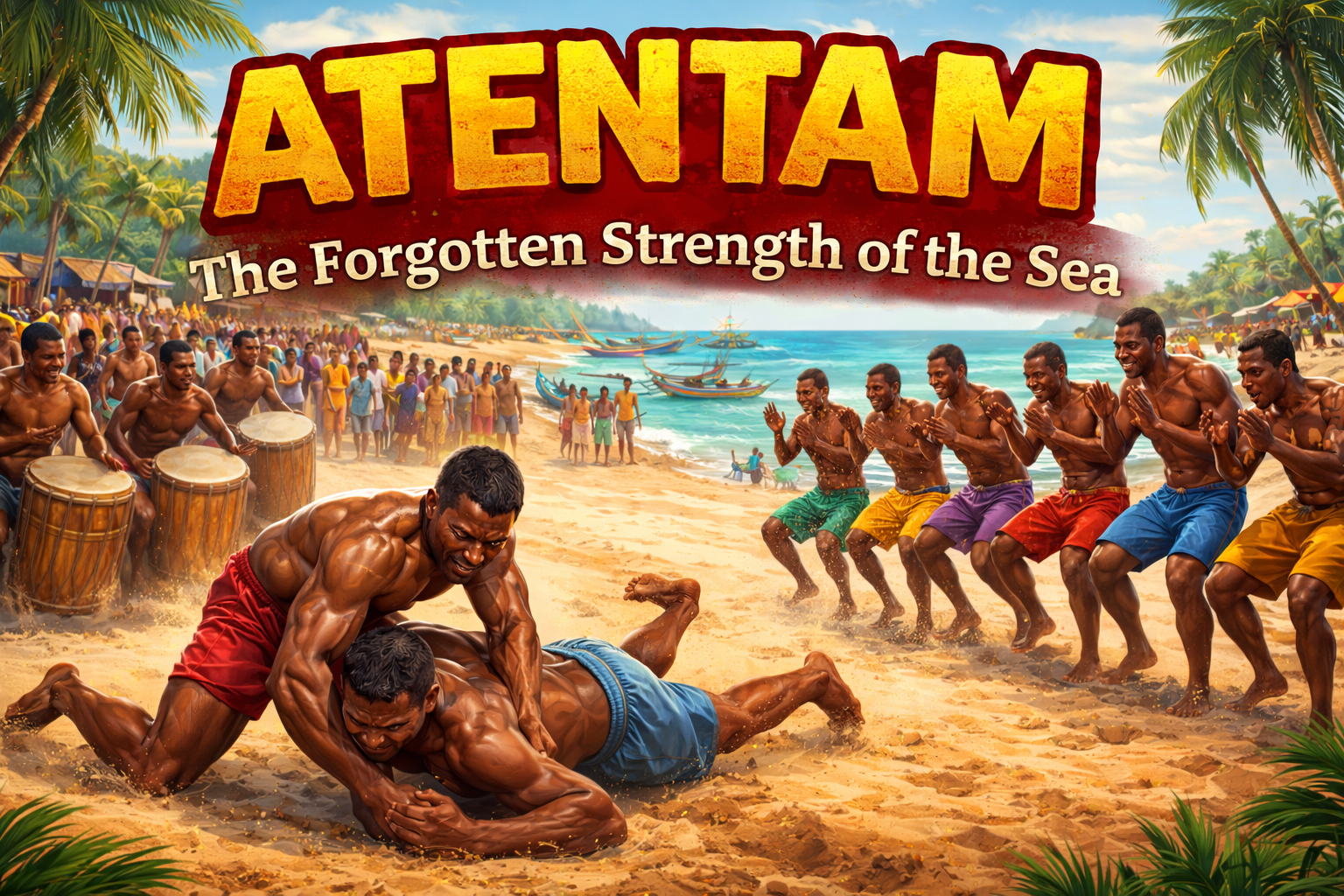
Along the wind-carved coastline of southern Ghana, among the Fante, physical games were never idle diversions. They were social rehearsals—training grounds for endurance, hierarchy, and communal rhythm. Two in particular—Atentam and Osibir—stand out in the historical record. Atentam derives from the

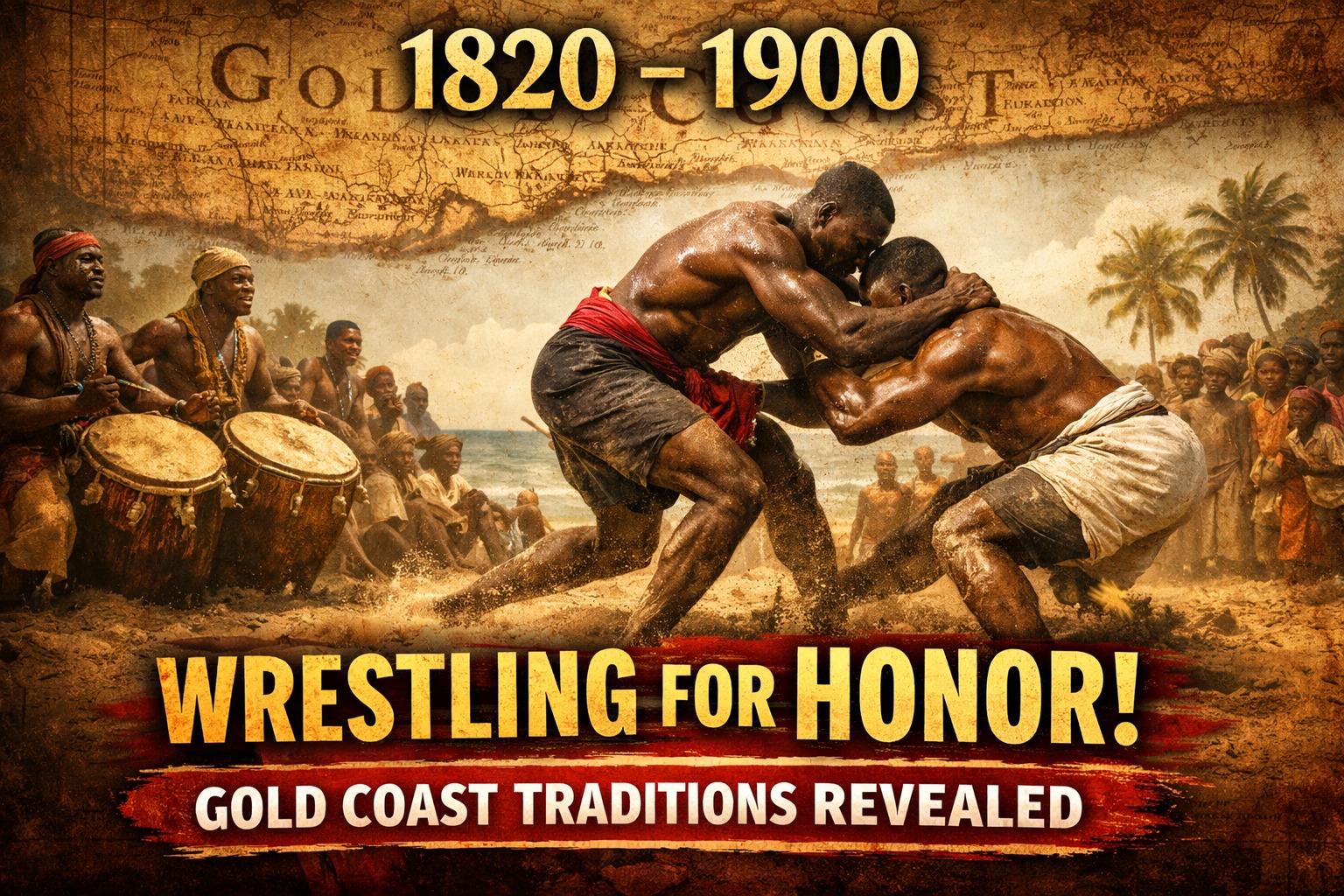
Long before colonial stadium lights and organised leagues, the sandy shores and village squares of the Gold Coast—today’s Ghana—were vibrant arenas where traditional wrestling was among the most respected cultural practices. From the early 19th century up to the turn of the 20th century, indigenous

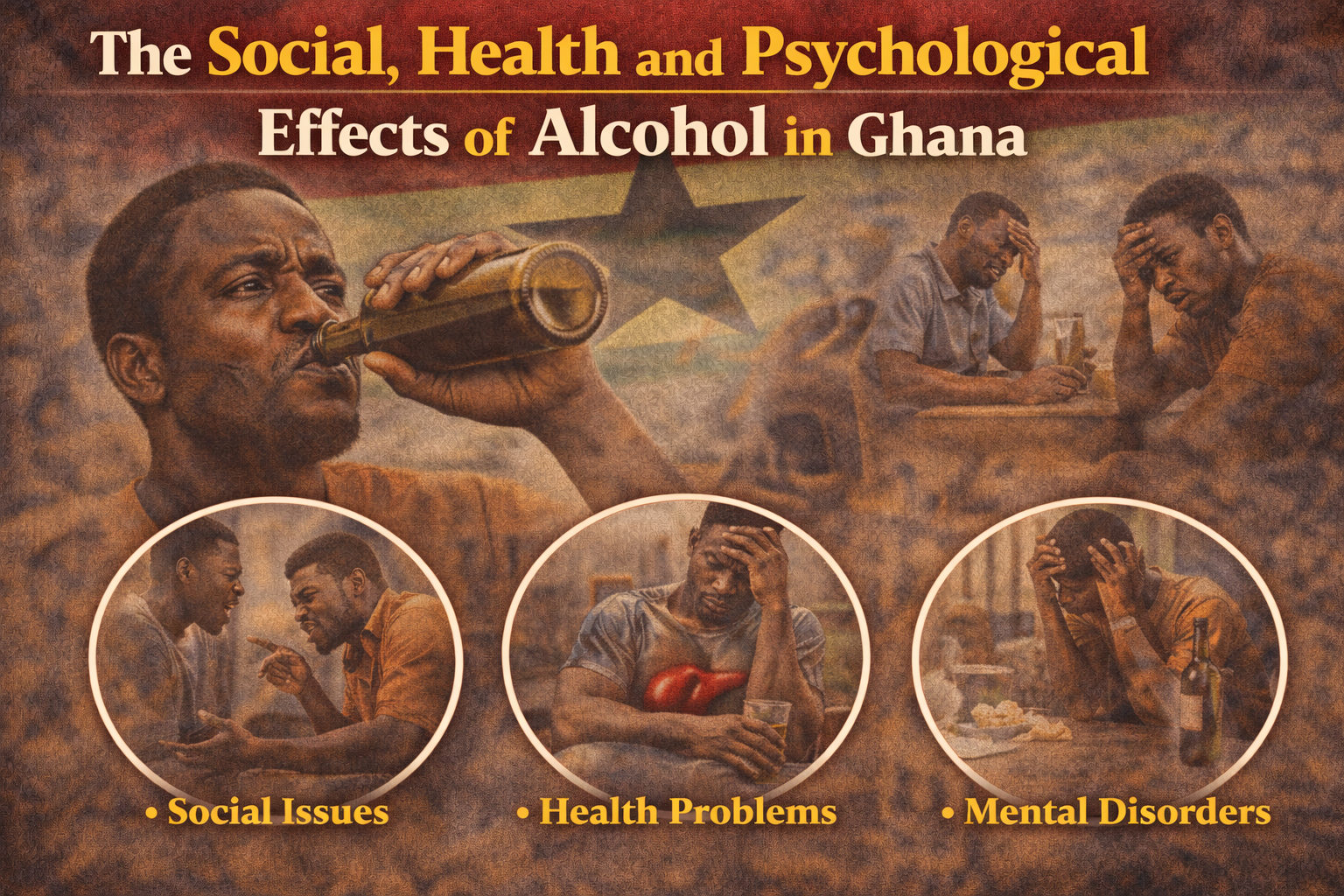
Irresponsible alcohol consumption has become a growing social problem in Ghana, with serious consequences for individuals, families, and communities. Some drinkers spend a large proportion of their income on alcohol, leaving little or nothing for basic necessities such as food, clothing, rent, medic

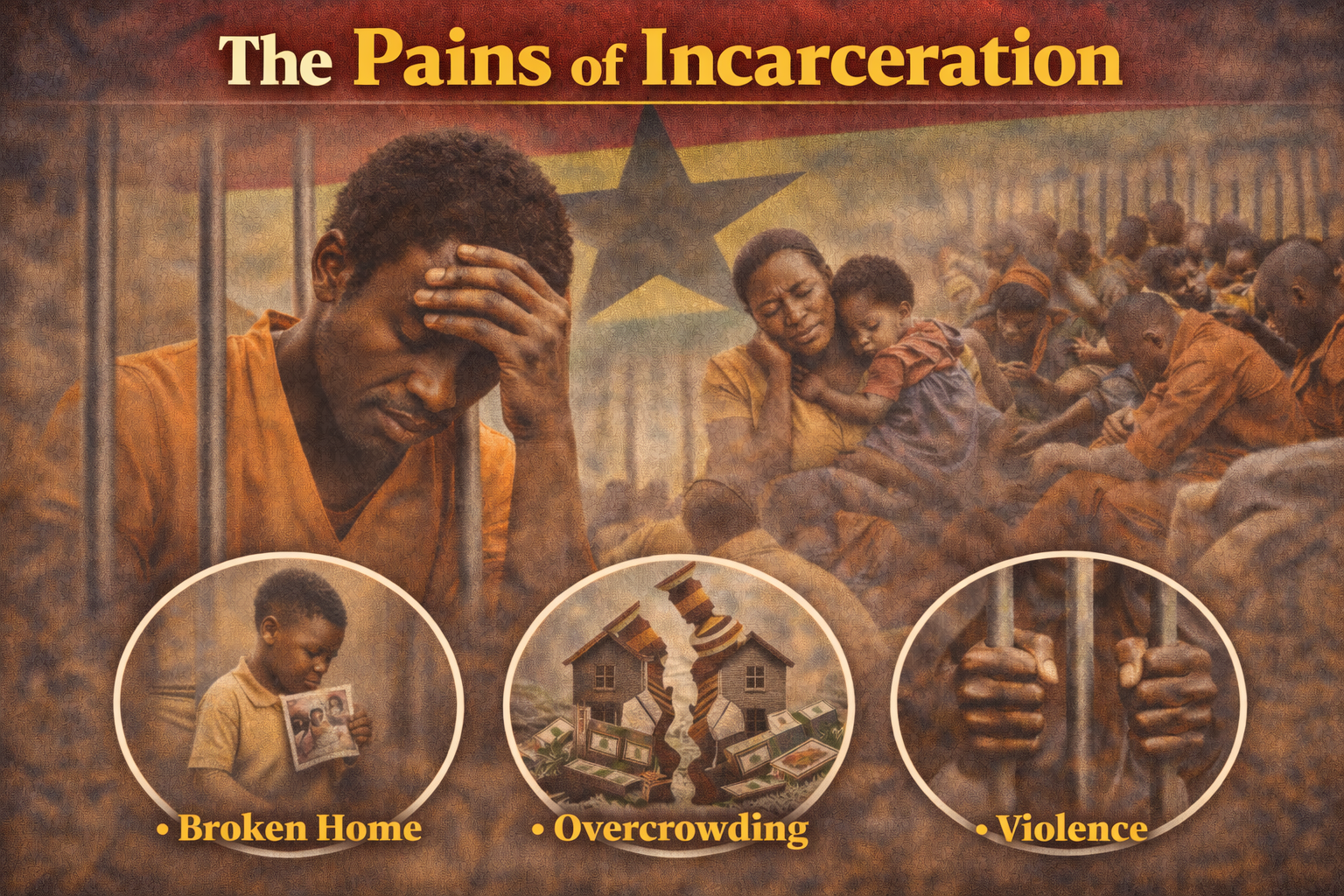
Imprisonment, also known as incarceration, is one of the most severe penalties imposed by courts in Ghana and elsewhere. Judges and magistrates have several sentencing options at their disposal, including fines, probation, community service, and custodial sentences. Prison is usually reserved for pe

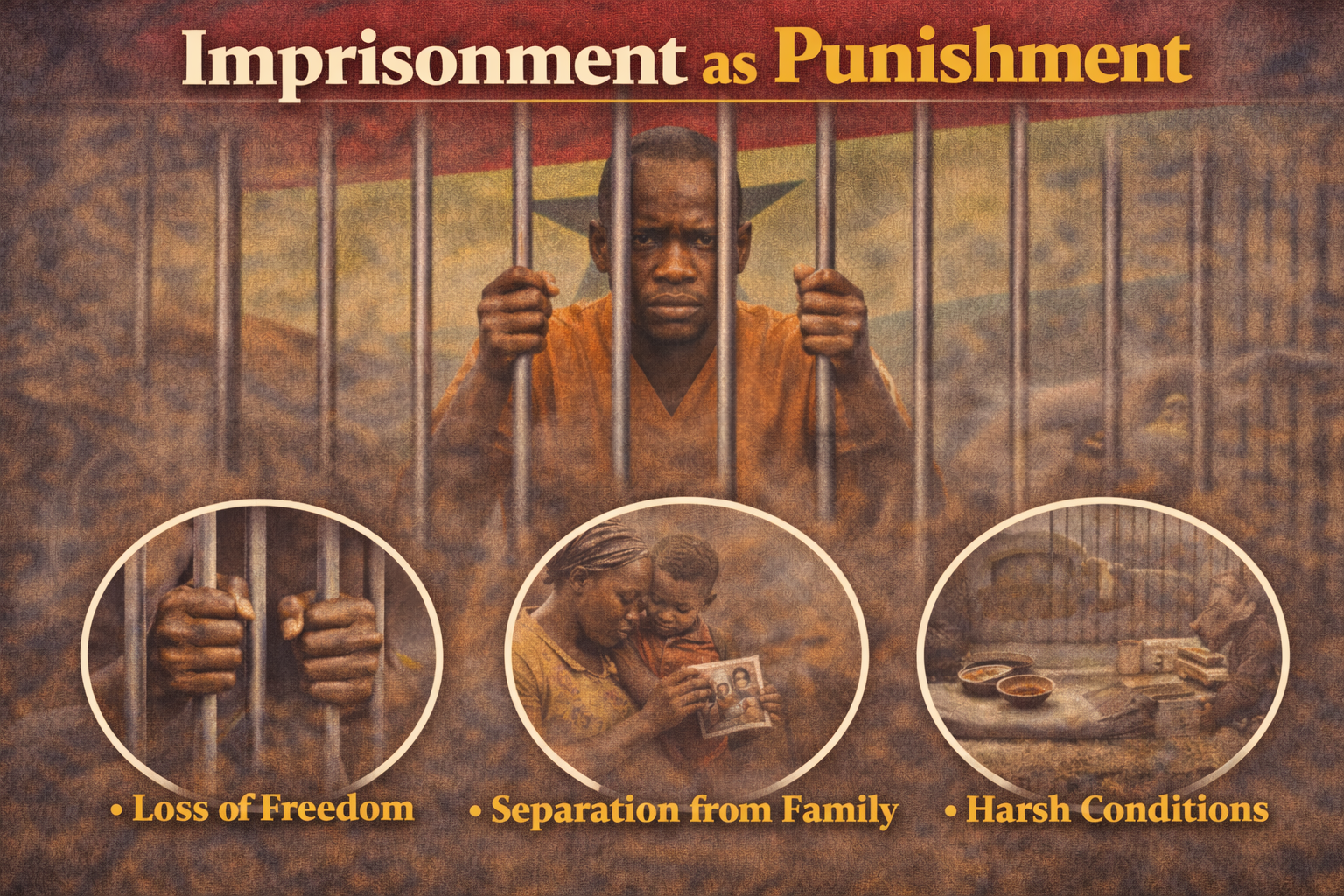
Imprisonment is one of the most common punishments for crime in many societies, including Ghana. It is also known as incarceration. While courts have several options for punishing offenders—such as fines, probation, or community service—prison sentences are usually reserved for serious crimes like r

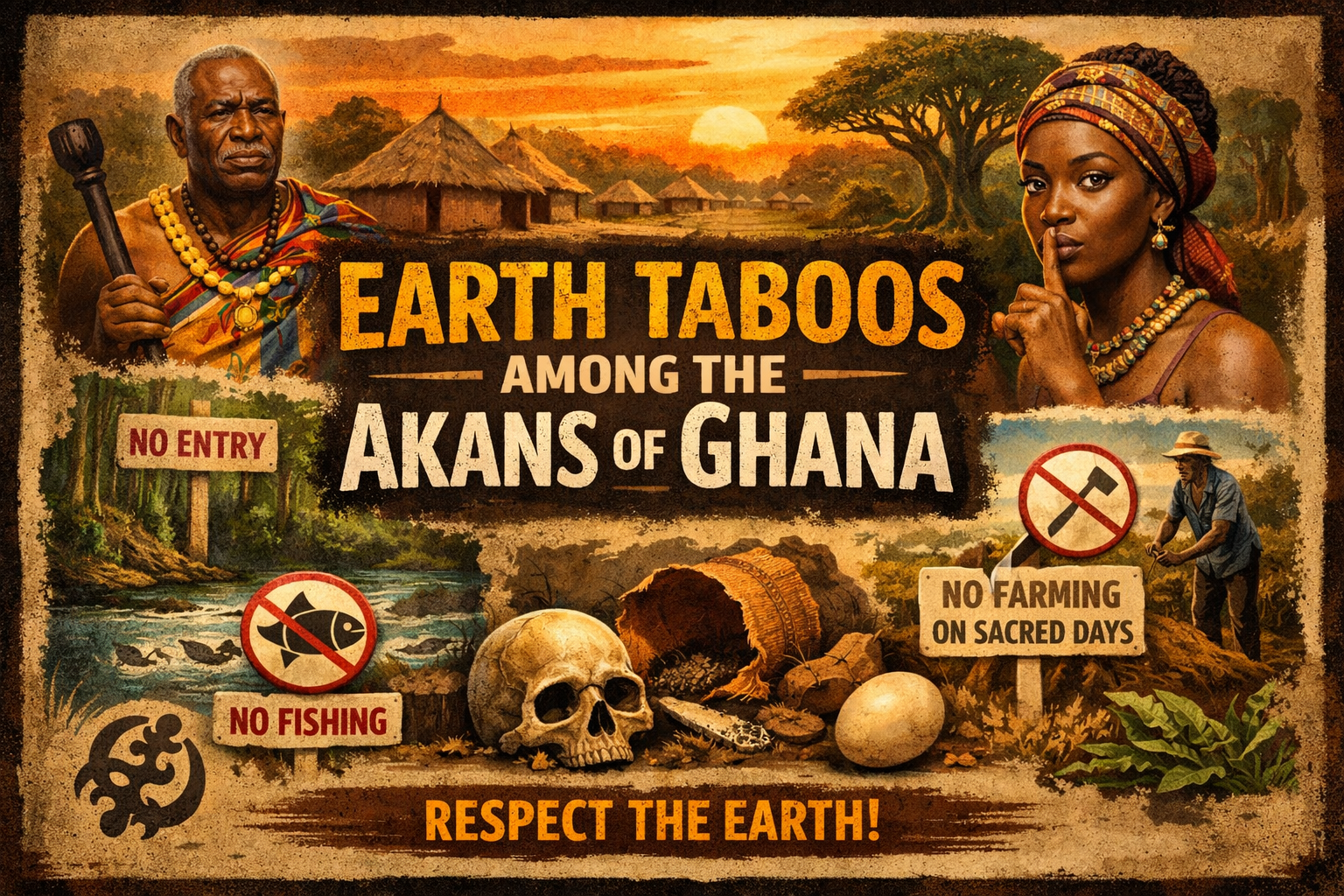
A taboo is an act so deeply forbidden that it provokes moral outrage, fear, or spiritual anxiety when violated. Taboos are cultural universals: every society draws invisible lines that must not be crossed. Yet these lines are not the same everywhere. What one society condemns as unthinkable may be o

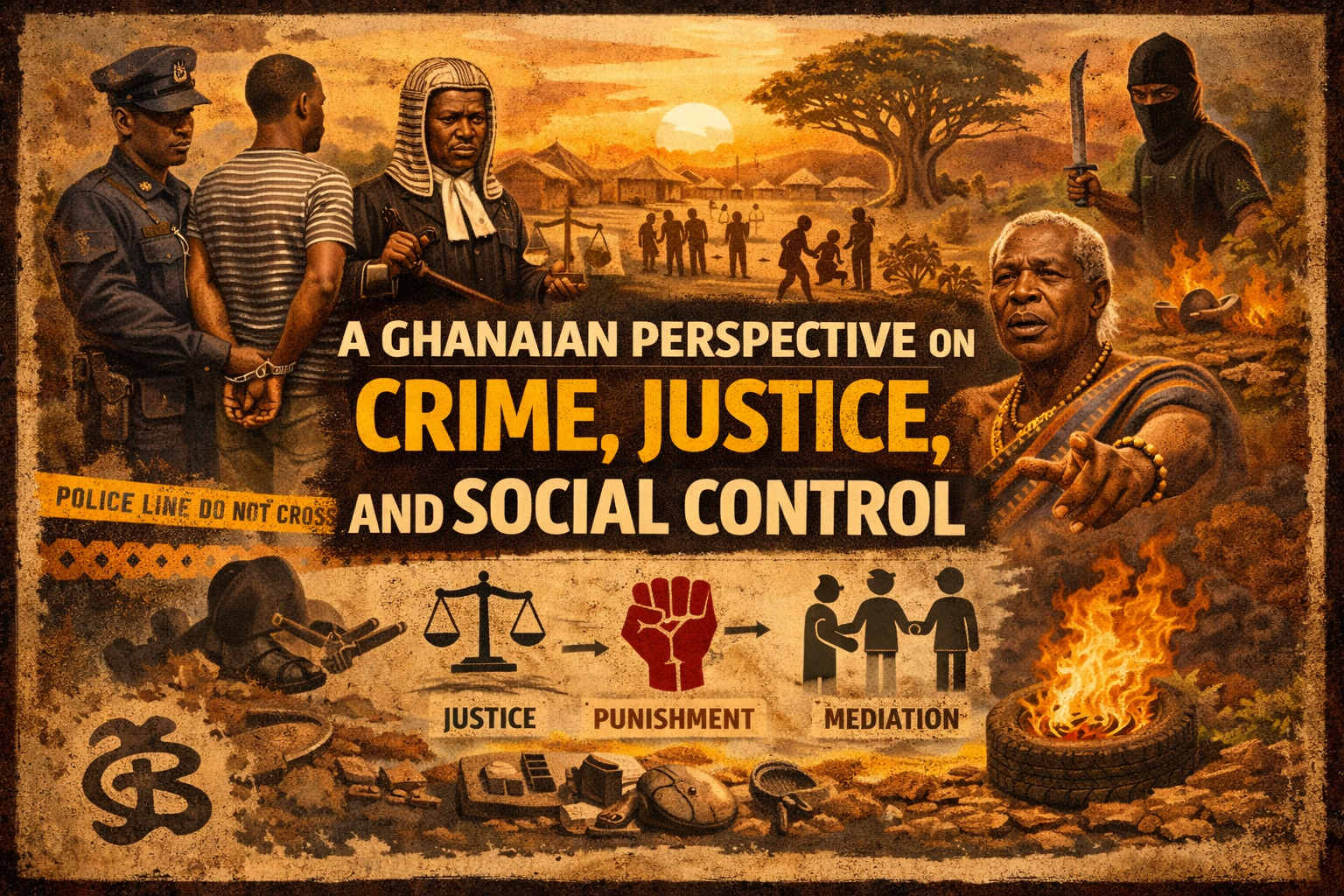
Punishment is a central feature of every organized society, including Ghana. While rewards are designed to encourage conformity and socially approved behavior, punishment exists to negatively sanction deviant behavior. When individuals act in ways that align with societal norms, they are often rewar

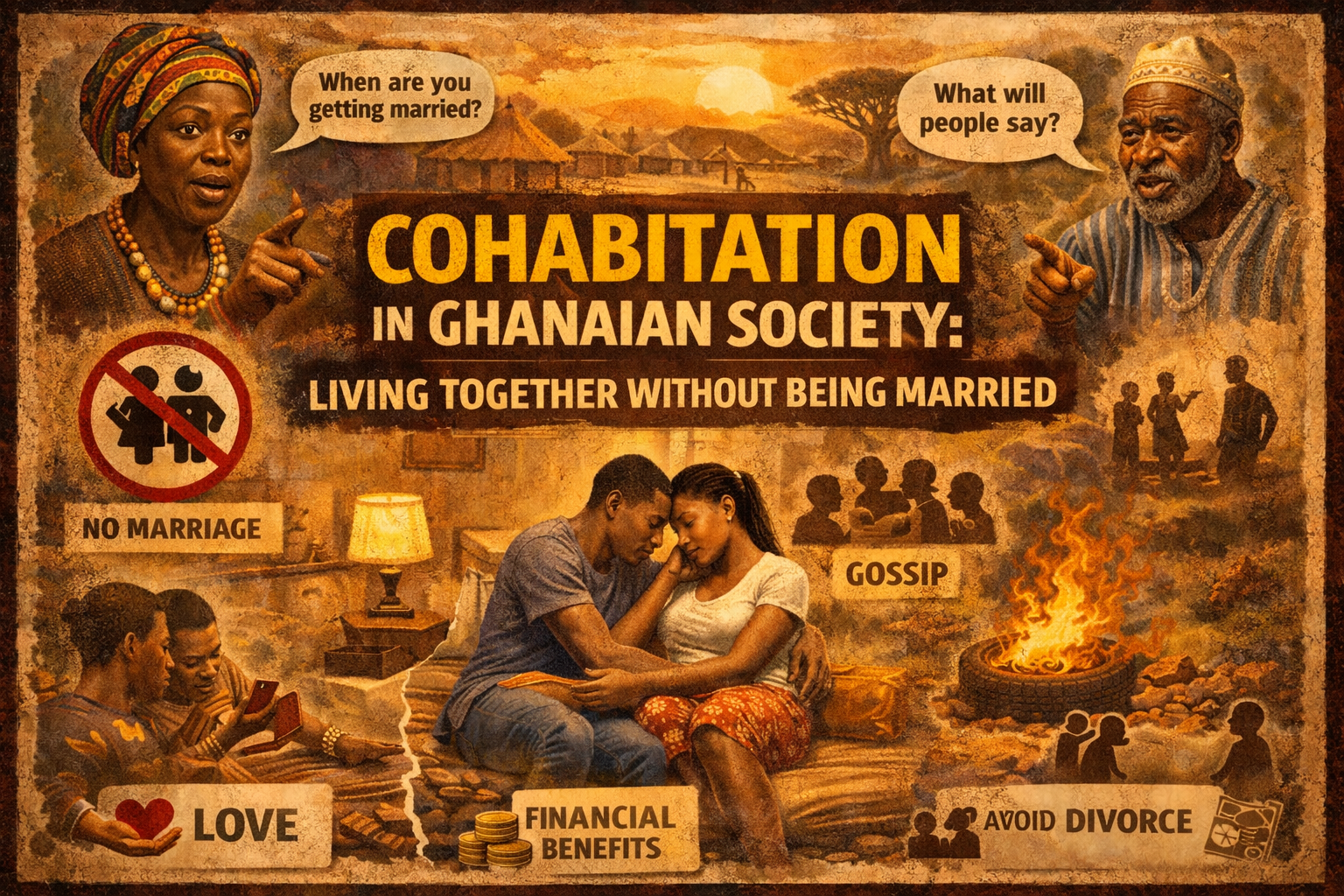
Cohabitation refers to an intimate arrangement in which a man and a woman live together in a shared residence without being formally married. While cohabitation has become increasingly common in many contemporary societies, it is generally frowned upon in Akan society and regarded as socially improp

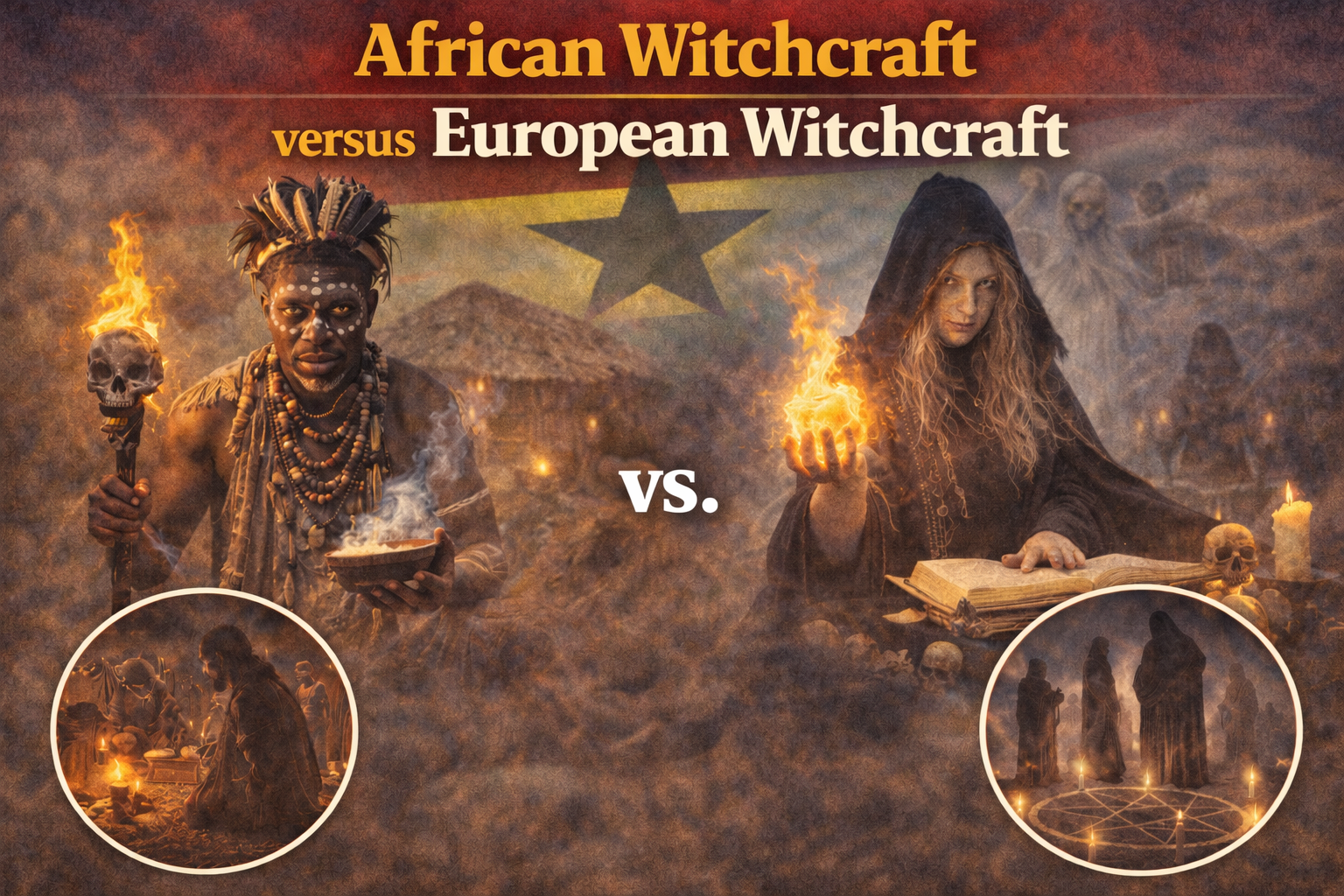
African witchcraft versus European witchcraft have been the focus of local discussions about witchcraft in Ghana for many years. During the period of European colonization, westernization, and the early stages of modernization, people in the Gold Coast (now Ghana) struggled to explain the wide gap i

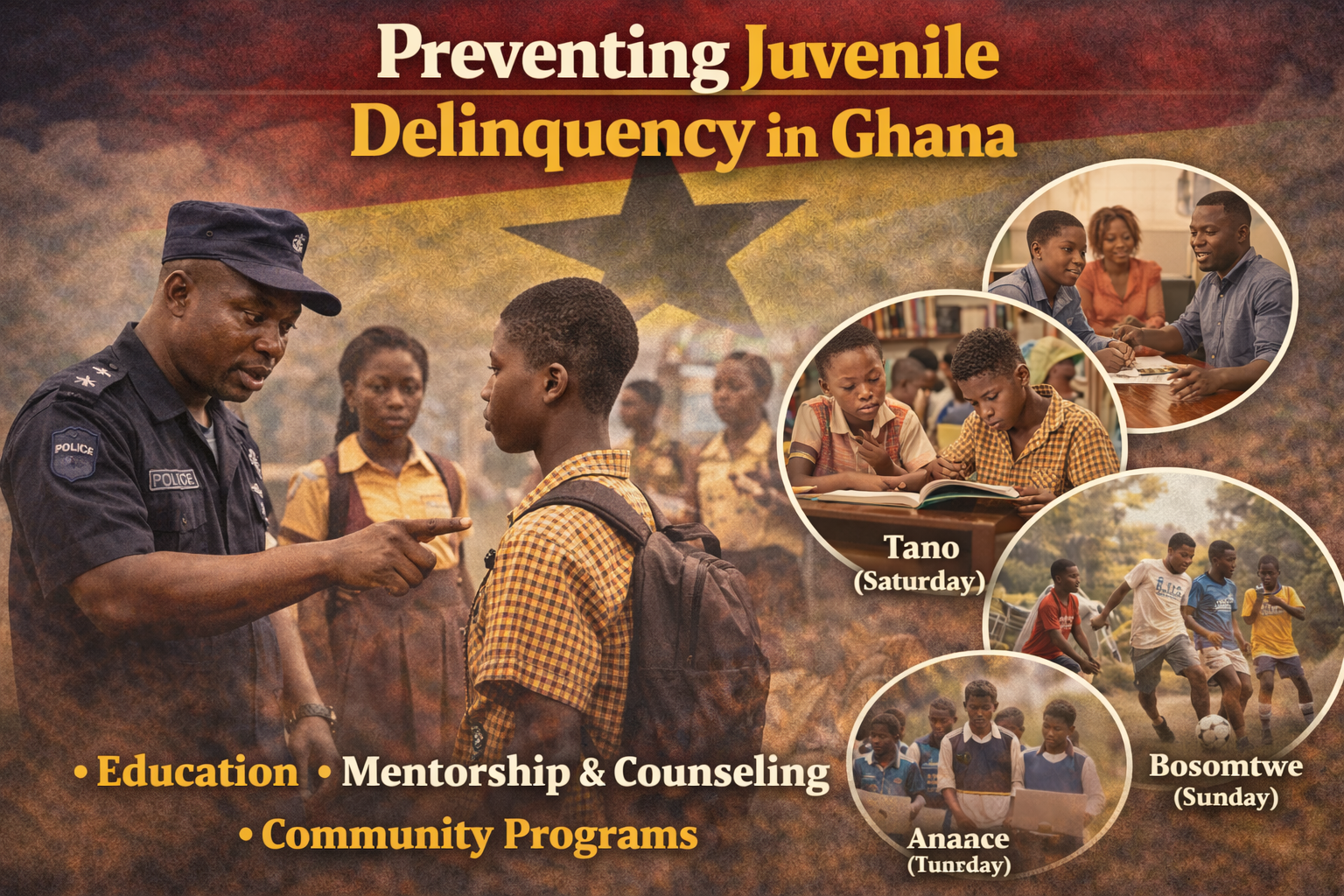
Children are the future of every society. Yet Ghana faces a serious challenge if urgent steps are not taken to ensure that today’s children are properly guided and nurtured to grow into law-abiding and responsible citizens. In recent years, there has been a noticeable increase in juvenile delinquenc

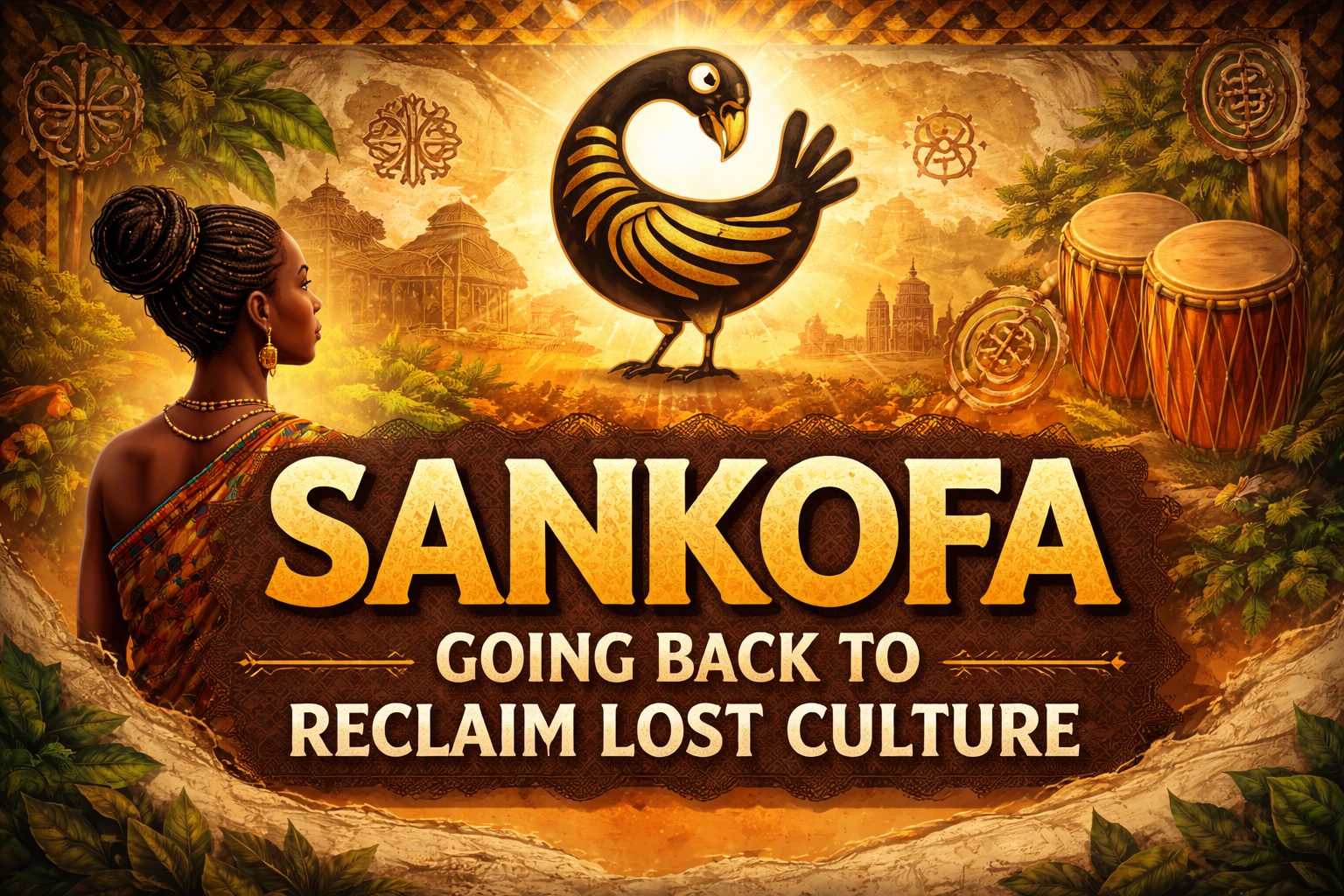
Culture refers to the total way of life of a people. It encompasses both material and non-material elements. Material culture consists of tangible aspects that can be seen and touched, such as cooking practices, eating utensils, earthenware, palanquins, drums, and idiophones. Non-material culture, b

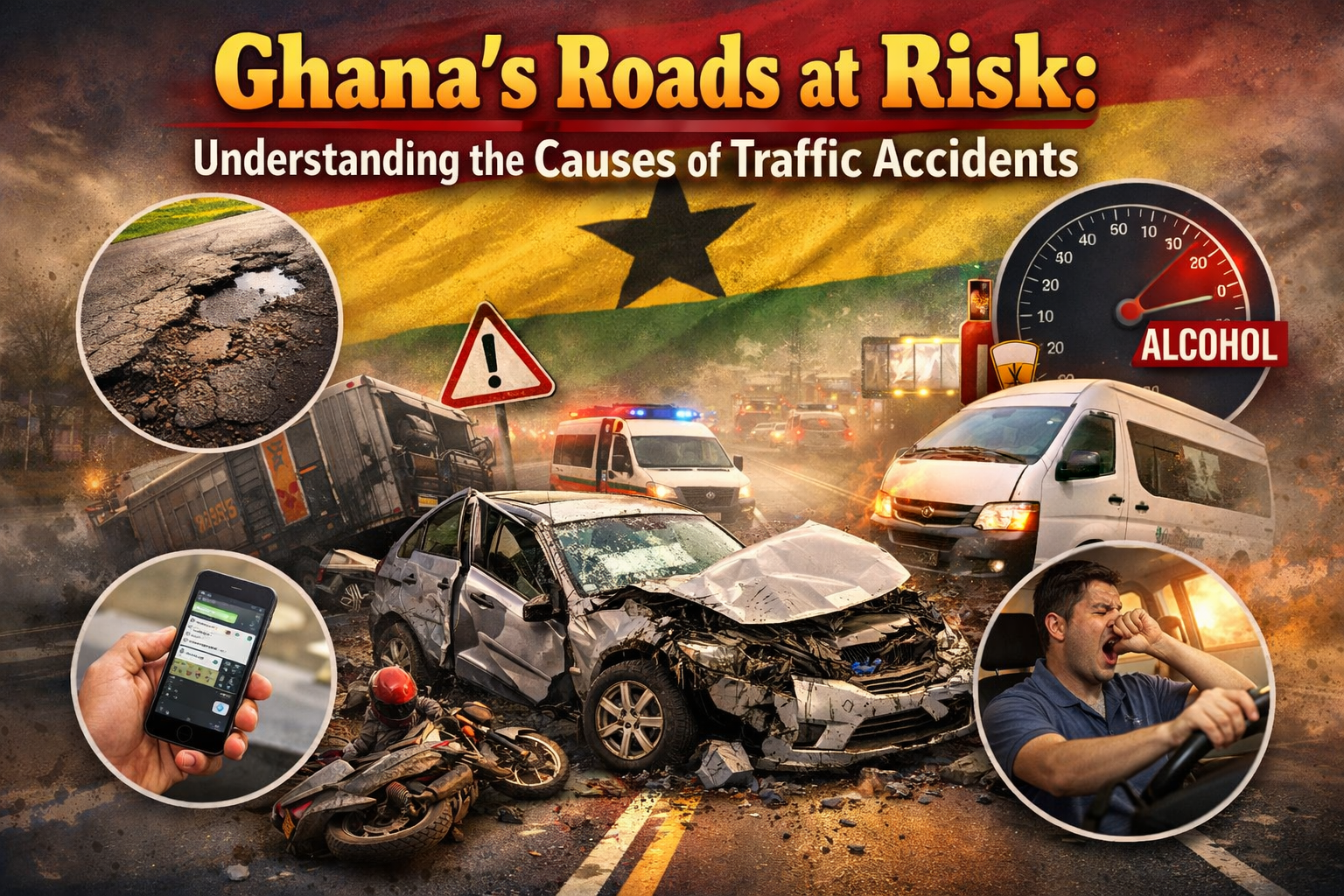
Traffic accidents in Ghana are more than statistics—they are daily tragedies that claim lives, ruin families, and leave survivors with lifelong injuries. Beyond the loss of life, road crashes lead to pain, suffering, disability, and economic hardship for individuals and communities alike. Recent dat

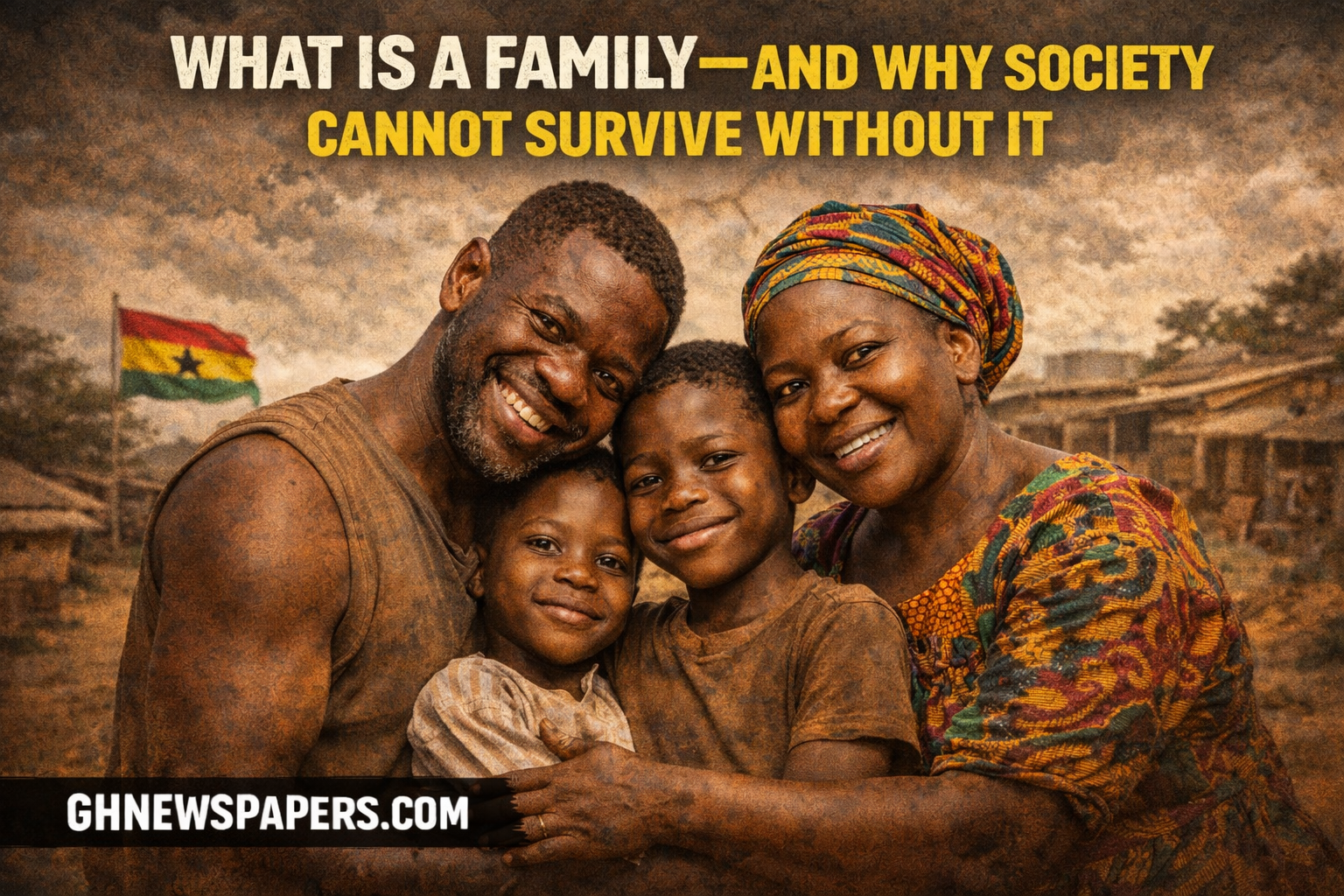
In an age of rapid social change, urbanization, and shifting lifestyles, it is worth asking a simple but important question: What is a family, and why do we still need one? Despite changes in how people live and relate to one another, the family remains the most fundamental institution in every soci

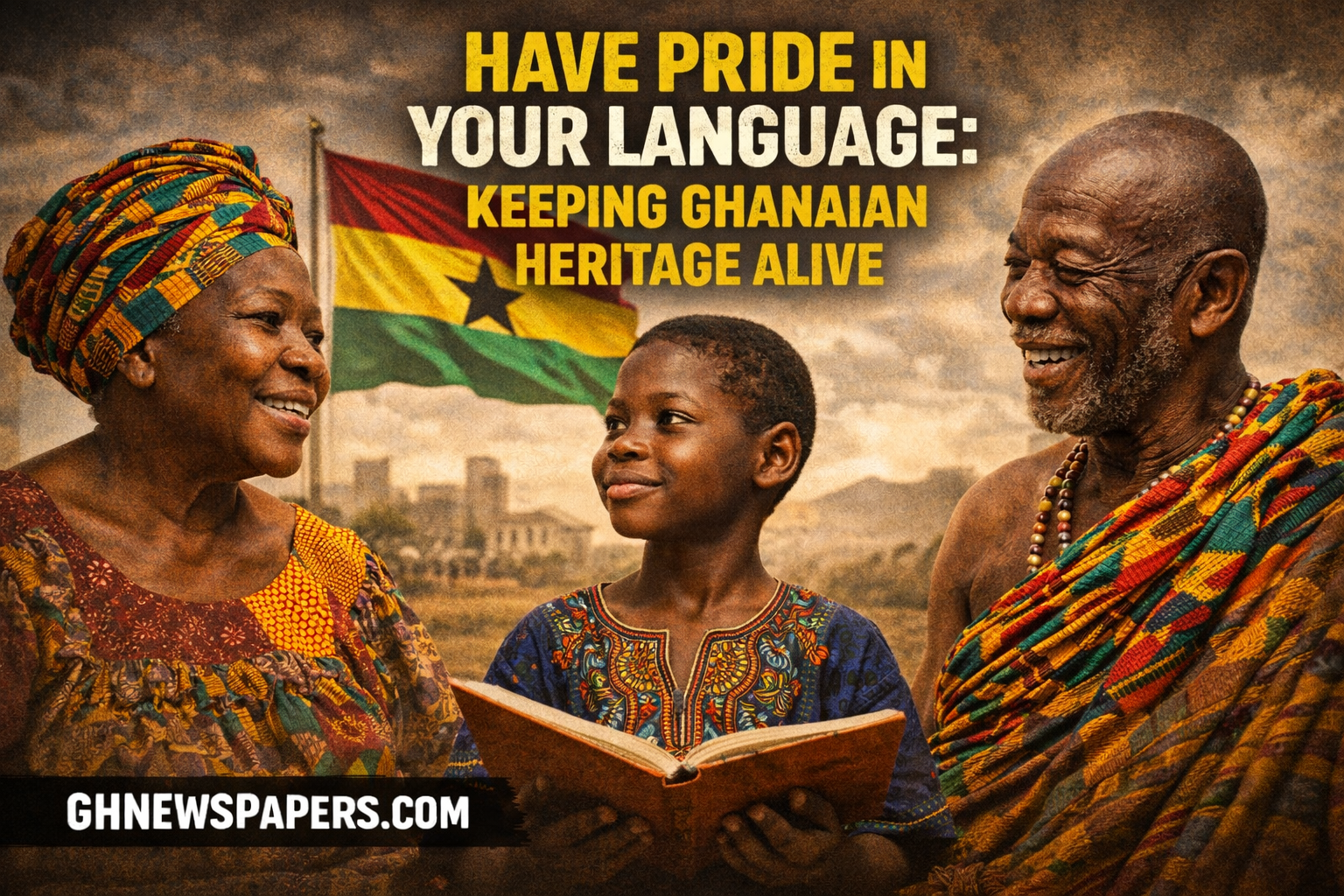
In Ghana today, many parents encourage their children to speak English, sometimes at the expense of local languages. This trend is common not only in Ghana but also among Ghanaian families living abroad. While parents may believe that prioritizing English will make their children academically bright

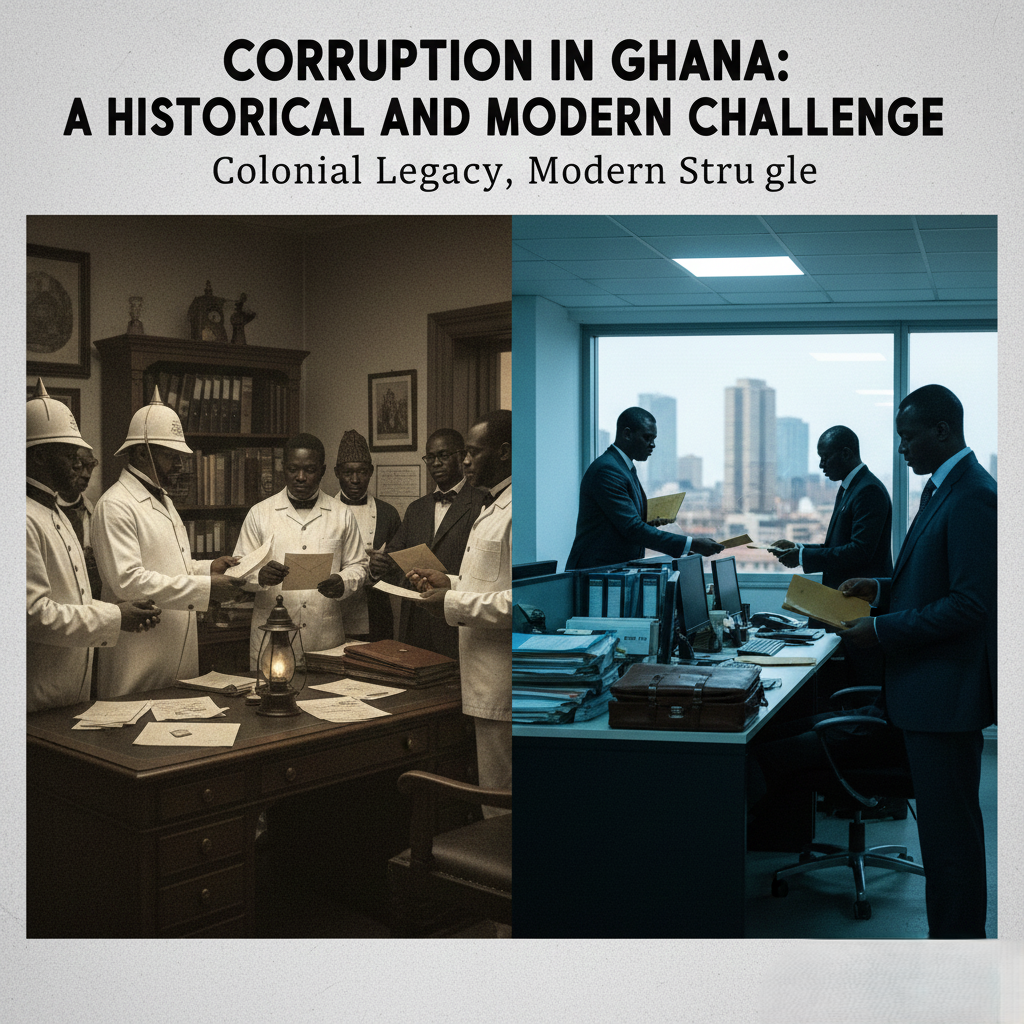
Corruption remains one of the most enduring social challenges confronting Ghana. Its roots stretch back to the colonial Gold Coast era (1821–1957) and continue to influence governance, public trust, and national development today. Understanding this long history is essential to appreciating why corr

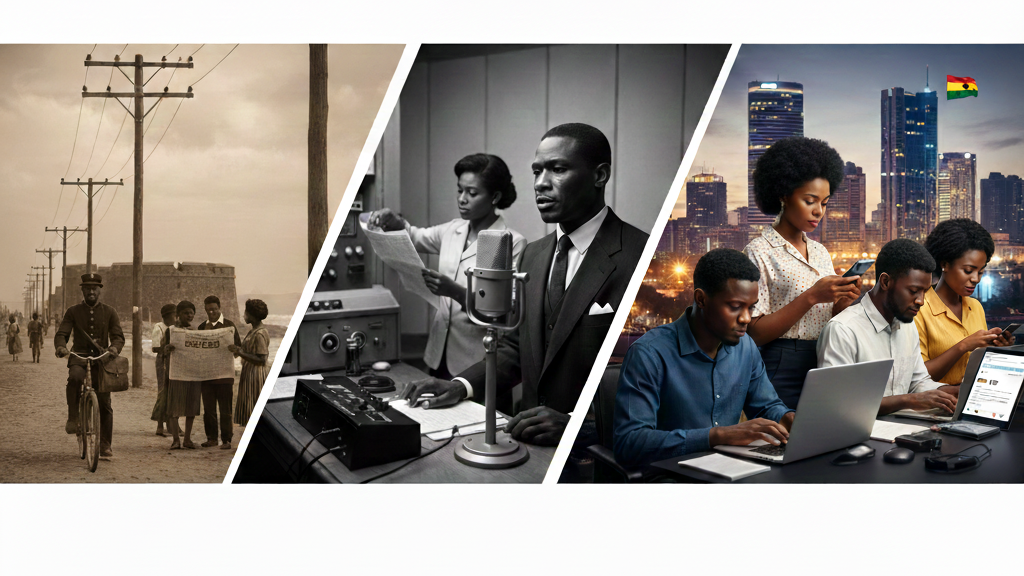
Few technological developments have reshaped Ghana as profoundly as the Advancement of communication technology. From the first telegraph lines laid by colonial authorities to today’s smartphones and internet-driven economy, communication has changed how Ghanaians trade, govern, organize, and connec