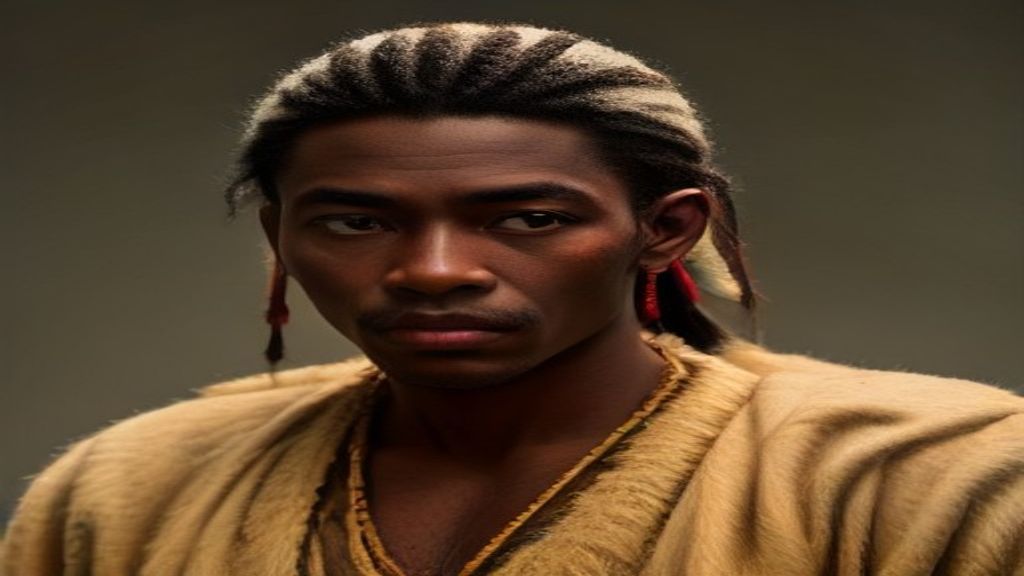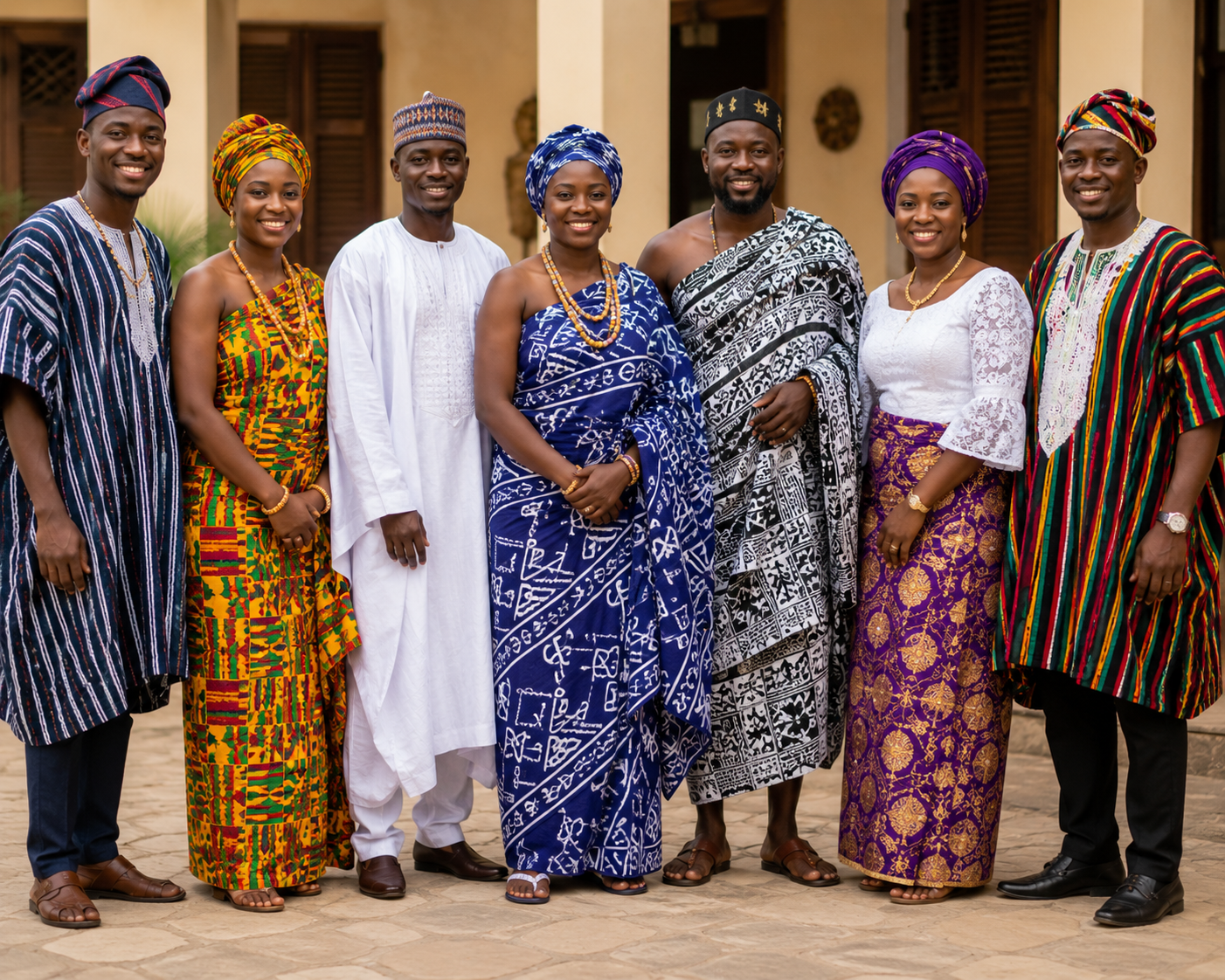
Ghana is often celebrated as one of Africa’s most peaceful and culturally vibrant nations. From the bustling markets of Accra to the fishing communities along the coast, from the savannah settlements of the north to the forest regions of the south, Ghana is a mosaic of peoples, languages, traditions, and beliefs. The country is home to more than one hundred ethnic groups, each possessing unique cultural practices, histories, values, and worldviews. While cultural diversity can sometimes create challenges, it has overwhelmingly been a source of strength, resilience, and national development for Ghana.
In an era when many societies are grappling with ethnic tensions and social divisions, Ghana’s experience demonstrates how cultural diversity can become a valuable national asset. The coexistence of different cultures has enriched the country socially, economically, politically, and intellectually. Cultural diversity is not merely a demographic reality in Ghana; it is a resource that contributes significantly to the nation's progress.
A Rich National Identity
One of the greatest benefits of cultural diversity is that it enriches Ghana’s national identity. Ghanaian culture is not the product of a single ethnic group but rather the collective contribution of many peoples. The traditions of the Akan, Ewe, Ga-Adangbe, Dagomba, Gonja, Nzema, Frafra, Dagaaba, Mamprusi, Kusasi, and numerous other groups have all shaped what it means to be Ghanaian.
The country’s music, dances, festivals, cuisine, clothing, and artistic expressions reflect this rich cultural blend. National celebrations often showcase performances from different ethnic groups, creating opportunities for citizens to appreciate traditions other than their own. This diversity gives Ghana a distinctive cultural richness that few countries can match.
Rather than weakening national unity, cultural diversity has helped create a broader and more inclusive understanding of Ghanaian identity. Citizens can be proud members of their ethnic communities while simultaneously identifying strongly as Ghanaians.
Promoting Tolerance and Social Harmony
Living in a culturally diverse society teaches people how to interact with individuals whose customs, languages, and beliefs differ from their own. This exposure promotes tolerance, mutual respect, and understanding.
In many Ghanaian towns and cities, people from different ethnic backgrounds live side by side, attend the same schools, worship together, and engage in business relationships. Interactions of this nature help reduce prejudice and foster social cohesion.
The experience of living among diverse groups encourages Ghanaians to recognize that despite cultural differences, people often share common hopes and aspirations. They seek education for their children, economic opportunities, peace, security, and social advancement. These shared goals help bridge ethnic and cultural divides.
The relative stability that Ghana has enjoyed since the beginning of the Fourth Republic owes much to the willingness of citizens to coexist peacefully despite cultural differences.
Strengthening Economic Development
Cultural diversity also contributes significantly to economic growth. Different cultural groups possess unique skills, knowledge systems, and economic practices that enrich the national economy.
Throughout Ghana's history, various ethnic communities have specialized in particular occupations. Coastal peoples have developed expertise in fishing and maritime trade. Many northern communities have excelled in livestock rearing and long-distance commerce. Other groups have become known for farming, craftsmanship, weaving, blacksmithing, pottery, woodcarving, and trading.
The exchange of skills and knowledge among these groups has strengthened economic productivity. Markets across the country serve as meeting places where people from different cultural backgrounds buy, sell, and exchange ideas. These interactions create networks that stimulate commerce and entrepreneurship.
Furthermore, Ghana’s cultural diversity attracts tourists from around the world. Visitors come to experience festivals, traditional ceremonies, historical sites, music, dance, and local cuisines. Cultural tourism generates employment, creates business opportunities, and contributes to national revenue.
Encouraging Creativity and Innovation
Diversity often stimulates creativity because it brings together different perspectives and ways of thinking. When people from various cultural backgrounds interact, they exchange ideas that can lead to innovation and problem-solving.
Ghana’s creative industries provide excellent examples of this process. Contemporary Ghanaian music blends traditional rhythms from multiple ethnic groups with global musical influences. Fashion designers combine traditional fabrics with modern styles. Filmmakers, writers, and artists draw inspiration from the country's diverse cultural heritage.
Many of Ghana’s most celebrated cultural achievements emerged from the interaction of different traditions rather than from isolation. Cultural diversity creates a fertile environment in which new ideas can flourish.
This creativity extends beyond the arts. In business, education, science, and public administration, diverse perspectives often generate more effective solutions to complex problems.
Expanding Educational Opportunities
Cultural diversity serves as an important educational resource. Ghanaians have the opportunity to learn not only about their own cultures but also about the traditions and histories of other communities.
Students encounter classmates from different ethnic backgrounds and are exposed to multiple languages, customs, and viewpoints. Such experiences broaden their horizons and prepare them for participation in an increasingly interconnected world.
Learning about other cultures also helps combat stereotypes and misconceptions. Knowledge fosters understanding, and understanding promotes peaceful coexistence.
Ghana's cultural diversity further provides rich material for academic research. Scholars continue to study the country's languages, folklore, music, traditional governance systems, religious beliefs, and social institutions. This research contributes to the preservation and appreciation of Ghana's cultural heritage.
Promoting National Unity Through Diversity
Some people assume that cultural diversity inevitably leads to division. Ghana’s history suggests otherwise. The nation has repeatedly demonstrated that unity does not require cultural uniformity.
The country's founders recognized the importance of building a nation that respected cultural differences while fostering a common national identity. Since independence, successive governments have promoted national integration through education, public institutions, and national service.
Inter-ethnic marriages have become increasingly common, creating family networks that cross cultural boundaries. Internal migration has further strengthened national integration by bringing people from different regions into regular contact with one another.
Today, many Ghanaians speak multiple languages and maintain friendships that transcend ethnic affiliations. These connections help reinforce a sense of shared destiny and national belonging.
Preparing Citizens for a Globalized World
The modern world requires people to interact with individuals from diverse cultural backgrounds. Ghana’s multicultural environment provides valuable preparation for this reality.
Ghanaians who grow up in culturally diverse communities often develop communication skills, adaptability, and cultural sensitivity. These qualities are increasingly important in international business, diplomacy, education, and global cooperation.
As Ghana expands its engagement with the international community, citizens who are comfortable navigating cultural differences possess a significant advantage. The skills learned through living in a diverse society become assets in the global arena.
Conclusion
Cultural diversity is one of Ghana’s greatest strengths. It enriches national identity, promotes tolerance, stimulates economic growth, encourages creativity, expands educational opportunities, strengthens national unity, and prepares citizens for participation in a globalized world.
Rather than viewing cultural differences as barriers, Ghanaians should continue to embrace them as sources of enrichment and progress. The country’s remarkable diversity has contributed greatly to its stability and development, and it remains an essential foundation for future success.
In a world where cultural differences too often become sources of conflict, Ghana offers an important lesson: diversity, when respected and properly managed, is not a weakness but a powerful resource that benefits the entire nation.