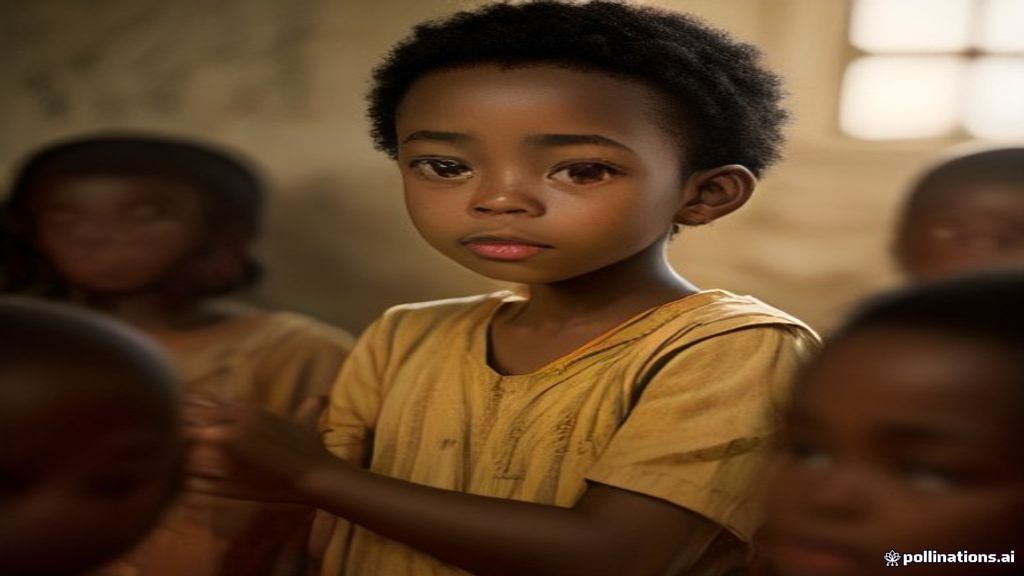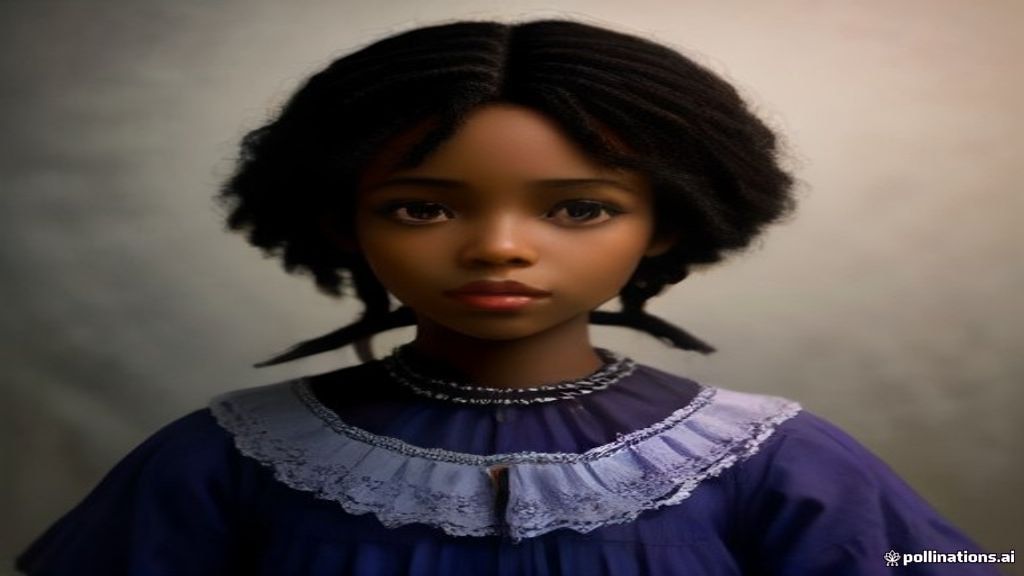
One of the most overlooked forms of cultural influence in Africa is the toy industry. Walk into toy shops, supermarkets, and market stalls across Ghana and many other African countries, and you will find shelves lined with dolls that are overwhelmingly white in complexion, with European facial features and straight hair. Yet these toys are being purchased for African children, especially young girls.
I lived continuously in Ghana until the age of 25 and had never seen a black doll. The dolls Ghanaian girls played with were almost always white. It was only after I moved to the United States that I discovered that black dolls had become increasingly popular among African Americans, who recognized the importance of providing children with toys that reflected their own racial identity and cultural heritage.
The Power of Childhood Toys
Many people regard dolls as simple playthings. However, psychologists and child development experts have long noted that toys help shape children's perceptions of themselves and the world around them.
Young girls often develop emotional attachments to their dolls. They feed them, dress them, carry them around, and imagine themselves in the dolls' place. When virtually all the dolls available to them have white skin, blue eyes, and straight hair, what message does that send about beauty, desirability, and social worth?
Children absorb lessons from their surroundings long before they are capable of critically evaluating them.
Learning to Love Blackness
African children should grow up seeing themselves reflected positively in the toys they play with. Black dolls with African features, dark skin, and natural African hairstyles can help reinforce positive self-images and foster pride in African identity.
When children regularly interact with dolls that look like them, they learn that blackness is normal, attractive, and worthy of celebration. They learn to appreciate their own appearance rather than viewing it as inferior to foreign standards of beauty.
This is particularly important in societies where European beauty ideals continue to dominate advertising, entertainment, and popular culture.
A Link to Skin Bleaching?
One cannot help but wonder whether the continued preference for white dolls contributes, however indirectly, to the widespread skin-bleaching practices observed in many African countries.
Skin bleaching is a complex phenomenon influenced by numerous factors, including colonial history, media portrayals, social pressures, and perceptions of beauty. Yet childhood experiences also play a role in shaping self-esteem and racial identity.
If young girls spend their formative years playing almost exclusively with white dolls, they may unconsciously internalize the notion that lighter skin is more desirable than darker skin.
While dolls alone cannot explain the popularity of skin bleaching, they may be one of many subtle influences that reinforce colour-based beauty standards.
Signs of Change
There is some encouraging news. In recent years, dolls with African features have increasingly entered African markets. Manufacturers in Africa and elsewhere have begun producing dolls with darker skin tones, Afro-textured hair, and African-inspired clothing.
These developments deserve praise and support.
Unfortunately, such dolls remain a minority. The overwhelming majority of dolls sold in many African countries are still white dolls imported from abroad.
Time for a Change
As recently as August 2026, during a visit to Ghana, I observed young Ghanaian children playing with white baby dolls. The situation has improved somewhat, but not nearly enough.
African children deserve toys that reflect their identity, heritage, and appearance. Parents, educators, retailers, and manufacturers should make a conscious effort to increase the availability and visibility of black dolls across the continent.
A simple doll may seem insignificant. Yet the messages children receive through play can last a lifetime.
If we want future generations of African girls to grow up confident, proud, and comfortable in their own skin, then one small but meaningful step is clear: give black dolls to black African girls.
Latest updates
Refreshes automaticallyThis live blog has started. Updates will appear here as they come in.