Children as the Foundation of Akan Society
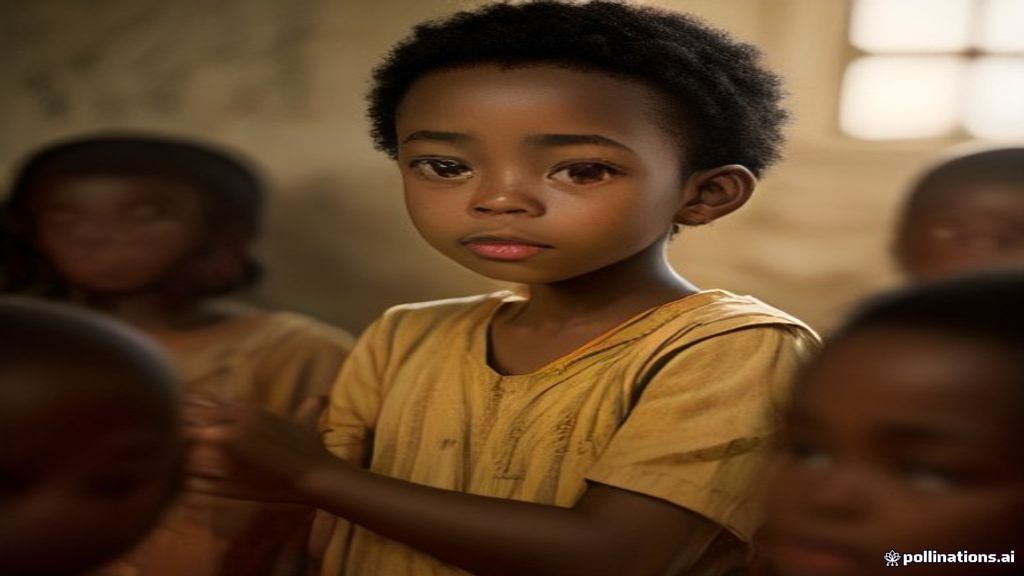
Among the Akan of Ghana, children are highly valued. They are not merely additions to a family; they are essential to the continuity and growth of the abusua (matrilineage). Through children, lineages expand, inheritances are maintained, and family names endure across generations. Chiefs and traditional rulers also value large populations because they contribute to the growth and strength of towns, villages, and traditional states.
The importance attached to childbirth is reflected in many aspects of Akan social life. Traditionally, when families seek a wife for one of their sons, they often pay attention to the reproductive history of the prospective bride’s matrilineage. A lineage known for producing many children is regarded favorably because it is believed that women from such a family are likely to be fertile and capable of bearing several children. Fertility, therefore, is considered an important family asset.
Measuring Success Through Children
The high value placed on childbearing is also evident in how the Akan assess a person's life achievements. When an elderly person dies, one of the first questions often asked is, “How many children did he or she leave behind?” Rarely is the initial inquiry about the amount of wealth accumulated by the deceased. Such questions reveal that, in traditional Akan thought, the production of children is often viewed as a more enduring legacy than the accumulation of material possessions.
The significance of childbearing extends even into matters of leadership. In many Akan communities, a man who has no children may be considered unsuitable for appointment as an Abusuapanyin (head of a matrilineage). Parenthood is regarded as evidence of maturity, responsibility, and social accomplishment. Consequently, childlessness may constitute a disadvantage when leadership positions are being considered.
Fertility in Marriage Blessings and Family Counseling
Akan prayers and rituals also underscore the importance of fertility. During marriage ceremonies, libation prayers frequently include petitions to the ancestors and spiritual powers to bless the newly married couple with many children. In some traditional blessings, the couple may even be wished as many as thirty children—a symbolic expression of the desire for abundant offspring rather than a literal expectation.
The emphasis on fertility is also apparent in marital counseling. When disputes between spouses are brought before family elders for settlement, the husband may be advised to demonstrate his manhood and virility by fathering children. The wife is likewise counseled regarding her responsibilities within the marriage, but fertility and childbearing often remain central themes in the discussions.
Childlessness and Marital Instability
Not surprisingly, the inability to have children has historically been a source of marital strain. In some cases, a husband may be infertile—known in Akan as okrawa—while in others the difficulty may lie with the wife. Because both men and women face strong social expectations to produce biological children, infertility can create pressure on a marriage and may sometimes contribute to its dissolution. Traditionally, some couples separated in the hope that each partner might find another union through which children could be obtained.
Honoring Exceptional Fertility
Given the tremendous value attached to childbearing, it is understandable that exceptional fertility would attract public recognition. One of the most remarkable expressions of this recognition is the badudwan ceremony.
The badudwan is a special sheep presented by a husband to his wife upon the birth of their tenth child. The sheep serves as a congratulatory gift and public acknowledgment of the woman's extraordinary contribution to her family and lineage. In a society where children are highly prized, bearing ten children is regarded as an achievement worthy of special honor.
Childbirth as a Battle Won
The ceremony is rooted in the Akan perception of childbirth as a form of struggle or battle. Traditionally, pregnancy and delivery were fraught with dangers, and many women lost their lives during childbirth. Every successful birth was therefore considered a victory. To express gratitude and appreciation, a husband customarily presented a chicken to his wife after each delivery. The chicken was intended to honor and appease her kra (soul or life force) for safely enduring the ordeal of childbirth.
The birth of the tenth child, however, marks a special milestone. Instead of the customary chicken, the wife receives a sheep, an animal far more valuable than a chicken. The sheep symbolizes the culmination of repeated triumphs over the dangers of childbirth and serves as a public tribute to the woman's fertility, endurance, and dedication to family life.
The Badudwan Ceremony
The badudwan ceremony is usually performed one week after the birth of the tenth child. This coincides with the traditional Akan outdooring ceremony, during which the newborn is formally introduced to the community and given a name. Before assembled relatives and well-wishers, the husband presents the sheep to his wife, thereby publicly acknowledging her accomplishment and expressing gratitude for her contribution to the family and lineage.
A Window into Akan Cultural Values
The badudwan ceremony provides a fascinating window into traditional Akan values. It illustrates the premium placed on fertility, lineage continuity, and family growth. While contemporary economic realities have made very large families less common than in the past, the ceremony remains an important cultural reminder of a time when prolific childbearing was celebrated as one of the highest achievements of womanhood and family life.
More broadly, the institution reflects the central place of children in Akan society. From marriage negotiations and family leadership to funeral reflections and ancestral blessings, the importance of children permeates Akan social life. The badudwan sheep stands not merely as a gift to a mother but as a symbol of the profound cultural significance that the Akan attach to childbirth, fertility, and the continuation of the lineage.
Latest updates
Refreshes automaticallyThis live blog has started. Updates will appear here as they come in.