Search
20 results for “Akans”
WorldMay 30, 2026
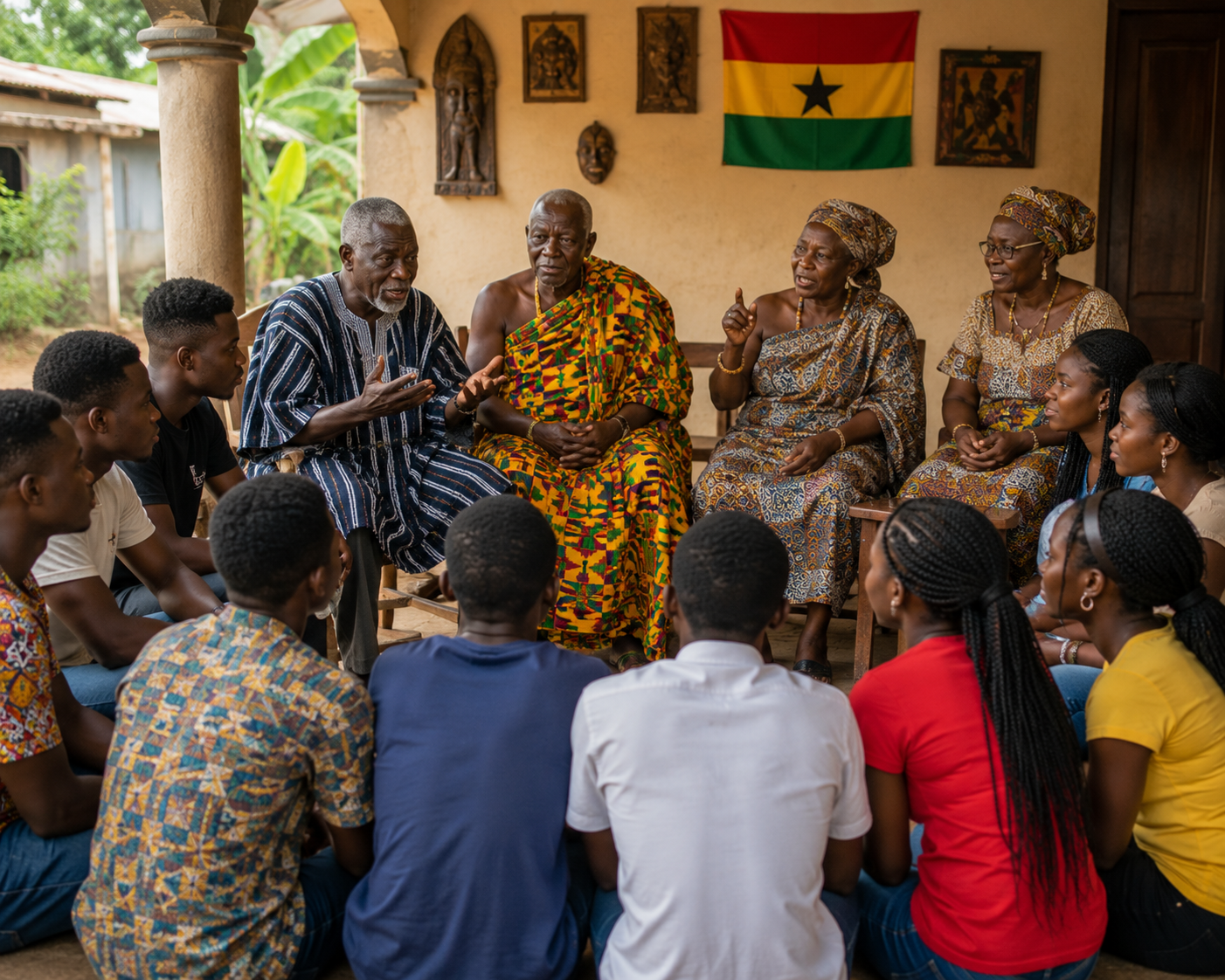
When the Stool Rejects the Chief: Why Akans Remove Their Traditional Rulers
In Akan society in Ghana, a chief occupies a revered and sacred position. He is the custodian of the land, the representative of the ancestors, and the moral leader of the community. The stool symboli
GH Newspapers
TechnologyJan 2, 2026
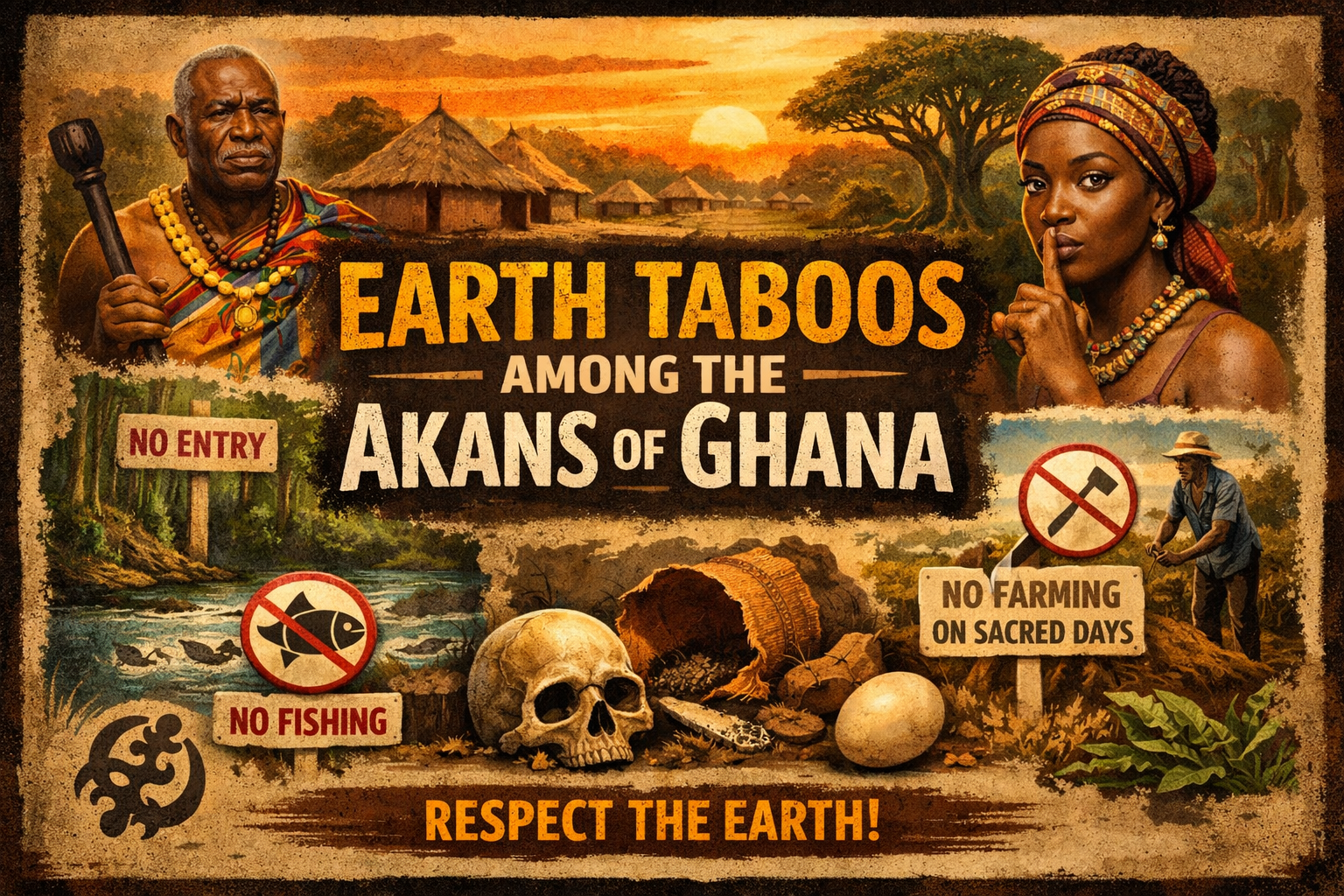
Earth Taboos Among the Akans of Ghana: Asaase Yaa Must Not Be Defiled
A taboo is an act so deeply forbidden that it provokes moral outrage, fear, or spiritual anxiety when violated. Taboos are cultural universals: every society draws invisible lines that must not be crossed. Yet these lines are not the same everywhere. What one society condemns as unthinkable may be o
WorldJun 8, 2026
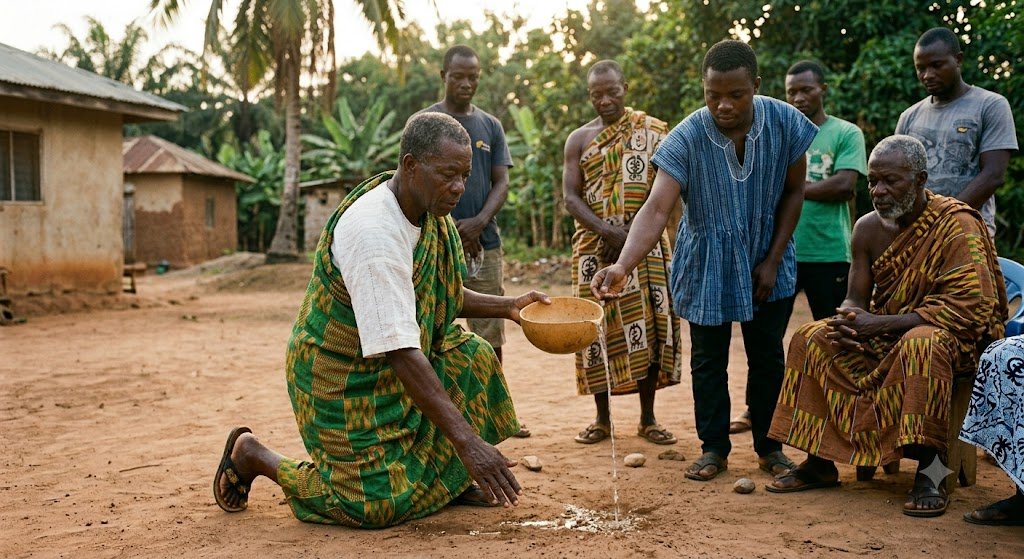
Asase Yaa: The Sacred Earth Spirit of the Akan People
Asase Yaa, in the indigenous religion of the Akan people, is regarded as the great female spirit of the earth. She occupies a position of honor and importance second only to Nyankopon, the Creator. Th
GH Newspapers
SocietyAug 4, 2026
Badudwan: The Akan Ceremony That Honors Women for Prolific Childbearing
A description of a major Akan cultural ceremony to honor women for prolific childbearing
PoliticsJul 1, 2026
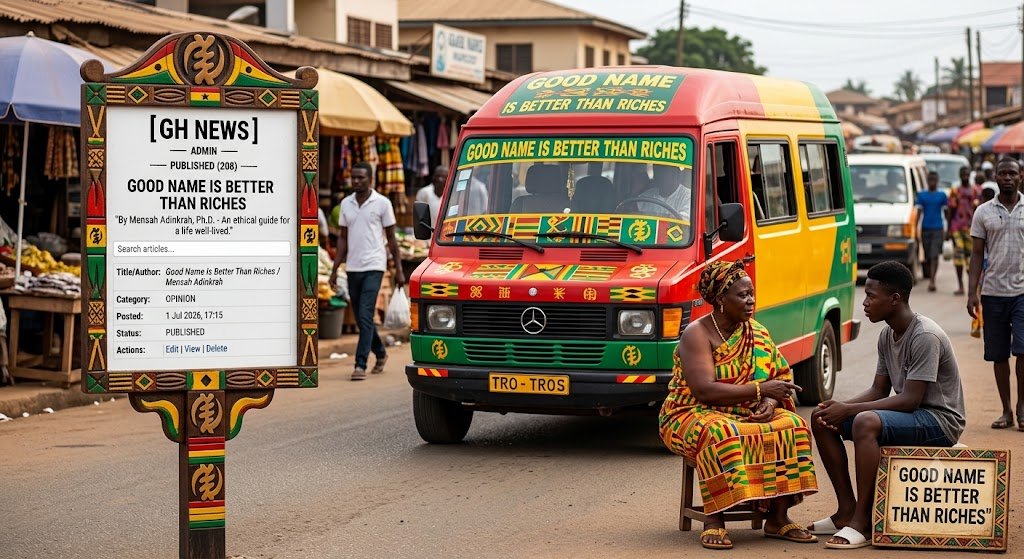
Good Name Is Better Than Riches
Introduction One of the most profound pieces of wisdom in Ghanaian culture is the saying: "Good name is better than riches." The Akan version, "Din Pa Yɛ Sen Ahonya," conveys the same timeless messag
WorldJun 12, 2026
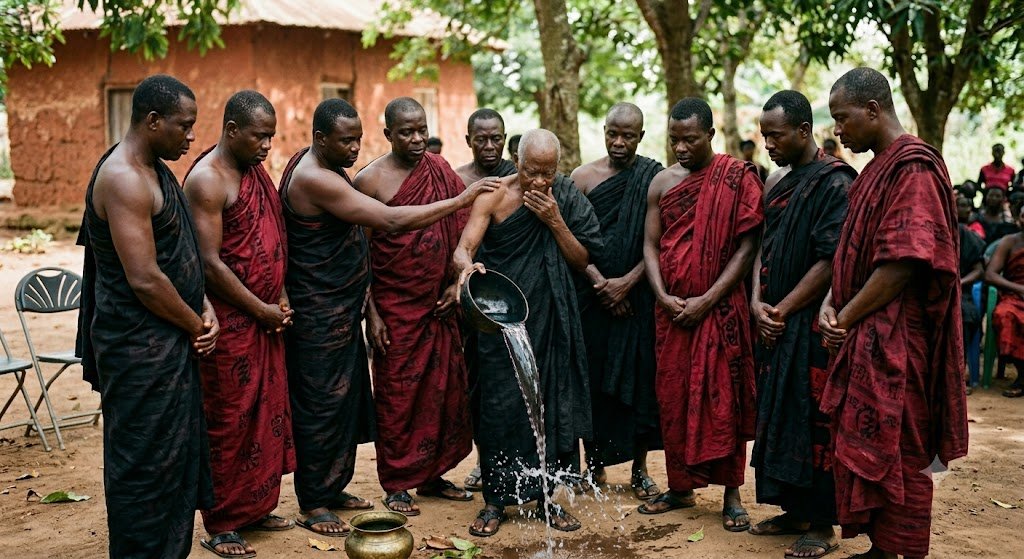
The Role of Libation in Akan Funeral Rites
One of the most important features of Akan religious and funeral traditions is the pouring of libation, known in Twi as nsaguo or mpaeyie. The word nsaguo literally means the pouring of an alcoholic d
WorldMay 31, 2026
The Adesiedie Ceremony: A New Form of Conspicuous Consumption in Ghana’s Funerary Landscape
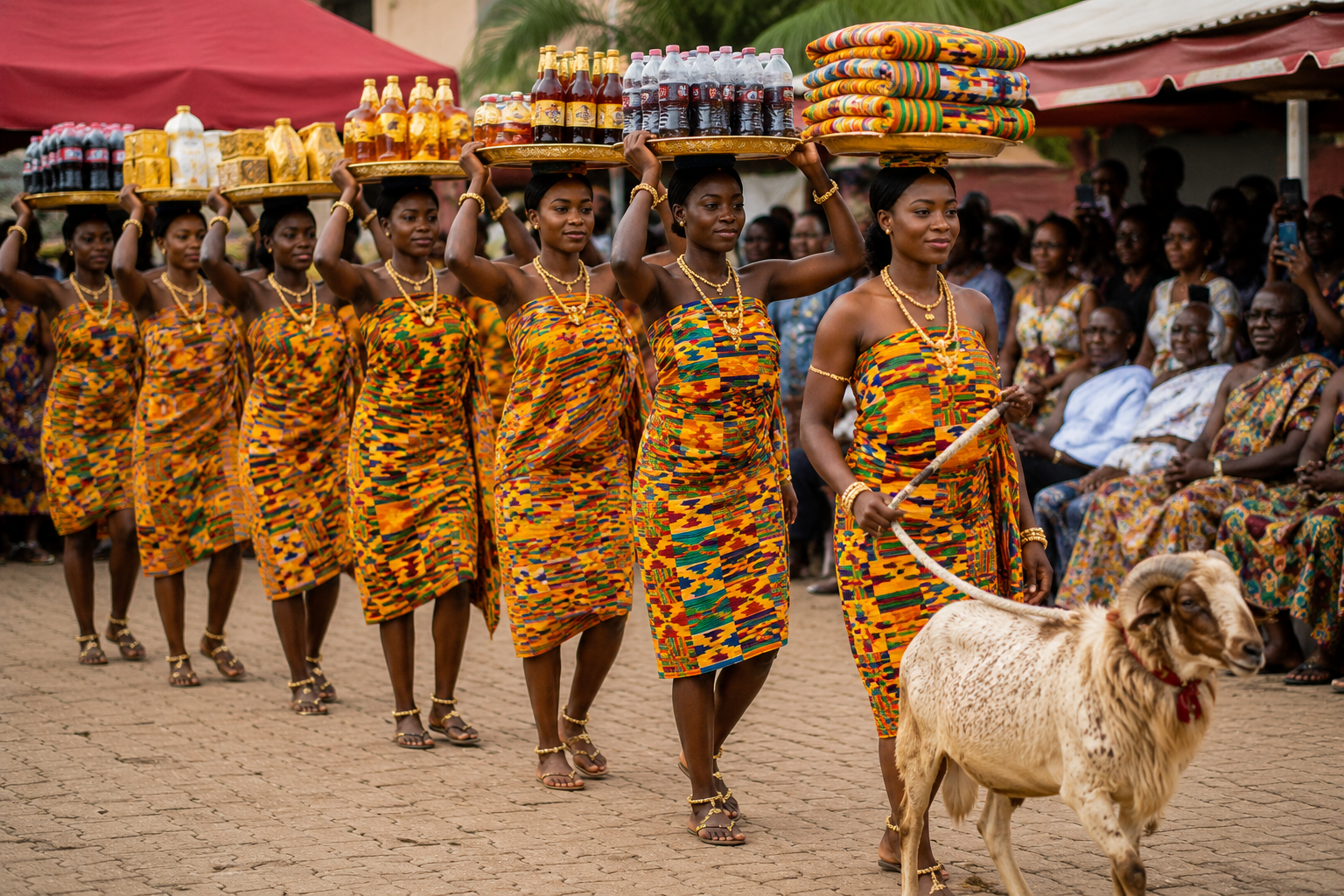
Conspicuous Consumption and the Funeral Arena The term “conspicuous consumption” was coined by the American economist and sociologist Thorstein Veblen in his classic work The Theory of the Leisure Cl
WorldJul 3, 2026
Gye Nyame: The Akan Declaration of the Supremacy of God
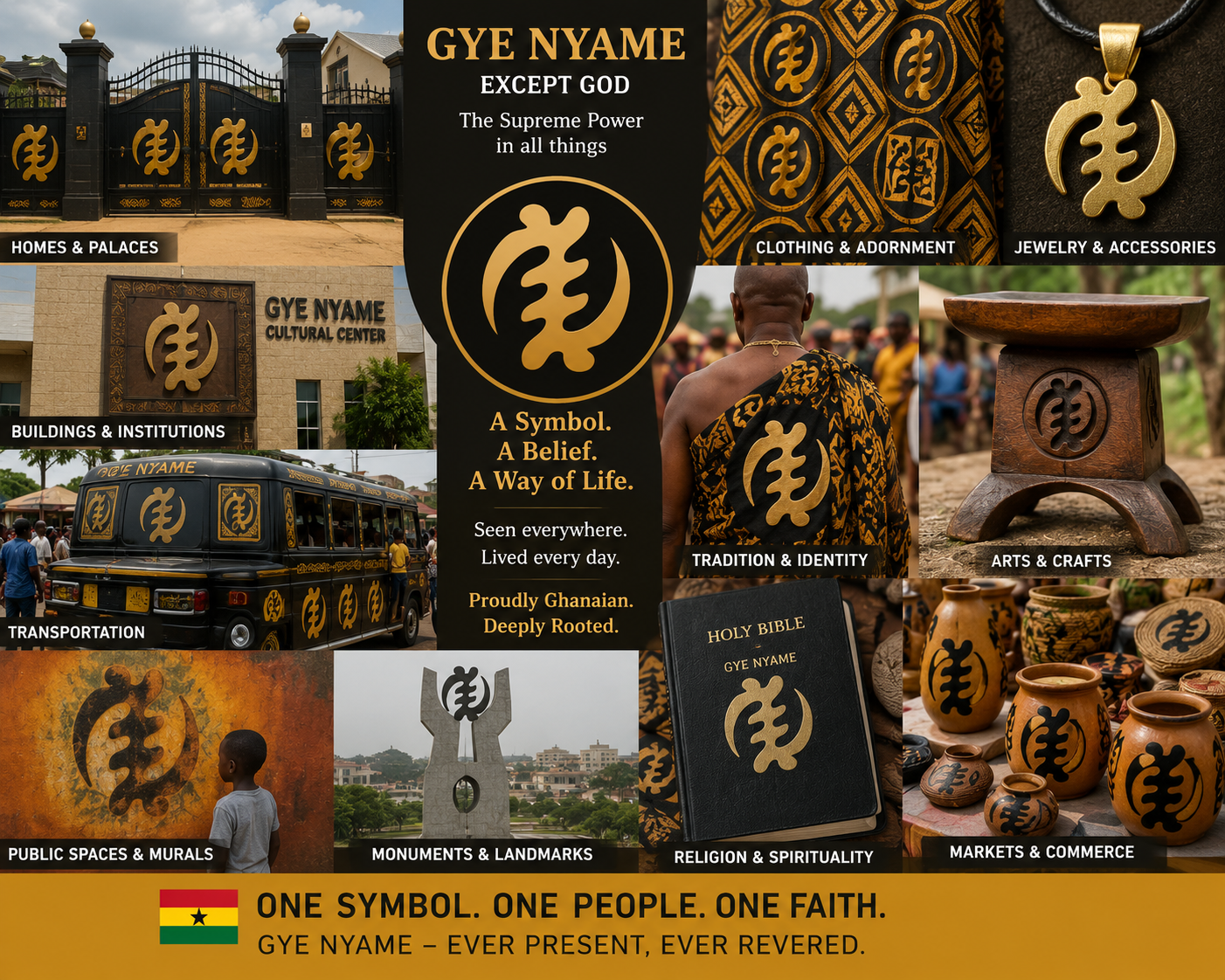
Among the Akan people of Ghana, belief in God occupies a central place in everyday life. The Akans have long regarded God, known as Nyame, as the Creator of the universe, the source of all life, and t
EntertainmentDec 29, 2025
Akan Male and Female Last Names
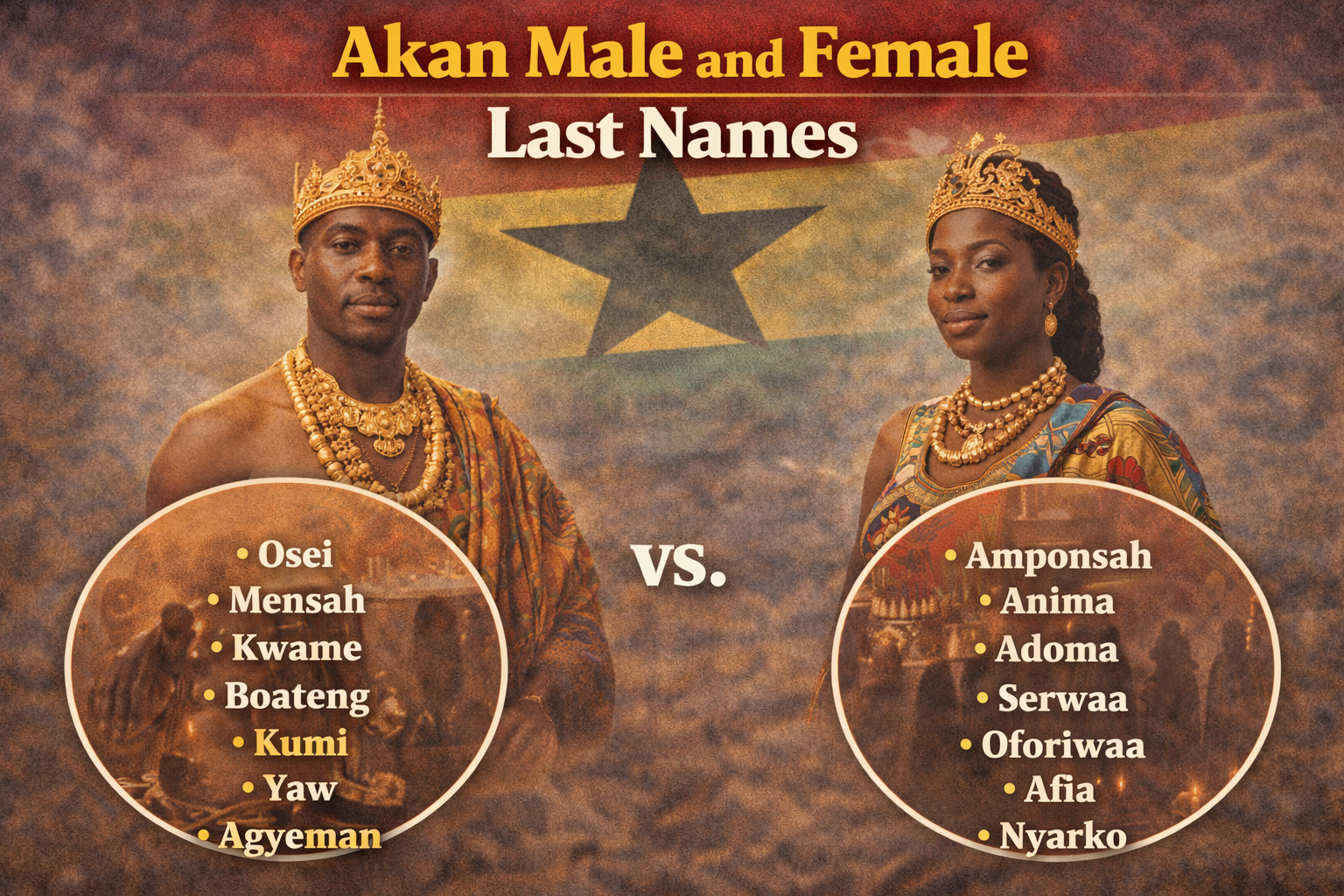
The Akans are the largest ethnic group in Ghana, comprising approximately 46 percent of the national population. The Akan language, commonly referred to as Twi, is widely spoken across the country. Although it is the mother tongue of the Akan people, it also functions as a lingua franca and is under
EntertainmentMar 3, 2026
Pouring Libation in Akan Society
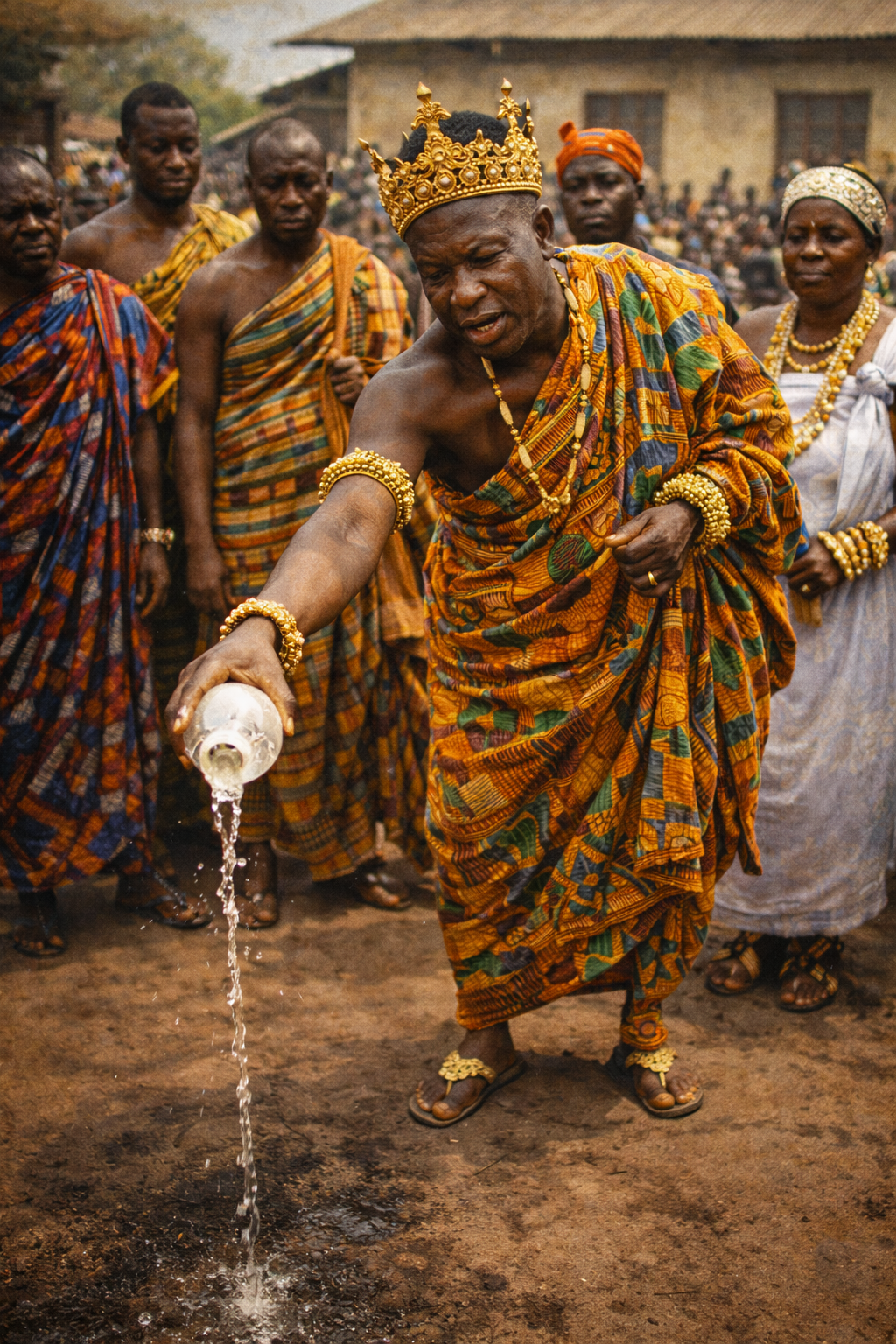
Among the Akan people of Ghana, pouring libation is one of the most important traditional religious practices. It is a solemn ritual through which people communicate with the spiritual world. The act symbolizes reverence for the ancestors, recognition of the Supreme Being, and a request for protecti
EntertainmentMar 3, 2026
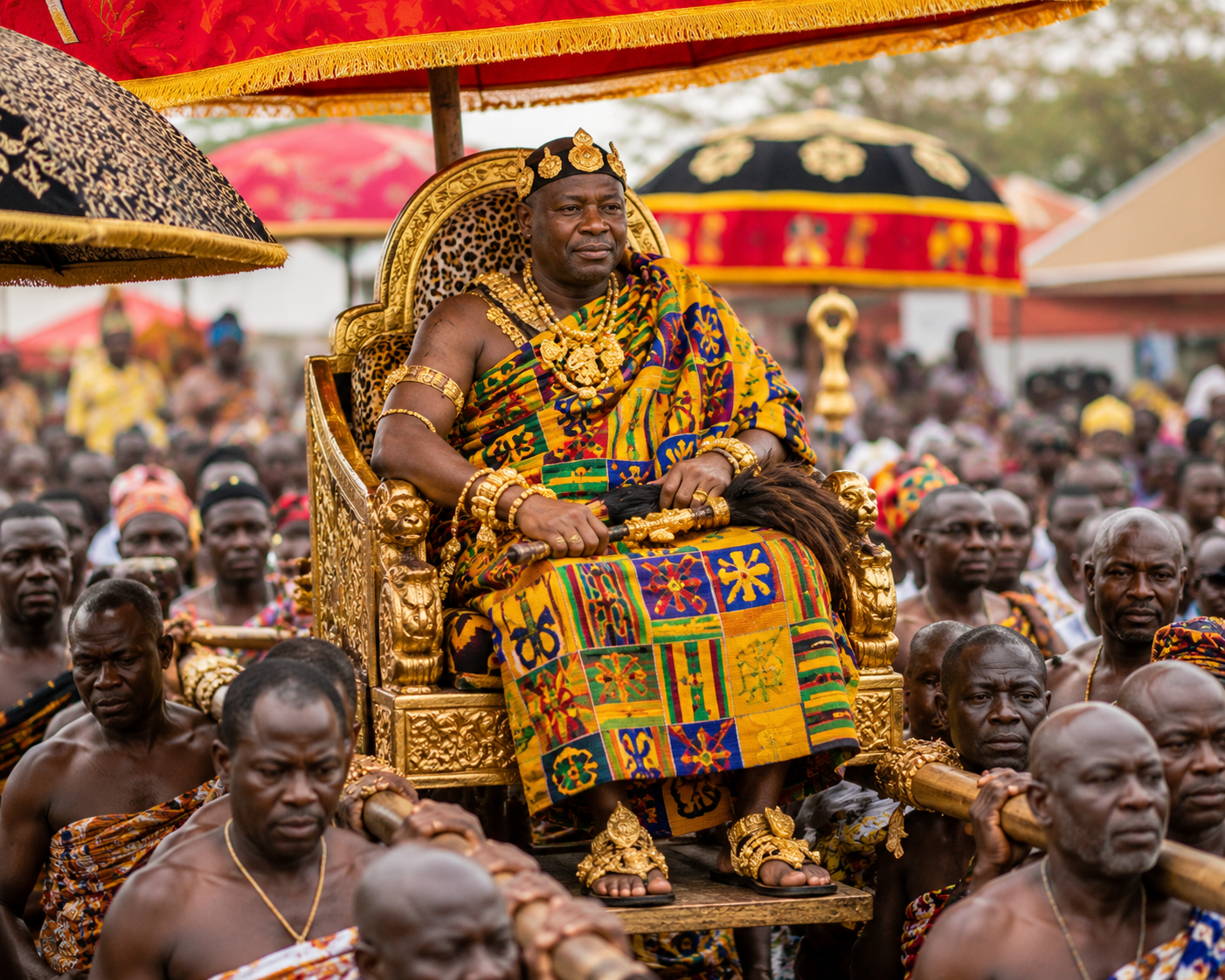
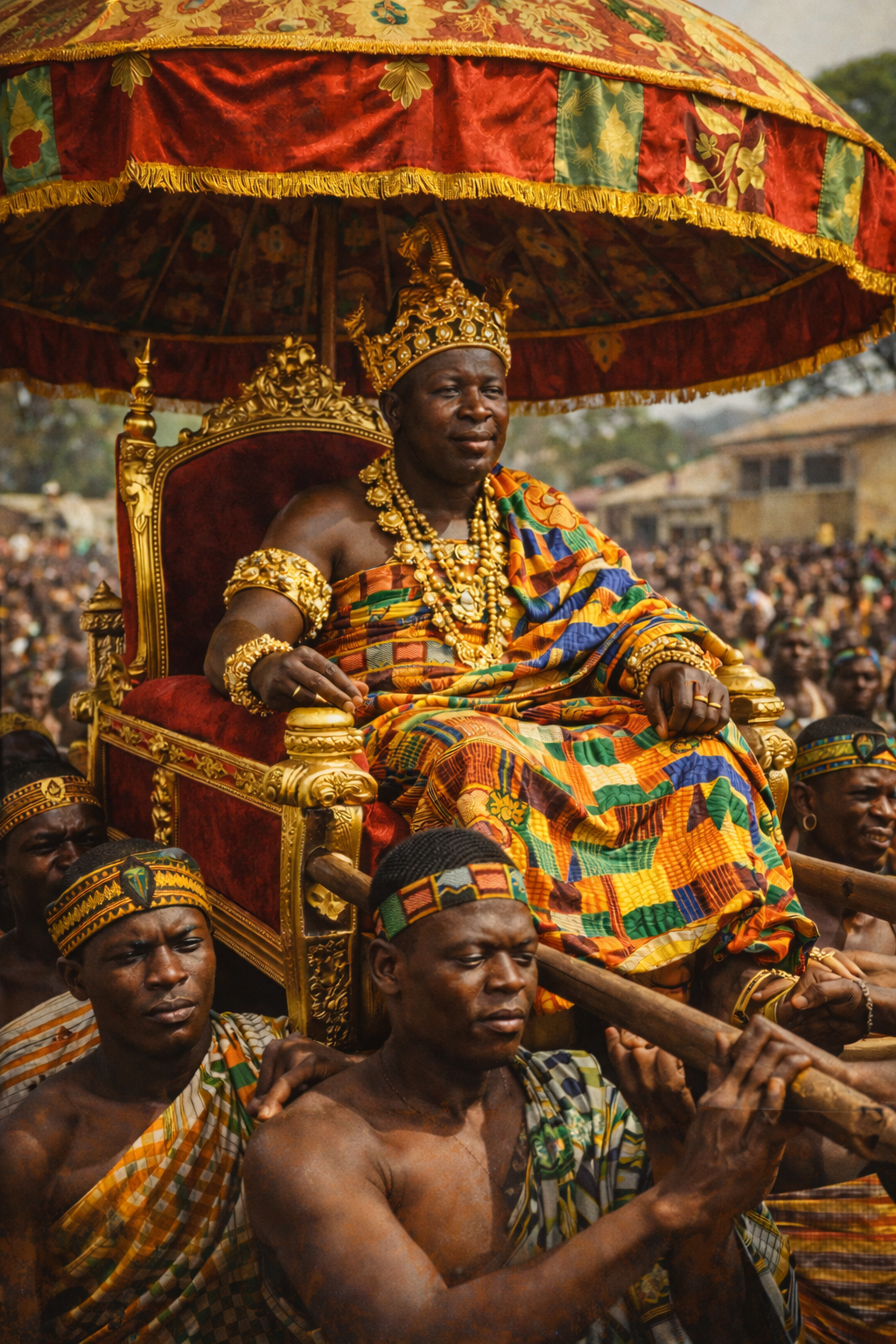
Why Akan Chiefs Are Carried in Palanquins
The Akan of GhanaThe Akan are an ethnic group that live in Ghana. They occupy a broad stretch of territory extending from the coastal areas to the central forest belt of the country. Historically and culturally, the Akan constitute one of the largest ethnolinguistic groups in Ghana and share closely
EntertainmentJan 3, 2026
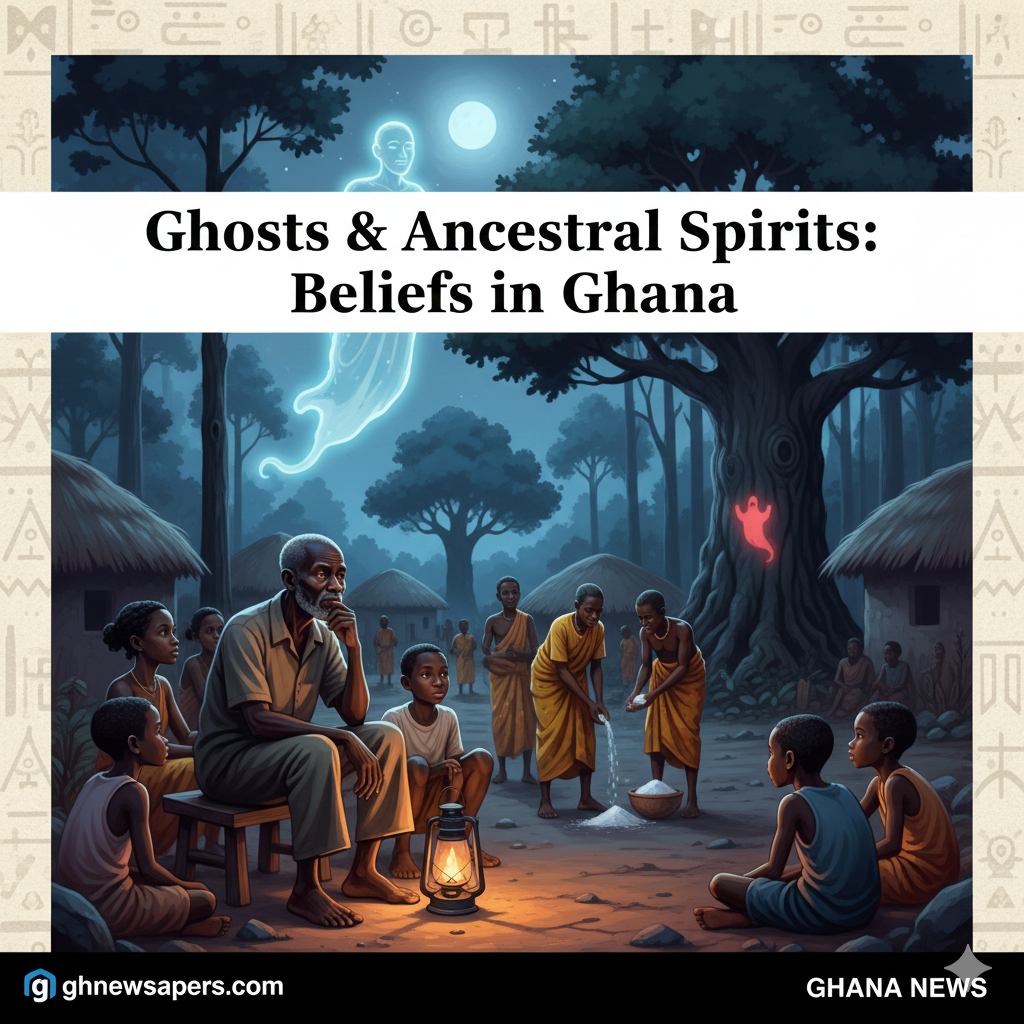
Beliefs About Ghosts in Ghana: What the Living Say About the Dead
Widespread Beliefs in GhostsAlthough no large-scale self-report study has been conducted on belief in ghosts in Ghana, it is fair to say that belief in ghosts or apparitions is widespread across the country. These beliefs are especially strong among the Akan of southern Ghana, where ideas about deat
EntertainmentJan 2, 2026
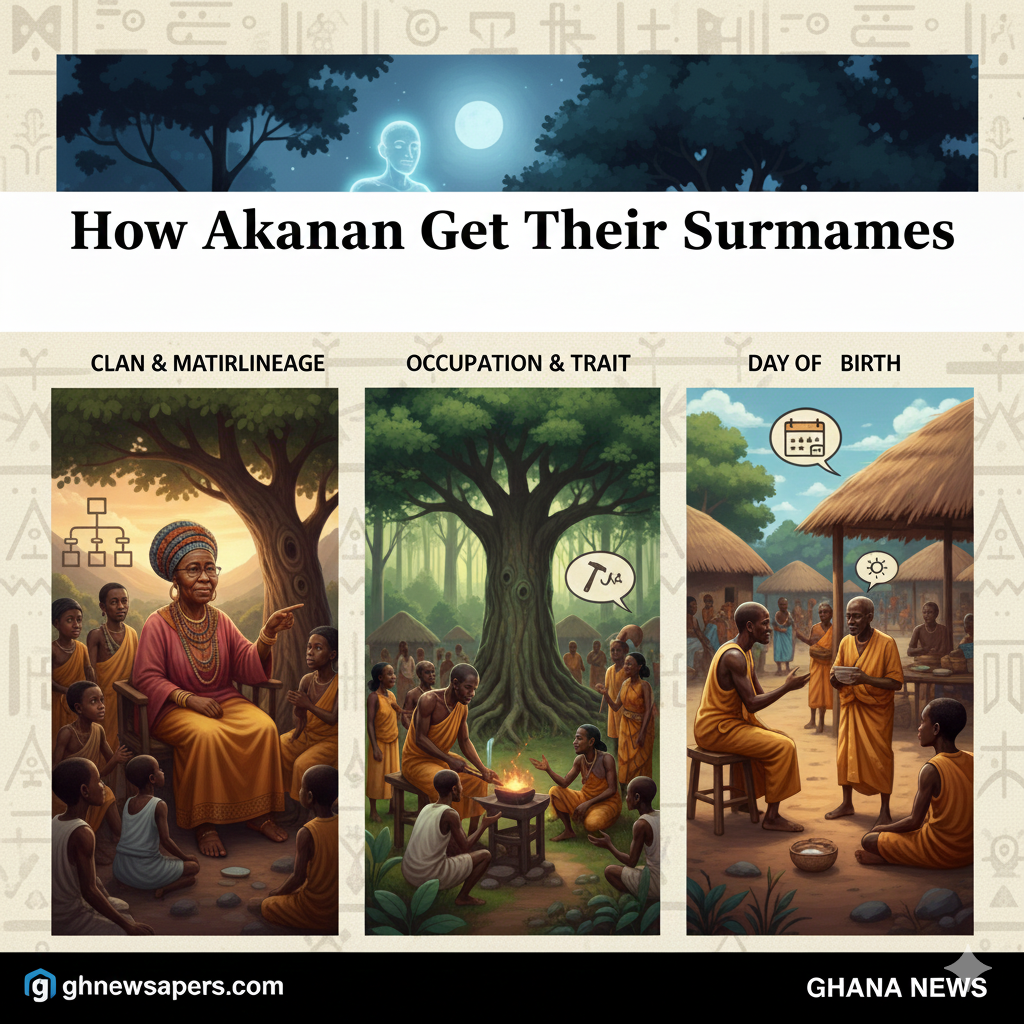
Akan Surnames: Heritage, Identity, and the Power of Names
Among the Akan people of Ghana, names are more than labels—they are living symbols of heritage, identity, social bonds, and spiritual connection. Akan naming traditions reflect a society where lineage, ancestry, and morality are woven into the very words that identify a person. Origins of Akan Surna
EntertainmentJan 2, 2026
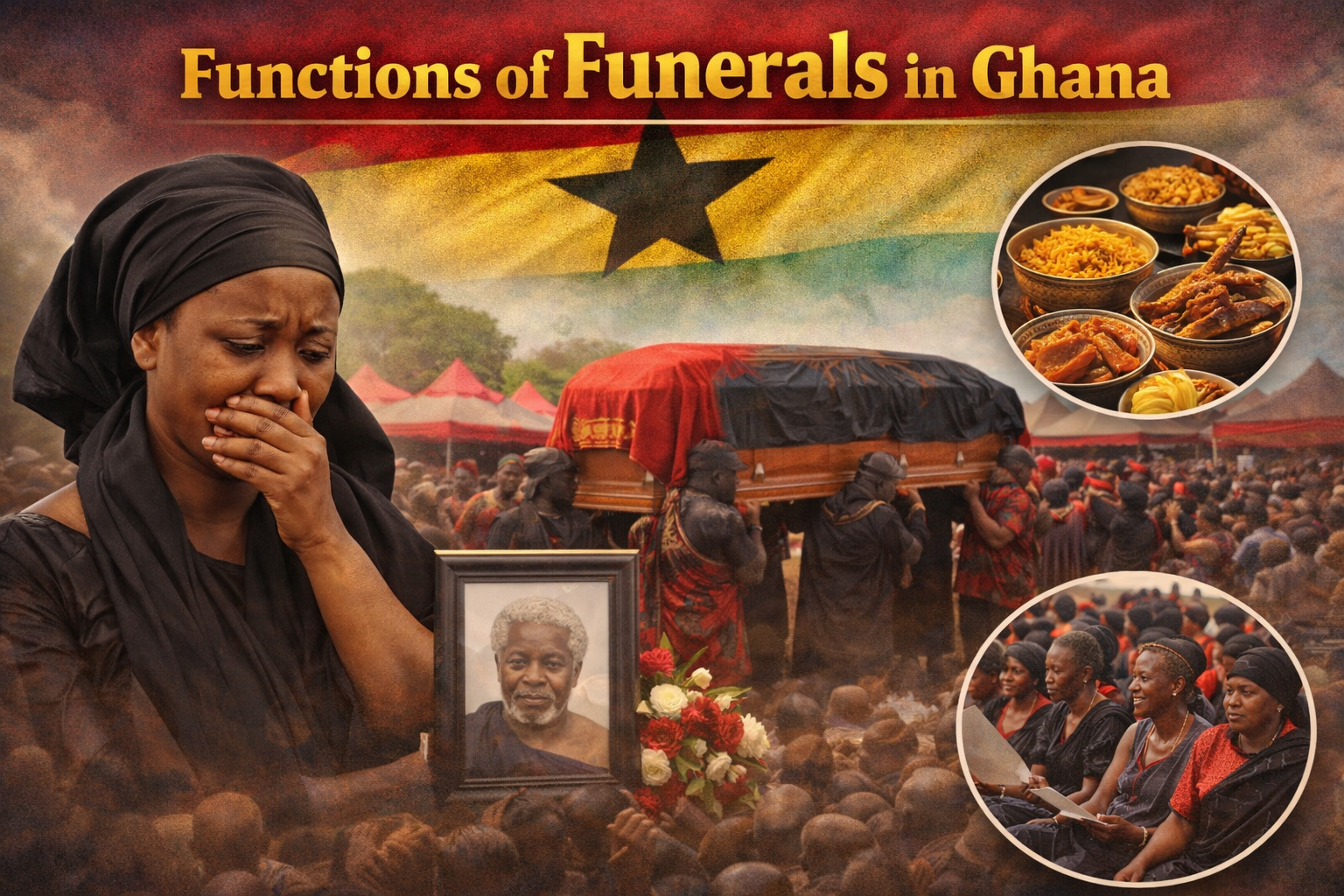
Functions of Funerals in Akan Society of Ghana
Among the Akan people of southern Ghana, funerals are more than ceremonies—they are profound cultural, spiritual, and social events that reflect the community’s understanding of life, death, and the afterlife. Central to Akan beliefs is the conviction that life continues after death. While the body
EntertainmentDec 31, 2025
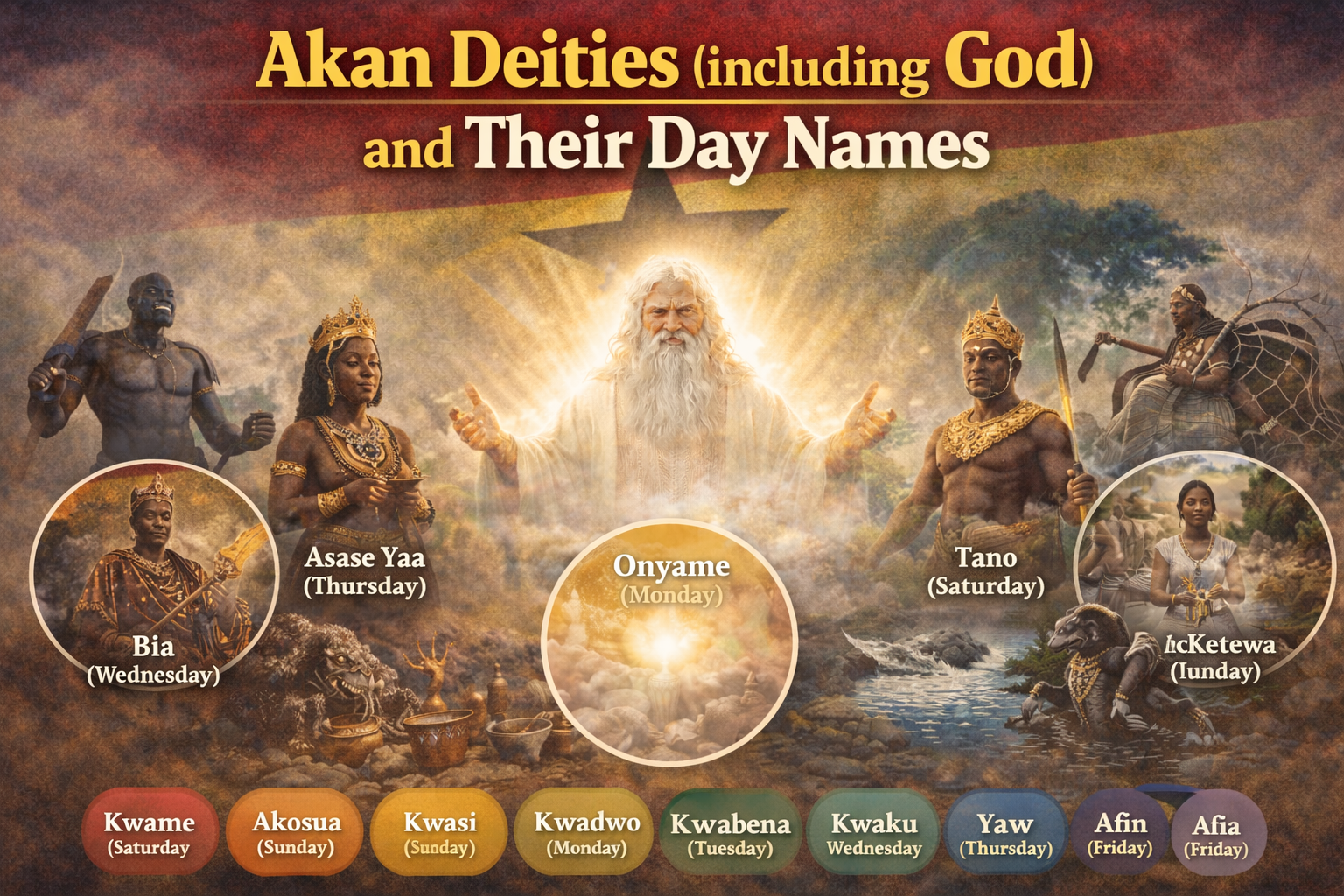
Akan Deities and Their Day Names: Onyankopɔn Kwame, Asaase Yaa, Po Abenaa and Kofi Yesu
Among the Akan of Ghana, naming is never a casual act. Names locate a person in time, history, morality, and the spiritual universe. One of the most distinctive Akan naming practices is the giving of day names (kradin), assigned according to the day of the week on which a child is born. These names
EntertainmentDec 29, 2025
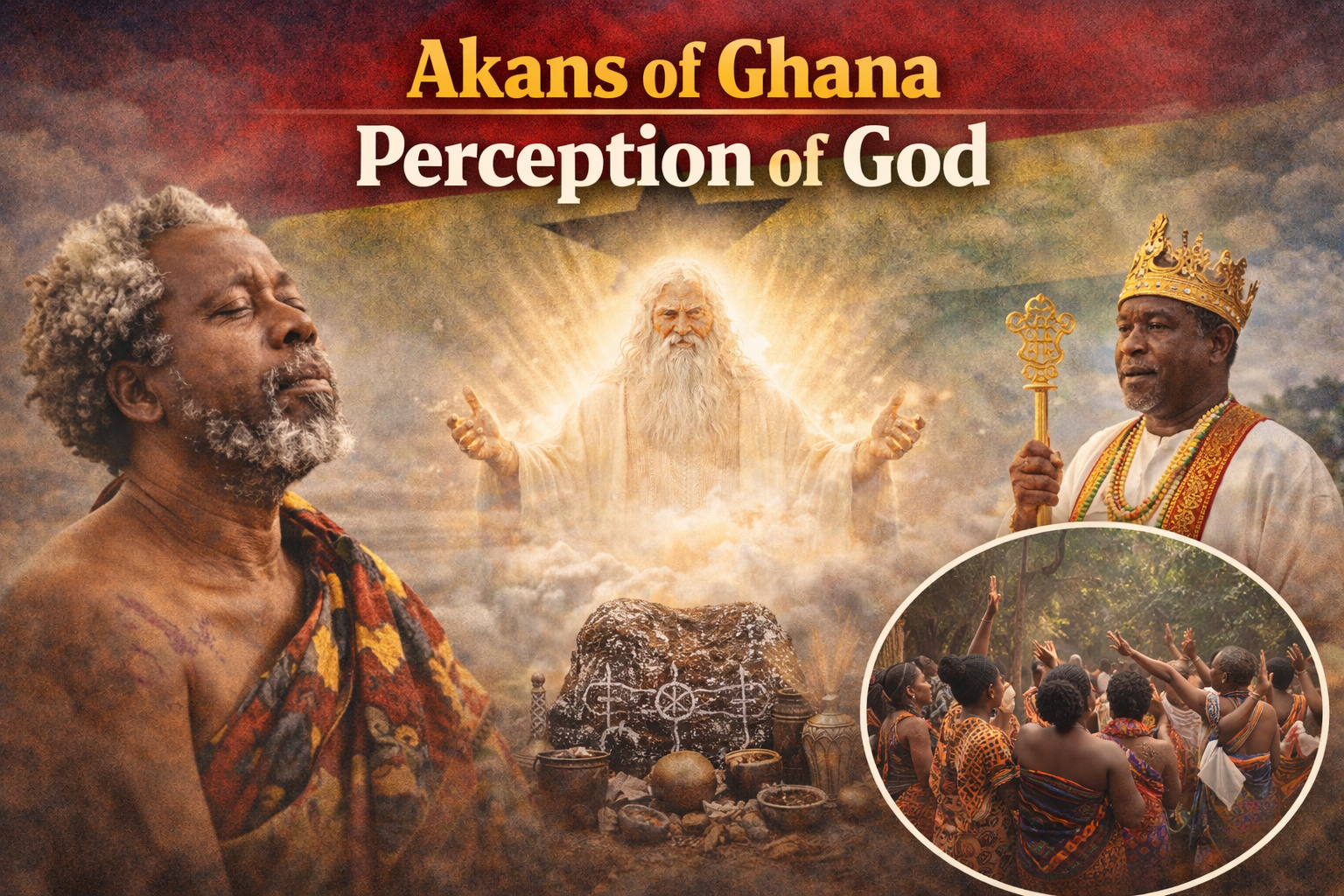
Akan Perceptions of God
Akan perceptions of God can be discerned from the rich array of names and appellations used to describe the Supreme Deity. Among the Akan, the name for God is Nyankopɔn (Onyankopɔn), the Supreme Being. Etymologically, the term is often explained as deriving from “Onyame koro a ɔyɛ pɔn,” meaning “the
EntertainmentDec 26, 2025
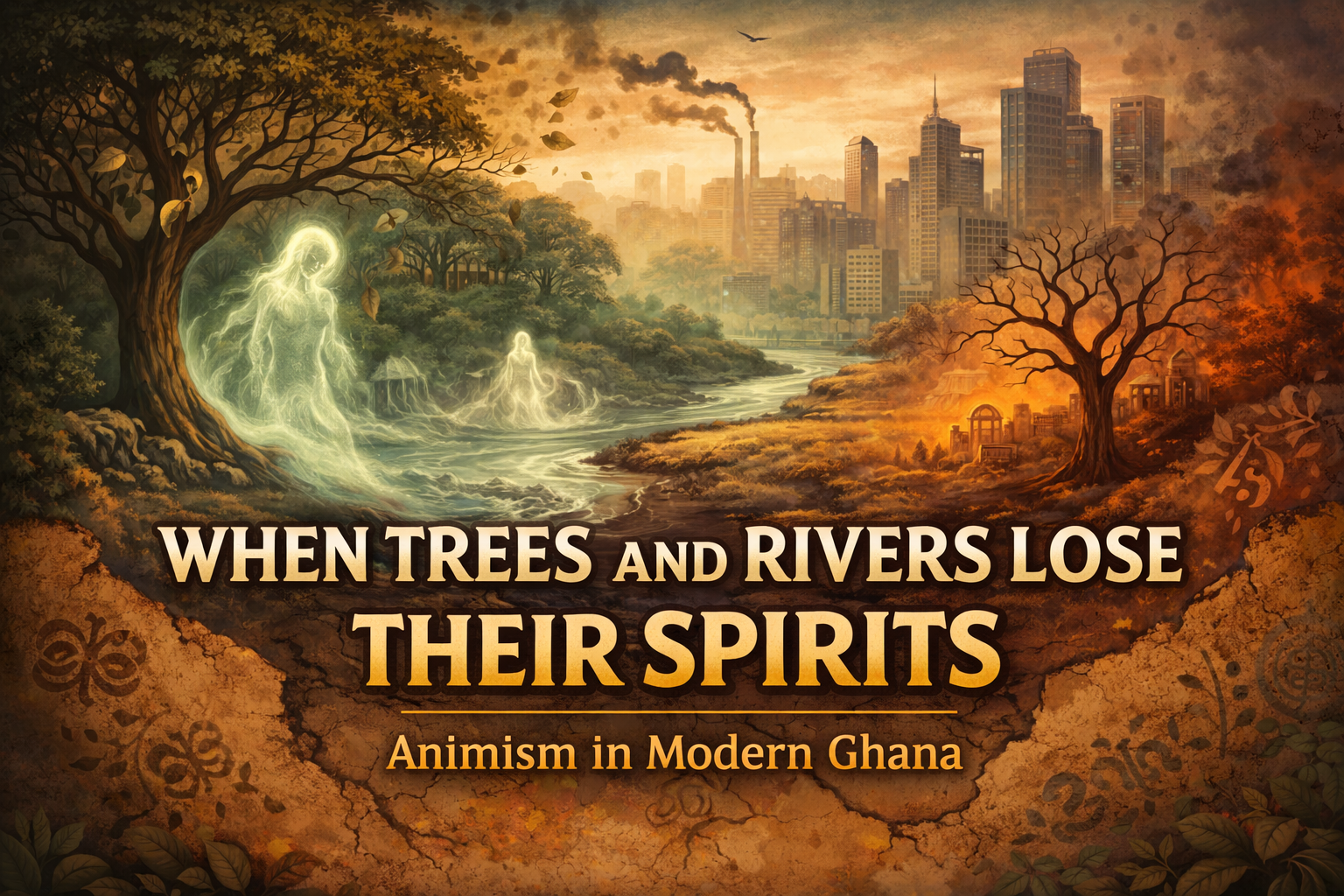
When Trees and Rivers Lose Their Spirits: Animism in Modern Ghana
Animism is the belief that the environment and society are populated with spirits. Many Ghanaians hold animistic beliefs, maintaining that their surroundings are inhabited by spiritual beings. Some of these spirits are believed to be benevolent, while others are considered malevolent. Animistic beli
WorldDec 25, 2025
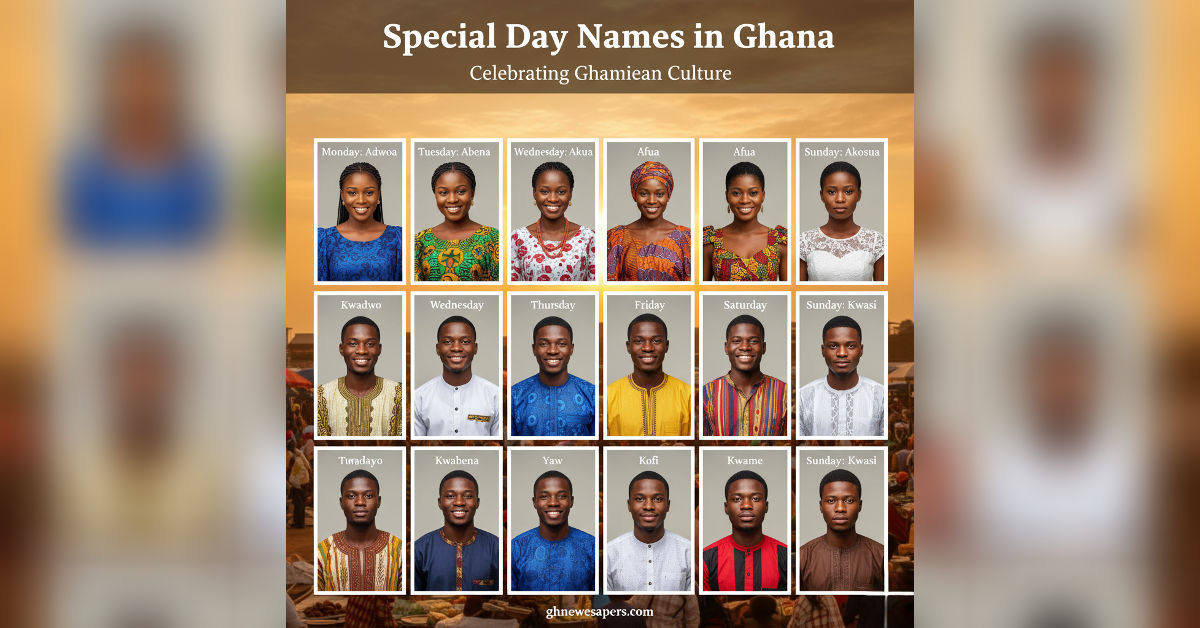
Special Day Names in Ghana
Akan Day Names (Kra Din) Different societies have different ways of naming their children. Among the Akan people of Ghana, newborns are given a special name based on the day of the week on which they are born. This name is called a “kra din.” In Twi, the widely spoken Akan language, kra (or okra)…