Few ambitions unite Ghanaians more than the dream of owning a house. From the streets of Accra to the smallest rural communities, home ownership remains one of the clearest markers of success, respectability, and social standing.
Drive through almost any town or village in Ghana and one sight is impossible to miss: houses under construction. Some are nearing completion, others have stood unfinished for years, waiting for the owner to raise enough money to continue building. These structures tell an important story about the aspirations, sacrifices, and ambitions of ordinary Ghanaians.
For many Ghanaians, owning a house is more than a financial achievement; it is a lifelong aspiration and a symbol of success, stability, and social respectability. Indeed, one of the most cherished dreams of the average Ghanaian is to build a house during his or her lifetime.
From an early age, many Ghanaians nurture plans of one day constructing a home when they become financially secure. The desire cuts across social classes, occupations, and regions of the country. To many, house ownership represents security, independence, and the culmination of years of hard work and sacrifice.
Those who succeed in building their own homes are often admired, praised, and accorded considerable respect within their communities. House ownership is frequently viewed as evidence that one has "made it" in life.
Recently, I found myself reflecting on this deep-rooted preoccupation with house ownership. Why do Ghanaians place such a high value on building and owning homes?
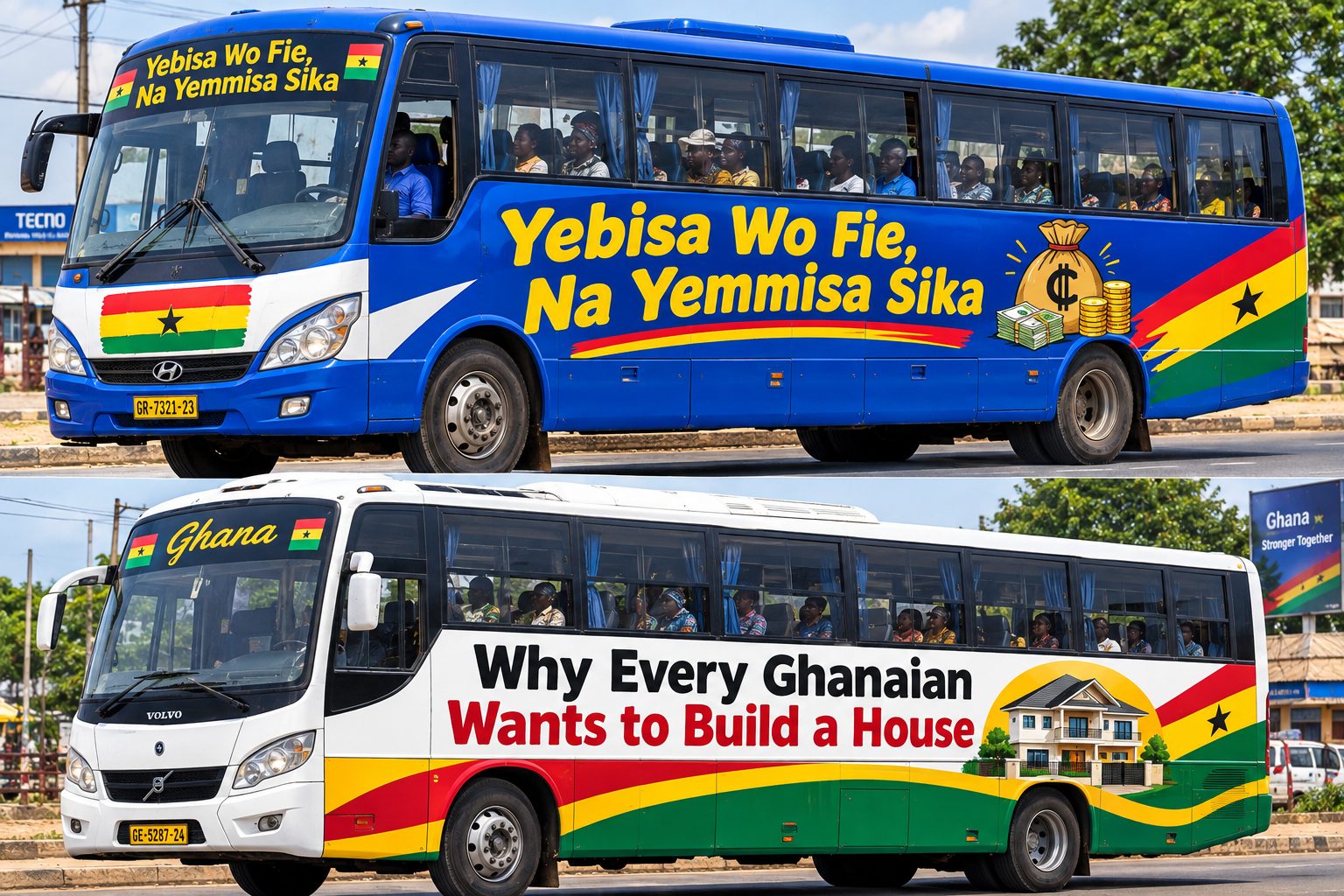
Among the Akan, the importance attached to house ownership is reflected in traditional proverbs. One well-known proverb states: “Yebisa wo fie, na yemmisa sika dodoɔ a wowɔ”—literally, “People ask about your house, not the amount of money you possess.” The proverb suggests that tangible achievements such as owning a home often carry greater social significance than merely having money.
Another Akan proverb reinforces the same idea: “W’anni annye wo kurom a, na ɛyɛ fie dan a wonni nti.” Loosely translated, it means, “If you are not happy in your hometown, it is because you do not have a house there.” The proverb underscores the belief that a person’s sense of belonging, pride, and fulfillment is closely tied to owning a home in their community of origin.
While many individuals who embark on house-building projects eventually complete them, a significant number are unable to do so because of financial difficulties. The result is the proliferation of uncompleted structures scattered across Ghana’s landscape. These unfinished buildings stand as silent reminders of dreams deferred, interrupted by economic hardships, rising construction costs, and inadequate access to credit.
Despite these challenges, the dream of home ownership remains alive and well. For countless Ghanaians, building a house continues to represent one of life's greatest accomplishments—a legacy to be passed on to future generations and a visible testament to perseverance and success.
Latest updates
Refreshes automaticallyThis live blog has started. Updates will appear here as they come in.