
Search
22 results for “aspirations”
WorldMar 3, 2026
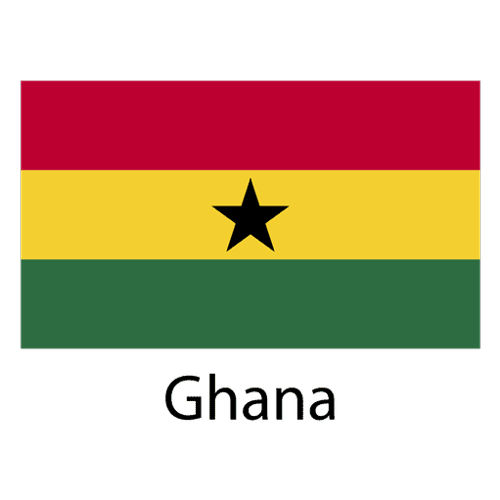
The Ghana National Flag: Symbol of Unity, Freedom, and Heritage
A Historic Emblem of Independence The Ghana national flag is more than a piece of cloth fluttering in the wind; it is a powerful symbol of the country’s history, aspirations, and identity. First officially adopted on March 6, 1957—the same day Ghana became the first African nation to gain independen
GH Newspapers Editorial Team
PoliticsMar 1, 2026
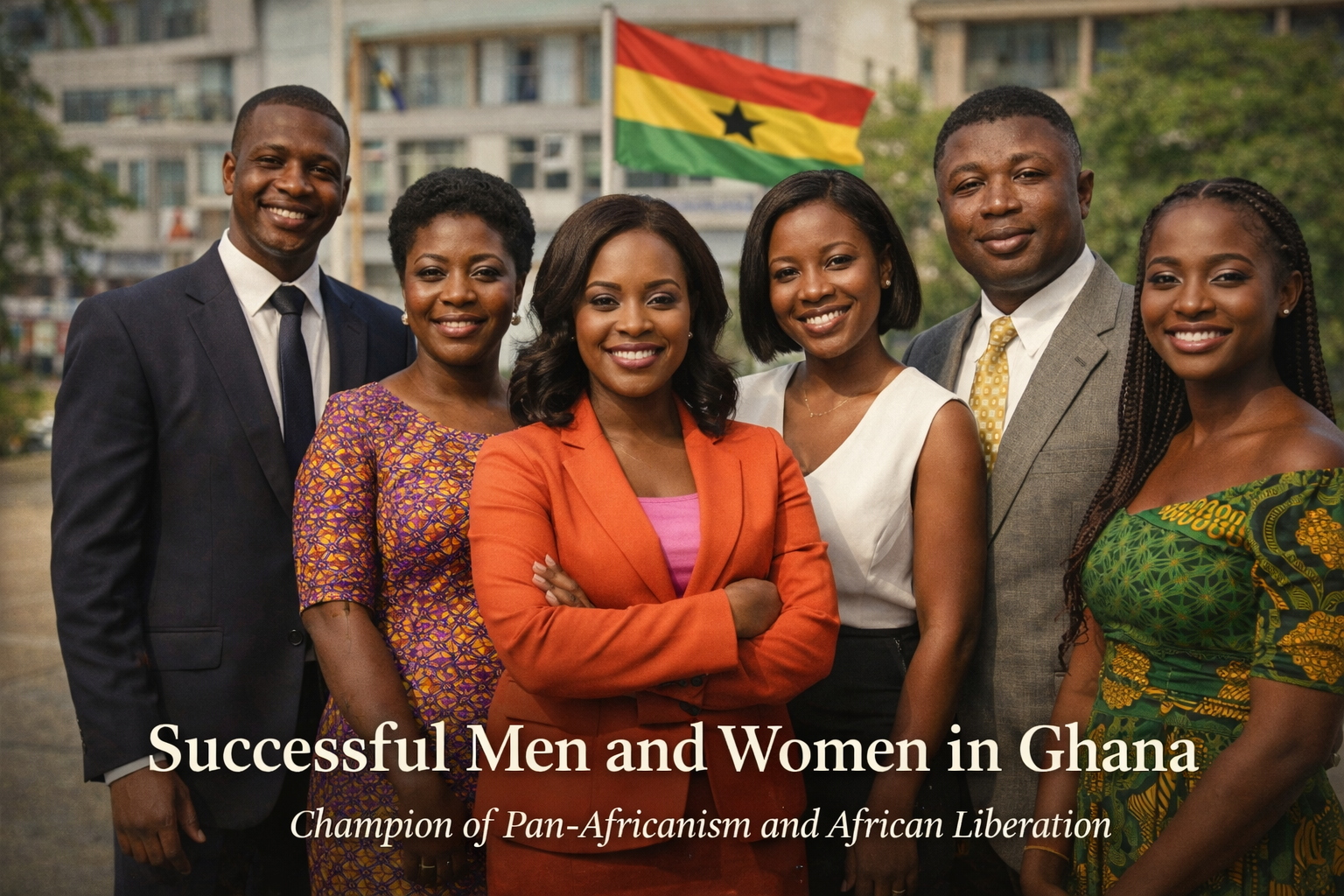
Symbols of Success in Ghanaian Society: What is “The Ghanaian Dream”?
In every society, there are culturally accepted symbols of success. There are also culturally approved means for attaining these symbols of success. These aspirations and goals form what can be called a society’s “dream.” In the same way that some people speak of their national dream, it is possible

SocietyJul 28, 2026
Why Is the Star on Ghana's Flag Black?
The article explains why the star in Ghana's flag is black, instead of white, silver or golden
PoliticsJun 16, 2026
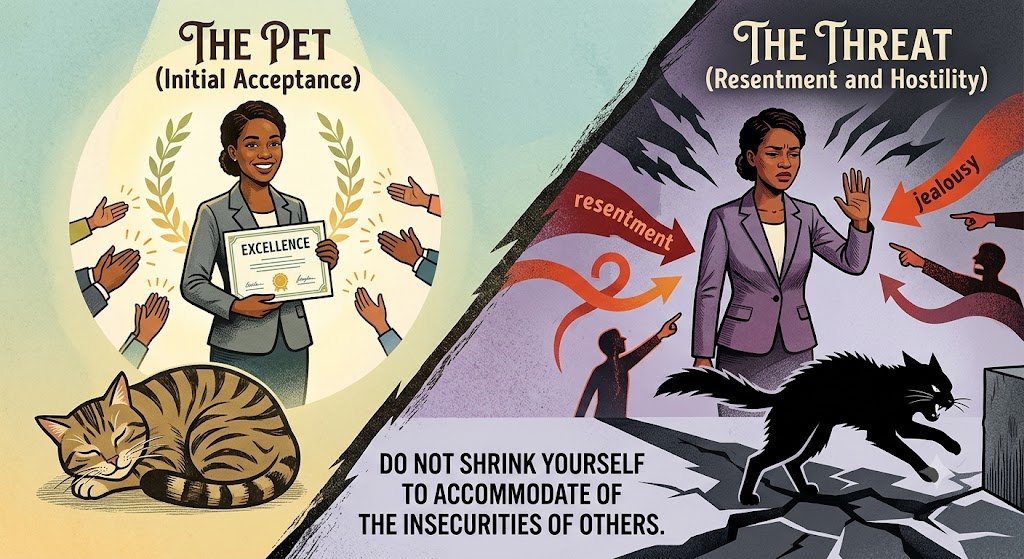
From Pet to Threat: Why You Should Not Allow Others' Treatment of You to Discourage You
The Pet-to-Threat Phenomenon Many Black people throughout the Diaspora share stories of what has come to be known as the "pet-to-threat" phenomenon. The pattern is remarkably consistent. Initial succ
WorldJun 5, 2026
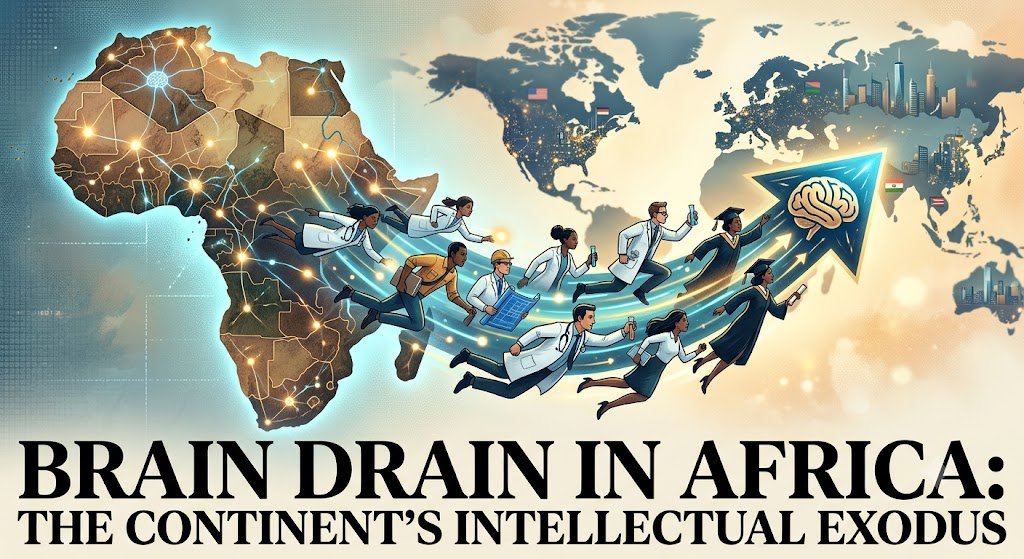
Brain Drain in Africa: Causes, Consequences, and Solutions
Introduction One of the greatest challenges confronting African countries today is the phenomenon known as "brain drain." Every year, thousands of highly educated and skilled Africans leave their hom
PoliticsJun 4, 2026
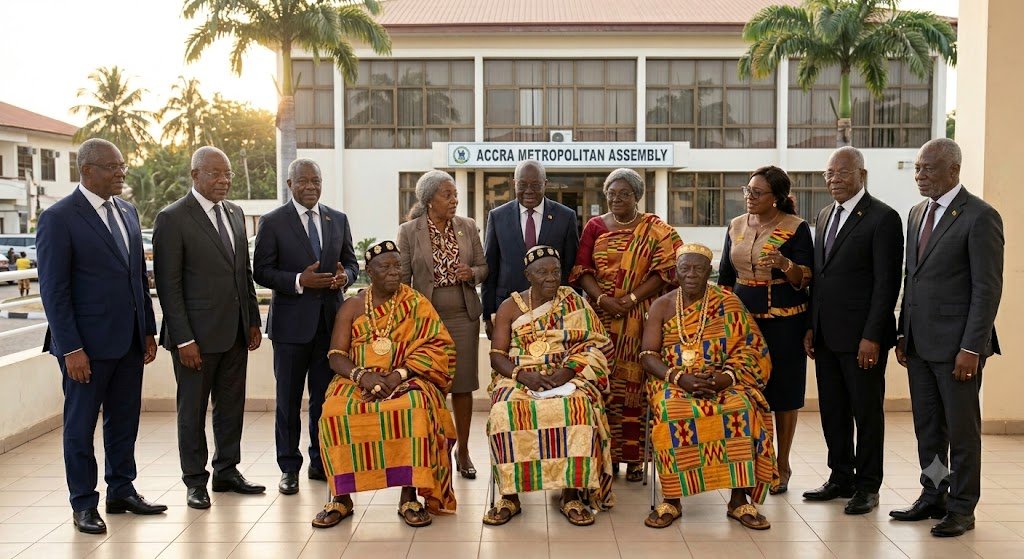
Ghana: A Democracy and a Gerontocracy
Ghana is widely celebrated as one of Africa's most stable democracies. Since the return to constitutional rule in 1992, the country has conducted regular elections, witnessed peaceful transfers of pow
WorldJun 4, 2026
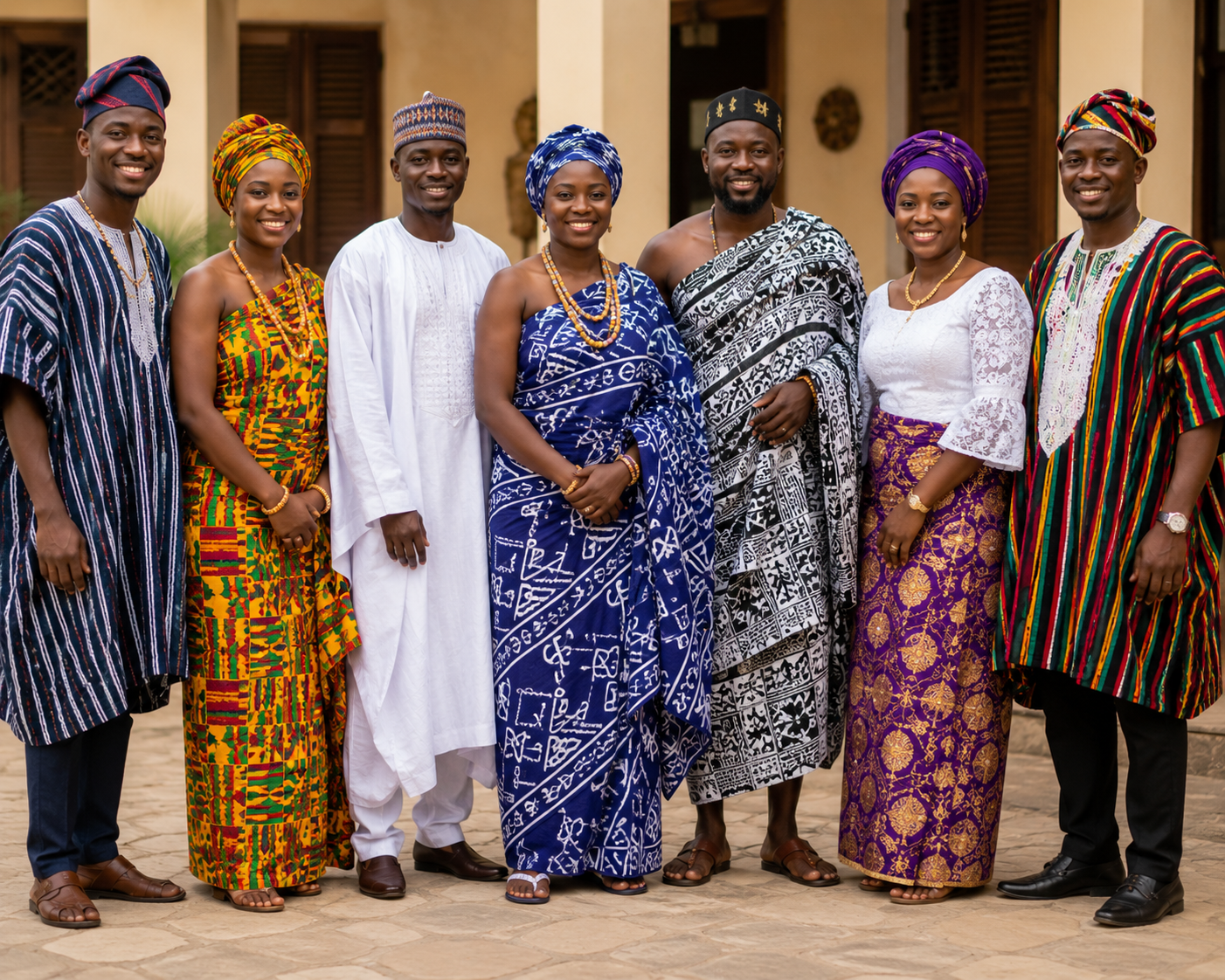
How Cultural Diversity Helps Ghanaians
Ghana is often celebrated as one of Africa’s most peaceful and culturally vibrant nations. From the bustling markets of Accra to the fishing communities along the coast, from the savannah settlements

SportsJun 1, 2026
Road to World Cup 26 V: Ghana as Africa’s Last Hope (SA 2010)
Concluding our series on the Black Stars’ remarkable 2010 World Cup campaign is a feature that reflects on its enduring significance for both Ghanaian and African football
Kwabena Nyamekye Mawuli
WorldMay 31, 2026
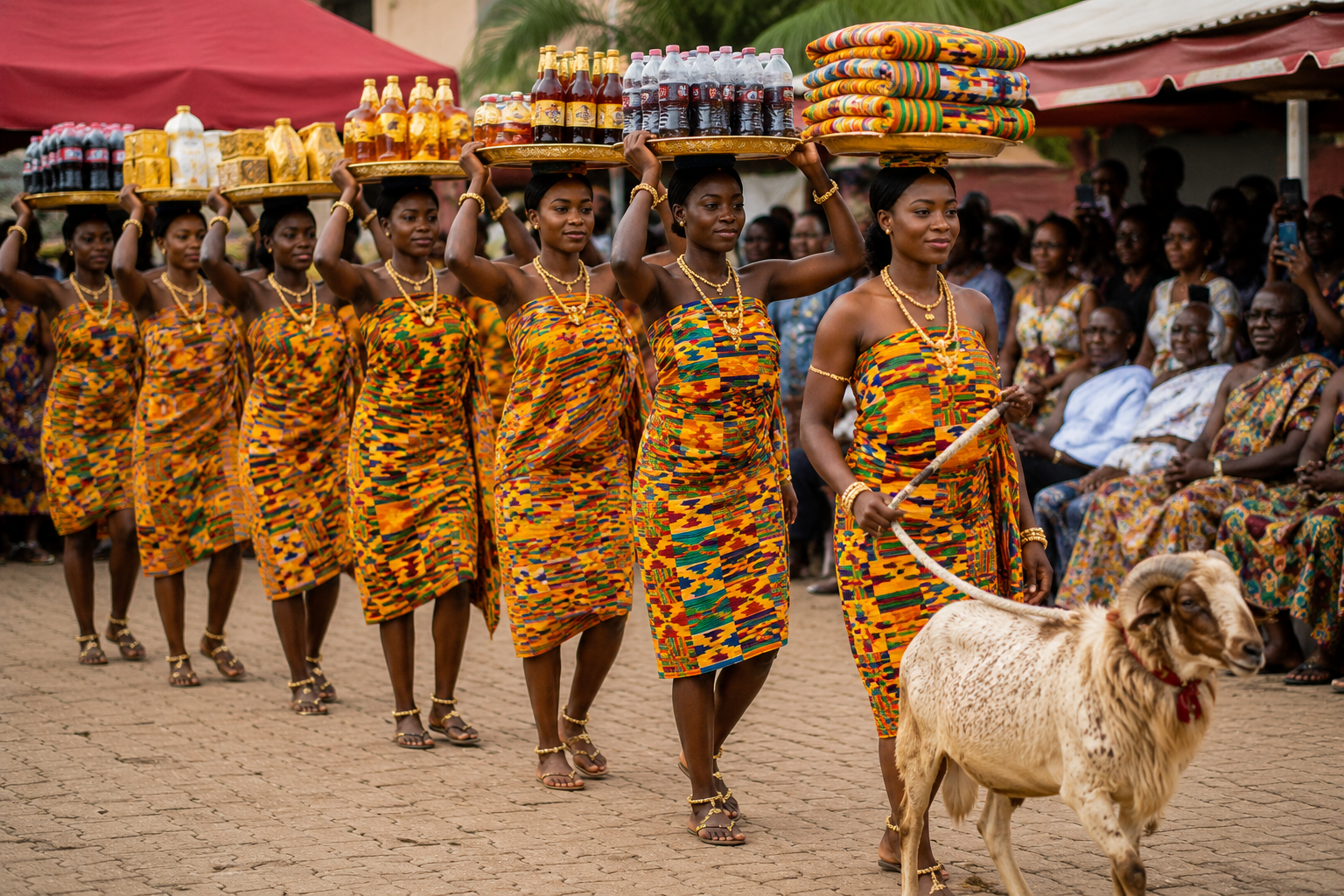
The Adesiedie Ceremony: A New Form of Conspicuous Consumption in Ghana’s Funerary Landscape
Conspicuous Consumption and the Funeral Arena The term “conspicuous consumption” was coined by the American economist and sociologist Thorstein Veblen in his classic work The Theory of the Leisure Cl
WorldMay 30, 2026
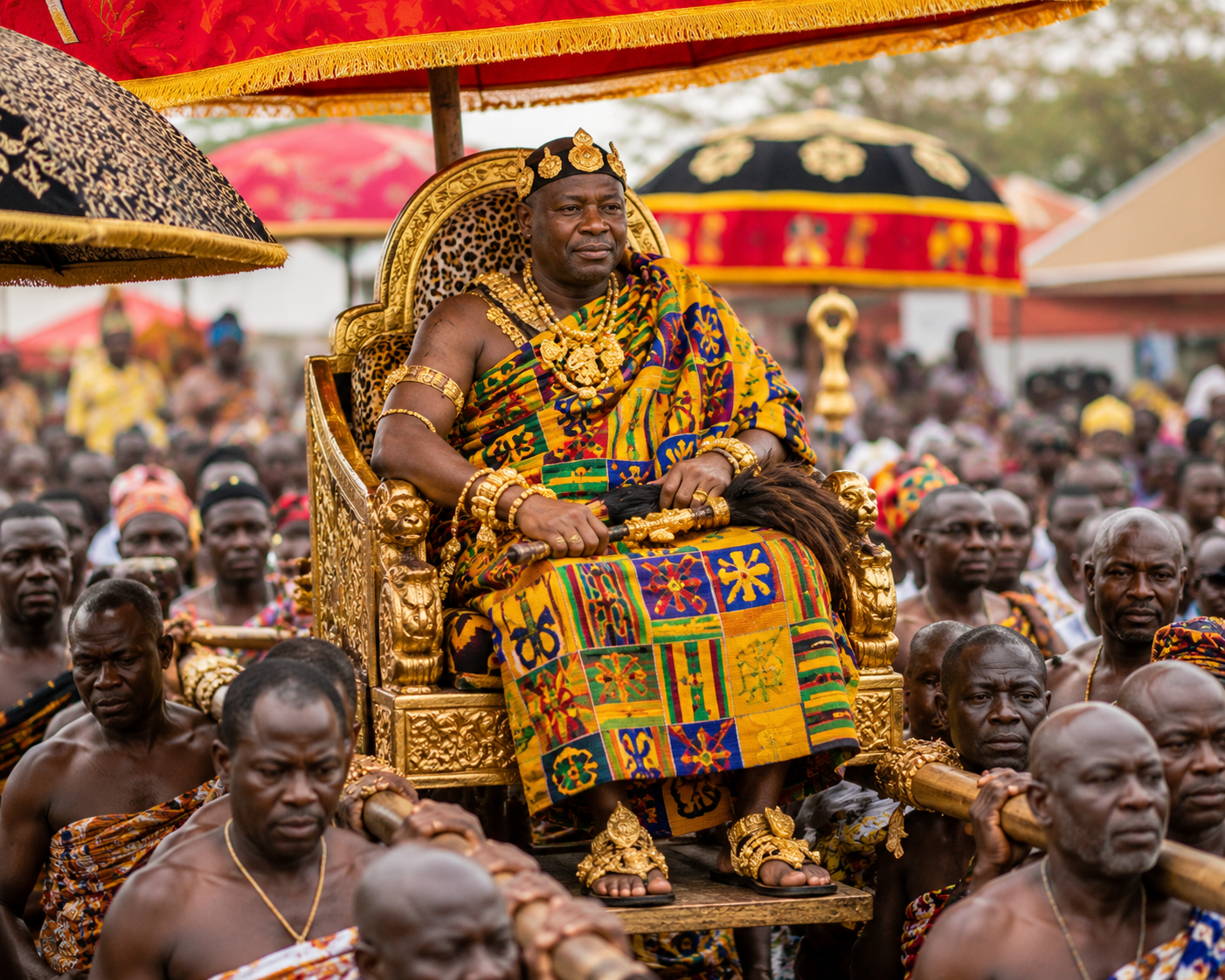
When the Stool Rejects the Chief: Why Akans Remove Their Traditional Rulers
In Akan society in Ghana, a chief occupies a revered and sacred position. He is the custodian of the land, the representative of the ancestors, and the moral leader of the community. The stool symboli
GH Newspapers
EntertainmentMay 23, 2026
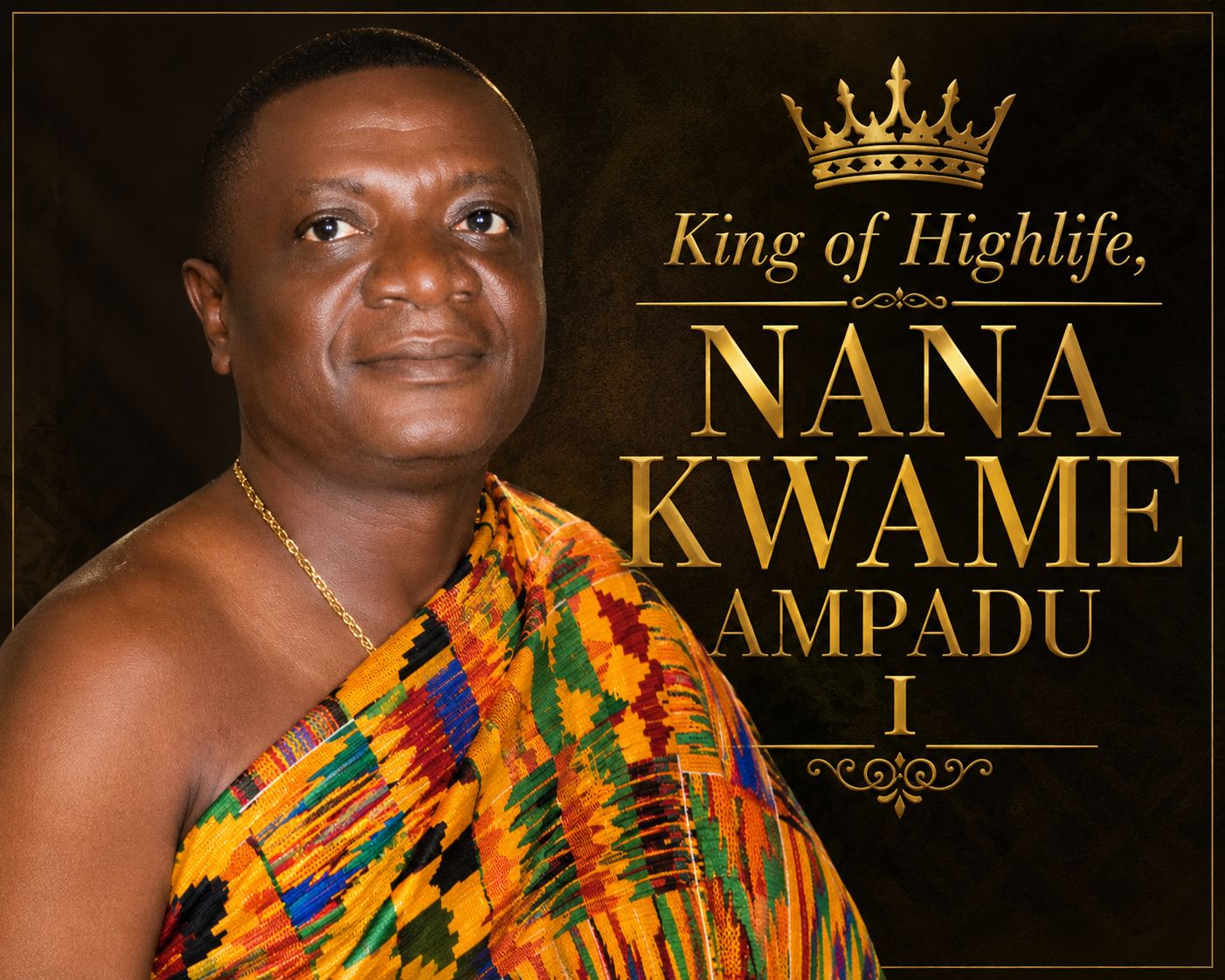
Highlife Legend Nana Kwame Ampadu I
King of Highlife, Nana Ampadu Among the pantheon of Ghanaian musicians who shaped the soundscape of modern West African music, few names command the reverence accorded to Nana Kwame Ampadu I. A compo
WorldApr 22, 2026
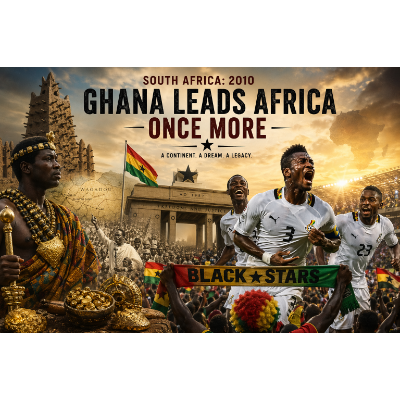
South Africa: 2010, Ghana leads Africa Once More
History is rarely linear. It moves in cycles—of rise, dispersal, memory, and resurgence. In July 2010, under the floodlights of Soccer City in Johannesburg, a moment unfolded that seemed to collapse centuries into ninety minutes (and then one hundred and twenty). Ghana’s Black Stars stood on the bri
KWABENA NYAMEKYE MAWULI
SportsMar 8, 2026
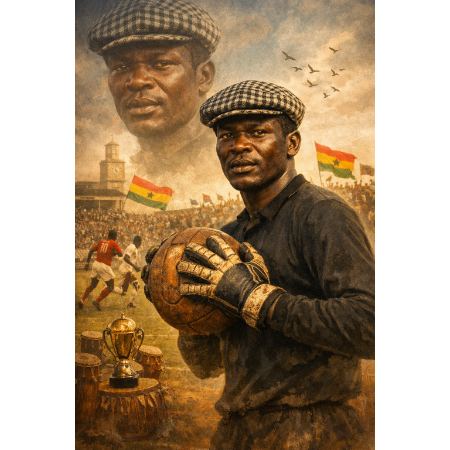
Robert Mensah: a football story and tragedy
Robert Mensah: A Football Story and Tragedy in the Ghanaian Football In the annals of Ghanaian sporting history, few names evoke as much reverence, myth, and sorrow as Robert Mensah. His story is not merely about football; it is a narrative woven into the socio-cultural fabric of late colonial Gold
KWABENA NYAMEKYE MAWULI
SportsMar 5, 2026
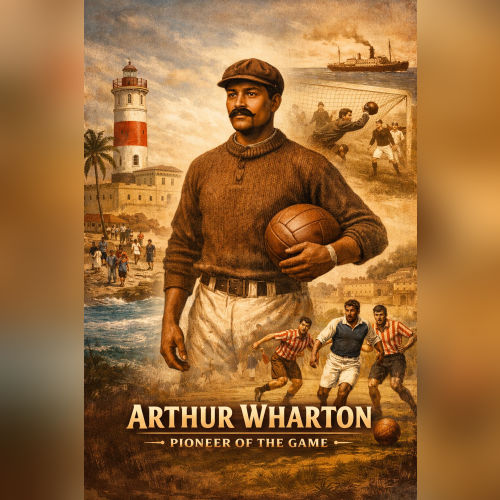
From Jamestown to the World: The Ghanaian Roots of the First Black Football Pioneer
When people discuss the early history of football, the narrative often begins in Britain and gradually expands to the rest of the world. Rarely, however, does the conversation turn toward West Africa—particularly the historic Gold Coast, present-day Ghana. Yet one of the most remarkable pioneers of
KWABENA NYAMEKYE MAWULI
WorldMar 1, 2026
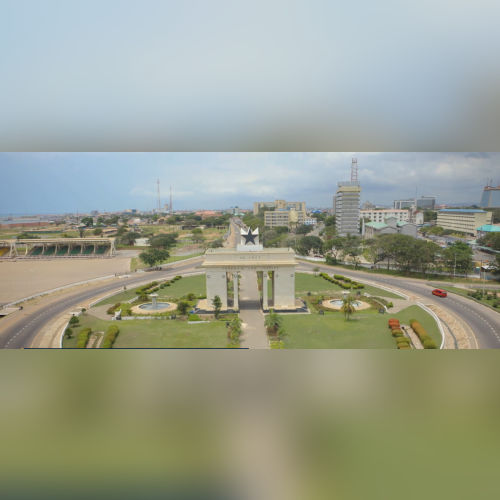
Public Expectations in the First Days of Independence
When the Gold Coast achieved independence on March 6, 1957, becoming Ghana, the event generated immense public excitement and hope. For millions of Ghanaians, independence was not merely a constitutional change—it represented the promise of economic prosperity, political empowerment, social transfor
GH Newspapers Editorial Team

WorldFeb 24, 2026
Newspapers and Ghana’s Independence Day Celebrations
The relationship between newspapers and Ghana’s Independence Day celebrations is deeply rooted in the country’s political history and media evolution. From the late colonial period through the attainment of independence in 1957 and into the post-colonial era, newspapers played a central role in docu
GH Newspapers Editorial Team
EntertainmentFeb 11, 2026
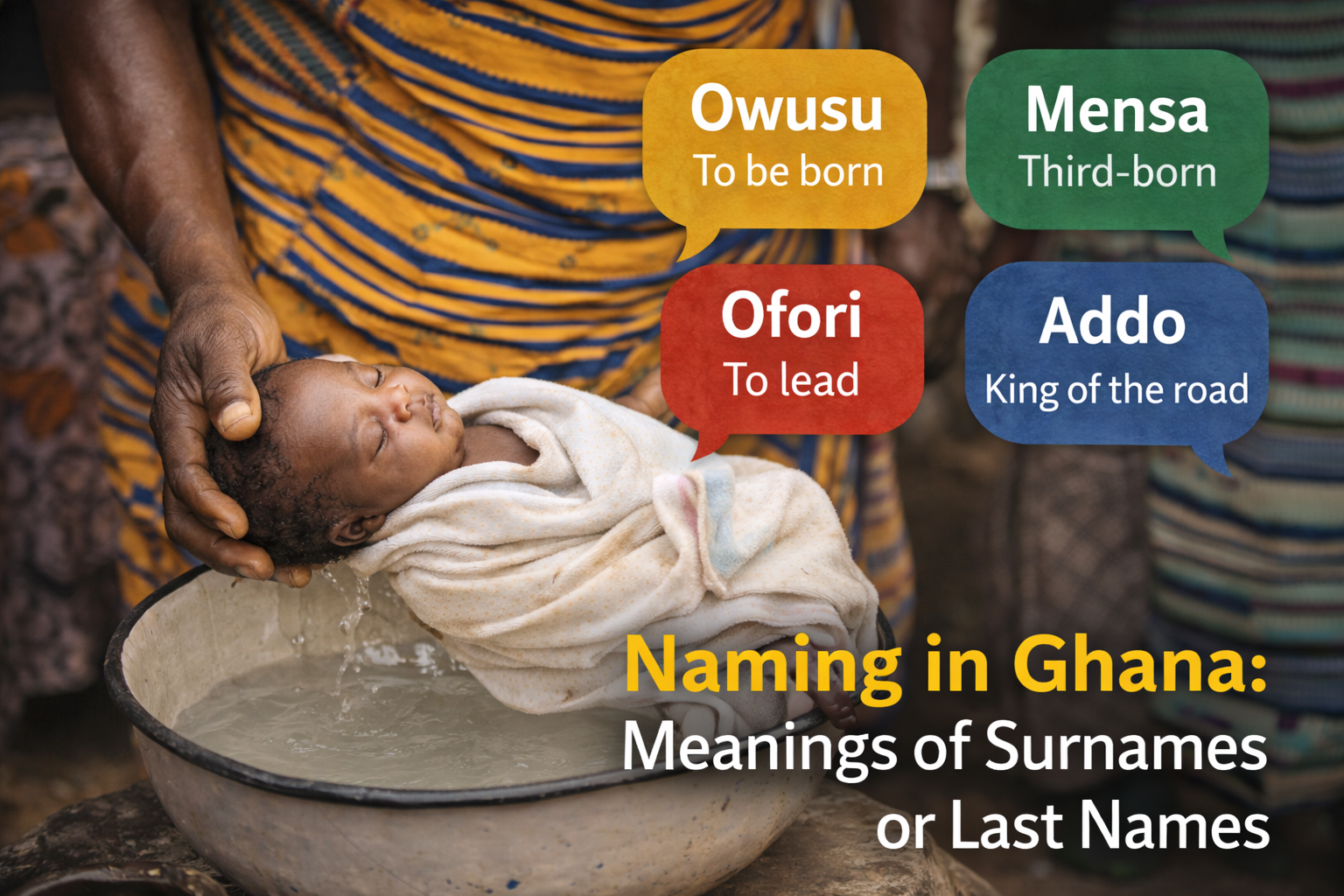
Meanings of Ghanaian Surnames or Last Names They Are More Than Labels
In Ghanaian society, names are never random. A name is a story, a memory, a prayer, a verdict on experience, or a declaration of destiny. Ghanaian surnames—particularly Akan surnames—carry deep cultural meanings that often encode family history, spiritual beliefs, social struggles, and moments of tr
EntertainmentJan 6, 2026
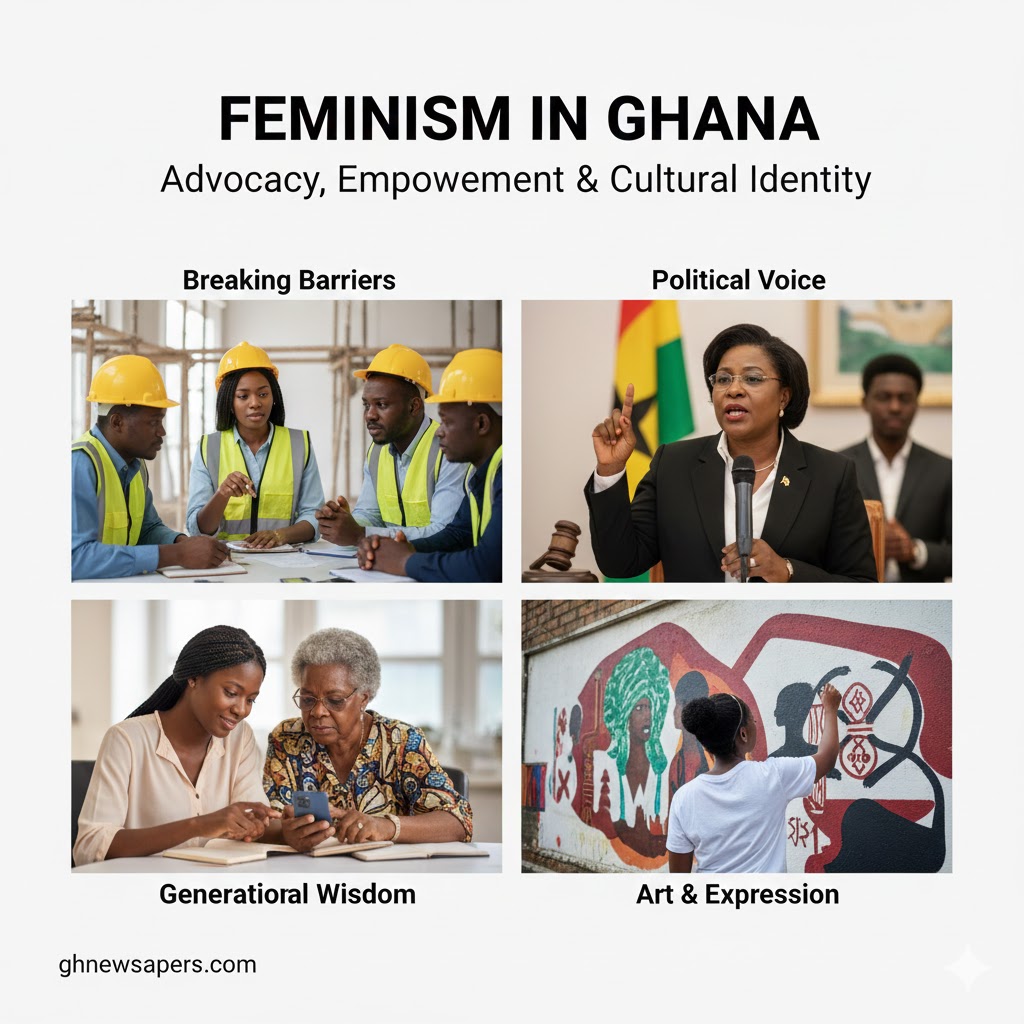
Feminism Should Not Frighten Us
Feminism Is Not a Dirty Word Sexism is wrong. It is prejudice and discrimination against people because of their sex or gender. In many societies, including Ghana, sexist attitudes are often directed at women and girls. These attitudes show up in everyday behavior—how women are spoken to, how their
EntertainmentDec 31, 2025
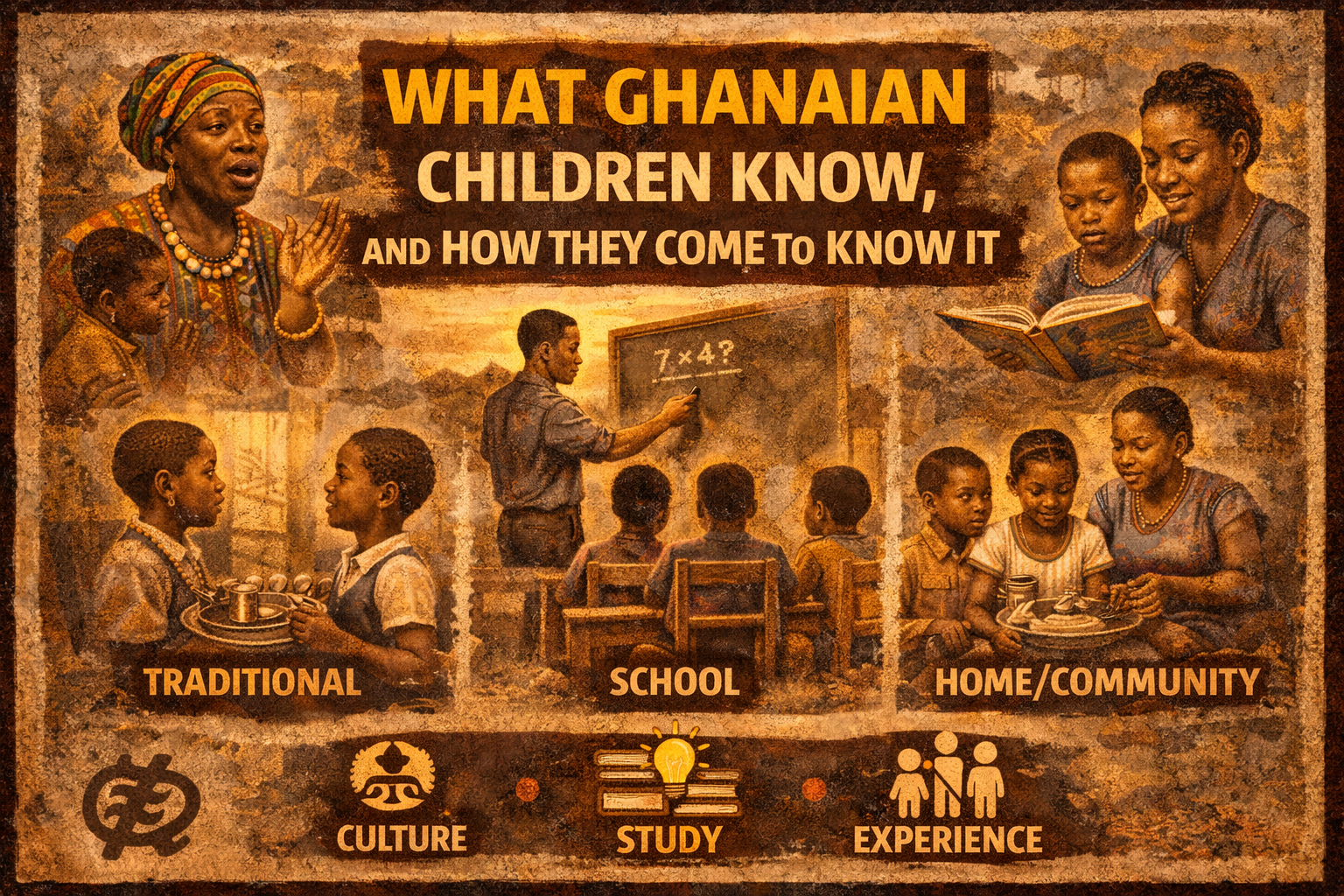
What Ghanaian Children Know, and How They Come to Know It
No one is born with knowledge. Human beings are born with the capacity to learn, but what they eventually know—how they speak, think, behave, believe, and interpret the world—is acquired from society. Knowledge, values, attitudes, and skills are socially produced and socially transmitted. By the tim
BusinessDec 30, 2025
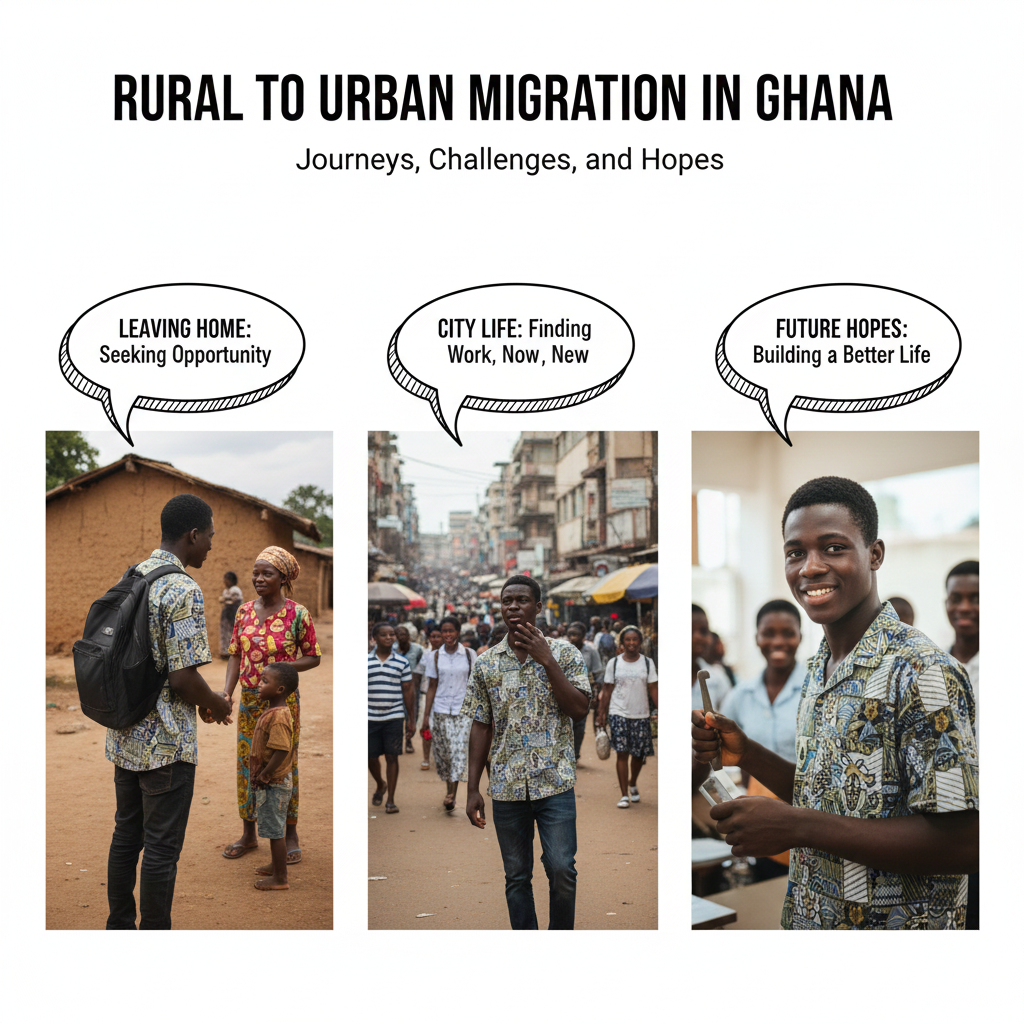
Causes of Rural–Urban Migration in Ghana and Other African Countries
The causes of Rural–Urban Migration are major concerns of African governments like Ghana. Across Ghana and much of Africa, a defining social transformation of the 21st century is the movement of people from the countryside to towns and cities. Every year, thousands of young people leave rural commun
WorldDec 24, 2025
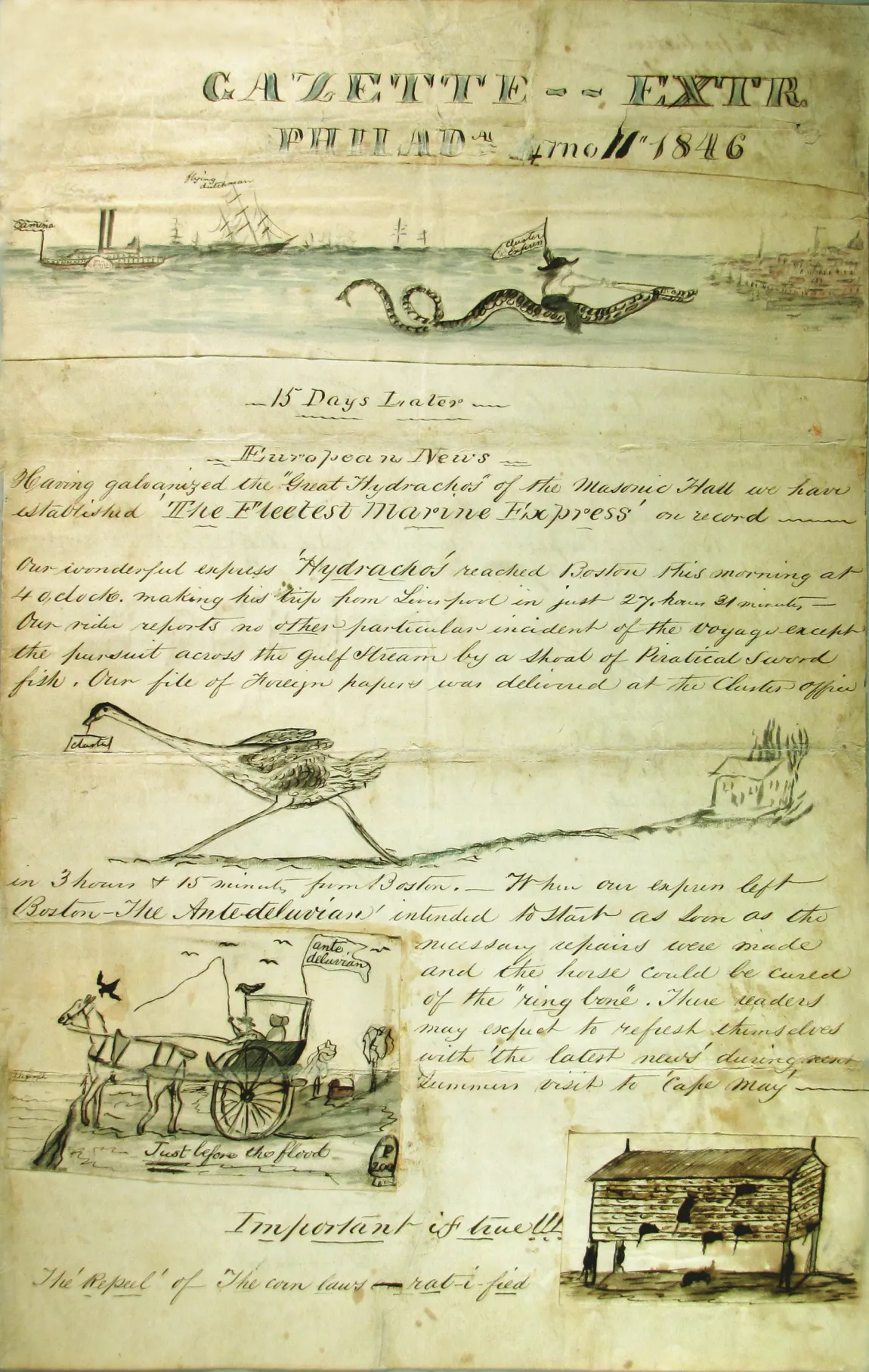
1822 — Birth of the Gold Coast Press
Royal Gold Coast Gazette & Commercial Intelligencer 📰 Newspaper: Royal Gold Coast Gazette📍 Location: Cape Coast In 1822, the British colonial administration introduced the Royal Gold Coast Gazette & Commercial Intelligencer, marking the birth of journalism in the Gold Coast. The handwritten paper
GH Newspapers Editorial Team