For centuries, Ghana has stood at the crossroads of global cultural encounters. Long before the modern era of globalization, the land now called Ghana was already a bustling center of trade and interaction with foreign peoples. European traders arrived on the coast seeking gold, ivory, and later human beings during the tragic era of the trans-Atlantic slave trade. Colonial powers eventually imposed political control over the territory, bringing with them foreign systems of governance, religion, education, language, and ways of life.
These historical encounters profoundly transformed Ghanaian society. Through processes sociologists describe as cultural transfer or cultural diffusion, many aspects of indigenous Ghanaian culture were altered, weakened, or replaced. Europeanization reshaped dress, education, architecture, governance, and even standards of beauty and prestige. Christianity introduced new religious beliefs and moral frameworks that often discouraged or condemned certain traditional customs and rituals. Islamization similarly influenced the cultural and religious practices of many northern communities and parts of the coastal belt.
Today, modernization, urbanization, mass media, and tourism continue to reshape Ghanaian culture at a rapid pace. The result is a society that, in many respects, appears increasingly detached from its traditional roots. Yet amid these changes, a growing movement of retraditionalization has emerged — a deliberate effort to recover, preserve, and promote aspects of Ghana’s indigenous heritage that risk disappearing altogether.
When Culture Begins to Fade
Culture is the soul of a people. It is expressed through language, music, dance, clothing, food, rituals, symbols, values, and collective memory. When these disappear, a people gradually lose not only their historical identity but also their sense of belonging and uniqueness.
In contemporary Ghana, signs of cultural erosion are increasingly visible. Many young people cannot fluently speak their mother tongues, especially in urban centers where English dominates homes, schools, and workplaces. In some families, children grow up understanding local languages but are unable to speak them confidently. This has become a source of concern among elders who fear that language loss may eventually lead to the disappearance of traditional wisdom embedded in proverbs, folktales, songs, and oral histories.
Traditional dance forms are also fading in many communities. Dances that once accompanied festivals, funerals, puberty rites, and communal celebrations are now unfamiliar to many young people. Some cannot perform the dances of their own ethnic groups, while others see traditional dance as outdated or irrelevant in an age dominated by hip-hop, Afrobeats, and foreign popular culture.
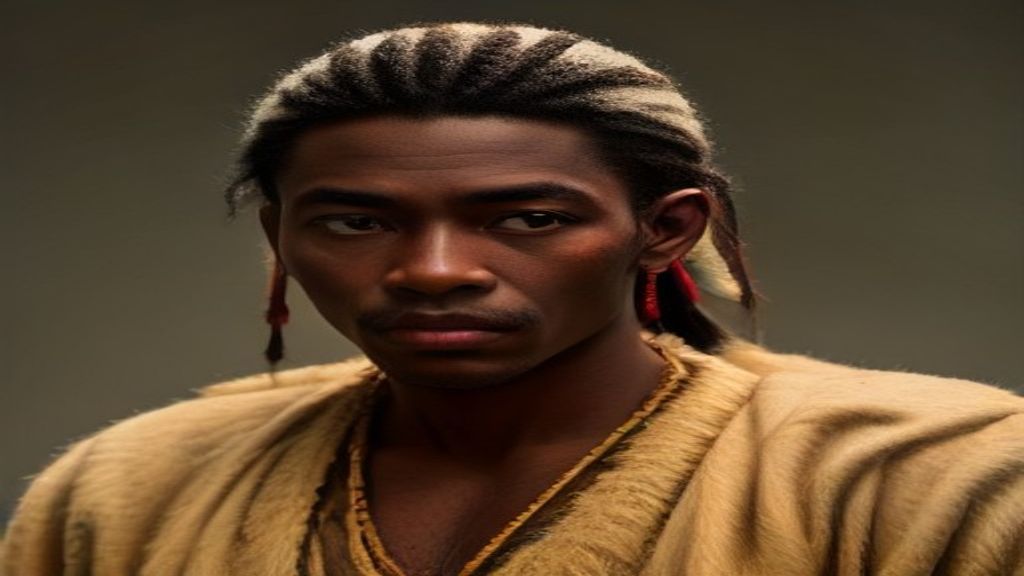
The same cultural decline can be observed in traditional modes of dressing. Indigenous Ghanaian attire once reflected identity, status, spirituality, and communal belonging. Today, Western-style clothing has become dominant in many formal and casual settings. Some young people have little knowledge of how their ancestors traditionally dressed or the meanings associated with particular cloths, beads, hairstyles, and symbols.
Traditional drumming, one of the most sophisticated forms of African communication, is also under threat. In many Ghanaian societies, drums do far more than produce rhythm; they “speak.” Skilled drummers can communicate proverbs, praise names, warnings, announcements, and historical narratives through drum language. Yet many younger Ghanaians cannot drum or interpret the meanings conveyed through traditional drumming patterns.
Rediscovering Ghana’s Cultural Identity
Recognizing the danger of cultural loss, Ghanaian leaders, educators, traditional authorities, and cultural advocates have increasingly promoted policies aimed at cultural revival. They understand that a nation without a culture risks losing its identity, dignity, and historical continuity.
As a result, deliberate efforts are being made to encourage Ghanaians to rediscover and reclaim aspects of their indigenous heritage. This process of retraditionalization is not necessarily a rejection of modernity or foreign influence. Rather, it is an attempt to achieve cultural balance by preserving valuable traditional practices while participating in the modern world.
One major area of intervention has been education. Today, cultural studies are taught in Ghanaian schools as part of efforts to reconnect younger generations with their heritage. Pupils are introduced to traditional music, dance, folklore, oral literature, festivals, and indigenous values. In many schools, students learn traditional drumming, dancing, and singing as part of extracurricular and cultural activities.
Proverb competitions have also become increasingly popular. Proverbs occupy an important place in Ghanaian society because they preserve ancestral wisdom and linguistic creativity. These competitions encourage students to learn their local languages and appreciate the intellectual richness embedded in traditional sayings.
At the university level, African studies programs have expanded significantly. Courses in African history, philosophy, religion, literature, music, and indigenous knowledge systems are helping students critically examine their cultural heritage. These academic programs challenge the long-standing colonial tendency to portray African traditions as primitive or inferior.
The Return of Traditional Pride
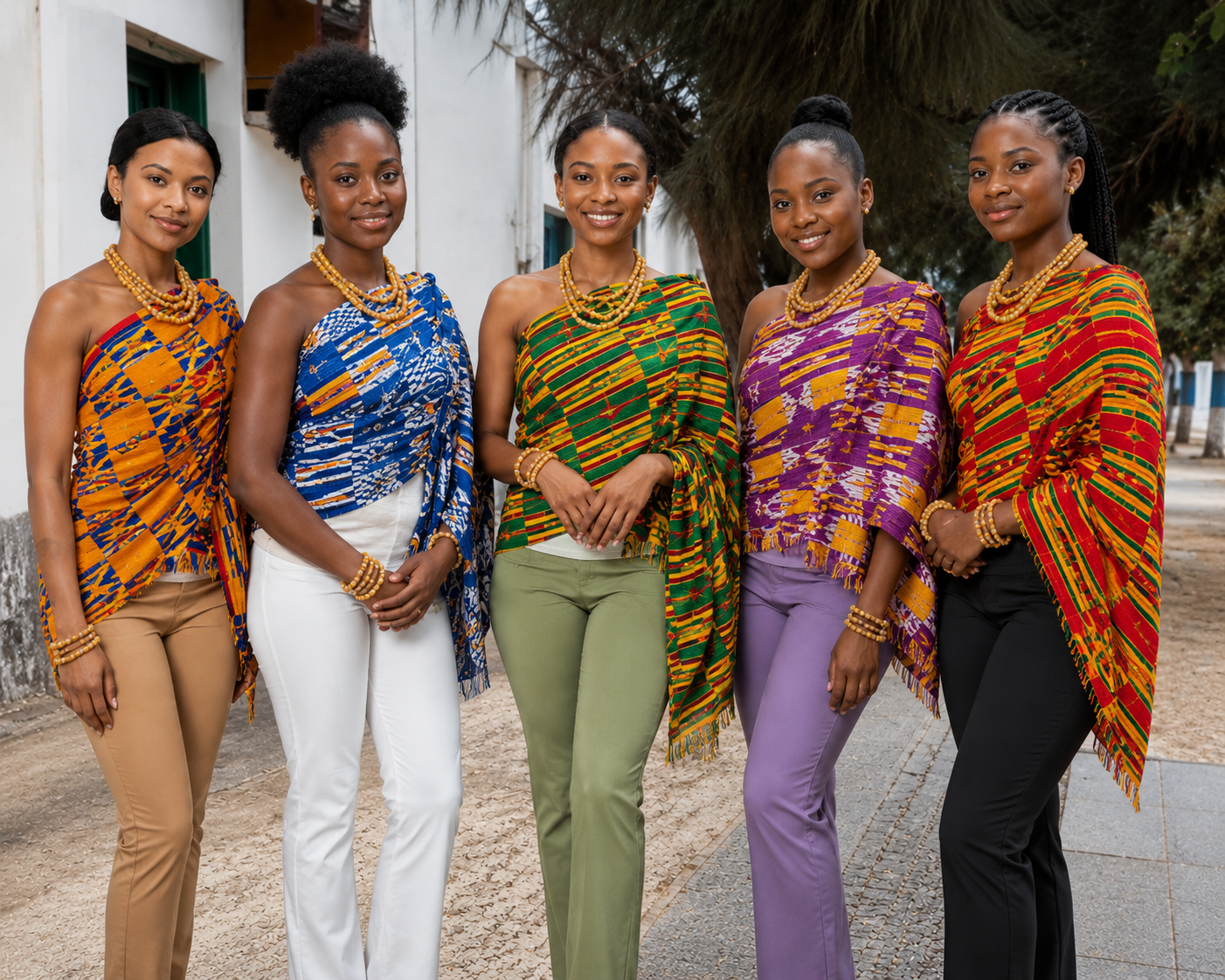
Perhaps one of the most visible signs of retraditionalization in Ghana today is the renewed pride in traditional clothing. Across the country, institutions, schools, and workplaces now designate particular days for the wearing of African attire. Fridays, in particular, have become associated with the celebration of Ghanaian and African fashion.
Traditional fabrics such as kente, fugu, batakari, adinkra, and other indigenous textiles are increasingly worn with pride by professionals, students, politicians, and corporate workers. What was once dismissed by some as old-fashioned is now being embraced as fashionable, dignified, and culturally meaningful.
Food culture is also experiencing revival. Food festivals are occasionally organized to encourage people to return to traditional dishes and indigenous methods of cooking. Such festivals celebrate local foods such as fufu, tuo zaafi, banku, kenkey, mpotompoto, abomu, akple, and many others that once formed the foundation of Ghanaian communal life.
Beyond clothing and food, there has been a growing sense of pride in speaking indigenous languages. Many Ghanaians now consciously speak their traditional languages in public spaces without shame or embarrassment. Radio and television stations broadcasting in local languages have contributed significantly to this cultural confidence. Increasingly, people recognize that fluency in one’s mother tongue is not a sign of backwardness but a mark of cultural rootedness.
Balancing Modernity and Tradition
The retraditionalization of Ghanaian society raises important questions about identity in a rapidly globalizing world. Can a society modernize without losing its cultural soul? Can young people embrace technology, global education, and international opportunities while still preserving indigenous traditions?
For many cultural advocates, the answer is yes. Retraditionalization does not require rejecting foreign influences entirely. Ghanaian culture itself has always evolved through interaction with other cultures. The challenge is ensuring that modernization does not completely erase indigenous ways of life.
A healthy society, they argue, is one that modernizes while remaining culturally grounded. Nations such as Japan, China, and India have managed to preserve many aspects of their traditional cultures despite rapid industrialization and globalization. Ghana too can modernize while safeguarding its linguistic heritage, traditional arts, indigenous knowledge systems, and communal values.
Conclusion: Returning to the Roots
The growing movement toward retraditionalization in Ghana reflects a deeper realization that cultural identity matters. A people who lose their culture risk becoming strangers to themselves. Language, dance, dress, music, food, and oral traditions are not mere relics of the past; they are living expressions of collective memory and identity.
Ghana’s encounter with colonialism, Christianity, Islamization, modernization, and globalization undeniably transformed the nation’s cultural landscape. Yet the current efforts to reclaim lost traditions demonstrate that cultural erosion is not irreversible. Across schools, universities, homes, festivals, media platforms, and public institutions, Ghanaians are increasingly rediscovering the beauty and value of their indigenous heritage.
The retraditionalization of Ghanaian society is therefore more than nostalgia for the past. It is a cultural awakening — a determined effort to ensure that future generations inherit not only modern education and technology, but also the wisdom, language, artistry, and identity of their ancestors. In returning to its cultural roots, Ghana may ultimately rediscover one of its greatest strengths: the enduring richness of its own civilization.