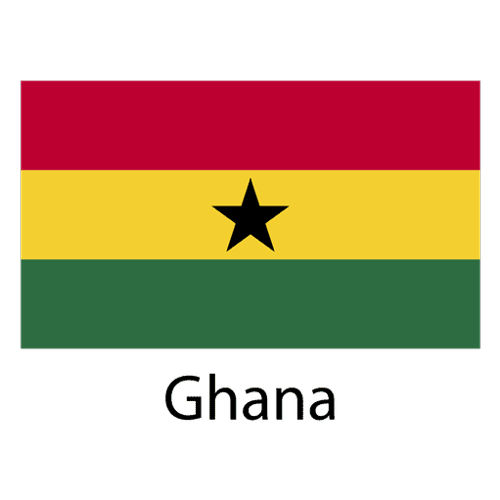
Why Is the Star on Ghana's Flag Black?
The article explains why the star in Ghana's flag is black, instead of white, silver or golden
77 results for “Development”

The article explains why the star in Ghana's flag is black, instead of white, silver or golden

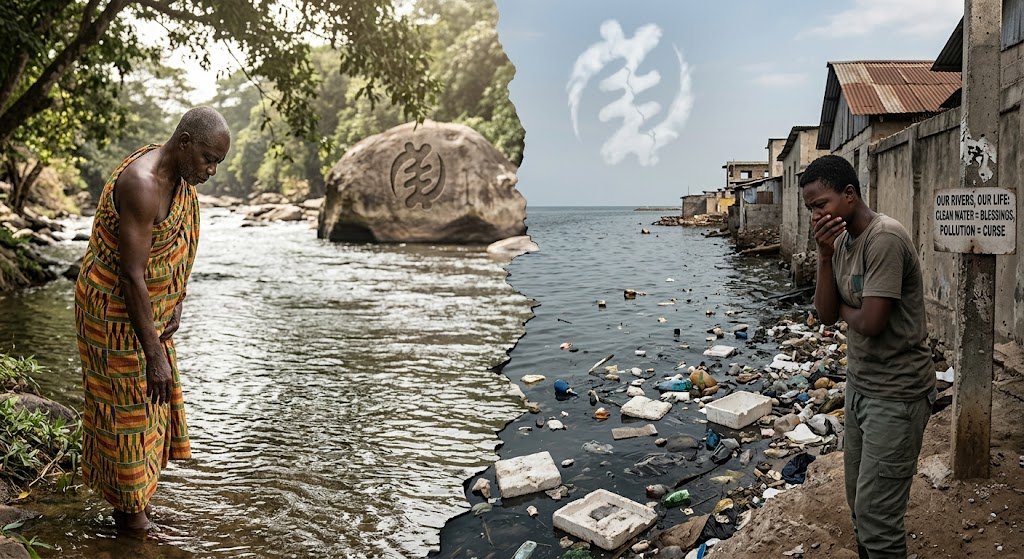
Filth Has Spiritual Consequences Okronkronyi Nyame Somafo Yawoh teaches that filth is spiritually derogating and spiritually taxing. According to His teachings, acts that pollute the natural environm

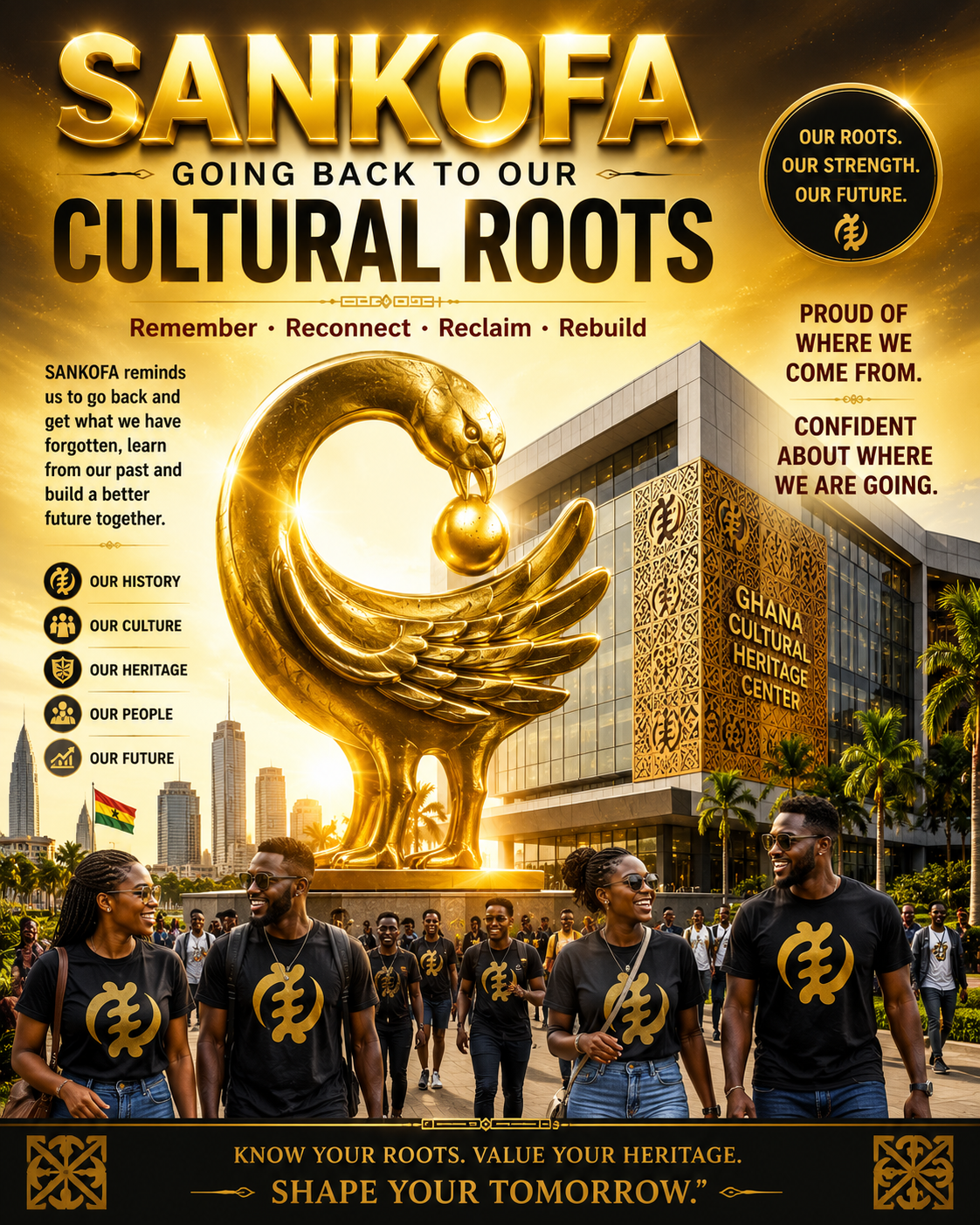
Ghana is a country with a rich and vibrant cultural heritage. Long before the arrival of Europeans, the people who inhabited the territory now known as Ghana had developed sophisticated political syst

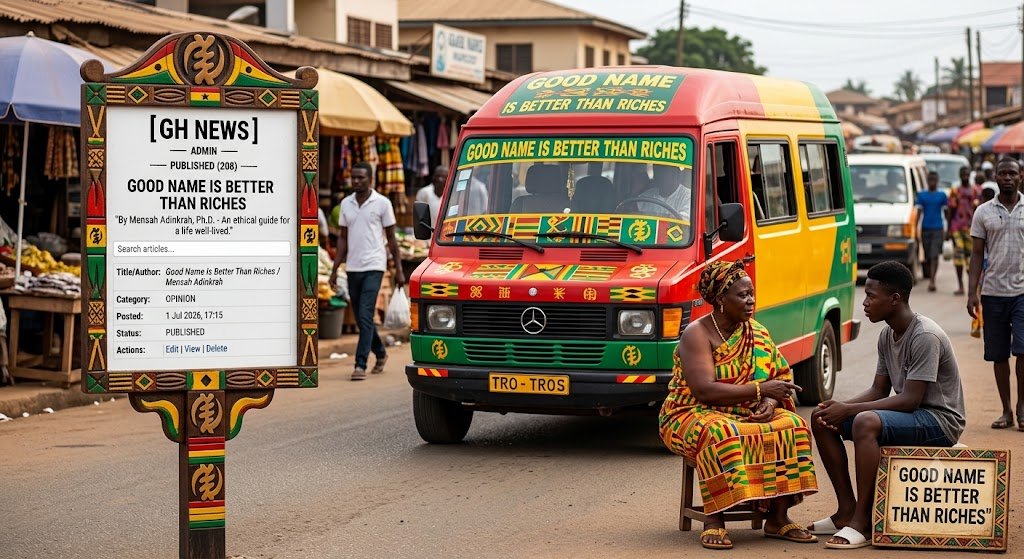
Introduction One of the most profound pieces of wisdom in Ghanaian culture is the saying: "Good name is better than riches." The Akan version, "Din Pa Yɛ Sen Ahonya," conveys the same timeless messag

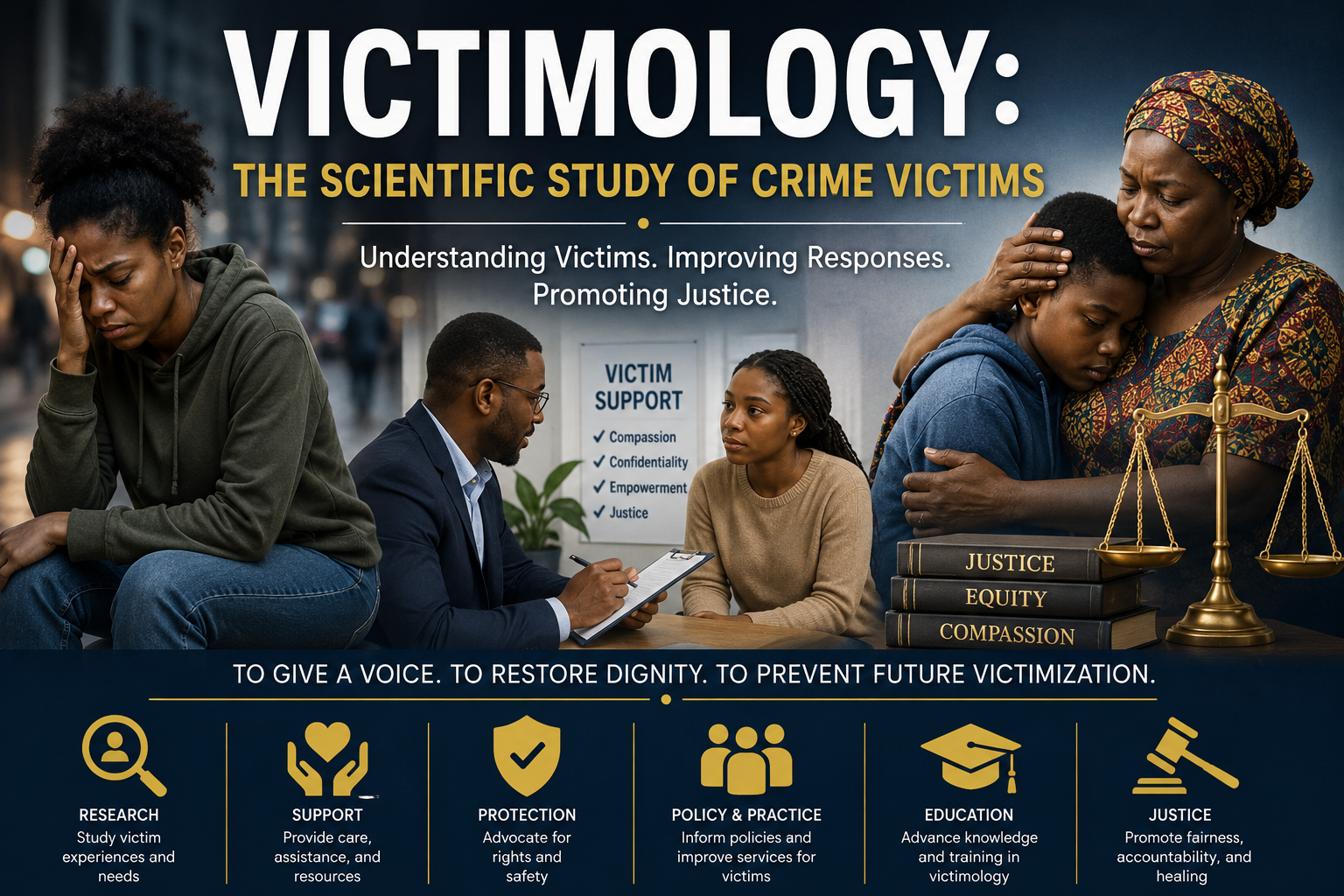
The Neglect of Crime Victims For many decades, the study of crime was largely concerned with offenders. Criminologists focused their attention on criminals, criminal behavior, and the causes of crime

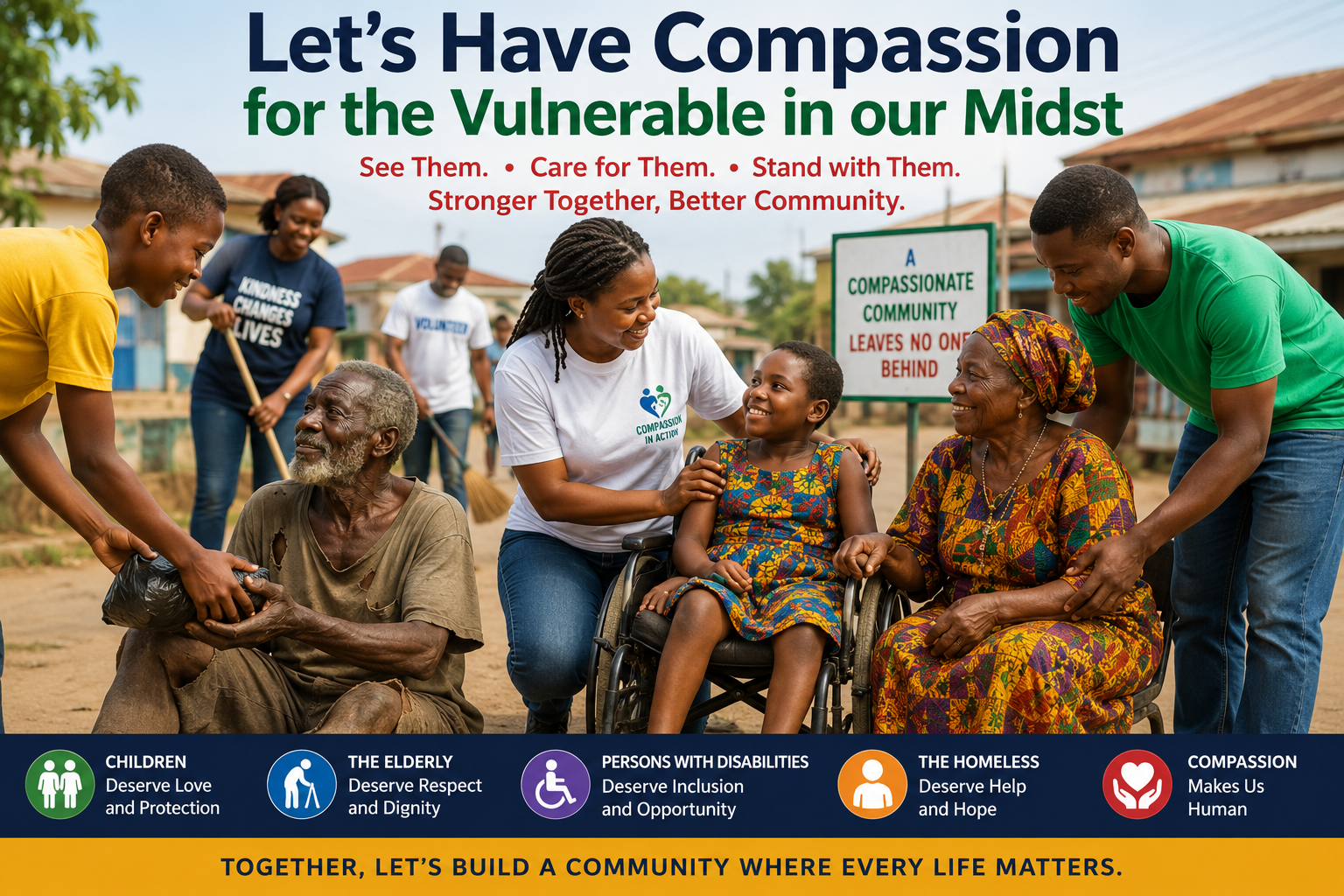
Introduction A society is often judged not by how it treats its rich, powerful, and influential citizens, but by how it treats its weakest and most vulnerable members. Children, the elderly, and pers

Introduction In today's world, research has become an important part of national development. Governments, universities, hospitals, non-governmental organizations (NGOs), and international agencies r

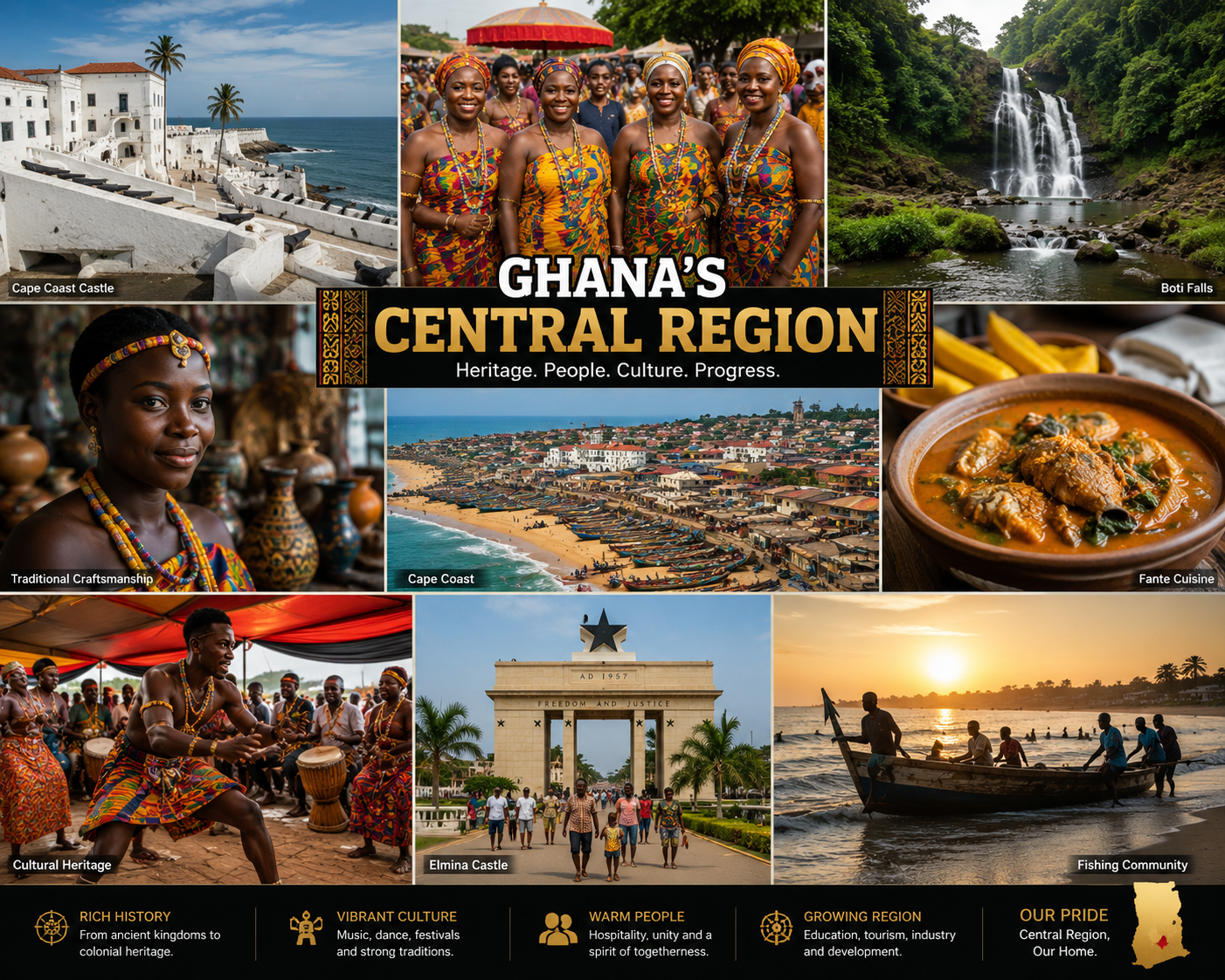
Introduction Among Ghana’s sixteen administrative regions, few possess the historical significance, educational prominence, and cultural richness of the Central Region. Located along Ghana’s southern

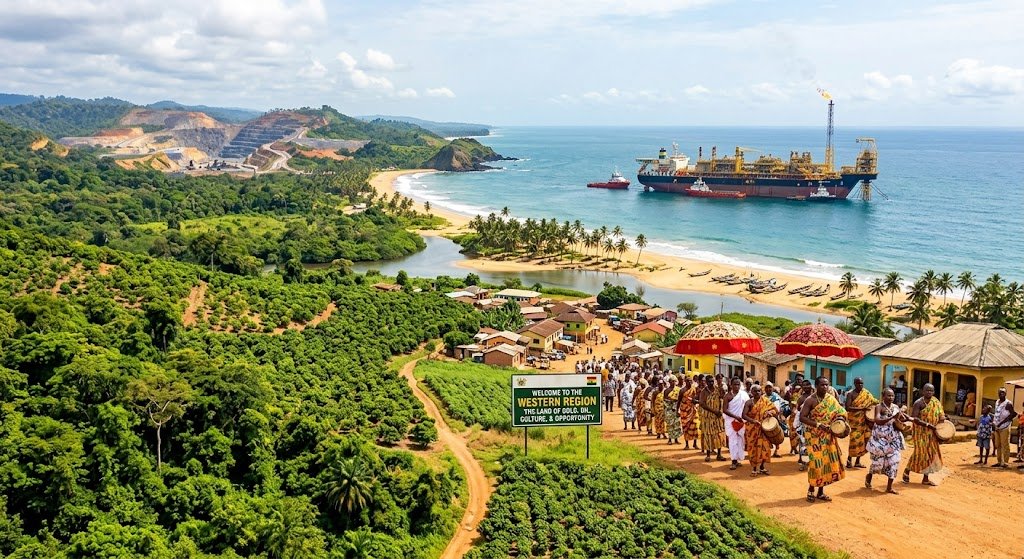
Introduction Among Ghana’s sixteen administrative regions, few can rival the Western Region in terms of natural wealth, cultural diversity, economic importance, and historical significance. Stretchin

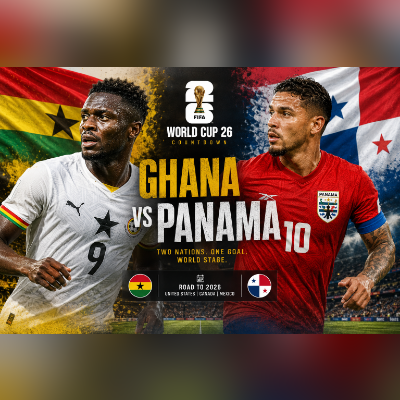
With barely a few hours to the encounter between Ghana and Panama, we try to explore and understand the nature of football legacy that comes with this encounter.

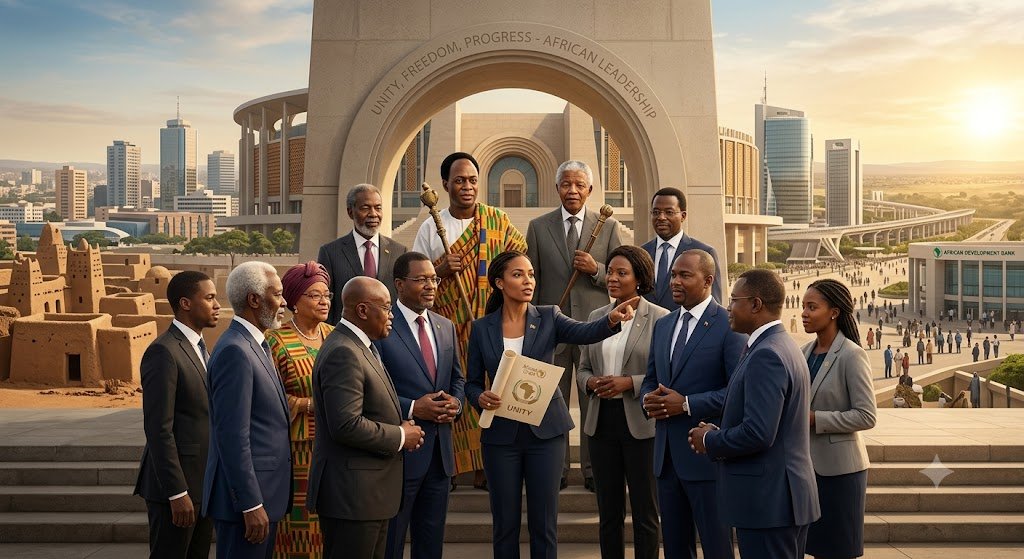
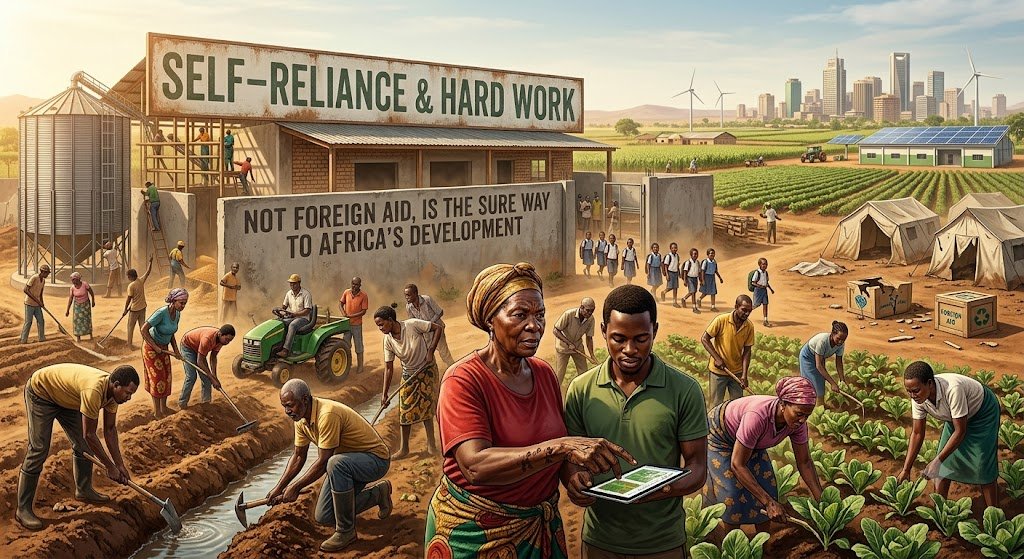
Introduction For decades, African leaders have boarded planes to Europe, North America, Asia, and the Middle East in search of foreign aid. Every year, countless international conferences, donor meet

Introduction The Akan have a wise saying: "If you plant plantain, you will harvest plantain; if you plant cassava, you will harvest cassava; and if you plant pineapples, you will harvest pineapples."

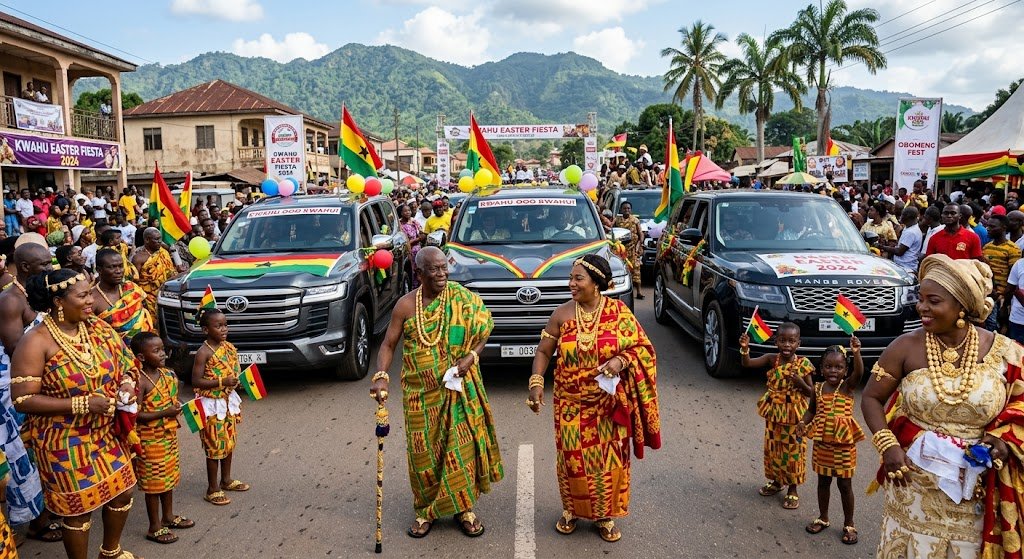
Introduction Every year, as Easter approaches, a familiar phrase echoes across Ghana's radio stations, television screens, and social media platforms: "Kwahu oooo Kwahu!" The expression has become bo

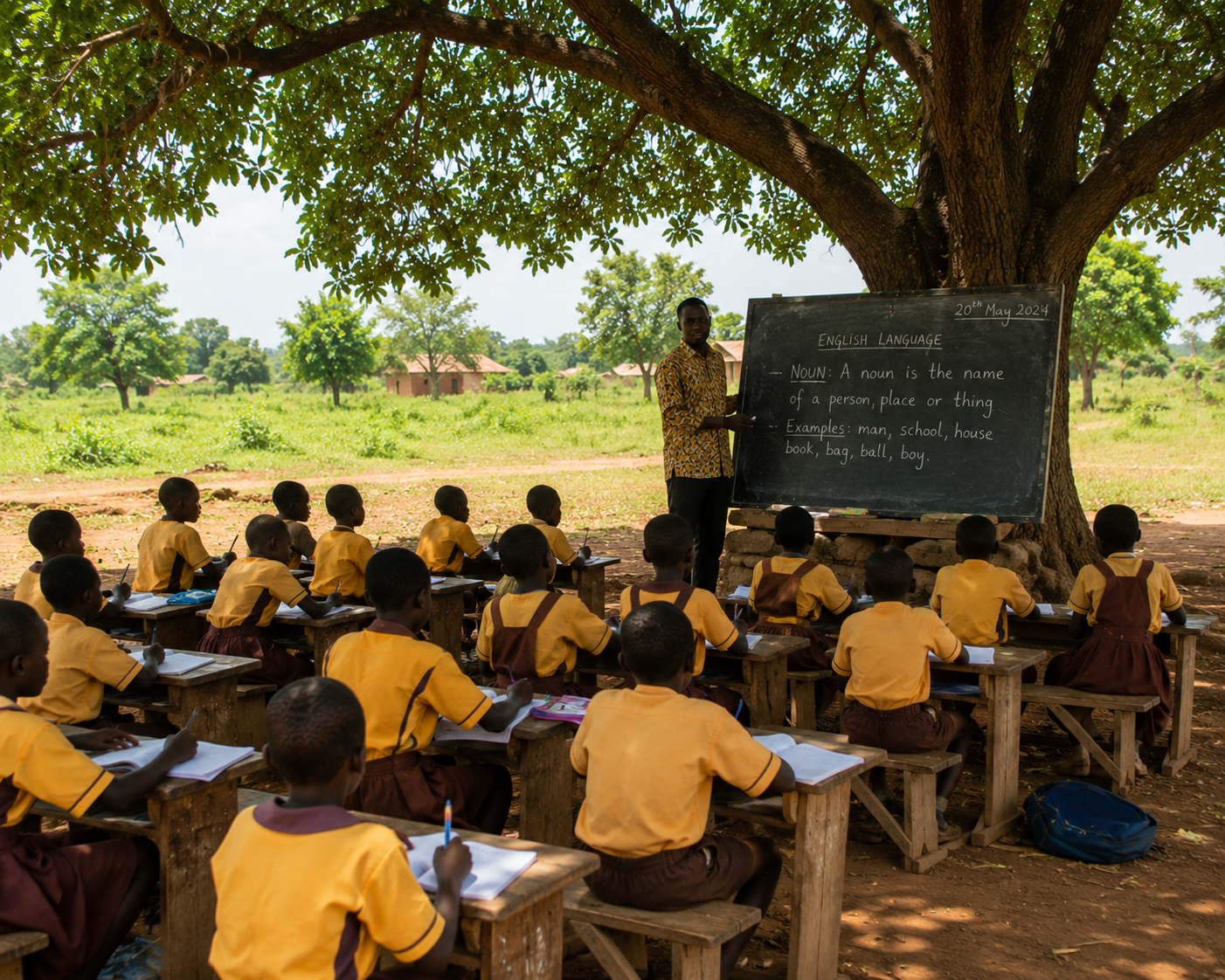
Ghana has made substantial progress in literacy over the past several decades, yet the country has not achieved universal literacy. According to recent UNESCO and World Bank data, approximately 76–81%

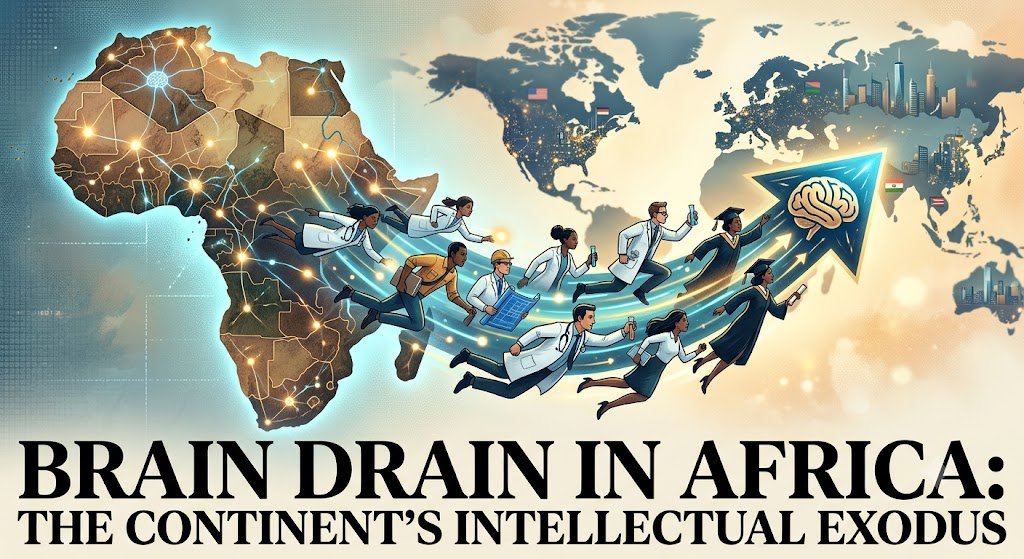
Introduction One of the greatest challenges confronting African countries today is the phenomenon known as "brain drain." Every year, thousands of highly educated and skilled Africans leave their hom

Ghana is widely celebrated as one of Africa's most stable democracies. Since the return to constitutional rule in 1992, the country has conducted regular elections, witnessed peaceful transfers of pow

Ghana is often celebrated as one of Africa’s most peaceful and culturally vibrant nations. From the bustling markets of Accra to the fishing communities along the coast, from the savannah settlements

In traditional Ghanaian society, old age is not merely a biological stage of life; it is a position of honor, wisdom, and social responsibility. Elderly men and women occupy a special place within fam

multilingualism, language

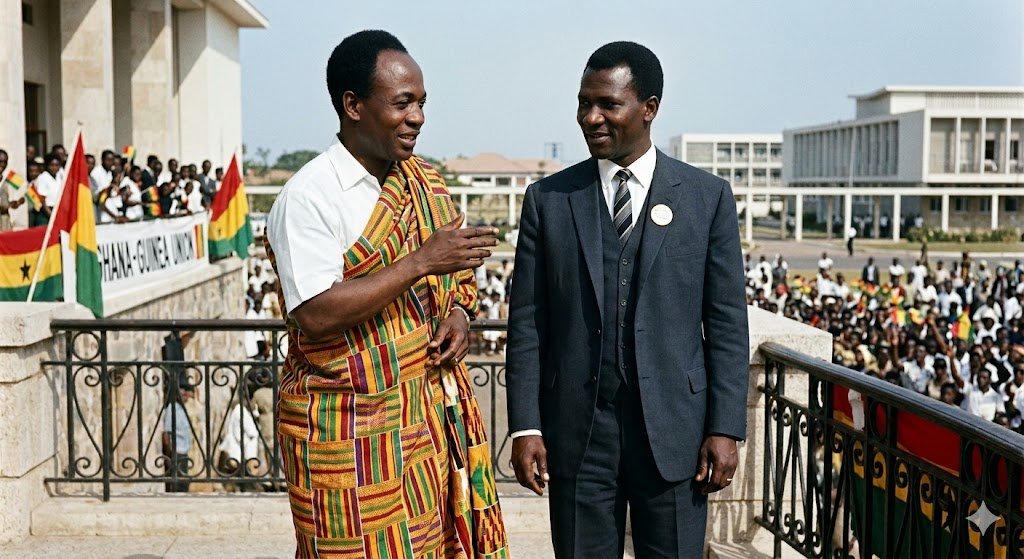
Introduction: When Two Revolutions Met The friendship between Kwame Nkrumah and Ahmed Sékou Touré was not a casual diplomatic acquaintance. It was an ideological alliance forged in the furnace of ant

Conspicuous Consumption and the Funeral Arena The term “conspicuous consumption” was coined by the American economist and sociologist Thorstein Veblen in his classic work The Theory of the Leisure Cl

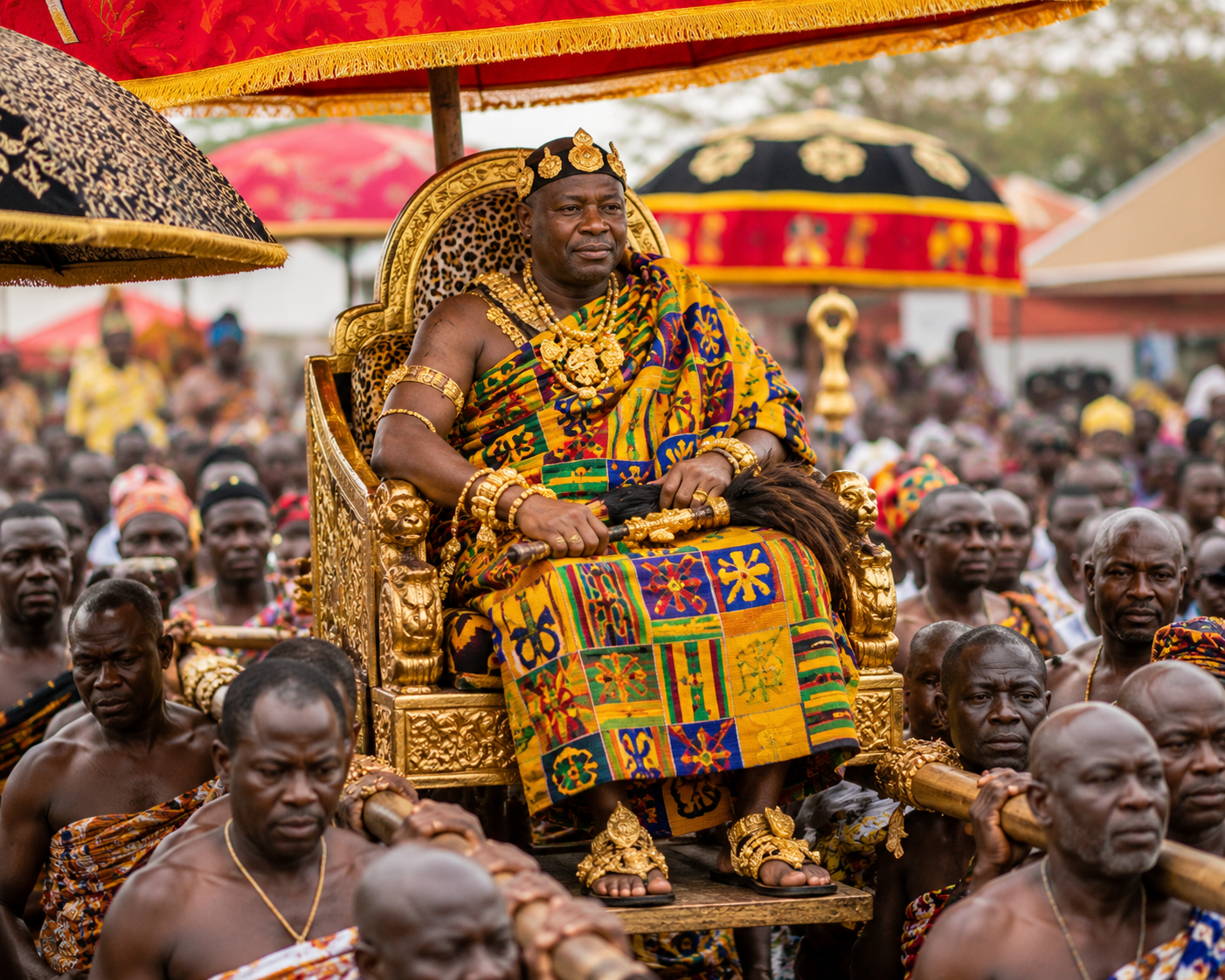
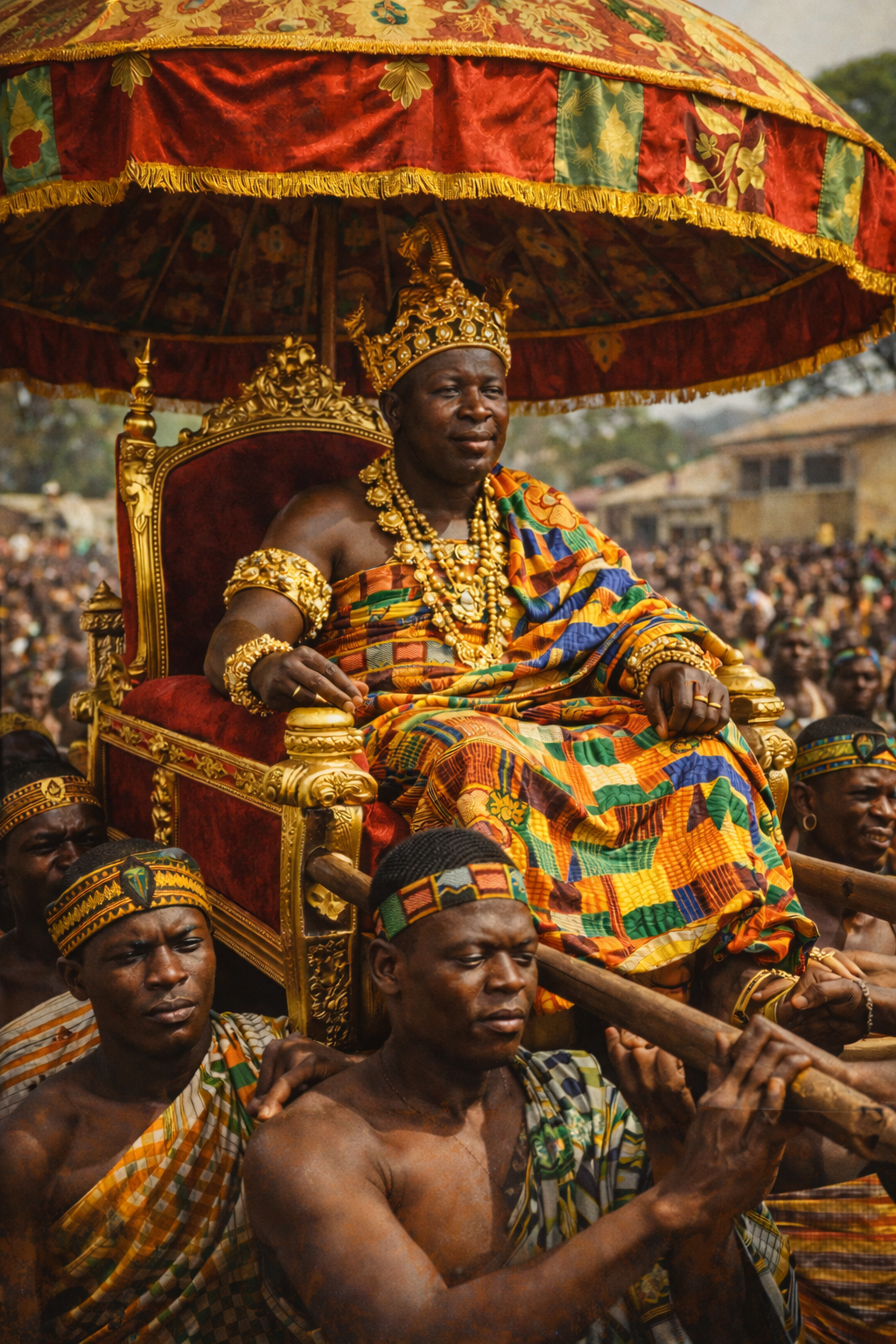
In Akan society in Ghana, a chief occupies a revered and sacred position. He is the custodian of the land, the representative of the ancestors, and the moral leader of the community. The stool symboli

Today's discussion in our series of coverage sports of the black stars heading into the world cup examines the provisional 28-man squad released by Black Stars head coach Carlos Queiroz.

As part of our dive down the memory lane with the Black Stars, we come to you with another incredible and important performance that highlights some of the best moments of the Ghana National team in the 2006 World Cup campaign.

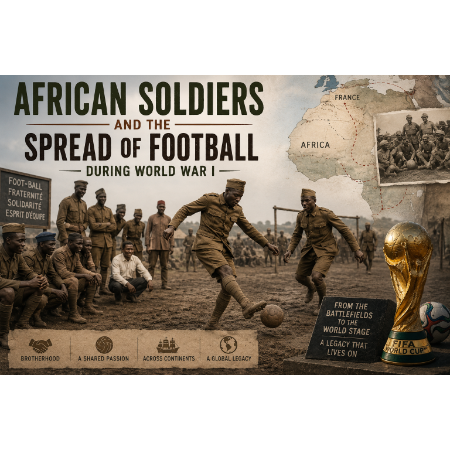
When historians discuss the global spread of football, the story is often told through familiar names and places: English schools, British sailors, South American ports, and European clubs. Yet hidden

The stadium clock in Cologne had barely ticked past the opening minute when Ghana announced itself to the world. A loose touch in the Czech Republic defence. A flash of movement. Then came the finish

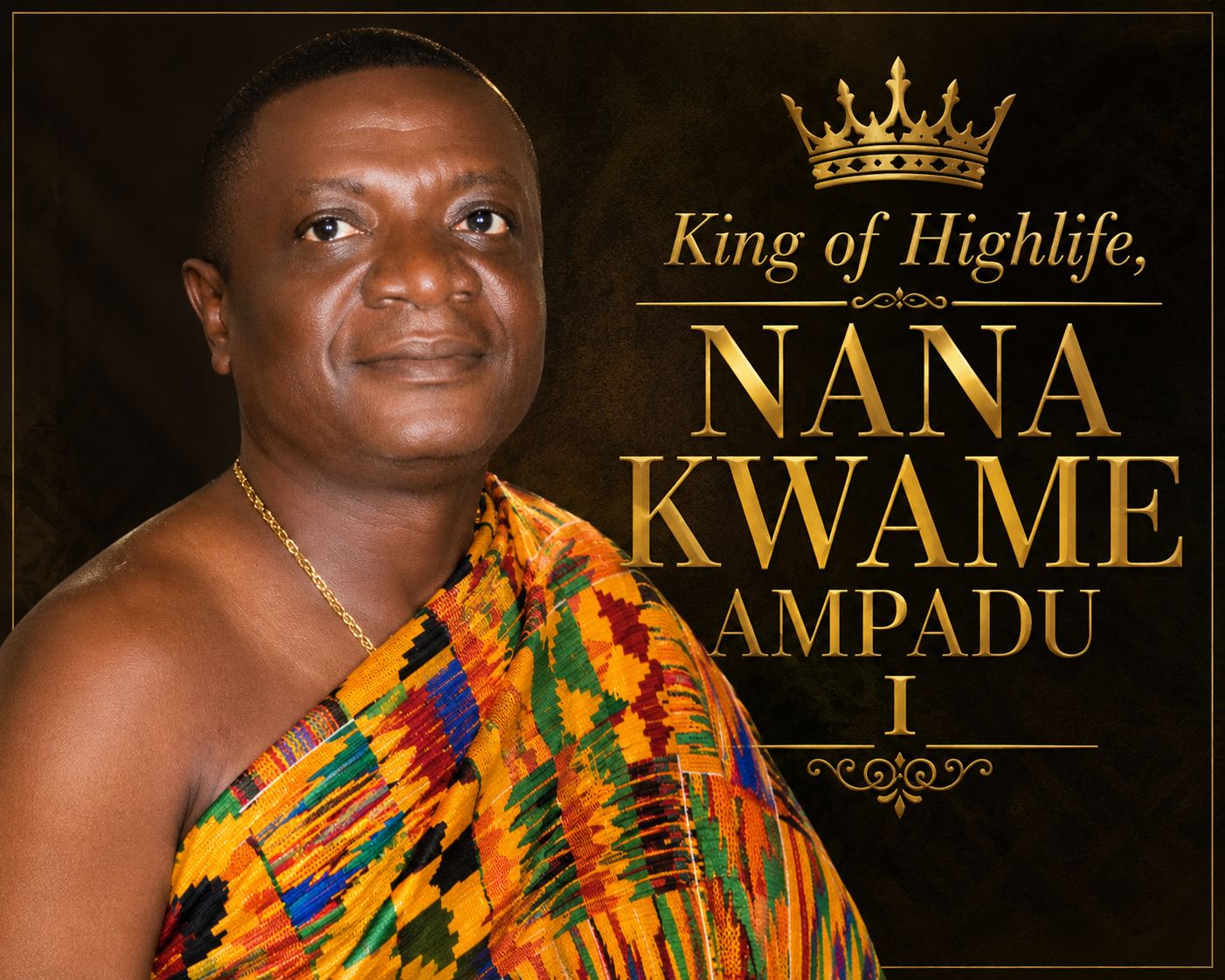
King of Highlife, Nana Ampadu Among the pantheon of Ghanaian musicians who shaped the soundscape of modern West African music, few names command the reverence accorded to Nana Kwame Ampadu I. A compo

From Childhood Fascination to Lifelong Pacifism My father used to tell us stories about the Second World War. As children, we listened with a mixture of awe and excitement. The accounts of military a

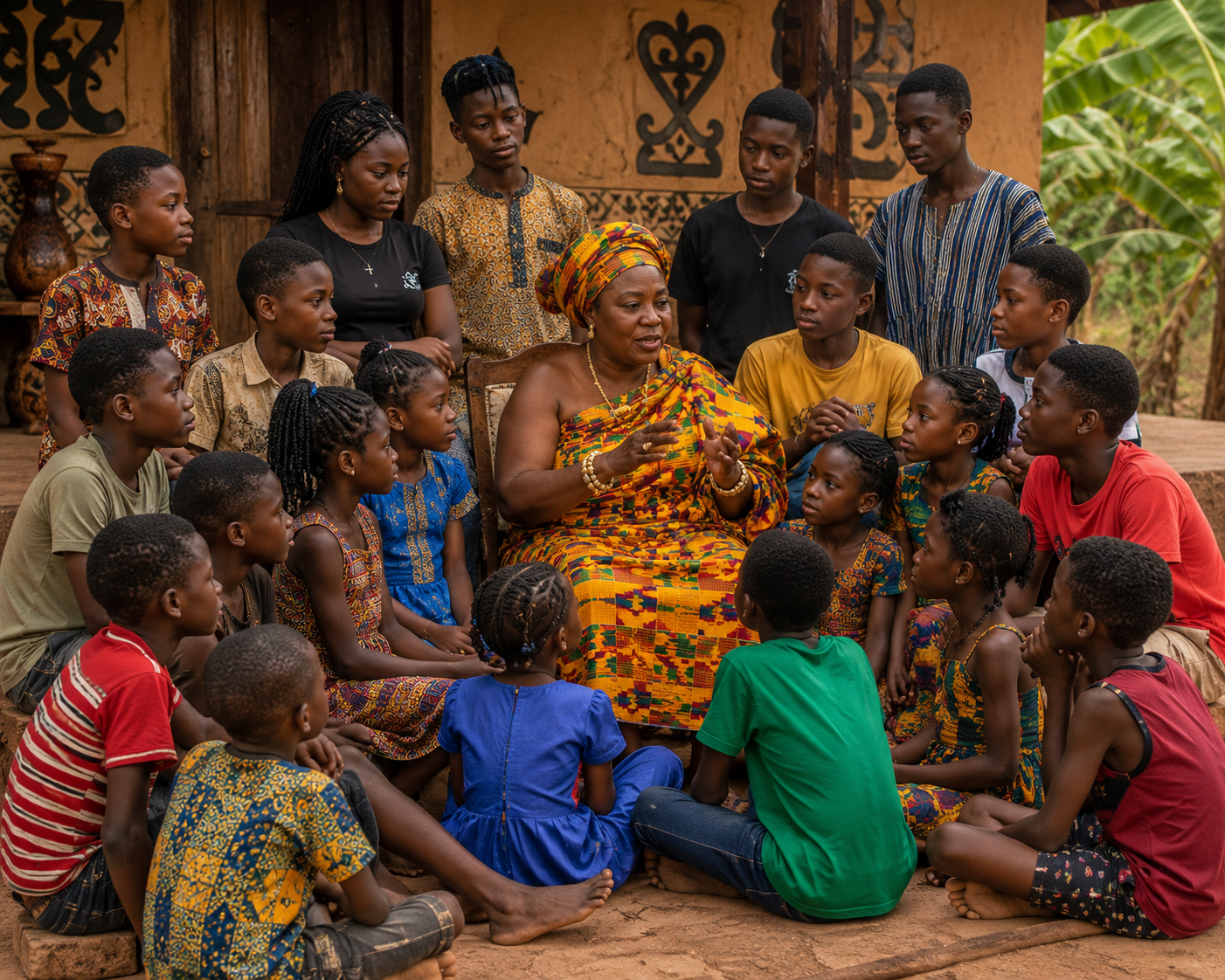
A Mother with Sixteen Children to Raise Growing up in Ghana in the 1970s, my mother taught her eight biological children and eight non-biological children the enduring virtues of self-reliance, hard work, and personal dignity. She was a woman of uncommon wisdom who believed that excessive dependence

Mr. Albert Kwabena Dwamena is a distinguished and widely respected businessman from Nkwatia in the Kwahu enclave. Though originally from Nkwatia, he was raised in Nkawkaw, where he also began his early education at the elementary level. His academic journey took him through two notable institutions—
The story of Ghana’s “Dream Team” is not merely a sporting tale; it is a generational narrative—one that reflects continuity, discipline, and the organic evolution of talent within Ghanaian football. Though the phrase “Dream Team” is more commonly associated with Olympic squads, in Ghanaian discours

In 2019, Ghana made a bold and historic statement to the world. Through an initiative known as the Year of Return 2019, the country invited people of African descent across the globe to reconnect with their roots, history, and identity. This was not just a tourism campaign. It was a deeply symbolic

Few infrastructure projects in the history of Ghana have had as profound an impact as the construction of the Akosombo Dam. Built in the early years of Ghana’s independence, the project symbolized the ambitious development vision of the country’s first president, Kwame Nkrumah, who believed that ind

In every society, including Ghana, there exist disabled people living with various forms of disability. These disabilities take many shapes and forms. Some are physical, affecting mobility, sight, hearing, or bodily function. Others are mental or psychological, influencing cognition, emotional regul

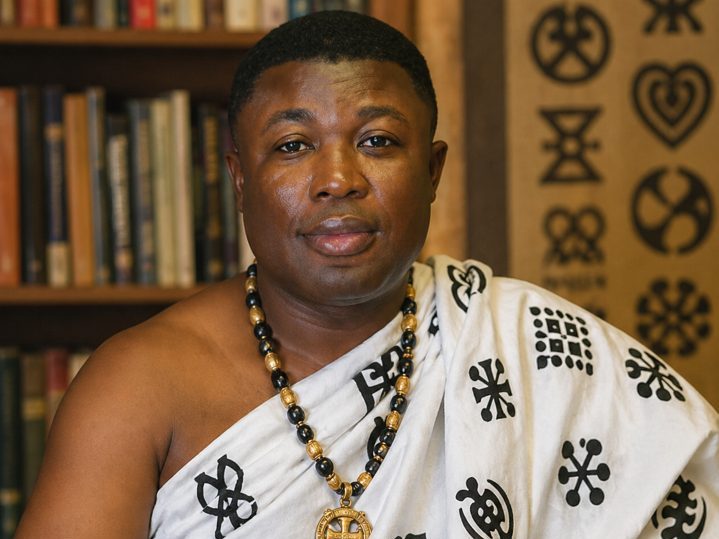
Origins and Cultural Heritage Professor Dr. Mensah Adinkrah, Professor of Sociology, Criminology, and Criminal Justice, is a native of Kwahu-Nkwatia in the Eastern Region of Ghana. Kwahu (also rendered as Kwawu) refers both to a geographical area and to a distinct Akan subgroup inhabiting the region

Marxism, as developed by Karl Marx and Friedrich Engels, is a theoretical framework that seeks to explain the organization, functioning, and transformation of society, particularly under conditions of capitalism. Class Structure: Bourgeoisie and Proletariat At the center of Marxist analysis is a dis

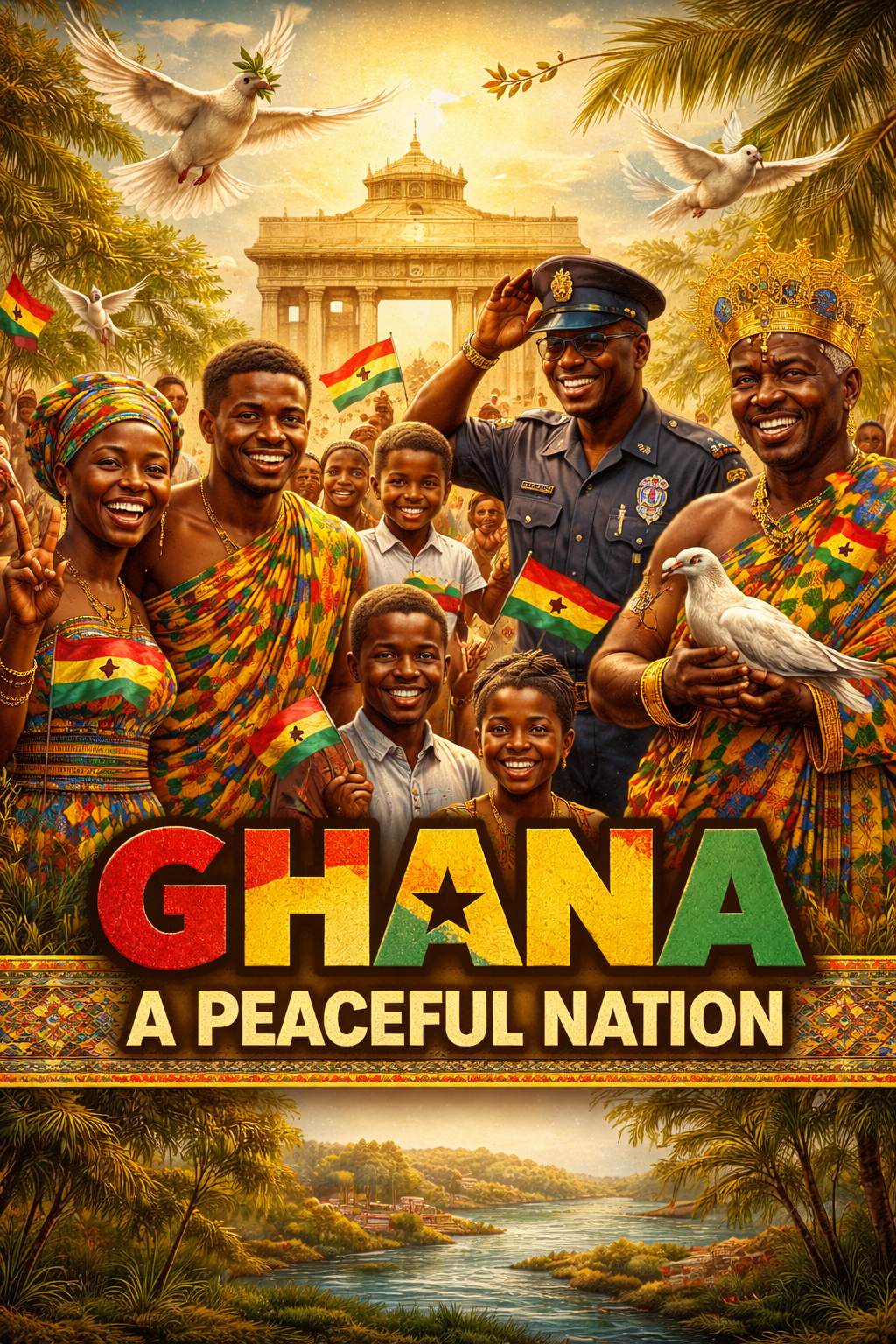
A Nation Defined by Peace In a region and continent that have, at various historical moments, been scarred by conflict and instability, Ghana stands out as a compelling example of relative peace. Since gaining independence in 1957, the country has largely avoided the large-scale civil wars that have

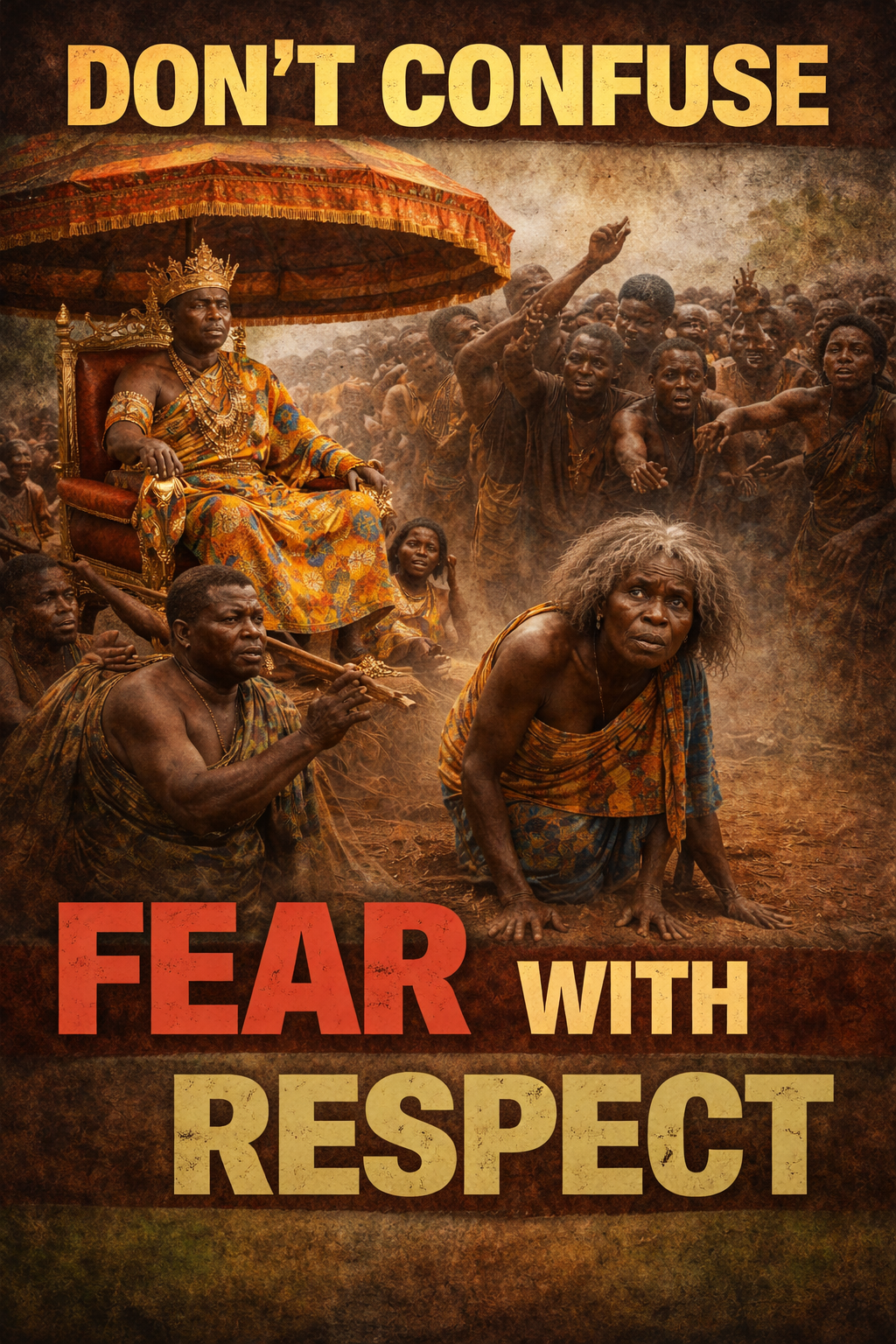
Oftentimes, in Africa, people conflate respect with fear, treating them as if they are interchangeable. Yet within Akan moral language, a clear distinction is maintained between fɛreɛ (respect) and suro (fear). To say “me fɛre wo” is fundamentally different from “me suro wo.” The former connotes est

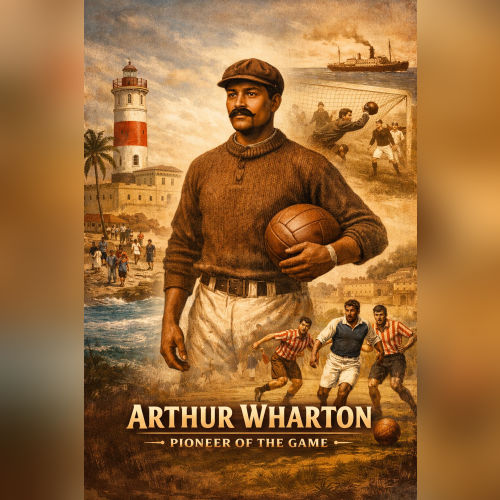
When people discuss the early history of football, the narrative often begins in Britain and gradually expands to the rest of the world. Rarely, however, does the conversation turn toward West Africa—particularly the historic Gold Coast, present-day Ghana. Yet one of the most remarkable pioneers of

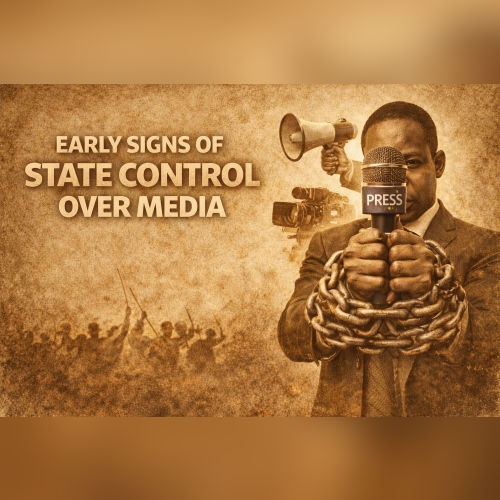
The early years of Ghana’s independence, particularly between 1957 and the mid-1960s, reveal the gradual emergence of state control over the media. While independence initially generated optimism about press freedom, archival newspaper records, government policies, and editorial patterns show that s

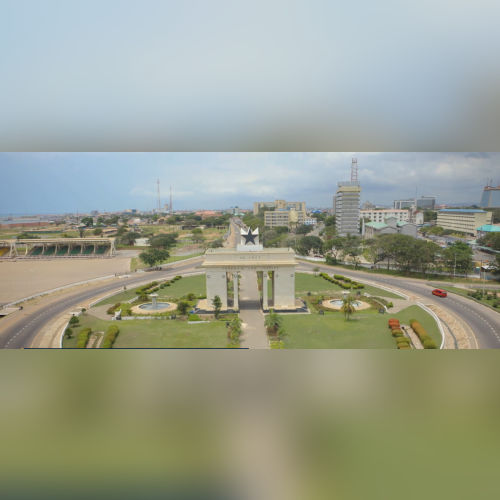
A Historic Emblem of Independence The Ghana national flag is more than a piece of cloth fluttering in the wind; it is a powerful symbol of the country’s history, aspirations, and identity. First officially adopted on March 6, 1957—the same day Ghana became the first African nation to gain independen

The Akan of GhanaThe Akan are an ethnic group that live in Ghana. They occupy a broad stretch of territory extending from the coastal areas to the central forest belt of the country. Historically and culturally, the Akan constitute one of the largest ethnolinguistic groups in Ghana and share closely

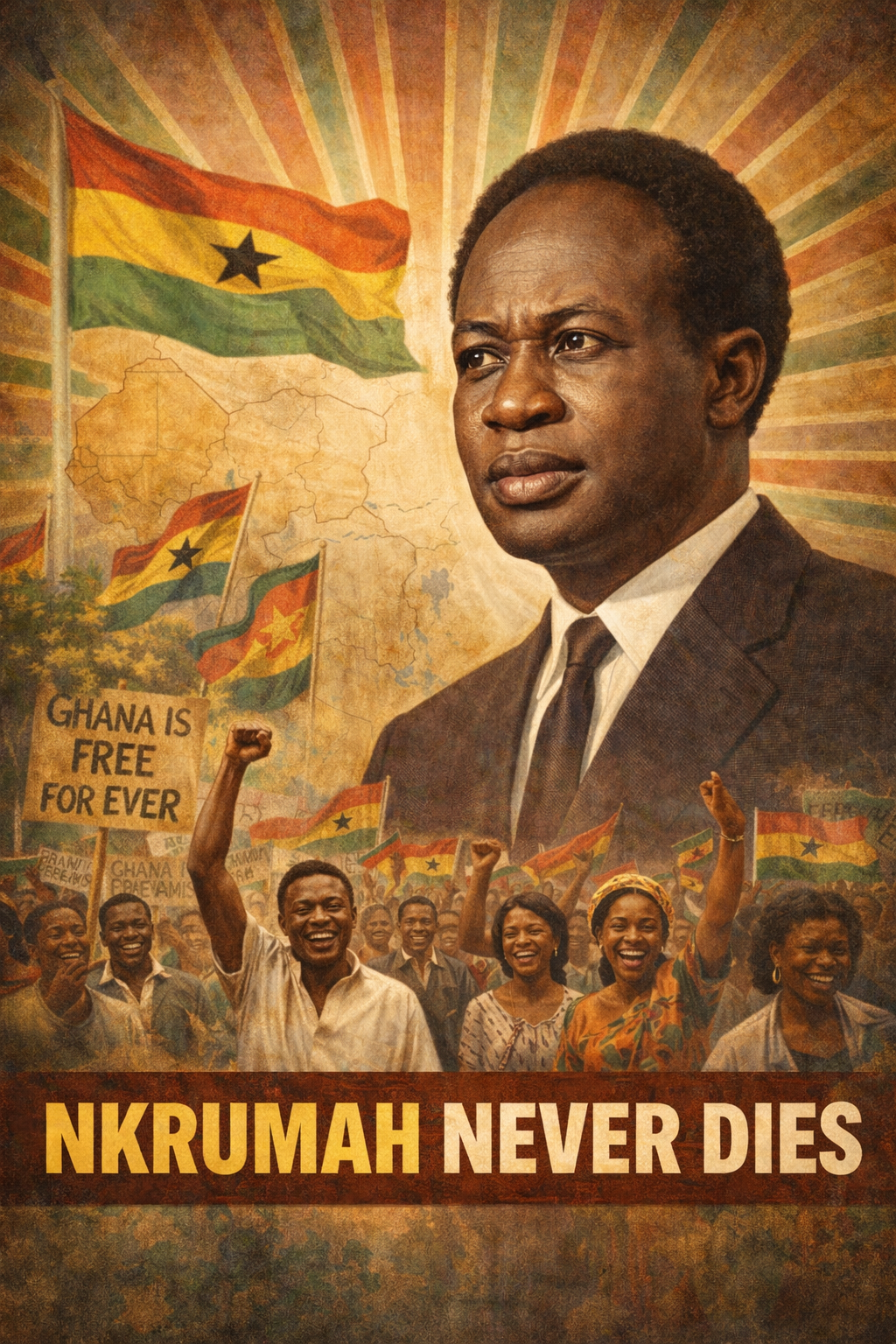
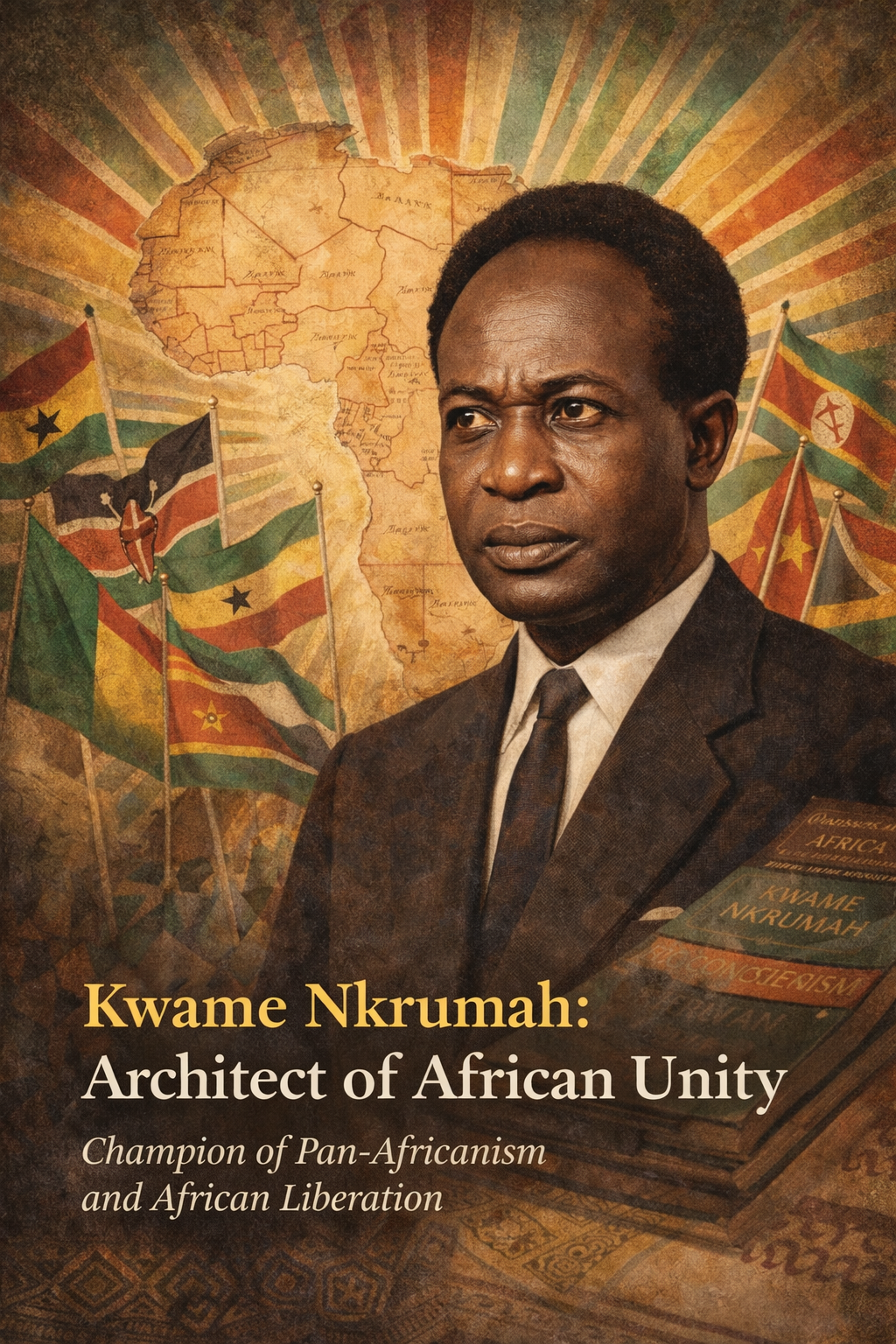
In the history of Ghana, few names command as much reverence and admiration as Kwame Nkrumah. More than half a century after his passing, the memory of the man who led the nation to freedom continues to inspire generations. His words echo in political discourse, his ideas shape national debates, and

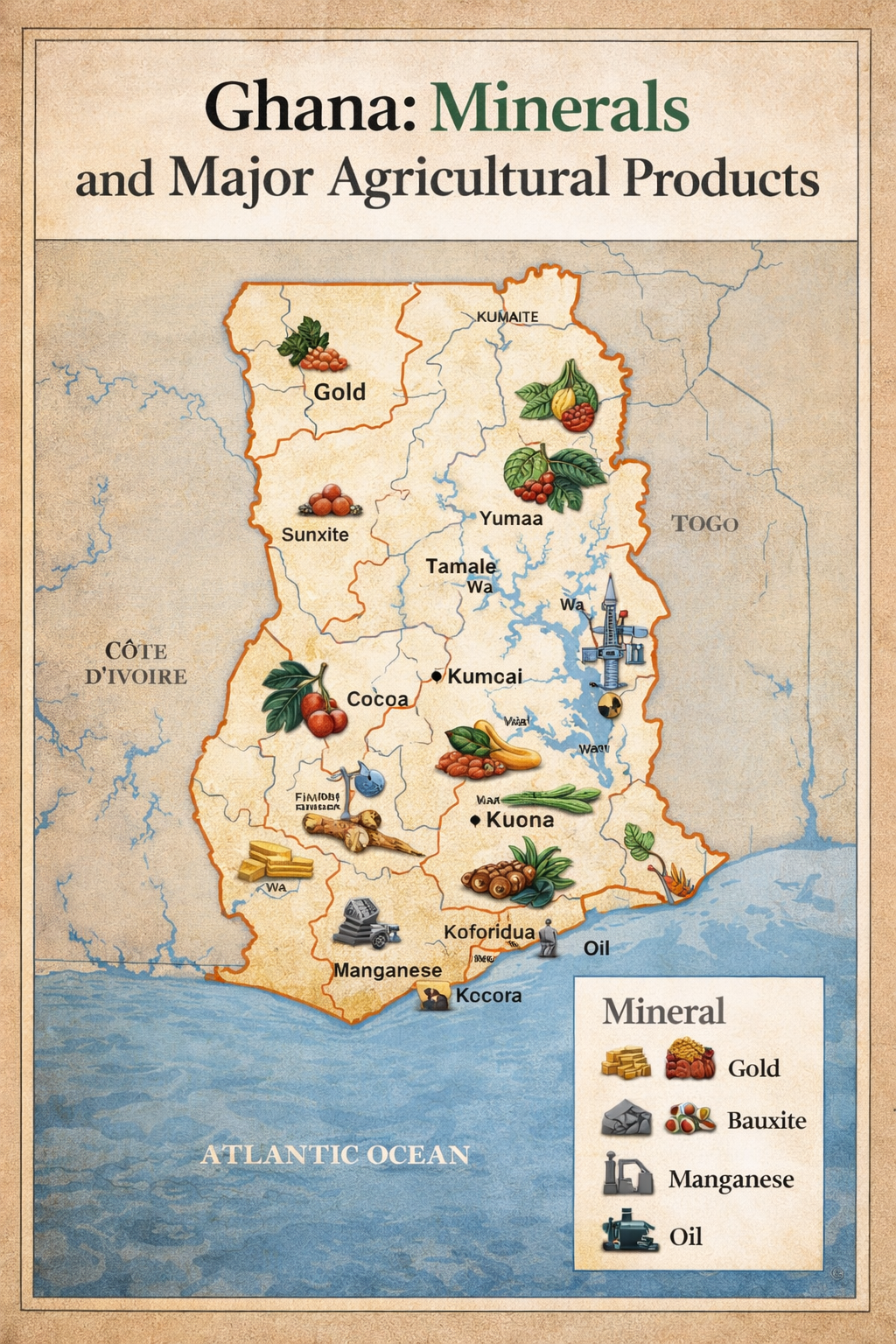
Ghana stands for “God Has Anointed the Nation Already.” Many Ghanaians see their country not merely as a geographical territory in West Africa, but as a land endowed with immense natural, human, and spiritual blessings. From abundant mineral wealth to fertile agricultural lands and a vibrant populat

When the Gold Coast achieved independence on March 6, 1957, becoming Ghana, the event generated immense public excitement and hope. For millions of Ghanaians, independence was not merely a constitutional change—it represented the promise of economic prosperity, political empowerment, social transfor

The question of whether independence in 1957 marked the true birth of a free African press in the Gold Coast—now Ghana—is both historically complex and deeply debated. While Ghana’s independence symbolized political liberation from colonial rule, the evolution of press freedom was far more gradual a

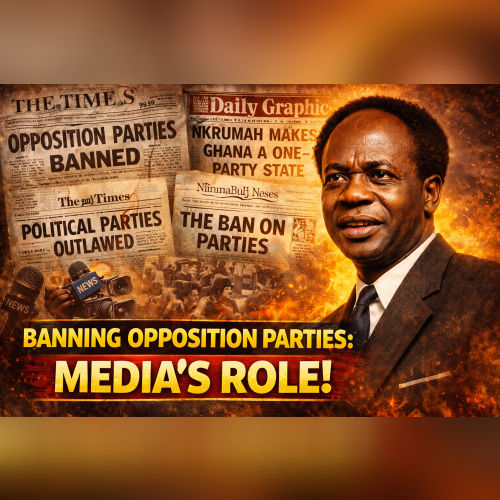
The banning of opposition parties in Ghana during the late 1950s and early 1960s stands as one of the most consequential moments in the country’s political and media history. Newspapers of the era did not merely report the development—they actively shaped how the public understood the meaning of pol

The relationship between newspapers and Ghana’s Independence Day celebrations is deeply rooted in the country’s political history and media evolution. From the late colonial period through the attainment of independence in 1957 and into the post-colonial era, newspapers played a central role in docu

In the years surrounding Ghana’s independence and early nation-building period (roughly the mid-1950s through the early 1960s), one of the most persistent and consequential public discussions revolved around the tension between press freedom and national unity. Newspapers themselves became both the

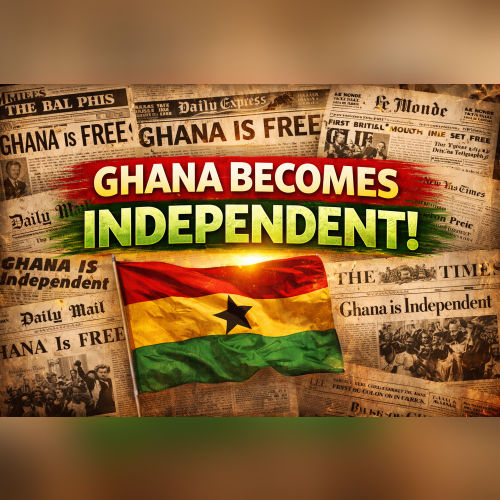
The emergence of Ghana as an independent nation in 1957 was not only a political milestone but also a global media event. Newspapers—both local and international—played a decisive role in announcing the birth of the new state to the world. Through headlines, editorials, photographs, and diplomatic r

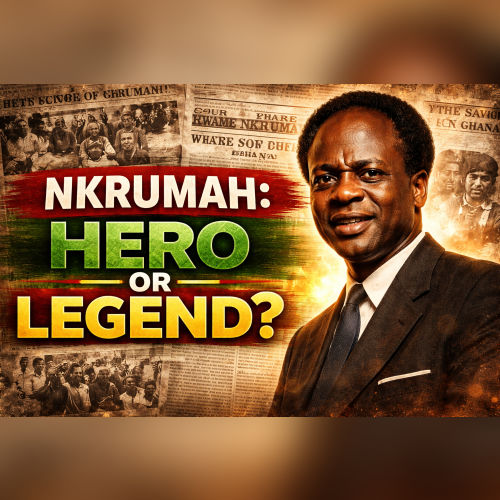
The portrayal of Kwame Nkrumah as a national hero was not simply a spontaneous public perception—it was carefully shaped, amplified, and sustained through newspapers and other media channels during the late colonial and early post-independence periods. In the Gold Coast, now Ghana, the press played

The development of newspaper culture in the Gold Coast—today known as Ghana—was inseparable from the spread of formal education during the nineteenth and early twentieth centuries. Education did far more than teach reading and writing; it fundamentally reshaped social structures, created new intelle

Early Life and Education Kwame Nkrumah was born in 1909 in what Ghana is now, West Africa. He studied both in Ghana and overseas, gaining knowledge that would later shape his vision for his country and the continent. Leader of Ghana’s Independence Nkrumah emerged as one of the most prominent politic

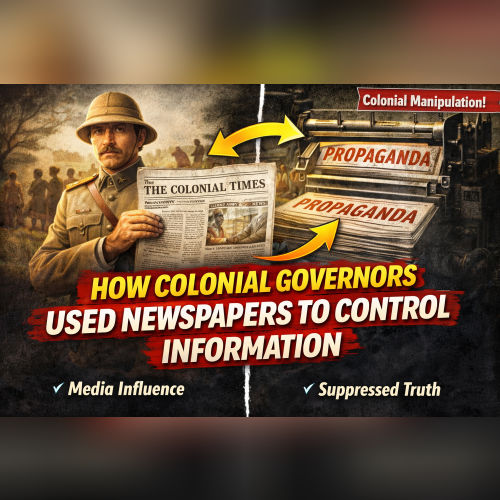
During the colonial period in the Gold Coast—modern-day Ghana—newspapers were not merely instruments of public communication; they were powerful tools of governance and political control. Colonial governors recognized early that controlling the flow of information was essential for maintaining autho

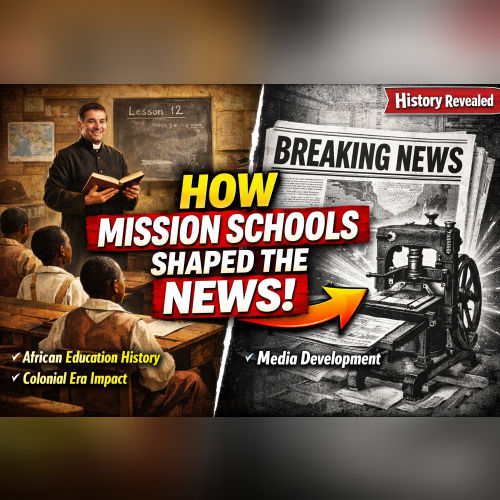
The growth of newspaper readership in the Gold Coast—modern-day Ghana—cannot be understood without examining the critical role played by nineteenth-century mission schools. These educational institutions, established by European Christian missions, were not only centers of religious instruction but

The end of the trans-Atlantic slave trade in the nineteenth century is often presented in historical narratives as a clear moral victory led by European abolitionists. However, in reality, the process was complex, uneven, and frequently misrepresented—particularly in early newspapers and colonial re

The qualification of the Ghana national football team — popularly known as the Black Stars — for the 2006 FIFA World Cup stands as one of the most transformative milestones in Ghana’s sporting and national history. It was not merely a football achievement; it was the culmination of decades of ambiti

Africa is still the “dark continent” to many people. In spite of its immense size, large population, vast mineral and agricultural resources, militarily strategic location, and tremendous development potential, Africa is undeniably the most misunderstood continent. Very few non-natives of the contin

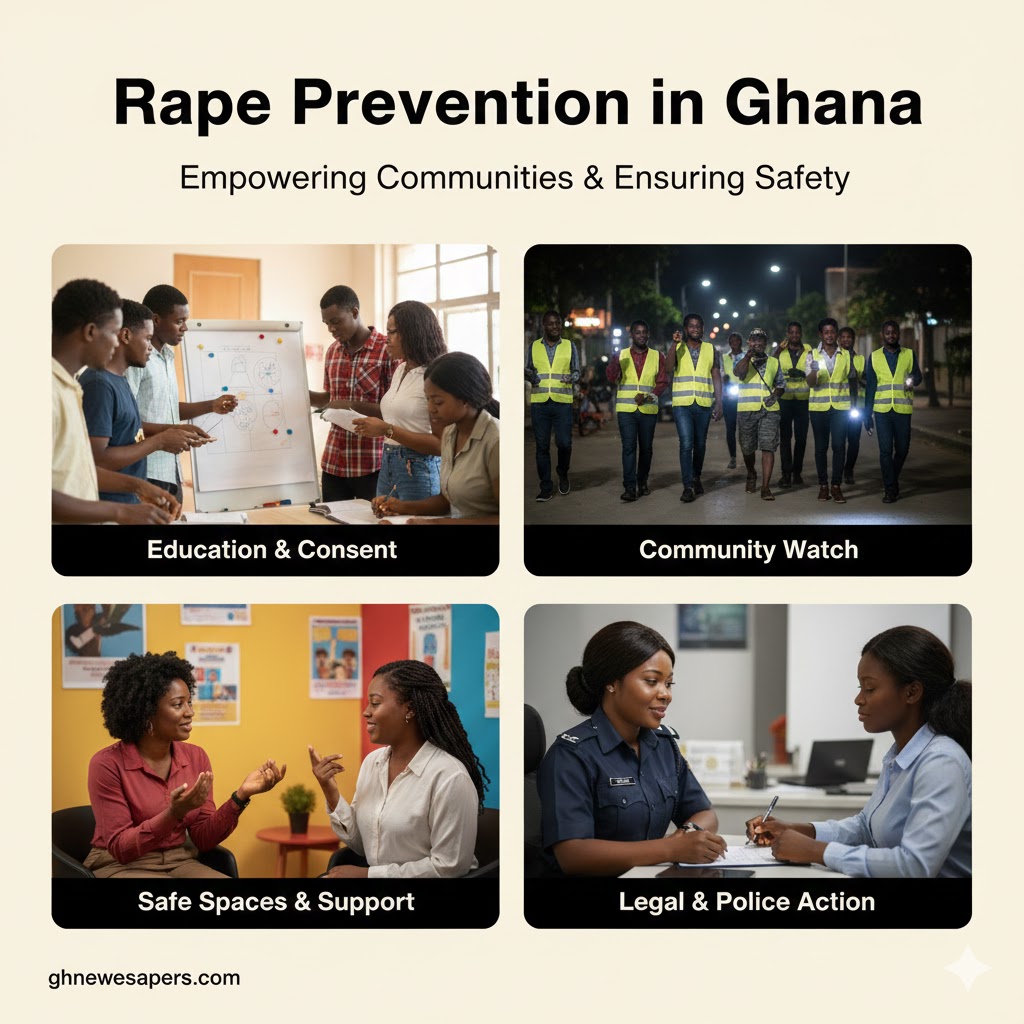
Rape and sexual assault are among the most serious crimes in Ghana, leaving victims with profound physical, emotional, and psychological scars. Despite public awareness campaigns and media reporting, sexual violence continues to occur in society, highlighting the urgent need for vigilance, education

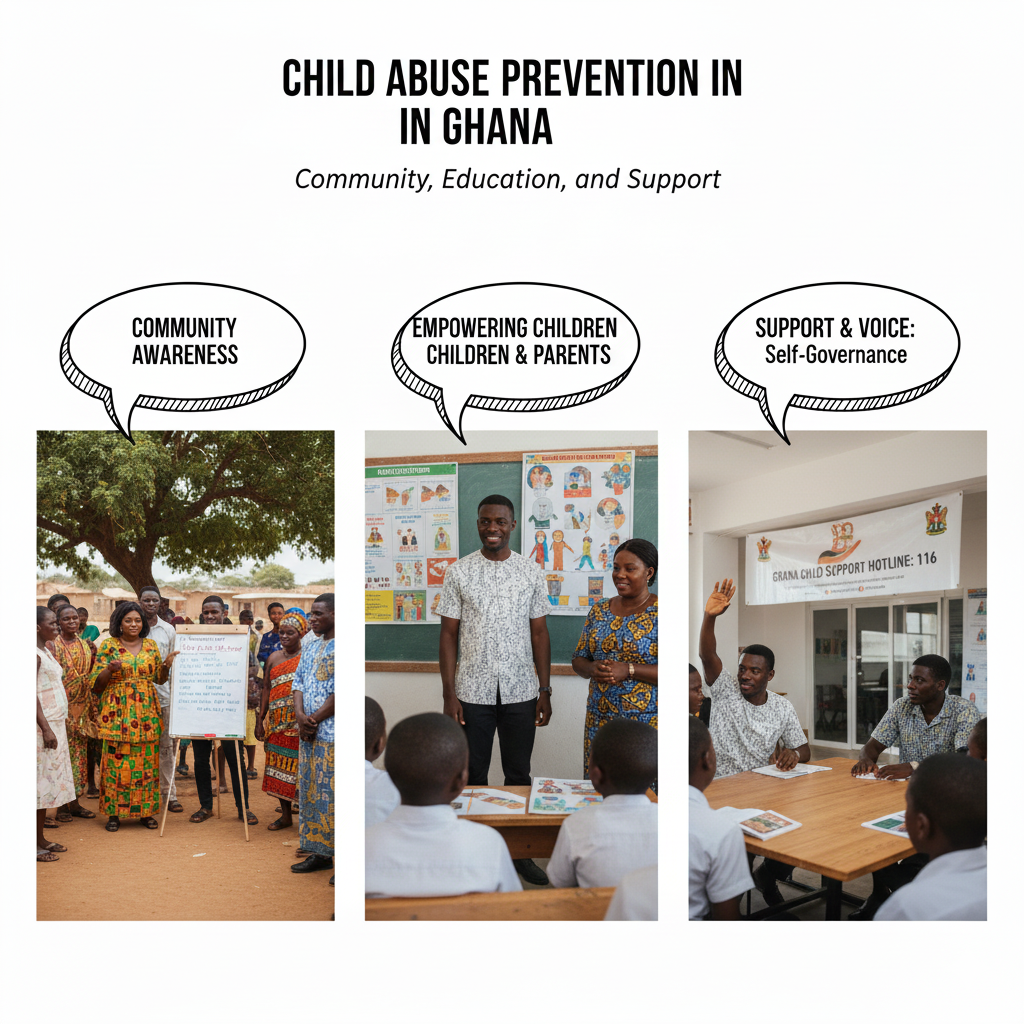
Every year, thousands of children in Ghana suffer abuse at the hands of those entrusted with their care—parents, guardians, and relatives. Reports of battered, neglected, and traumatized children frequently appear in the Ghanaian mass media, often accompanied by disturbing images and heartbreaking d

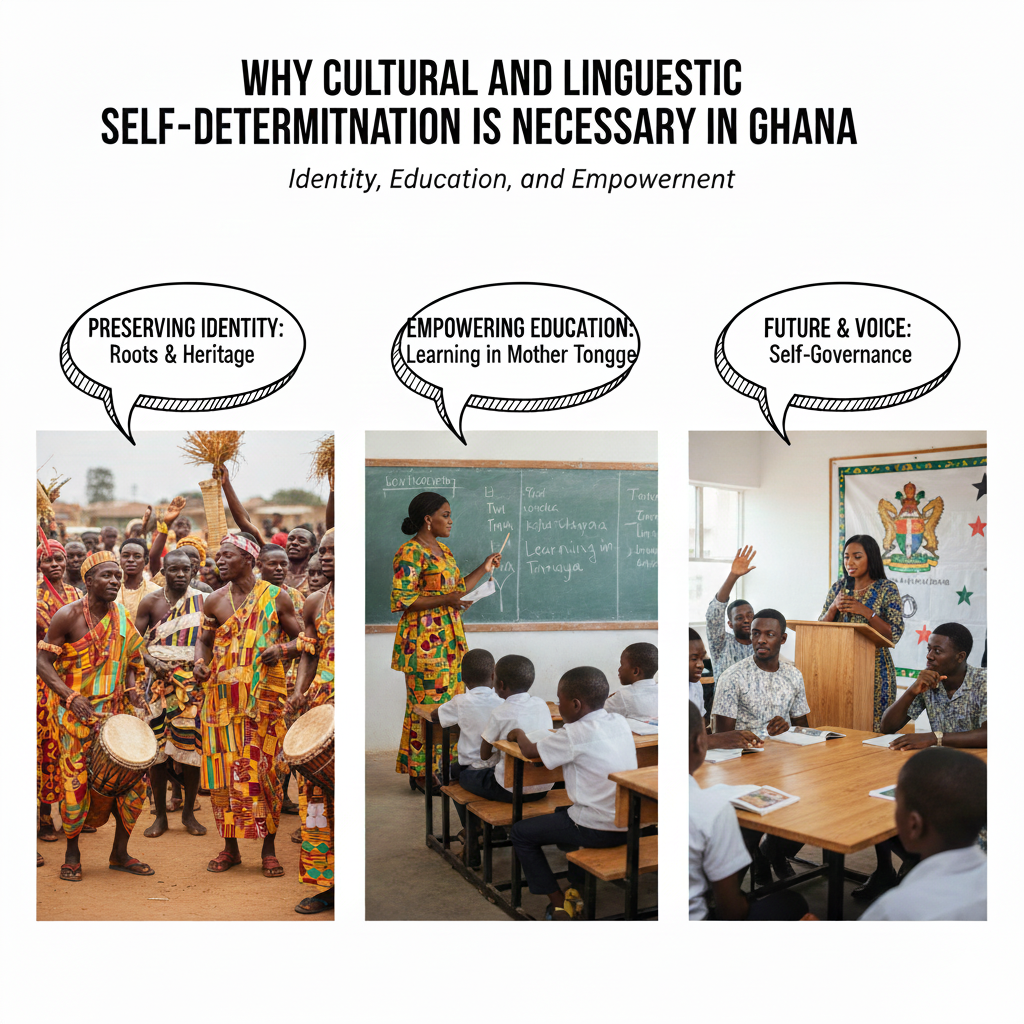
For a long time, Ghanaians have embraced foreign ways and ideas that have not served them well and, in many cases, have undermined national development. For this reason, some Ghanaians are increasingly calling for cultural and linguistic self-determination as a necessary step if the nation is to mov

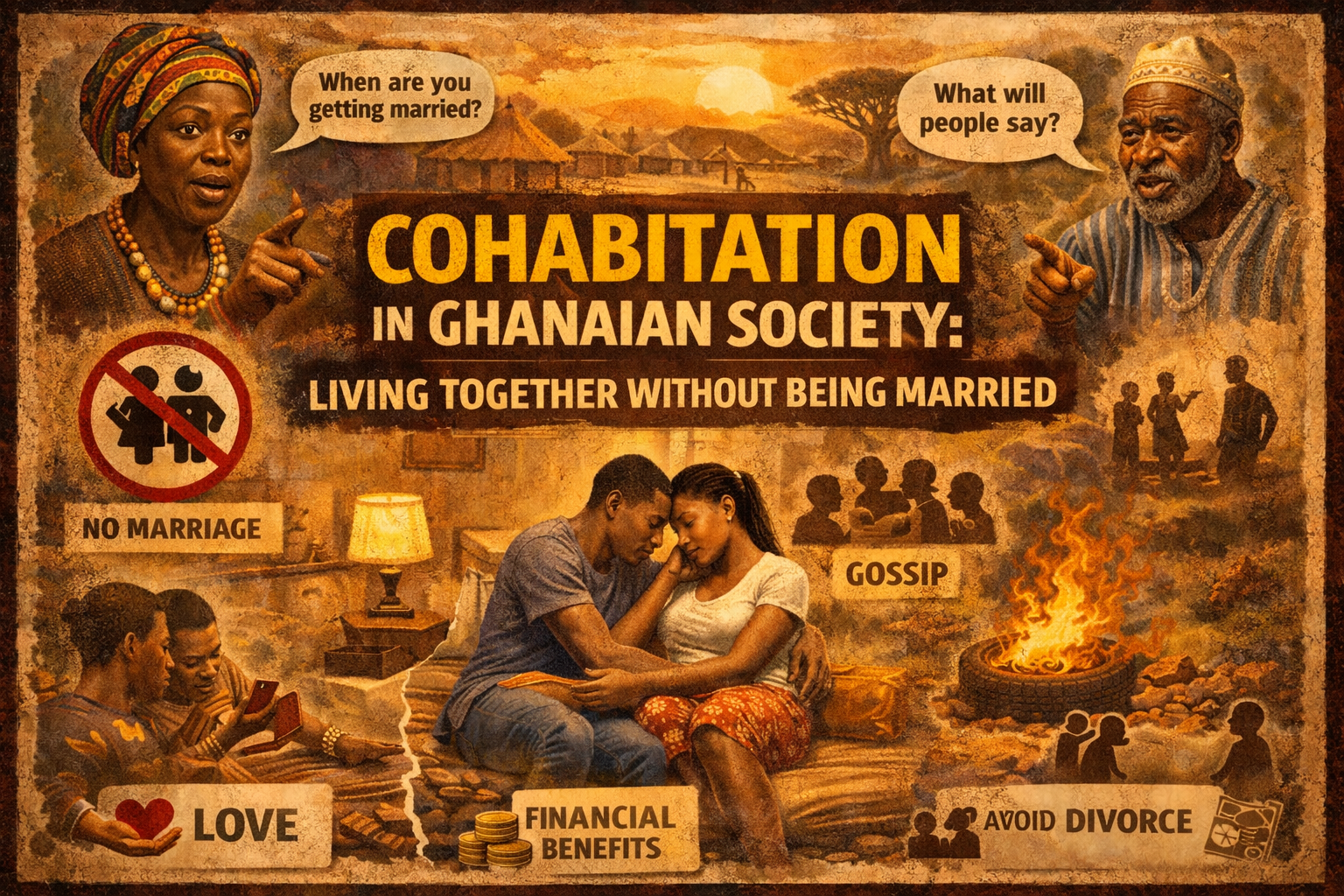
Cohabitation refers to an intimate arrangement in which a man and a woman live together in a shared residence without being formally married. While cohabitation has become increasingly common in many contemporary societies, it is generally frowned upon in Akan society and regarded as socially improp

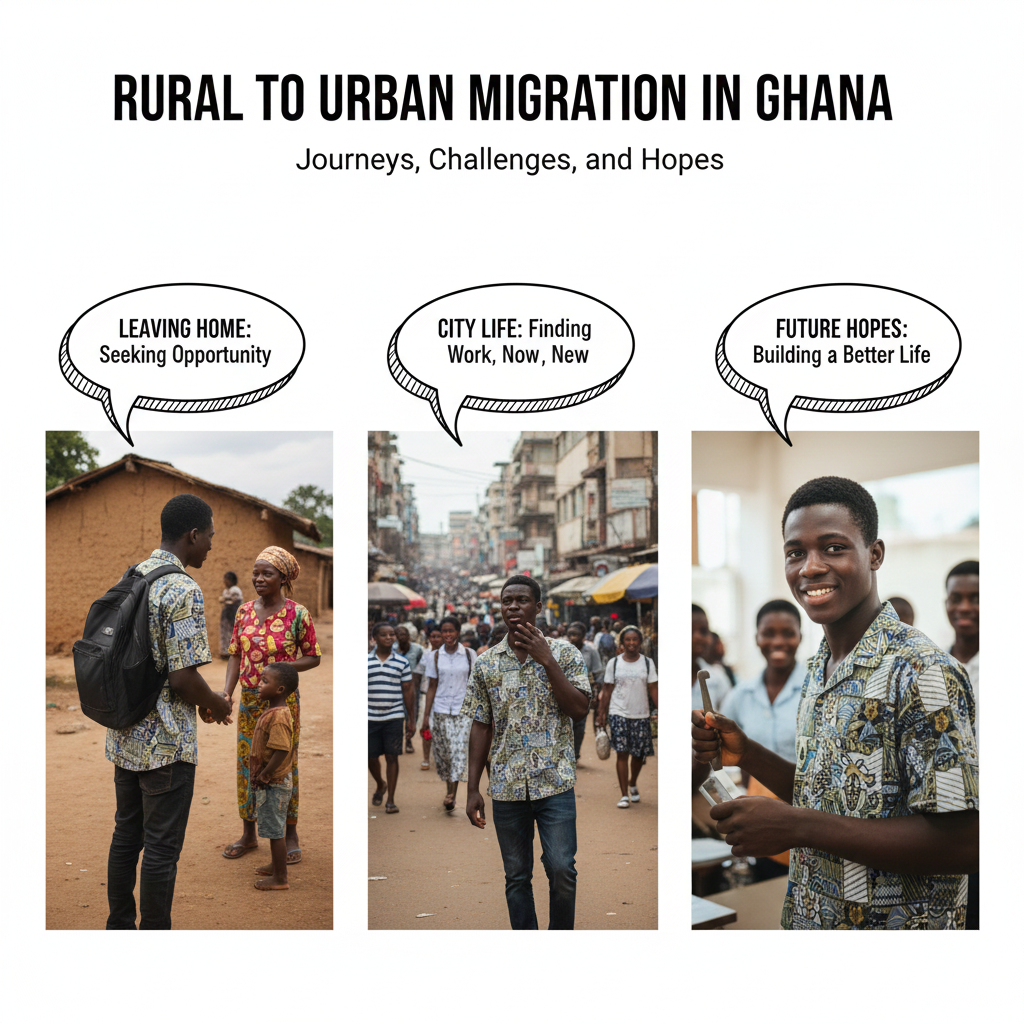
The causes of Rural–Urban Migration are major concerns of African governments like Ghana. Across Ghana and much of Africa, a defining social transformation of the 21st century is the movement of people from the countryside to towns and cities. Every year, thousands of young people leave rural commun

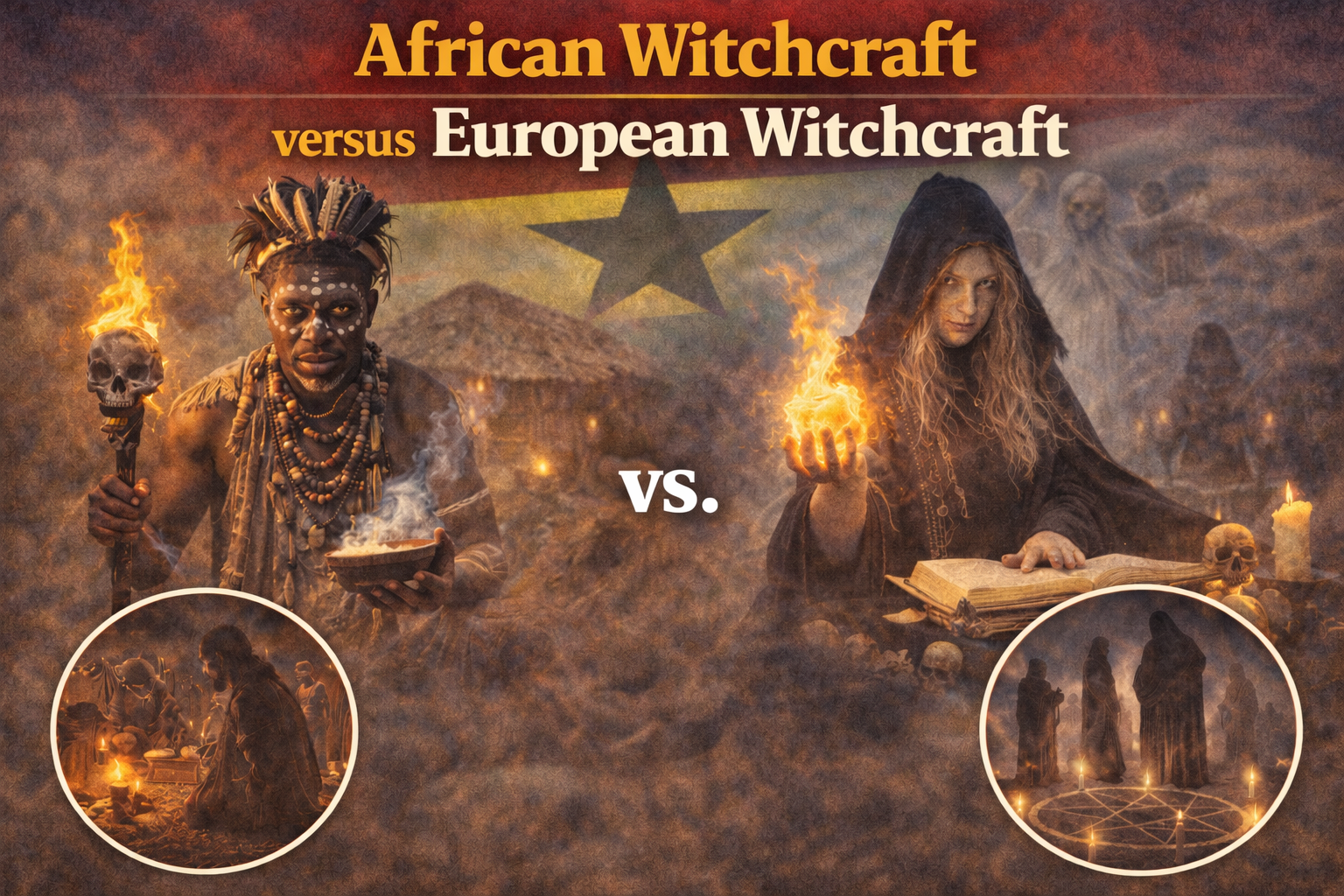
African witchcraft versus European witchcraft have been the focus of local discussions about witchcraft in Ghana for many years. During the period of European colonization, westernization, and the early stages of modernization, people in the Gold Coast (now Ghana) struggled to explain the wide gap i

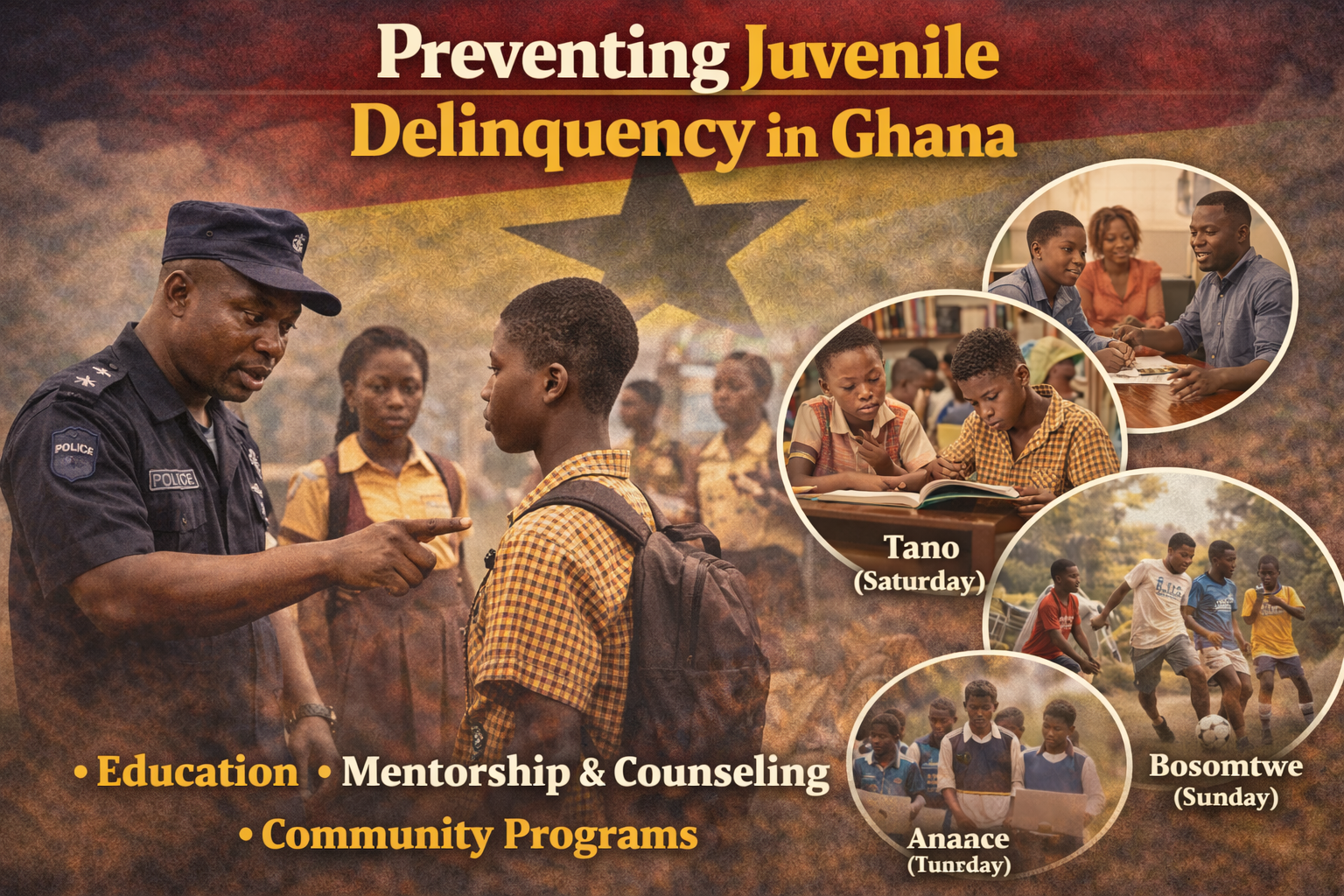
Children are the future of every society. Yet Ghana faces a serious challenge if urgent steps are not taken to ensure that today’s children are properly guided and nurtured to grow into law-abiding and responsible citizens. In recent years, there has been a noticeable increase in juvenile delinquenc

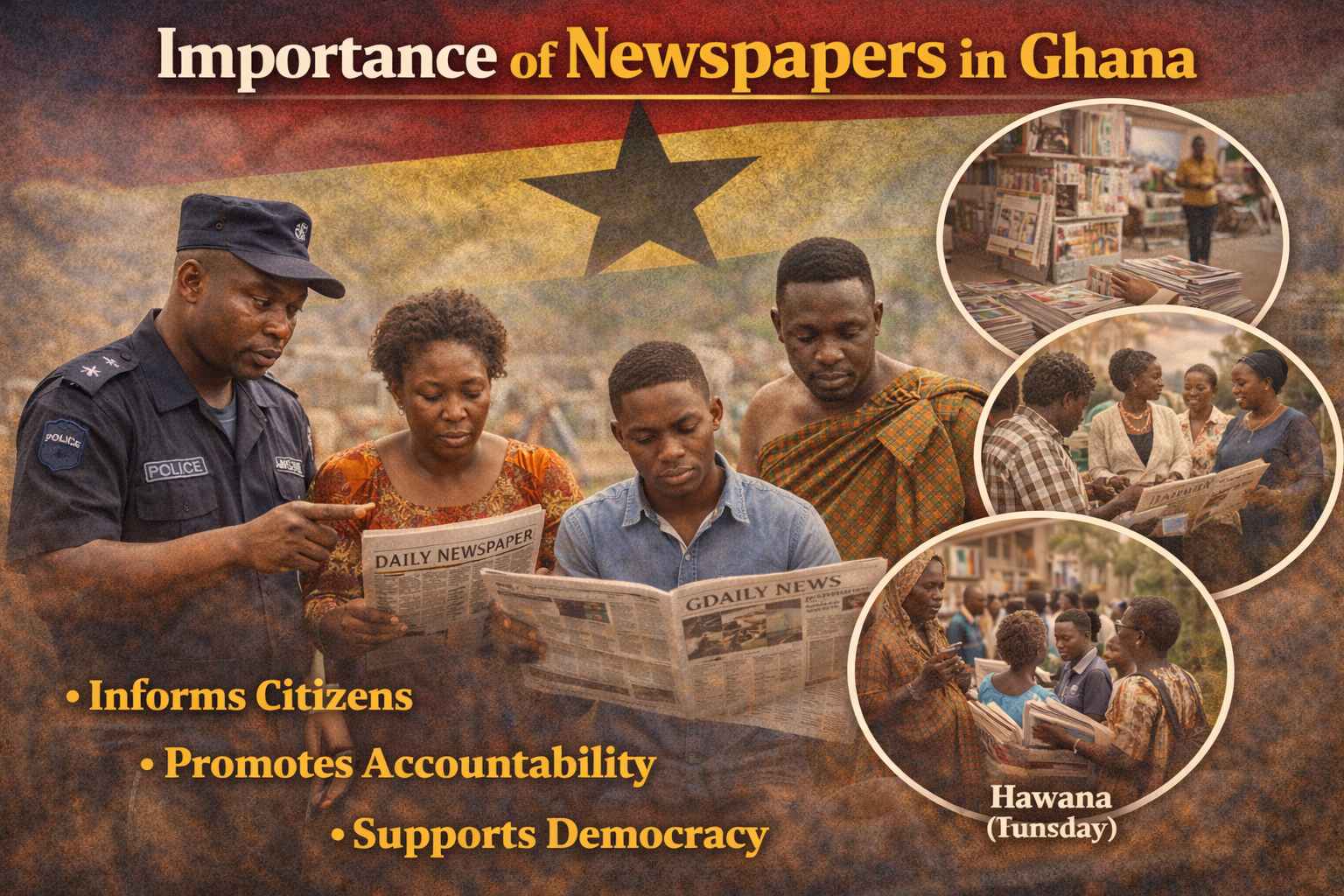
Newspapers occupy an important place in Ghanaian society. Long before the rise of social media and online news platforms, newspapers were the primary source of information for the public. Even today, despite digital competition, newspapers continue to serve critical social, political, educational, a

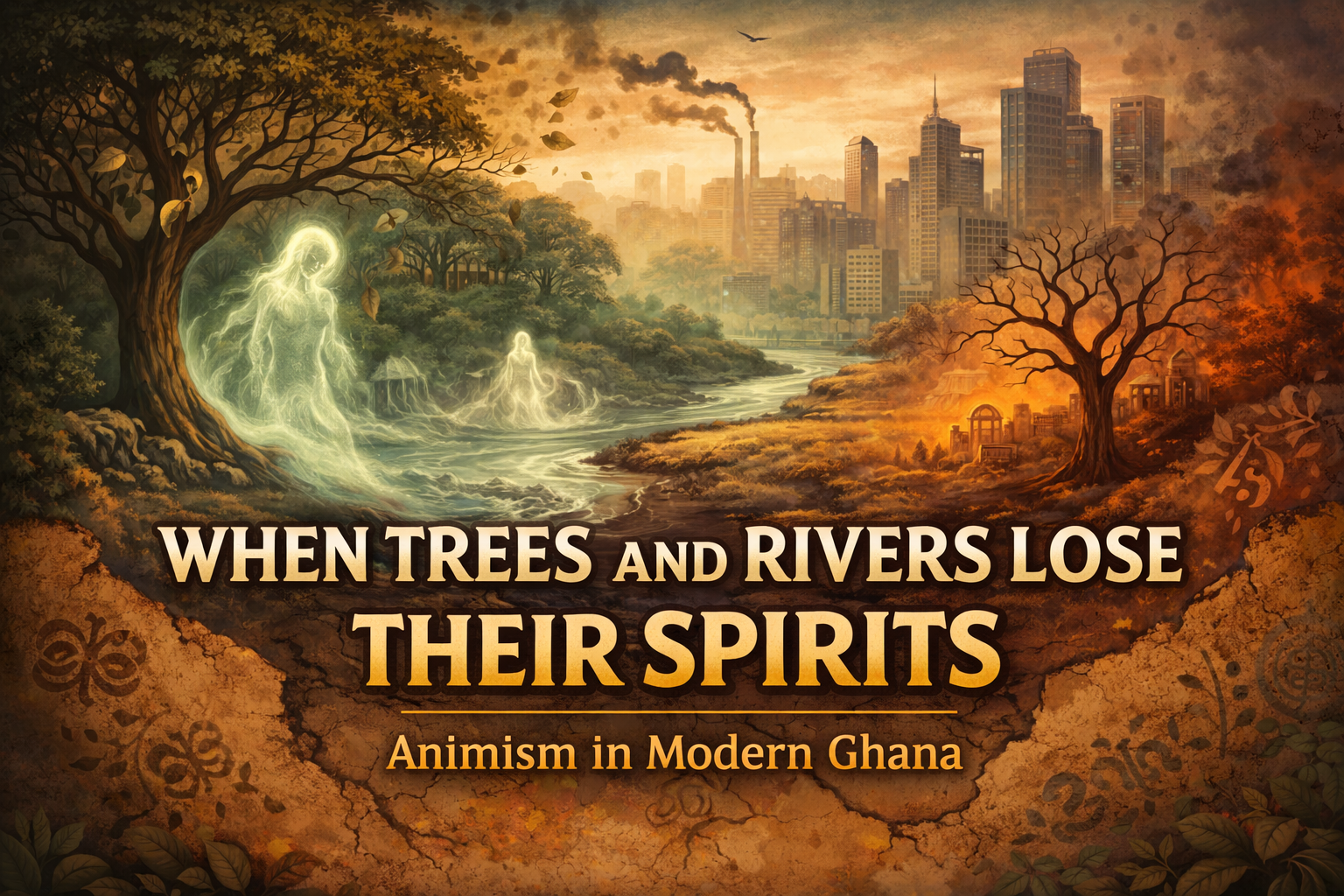
Animism is the belief that the environment and society are populated with spirits. Many Ghanaians hold animistic beliefs, maintaining that their surroundings are inhabited by spiritual beings. Some of these spirits are believed to be benevolent, while others are considered malevolent. Animistic beli

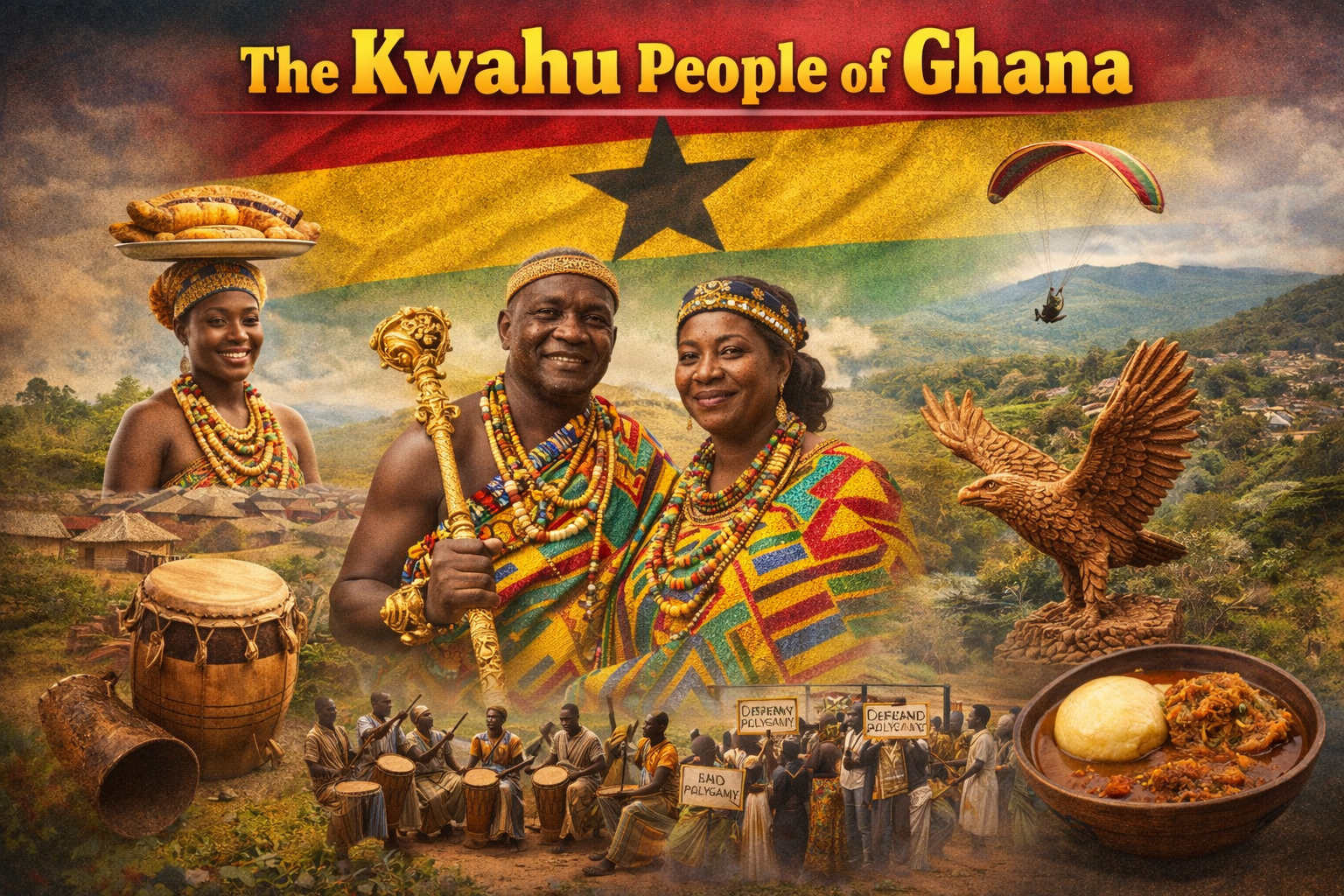
Ghana is a multiethnic and multilingual country, home to numerous ethnic groups with distinct histories and cultural traditions. Among these groups are the Kwahu people, one of the many subgroups within the larger Akan ethnic group. The Kwahu are primarily located in the Eastern Region of Ghana. The

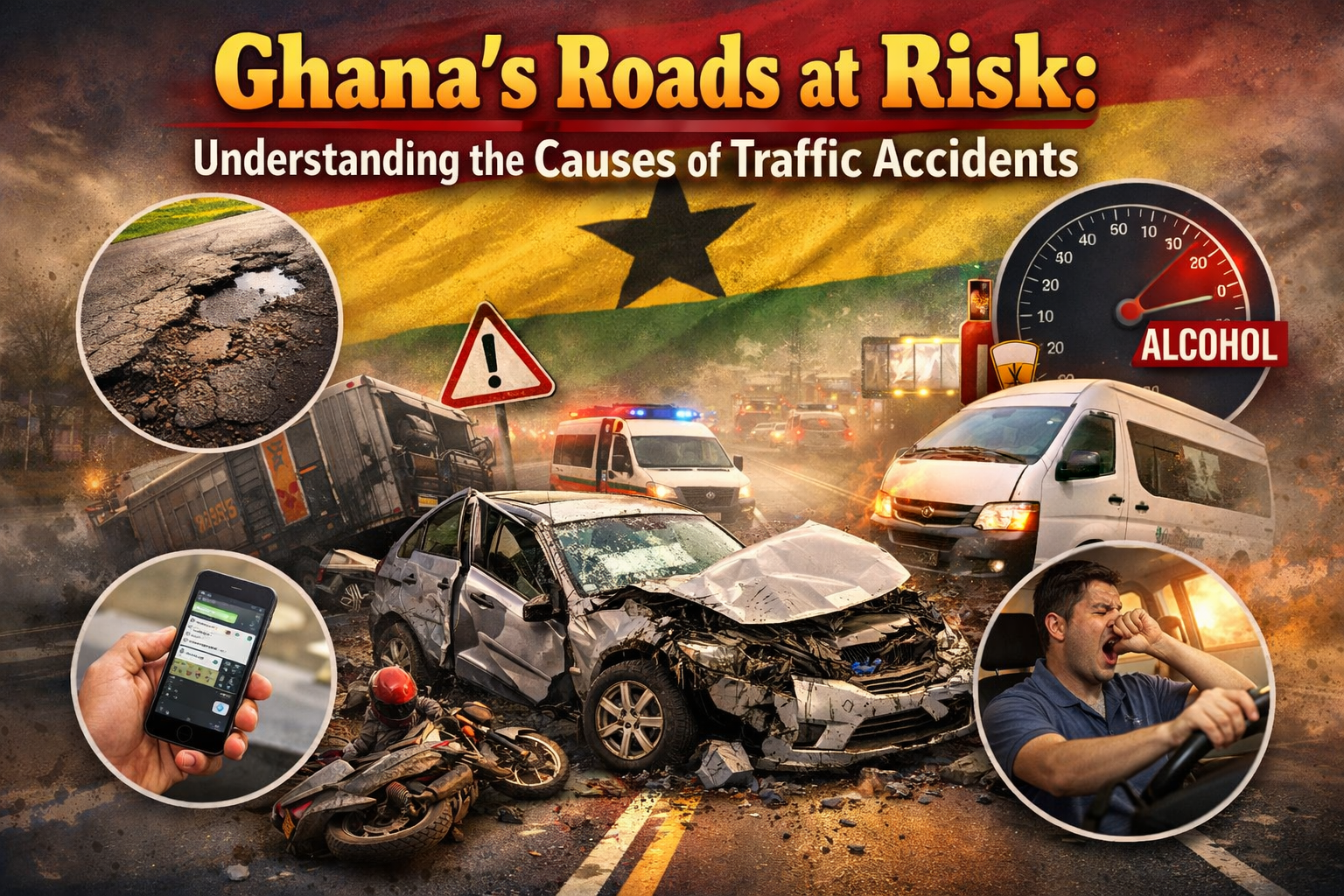
Traffic accidents in Ghana are more than statistics—they are daily tragedies that claim lives, ruin families, and leave survivors with lifelong injuries. Beyond the loss of life, road crashes lead to pain, suffering, disability, and economic hardship for individuals and communities alike. Recent dat

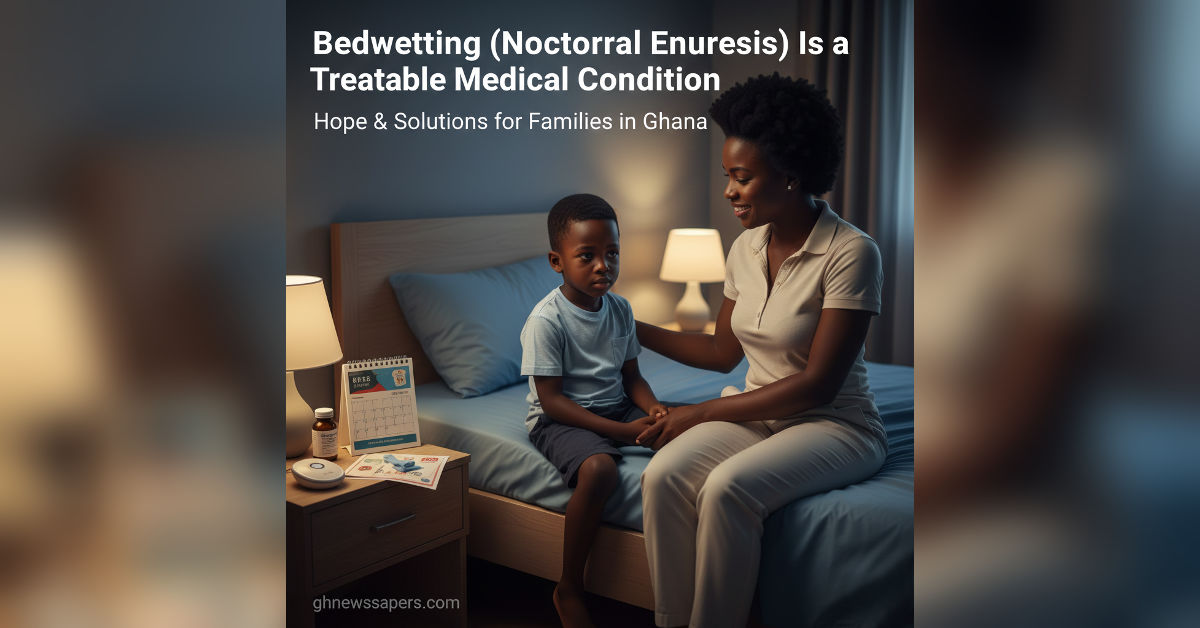
Across Africa, myths and misunderstandings about bedwetting continue to affect children and families. In Ghana, many parents still believe that children who wet their beds at night are lazy or unwilling to wake up to urinate. As a result, some children are physically disciplined. In past decades, pa

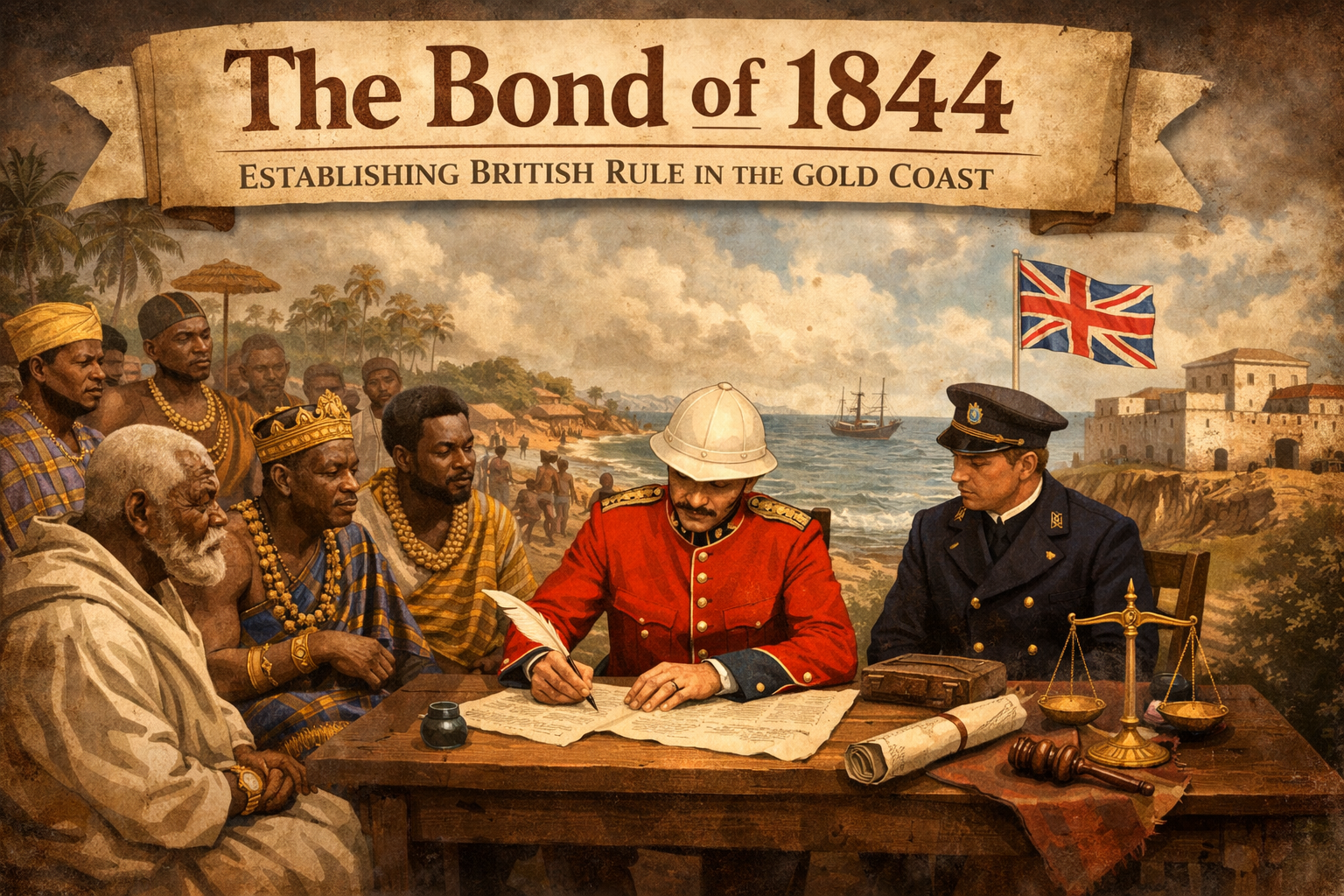
📰 Covered later by: Gold Coast Gazette, missionary newsletters The signing of the Bond of 1844 between Fante chiefs and the British Crown formalized colonial judicial authority in the Gold Coast. Though newspapers were limited at the time, later colonial press publications referenced the Bond as th

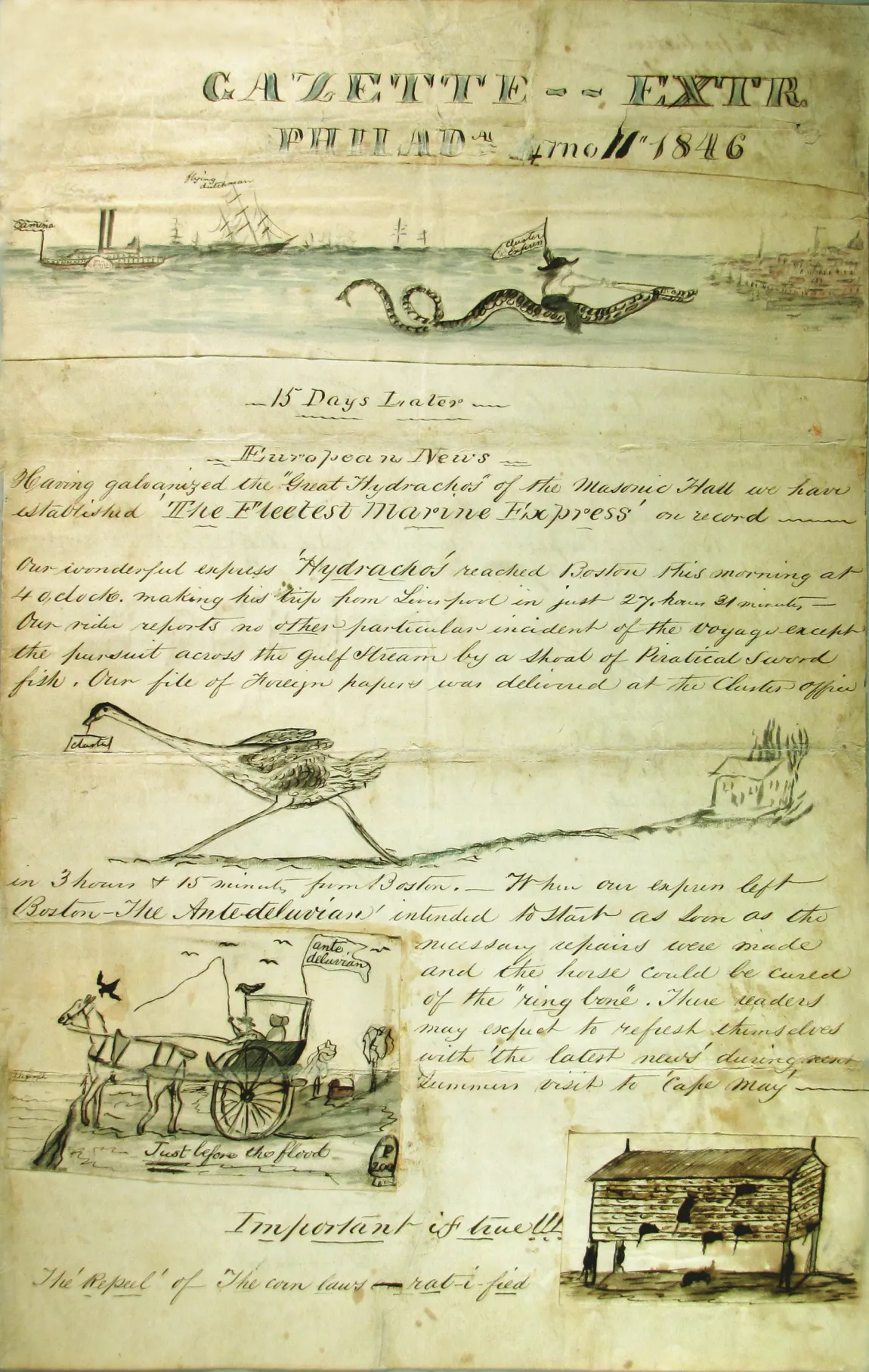
Royal Gold Coast Gazette & Commercial Intelligencer 📰 Newspaper: Royal Gold Coast Gazette📍 Location: Cape Coast In 1822, the British colonial administration introduced the Royal Gold Coast Gazette & Commercial Intelligencer, marking the birth of journalism in the Gold Coast. The handwritten paper

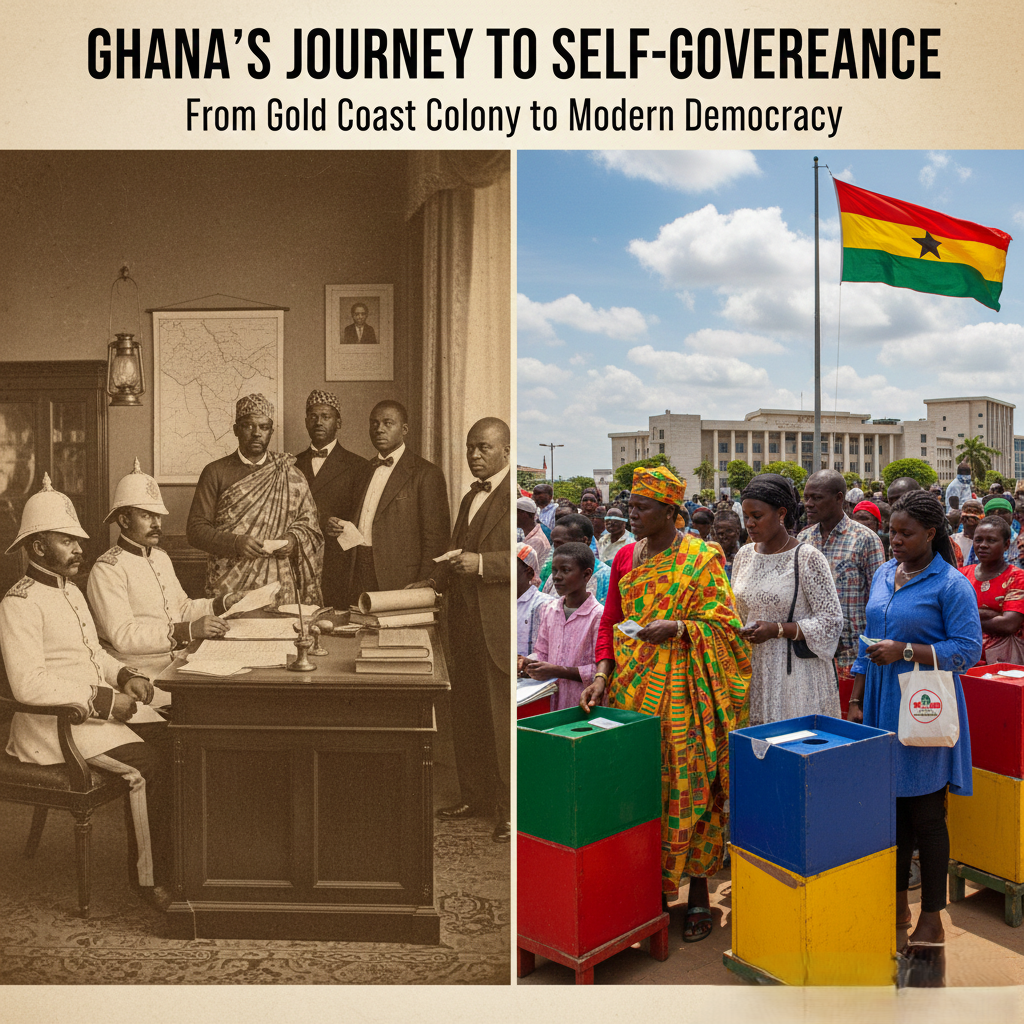
If there is one idea that has mattered more to Ghana than any other from the Gold Coast era to the present, it is the struggle for self-governance and accountable leadership. From colonial domination to modern democracy, Ghana’s history has been shaped by a single, powerful question: Who governs us,

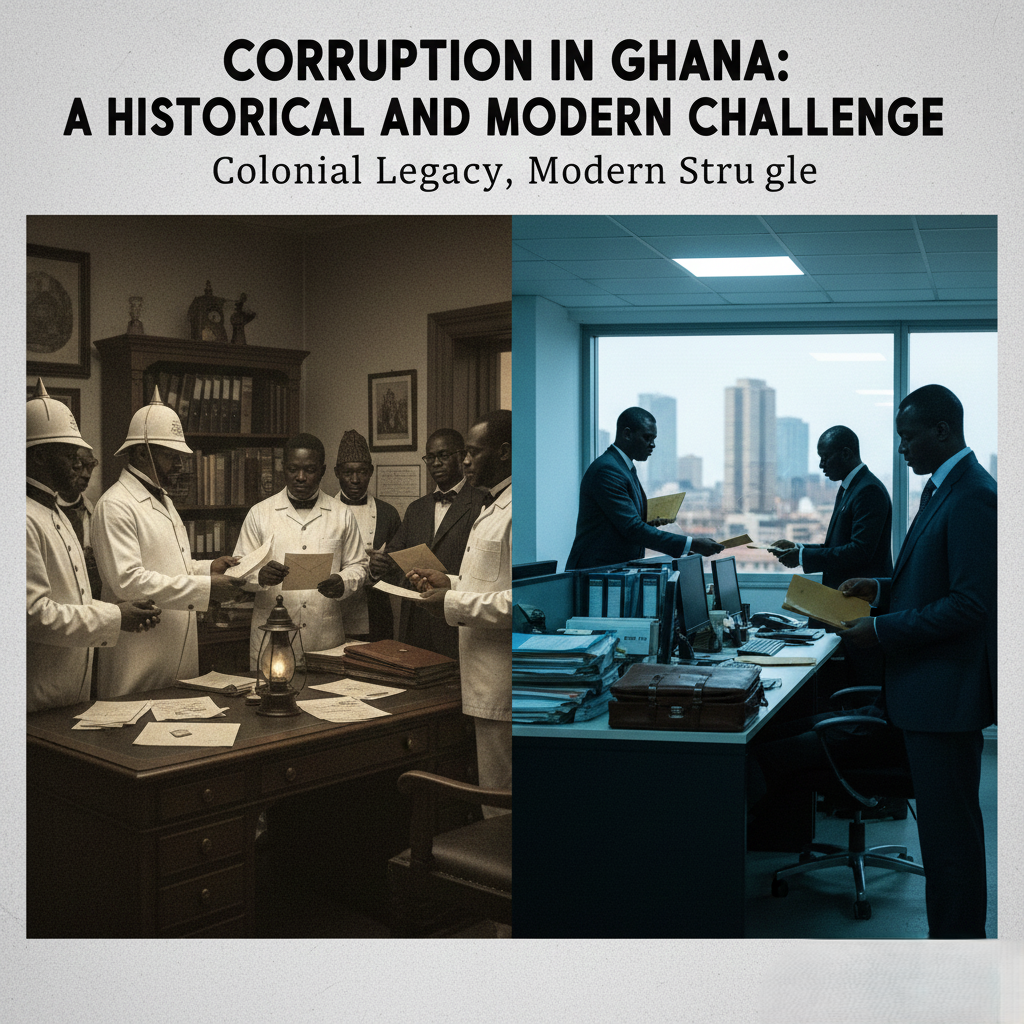
Corruption remains one of the most enduring social challenges confronting Ghana. Its roots stretch back to the colonial Gold Coast era (1821–1957) and continue to influence governance, public trust, and national development today. Understanding this long history is essential to appreciating why corr

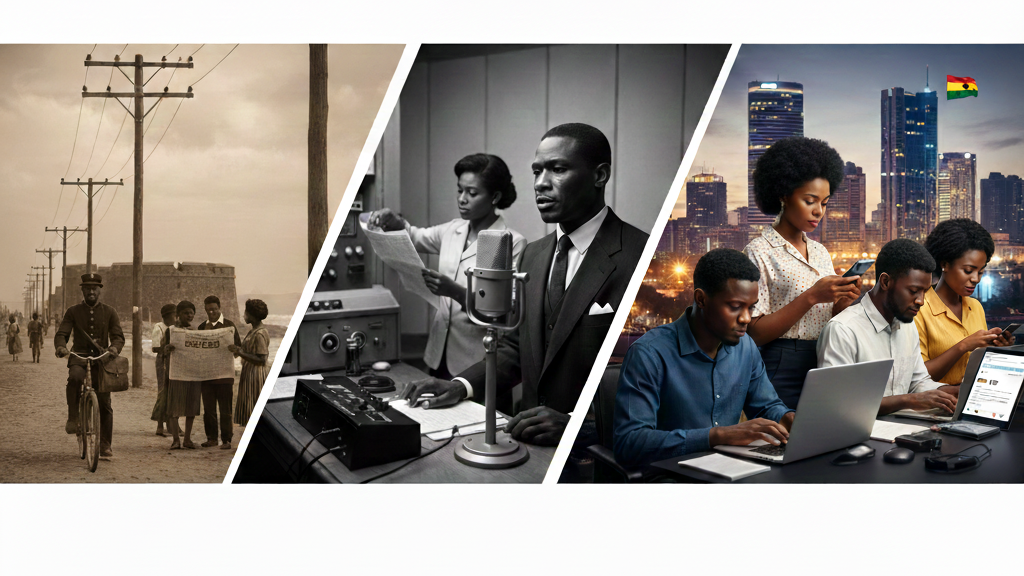
Few technological developments have reshaped Ghana as profoundly as the Advancement of communication technology. From the first telegraph lines laid by colonial authorities to today’s smartphones and internet-driven economy, communication has changed how Ghanaians trade, govern, organize, and connec

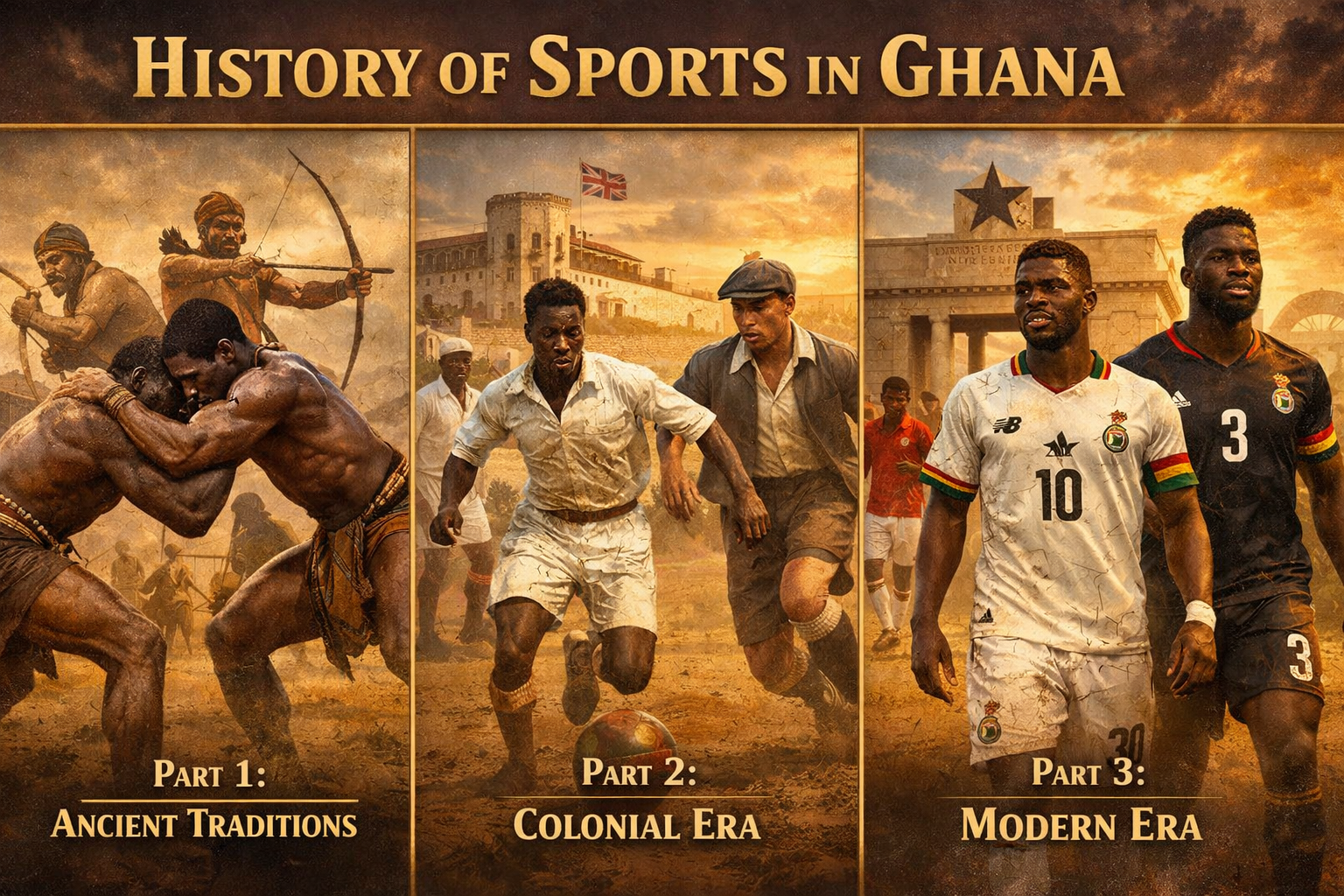
Introduction: Sport as a Mirror of Ghana’s History Long before Ghana was known by its modern name, sport and physical competition were already embedded in the social, political, and spiritual life of its people. From the ancient kingdoms of the Gold Coast to independence in 1957 and into the modern

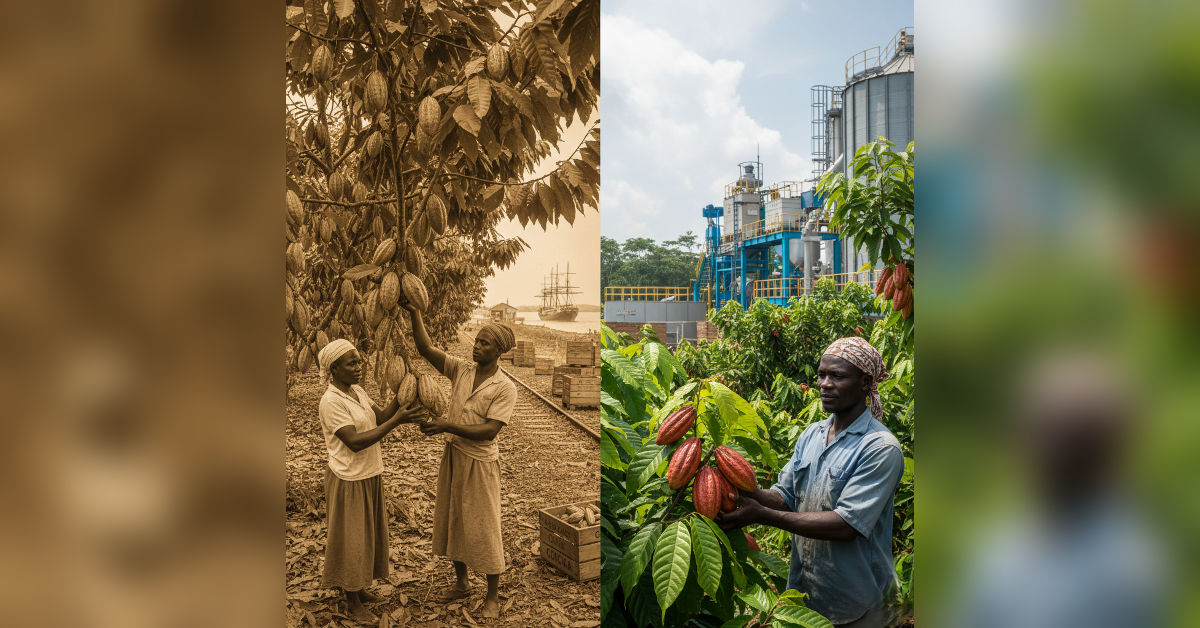
Few business stories have shaped Ghana as deeply and enduringly as cocoa. From a small agricultural experiment in the late 19th century to becoming the backbone of the national economy, cocoa transformed the Gold Coast into one of the world’s most important producers and laid the foundation for mode