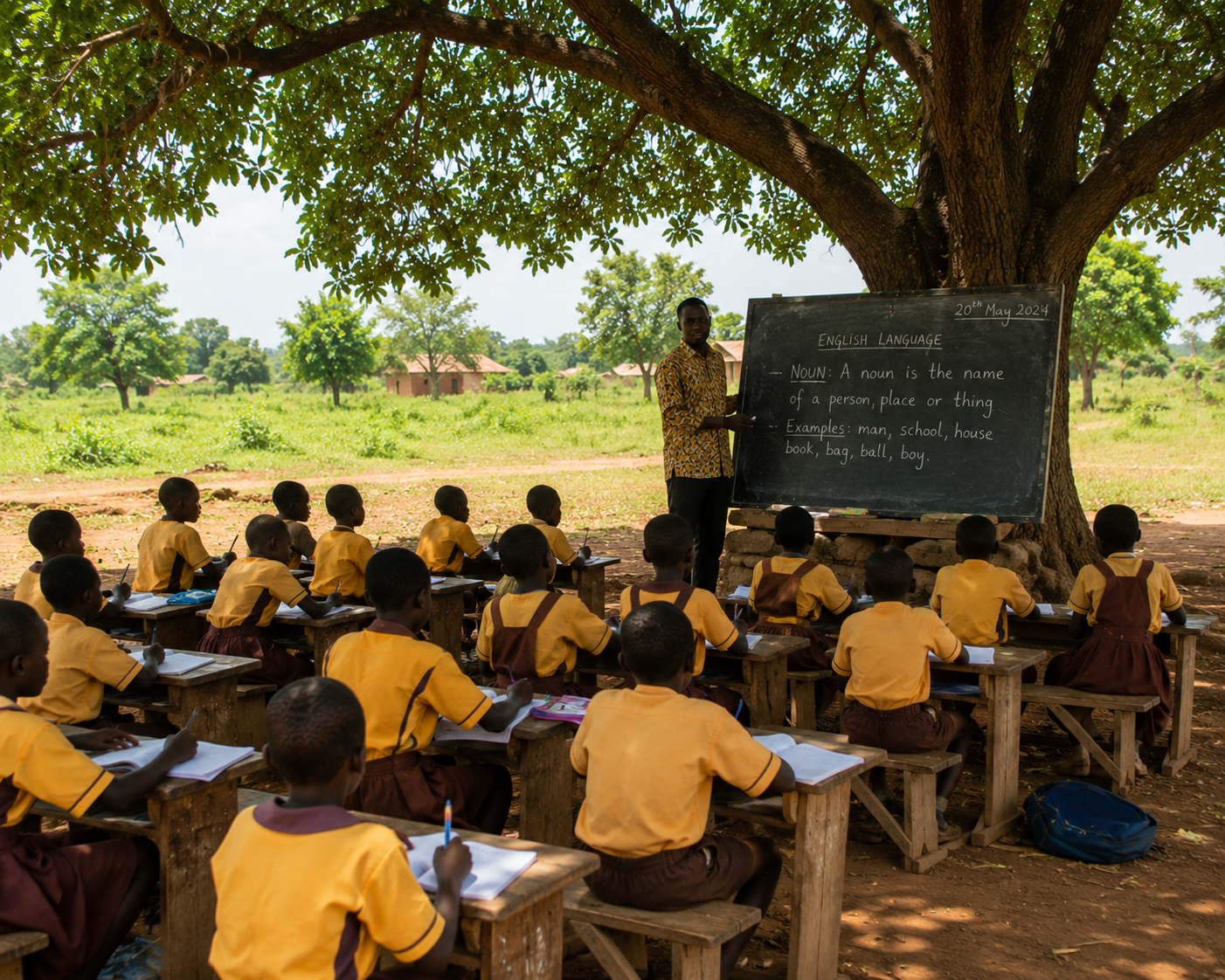
Ghana has made substantial progress in literacy over the past several decades, yet the country has not achieved universal literacy. According to recent UNESCO and World Bank data, approximately 76–81% of Ghanaian adults aged 15 years and above are literate, meaning they can read and write with understanding a simple statement about their everyday life. Literacy levels also differ by gender. In 2021, the adult literacy rate among Ghanaian men was approximately 81.3%, compared with 72.1% among women. Despite this progress, nearly one in five adults remains unable to read and write proficiently. These figures raise an important question: why has Ghana's literacy rate not reached 100%? The answer lies in a complex interplay of poverty, educational inequalities, geographic disparities, language challenges, and historical limitations in access to schooling.
Among younger Ghanaians, literacy rates are considerably higher than among older generations, reflecting expanded access to education in recent decades. Nevertheless, disparities persist between regions, socioeconomic groups, and genders, preventing the attainment of universal literacy.
Ghana's literacy rate is not 100% because literacy is influenced by a combination of educational, economic, social, and geographic factors. Although Ghana has made remarkable progress in expanding access to education since independence, several barriers continue to prevent universal literacy.
Poverty and Economic Hardship
Many families, especially in rural communities, struggle with poverty. Some children miss school, drop out early, or attend irregularly because they are required to assist with farming, trading, household work, or income-generating activities. Economic hardship often reduces educational attainment and contributes to adult illiteracy.
Rural-Urban Inequalities
Literacy rates are generally higher in urban areas than in rural areas. Many rural communities face shortages of qualified teachers, classrooms, textbooks, libraries, and other educational resources. These disparities result in lower educational outcomes in some parts of the country.
Quality of Education
Getting children into school does not automatically make them literate. Studies have found that many pupils complete primary school without attaining strong reading and writing skills. Challenges include overcrowded classrooms, inadequate learning materials, inconsistent teaching quality, and insufficient support for foundational literacy.
Language Challenges
Ghana is linguistically diverse, with more than 80 indigenous languages. Children often begin formal education in a language that differs from the one spoken at home. In addition, literacy statistics are commonly based on the ability to read and write in English or another written language, creating additional challenges for some learners. Community discussions frequently identify language transition as a significant obstacle to literacy acquisition.
Adult Illiteracy
Many older Ghanaians grew up when educational opportunities were more limited than they are today. Consequently, a substantial proportion of adults, particularly older women in some communities, never received adequate schooling and remain non-literate.
Gender and Social Factors
Although the gender gap has narrowed considerably, girls in some communities still face barriers such as poverty, early marriage, household responsibilities, and cultural expectations that can interrupt schooling. These factors contribute to lower literacy levels among certain groups.
School Infrastructure and Resources
Some schools continue to operate with inadequate facilities, shortages of teaching materials, and insufficient educational resources. Such conditions make effective teaching and learning more difficult.
Why No Country Has 100% Literacy
It is worth noting that very few countries achieve a true 100% literacy rate. Even highly developed countries have small numbers of people who are unable to read and write proficiently due to disabilities, social exclusion, migration, interrupted schooling, or other circumstances.
In Ghana's case, the principal reasons are educational inequality, poverty, rural disadvantage, language challenges, adult illiteracy, and variations in the quality of schooling. Despite these obstacles, literacy levels today are far higher than they were at independence, and successive educational reforms have continued to improve access to education.
Suggestions for Improving the Literacy Rate
Improving Ghana's literacy rate requires a comprehensive approach that addresses both access to education and the quality of learning. While significant progress has been made, further gains will depend on sustained investment, effective policies, and community involvement.
Strengthen Early Childhood Education
Literacy development begins long before children enter primary school. Expanding access to quality preschool education can help children acquire foundational language and cognitive skills that prepare them for reading and writing. Children who start school with strong pre-literacy skills are more likely to become proficient readers.
Improve the Quality of Basic Education
Merely enrolling children in school is insufficient; they must also acquire meaningful literacy skills. Government and educational stakeholders should continue to invest in teacher training, classroom resources, libraries, and effective literacy instruction. Evidence from literacy initiatives in Ghana demonstrates that improved teaching methods and teacher support significantly enhance reading outcomes.
Expand Rural Educational Infrastructure
Many rural communities still face shortages of classrooms, teachers, textbooks, libraries, and technological resources. Reducing the rural-urban educational gap would help ensure that children in remote areas have the same opportunities to become literate as their urban counterparts.
Promote Mother-Tongue Literacy
Research has shown that children often learn to read more effectively when instruction begins in a language they already speak and understand. Expanding the production of reading materials in Ghanaian languages and strengthening mother-tongue-based multilingual education could improve literacy acquisition, especially in the early grades.
Strengthen Adult Literacy Programs
Millions of adults who missed formal education opportunities remain unable to read and write proficiently. Expanding adult literacy programs, evening classes, and community learning centers would help reduce adult illiteracy while empowering individuals economically and socially. Studies in Ghana have shown that adult literacy contributes significantly to community development, economic participation, and personal empowerment.
Focus on Girls' Education
Although the gender gap has narrowed, female literacy rates remain lower than male literacy rates. Policies aimed at keeping girls in school, reducing early marriage, supporting adolescent mothers, and providing financial assistance to disadvantaged families can further improve female literacy levels.
Increase Access to Reading Materials
Children and adults need opportunities to practice reading outside the classroom. Expanding public libraries, school libraries, mobile libraries, and affordable books can help create a stronger reading culture. A literate environment encourages individuals to maintain and improve their literacy skills.
Utilize Technology and Digital Learning
Digital technologies, including educational software, mobile learning applications, and AI-assisted learning tools, can supplement classroom instruction and provide additional learning opportunities, particularly in underserved communities. Emerging initiatives in Ghana suggest that technology can play an increasingly important role in literacy development.
Reduce Poverty
Poverty remains one of the most significant barriers to literacy. Policies that improve household incomes, reduce child labor, and provide financial support for disadvantaged students can increase school attendance and educational attainment.
Encourage Community Participation
Parents, traditional leaders, religious organizations, and community groups all have important roles to play in promoting literacy. Communities that value education and actively support schools are more likely to produce literate populations.
Conclusion
Achieving near-universal literacy in Ghana will require a multifaceted strategy that combines quality education, expanded access, adult literacy initiatives, mother-tongue instruction, technological innovation, and poverty reduction. If these measures are pursued consistently, Ghana can substantially increase its literacy rate and move closer to the goal of literacy for all.Top of FormBottom of Form