WorldAug 9, 2026
From Dawuro to WhatsApp: The Evolution of Public Communication in Akan Society
The article examines the evolution of Akan public announcement systems
96 results for “Akan announcement system; town crier”
The article examines the evolution of Akan public announcement systems
A description of a major Akan cultural ceremony to honor women for prolific childbearing
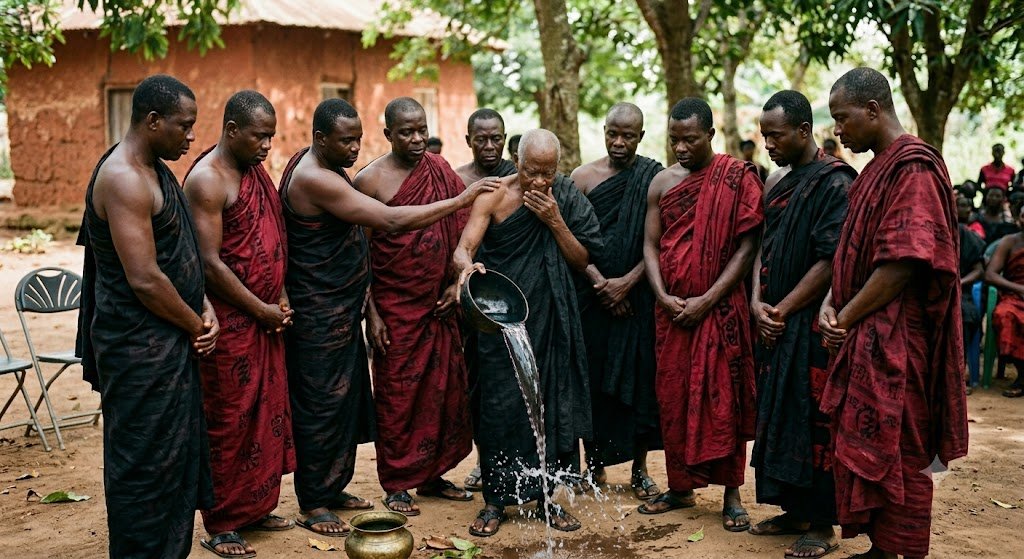
One of the most important features of Akan religious and funeral traditions is the pouring of libation, known in Twi as nsaguo or mpaeyie. The word nsaguo literally means the pouring of an alcoholic d
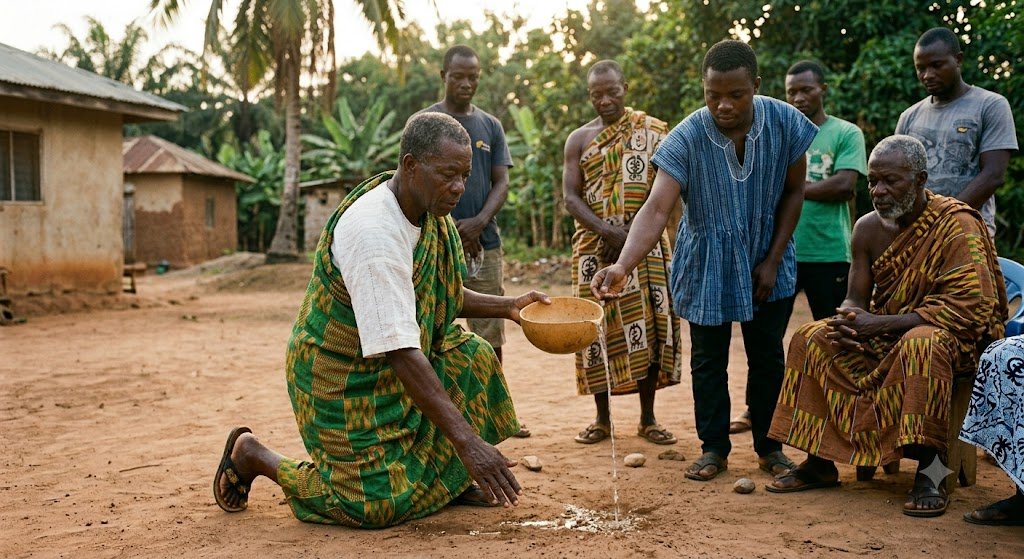
Asase Yaa, in the indigenous religion of the Akan people, is regarded as the great female spirit of the earth. She occupies a position of honor and importance second only to Nyankopon, the Creator. Th
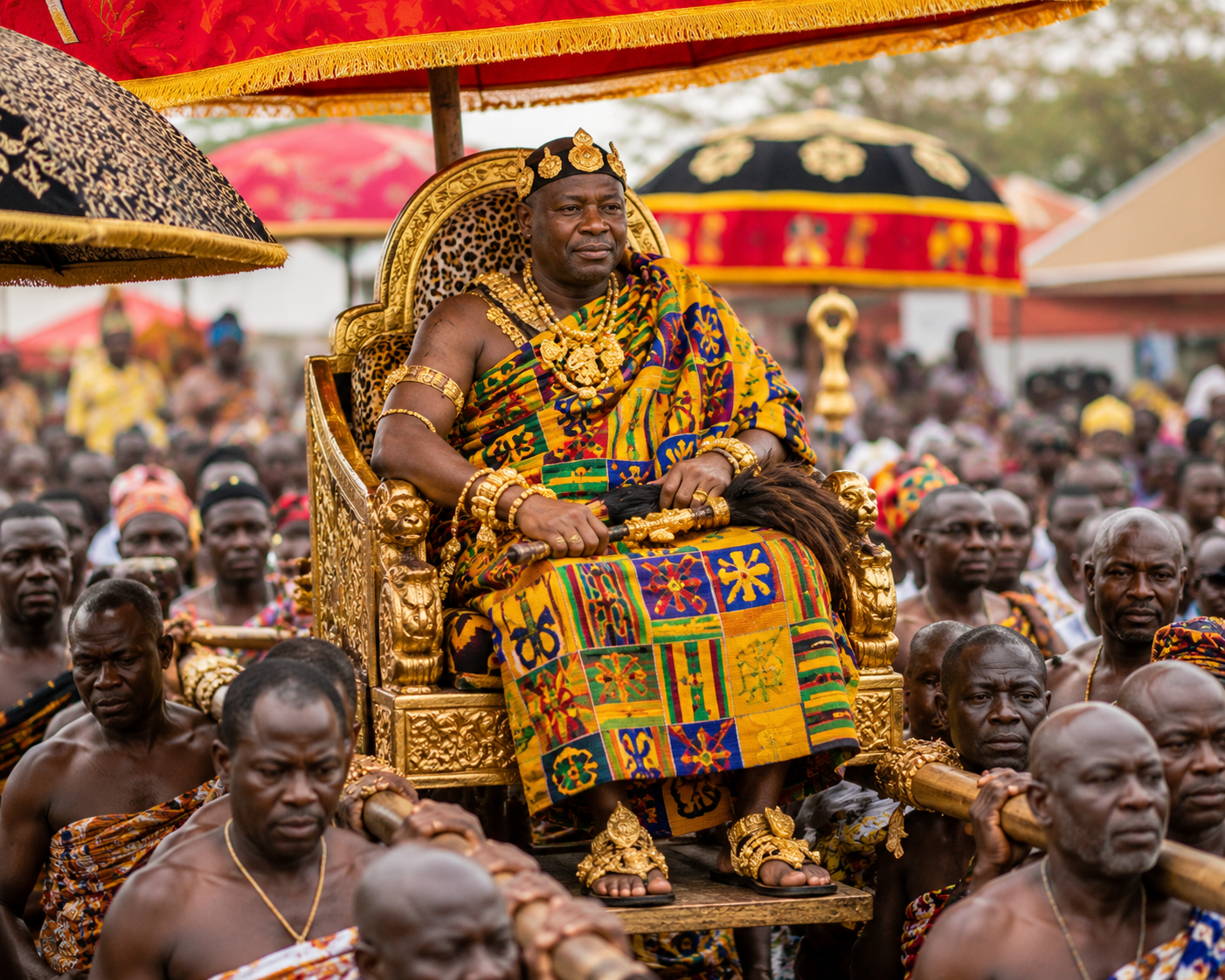
In Akan society in Ghana, a chief occupies a revered and sacred position. He is the custodian of the land, the representative of the ancestors, and the moral leader of the community. The stool symboli
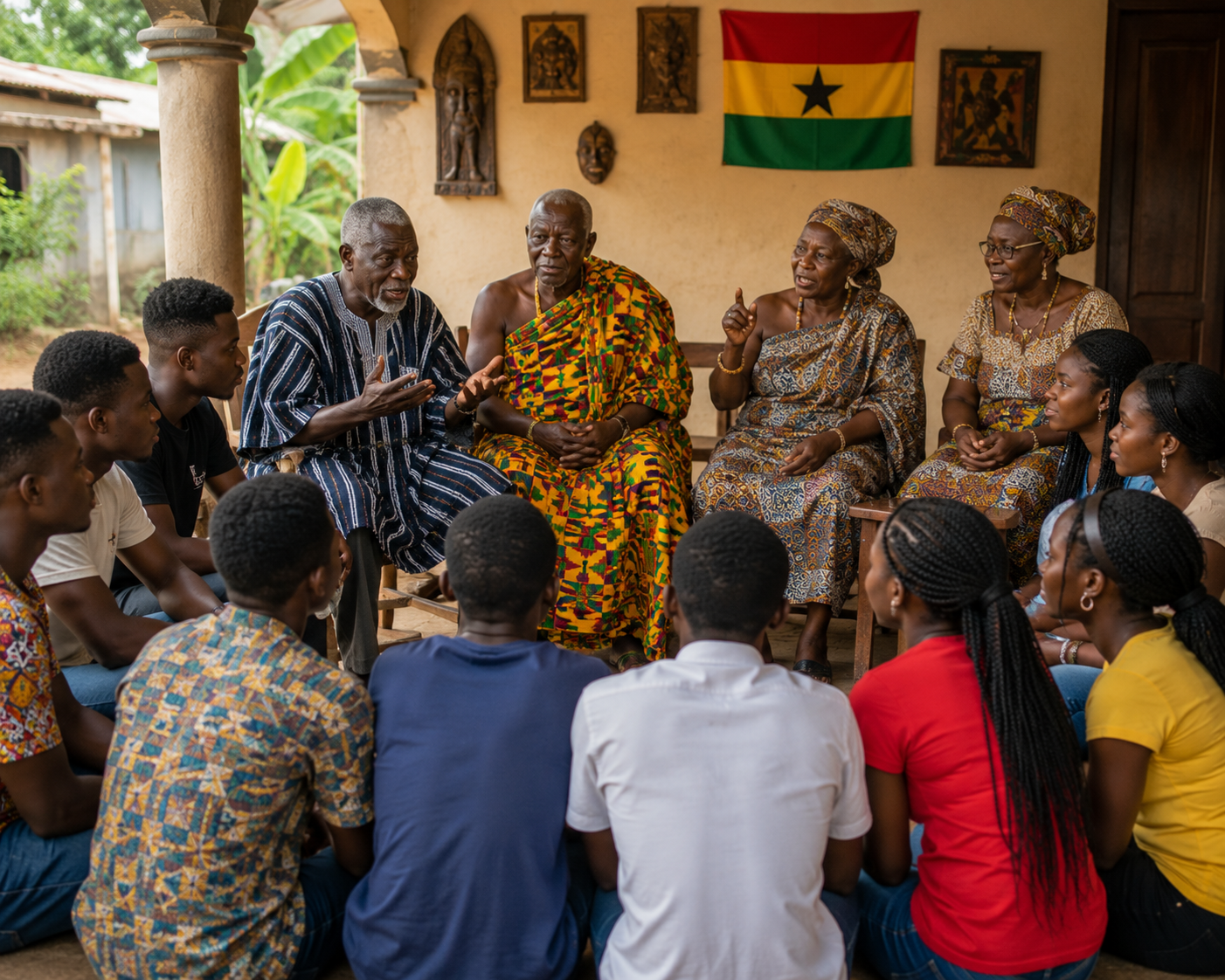
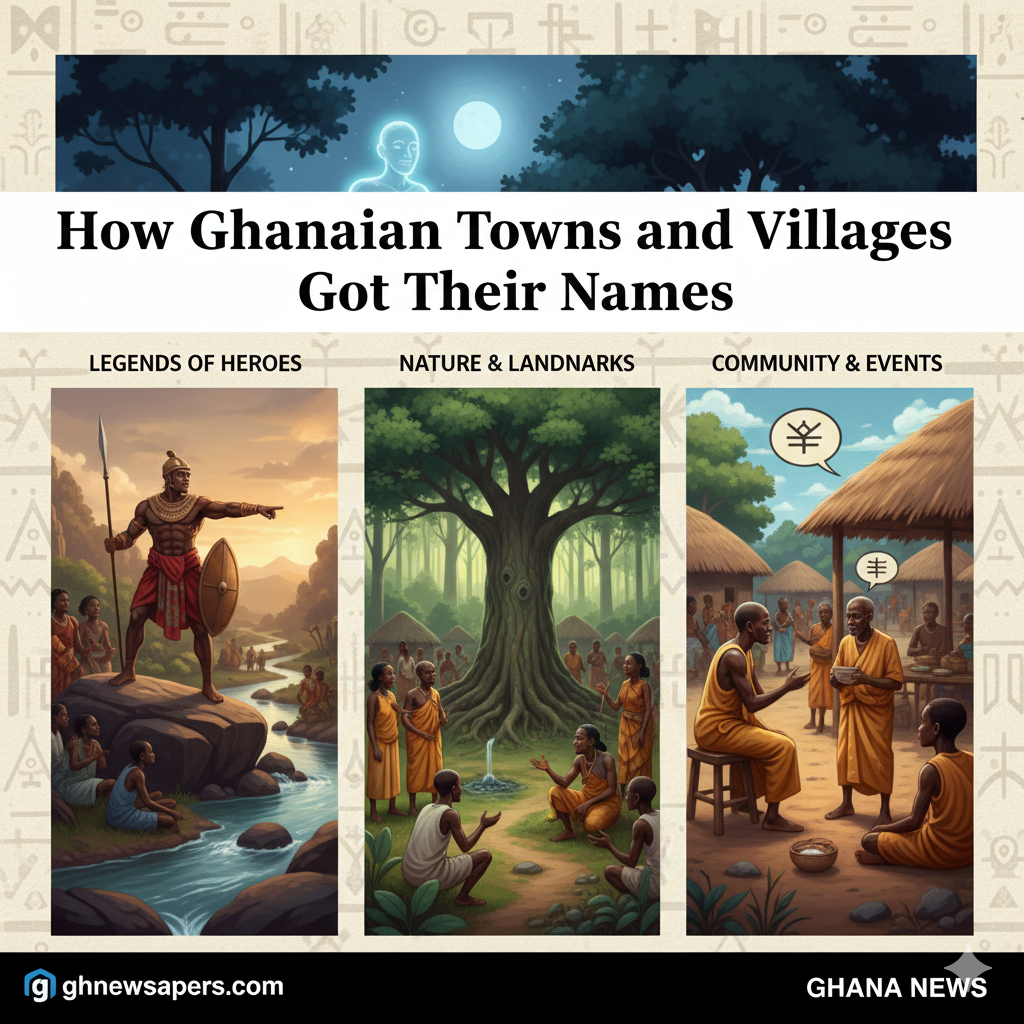
When entering a typical town or village in Ghana, a traveler is often welcomed by a metal signpost bearing the name of the place. These names are familiar to residents, yet many people rarely pause to ask an important question: How did this town get its name? In Ghana, as in many parts of the…
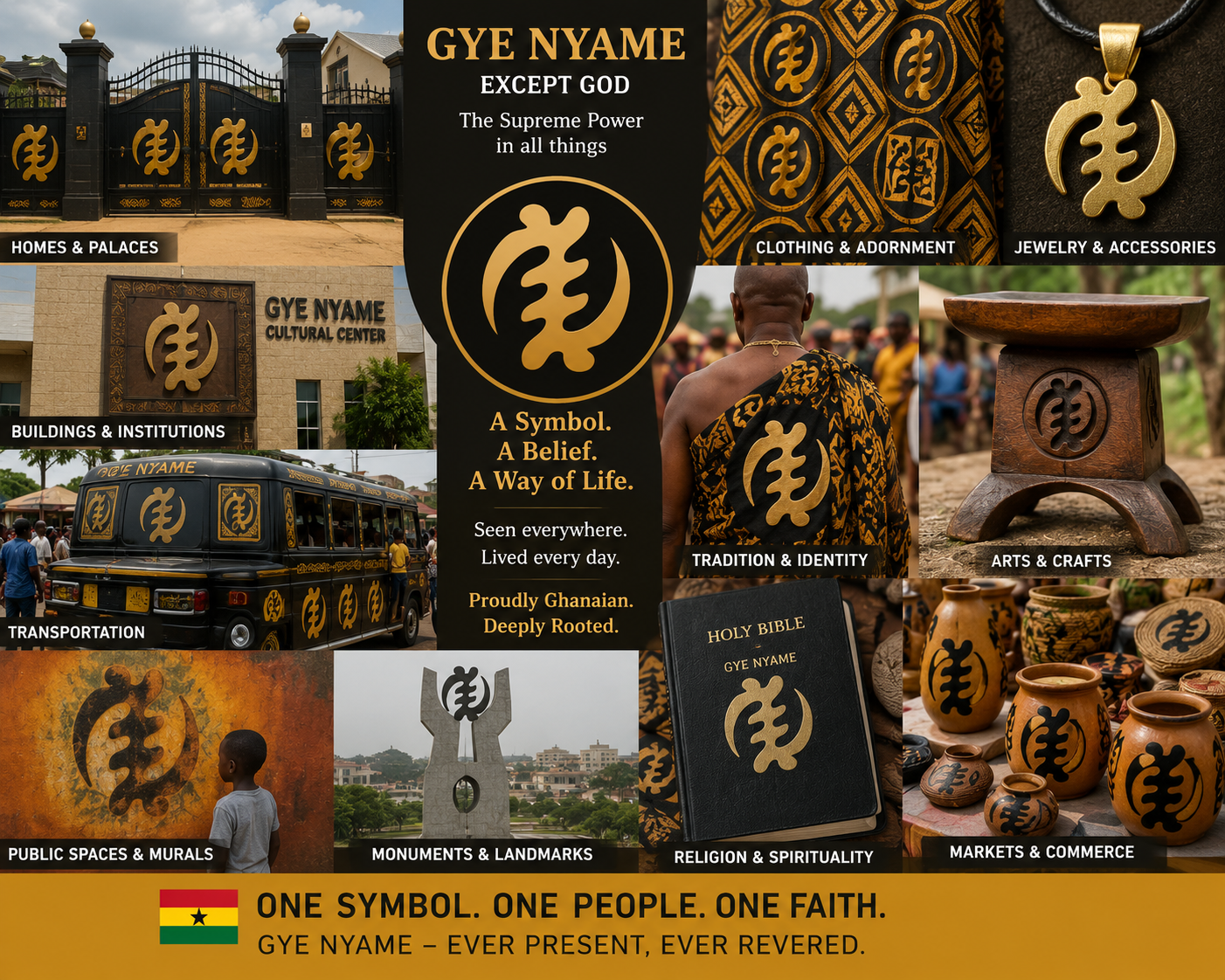
Among the Akan people of Ghana, belief in God occupies a central place in everyday life. The Akans have long regarded God, known as Nyame, as the Creator of the universe, the source of all life, and t
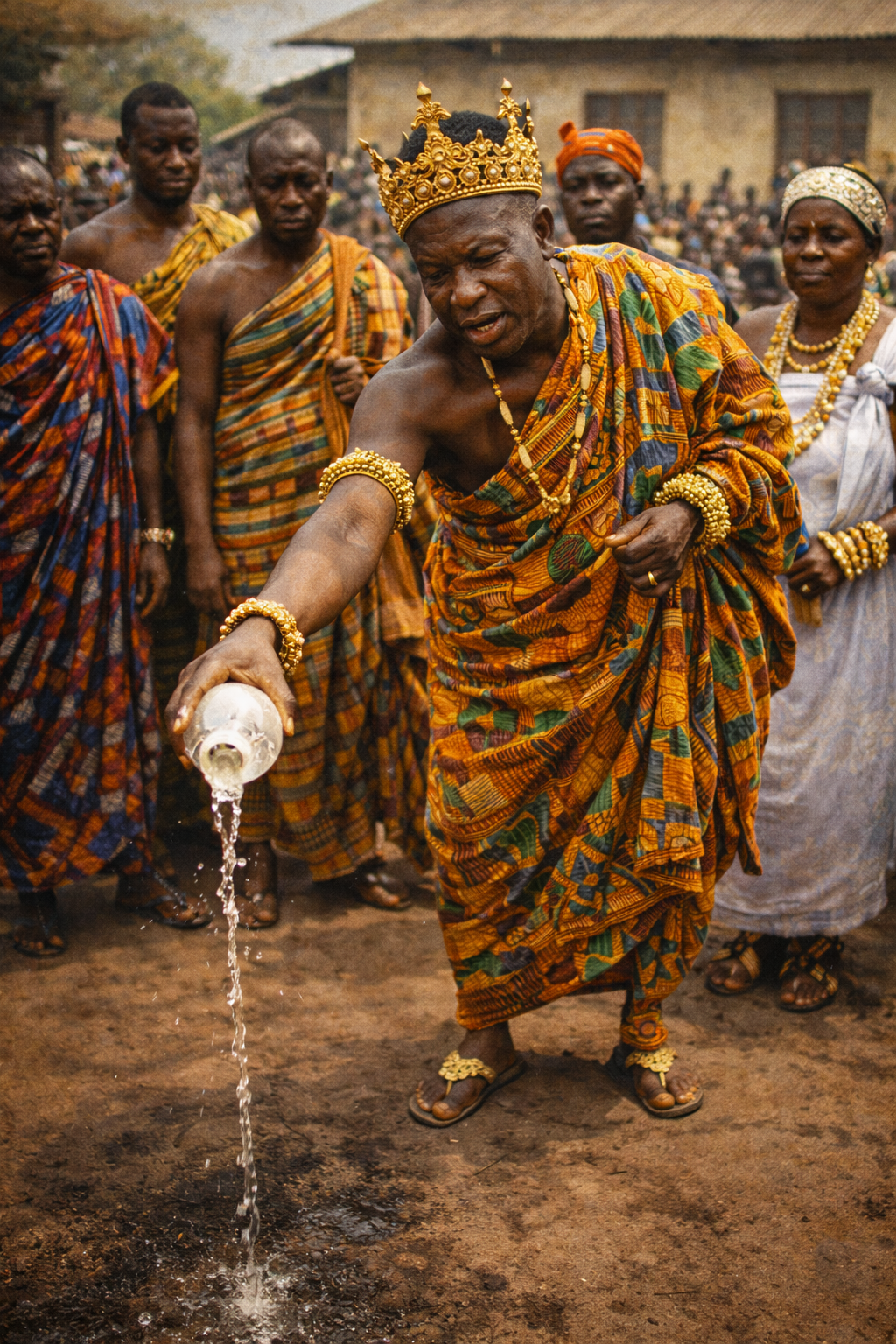
Among the Akan people of Ghana, pouring libation is one of the most important traditional religious practices. It is a solemn ritual through which people communicate with the spiritual world. The act symbolizes reverence for the ancestors, recognition of the Supreme Being, and a request for protecti
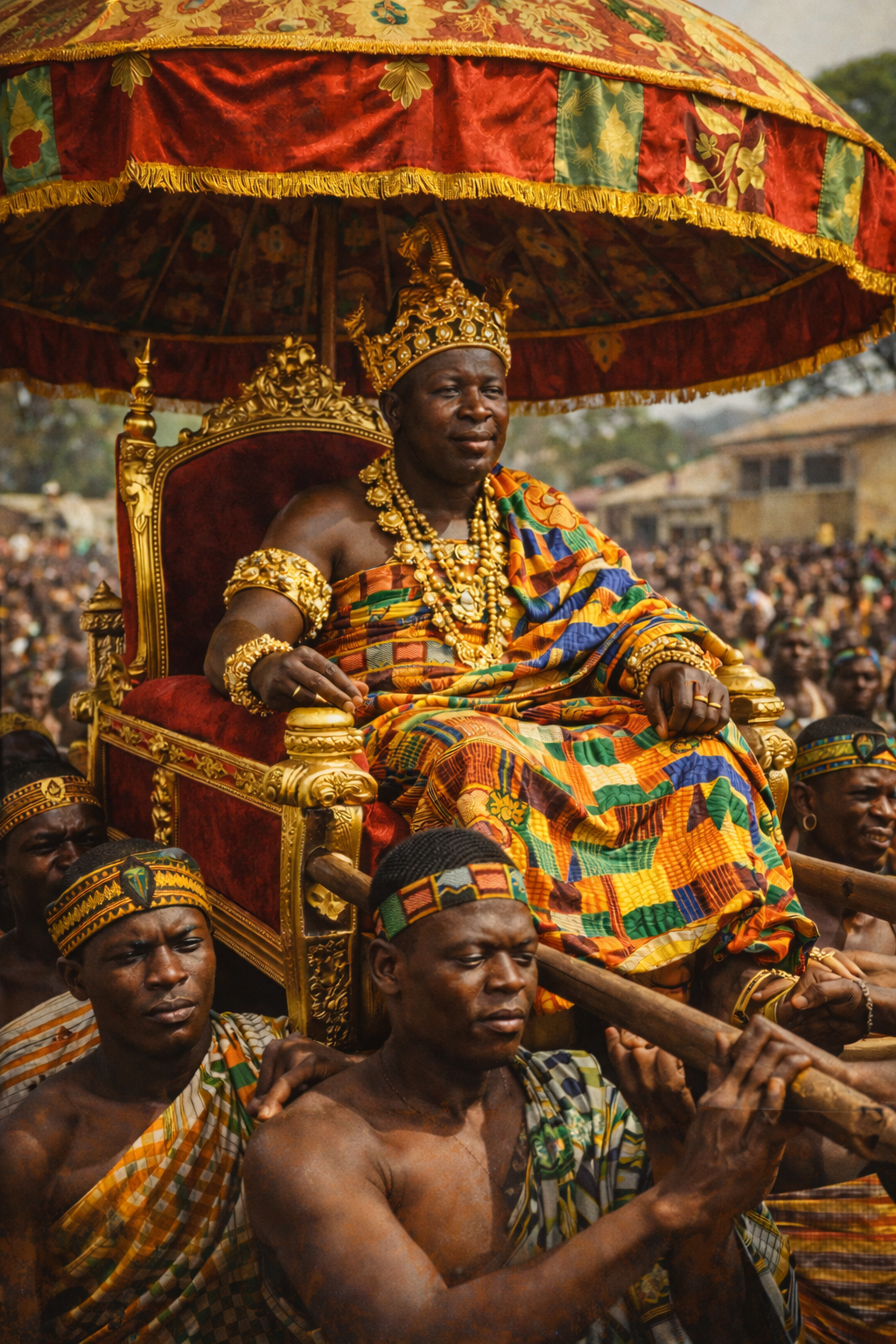
The Akan of GhanaThe Akan are an ethnic group that live in Ghana. They occupy a broad stretch of territory extending from the coastal areas to the central forest belt of the country. Historically and culturally, the Akan constitute one of the largest ethnolinguistic groups in Ghana and share closely
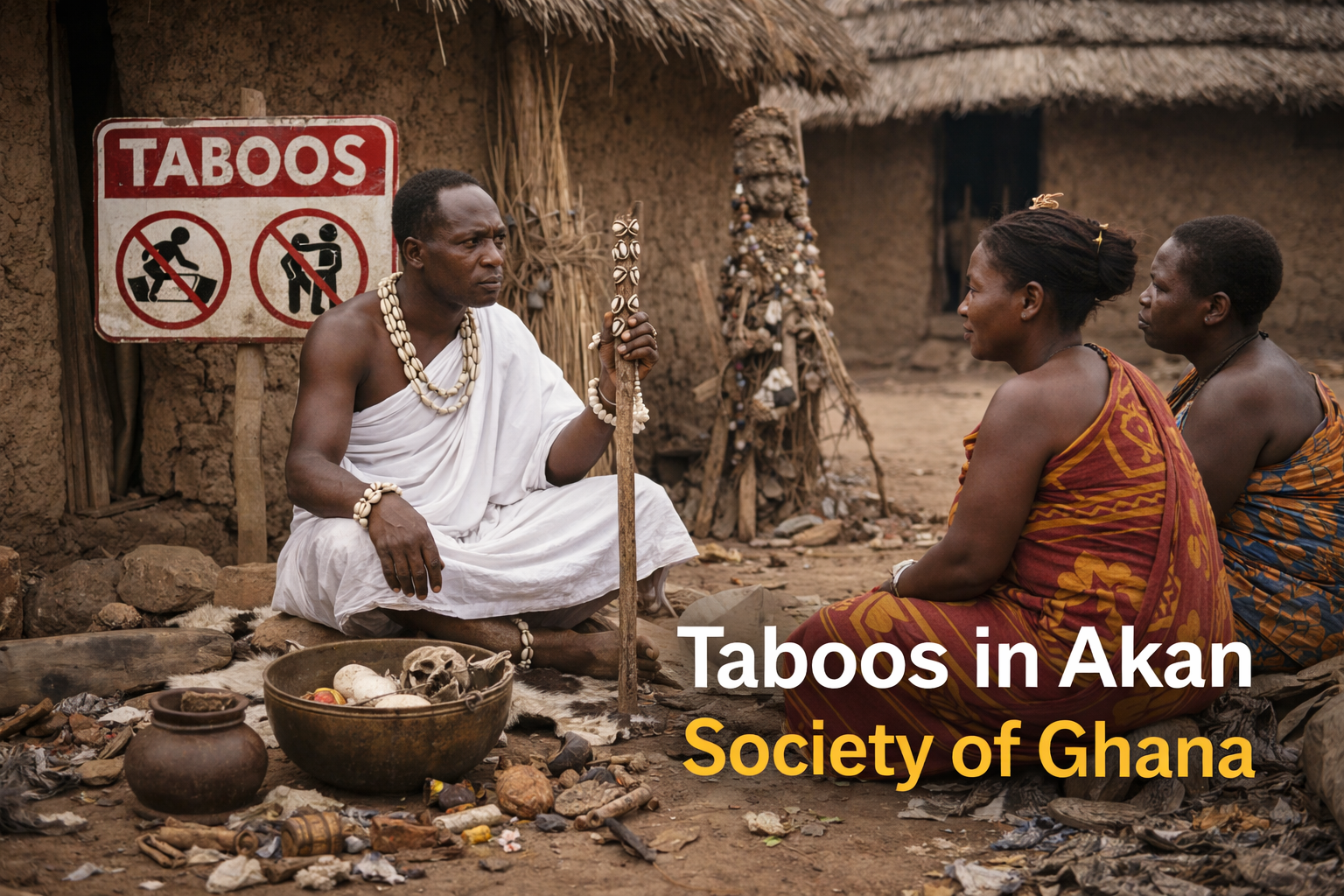
The Akan constitute one of the major ethnic groups in Ghana, accounting for approximately 46 percent of the national population. They speak Twi, a language that is understood and spoken by nearly 90 percent of the country’s population. The Akan are made up of several subgroups, including the Asante,
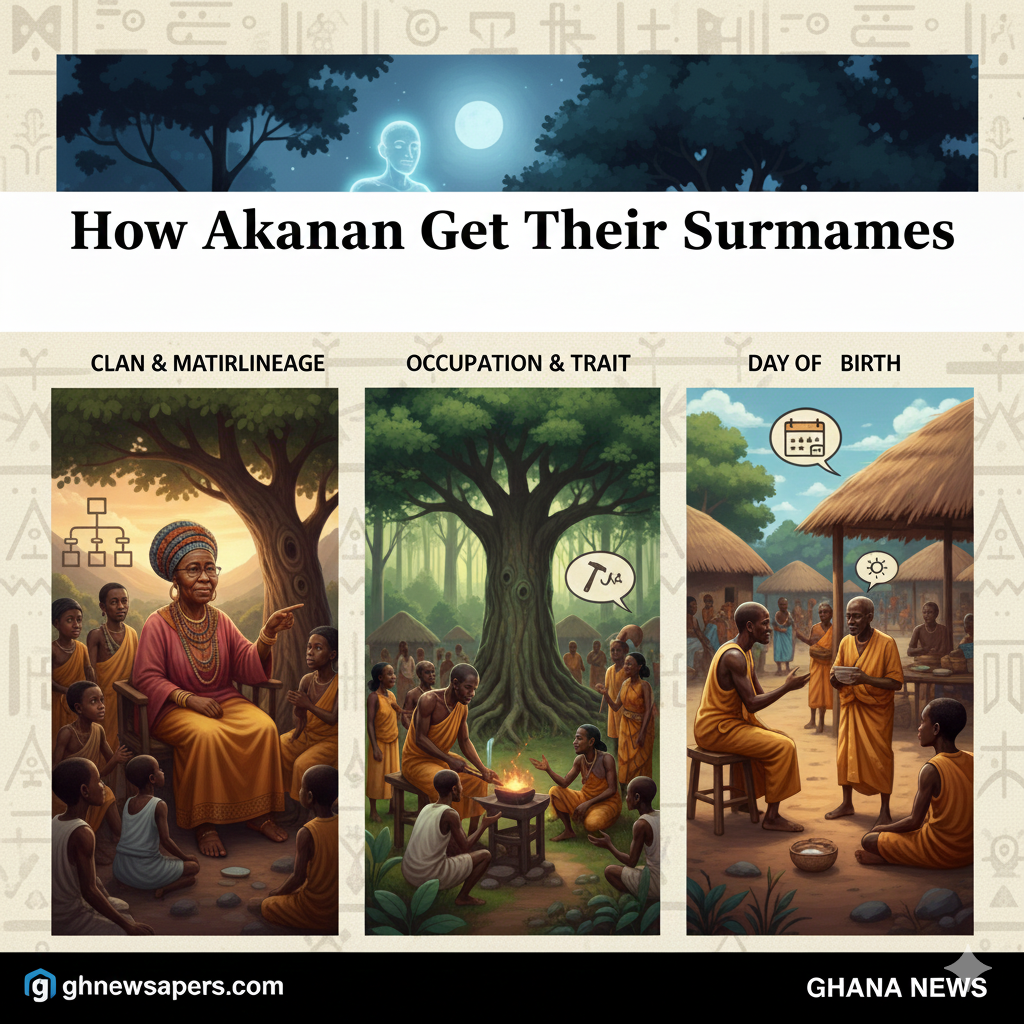
Among the Akan people of Ghana, names are more than labels—they are living symbols of heritage, identity, social bonds, and spiritual connection. Akan naming traditions reflect a society where lineage, ancestry, and morality are woven into the very words that identify a person. Origins of Akan Surna
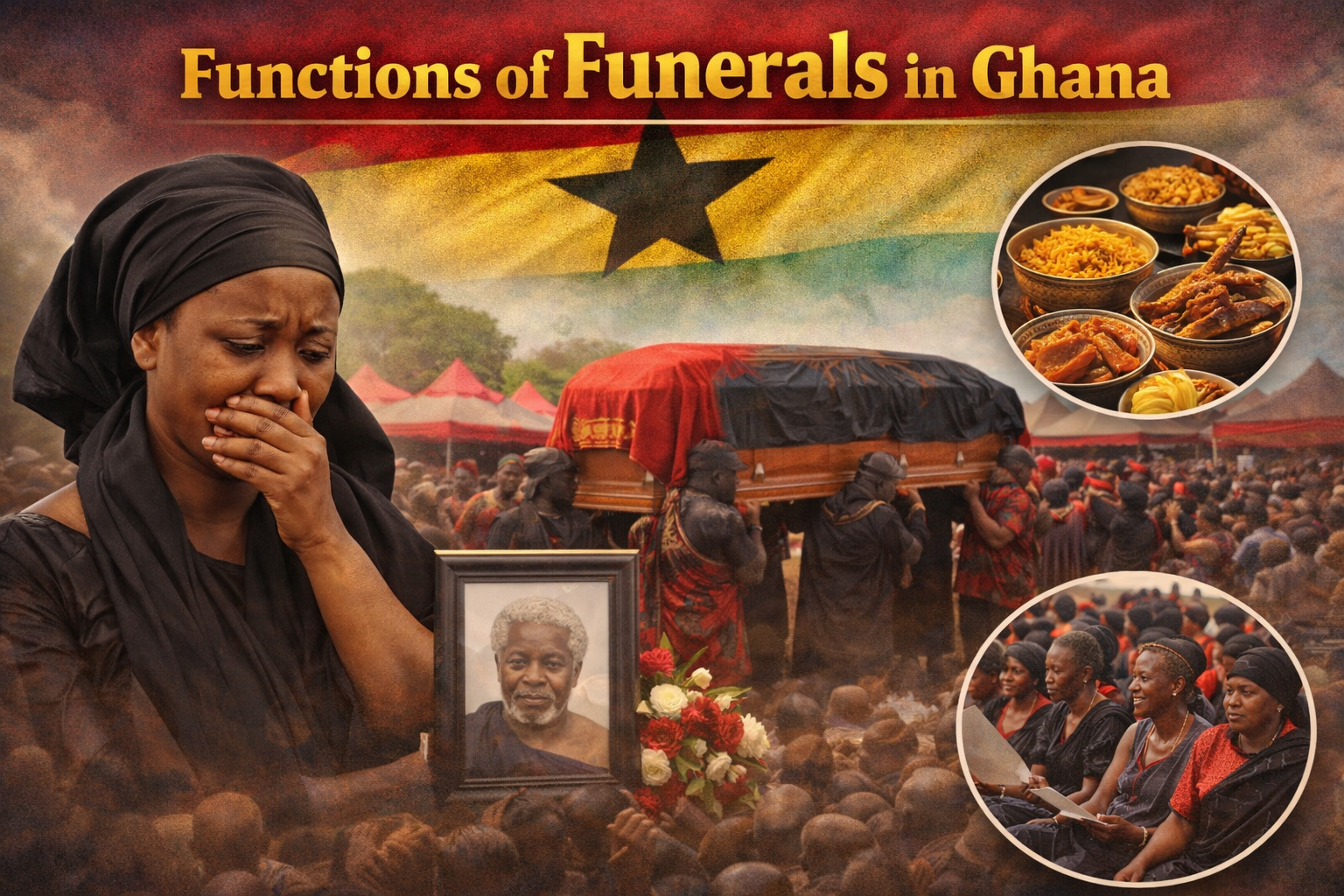
Among the Akan people of southern Ghana, funerals are more than ceremonies—they are profound cultural, spiritual, and social events that reflect the community’s understanding of life, death, and the afterlife. Central to Akan beliefs is the conviction that life continues after death. While the body
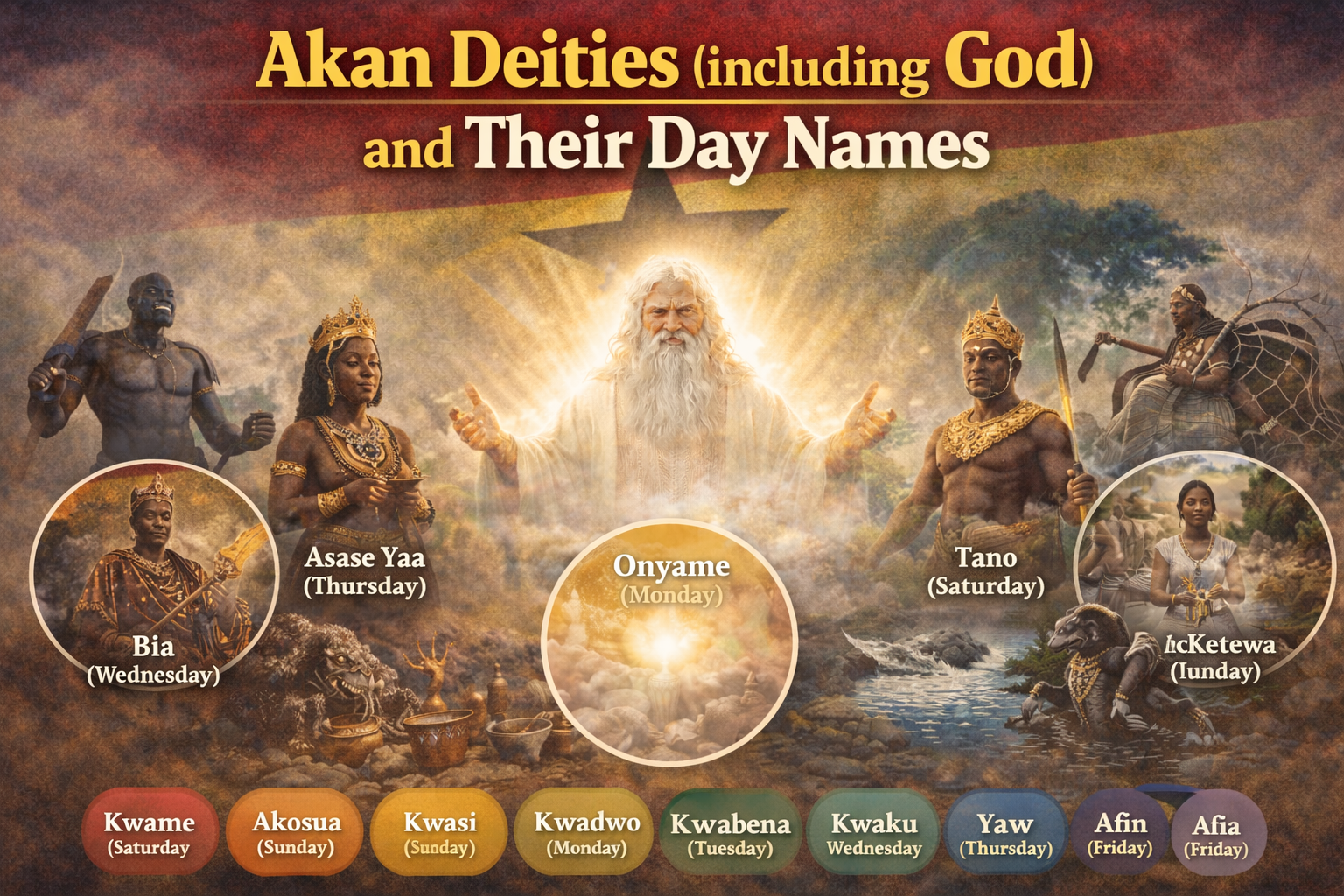
Among the Akan of Ghana, naming is never a casual act. Names locate a person in time, history, morality, and the spiritual universe. One of the most distinctive Akan naming practices is the giving of day names (kradin), assigned according to the day of the week on which a child is born. These names
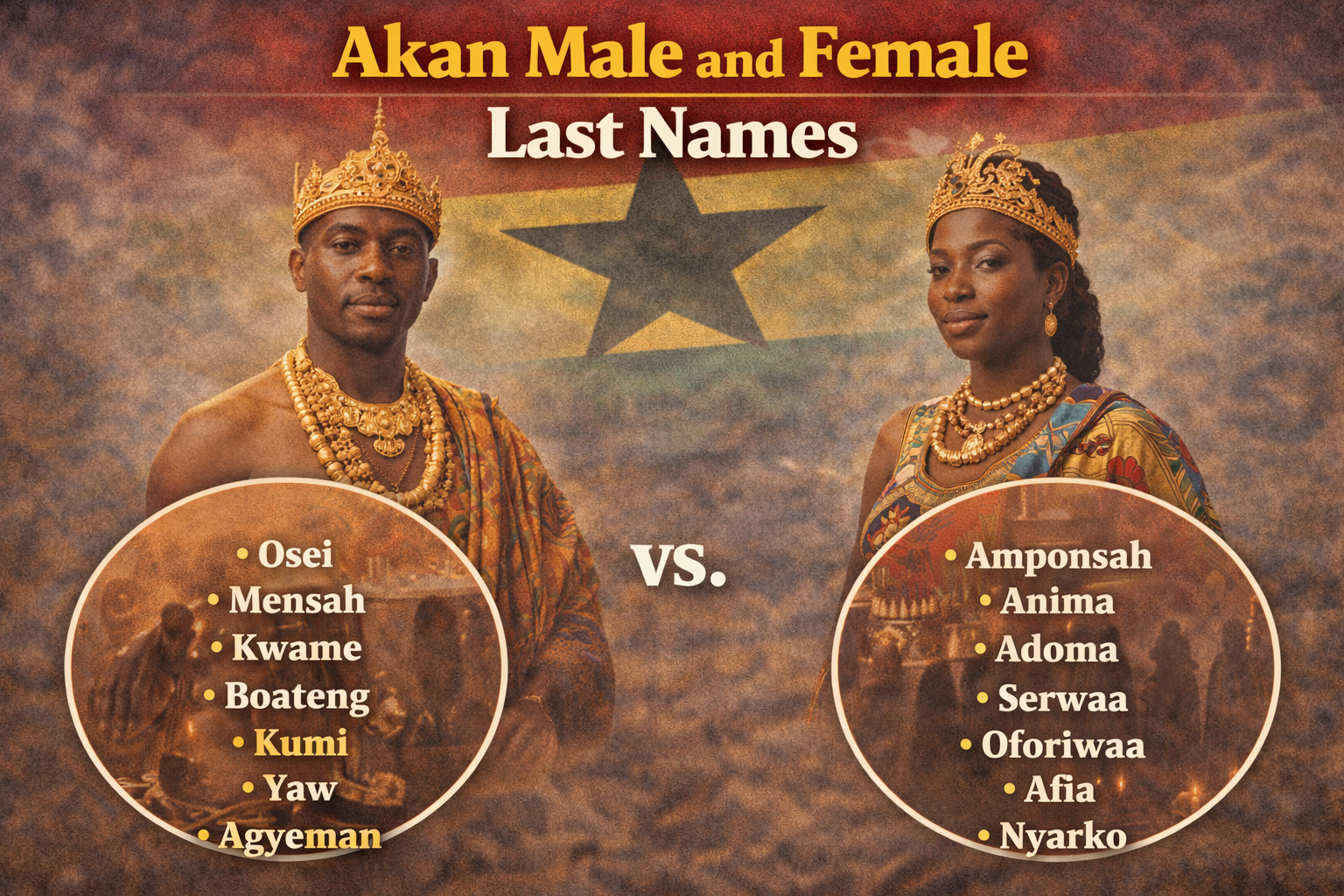
The Akans are the largest ethnic group in Ghana, comprising approximately 46 percent of the national population. The Akan language, commonly referred to as Twi, is widely spoken across the country. Although it is the mother tongue of the Akan people, it also functions as a lingua franca and is under
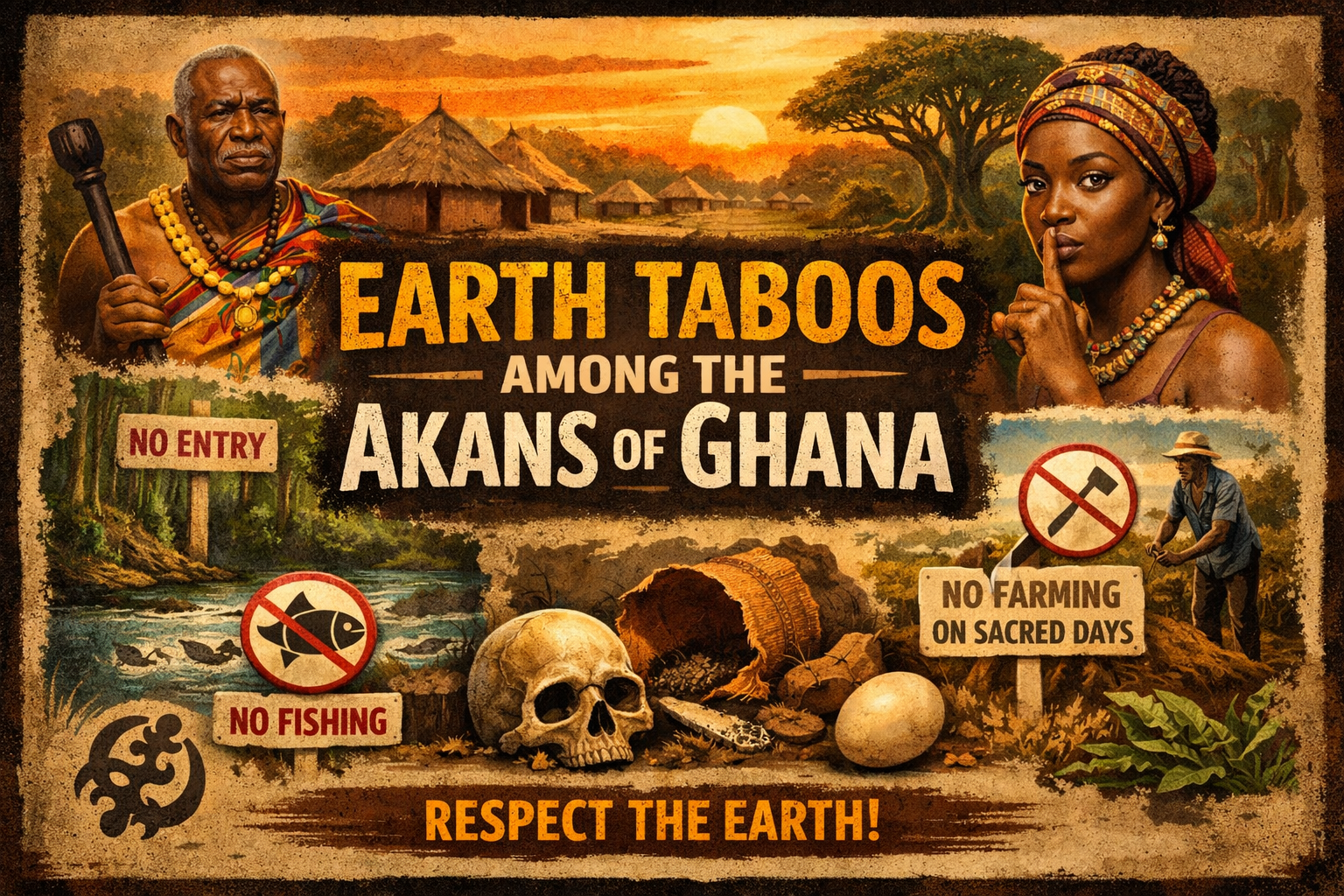
A taboo is an act so deeply forbidden that it provokes moral outrage, fear, or spiritual anxiety when violated. Taboos are cultural universals: every society draws invisible lines that must not be crossed. Yet these lines are not the same everywhere. What one society condemns as unthinkable may be o

The article presents the success story of a young Ghanaian entrepreneur

When people discuss the early history of football, the narrative often begins in Britain and gradually expands to the rest of the world. Rarely, however, does the conversation turn toward West Africa—particularly the historic Gold Coast, present-day Ghana. Yet one of the most remarkable pioneers of
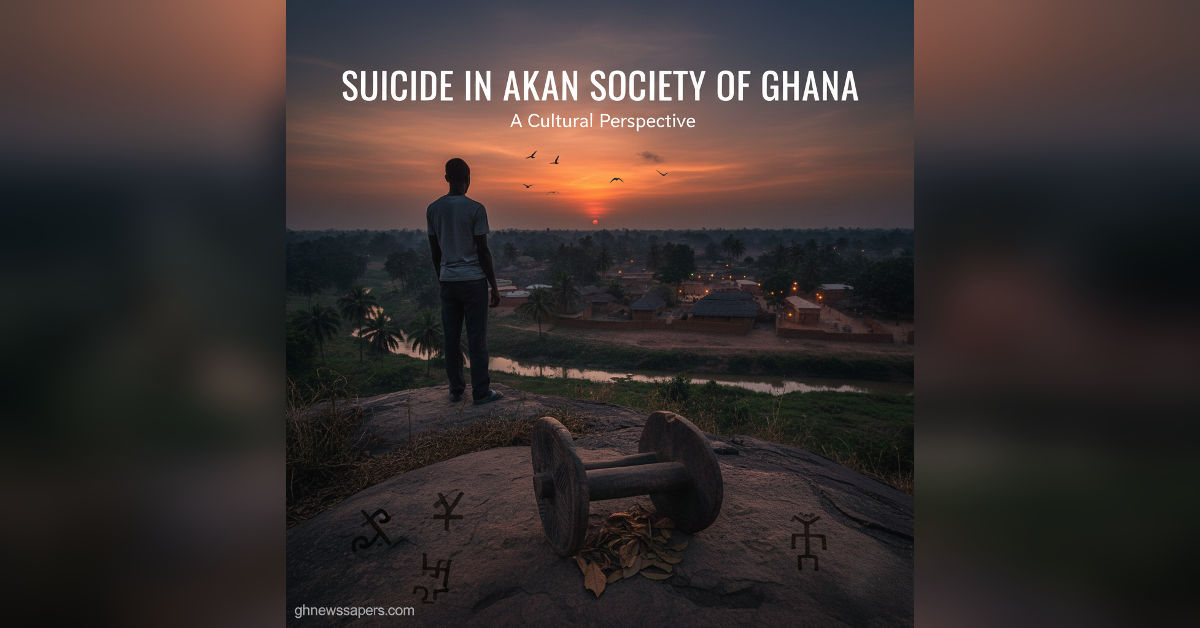
Suicide is defined as death resulting from self-directed harmful behavior carried out with the intent to die. A suicidol
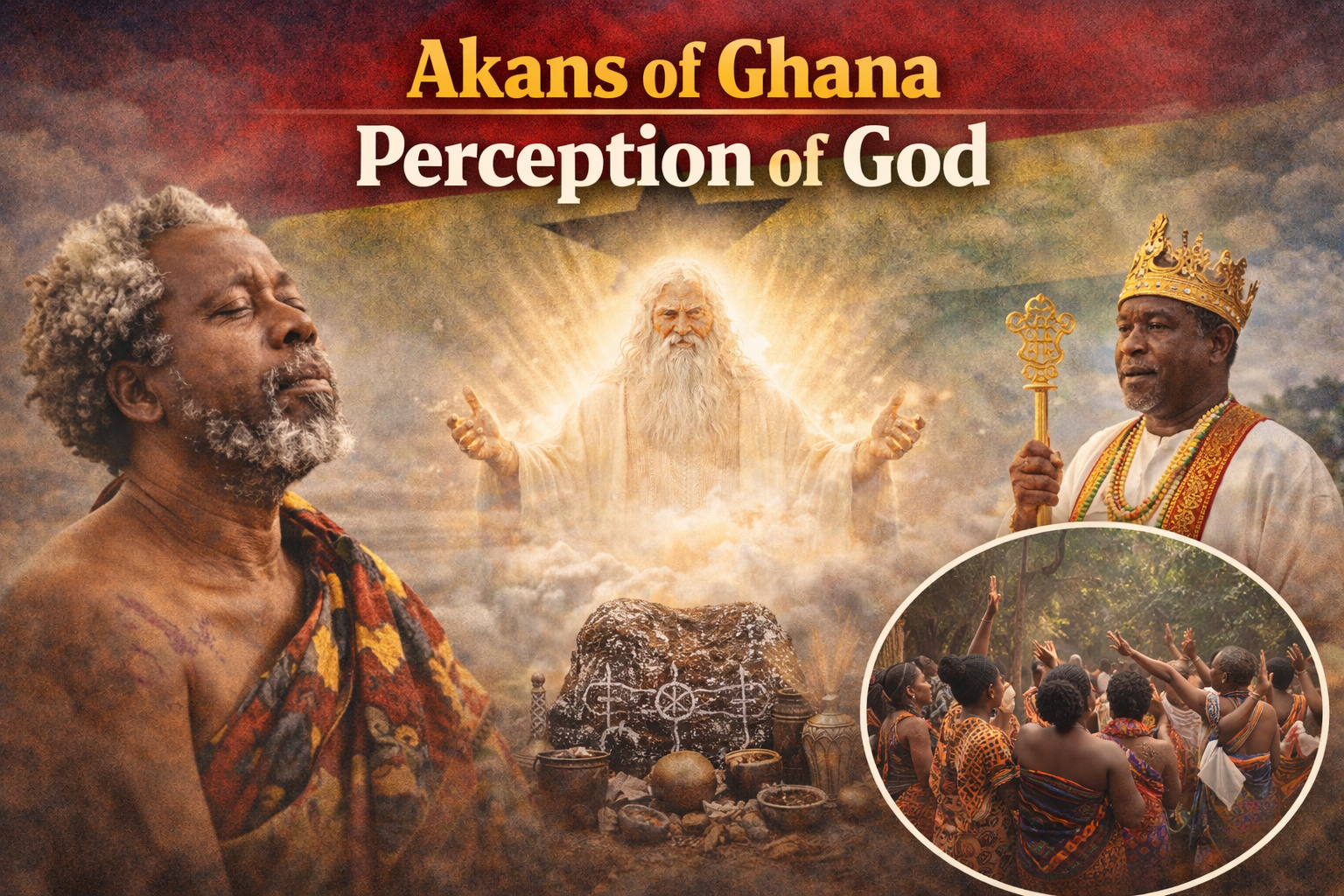
Akan perceptions of God can be discerned from the rich array of names and appellations used to describe the Supreme Deity. Among the Akan, the name for God is Nyankopɔn (Onyankopɔn), the Supreme Being. Etymologically, the term is often explained as deriving from “Onyame koro a ɔyɛ pɔn,” meaning “the
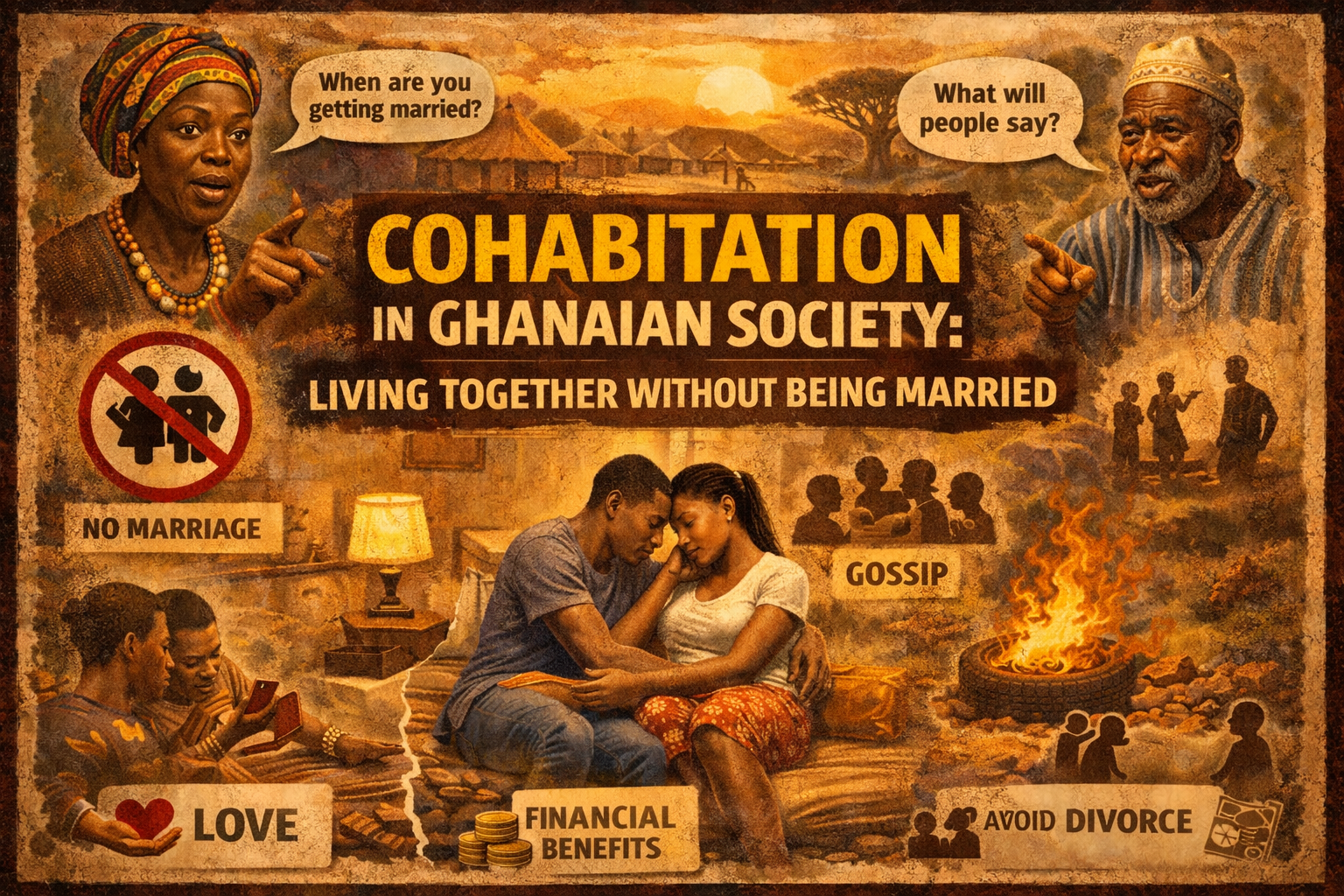
Cohabitation refers to an intimate arrangement in which a man and a woman live together in a shared residence without being formally married. While cohabitation has become increasingly common in many contemporary societies, it is generally frowned upon in Akan society and regarded as socially improp
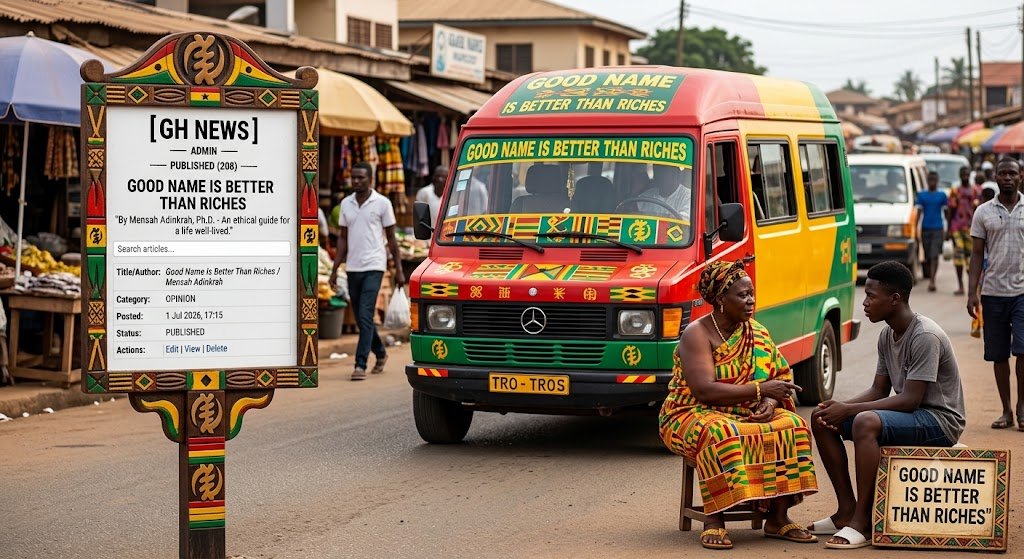
Introduction One of the most profound pieces of wisdom in Ghanaian culture is the saying: "Good name is better than riches." The Akan version, "Din Pa Yɛ Sen Ahonya," conveys the same timeless messag
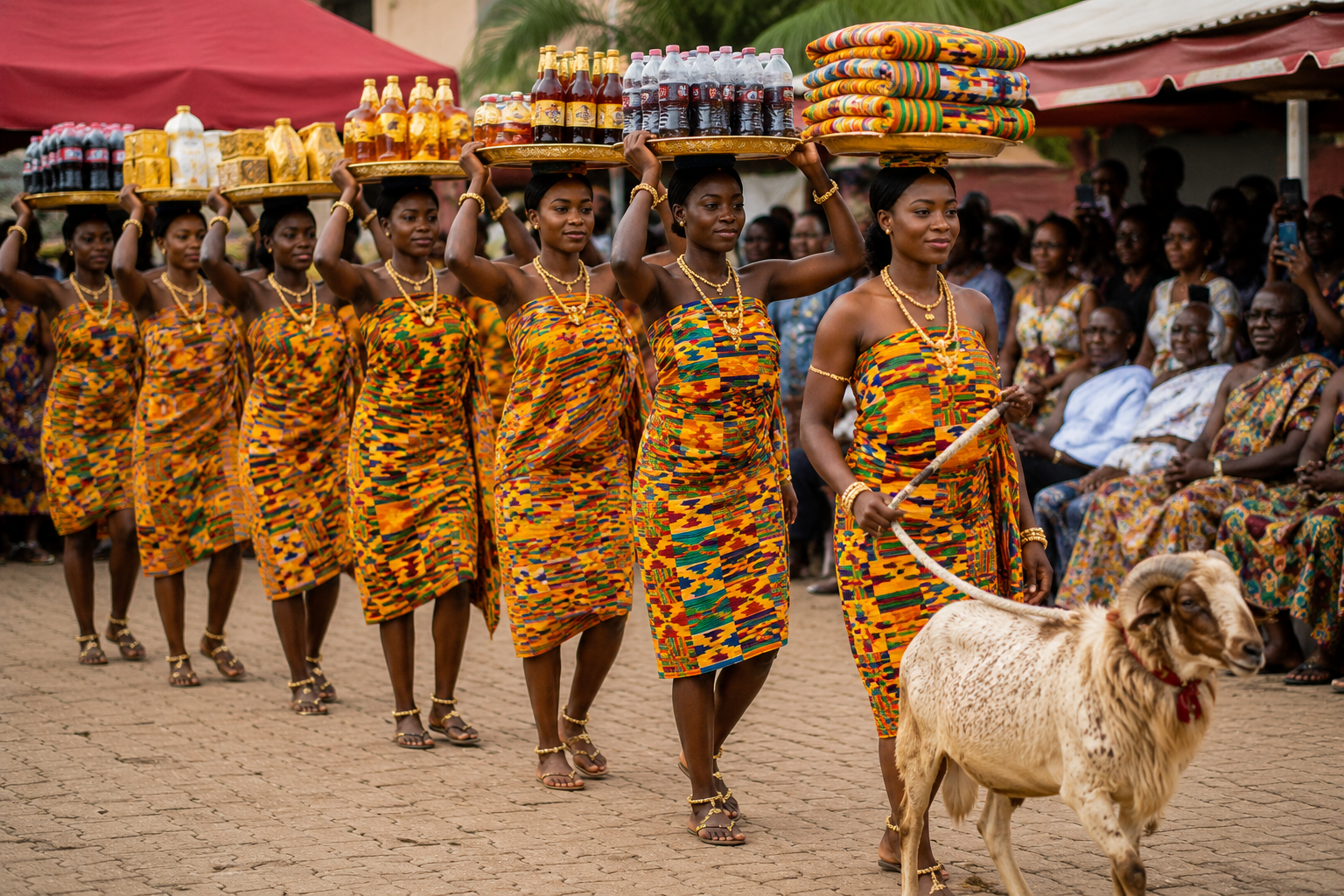
Conspicuous Consumption and the Funeral Arena The term “conspicuous consumption” was coined by the American economist and sociologist Thorstein Veblen in his classic work The Theory of the Leisure Cl
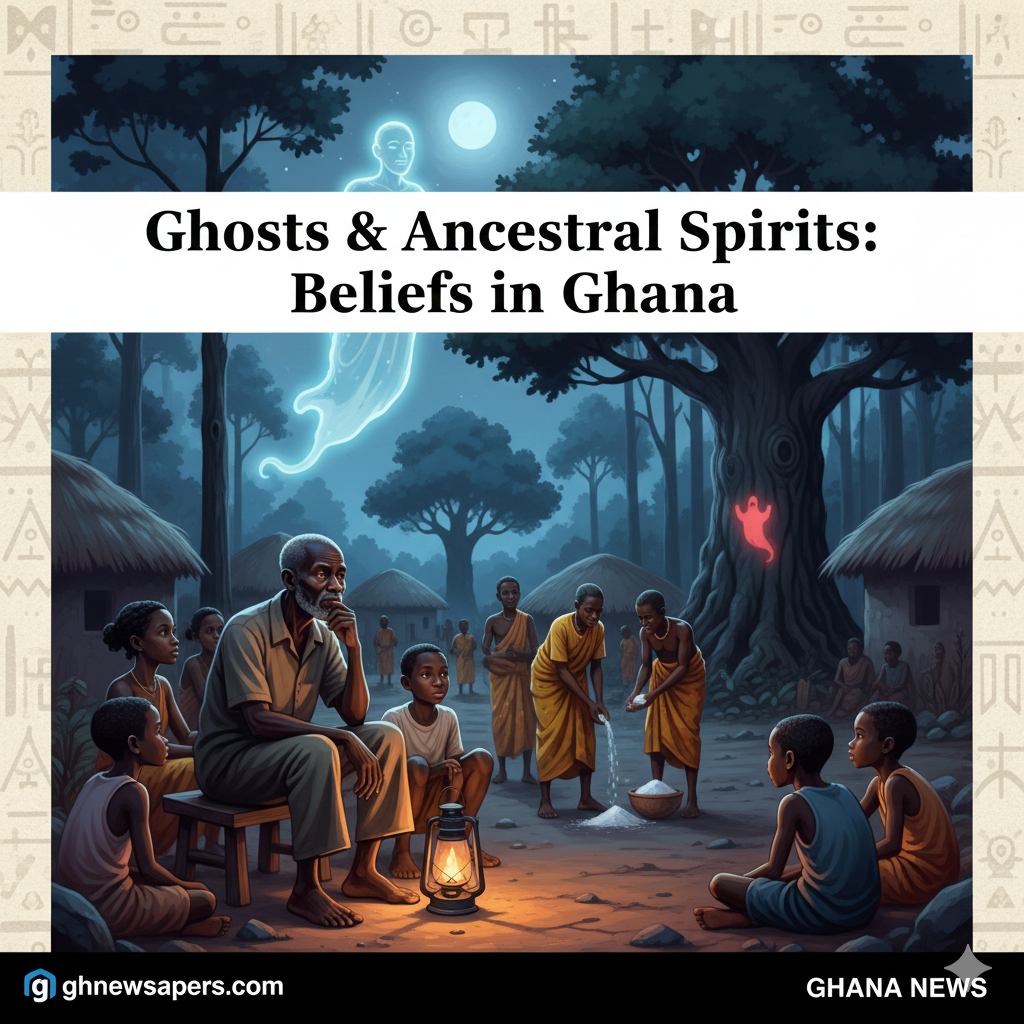
Widespread Beliefs in GhostsAlthough no large-scale self-report study has been conducted on belief in ghosts in Ghana, it is fair to say that belief in ghosts or apparitions is widespread across the country. These beliefs are especially strong among the Akan of southern Ghana, where ideas about deat
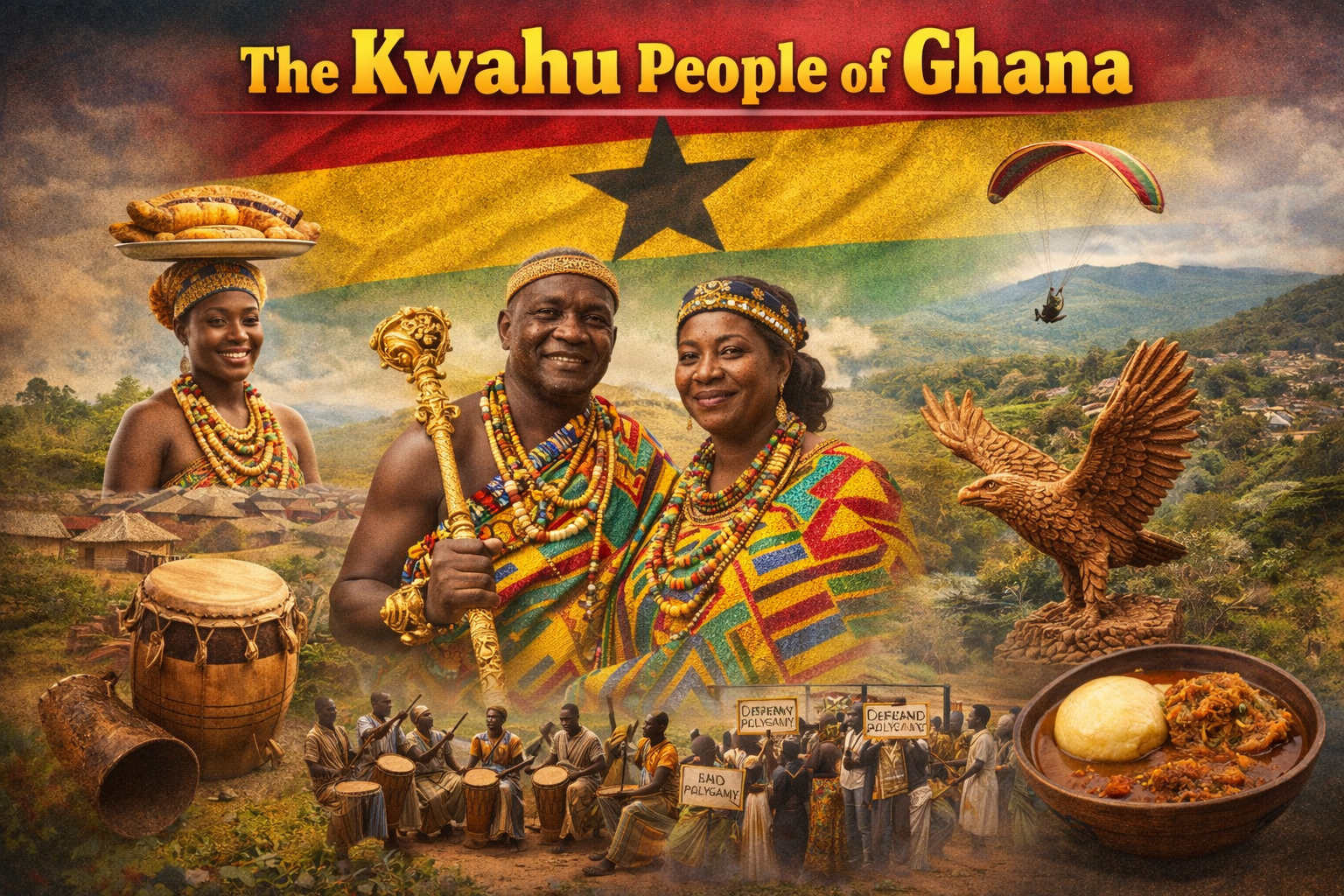
Ghana is a multiethnic and multilingual country, home to numerous ethnic groups with distinct histories and cultural traditions. Among these groups are the Kwahu people, one of the many subgroups within the larger Akan ethnic group. The Kwahu are primarily located in the Eastern Region of Ghana. The
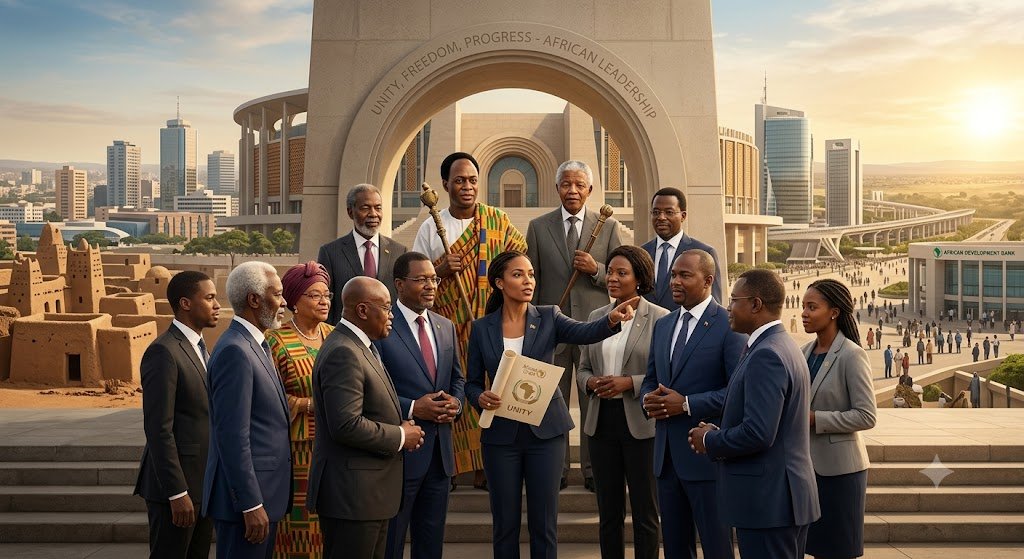
Introduction The Akan have a wise saying: "If you plant plantain, you will harvest plantain; if you plant cassava, you will harvest cassava; and if you plant pineapples, you will harvest pineapples."
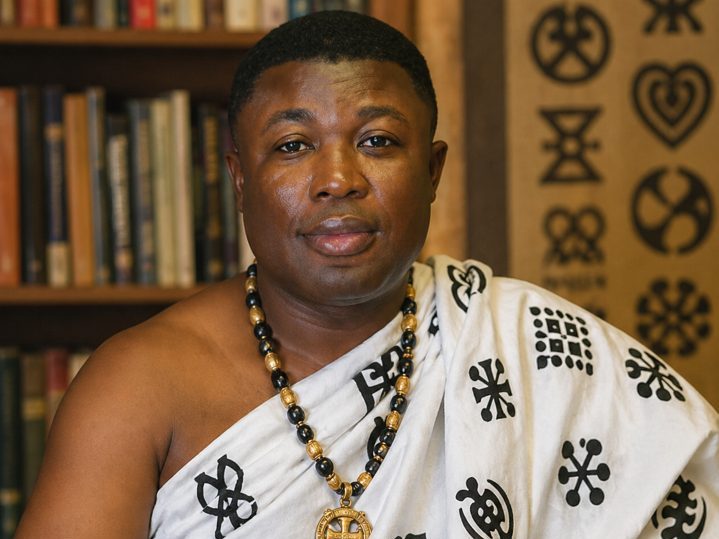
Origins and Cultural Heritage Professor Dr. Mensah Adinkrah, Professor of Sociology, Criminology, and Criminal Justice, is a native of Kwahu-Nkwatia in the Eastern Region of Ghana. Kwahu (also rendered as Kwawu) refers both to a geographical area and to a distinct Akan subgroup inhabiting the region
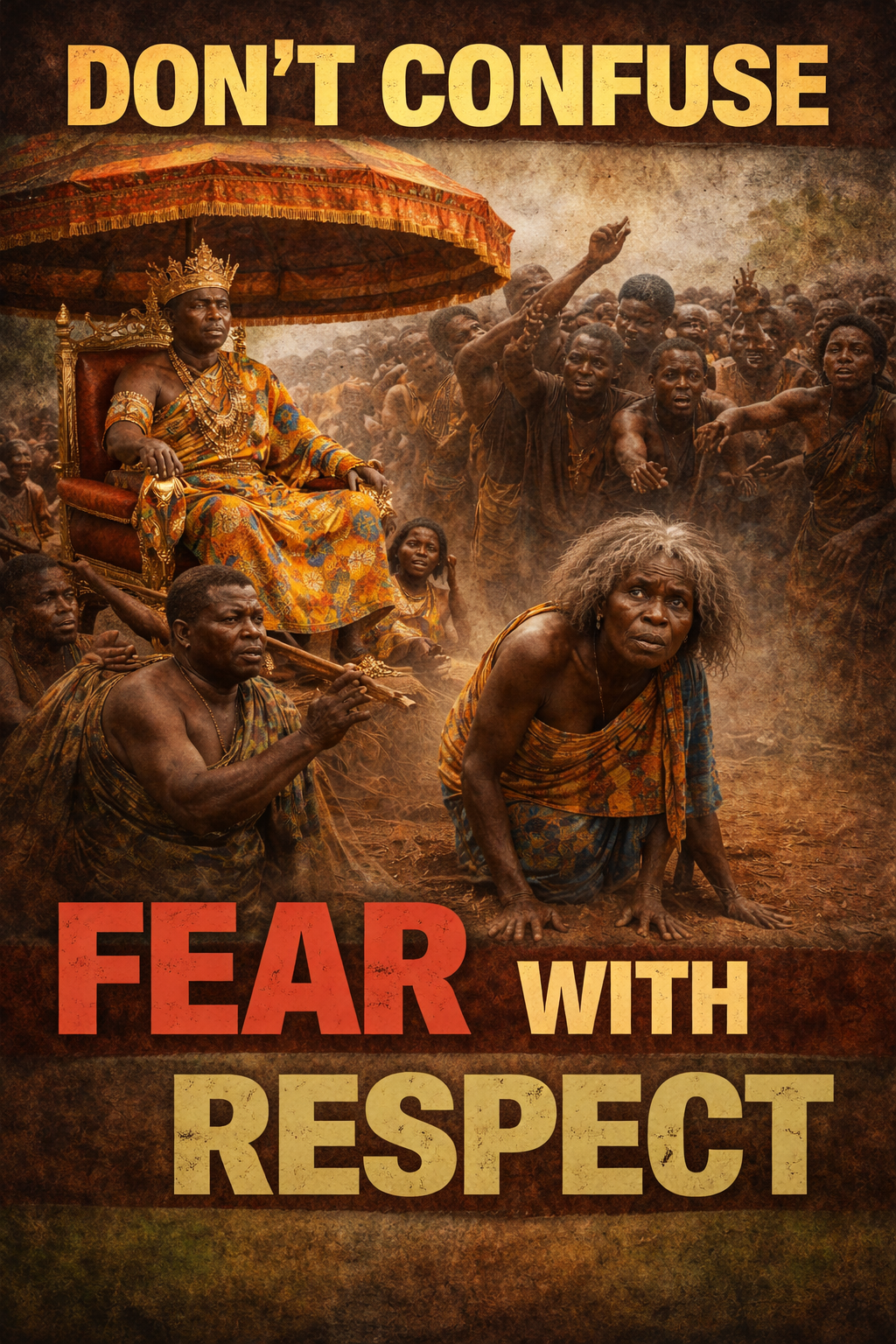
Oftentimes, in Africa, people conflate respect with fear, treating them as if they are interchangeable. Yet within Akan moral language, a clear distinction is maintained between fɛreɛ (respect) and suro (fear). To say “me fɛre wo” is fundamentally different from “me suro wo.” The former connotes est
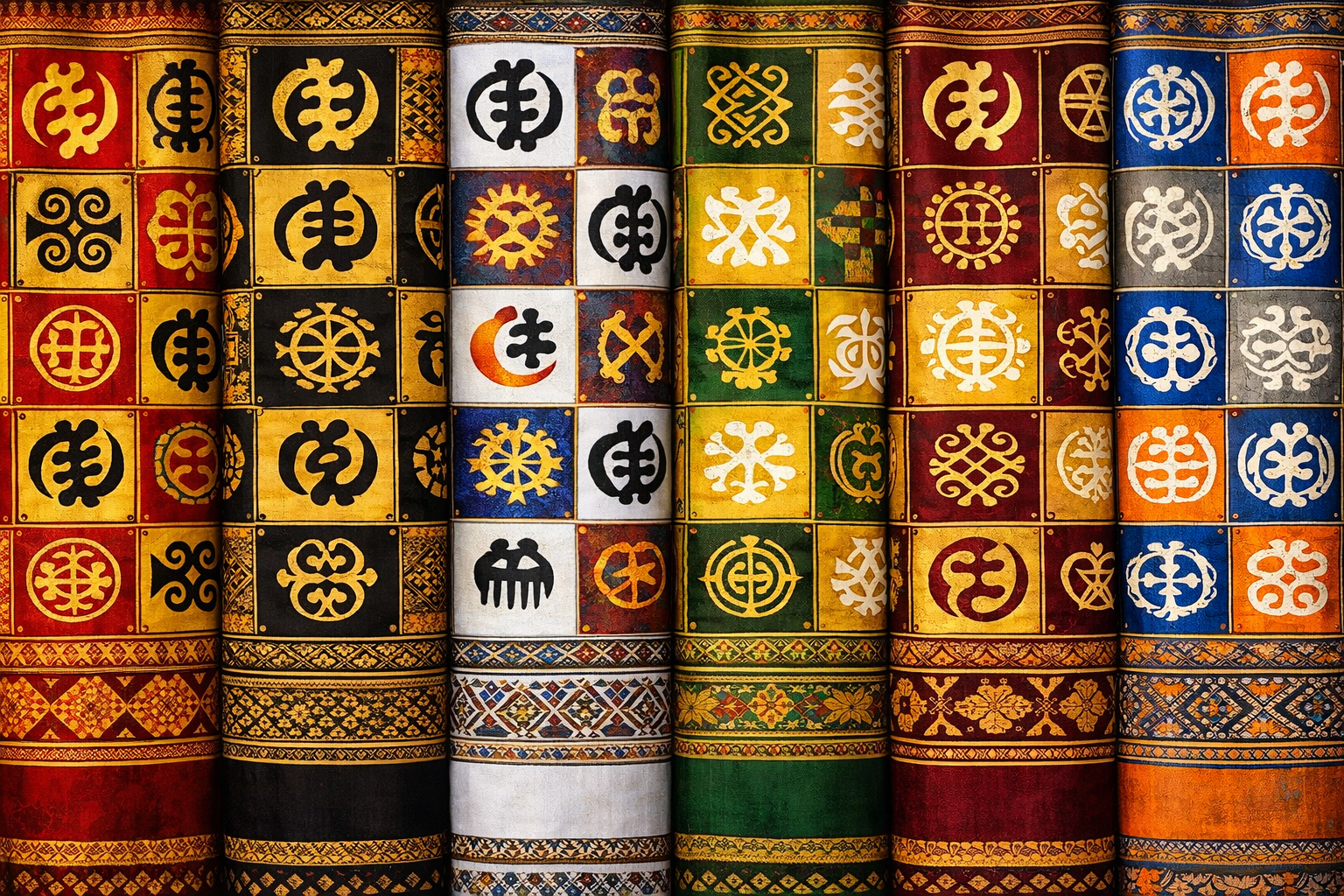
Introduction Adinkra cloth is one of the most important traditional textiles of Ghana and a significant cultural expression among the Akan people, particularly the Asante. Unlike Kente cloth, which is woven, Adinkra cloth is made by stamping symbolic designs onto fabric using special dyes. The cloth
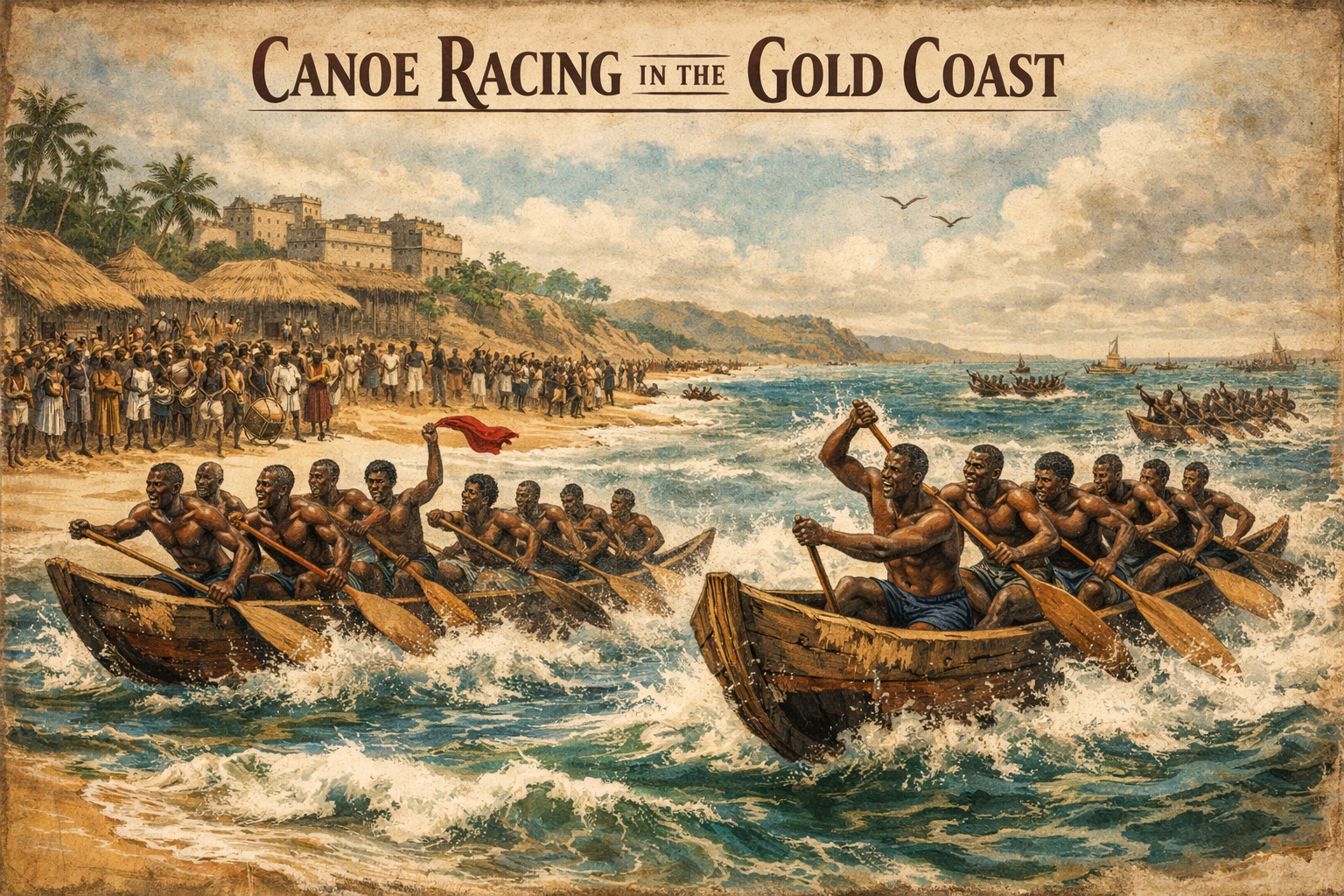
The Atlantic as Living Arena Along the Atlantic edge of the pre-colonial Gold Coast, long before European forts punctuated the shoreline, the sea was already a theatre of movement, daring, and communal pride. The coastal societies of present-day Ghana—particularly the Fante, Ga, and related Akan mar
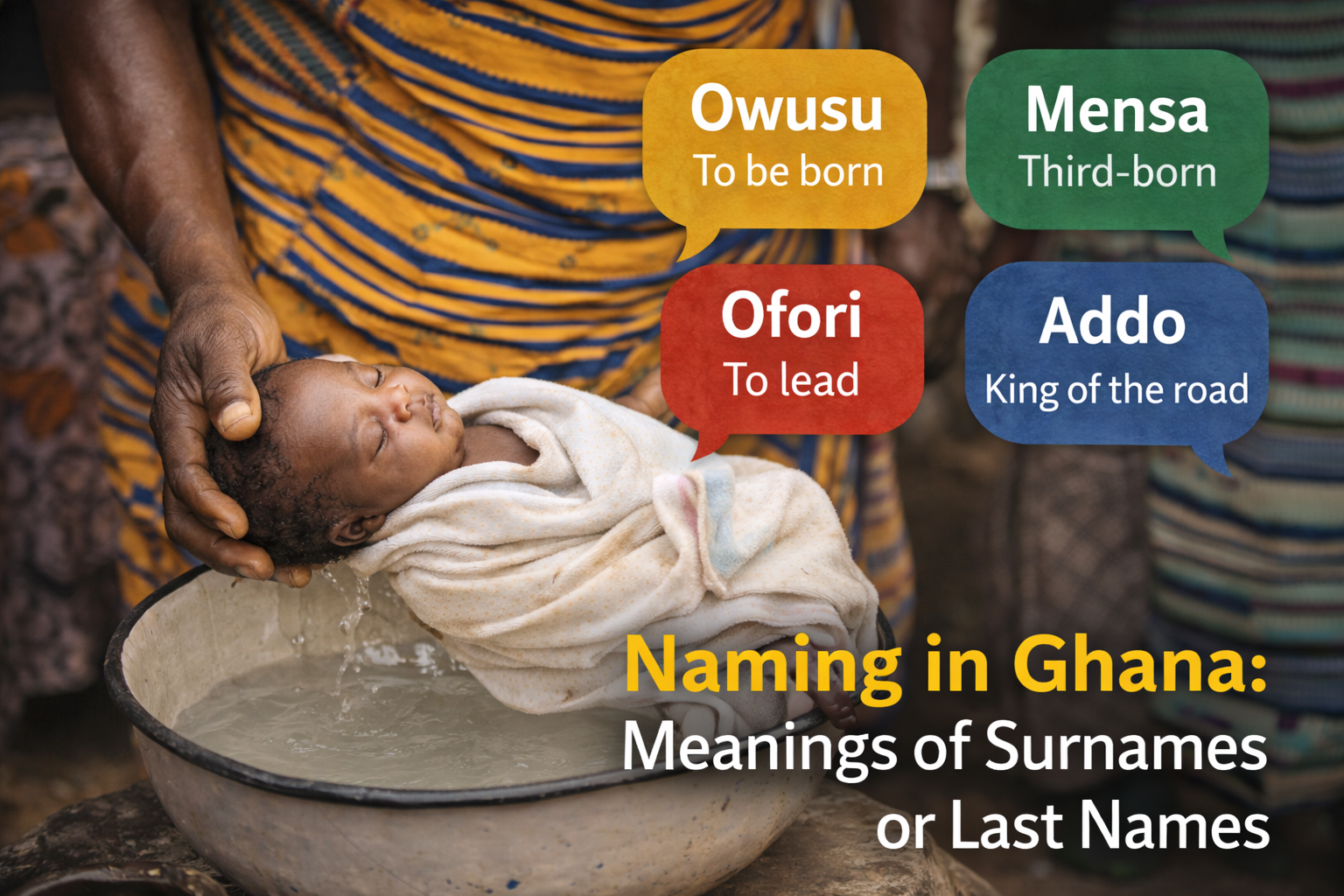
In Ghanaian society, names are never random. A name is a story, a memory, a prayer, a verdict on experience, or a declaration of destiny. Ghanaian surnames—particularly Akan surnames—carry deep cultural meanings that often encode family history, spiritual beliefs, social struggles, and moments of tr
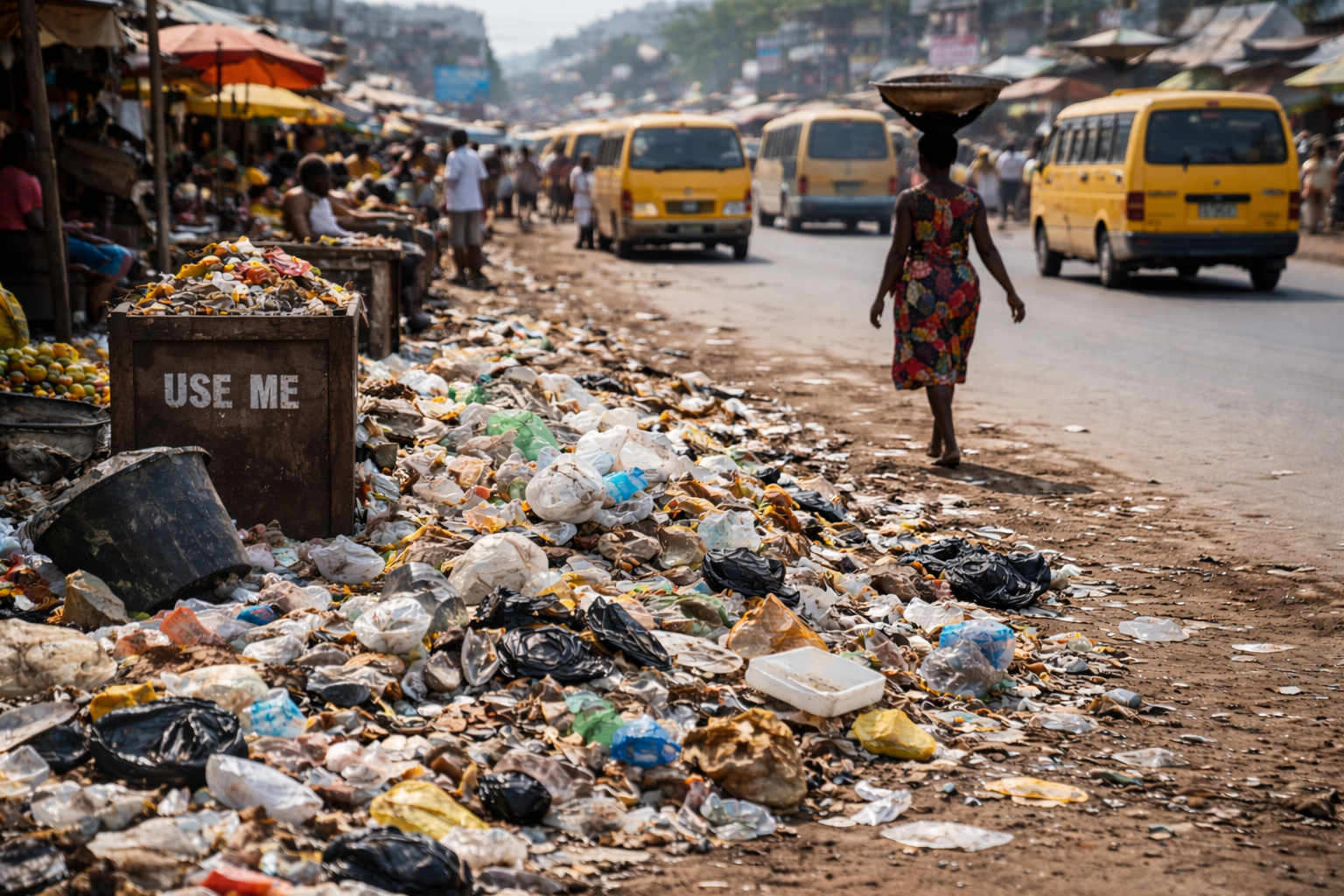
Littering is a serious problem in Ghana. Across cities, towns, and rural communities, many people indiscriminately throw away empty drink bottles, plastic containers, plastic wraps, paper, and leftover food on the ground. Streets, gutters, open spaces, and markets are increasingly turned into inform
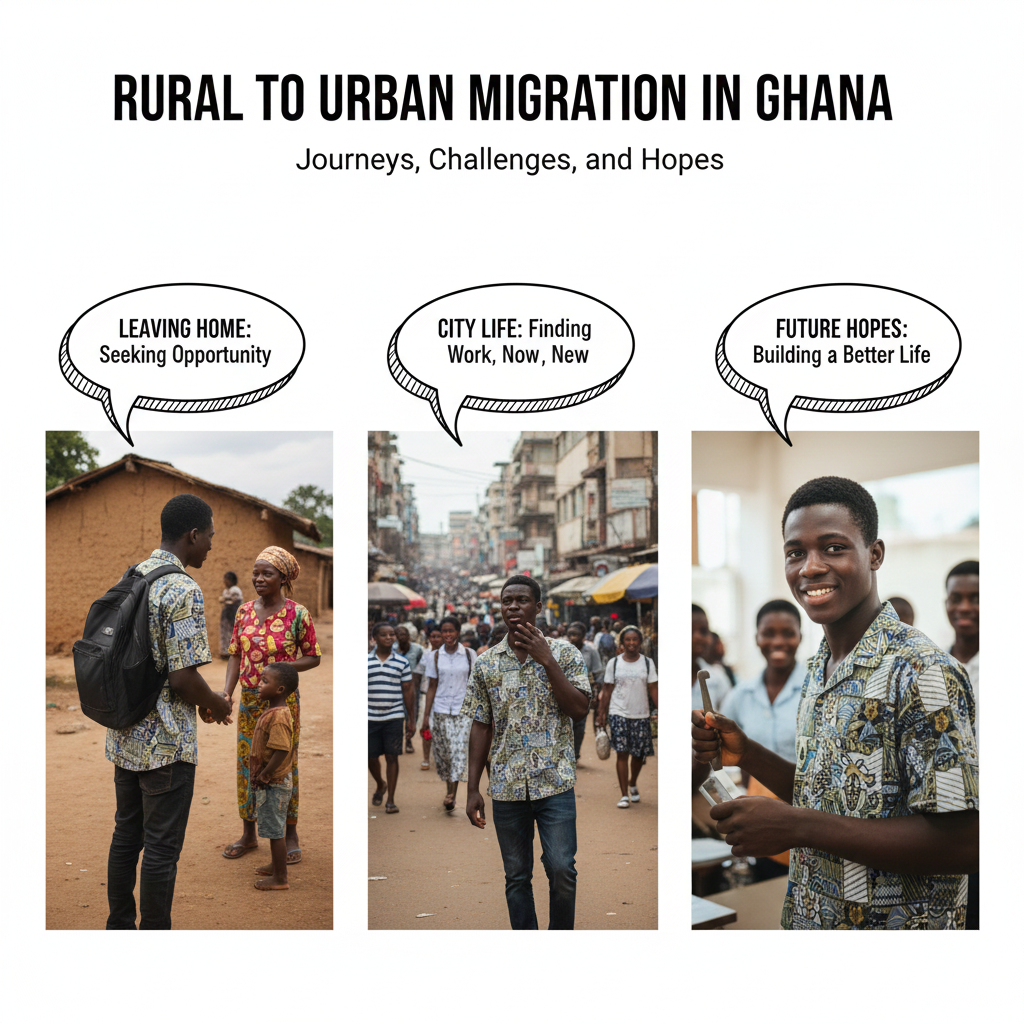
The causes of Rural–Urban Migration are major concerns of African governments like Ghana. Across Ghana and much of Africa, a defining social transformation of the 21st century is the movement of people from the countryside to towns and cities. Every year, thousands of young people leave rural commun
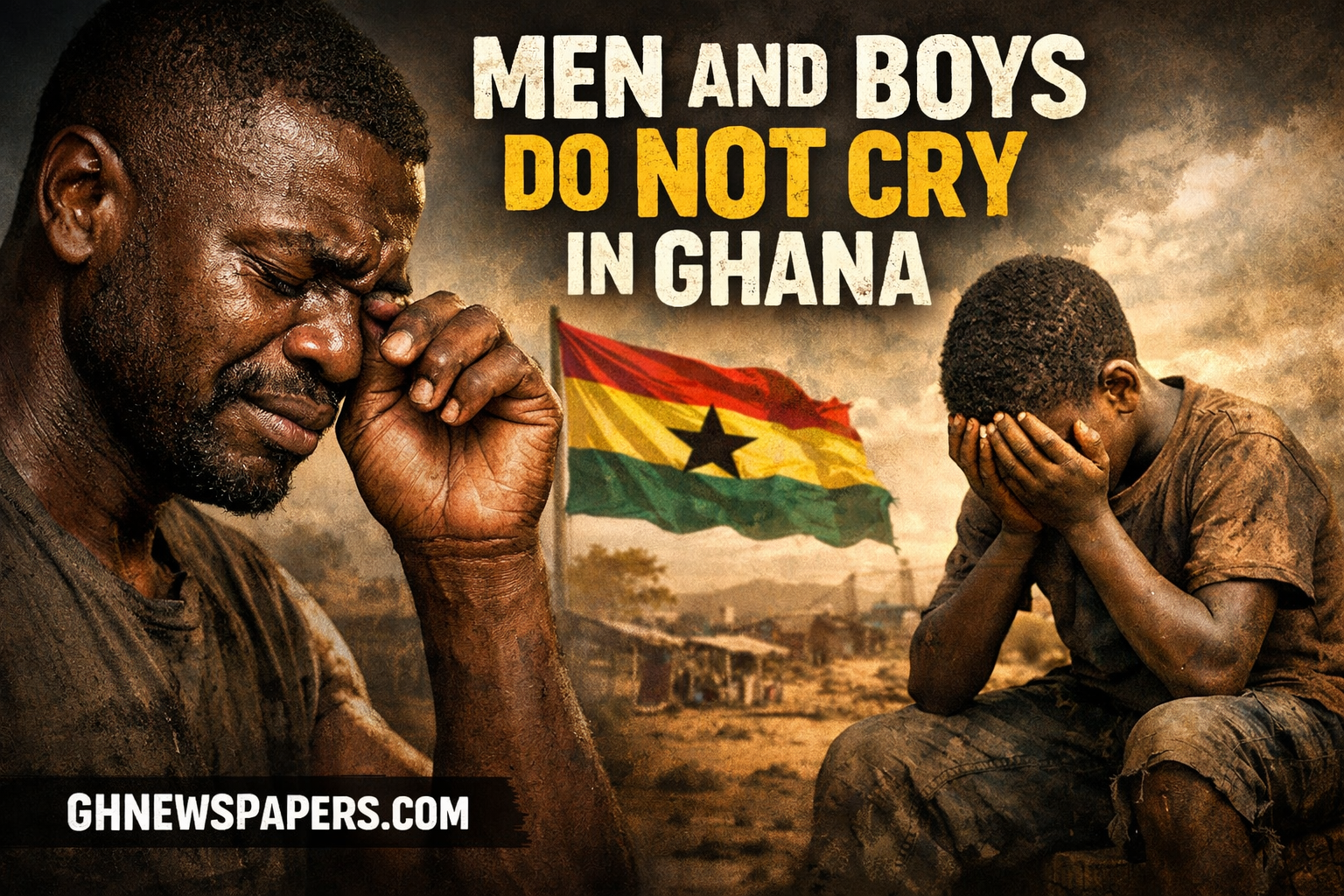
In Ghana, boys are socialized from an early age into the belief that boys do not cry. Among the Akan, any attempt by a boy to cry is frequently met with the admonition “gyae, barima nsu”—literally, “stop, boys do not cry.” This injunction reflects a broader cultural script that equates emotional res
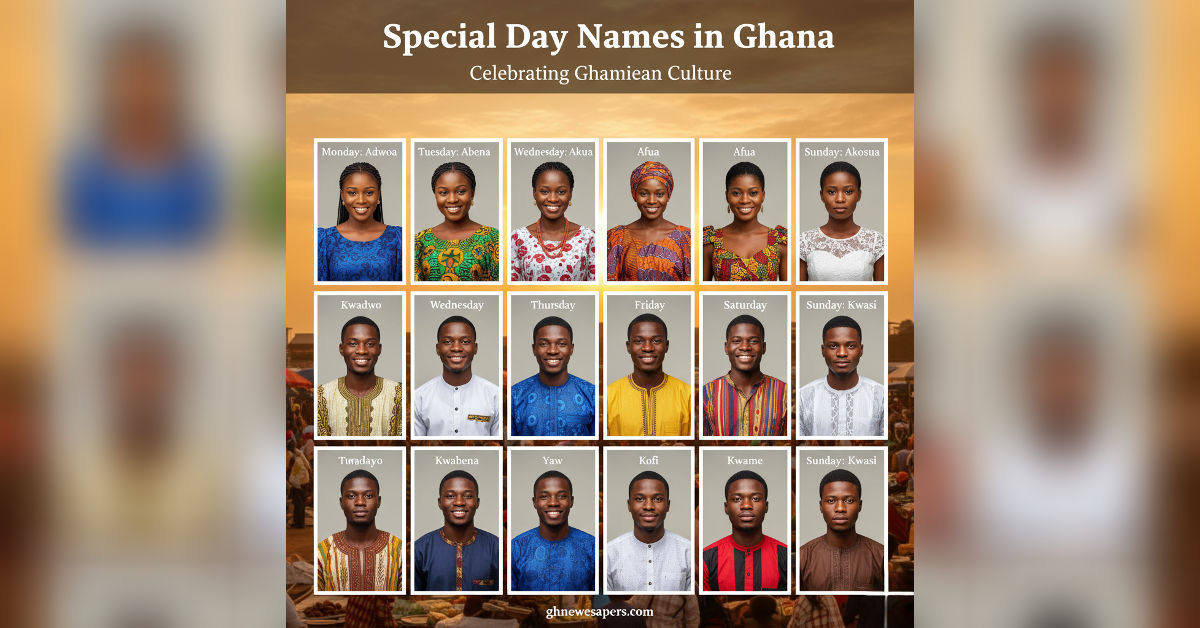
Akan Day Names (Kra Din) Different societies have different ways of naming their children. Among the Akan people of Ghana, newborns are given a special name based on the day of the week on which they are born. This name is called a “kra din.” In Twi, the widely spoken Akan language, kra (or okra)…
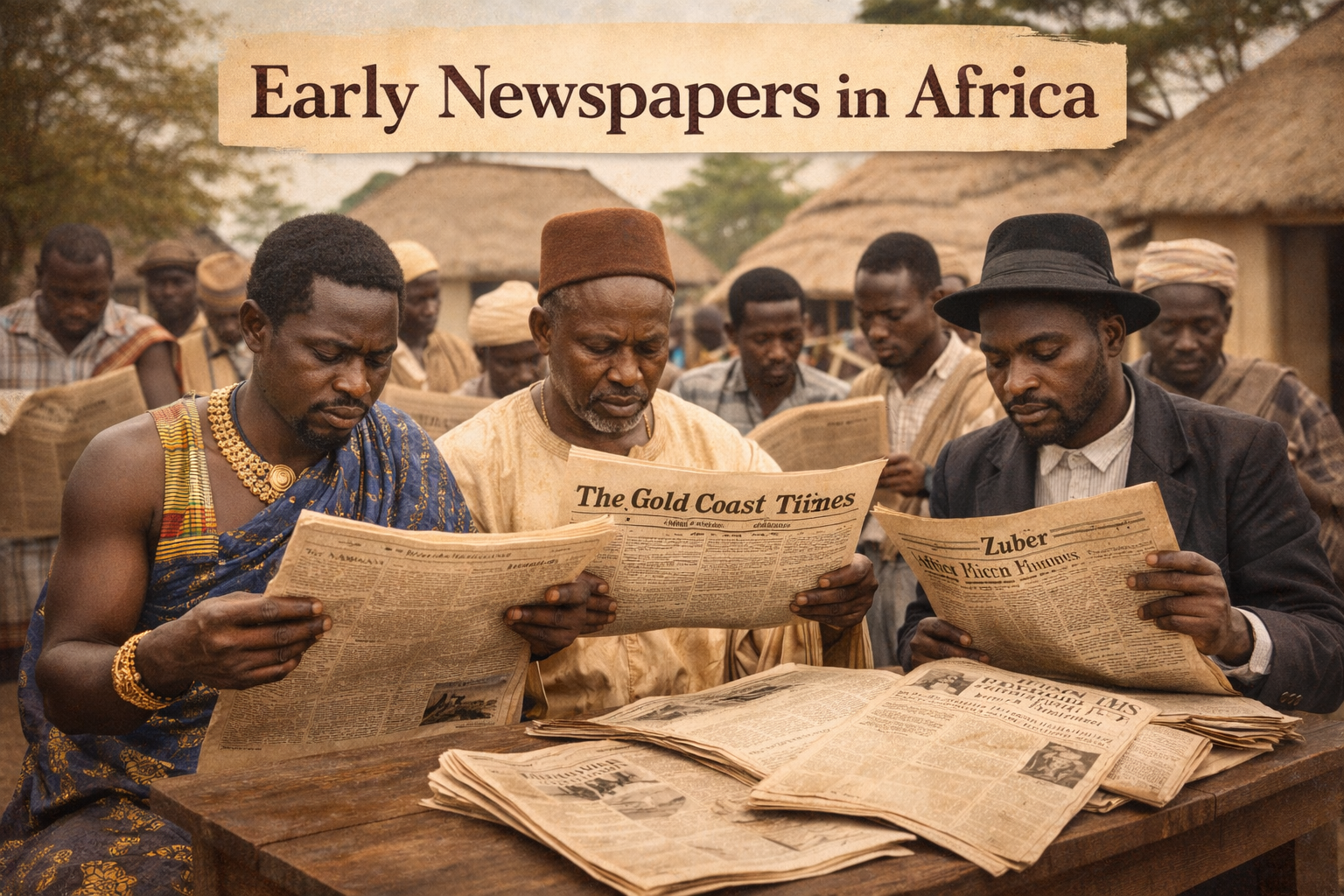
The first English newspaper on the continent of Africa was published in Cape Town in 1800. The following year in Sierra Leone, The Royal Gazette and Sierra Leone Advertiser were published in Freetown. Both were European undertakings concerned with matters of government. In 1826, Charles Force, an Am

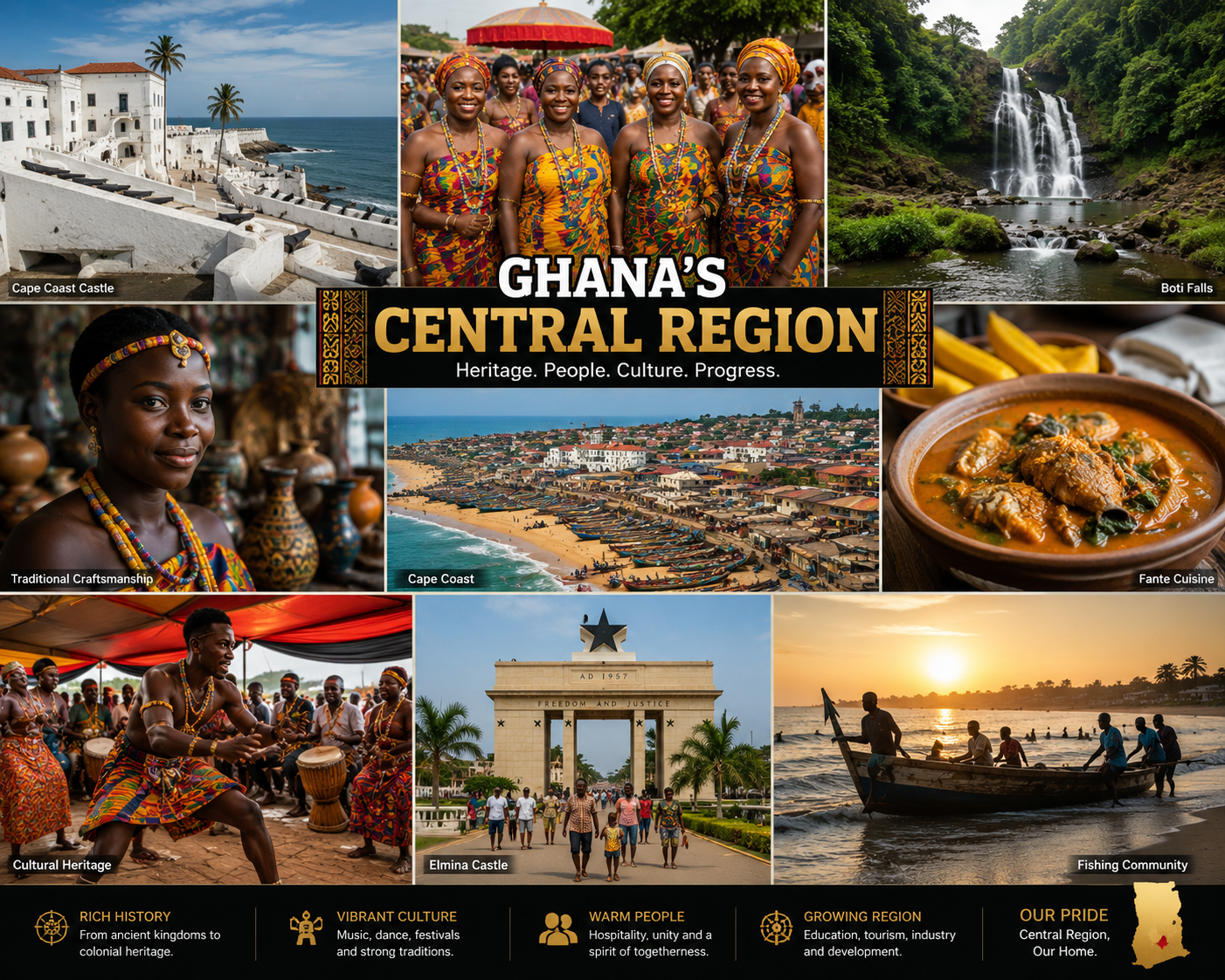
Introduction Among Ghana’s sixteen administrative regions, few possess the historical significance, educational prominence, and cultural richness of the Central Region. Located along Ghana’s southern
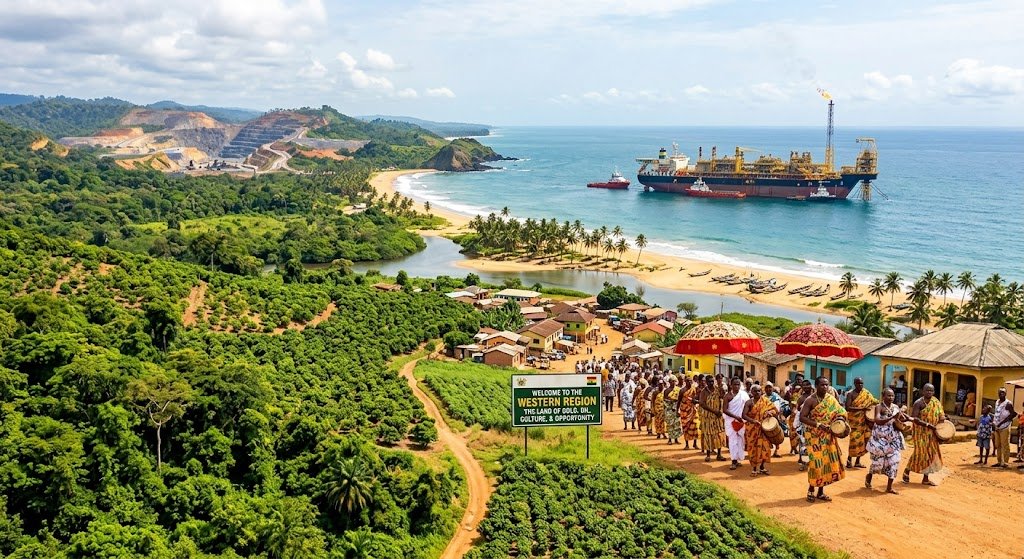
Introduction Among Ghana’s sixteen administrative regions, few can rival the Western Region in terms of natural wealth, cultural diversity, economic importance, and historical significance. Stretchin
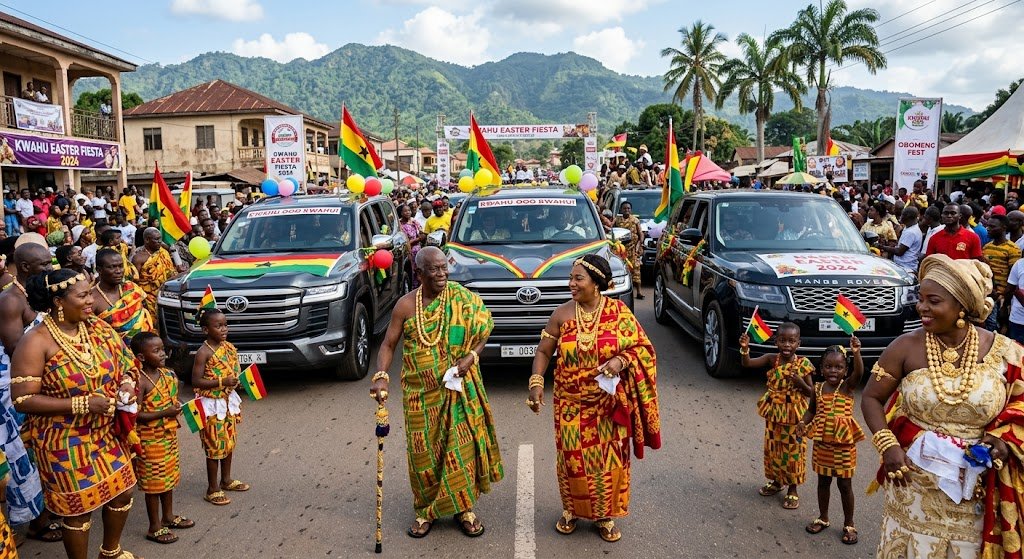
Introduction Every year, as Easter approaches, a familiar phrase echoes across Ghana's radio stations, television screens, and social media platforms: "Kwahu oooo Kwahu!" The expression has become bo
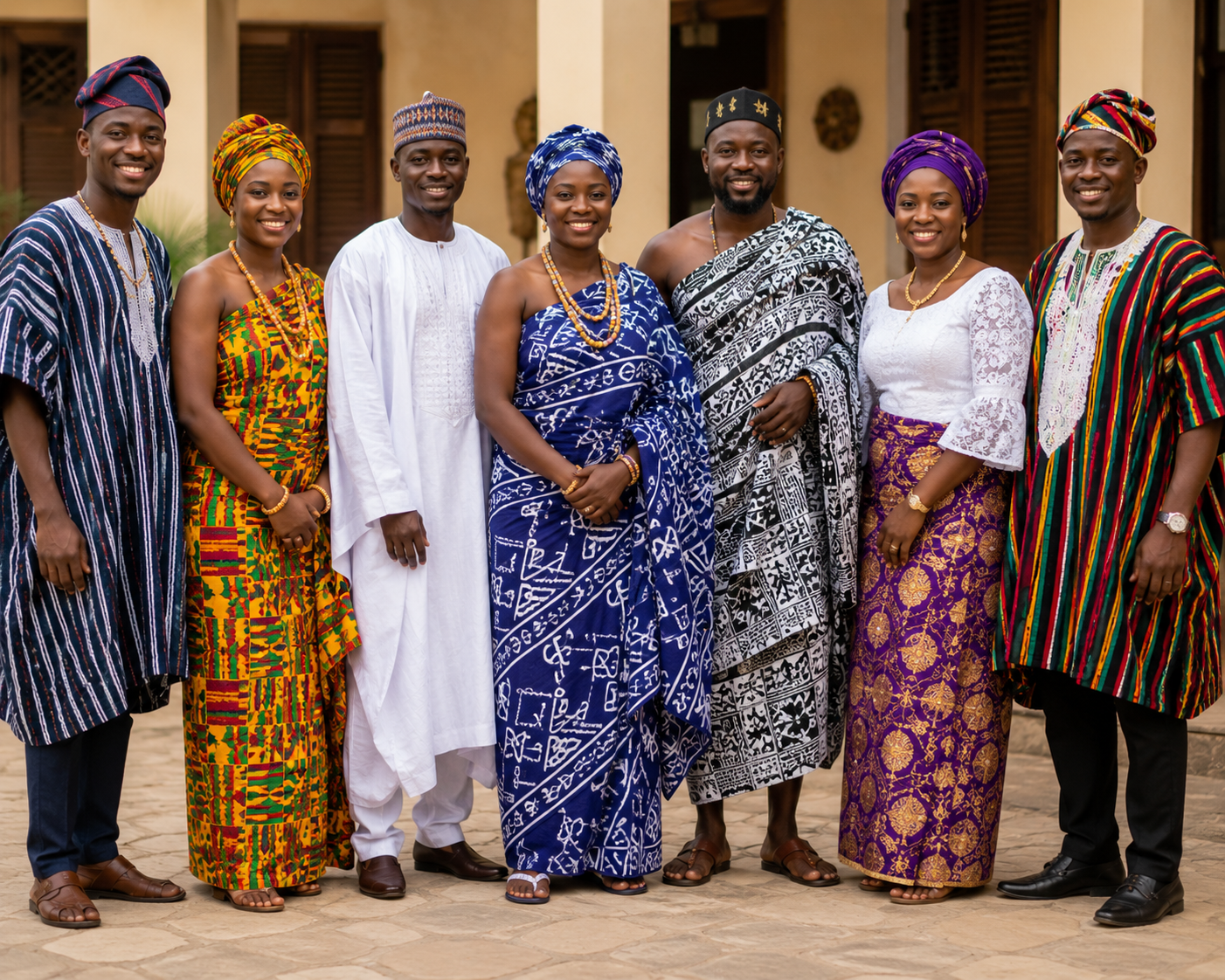
Ghana is often celebrated as one of Africa’s most peaceful and culturally vibrant nations. From the bustling markets of Accra to the fishing communities along the coast, from the savannah settlements
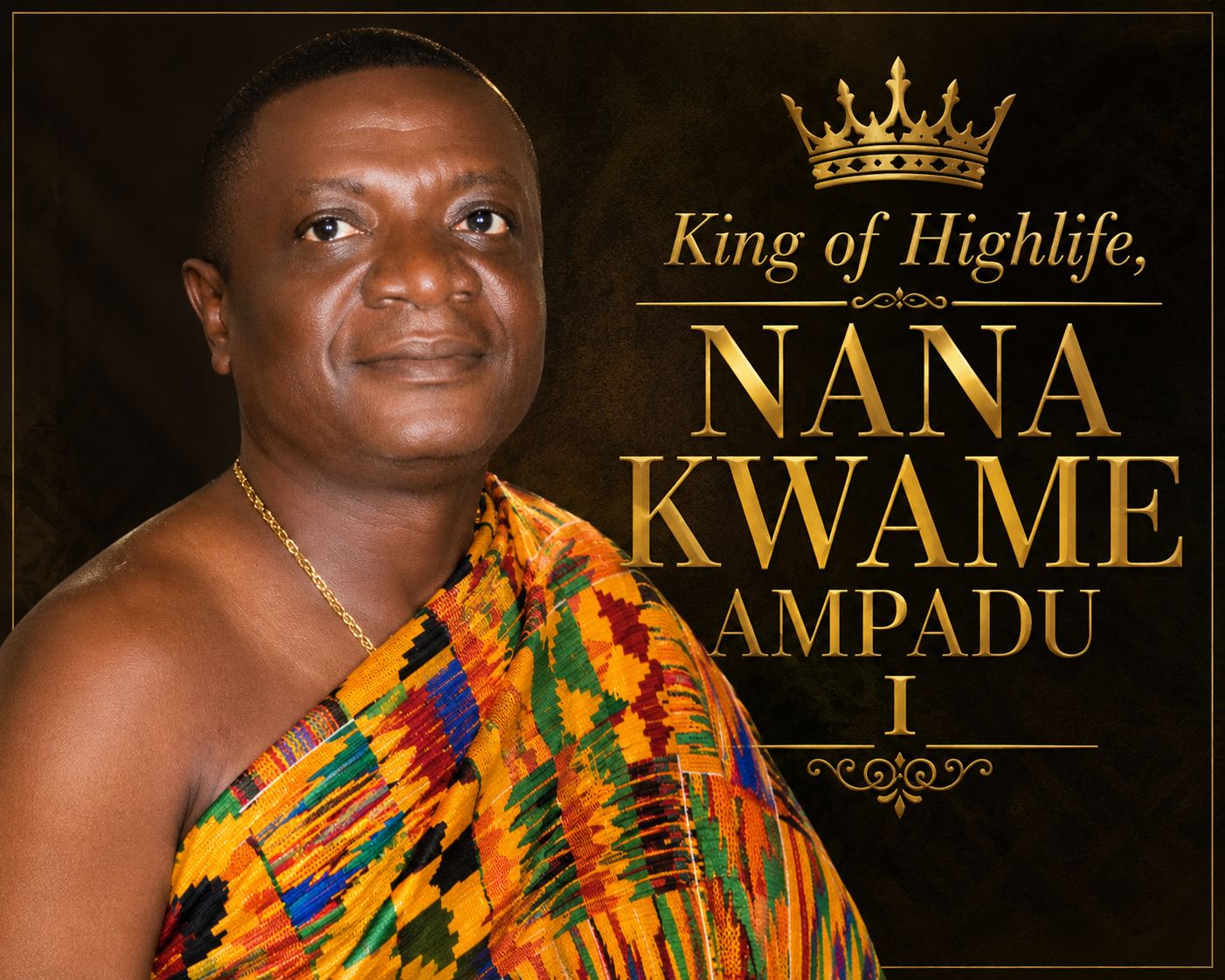
King of Highlife, Nana Ampadu Among the pantheon of Ghanaian musicians who shaped the soundscape of modern West African music, few names command the reverence accorded to Nana Kwame Ampadu I. A compo
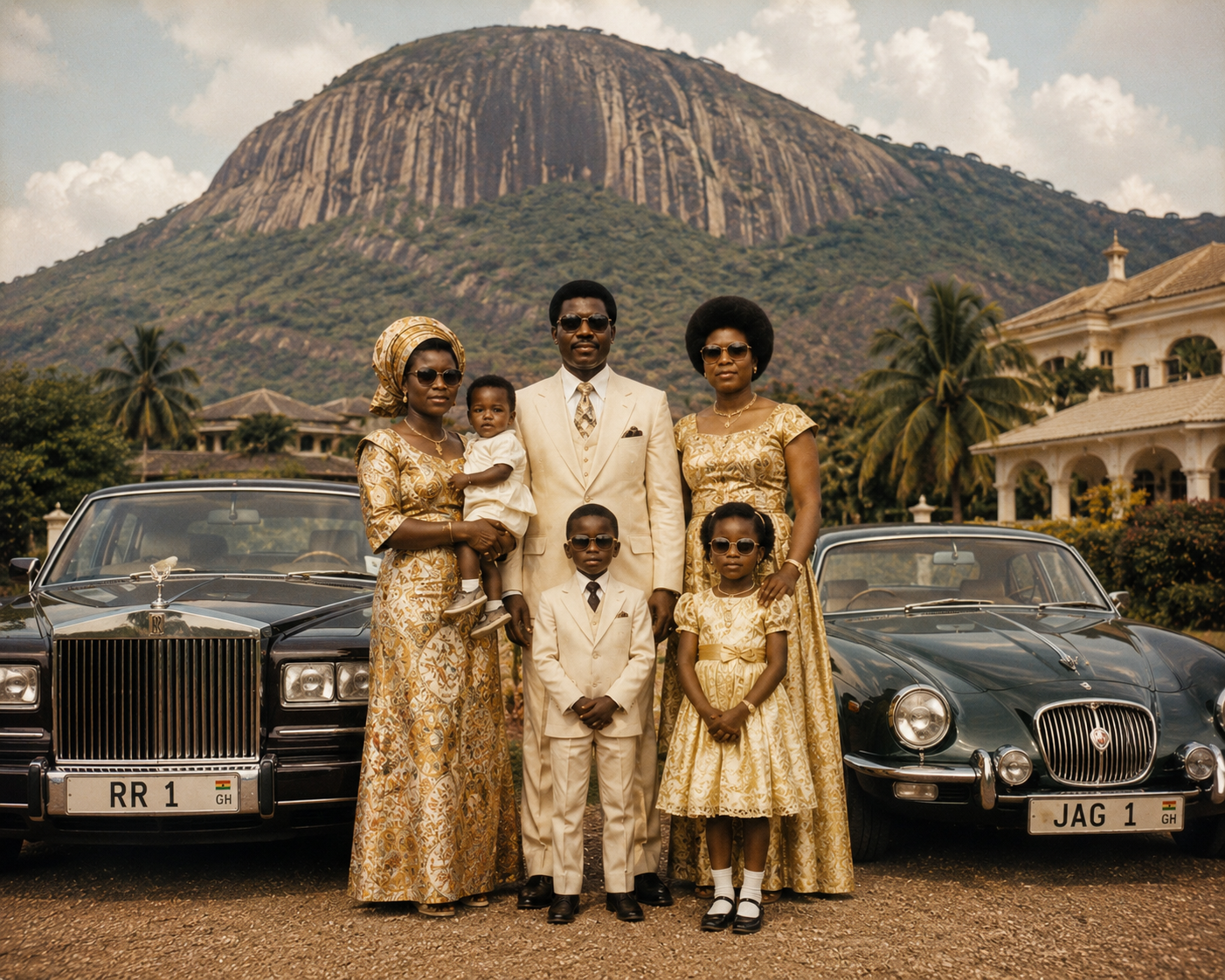
A Land of Heights and HeritageIn Ghana’s Eastern Region lies Kwahu, a unique and historically rich area known not only for its breathtaking landscape but also for the resilience and enterprise of its people. Often referred to as Asaase Aban—meaning “Natural Fortress”—Kwahu stands out as the highest
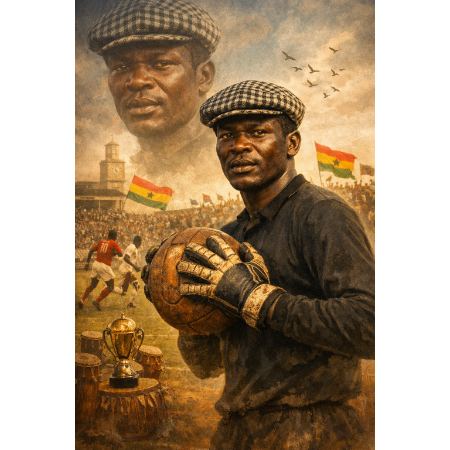
Robert Mensah: A Football Story and Tragedy in the Ghanaian Football In the annals of Ghanaian sporting history, few names evoke as much reverence, myth, and sorrow as Robert Mensah. His story is not merely about football; it is a narrative woven into the socio-cultural fabric of late colonial Gold
Kente cloth is one of the most famous traditional textiles of West Africa and is strongly associated with Ghana. It is a handwoven cloth made from narrow strips of silk or cotton that are stitched together to form a larger fabric. The cloth is distinguished by its brilliant colors, geometric pattern
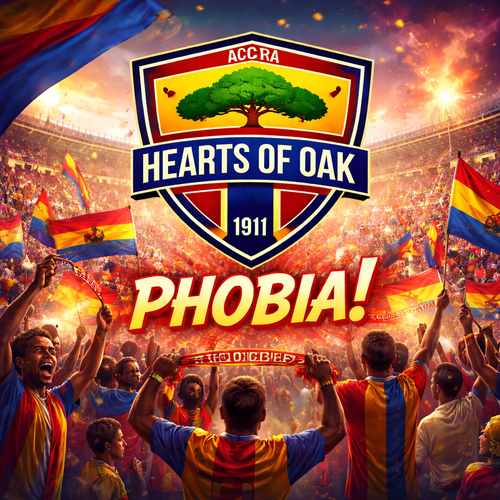
Accra Hearts of Oak Sporting Club was formally established on 11 November 1911 in Accra (then part of the British colony called the Gold Coast). Founded by a group of young men, including Christopher Brandford Nettey and Akom Duncan, it was part of the earliest wave of organized football in the regi

Introduction: Why March Matters Every year, the month of March occupies a sacred place in Ghana’s historical calendar. On 6 March 1957, under the leadership of Kwame Nkrumah, the Gold Coast became Ghana — the first sub-Saharan African nation to gain independence from British colonial rule. March is
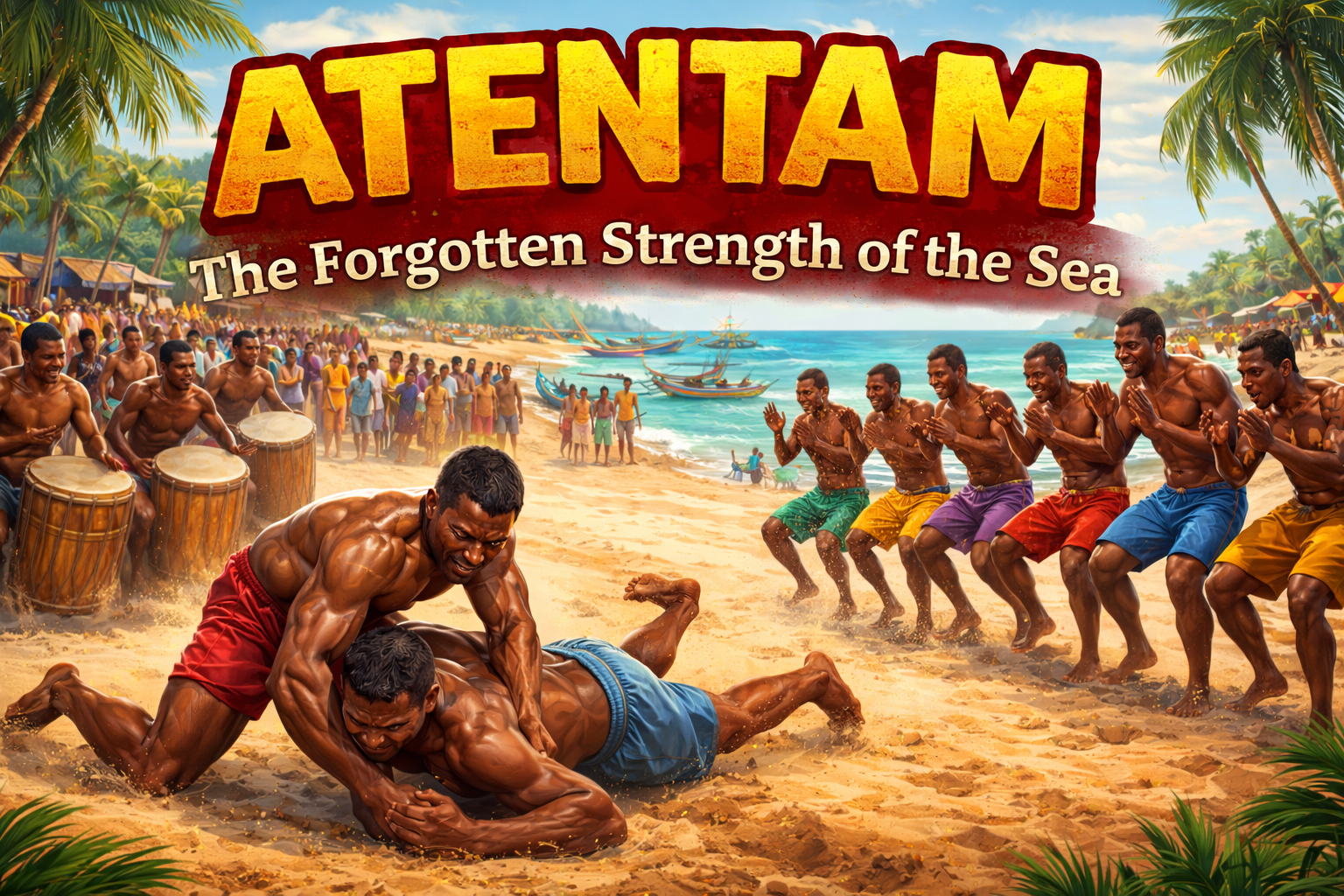
Along the wind-carved coastline of southern Ghana, among the Fante, physical games were never idle diversions. They were social rehearsals—training grounds for endurance, hierarchy, and communal rhythm. Two in particular—Atentam and Osibir—stand out in the historical record. Atentam derives from the
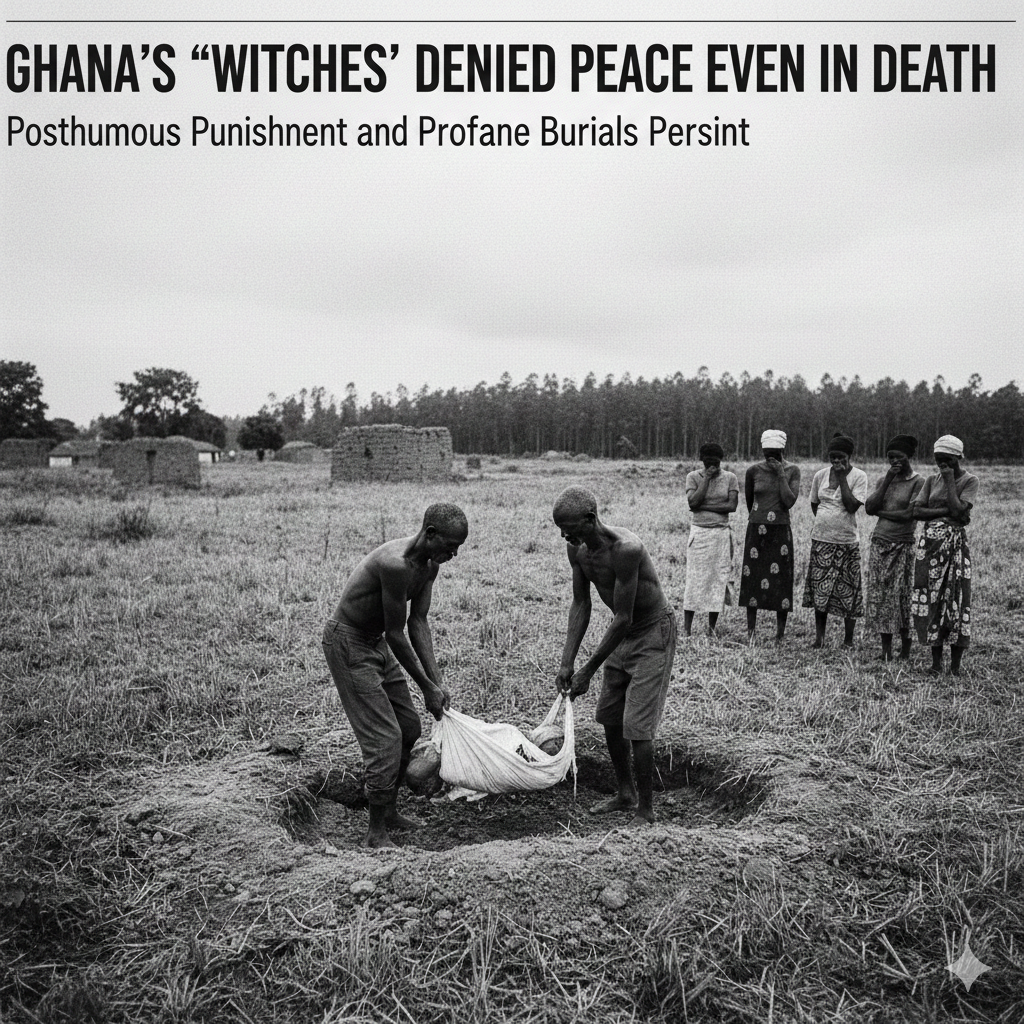
In many Ghanaian communities, accusations of witchcraft generate intense moral outrage and social hostility. Persons believed to be malevolent witches are frequently subjected to verbal abuse, physical assault, forced displacement, and, in extreme cases, extrajudicial killing (Adinkrah, 2004, 2015).
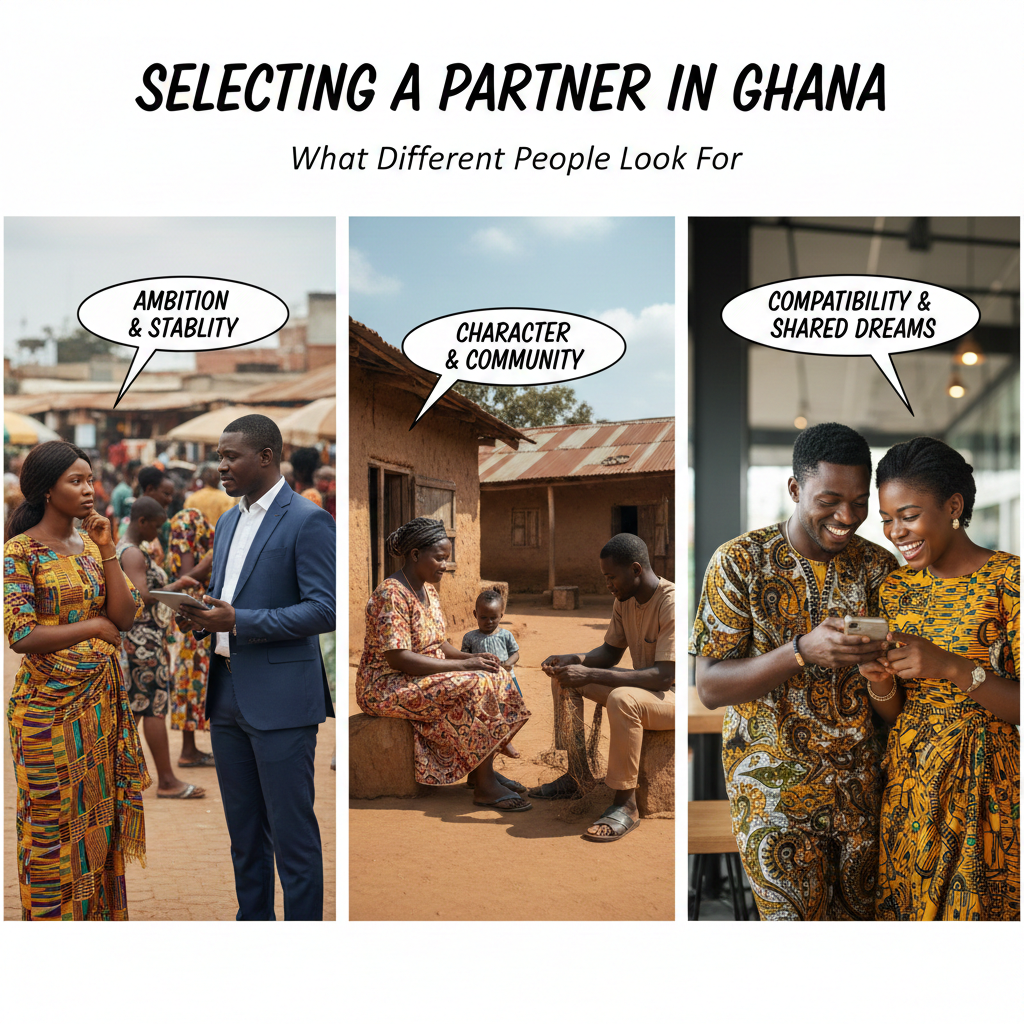
For many people, choosing a marital partner is a deliberate decision. Individuals often consider several factors before deciding who to marry. Sociologists study these choices and use specific terms to describe the different patterns people follow when selecting a spouse. Marrying Up and Marrying Do
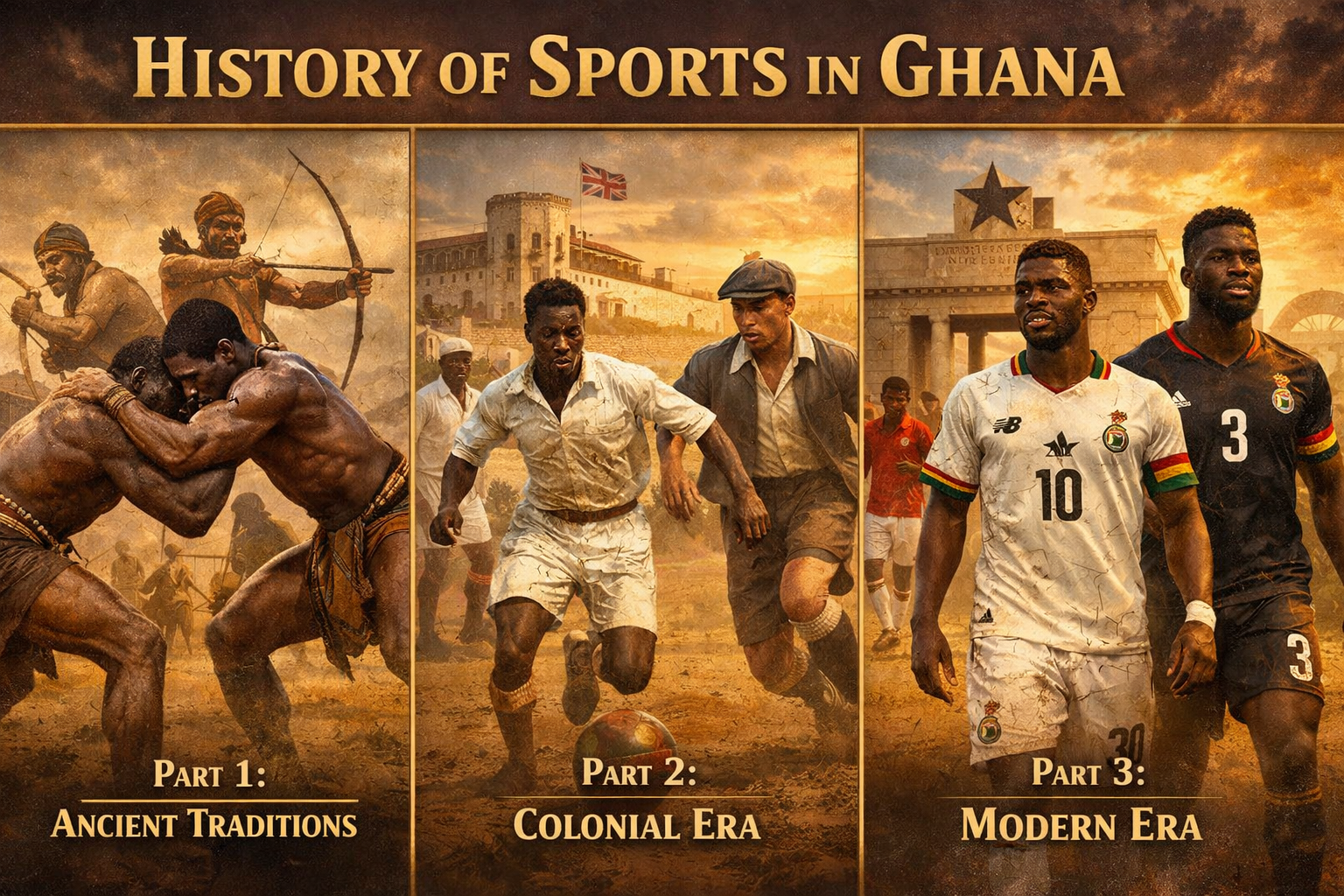
Introduction: Sport as a Mirror of Ghana’s History Long before Ghana was known by its modern name, sport and physical competition were already embedded in the social, political, and spiritual life of its people. From the ancient kingdoms of the Gold Coast to independence in 1957 and into the modern
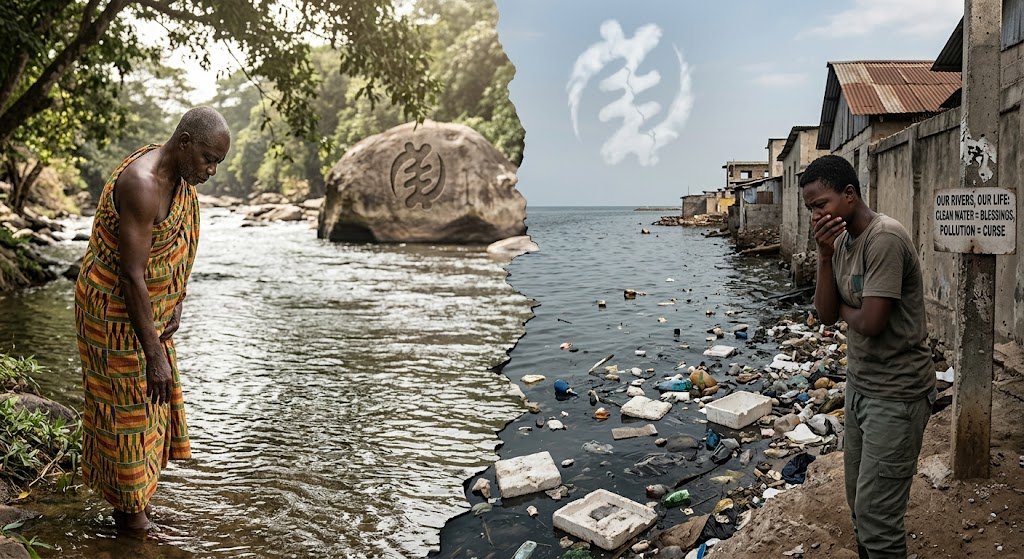
Filth Has Spiritual Consequences Okronkronyi Nyame Somafo Yawoh teaches that filth is spiritually derogating and spiritually taxing. According to His teachings, acts that pollute the natural environm
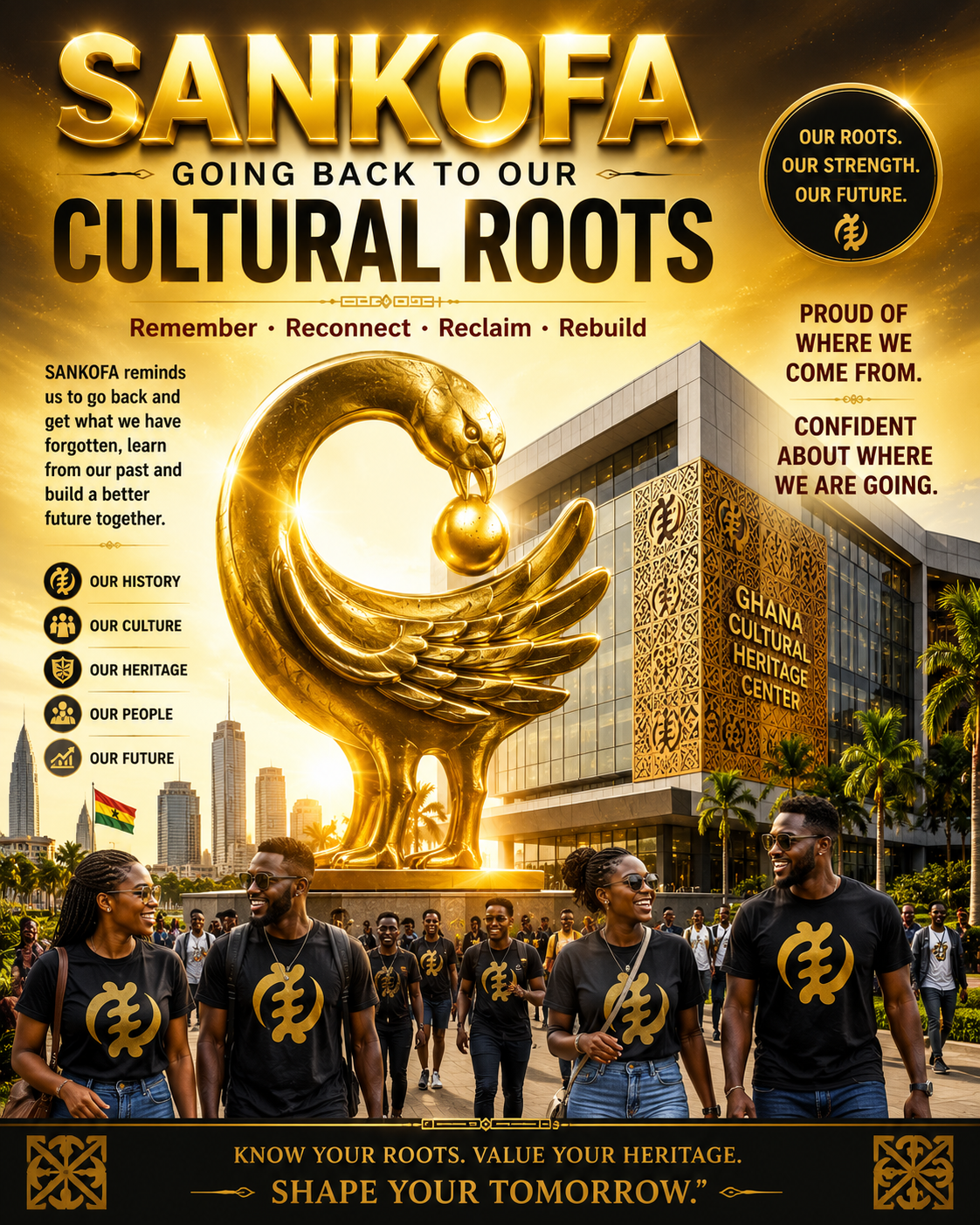
Ghana is a country with a rich and vibrant cultural heritage. Long before the arrival of Europeans, the people who inhabited the territory now known as Ghana had developed sophisticated political syst
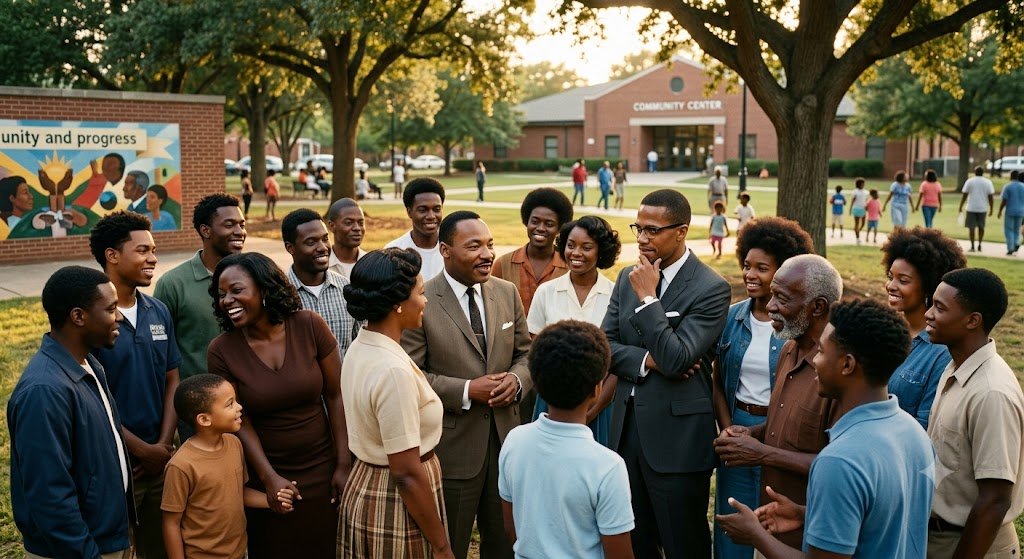
What Is Juneteenth? Juneteenth National Independence Day, celebrated annually on June 19, commemorates the end of slavery in the United States. The holiday marks June 19, 1865, when Union troops arri
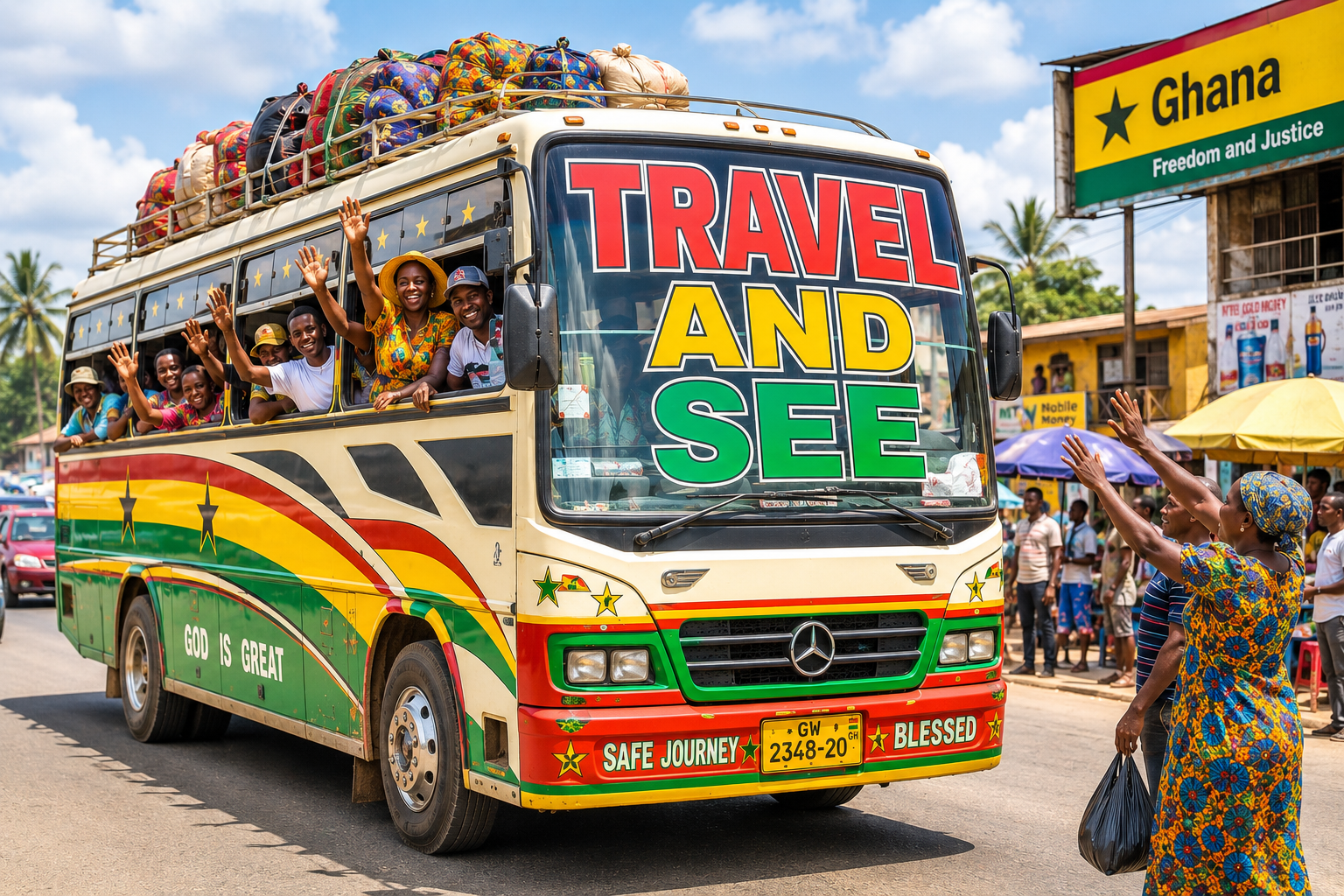
A Popular Ghanaian Vehicle Inscription Ghanaian commercial vehicles are often adorned with colorful inscriptions that convey wisdom, faith, humor, and life lessons. One common inscription seen on veh
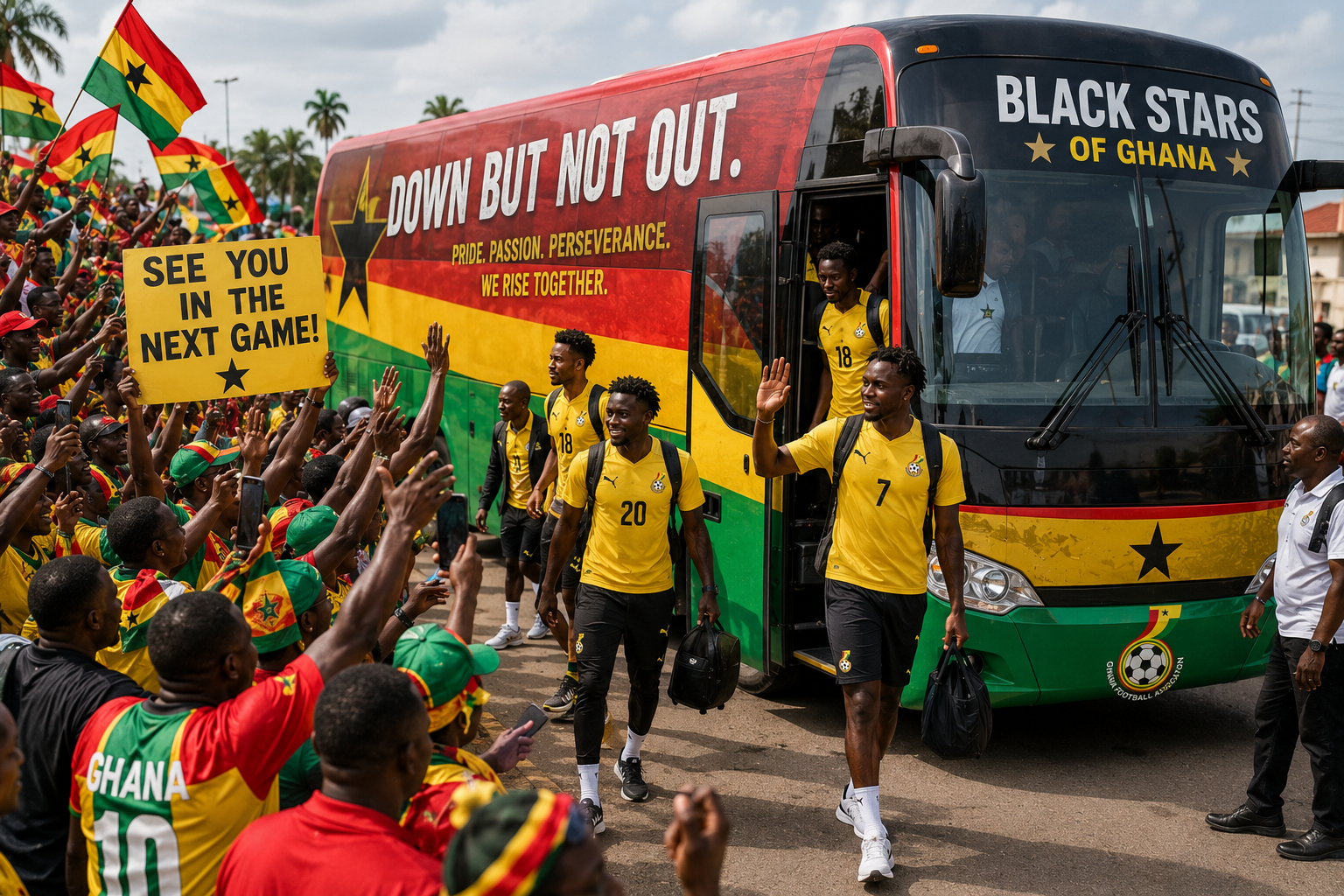
A Disappointing Result Today, June 27, 2026, Ghana's Black Stars faced Croatia in a crucial World Cup match. Across Ghana and among Ghanaians living abroad, millions of passionate supporters rallied
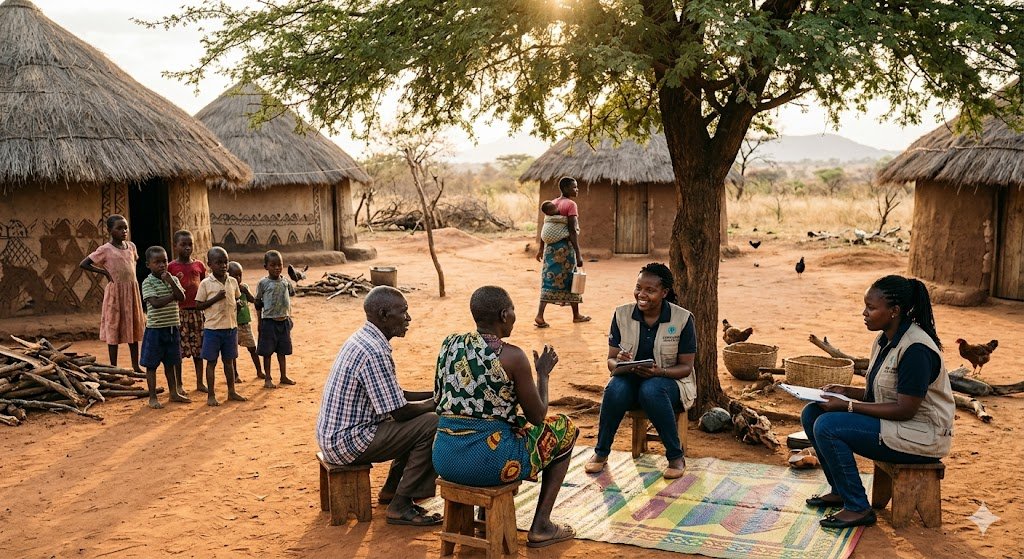
Introduction In today's world, research has become an important part of national development. Governments, universities, hospitals, non-governmental organizations (NGOs), and international agencies r
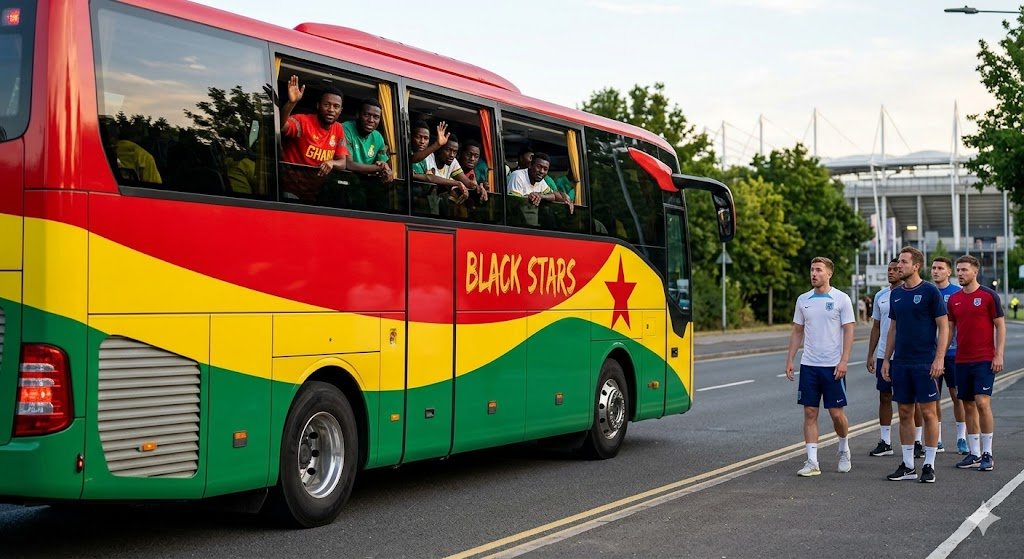
A Lesson in Humility On June 23, 2026, football fans around the world witnessed a result that few pundits predicted. The Ghana Black Stars, representing a nation once colonized by Britain, battled co
In traditional Ghanaian society, old age is not merely a biological stage of life; it is a position of honor, wisdom, and social responsibility. Elderly men and women occupy a special place within fam
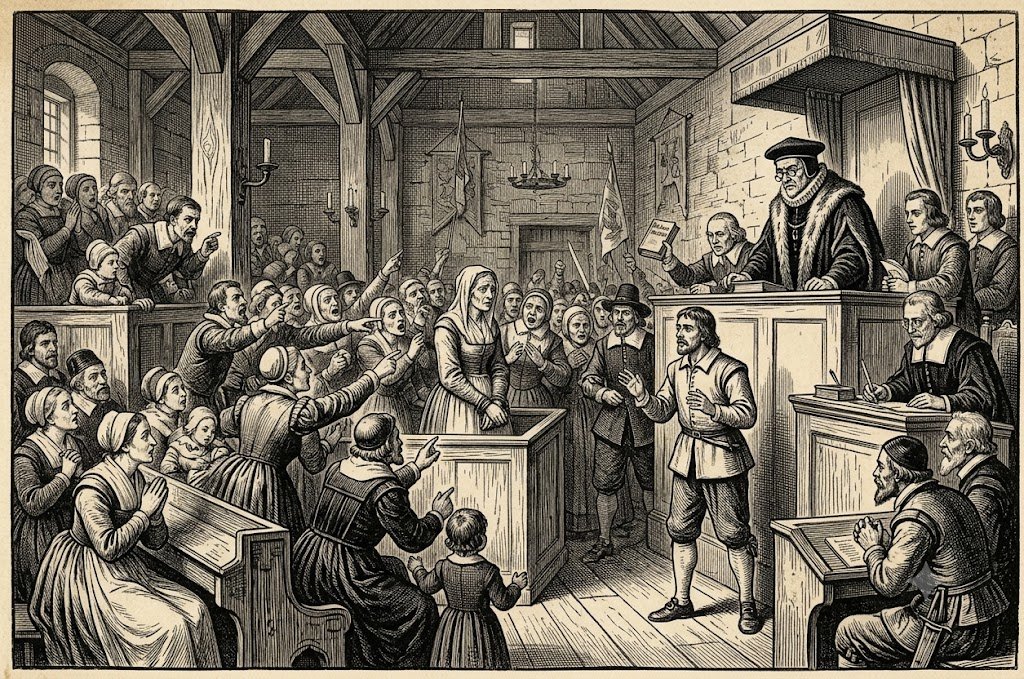
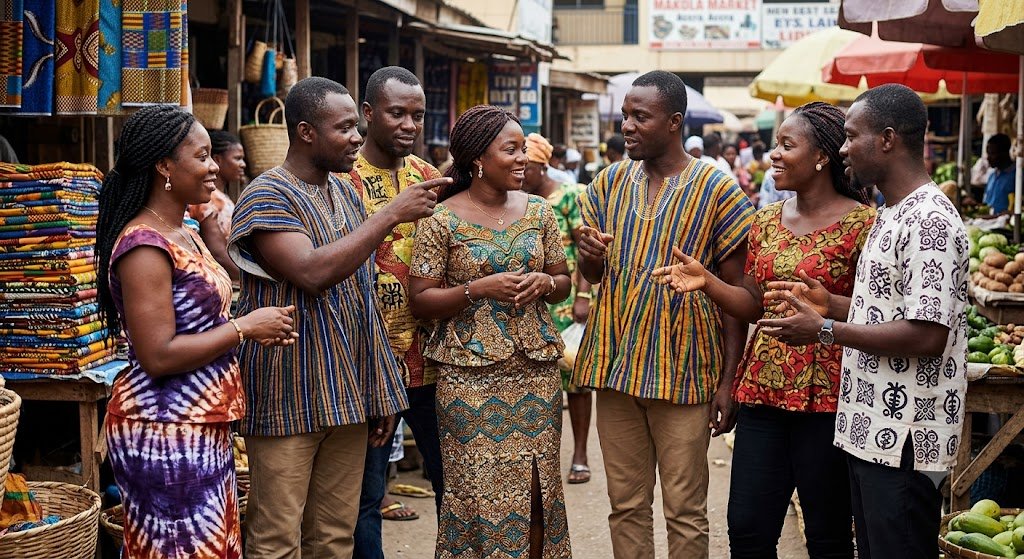
multilingualism, language
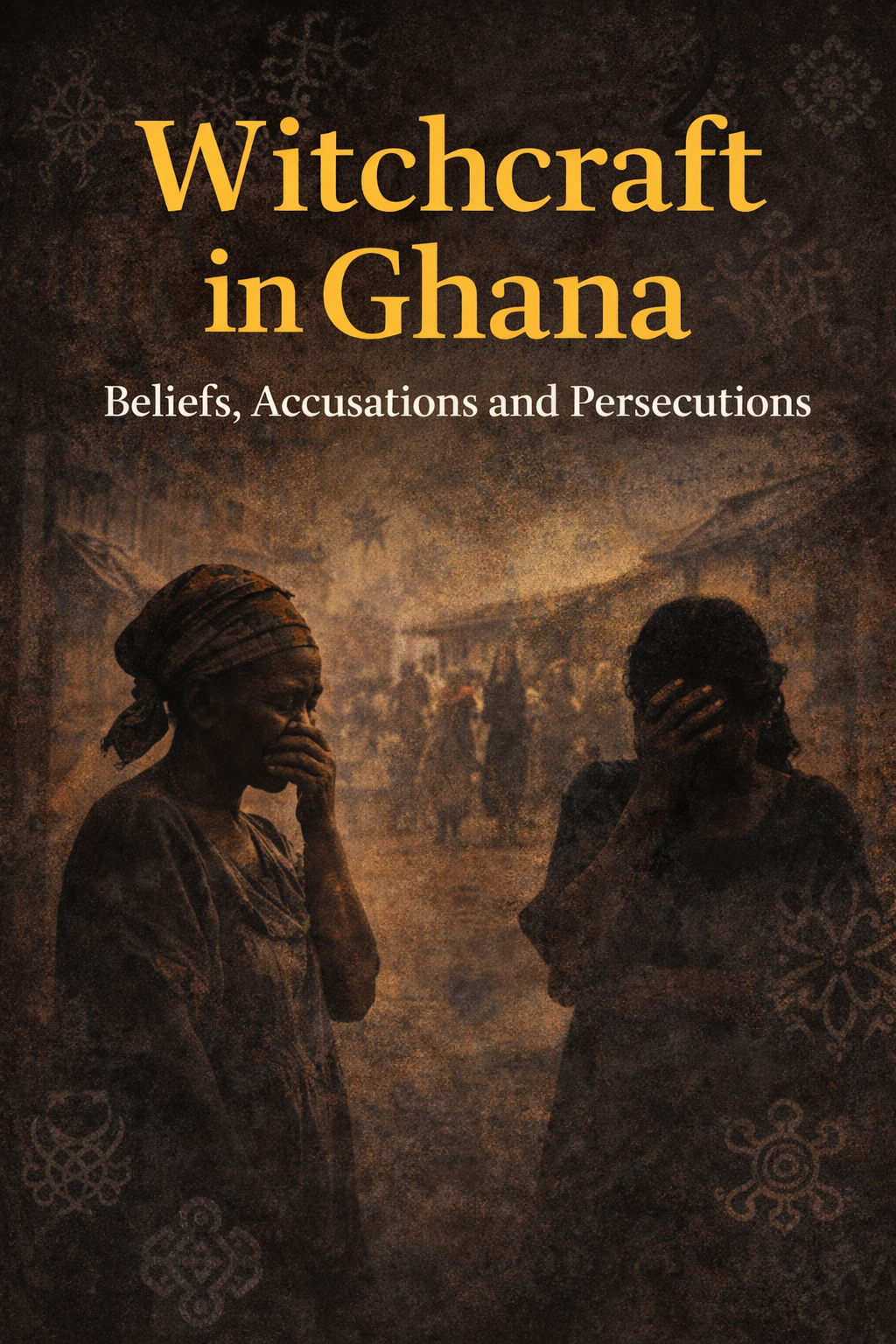
Understanding One of Ghana’s Most Enduring Social Questions Research on witchcraft in Ghana spans nearly a century and reflects the country’s continuing struggle to understand belief, accusation, fea
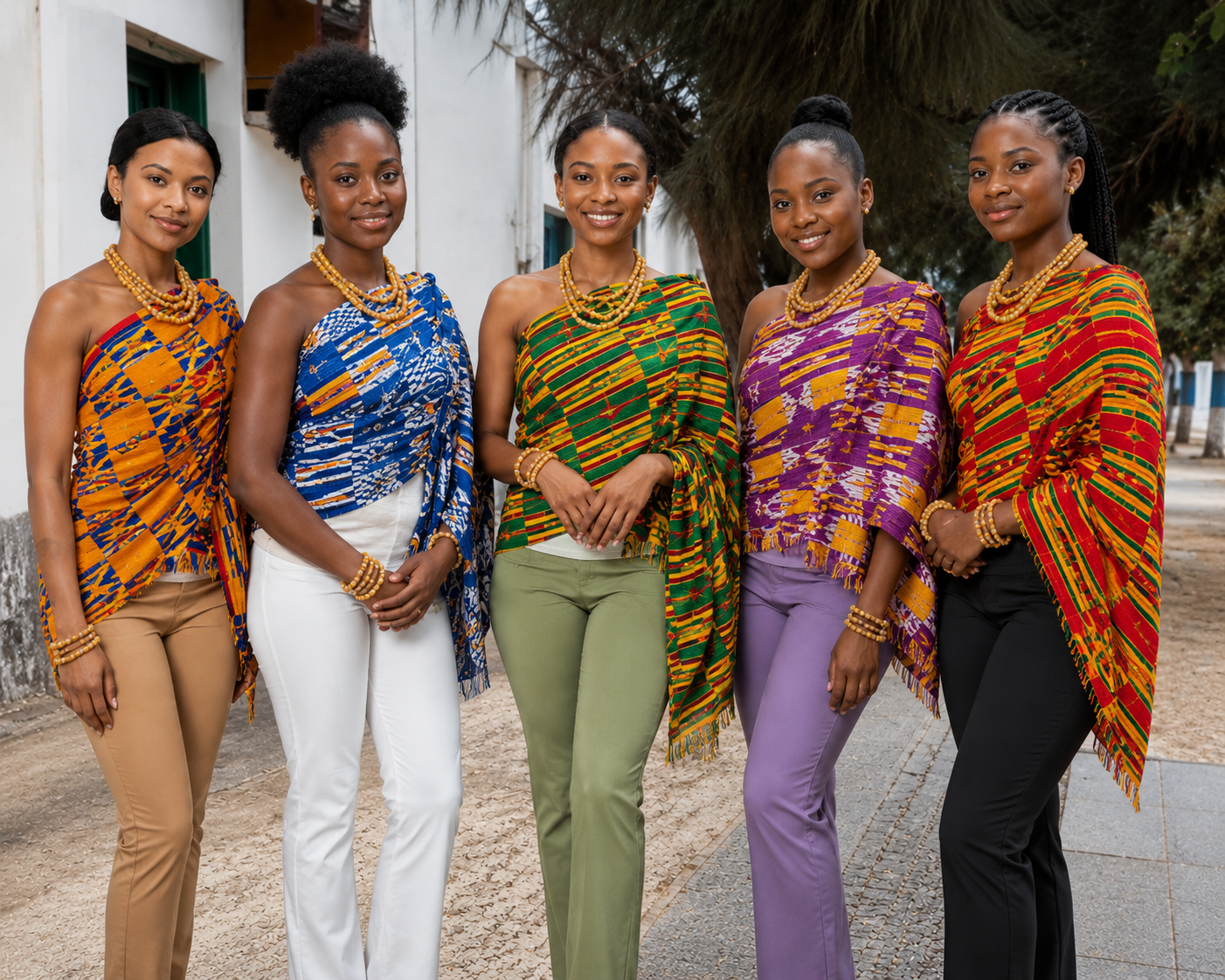
For centuries, Ghana has stood at the crossroads of global cultural encounters. Long before the modern era of globalization, the land now called Ghana was already a bustling center of trade and intera
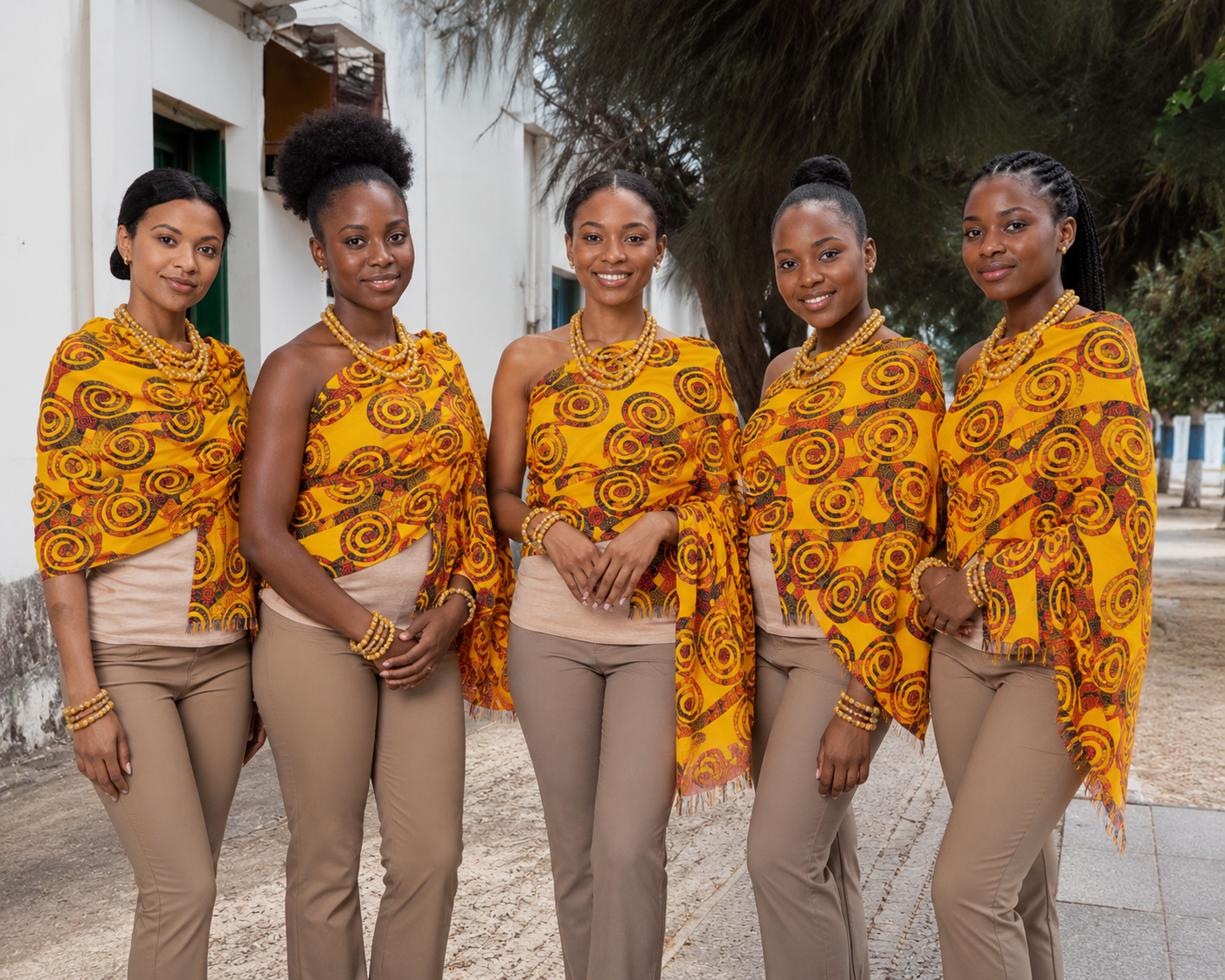
The Volta Region of Ghana Location and Geography The Volta Region is one of the most culturally rich and geographically diverse regions of Ghana. Located in the eastern part of the country, it share
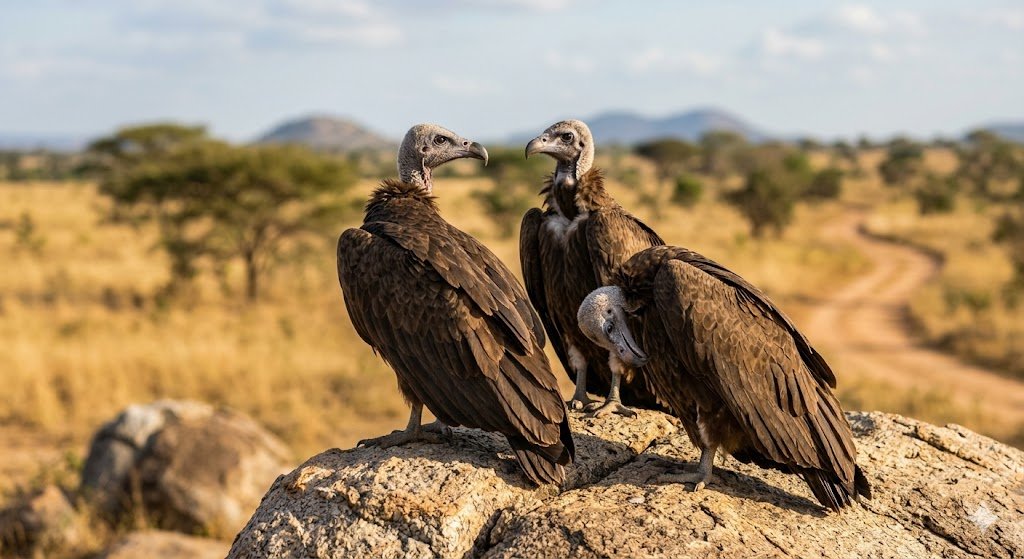
Vultures Were A Once Familiar Presence in Ghana’s Skies About fifty years ago, vultures were a common sight across Ghana. One could hardly walk a short distance without encountering them. They perche

When historians discuss the global spread of football, the story is often told through familiar names and places: English schools, British sailors, South American ports, and European clubs. Yet hidden
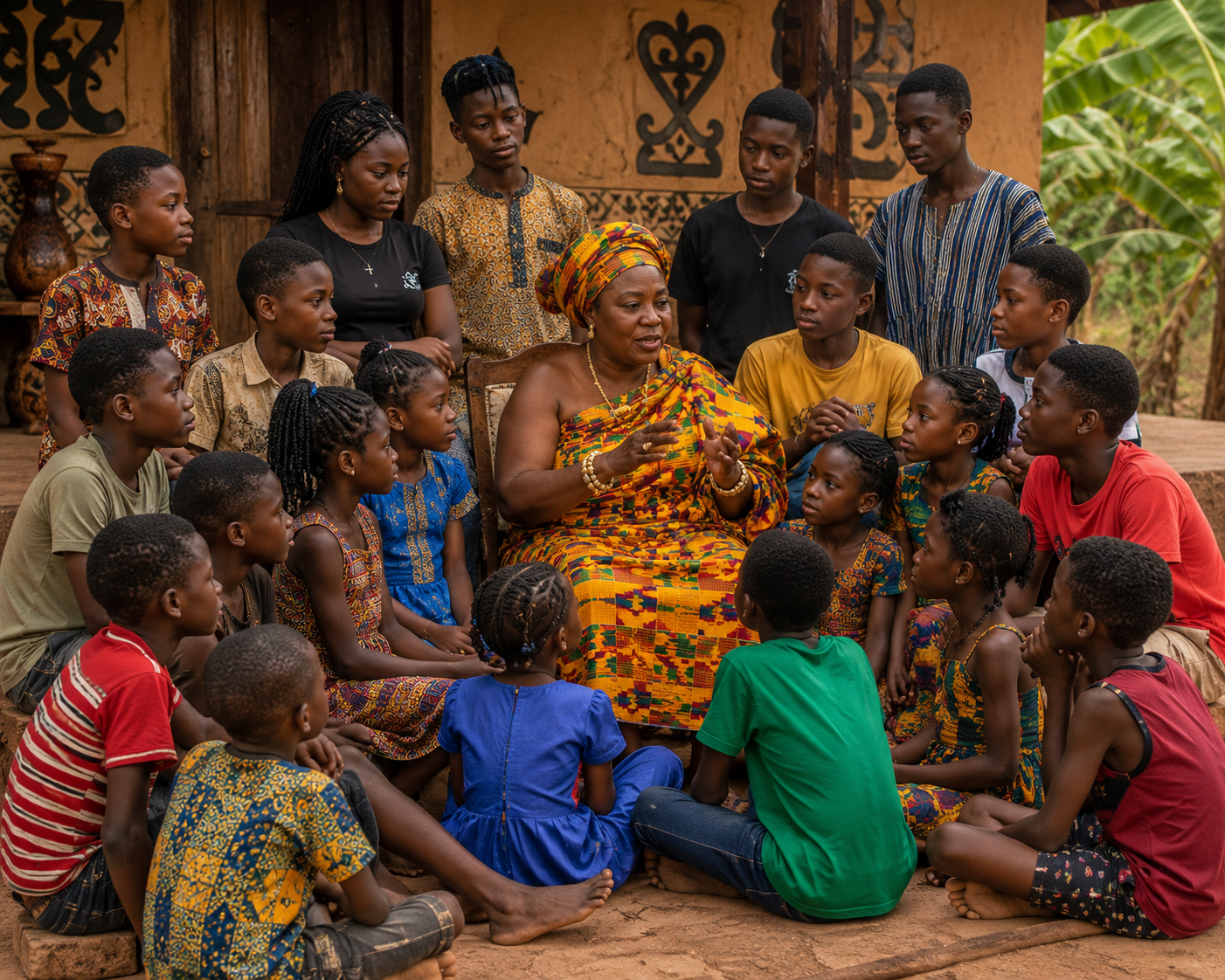
A Mother with Sixteen Children to Raise Growing up in Ghana in the 1970s, my mother taught her eight biological children and eight non-biological children the enduring virtues of self-reliance, hard work, and personal dignity. She was a woman of uncommon wisdom who believed that excessive dependence
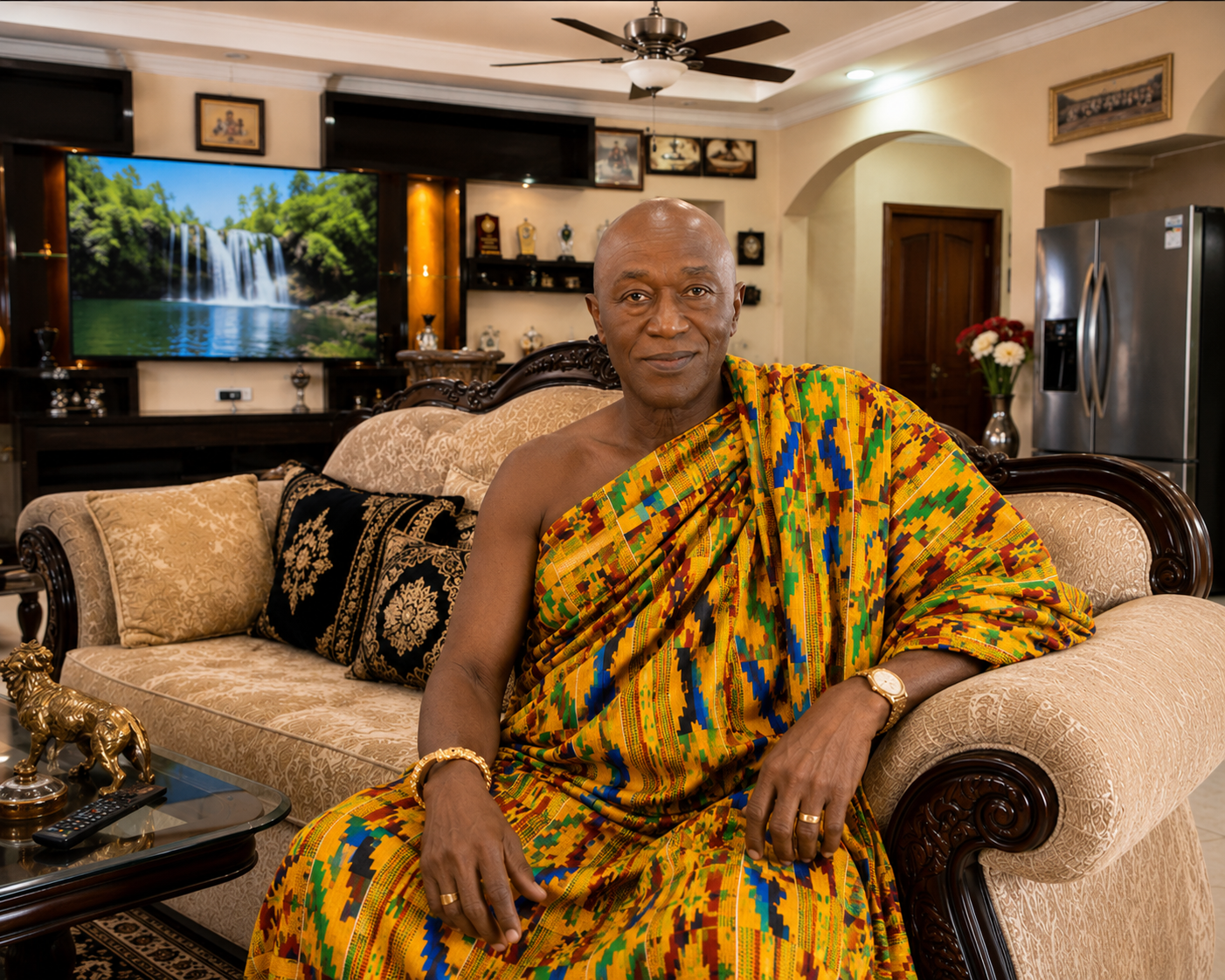
Mr. Albert Kwabena Dwamena is a distinguished and widely respected businessman from Nkwatia in the Kwahu enclave. Though originally from Nkwatia, he was raised in Nkawkaw, where he also began his early education at the elementary level. His academic journey took him through two notable institutions—

The story of Ghana’s “Dream Team” is not merely a sporting tale; it is a generational narrative—one that reflects continuity, discipline, and the organic evolution of talent within Ghanaian football. Though the phrase “Dream Team” is more commonly associated with Olympic squads, in Ghanaian discours
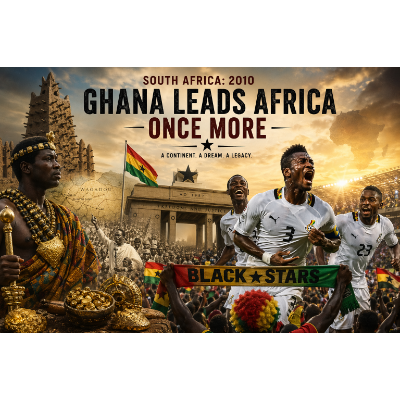
History is rarely linear. It moves in cycles—of rise, dispersal, memory, and resurgence. In July 2010, under the floodlights of Soccer City in Johannesburg, a moment unfolded that seemed to collapse centuries into ninety minutes (and then one hundred and twenty). Ghana’s Black Stars stood on the bri

Few infrastructure projects in the history of Ghana have had as profound an impact as the construction of the Akosombo Dam. Built in the early years of Ghana’s independence, the project symbolized the ambitious development vision of the country’s first president, Kwame Nkrumah, who believed that ind
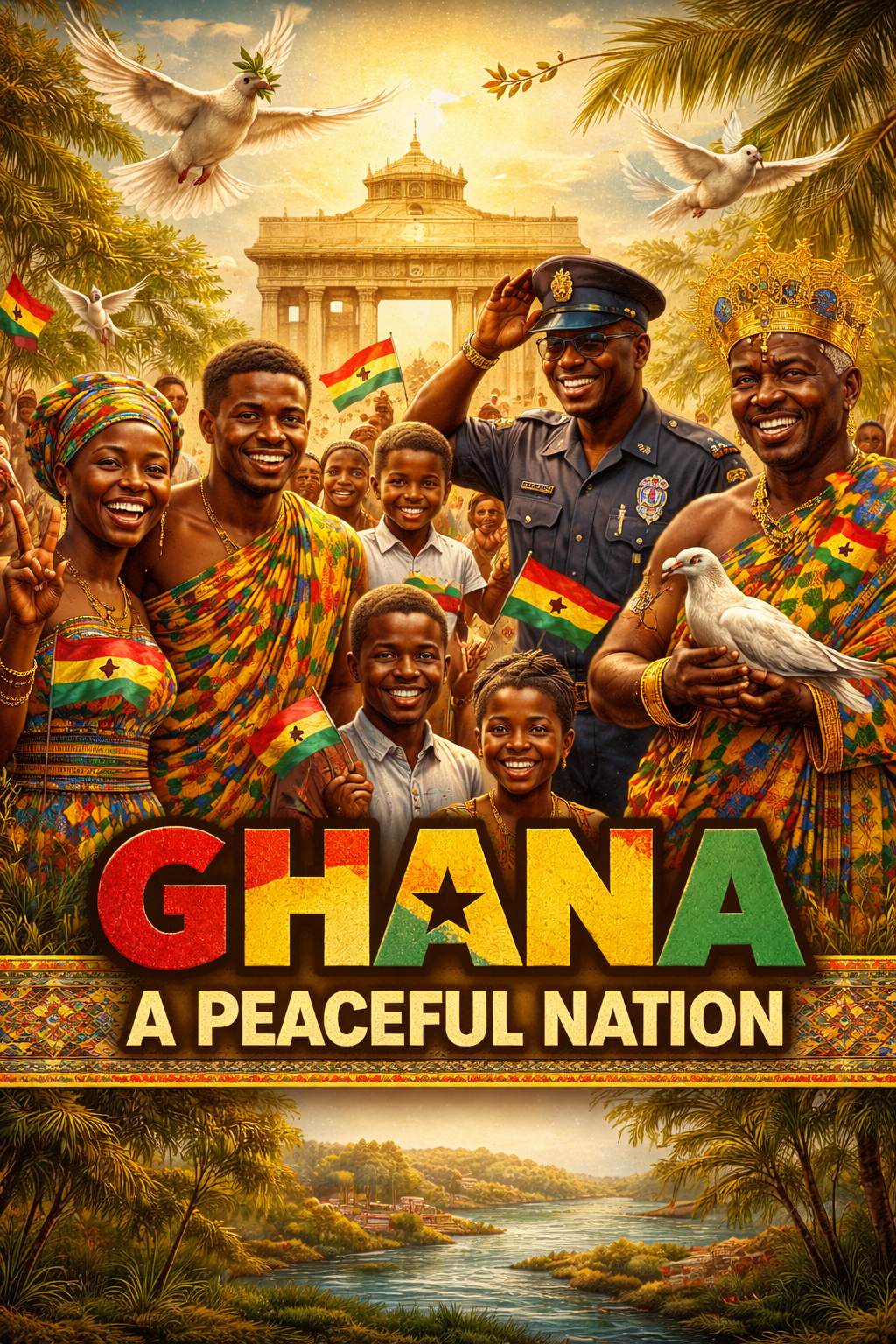
A Nation Defined by Peace In a region and continent that have, at various historical moments, been scarred by conflict and instability, Ghana stands out as a compelling example of relative peace. Since gaining independence in 1957, the country has largely avoided the large-scale civil wars that have

Introduction: A Name That Became a Symbol In the sociological imagination of the Gold Coast—what is today Ghana—names are never merely labels; they are identities, narratives, and sometimes prophecies. The name Abedi Pele transcends the ordinary. It is a fusion of biography, mythmaking, and cultural
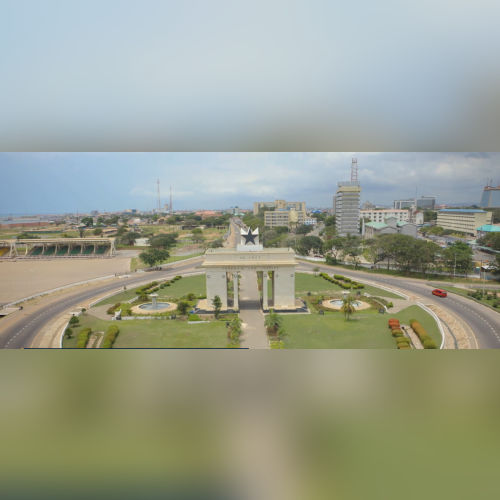
When the Gold Coast achieved independence on March 6, 1957, becoming Ghana, the event generated immense public excitement and hope. For millions of Ghanaians, independence was not merely a constitutional change—it represented the promise of economic prosperity, political empowerment, social transfor
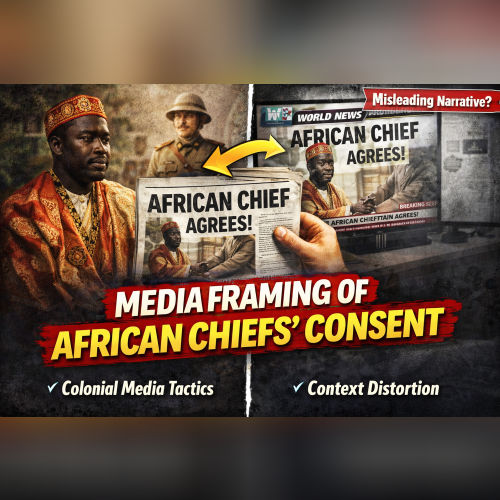
The concept of “chiefs’ consent” occupies a central place in the colonial history of the Gold Coast, present-day Ghana. Throughout the nineteenth and early twentieth centuries, colonial authorities frequently claimed that African chiefs willingly agreed to treaties, land concessions, and administrat

The growth of newspaper readership in the Gold Coast—modern-day Ghana—cannot be understood without examining the critical role played by nineteenth-century mission schools. These educational institutions, established by European Christian missions, were not only centers of religious instruction but

The history of slavery and abolition in the area now known as Ghana is deeply intertwined with global economic systems, imperial expansion, African political structures, and the emergence of print journalism as a powerful instrument of public opinion. From the fifteenth century through the nineteent
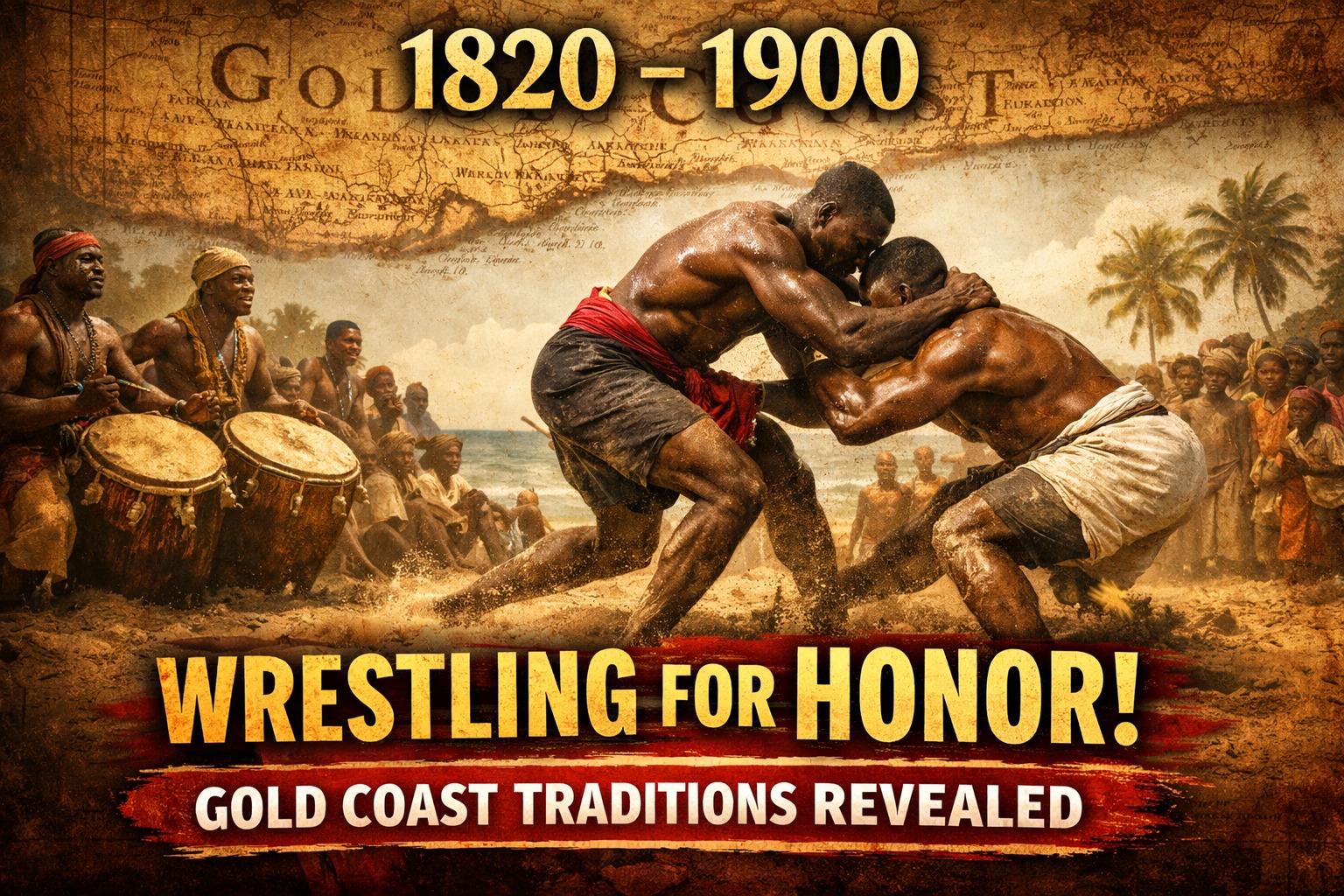
Long before colonial stadium lights and organised leagues, the sandy shores and village squares of the Gold Coast—today’s Ghana—were vibrant arenas where traditional wrestling was among the most respected cultural practices. From the early 19th century up to the turn of the 20th century, indigenous
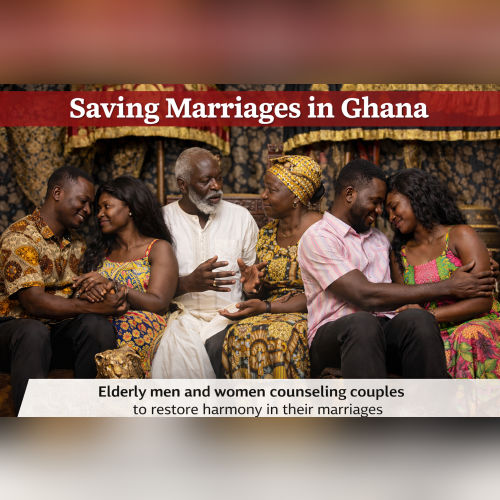
In the past, Ghanaian marriages endured. Separation was rare and divorce uncommon. Today, however, marriages are dissolving at an alarming rate. The critical question is this: what can be done to fortify marriages and restore their durability? Many of the challenges confronting contemporary marriage
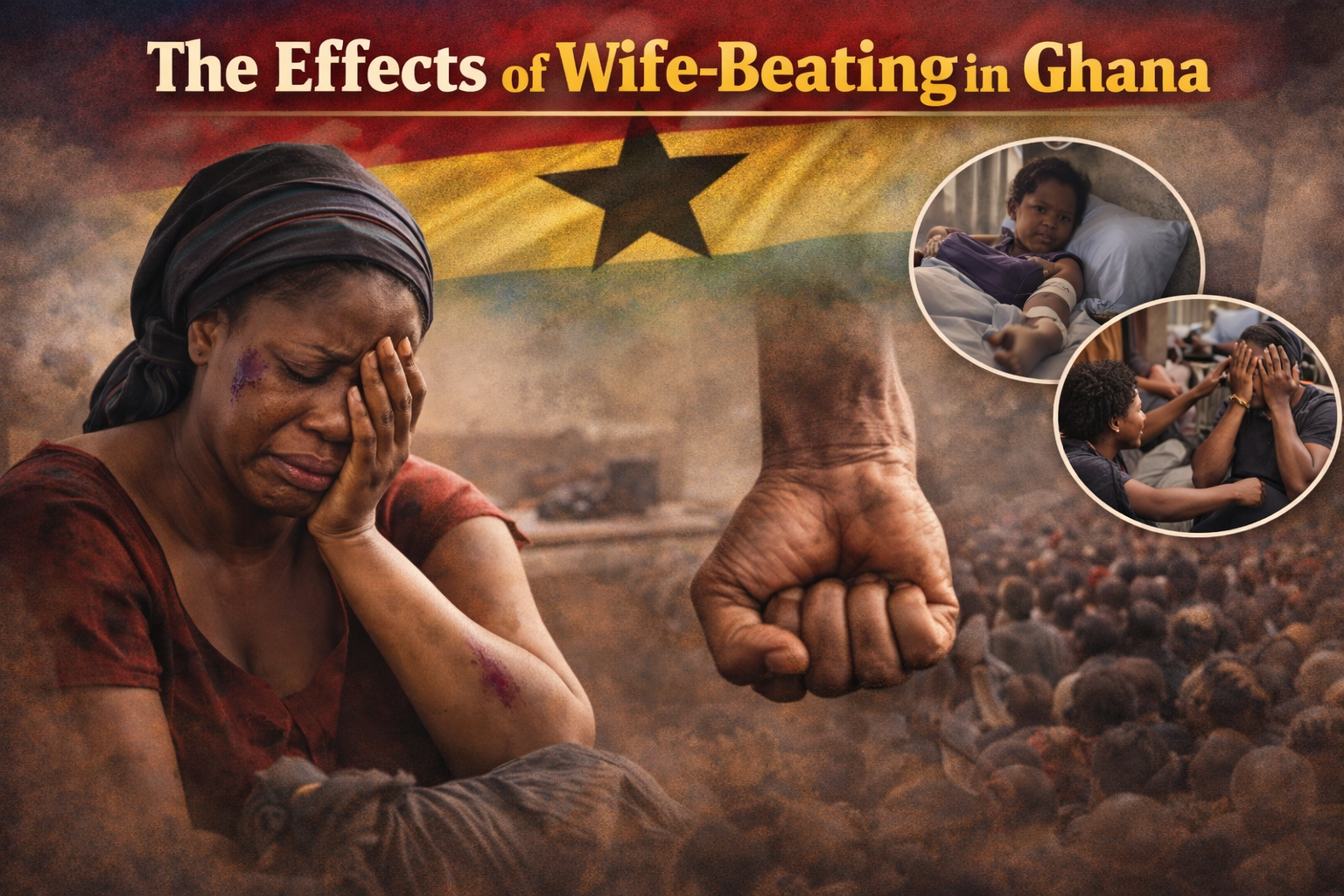
When Two Elephants Fight, the Earth Underneath Suffers Marriage is ideally meant to be a source of companionship, love, and emotional security between husband and wife. Yet in Ghana, as in many societies across the world, the promise of marital bliss is too often shattered by domestic violence, part
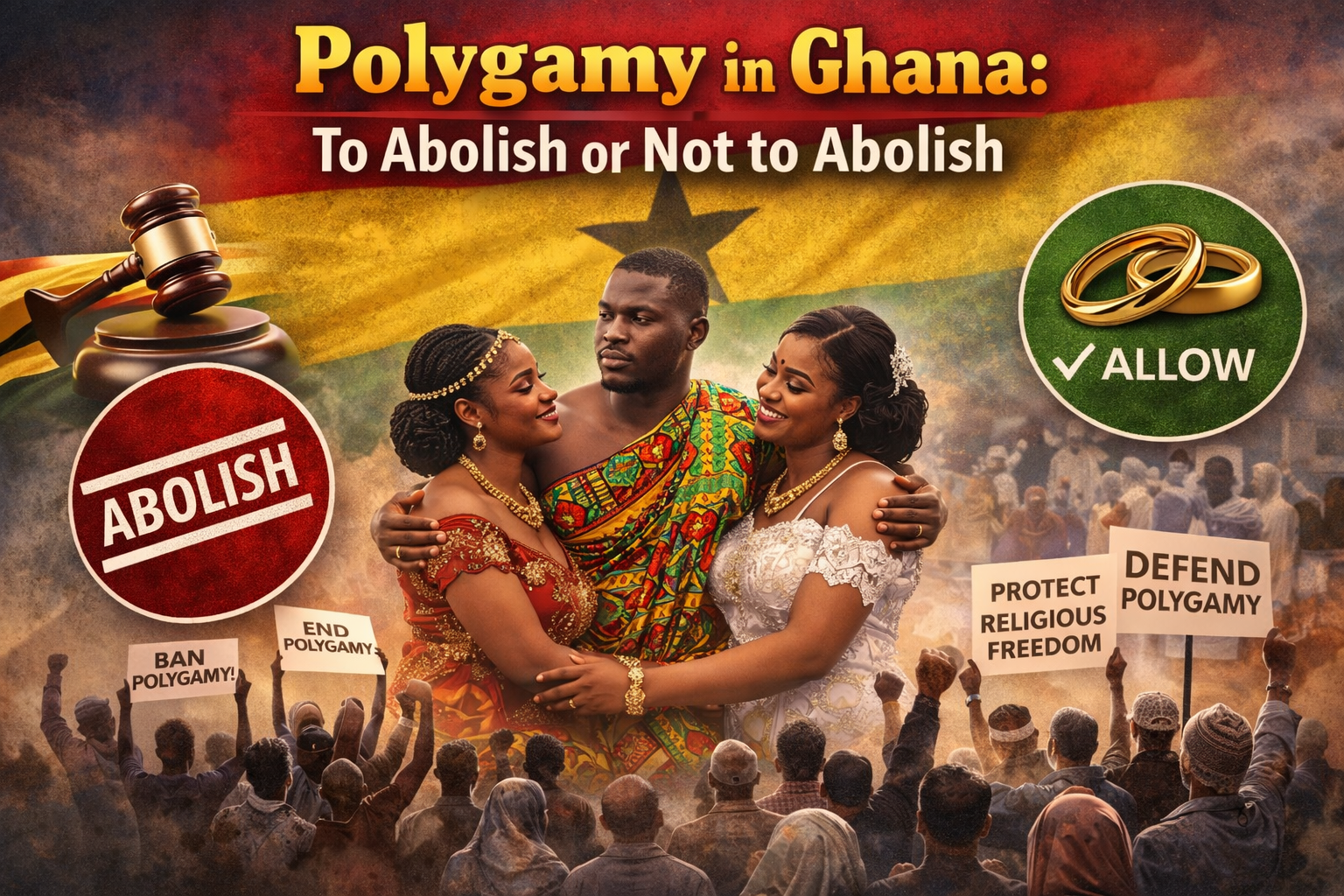
Polygamy refers to a marital arrangement in which a person is permitted to have two or more spouses at the same time. Although the term polygamy is often used loosely in everyday conversation, sociologists and anthropologists make important distinctions among its different forms. There are two main
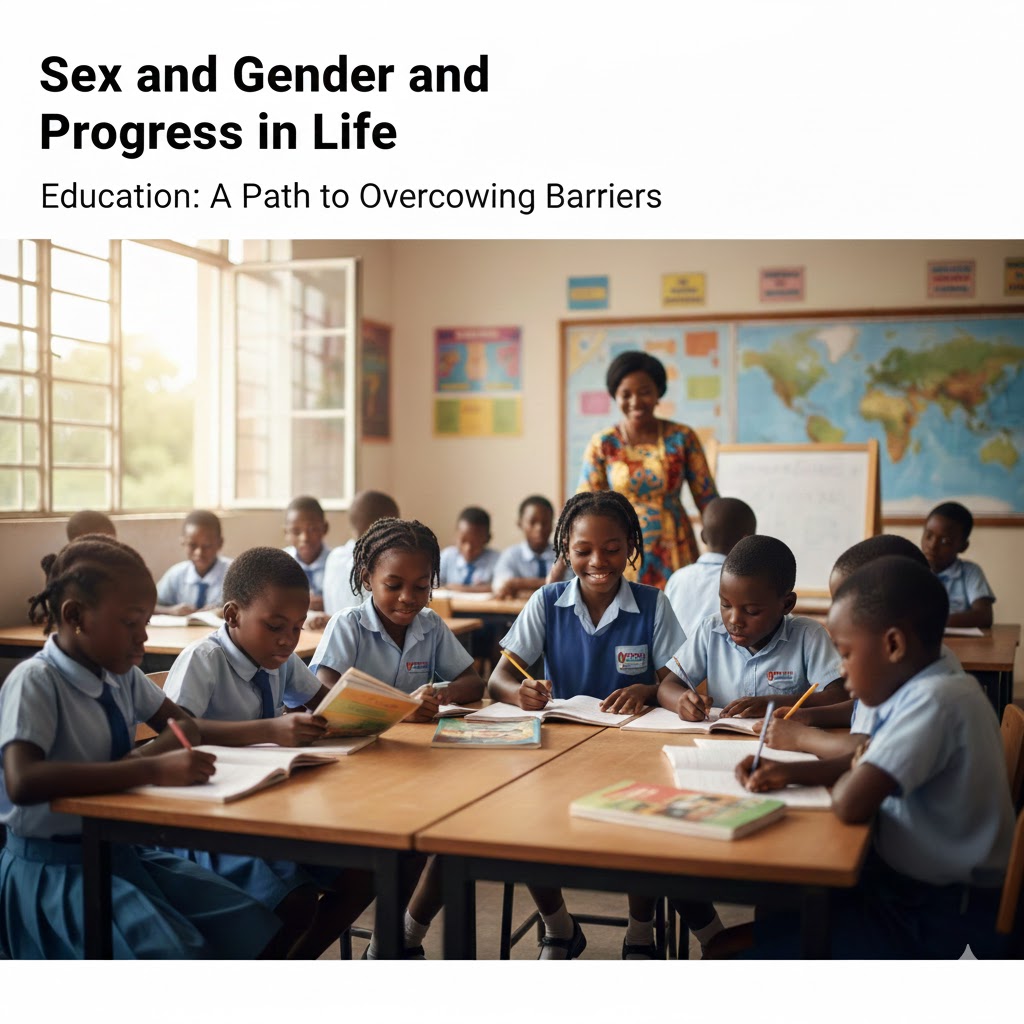
In every society, people occupy different positions called statuses. A status is simply the position a person holds in society. Throughout life, one person can have many statuses at the same time—for example, being a child, a parent, a worker, a student, or a citizen. Sociologists talk about two mai
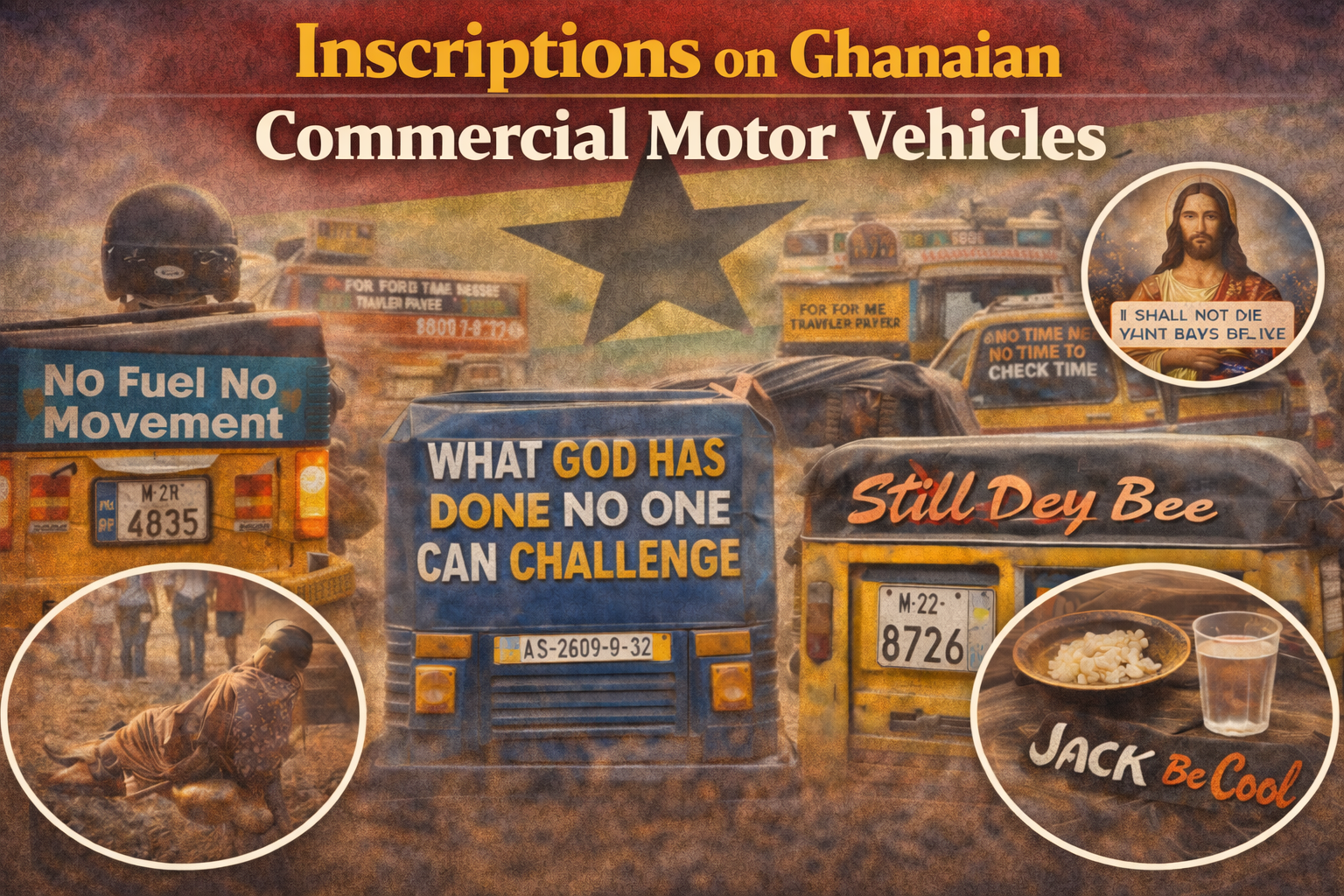
A visitor to Ghana will quickly notice something striking on the roads: commercial motor vehicles speak. Tro-tros, buses, taxis, and long-distance vehicles often carry inscriptions—short messages painted boldly on the body of the vehicle. These inscriptions may appear on the back of the vehicle, acr
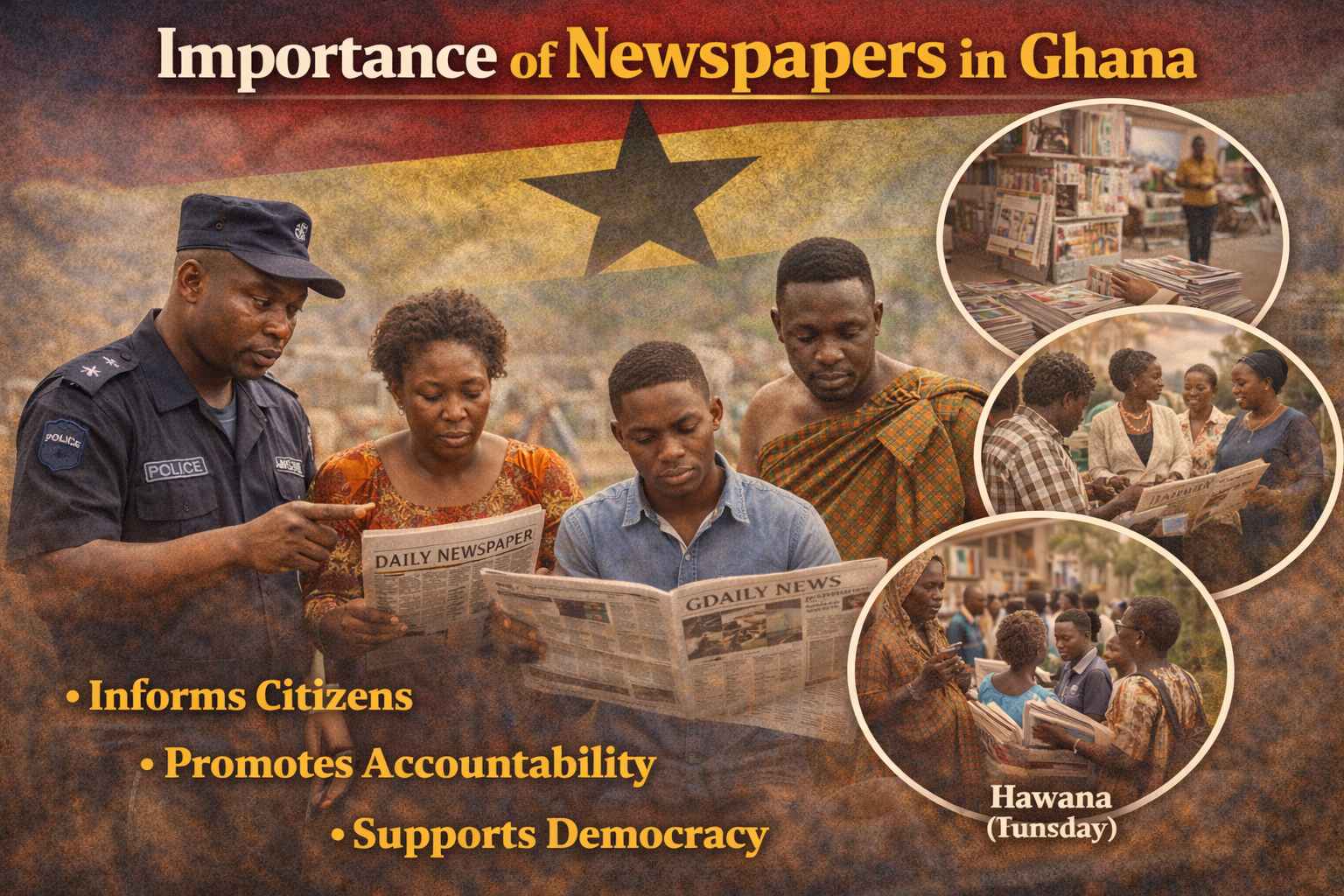
Newspapers occupy an important place in Ghanaian society. Long before the rise of social media and online news platforms, newspapers were the primary source of information for the public. Even today, despite digital competition, newspapers continue to serve critical social, political, educational, a
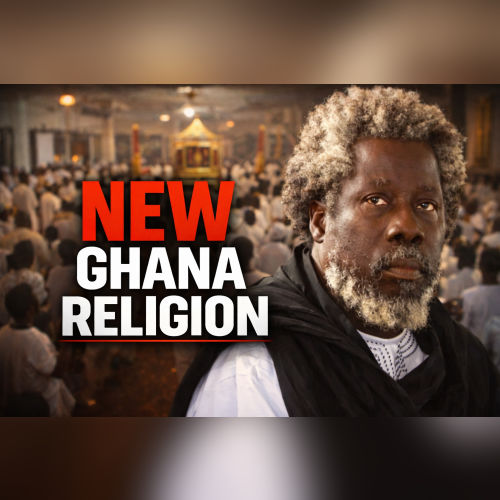
A new religious movement has emerged in Ghana known as Asomdwee Ntonton Som, a name that translates literally as “Peace and Exaltation Religion.” Ghana is a deeply multireligious society, long accustomed to religious plurality. Christianity—represented by historic denominations such as Catholic, Pre
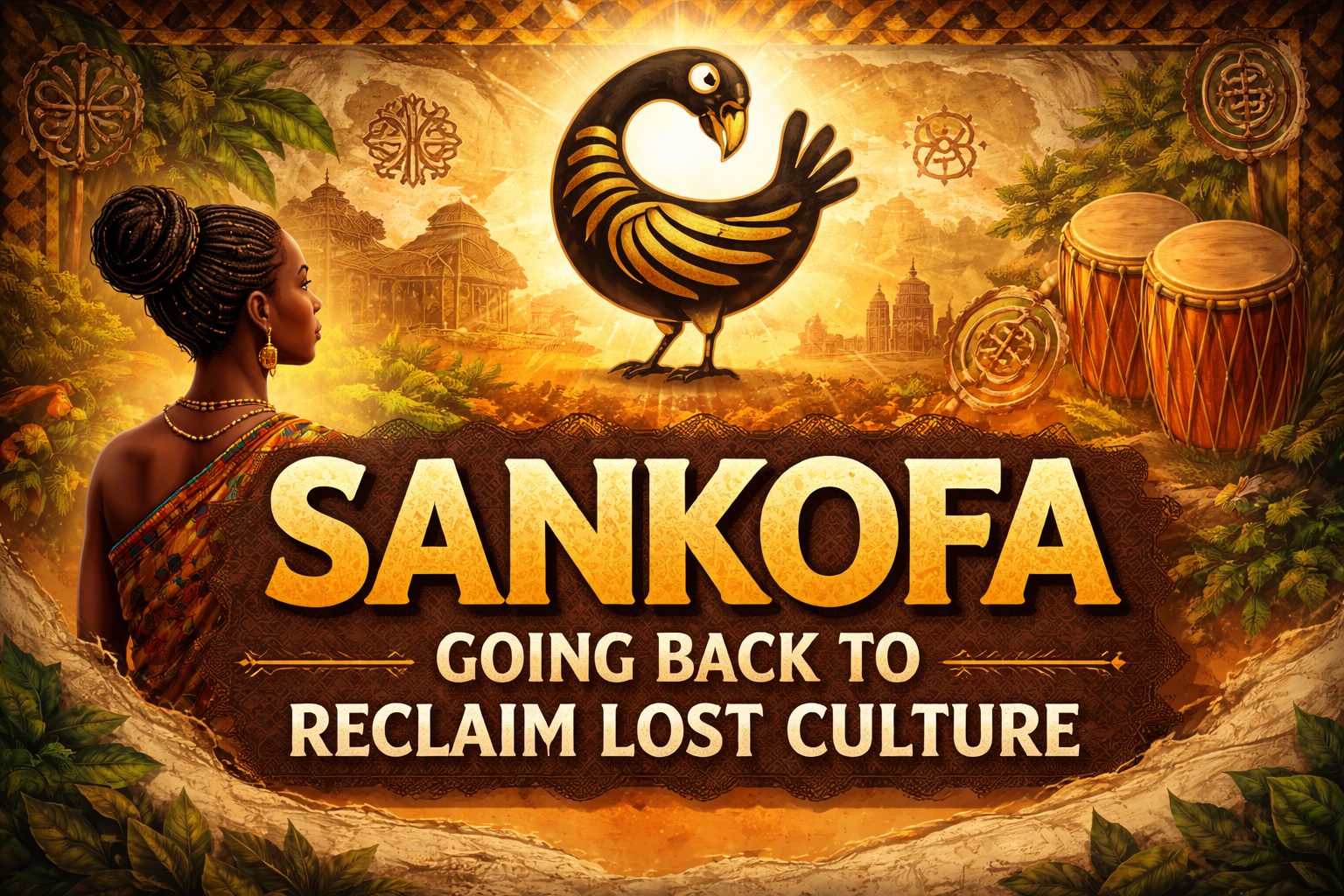
Culture refers to the total way of life of a people. It encompasses both material and non-material elements. Material culture consists of tangible aspects that can be seen and touched, such as cooking practices, eating utensils, earthenware, palanquins, drums, and idiophones. Non-material culture, b
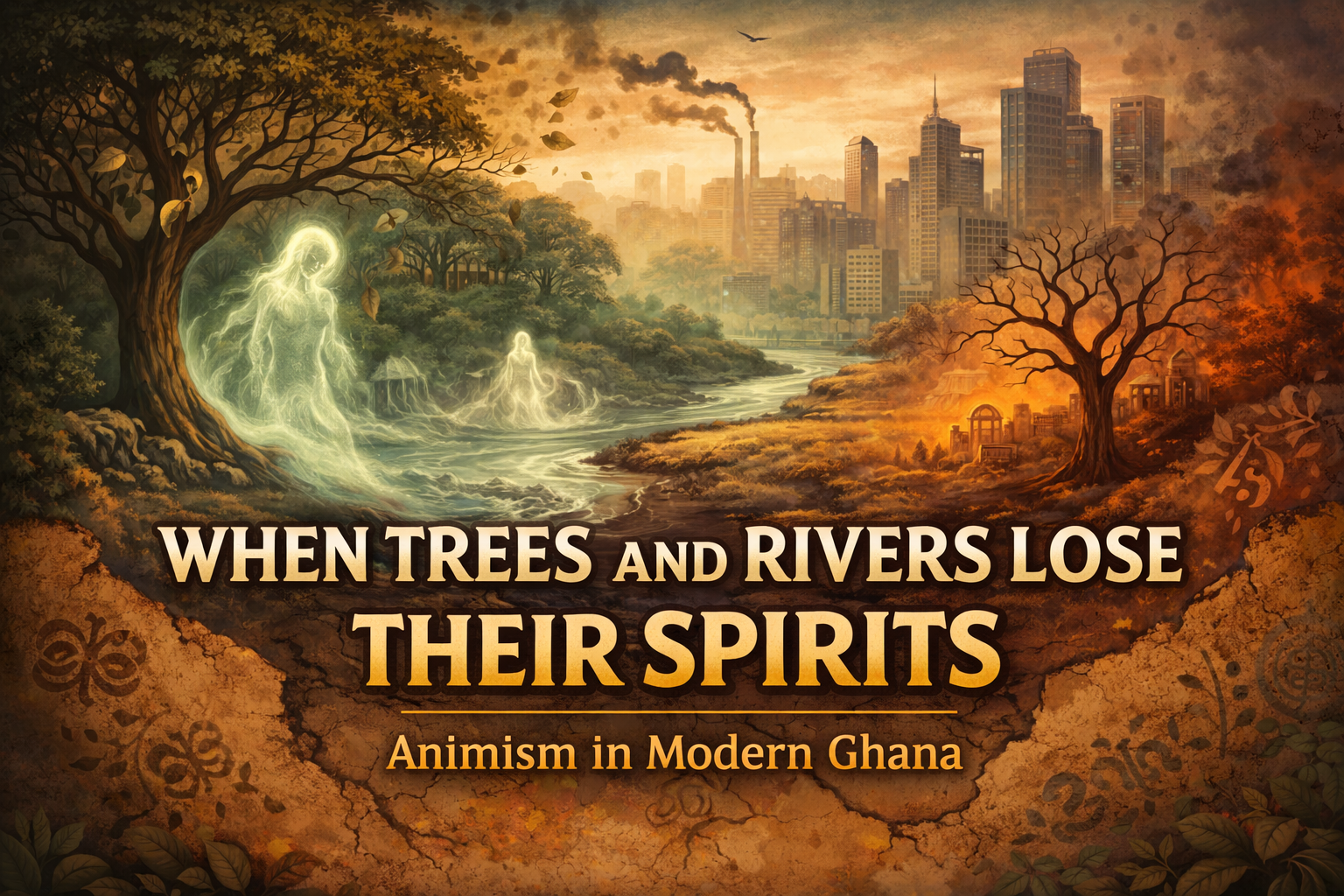
Animism is the belief that the environment and society are populated with spirits. Many Ghanaians hold animistic beliefs, maintaining that their surroundings are inhabited by spiritual beings. Some of these spirits are believed to be benevolent, while others are considered malevolent. Animistic beli
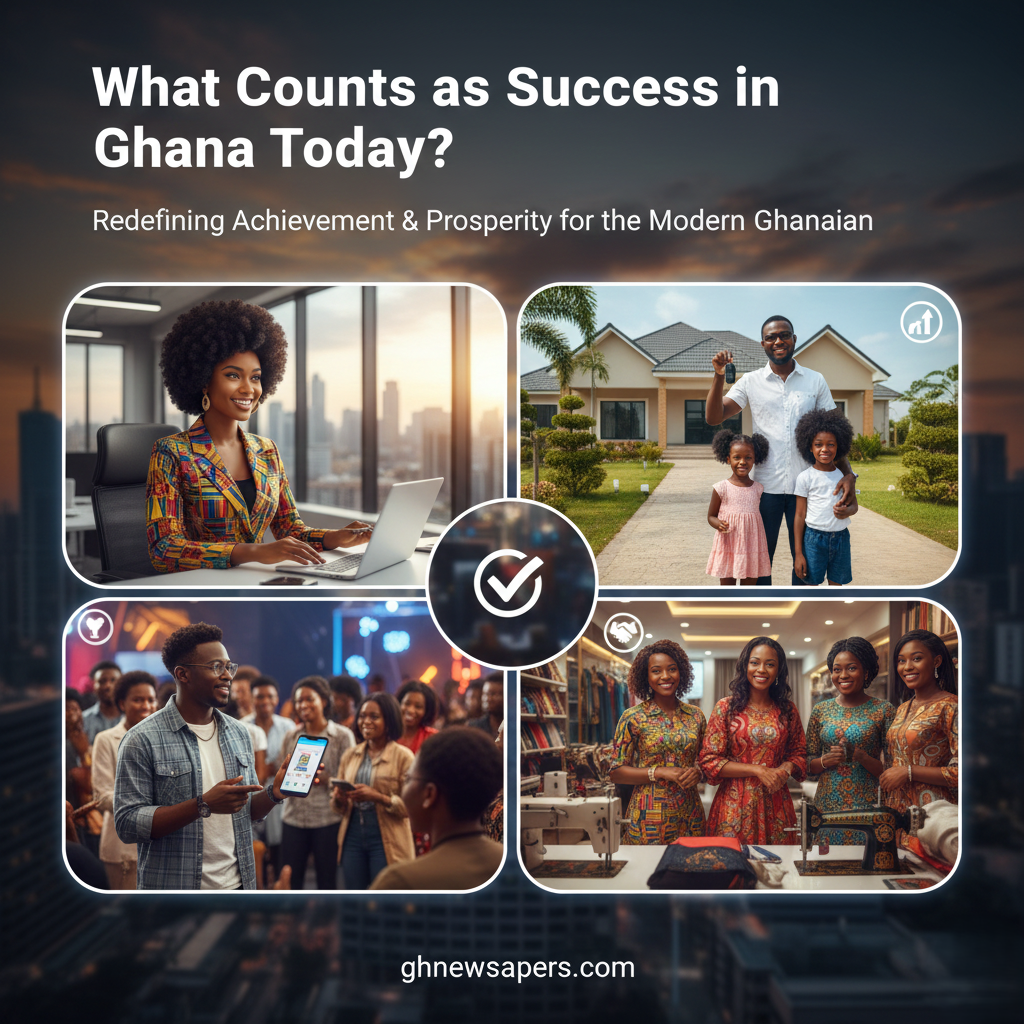
In Ghana, success is loudly celebrated, quietly envied, and endlessly debated. Yet, beneath the noise of social media displays, church testimonies, political slogans, and family expectations lies a deeper question we rarely pause to ask ourselves honestly: what does success truly mean to you? Not to
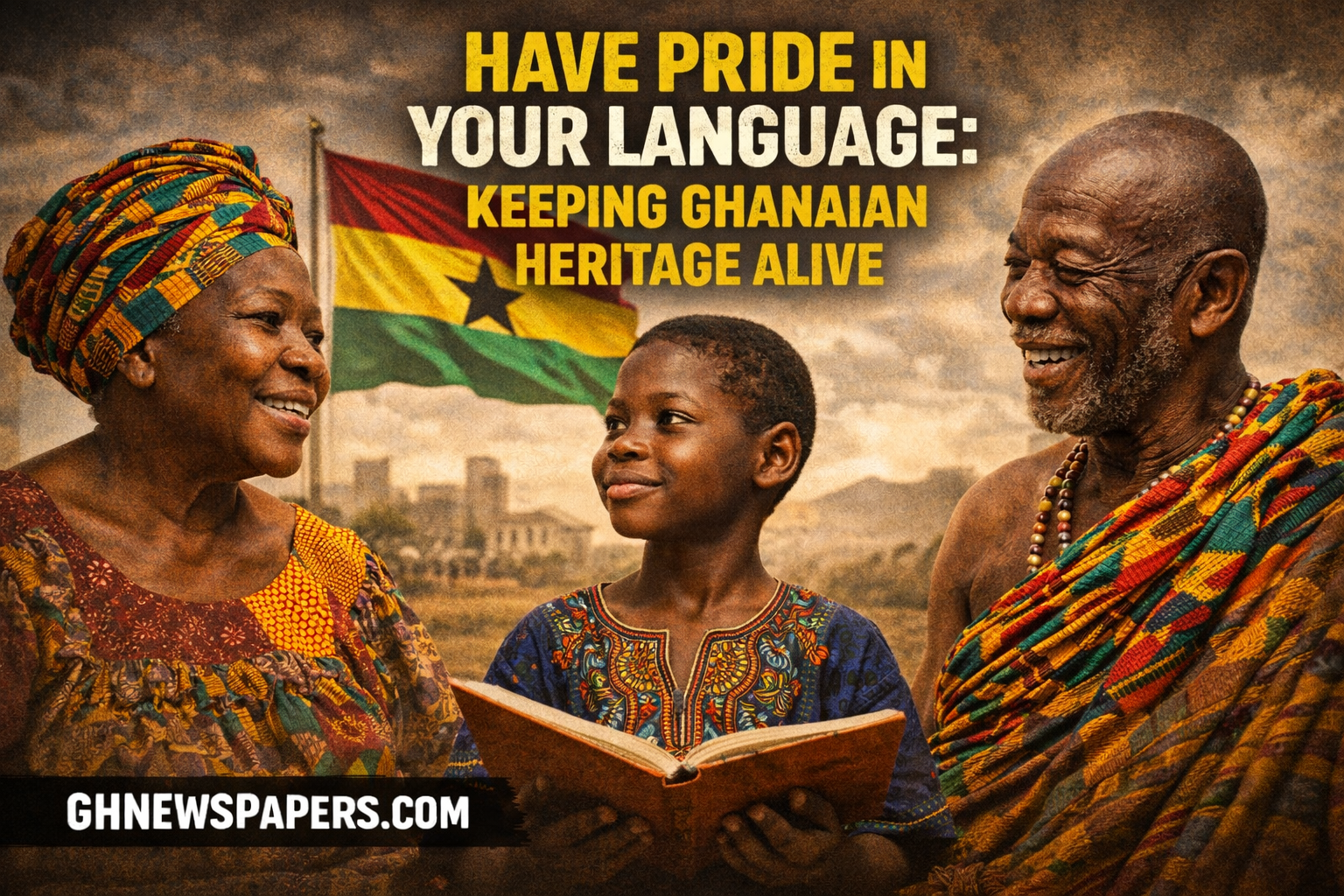
In Ghana today, many parents encourage their children to speak English, sometimes at the expense of local languages. This trend is common not only in Ghana but also among Ghanaian families living abroad. While parents may believe that prioritizing English will make their children academically bright
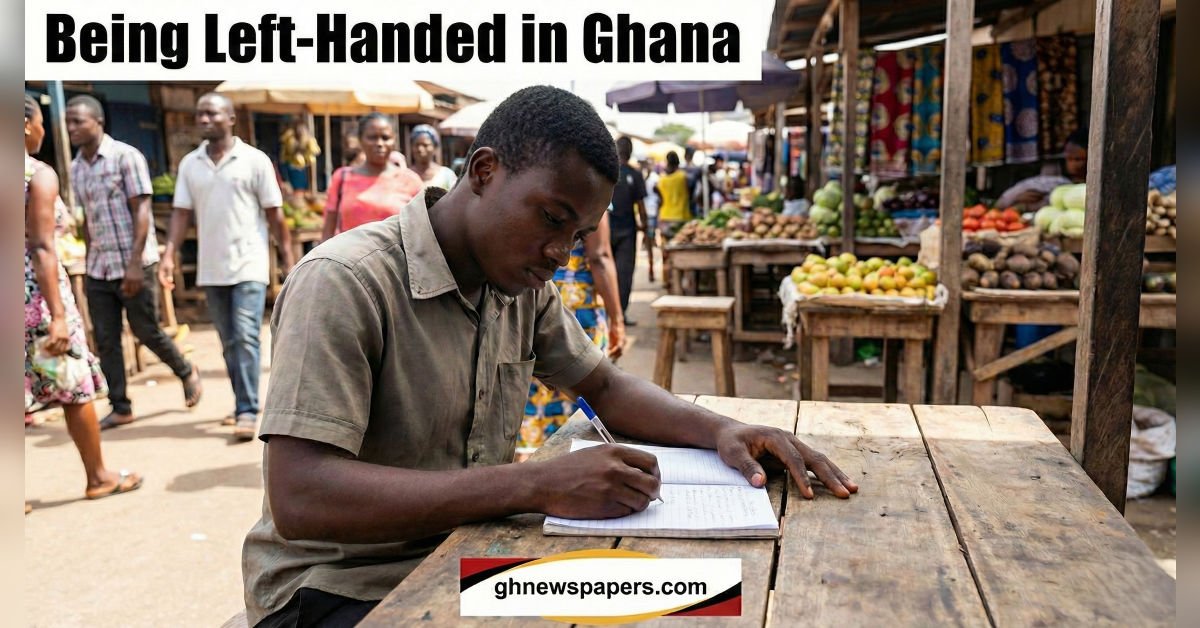
Every society has norms, which are rules that guide behavior. One important norm in Ghana concerns the use of the left hand in social interactions. Traditionally in Ghana, using the left hand in social interactions can be problematic. Giving something to someone or receiving something with the left
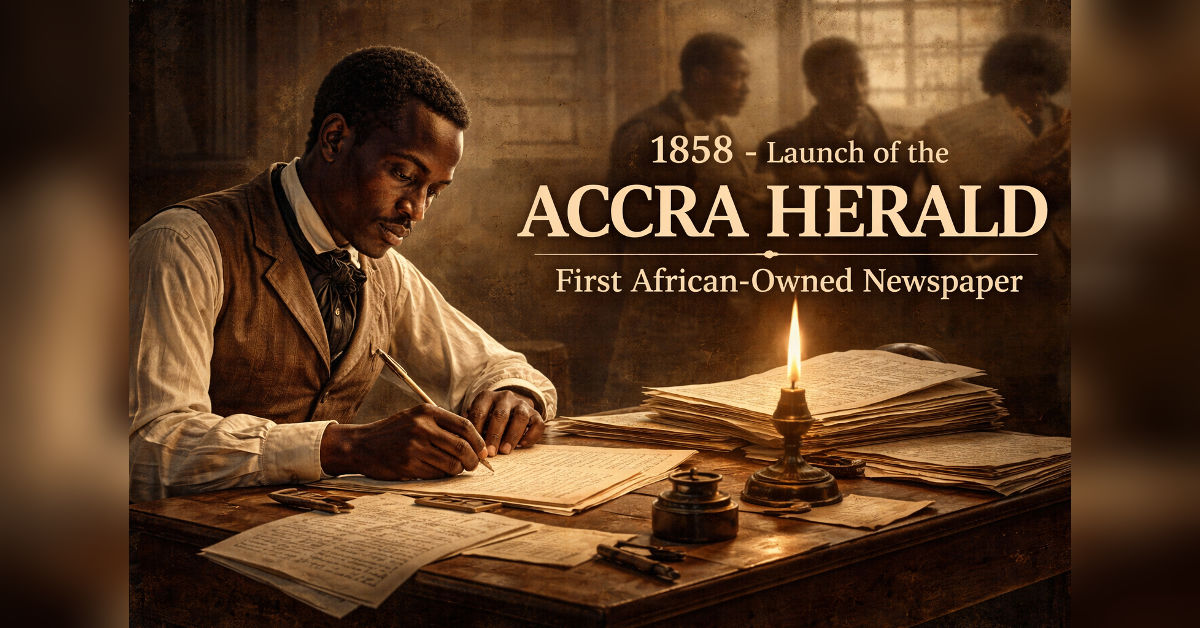
In 1858, Charles Bannerman — the son of a British lieutenant governor and an Asante princess — founded the Accra Herald, recognized as the first African-produced newspaper in West Africa. Unlike the colonial-run press, this handwritten paper reached primarily African readers, circulating among some

Few technological developments have reshaped Ghana as profoundly as the Advancement of communication technology. From the first telegraph lines laid by colonial authorities to today’s smartphones and internet-driven economy, communication has changed how Ghanaians trade, govern, organize, and connec
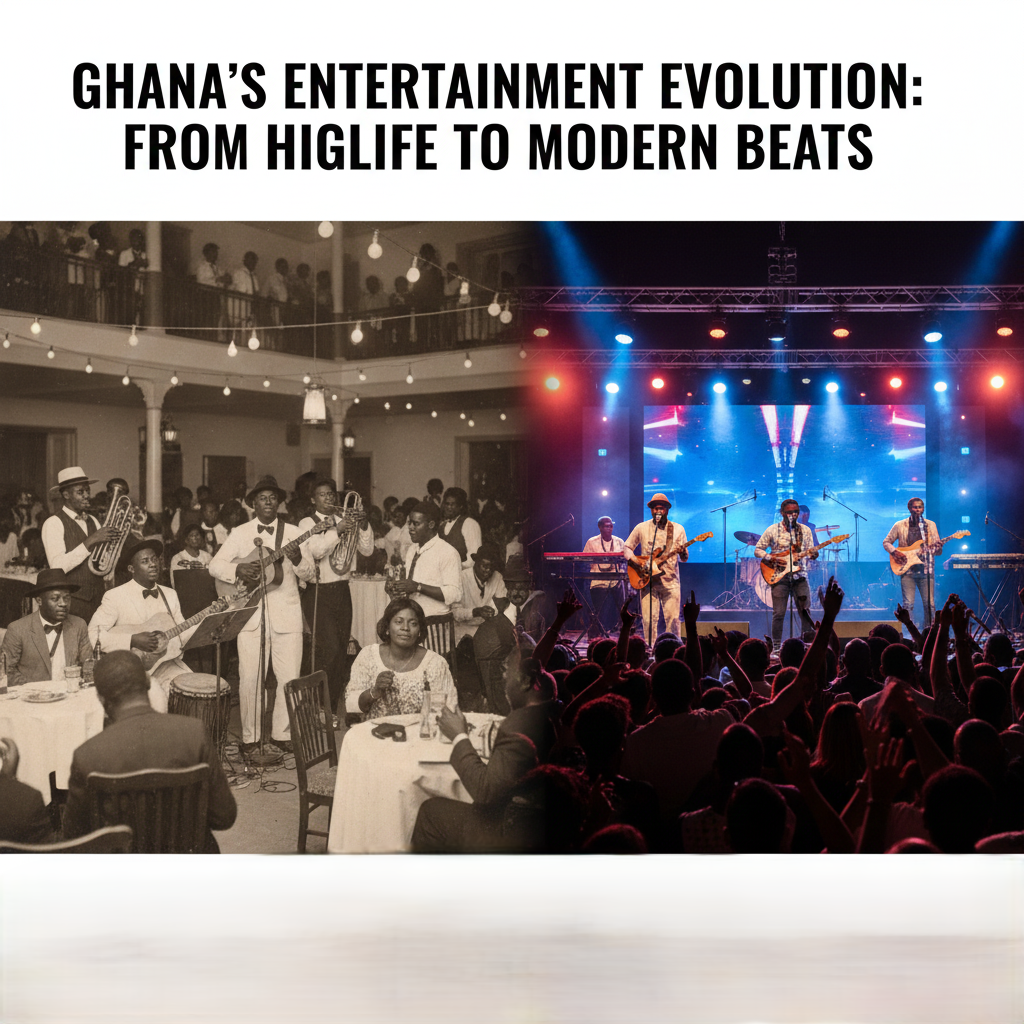
Long before Ghana had a film industry or digital streaming platforms, music was the country’s most powerful form of entertainment—and Highlife became its loudest voice. From colonial ballrooms to roadside bars and global stages, Highlife music has shaped Ghana’s cultural identity for more than a cen
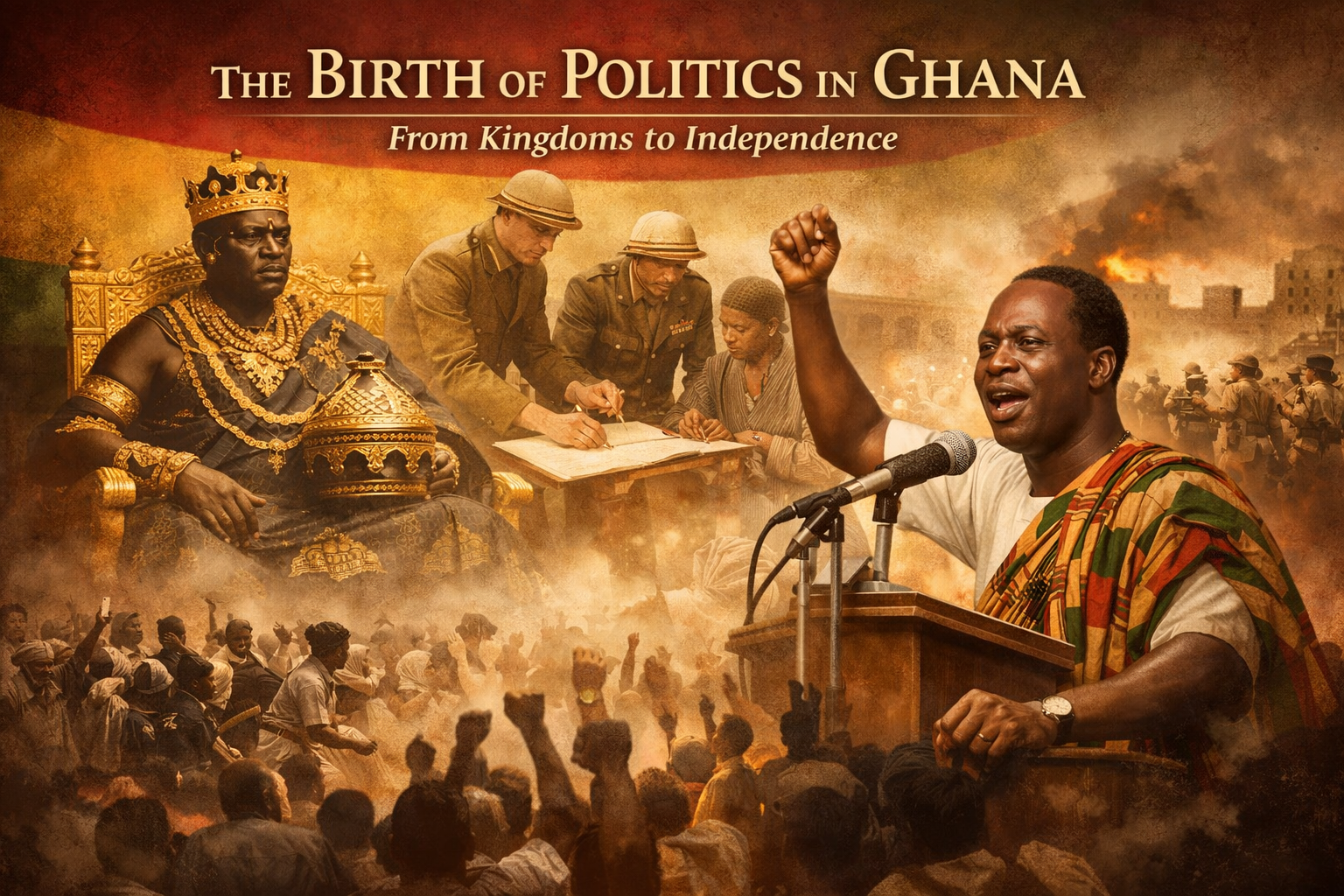
Politics Before the State Called Ghana Long before the name Ghana was adopted in 1957, the land and peoples of the Gold Coast had already developed sophisticated political systems. Politics in Ghana did not begin with Europeans or colonial rule; it evolved from indigenous governance structures, cust