What Is Juneteenth?
Juneteenth National Independence Day, celebrated annually on June 19, commemorates the end of slavery in the United States. The holiday marks June 19, 1865, when Union troops arrived in Galveston and informed enslaved African Americans that they were free. This announcement came more than two years after President Abraham Lincoln issued the Emancipation Proclamation.
Juneteenth is often referred to as America's "Second Independence Day" because it celebrates freedom for millions of formerly enslaved Black Americans.
There are approximately 49.2 million Black or African American individuals living in the United States. This demographic makes up about 14.4% of the total U.S. population.
When Was Slavery Abolished in the United States?
The Emancipation Proclamation, issued on January 1, 1863, declared enslaved people in Confederate states to be free. However, slavery did not legally end throughout the United States until the ratification of the 13th Amendment on December 6, 1865.
The 13th Amendment
Thirteenth Amendment to the United States Constitution abolished slavery and involuntary servitude throughout the United States, except as punishment for a crime after conviction.
The amendment states in part:
"Neither slavery nor involuntary servitude, except as a punishment for crime whereof the party shall have been duly convicted, shall exist within the United States."
The ratification of the 13th Amendment permanently ended the institution of slavery in America.
Why Some African Americans Do Not Fully Embrace July Fourth
Independence Day commemorates the adoption of the Declaration of Independence in 1776. While many African Americans celebrate July Fourth as Americans, others have historically viewed the holiday with mixed feelings.
Their concern is that when the United States declared independence from Britain in 1776, millions of African-descended people remained enslaved. Thus, the ideals of liberty and equality proclaimed in the Declaration did not apply to everyone.
This perspective was famously expressed by the abolitionist and former slave Frederick Douglass in his 1852 speech, "What to the Slave Is the Fourth of July?" In that speech, he argued that celebrating freedom while millions remained enslaved was a contradiction.
Today, many African Americans celebrate both July Fourth and Juneteenth, while recognizing that the two holidays commemorate different milestones in the nation's history.
How African Americans Celebrate Juneteenth
Juneteenth National Independence Day celebrations vary across the United States but commonly include:
Family Gatherings and Reunions
Families come together for cookouts, picnics, reunions, and community meals.
Parades and Festivals
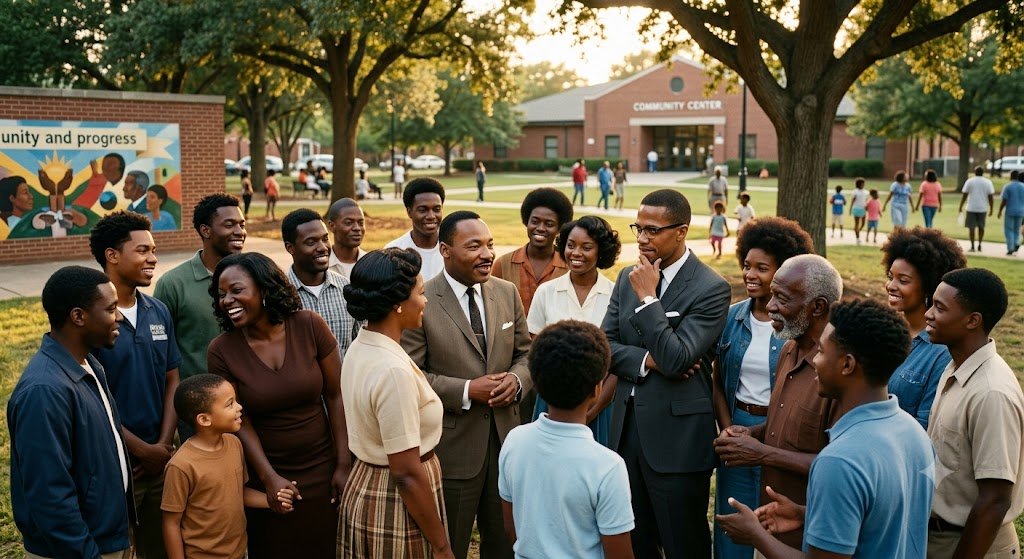
Many cities organize parades, cultural festivals, concerts, and community events celebrating African American history and achievements.
Education and Reflection
Churches, schools, museums, and community organizations host lectures, exhibitions, storytelling sessions, and discussions about slavery, emancipation, and civil rights.
Music and Cultural Performances
Gospel music, jazz, blues, spoken-word poetry, and African-inspired cultural performances are common features of Juneteenth celebrations.
Red Foods and Drinks
Many Juneteenth gatherings feature red-colored foods and beverages, such as watermelon, strawberries, red velvet cake, and hibiscus drinks. The color red symbolizes resilience, sacrifice, and the enduring spirit of African-descended people.
Community Service and Activism
Some people mark the day through volunteer work, voter registration drives, and activities promoting social justice and civic engagement.
Conclusion
Juneteenth commemorates the liberation of enslaved African Americans and the eventual abolition of slavery through the 13th Amendment. While July Fourth celebrates American independence from Britain, Juneteenth celebrates freedom from slavery. Together, the two holidays tell different parts of the American story and provide opportunities to reflect on the nation's continuing pursuit of liberty and equality for all.