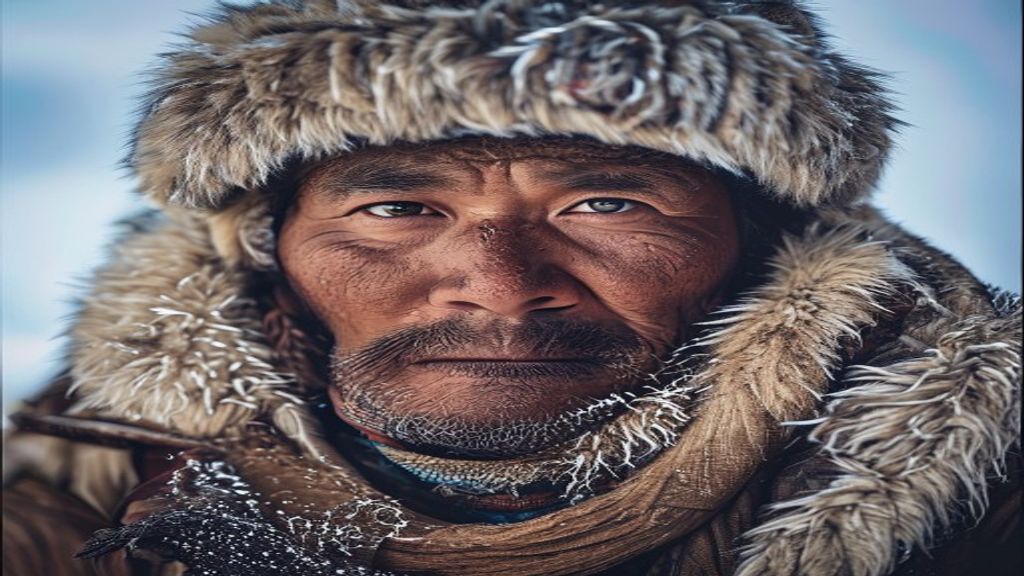
The Eskimo Who Came to Ghana: Fact, Folklore, or Legend?
The article explores the veracity of a story told about a foreign visitor who came to Ghana in 1957.
68 results for “sea”

The article explores the veracity of a story told about a foreign visitor who came to Ghana in 1957.

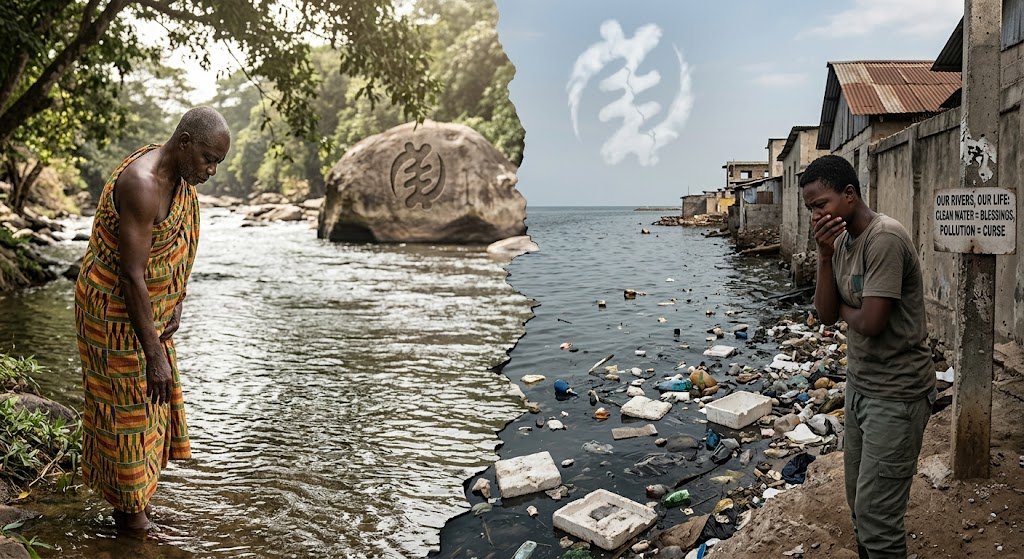
Filth Has Spiritual Consequences Okronkronyi Nyame Somafo Yawoh teaches that filth is spiritually derogating and spiritually taxing. According to His teachings, acts that pollute the natural environm

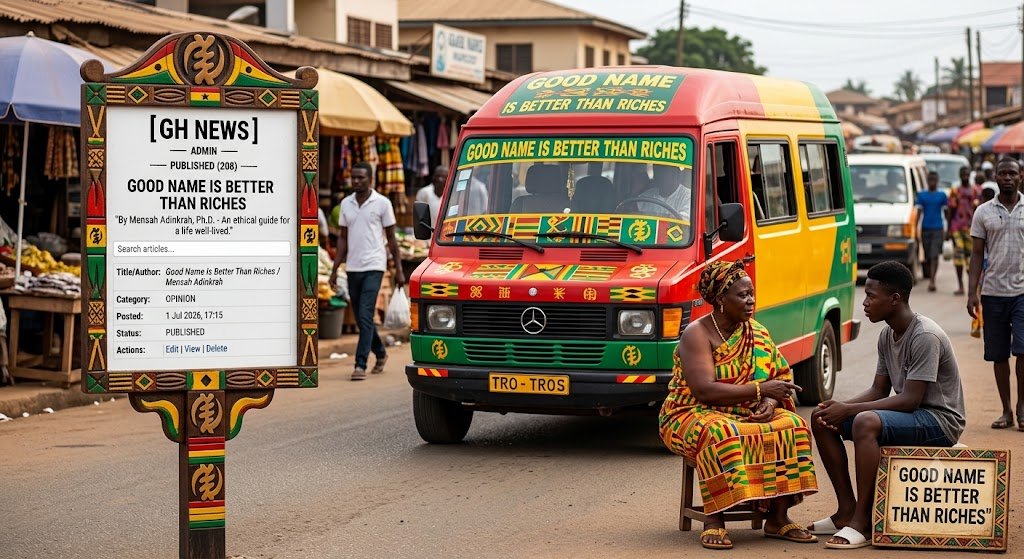
Introduction One of the most profound pieces of wisdom in Ghanaian culture is the saying: "Good name is better than riches." The Akan version, "Din Pa Yɛ Sen Ahonya," conveys the same timeless messag

An Opinion and Advice Column One of the first English idioms I learned after moving to North America—first to Canada and later to the United States—was the expression "get your ducks in a row." At th

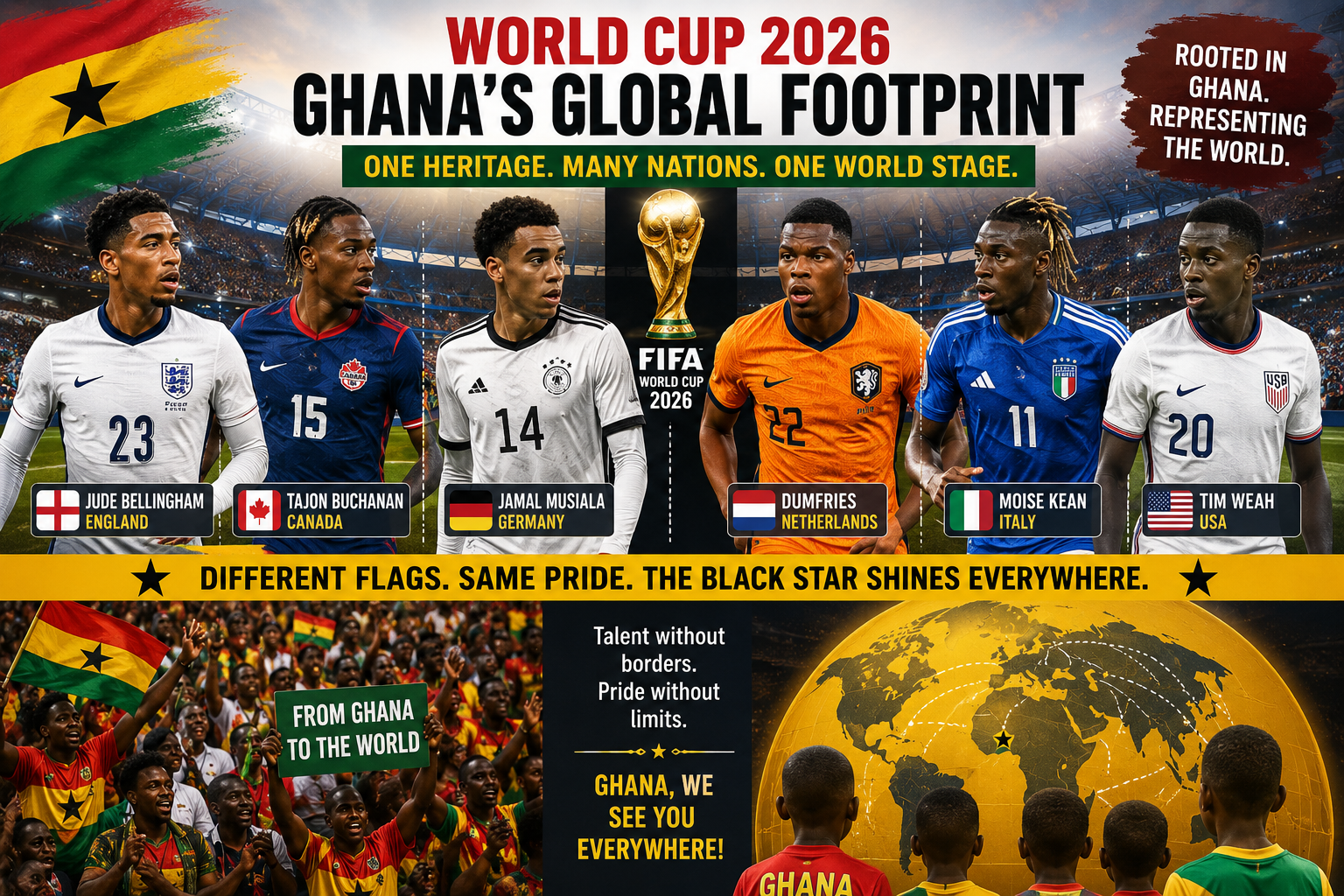
Introduction The influence of Ghana on world football extends far beyond the Black Stars. At the 2026 FIFA World Cup, players of Ghanaian heritage can be found representing several nations across Eur

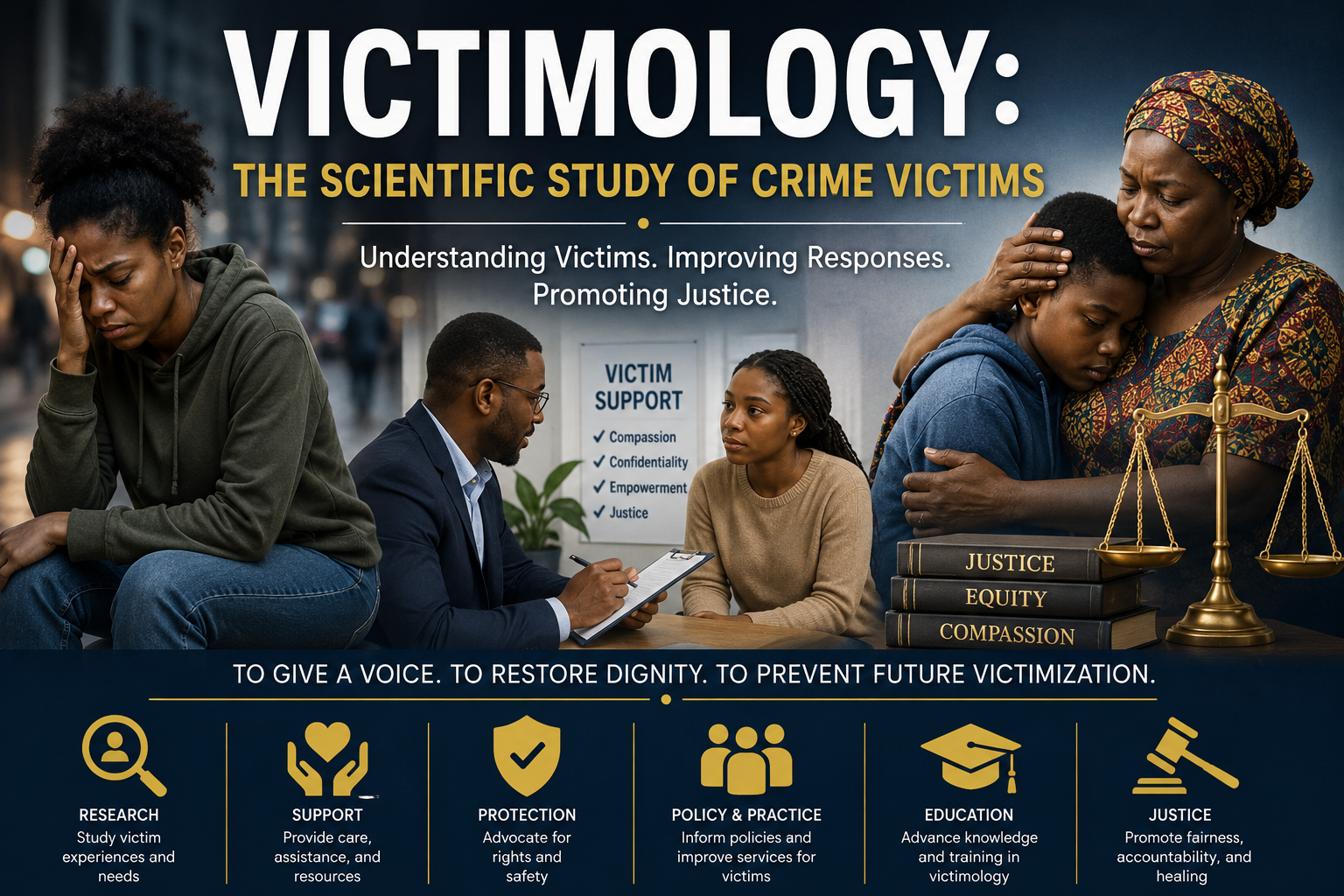
The Neglect of Crime Victims For many decades, the study of crime was largely concerned with offenders. Criminologists focused their attention on criminals, criminal behavior, and the causes of crime

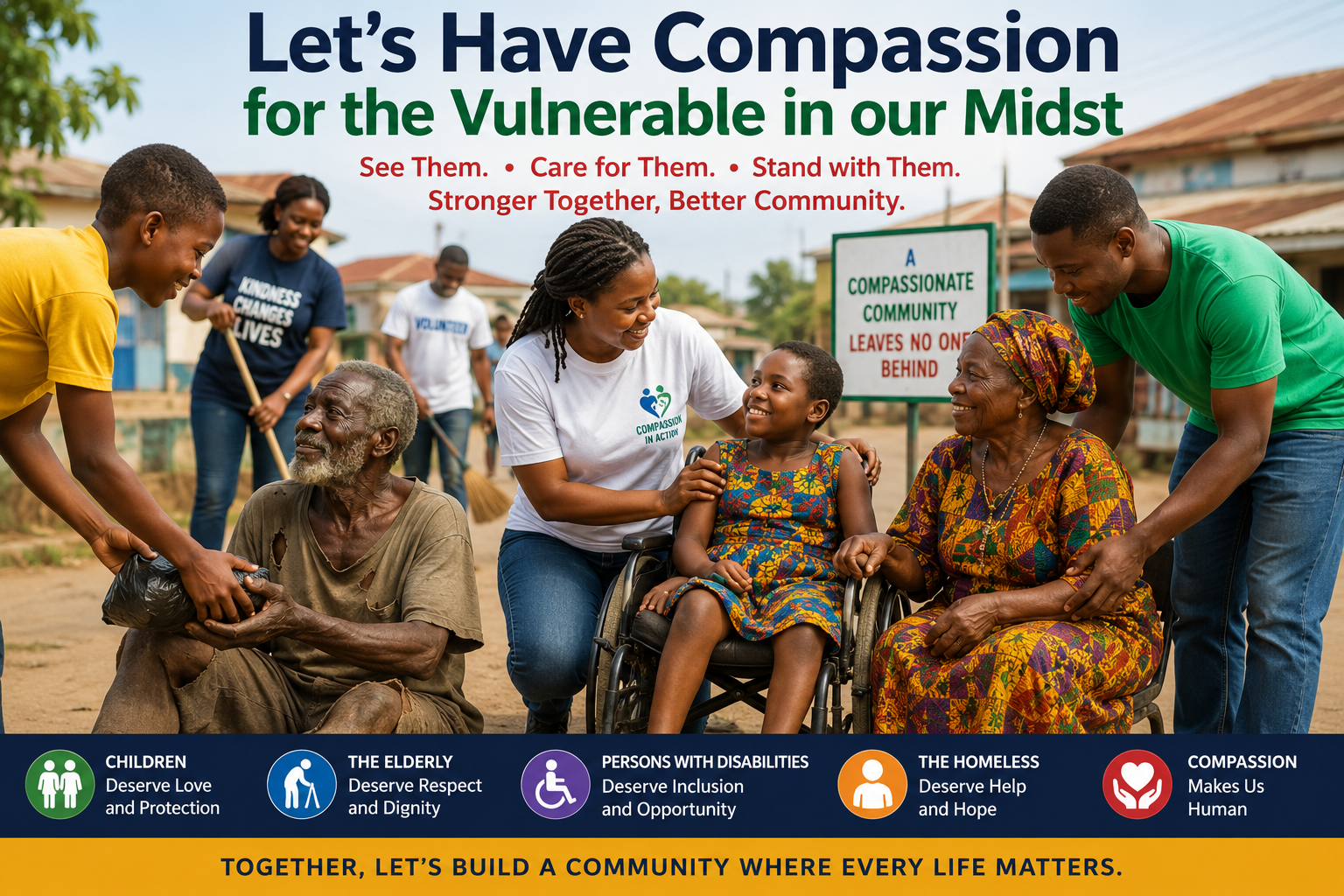
Introduction A society is often judged not by how it treats its rich, powerful, and influential citizens, but by how it treats its weakest and most vulnerable members. Children, the elderly, and pers

Introduction In today's world, research has become an important part of national development. Governments, universities, hospitals, non-governmental organizations (NGOs), and international agencies r
The pundits have given their verdict, but well-seasoned by experience and standing beyond the critics, naysayers, and doubters, the Ghanaian heart remains anchored in a truth storied over decades: the optics are never fatal. We bow to none.
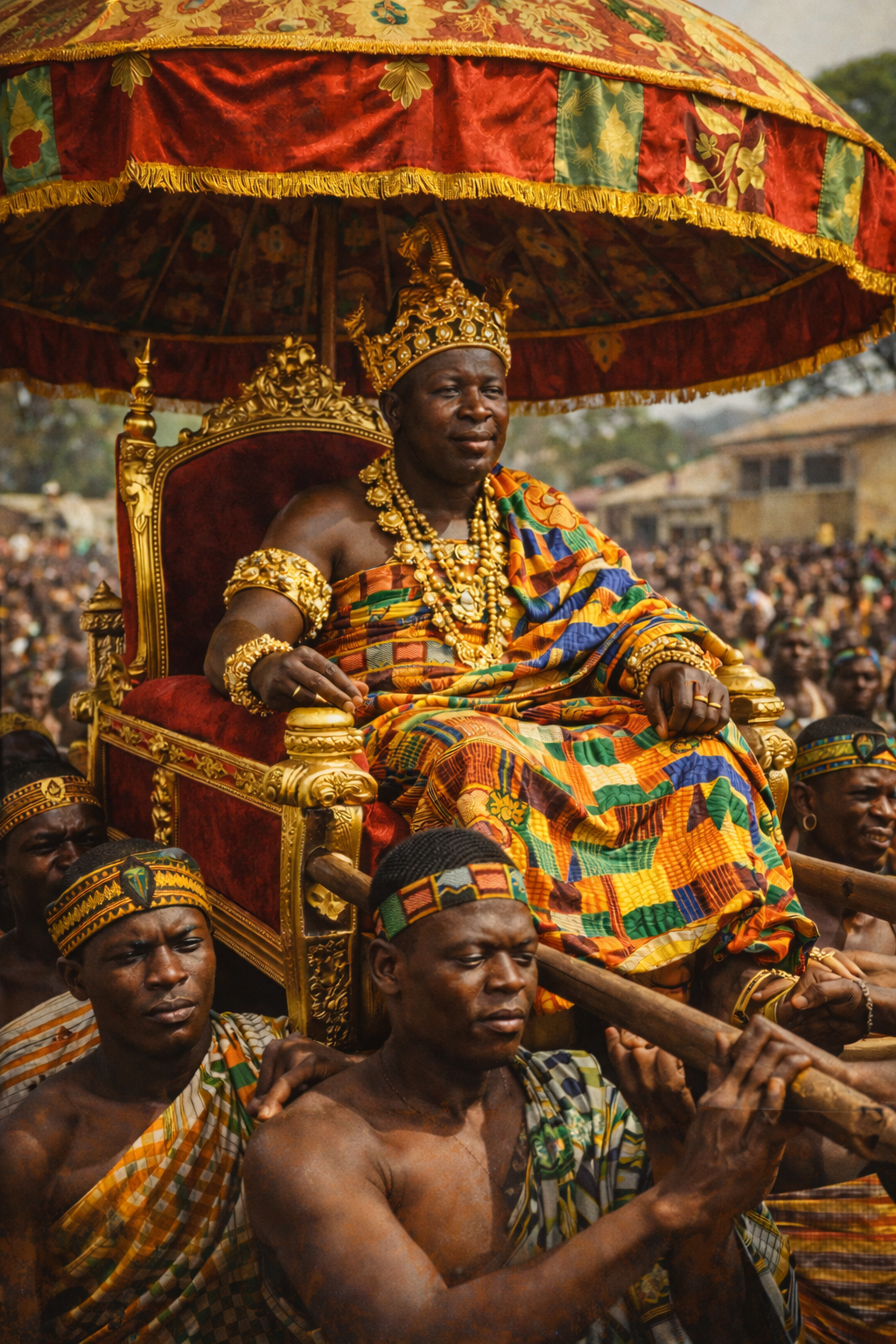
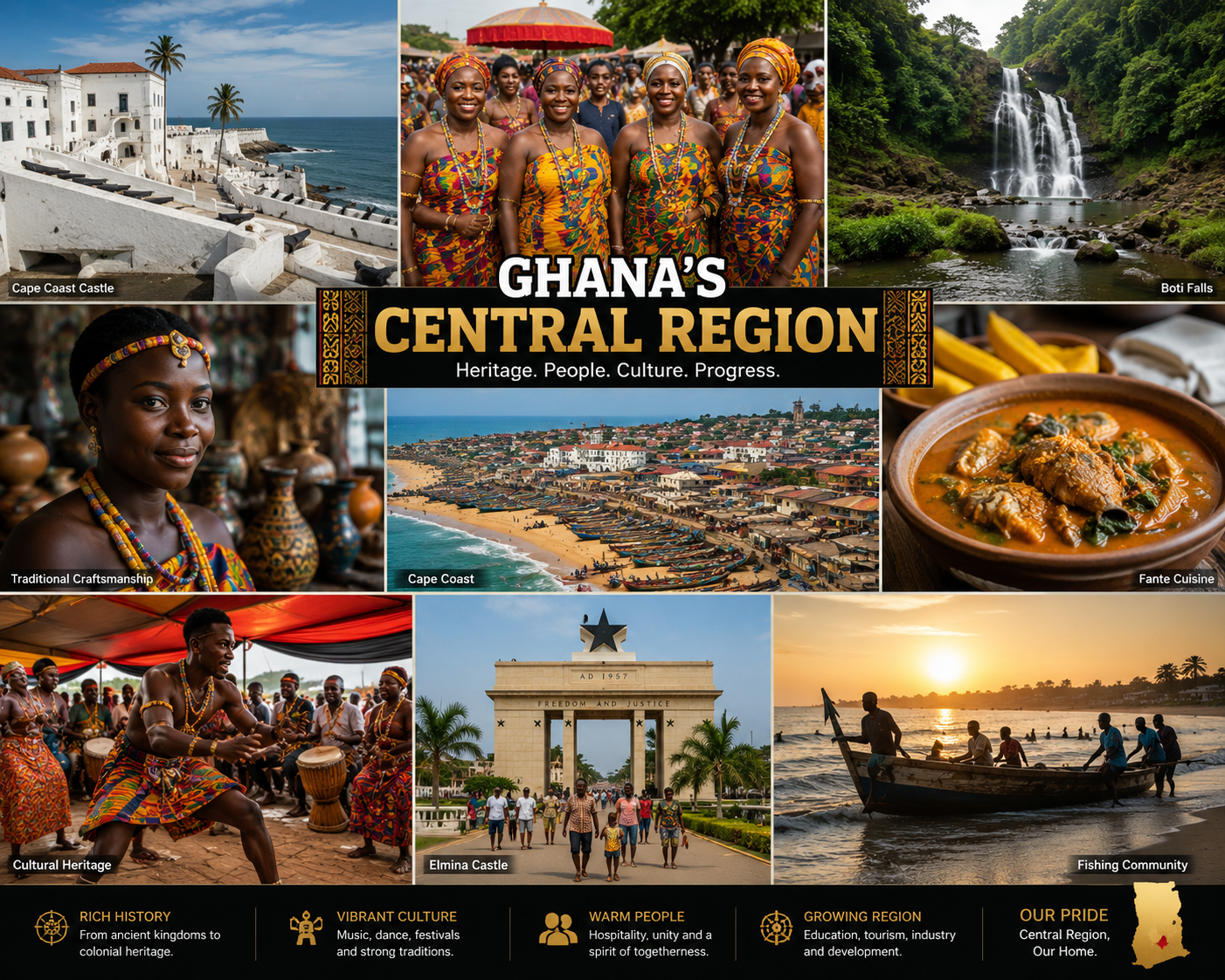
Introduction Among Ghana’s sixteen administrative regions, few possess the historical significance, educational prominence, and cultural richness of the Central Region. Located along Ghana’s southern

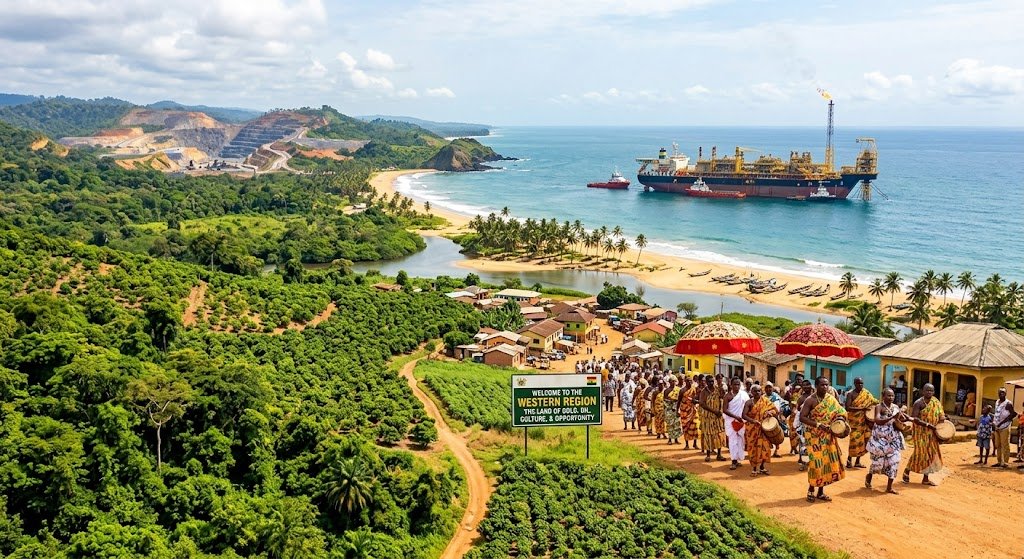
Introduction Among Ghana’s sixteen administrative regions, few can rival the Western Region in terms of natural wealth, cultural diversity, economic importance, and historical significance. Stretchin

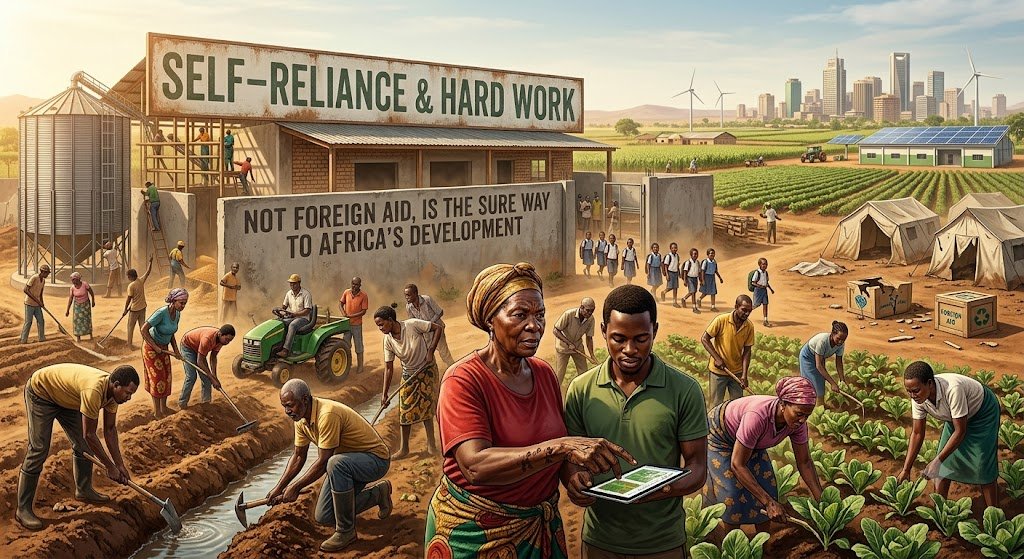
Introduction For decades, African leaders have boarded planes to Europe, North America, Asia, and the Middle East in search of foreign aid. Every year, countless international conferences, donor meet

A Nation Richly Endowed Ghana is richly blessed with natural and human resources. The country possesses some of the world's finest deposits of gold and diamonds. It is endowed with bauxite, manganese

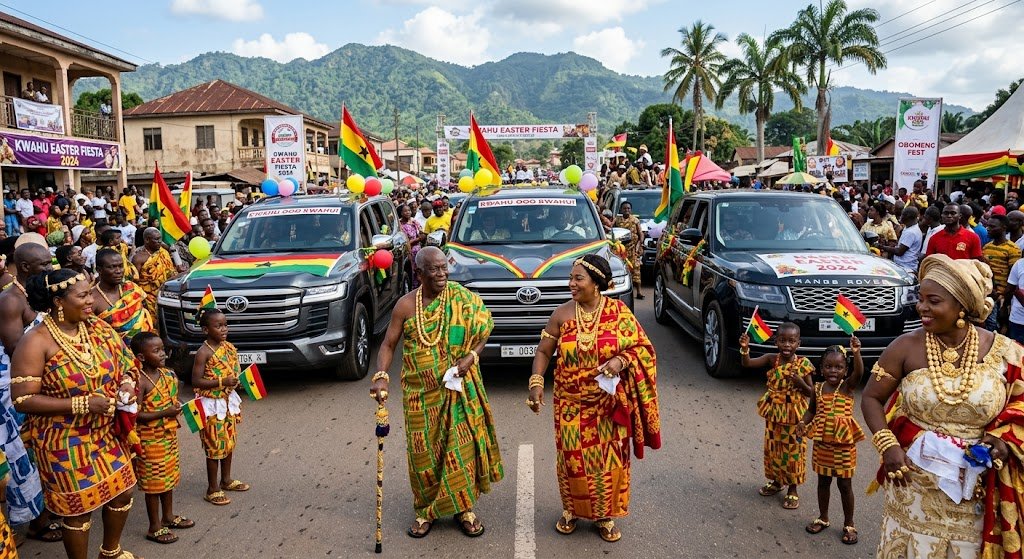
Introduction Every year, as Easter approaches, a familiar phrase echoes across Ghana's radio stations, television screens, and social media platforms: "Kwahu oooo Kwahu!" The expression has become bo

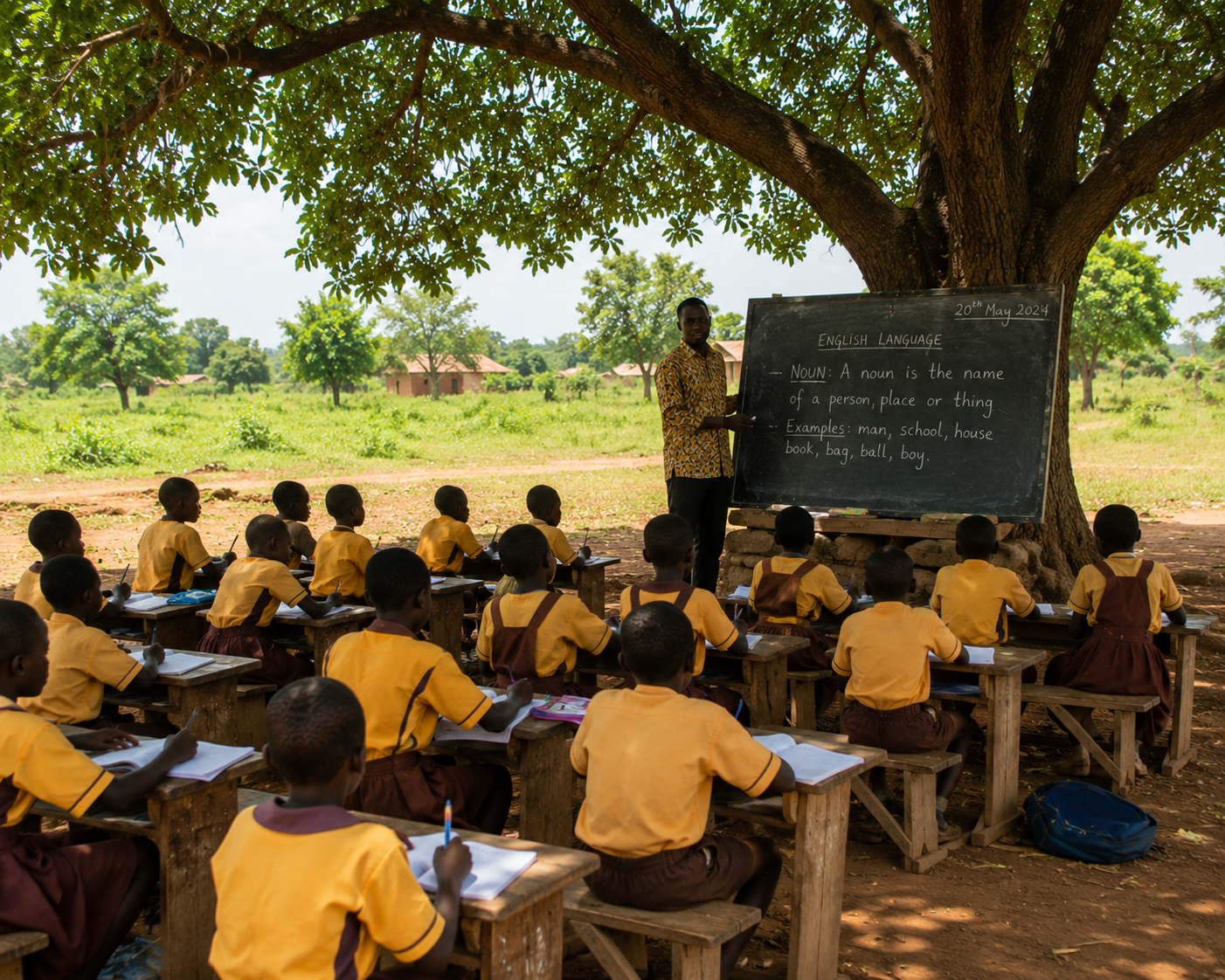
Ghana has made substantial progress in literacy over the past several decades, yet the country has not achieved universal literacy. According to recent UNESCO and World Bank data, approximately 76–81%

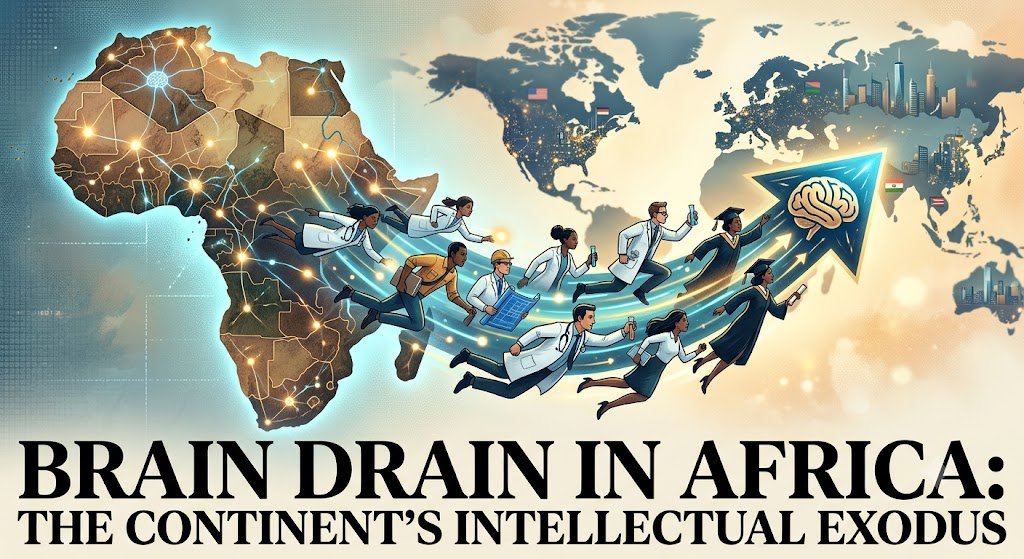
Introduction One of the greatest challenges confronting African countries today is the phenomenon known as "brain drain." Every year, thousands of highly educated and skilled Africans leave their hom

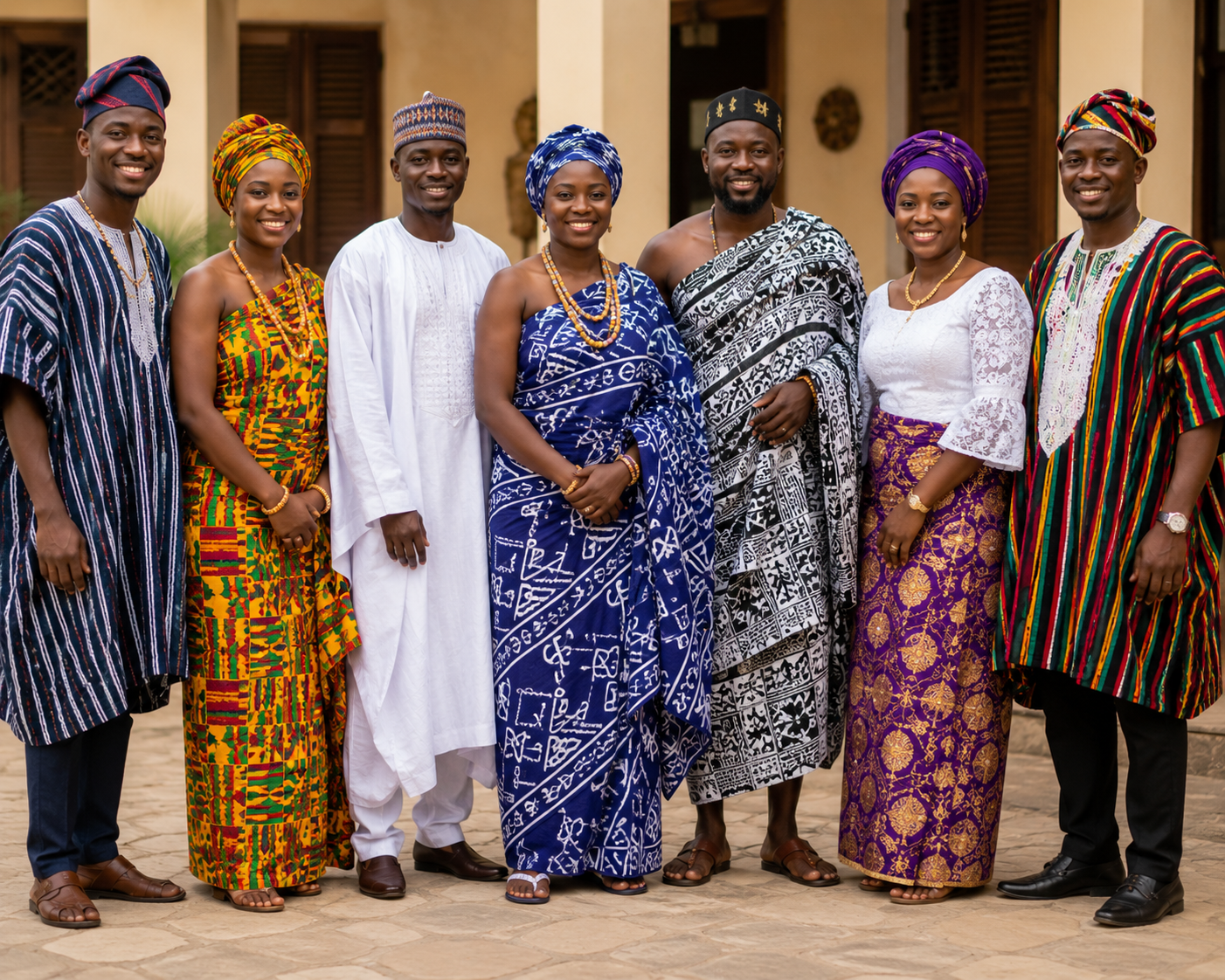
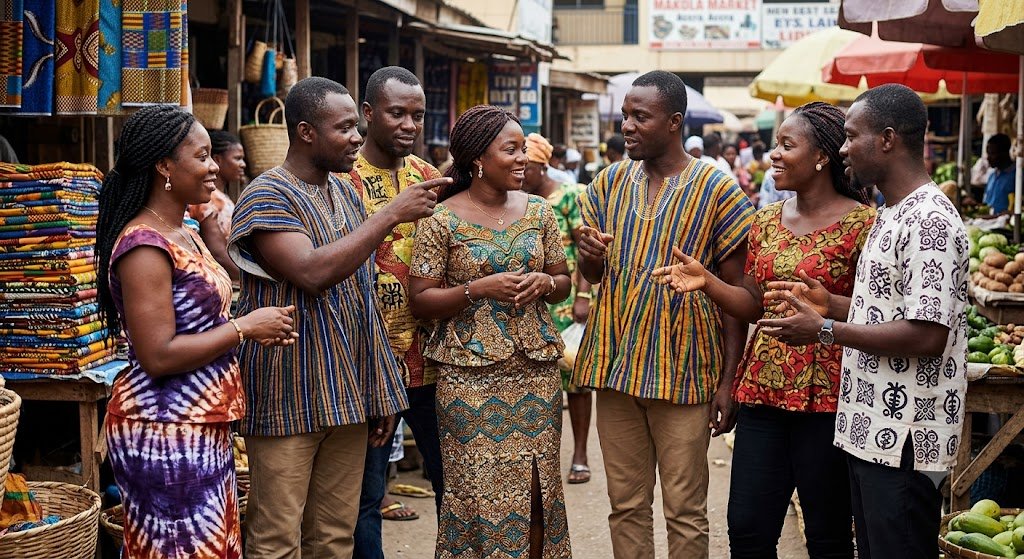
Ghana is often celebrated as one of Africa’s most peaceful and culturally vibrant nations. From the bustling markets of Accra to the fishing communities along the coast, from the savannah settlements

multilingualism, language

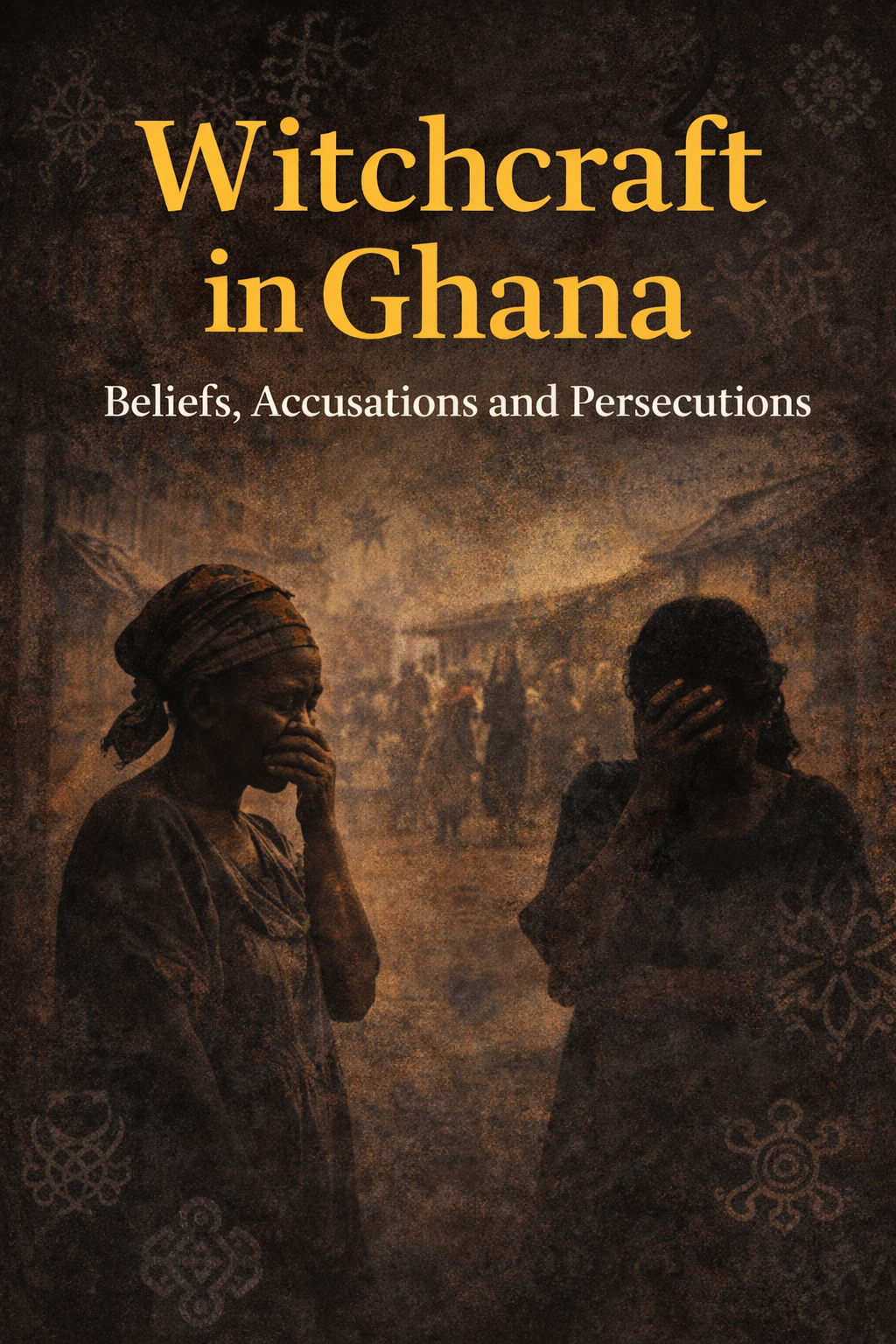
Understanding One of Ghana’s Most Enduring Social Questions Research on witchcraft in Ghana spans nearly a century and reflects the country’s continuing struggle to understand belief, accusation, fea

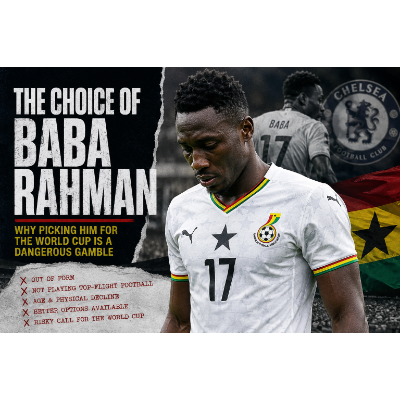
This article critiques the choice of the Ghanaian international Baba Rahman in a World Cup squad that lacks the qualities of athlectism and exuberant talent yet compensating with invisible clarity in experience.

Today's discussion in our series of coverage sports of the black stars heading into the world cup examines the provisional 28-man squad released by Black Stars head coach Carlos Queiroz.

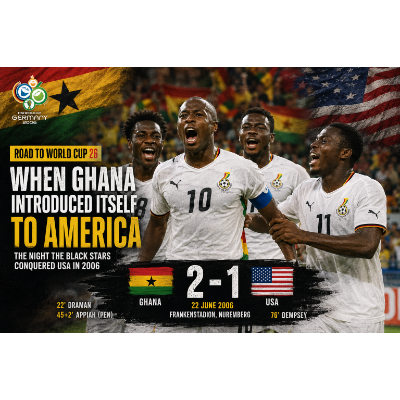
A feature article from the Road to World Cup 2026 countdown series

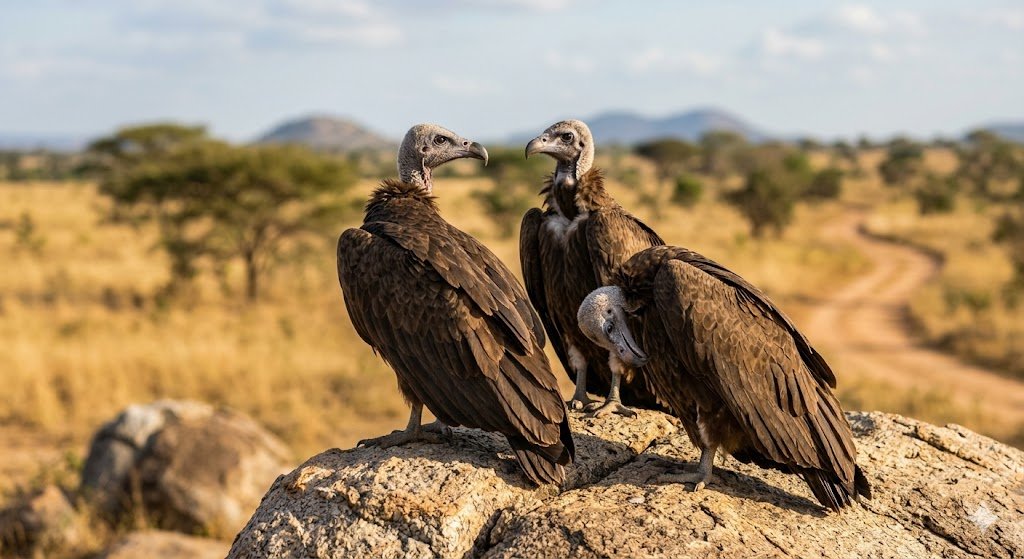
Vultures Were A Once Familiar Presence in Ghana’s Skies About fifty years ago, vultures were a common sight across Ghana. One could hardly walk a short distance without encountering them. They perche

As part of our dive down the memory lane with the Black Stars, we come to you with another incredible and important performance that highlights some of the best moments of the Ghana National team in the 2006 World Cup campaign.

The stadium clock in Cologne had barely ticked past the opening minute when Ghana announced itself to the world. A loose touch in the Czech Republic defence. A flash of movement. Then came the finish

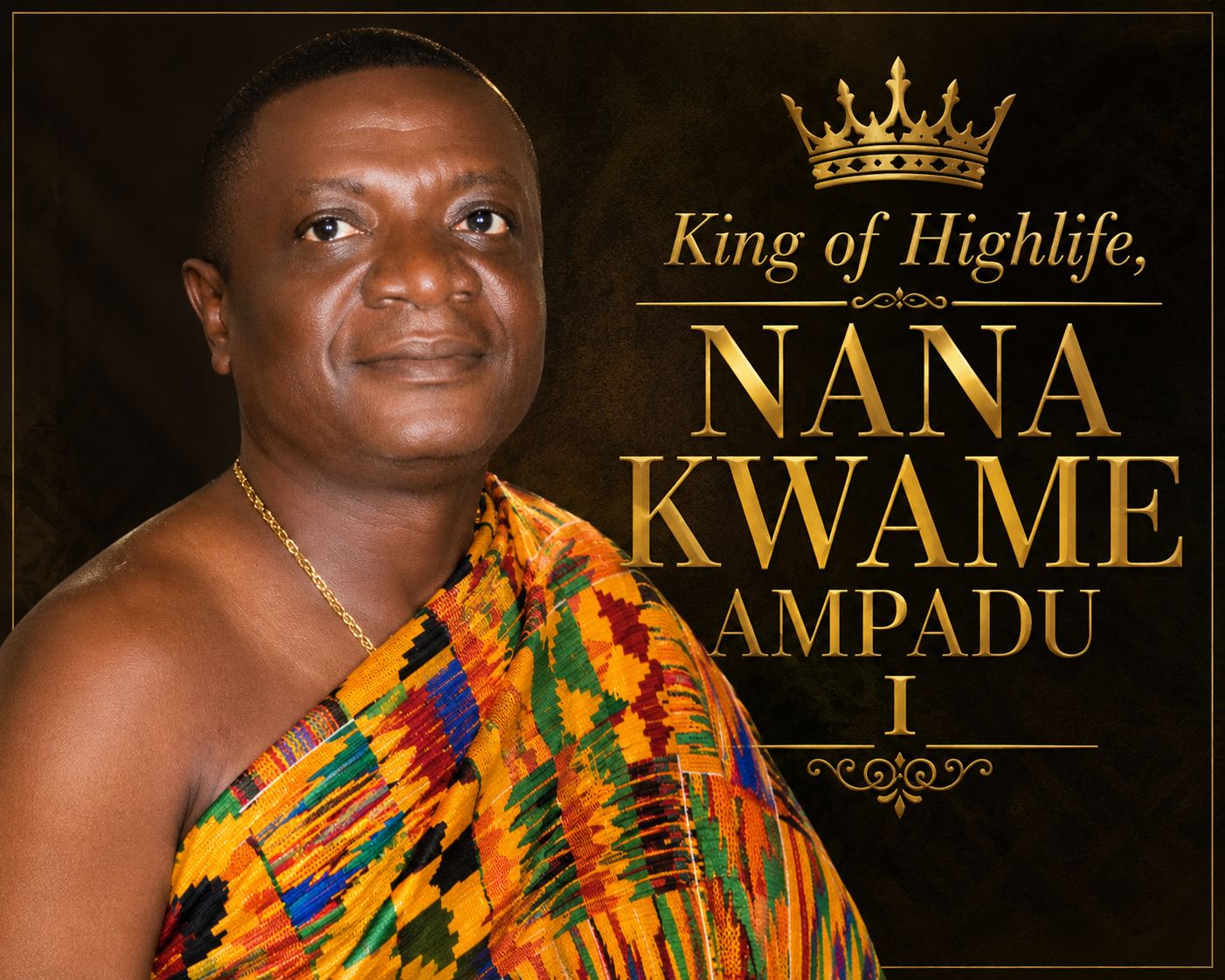
King of Highlife, Nana Ampadu Among the pantheon of Ghanaian musicians who shaped the soundscape of modern West African music, few names command the reverence accorded to Nana Kwame Ampadu I. A compo

There are stories of academic success, and then there are stories of destiny shaped by personal struggle, sacrifice, and compassion. The remarkable journey of Dr. Amma Adinkrah belongs to the latter category. This past Saturday, Amma Adinkrah, daughter of Dr. Kwame Adinkrah, proudly graduated with t

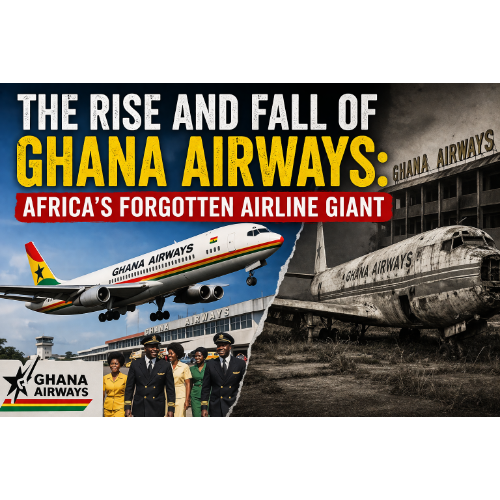
In the years following independence, Ghana set out to build not just a nation, but also a global presence. Among its boldest achievements was the creation of Ghana Airways, once one of Africa’s most respected national carriers. For decades, the airline symbolized ambition, connectivity, and national

The story of Ghana’s “Dream Team” is not merely a sporting tale; it is a generational narrative—one that reflects continuity, discipline, and the organic evolution of talent within Ghanaian football. Though the phrase “Dream Team” is more commonly associated with Olympic squads, in Ghanaian discours

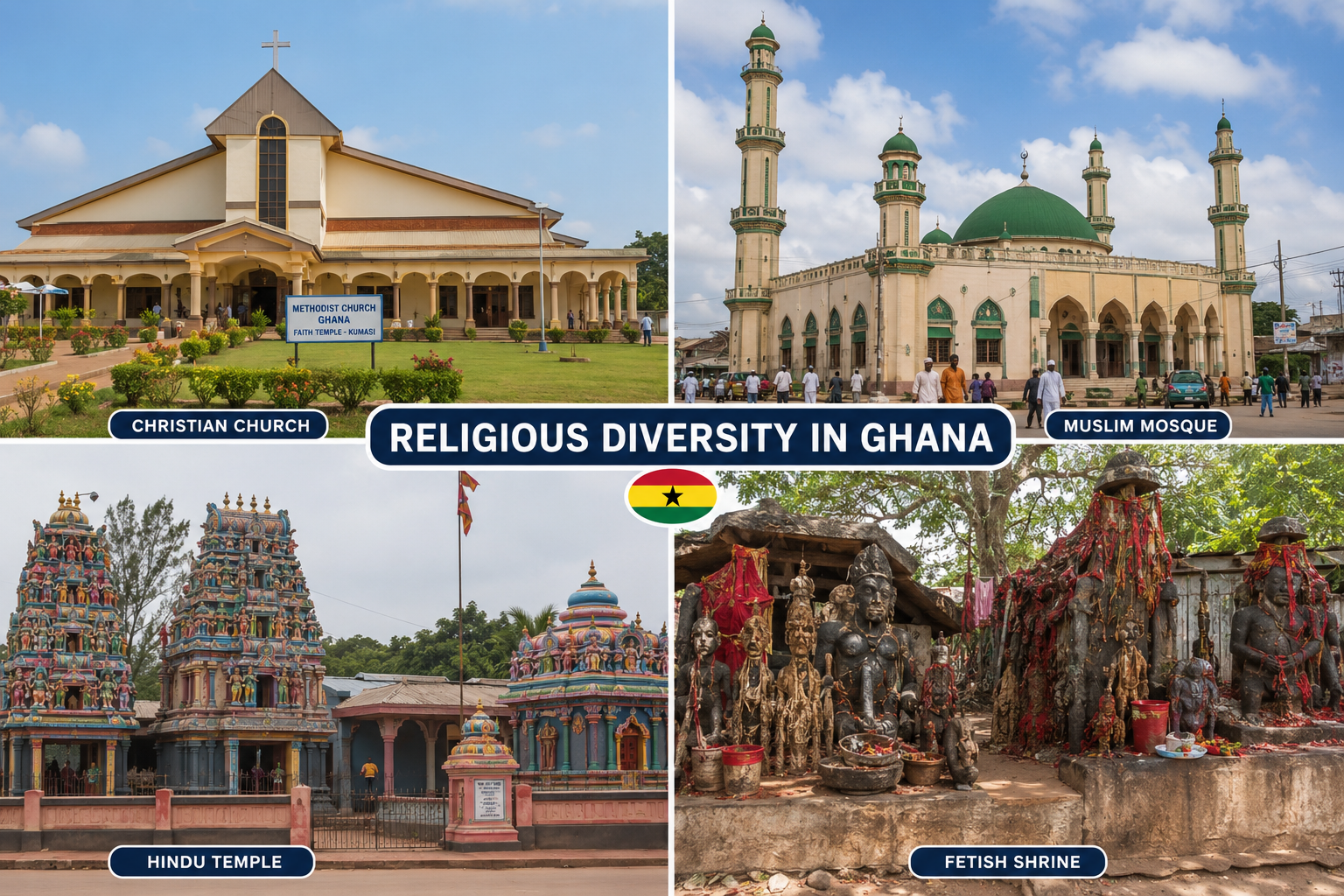
The world today is full of religions. By merely casting a cursory glance around us, we encounter Christians and Christianity, Hindus and Hinduism, Muslims and Islam, atheists, agnostics, traditionalists, Zionists, Jews and Judaism, Confucianists and Confucianism, Shintos and Shintoism. Religion, as

In every society, including Ghana, there exist disabled people living with various forms of disability. These disabilities take many shapes and forms. Some are physical, affecting mobility, sight, hearing, or bodily function. Others are mental or psychological, influencing cognition, emotional regul

In Ghana, cigarette smoking is strongly gendered. Men smoke; women generally do not. It is relatively rare to see a woman or young girl smoking in public, and when this does occur, it often attracts social disapproval. Women and girls who smoke may be labeled as morally deviant or associated with se

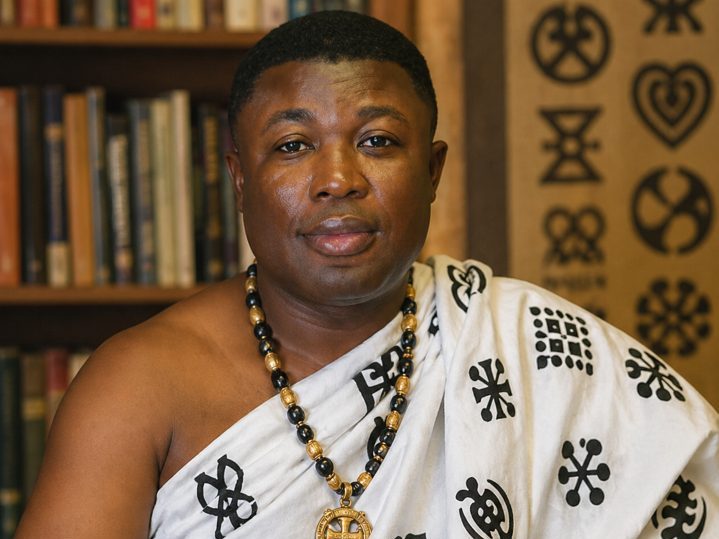
Origins and Cultural Heritage Professor Dr. Mensah Adinkrah, Professor of Sociology, Criminology, and Criminal Justice, is a native of Kwahu-Nkwatia in the Eastern Region of Ghana. Kwahu (also rendered as Kwawu) refers both to a geographical area and to a distinct Akan subgroup inhabiting the region

Men and boys are frequently victims of homicide, yet discussions of lethal violence often overlook the specific contexts in which they are targeted. Scholars of homicide and lethal violence have developed a range of terms to describe killings based on the relationship between victim and offender, as

Femicide refers to the intentional killing of females because they are female. It is widely recognized within criminology and gender studies as a distinct form of homicide, shaped by gender inequality, power imbalances, and cultural norms. Scholars of homicide and lethal violence use several related

Introduction: The Hidden Face of Family ViolenceHomicide refers to the killing of one person by another, and within this broad category lies a deeply troubling subset known as family homicide, which involves the killing of one family member by another. Although the family is often idealized as a hav

The Akan of GhanaThe Akan are an ethnic group that live in Ghana. They occupy a broad stretch of territory extending from the coastal areas to the central forest belt of the country. Historically and culturally, the Akan constitute one of the largest ethnolinguistic groups in Ghana and share closely

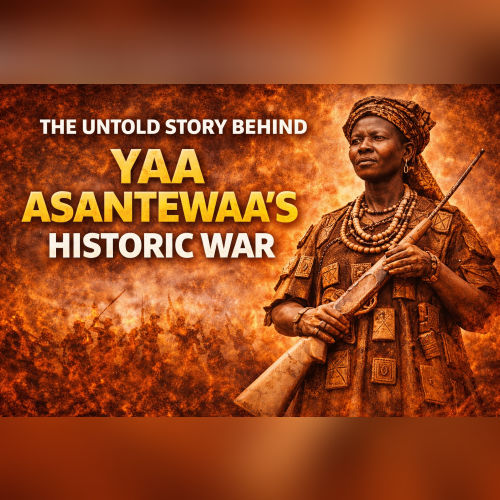
The leadership of Yaa Asantewaa in the 1900 war against British colonial rule remains one of the most extraordinary and symbolically powerful episodes in African resistance history. Her decision to lead the Ashanti (Asante) in armed rebellion was not an accident of circumstance—it emerged from a com

Introduction: Why March Matters Every year, the month of March occupies a sacred place in Ghana’s historical calendar. On 6 March 1957, under the leadership of Kwame Nkrumah, the Gold Coast became Ghana — the first sub-Saharan African nation to gain independence from British colonial rule. March is

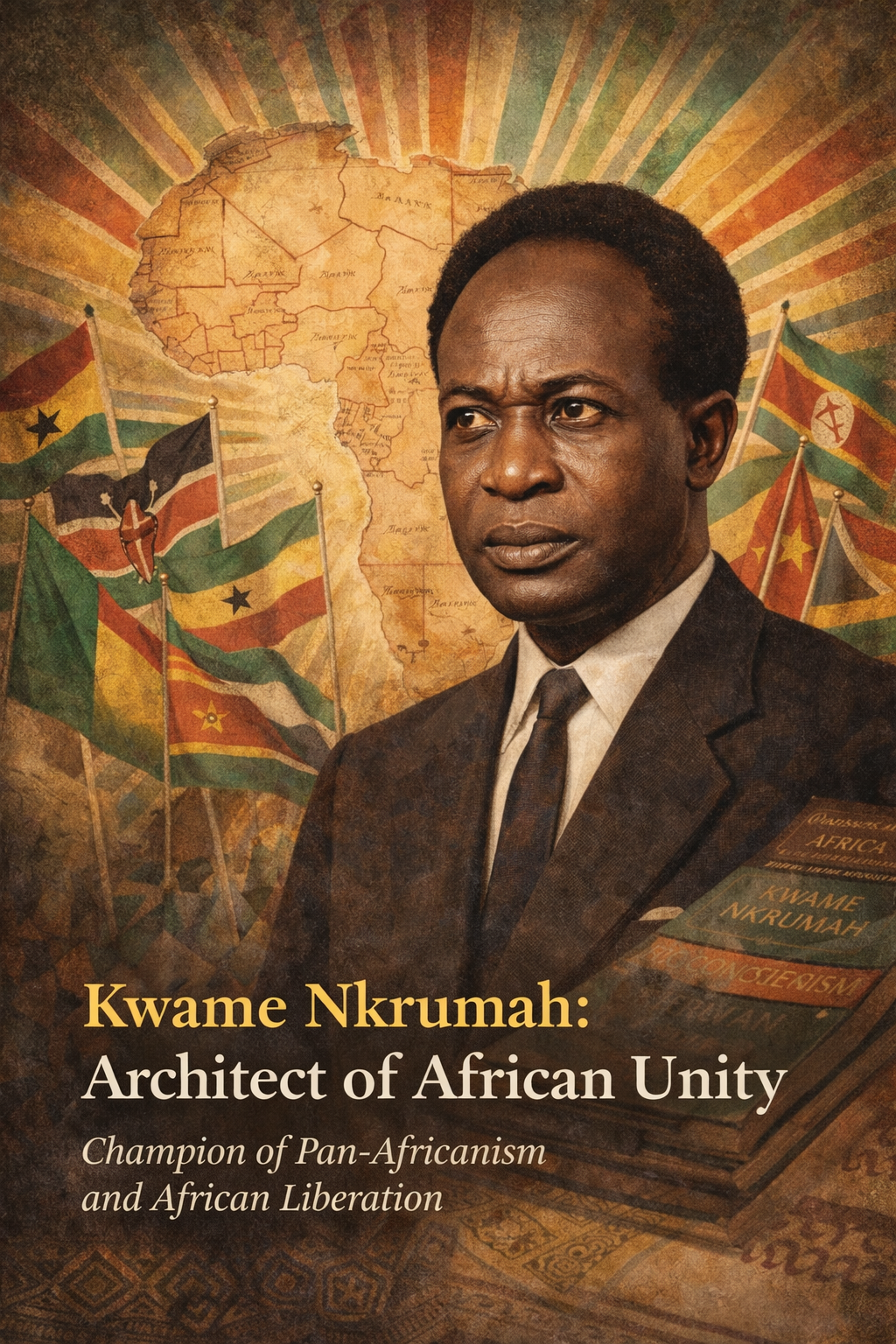
Early Life and Education Kwame Nkrumah was born in 1909 in what Ghana is now, West Africa. He studied both in Ghana and overseas, gaining knowledge that would later shape his vision for his country and the continent. Leader of Ghana’s Independence Nkrumah emerged as one of the most prominent politic

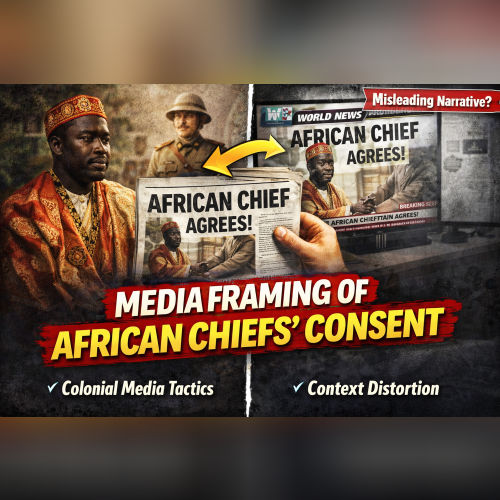
The concept of “chiefs’ consent” occupies a central place in the colonial history of the Gold Coast, present-day Ghana. Throughout the nineteenth and early twentieth centuries, colonial authorities frequently claimed that African chiefs willingly agreed to treaties, land concessions, and administrat

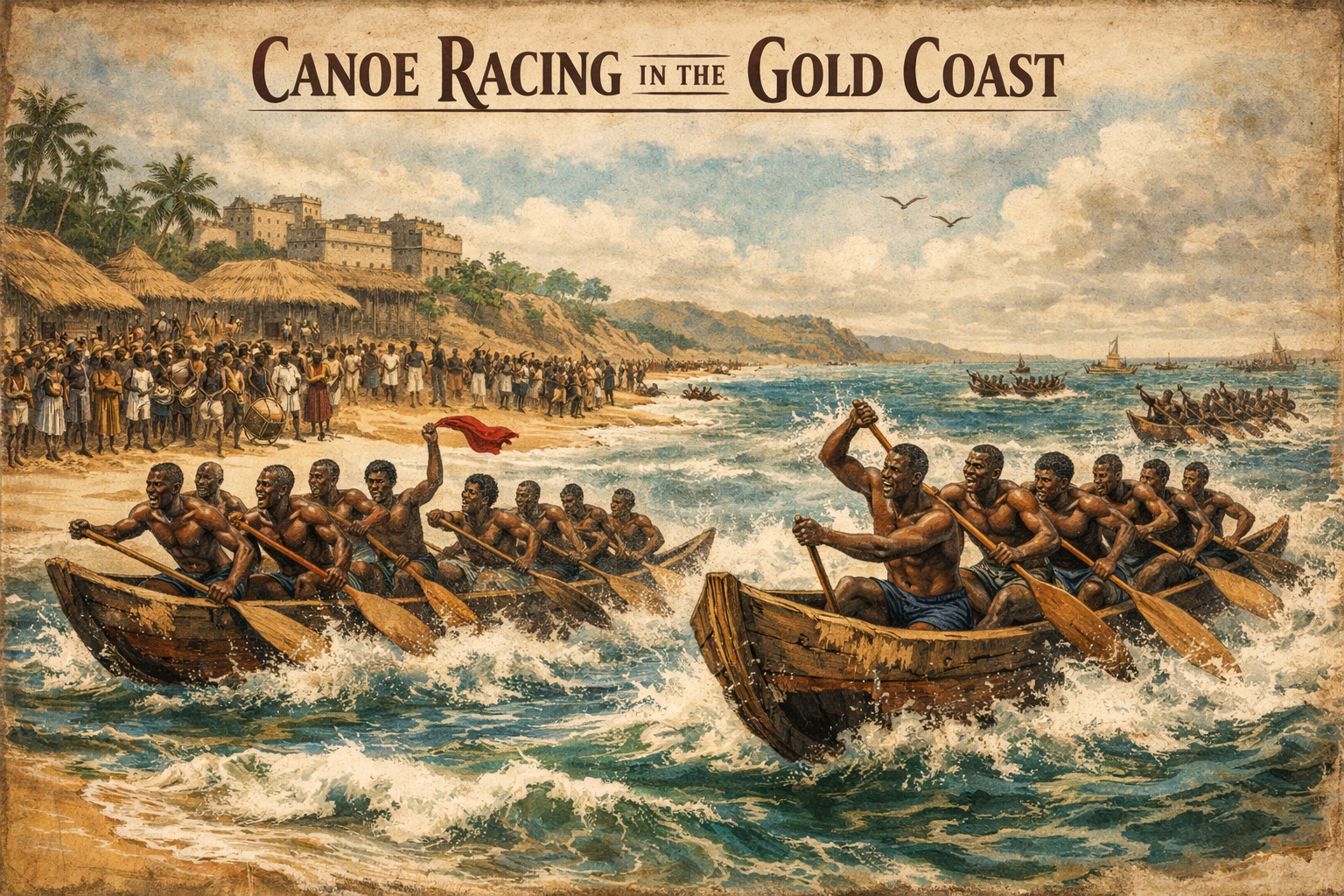
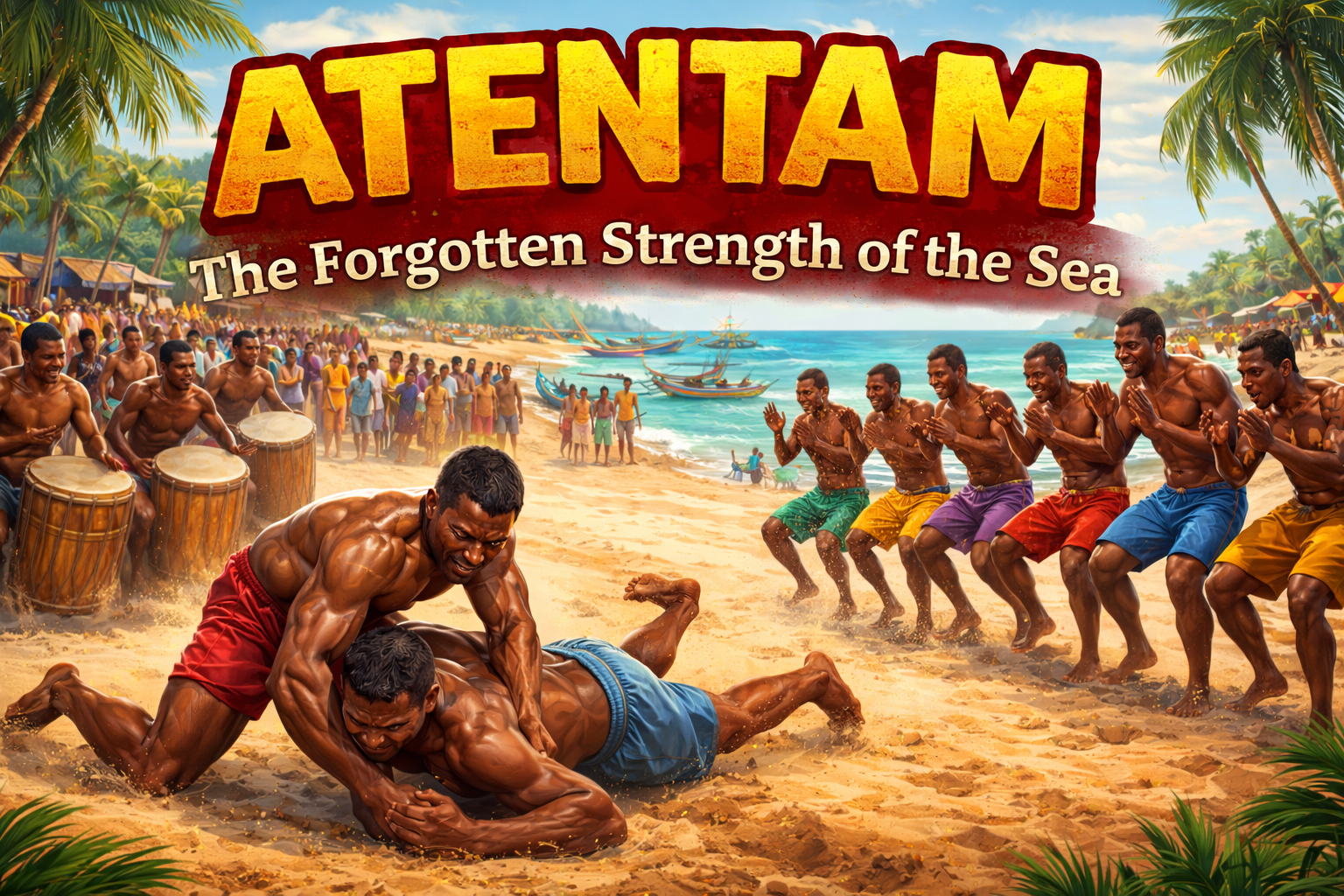
The Atlantic as Living Arena Along the Atlantic edge of the pre-colonial Gold Coast, long before European forts punctuated the shoreline, the sea was already a theatre of movement, daring, and communal pride. The coastal societies of present-day Ghana—particularly the Fante, Ga, and related Akan mar

Along the wind-carved coastline of southern Ghana, among the Fante, physical games were never idle diversions. They were social rehearsals—training grounds for endurance, hierarchy, and communal rhythm. Two in particular—Atentam and Osibir—stand out in the historical record. Atentam derives from the

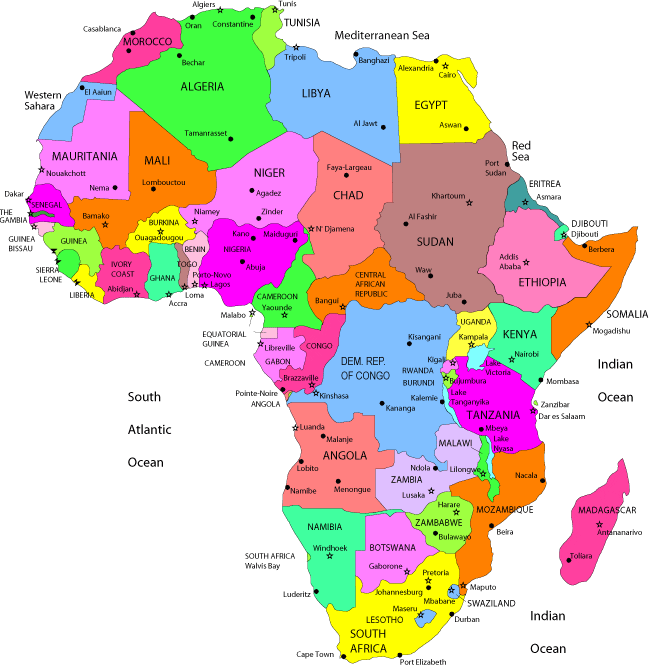
Africa is still the “dark continent” to many people. In spite of its immense size, large population, vast mineral and agricultural resources, militarily strategic location, and tremendous development potential, Africa is undeniably the most misunderstood continent. Very few non-natives of the contin

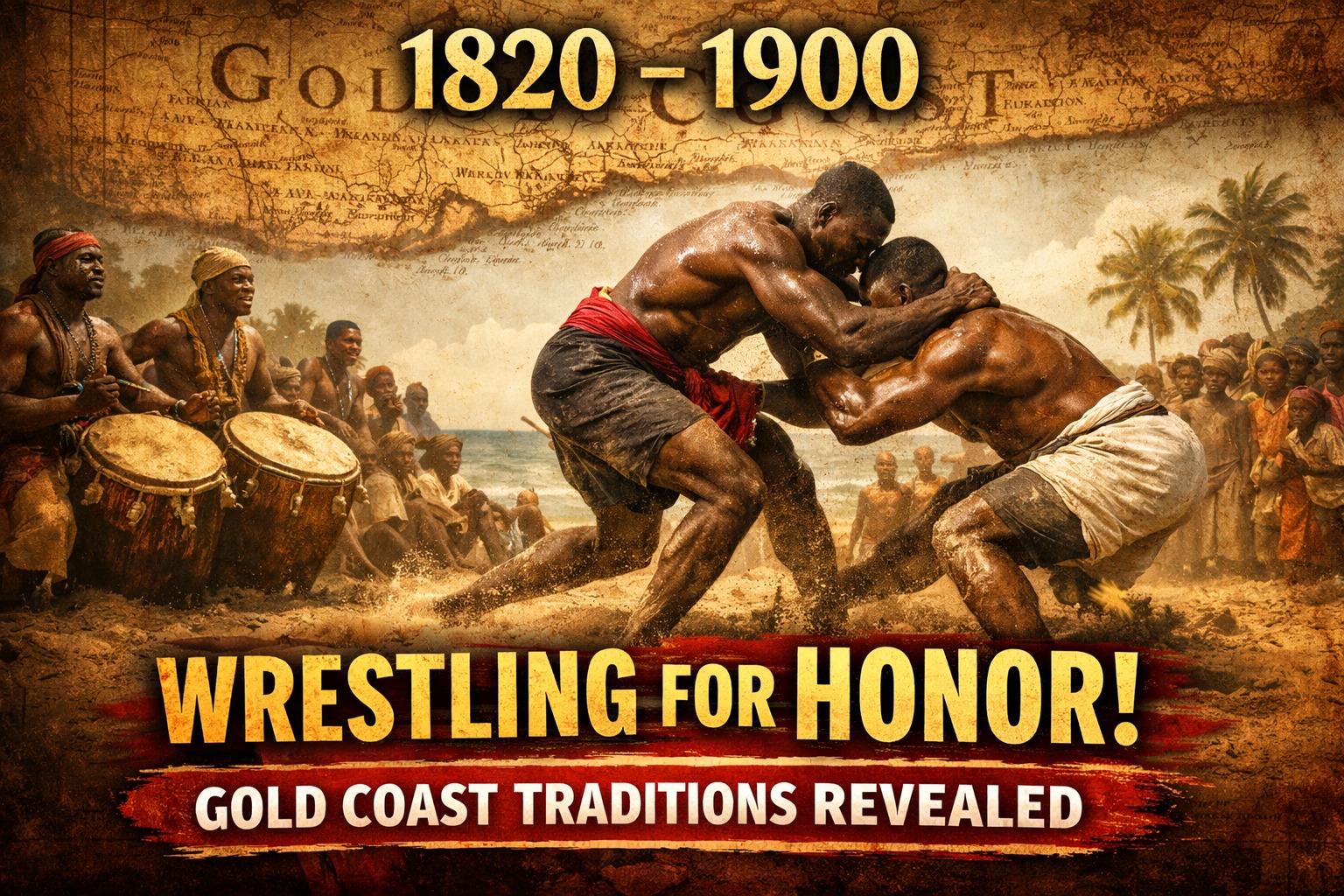
Long before colonial stadium lights and organised leagues, the sandy shores and village squares of the Gold Coast—today’s Ghana—were vibrant arenas where traditional wrestling was among the most respected cultural practices. From the early 19th century up to the turn of the 20th century, indigenous

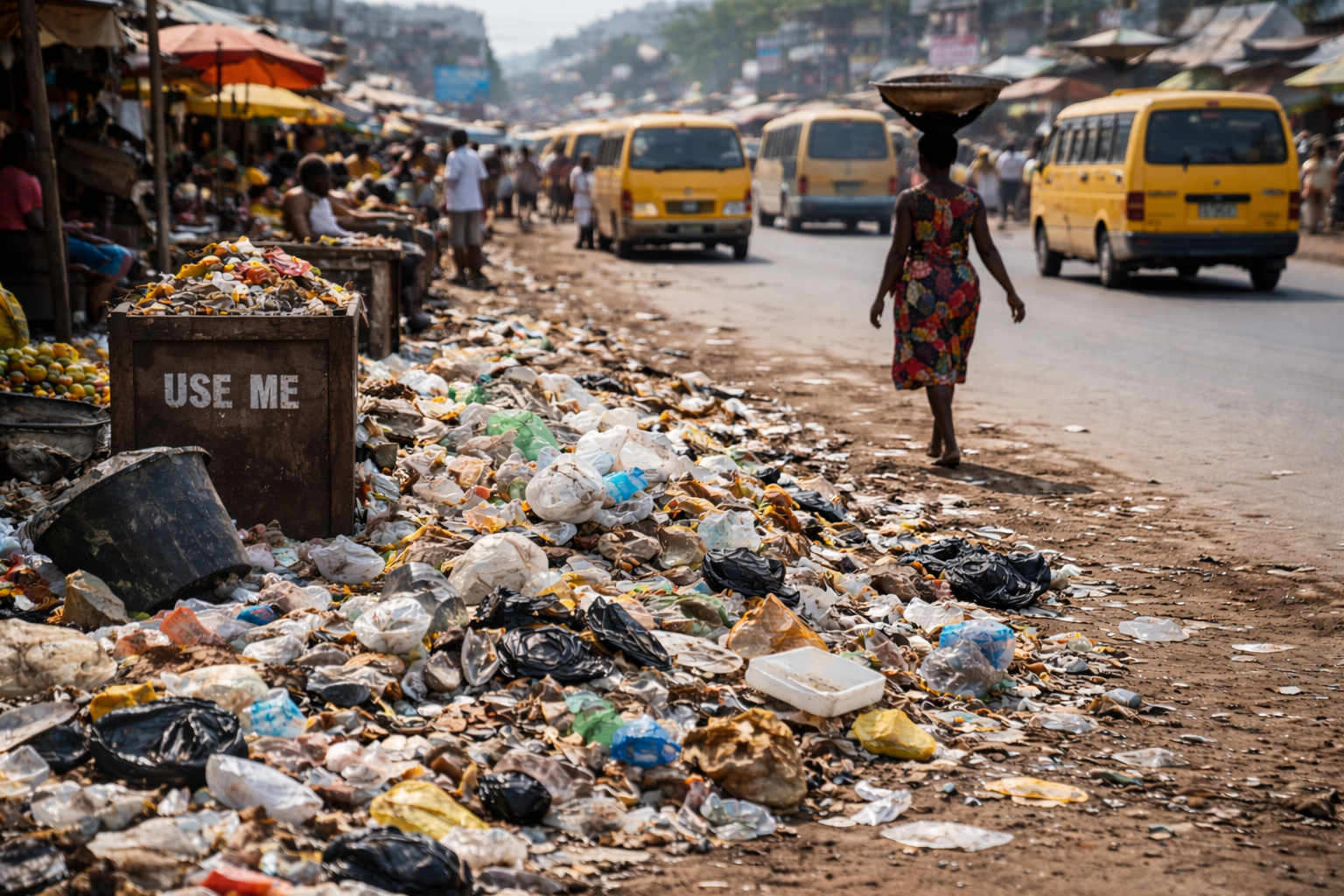
Littering is a serious problem in Ghana. Across cities, towns, and rural communities, many people indiscriminately throw away empty drink bottles, plastic containers, plastic wraps, paper, and leftover food on the ground. Streets, gutters, open spaces, and markets are increasingly turned into inform

Children and the Future of the Nation Children are the future of every society. When a nation fails to nurture and guide its children properly, it mortgages its own future. Ghana today faces a troubling situation: unless deliberate efforts are made to mould children into disciplined, responsible, an

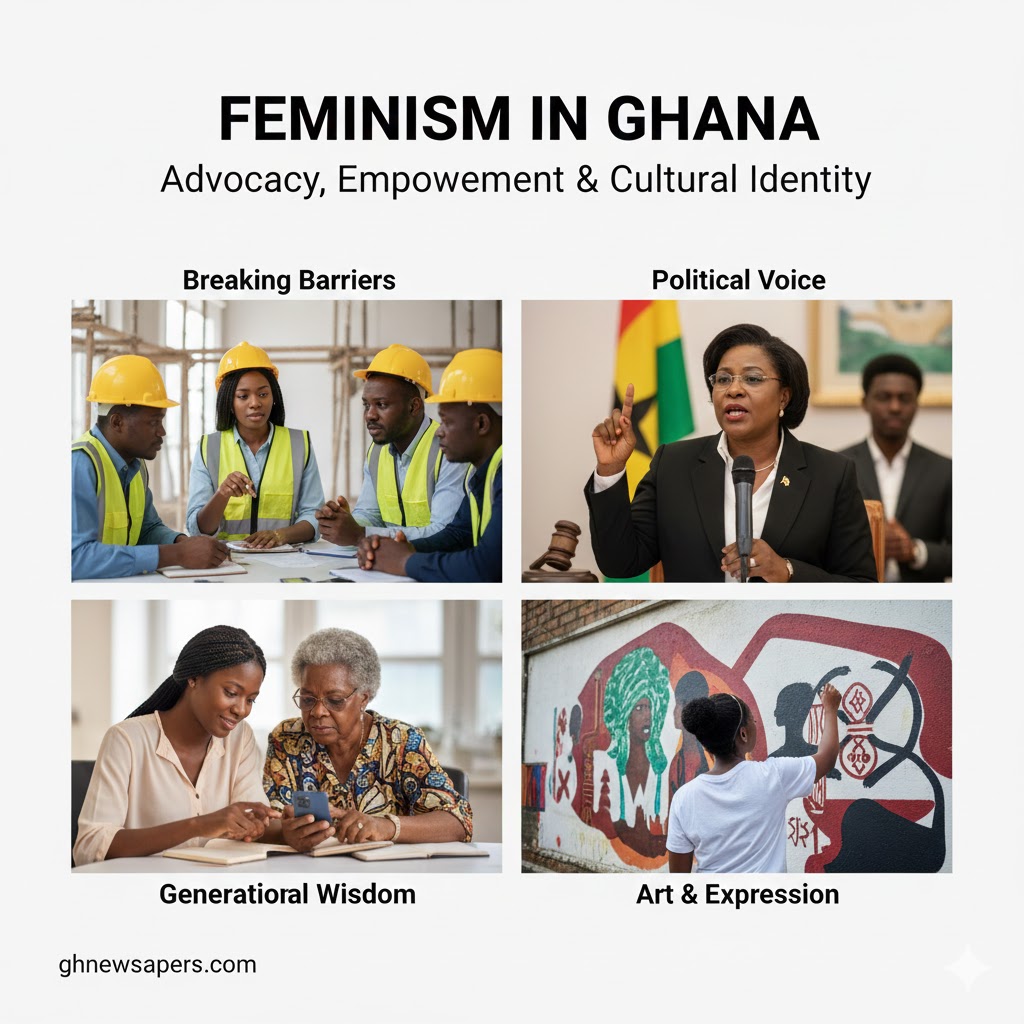
Feminism Is Not a Dirty Word Sexism is wrong. It is prejudice and discrimination against people because of their sex or gender. In many societies, including Ghana, sexist attitudes are often directed at women and girls. These attitudes show up in everyday behavior—how women are spoken to, how their

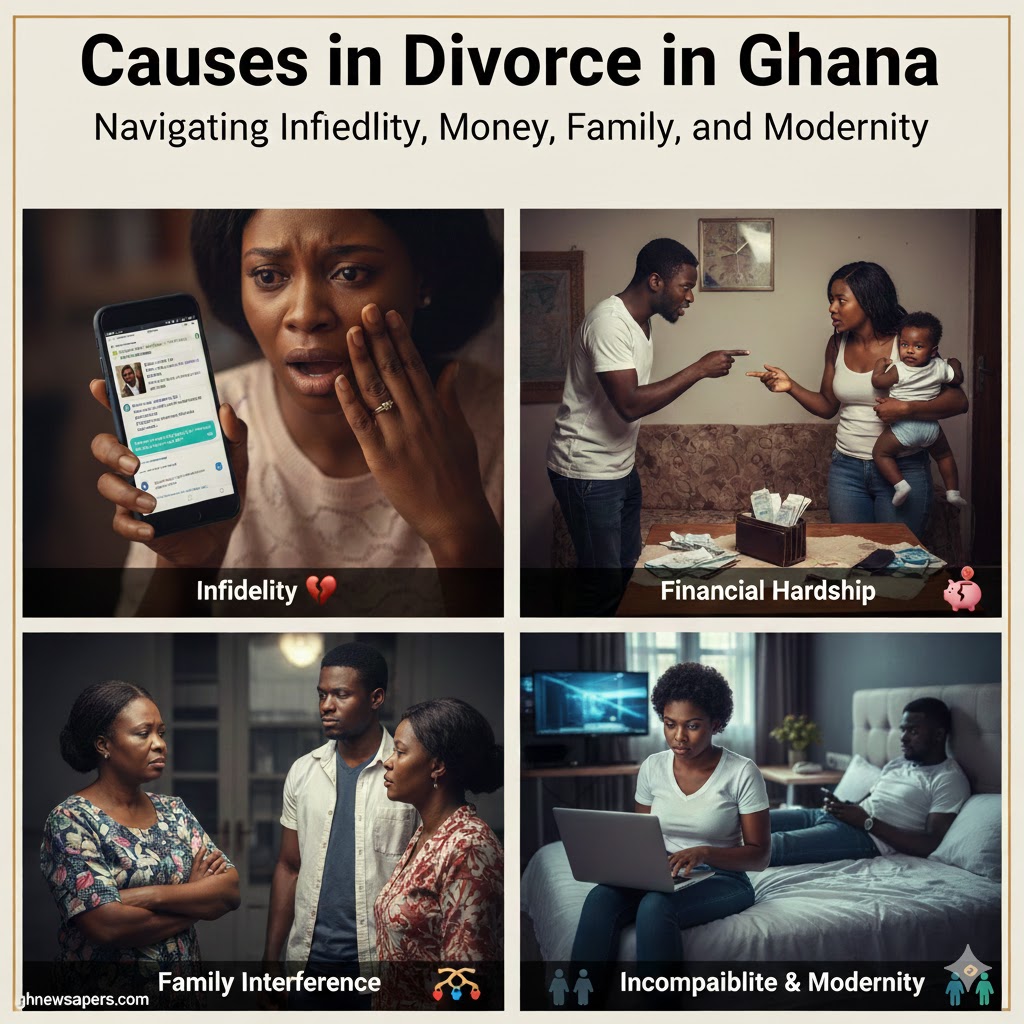
In the past, Ghanaian marriages were widely regarded as enduring unions. Separations were rare, and divorce was uncommon. Marriages were expected to last a lifetime, sustained not only by the couple but also by their extended families and lineages. Today, however, the situation has changed dramatica

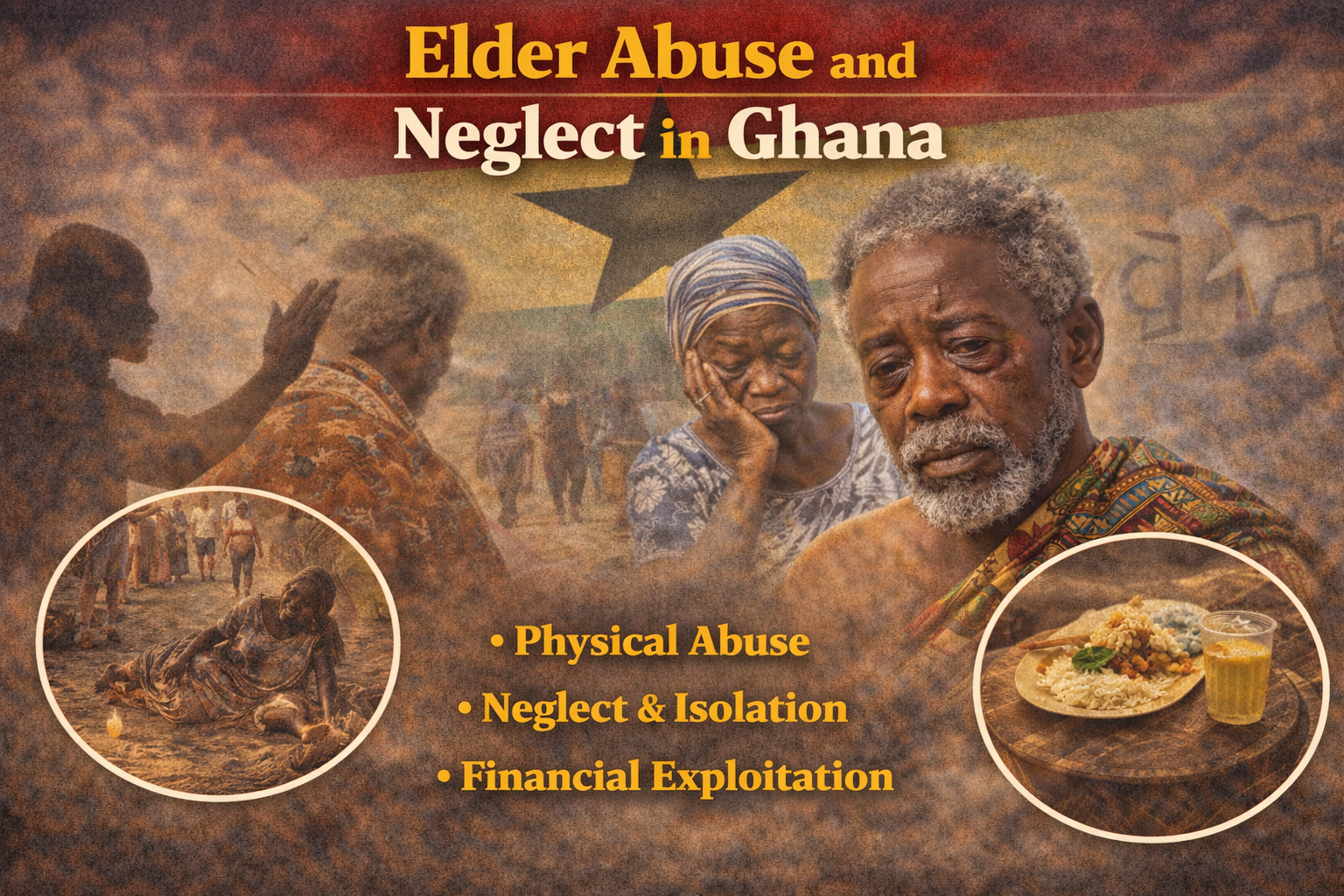
Ghanaian society traditionally values respect for the elderly. Older people are regarded as repositories of wisdom, custodians of tradition, and moral anchors of the family. Yet beneath this ideal lies a troubling reality: many elderly persons in Ghana experience neglect, abuse, and profound social

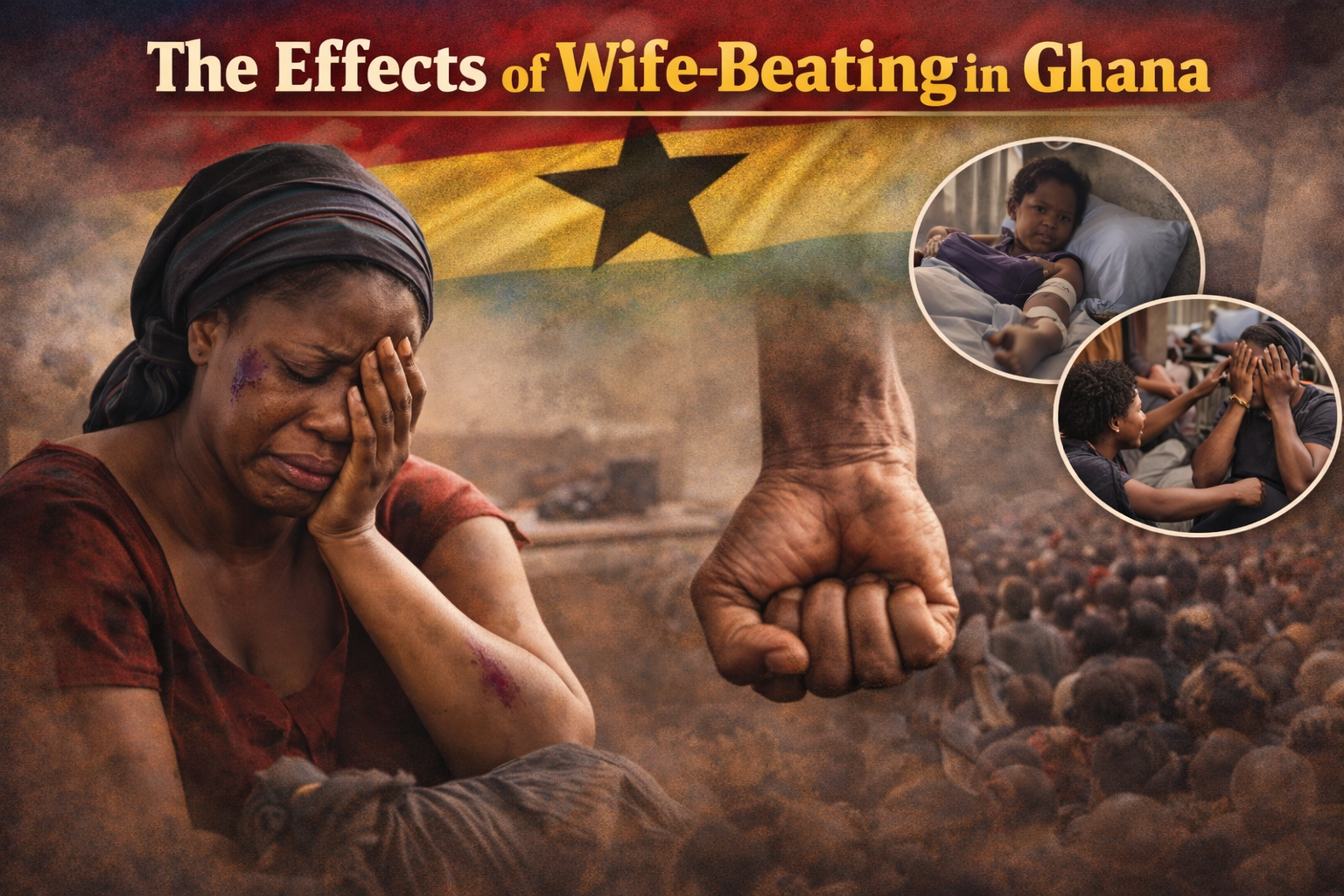
When Two Elephants Fight, the Earth Underneath Suffers Marriage is ideally meant to be a source of companionship, love, and emotional security between husband and wife. Yet in Ghana, as in many societies across the world, the promise of marital bliss is too often shattered by domestic violence, part

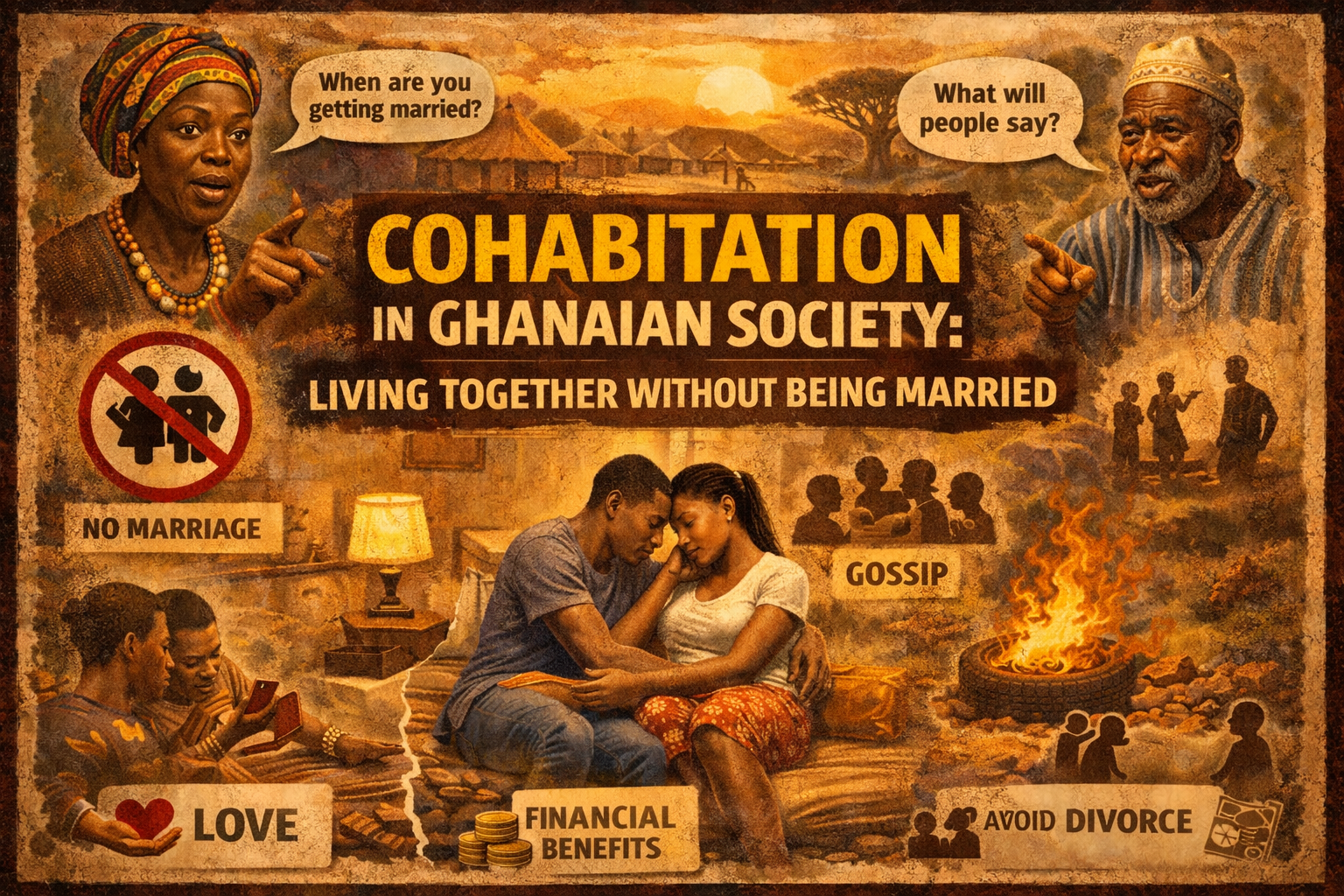
Cohabitation refers to an intimate arrangement in which a man and a woman live together in a shared residence without being formally married. While cohabitation has become increasingly common in many contemporary societies, it is generally frowned upon in Akan society and regarded as socially improp

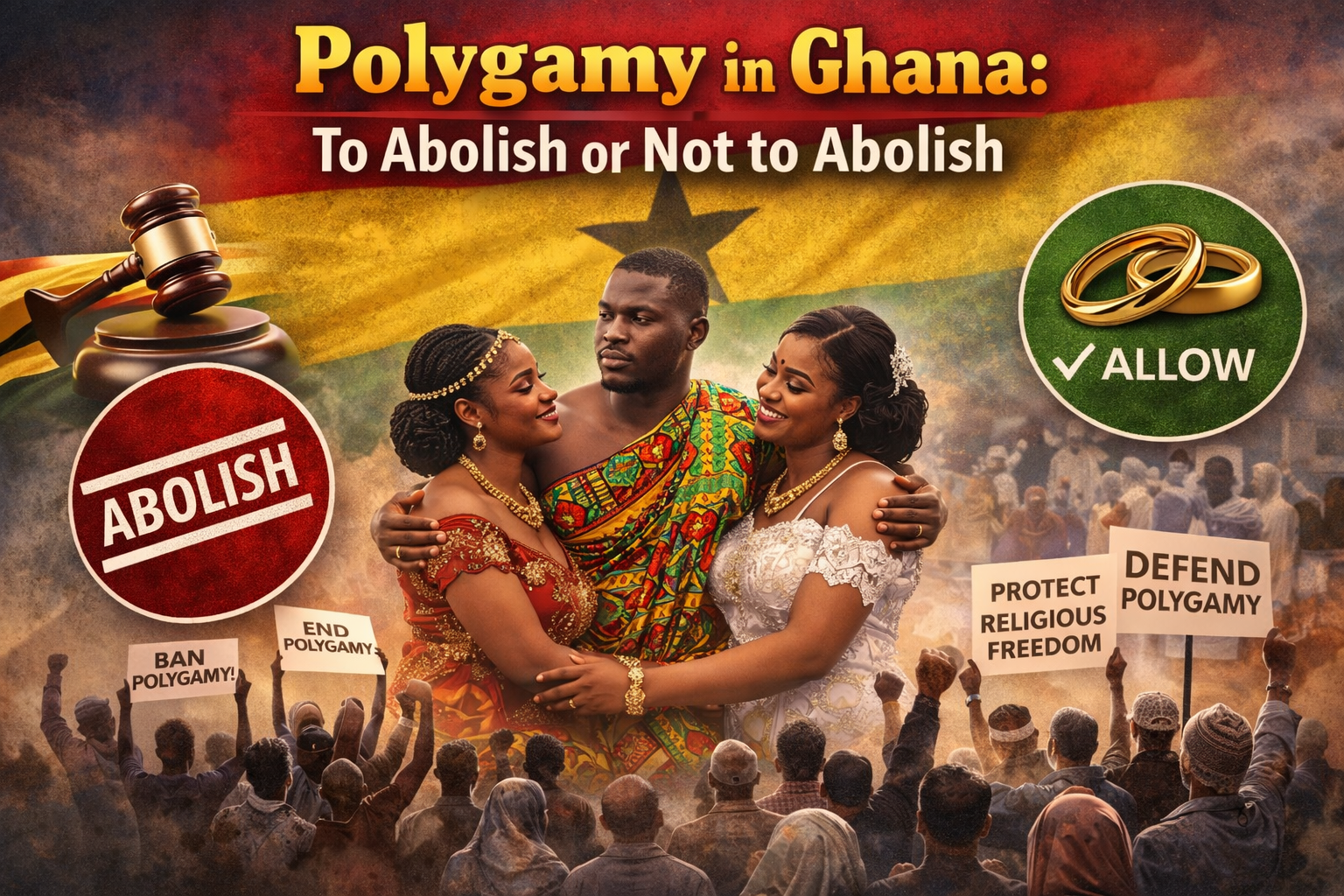
Polygamy refers to a marital arrangement in which a person is permitted to have two or more spouses at the same time. Although the term polygamy is often used loosely in everyday conversation, sociologists and anthropologists make important distinctions among its different forms. There are two main

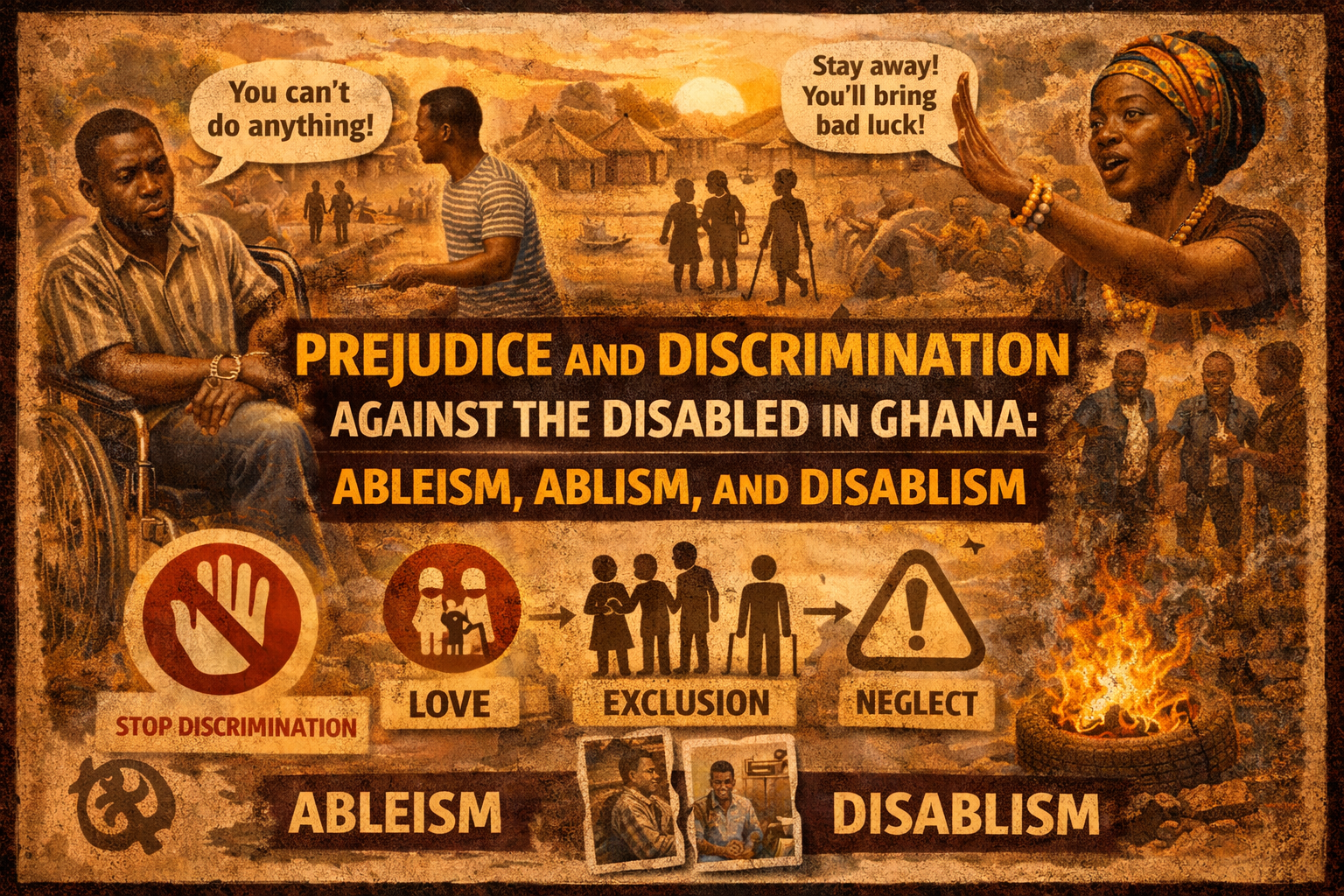
Sociologists use the term ableism to describe prejudice, discrimination, and social exclusion directed against persons with disabilities. The terms ablism and disablism are also used in the scholarly literature to refer to the same phenomenon, namely, the systematic disadvantaging of people whose bo

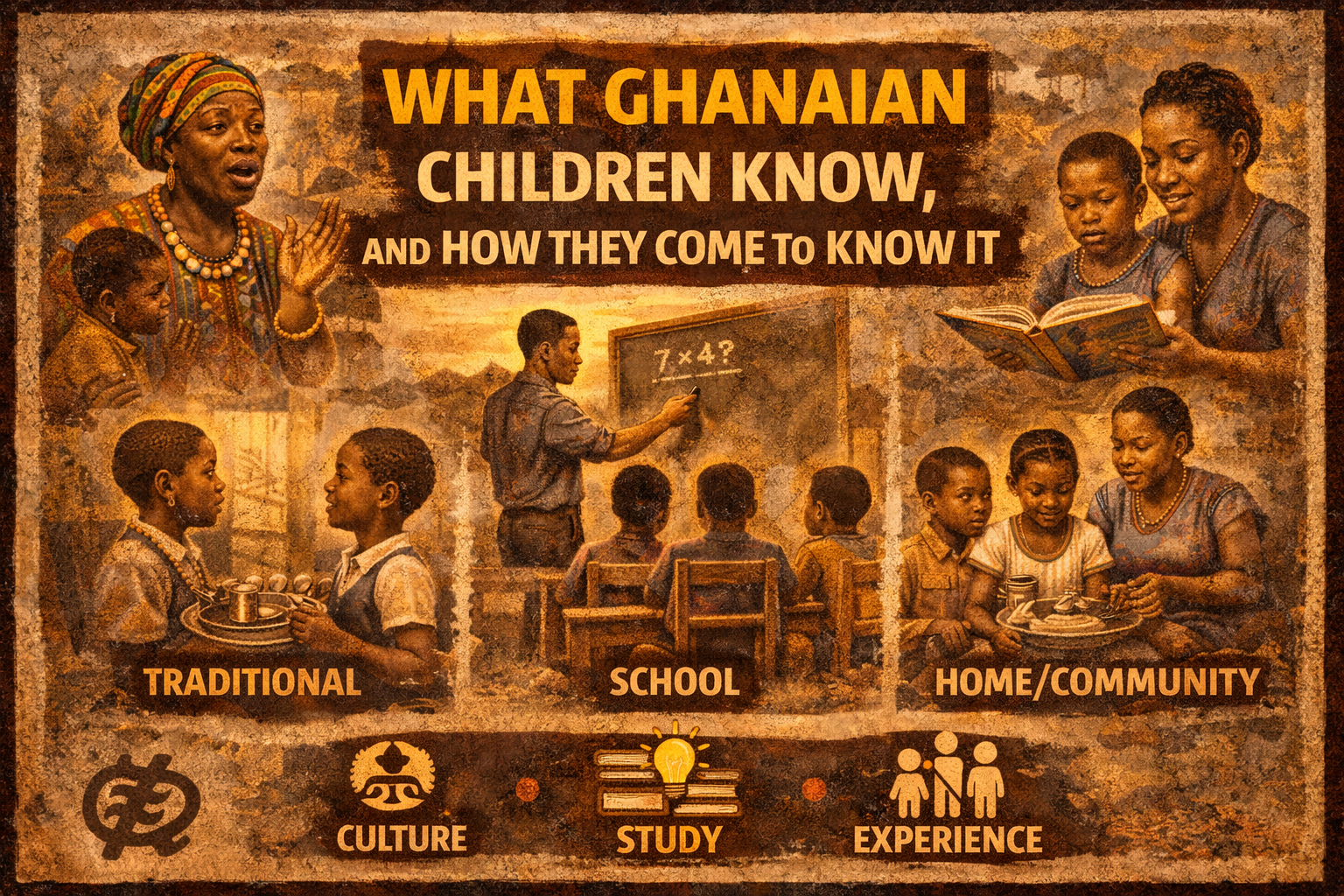
No one is born with knowledge. Human beings are born with the capacity to learn, but what they eventually know—how they speak, think, behave, believe, and interpret the world—is acquired from society. Knowledge, values, attitudes, and skills are socially produced and socially transmitted. By the tim

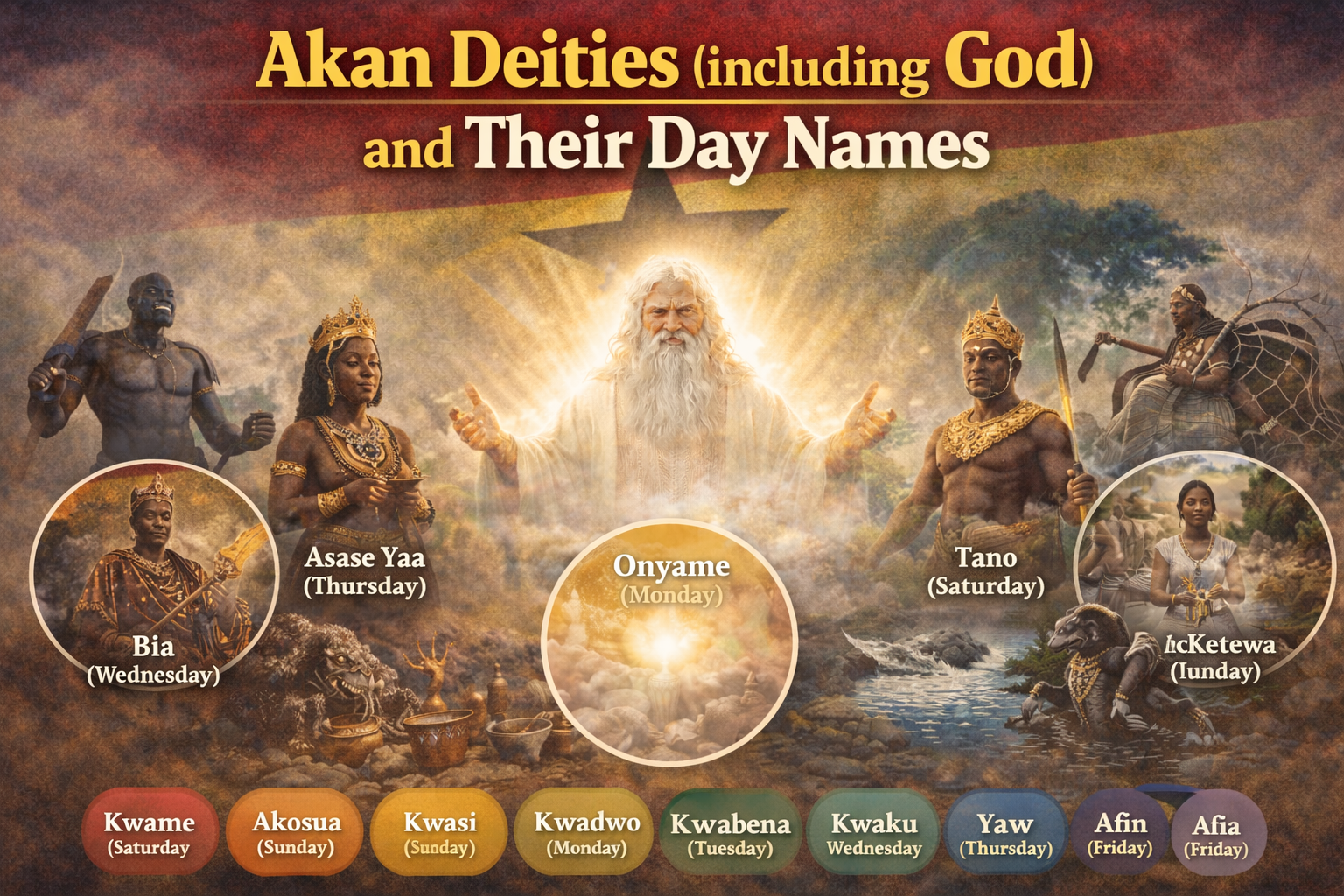
Among the Akan of Ghana, naming is never a casual act. Names locate a person in time, history, morality, and the spiritual universe. One of the most distinctive Akan naming practices is the giving of day names (kradin), assigned according to the day of the week on which a child is born. These names

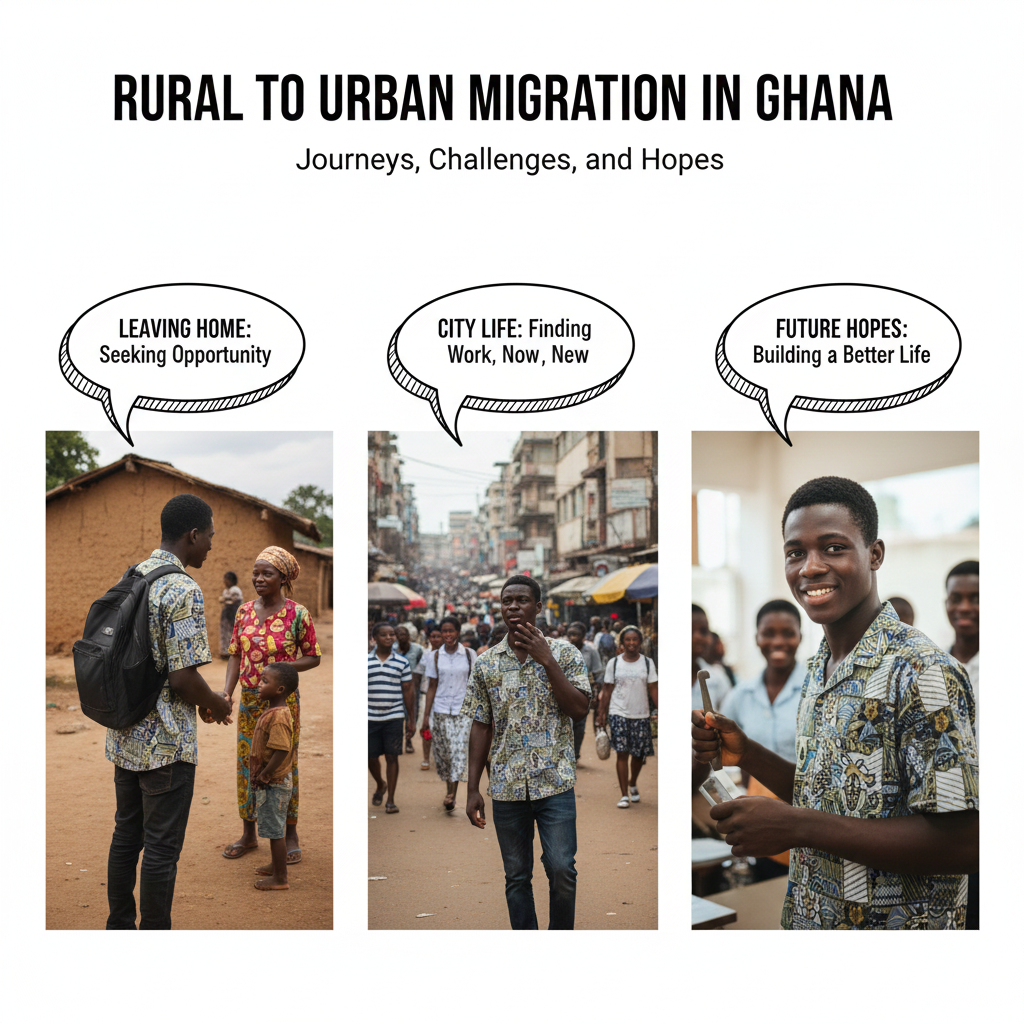
The causes of Rural–Urban Migration are major concerns of African governments like Ghana. Across Ghana and much of Africa, a defining social transformation of the 21st century is the movement of people from the countryside to towns and cities. Every year, thousands of young people leave rural commun

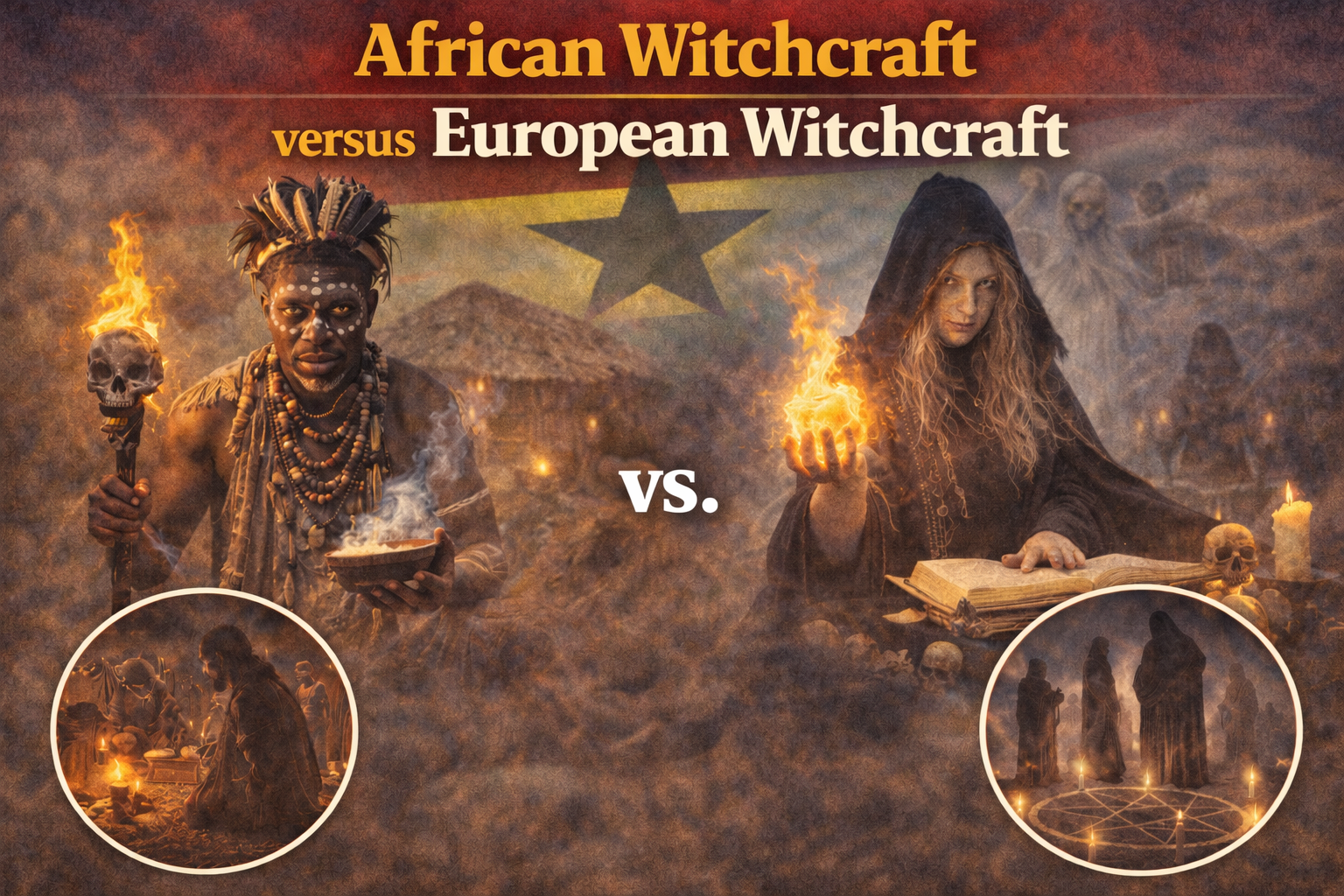
African witchcraft versus European witchcraft have been the focus of local discussions about witchcraft in Ghana for many years. During the period of European colonization, westernization, and the early stages of modernization, people in the Gold Coast (now Ghana) struggled to explain the wide gap i

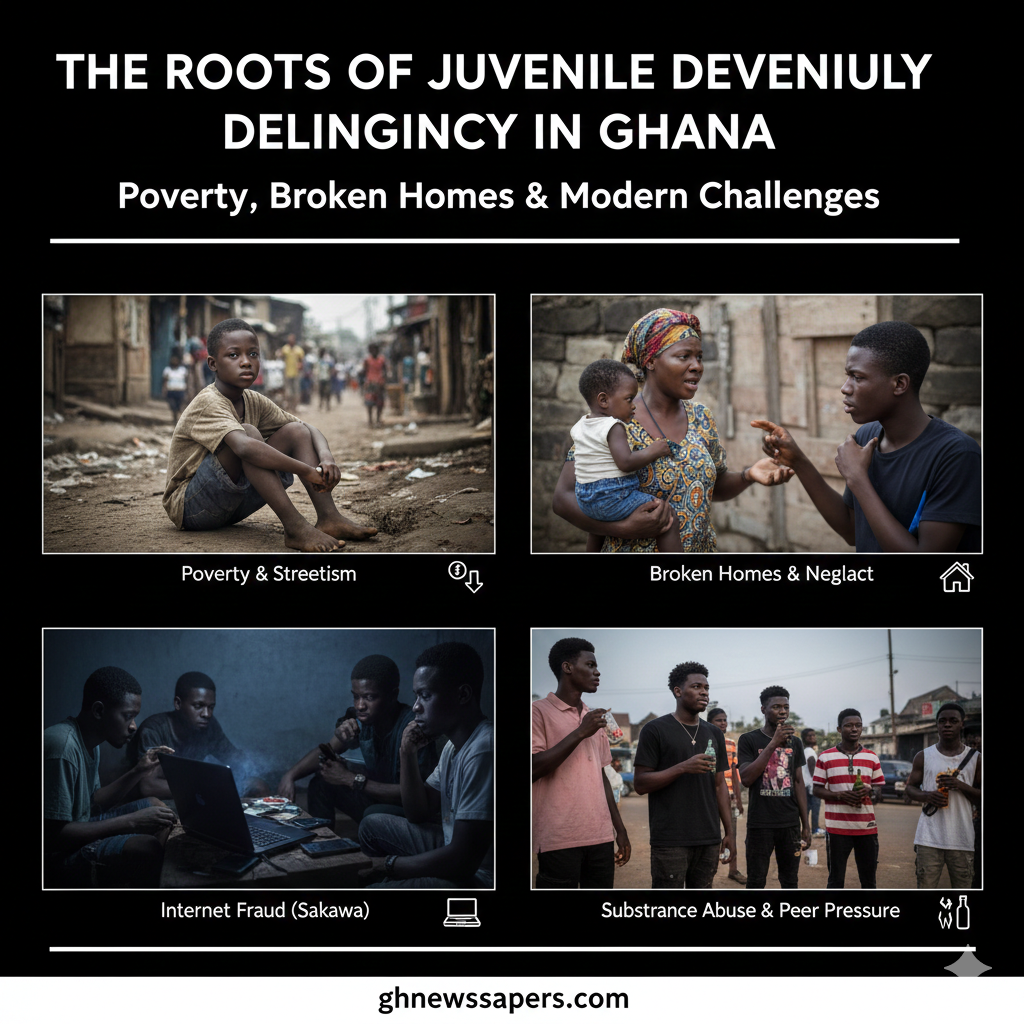
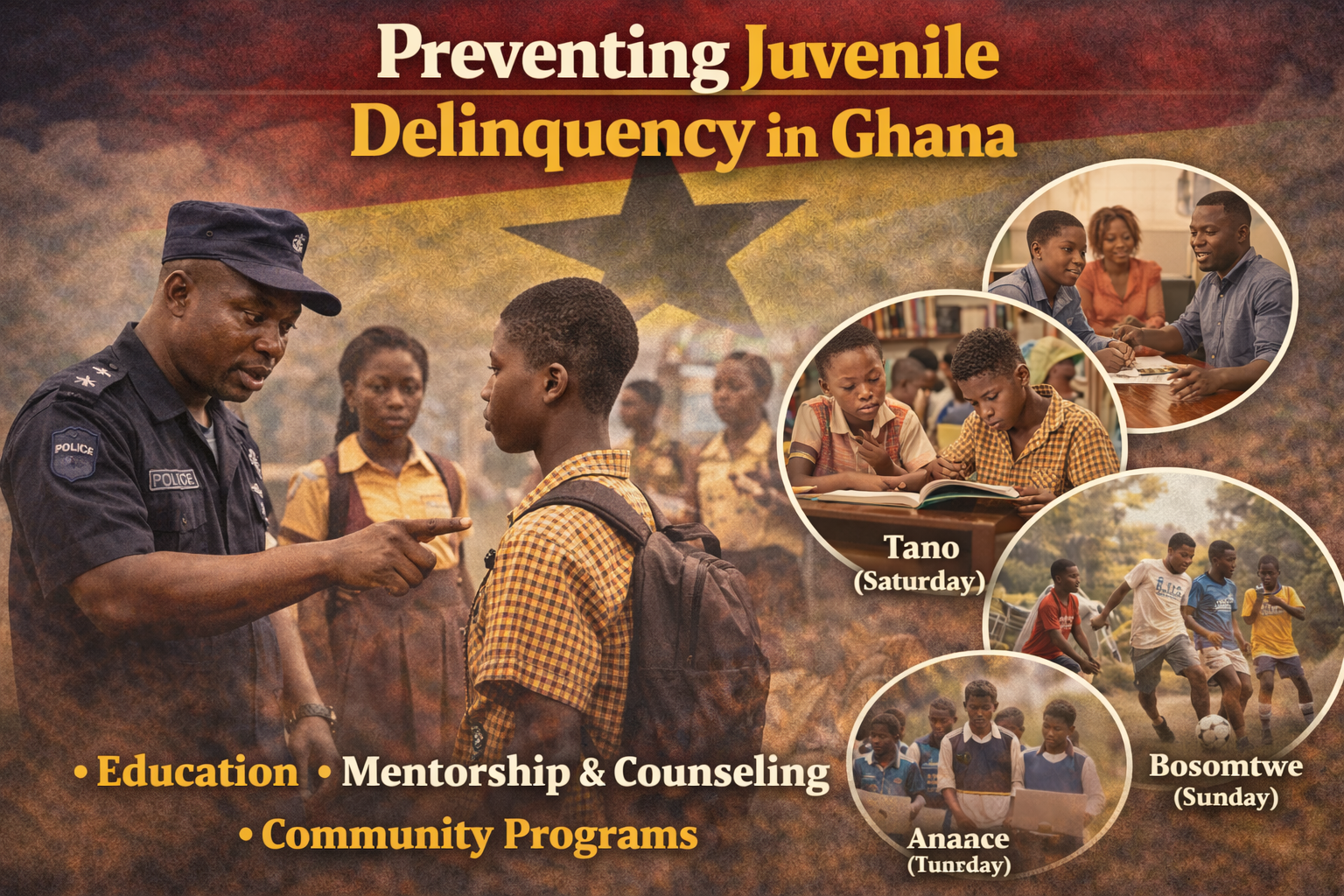
Children are the future of every society. Yet Ghana faces a serious challenge if urgent steps are not taken to ensure that today’s children are properly guided and nurtured to grow into law-abiding and responsible citizens. In recent years, there has been a noticeable increase in juvenile delinquenc

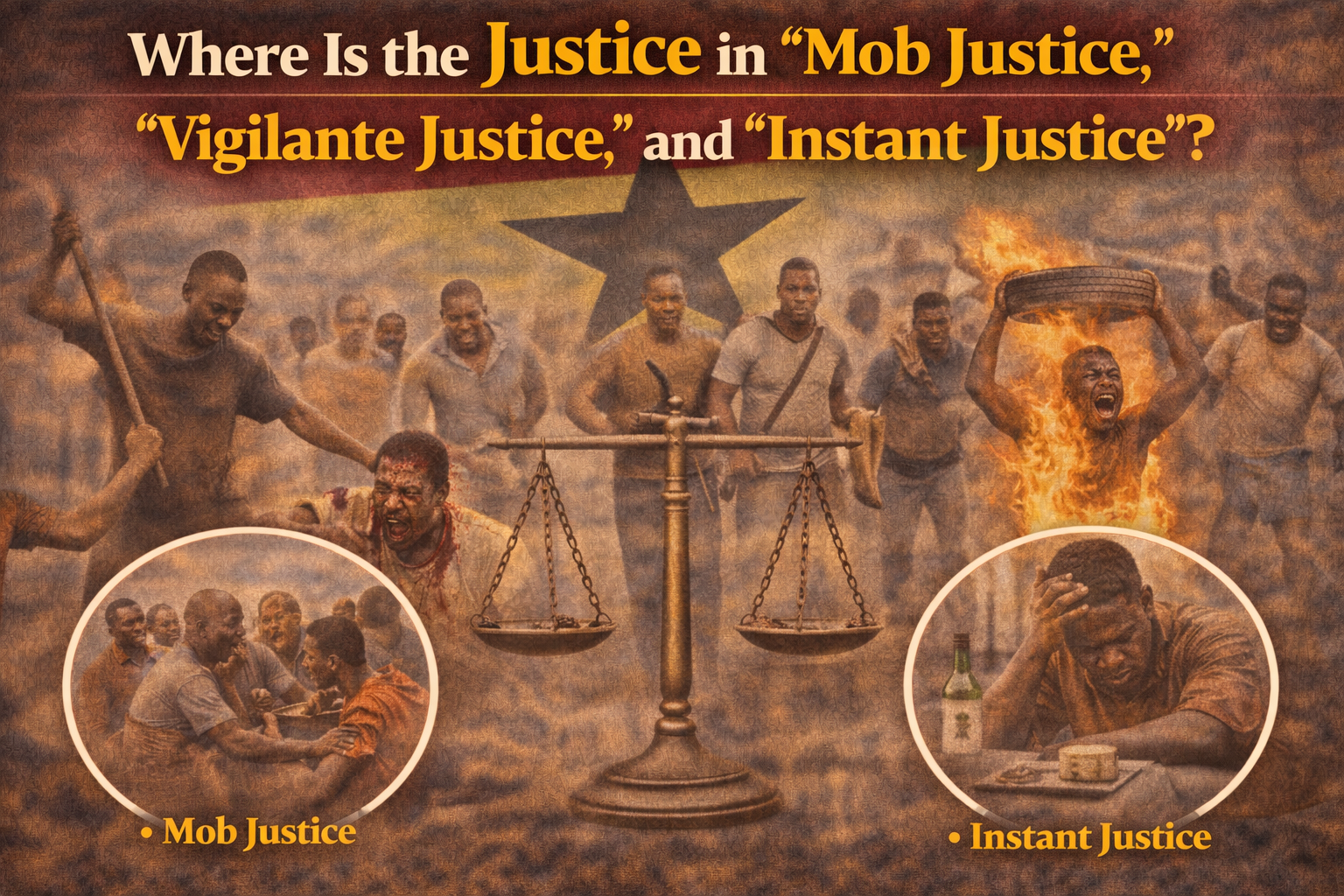
Some call it mob justice. Others describe it as instant justice or vigilante justice. But where, indeed, is the justice when a person is beaten, maimed, or killed without a proper trial or lawful conviction by the legally constituted justice system of the land? Every year in Ghana, scores of individ

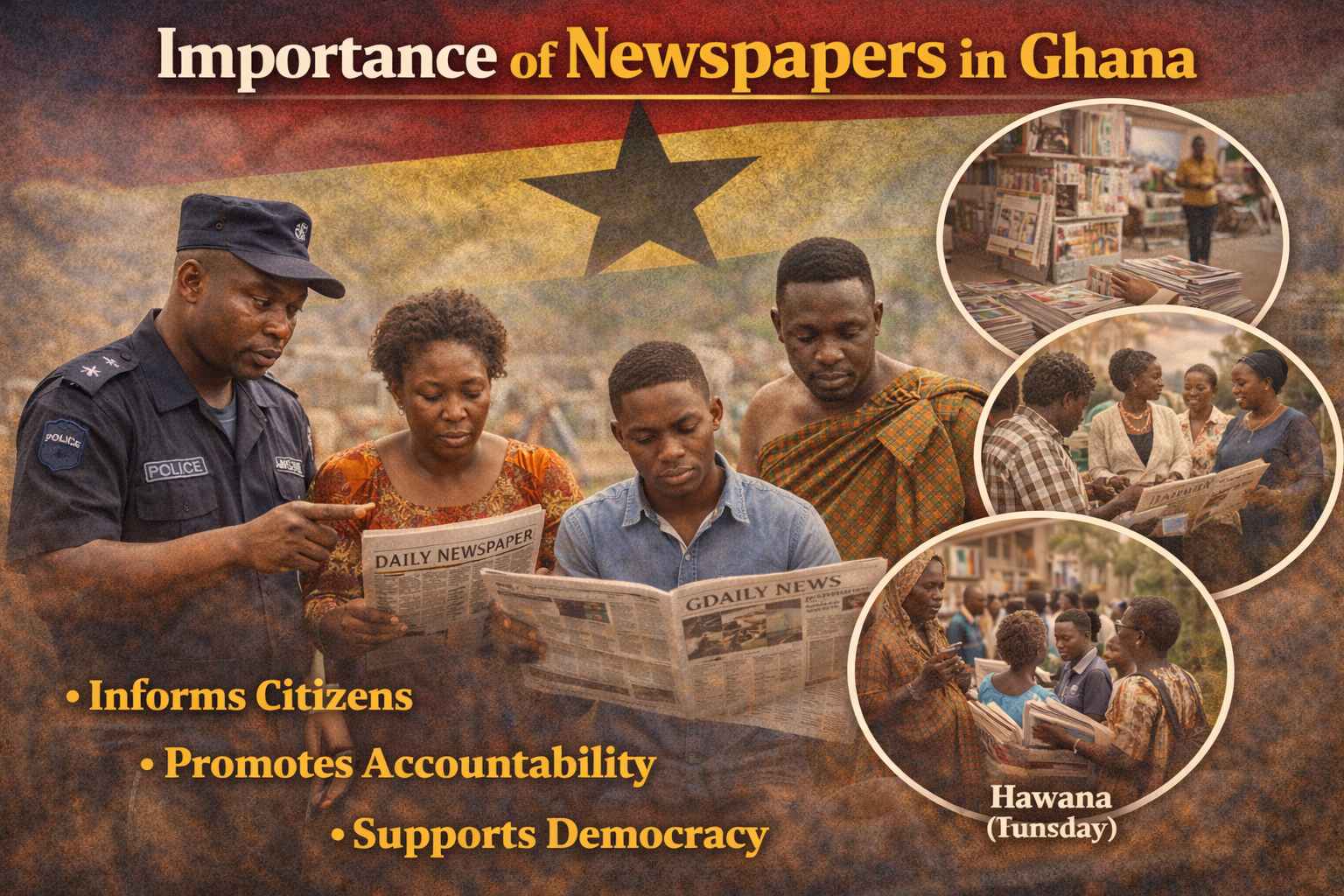
Newspapers occupy an important place in Ghanaian society. Long before the rise of social media and online news platforms, newspapers were the primary source of information for the public. Even today, despite digital competition, newspapers continue to serve critical social, political, educational, a

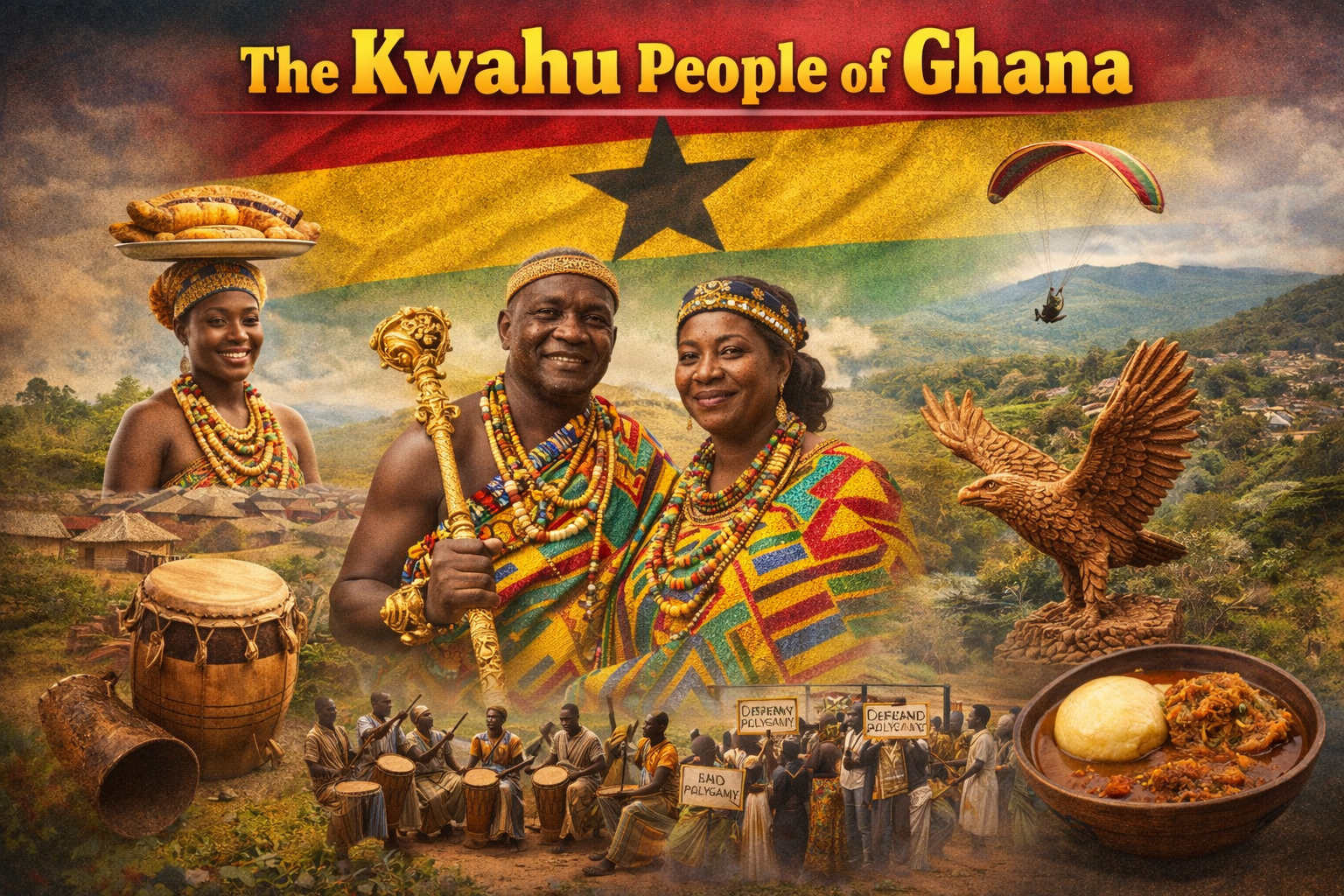
Ghana is a multiethnic and multilingual country, home to numerous ethnic groups with distinct histories and cultural traditions. Among these groups are the Kwahu people, one of the many subgroups within the larger Akan ethnic group. The Kwahu are primarily located in the Eastern Region of Ghana. The

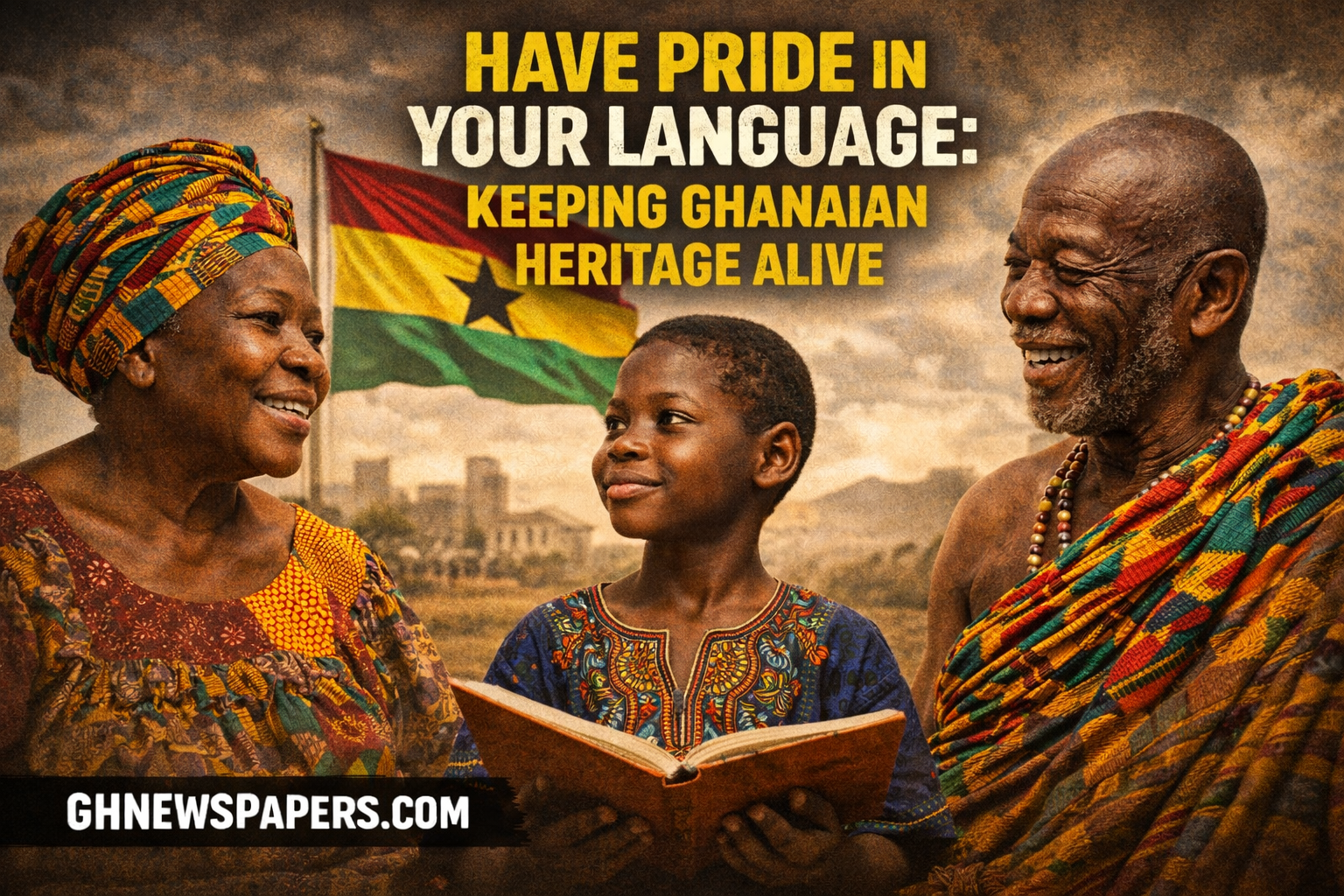
In Ghana today, many parents encourage their children to speak English, sometimes at the expense of local languages. This trend is common not only in Ghana but also among Ghanaian families living abroad. While parents may believe that prioritizing English will make their children academically bright

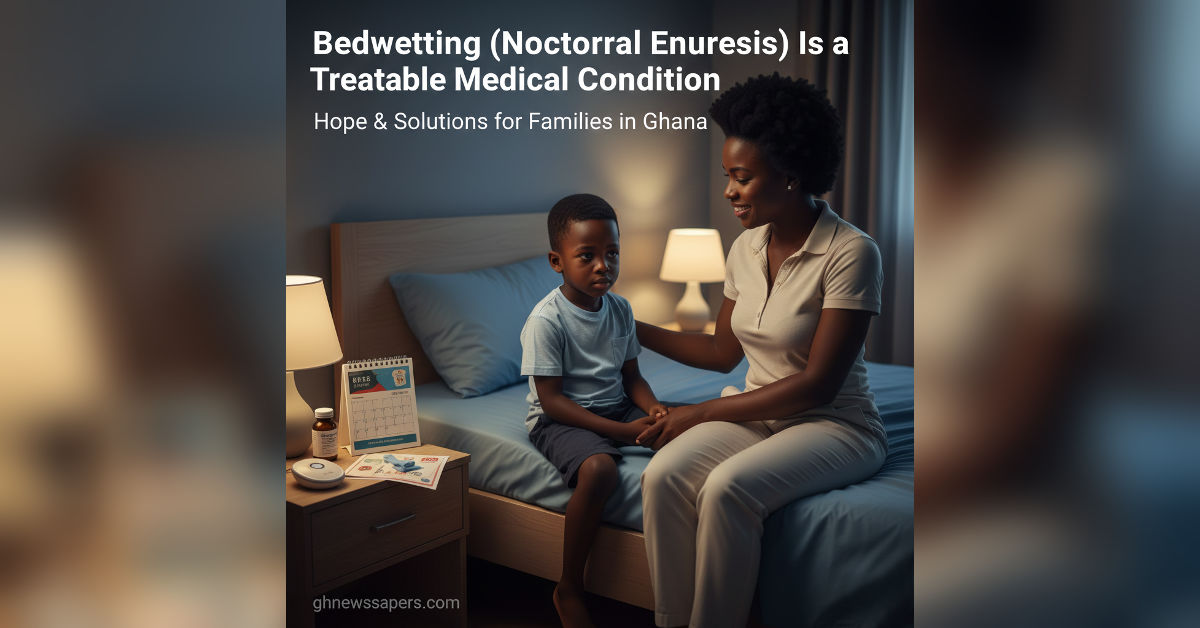
Across Africa, myths and misunderstandings about bedwetting continue to affect children and families. In Ghana, many parents still believe that children who wet their beds at night are lazy or unwilling to wake up to urinate. As a result, some children are physically disciplined. In past decades, pa

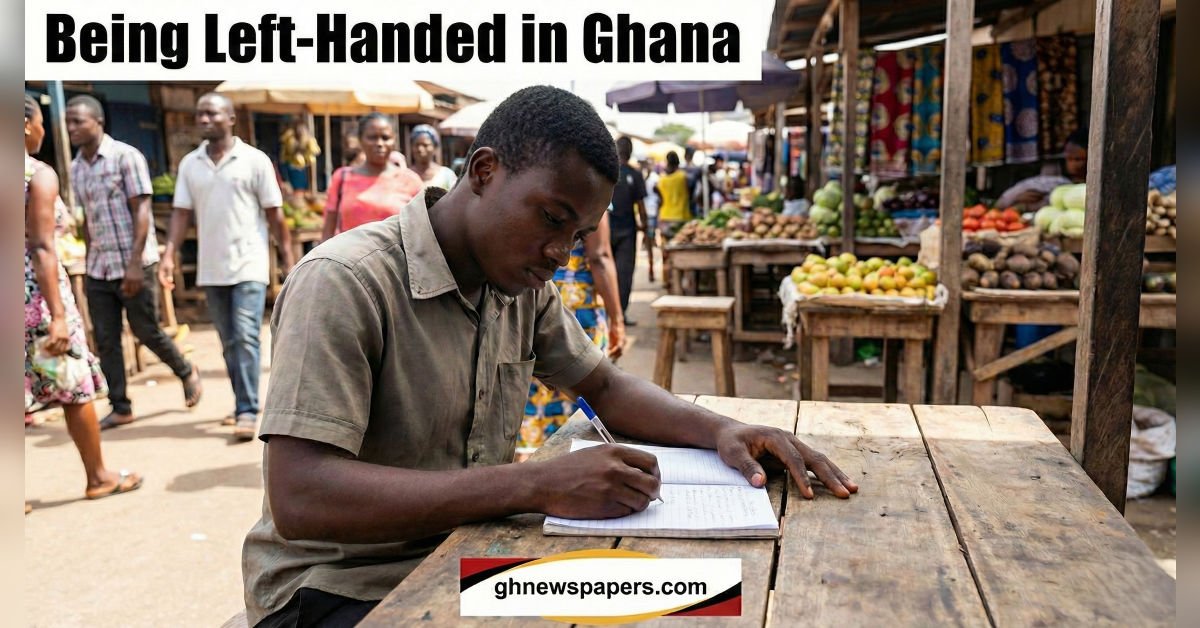
Every society has norms, which are rules that guide behavior. One important norm in Ghana concerns the use of the left hand in social interactions. Traditionally in Ghana, using the left hand in social interactions can be problematic. Giving something to someone or receiving something with the left

Corporal punishment is when an adult uses physical force to discipline or control a child, with the aim of causing pain, though not serious injury. In simple terms, it means hurting a child’s body to punish them. Examples of corporal punishment include beating or caning, slapping or spanking, whippi

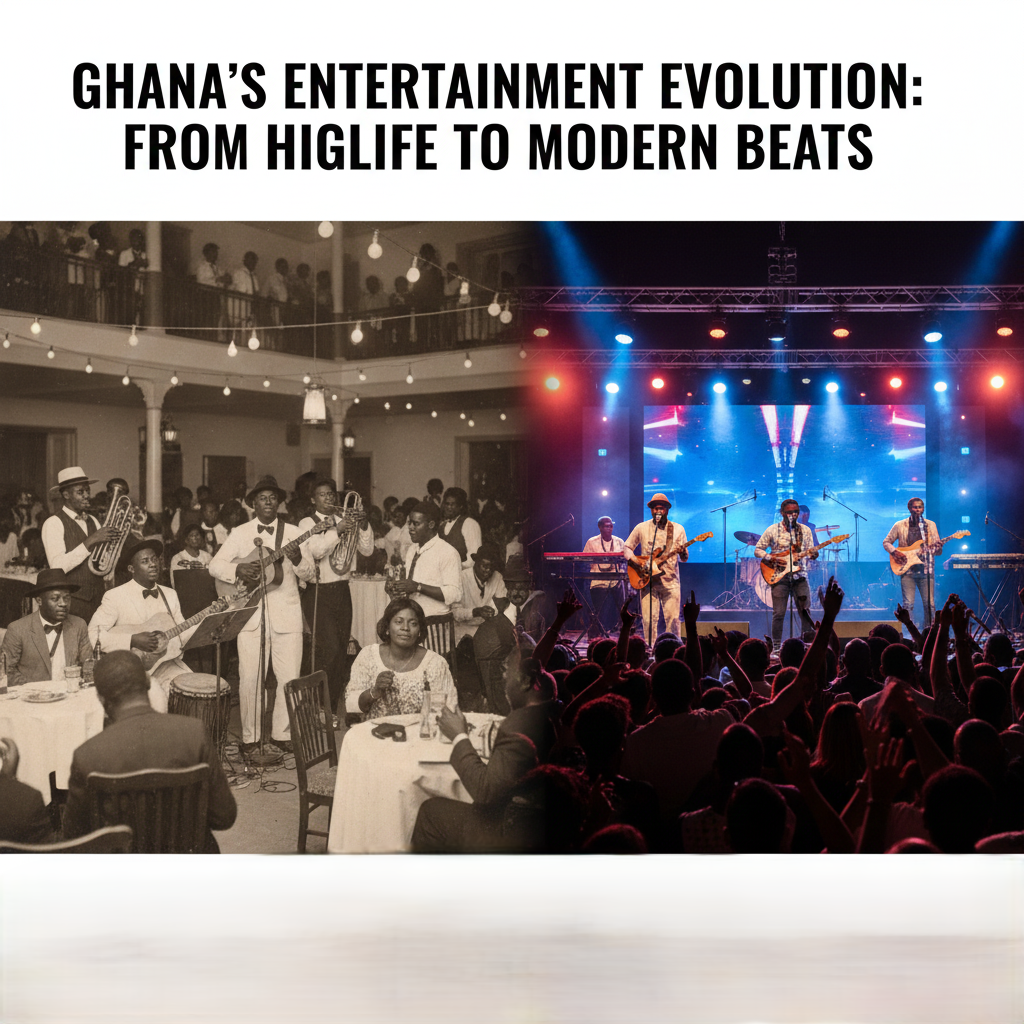
Long before Ghana had a film industry or digital streaming platforms, music was the country’s most powerful form of entertainment—and Highlife became its loudest voice. From colonial ballrooms to roadside bars and global stages, Highlife music has shaped Ghana’s cultural identity for more than a cen

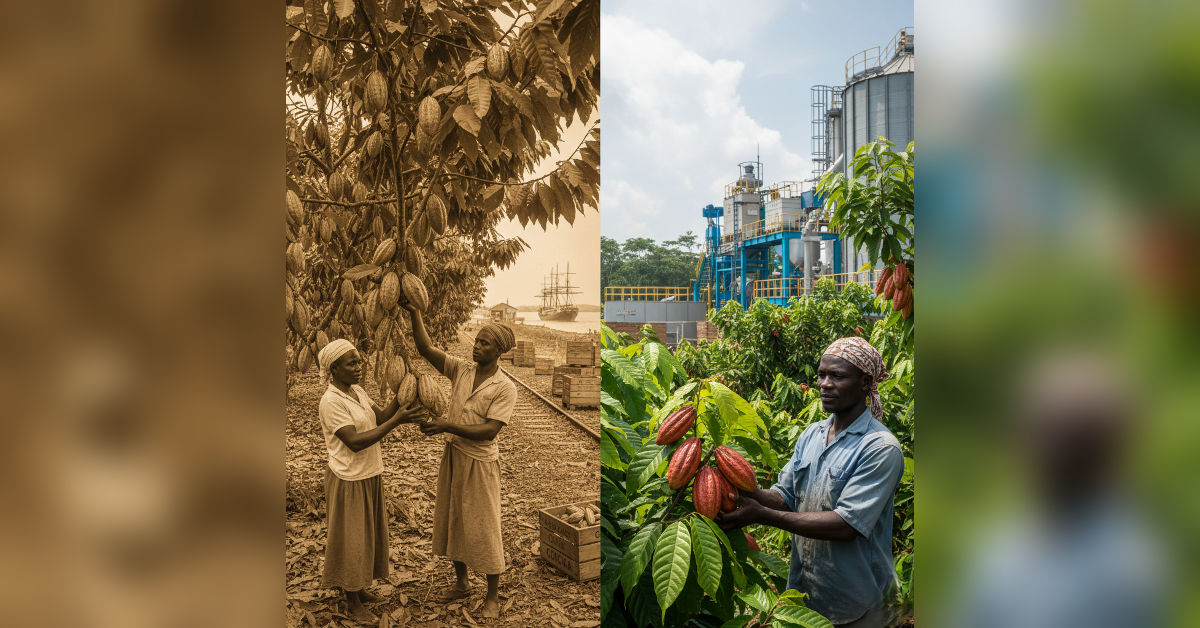
Few business stories have shaped Ghana as deeply and enduringly as cocoa. From a small agricultural experiment in the late 19th century to becoming the backbone of the national economy, cocoa transformed the Gold Coast into one of the world’s most important producers and laid the foundation for mode