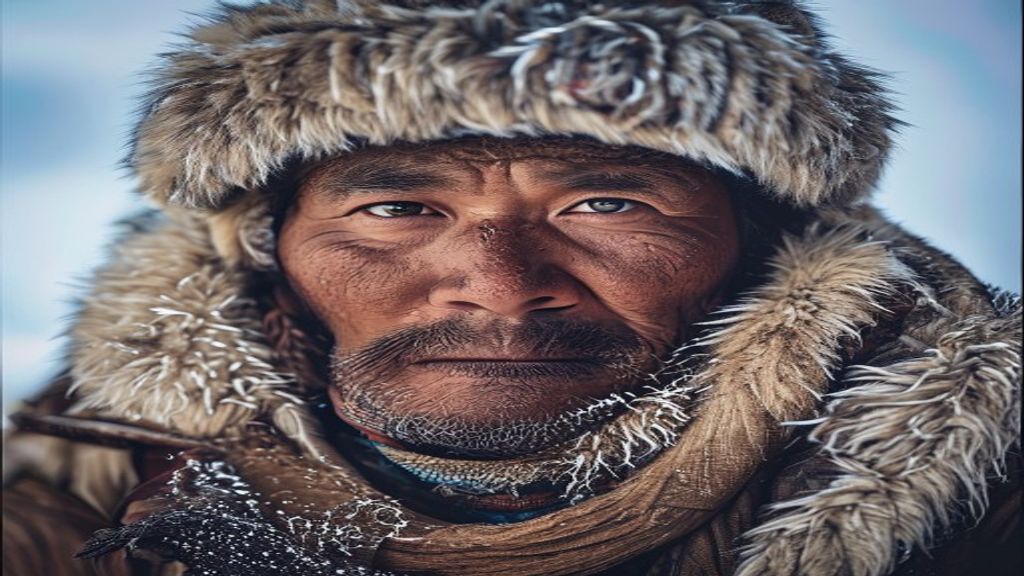
The Eskimo Who Came to Ghana: Fact, Folklore, or Legend?
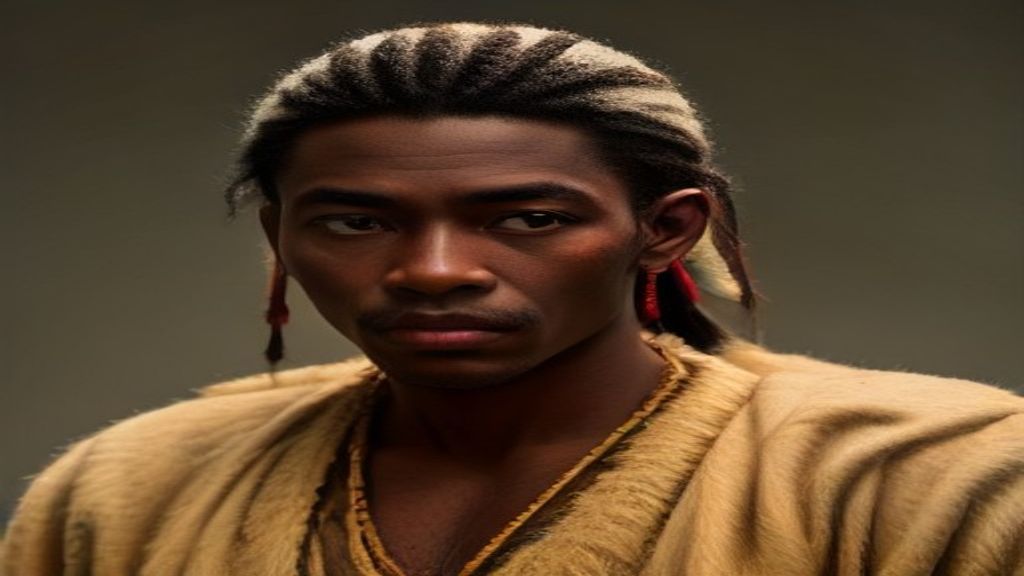
The article explores the veracity of a story told about a foreign visitor who came to Ghana in 1957.
63 results for “Ghanaians”

The article explores the veracity of a story told about a foreign visitor who came to Ghana in 1957.

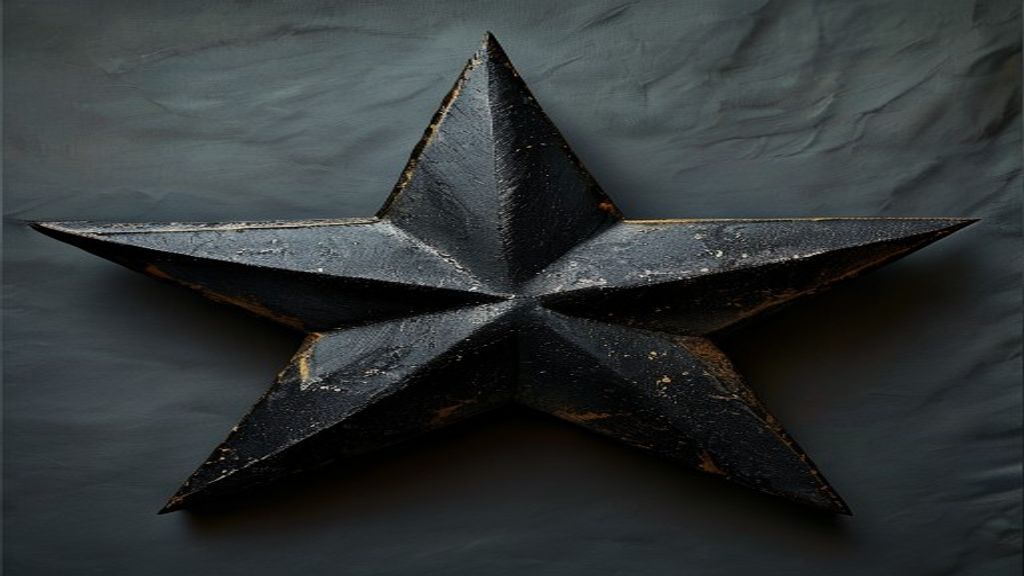
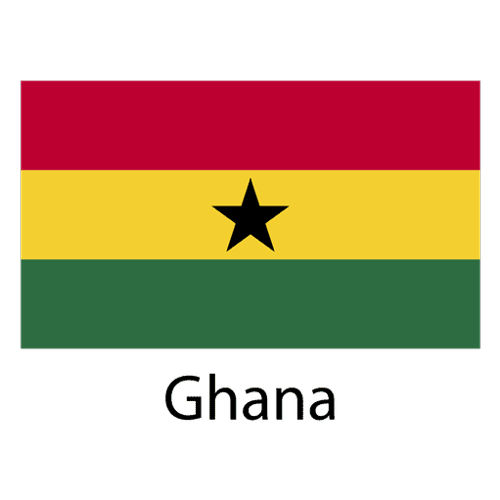
The article explains why the star in Ghana's flag is black, instead of white, silver or golden

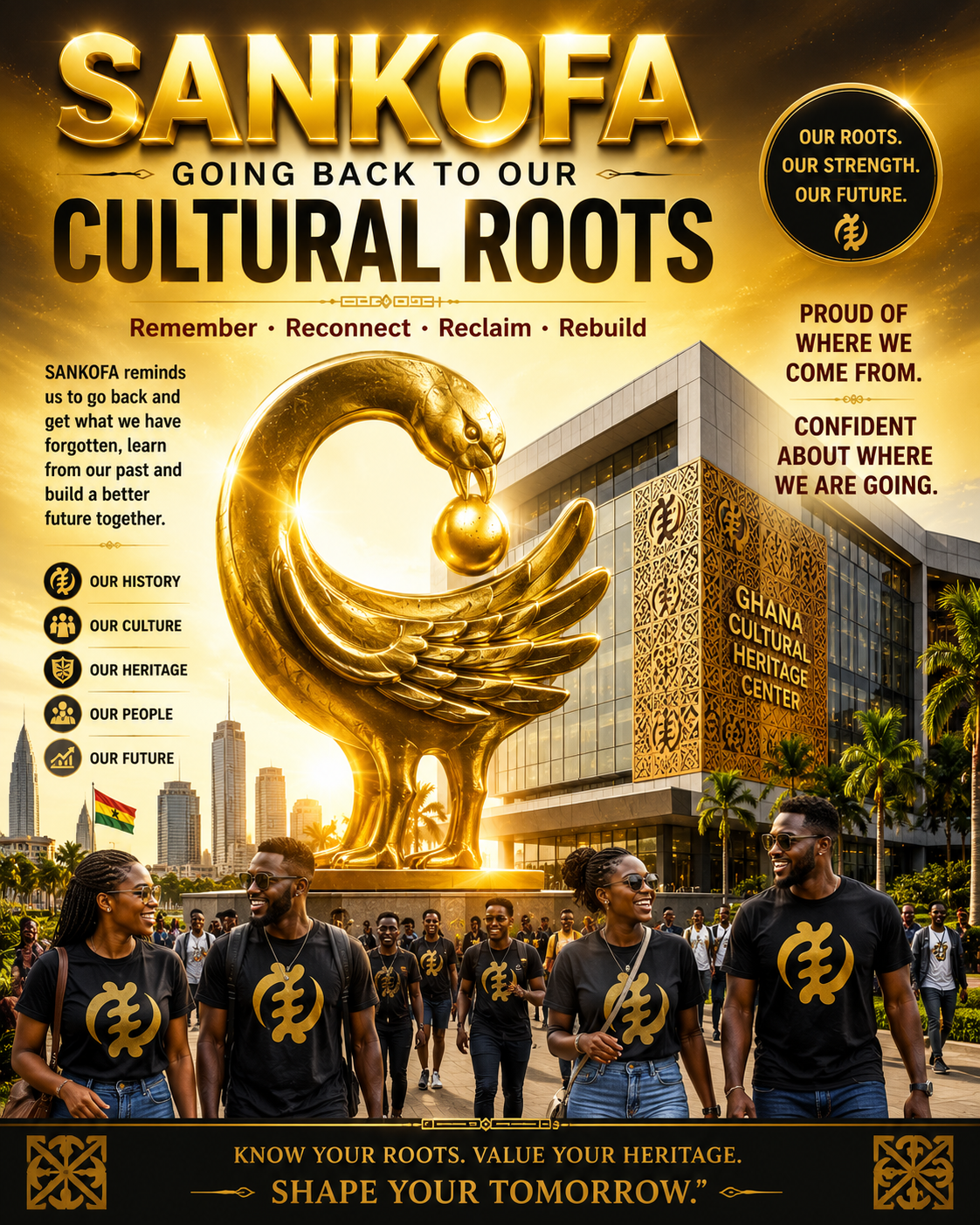
Ghana is a country with a rich and vibrant cultural heritage. Long before the arrival of Europeans, the people who inhabited the territory now known as Ghana had developed sophisticated political syst

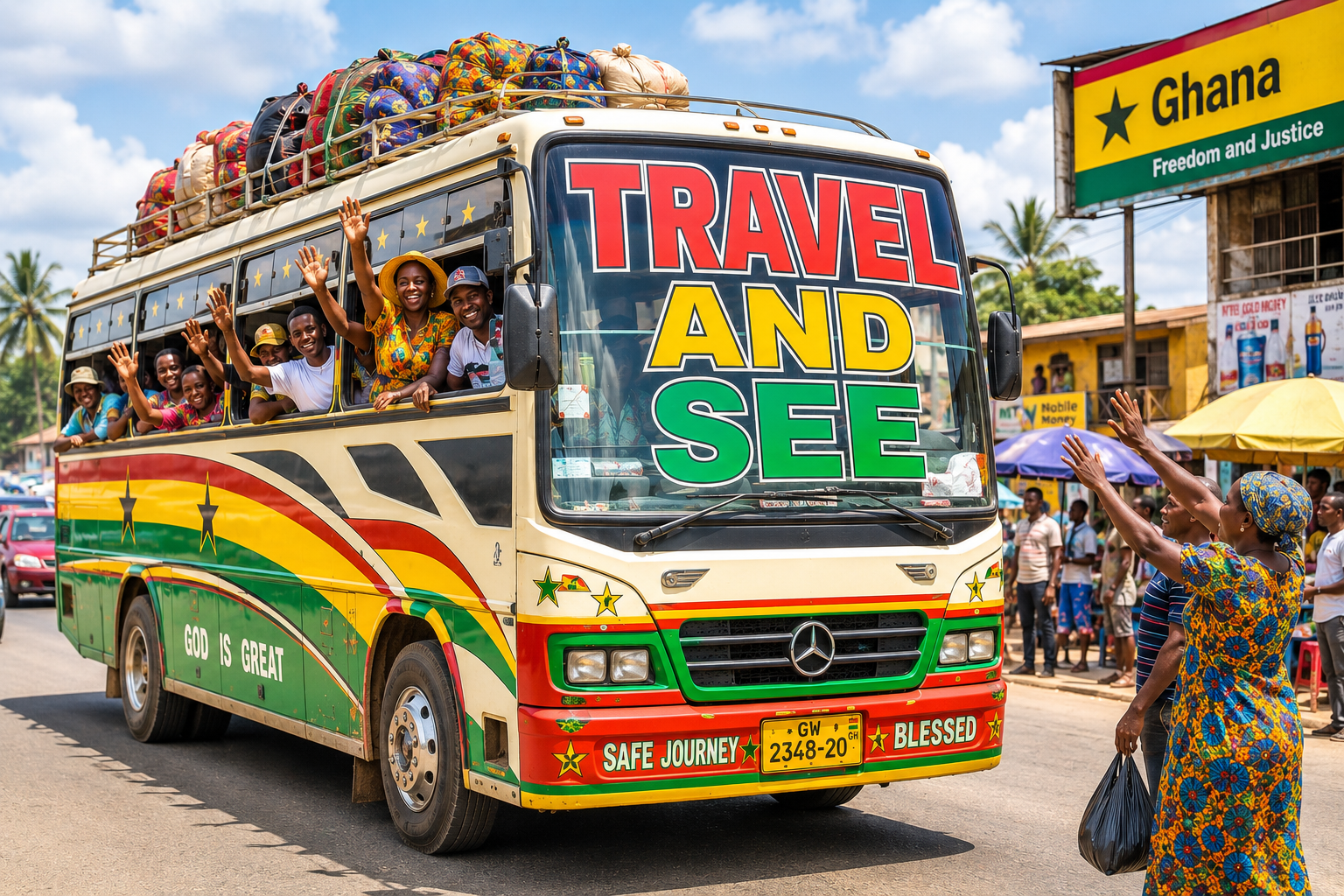
A Popular Ghanaian Vehicle Inscription Ghanaian commercial vehicles are often adorned with colorful inscriptions that convey wisdom, faith, humor, and life lessons. One common inscription seen on veh

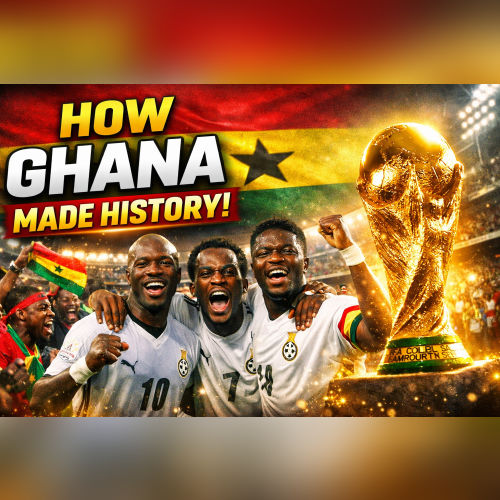
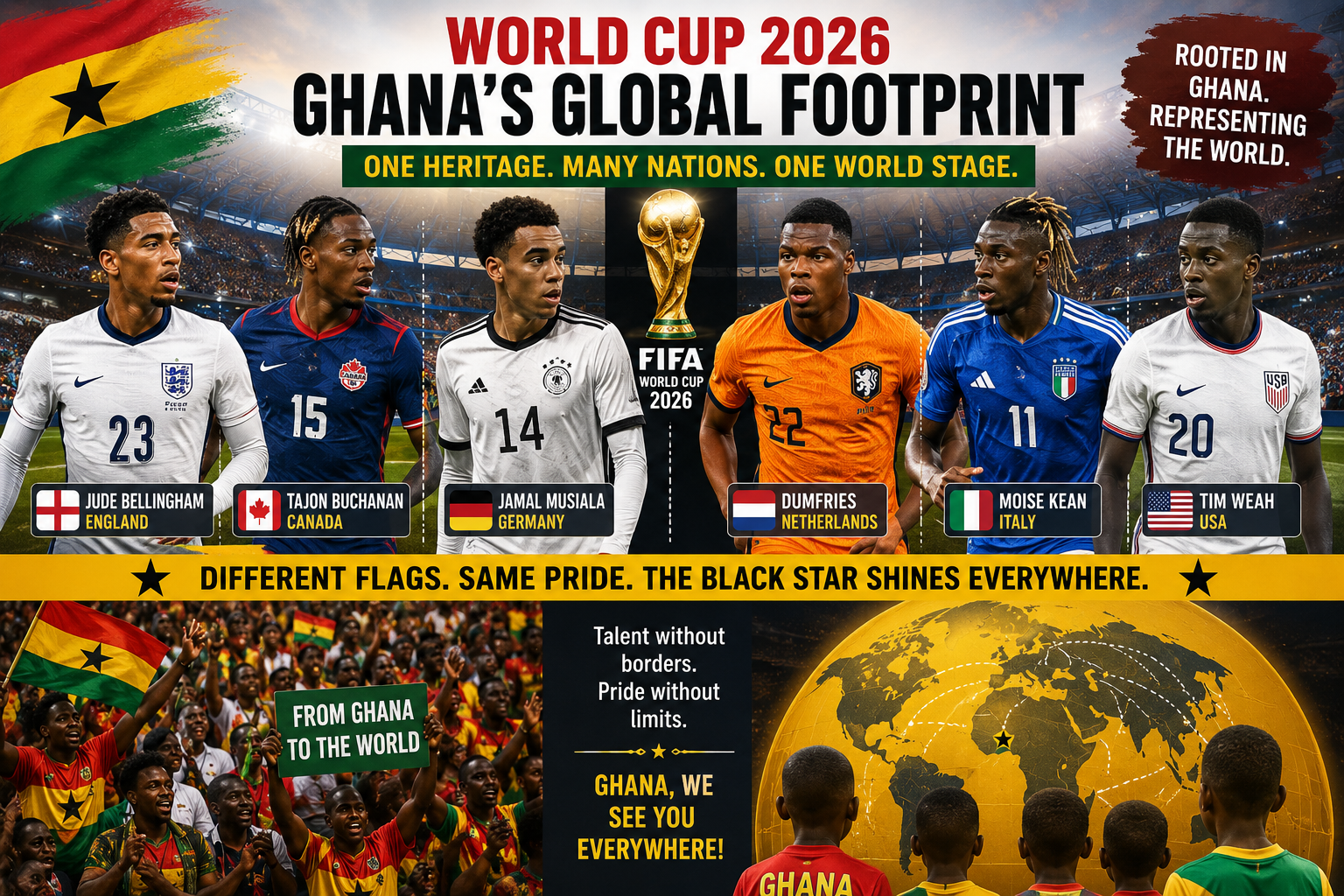
Introduction The influence of Ghana on world football extends far beyond the Black Stars. At the 2026 FIFA World Cup, players of Ghanaian heritage can be found representing several nations across Eur

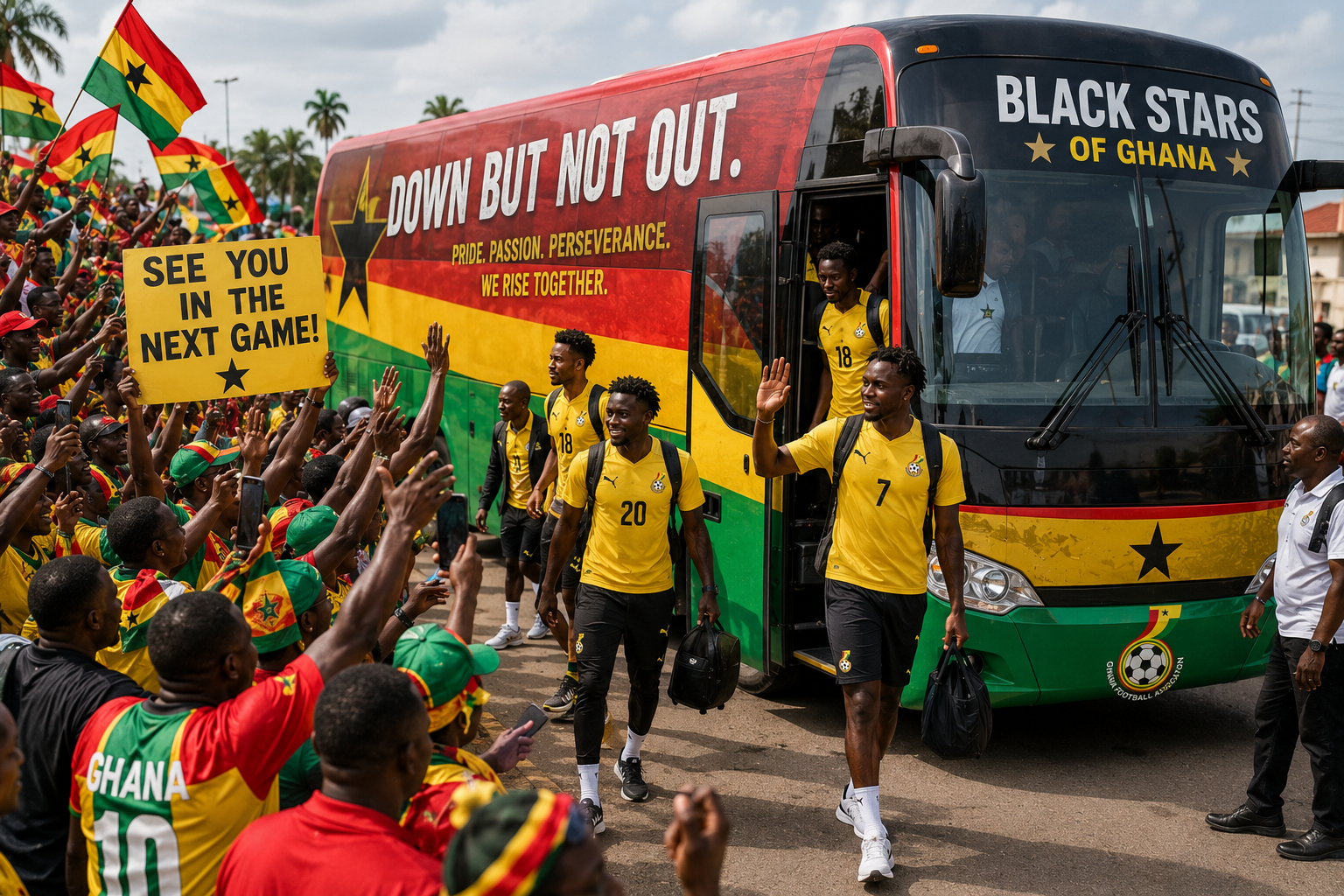
A Disappointing Result Today, June 27, 2026, Ghana's Black Stars faced Croatia in a crucial World Cup match. Across Ghana and among Ghanaians living abroad, millions of passionate supporters rallied

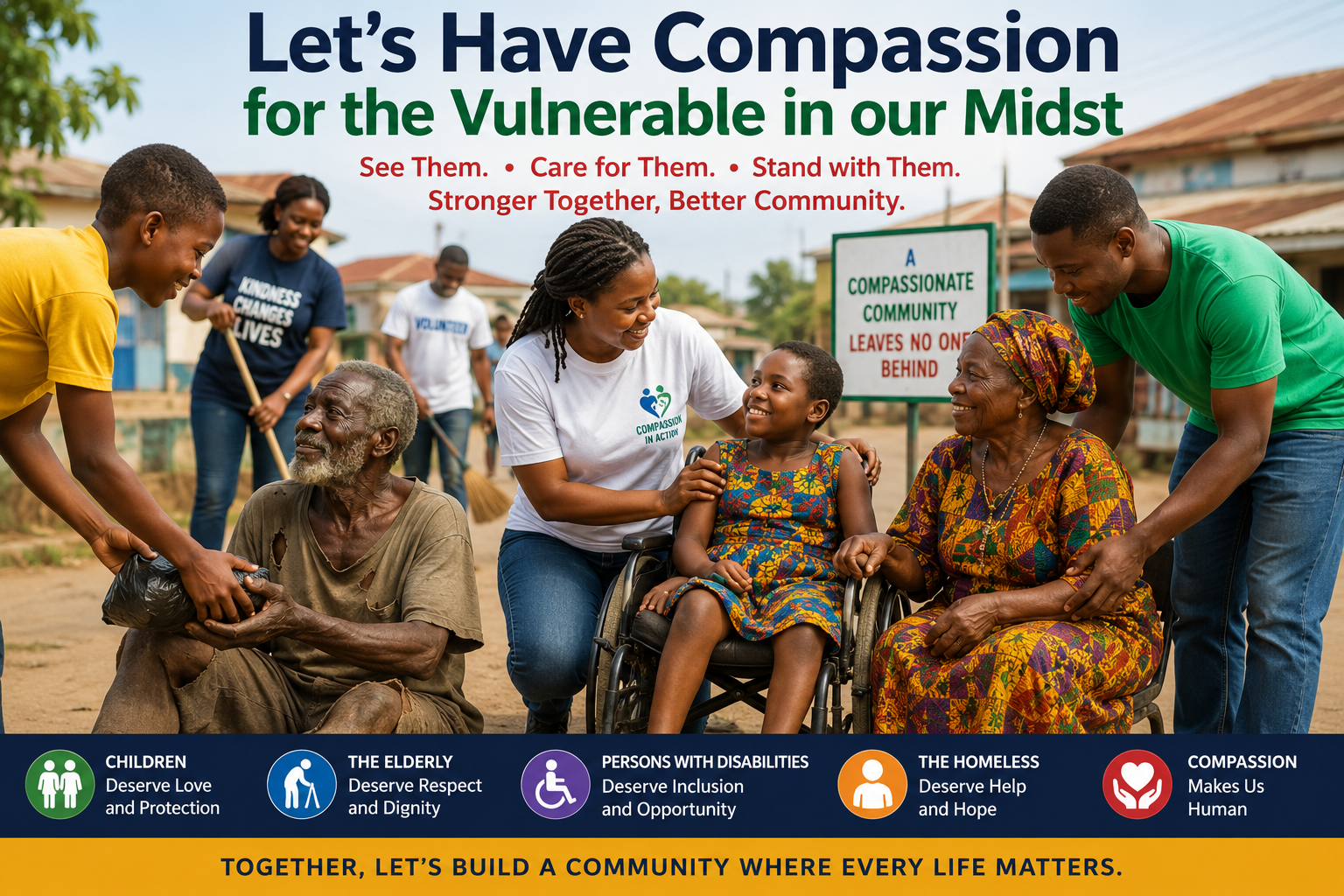
Introduction A society is often judged not by how it treats its rich, powerful, and influential citizens, but by how it treats its weakest and most vulnerable members. Children, the elderly, and pers

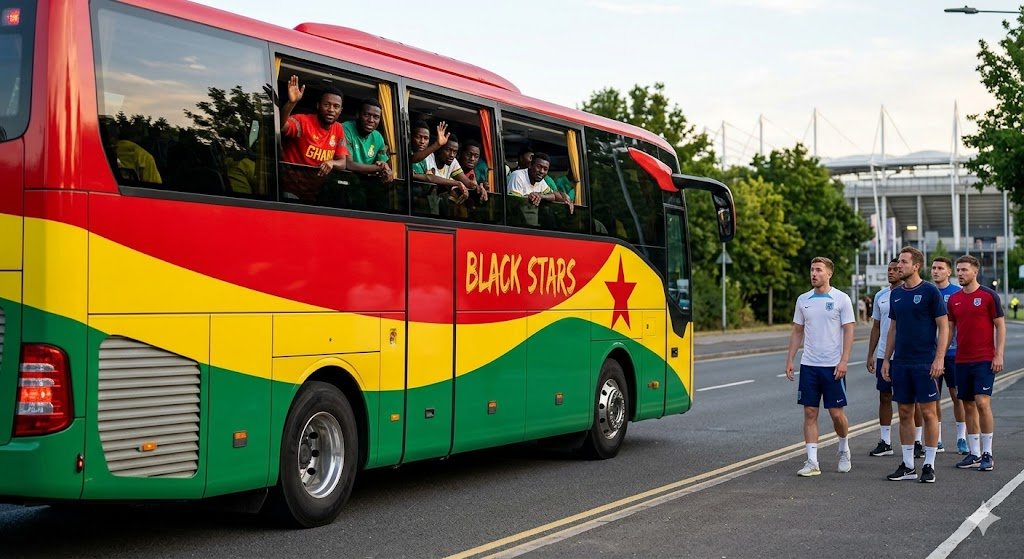
A Lesson in Humility On June 23, 2026, football fans around the world witnessed a result that few pundits predicted. The Ghana Black Stars, representing a nation once colonized by Britain, battled co

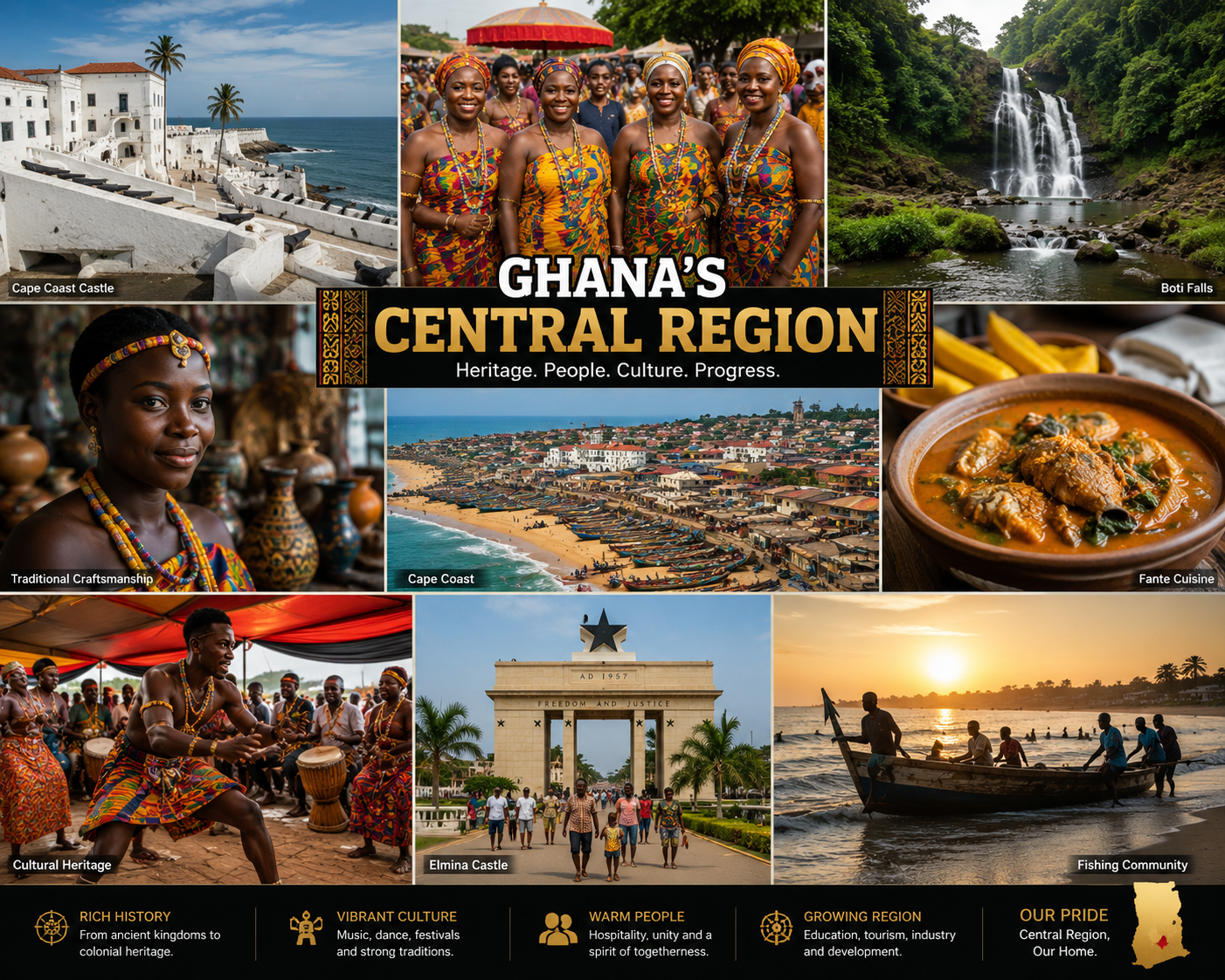
Introduction Among Ghana’s sixteen administrative regions, few possess the historical significance, educational prominence, and cultural richness of the Central Region. Located along Ghana’s southern

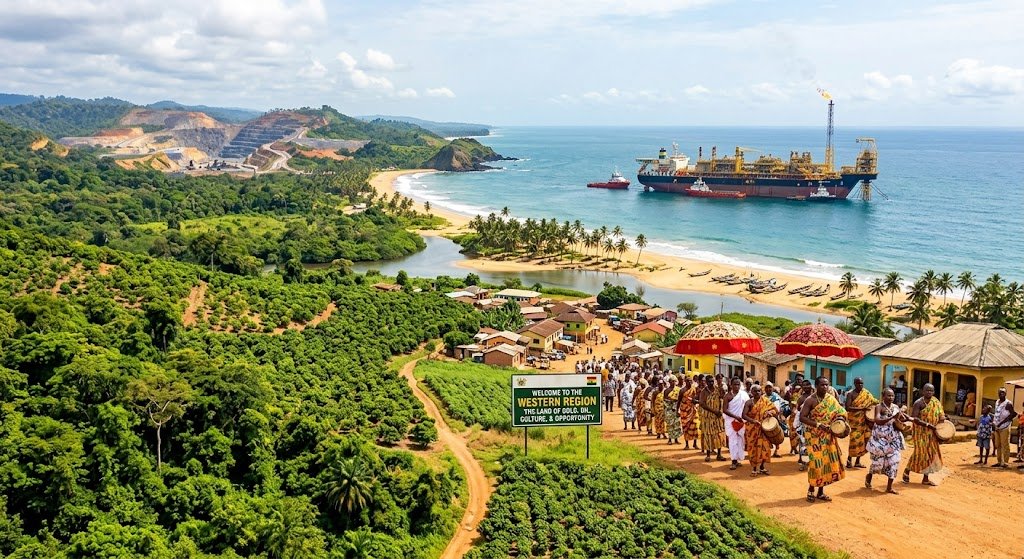
Introduction Among Ghana’s sixteen administrative regions, few can rival the Western Region in terms of natural wealth, cultural diversity, economic importance, and historical significance. Stretchin

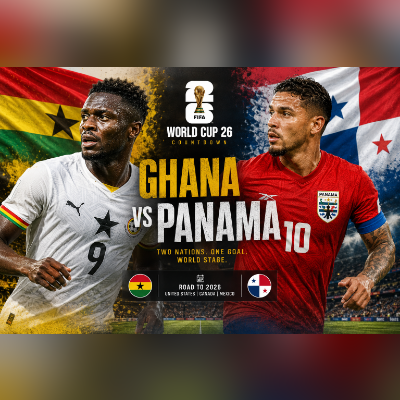
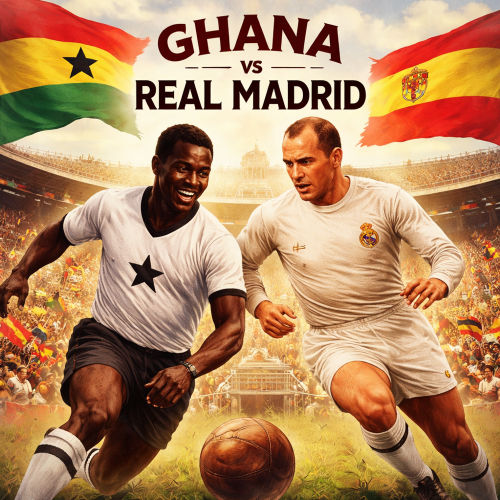
With barely a few hours to the encounter between Ghana and Panama, we try to explore and understand the nature of football legacy that comes with this encounter.

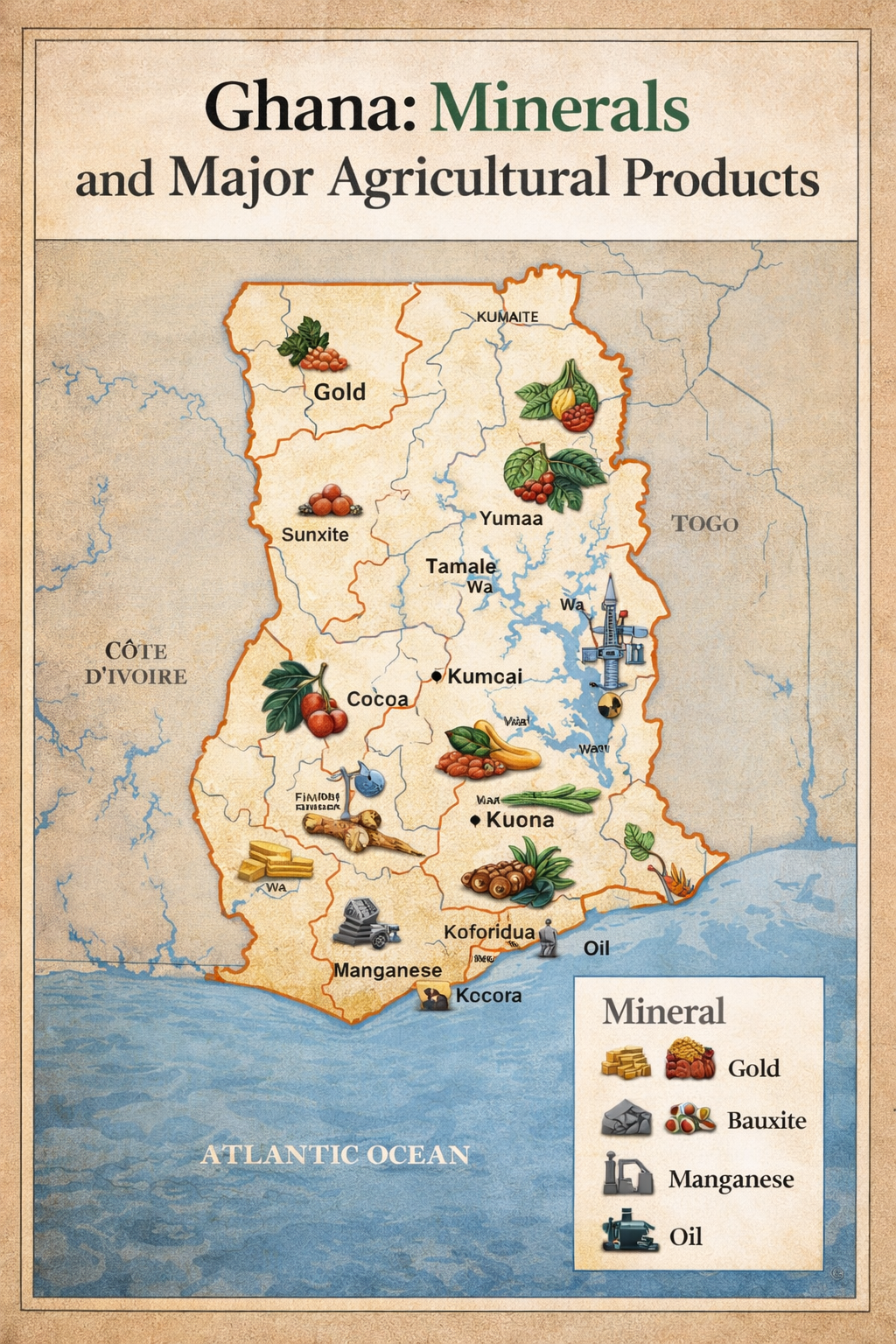
A Nation Richly Endowed Ghana is richly blessed with natural and human resources. The country possesses some of the world's finest deposits of gold and diamonds. It is endowed with bauxite, manganese

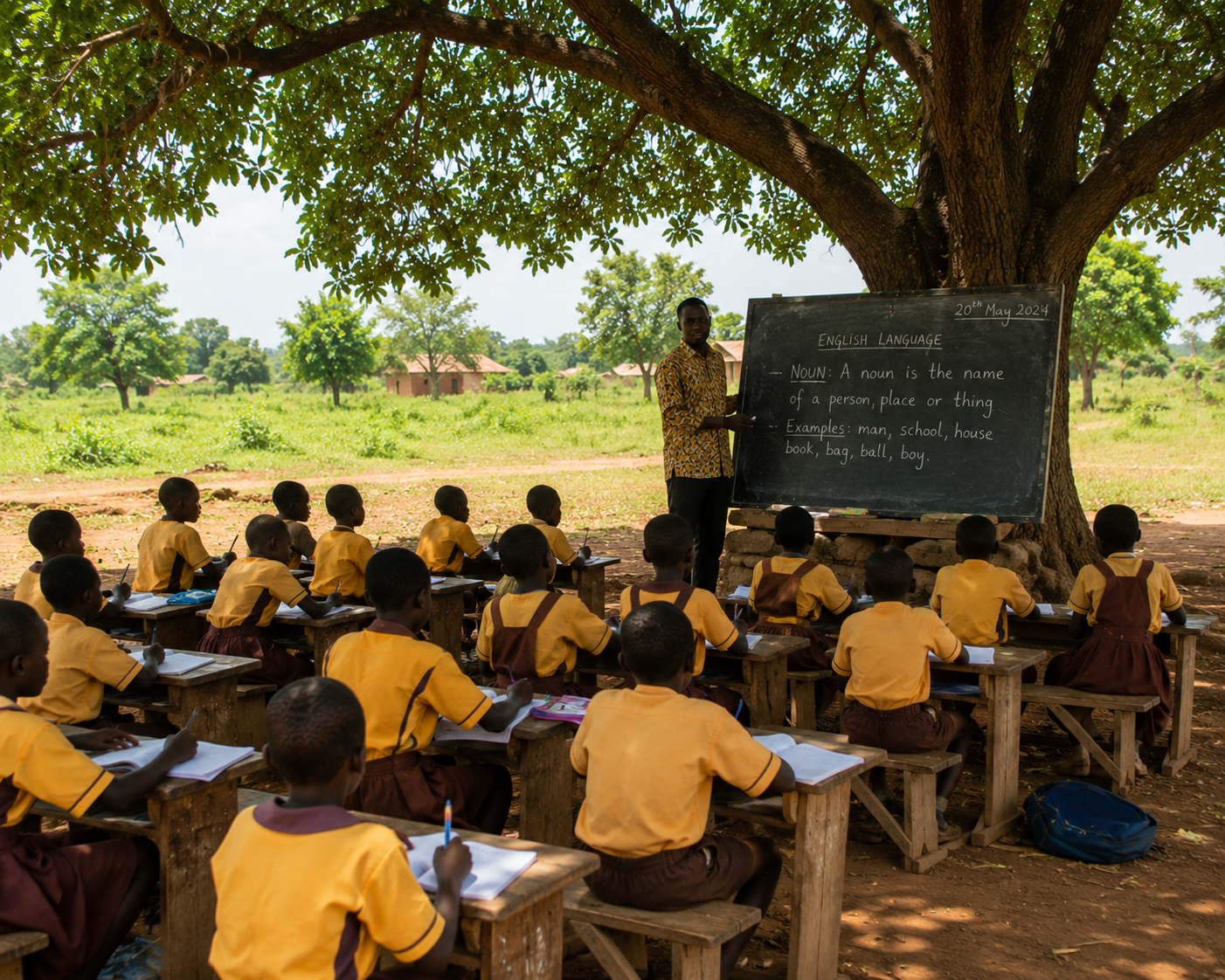
Ghana has made substantial progress in literacy over the past several decades, yet the country has not achieved universal literacy. According to recent UNESCO and World Bank data, approximately 76–81%

Ghana is widely celebrated as one of Africa's most stable democracies. Since the return to constitutional rule in 1992, the country has conducted regular elections, witnessed peaceful transfers of pow

Ghana is often celebrated as one of Africa’s most peaceful and culturally vibrant nations. From the bustling markets of Accra to the fishing communities along the coast, from the savannah settlements
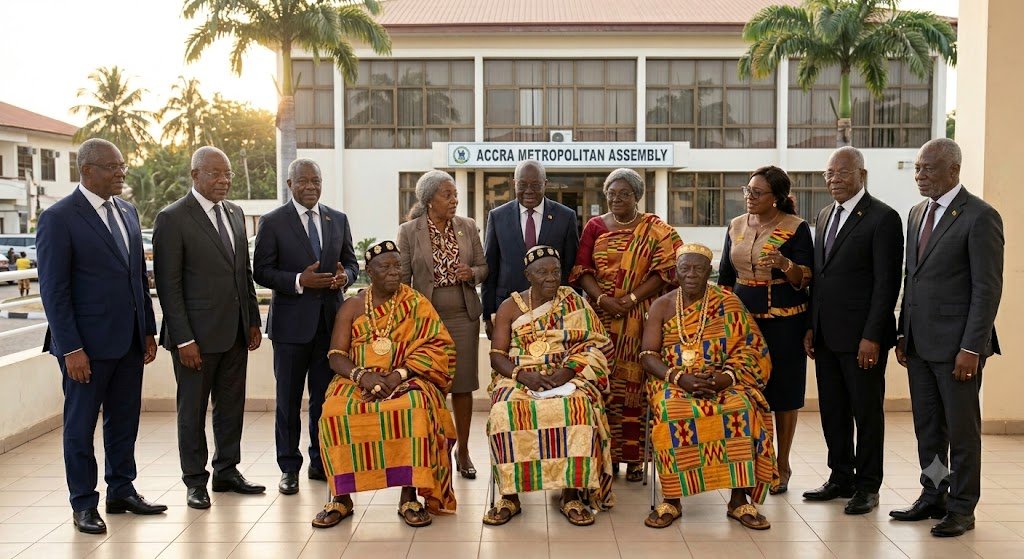
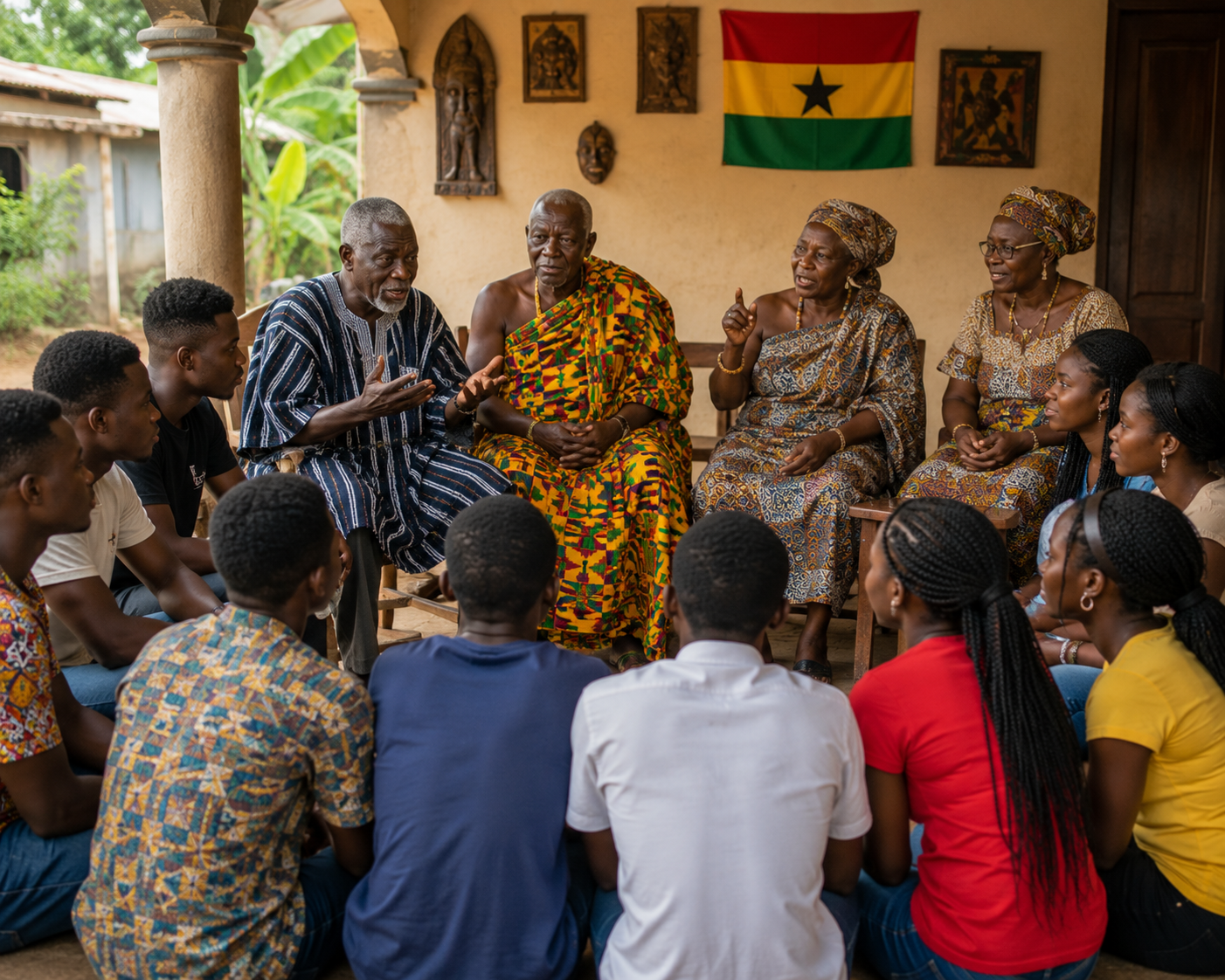
In traditional Ghanaian society, old age is not merely a biological stage of life; it is a position of honor, wisdom, and social responsibility. Elderly men and women occupy a special place within fam

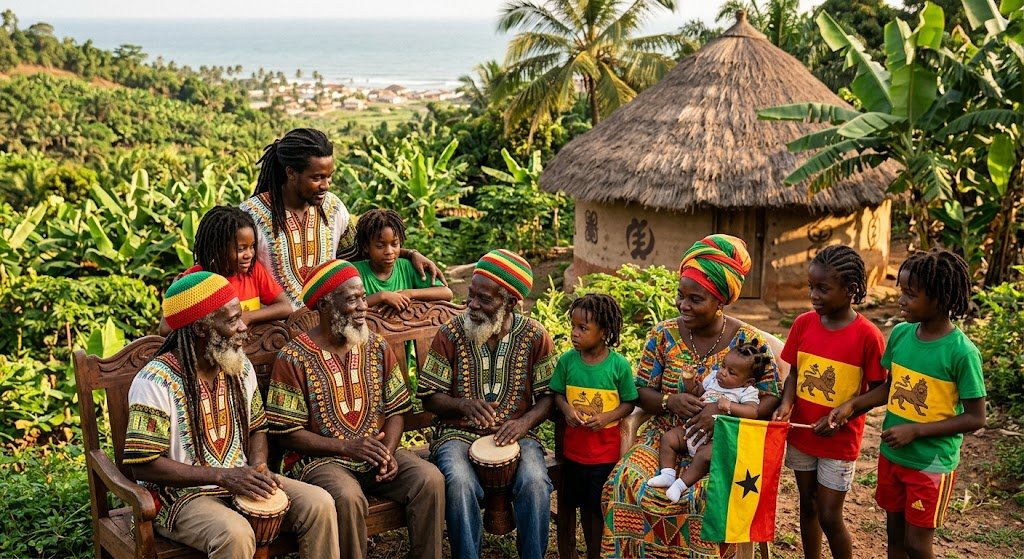
Rastafarians

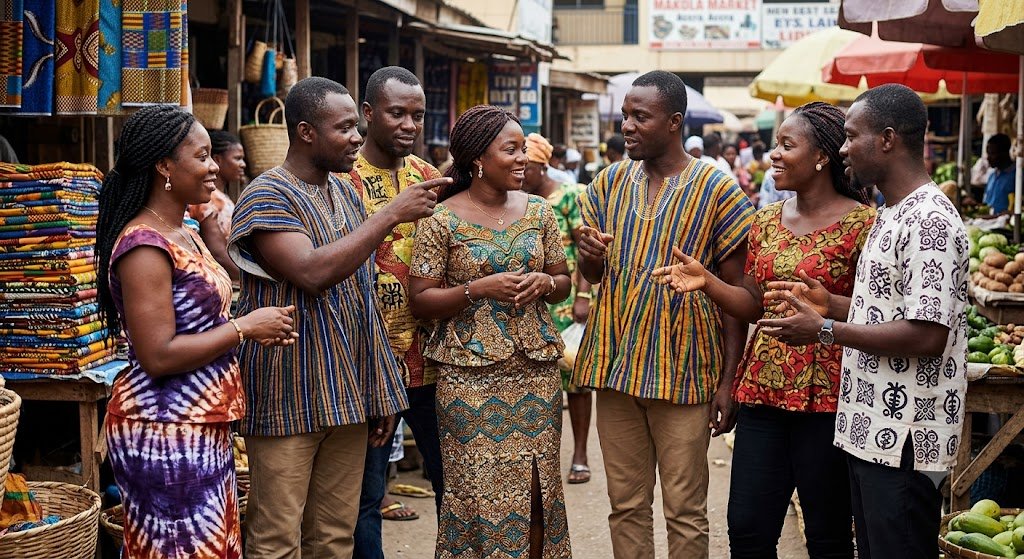
multilingualism, language

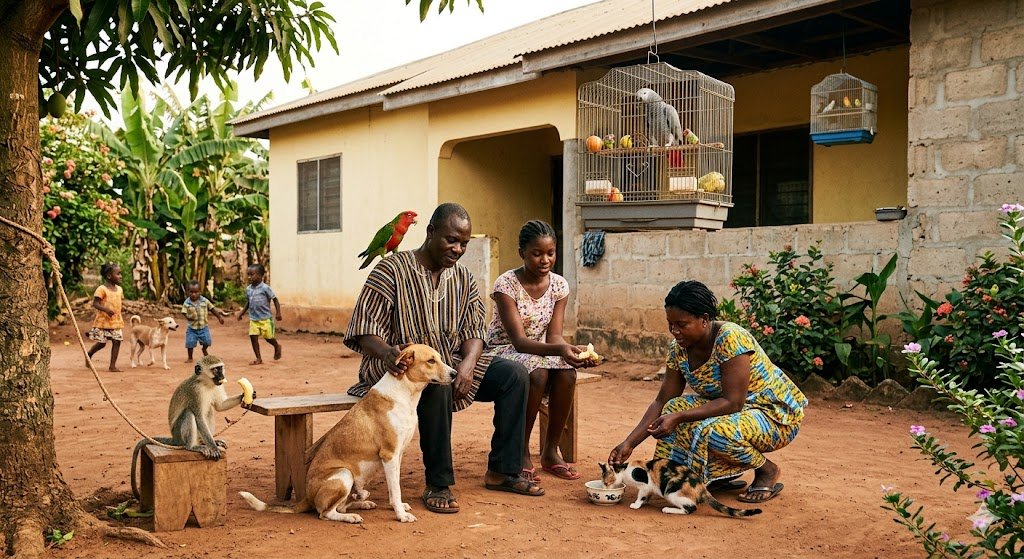
pet ownership

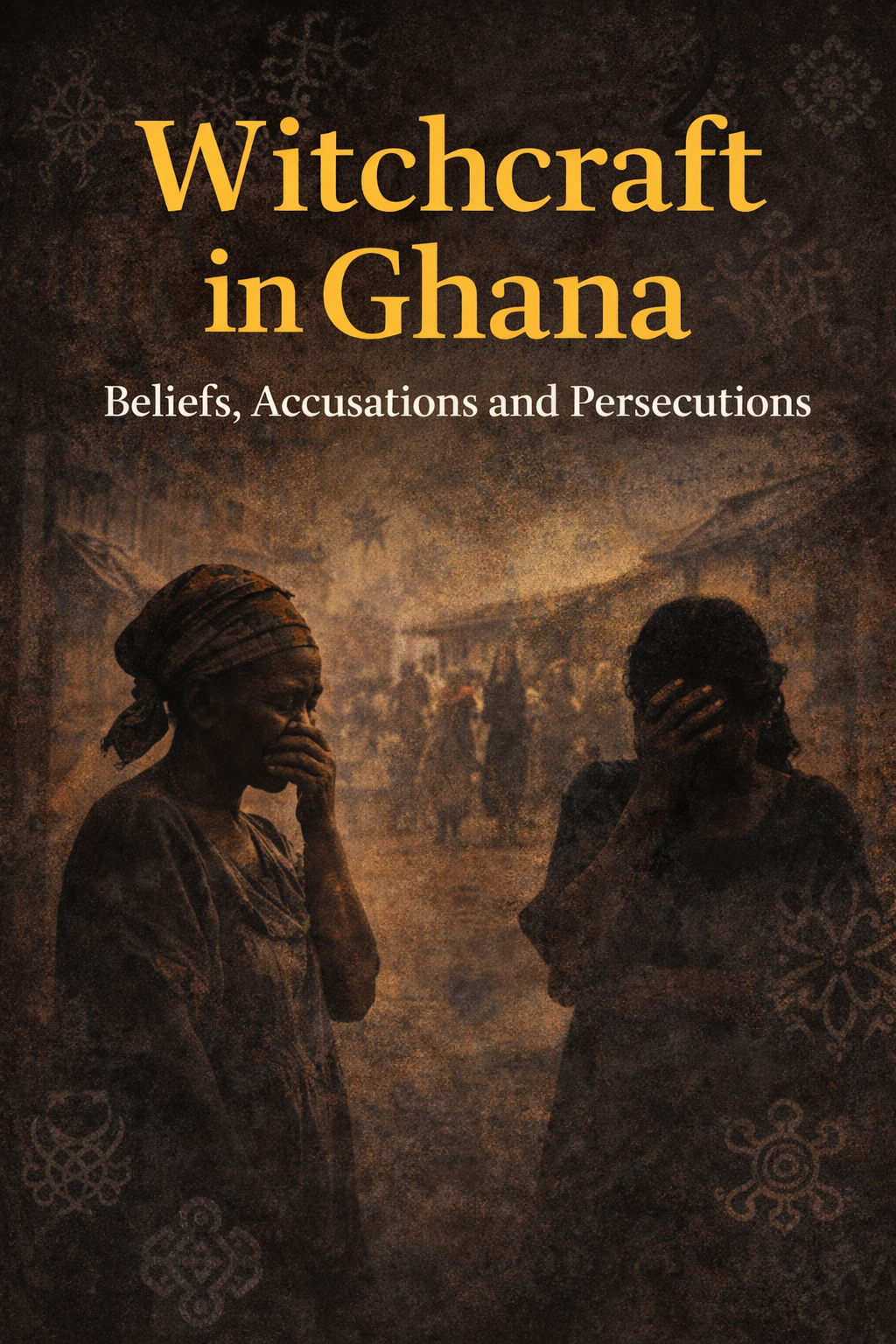
Understanding One of Ghana’s Most Enduring Social Questions Research on witchcraft in Ghana spans nearly a century and reflects the country’s continuing struggle to understand belief, accusation, fea

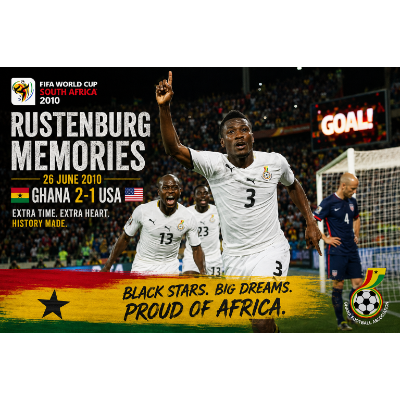
This piece takes us back to another breathtaking highlight from the 2010 world cup where the Black Stars reaffirmed their authority in the game of football when the entire world was watching.

For centuries, Ghana has stood at the crossroads of global cultural encounters. Long before the modern era of globalization, the land now called Ghana was already a bustling center of trade and intera

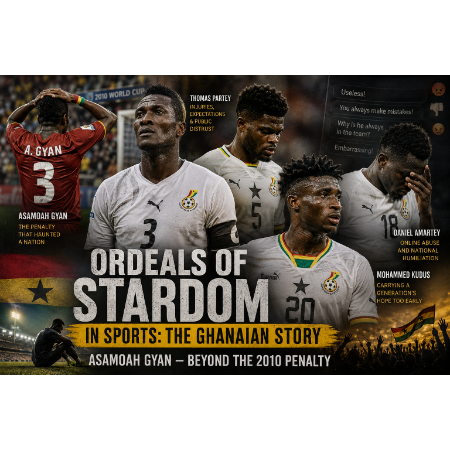
Asamoah Gyan — Beyond the 2010 Penalty There is another layer to Gyan’s ordeal that many people overlook. After the 2010 World Cup heartbreak, he again missed a crucial penalty during the 2012 Afric

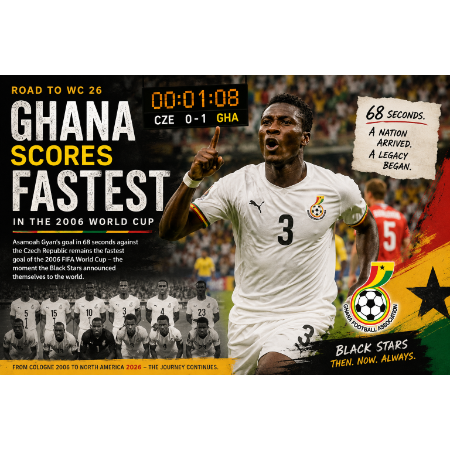
The stadium clock in Cologne had barely ticked past the opening minute when Ghana announced itself to the world. A loose touch in the Czech Republic defence. A flash of movement. Then came the finish

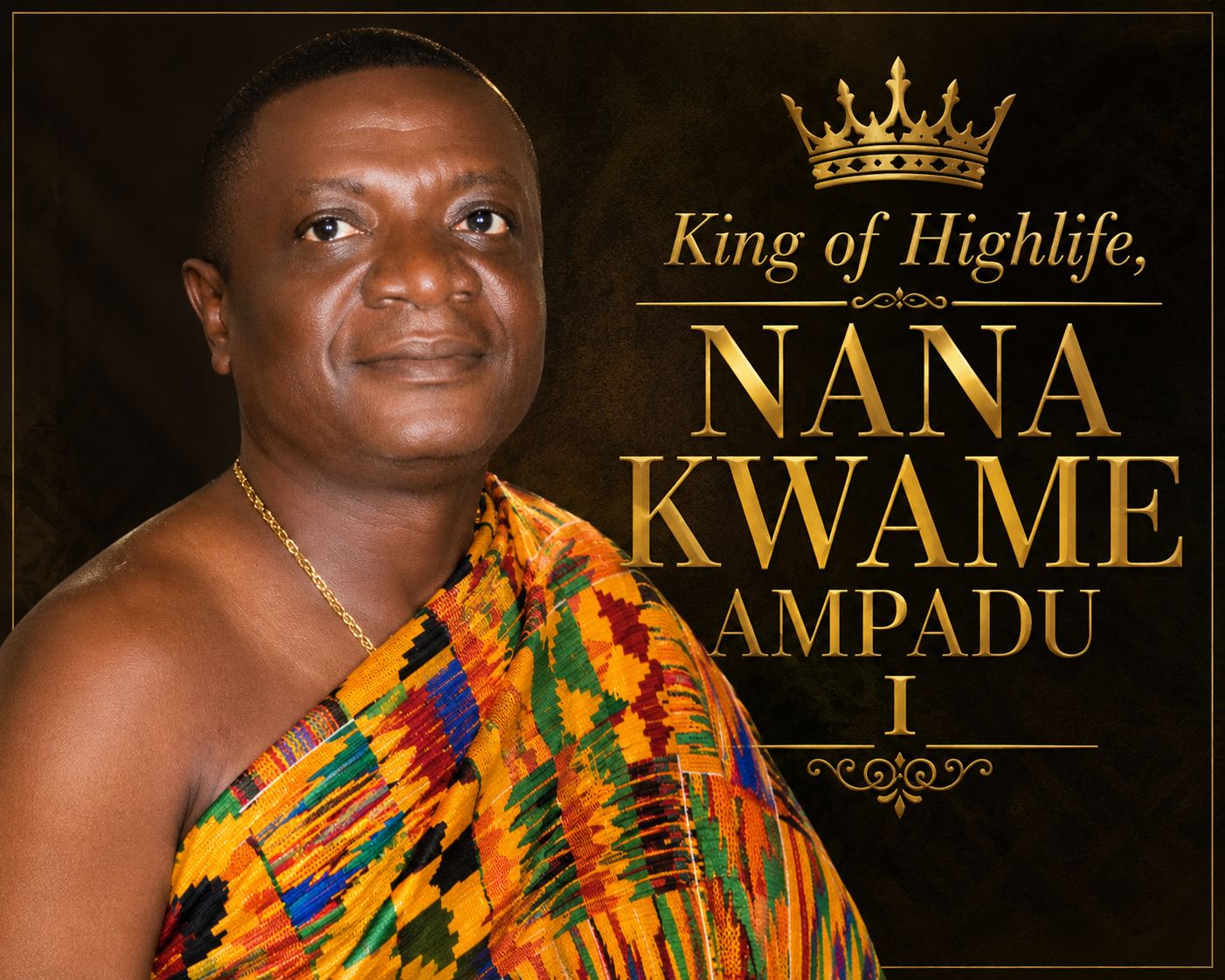
King of Highlife, Nana Ampadu Among the pantheon of Ghanaian musicians who shaped the soundscape of modern West African music, few names command the reverence accorded to Nana Kwame Ampadu I. A compo

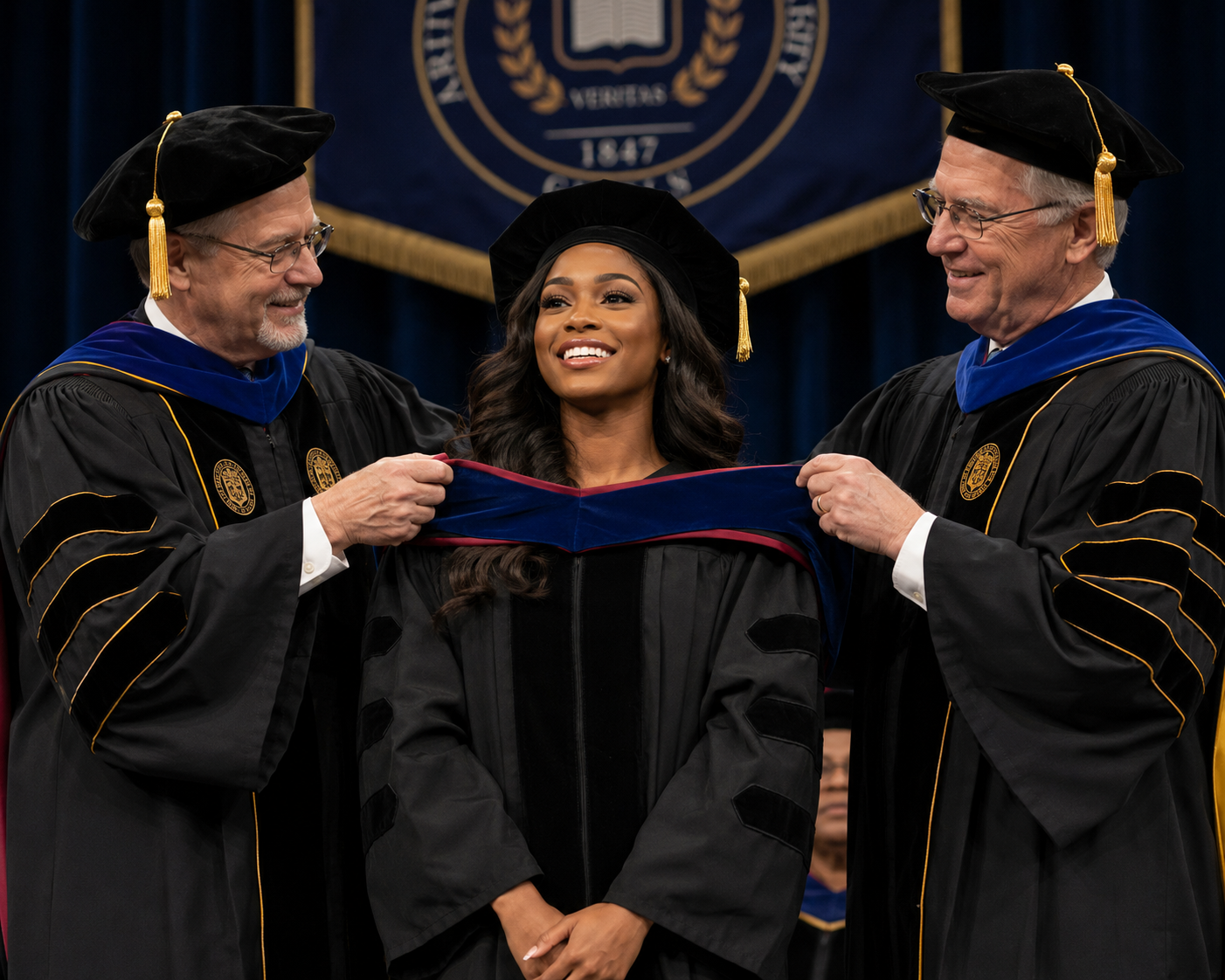
There are stories of academic success, and then there are stories of destiny shaped by personal struggle, sacrifice, and compassion. The remarkable journey of Dr. Amma Adinkrah belongs to the latter category. This past Saturday, Amma Adinkrah, daughter of Dr. Kwame Adinkrah, proudly graduated with t

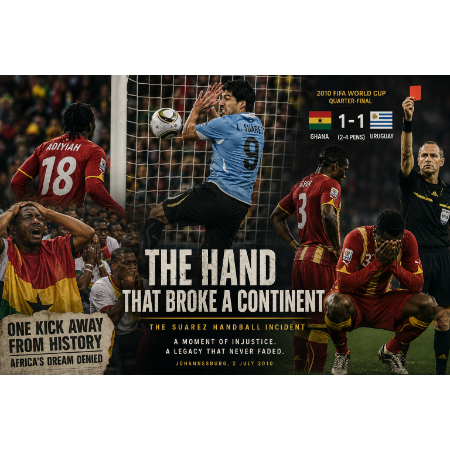
There are football matches that end with a scoreline, and there are matches that never truly end. The 2010 FIFA World Cup quarter-final between Ghana national football team and Uruguay national football team belongs firmly in the second category. More than fifteen years later, the image still burns

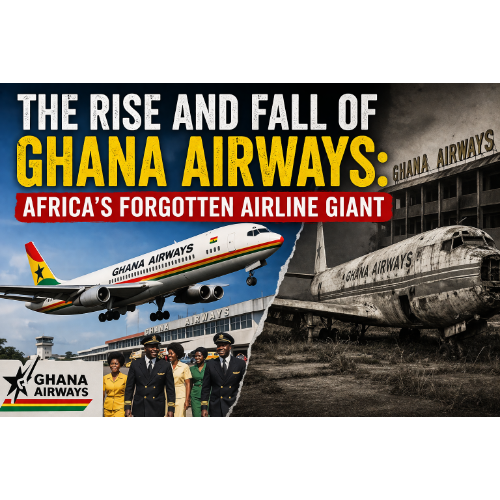
In the years following independence, Ghana set out to build not just a nation, but also a global presence. Among its boldest achievements was the creation of Ghana Airways, once one of Africa’s most respected national carriers. For decades, the airline symbolized ambition, connectivity, and national
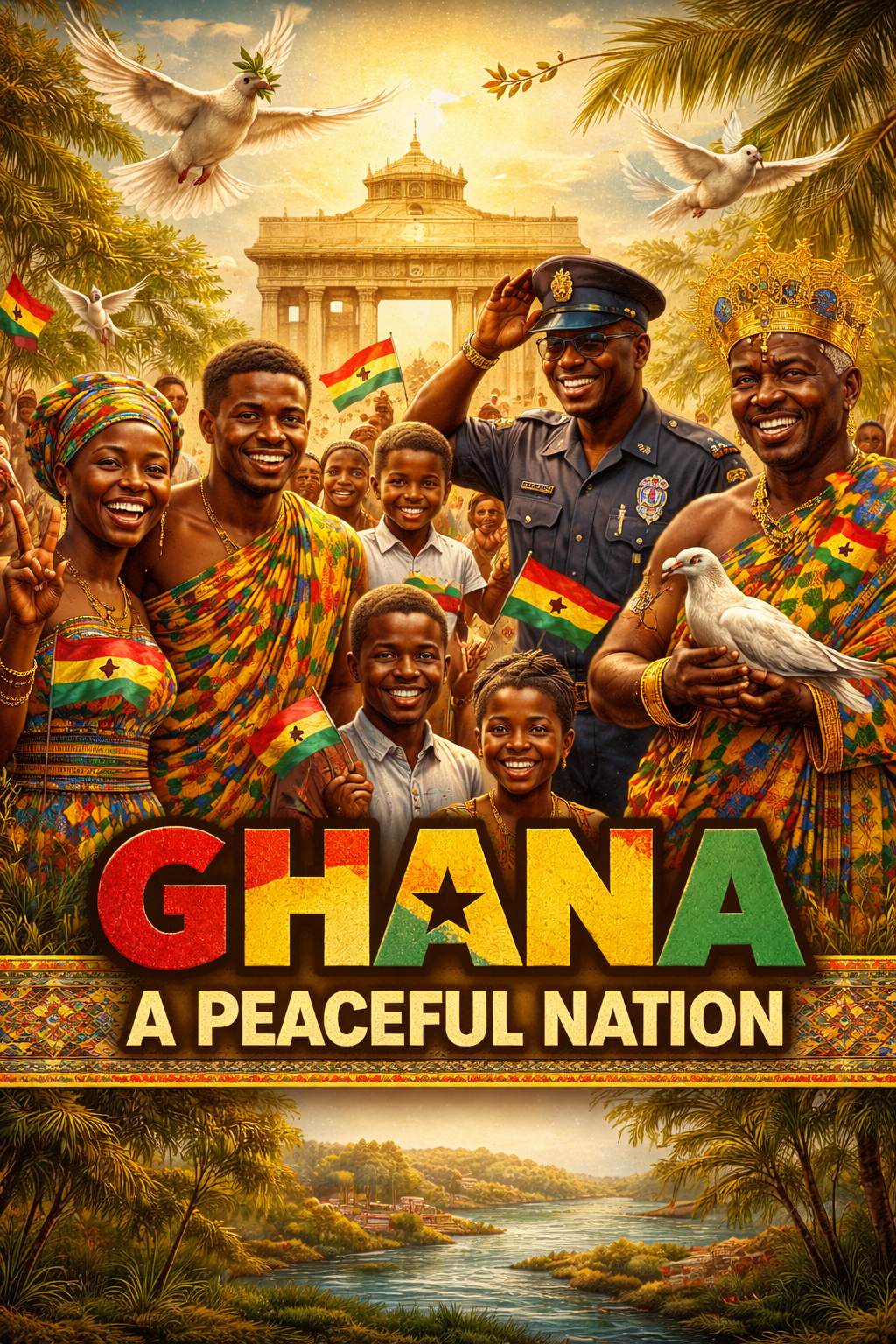
A Nation Defined by Peace In a region and continent that have, at various historical moments, been scarred by conflict and instability, Ghana stands out as a compelling example of relative peace. Since gaining independence in 1957, the country has largely avoided the large-scale civil wars that have

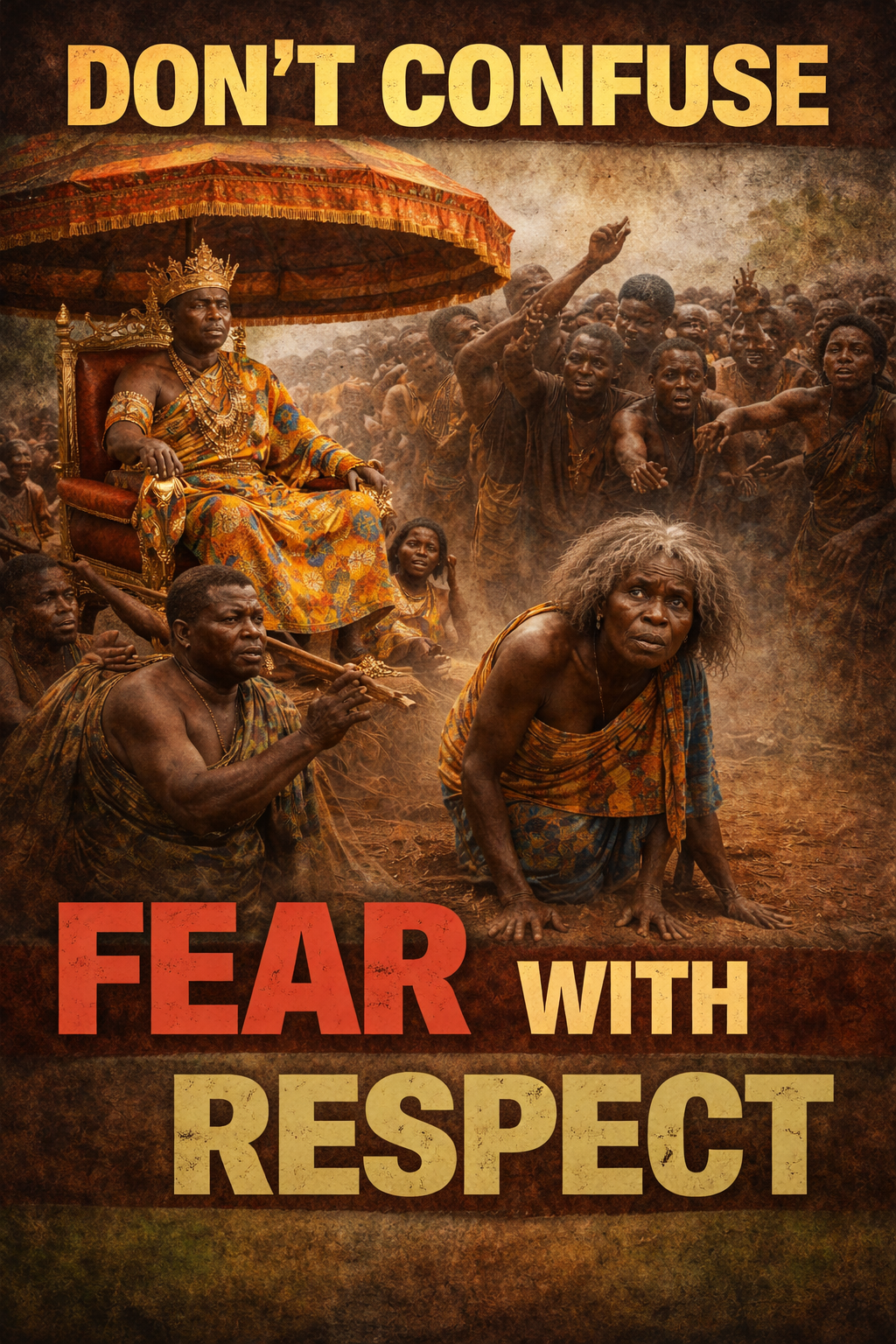
Oftentimes, in Africa, people conflate respect with fear, treating them as if they are interchangeable. Yet within Akan moral language, a clear distinction is maintained between fɛreɛ (respect) and suro (fear). To say “me fɛre wo” is fundamentally different from “me suro wo.” The former connotes est

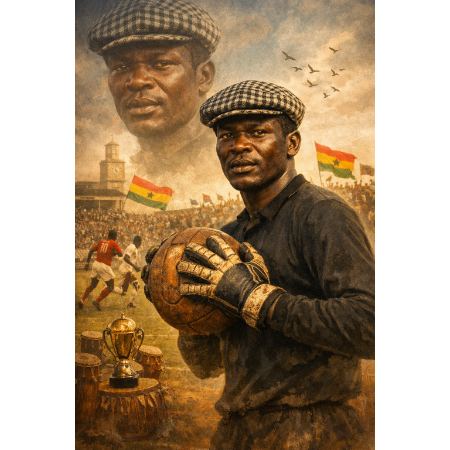
Robert Mensah: A Football Story and Tragedy in the Ghanaian Football In the annals of Ghanaian sporting history, few names evoke as much reverence, myth, and sorrow as Robert Mensah. His story is not merely about football; it is a narrative woven into the socio-cultural fabric of late colonial Gold

A Historic Emblem of Independence The Ghana national flag is more than a piece of cloth fluttering in the wind; it is a powerful symbol of the country’s history, aspirations, and identity. First officially adopted on March 6, 1957—the same day Ghana became the first African nation to gain independen

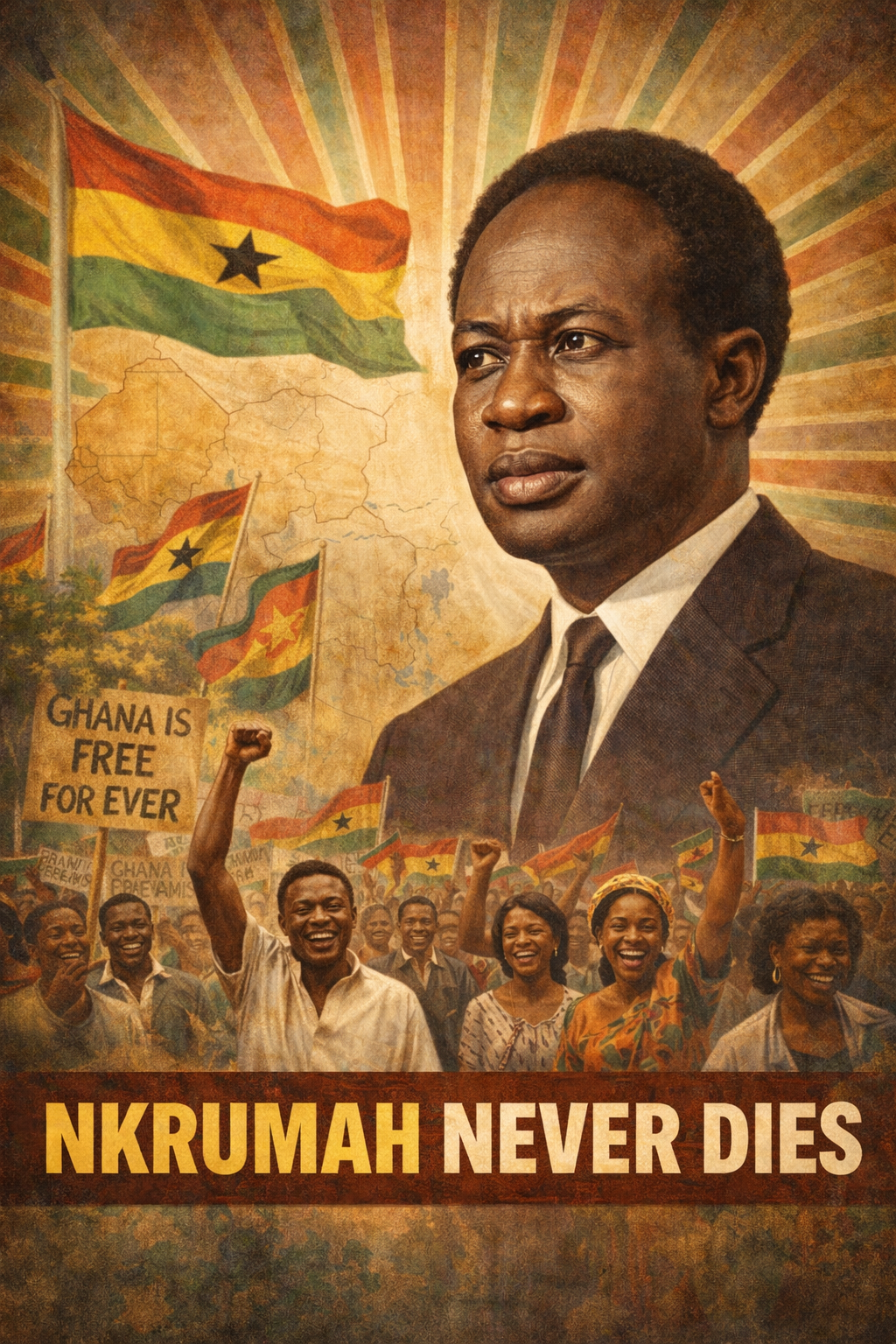
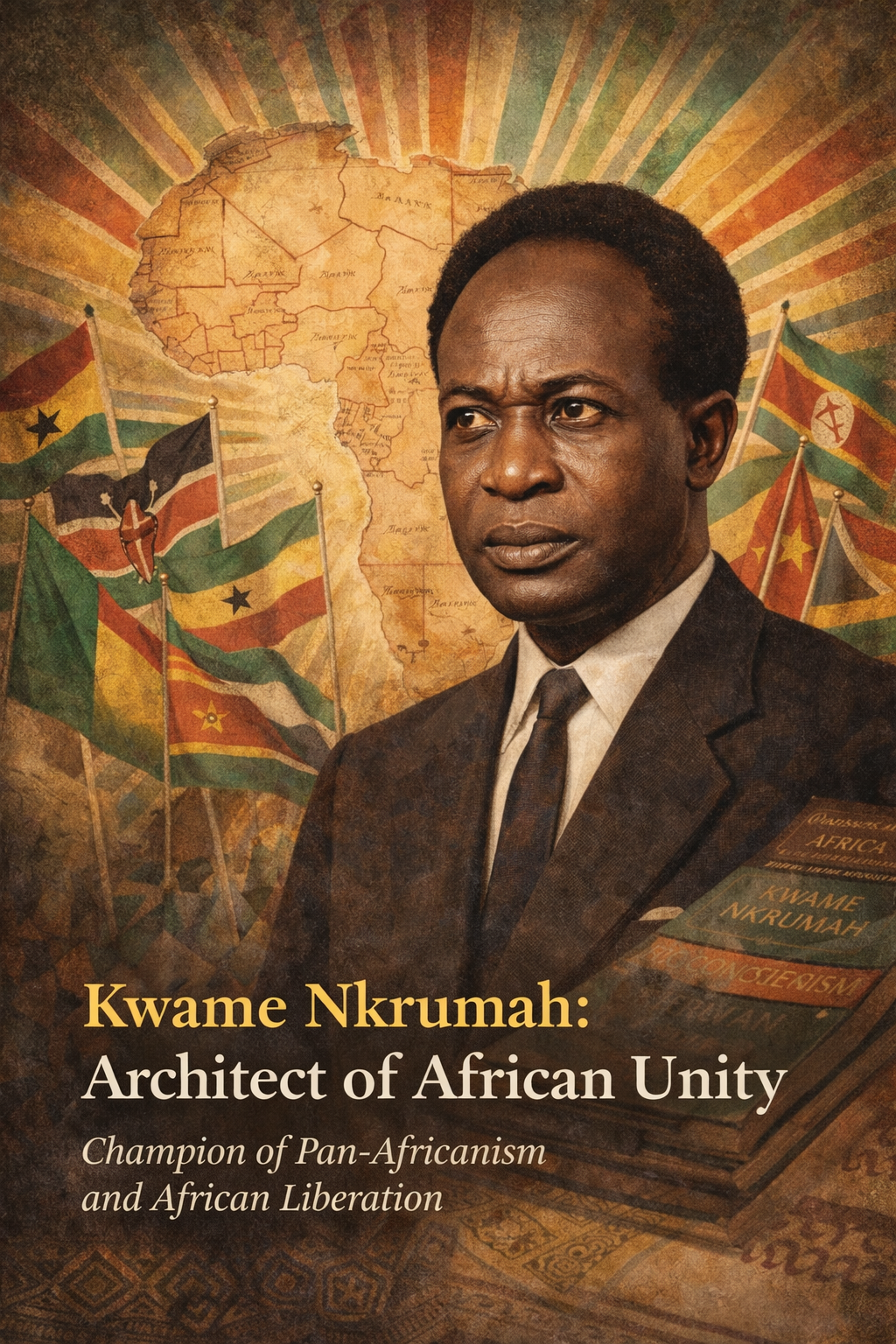
In the history of Ghana, few names command as much reverence and admiration as Kwame Nkrumah. More than half a century after his passing, the memory of the man who led the nation to freedom continues to inspire generations. His words echo in political discourse, his ideas shape national debates, and

Ghana stands for “God Has Anointed the Nation Already.” Many Ghanaians see their country not merely as a geographical territory in West Africa, but as a land endowed with immense natural, human, and spiritual blessings. From abundant mineral wealth to fertile agricultural lands and a vibrant populat

Introduction: Why March Matters Every year, the month of March occupies a sacred place in Ghana’s historical calendar. On 6 March 1957, under the leadership of Kwame Nkrumah, the Gold Coast became Ghana — the first sub-Saharan African nation to gain independence from British colonial rule. March is

When the Gold Coast achieved independence on March 6, 1957, becoming Ghana, the event generated immense public excitement and hope. For millions of Ghanaians, independence was not merely a constitutional change—it represented the promise of economic prosperity, political empowerment, social transfor

In every society, there are culturally accepted symbols of success. There are also culturally approved means for attaining these symbols of success. These aspirations and goals form what can be called a society’s “dream.” In the same way that some people speak of their national dream, it is possible

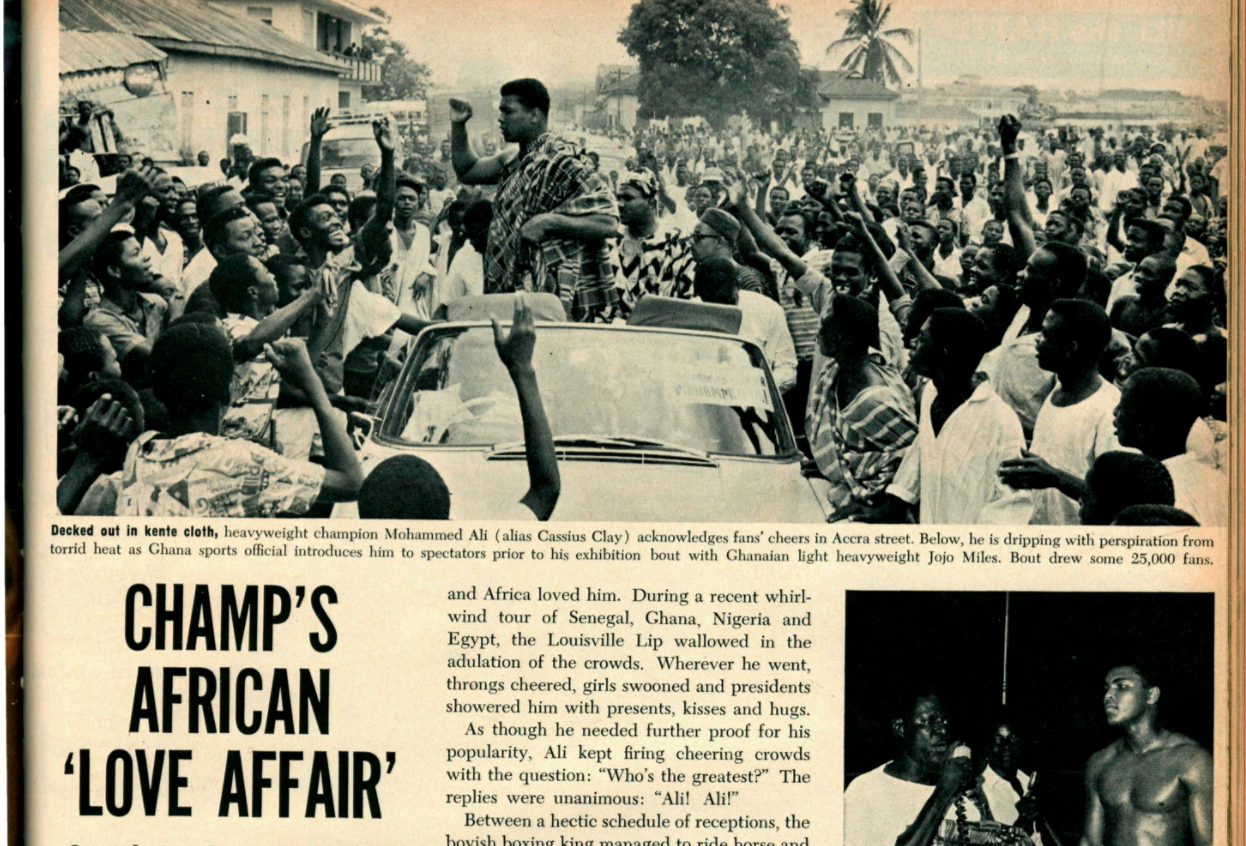
In 1964, at just 22 years old, the newly crowned world heavyweight boxing champion Muhammad Ali stepped onto Ghanaian soil—and into African history. Fresh from his stunning victory over Sonny Liston in Miami, the young champion—then newly renamed Muhammad Ali—embarked on a tour of Africa. One of the

Early Life and Education Kwame Nkrumah was born in 1909 in what Ghana is now, West Africa. He studied both in Ghana and overseas, gaining knowledge that would later shape his vision for his country and the continent. Leader of Ghana’s Independence Nkrumah emerged as one of the most prominent politic

The qualification of the Ghana national football team — popularly known as the Black Stars — for the 2006 FIFA World Cup stands as one of the most transformative milestones in Ghana’s sporting and national history. It was not merely a football achievement; it was the culmination of decades of ambiti

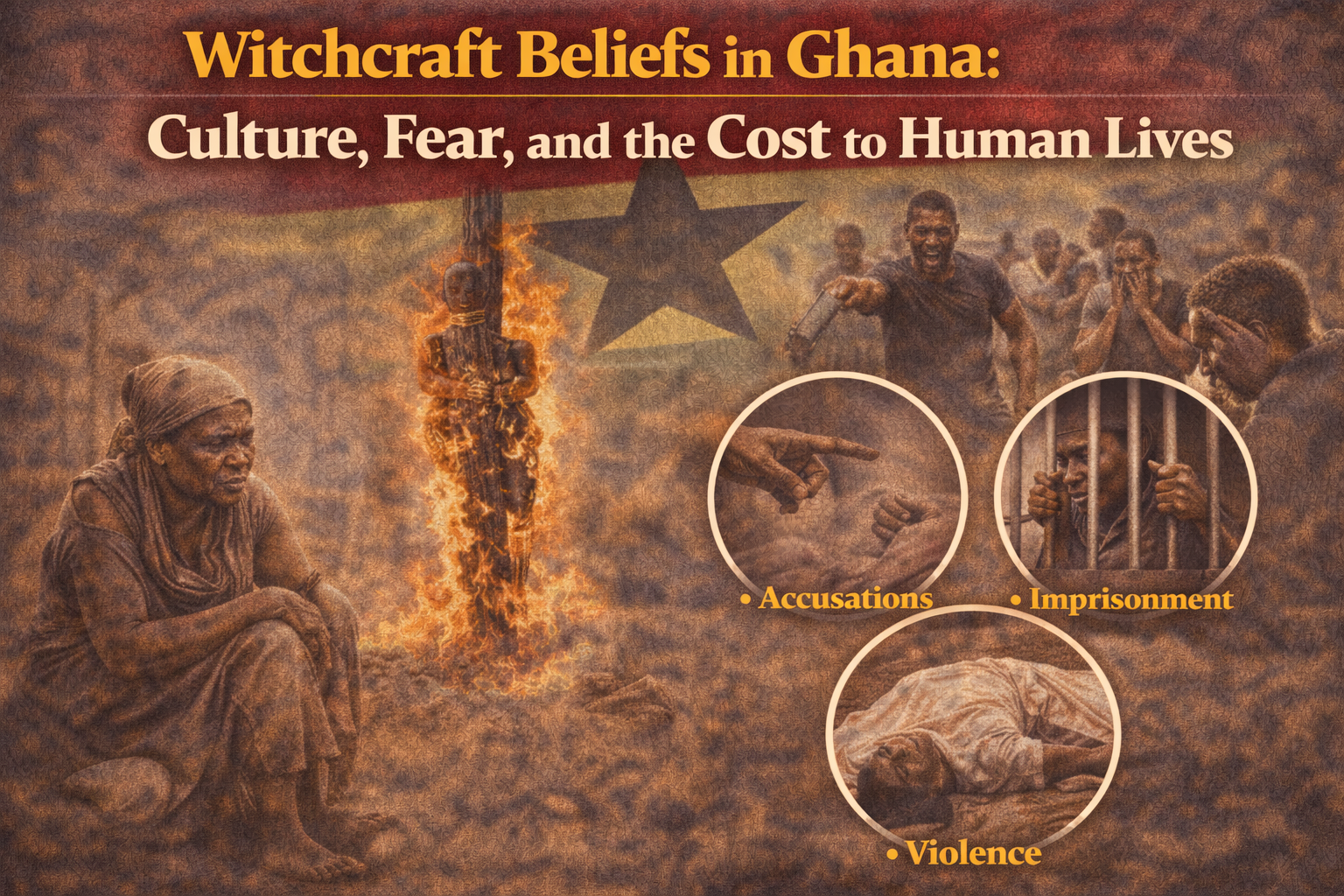
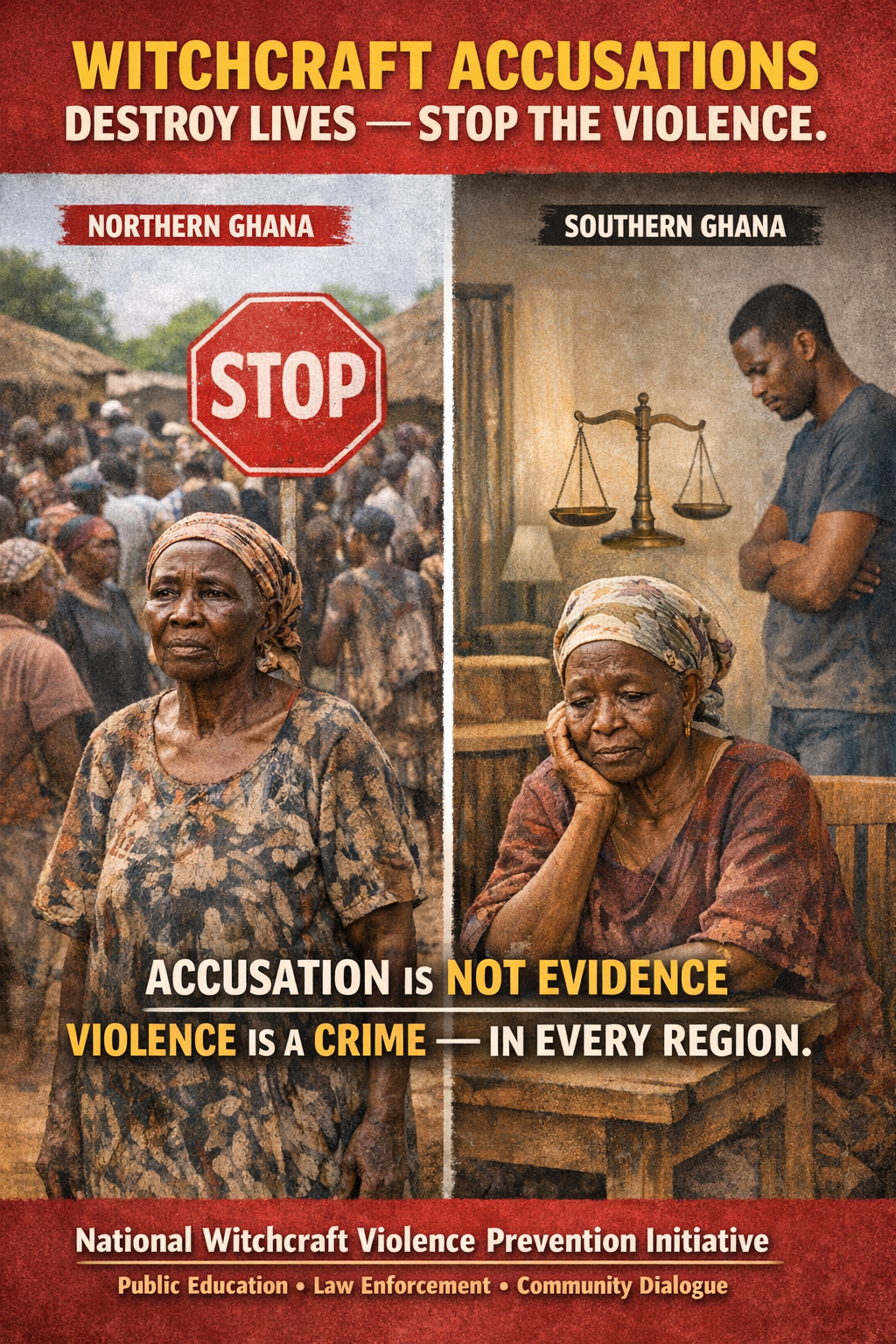
Recent reports in the Ghanaian media have once again drawn attention to a disturbing and persistent problem: the murder, attempted murder, and lynching of women accused of practicing witchcraft. These incidents are often shocking in their brutality and tragic in their consequences. They also raise a

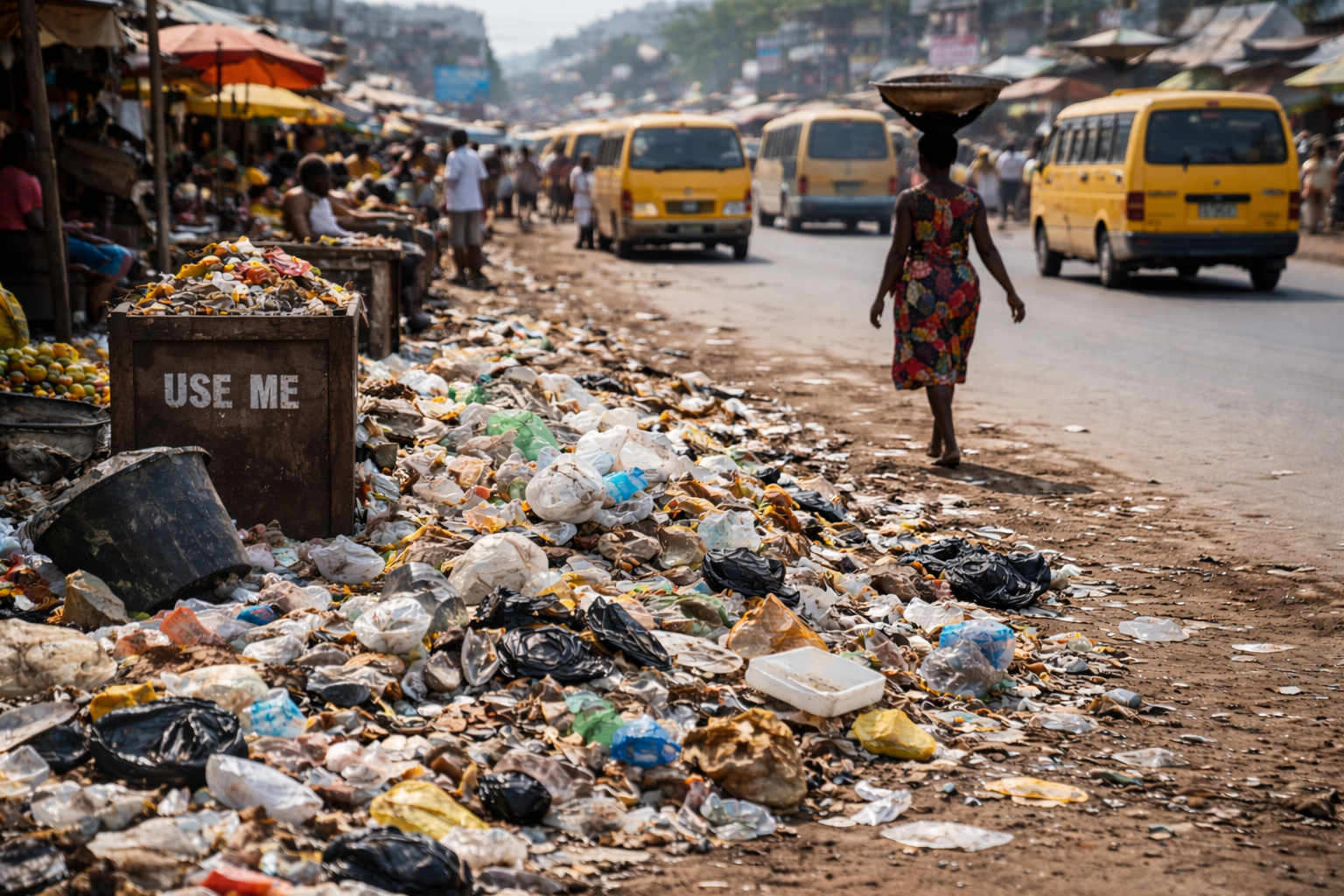
Littering is a serious problem in Ghana. Across cities, towns, and rural communities, many people indiscriminately throw away empty drink bottles, plastic containers, plastic wraps, paper, and leftover food on the ground. Streets, gutters, open spaces, and markets are increasingly turned into inform

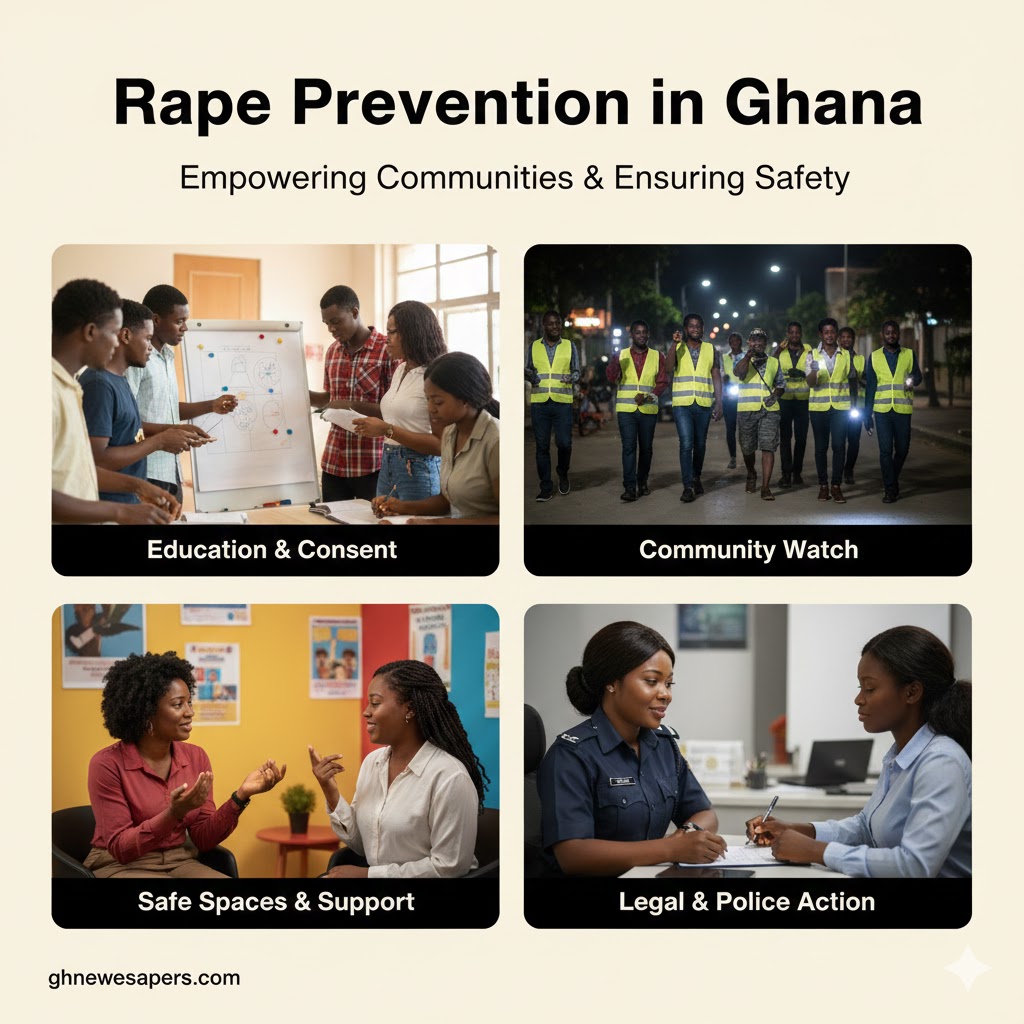
Rape and sexual assault are among the most serious crimes in Ghana, leaving victims with profound physical, emotional, and psychological scars. Despite public awareness campaigns and media reporting, sexual violence continues to occur in society, highlighting the urgent need for vigilance, education

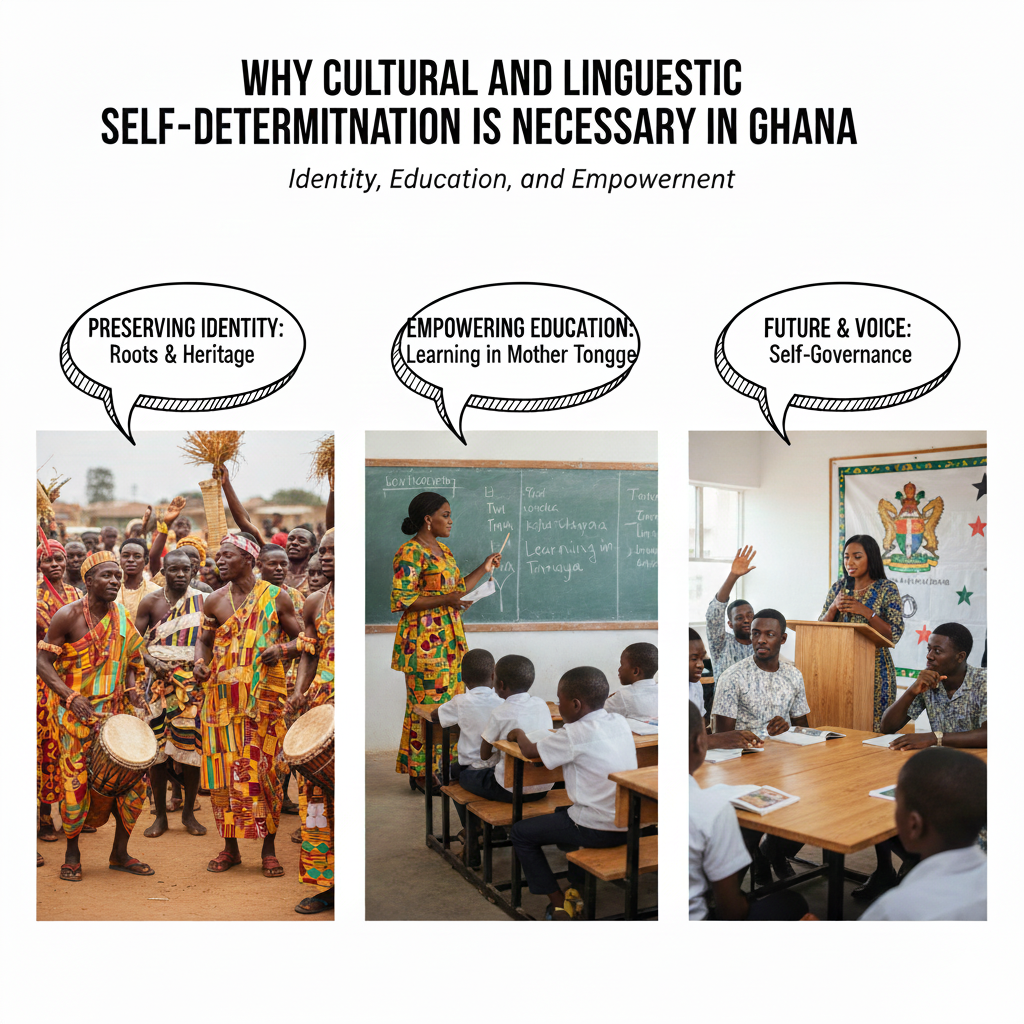
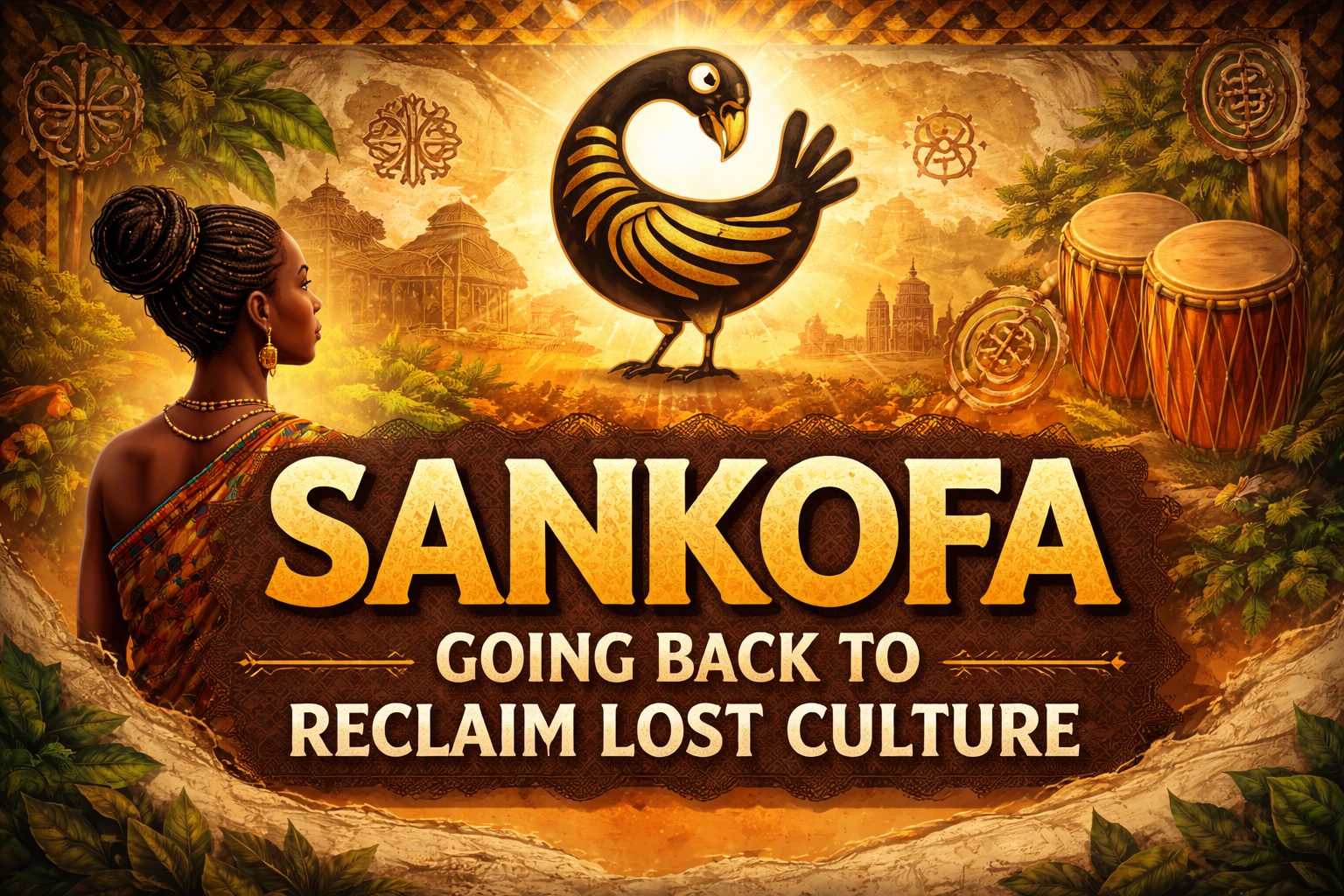
For a long time, Ghanaians have embraced foreign ways and ideas that have not served them well and, in many cases, have undermined national development. For this reason, some Ghanaians are increasingly calling for cultural and linguistic self-determination as a necessary step if the nation is to mov

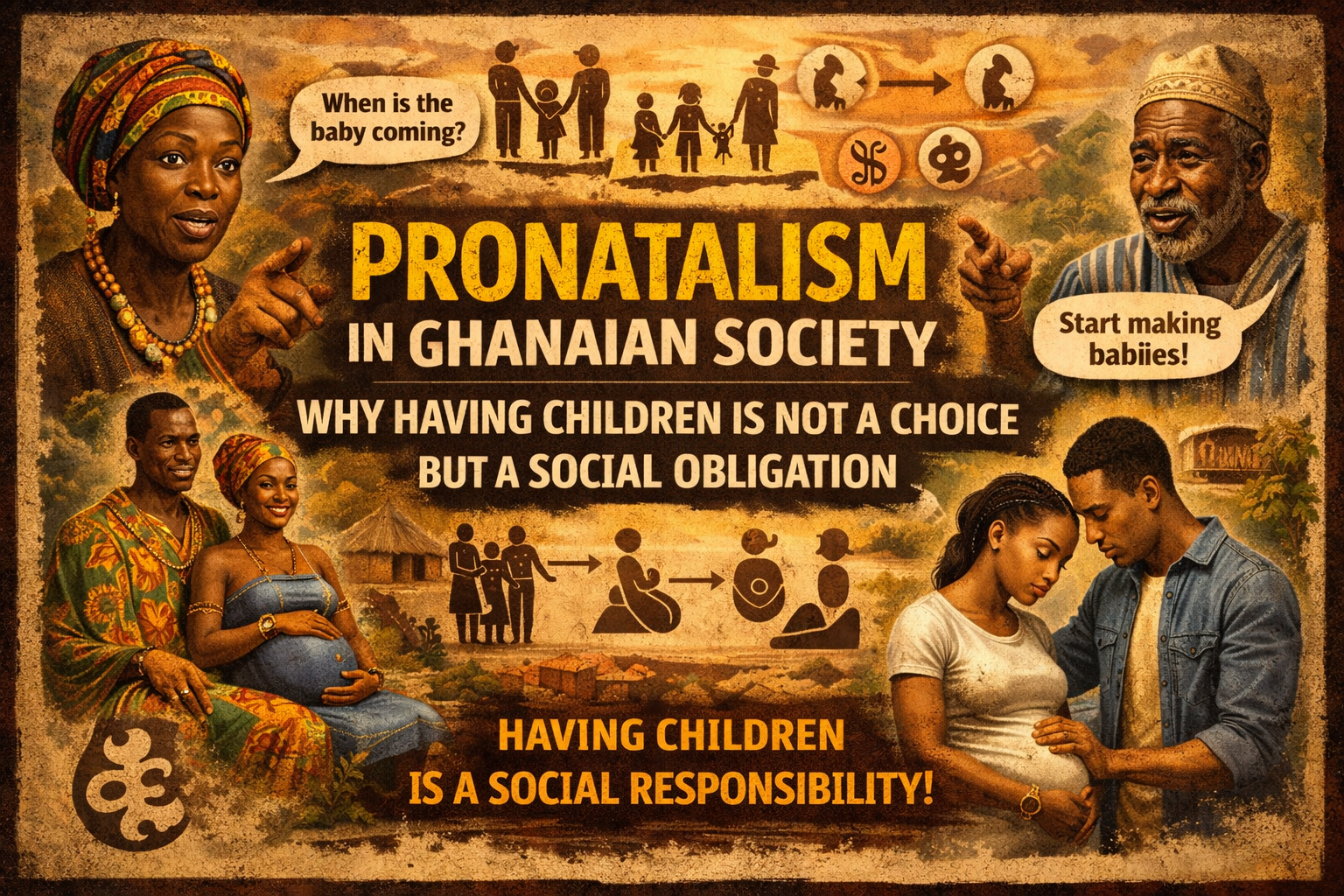
Pronatalism refers to a strong cultural and social preference for having children, often accompanied by expectations that adults should reproduce as a normal and desirable life course. In Ghanaian society, having one’s own child is not merely a personal choice; it is widely regarded as a social obli

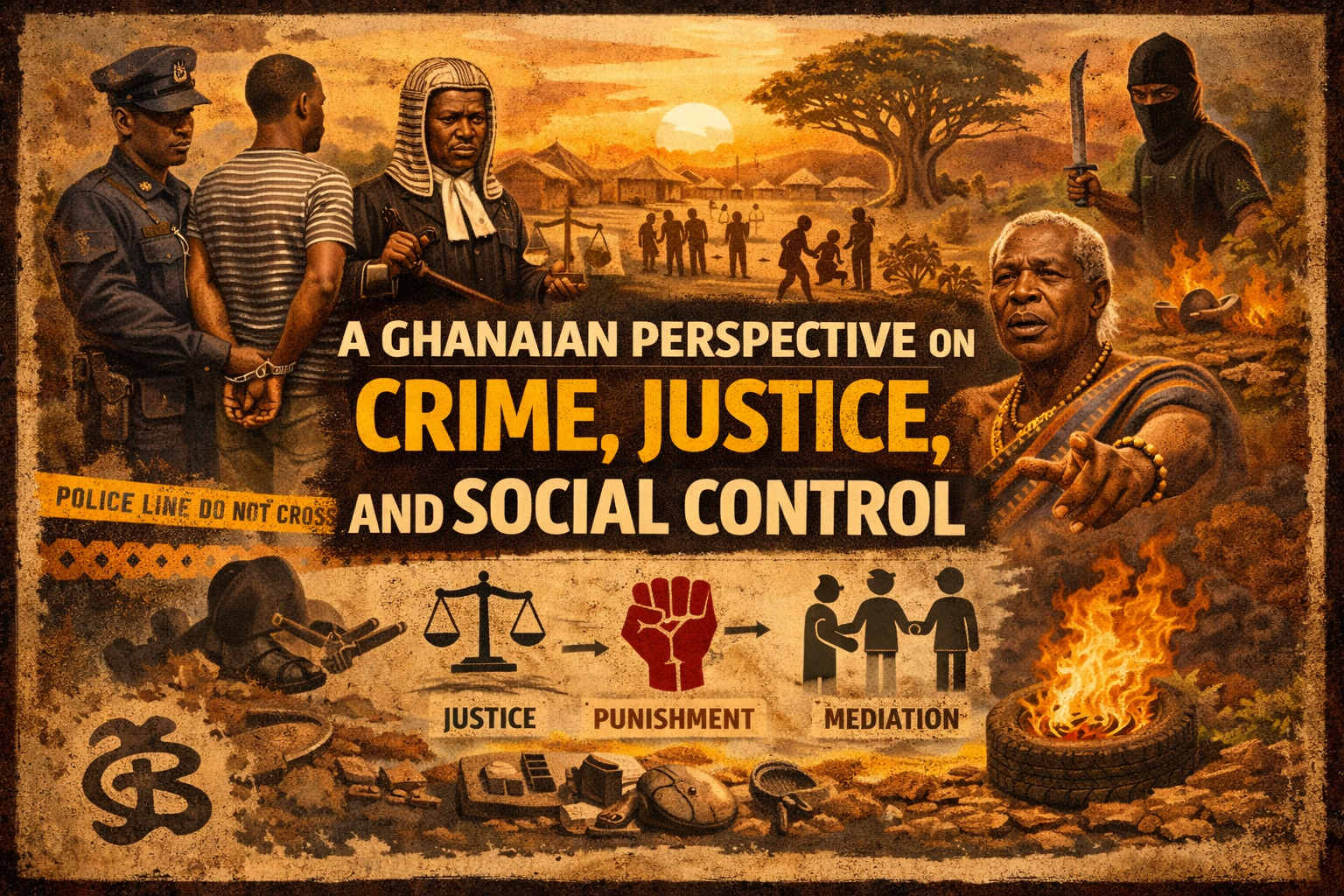
Punishment is a central feature of every organized society, including Ghana. While rewards are designed to encourage conformity and socially approved behavior, punishment exists to negatively sanction deviant behavior. When individuals act in ways that align with societal norms, they are often rewar

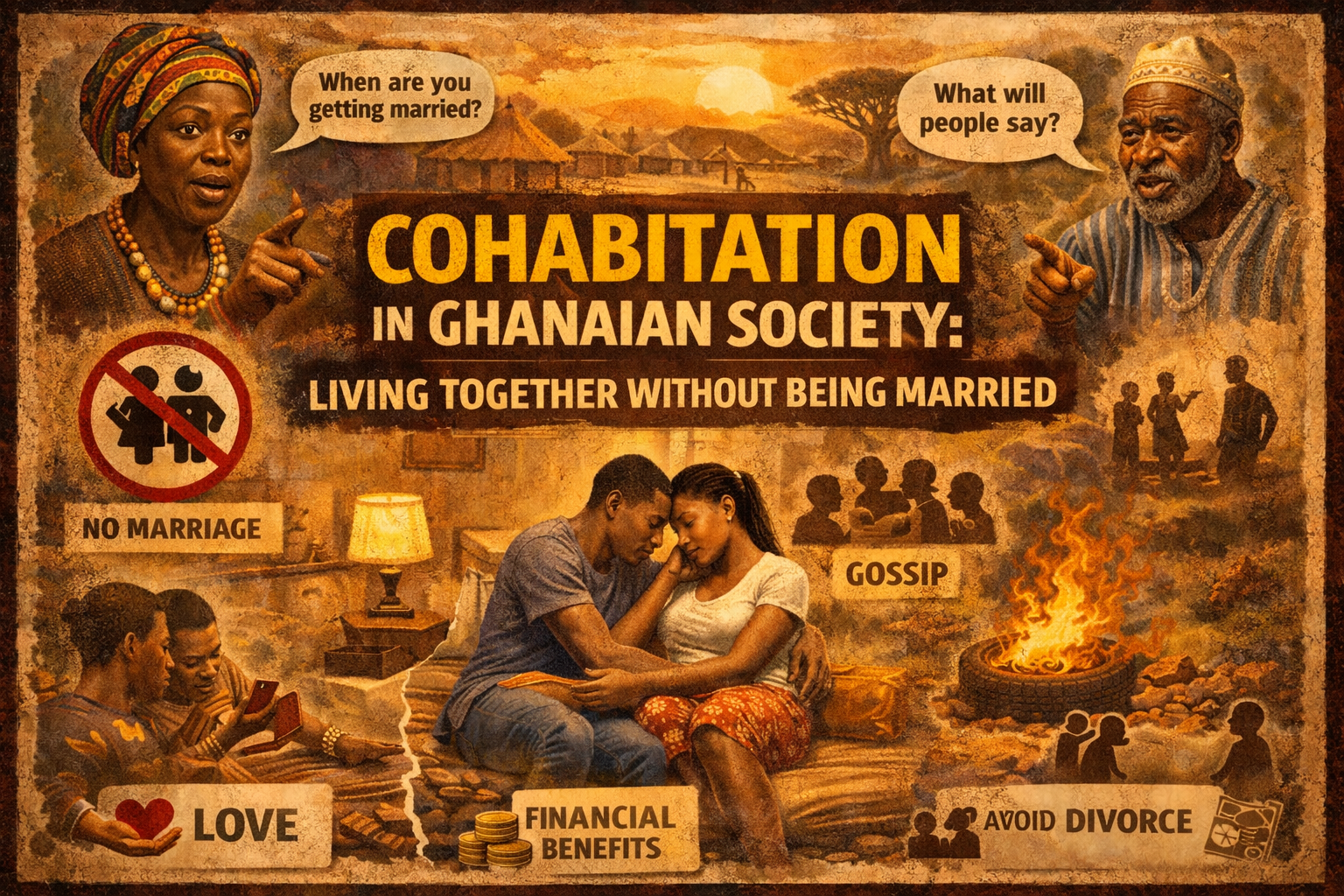
Cohabitation refers to an intimate arrangement in which a man and a woman live together in a shared residence without being formally married. While cohabitation has become increasingly common in many contemporary societies, it is generally frowned upon in Akan society and regarded as socially improp

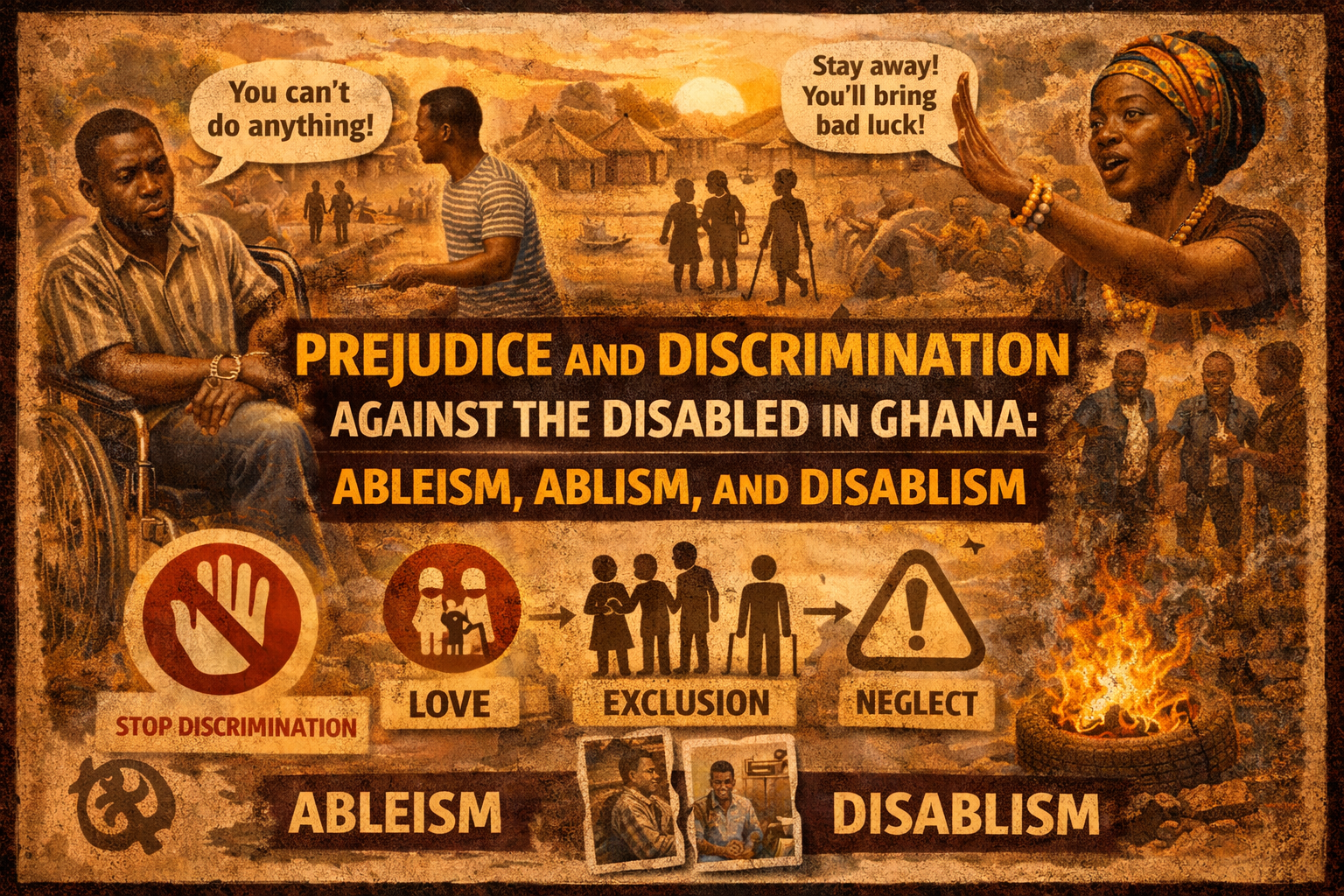
Sociologists use the term ableism to describe prejudice, discrimination, and social exclusion directed against persons with disabilities. The terms ablism and disablism are also used in the scholarly literature to refer to the same phenomenon, namely, the systematic disadvantaging of people whose bo

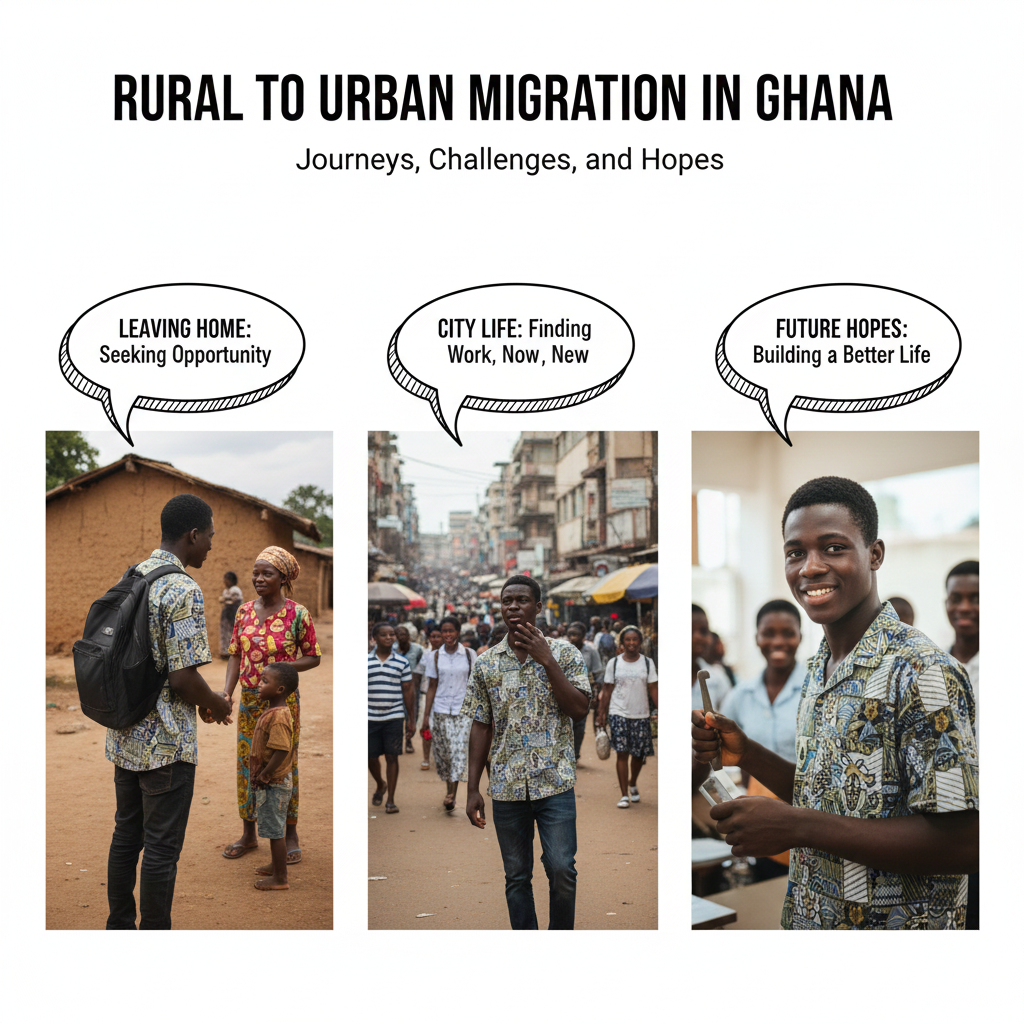
The causes of Rural–Urban Migration are major concerns of African governments like Ghana. Across Ghana and much of Africa, a defining social transformation of the 21st century is the movement of people from the countryside to towns and cities. Every year, thousands of young people leave rural commun
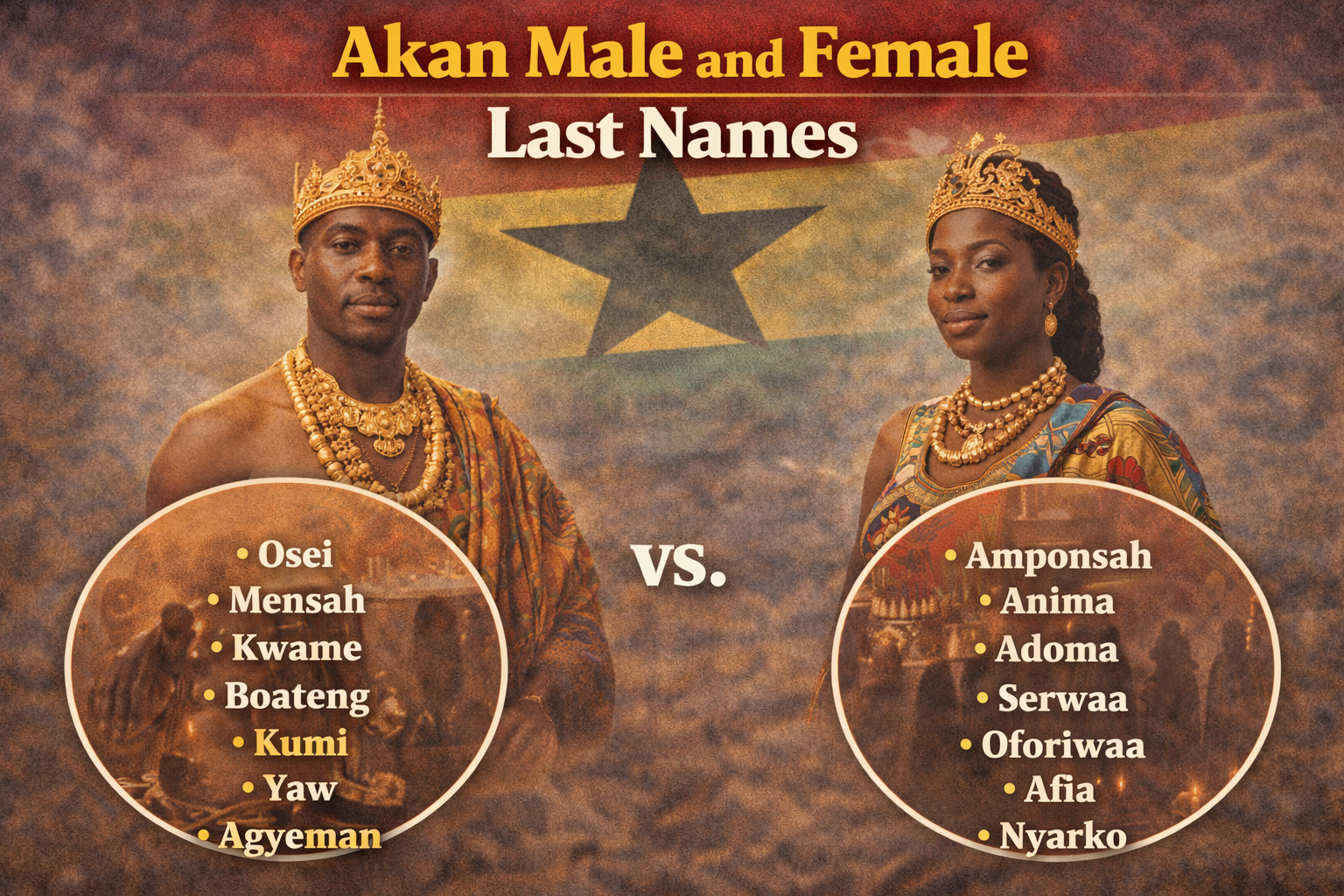
The Akans are the largest ethnic group in Ghana, comprising approximately 46 percent of the national population. The Akan language, commonly referred to as Twi, is widely spoken across the country. Although it is the mother tongue of the Akan people, it also functions as a lingua franca and is under

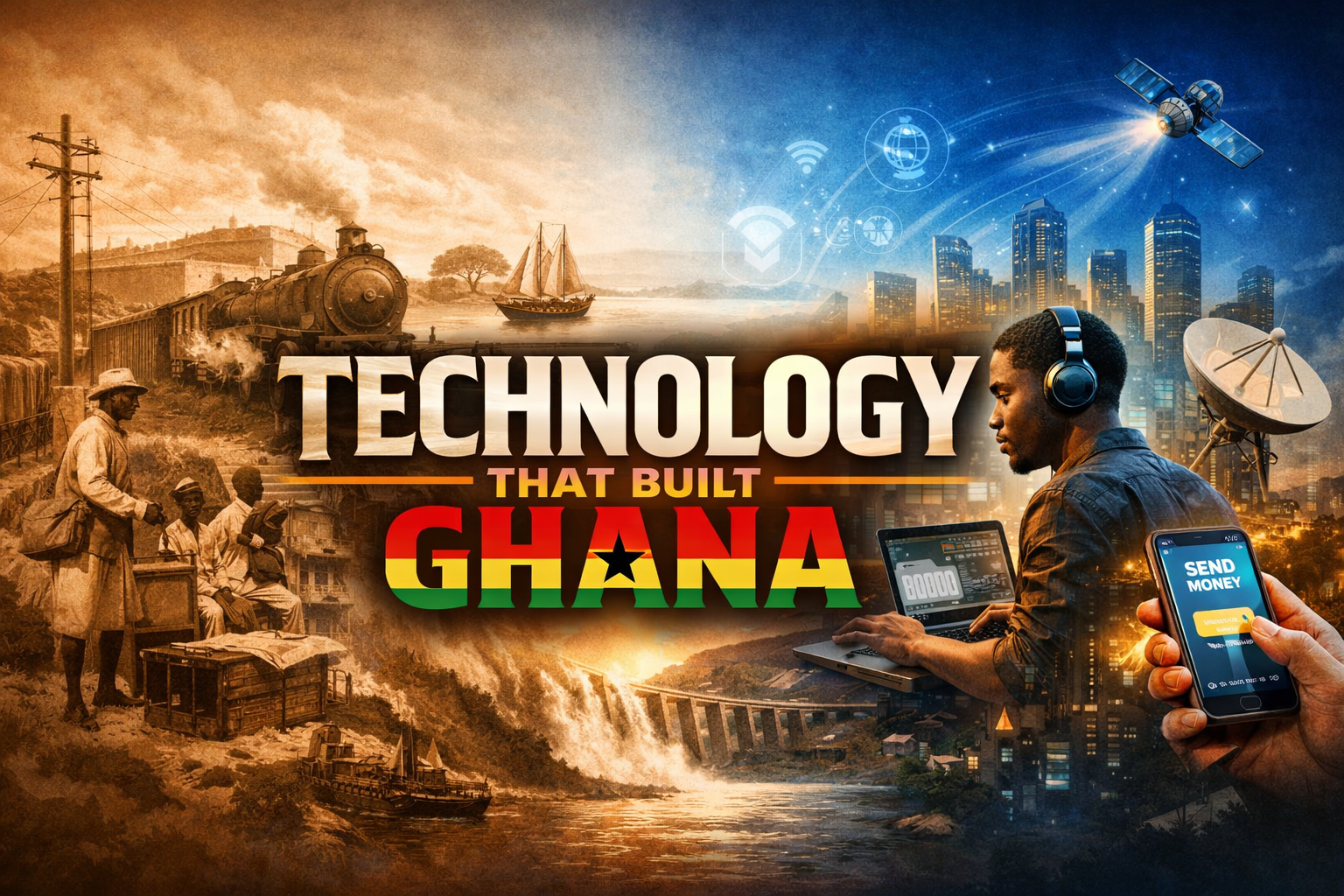
Few modern technologies have transformed Ghana as deeply and as quickly as financial technology (fintech). What began as simple mobile phone services has grown into a digital financial ecosystem that reshaped banking, trade, and daily survival for millions of Ghanaians. Before Fintech: A Cash-Heavy

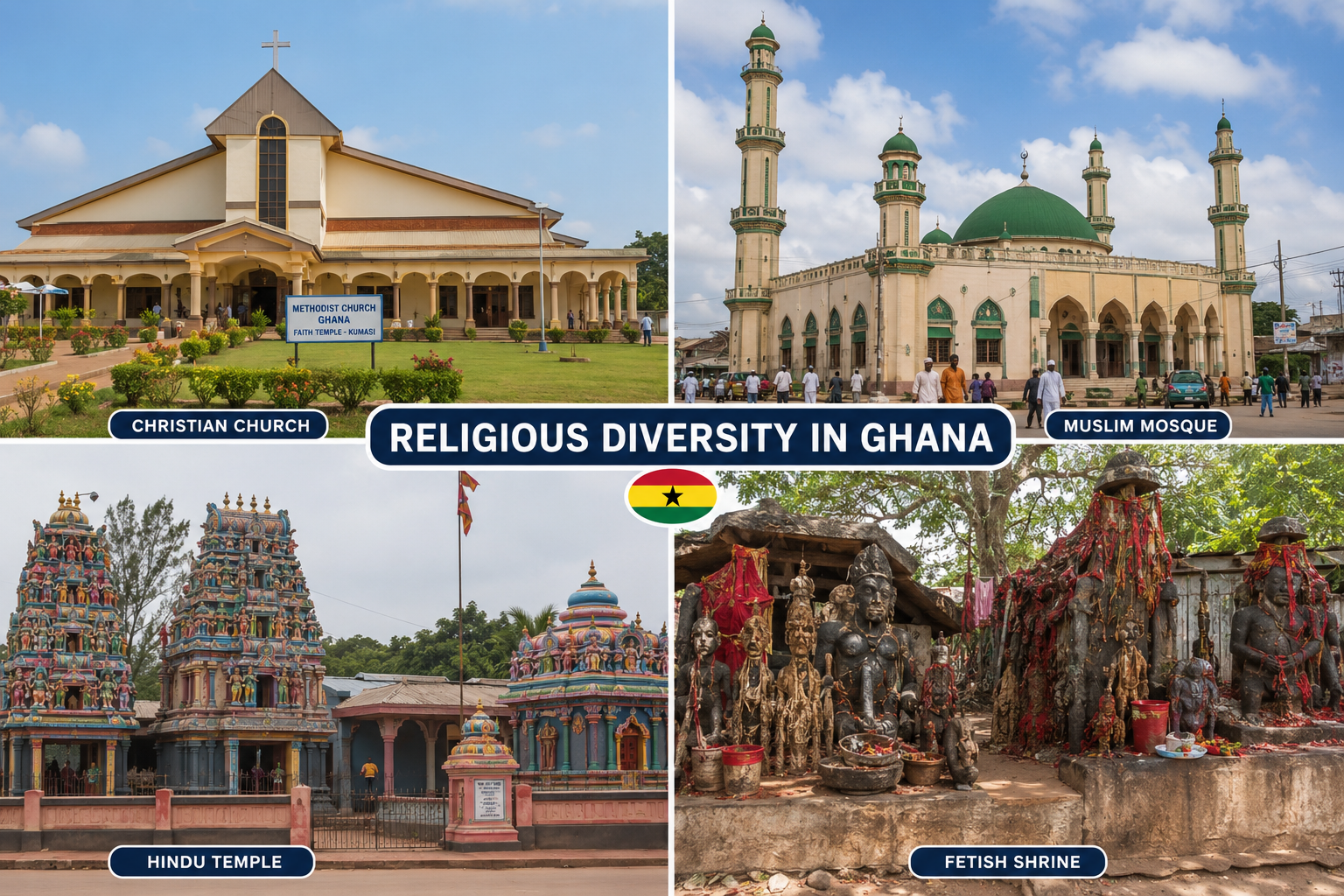
Witchcraft is commonly understood in Ghana as a supernatural power believed to be possessed by some individuals, enabling them to influence the behavior, health, fortune, or misfortune of others—either as victims or beneficiaries. Belief in witchcraft and witches remains widespread and deeply embedd

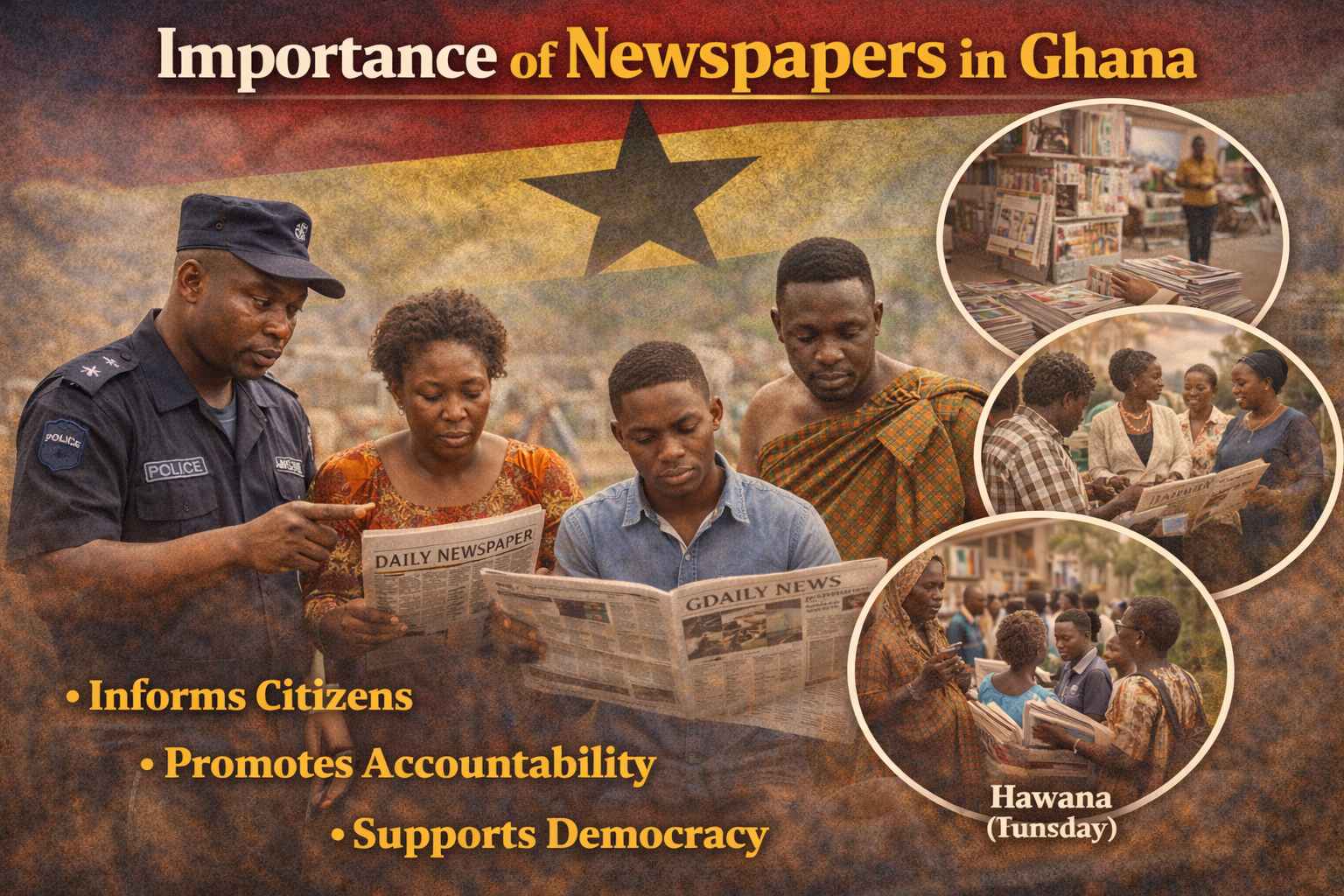
Newspapers occupy an important place in Ghanaian society. Long before the rise of social media and online news platforms, newspapers were the primary source of information for the public. Even today, despite digital competition, newspapers continue to serve critical social, political, educational, a

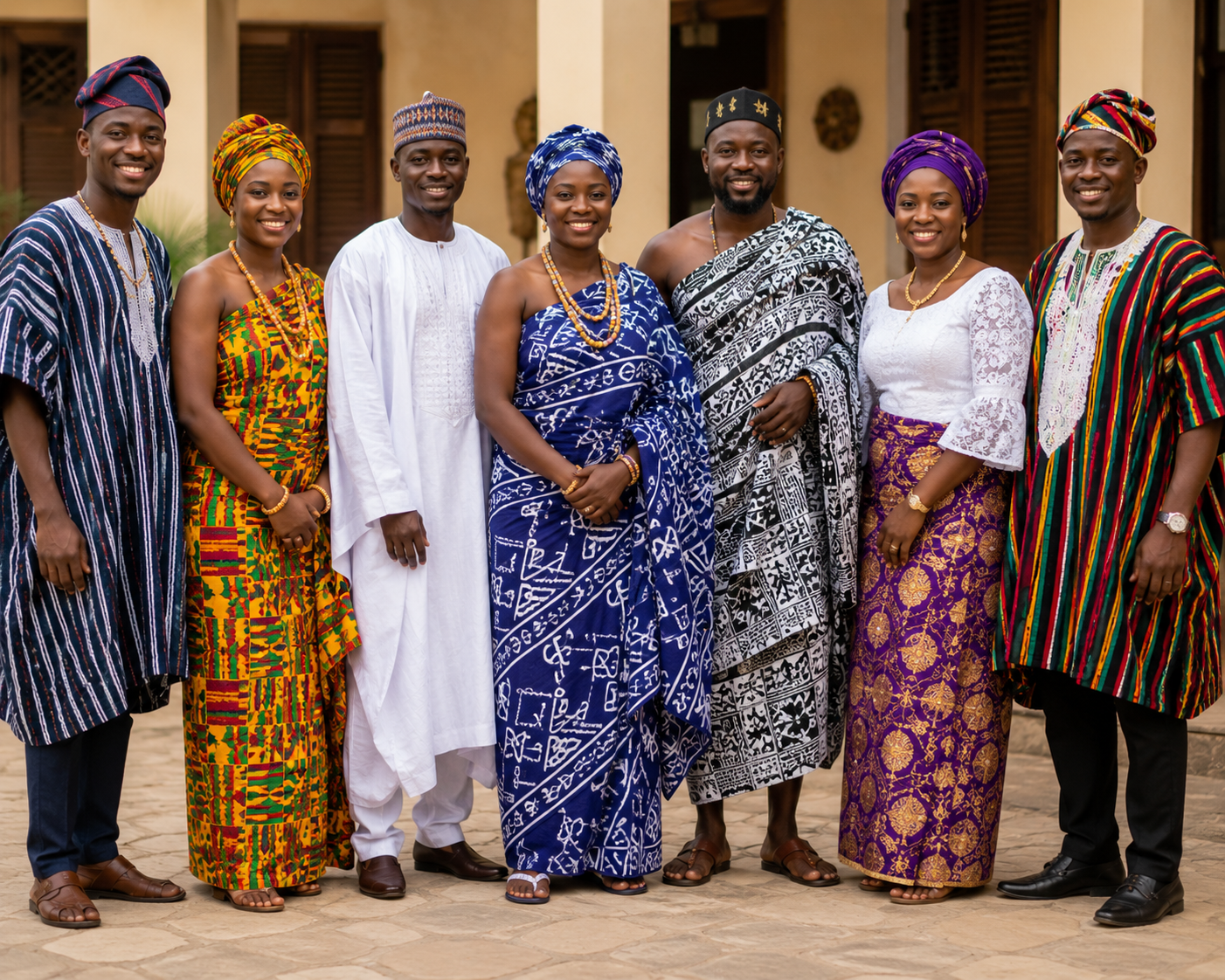
Culture refers to the total way of life of a people. It encompasses both material and non-material elements. Material culture consists of tangible aspects that can be seen and touched, such as cooking practices, eating utensils, earthenware, palanquins, drums, and idiophones. Non-material culture, b

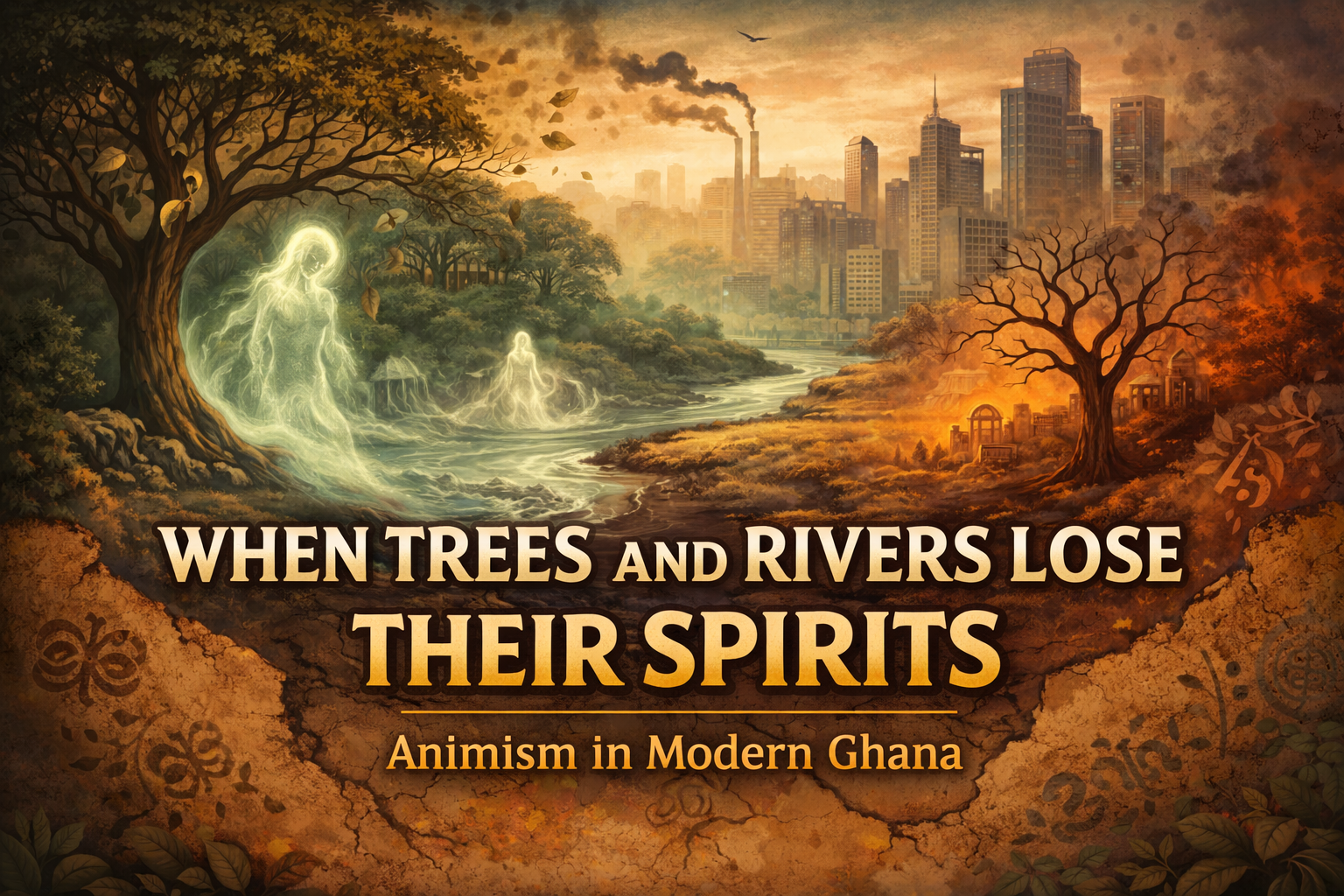
Animism is the belief that the environment and society are populated with spirits. Many Ghanaians hold animistic beliefs, maintaining that their surroundings are inhabited by spiritual beings. Some of these spirits are believed to be benevolent, while others are considered malevolent. Animistic beli

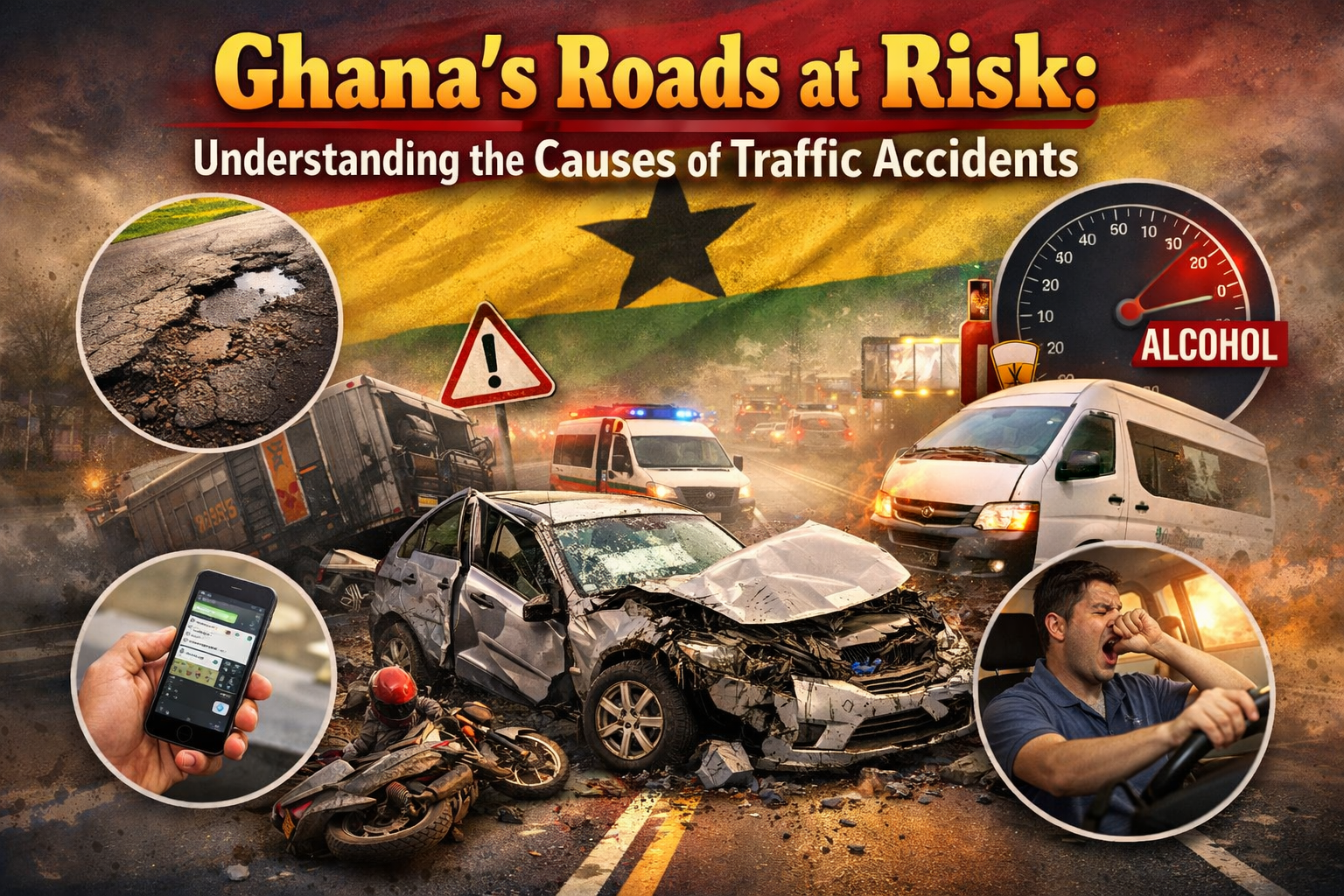
Traffic accidents in Ghana are more than statistics—they are daily tragedies that claim lives, ruin families, and leave survivors with lifelong injuries. Beyond the loss of life, road crashes lead to pain, suffering, disability, and economic hardship for individuals and communities alike. Recent dat
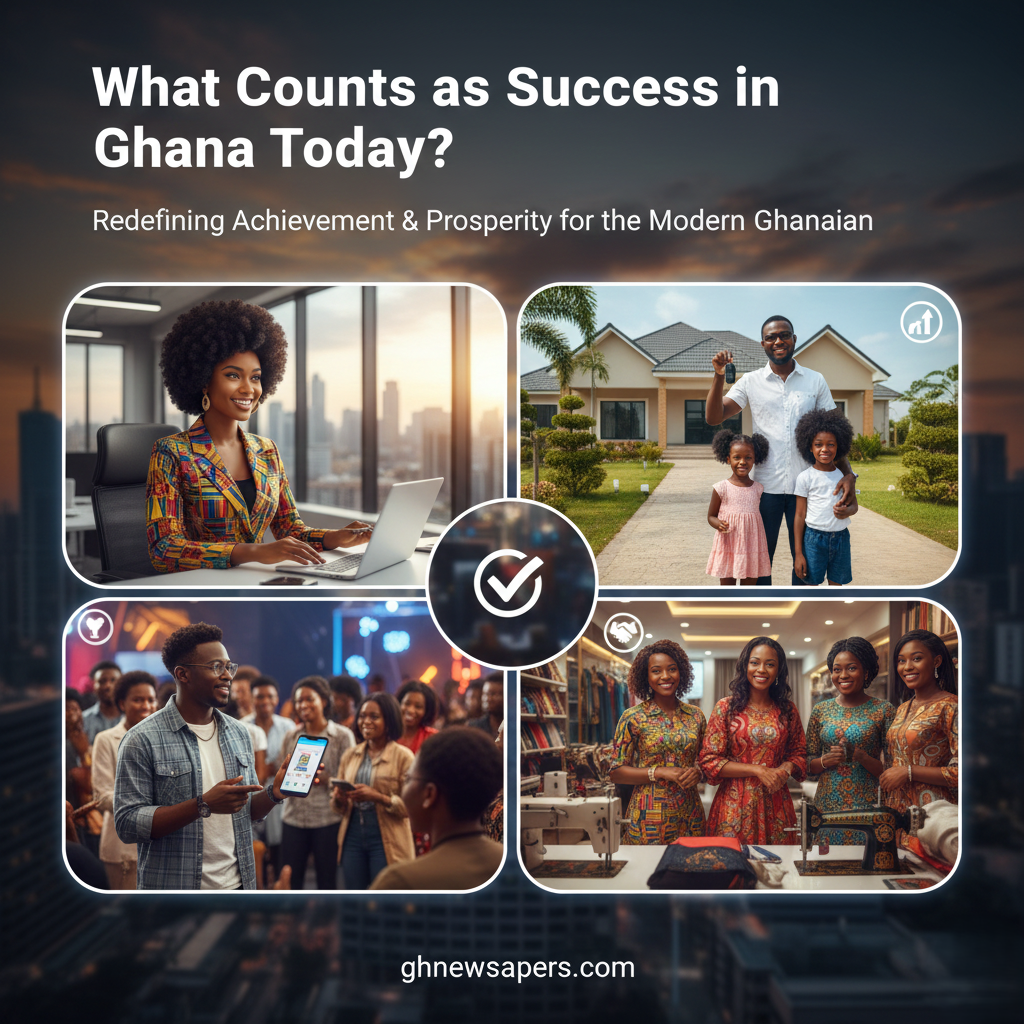
In Ghana, success is loudly celebrated, quietly envied, and endlessly debated. Yet, beneath the noise of social media displays, church testimonies, political slogans, and family expectations lies a deeper question we rarely pause to ask ourselves honestly: what does success truly mean to you? Not to

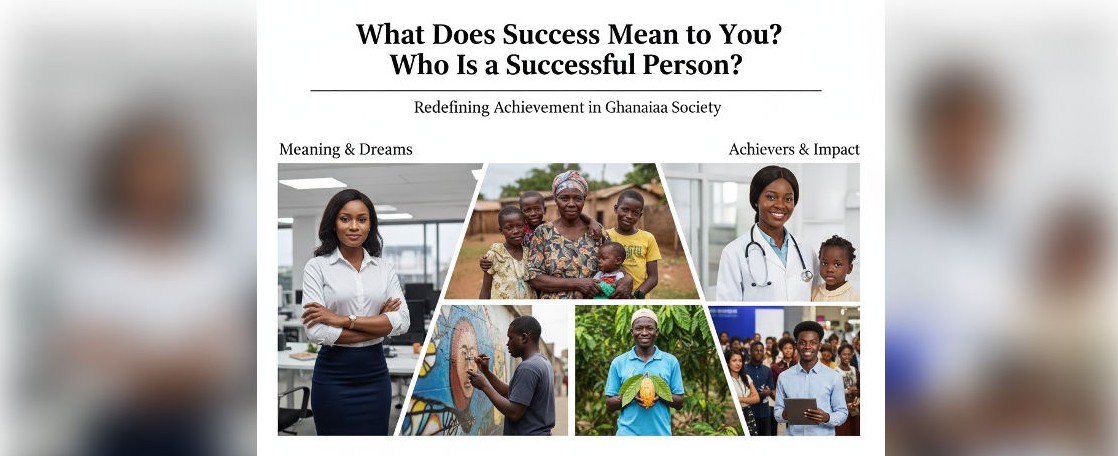
Almost everyone dreams of success. From childhood, we are taught to aspire, to achieve, and to “make it” in life. Parents encourage their children to succeed, communities celebrate successful people, and society often rewards those it considers accomplished. But an important question remains: What d
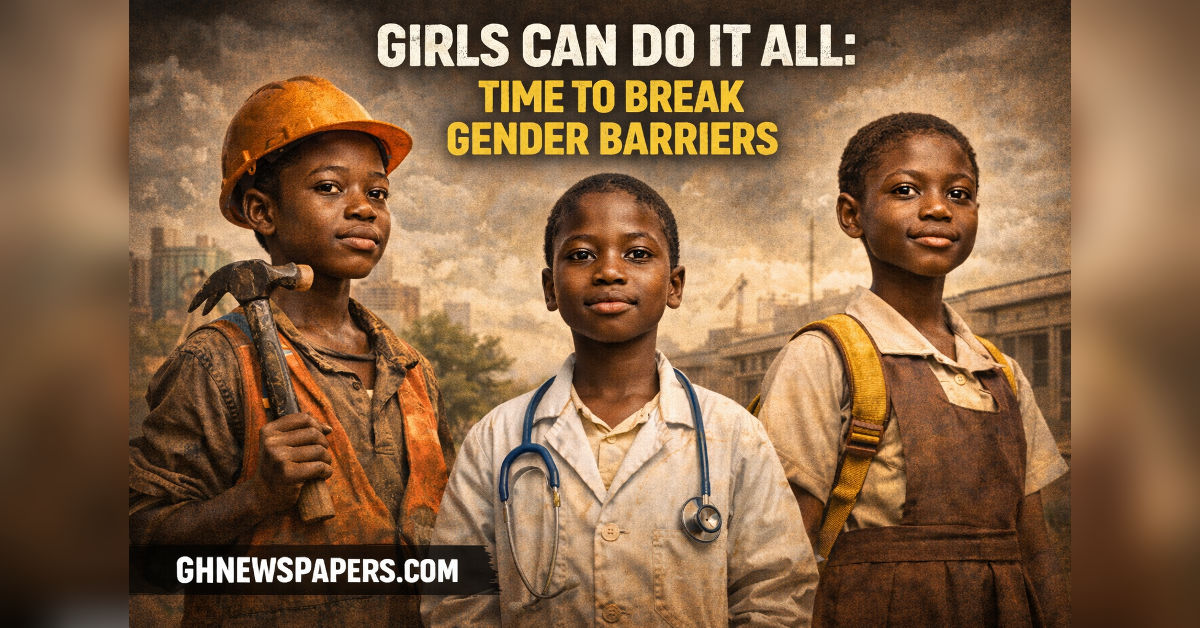
Time to Break Old Beliefs For too long, society has told girls they are weaker, less capable, or meant to play second fiddle to boys. It’s time to shatter that myth. Girls can do it all—excel in school, lead in government, innovate in business, and make decisions that shape nations. Gender does not

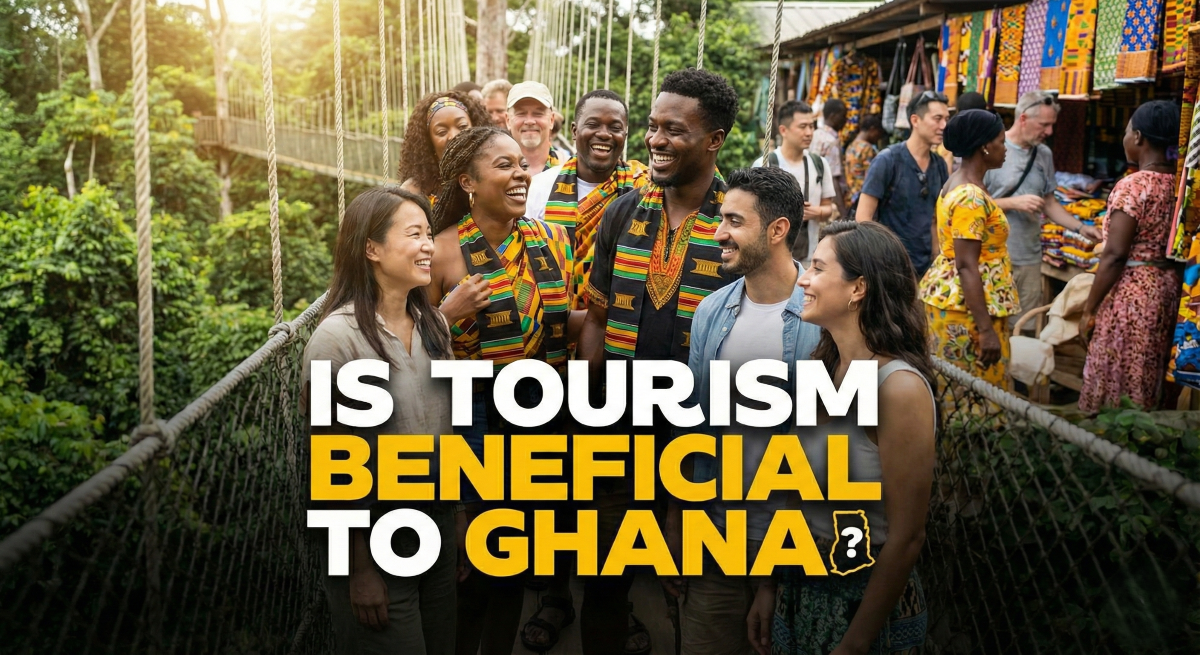
Every year, thousands of tourists visit Ghana. According to the 2024 Tourism Report published by the Ghana Tourism Authority, Ghana welcomed 1,288,804 international visitors in 2024. The country continues to promote tourism in order to expand the industry and increase its benefits. This raises an im
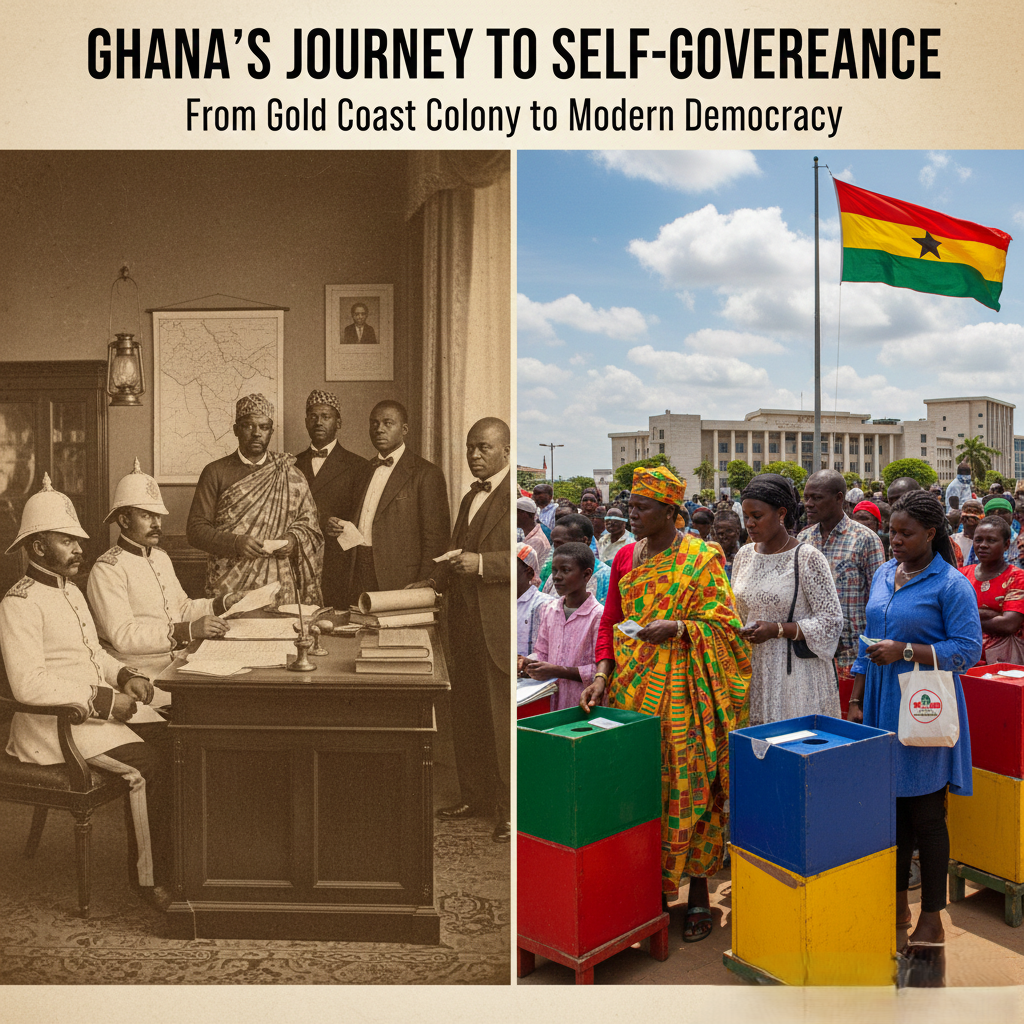
If there is one idea that has mattered more to Ghana than any other from the Gold Coast era to the present, it is the struggle for self-governance and accountable leadership. From colonial domination to modern democracy, Ghana’s history has been shaped by a single, powerful question: Who governs us,

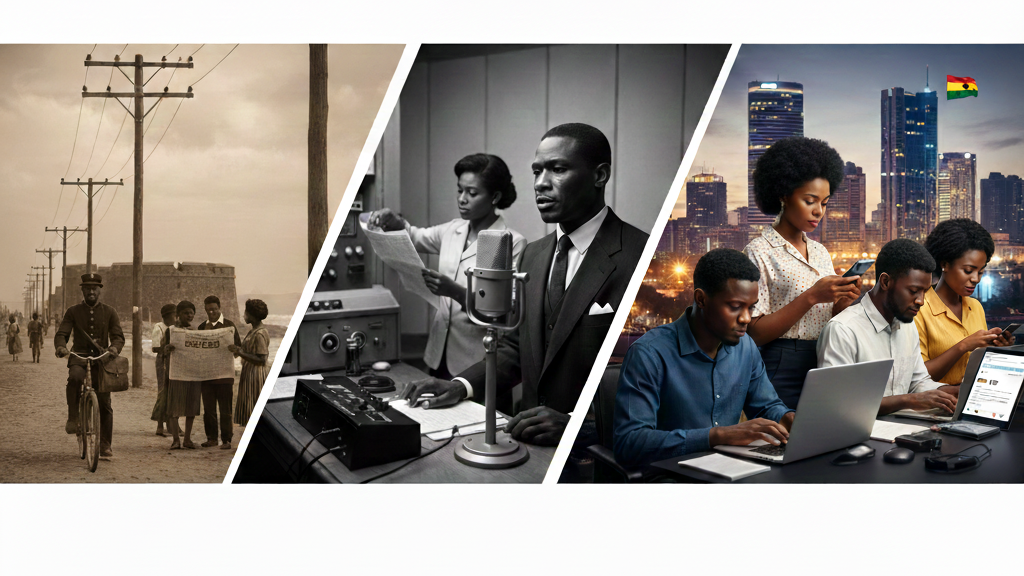
Few technological developments have reshaped Ghana as profoundly as the Advancement of communication technology. From the first telegraph lines laid by colonial authorities to today’s smartphones and internet-driven economy, communication has changed how Ghanaians trade, govern, organize, and connec

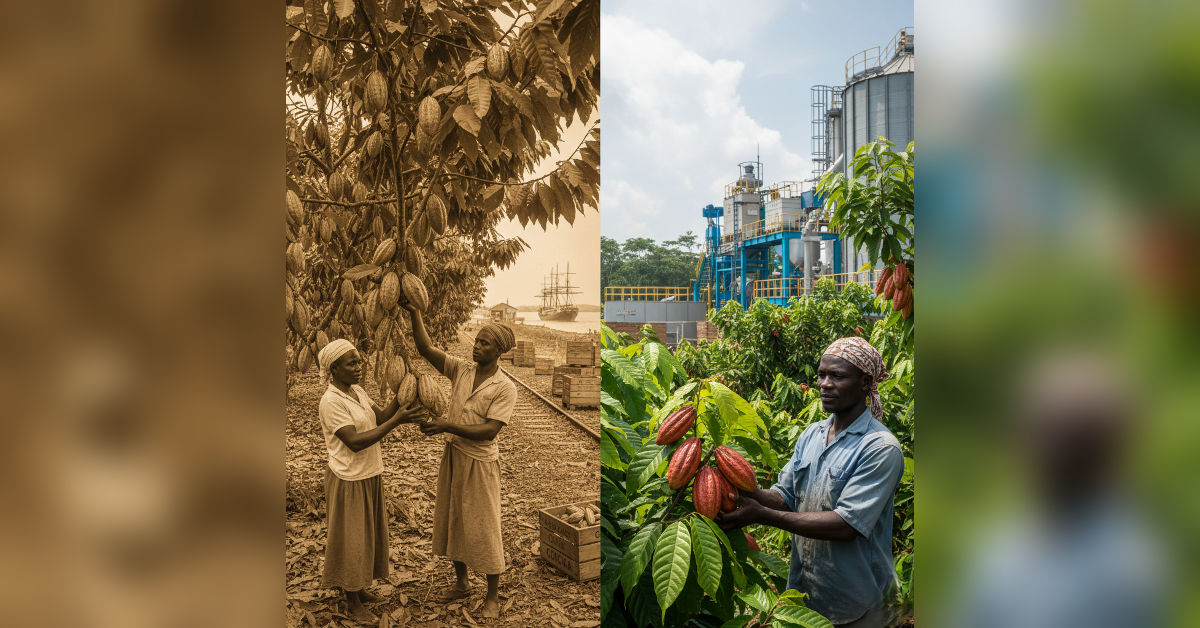
Few business stories have shaped Ghana as deeply and enduringly as cocoa. From a small agricultural experiment in the late 19th century to becoming the backbone of the national economy, cocoa transformed the Gold Coast into one of the world’s most important producers and laid the foundation for mode