
BusinessJul 31, 2026
From a Small Ghanaian Town to Business Success in America: The Inspiring Journey of Maadwoa
The article presents the success story of a young Ghanaian entrepreneur
67 results for “success”
The article presents the success story of a young Ghanaian entrepreneur
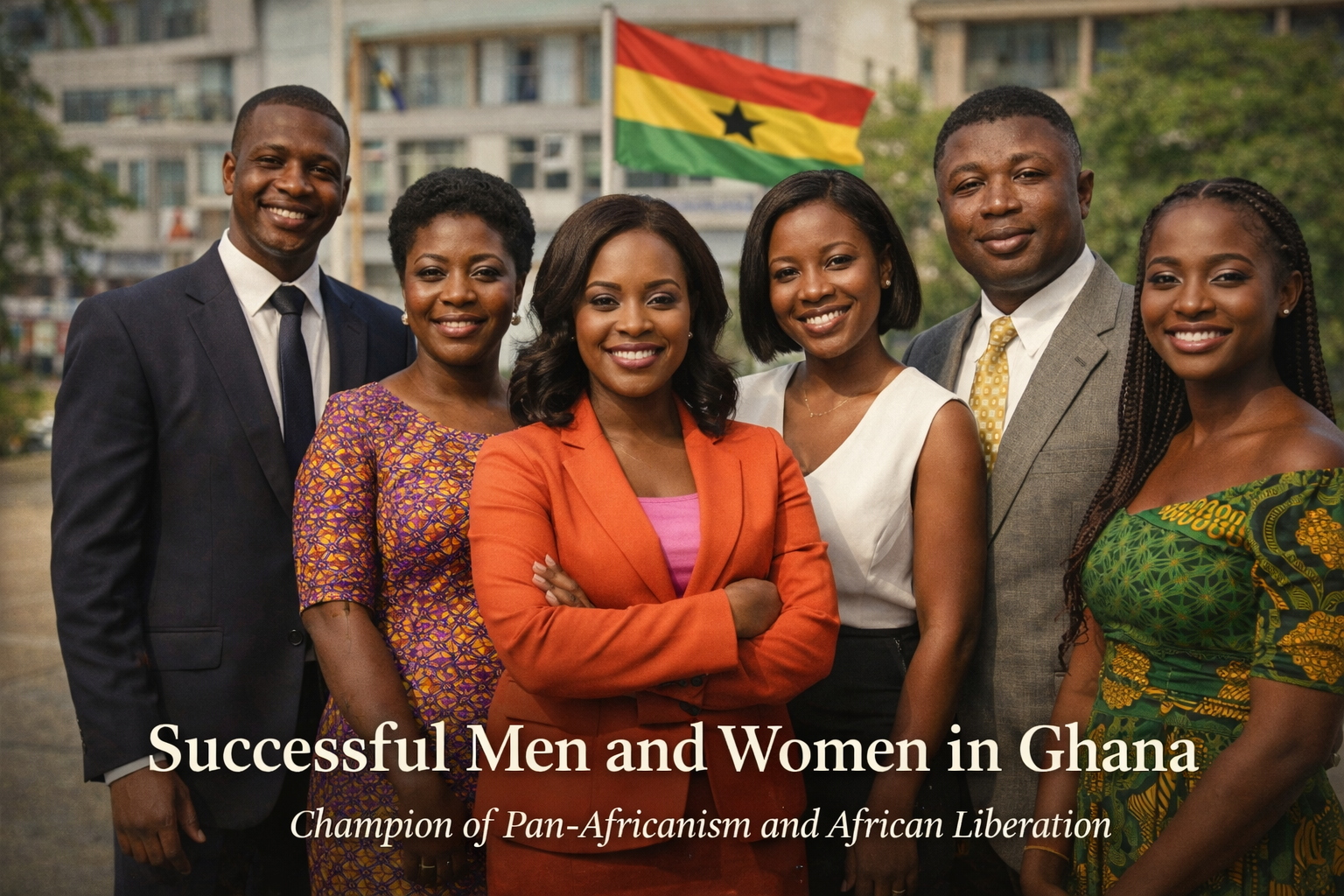
In every society, there are culturally accepted symbols of success. There are also culturally approved means for attaining these symbols of success. These aspirations and goals form what can be called a society’s “dream.” In the same way that some people speak of their national dream, it is possible
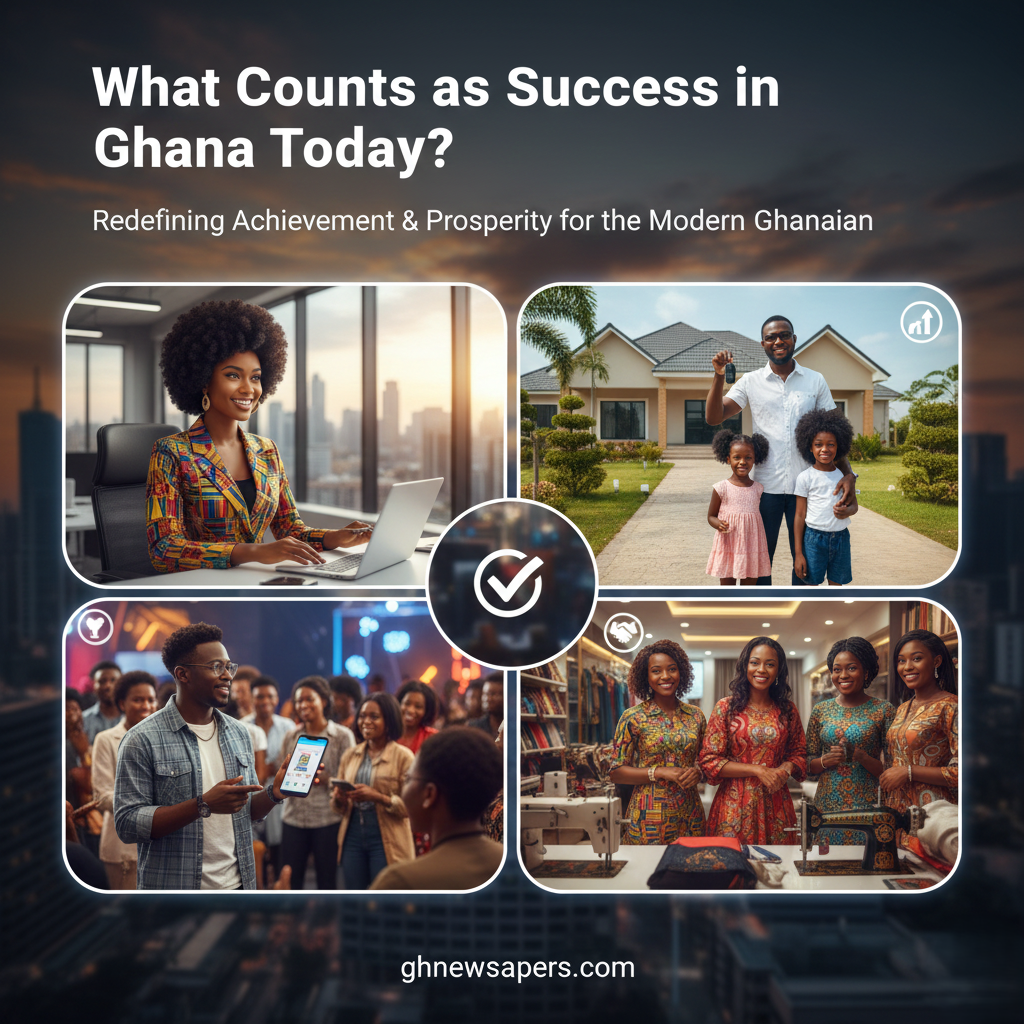
In Ghana, success is loudly celebrated, quietly envied, and endlessly debated. Yet, beneath the noise of social media displays, church testimonies, political slogans, and family expectations lies a deeper question we rarely pause to ask ourselves honestly: what does success truly mean to you? Not to
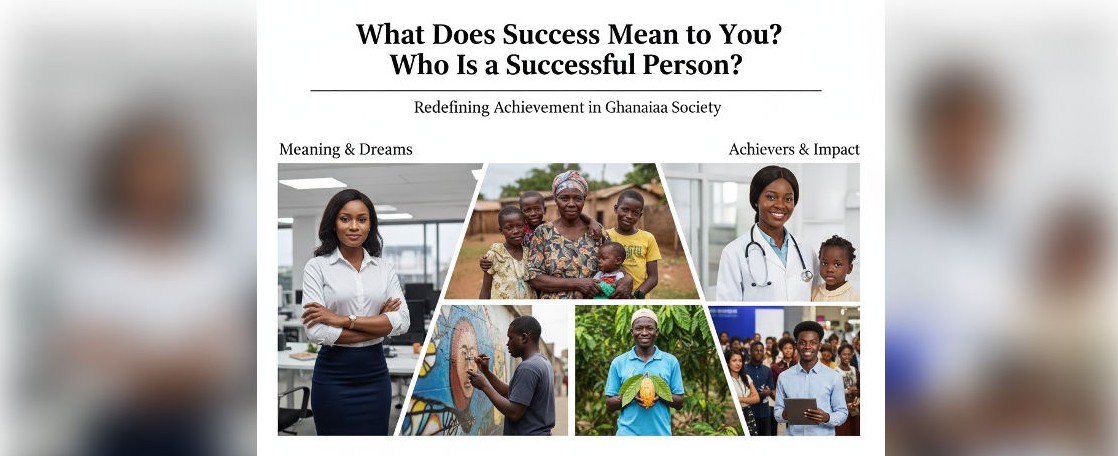
Almost everyone dreams of success. From childhood, we are taught to aspire, to achieve, and to “make it” in life. Parents encourage their children to succeed, communities celebrate successful people, and society often rewards those it considers accomplished. But an important question remains: What d

There are stories of academic success, and then there are stories of destiny shaped by personal struggle, sacrifice, and compassion. The remarkable journey of Dr. Amma Adinkrah belongs to the latter category. This past Saturday, Amma Adinkrah, daughter of Dr. Kwame Adinkrah, proudly graduated with t
The article explores the negative impact of teasing in Ghanaian schools


A description of a major Akan cultural ceremony to honor women for prolific childbearing
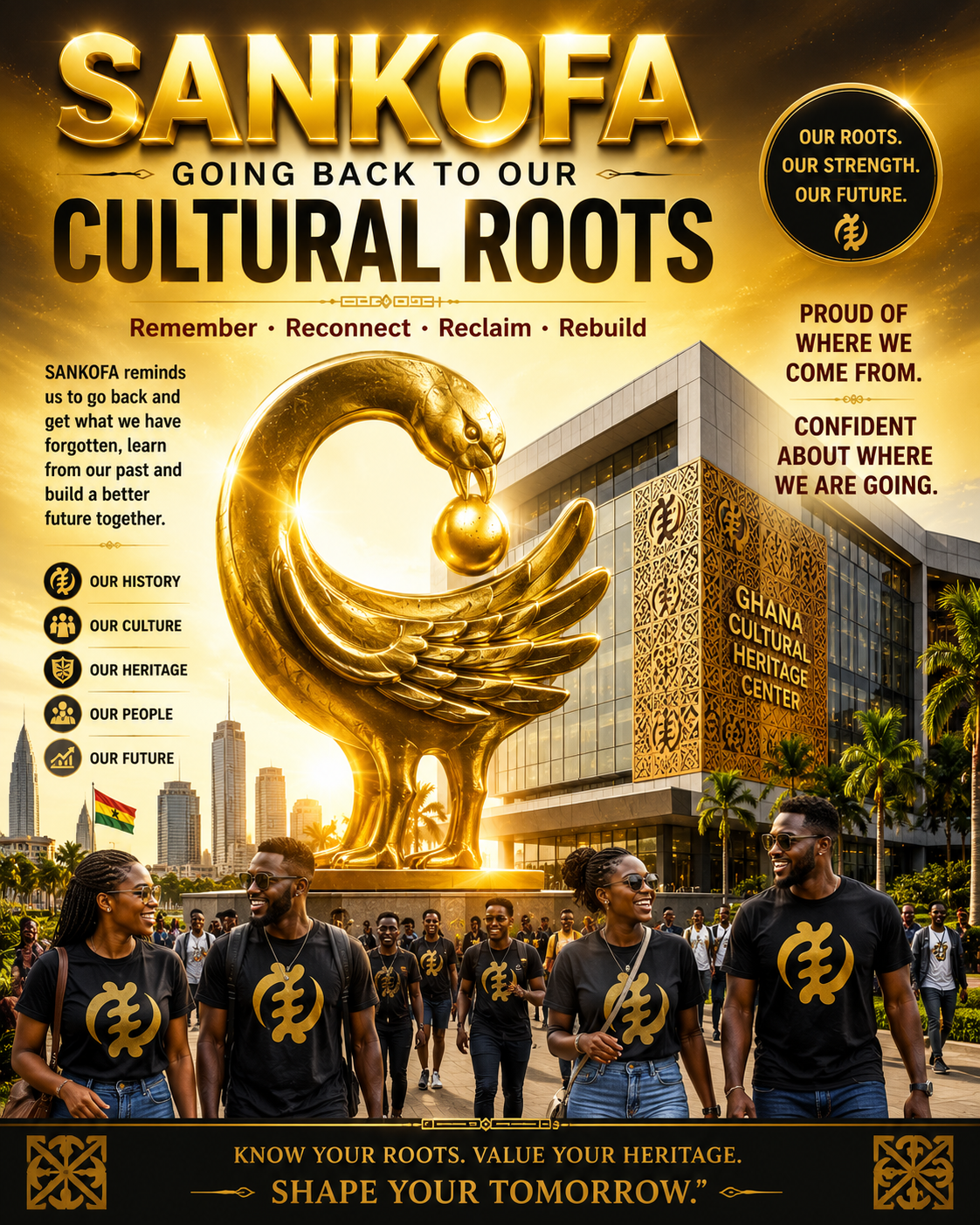
Ghana is a country with a rich and vibrant cultural heritage. Long before the arrival of Europeans, the people who inhabited the territory now known as Ghana had developed sophisticated political syst
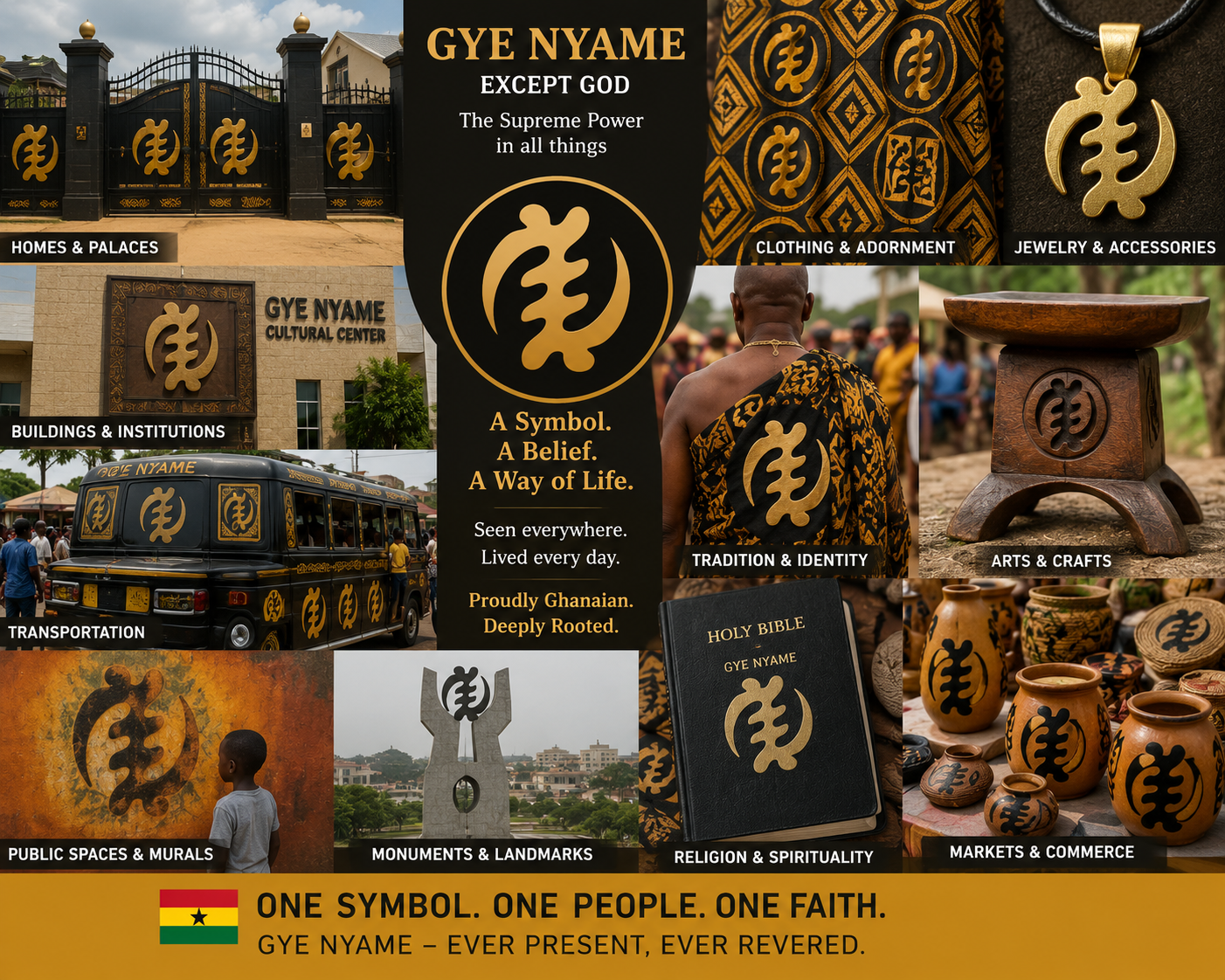
Among the Akan people of Ghana, belief in God occupies a central place in everyday life. The Akans have long regarded God, known as Nyame, as the Creator of the universe, the source of all life, and t
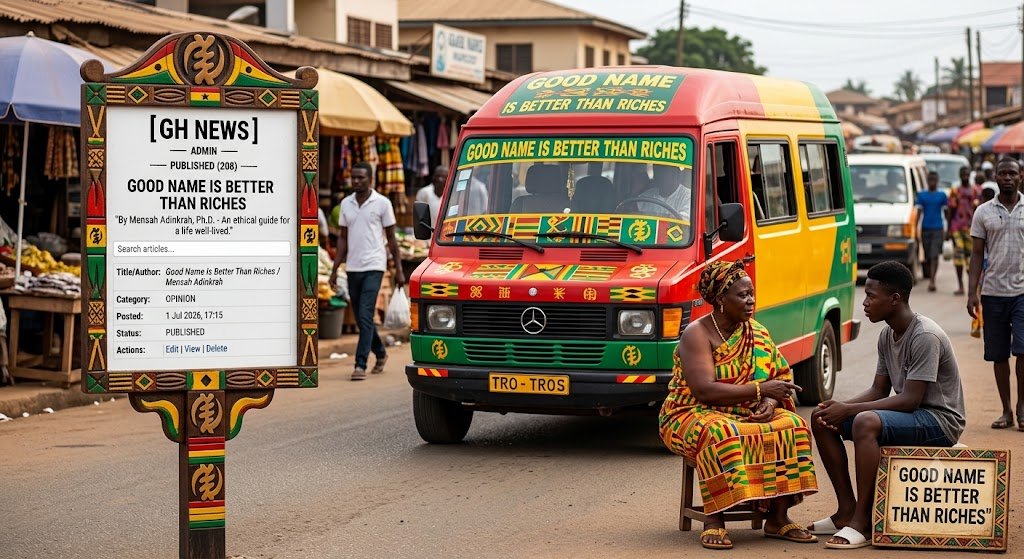
Introduction One of the most profound pieces of wisdom in Ghanaian culture is the saying: "Good name is better than riches." The Akan version, "Din Pa Yɛ Sen Ahonya," conveys the same timeless messag

An Opinion and Advice Column One of the first English idioms I learned after moving to North America—first to Canada and later to the United States—was the expression "get your ducks in a row." At th
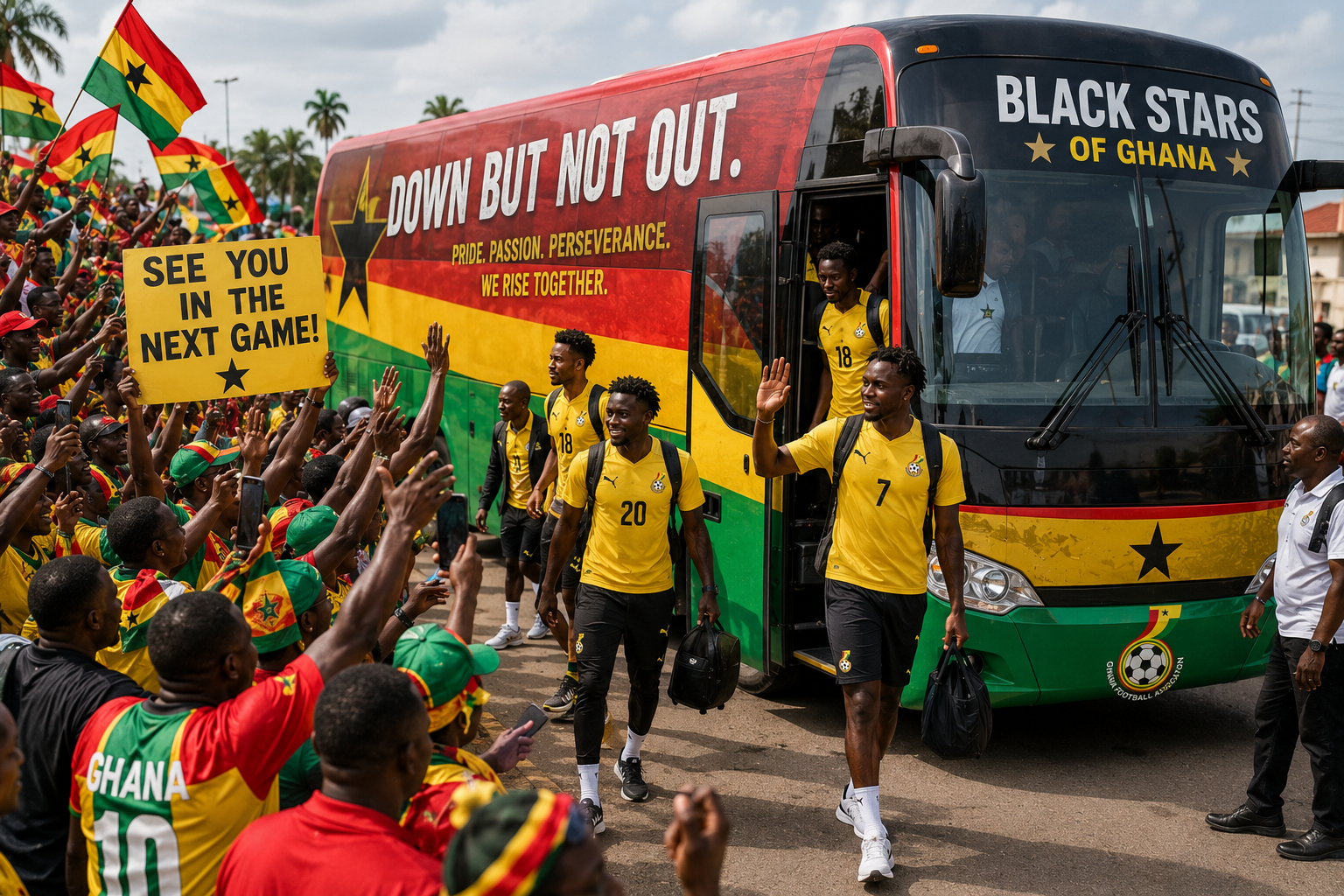
A Disappointing Result Today, June 27, 2026, Ghana's Black Stars faced Croatia in a crucial World Cup match. Across Ghana and among Ghanaians living abroad, millions of passionate supporters rallied
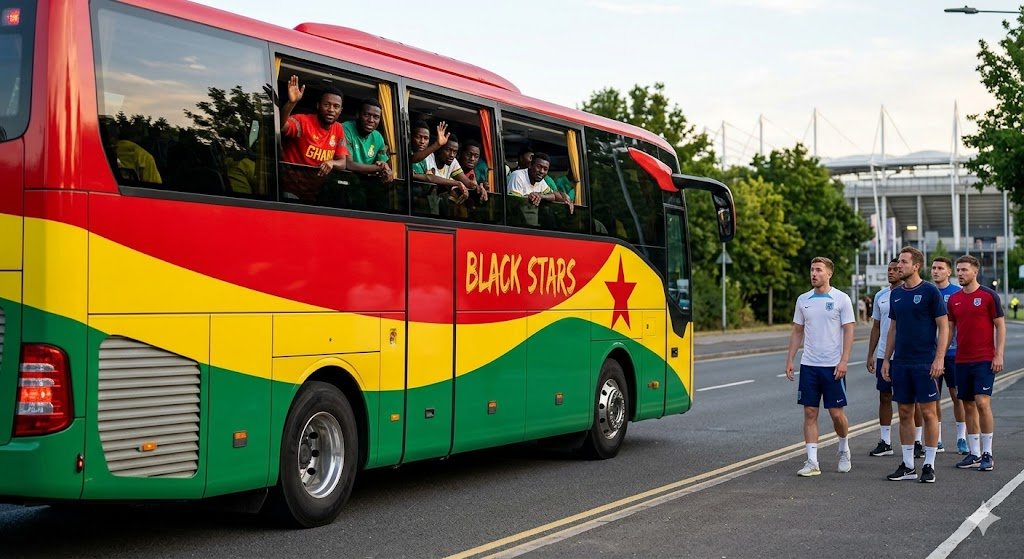
A Lesson in Humility On June 23, 2026, football fans around the world witnessed a result that few pundits predicted. The Ghana Black Stars, representing a nation once colonized by Britain, battled co

The pundits have given their verdict, but well-seasoned by experience and standing beyond the critics, naysayers, and doubters, the Ghanaian heart remains anchored in a truth storied over decades: the optics are never fatal. We bow to none.

A tactical analysis of what could be a historic encounter between Ghana and England.
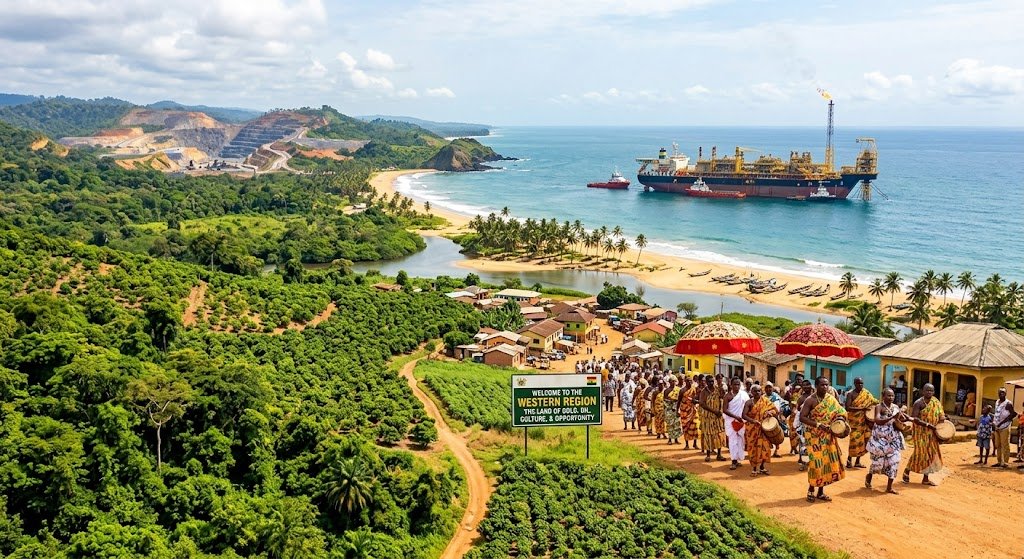
Introduction Among Ghana’s sixteen administrative regions, few can rival the Western Region in terms of natural wealth, cultural diversity, economic importance, and historical significance. Stretchin
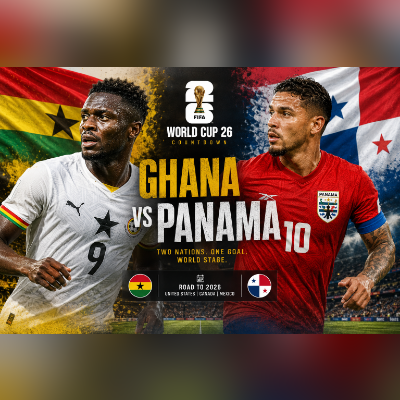
With barely a few hours to the encounter between Ghana and Panama, we try to explore and understand the nature of football legacy that comes with this encounter.
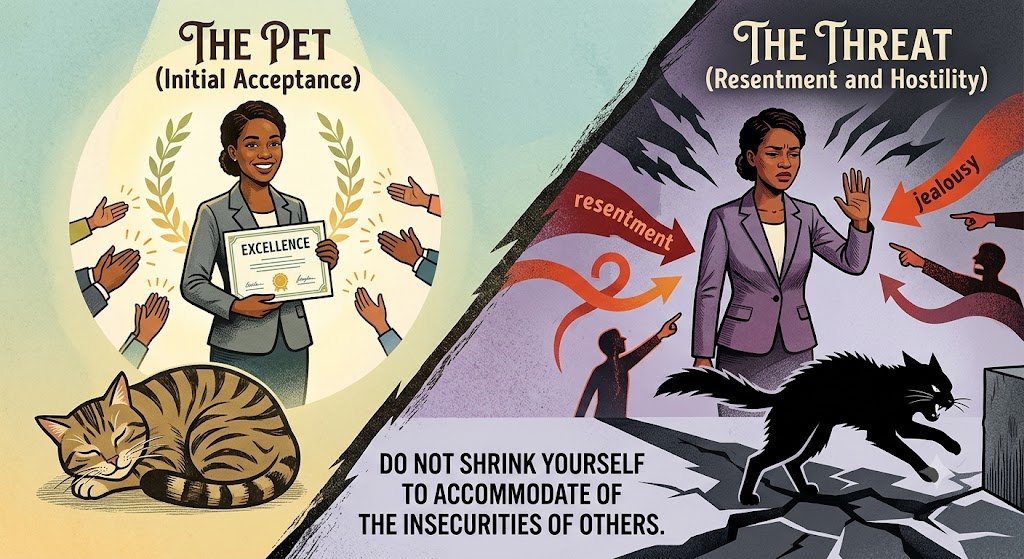
The Pet-to-Threat Phenomenon Many Black people throughout the Diaspora share stories of what has come to be known as the "pet-to-threat" phenomenon. The pattern is remarkably consistent. Initial succ
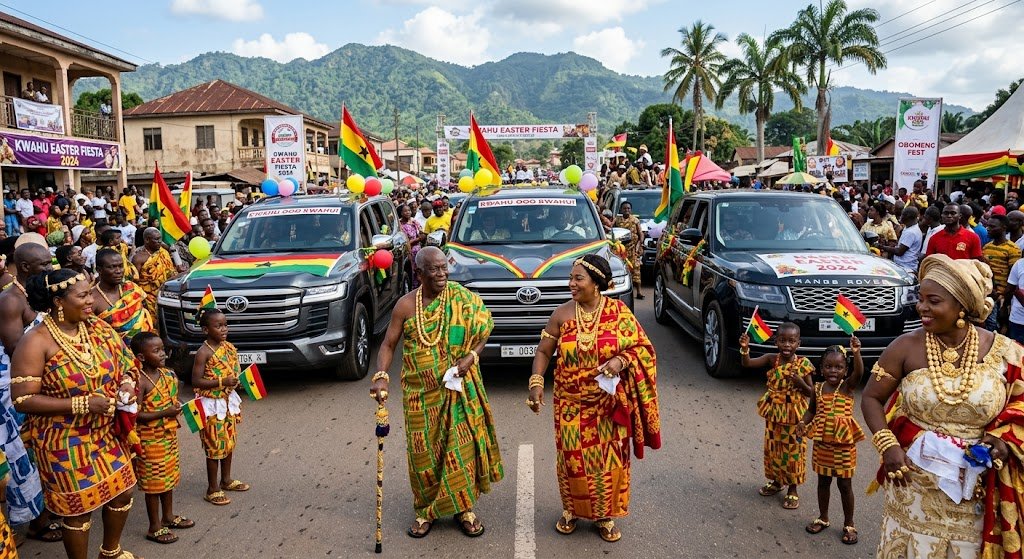
Introduction Every year, as Easter approaches, a familiar phrase echoes across Ghana's radio stations, television screens, and social media platforms: "Kwahu oooo Kwahu!" The expression has become bo
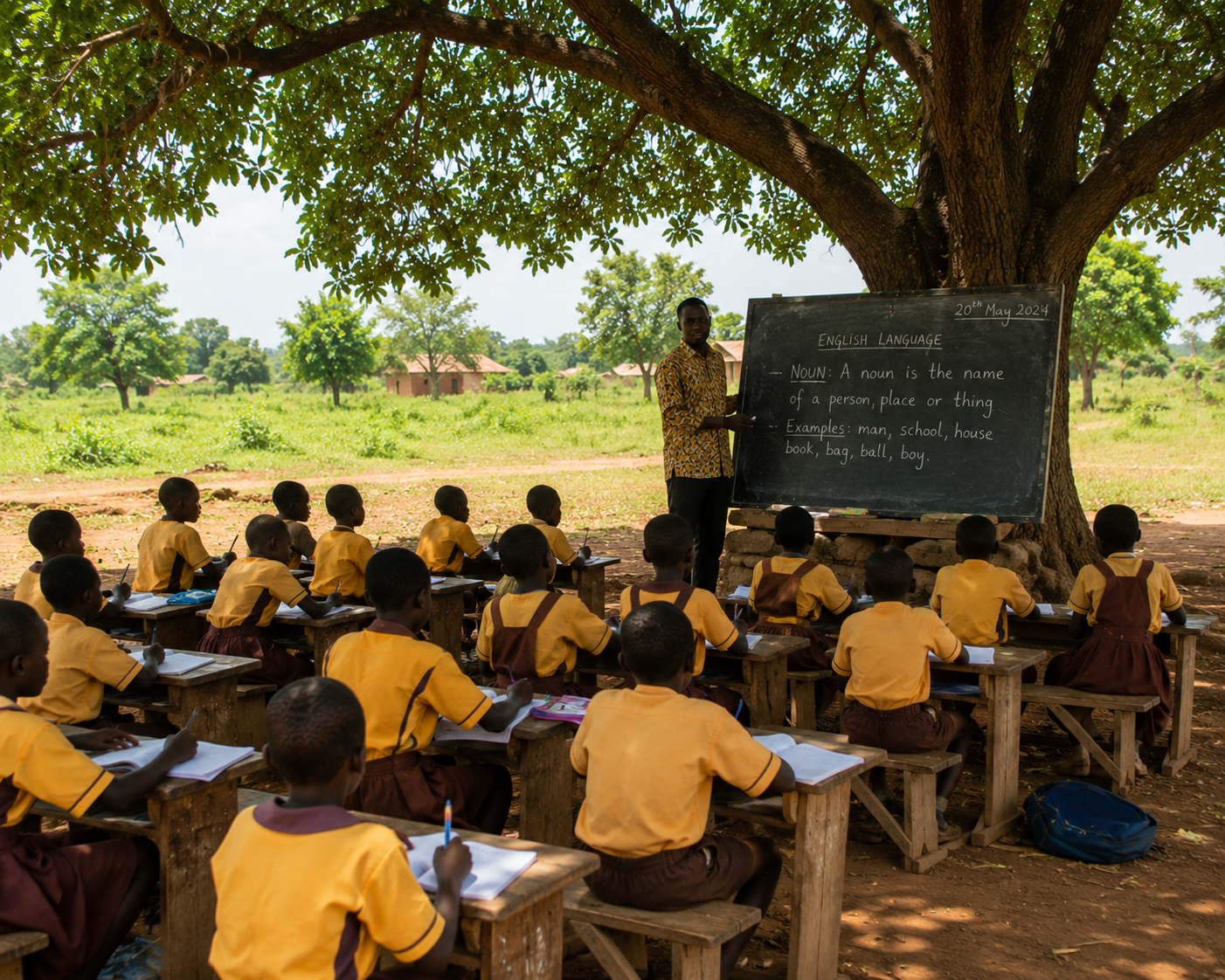
Ghana has made substantial progress in literacy over the past several decades, yet the country has not achieved universal literacy. According to recent UNESCO and World Bank data, approximately 76–81%
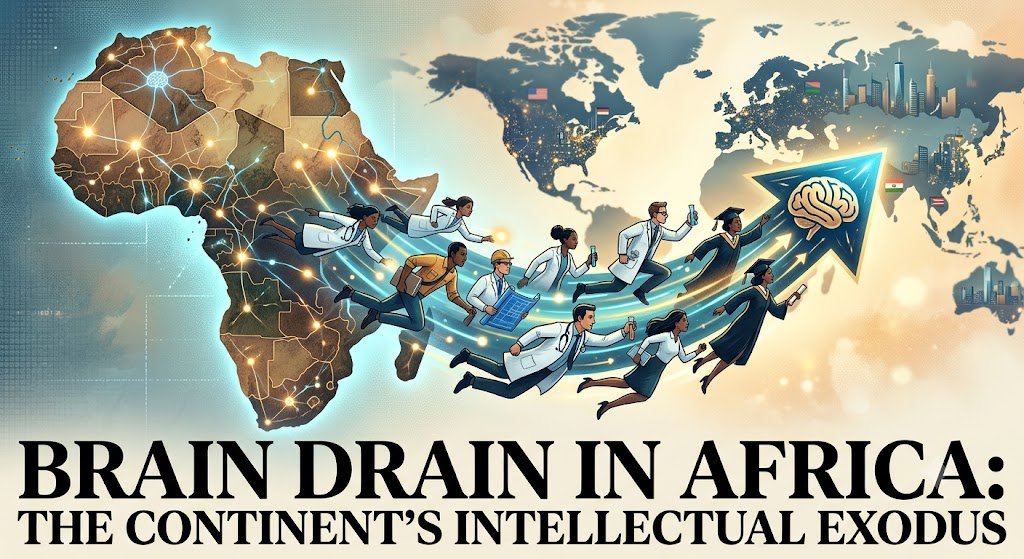
Introduction One of the greatest challenges confronting African countries today is the phenomenon known as "brain drain." Every year, thousands of highly educated and skilled Africans leave their hom
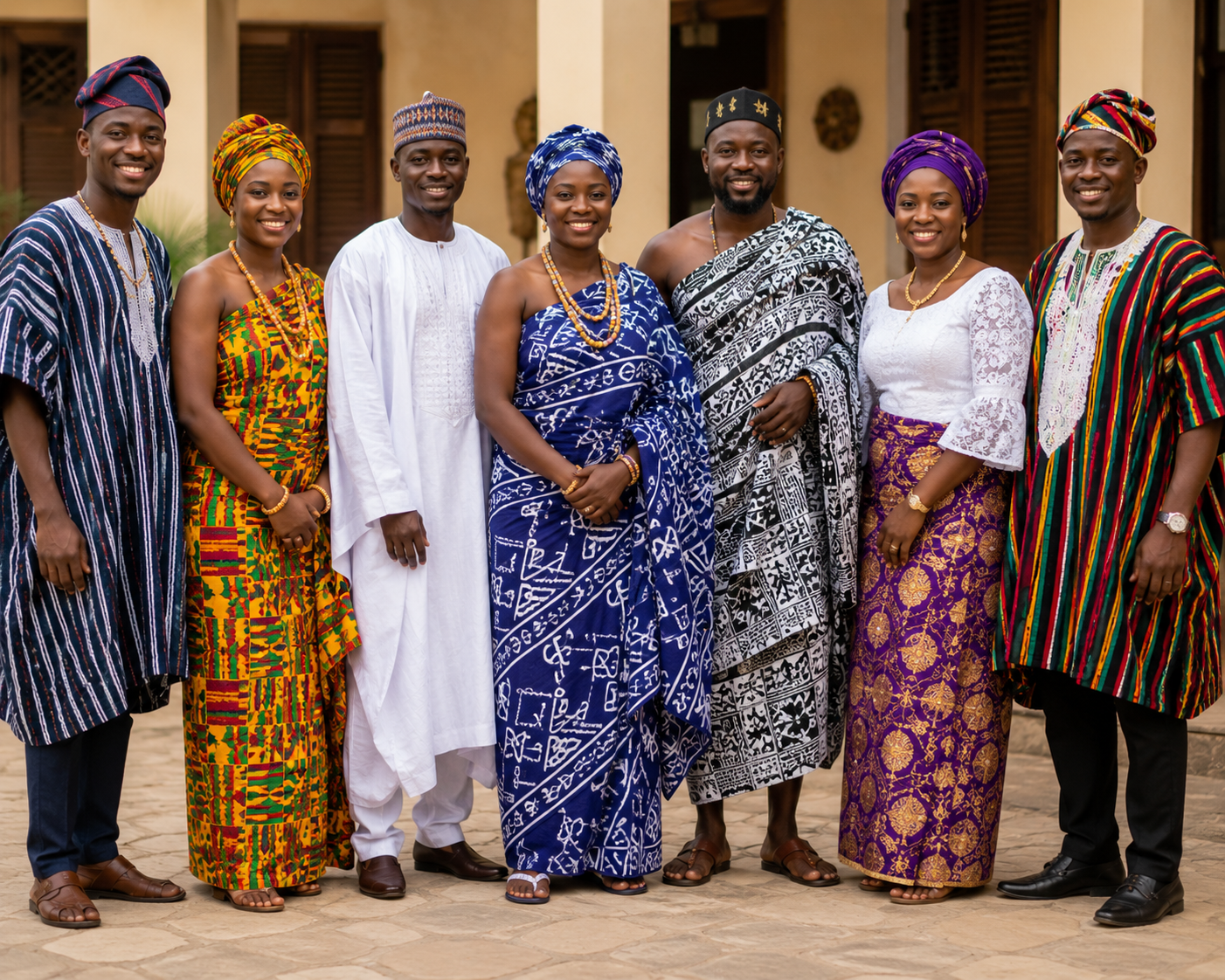
Ghana is often celebrated as one of Africa’s most peaceful and culturally vibrant nations. From the bustling markets of Accra to the fishing communities along the coast, from the savannah settlements

Concluding our series on the Black Stars’ remarkable 2010 World Cup campaign is a feature that reflects on its enduring significance for both Ghanaian and African football
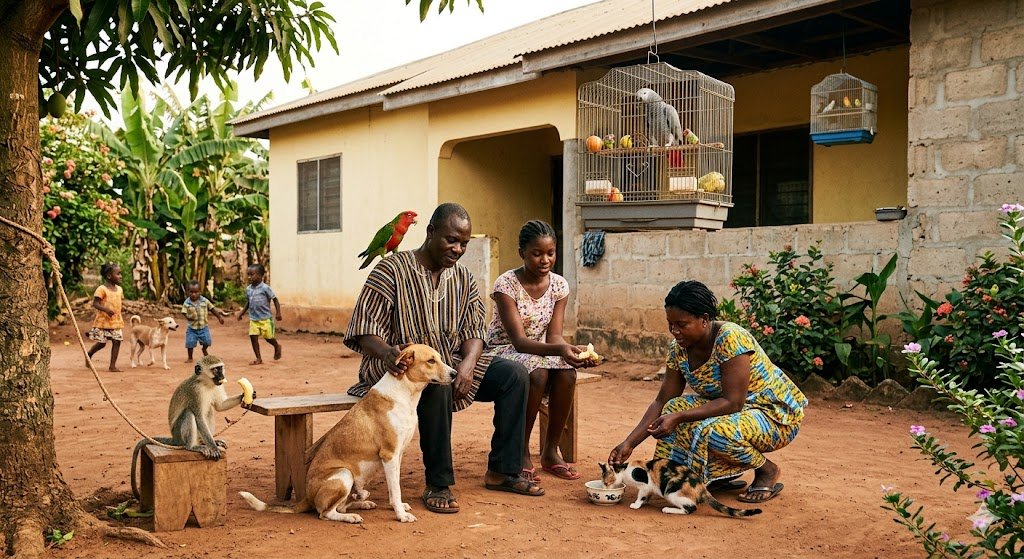
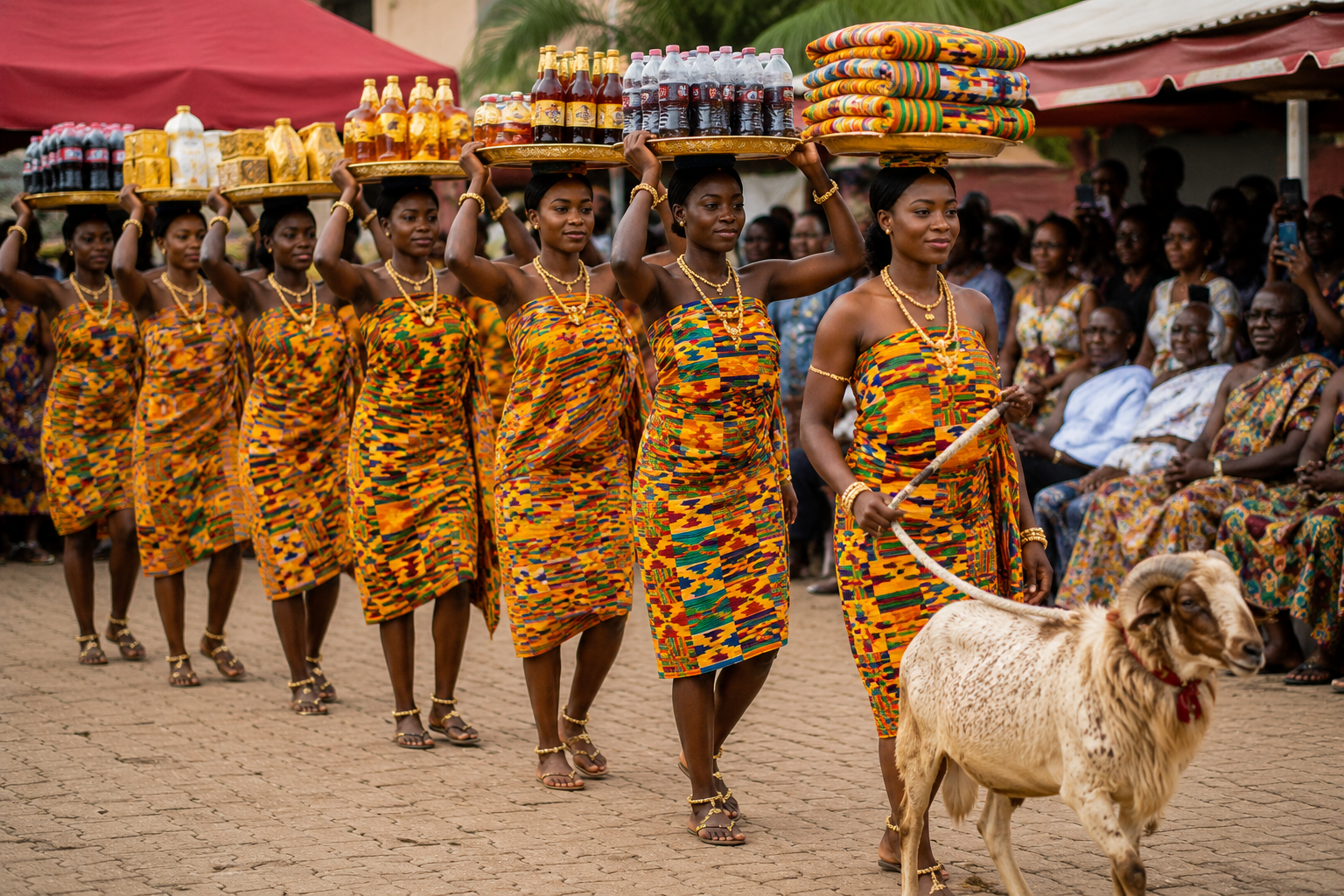
Conspicuous Consumption and the Funeral Arena The term “conspicuous consumption” was coined by the American economist and sociologist Thorstein Veblen in his classic work The Theory of the Leisure Cl

This article critiques the choice of the Ghanaian international Baba Rahman in a World Cup squad that lacks the qualities of athlectism and exuberant talent yet compensating with invisible clarity in experience.
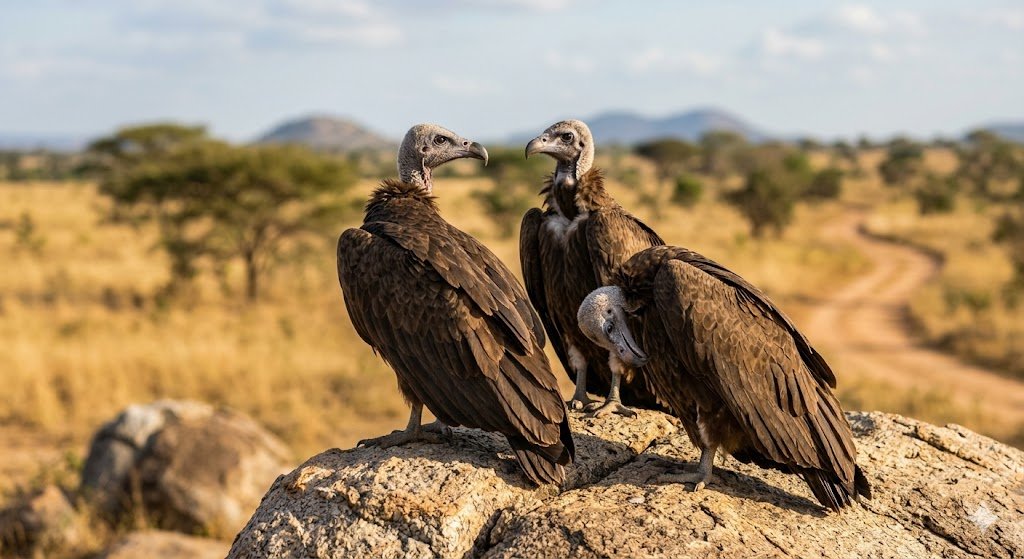
Vultures Were A Once Familiar Presence in Ghana’s Skies About fifty years ago, vultures were a common sight across Ghana. One could hardly walk a short distance without encountering them. They perche
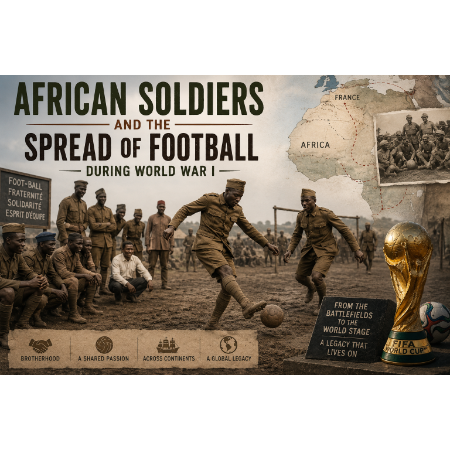
When historians discuss the global spread of football, the story is often told through familiar names and places: English schools, British sailors, South American ports, and European clubs. Yet hidden
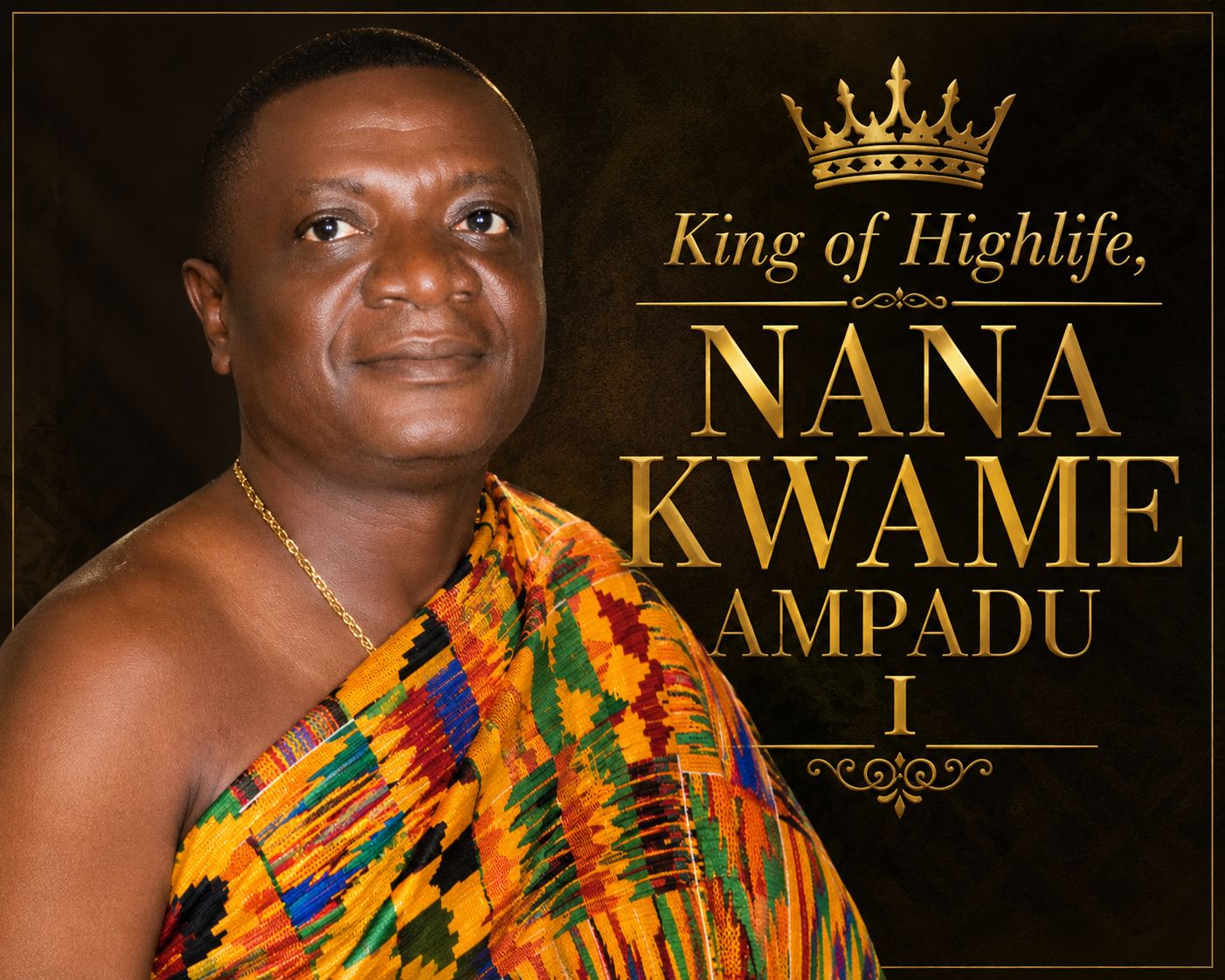
King of Highlife, Nana Ampadu Among the pantheon of Ghanaian musicians who shaped the soundscape of modern West African music, few names command the reverence accorded to Nana Kwame Ampadu I. A compo
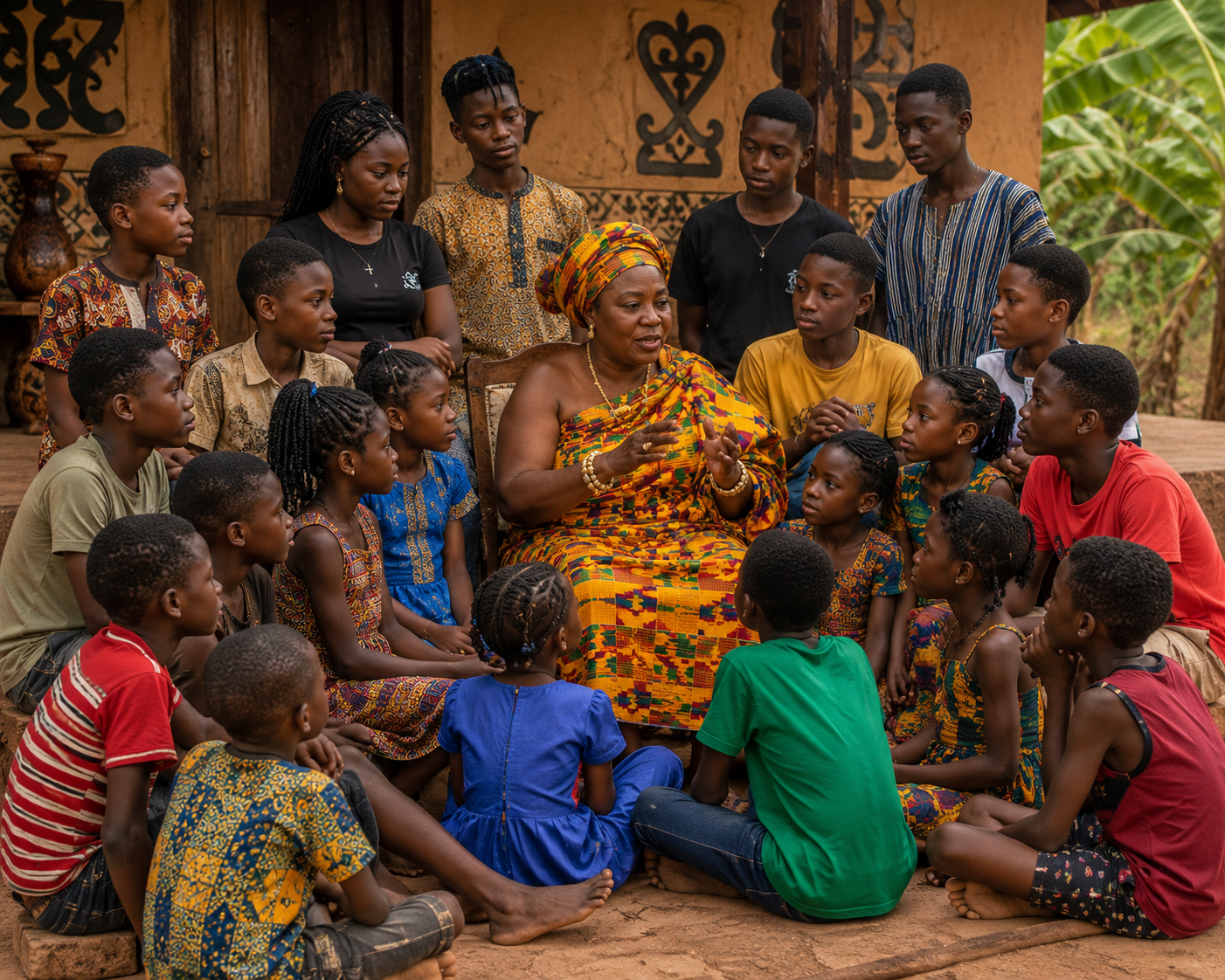
A Mother with Sixteen Children to Raise Growing up in Ghana in the 1970s, my mother taught her eight biological children and eight non-biological children the enduring virtues of self-reliance, hard work, and personal dignity. She was a woman of uncommon wisdom who believed that excessive dependence
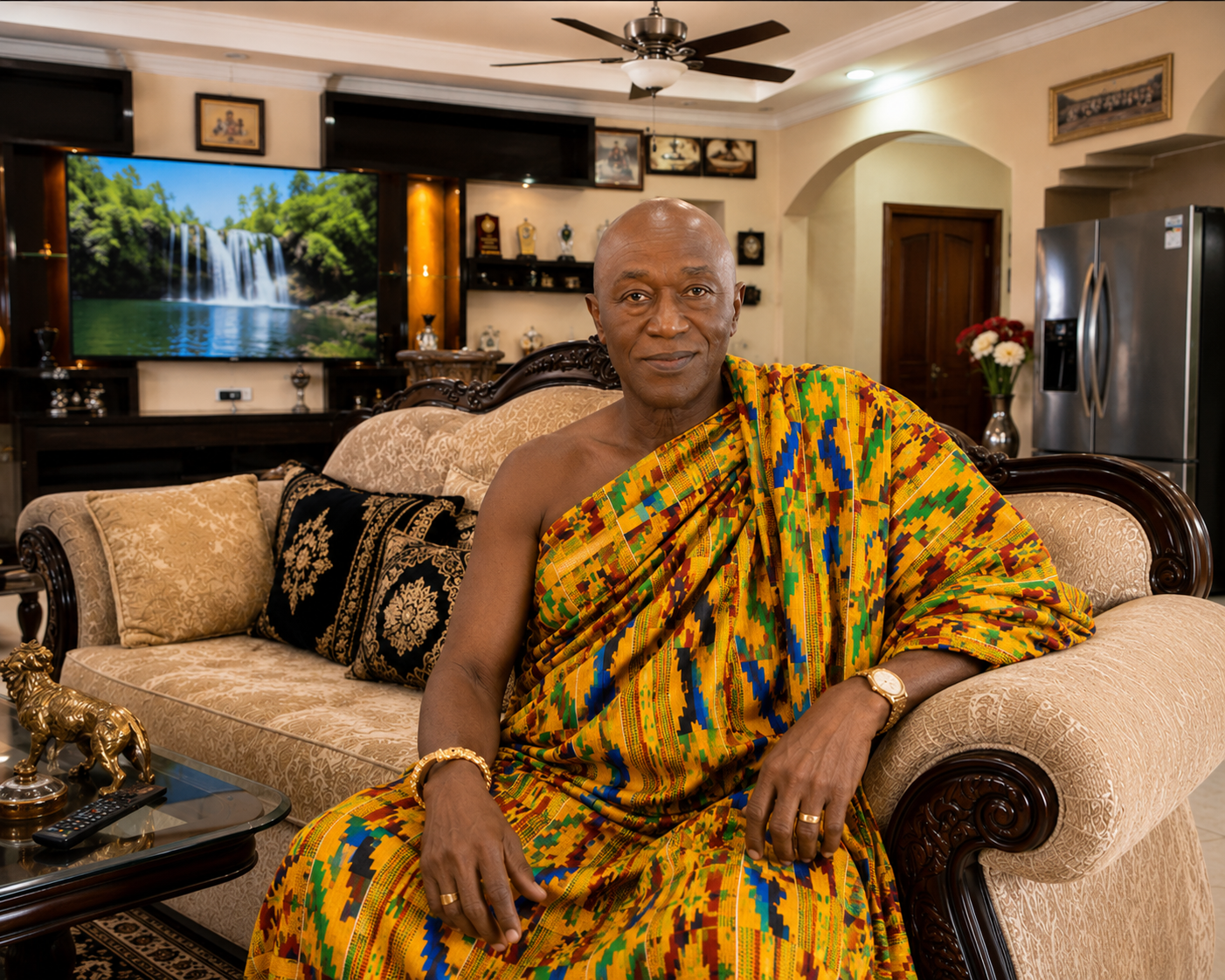
Mr. Albert Kwabena Dwamena is a distinguished and widely respected businessman from Nkwatia in the Kwahu enclave. Though originally from Nkwatia, he was raised in Nkawkaw, where he also began his early education at the elementary level. His academic journey took him through two notable institutions—
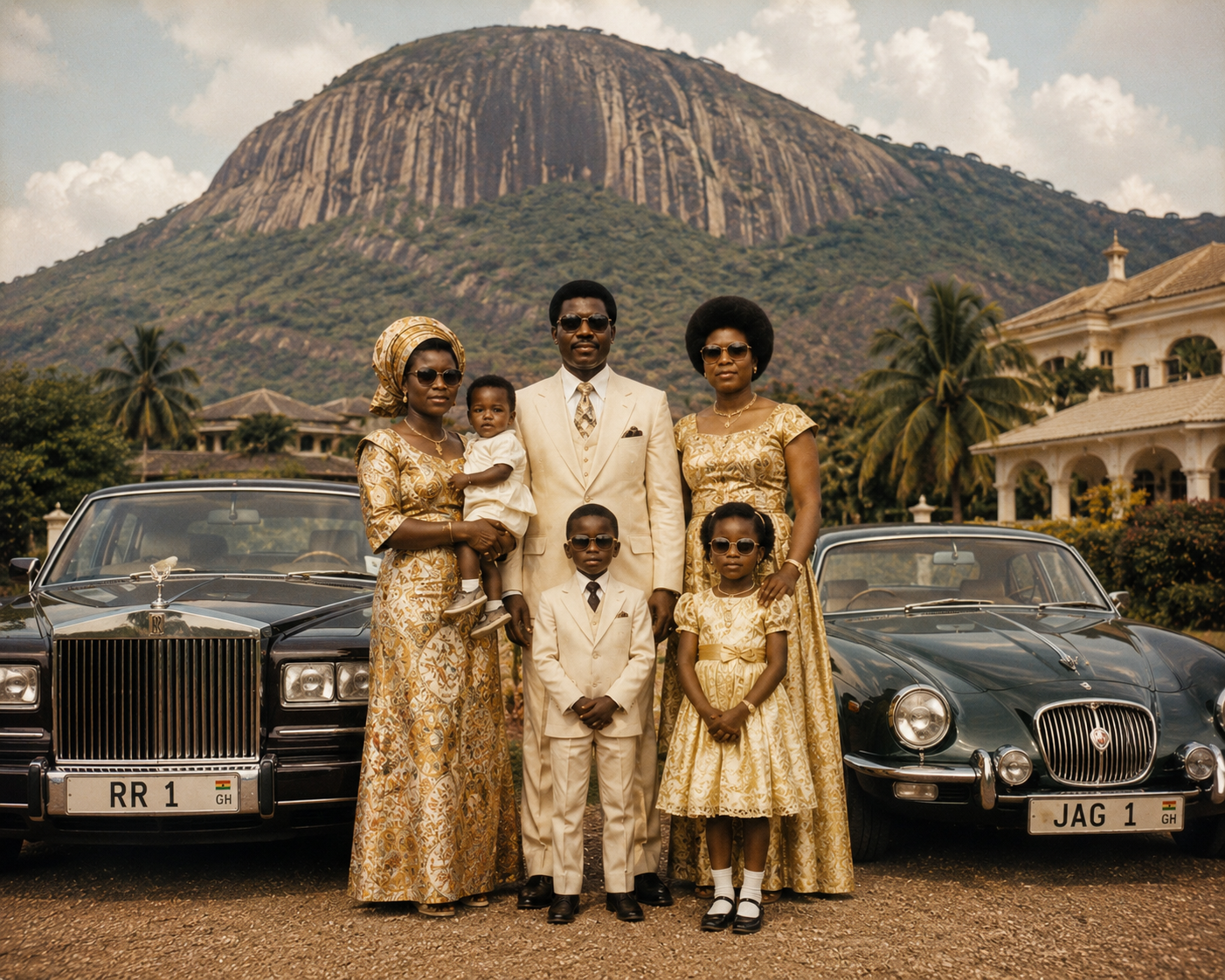
A Land of Heights and HeritageIn Ghana’s Eastern Region lies Kwahu, a unique and historically rich area known not only for its breathtaking landscape but also for the resilience and enterprise of its people. Often referred to as Asaase Aban—meaning “Natural Fortress”—Kwahu stands out as the highest

In the years following independence, Ghana set out to build not just a nation, but also a global presence. Among its boldest achievements was the creation of Ghana Airways, once one of Africa’s most respected national carriers. For decades, the airline symbolized ambition, connectivity, and national

The story of Ghana’s “Dream Team” is not merely a sporting tale; it is a generational narrative—one that reflects continuity, discipline, and the organic evolution of talent within Ghanaian football. Though the phrase “Dream Team” is more commonly associated with Olympic squads, in Ghanaian discours

In 2019, Ghana made a bold and historic statement to the world. Through an initiative known as the Year of Return 2019, the country invited people of African descent across the globe to reconnect with their roots, history, and identity. This was not just a tourism campaign. It was a deeply symbolic

Introduction The question of whether the criminalization of witchcraft accusations would have any meaningful impact in Ghana requires careful and systematic analysis. At present, witchcraft accusations are largely non-criminal, meaning there are no specific laws prohibiting individuals from accusing
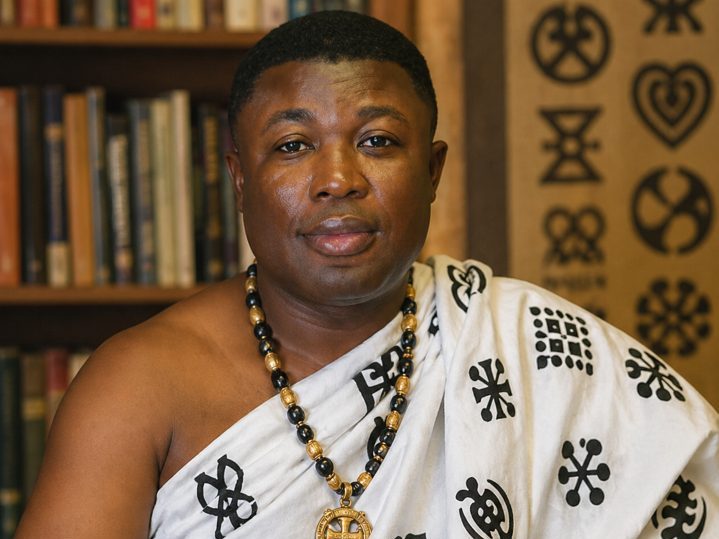
Origins and Cultural Heritage Professor Dr. Mensah Adinkrah, Professor of Sociology, Criminology, and Criminal Justice, is a native of Kwahu-Nkwatia in the Eastern Region of Ghana. Kwahu (also rendered as Kwawu) refers both to a geographical area and to a distinct Akan subgroup inhabiting the region
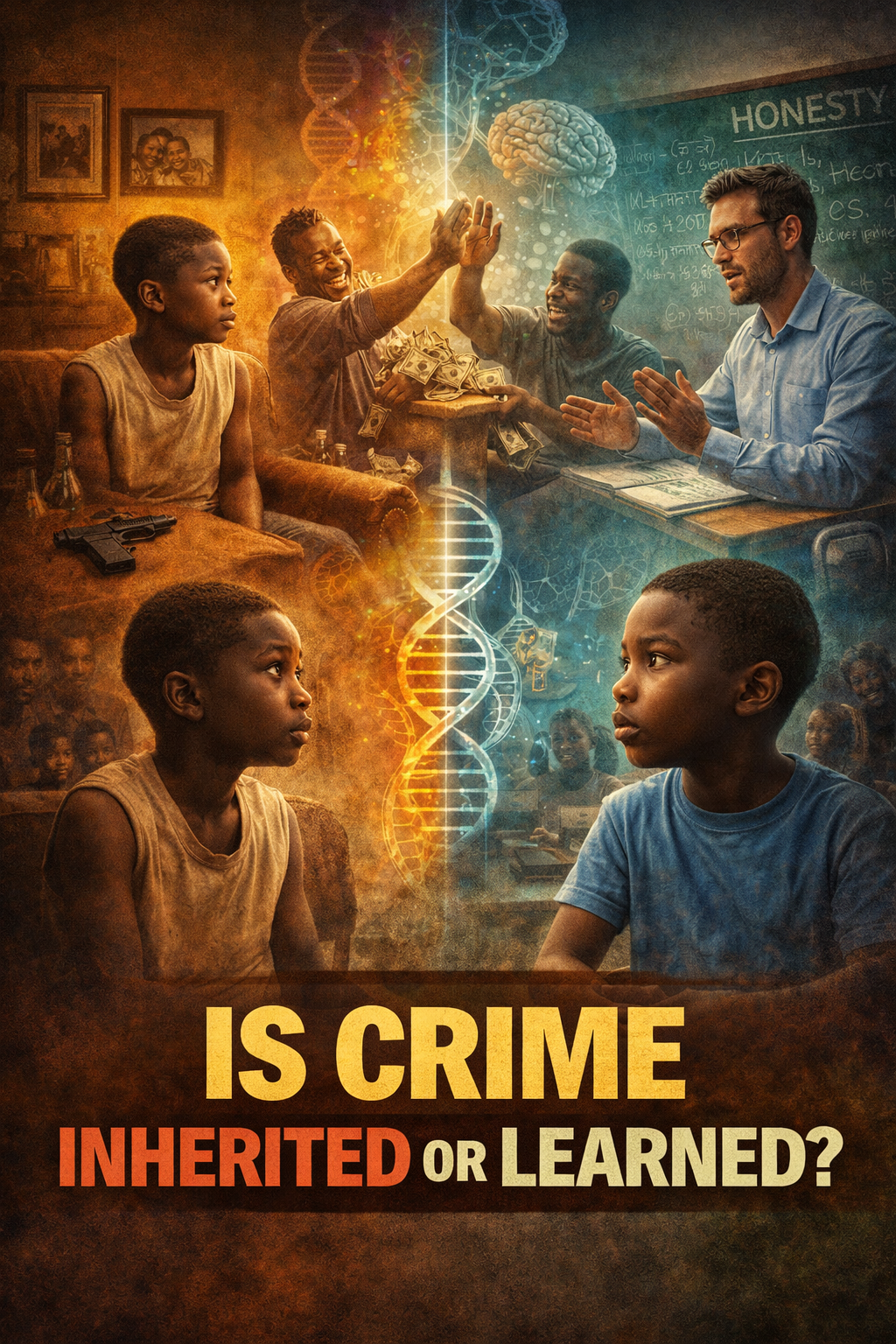
Are people born criminals, or do they learn to become criminal? Is there a “crime gene”? Can criminal behavior be inherited, or do people have control over their actions? These questions have intrigued scholars, parents, and the public for decades. Some people assume that crime is inherited. They lo

Introduction: A Name That Became a Symbol In the sociological imagination of the Gold Coast—what is today Ghana—names are never merely labels; they are identities, narratives, and sometimes prophecies. The name Abedi Pele transcends the ordinary. It is a fusion of biography, mythmaking, and cultural

Few names in African sport command as much reverence as Azumah Nelson. In the annals of global boxing history, Nelson stands not merely as a champion but as an embodiment of discipline, intellect, and tactical brilliance. His nickname—“The Professor”—suggests a fighter whose victories were not only
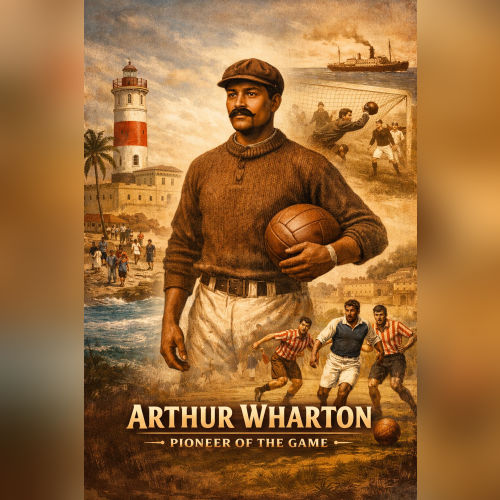
When people discuss the early history of football, the narrative often begins in Britain and gradually expands to the rest of the world. Rarely, however, does the conversation turn toward West Africa—particularly the historic Gold Coast, present-day Ghana. Yet one of the most remarkable pioneers of
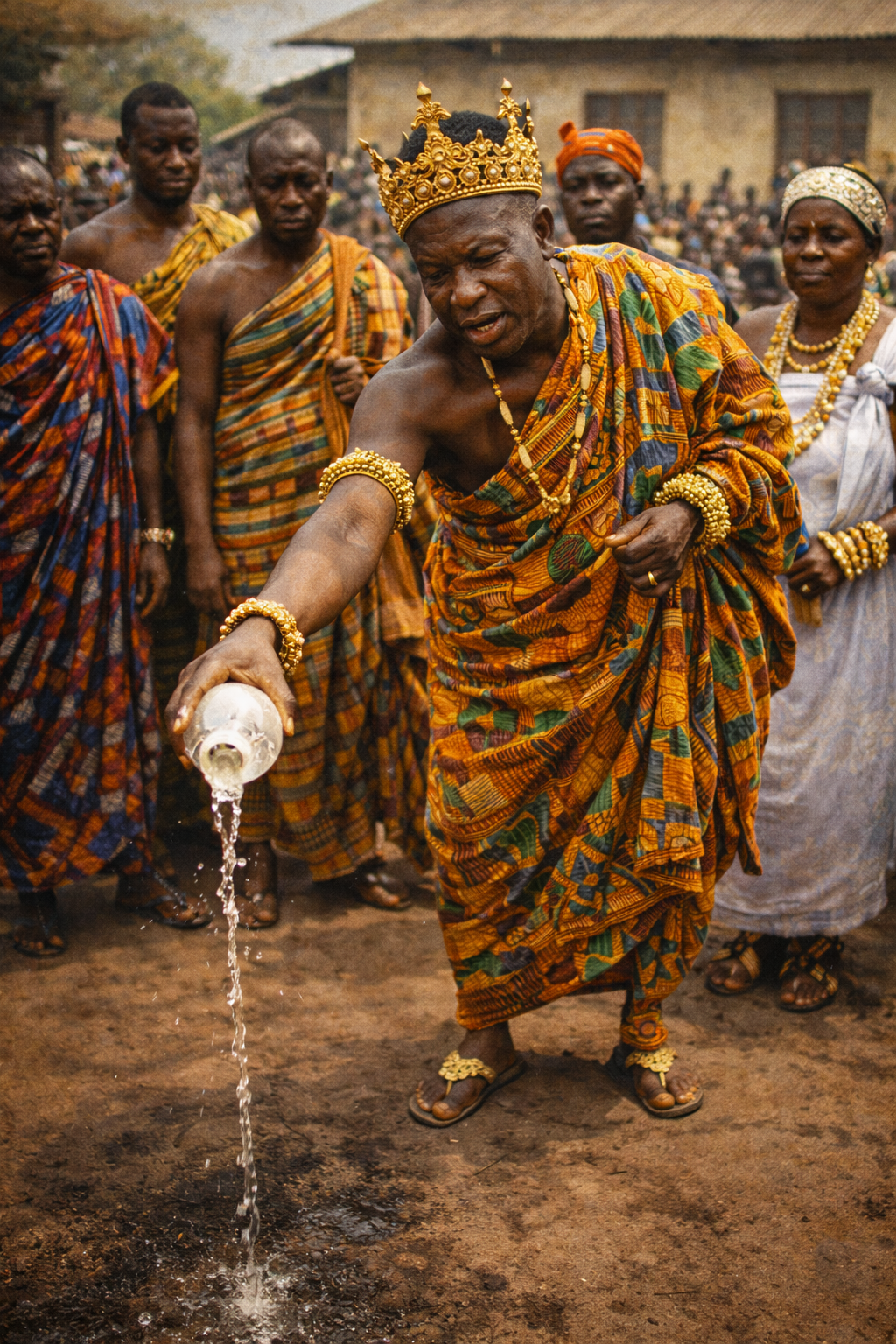
Among the Akan people of Ghana, pouring libation is one of the most important traditional religious practices. It is a solemn ritual through which people communicate with the spiritual world. The act symbolizes reverence for the ancestors, recognition of the Supreme Being, and a request for protecti

Introduction: Why March Matters Every year, the month of March occupies a sacred place in Ghana’s historical calendar. On 6 March 1957, under the leadership of Kwame Nkrumah, the Gold Coast became Ghana — the first sub-Saharan African nation to gain independence from British colonial rule. March is

The relationship between newspapers and Ghana’s Independence Day celebrations is deeply rooted in the country’s political history and media evolution. From the late colonial period through the attainment of independence in 1957 and into the post-colonial era, newspapers played a central role in docu

The emergence of Ghana as an independent nation in 1957 was not only a political milestone but also a global media event. Newspapers—both local and international—played a decisive role in announcing the birth of the new state to the world. Through headlines, editorials, photographs, and diplomatic r
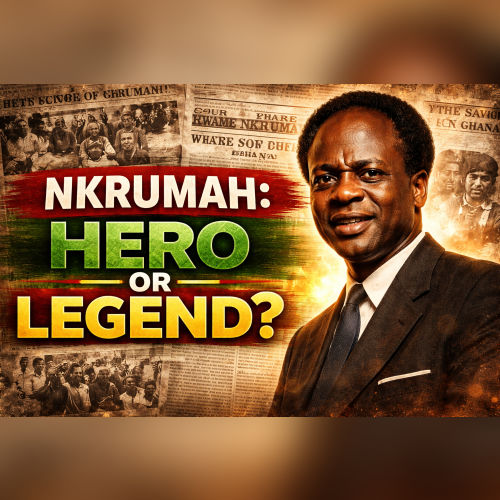
The portrayal of Kwame Nkrumah as a national hero was not simply a spontaneous public perception—it was carefully shaped, amplified, and sustained through newspapers and other media channels during the late colonial and early post-independence periods. In the Gold Coast, now Ghana, the press played

The end of the trans-Atlantic slave trade in the nineteenth century is often presented in historical narratives as a clear moral victory led by European abolitionists. However, in reality, the process was complex, uneven, and frequently misrepresented—particularly in early newspapers and colonial re

The qualification of the Ghana national football team — popularly known as the Black Stars — for the 2006 FIFA World Cup stands as one of the most transformative milestones in Ghana’s sporting and national history. It was not merely a football achievement; it was the culmination of decades of ambiti
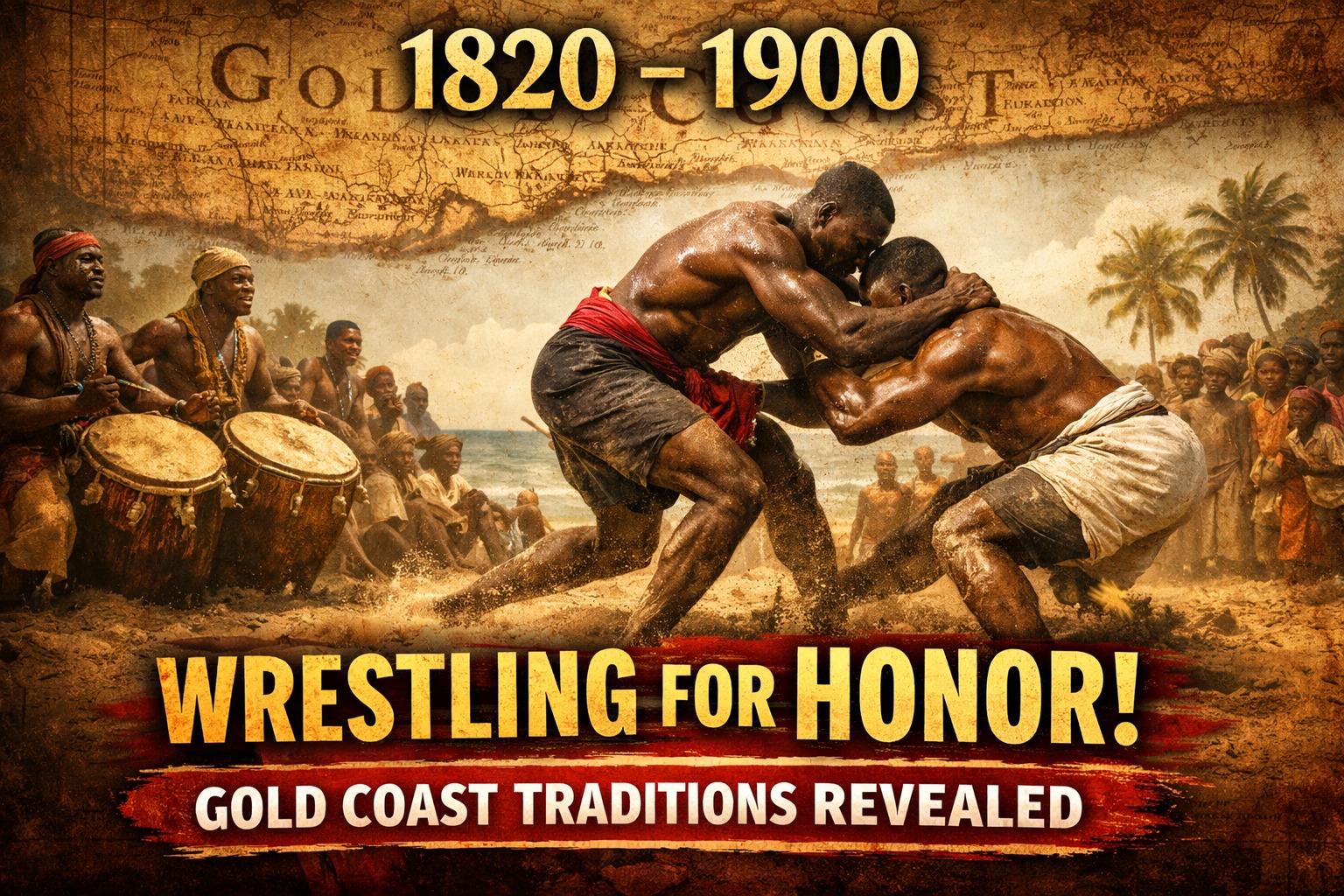
Long before colonial stadium lights and organised leagues, the sandy shores and village squares of the Gold Coast—today’s Ghana—were vibrant arenas where traditional wrestling was among the most respected cultural practices. From the early 19th century up to the turn of the 20th century, indigenous
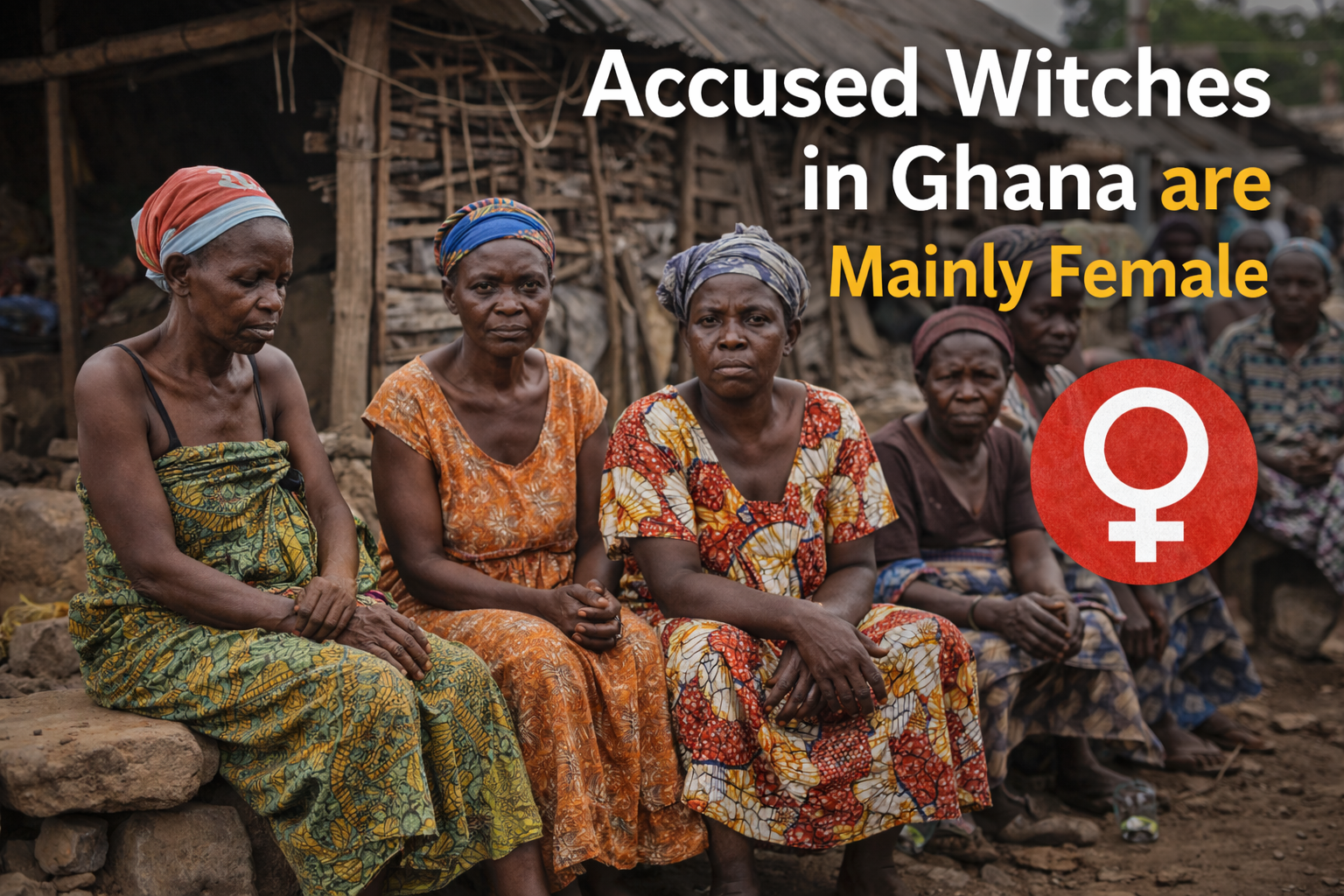
In Ghana, the overwhelming majority of people accused of witchcraft are women and girls. Nearly all victims killed during witch hunts are female. In the so-called “witch camps” or “outcast homes” in northern Ghana, it is rare to find a man among the residents. The population is almost entirely women
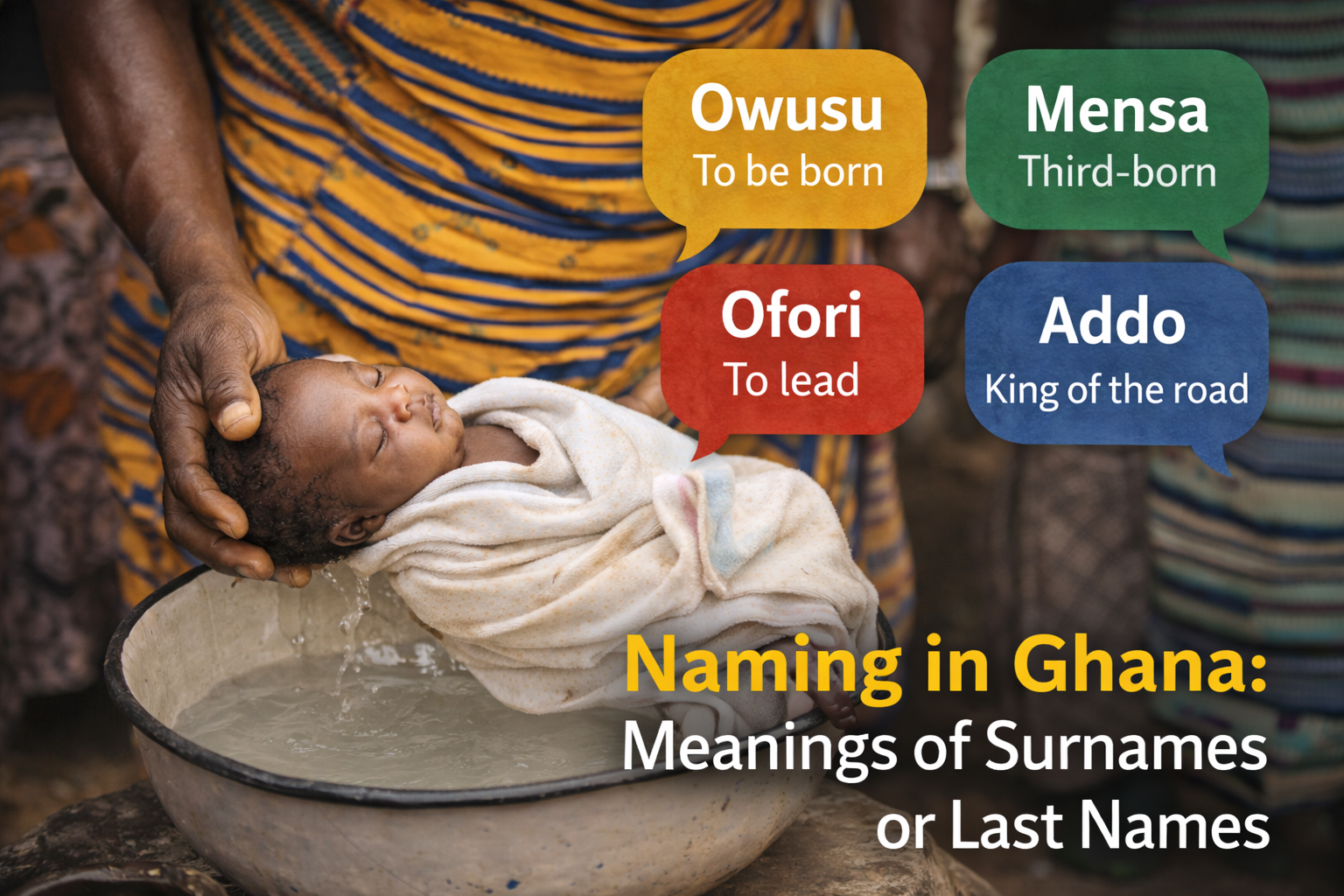
In Ghanaian society, names are never random. A name is a story, a memory, a prayer, a verdict on experience, or a declaration of destiny. Ghanaian surnames—particularly Akan surnames—carry deep cultural meanings that often encode family history, spiritual beliefs, social struggles, and moments of tr
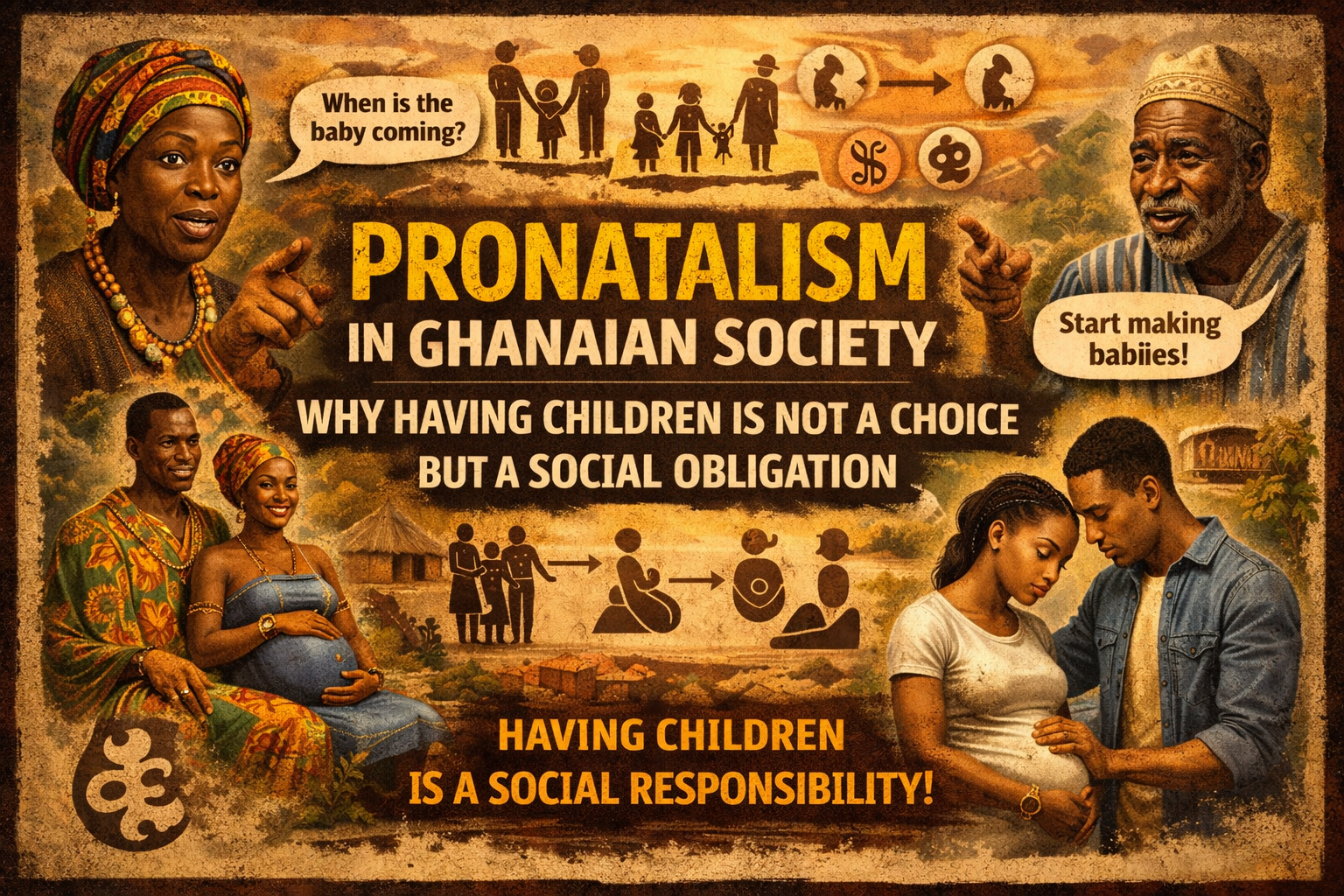
Pronatalism refers to a strong cultural and social preference for having children, often accompanied by expectations that adults should reproduce as a normal and desirable life course. In Ghanaian society, having one’s own child is not merely a personal choice; it is widely regarded as a social obli
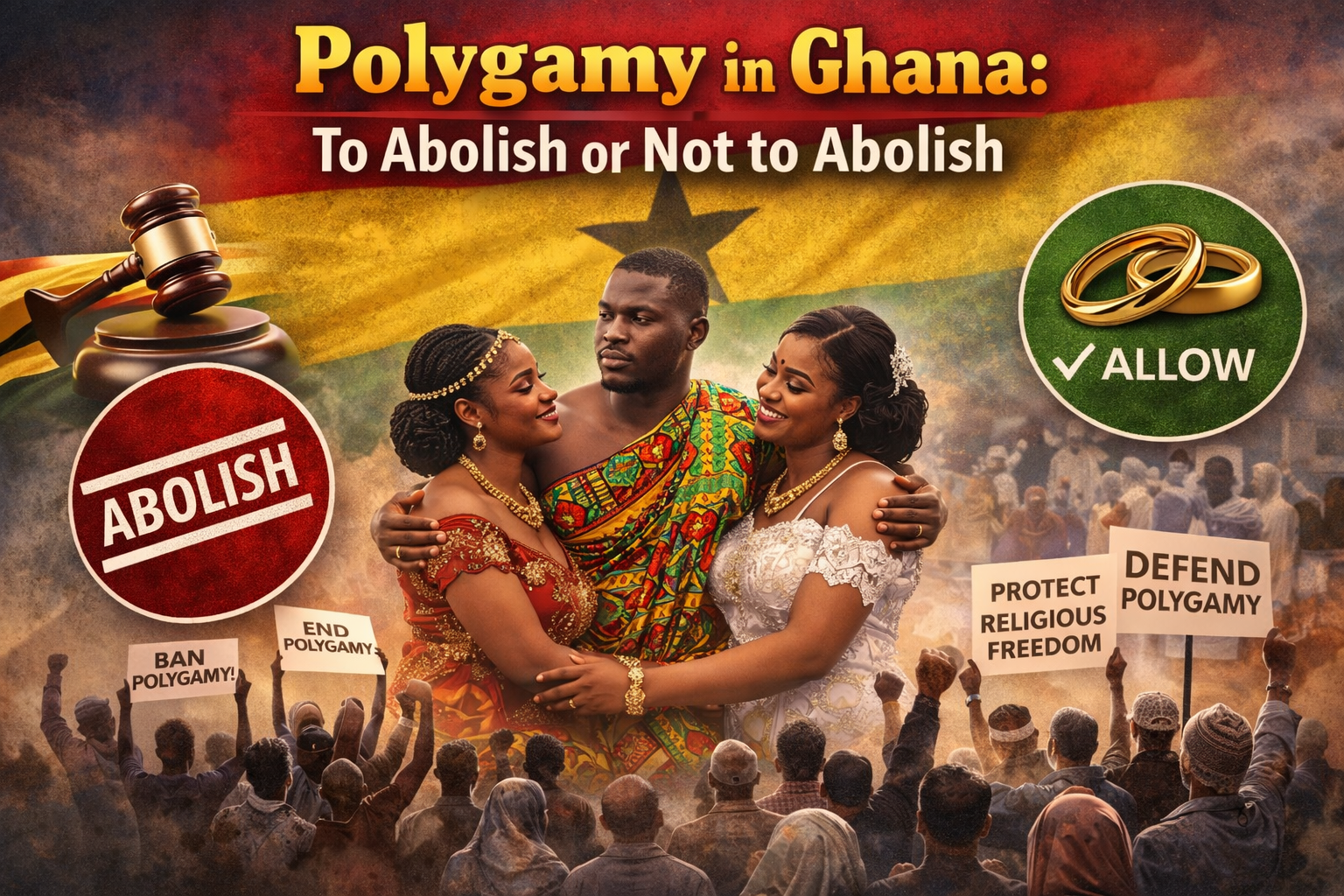
Polygamy refers to a marital arrangement in which a person is permitted to have two or more spouses at the same time. Although the term polygamy is often used loosely in everyday conversation, sociologists and anthropologists make important distinctions among its different forms. There are two main
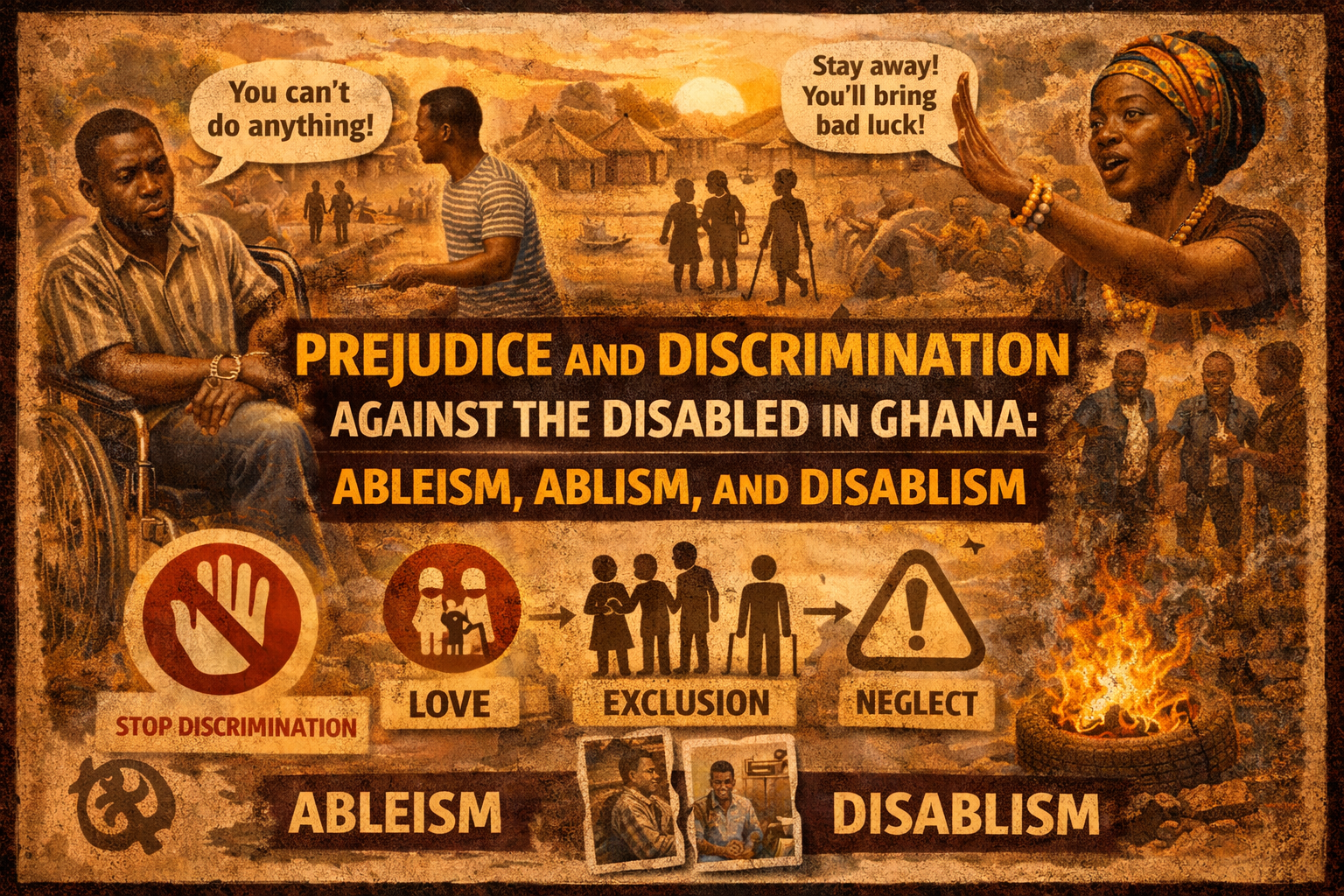
Sociologists use the term ableism to describe prejudice, discrimination, and social exclusion directed against persons with disabilities. The terms ablism and disablism are also used in the scholarly literature to refer to the same phenomenon, namely, the systematic disadvantaging of people whose bo
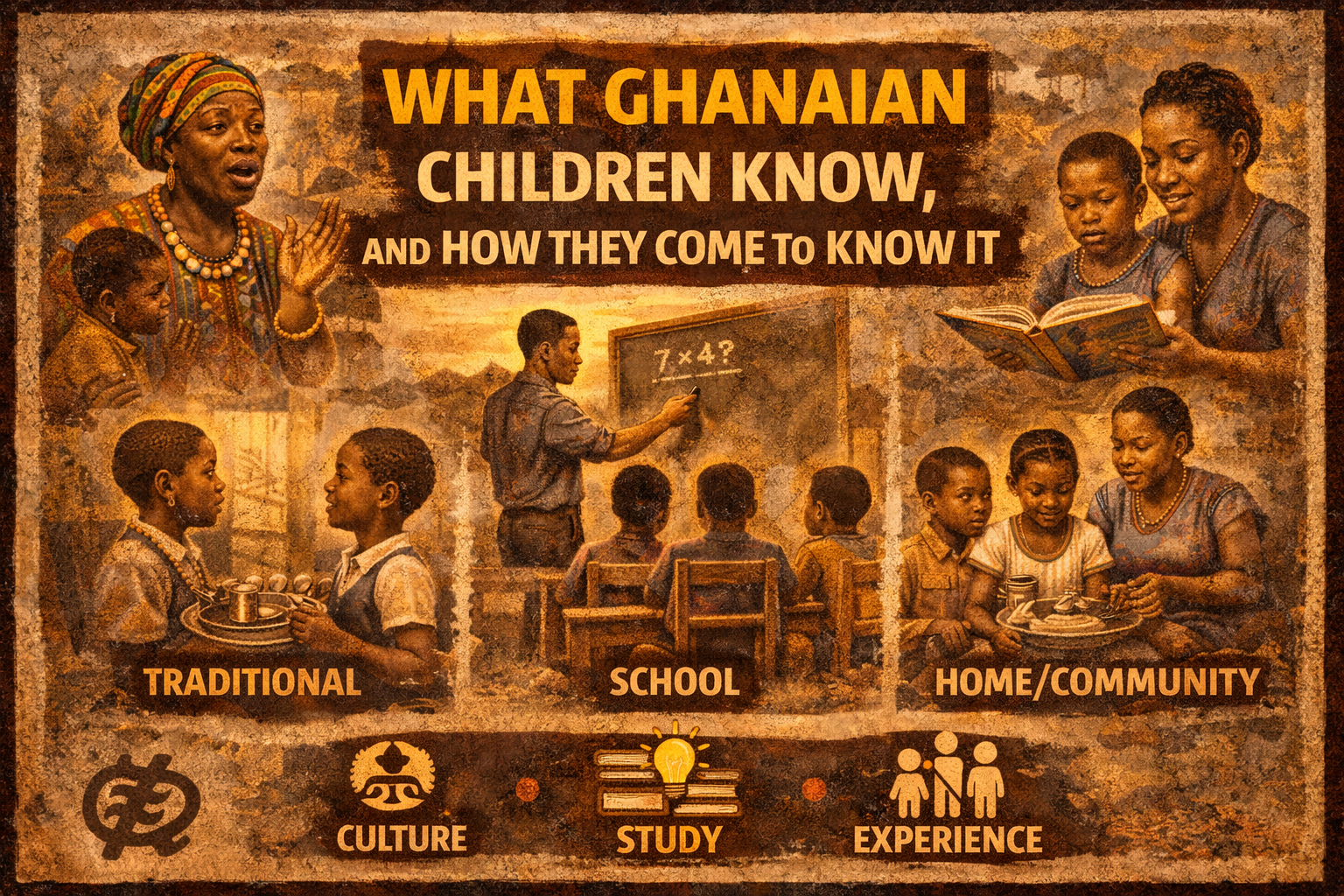
No one is born with knowledge. Human beings are born with the capacity to learn, but what they eventually know—how they speak, think, behave, believe, and interpret the world—is acquired from society. Knowledge, values, attitudes, and skills are socially produced and socially transmitted. By the tim
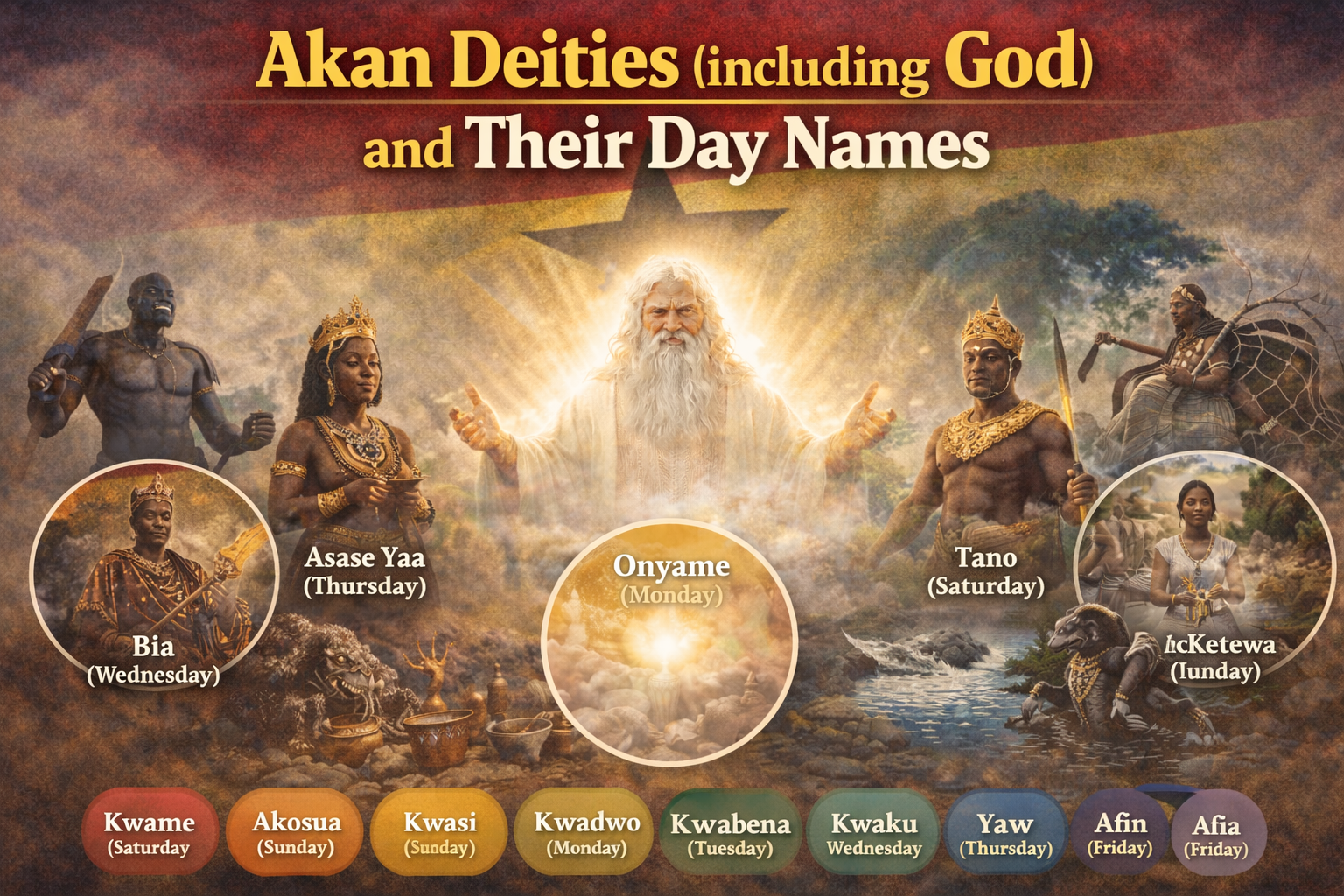
Among the Akan of Ghana, naming is never a casual act. Names locate a person in time, history, morality, and the spiritual universe. One of the most distinctive Akan naming practices is the giving of day names (kradin), assigned according to the day of the week on which a child is born. These names
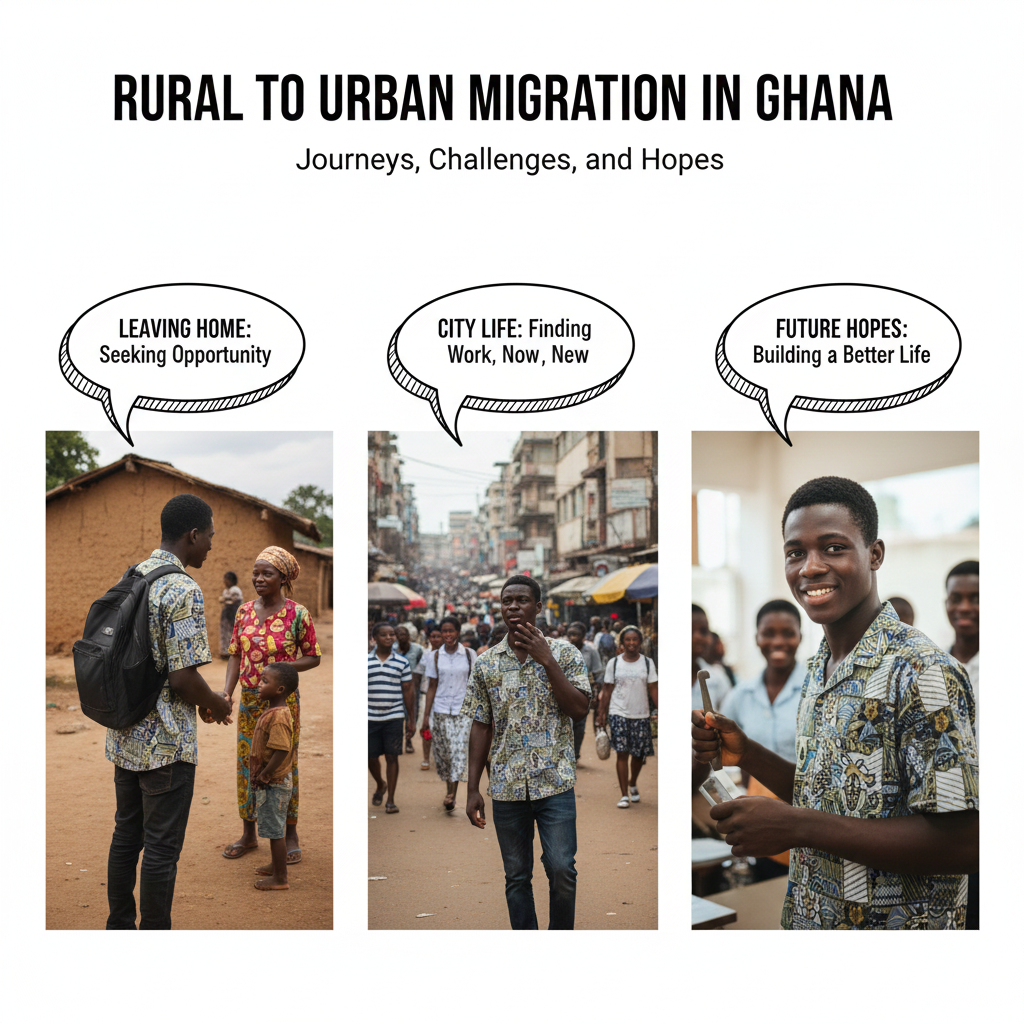
The causes of Rural–Urban Migration are major concerns of African governments like Ghana. Across Ghana and much of Africa, a defining social transformation of the 21st century is the movement of people from the countryside to towns and cities. Every year, thousands of young people leave rural commun
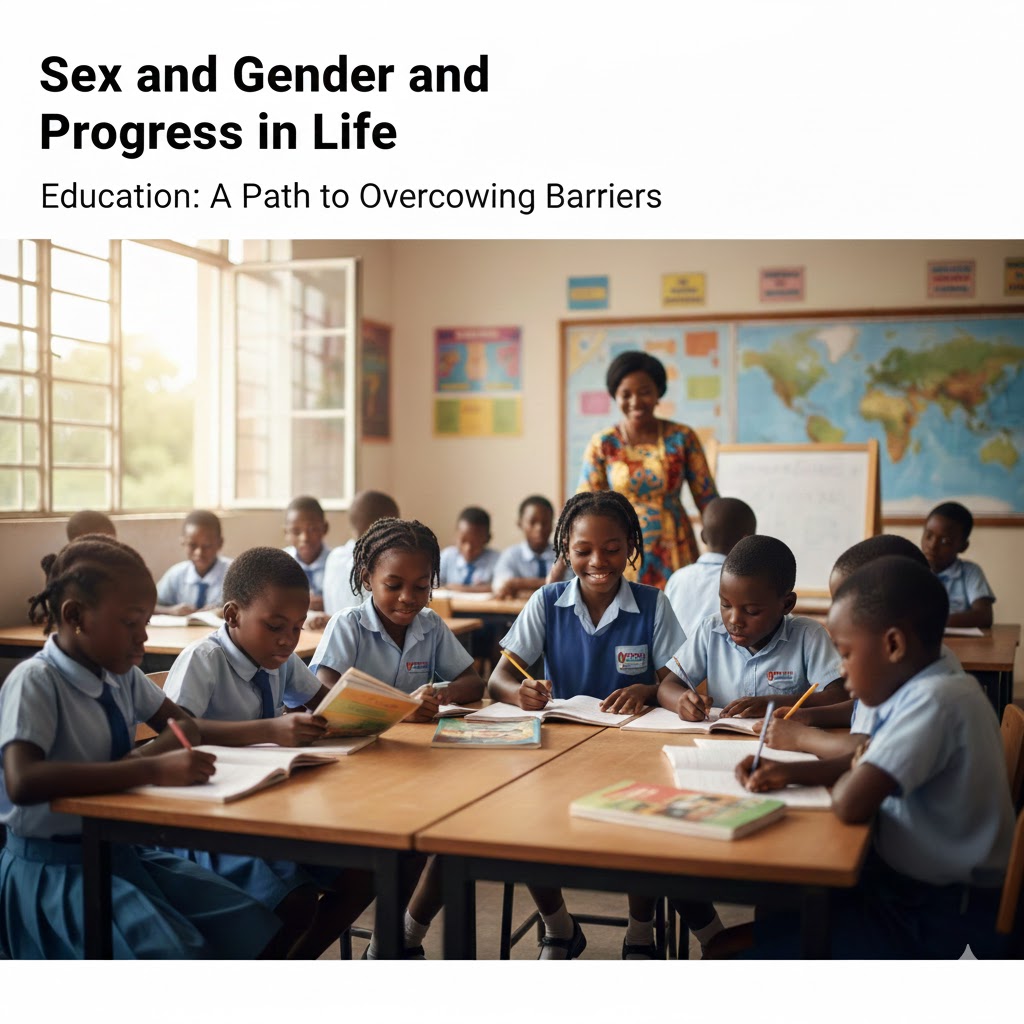
In every society, people occupy different positions called statuses. A status is simply the position a person holds in society. Throughout life, one person can have many statuses at the same time—for example, being a child, a parent, a worker, a student, or a citizen. Sociologists talk about two mai
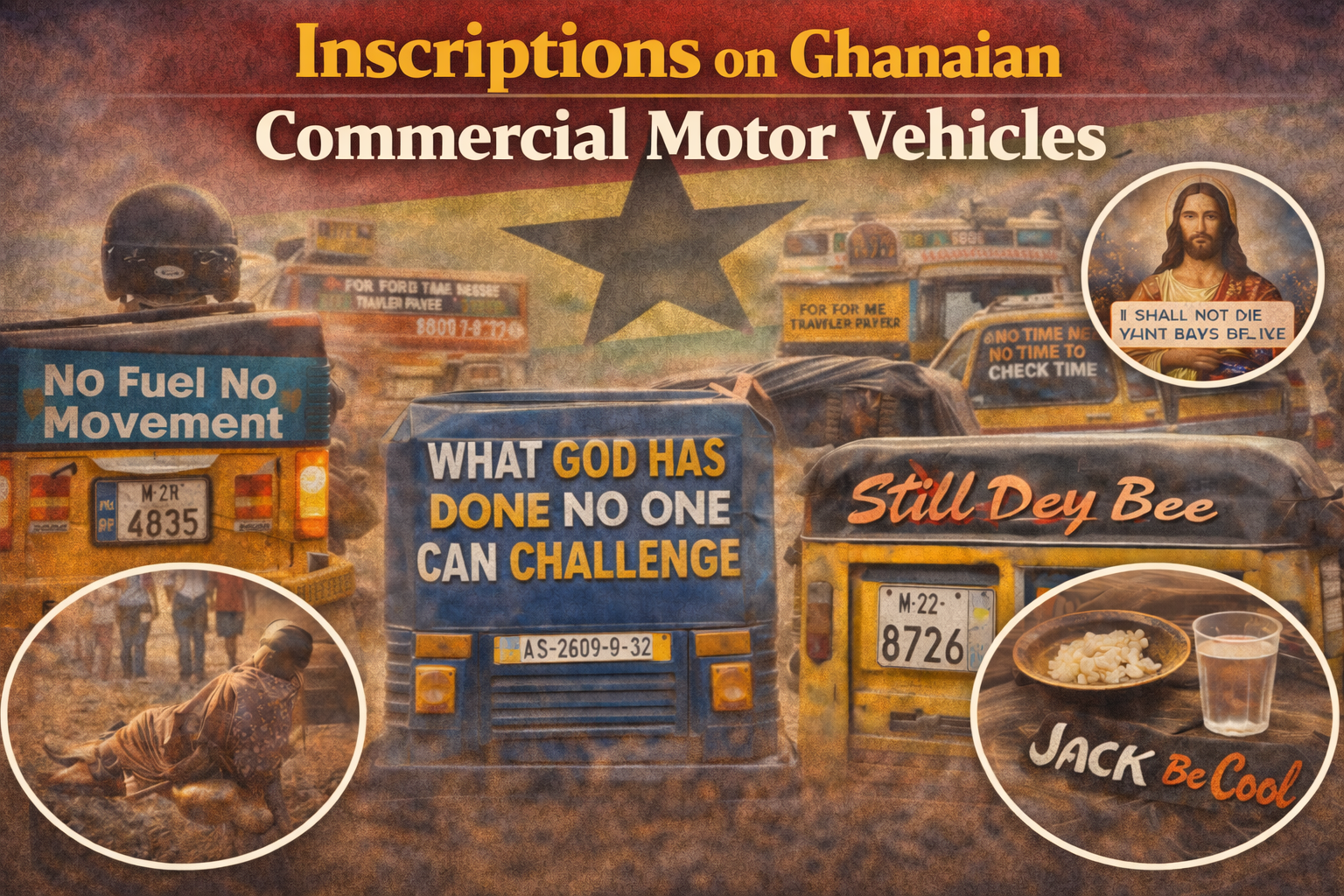
A visitor to Ghana will quickly notice something striking on the roads: commercial motor vehicles speak. Tro-tros, buses, taxis, and long-distance vehicles often carry inscriptions—short messages painted boldly on the body of the vehicle. These inscriptions may appear on the back of the vehicle, acr
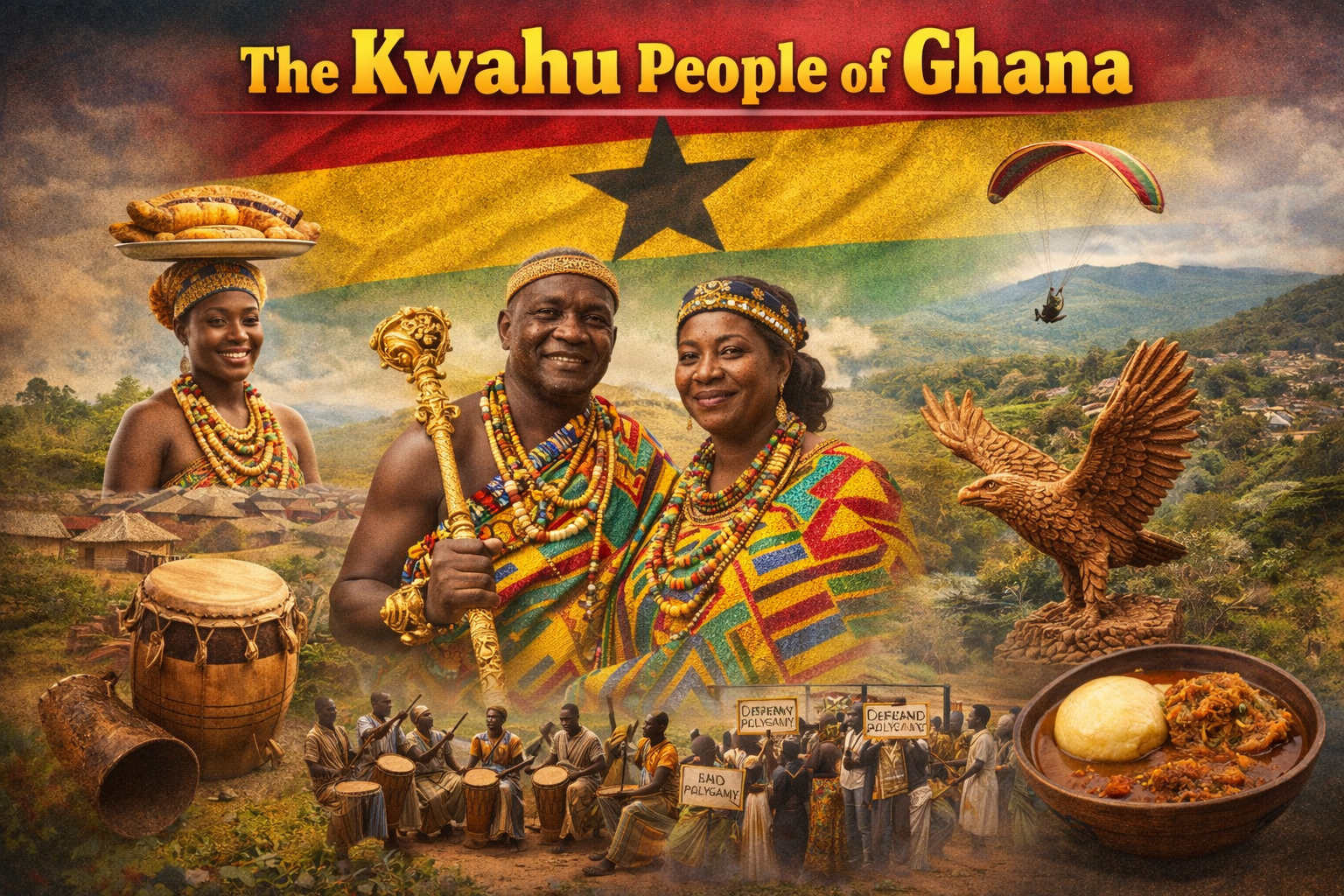
Ghana is a multiethnic and multilingual country, home to numerous ethnic groups with distinct histories and cultural traditions. Among these groups are the Kwahu people, one of the many subgroups within the larger Akan ethnic group. The Kwahu are primarily located in the Eastern Region of Ghana. The
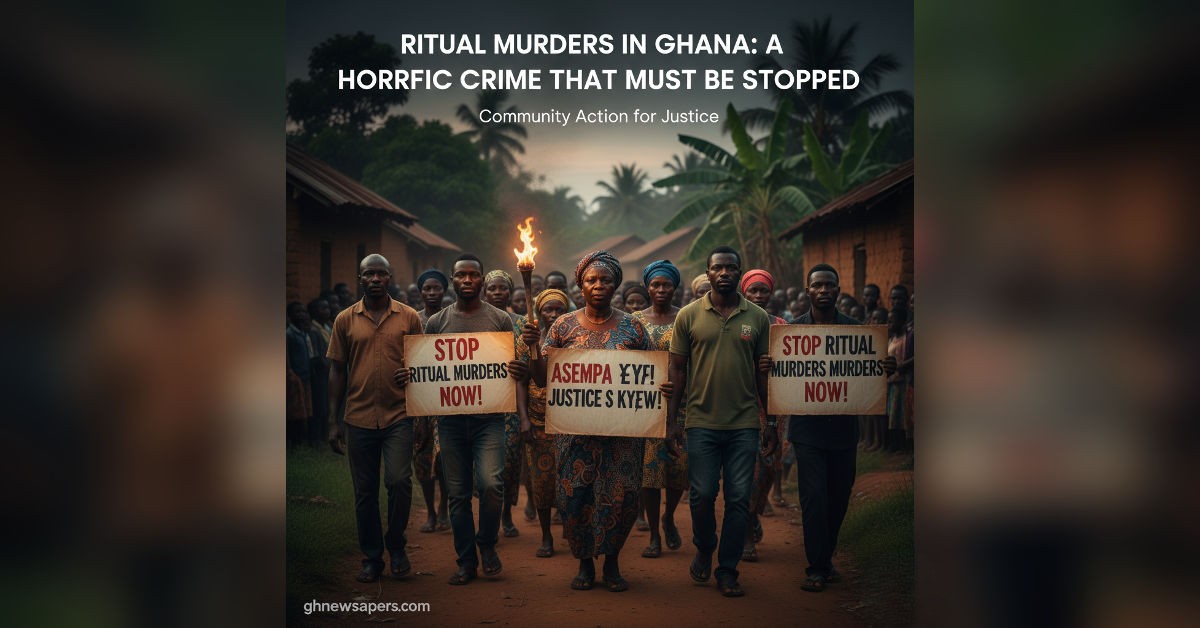
Written by Mensah Adinkrah, Ph.D. Ritual murder is the killing of a person with the intention of using the victim’s blood, body, or body parts to perform rituals or prepare what is often described as “medicine” for personal gain. It is one of the most heinous crimes anyone can commit. Taking another
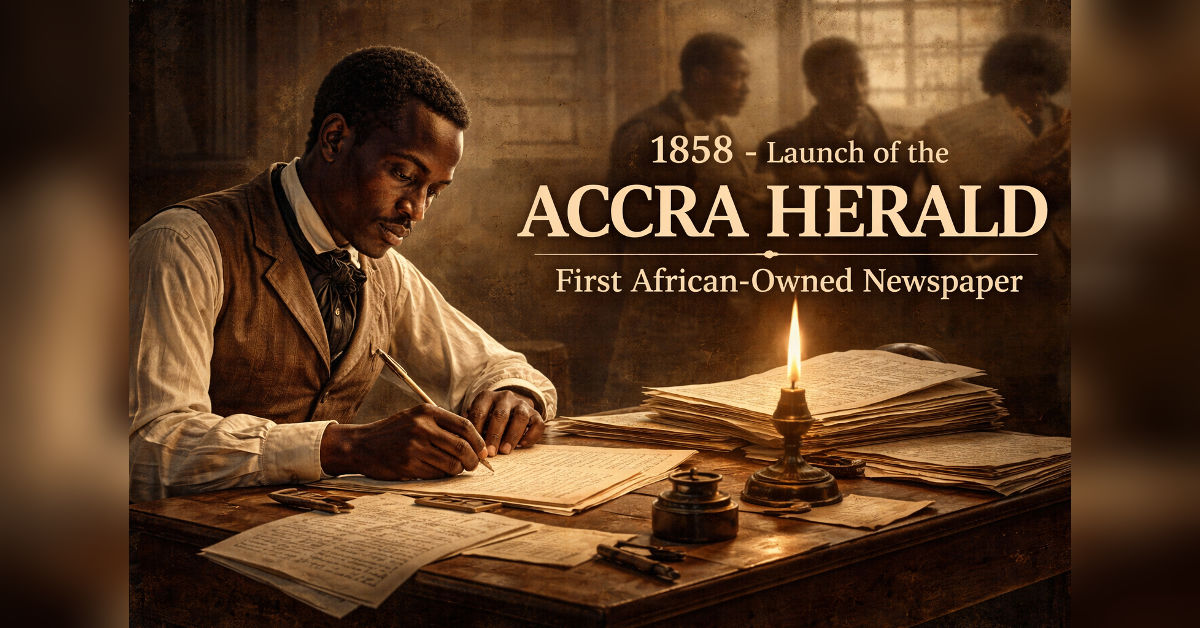
In 1858, Charles Bannerman — the son of a British lieutenant governor and an Asante princess — founded the Accra Herald, recognized as the first African-produced newspaper in West Africa. Unlike the colonial-run press, this handwritten paper reached primarily African readers, circulating among some
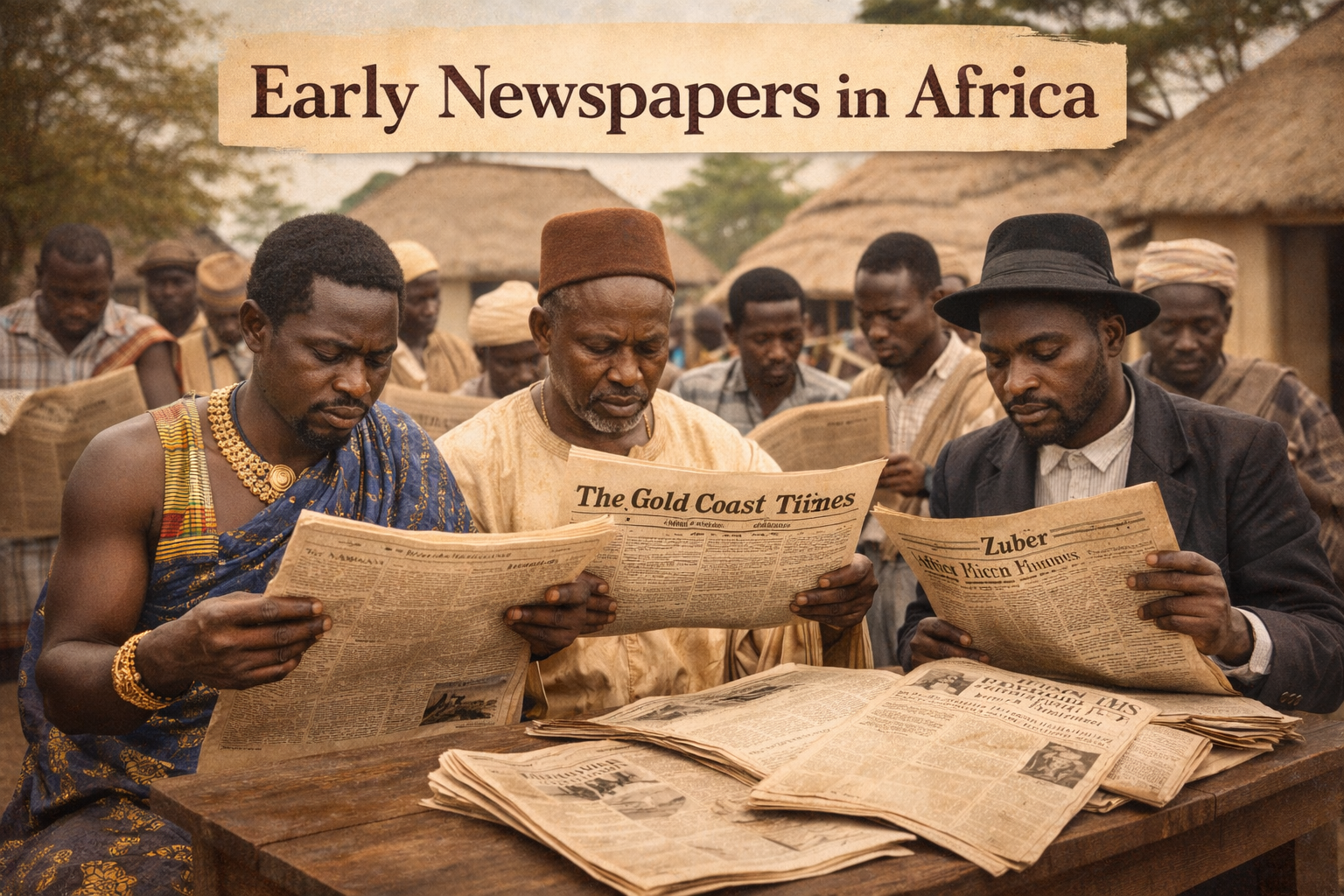
The first English newspaper on the continent of Africa was published in Cape Town in 1800. The following year in Sierra Leone, The Royal Gazette and Sierra Leone Advertiser were published in Freetown. Both were European undertakings concerned with matters of government. In 1826, Charles Force, an Am
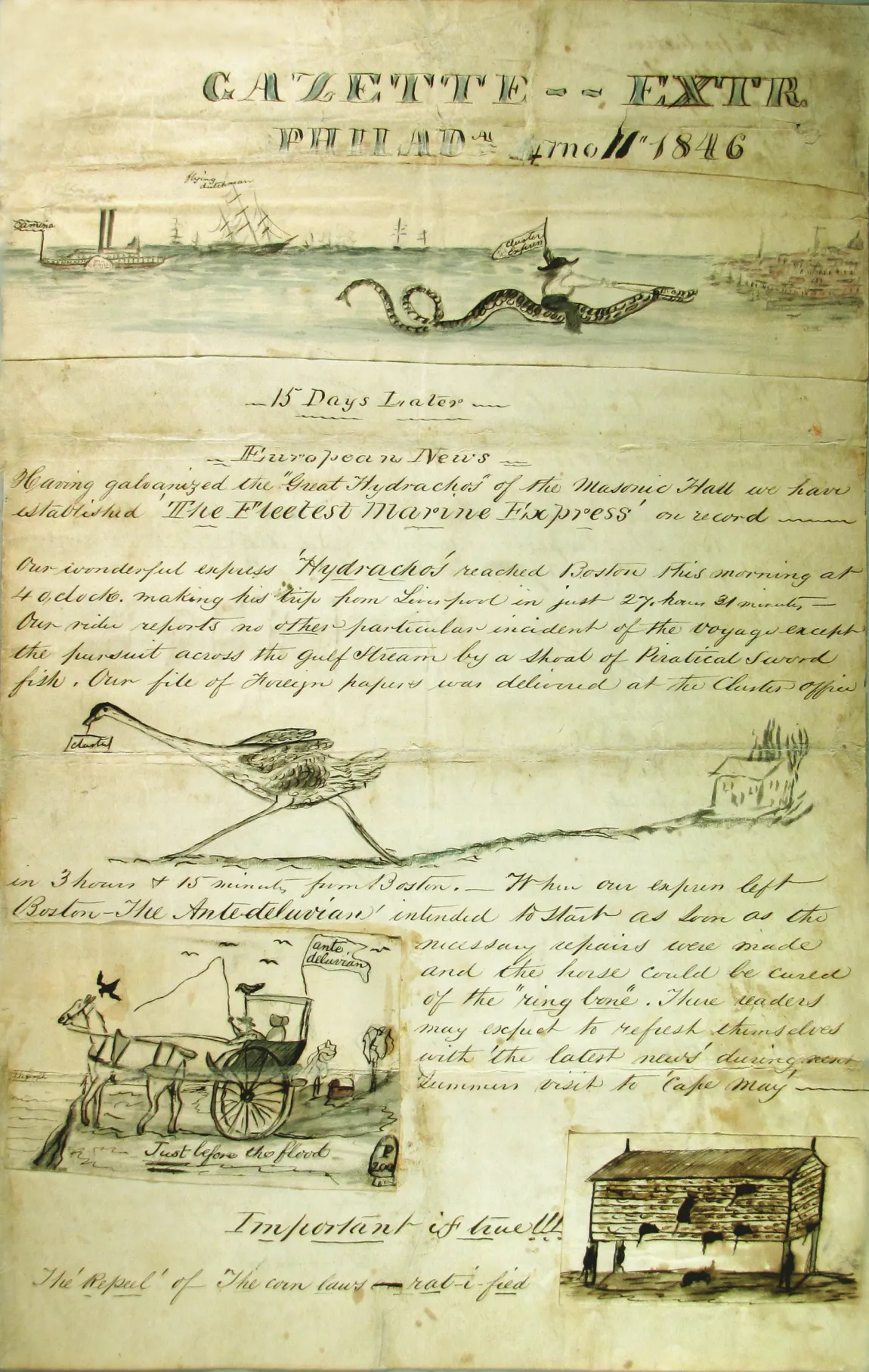
Royal Gold Coast Gazette & Commercial Intelligencer 📰 Newspaper: Royal Gold Coast Gazette📍 Location: Cape Coast In 1822, the British colonial administration introduced the Royal Gold Coast Gazette & Commercial Intelligencer, marking the birth of journalism in the Gold Coast. The handwritten paper
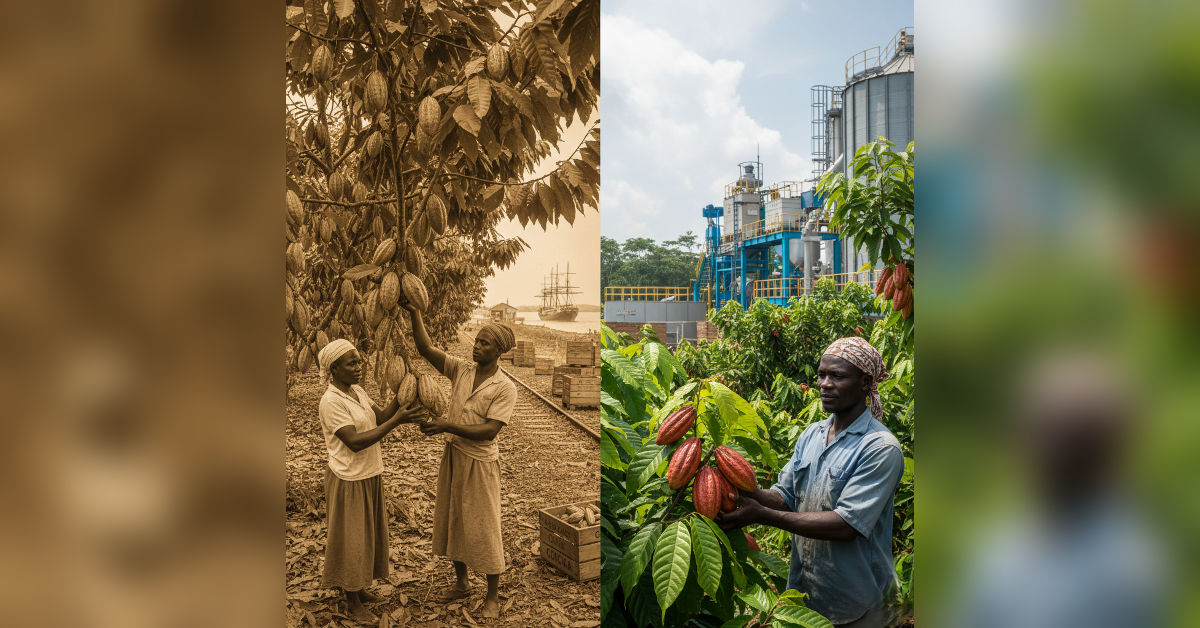
Few business stories have shaped Ghana as deeply and enduringly as cocoa. From a small agricultural experiment in the late 19th century to becoming the backbone of the national economy, cocoa transformed the Gold Coast into one of the world’s most important producers and laid the foundation for mode