Why Is the Star on Ghana's Flag Black?
The article explains why the star in Ghana's flag is black, instead of white, silver or golden
56 results for “government”

The article explains why the star in Ghana's flag is black, instead of white, silver or golden

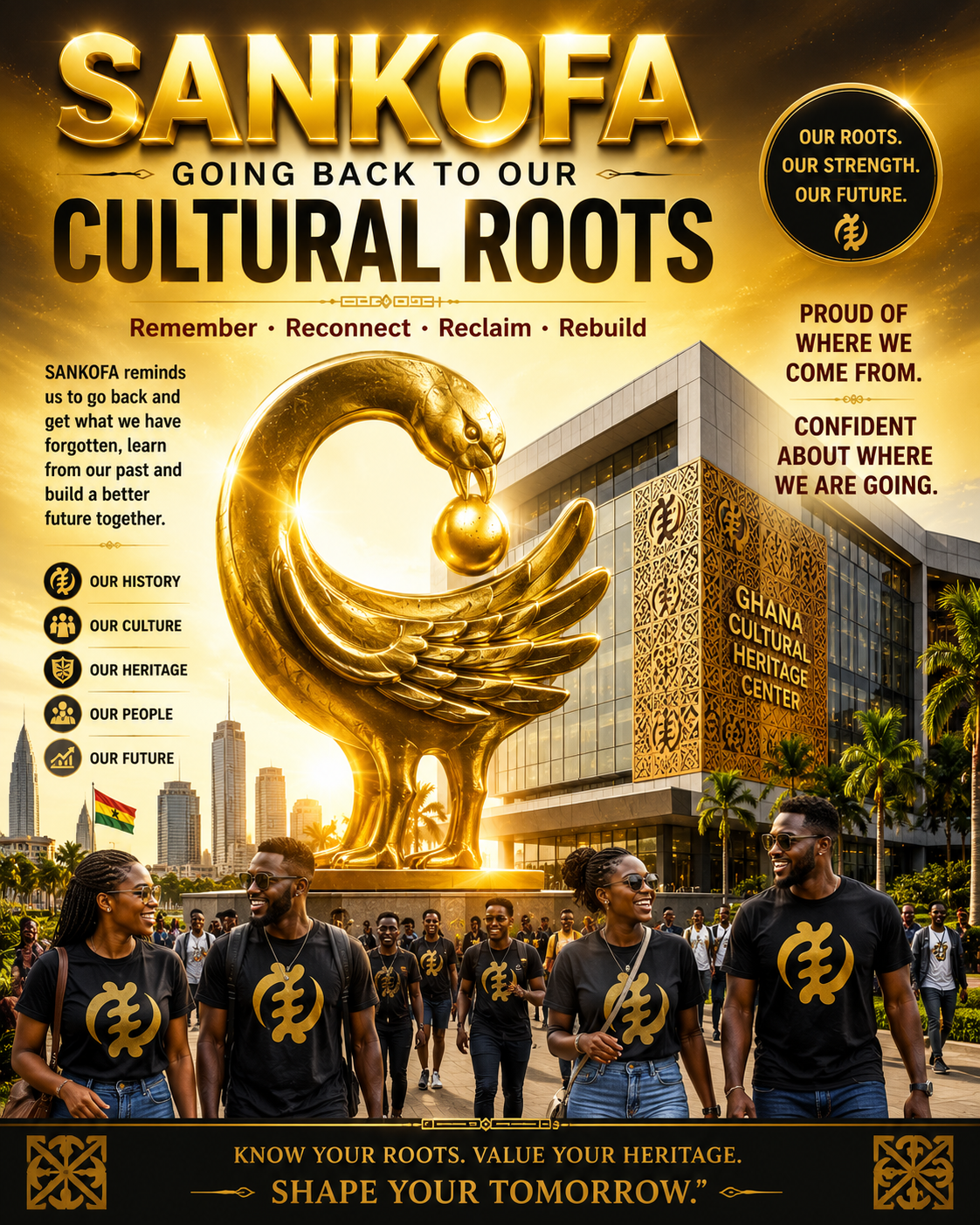
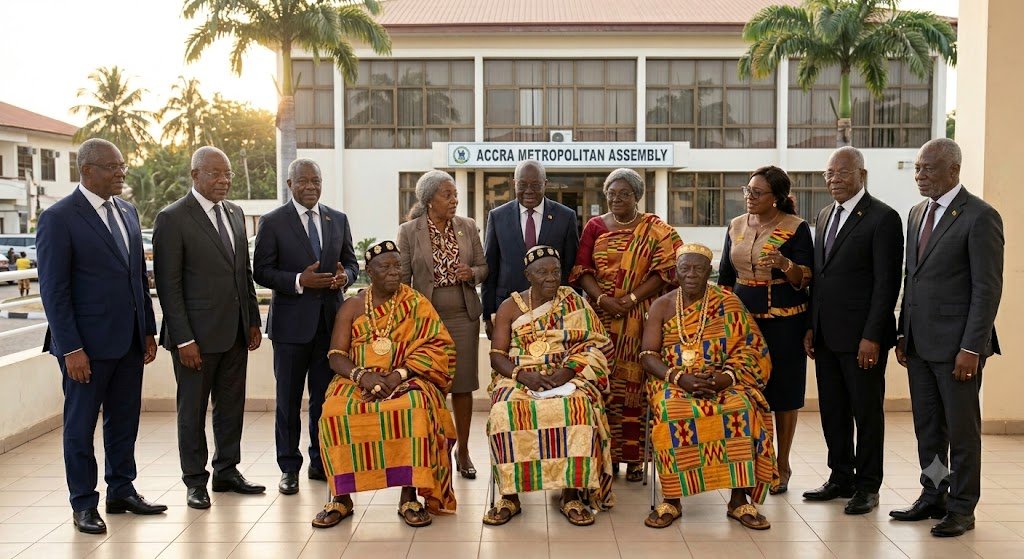
Ghana is a country with a rich and vibrant cultural heritage. Long before the arrival of Europeans, the people who inhabited the territory now known as Ghana had developed sophisticated political syst

An Opinion and Advice Column One of the first English idioms I learned after moving to North America—first to Canada and later to the United States—was the expression "get your ducks in a row." At th

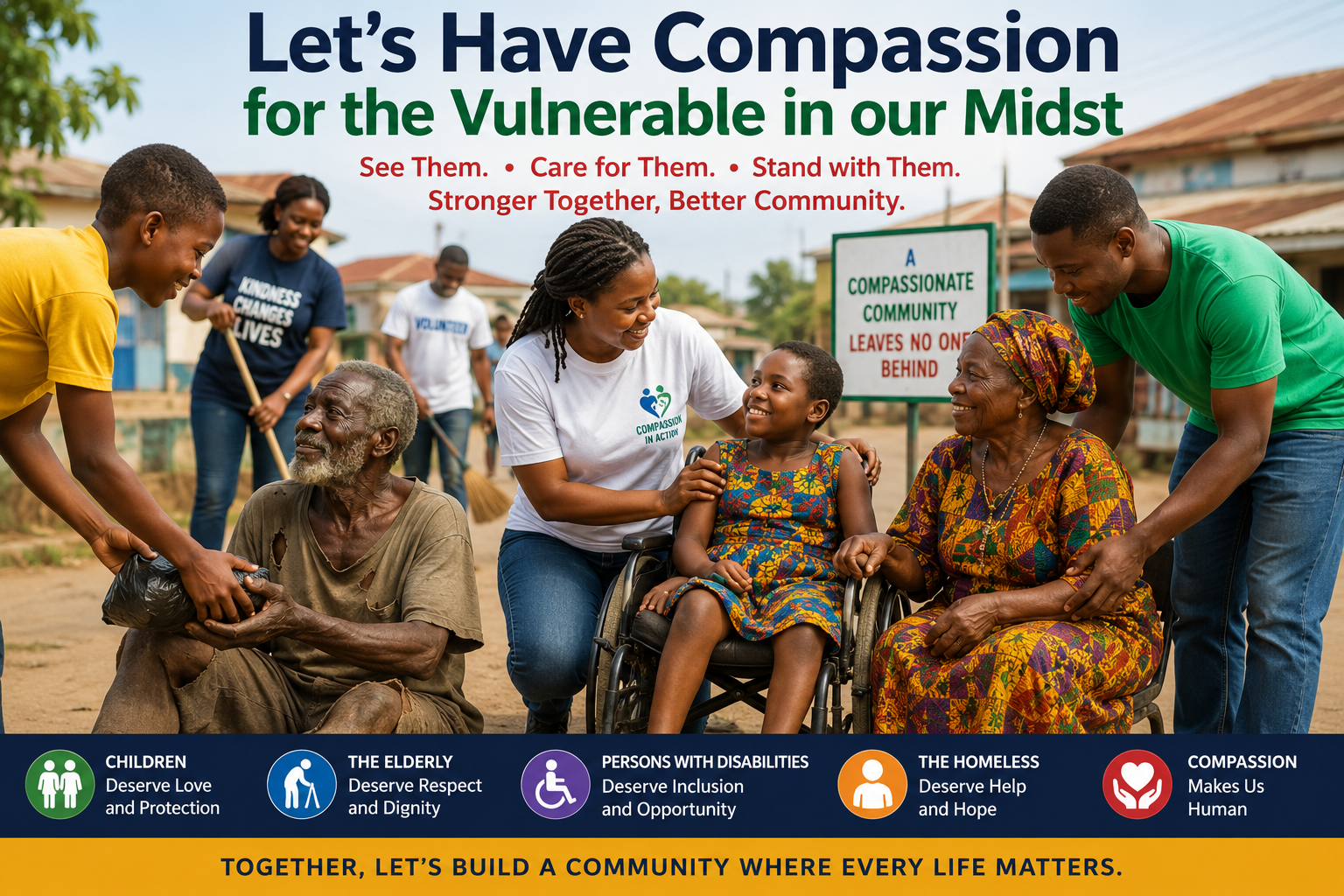
Introduction A society is often judged not by how it treats its rich, powerful, and influential citizens, but by how it treats its weakest and most vulnerable members. Children, the elderly, and pers

Introduction In today's world, research has become an important part of national development. Governments, universities, hospitals, non-governmental organizations (NGOs), and international agencies r

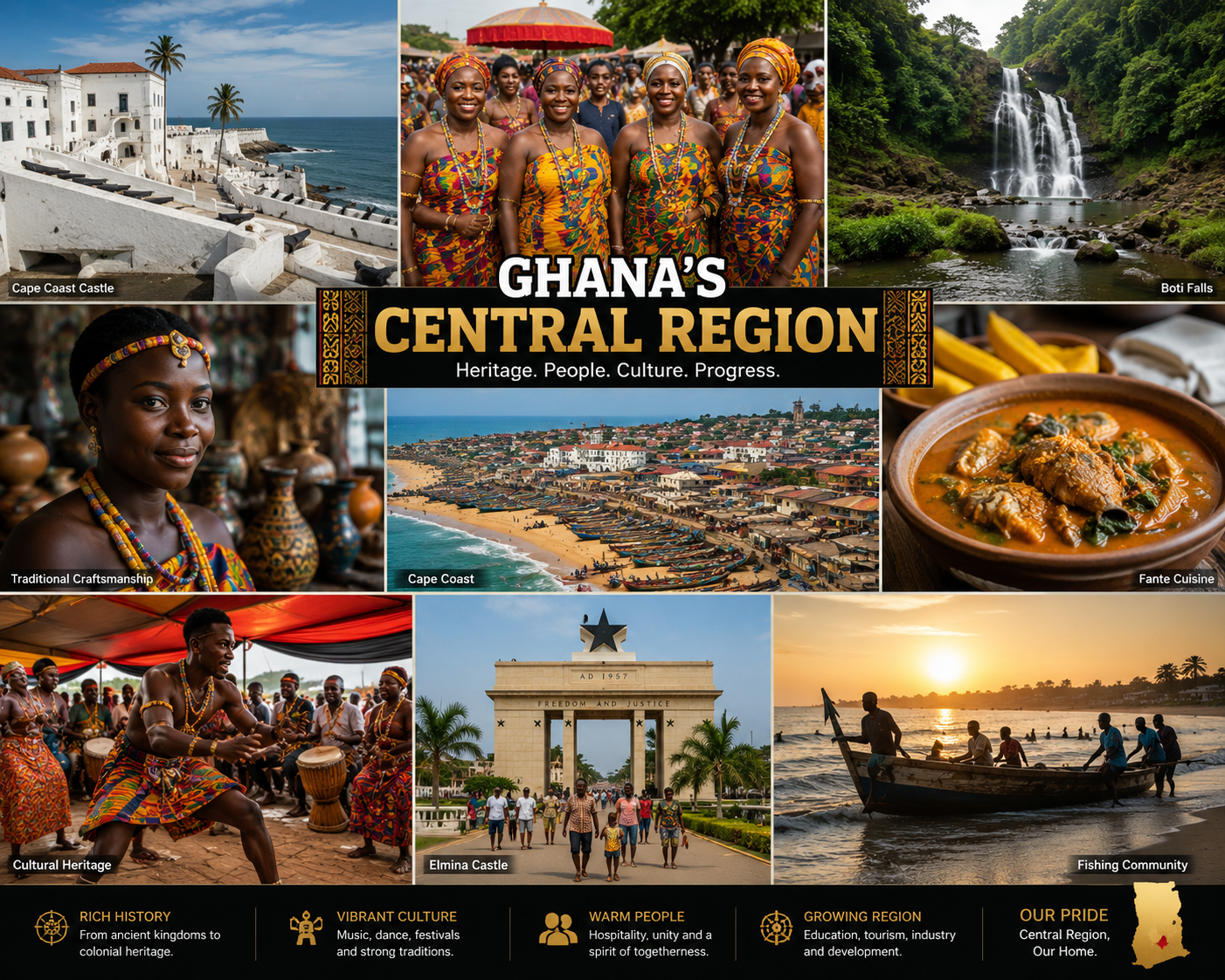
Introduction Among Ghana’s sixteen administrative regions, few possess the historical significance, educational prominence, and cultural richness of the Central Region. Located along Ghana’s southern

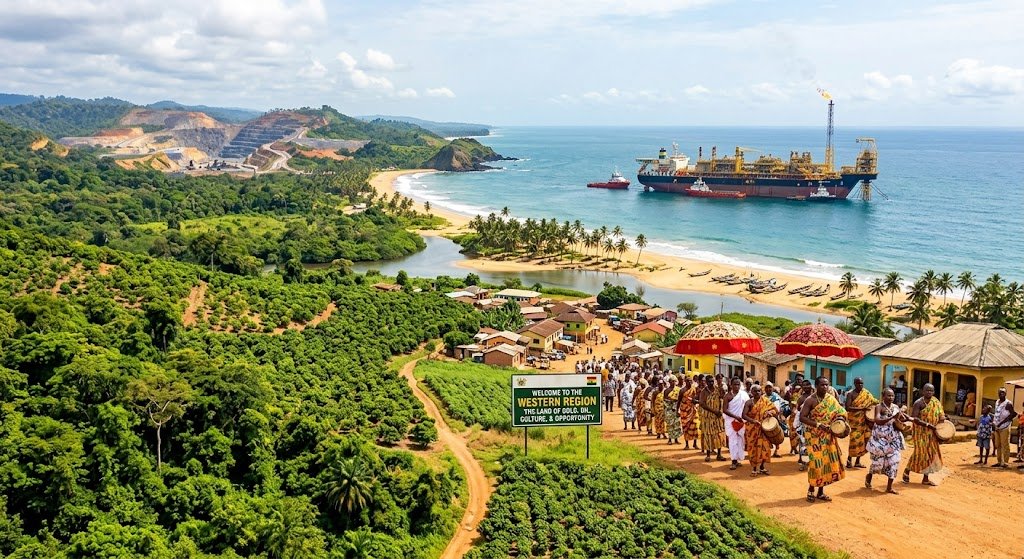
Introduction Among Ghana’s sixteen administrative regions, few can rival the Western Region in terms of natural wealth, cultural diversity, economic importance, and historical significance. Stretchin

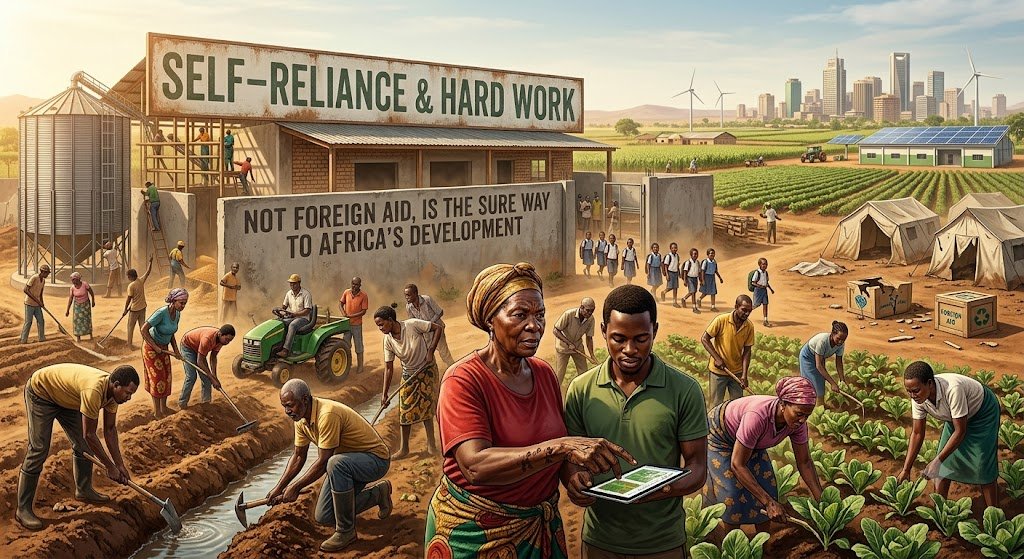
Introduction For decades, African leaders have boarded planes to Europe, North America, Asia, and the Middle East in search of foreign aid. Every year, countless international conferences, donor meet

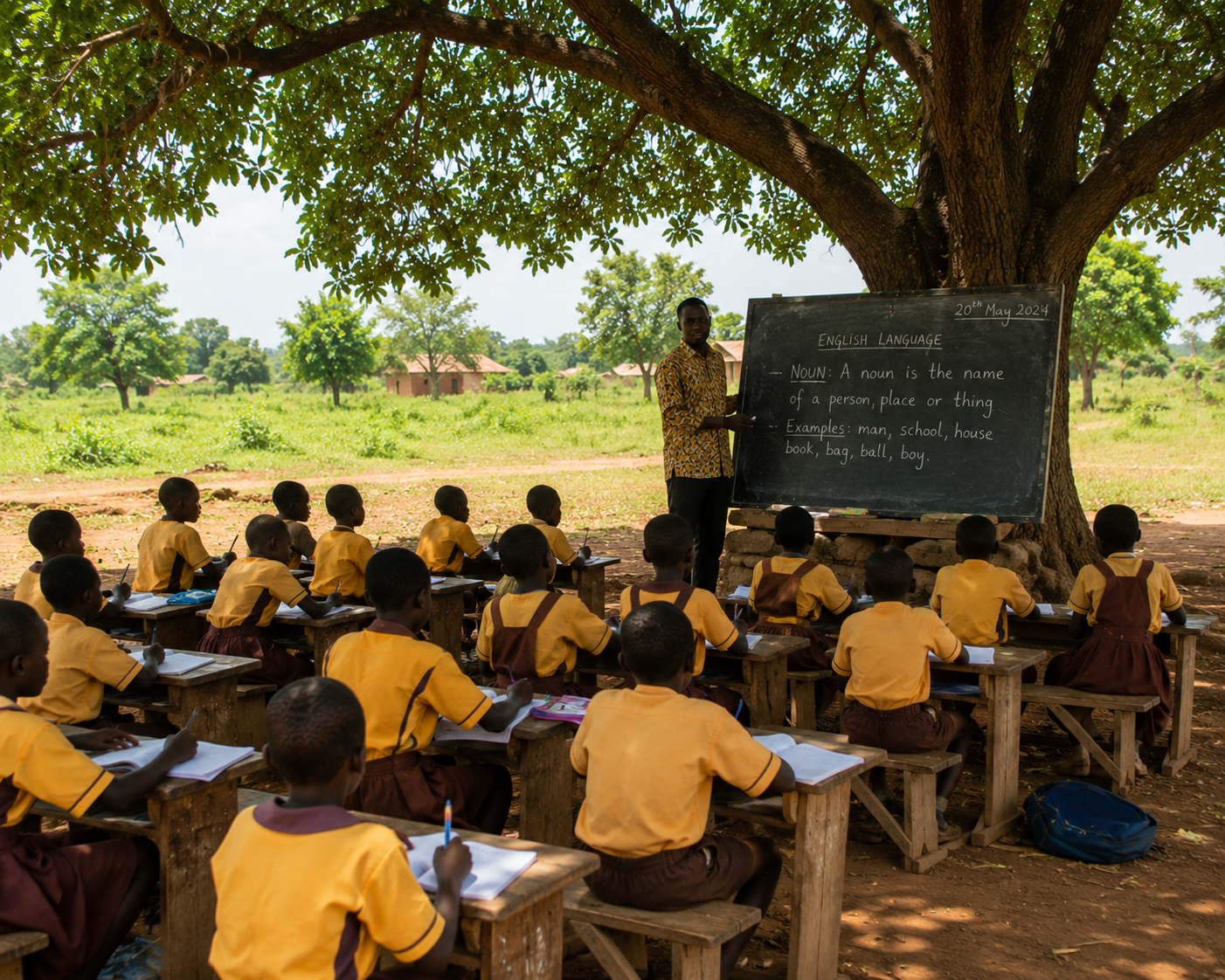
Ghana has made substantial progress in literacy over the past several decades, yet the country has not achieved universal literacy. According to recent UNESCO and World Bank data, approximately 76–81%

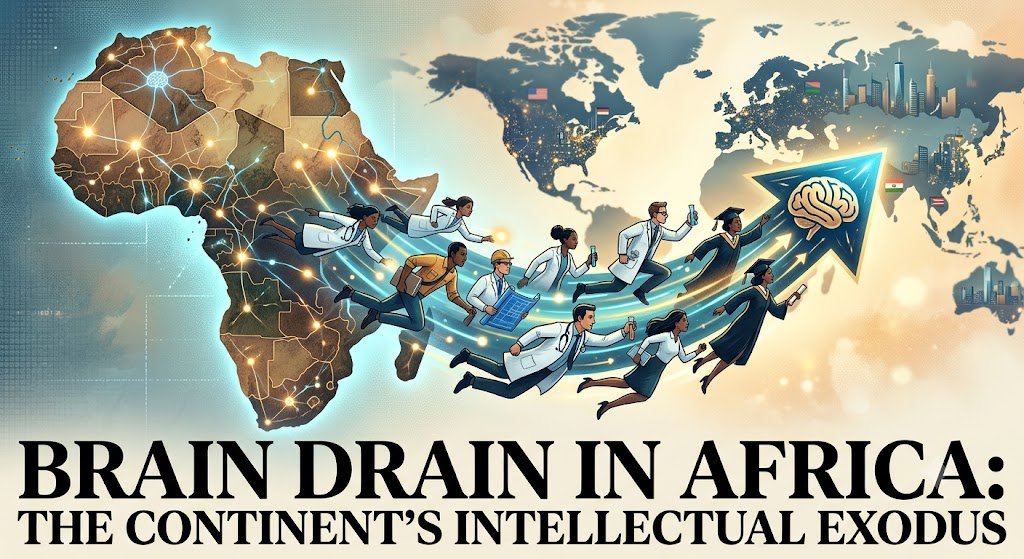
Introduction One of the greatest challenges confronting African countries today is the phenomenon known as "brain drain." Every year, thousands of highly educated and skilled Africans leave their hom

Ghana is widely celebrated as one of Africa's most stable democracies. Since the return to constitutional rule in 1992, the country has conducted regular elections, witnessed peaceful transfers of pow
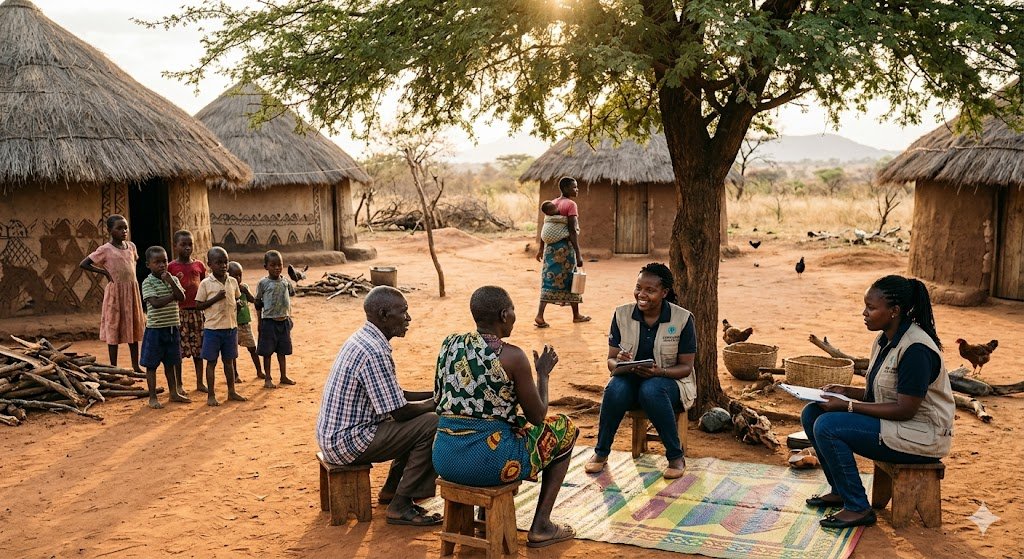
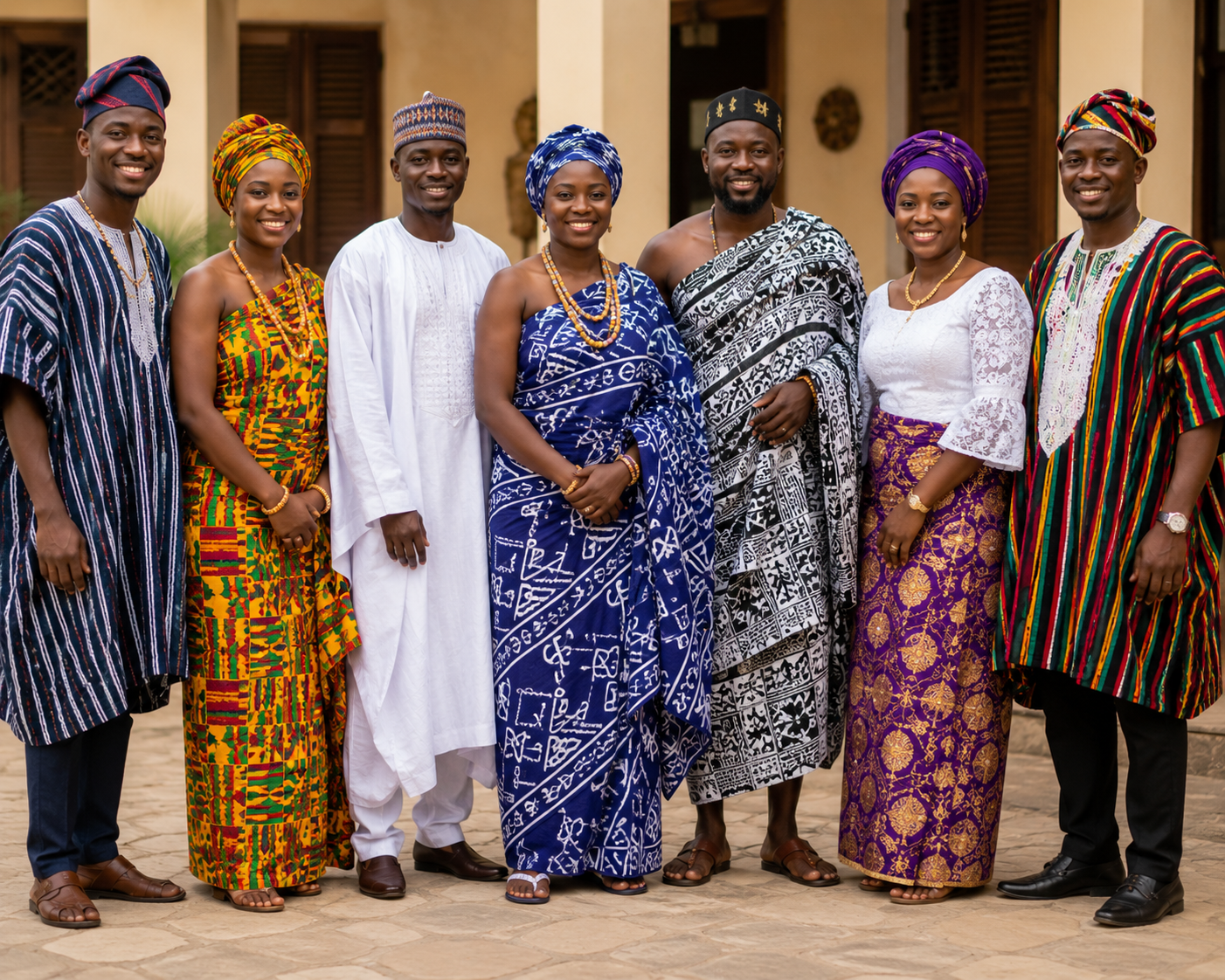
Ghana is often celebrated as one of Africa’s most peaceful and culturally vibrant nations. From the bustling markets of Accra to the fishing communities along the coast, from the savannah settlements

multilingualism, language

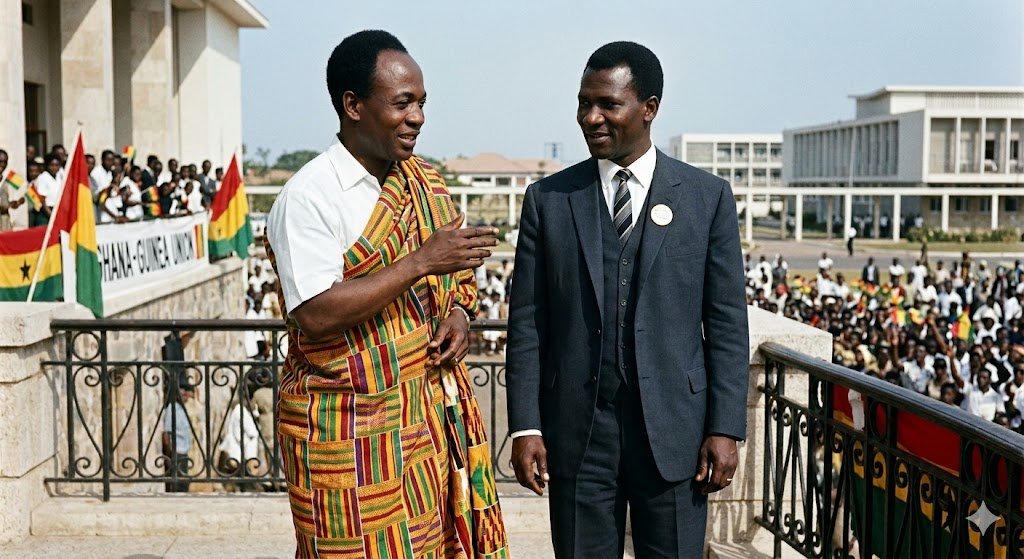
Introduction: When Two Revolutions Met The friendship between Kwame Nkrumah and Ahmed Sékou Touré was not a casual diplomatic acquaintance. It was an ideological alliance forged in the furnace of ant

The Volta Region of Ghana Location and Geography The Volta Region is one of the most culturally rich and geographically diverse regions of Ghana. Located in the eastern part of the country, it share

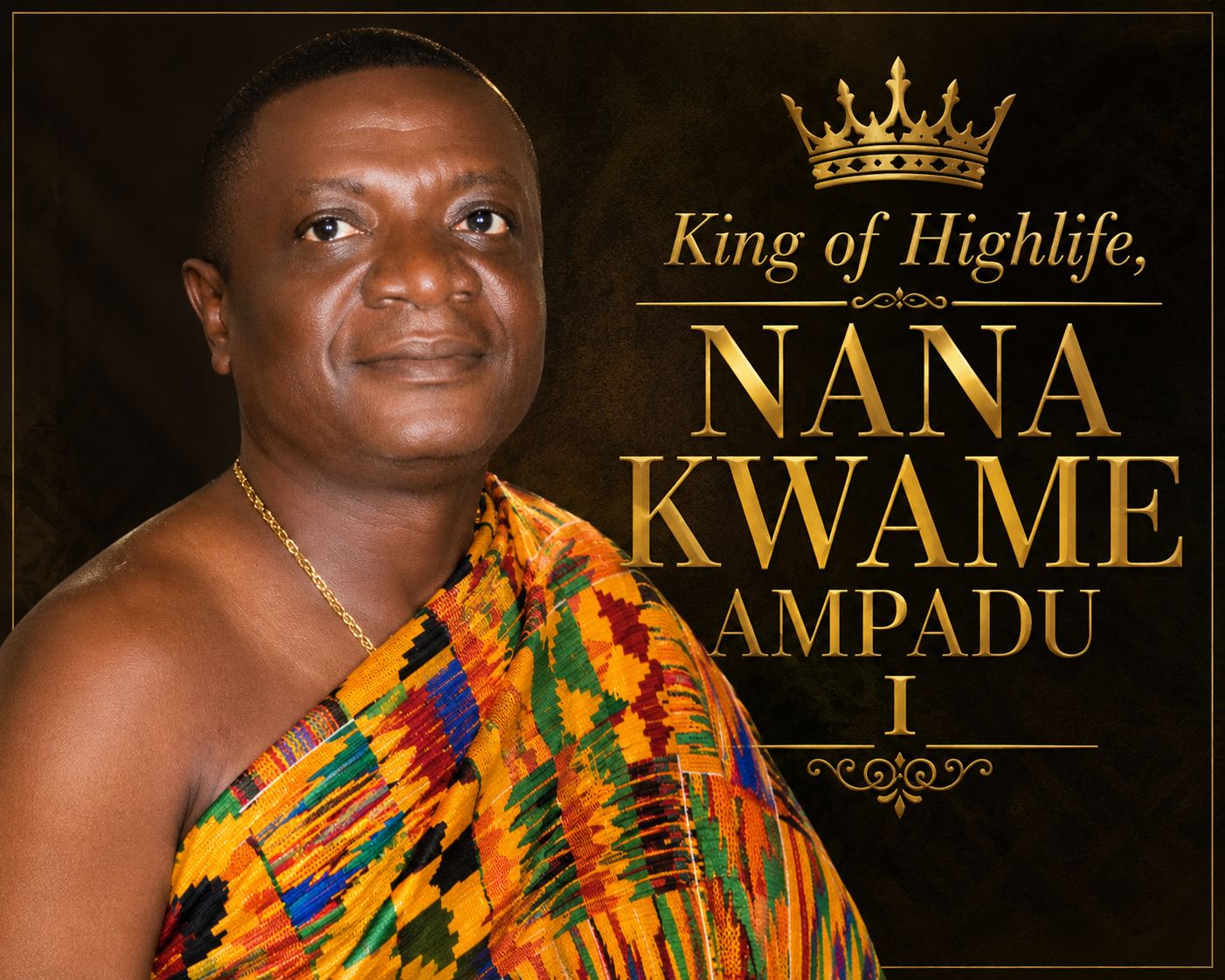
King of Highlife, Nana Ampadu Among the pantheon of Ghanaian musicians who shaped the soundscape of modern West African music, few names command the reverence accorded to Nana Kwame Ampadu I. A compo

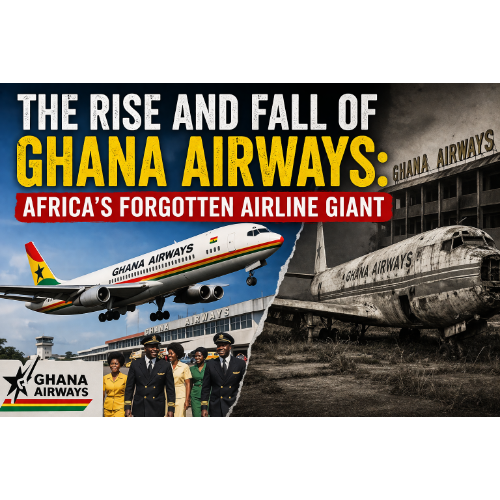
In the years following independence, Ghana set out to build not just a nation, but also a global presence. Among its boldest achievements was the creation of Ghana Airways, once one of Africa’s most respected national carriers. For decades, the airline symbolized ambition, connectivity, and national

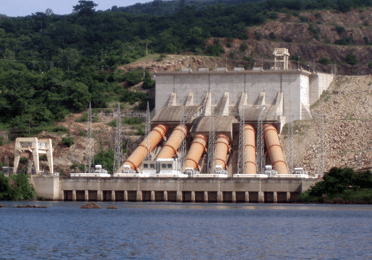
Few infrastructure projects in the history of Ghana have had as profound an impact as the construction of the Akosombo Dam. Built in the early years of Ghana’s independence, the project symbolized the ambitious development vision of the country’s first president, Kwame Nkrumah, who believed that ind
Politics, at its core, is a struggle over resources, influence, and authority. While much of political competition is expressed through negotiation, elections, and policymaking, history shows that the pursuit of power can also result in extreme acts, including the deliberate taking of human life. Ho

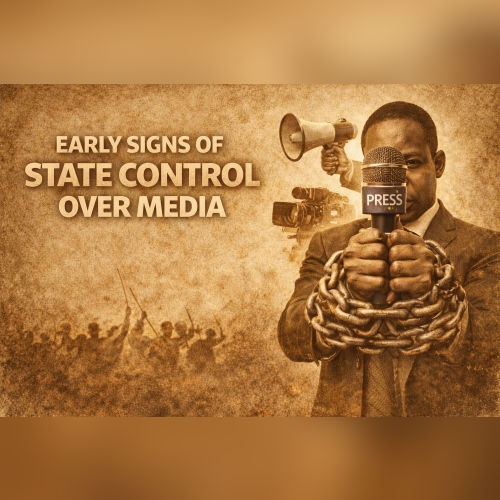
The early years of Ghana’s independence, particularly between 1957 and the mid-1960s, reveal the gradual emergence of state control over the media. While independence initially generated optimism about press freedom, archival newspaper records, government policies, and editorial patterns show that s
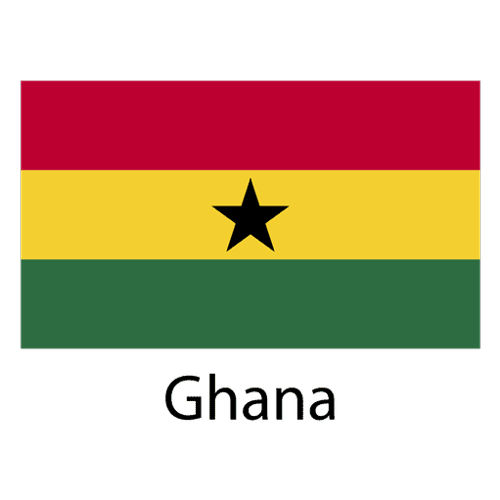
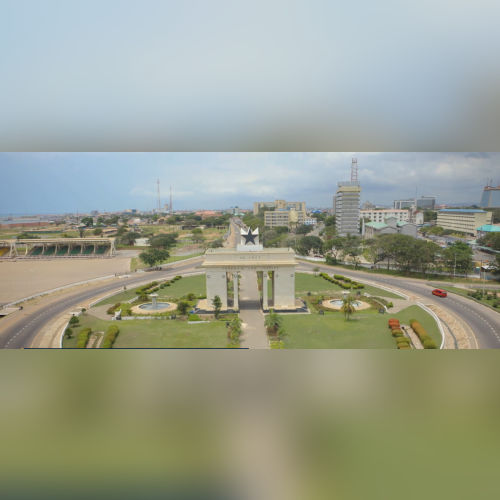
A Historic Emblem of Independence The Ghana national flag is more than a piece of cloth fluttering in the wind; it is a powerful symbol of the country’s history, aspirations, and identity. First officially adopted on March 6, 1957—the same day Ghana became the first African nation to gain independen

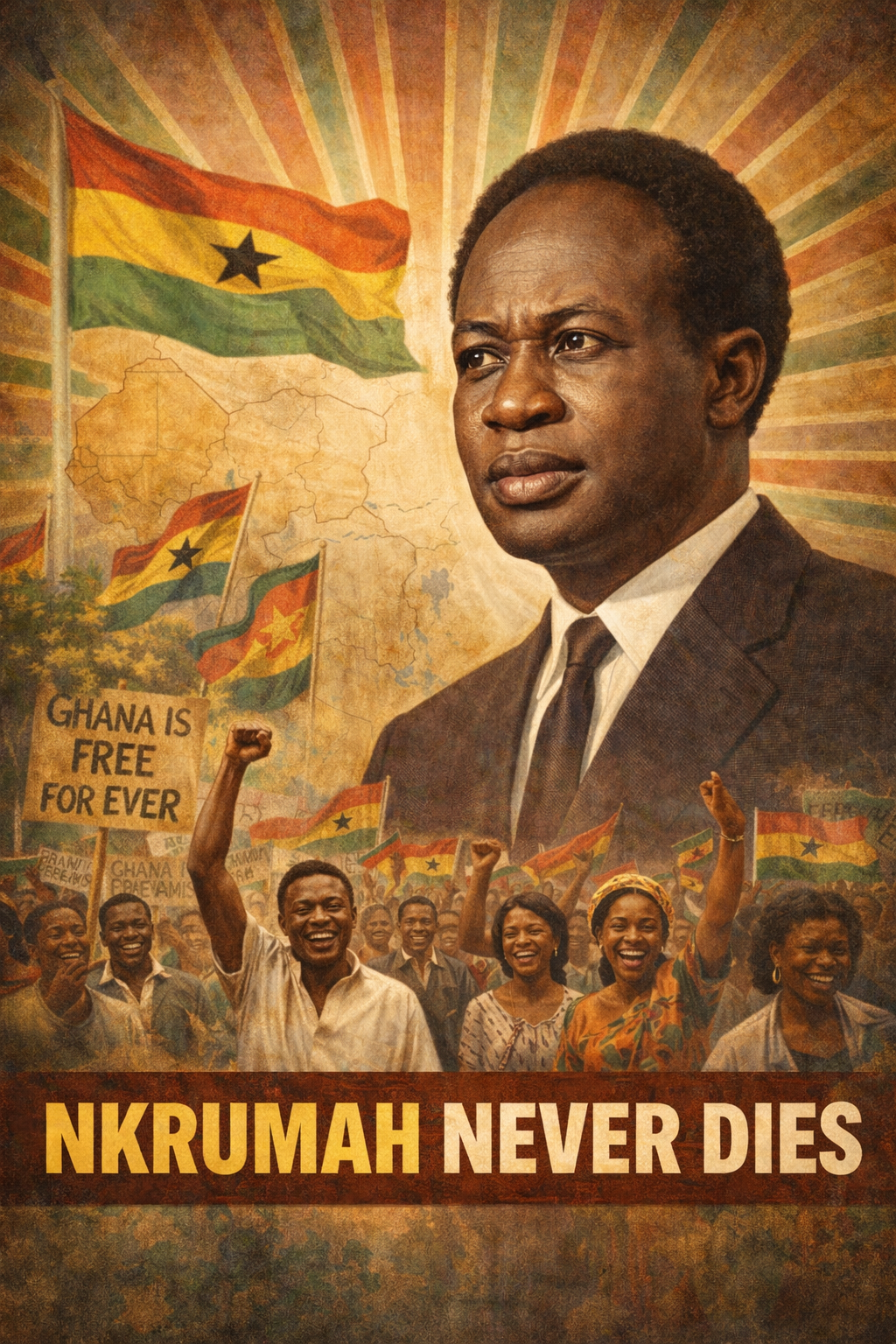
In the history of Ghana, few names command as much reverence and admiration as Kwame Nkrumah. More than half a century after his passing, the memory of the man who led the nation to freedom continues to inspire generations. His words echo in political discourse, his ideas shape national debates, and
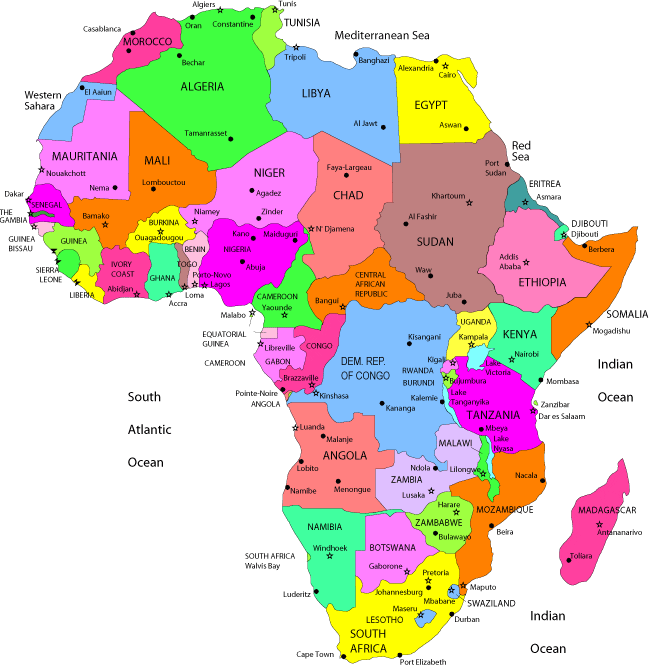
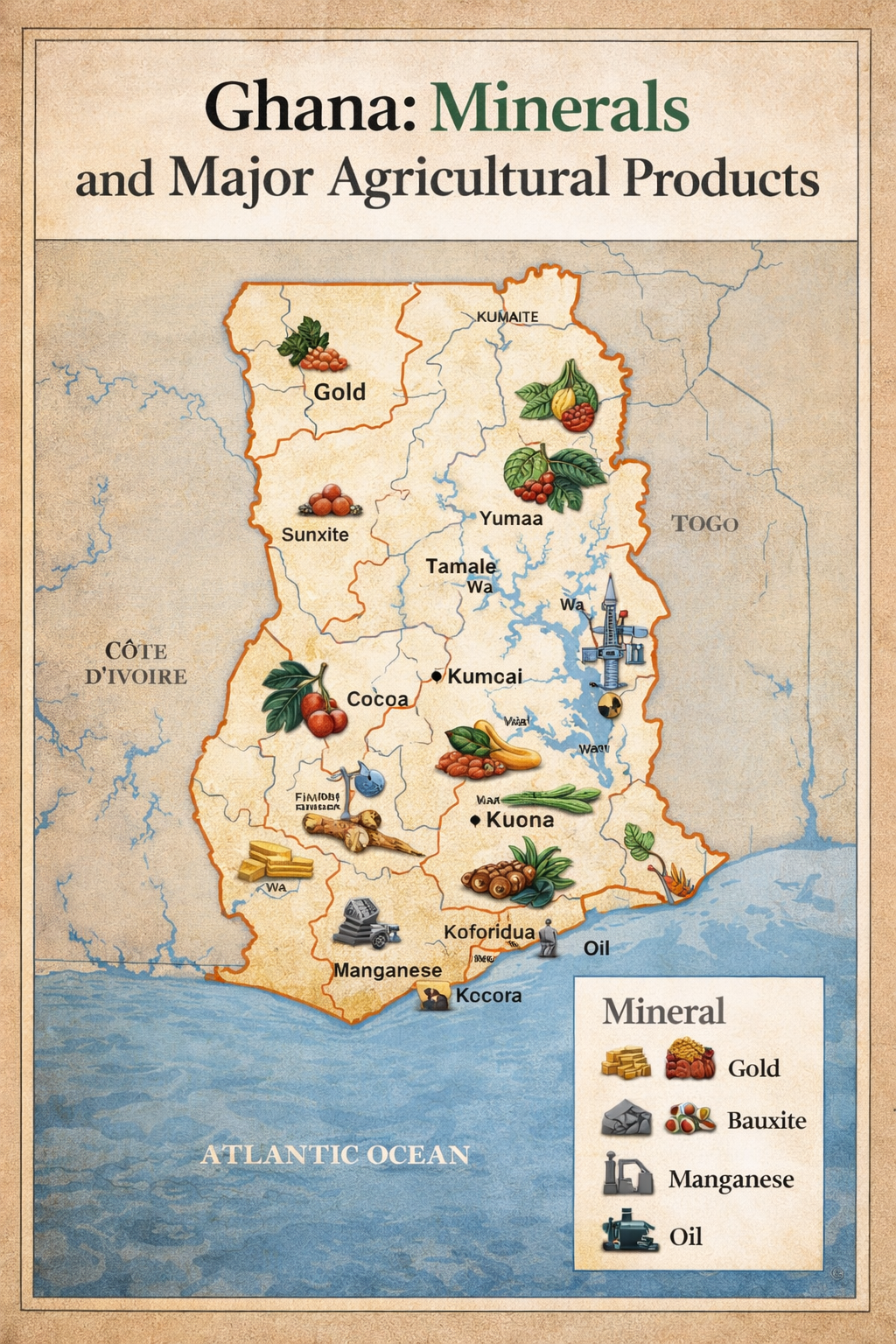
Ghana stands for “God Has Anointed the Nation Already.” Many Ghanaians see their country not merely as a geographical territory in West Africa, but as a land endowed with immense natural, human, and spiritual blessings. From abundant mineral wealth to fertile agricultural lands and a vibrant populat

When the Gold Coast achieved independence on March 6, 1957, becoming Ghana, the event generated immense public excitement and hope. For millions of Ghanaians, independence was not merely a constitutional change—it represented the promise of economic prosperity, political empowerment, social transfor

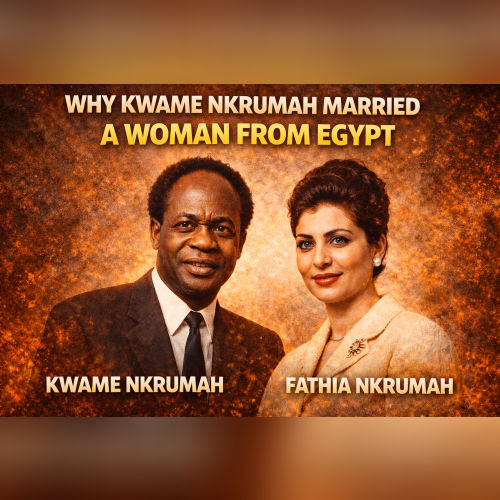
For many years, this question has generated curiosity, debate, and speculation. But the answer lies not only in romance. It lies in politics, diplomacy, and a bold continental vision during one of the most transformative periods in African history. When Ghana gained independence from Britain on Marc

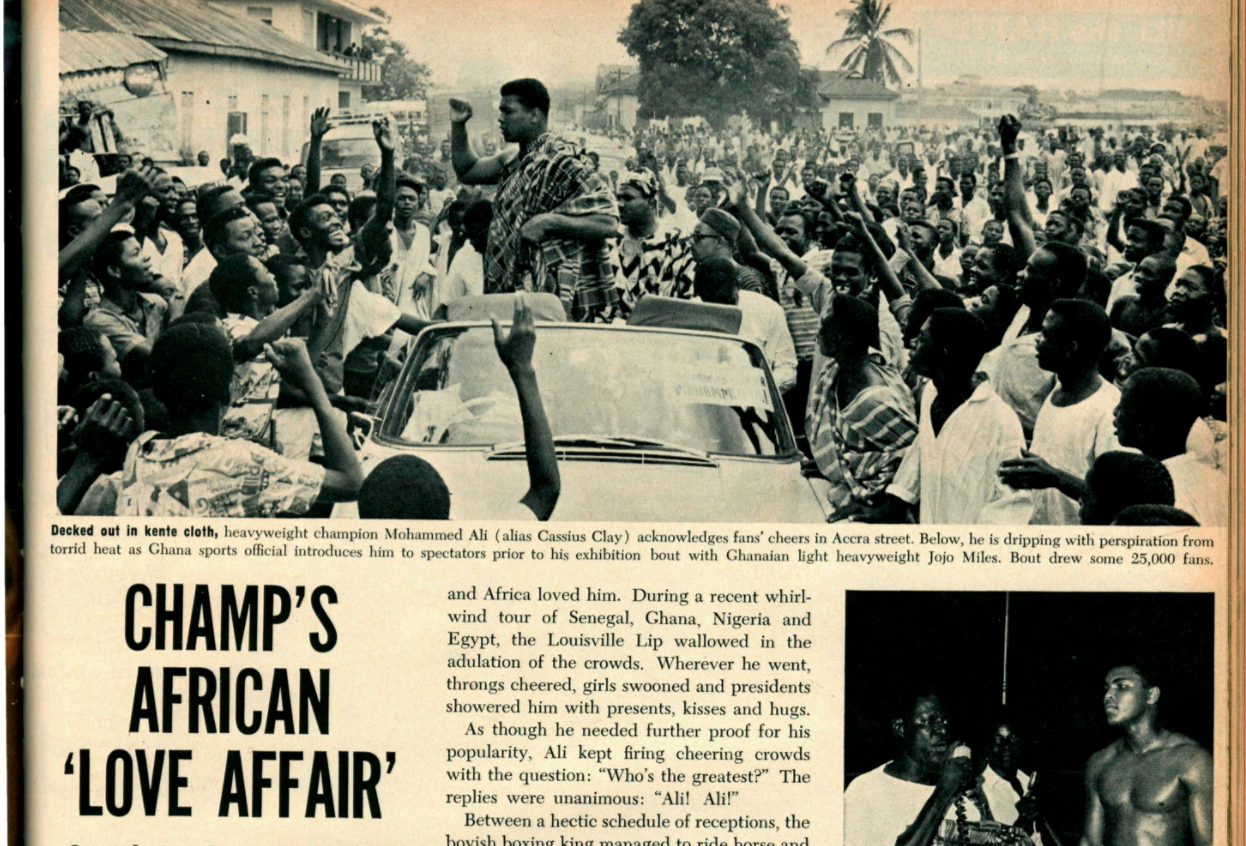
In 1964, at just 22 years old, the newly crowned world heavyweight boxing champion Muhammad Ali stepped onto Ghanaian soil—and into African history. Fresh from his stunning victory over Sonny Liston in Miami, the young champion—then newly renamed Muhammad Ali—embarked on a tour of Africa. One of the

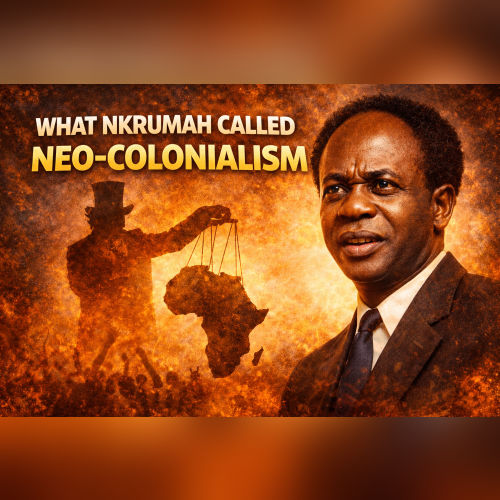
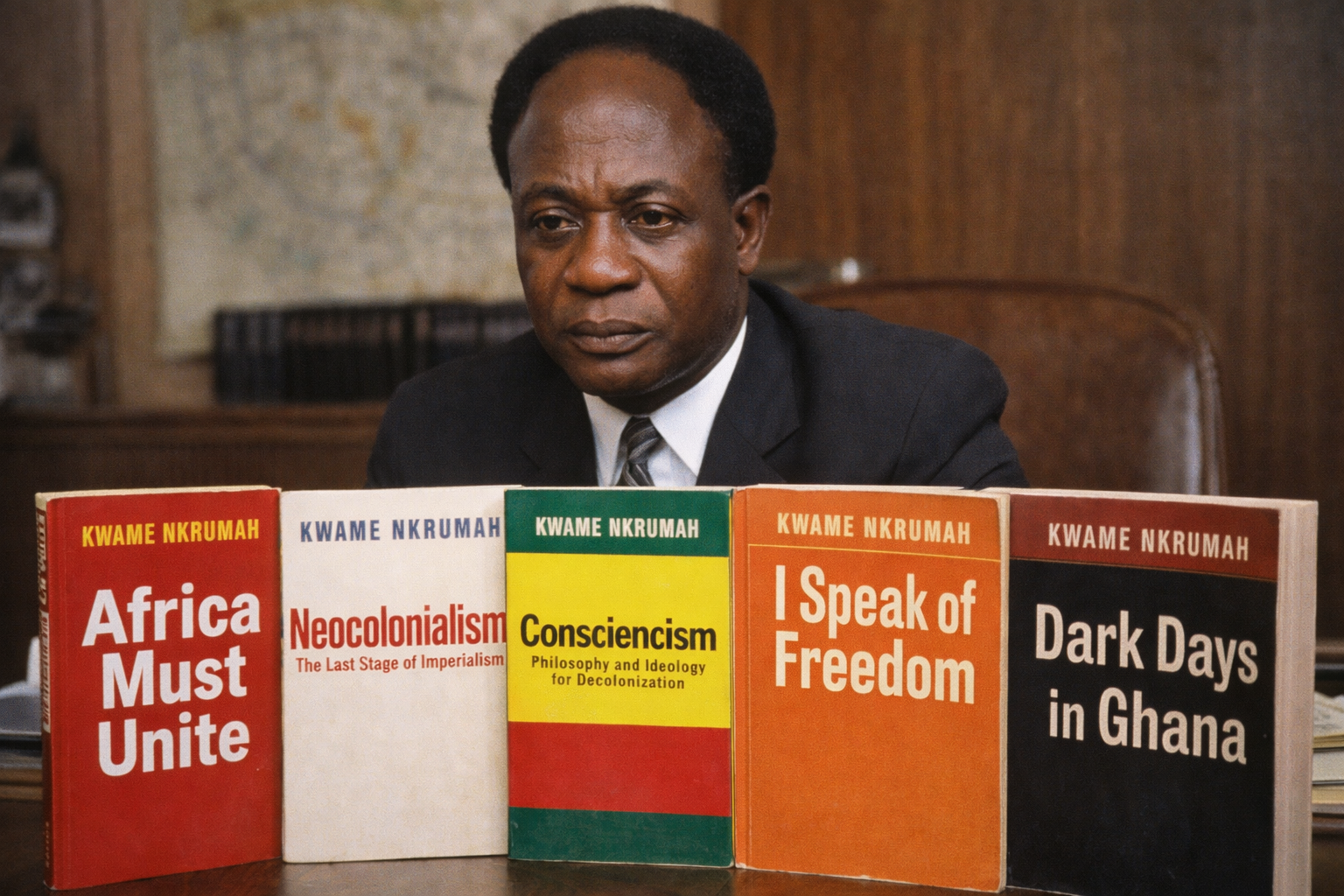
In the years following Ghana’s independence in 1957, one of the most influential political and intellectual concepts articulated by Kwame Nkrumah was “neo-colonialism.” For Nkrumah, independence did not mark the end of foreign domination in Africa. Instead, he argued that a new, more subtle form of

The question of whether independence in 1957 marked the true birth of a free African press in the Gold Coast—now Ghana—is both historically complex and deeply debated. While Ghana’s independence symbolized political liberation from colonial rule, the evolution of press freedom was far more gradual a

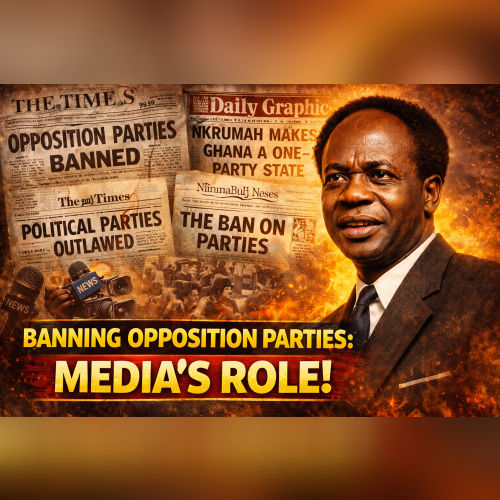
The banning of opposition parties in Ghana during the late 1950s and early 1960s stands as one of the most consequential moments in the country’s political and media history. Newspapers of the era did not merely report the development—they actively shaped how the public understood the meaning of pol

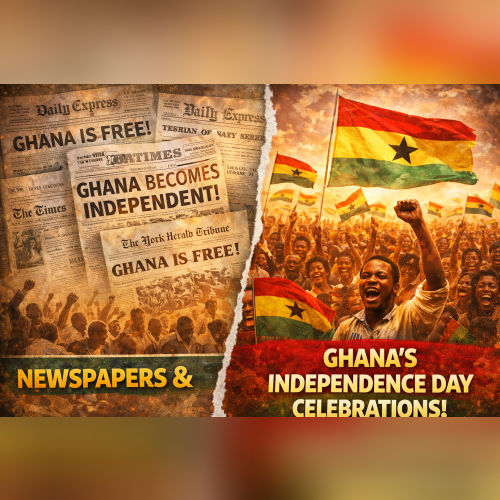
The relationship between newspapers and Ghana’s Independence Day celebrations is deeply rooted in the country’s political history and media evolution. From the late colonial period through the attainment of independence in 1957 and into the post-colonial era, newspapers played a central role in docu

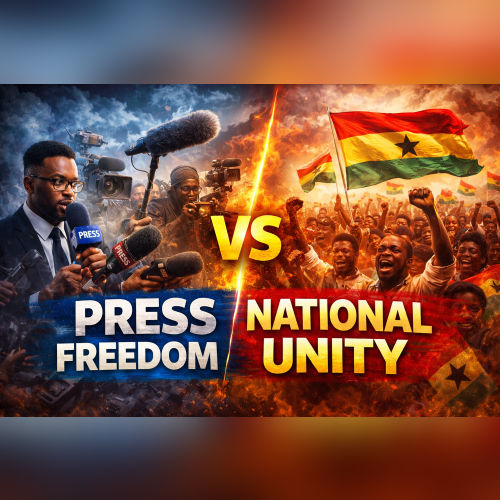
In the years surrounding Ghana’s independence and early nation-building period (roughly the mid-1950s through the early 1960s), one of the most persistent and consequential public discussions revolved around the tension between press freedom and national unity. Newspapers themselves became both the

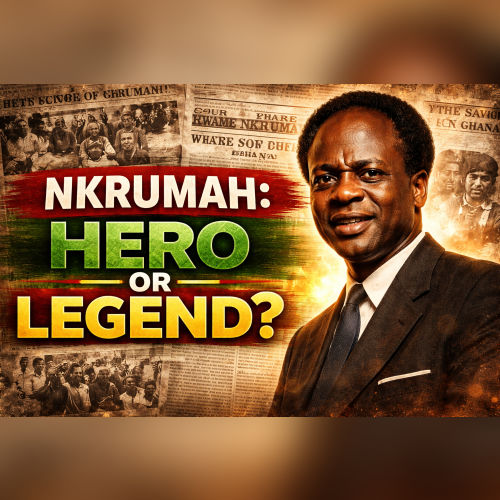
The portrayal of Kwame Nkrumah as a national hero was not simply a spontaneous public perception—it was carefully shaped, amplified, and sustained through newspapers and other media channels during the late colonial and early post-independence periods. In the Gold Coast, now Ghana, the press played

The development of newspaper culture in the Gold Coast—today known as Ghana—was inseparable from the spread of formal education during the nineteenth and early twentieth centuries. Education did far more than teach reading and writing; it fundamentally reshaped social structures, created new intelle

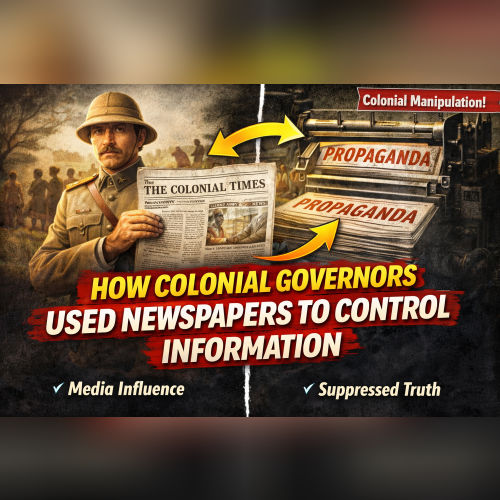
During the colonial period in the Gold Coast—modern-day Ghana—newspapers were not merely instruments of public communication; they were powerful tools of governance and political control. Colonial governors recognized early that controlling the flow of information was essential for maintaining autho

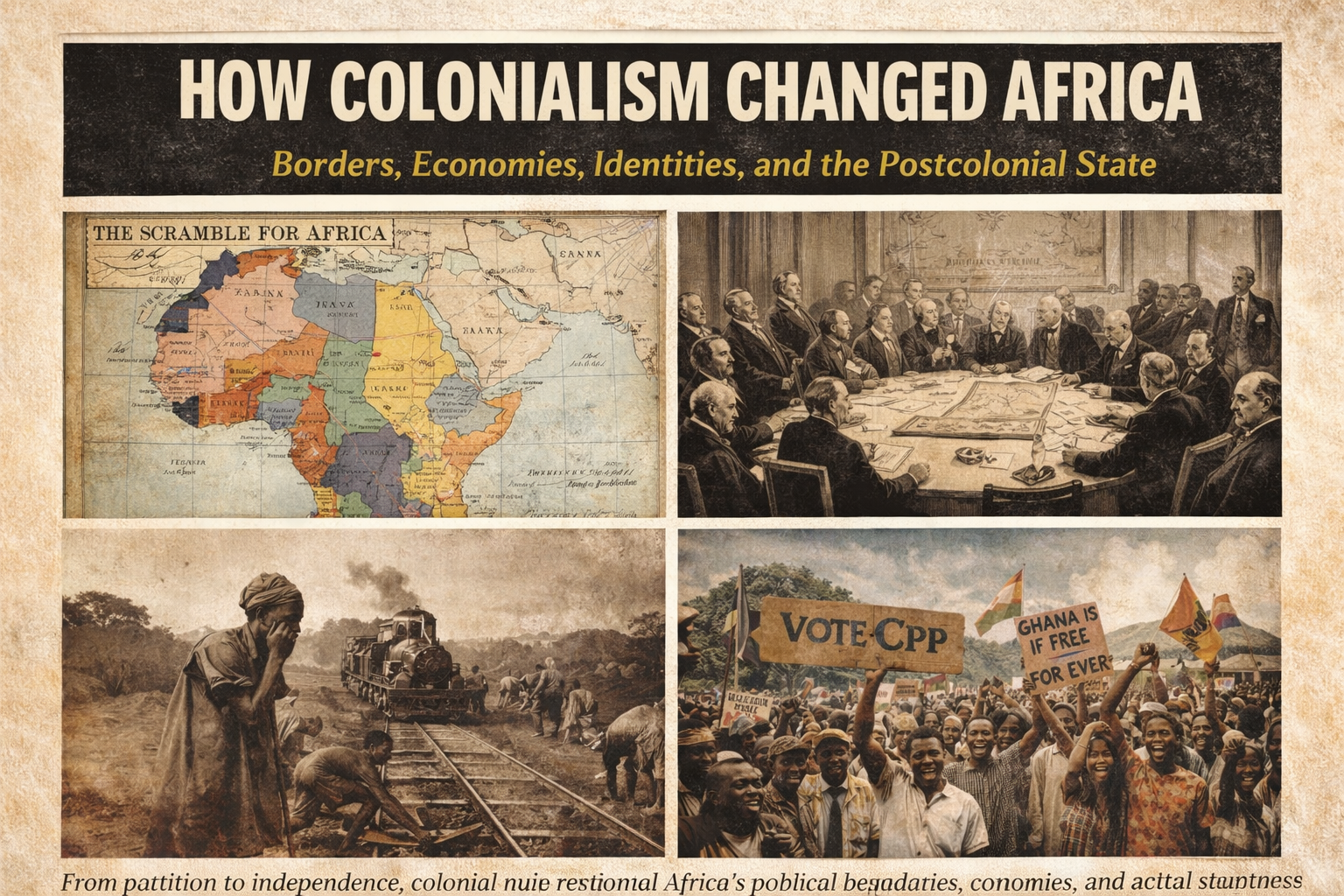
The Slave Trade and Demographic Devastation When we talk about Africa today—its borders, its languages, its religions, its politics—we are also talking about colonialism. The Africa we know in the twenty-first century did not emerge naturally from the past. It was profoundly shaped by centuries of f

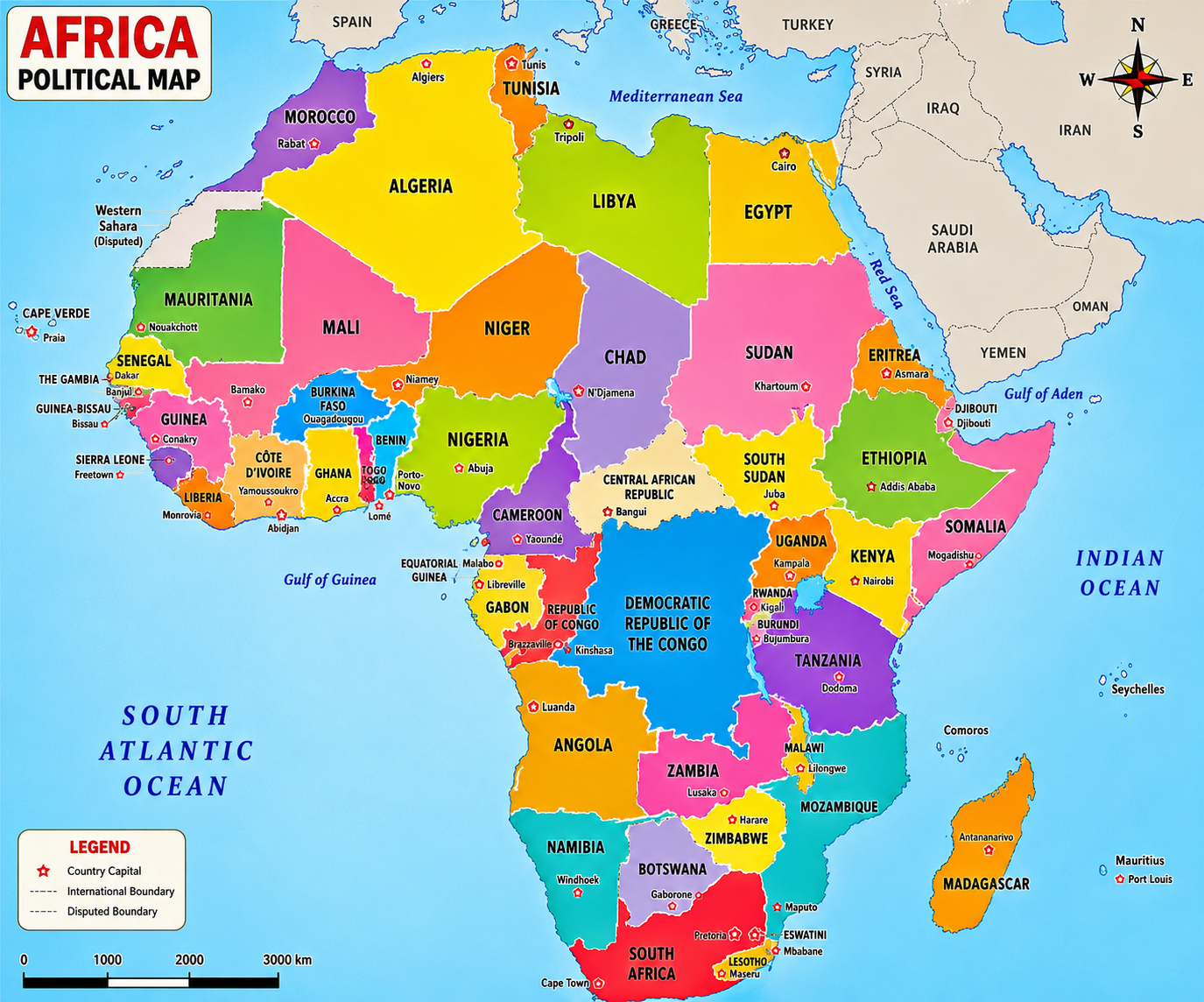
Africa is still the “dark continent” to many people. In spite of its immense size, large population, vast mineral and agricultural resources, militarily strategic location, and tremendous development potential, Africa is undeniably the most misunderstood continent. Very few non-natives of the contin

Kwame Nkrumah is one of the foremost Pan-Africanists Africa has ever produced. He devoted his life to the political, economic, and cultural liberation of the African continent. He played a leading role in the establishment of the Organization of African Unity (OAU), now known as the African Union (A
Africa is one of the most misunderstood places in the world. Popular myths—often repeated in classrooms, media, and casual conversation—have distorted global understanding of the continent. Below are some common falsehoods about Africa, alongside the facts. False: Africa Is a Country True: Africa is

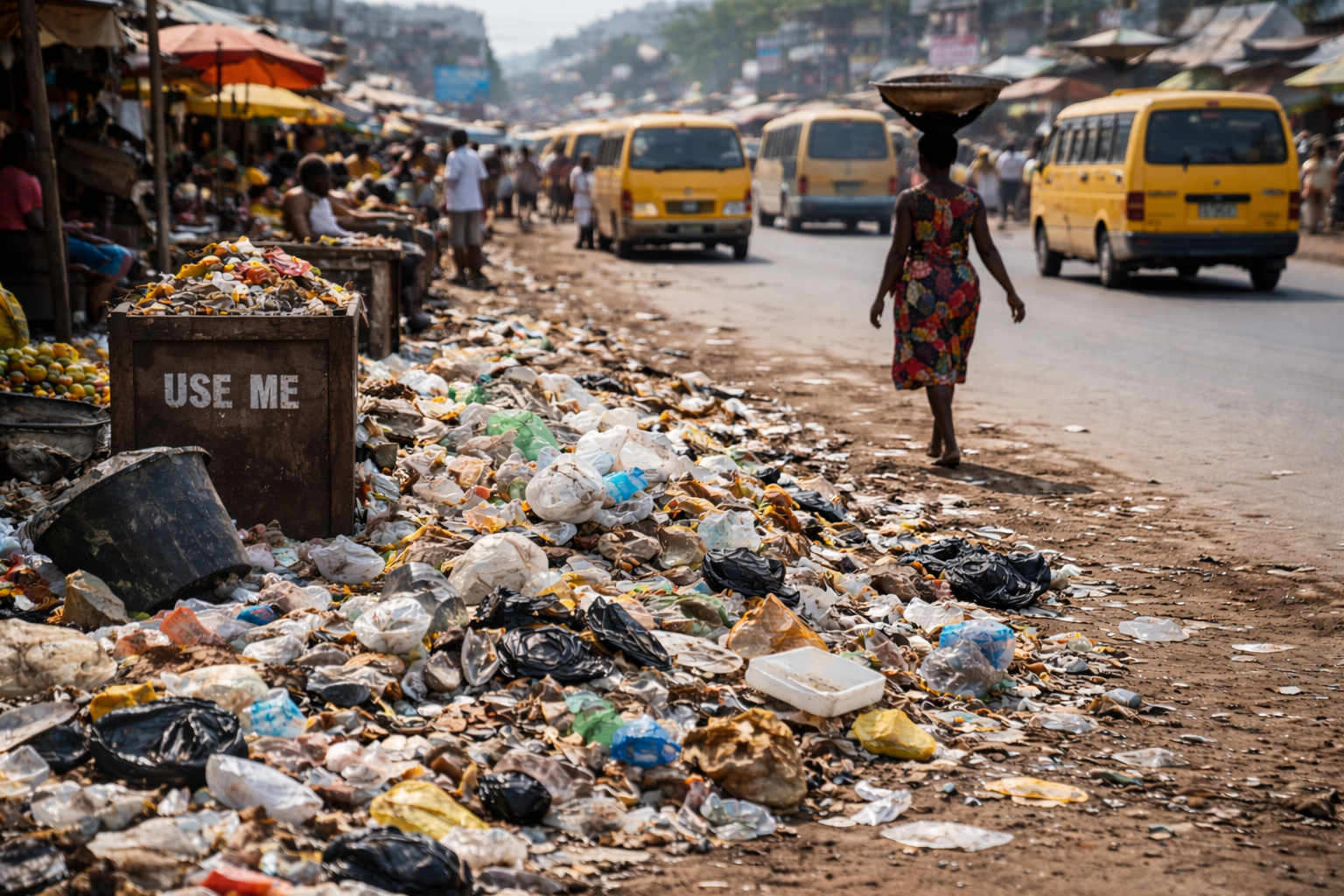
Littering is a serious problem in Ghana. Across cities, towns, and rural communities, many people indiscriminately throw away empty drink bottles, plastic containers, plastic wraps, paper, and leftover food on the ground. Streets, gutters, open spaces, and markets are increasingly turned into inform

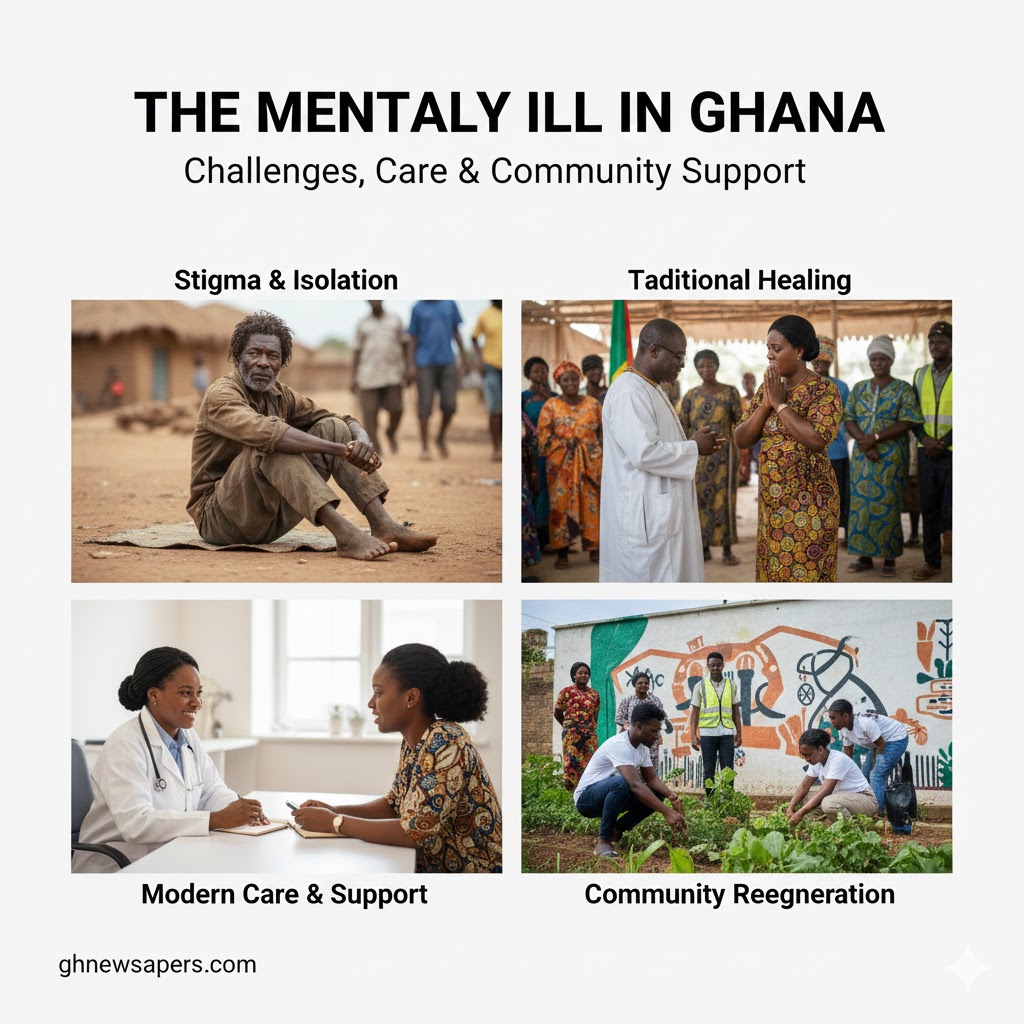
Life on the Streets: A Visible Social Failure On the streets of Ghana, many people living with mental illness wander without care, shelter, or dignity. Some are dressed in dirty, tattered clothing; others are barely clothed, and a few are completely naked. Their presence is a visible reminder of a d

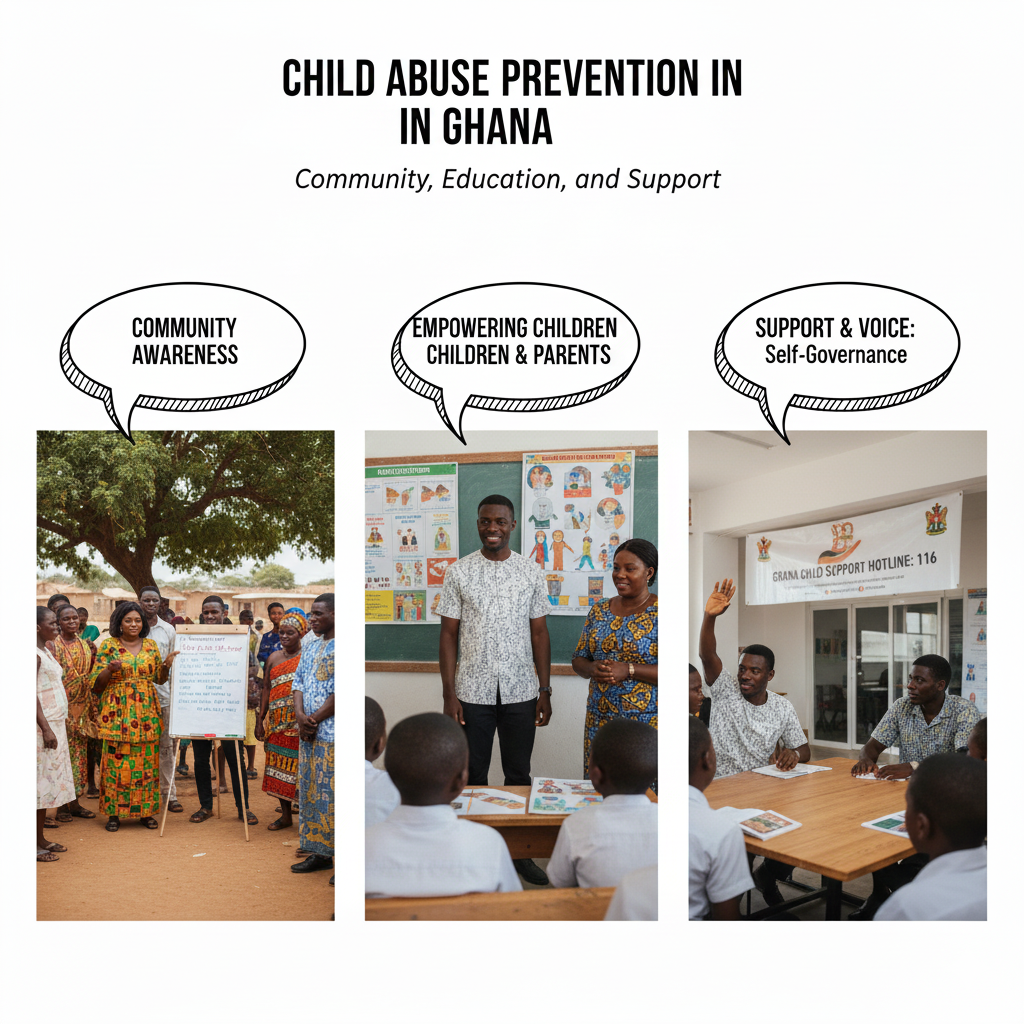
Every year, thousands of children in Ghana suffer abuse at the hands of those entrusted with their care—parents, guardians, and relatives. Reports of battered, neglected, and traumatized children frequently appear in the Ghanaian mass media, often accompanied by disturbing images and heartbreaking d

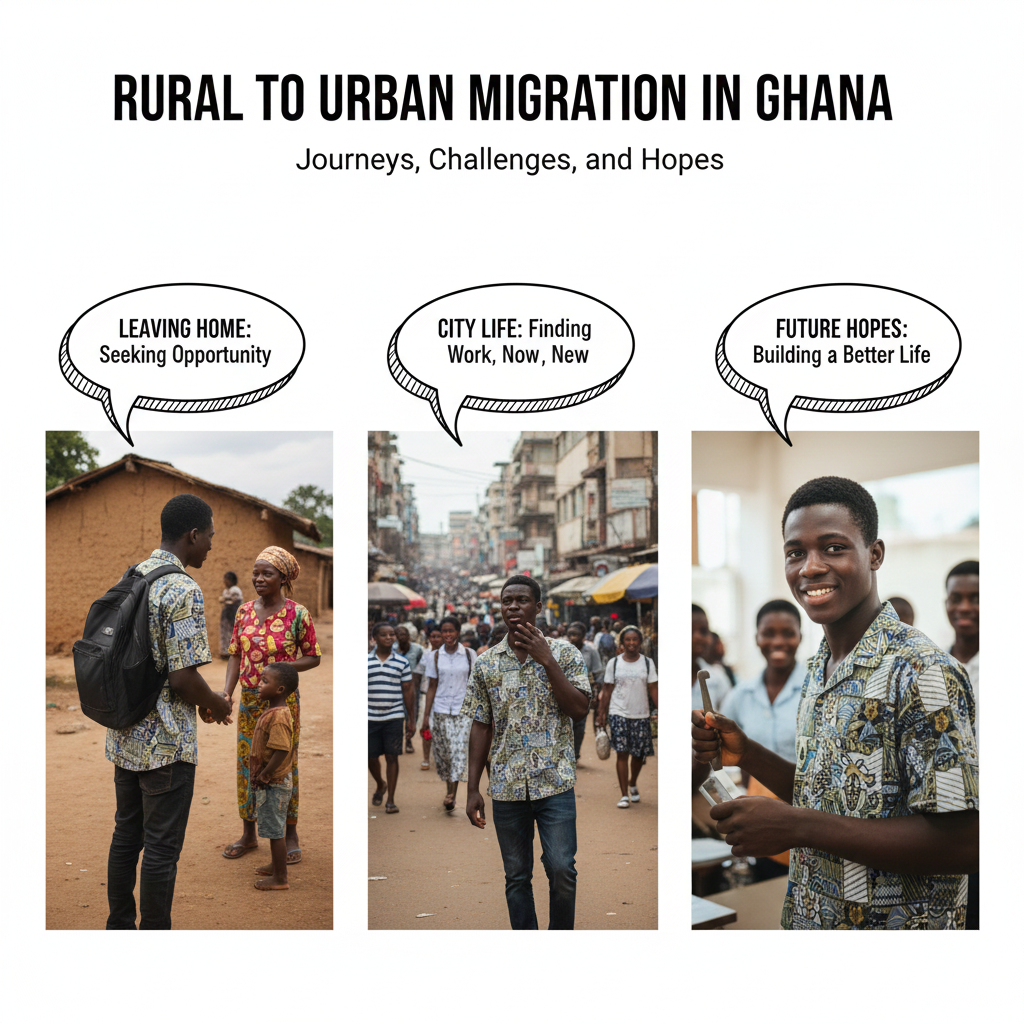
The causes of Rural–Urban Migration are major concerns of African governments like Ghana. Across Ghana and much of Africa, a defining social transformation of the 21st century is the movement of people from the countryside to towns and cities. Every year, thousands of young people leave rural commun

Few modern technologies have transformed Ghana as deeply and as quickly as financial technology (fintech). What began as simple mobile phone services has grown into a digital financial ecosystem that reshaped banking, trade, and daily survival for millions of Ghanaians. Before Fintech: A Cash-Heavy

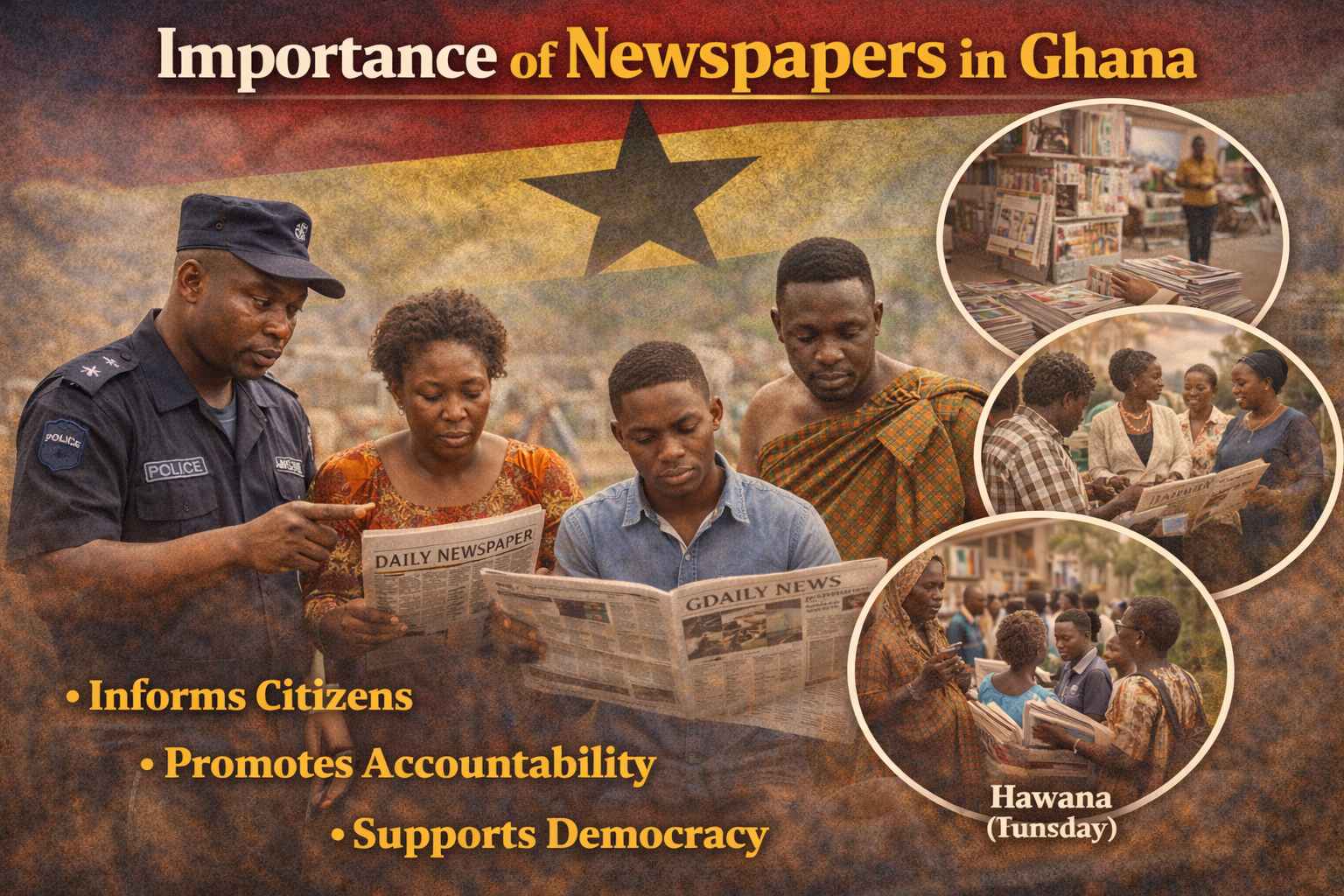
Newspapers occupy an important place in Ghanaian society. Long before the rise of social media and online news platforms, newspapers were the primary source of information for the public. Even today, despite digital competition, newspapers continue to serve critical social, political, educational, a

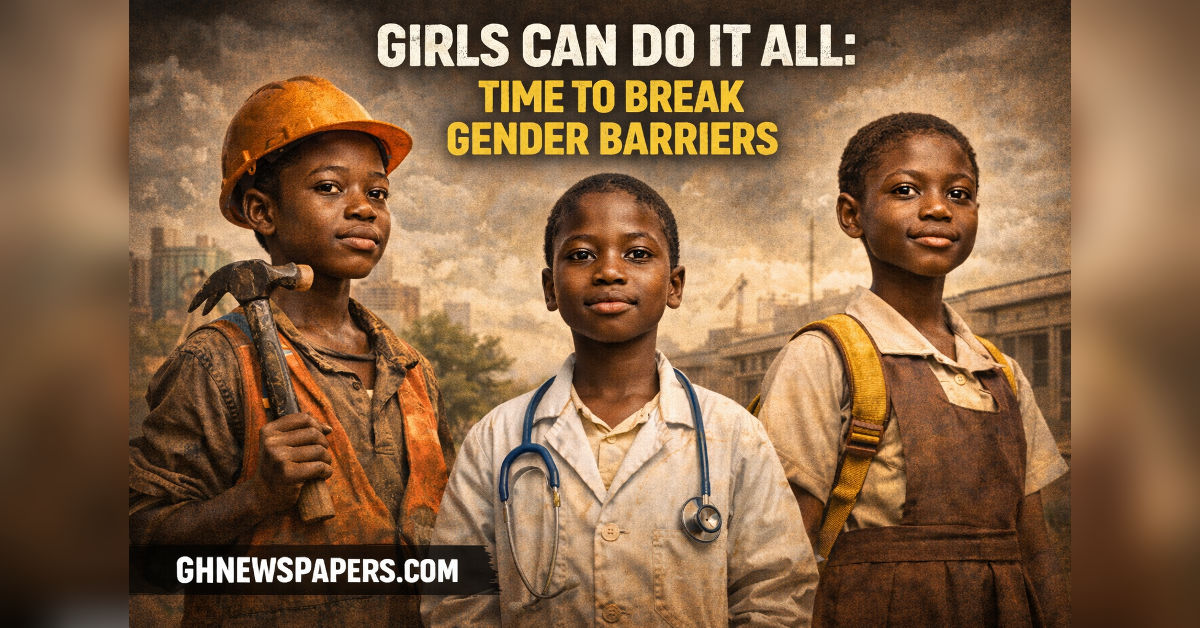
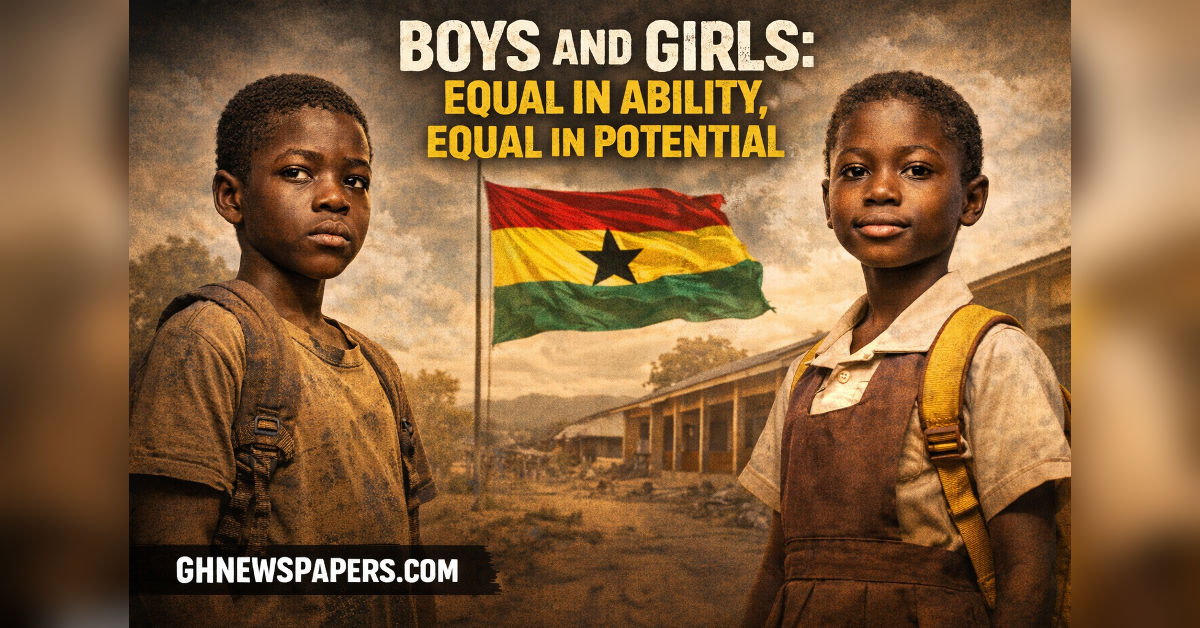
Time to Break Old Beliefs For too long, society has told girls they are weaker, less capable, or meant to play second fiddle to boys. It’s time to shatter that myth. Girls can do it all—excel in school, lead in government, innovate in business, and make decisions that shape nations. Gender does not

Discarding Outdated Beliefs It is time for Africans to discard the outdated belief that boys and girls differ in abilities and potential. For too long, harmful cultural attitudes have suggested that women should play second fiddle to men. But reality proves otherwise: for everything a boy or a man c

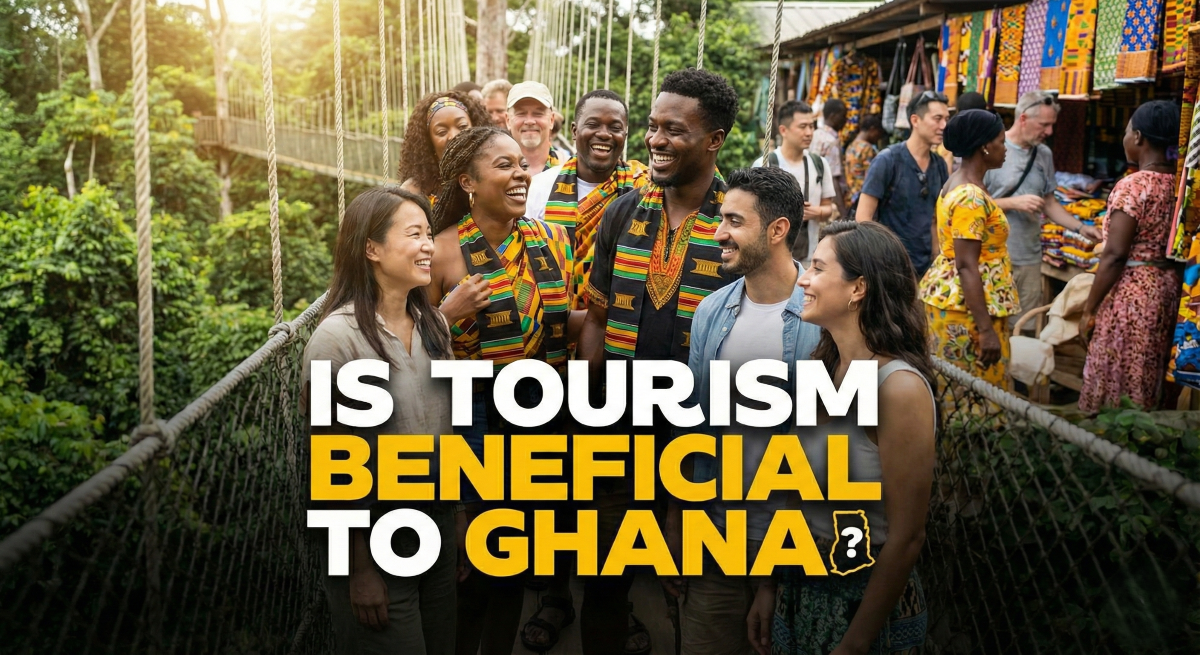
Every year, thousands of tourists visit Ghana. According to the 2024 Tourism Report published by the Ghana Tourism Authority, Ghana welcomed 1,288,804 international visitors in 2024. The country continues to promote tourism in order to expand the industry and increase its benefits. This raises an im

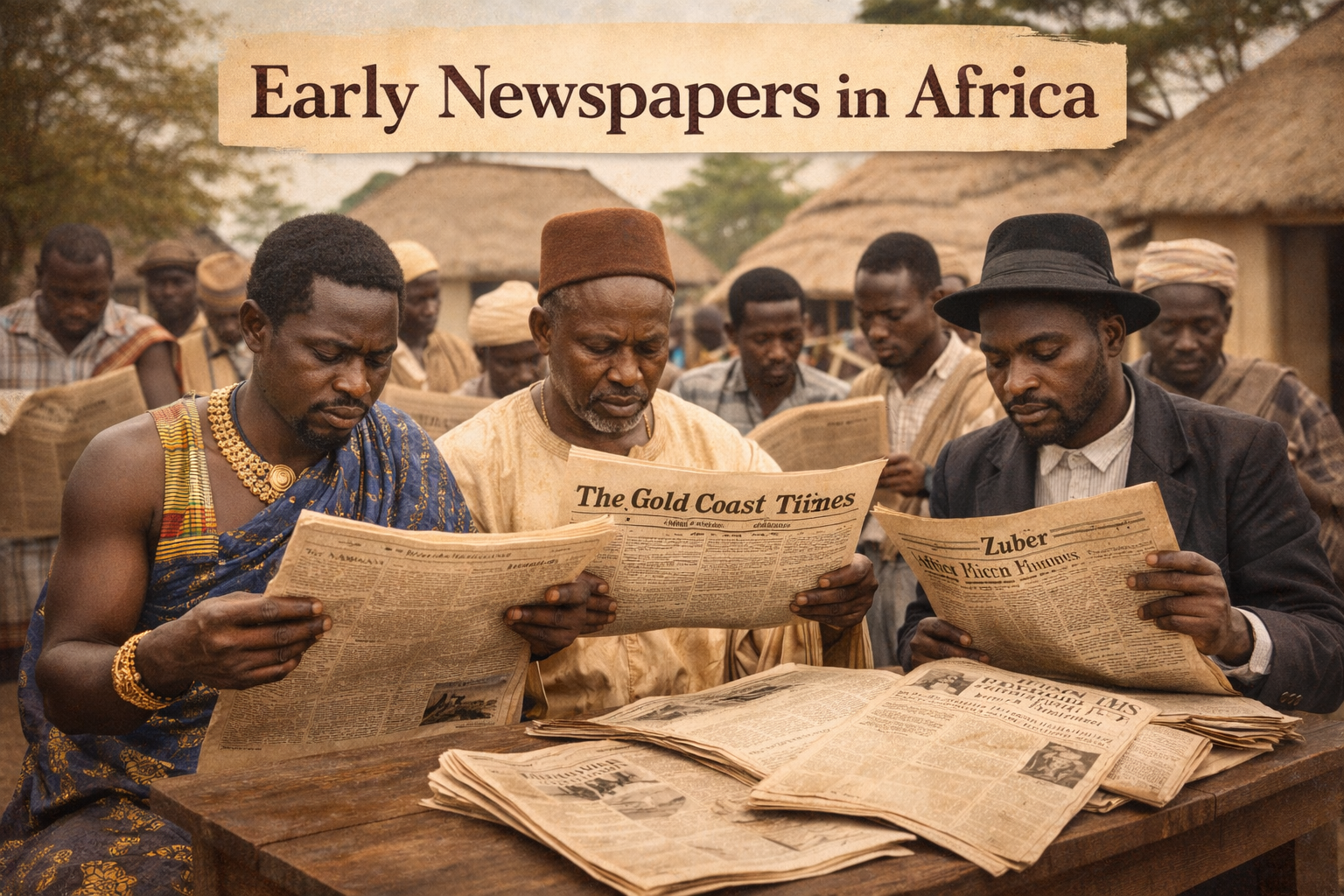
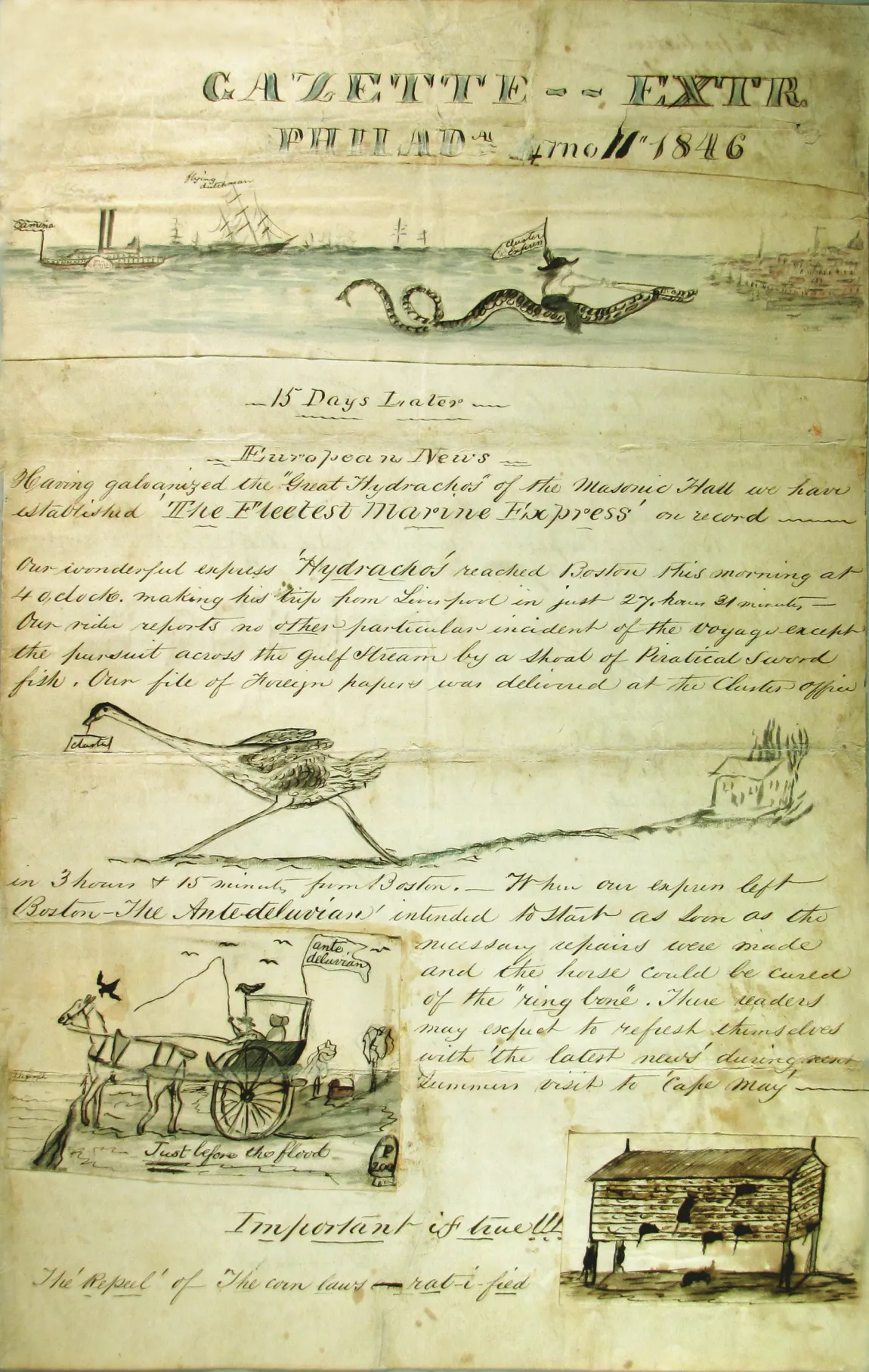
The first English newspaper on the continent of Africa was published in Cape Town in 1800. The following year in Sierra Leone, The Royal Gazette and Sierra Leone Advertiser were published in Freetown. Both were European undertakings concerned with matters of government. In 1826, Charles Force, an Am

Royal Gold Coast Gazette & Commercial Intelligencer 📰 Newspaper: Royal Gold Coast Gazette📍 Location: Cape Coast In 1822, the British colonial administration introduced the Royal Gold Coast Gazette & Commercial Intelligencer, marking the birth of journalism in the Gold Coast. The handwritten paper

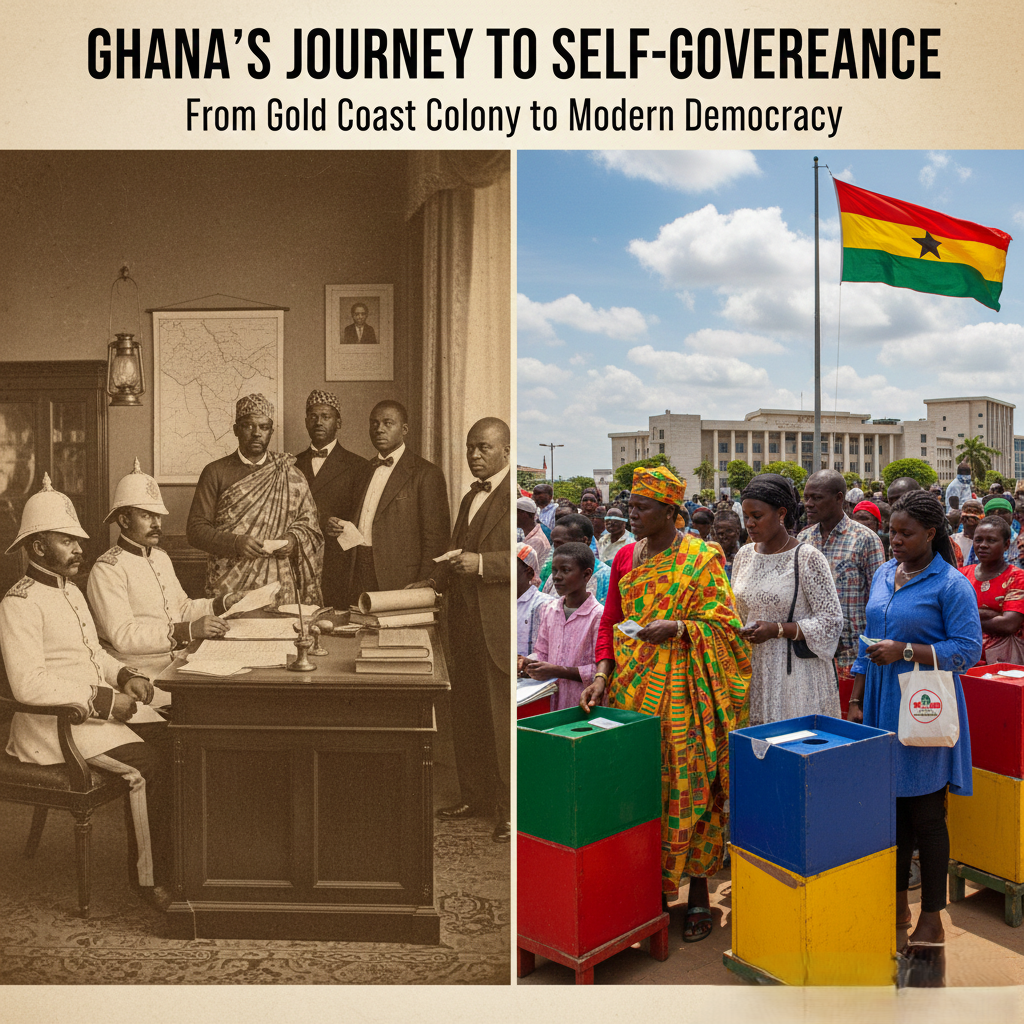
If there is one idea that has mattered more to Ghana than any other from the Gold Coast era to the present, it is the struggle for self-governance and accountable leadership. From colonial domination to modern democracy, Ghana’s history has been shaped by a single, powerful question: Who governs us,

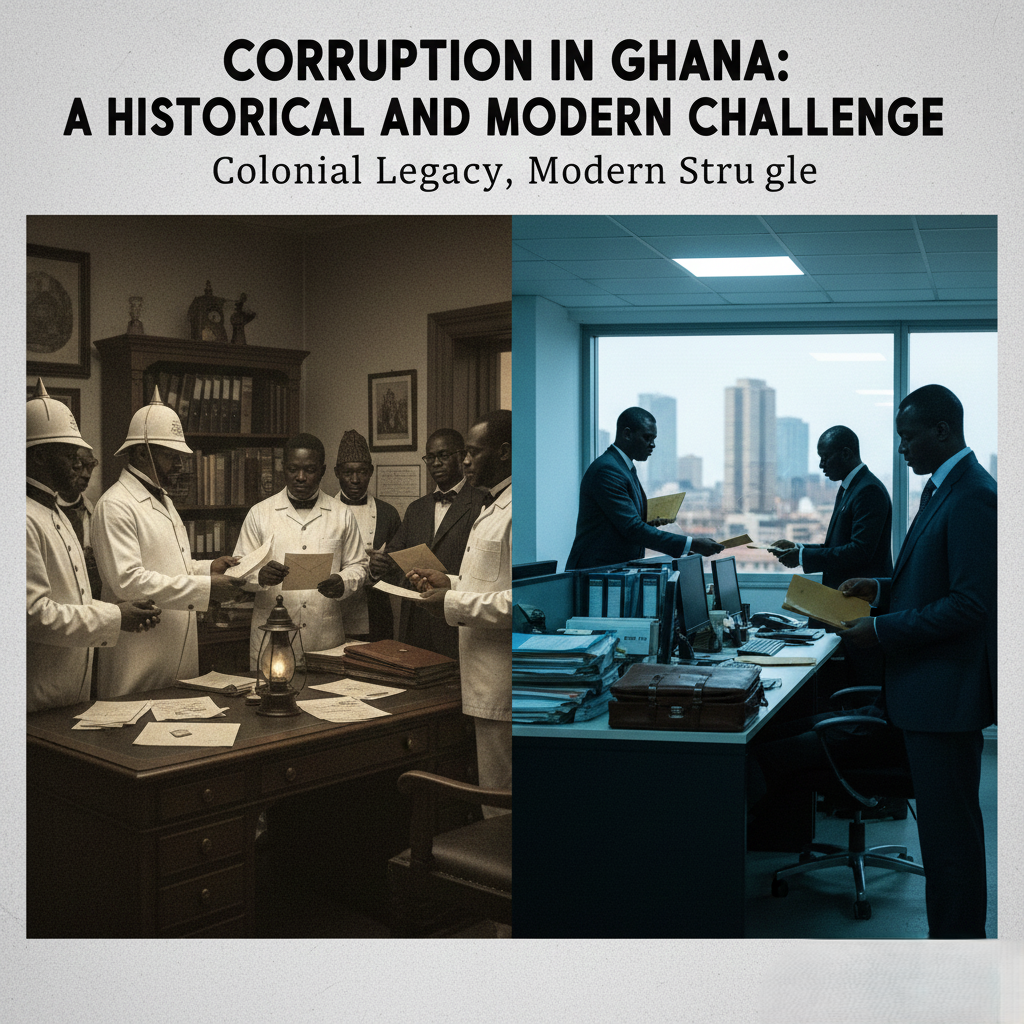
Corruption remains one of the most enduring social challenges confronting Ghana. Its roots stretch back to the colonial Gold Coast era (1821–1957) and continue to influence governance, public trust, and national development today. Understanding this long history is essential to appreciating why corr

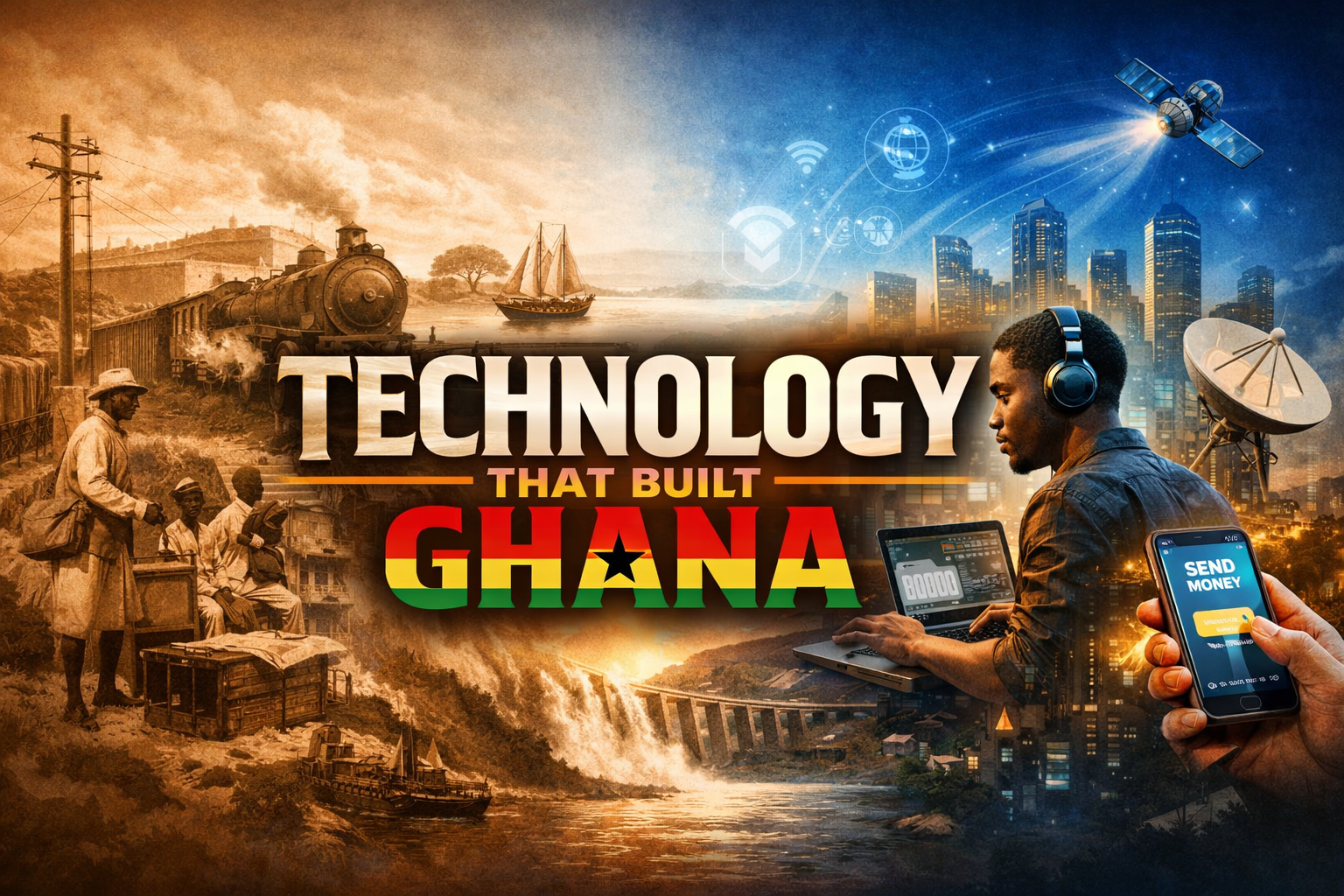
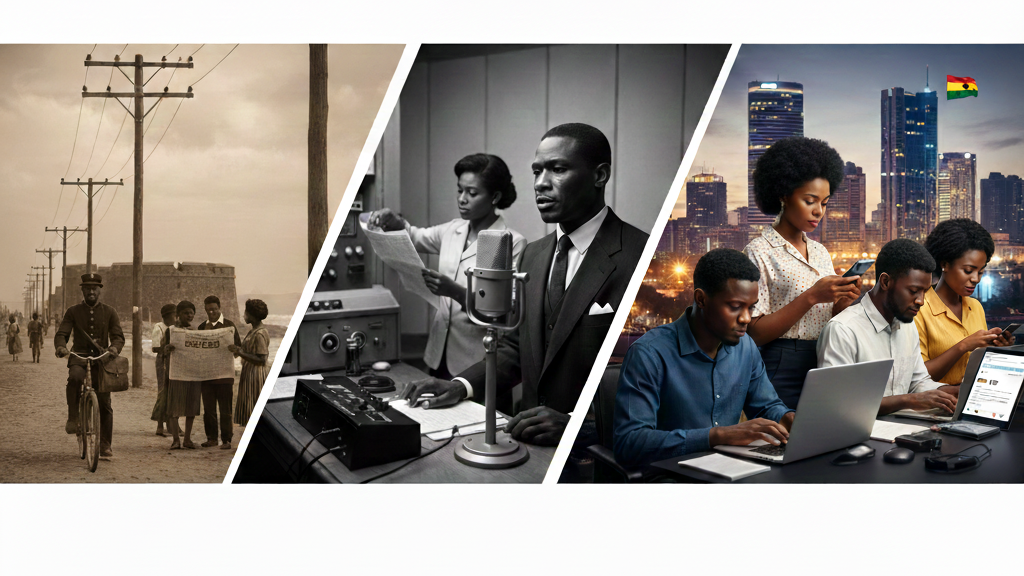
Few technological developments have reshaped Ghana as profoundly as the Advancement of communication technology. From the first telegraph lines laid by colonial authorities to today’s smartphones and internet-driven economy, communication has changed how Ghanaians trade, govern, organize, and connec

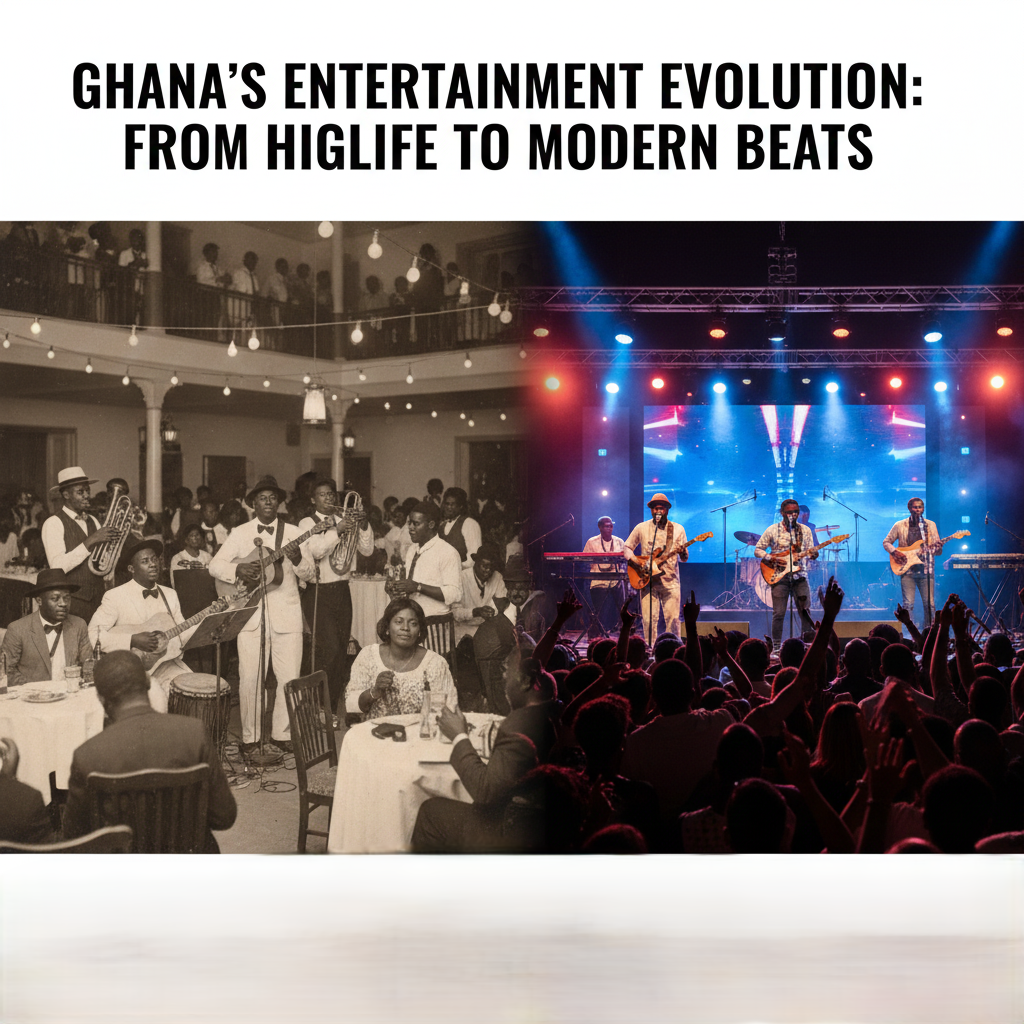
Long before Ghana had a film industry or digital streaming platforms, music was the country’s most powerful form of entertainment—and Highlife became its loudest voice. From colonial ballrooms to roadside bars and global stages, Highlife music has shaped Ghana’s cultural identity for more than a cen

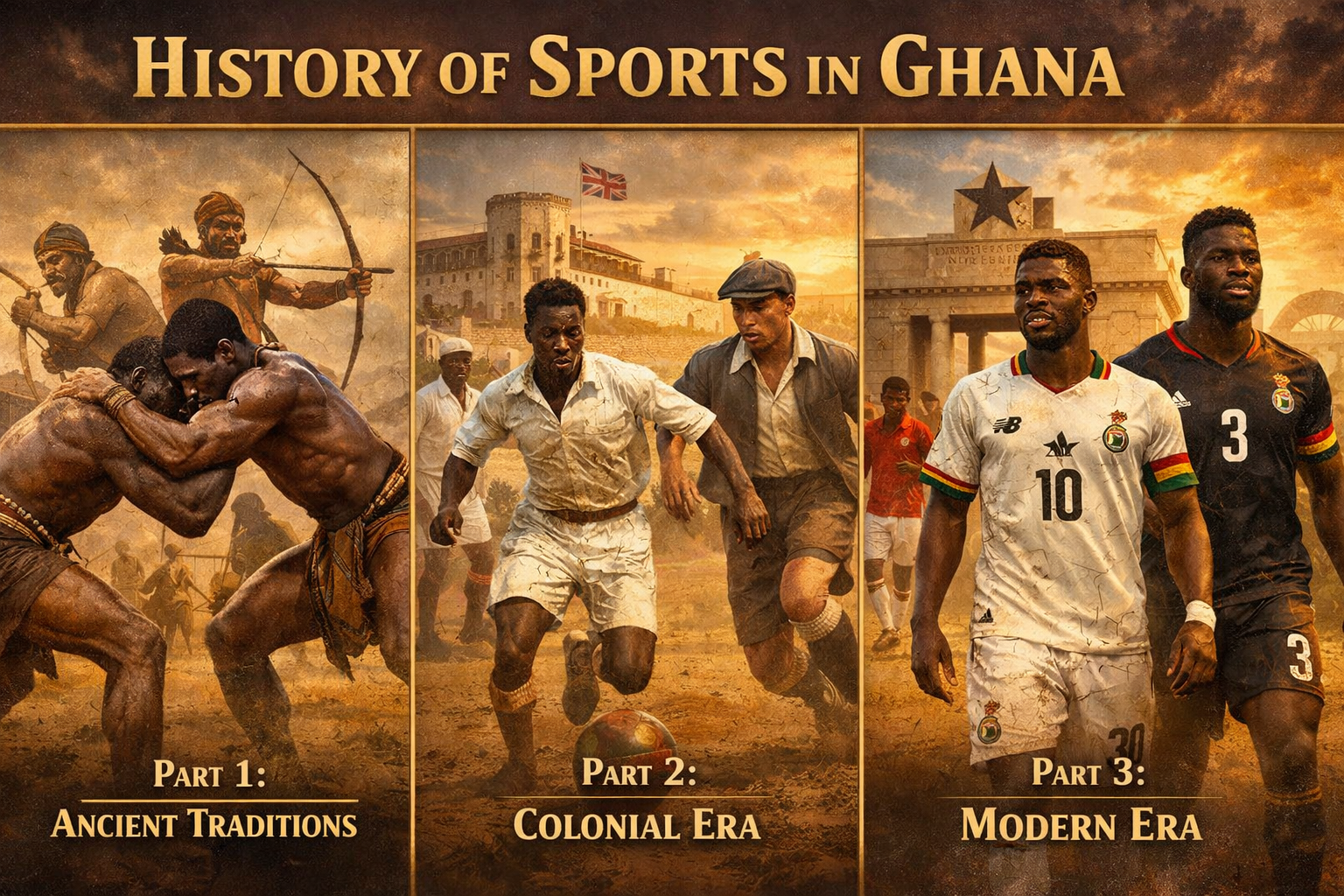
Introduction: Sport as a Mirror of Ghana’s History Long before Ghana was known by its modern name, sport and physical competition were already embedded in the social, political, and spiritual life of its people. From the ancient kingdoms of the Gold Coast to independence in 1957 and into the modern

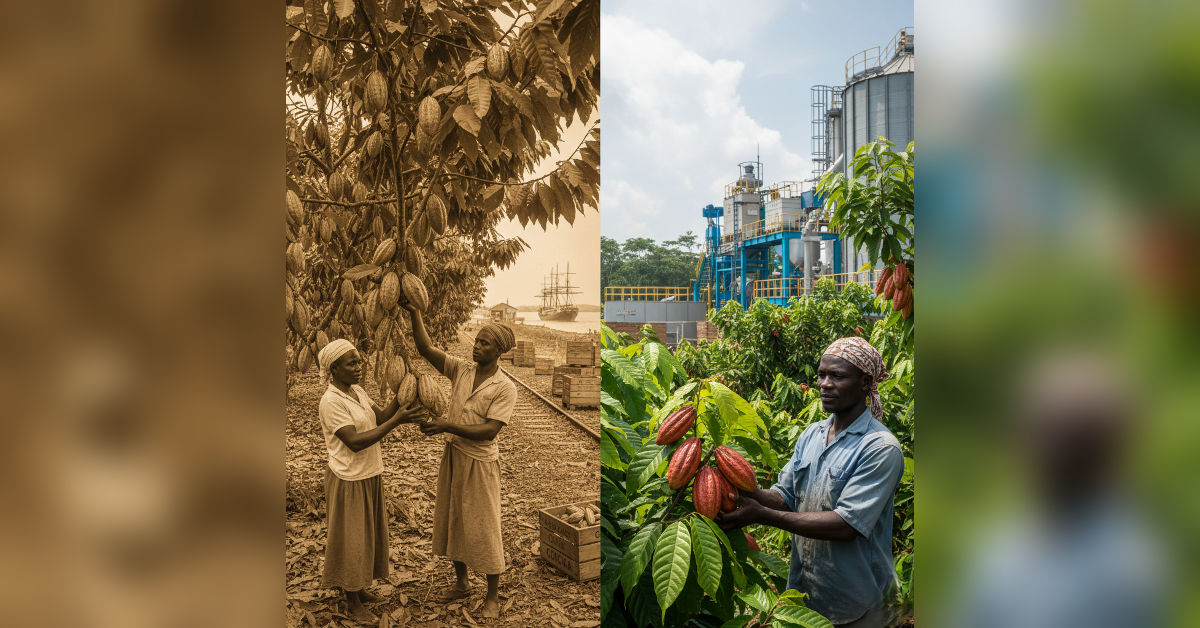
Few business stories have shaped Ghana as deeply and enduringly as cocoa. From a small agricultural experiment in the late 19th century to becoming the backbone of the national economy, cocoa transformed the Gold Coast into one of the world’s most important producers and laid the foundation for mode

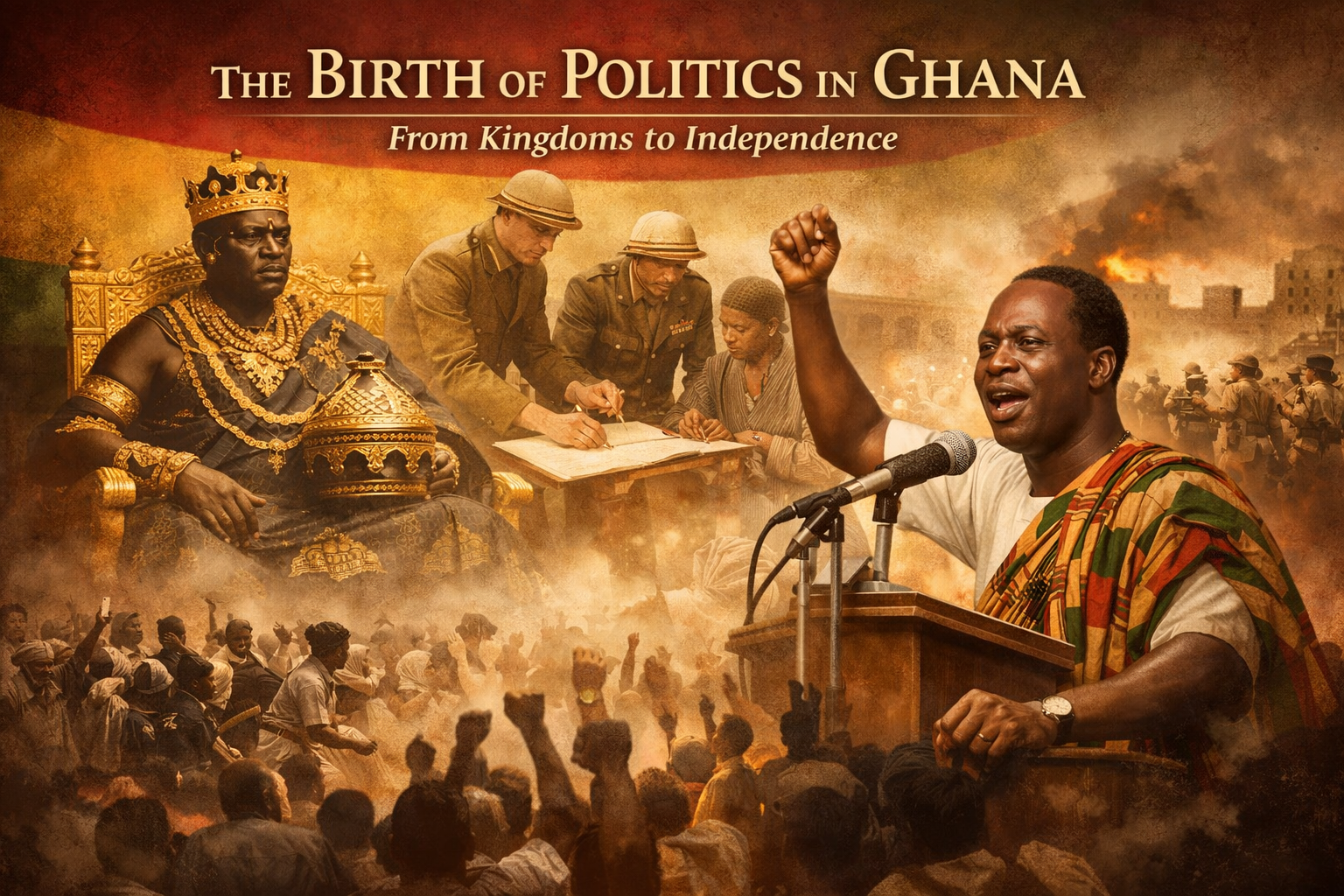
Politics Before the State Called Ghana Long before the name Ghana was adopted in 1957, the land and peoples of the Gold Coast had already developed sophisticated political systems. Politics in Ghana did not begin with Europeans or colonial rule; it evolved from indigenous governance structures, cust