Monday, September 21, 2026Newsroom Login
Breaking
How Many Children Did He or She Leave Behind? When Voluntary Childlessness Is Not an OptionThe Hidden Scars of Teasing and Bullying in Ghanaian SchoolsGive Black Dolls to Black African GirlsIs Sasabonsam Real? The Fearsome Forest Monster of Akan FolkloreThe Enduring Power of Proverbs Among the Akans"Yebisa Wo Fie, Na Yemmisa Sika": The Cultural Importance of House Ownership in GhanaDoes the Devil Cause People to Commit Crimes?Conjugal Visitation in Ghanaian Prisons? Why It is Not a National PriorityFrom Dawuro to WhatsApp: The Evolution of Public Communication in Akan SocietyThe "ISMS" That Hurt: Interpersonal "ISMS" That Harm Human BeingsBadudwan: The Akan Ceremony That Honors Women for Prolific ChildbearingFrom a Small Ghanaian Town to Business Success in America: The Inspiring Journey of MaadwoaThe Eskimo Who Came to Ghana: Fact, Folklore, or Legend?Why Is the Star on Ghana's Flag Black?Victimology: The Study of Crime VictimsMensah Adinkrah: A Preeminent Kwahu Scholar of Global DistinctionAfrica 101: Facts Everyone Should Know about AfricaHow Many Children Did He or She Leave Behind? When Voluntary Childlessness Is Not an OptionThe Hidden Scars of Teasing and Bullying in Ghanaian SchoolsGive Black Dolls to Black African GirlsIs Sasabonsam Real? The Fearsome Forest Monster of Akan FolkloreThe Enduring Power of Proverbs Among the Akans"Yebisa Wo Fie, Na Yemmisa Sika": The Cultural Importance of House Ownership in GhanaDoes the Devil Cause People to Commit Crimes?Conjugal Visitation in Ghanaian Prisons? Why It is Not a National PriorityFrom Dawuro to WhatsApp: The Evolution of Public Communication in Akan SocietyThe "ISMS" That Hurt: Interpersonal "ISMS" That Harm Human BeingsBadudwan: The Akan Ceremony That Honors Women for Prolific ChildbearingFrom a Small Ghanaian Town to Business Success in America: The Inspiring Journey of MaadwoaThe Eskimo Who Came to Ghana: Fact, Folklore, or Legend?Why Is the Star on Ghana's Flag Black?Victimology: The Study of Crime VictimsMensah Adinkrah: A Preeminent Kwahu Scholar of Global DistinctionAfrica 101: Facts Everyone Should Know about Africa

Search

30 results for mourning rites

Functions of Funerals in Akan Society of Ghana
EntertainmentJan 2, 2026

Functions of Funerals in Akan Society of Ghana

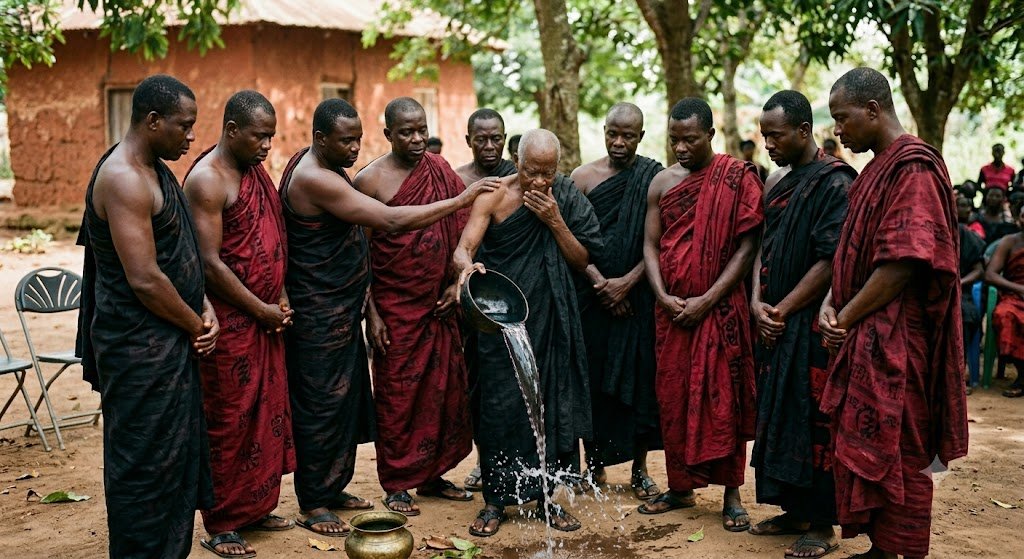
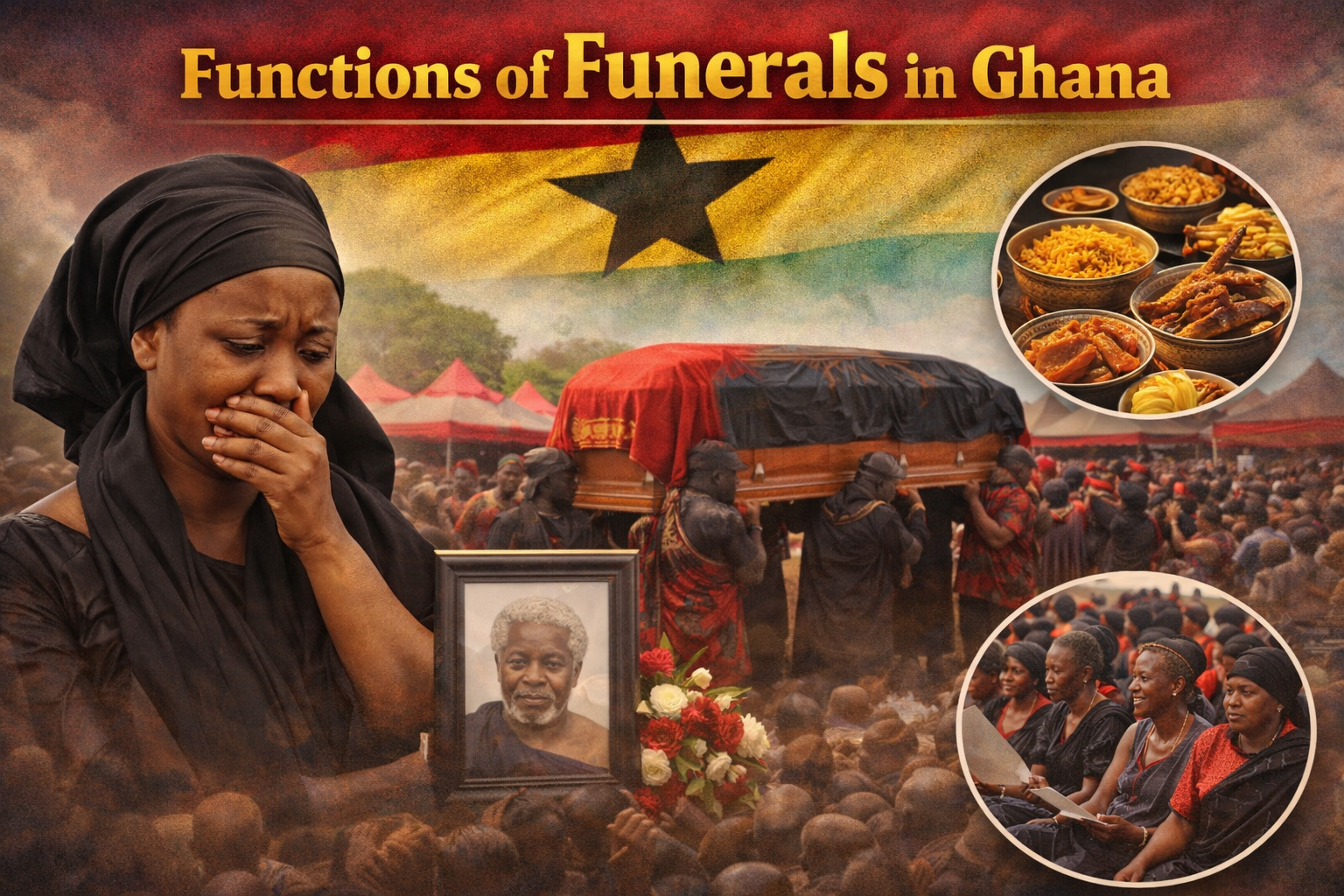
Among the Akan people of southern Ghana, funerals are more than ceremonies—they are profound cultural, spiritual, and social events that reflect the community’s understanding of life, death, and the afterlife. Central to Akan beliefs is the conviction that life continues after death. While the body

Posthumous Treatment of Accused Witches in Ghana
EntertainmentDec 30, 2025

Posthumous Treatment of Accused Witches in Ghana

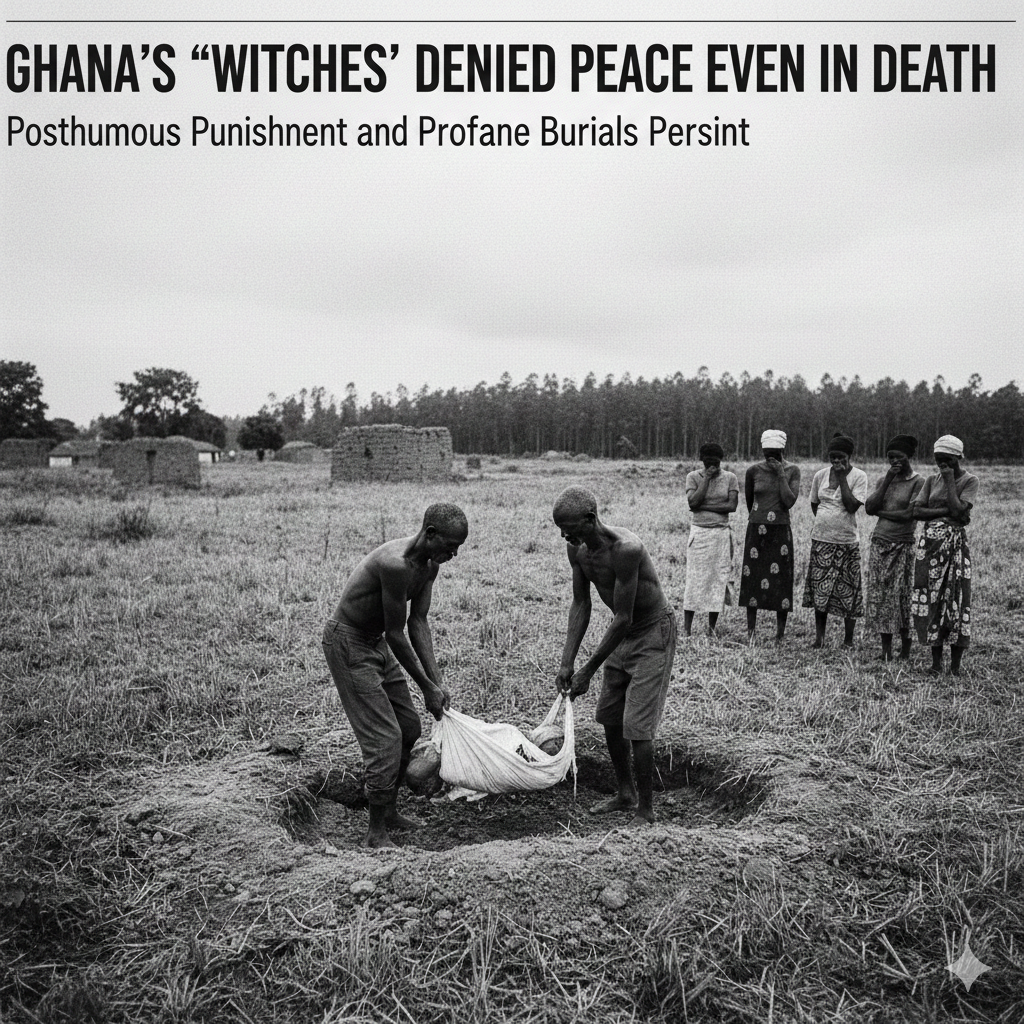
In many Ghanaian communities, accusations of witchcraft generate intense moral outrage and social hostility. Persons believed to be malevolent witches are frequently subjected to verbal abuse, physical assault, forced displacement, and, in extreme cases, extrajudicial killing (Adinkrah, 2004, 2015).

World Cup 26-Ghana vs England: What the optics don't tell you
SportsJun 23, 2026

World Cup 26-Ghana vs England: What the optics don't tell you

The pundits have given their verdict, but well-seasoned by experience and standing beyond the critics, naysayers, and doubters, the Ghanaian heart remains anchored in a truth storied over decades: the optics are never fatal. We bow to none.

Kwabena Nyamekye Mawuli
The Year of Return 2019: Ghana’s Global Call to the African Diaspora
TechnologyApr 27, 2026

The Year of Return 2019: Ghana’s Global Call to the African Diaspora

In 2019, Ghana made a bold and historic statement to the world. Through an initiative known as the Year of Return 2019, the country invited people of African descent across the globe to reconnect with their roots, history, and identity. This was not just a tourism campaign. It was a deeply symbolic

GH Newspapers Editorial Team
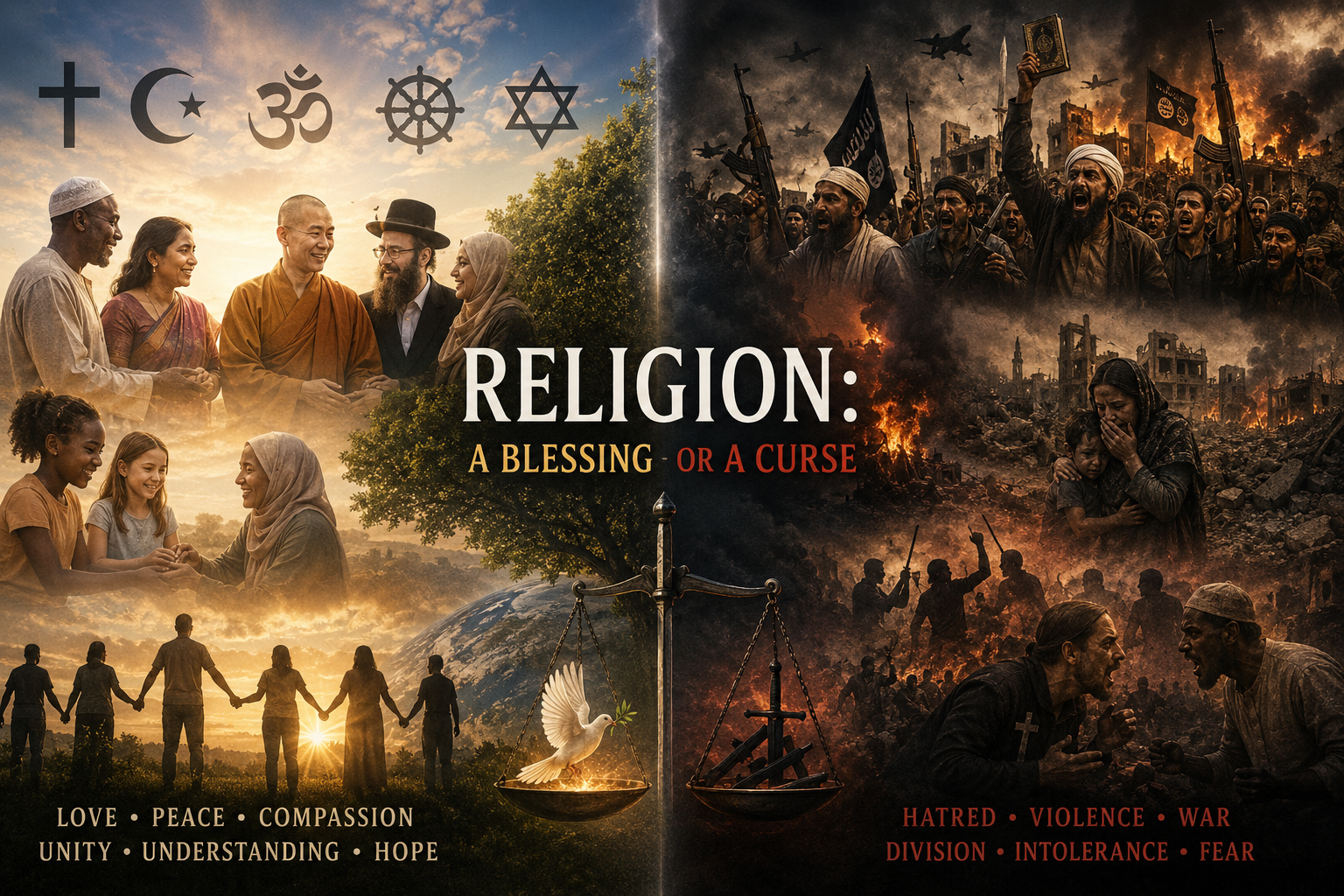
Religion: A Blessing or a Curse, A Boon or a Bane?
WorldApr 26, 2026

Religion: A Blessing or a Curse, A Boon or a Bane?

The world today is full of religions. By merely casting a cursory glance around us, we encounter Christians and Christianity, Hindus and Hinduism, Muslims and Islam, atheists, agnostics, traditionalists, Zionists, Jews and Judaism, Confucianists and Confucianism, Shintos and Shintoism. Religion, as

South Africa: 2010, Ghana leads Africa Once More
WorldApr 22, 2026

South Africa: 2010, Ghana leads Africa Once More

History is rarely linear. It moves in cycles—of rise, dispersal, memory, and resurgence. In July 2010, under the floodlights of Soccer City in Johannesburg, a moment unfolded that seemed to collapse centuries into ninety minutes (and then one hundred and twenty). Ghana’s Black Stars stood on the bri

KWABENA NYAMEKYE MAWULI
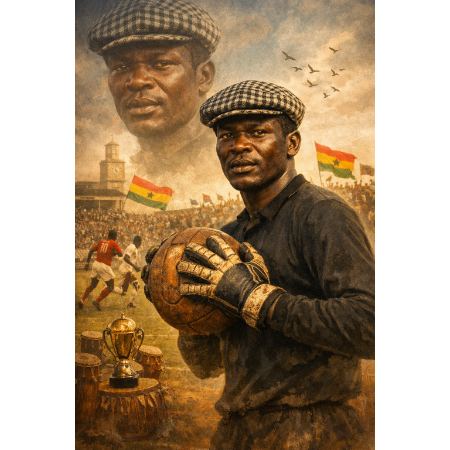
Robert Mensah: a football story and tragedy
SportsMar 8, 2026

Robert Mensah: a football story and tragedy

Robert Mensah: A Football Story and Tragedy in the Ghanaian Football In the annals of Ghanaian sporting history, few names evoke as much reverence, myth, and sorrow as Robert Mensah. His story is not merely about football; it is a narrative woven into the socio-cultural fabric of late colonial Gold

KWABENA NYAMEKYE MAWULI
Why Akan Chiefs Are Carried in Palanquins
EntertainmentMar 3, 2026

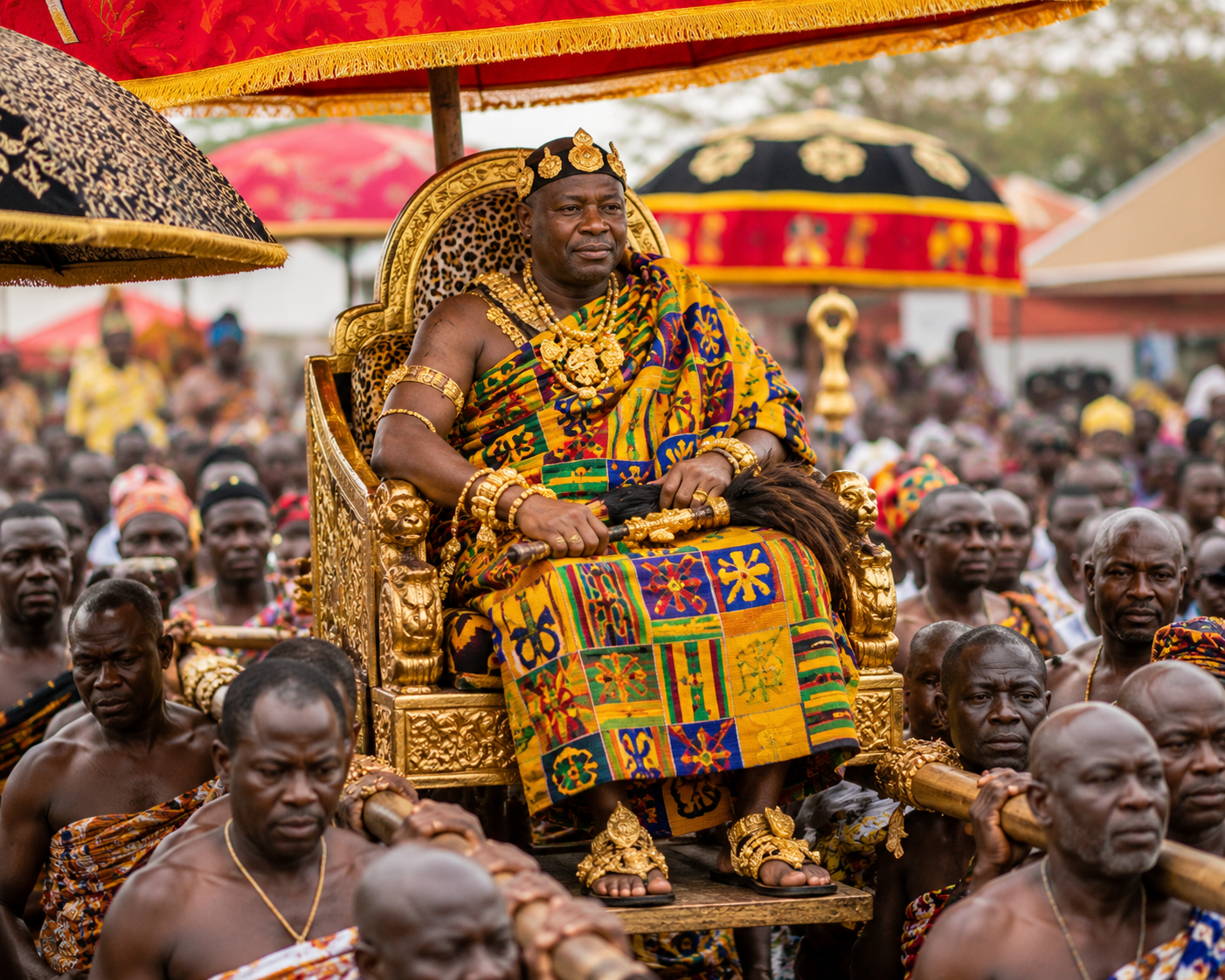
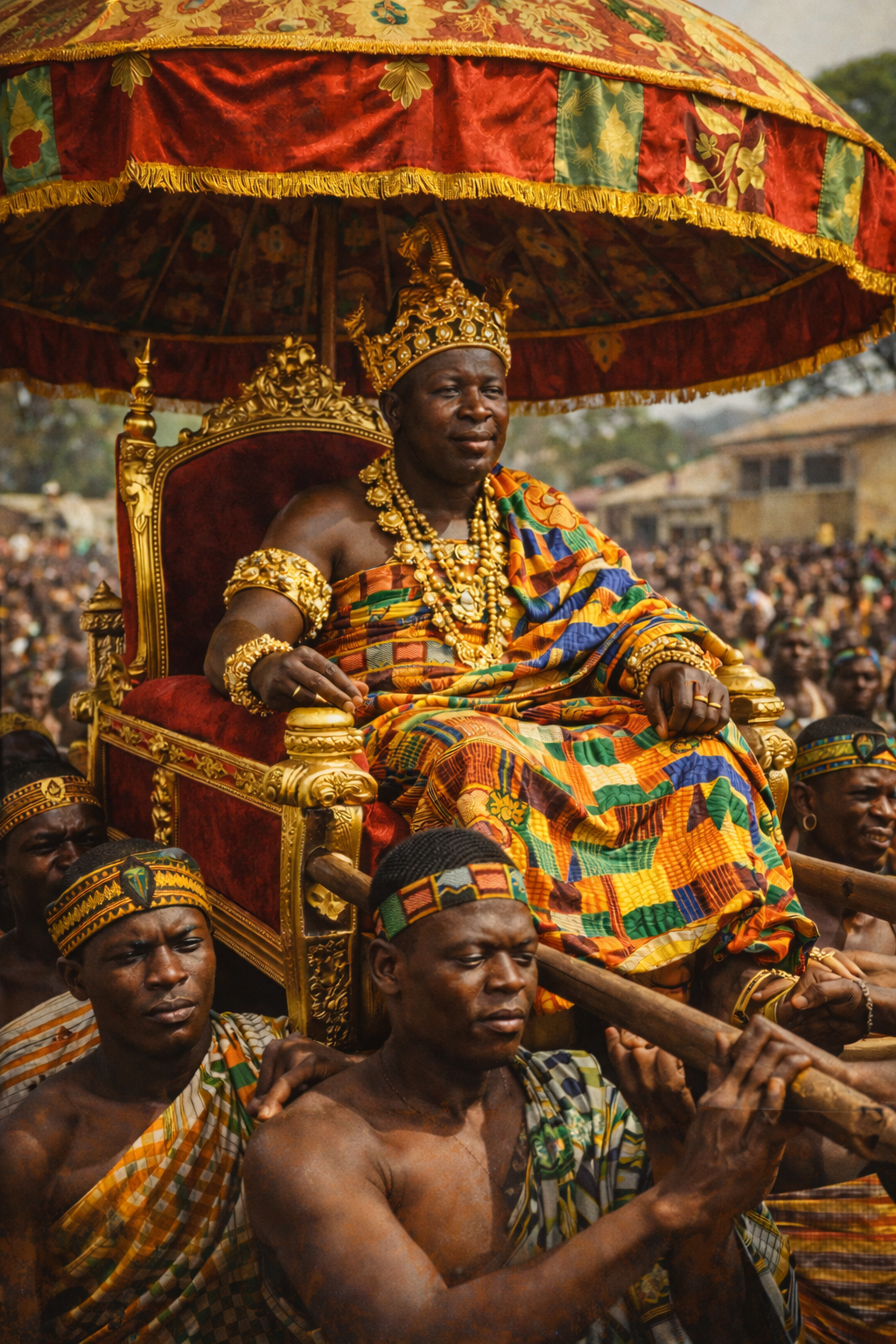
Why Akan Chiefs Are Carried in Palanquins

The Akan of GhanaThe Akan are an ethnic group that live in Ghana. They occupy a broad stretch of territory extending from the coastal areas to the central forest belt of the country. Historically and culturally, the Akan constitute one of the largest ethnolinguistic groups in Ghana and share closely

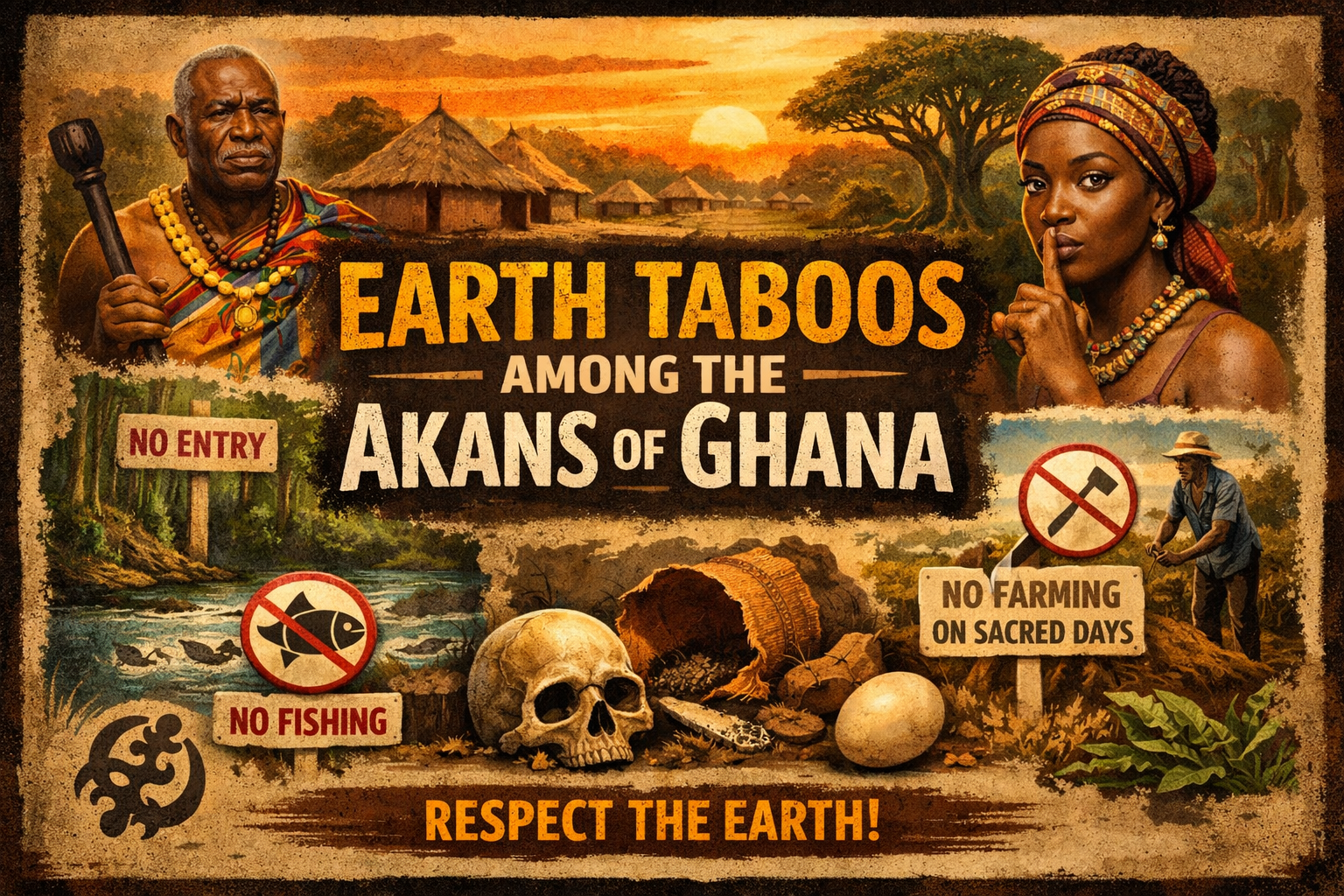
Taboos in Akan Society of Ghana
EntertainmentFeb 11, 2026

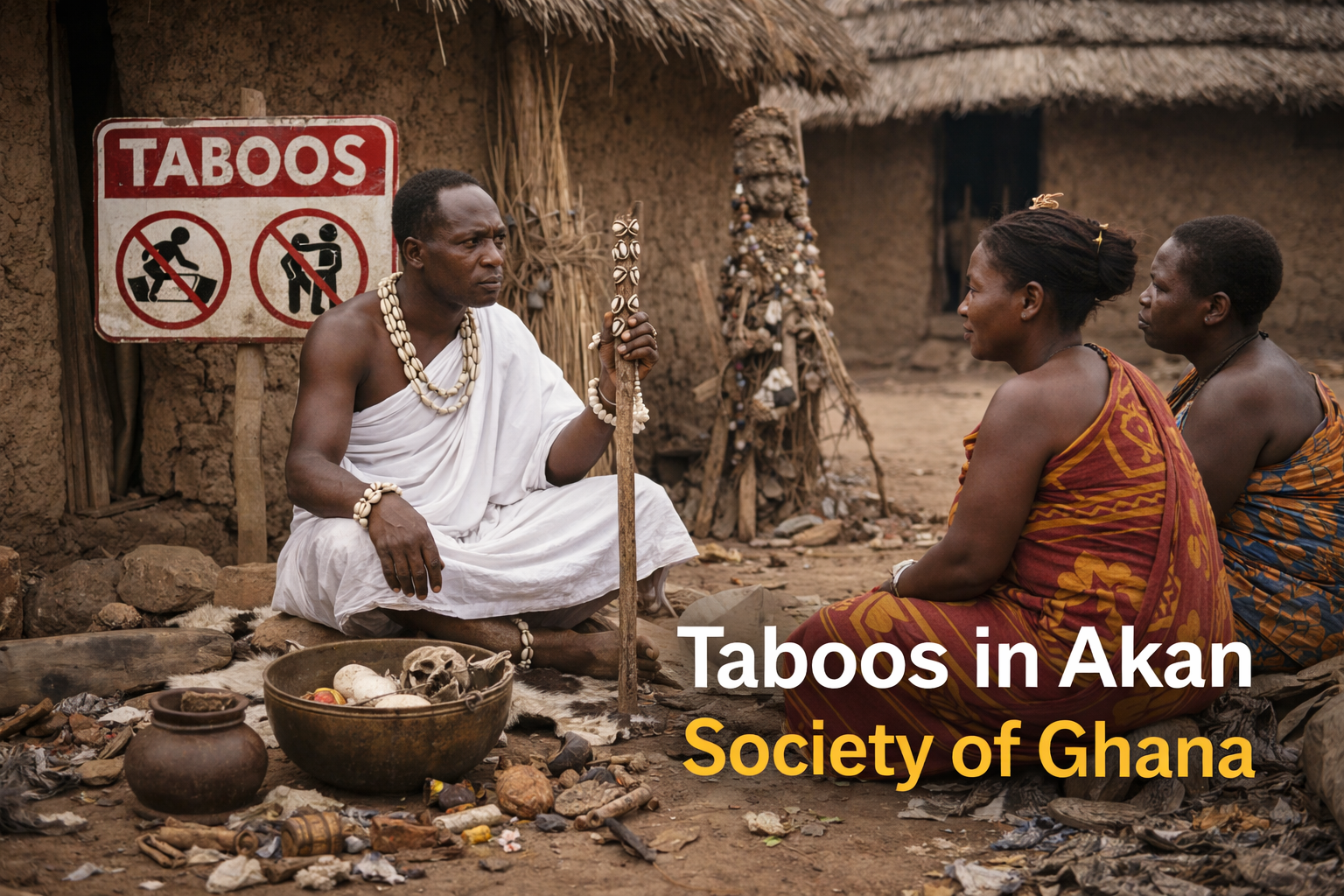
Taboos in Akan Society of Ghana

The Akan constitute one of the major ethnic groups in Ghana, accounting for approximately 46 percent of the national population. They speak Twi, a language that is understood and spoken by nearly 90 percent of the country’s population. The Akan are made up of several subgroups, including the Asante,

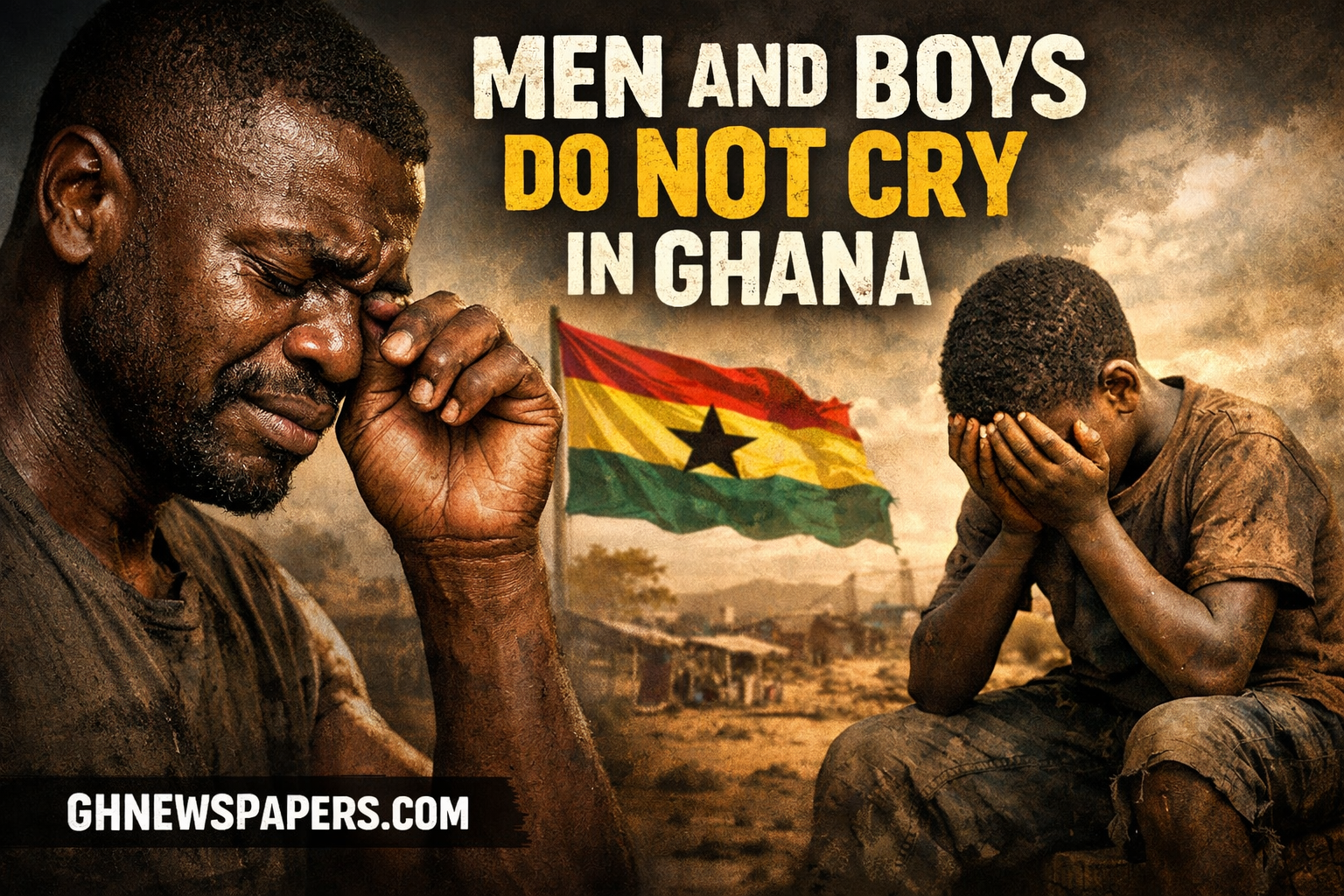
Men and Boys Do Not Cry in Ghana
WorldDec 26, 2025

Men and Boys Do Not Cry in Ghana

In Ghana, boys are socialized from an early age into the belief that boys do not cry. Among the Akan, any attempt by a boy to cry is frequently met with the admonition “gyae, barima nsu”—literally, “stop, boys do not cry.” This injunction reflects a broader cultural script that equates emotional res