The Eskimo Who Came to Ghana: Fact, Folklore, or Legend?
The article explores the veracity of a story told about a foreign visitor who came to Ghana in 1957.
60 results for “independence”

The article explores the veracity of a story told about a foreign visitor who came to Ghana in 1957.

The article explains why the star in Ghana's flag is black, instead of white, silver or golden

What Is Juneteenth? Juneteenth National Independence Day, celebrated annually on June 19, commemorates the end of slavery in the United States. The holiday marks June 19, 1865, when Union troops arri

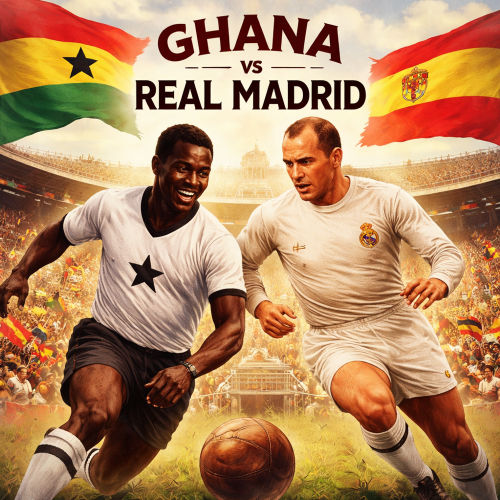
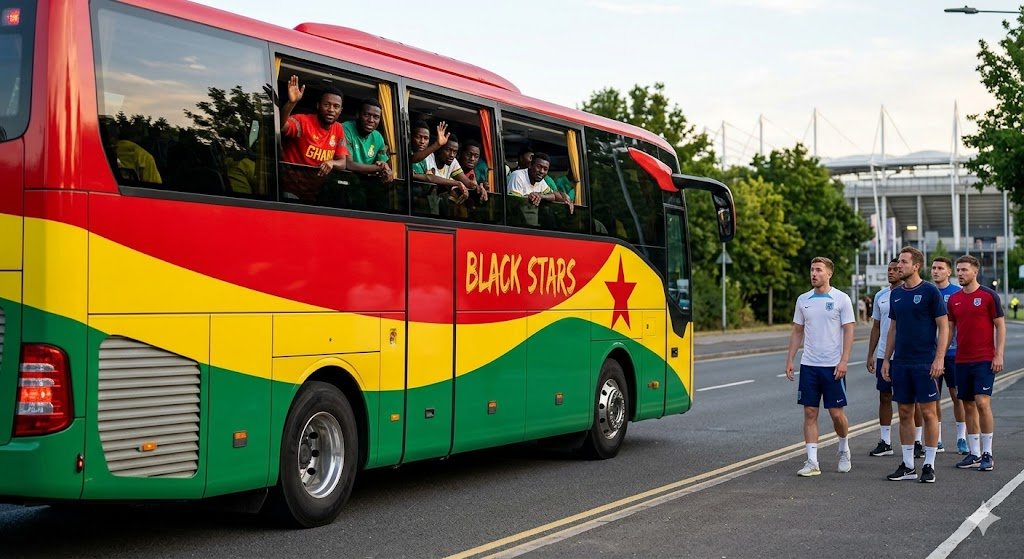
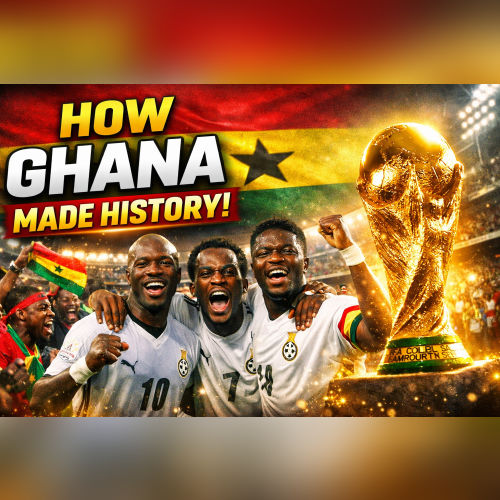
A Lesson in Humility On June 23, 2026, football fans around the world witnessed a result that few pundits predicted. The Ghana Black Stars, representing a nation once colonized by Britain, battled co

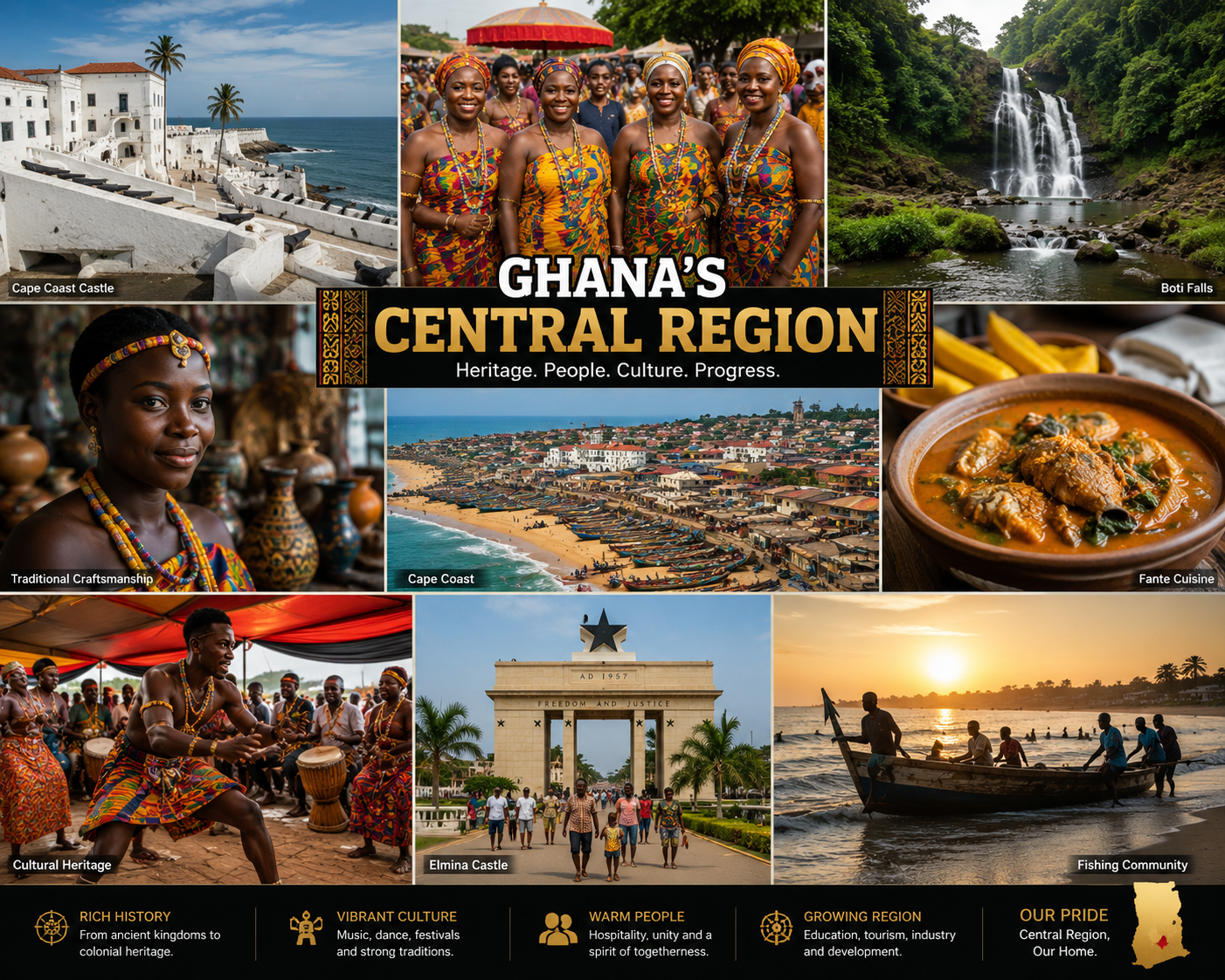
Introduction Among Ghana’s sixteen administrative regions, few possess the historical significance, educational prominence, and cultural richness of the Central Region. Located along Ghana’s southern

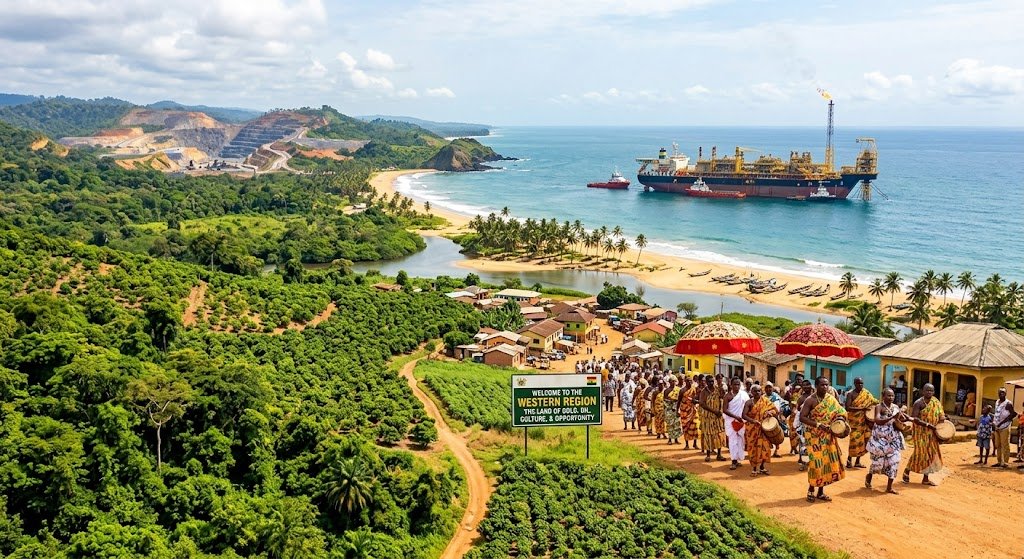
Introduction Among Ghana’s sixteen administrative regions, few can rival the Western Region in terms of natural wealth, cultural diversity, economic importance, and historical significance. Stretchin

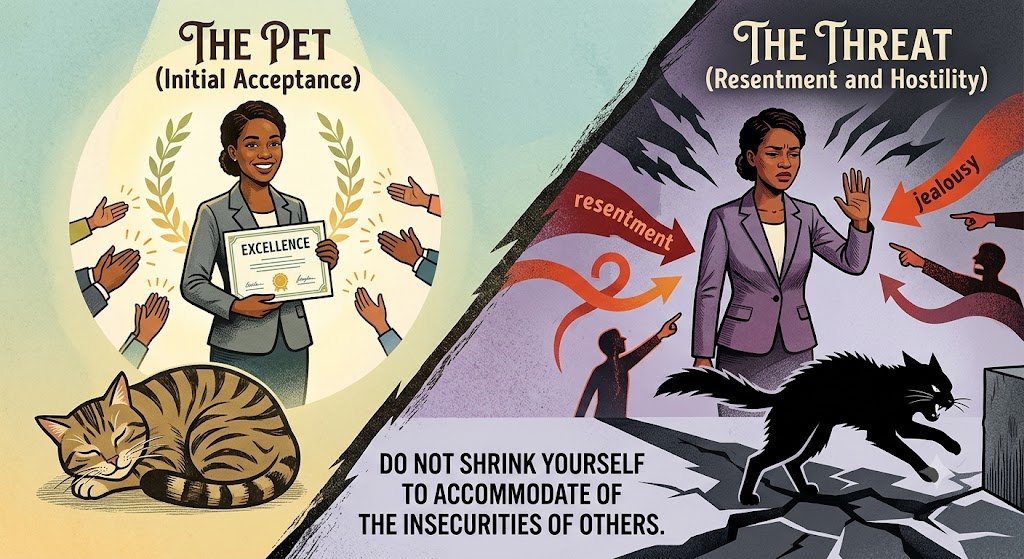
The Pet-to-Threat Phenomenon Many Black people throughout the Diaspora share stories of what has come to be known as the "pet-to-threat" phenomenon. The pattern is remarkably consistent. Initial succ

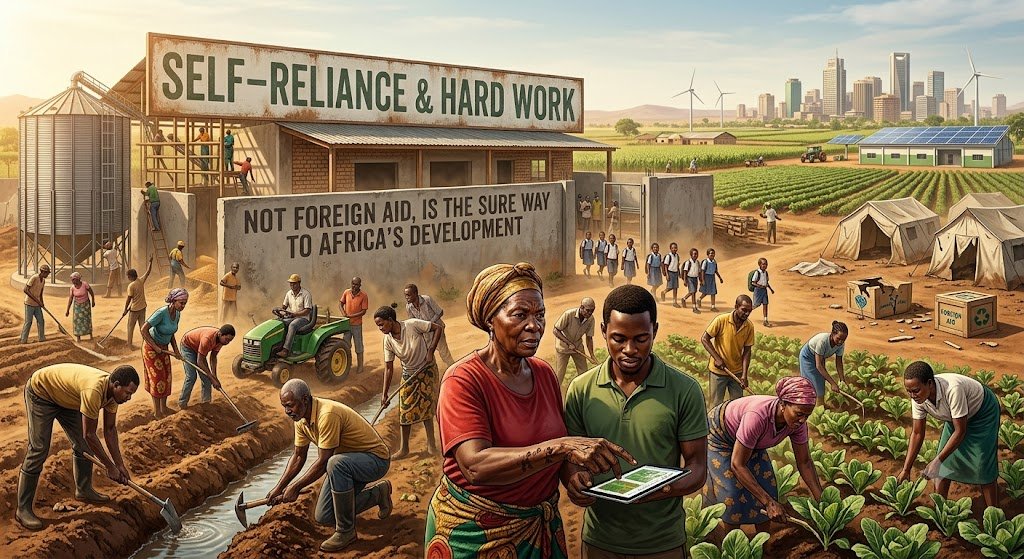
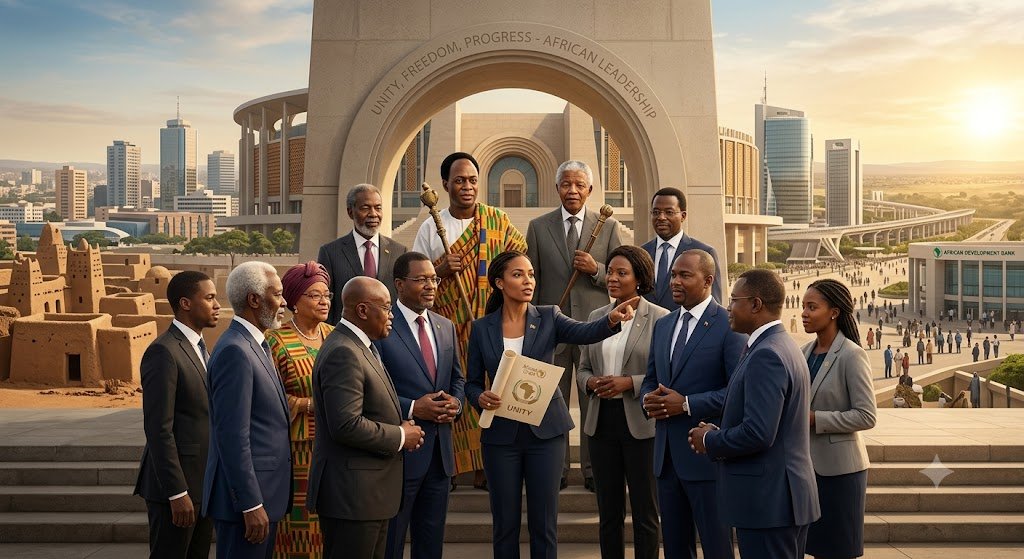
Introduction For decades, African leaders have boarded planes to Europe, North America, Asia, and the Middle East in search of foreign aid. Every year, countless international conferences, donor meet

Introduction The Akan have a wise saying: "If you plant plantain, you will harvest plantain; if you plant cassava, you will harvest cassava; and if you plant pineapples, you will harvest pineapples."

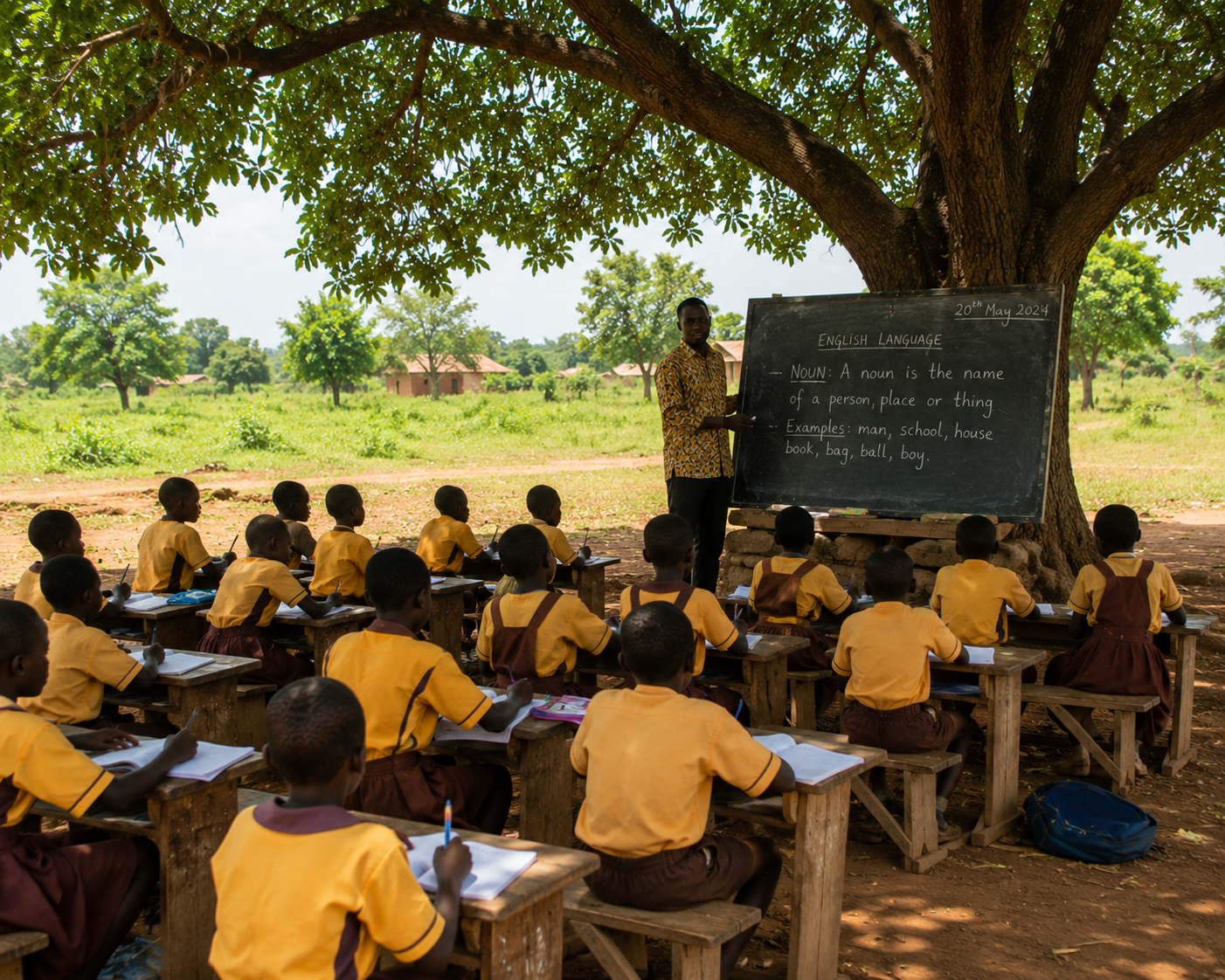
Ghana has made substantial progress in literacy over the past several decades, yet the country has not achieved universal literacy. According to recent UNESCO and World Bank data, approximately 76–81%

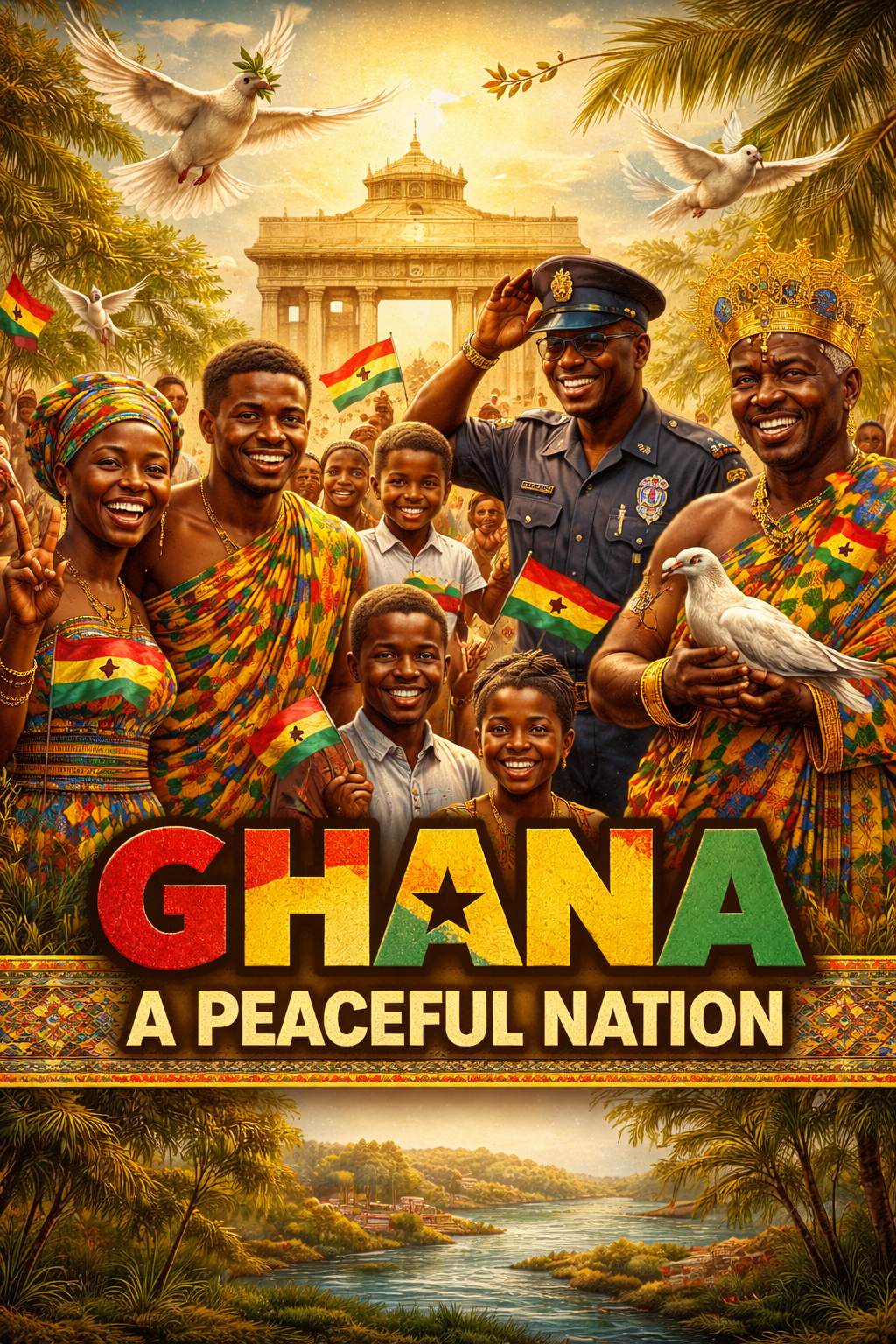
Ghana is often celebrated as one of Africa’s most peaceful and culturally vibrant nations. From the bustling markets of Accra to the fishing communities along the coast, from the savannah settlements

multilingualism, language

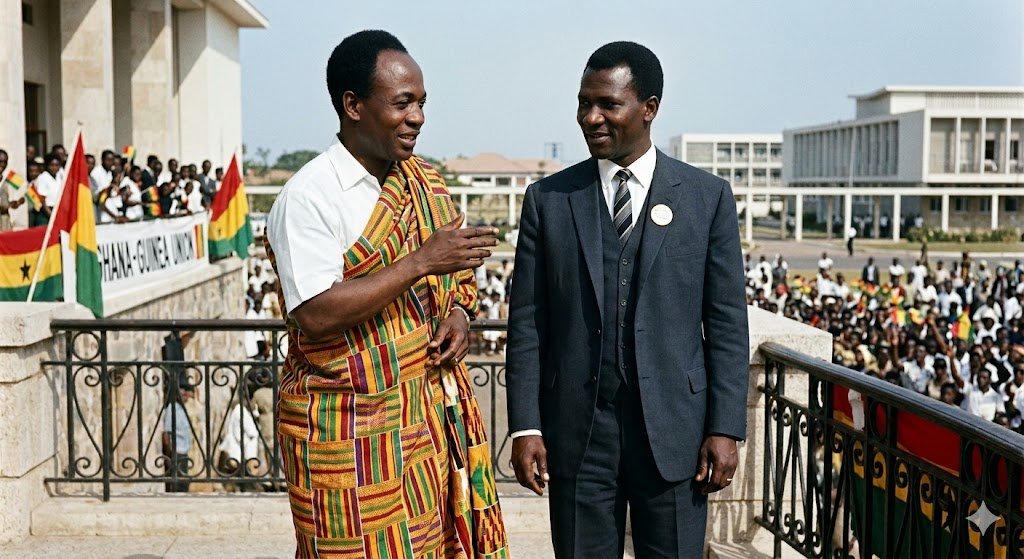
Introduction: When Two Revolutions Met The friendship between Kwame Nkrumah and Ahmed Sékou Touré was not a casual diplomatic acquaintance. It was an ideological alliance forged in the furnace of ant

The Volta Region of Ghana Location and Geography The Volta Region is one of the most culturally rich and geographically diverse regions of Ghana. Located in the eastern part of the country, it share

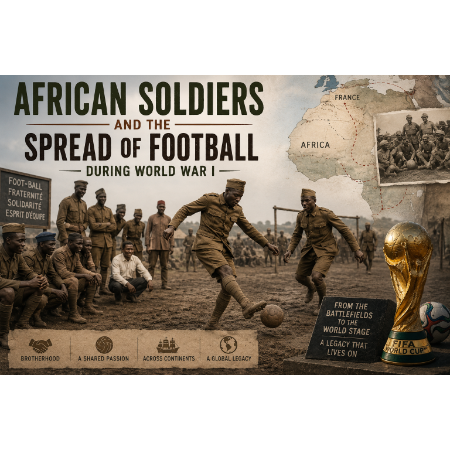
When historians discuss the global spread of football, the story is often told through familiar names and places: English schools, British sailors, South American ports, and European clubs. Yet hidden

A Mother with Sixteen Children to Raise Growing up in Ghana in the 1970s, my mother taught her eight biological children and eight non-biological children the enduring virtues of self-reliance, hard work, and personal dignity. She was a woman of uncommon wisdom who believed that excessive dependence

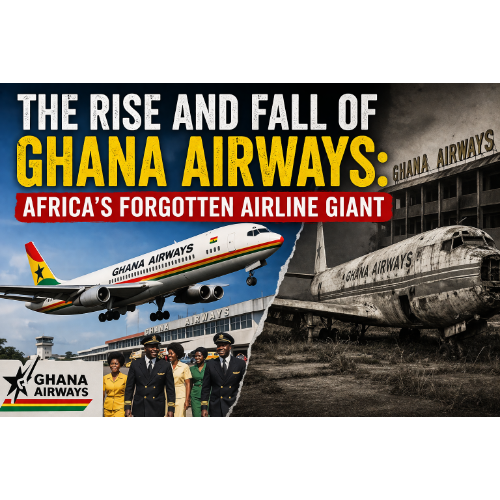
In the years following independence, Ghana set out to build not just a nation, but also a global presence. Among its boldest achievements was the creation of Ghana Airways, once one of Africa’s most respected national carriers. For decades, the airline symbolized ambition, connectivity, and national

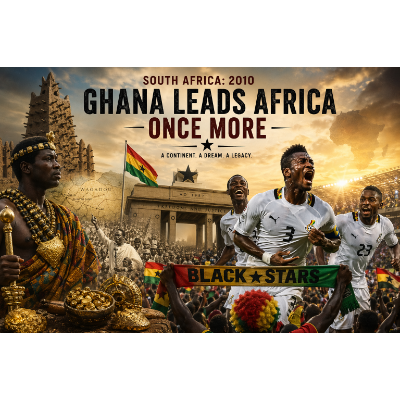
History is rarely linear. It moves in cycles—of rise, dispersal, memory, and resurgence. In July 2010, under the floodlights of Soccer City in Johannesburg, a moment unfolded that seemed to collapse centuries into ninety minutes (and then one hundred and twenty). Ghana’s Black Stars stood on the bri

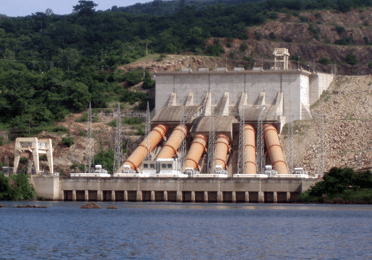
Few infrastructure projects in the history of Ghana have had as profound an impact as the construction of the Akosombo Dam. Built in the early years of Ghana’s independence, the project symbolized the ambitious development vision of the country’s first president, Kwame Nkrumah, who believed that ind

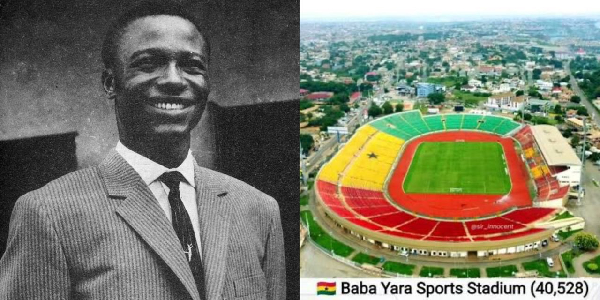
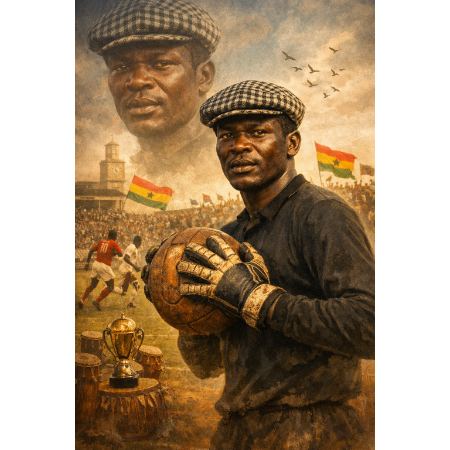
Few names in Ghanaian football command as much reverence as Baba Yara. Gifted, charismatic, and electrifying on the field, Baba Yara remains one of the greatest footballers Ghana has ever produced. Though his career was tragically cut short, his brilliance and influence left an enduring mark on the

A Nation Defined by Peace In a region and continent that have, at various historical moments, been scarred by conflict and instability, Ghana stands out as a compelling example of relative peace. Since gaining independence in 1957, the country has largely avoided the large-scale civil wars that have

Robert Mensah: A Football Story and Tragedy in the Ghanaian Football In the annals of Ghanaian sporting history, few names evoke as much reverence, myth, and sorrow as Robert Mensah. His story is not merely about football; it is a narrative woven into the socio-cultural fabric of late colonial Gold

Few names in African sport command as much reverence as Azumah Nelson. In the annals of global boxing history, Nelson stands not merely as a champion but as an embodiment of discipline, intellect, and tactical brilliance. His nickname—“The Professor”—suggests a fighter whose victories were not only

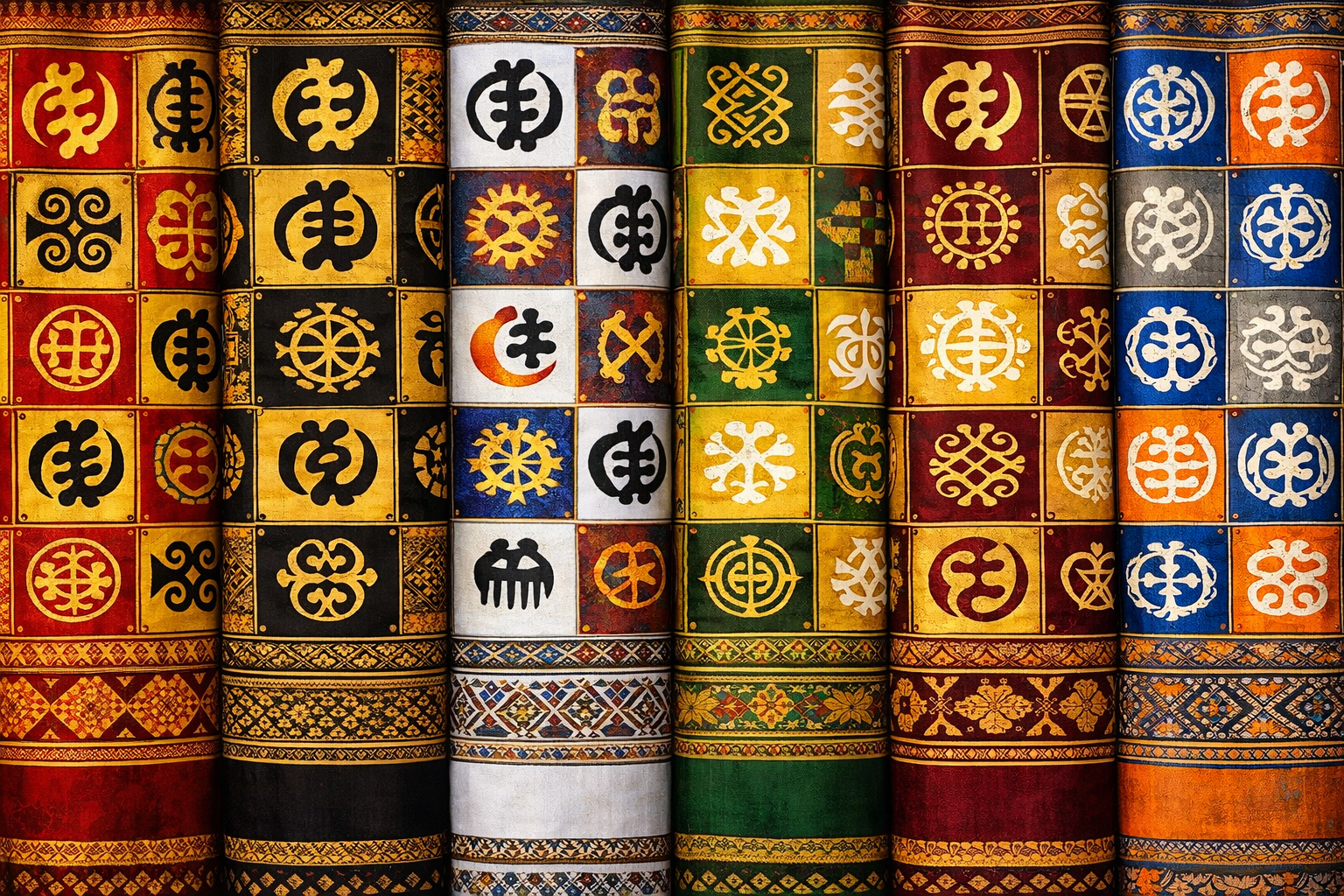
Introduction Adinkra cloth is one of the most important traditional textiles of Ghana and a significant cultural expression among the Akan people, particularly the Asante. Unlike Kente cloth, which is woven, Adinkra cloth is made by stamping symbolic designs onto fabric using special dyes. The cloth
Kente cloth is one of the most famous traditional textiles of West Africa and is strongly associated with Ghana. It is a handwoven cloth made from narrow strips of silk or cotton that are stitched together to form a larger fabric. The cloth is distinguished by its brilliant colors, geometric pattern

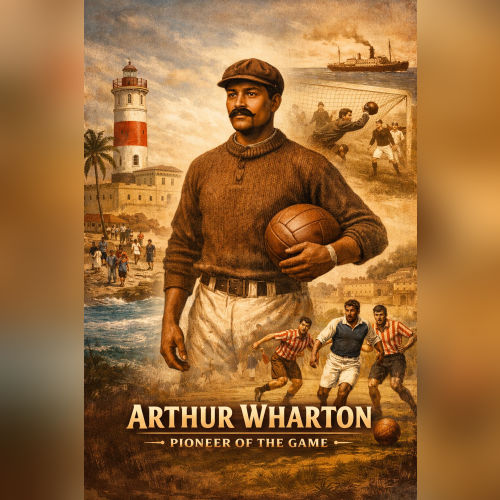
When people discuss the early history of football, the narrative often begins in Britain and gradually expands to the rest of the world. Rarely, however, does the conversation turn toward West Africa—particularly the historic Gold Coast, present-day Ghana. Yet one of the most remarkable pioneers of

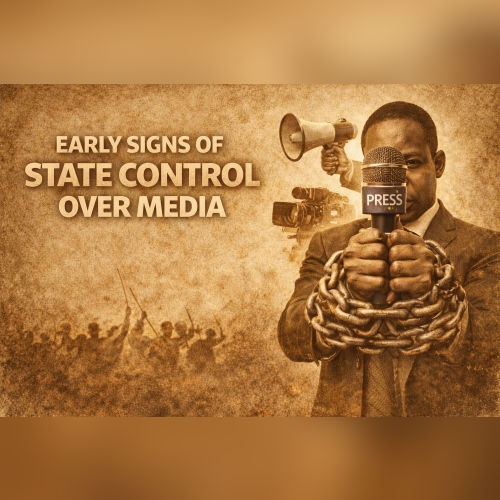
The early years of Ghana’s independence, particularly between 1957 and the mid-1960s, reveal the gradual emergence of state control over the media. While independence initially generated optimism about press freedom, archival newspaper records, government policies, and editorial patterns show that s

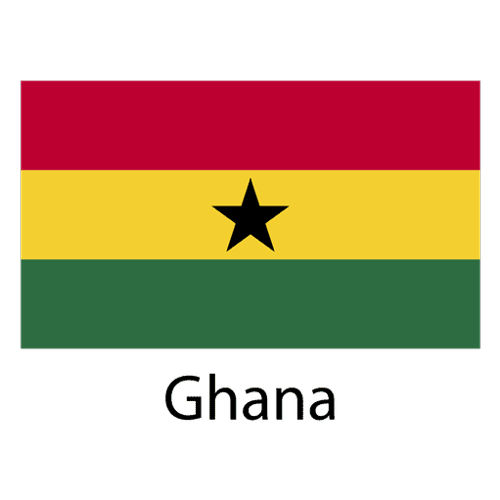
A Historic Emblem of Independence The Ghana national flag is more than a piece of cloth fluttering in the wind; it is a powerful symbol of the country’s history, aspirations, and identity. First officially adopted on March 6, 1957—the same day Ghana became the first African nation to gain independen

Accra Hearts of Oak Sporting Club was formally established on 11 November 1911 in Accra (then part of the British colony called the Gold Coast). Founded by a group of young men, including Christopher Brandford Nettey and Akom Duncan, it was part of the earliest wave of organized football in the regi

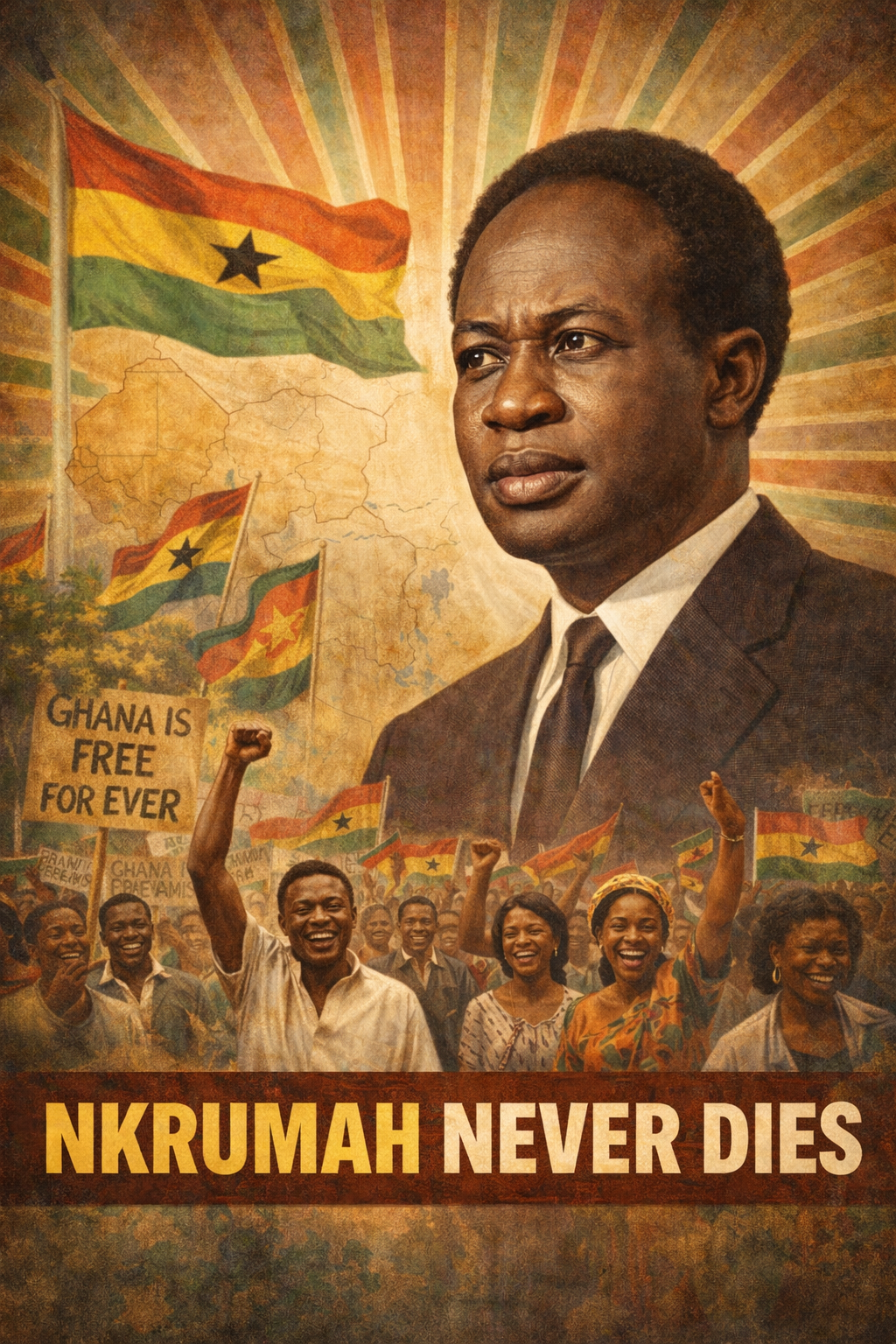
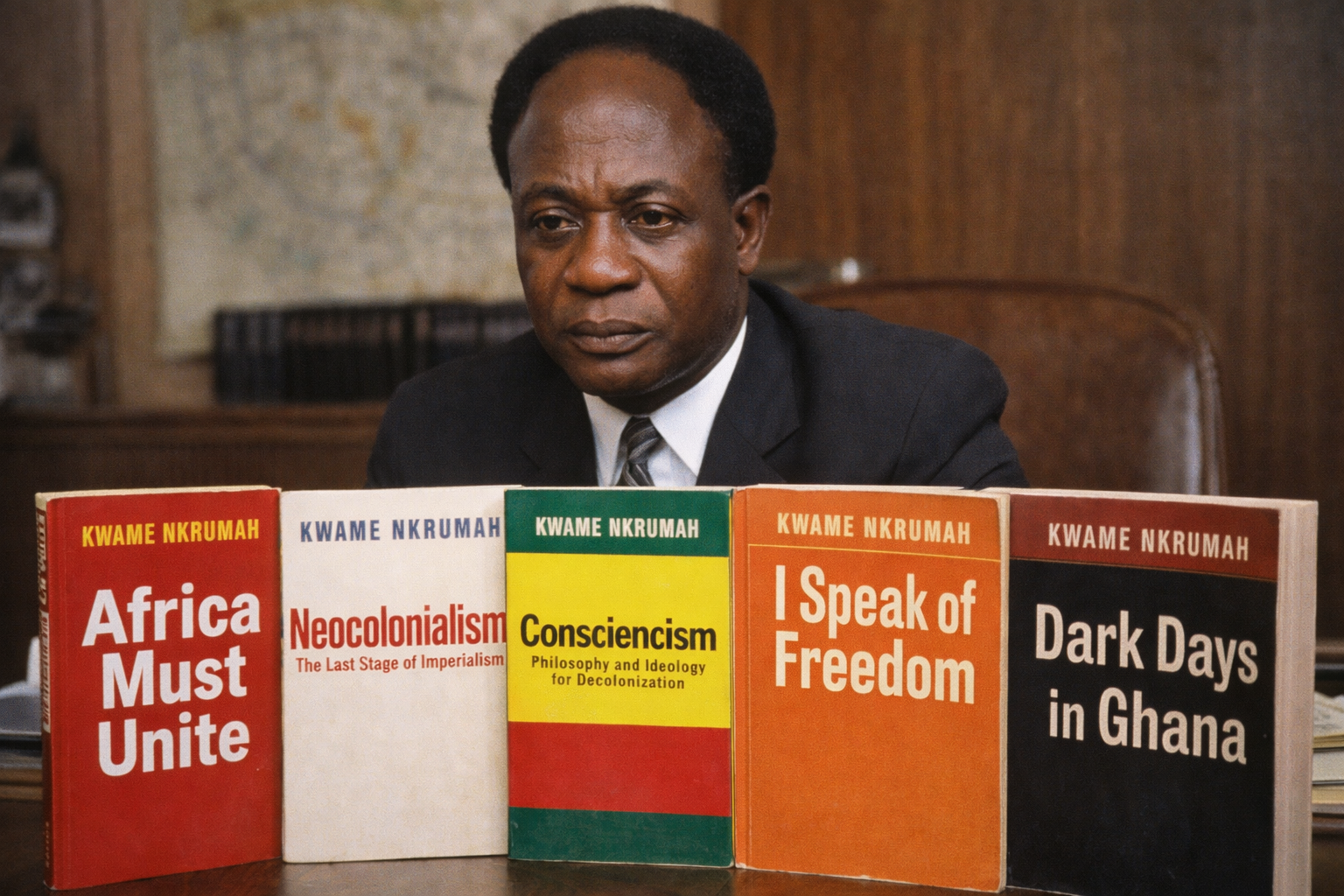
In the history of Ghana, few names command as much reverence and admiration as Kwame Nkrumah. More than half a century after his passing, the memory of the man who led the nation to freedom continues to inspire generations. His words echo in political discourse, his ideas shape national debates, and

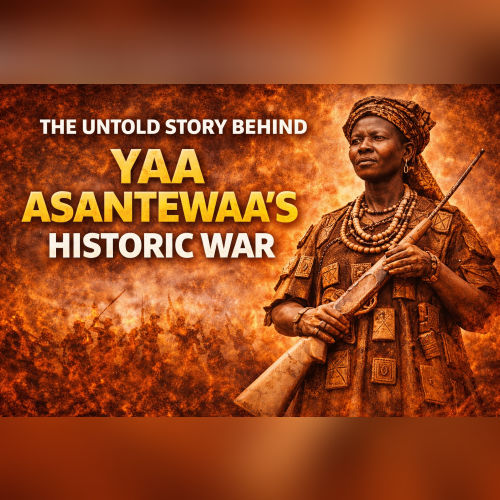
The leadership of Yaa Asantewaa in the 1900 war against British colonial rule remains one of the most extraordinary and symbolically powerful episodes in African resistance history. Her decision to lead the Ashanti (Asante) in armed rebellion was not an accident of circumstance—it emerged from a com

Introduction: Why March Matters Every year, the month of March occupies a sacred place in Ghana’s historical calendar. On 6 March 1957, under the leadership of Kwame Nkrumah, the Gold Coast became Ghana — the first sub-Saharan African nation to gain independence from British colonial rule. March is

When the Gold Coast achieved independence on March 6, 1957, becoming Ghana, the event generated immense public excitement and hope. For millions of Ghanaians, independence was not merely a constitutional change—it represented the promise of economic prosperity, political empowerment, social transfor

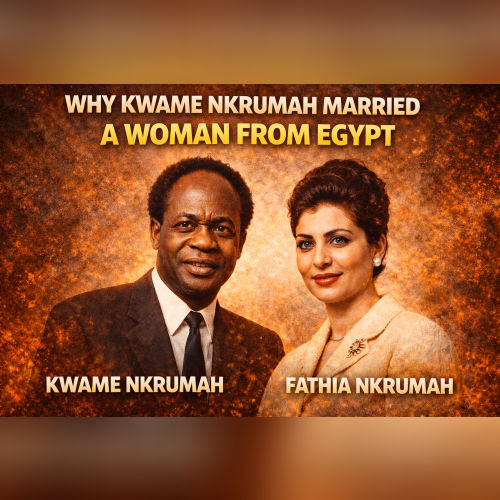
For many years, this question has generated curiosity, debate, and speculation. But the answer lies not only in romance. It lies in politics, diplomacy, and a bold continental vision during one of the most transformative periods in African history. When Ghana gained independence from Britain on Marc

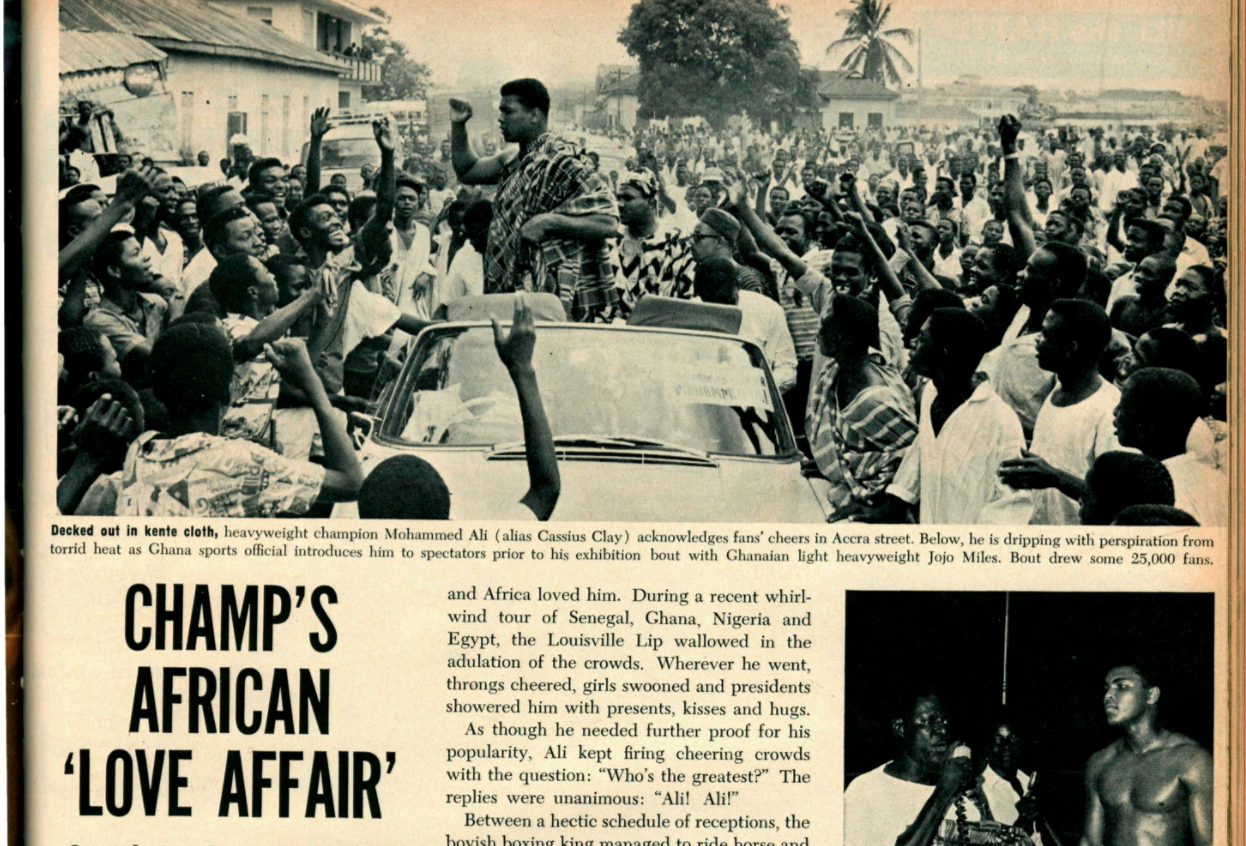
In 1964, at just 22 years old, the newly crowned world heavyweight boxing champion Muhammad Ali stepped onto Ghanaian soil—and into African history. Fresh from his stunning victory over Sonny Liston in Miami, the young champion—then newly renamed Muhammad Ali—embarked on a tour of Africa. One of the

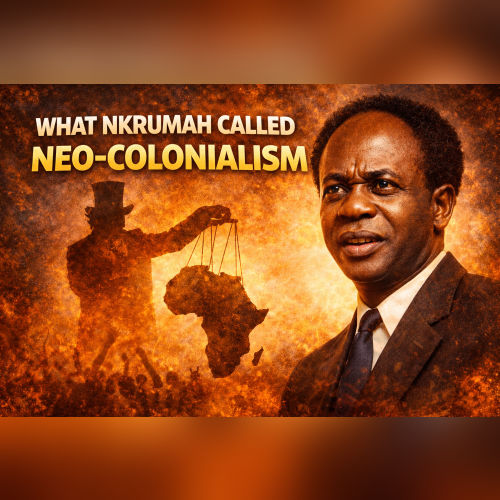
In the years following Ghana’s independence in 1957, one of the most influential political and intellectual concepts articulated by Kwame Nkrumah was “neo-colonialism.” For Nkrumah, independence did not mark the end of foreign domination in Africa. Instead, he argued that a new, more subtle form of

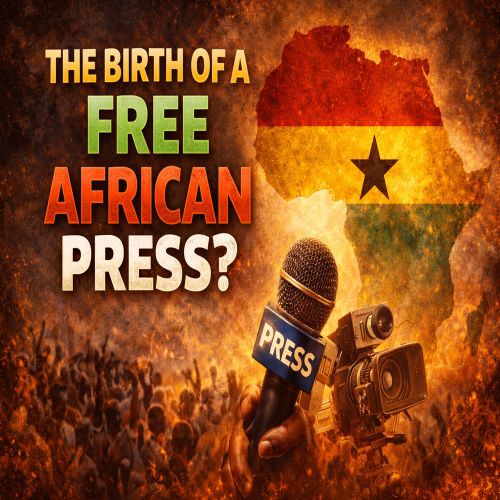
The question of whether independence in 1957 marked the true birth of a free African press in the Gold Coast—now Ghana—is both historically complex and deeply debated. While Ghana’s independence symbolized political liberation from colonial rule, the evolution of press freedom was far more gradual a

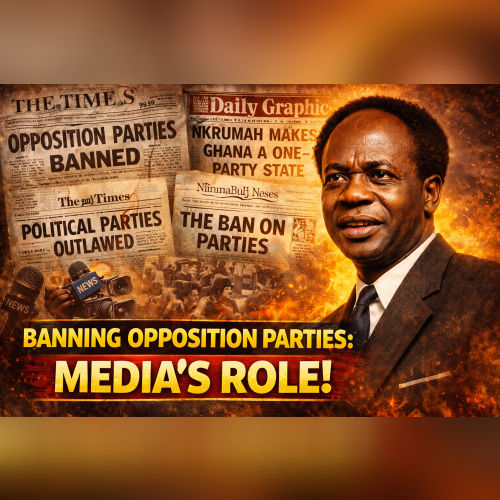
The banning of opposition parties in Ghana during the late 1950s and early 1960s stands as one of the most consequential moments in the country’s political and media history. Newspapers of the era did not merely report the development—they actively shaped how the public understood the meaning of pol

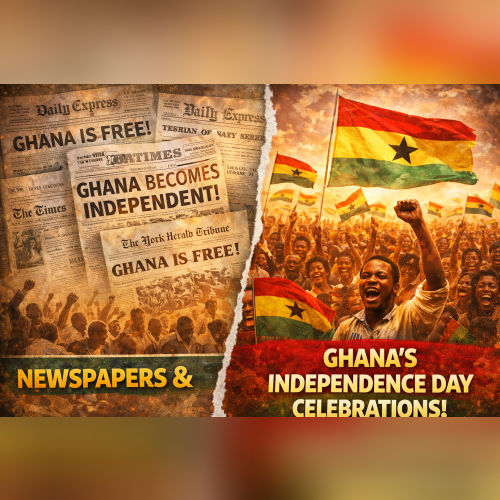
The relationship between newspapers and Ghana’s Independence Day celebrations is deeply rooted in the country’s political history and media evolution. From the late colonial period through the attainment of independence in 1957 and into the post-colonial era, newspapers played a central role in docu

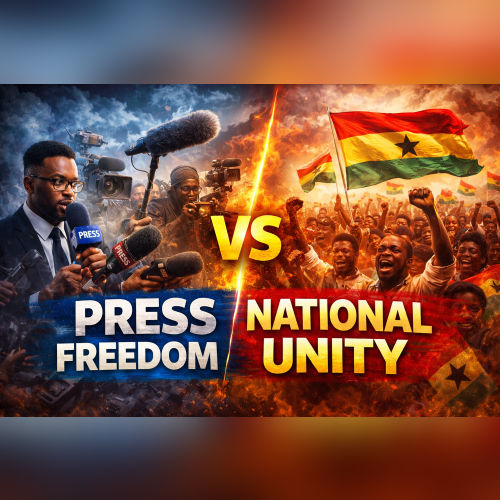
In the years surrounding Ghana’s independence and early nation-building period (roughly the mid-1950s through the early 1960s), one of the most persistent and consequential public discussions revolved around the tension between press freedom and national unity. Newspapers themselves became both the

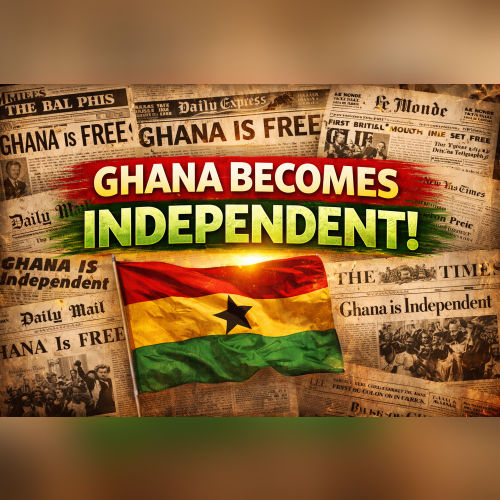
The emergence of Ghana as an independent nation in 1957 was not only a political milestone but also a global media event. Newspapers—both local and international—played a decisive role in announcing the birth of the new state to the world. Through headlines, editorials, photographs, and diplomatic r

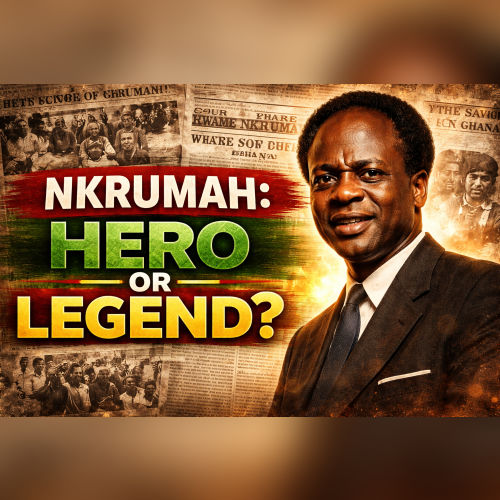
The portrayal of Kwame Nkrumah as a national hero was not simply a spontaneous public perception—it was carefully shaped, amplified, and sustained through newspapers and other media channels during the late colonial and early post-independence periods. In the Gold Coast, now Ghana, the press played

Early Life and Education Kwame Nkrumah was born in 1909 in what Ghana is now, West Africa. He studied both in Ghana and overseas, gaining knowledge that would later shape his vision for his country and the continent. Leader of Ghana’s Independence Nkrumah emerged as one of the most prominent politic

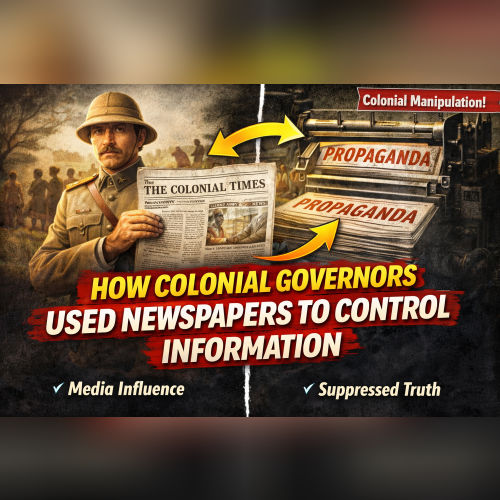
During the colonial period in the Gold Coast—modern-day Ghana—newspapers were not merely instruments of public communication; they were powerful tools of governance and political control. Colonial governors recognized early that controlling the flow of information was essential for maintaining autho

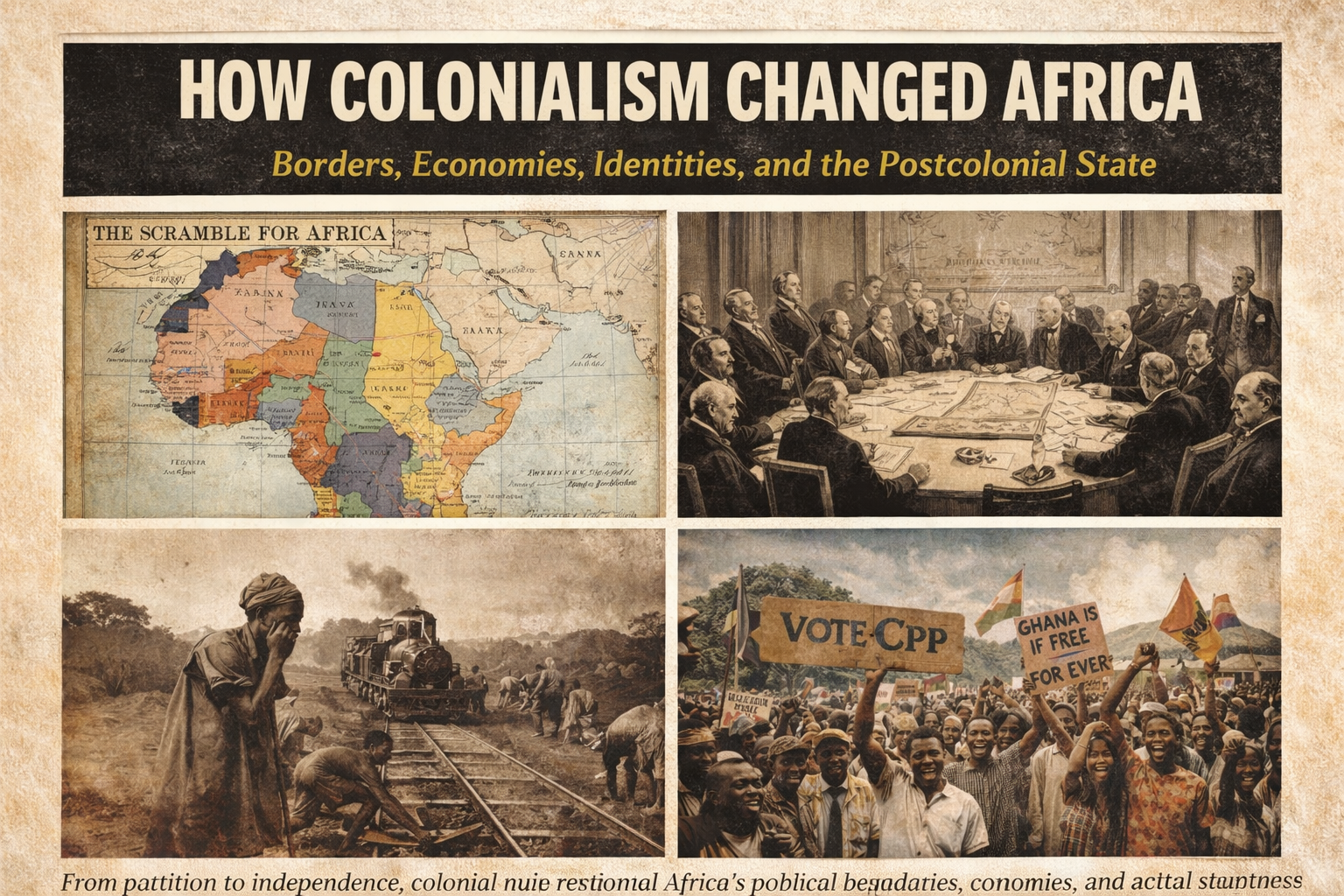
The Slave Trade and Demographic Devastation When we talk about Africa today—its borders, its languages, its religions, its politics—we are also talking about colonialism. The Africa we know in the twenty-first century did not emerge naturally from the past. It was profoundly shaped by centuries of f

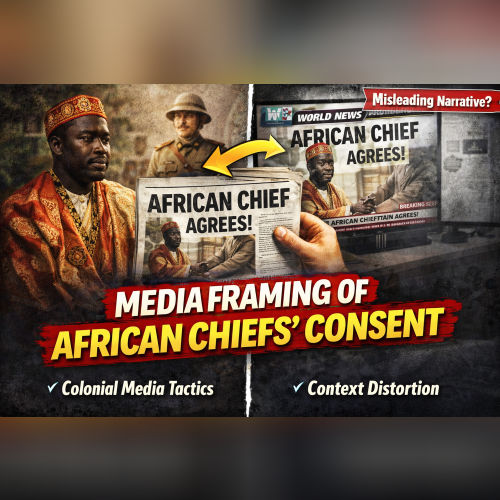
The concept of “chiefs’ consent” occupies a central place in the colonial history of the Gold Coast, present-day Ghana. Throughout the nineteenth and early twentieth centuries, colonial authorities frequently claimed that African chiefs willingly agreed to treaties, land concessions, and administrat

The qualification of the Ghana national football team — popularly known as the Black Stars — for the 2006 FIFA World Cup stands as one of the most transformative milestones in Ghana’s sporting and national history. It was not merely a football achievement; it was the culmination of decades of ambiti
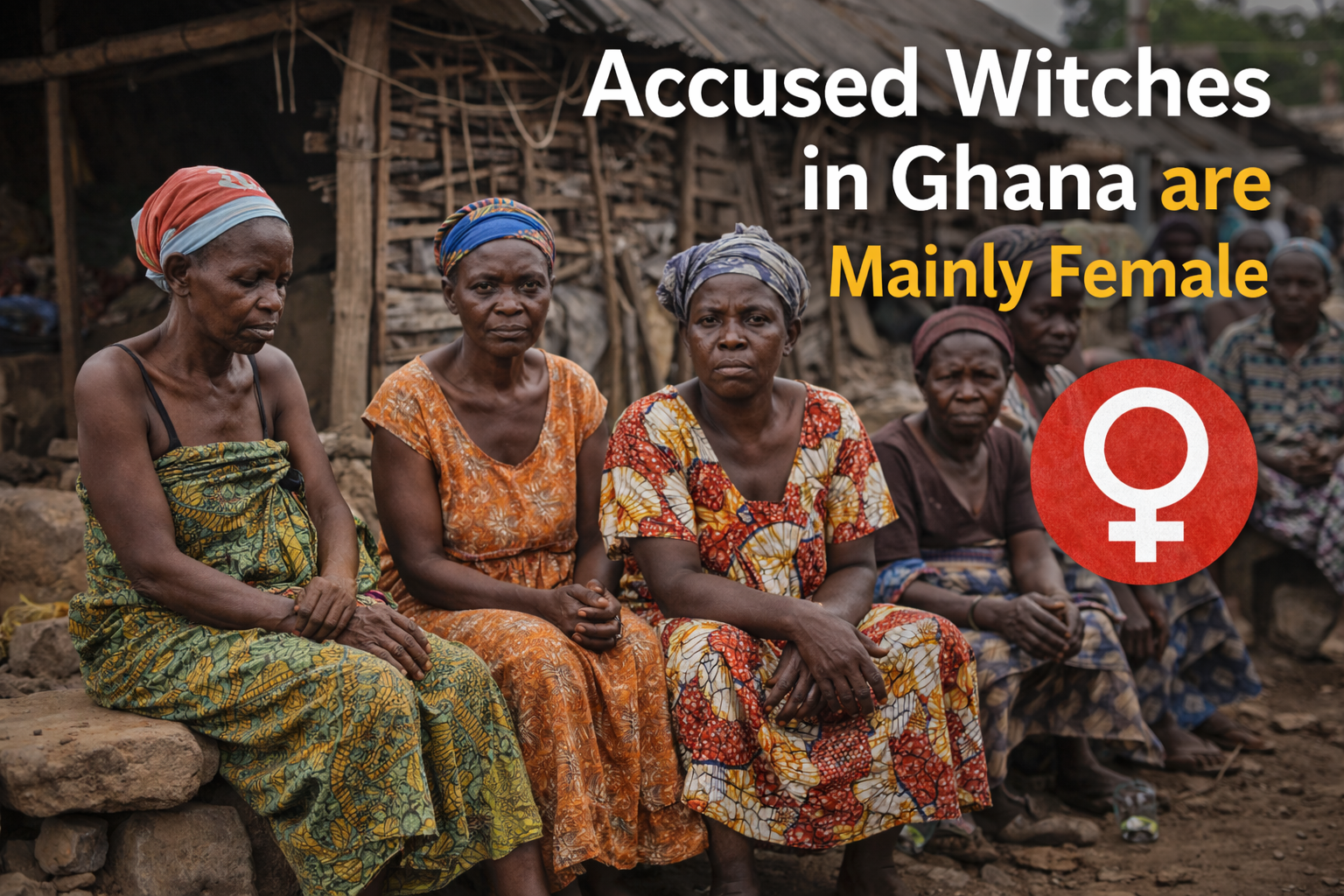
In Ghana, the overwhelming majority of people accused of witchcraft are women and girls. Nearly all victims killed during witch hunts are female. In the so-called “witch camps” or “outcast homes” in northern Ghana, it is rare to find a man among the residents. The population is almost entirely women

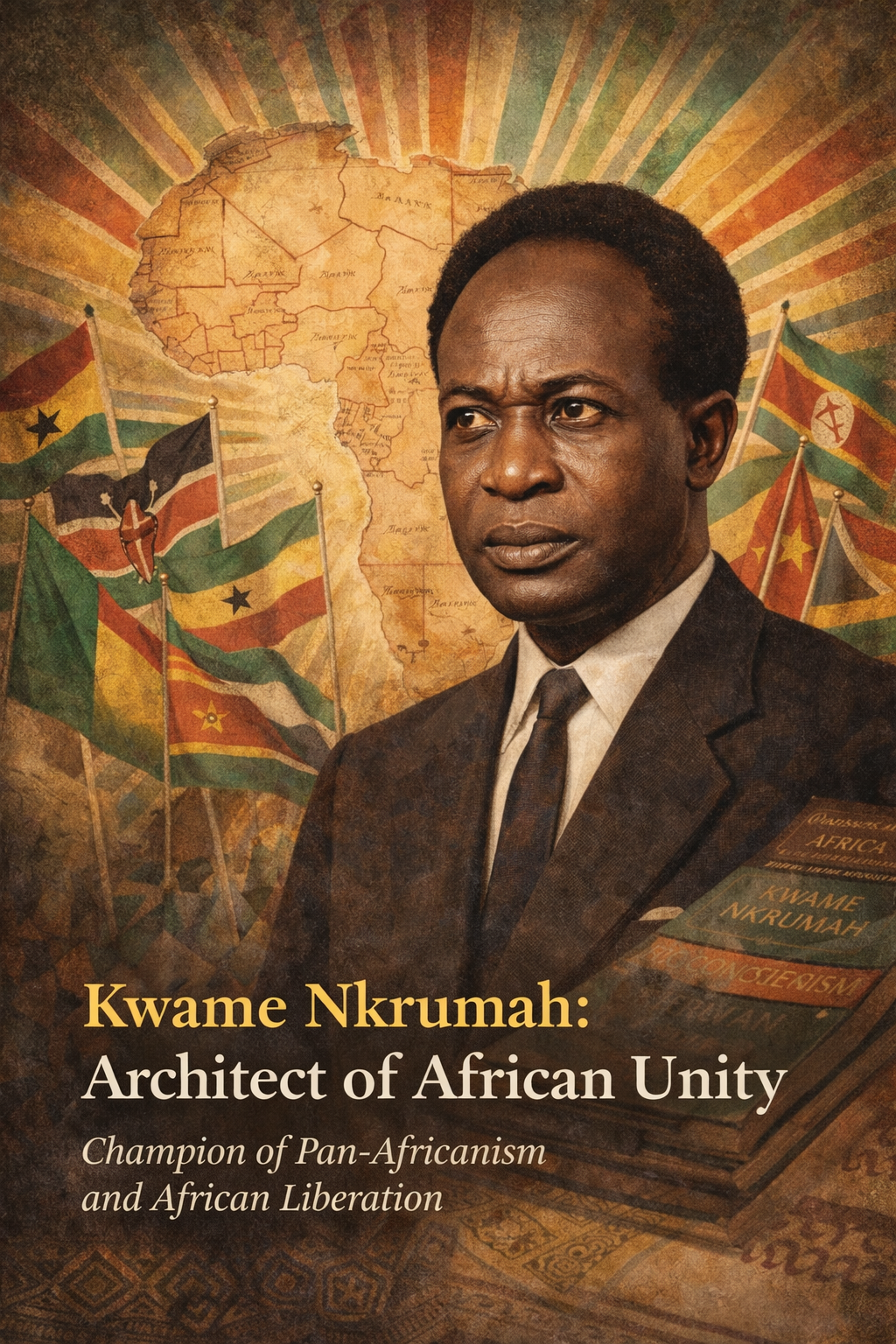
Kwame Nkrumah is one of the foremost Pan-Africanists Africa has ever produced. He devoted his life to the political, economic, and cultural liberation of the African continent. He played a leading role in the establishment of the Organization of African Unity (OAU), now known as the African Union (A

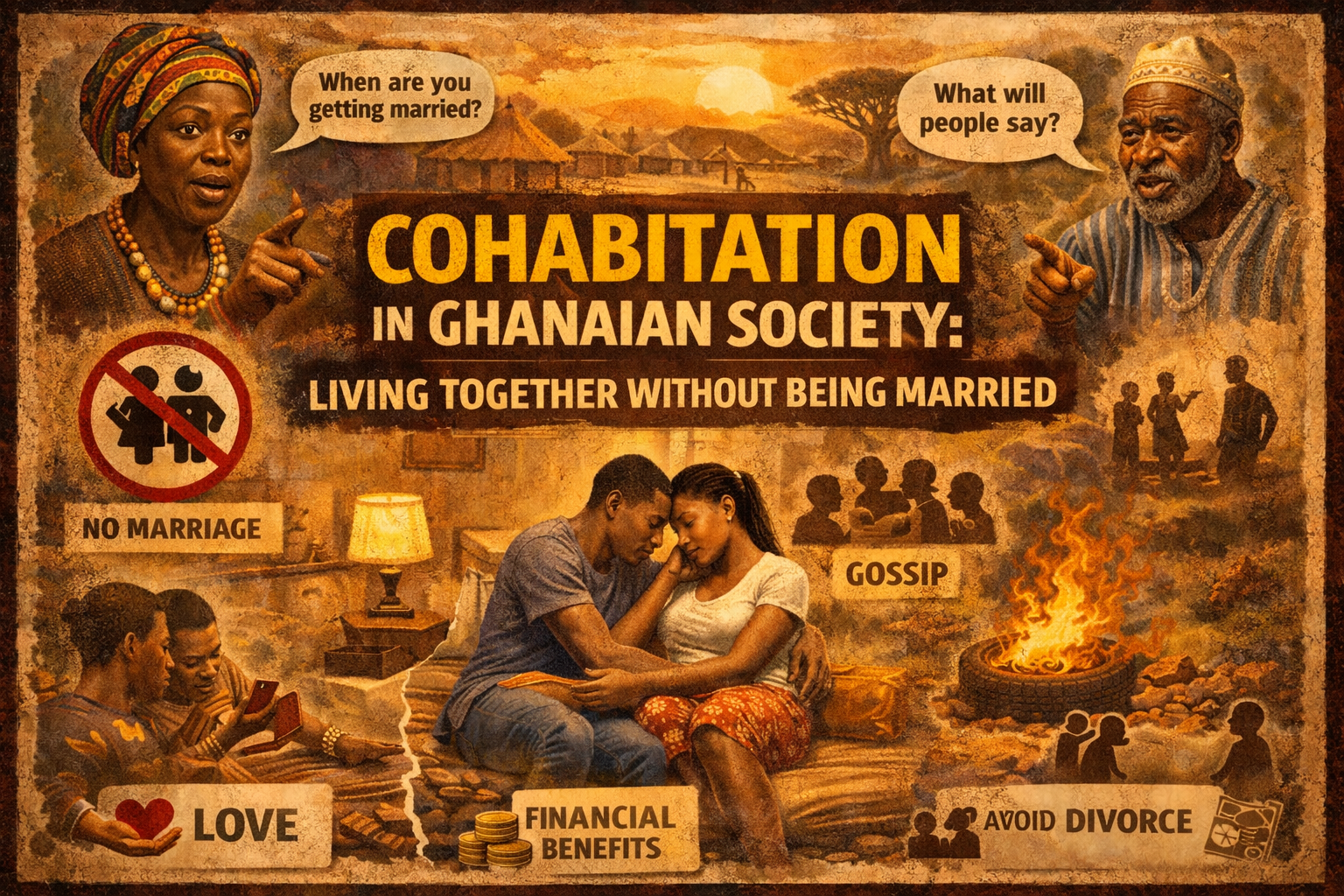
Cohabitation refers to an intimate arrangement in which a man and a woman live together in a shared residence without being formally married. While cohabitation has become increasingly common in many contemporary societies, it is generally frowned upon in Akan society and regarded as socially improp

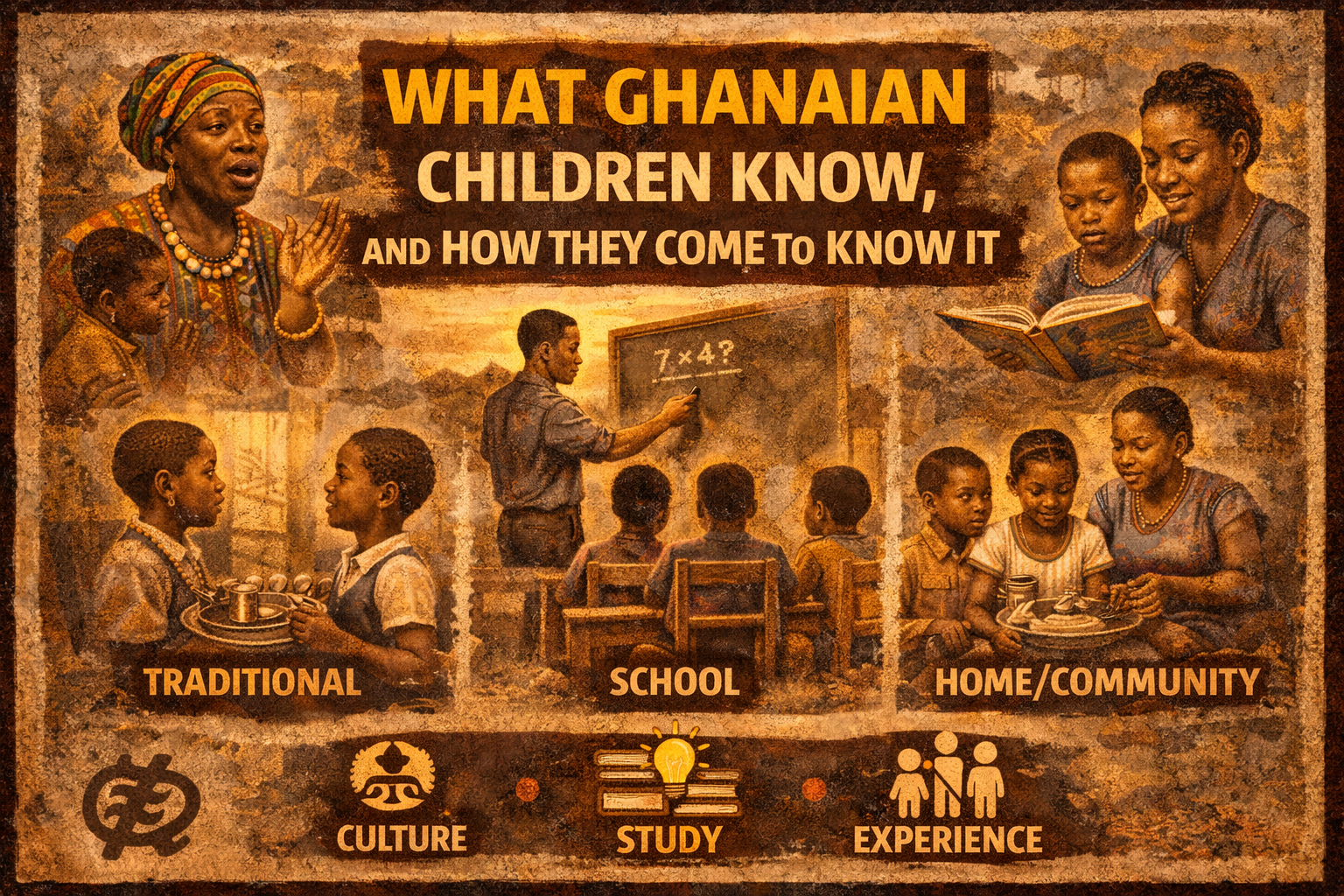
No one is born with knowledge. Human beings are born with the capacity to learn, but what they eventually know—how they speak, think, behave, believe, and interpret the world—is acquired from society. Knowledge, values, attitudes, and skills are socially produced and socially transmitted. By the tim
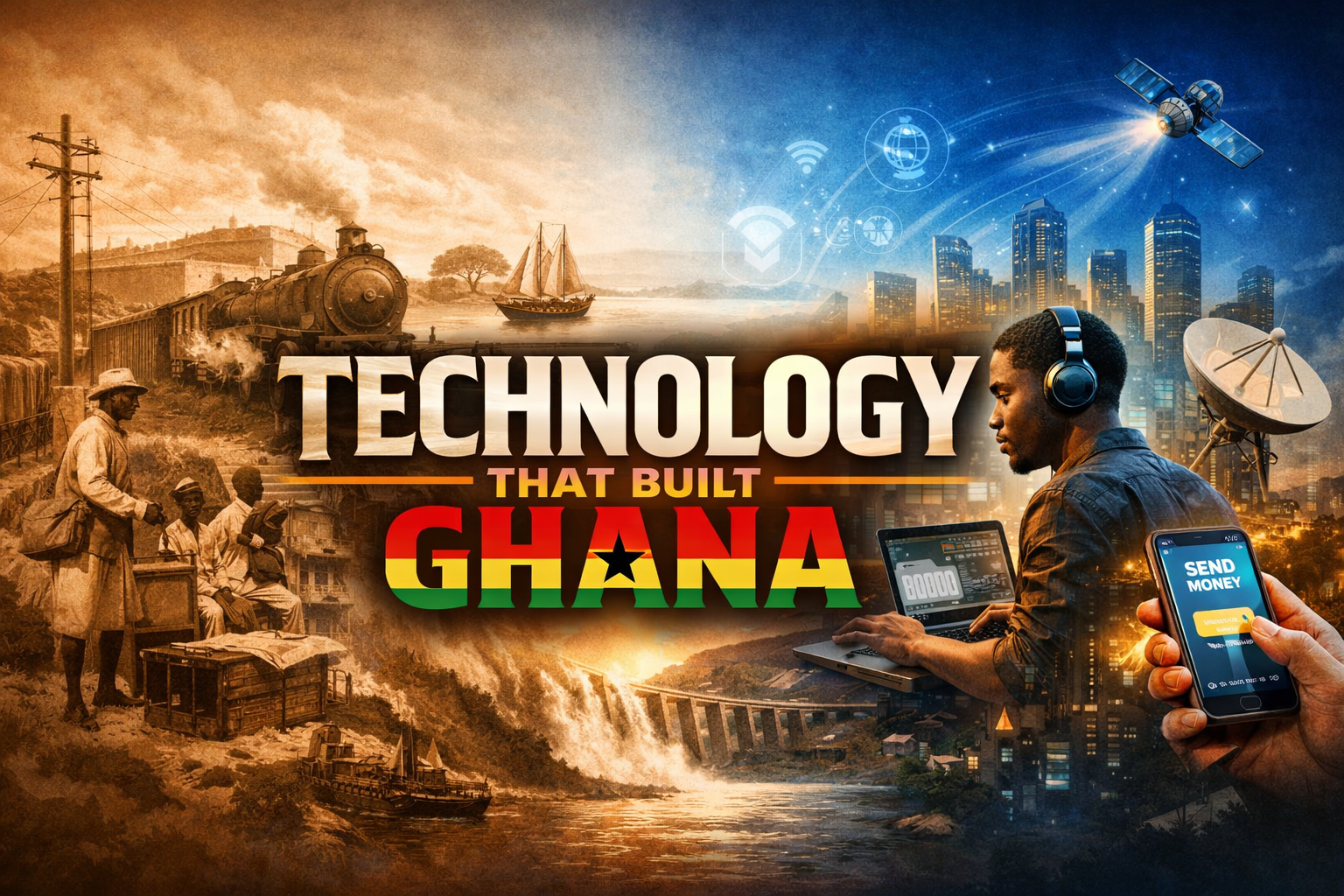
Few modern technologies have transformed Ghana as deeply and as quickly as financial technology (fintech). What began as simple mobile phone services has grown into a digital financial ecosystem that reshaped banking, trade, and daily survival for millions of Ghanaians. Before Fintech: A Cash-Heavy

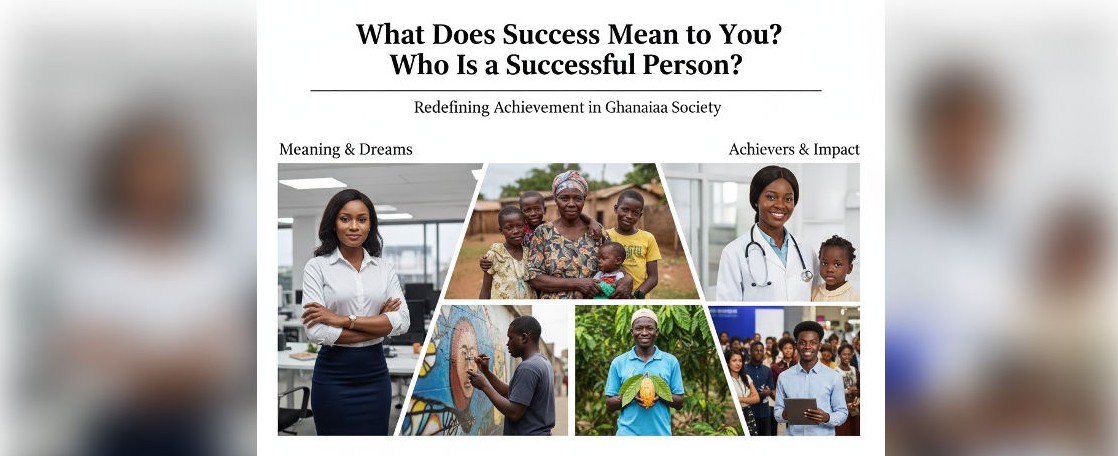
Almost everyone dreams of success. From childhood, we are taught to aspire, to achieve, and to “make it” in life. Parents encourage their children to succeed, communities celebrate successful people, and society often rewards those it considers accomplished. But an important question remains: What d

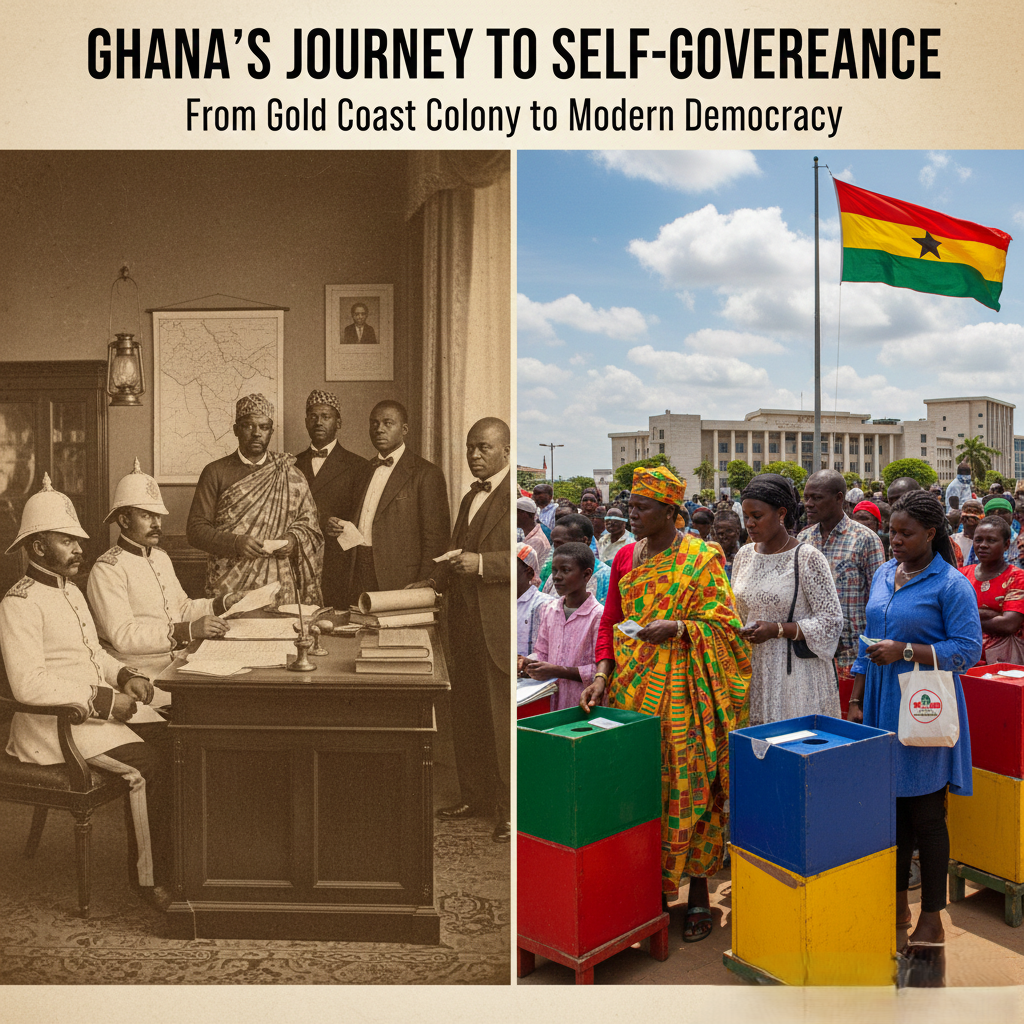
If there is one idea that has mattered more to Ghana than any other from the Gold Coast era to the present, it is the struggle for self-governance and accountable leadership. From colonial domination to modern democracy, Ghana’s history has been shaped by a single, powerful question: Who governs us,

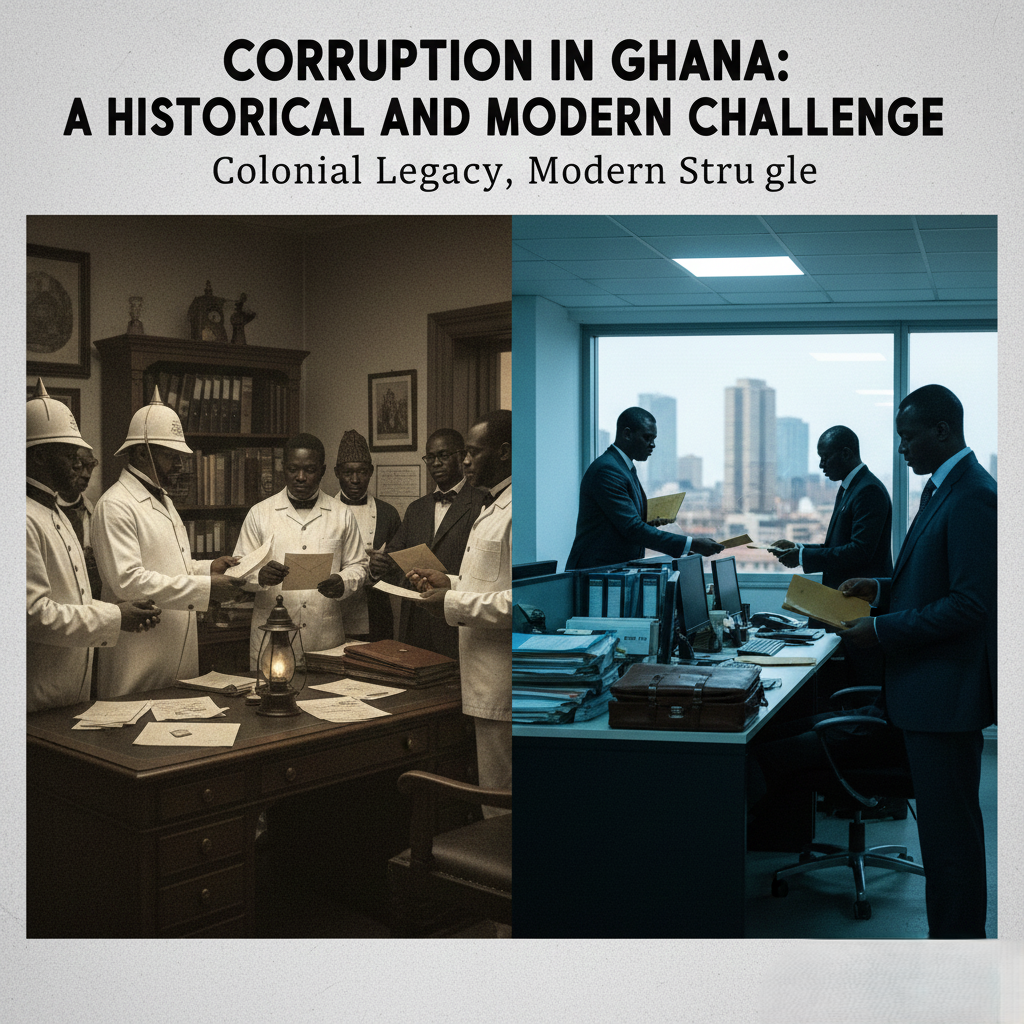
Corruption remains one of the most enduring social challenges confronting Ghana. Its roots stretch back to the colonial Gold Coast era (1821–1957) and continue to influence governance, public trust, and national development today. Understanding this long history is essential to appreciating why corr

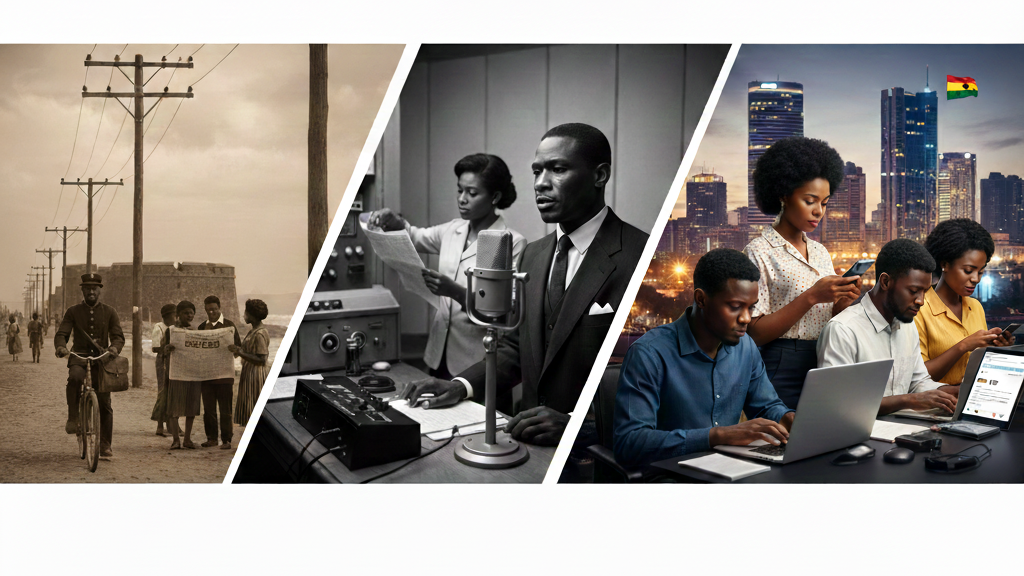
Few technological developments have reshaped Ghana as profoundly as the Advancement of communication technology. From the first telegraph lines laid by colonial authorities to today’s smartphones and internet-driven economy, communication has changed how Ghanaians trade, govern, organize, and connec

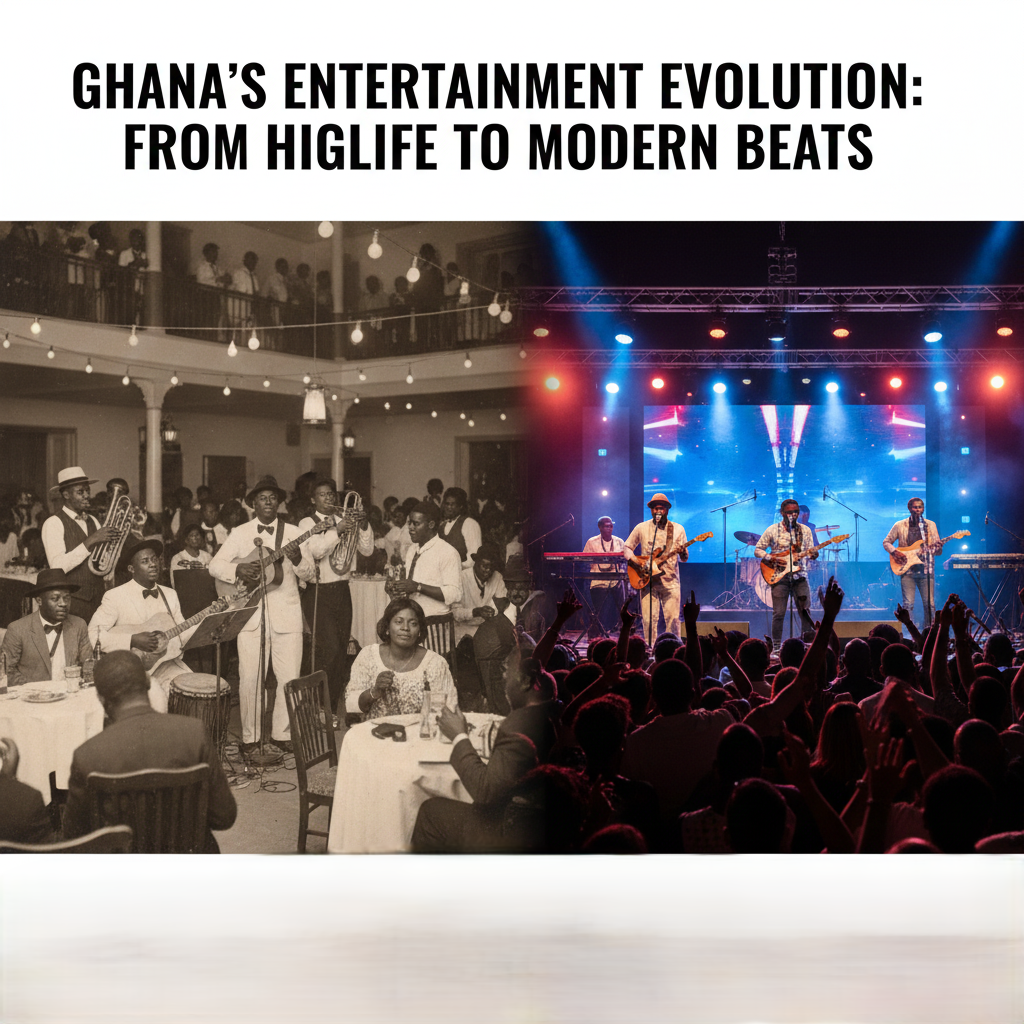
Long before Ghana had a film industry or digital streaming platforms, music was the country’s most powerful form of entertainment—and Highlife became its loudest voice. From colonial ballrooms to roadside bars and global stages, Highlife music has shaped Ghana’s cultural identity for more than a cen

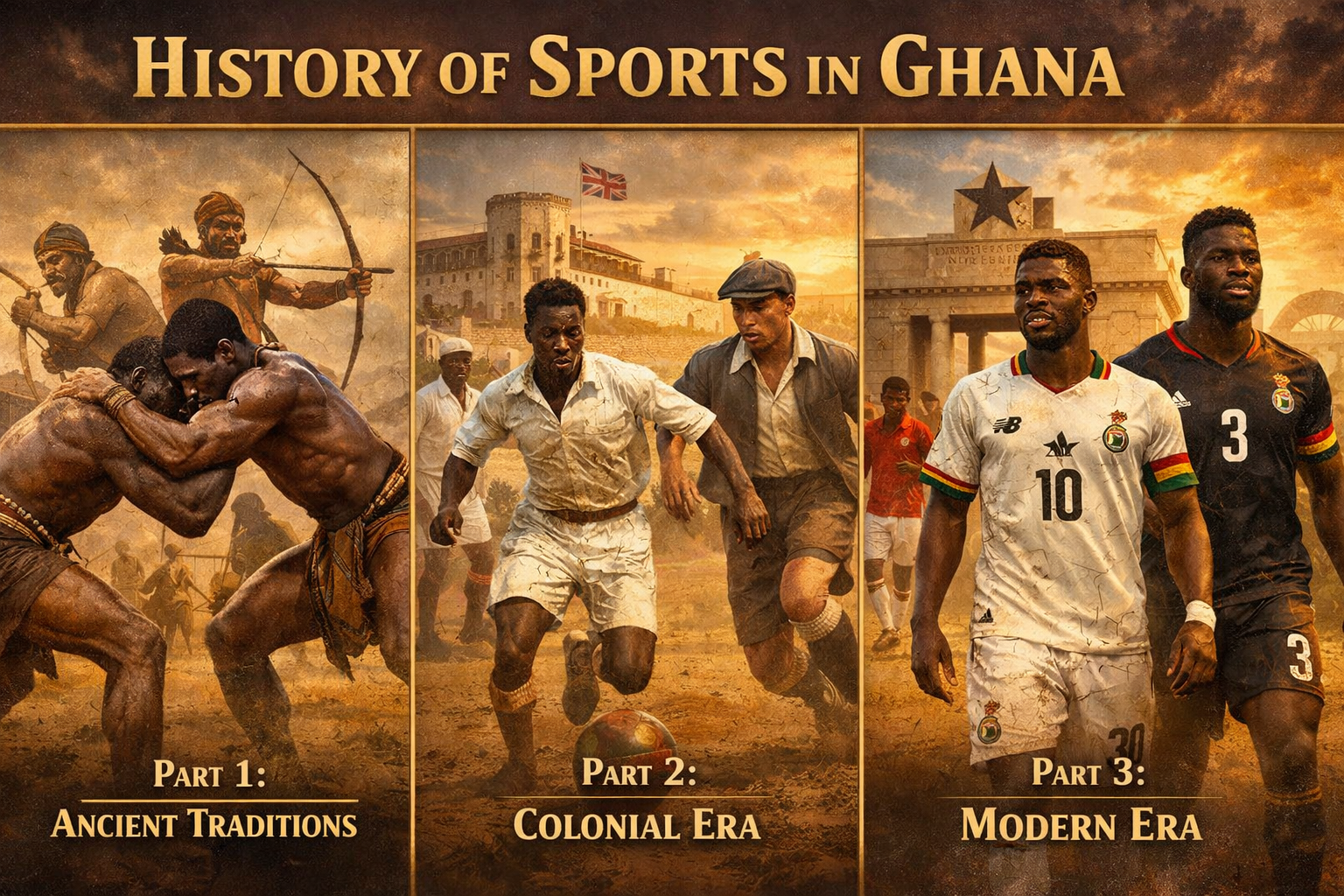
Introduction: Sport as a Mirror of Ghana’s History Long before Ghana was known by its modern name, sport and physical competition were already embedded in the social, political, and spiritual life of its people. From the ancient kingdoms of the Gold Coast to independence in 1957 and into the modern

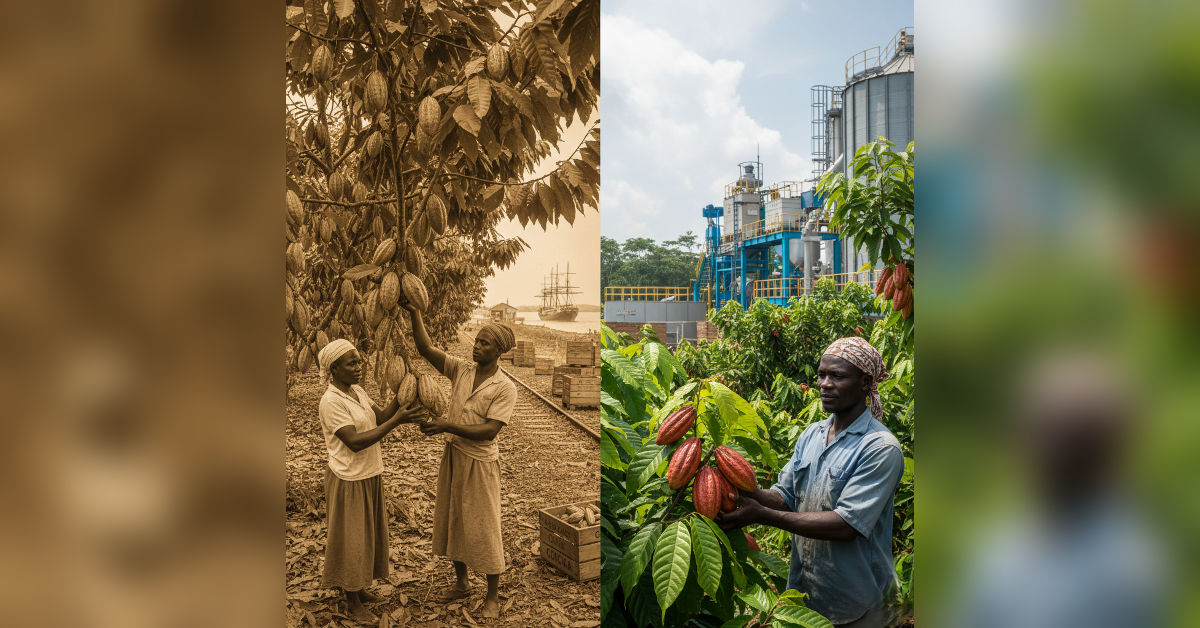
Few business stories have shaped Ghana as deeply and enduringly as cocoa. From a small agricultural experiment in the late 19th century to becoming the backbone of the national economy, cocoa transformed the Gold Coast into one of the world’s most important producers and laid the foundation for mode

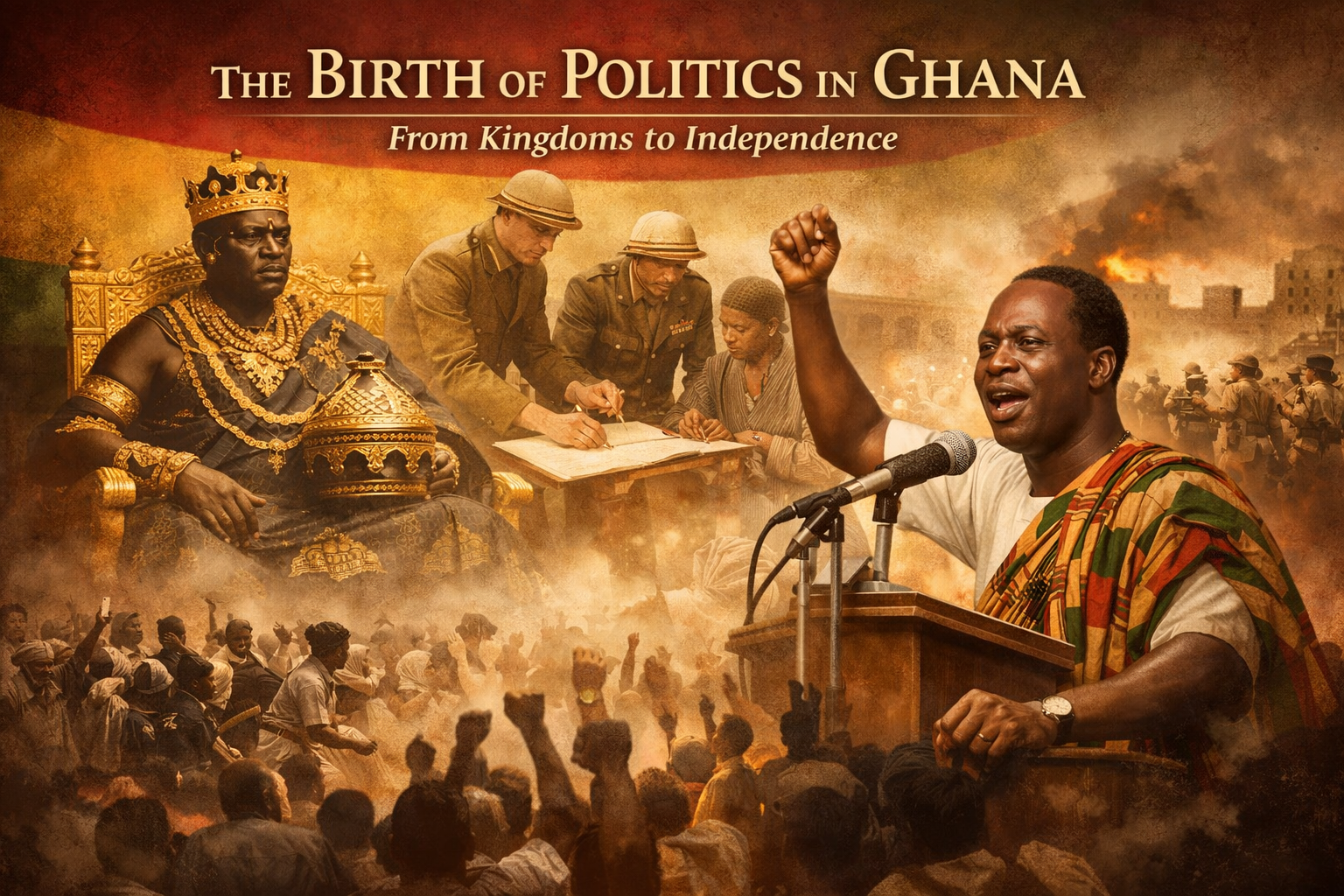
Politics Before the State Called Ghana Long before the name Ghana was adopted in 1957, the land and peoples of the Gold Coast had already developed sophisticated political systems. Politics in Ghana did not begin with Europeans or colonial rule; it evolved from indigenous governance structures, cust