
Search
47 results for “house ownership”
HealthDec 31, 2025
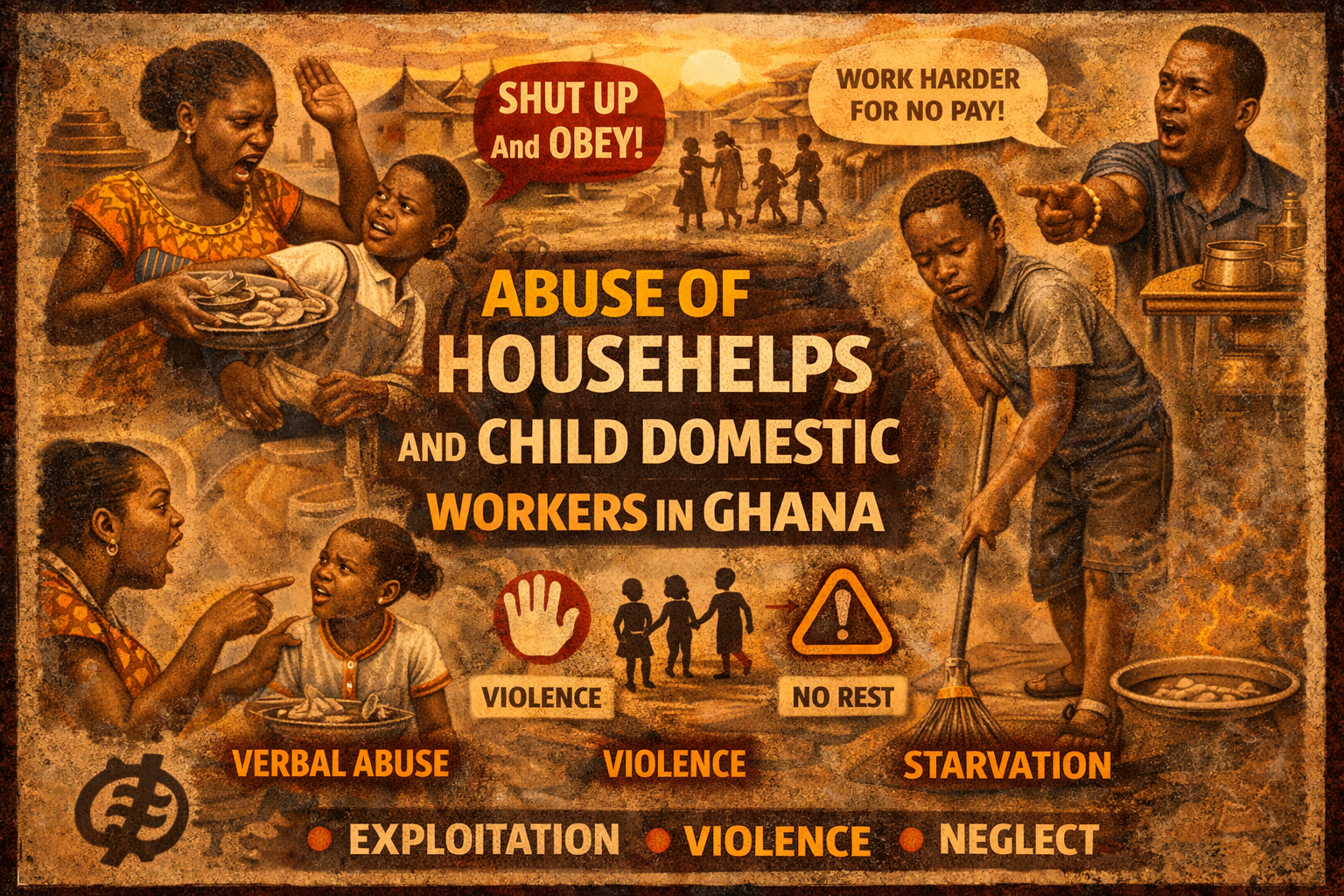
Abuse of Househelps in Ghana: The Hidden Struggles of Child Domestic Workers
In Ghana, there exists a long-standing practice in which some parents send their children to live with other families as househelps. While this arrangement is often justified as a strategy for providing children with better opportunities, it has, in many cases, become a source of profound exploitati
PoliticsMar 1, 2026
Symbols of Success in Ghanaian Society: What is “The Ghanaian Dream”?
In every society, there are culturally accepted symbols of success. There are also culturally approved means for attaining these symbols of success. These aspirations and goals form what can be called a society’s “dream.” In the same way that some people speak of their national dream, it is possible
WorldJan 6, 2026
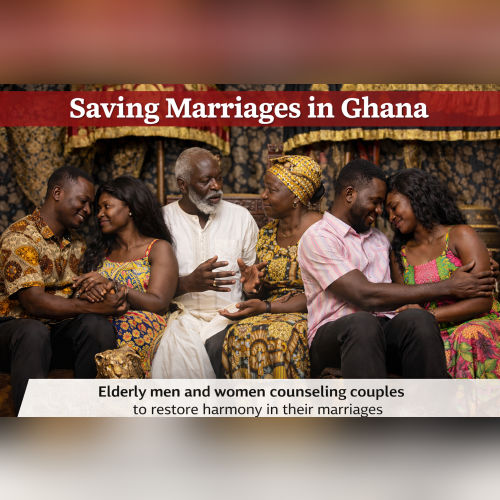
Saving Marriages and Reducing the High Rate of Divorce in Ghana
In the past, Ghanaian marriages endured. Separation was rare and divorce uncommon. Today, however, marriages are dissolving at an alarming rate. The critical question is this: what can be done to fortify marriages and restore their durability? Many of the challenges confronting contemporary marriage
EntertainmentJan 6, 2026
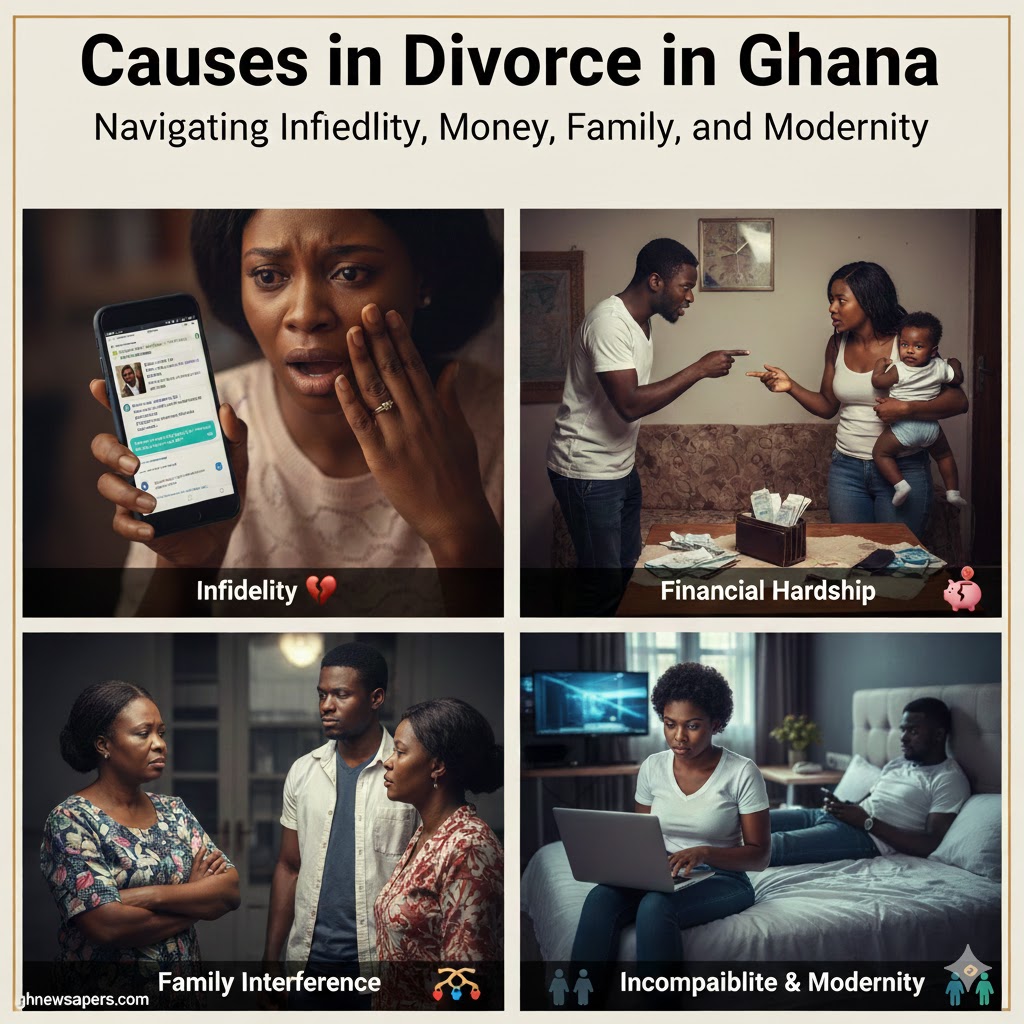
Rising Divorce in Ghana: Why Many Marriages Are Failing
In the past, Ghanaian marriages were widely regarded as enduring unions. Separations were rare, and divorce was uncommon. Marriages were expected to last a lifetime, sustained not only by the couple but also by their extended families and lineages. Today, however, the situation has changed dramatica
WorldAug 9, 2026
From Dawuro to WhatsApp: The Evolution of Public Communication in Akan Society
The article examines the evolution of Akan public announcement systems
WorldJul 10, 2026
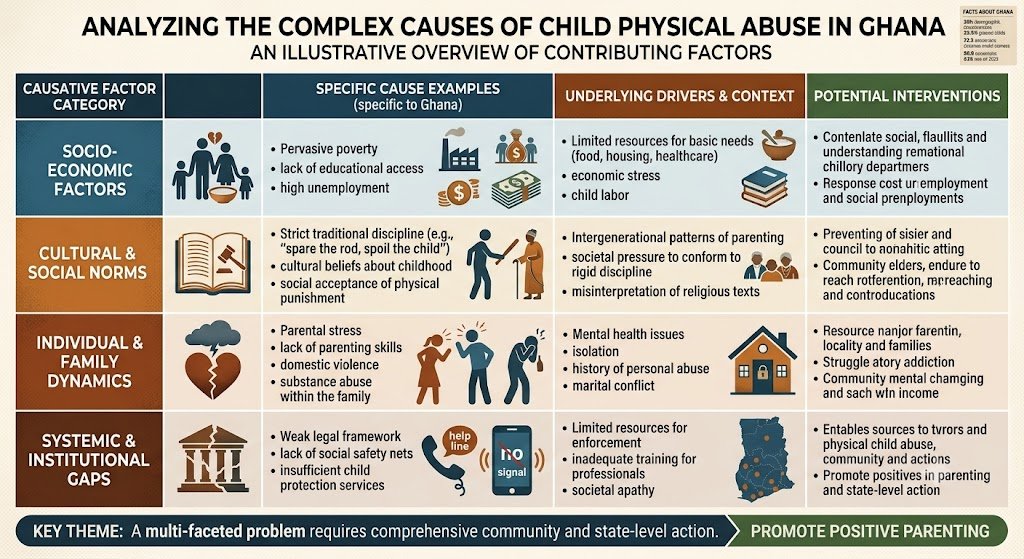
Physical Abuse of Children in Ghanaian Homes
A Disturbing Reality One only needs to read local newspapers or browse Ghana-based online news platforms to appreciate the disturbing frequency of child abuse cases occurring in homes across the coun
PoliticsJul 1, 2026
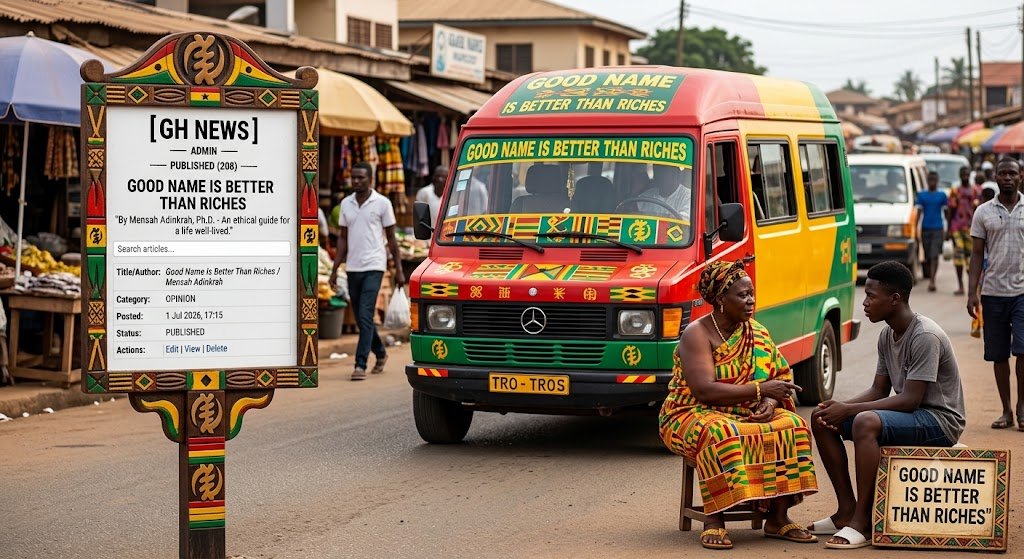
Good Name Is Better Than Riches
Introduction One of the most profound pieces of wisdom in Ghanaian culture is the saying: "Good name is better than riches." The Akan version, "Din Pa Yɛ Sen Ahonya," conveys the same timeless messag

PoliticsJun 30, 2026
Get Your Ducks in a Row If You Want to Succeed
An Opinion and Advice Column One of the first English idioms I learned after moving to North America—first to Canada and later to the United States—was the expression "get your ducks in a row." At th
WorldJun 25, 2026
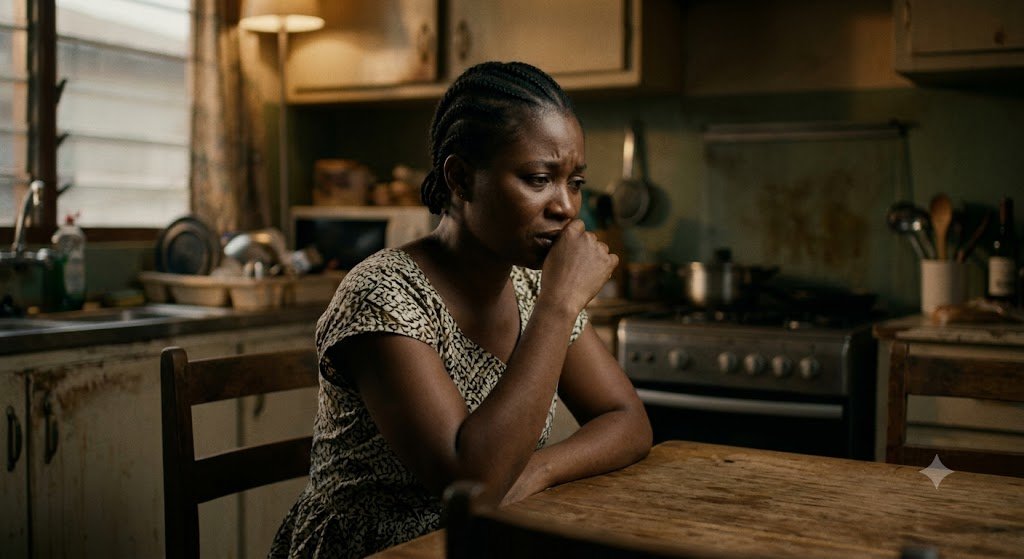
The Silent Epidemic: Why the Most Dangerous Place for a Woman is Her Own Home
Introduction Lethal violence is a starkly gendered phenomenon. Globally, men are overwhelmingly the primary victims and perpetrators of homicide, typically driven by street crime, gang rivalries, and
GH Newspapers
WorldJun 22, 2026
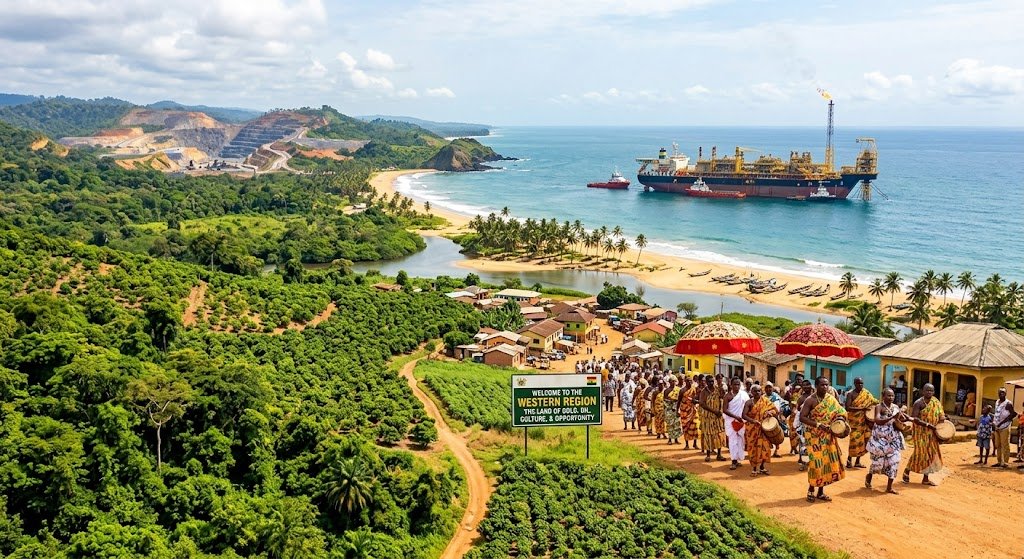
Ghana’s Western Region: The Land of Gold, Oil, Culture, and Opportunity
Introduction Among Ghana’s sixteen administrative regions, few can rival the Western Region in terms of natural wealth, cultural diversity, economic importance, and historical significance. Stretchin
GH Newspapers
WorldJun 17, 2026
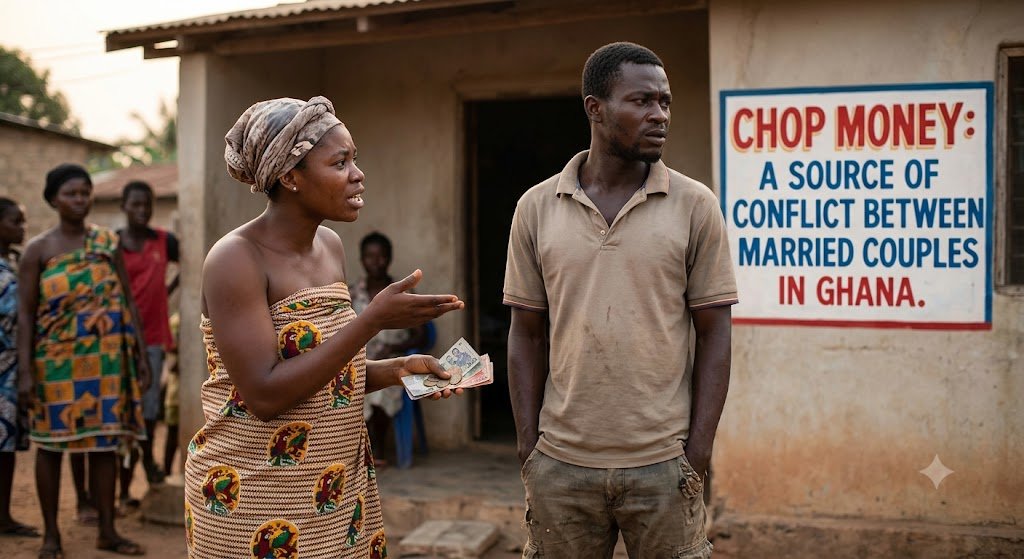
Ghana's "Chop Money": A Source of Conflict Among Married Couples
The Institution of Chop Money Chop money is oftentimes a source of conflict between Ghanaian husbands and their wives. Some of such conflicts result in verbal assaults, verbal disagreements, physical
PoliticsJun 15, 2026
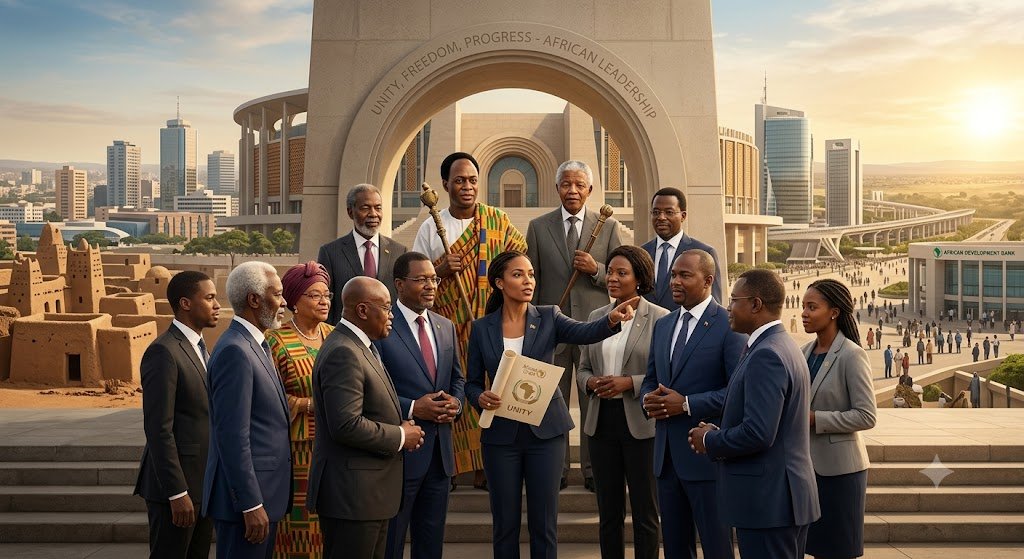
A Time for Africans to Select Progressive Leaders
Introduction The Akan have a wise saying: "If you plant plantain, you will harvest plantain; if you plant cassava, you will harvest cassava; and if you plant pineapples, you will harvest pineapples."
EntertainmentJun 11, 2026
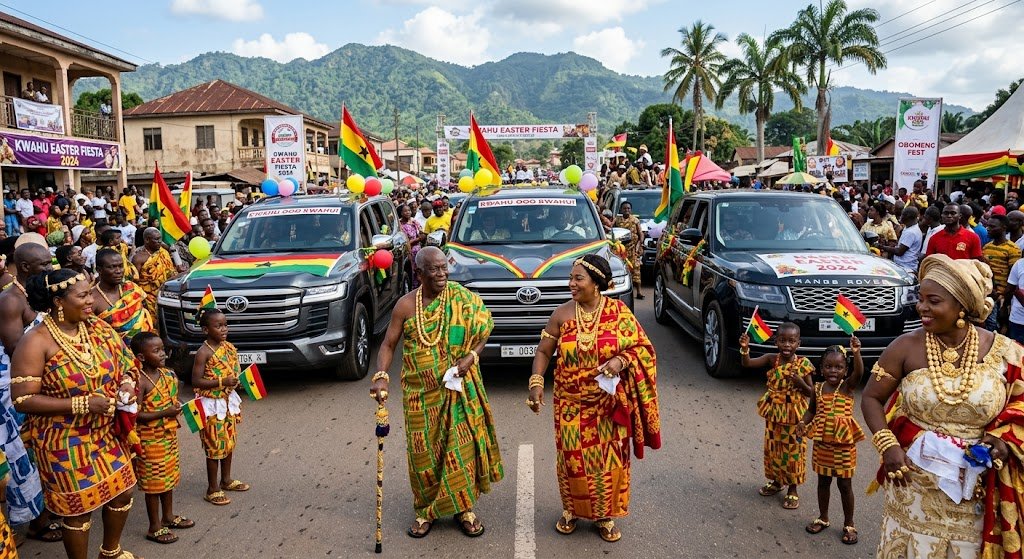
Kwahu Oooo! Kwahu: Why Easter is a Major Celebration in Kwahuland
Introduction Every year, as Easter approaches, a familiar phrase echoes across Ghana's radio stations, television screens, and social media platforms: "Kwahu oooo Kwahu!" The expression has become bo
WorldJun 6, 2026
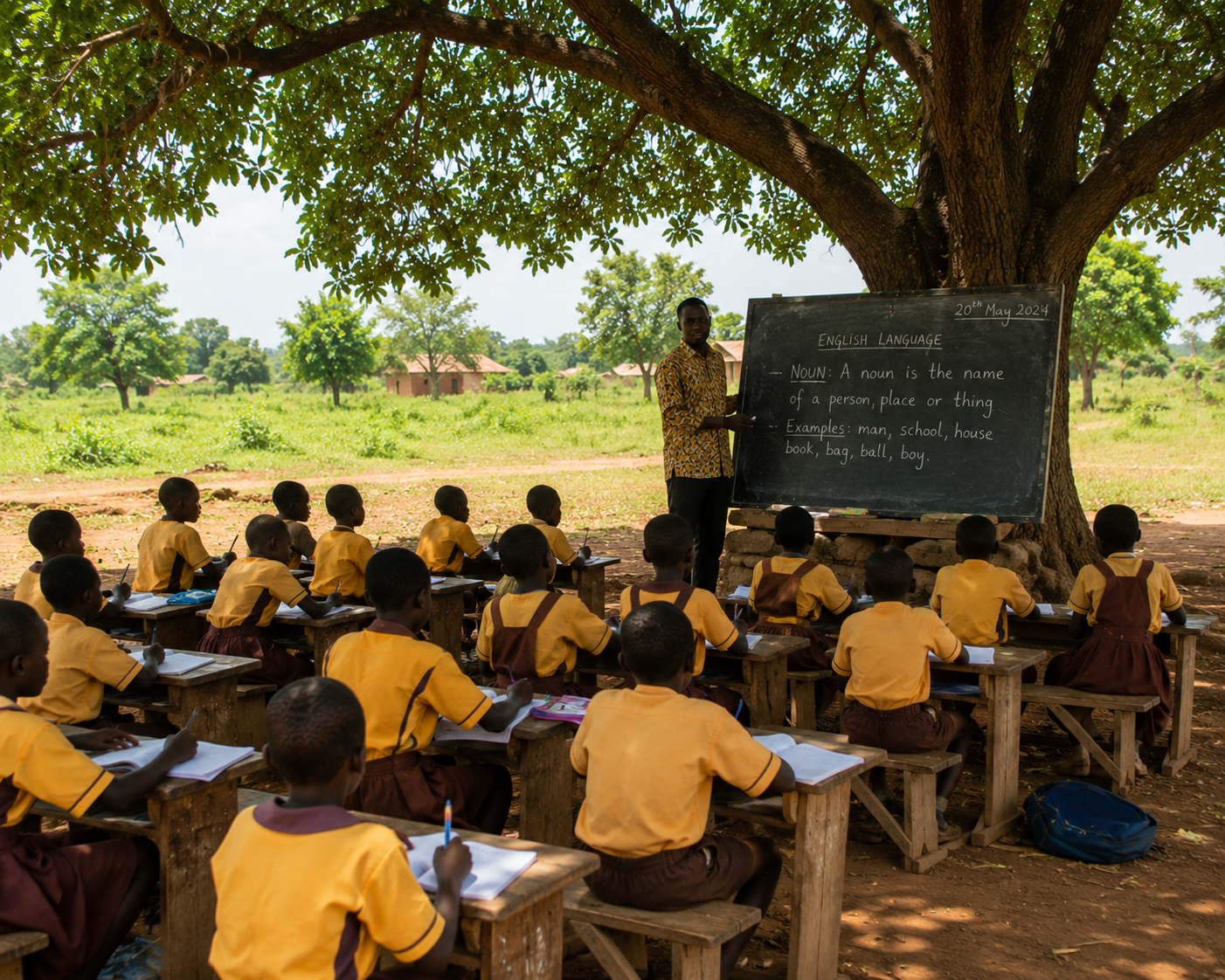
Why Ghana's Literacy Rate Is Not Yet 100%
Ghana has made substantial progress in literacy over the past several decades, yet the country has not achieved universal literacy. According to recent UNESCO and World Bank data, approximately 76–81%
GH Newspapers
WorldJun 1, 2026
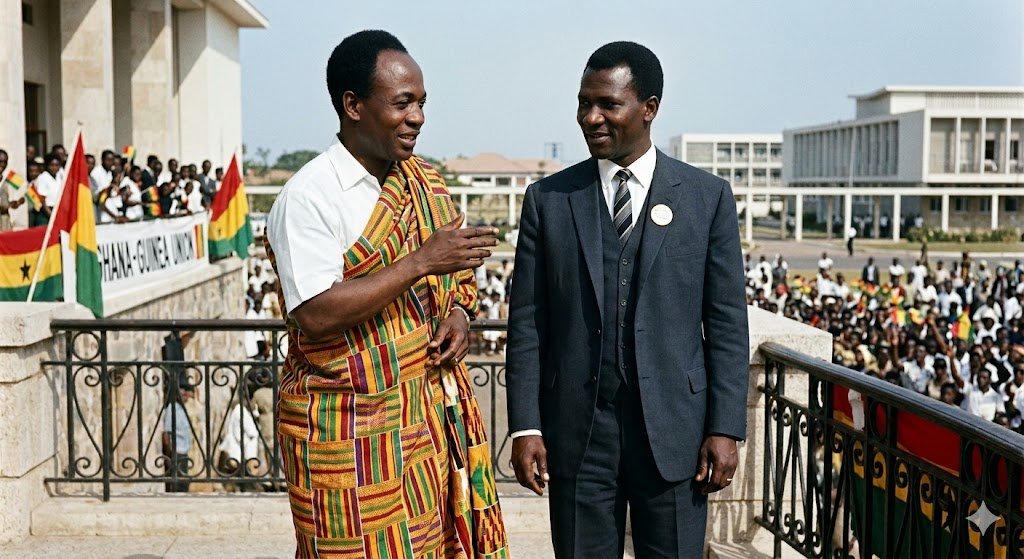
Kwame Nkrumah and Sékou Touré: A Pan-African Friendship That Shaped a Continent
Introduction: When Two Revolutions Met The friendship between Kwame Nkrumah and Ahmed Sékou Touré was not a casual diplomatic acquaintance. It was an ideological alliance forged in the furnace of ant
GH Newspapers
WorldMay 31, 2026
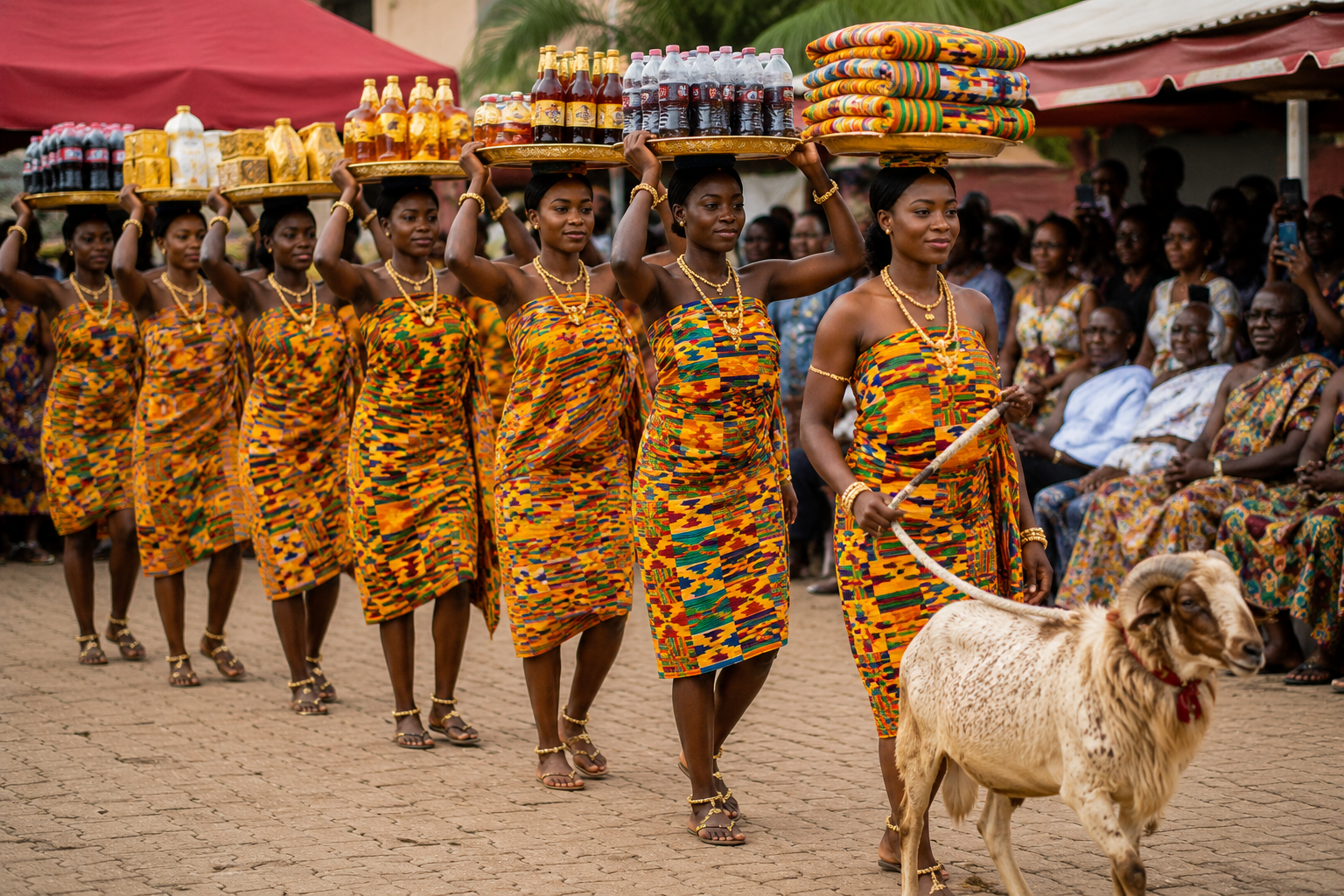
The Adesiedie Ceremony: A New Form of Conspicuous Consumption in Ghana’s Funerary Landscape
Conspicuous Consumption and the Funeral Arena The term “conspicuous consumption” was coined by the American economist and sociologist Thorstein Veblen in his classic work The Theory of the Leisure Cl
WorldMay 26, 2026
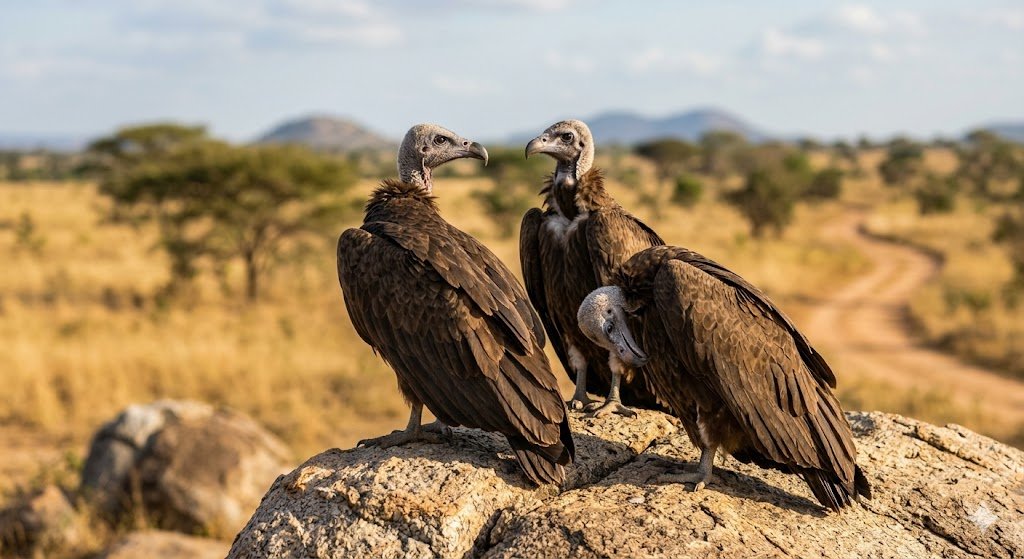
Where Have All The Vultures Gone?
Vultures Were A Once Familiar Presence in Ghana’s Skies About fifty years ago, vultures were a common sight across Ghana. One could hardly walk a short distance without encountering them. They perche
GH Newspapers

WorldApr 26, 2026
Religion: A Blessing or a Curse, A Boon or a Bane?
The world today is full of religions. By merely casting a cursory glance around us, we encounter Christians and Christianity, Hindus and Hinduism, Muslims and Islam, atheists, agnostics, traditionalists, Zionists, Jews and Judaism, Confucianists and Confucianism, Shintos and Shintoism. Religion, as

WorldApr 8, 2026
The Deadly Side of Masculinity: Male Victims, Male Killers
Men and boys are frequently victims of homicide, yet discussions of lethal violence often overlook the specific contexts in which they are targeted. Scholars of homicide and lethal violence have developed a range of terms to describe killings based on the relationship between victim and offender, as

WorldMar 29, 2026
When Home Turns Deadly: Understanding Types of Family Homicide
Introduction: The Hidden Face of Family ViolenceHomicide refers to the killing of one person by another, and within this broad category lies a deeply troubling subset known as family homicide, which involves the killing of one family member by another. Although the family is often idealized as a hav

SportsMar 8, 2026
Abedi Pele: The name, myth and legend in Ghanaian football
Introduction: A Name That Became a Symbol In the sociological imagination of the Gold Coast—what is today Ghana—names are never merely labels; they are identities, narratives, and sometimes prophecies. The name Abedi Pele transcends the ordinary. It is a fusion of biography, mythmaking, and cultural
KWABENA NYAMEKYE MAWULI
WorldMar 4, 2026
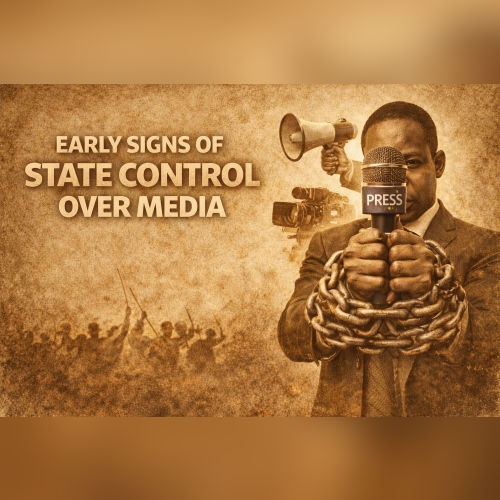
Early Signs of State Control Over Media
The early years of Ghana’s independence, particularly between 1957 and the mid-1960s, reveal the gradual emergence of state control over the media. While independence initially generated optimism about press freedom, archival newspaper records, government policies, and editorial patterns show that s
GH Newspapers Editorial Team
WorldFeb 24, 2026
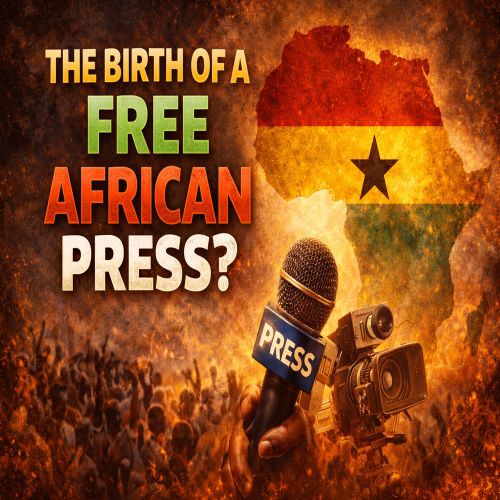
The Birth of a Free African Press?
The question of whether independence in 1957 marked the true birth of a free African press in the Gold Coast—now Ghana—is both historically complex and deeply debated. While Ghana’s independence symbolized political liberation from colonial rule, the evolution of press freedom was far more gradual a
GH Newspapers Editorial Team
PoliticsFeb 24, 2026
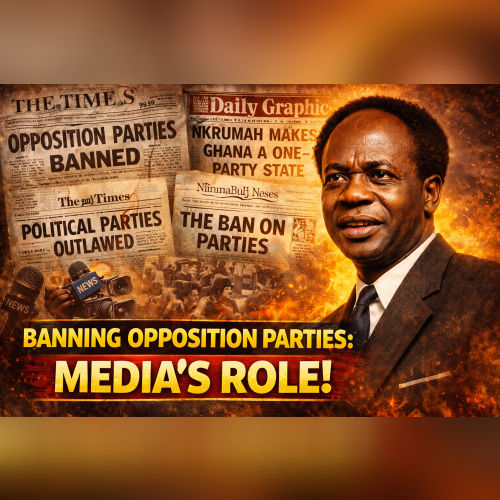
How the Media Covered the Ban on Opposition Parties
The banning of opposition parties in Ghana during the late 1950s and early 1960s stands as one of the most consequential moments in the country’s political and media history. Newspapers of the era did not merely report the development—they actively shaped how the public understood the meaning of pol
GH Newspapers Editorial Team

WorldFeb 23, 2026
Press Freedom vs National Unity Debates
In the years surrounding Ghana’s independence and early nation-building period (roughly the mid-1950s through the early 1960s), one of the most persistent and consequential public discussions revolved around the tension between press freedom and national unity. Newspapers themselves became both the
GH Newspapers Editorial Team

SportsFeb 18, 2026
Black Stars Qualifying for the 2006 FIFA World Cup: The Full Historical Journey
The qualification of the Ghana national football team — popularly known as the Black Stars — for the 2006 FIFA World Cup stands as one of the most transformative milestones in Ghana’s sporting and national history. It was not merely a football achievement; it was the culmination of decades of ambiti
GH Newspapers Editorial Team
TechnologyFeb 14, 2026
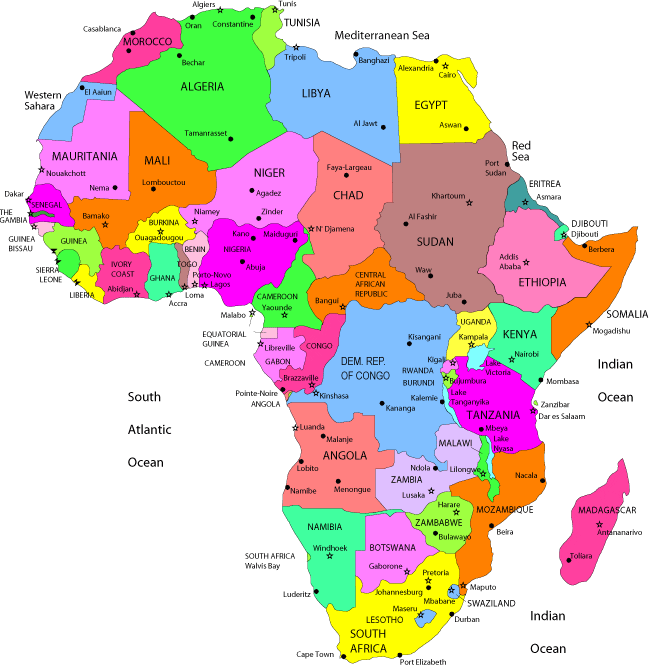
Africa: Myths and Realities
Africa is still the “dark continent” to many people. In spite of its immense size, large population, vast mineral and agricultural resources, militarily strategic location, and tremendous development potential, Africa is undeniably the most misunderstood continent. Very few non-natives of the contin
WorldFeb 13, 2026
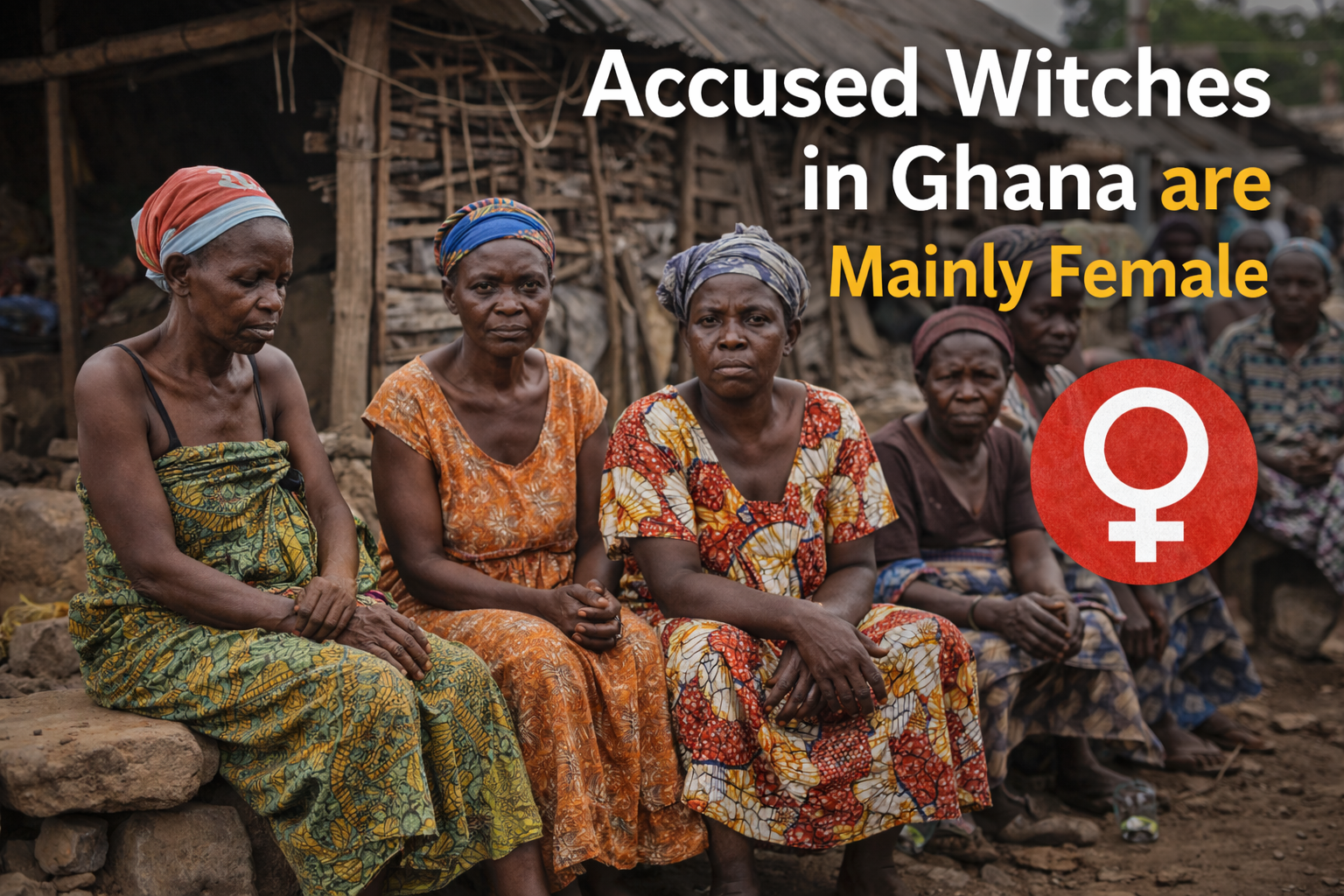
Why Are Ghanaian “Witches” 99% Female?
In Ghana, the overwhelming majority of people accused of witchcraft are women and girls. Nearly all victims killed during witch hunts are female. In the so-called “witch camps” or “outcast homes” in northern Ghana, it is rare to find a man among the residents. The population is almost entirely women
EntertainmentFeb 11, 2026
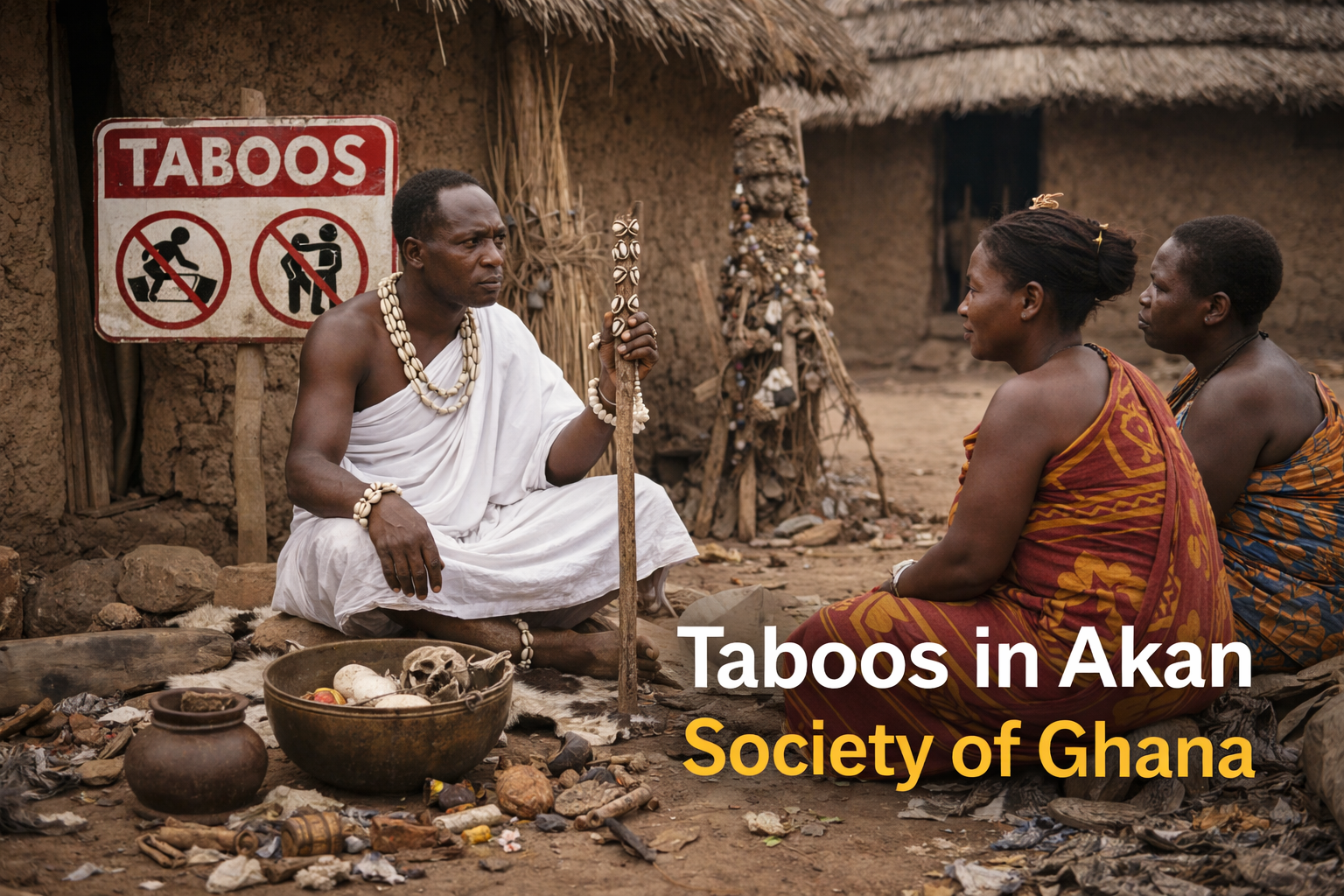
Taboos in Akan Society of Ghana
The Akan constitute one of the major ethnic groups in Ghana, accounting for approximately 46 percent of the national population. They speak Twi, a language that is understood and spoken by nearly 90 percent of the country’s population. The Akan are made up of several subgroups, including the Asante,
HealthJan 8, 2026
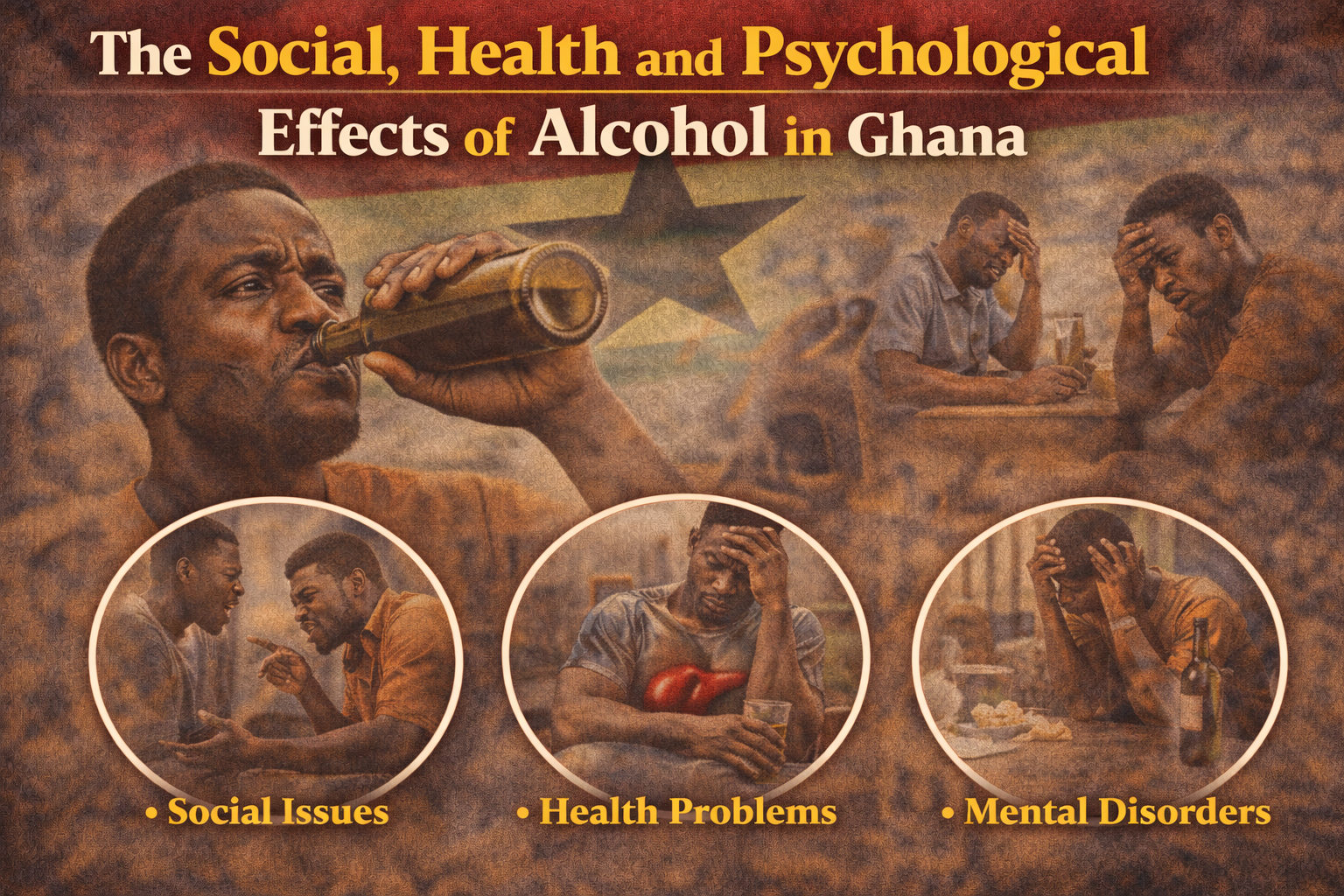
Alcohol Abuse in Ghana: Social, Economic, and Health Consequences
Irresponsible alcohol consumption has become a growing social problem in Ghana, with serious consequences for individuals, families, and communities. Some drinkers spend a large proportion of their income on alcohol, leaving little or nothing for basic necessities such as food, clothing, rent, medic
WorldJan 8, 2026
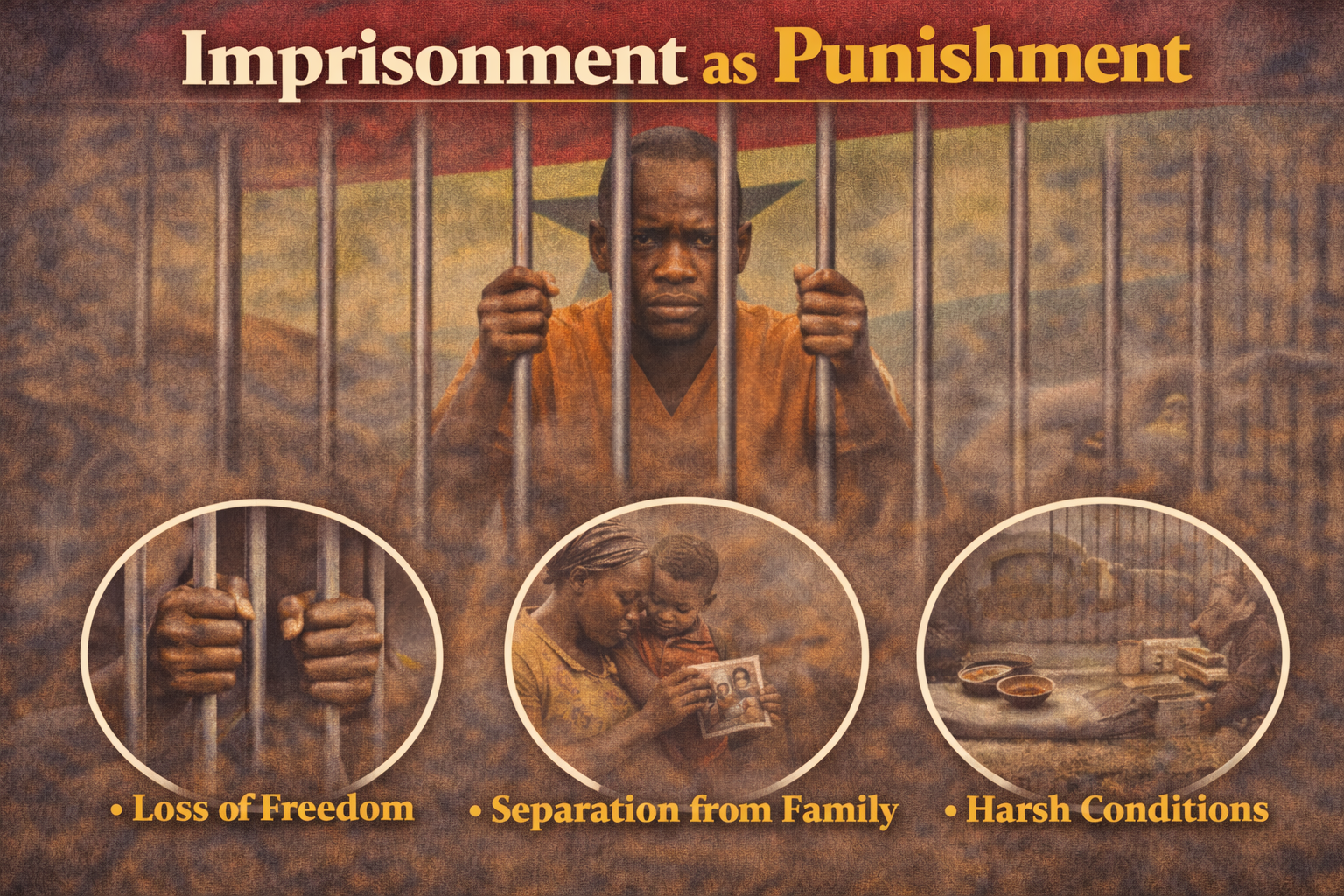
The Pains of Imprisonment
Imprisonment is one of the most common punishments for crime in many societies, including Ghana. It is also known as incarceration. While courts have several options for punishing offenders—such as fines, probation, or community service—prison sentences are usually reserved for serious crimes like r
EntertainmentJan 6, 2026
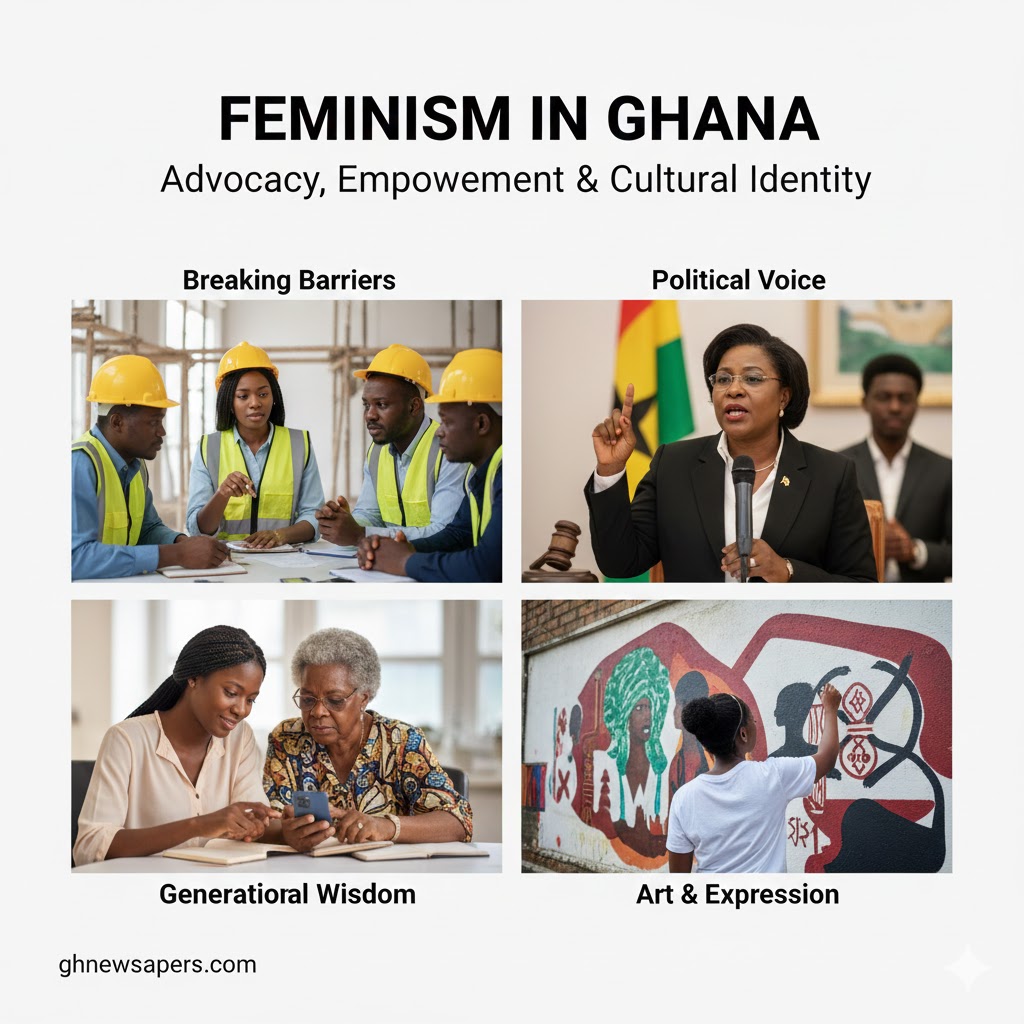
Feminism Should Not Frighten Us
Feminism Is Not a Dirty Word Sexism is wrong. It is prejudice and discrimination against people because of their sex or gender. In many societies, including Ghana, sexist attitudes are often directed at women and girls. These attitudes show up in everyday behavior—how women are spoken to, how their
HealthJan 2, 2026
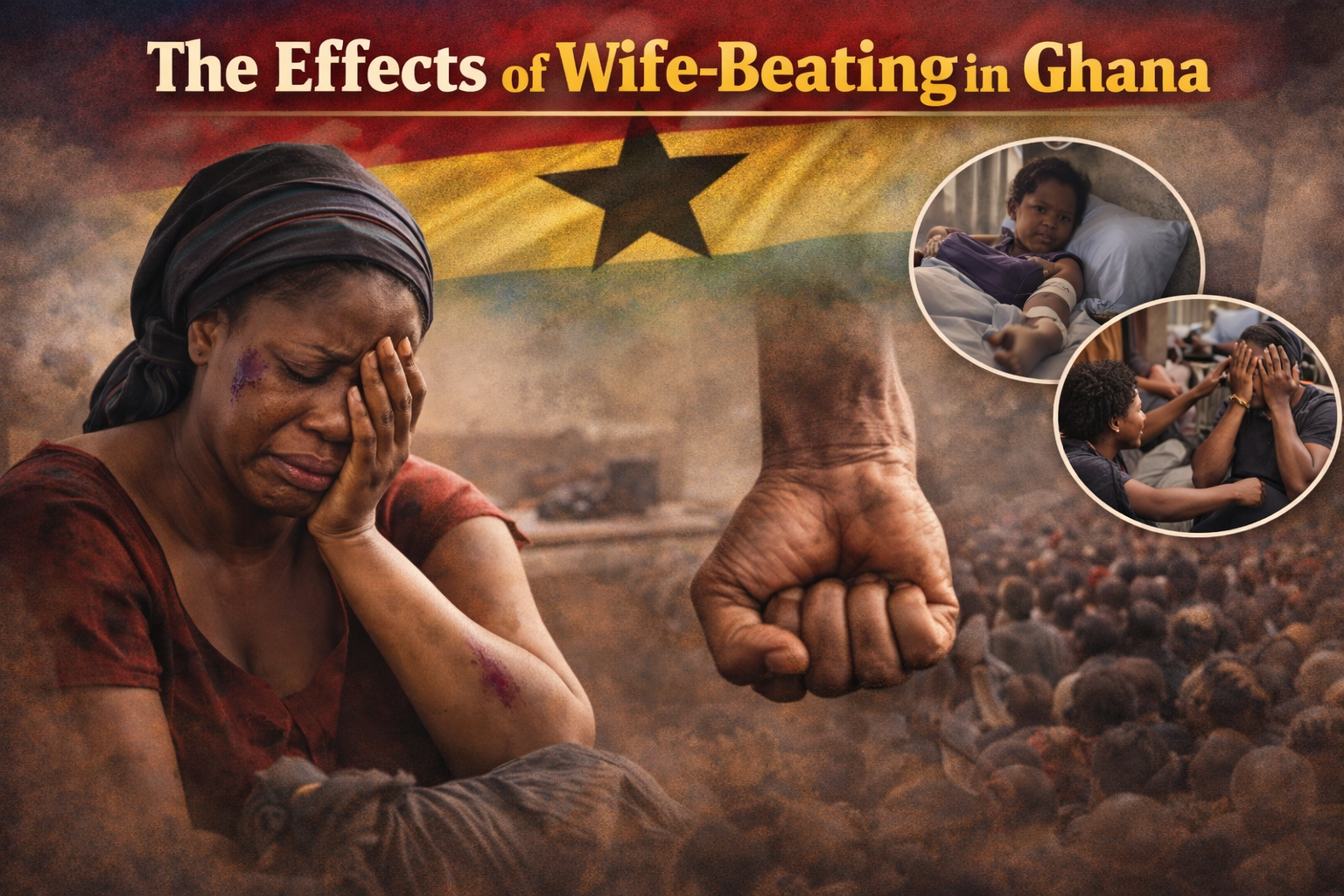
The Effects of Wife-Beating in Ghana
When Two Elephants Fight, the Earth Underneath Suffers Marriage is ideally meant to be a source of companionship, love, and emotional security between husband and wife. Yet in Ghana, as in many societies across the world, the promise of marital bliss is too often shattered by domestic violence, part
EntertainmentDec 31, 2025
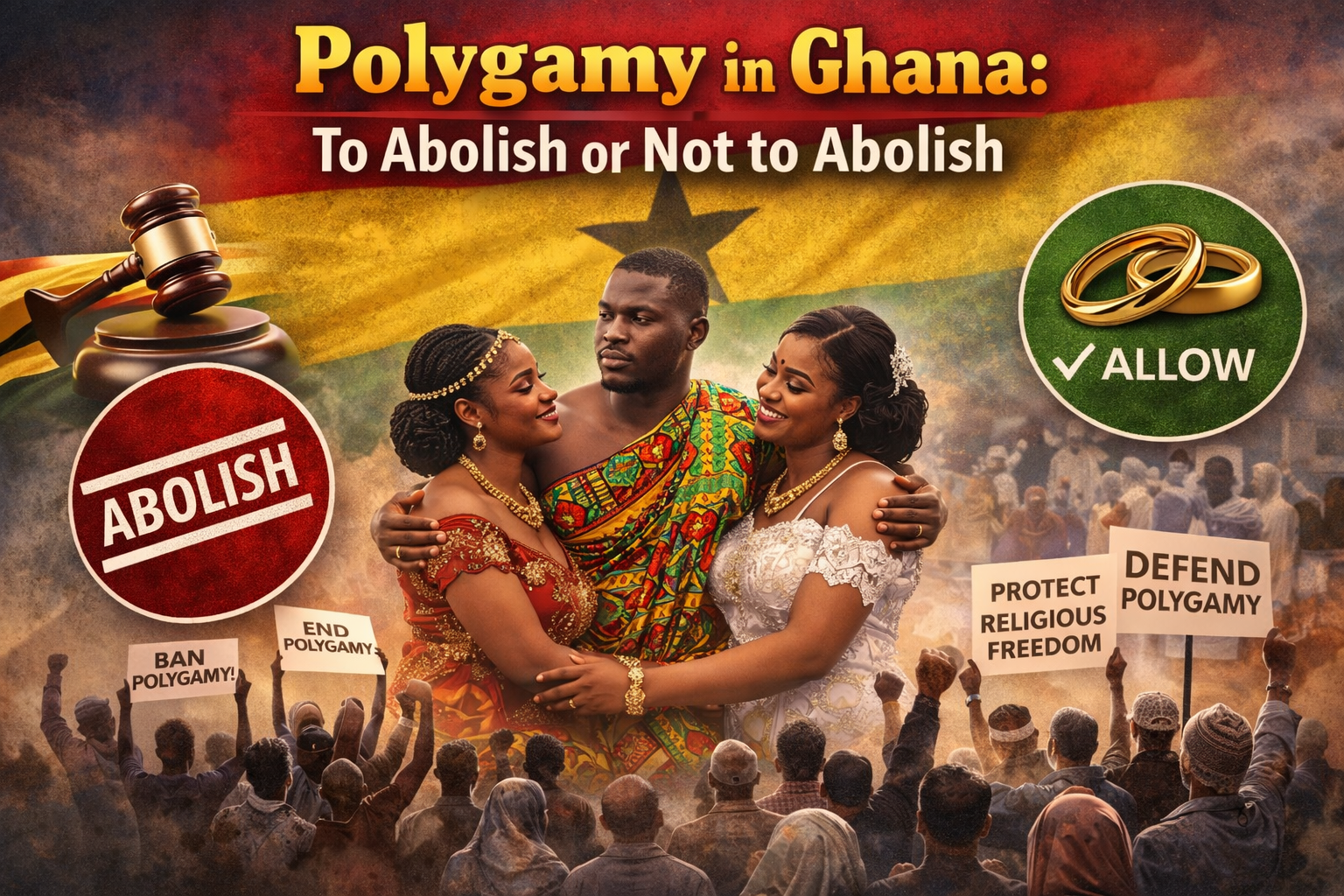
Polygamy in Ghana: To Abolish or Not to Abolish?
Polygamy refers to a marital arrangement in which a person is permitted to have two or more spouses at the same time. Although the term polygamy is often used loosely in everyday conversation, sociologists and anthropologists make important distinctions among its different forms. There are two main
EntertainmentDec 31, 2025
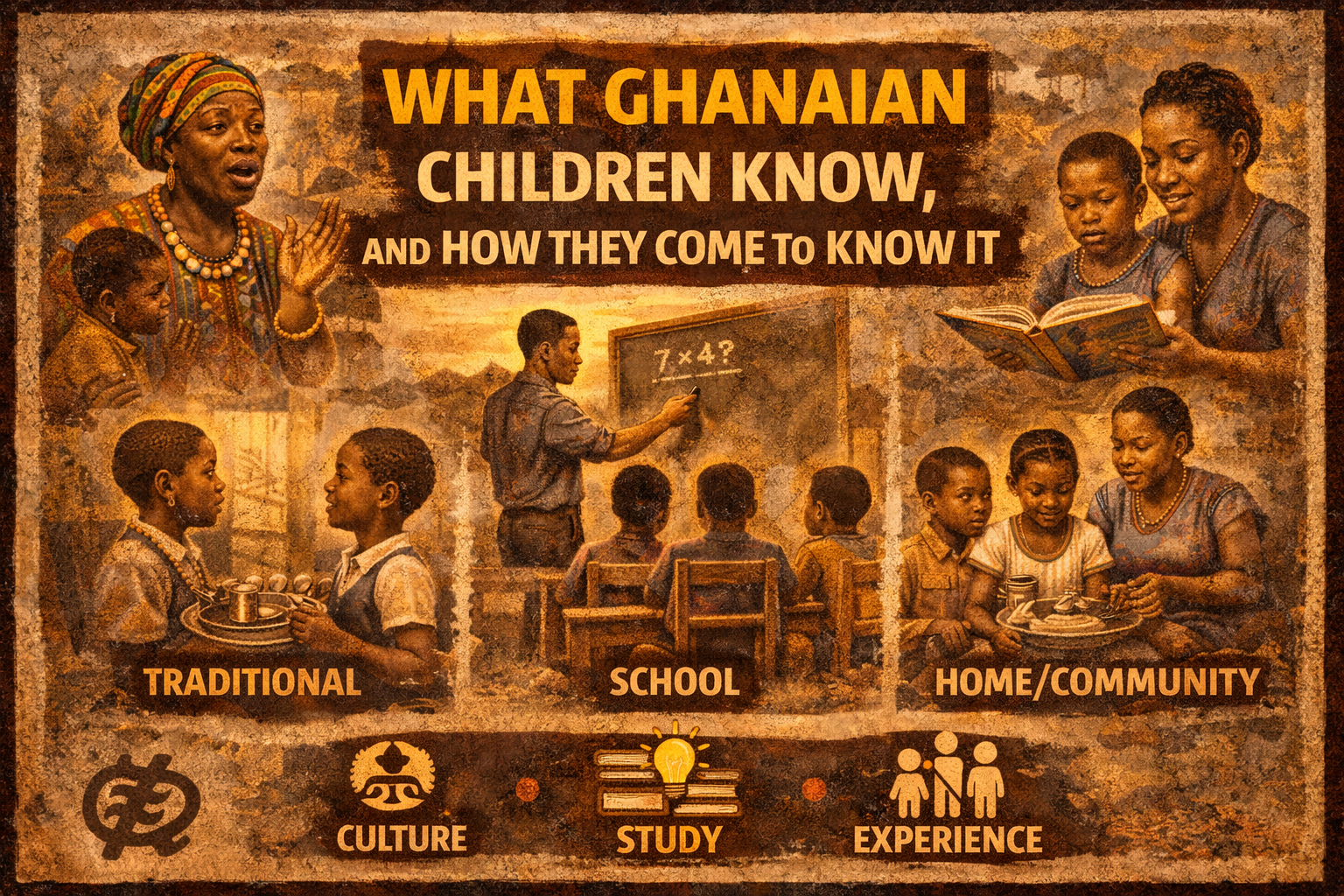
What Ghanaian Children Know, and How They Come to Know It
No one is born with knowledge. Human beings are born with the capacity to learn, but what they eventually know—how they speak, think, behave, believe, and interpret the world—is acquired from society. Knowledge, values, attitudes, and skills are socially produced and socially transmitted. By the tim
BusinessDec 30, 2025
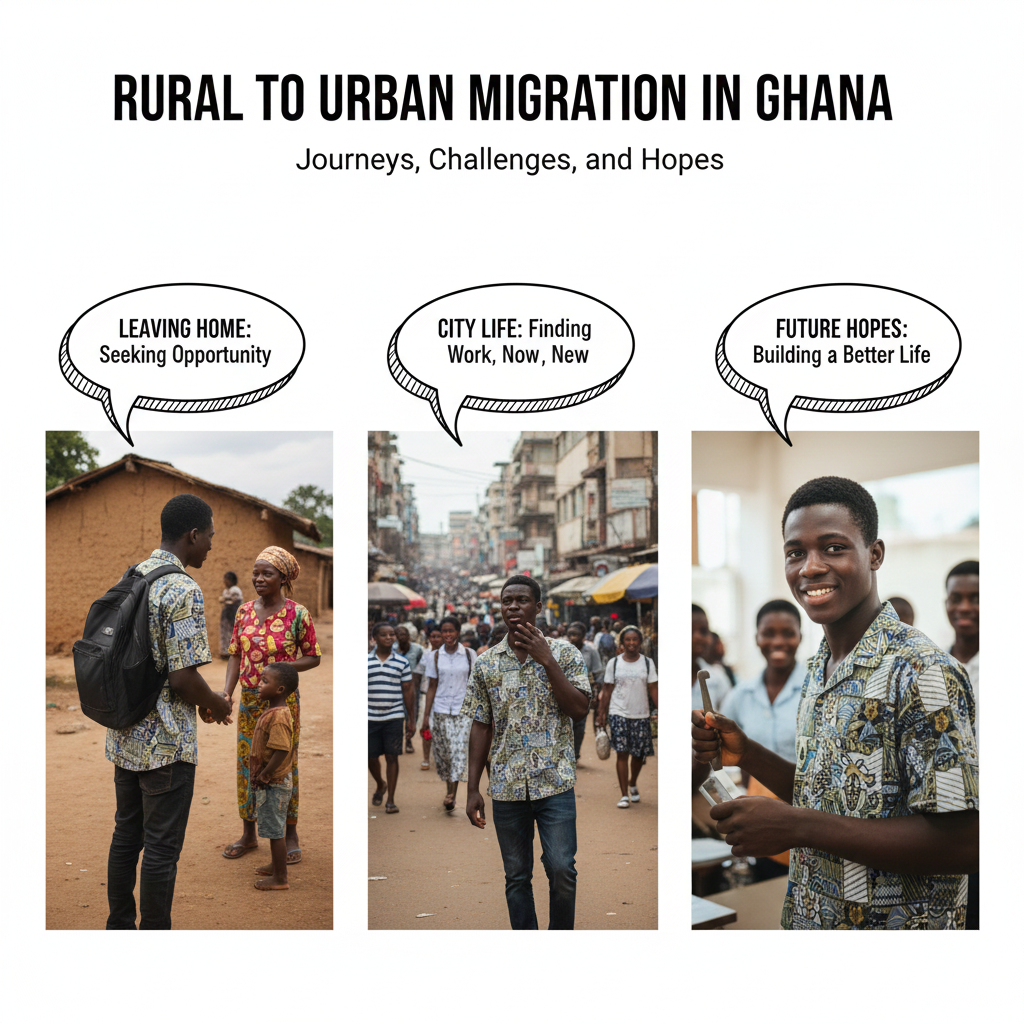
Causes of Rural–Urban Migration in Ghana and Other African Countries
The causes of Rural–Urban Migration are major concerns of African governments like Ghana. Across Ghana and much of Africa, a defining social transformation of the 21st century is the movement of people from the countryside to towns and cities. Every year, thousands of young people leave rural commun
BusinessDec 28, 2025
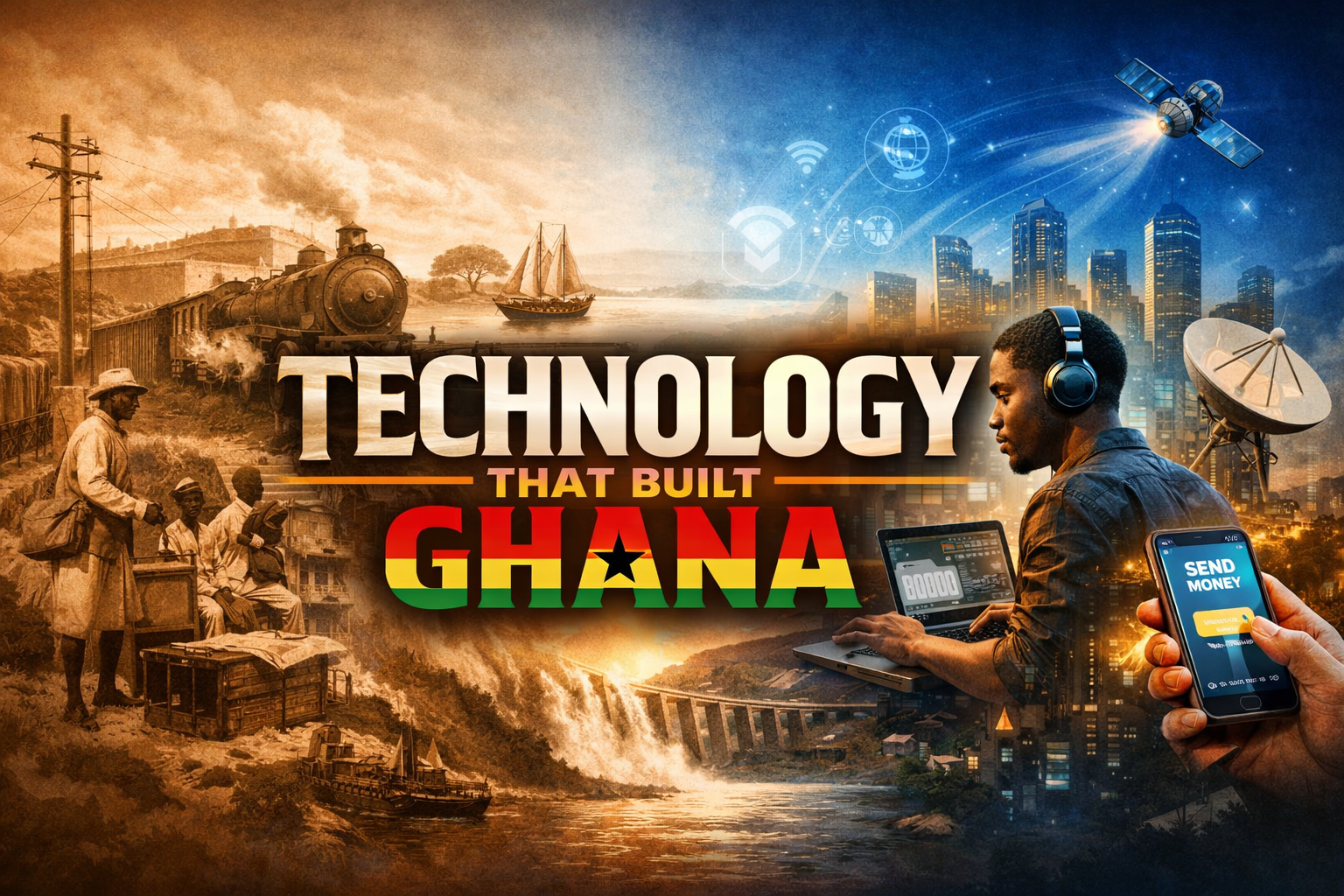
Fintech Revolution: How Digital Finance Changed Ghana More Than Any Bank Ever Did
Few modern technologies have transformed Ghana as deeply and as quickly as financial technology (fintech). What began as simple mobile phone services has grown into a digital financial ecosystem that reshaped banking, trade, and daily survival for millions of Ghanaians. Before Fintech: A Cash-Heavy
GH Newspapers Editorial Team
WorldDec 27, 2025
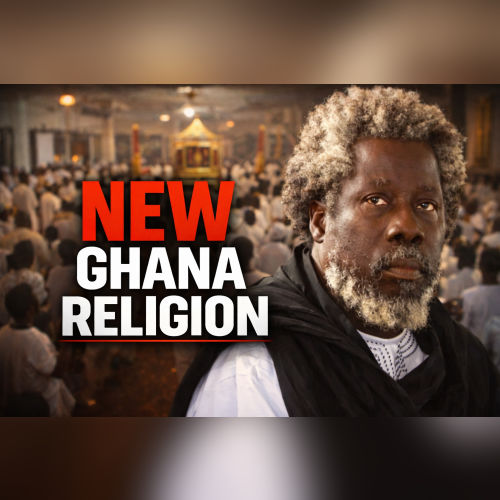
A New Religion in Ghana: Asomdwee Ntonton Som
A new religious movement has emerged in Ghana known as Asomdwee Ntonton Som, a name that translates literally as “Peace and Exaltation Religion.” Ghana is a deeply multireligious society, long accustomed to religious plurality. Christianity—represented by historic denominations such as Catholic, Pre
EntertainmentDec 26, 2025
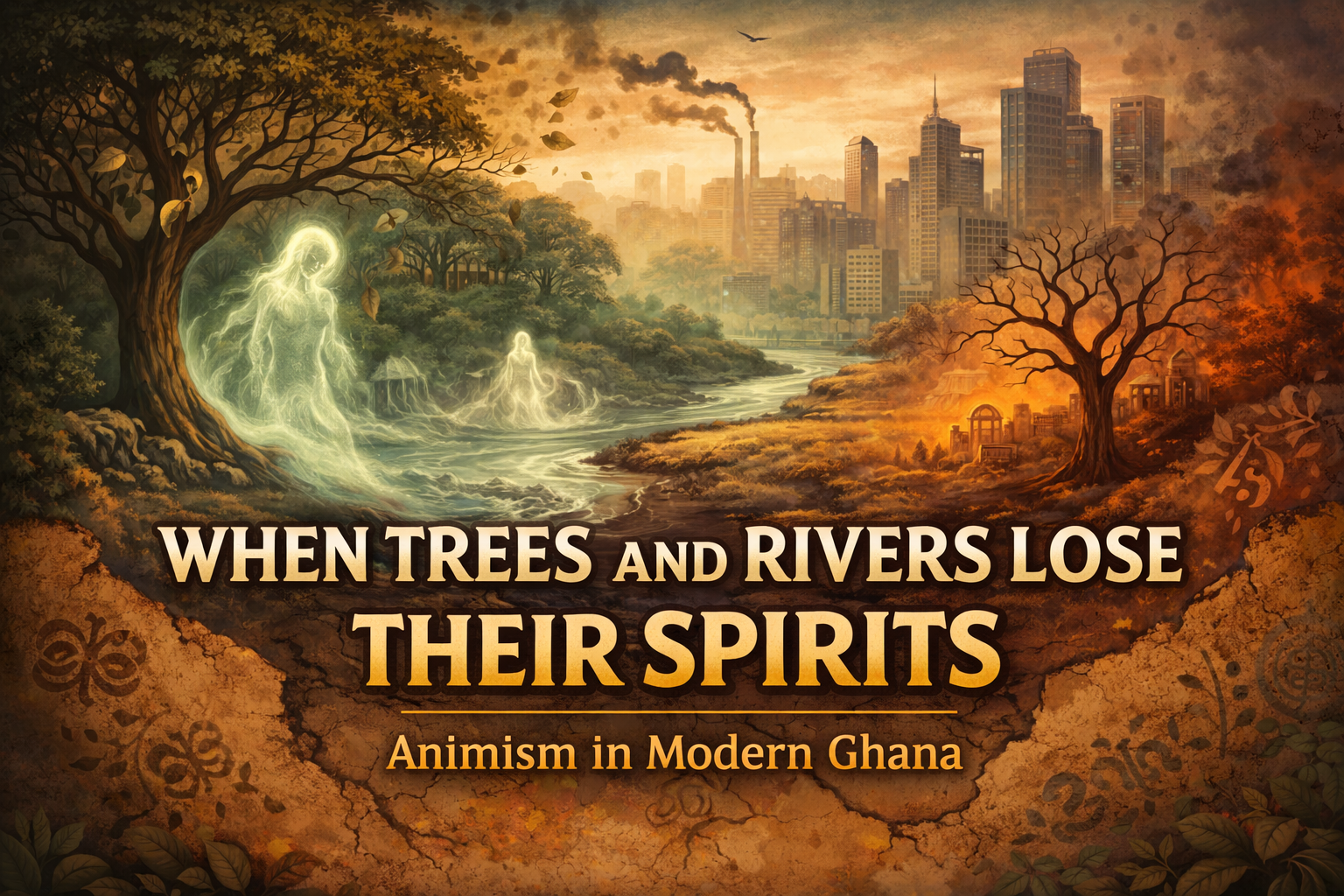
When Trees and Rivers Lose Their Spirits: Animism in Modern Ghana
Animism is the belief that the environment and society are populated with spirits. Many Ghanaians hold animistic beliefs, maintaining that their surroundings are inhabited by spiritual beings. Some of these spirits are believed to be benevolent, while others are considered malevolent. Animistic beli
WorldDec 26, 2025
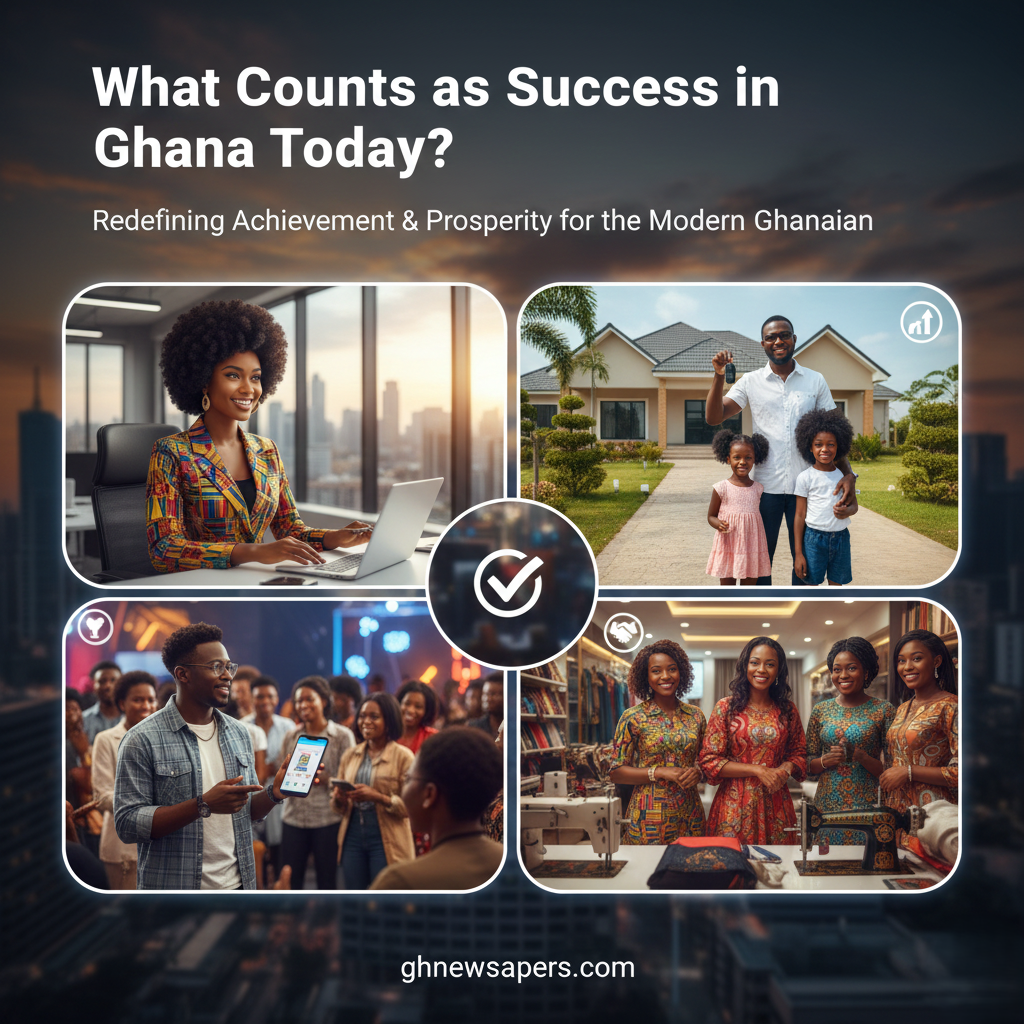
What Counts as Success in Ghana Today?
In Ghana, success is loudly celebrated, quietly envied, and endlessly debated. Yet, beneath the noise of social media displays, church testimonies, political slogans, and family expectations lies a deeper question we rarely pause to ask ourselves honestly: what does success truly mean to you? Not to
BusinessDec 26, 2025
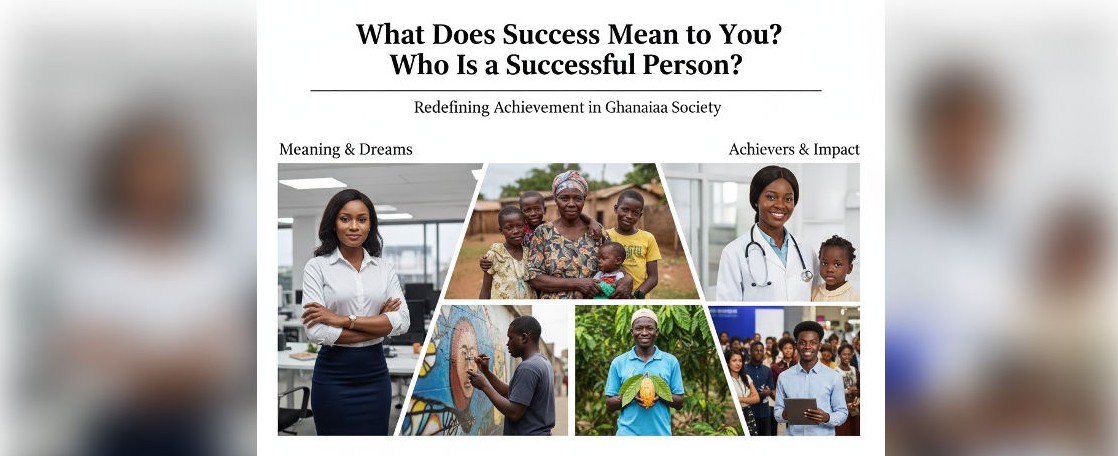
What Does Success Mean to You? Who Is a Successful Person?
Almost everyone dreams of success. From childhood, we are taught to aspire, to achieve, and to “make it” in life. Parents encourage their children to succeed, communities celebrate successful people, and society often rewards those it considers accomplished. But an important question remains: What d

EntertainmentDec 25, 2025
Is Tourism Beneficial to Ghana?
Every year, thousands of tourists visit Ghana. According to the 2024 Tourism Report published by the Ghana Tourism Authority, Ghana welcomed 1,288,804 international visitors in 2024. The country continues to promote tourism in order to expand the industry and increase its benefits. This raises an im
PoliticsDec 19, 2025
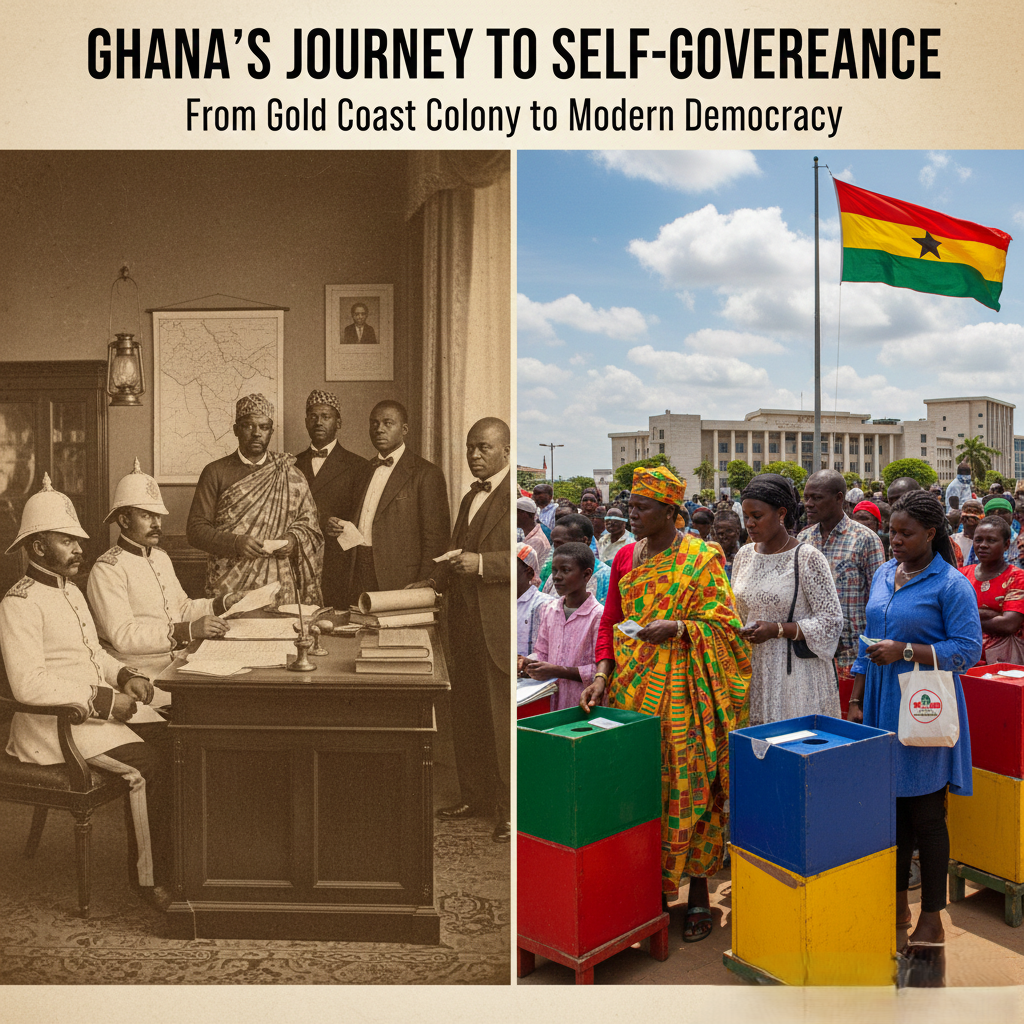
The Struggle for Self-Governance — Ghana’s Most Important Idea from the Gold Coast Era to Today
If there is one idea that has mattered more to Ghana than any other from the Gold Coast era to the present, it is the struggle for self-governance and accountable leadership. From colonial domination to modern democracy, Ghana’s history has been shaped by a single, powerful question: Who governs us,
GH Newspapers Editorial Team

SportsDec 19, 2025
Ghana’s History and the Birth of Sports: From Ancient Traditions to National Identity
Introduction: Sport as a Mirror of Ghana’s History Long before Ghana was known by its modern name, sport and physical competition were already embedded in the social, political, and spiritual life of its people. From the ancient kingdoms of the Gold Coast to independence in 1957 and into the modern
GH Newspapers Editorial Team
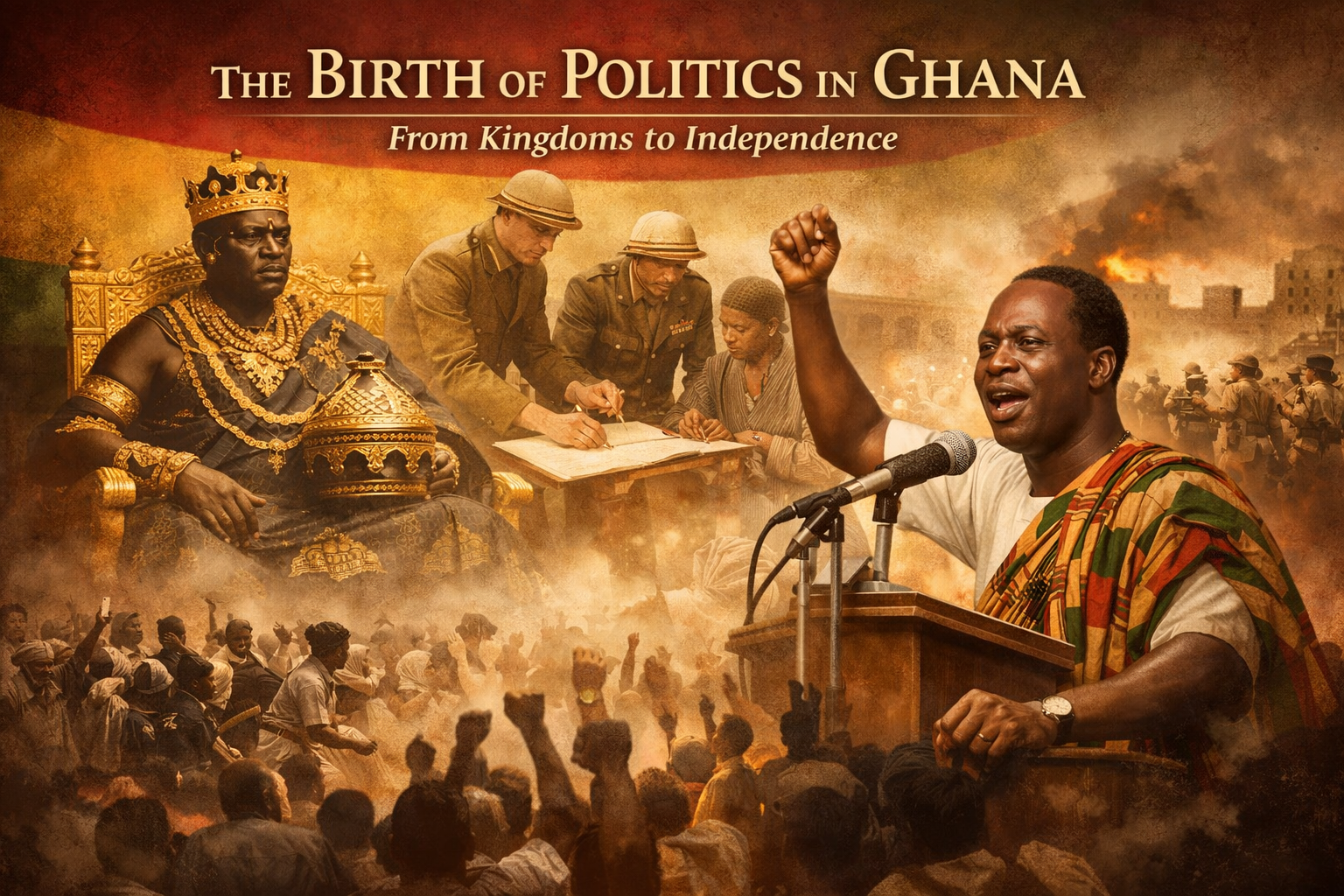
PoliticsDec 19, 2025
Ghana’s History and the Birth of Politics: From Ancient Kingdoms to Modern Democracy
Politics Before the State Called Ghana Long before the name Ghana was adopted in 1957, the land and peoples of the Gold Coast had already developed sophisticated political systems. Politics in Ghana did not begin with Europeans or colonial rule; it evolved from indigenous governance structures, cust
GH Newspapers Editorial Team