Why Is the Star on Ghana's Flag Black?
The article explains why the star in Ghana's flag is black, instead of white, silver or golden
33 results for “Religion”

The article explains why the star in Ghana's flag is black, instead of white, silver or golden

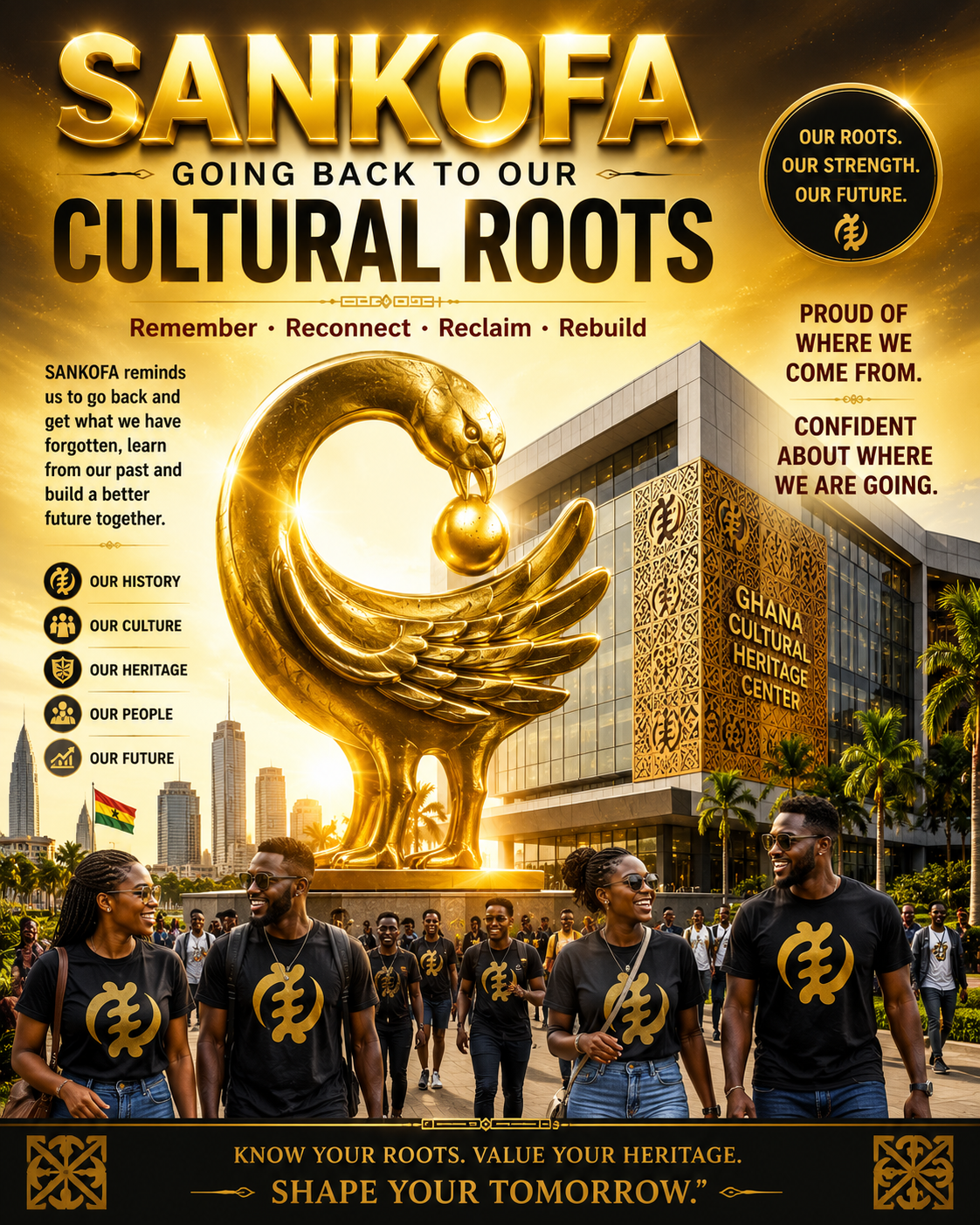
Ghana is a country with a rich and vibrant cultural heritage. Long before the arrival of Europeans, the people who inhabited the territory now known as Ghana had developed sophisticated political syst

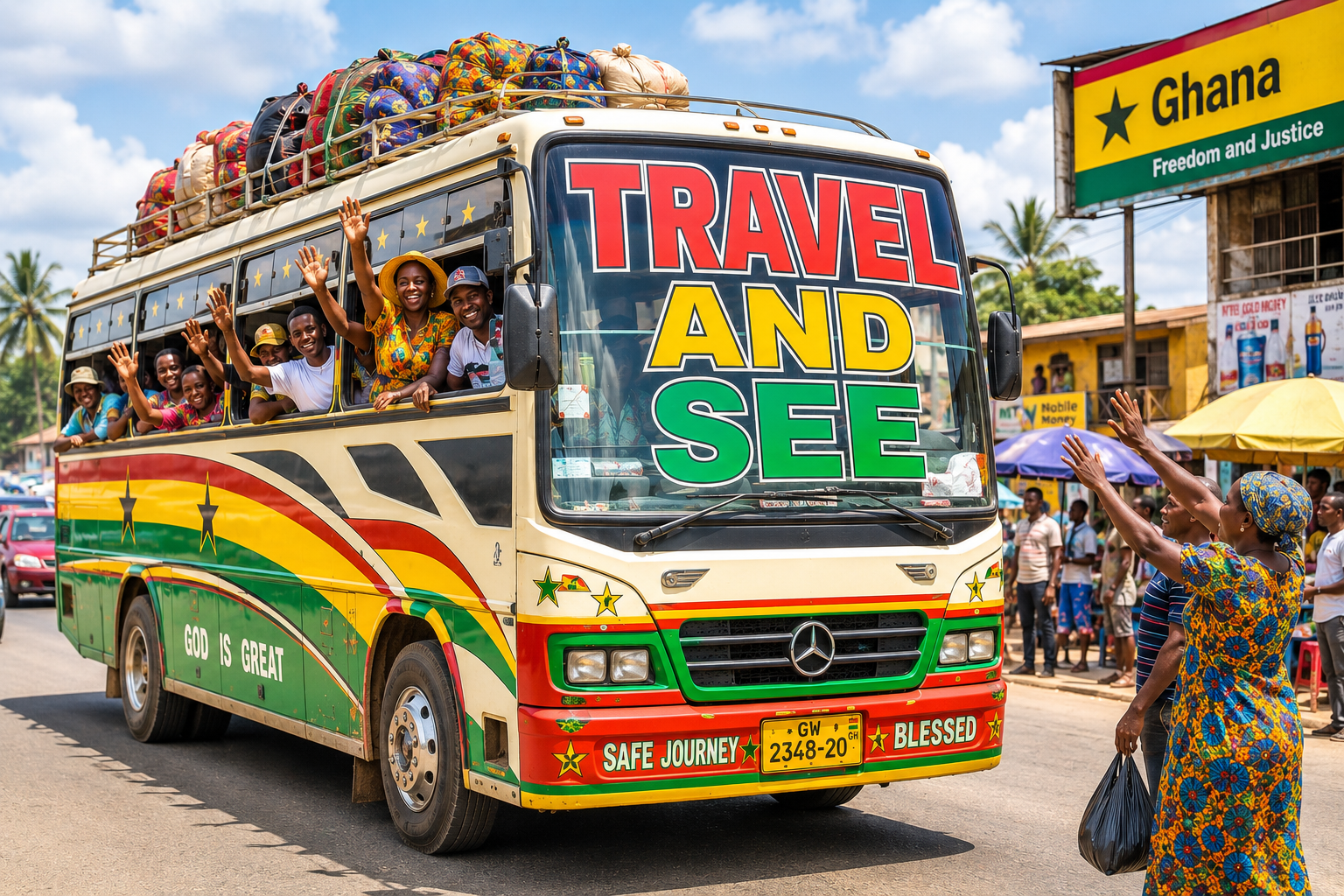
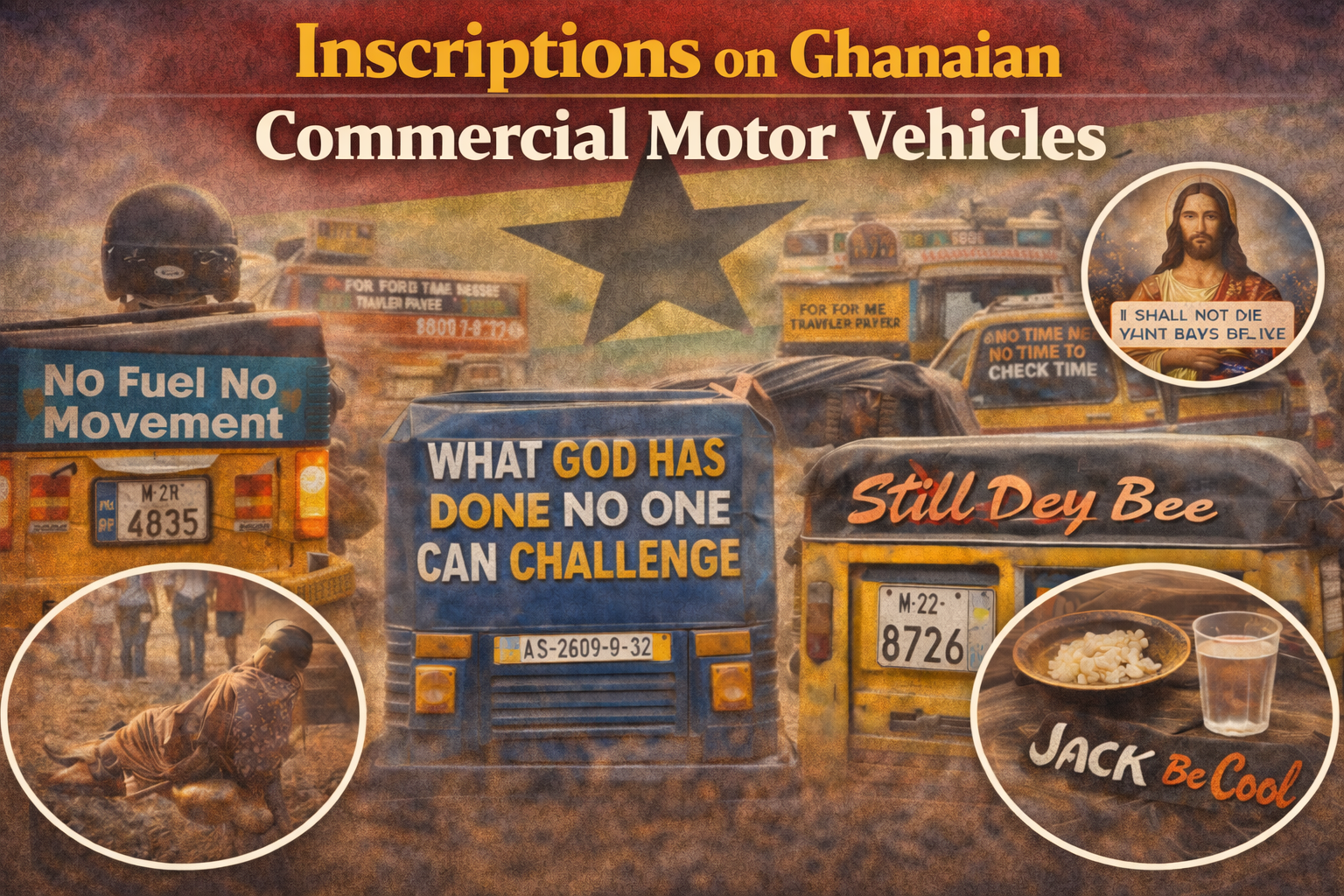
A Popular Ghanaian Vehicle Inscription Ghanaian commercial vehicles are often adorned with colorful inscriptions that convey wisdom, faith, humor, and life lessons. One common inscription seen on veh

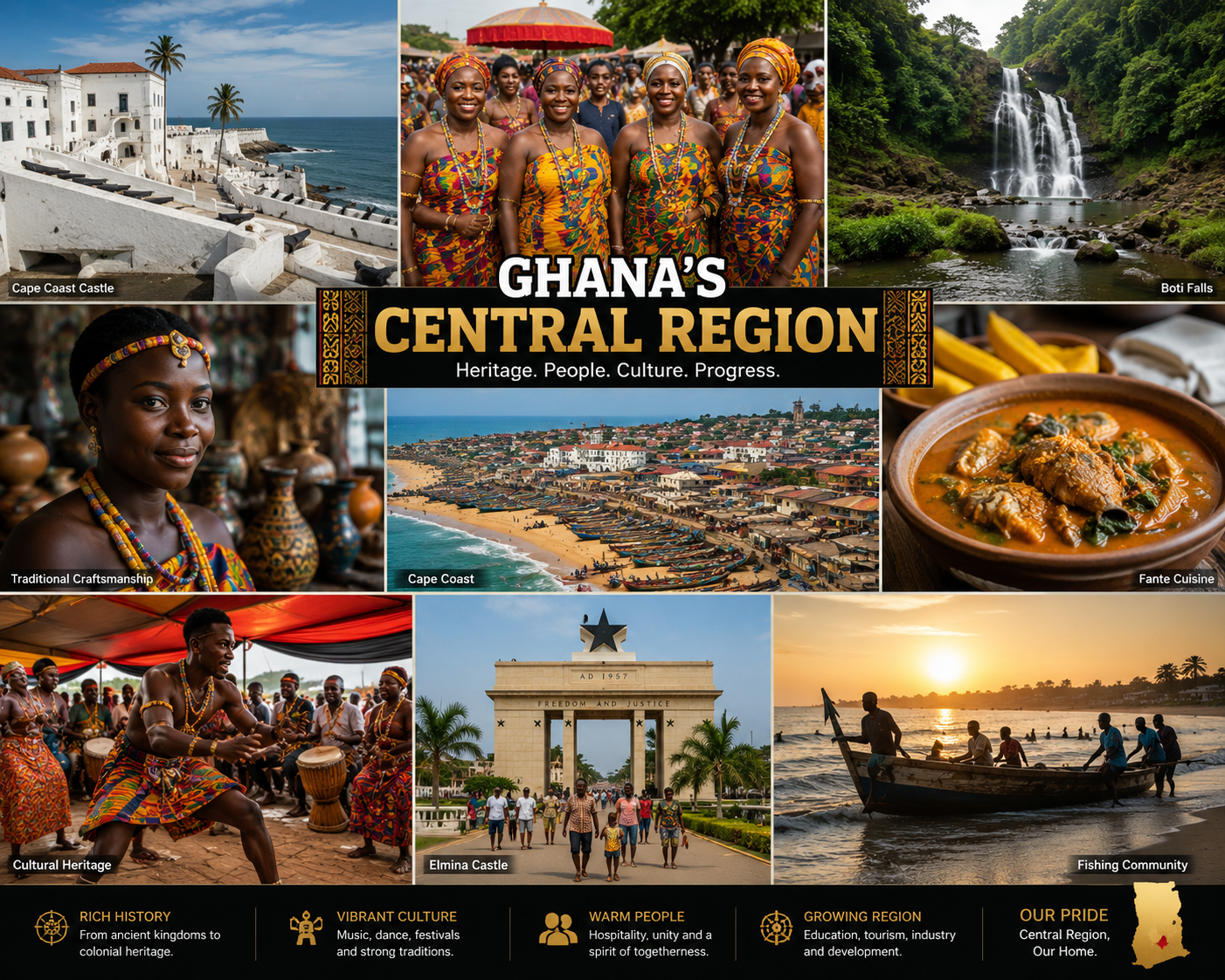
Introduction Among Ghana’s sixteen administrative regions, few possess the historical significance, educational prominence, and cultural richness of the Central Region. Located along Ghana’s southern

Introduction The Akan have a wise saying: "If you plant plantain, you will harvest plantain; if you plant cassava, you will harvest cassava; and if you plant pineapples, you will harvest pineapples."

A Nation Richly Endowed Ghana is richly blessed with natural and human resources. The country possesses some of the world's finest deposits of gold and diamonds. It is endowed with bauxite, manganese

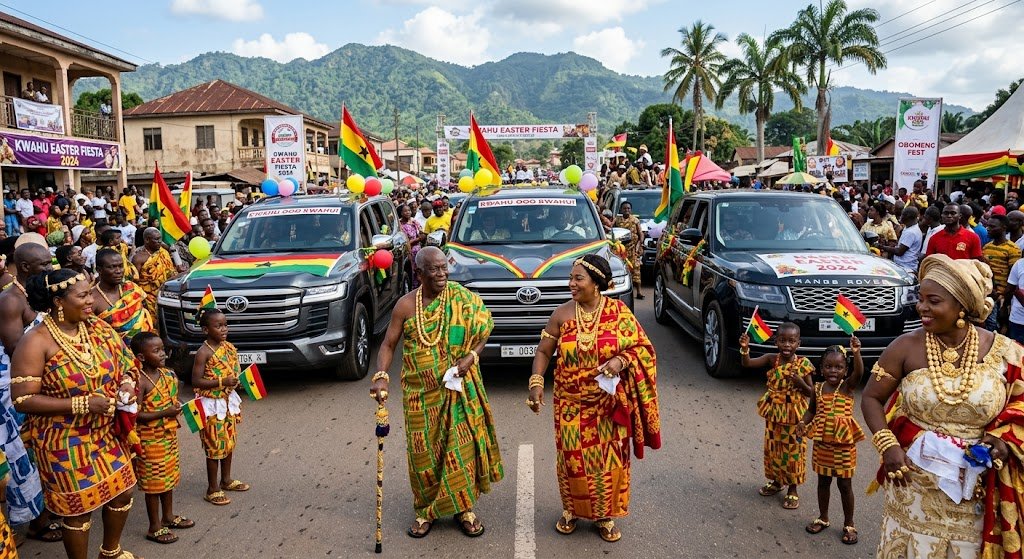
Introduction Every year, as Easter approaches, a familiar phrase echoes across Ghana's radio stations, television screens, and social media platforms: "Kwahu oooo Kwahu!" The expression has become bo

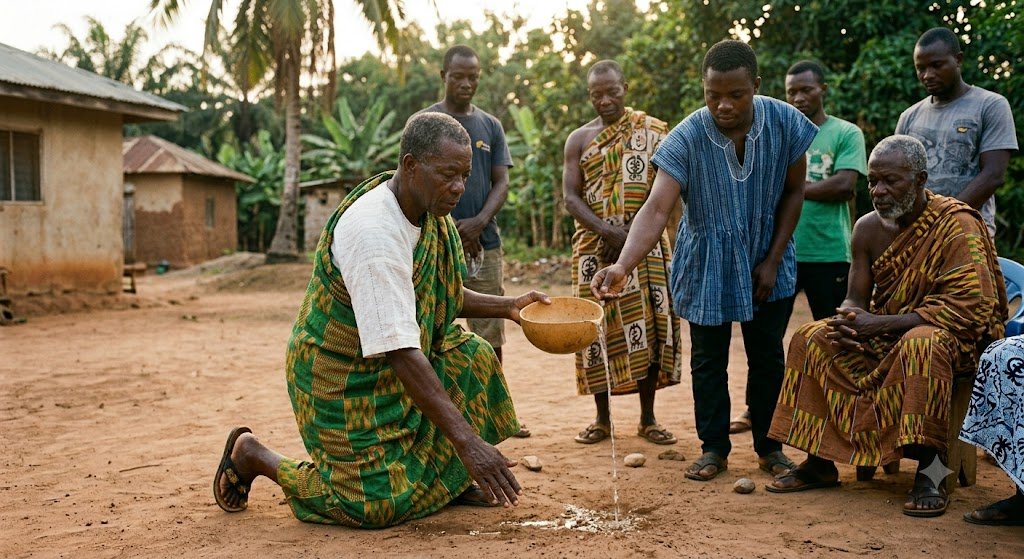
Asase Yaa, in the indigenous religion of the Akan people, is regarded as the great female spirit of the earth. She occupies a position of honor and importance second only to Nyankopon, the Creator. Th

A Generation Dissatisfied with the Status Quo Many young people around the world are deeply dissatisfied with the state of the world today. They are troubled by persistent injustices, armed conflicts

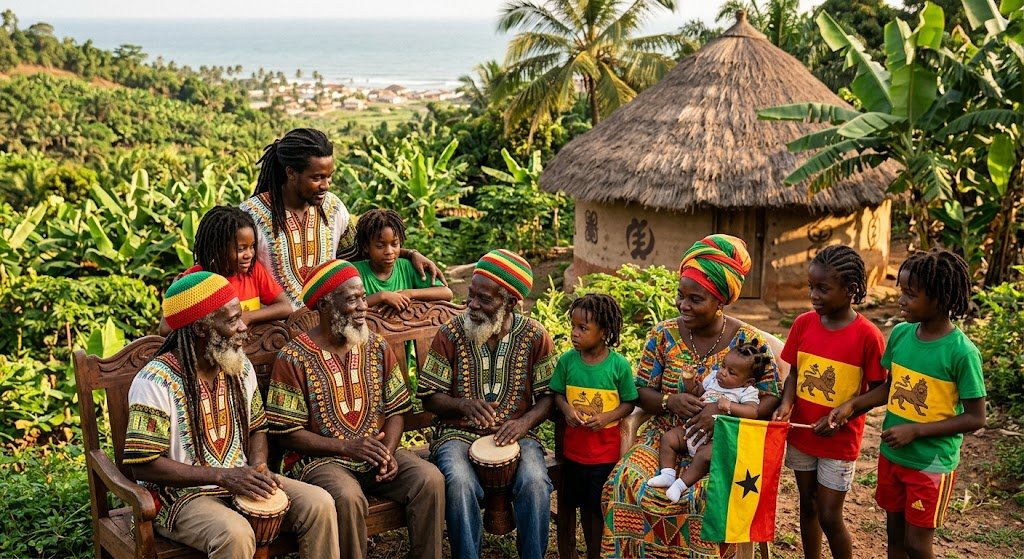
Rastafarians

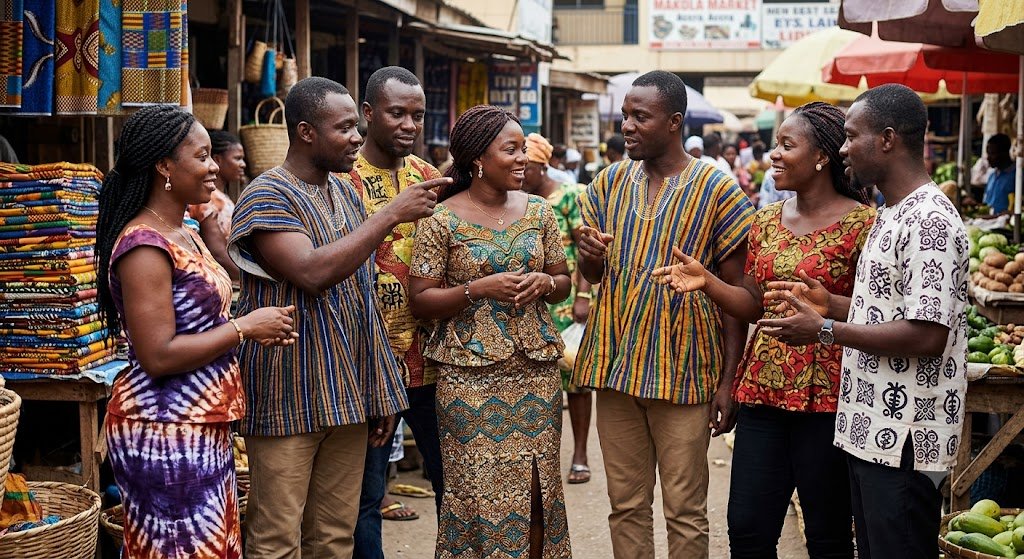
multilingualism, language

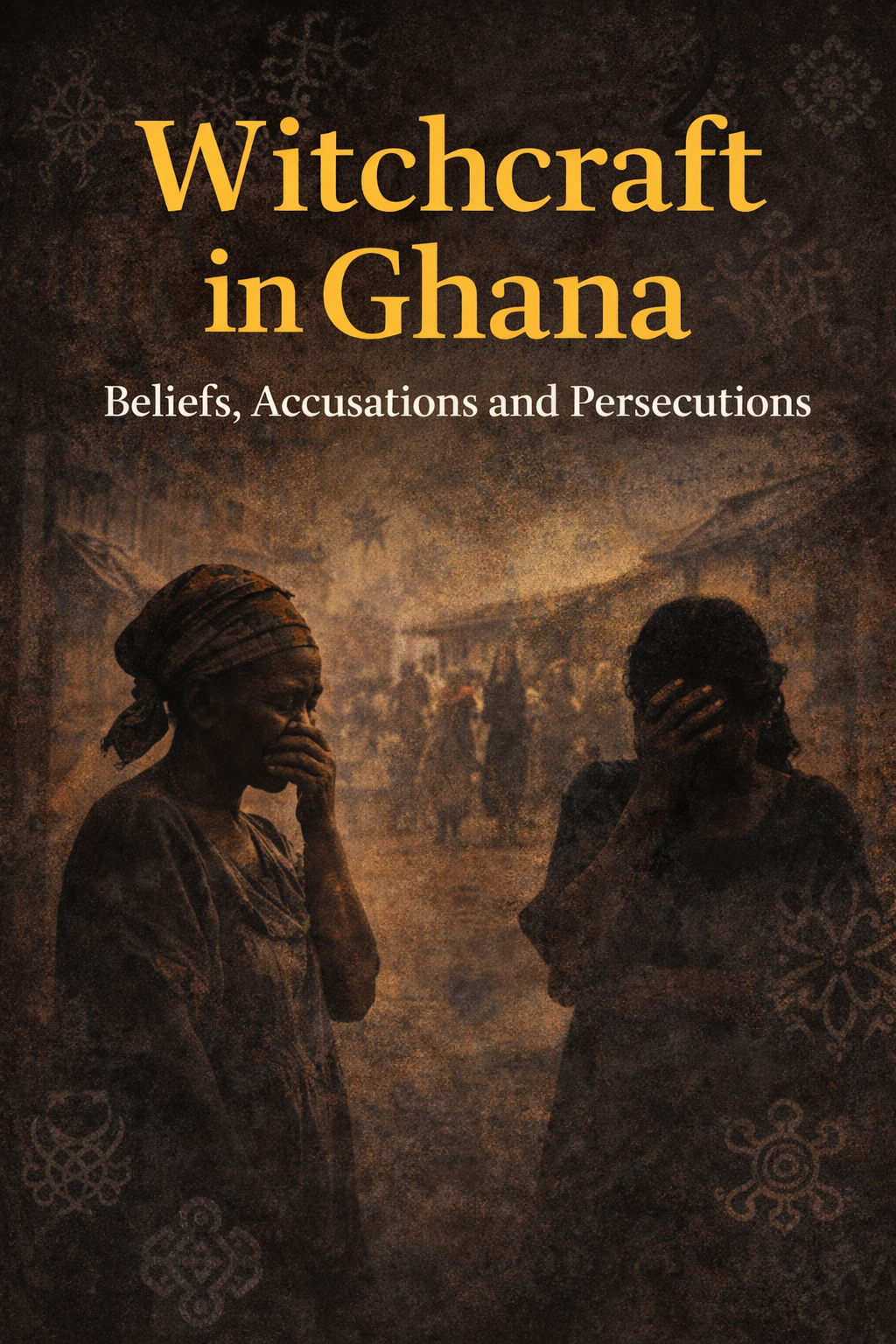
Understanding One of Ghana’s Most Enduring Social Questions Research on witchcraft in Ghana spans nearly a century and reflects the country’s continuing struggle to understand belief, accusation, fea

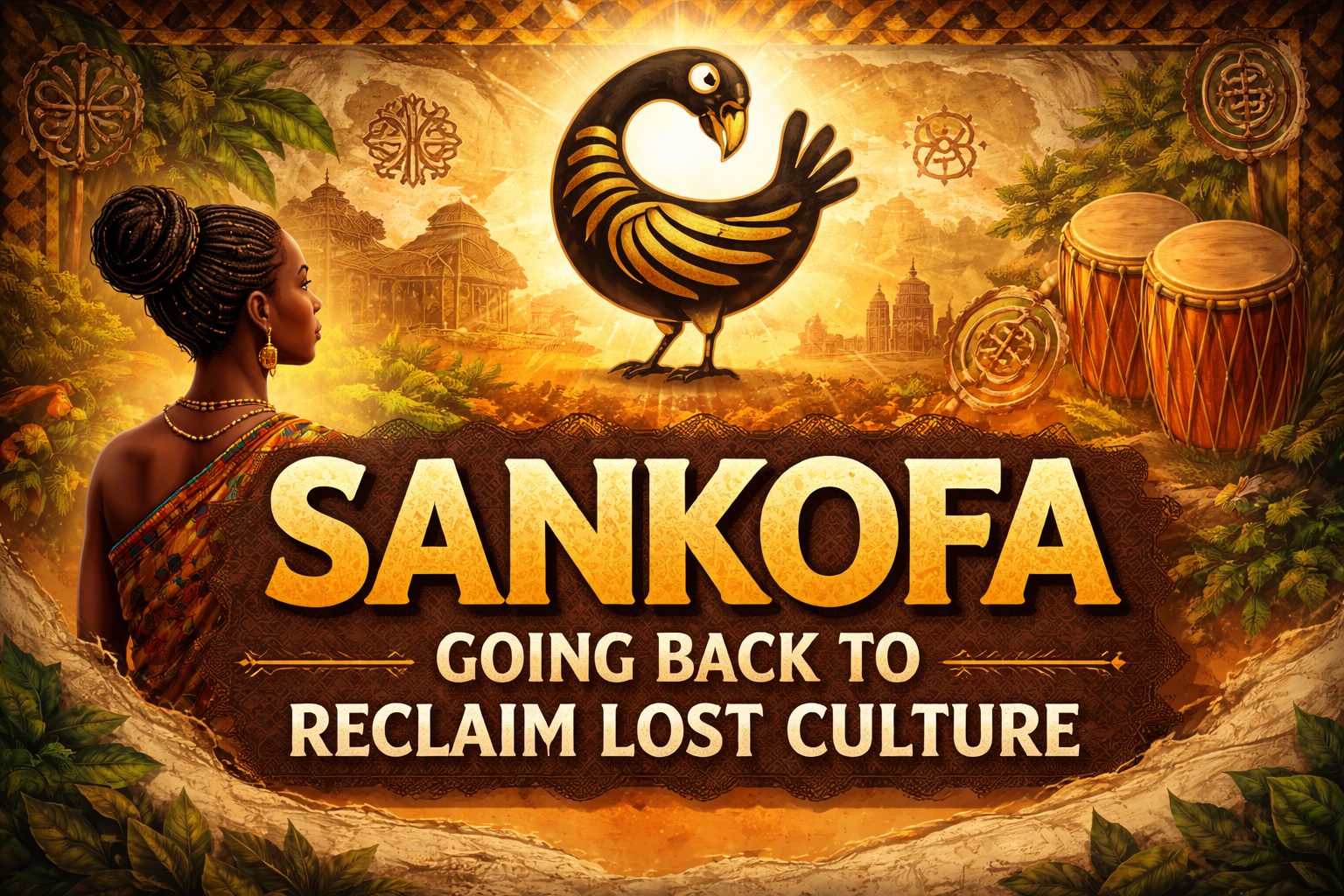
For centuries, Ghana has stood at the crossroads of global cultural encounters. Long before the modern era of globalization, the land now called Ghana was already a bustling center of trade and intera

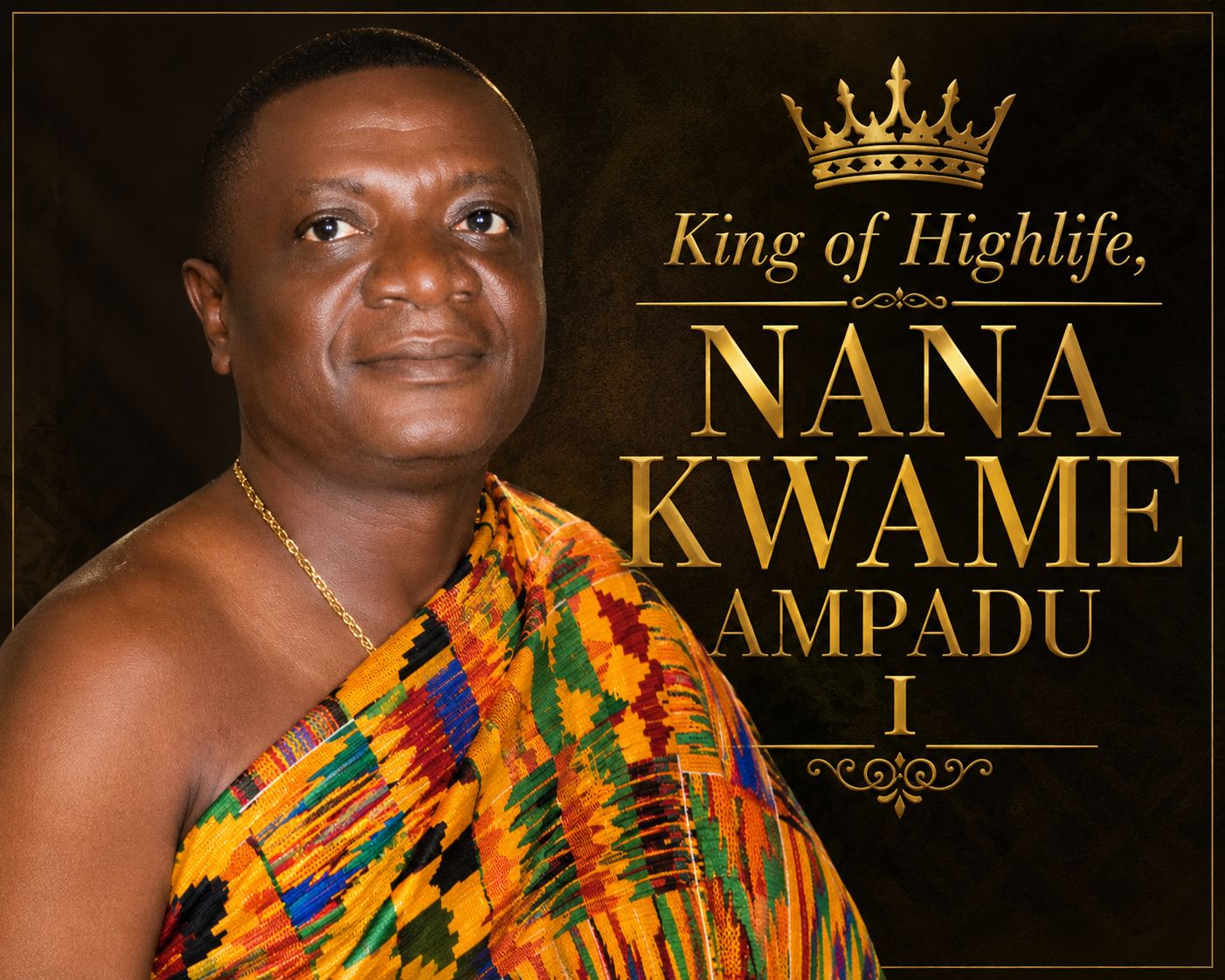
King of Highlife, Nana Ampadu Among the pantheon of Ghanaian musicians who shaped the soundscape of modern West African music, few names command the reverence accorded to Nana Kwame Ampadu I. A compo

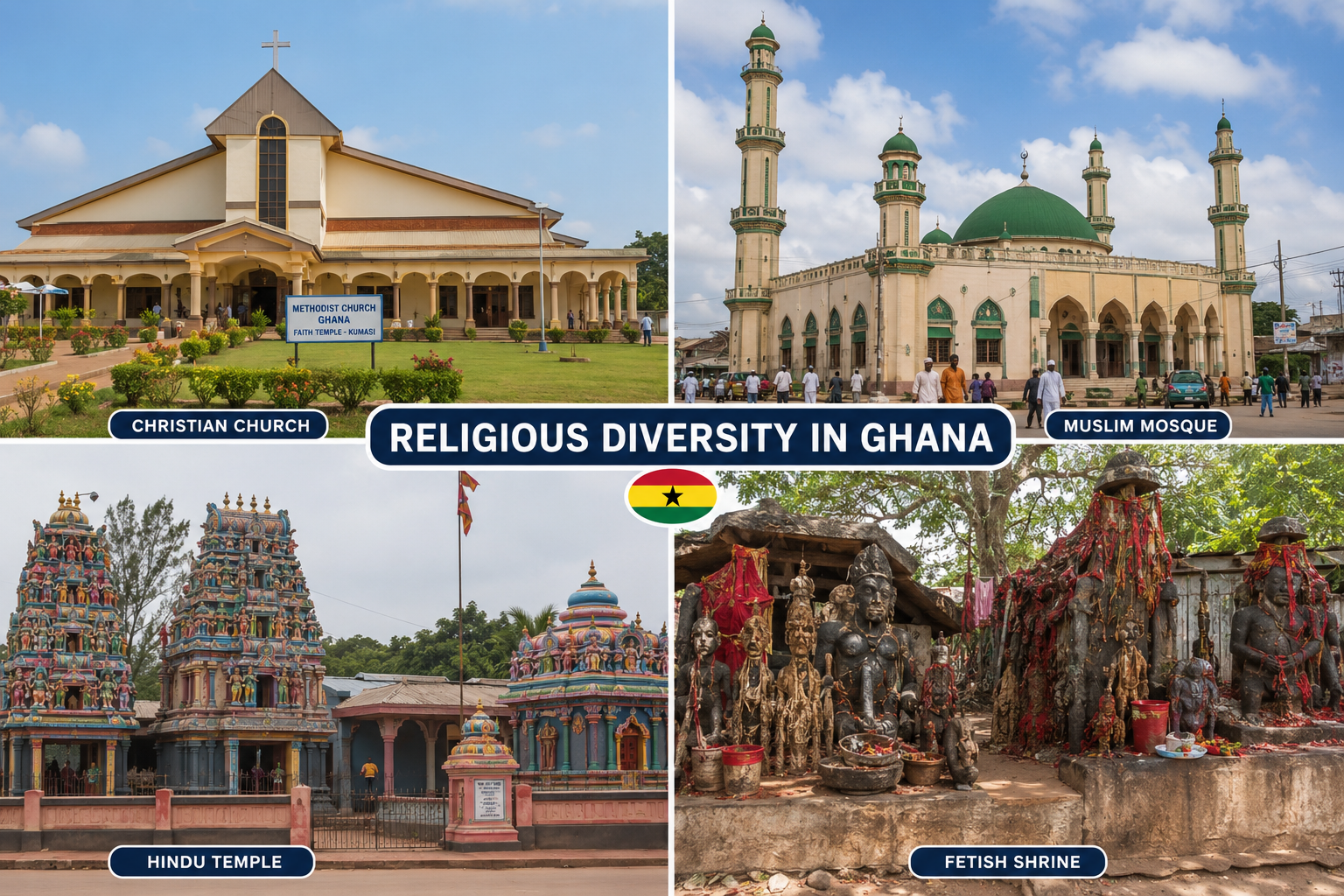
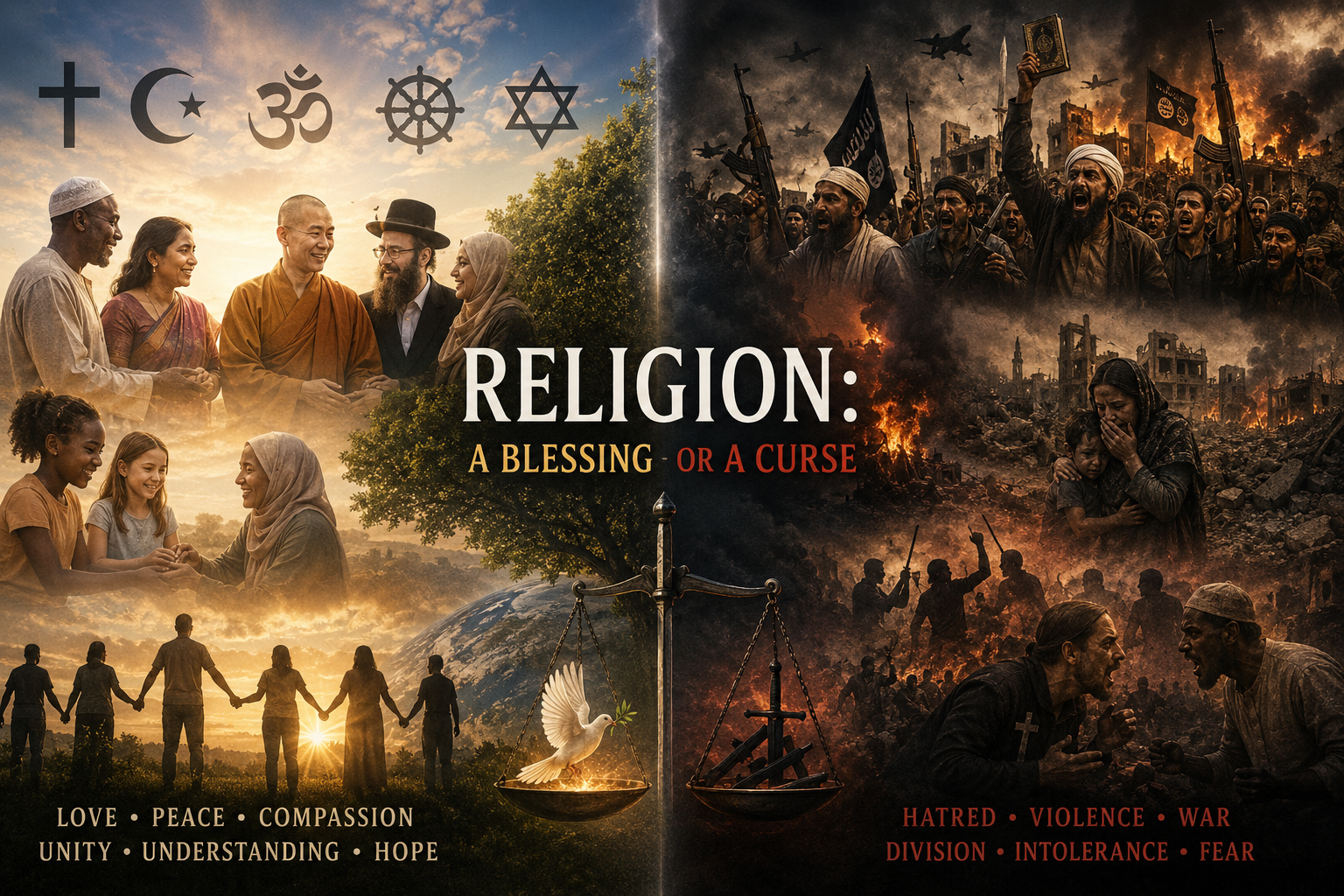
The world today is full of religions. By merely casting a cursory glance around us, we encounter Christians and Christianity, Hindus and Hinduism, Muslims and Islam, atheists, agnostics, traditionalists, Zionists, Jews and Judaism, Confucianists and Confucianism, Shintos and Shintoism. Religion, as
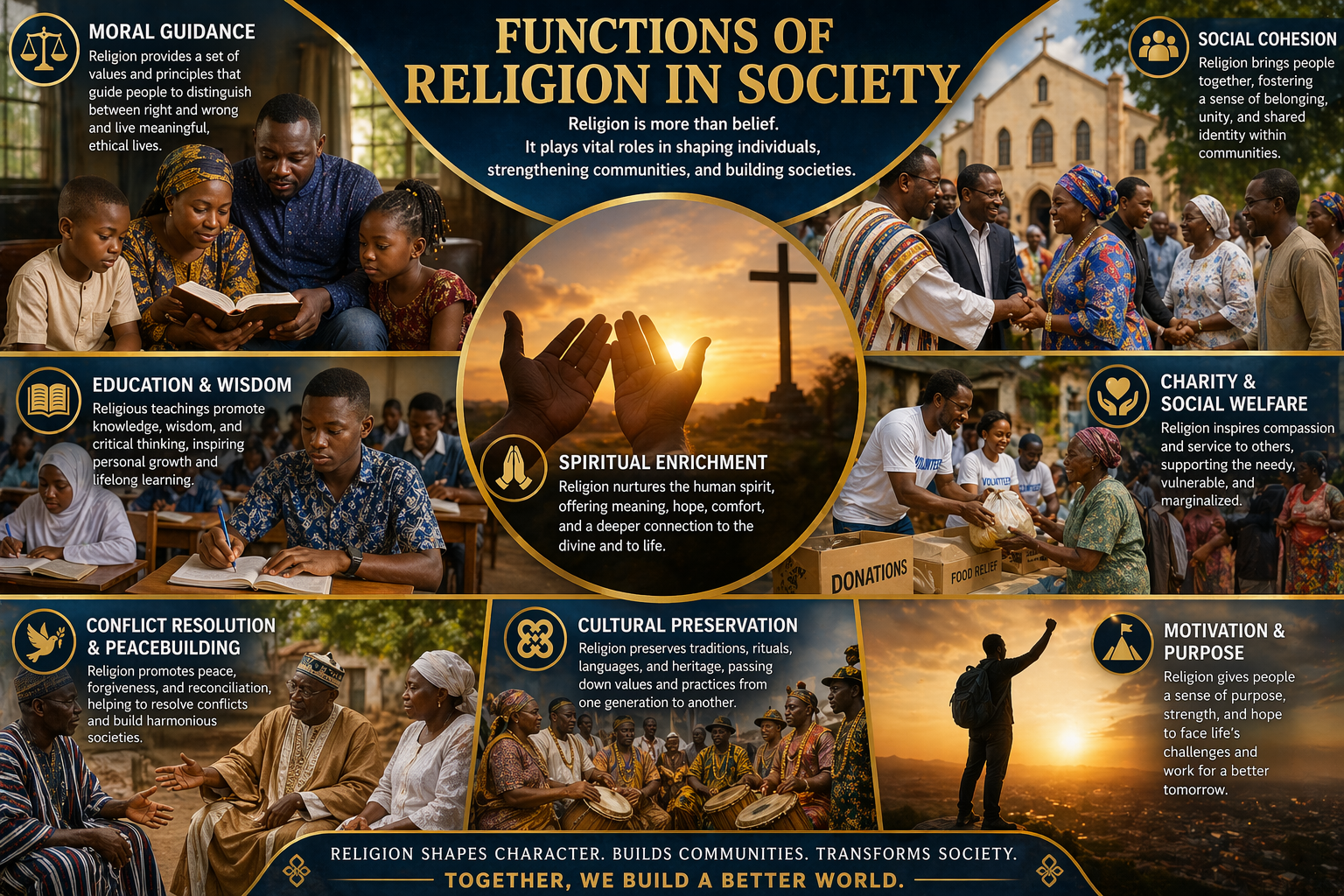
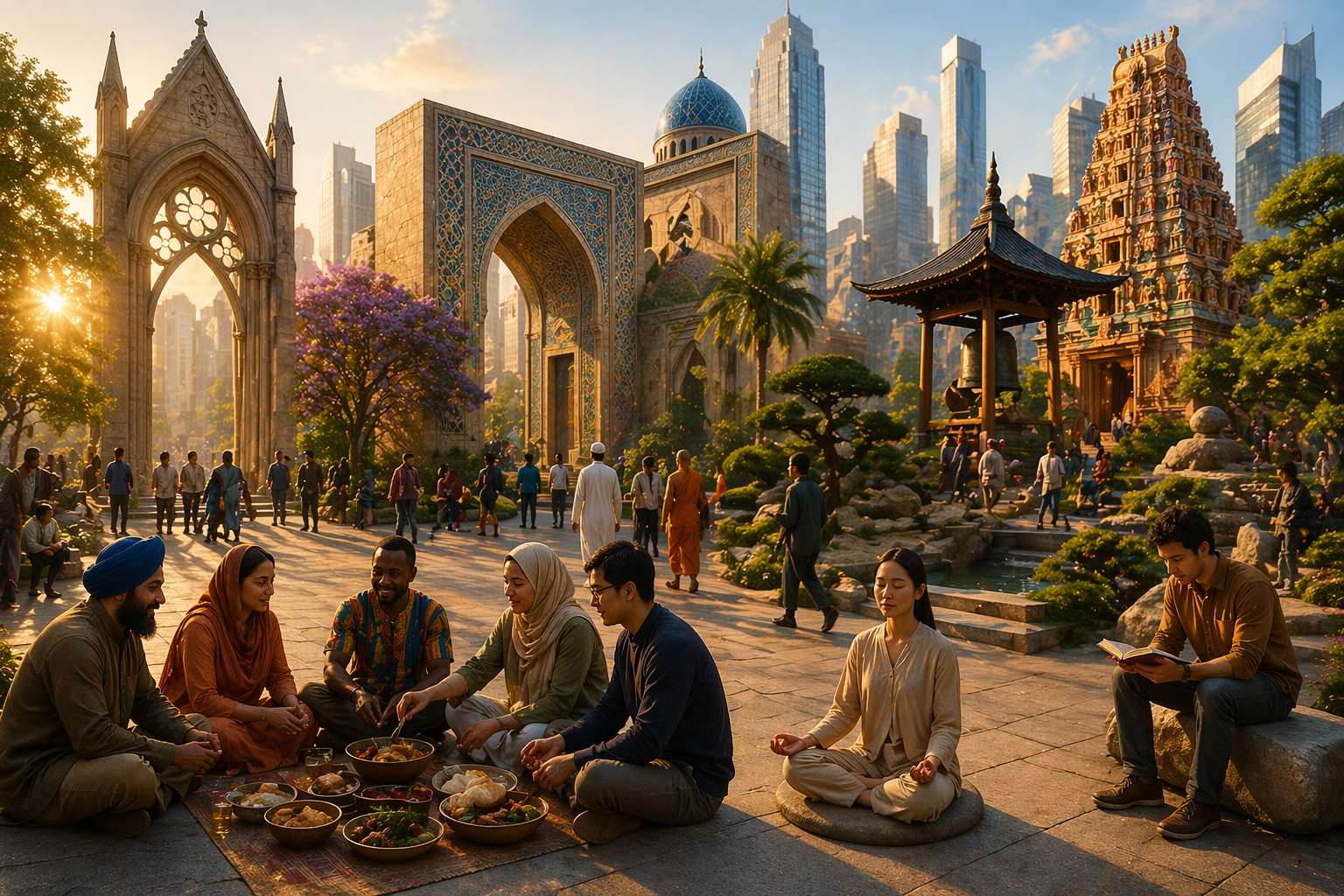
Scholars who study society—sociologists, anthropologists, and others—have long observed that religion exists in every known culture. Because of this, religion is often described as a cultural universal. It is not limited to one people or place; it is a shared human experience. In today’s world, reli

Sociologists define religion as a system of shared beliefs and practices through which people relate to what they consider sacred or supernatural. In simple terms, religion helps people make sense of life, death, and the world beyond what we can see. A Cultural Universal One important idea in sociol
Politics, at its core, is a struggle over resources, influence, and authority. While much of political competition is expressed through negotiation, elections, and policymaking, history shows that the pursuit of power can also result in extreme acts, including the deliberate taking of human life. Ho

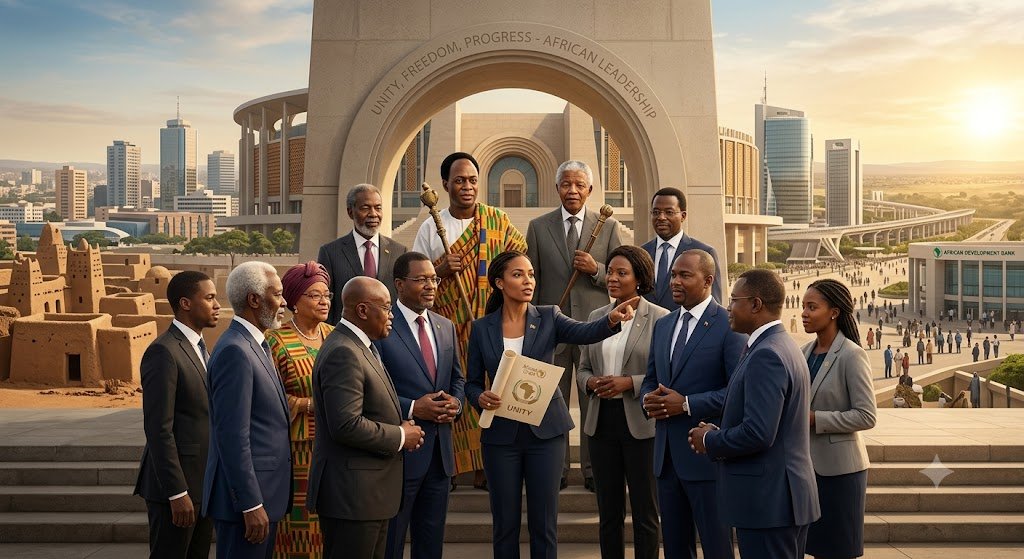
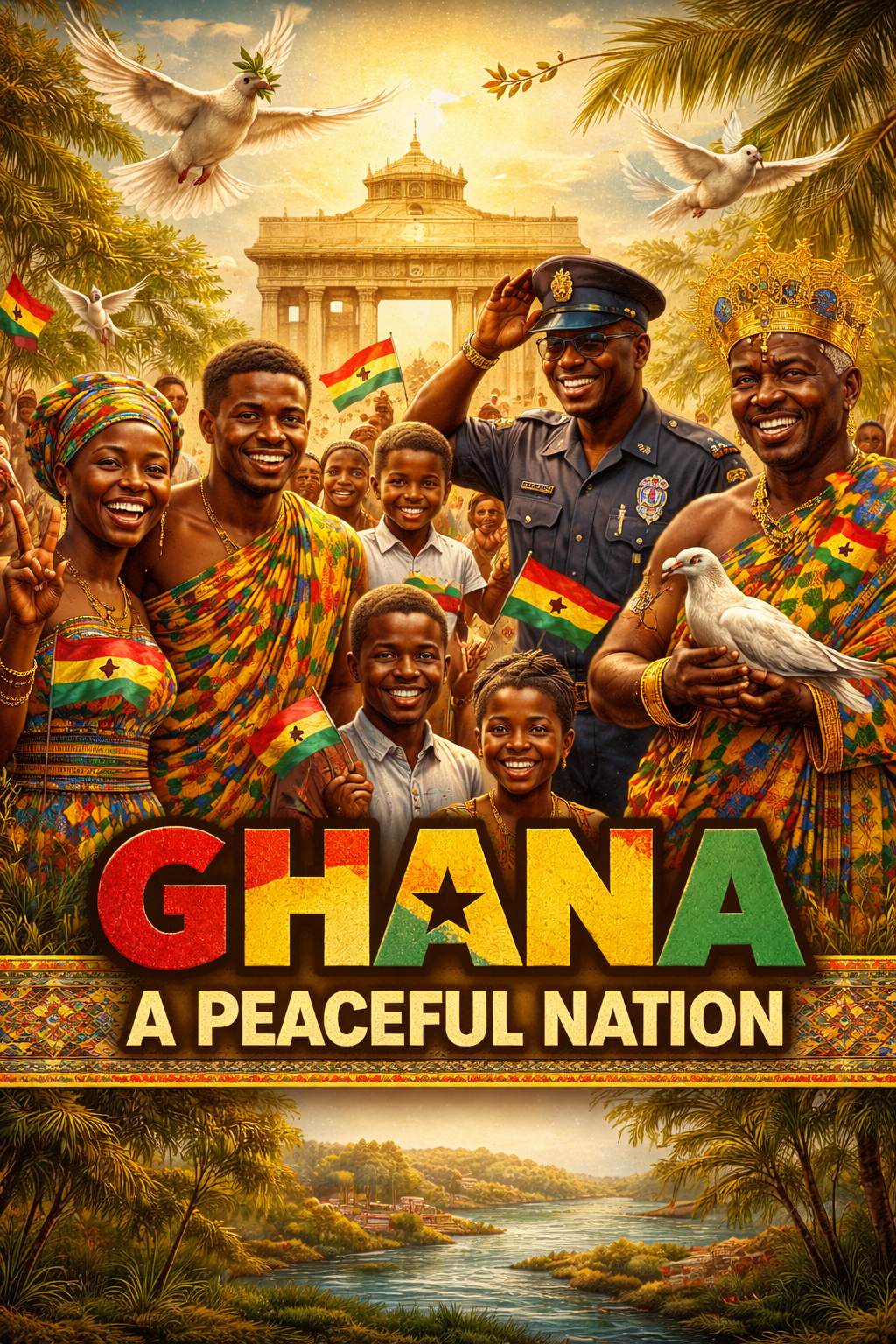
A Nation Defined by Peace In a region and continent that have, at various historical moments, been scarred by conflict and instability, Ghana stands out as a compelling example of relative peace. Since gaining independence in 1957, the country has largely avoided the large-scale civil wars that have

The Akan of GhanaThe Akan are an ethnic group that live in Ghana. They occupy a broad stretch of territory extending from the coastal areas to the central forest belt of the country. Historically and culturally, the Akan constitute one of the largest ethnolinguistic groups in Ghana and share closely

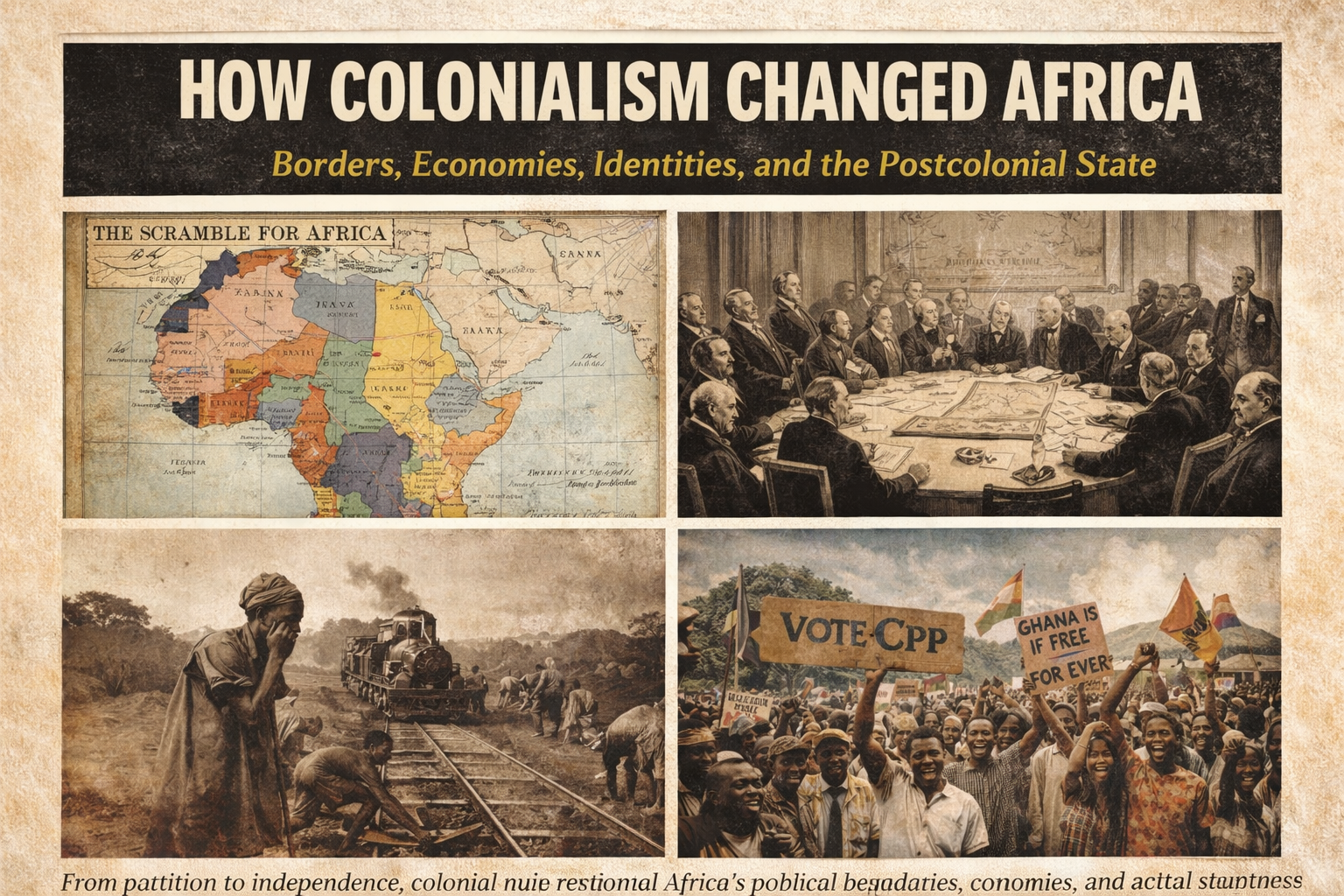
The Slave Trade and Demographic Devastation When we talk about Africa today—its borders, its languages, its religions, its politics—we are also talking about colonialism. The Africa we know in the twenty-first century did not emerge naturally from the past. It was profoundly shaped by centuries of f

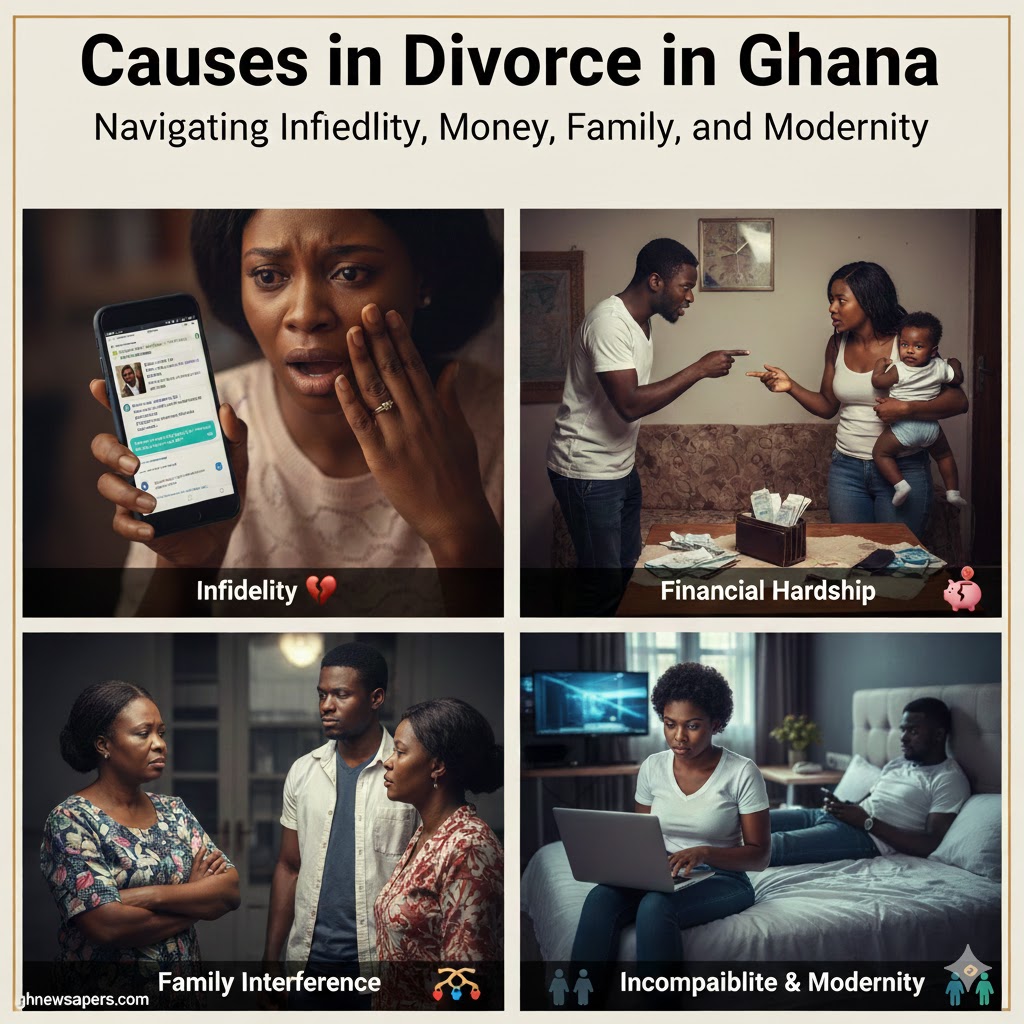
In the past, Ghanaian marriages were widely regarded as enduring unions. Separations were rare, and divorce was uncommon. Marriages were expected to last a lifetime, sustained not only by the couple but also by their extended families and lineages. Today, however, the situation has changed dramatica

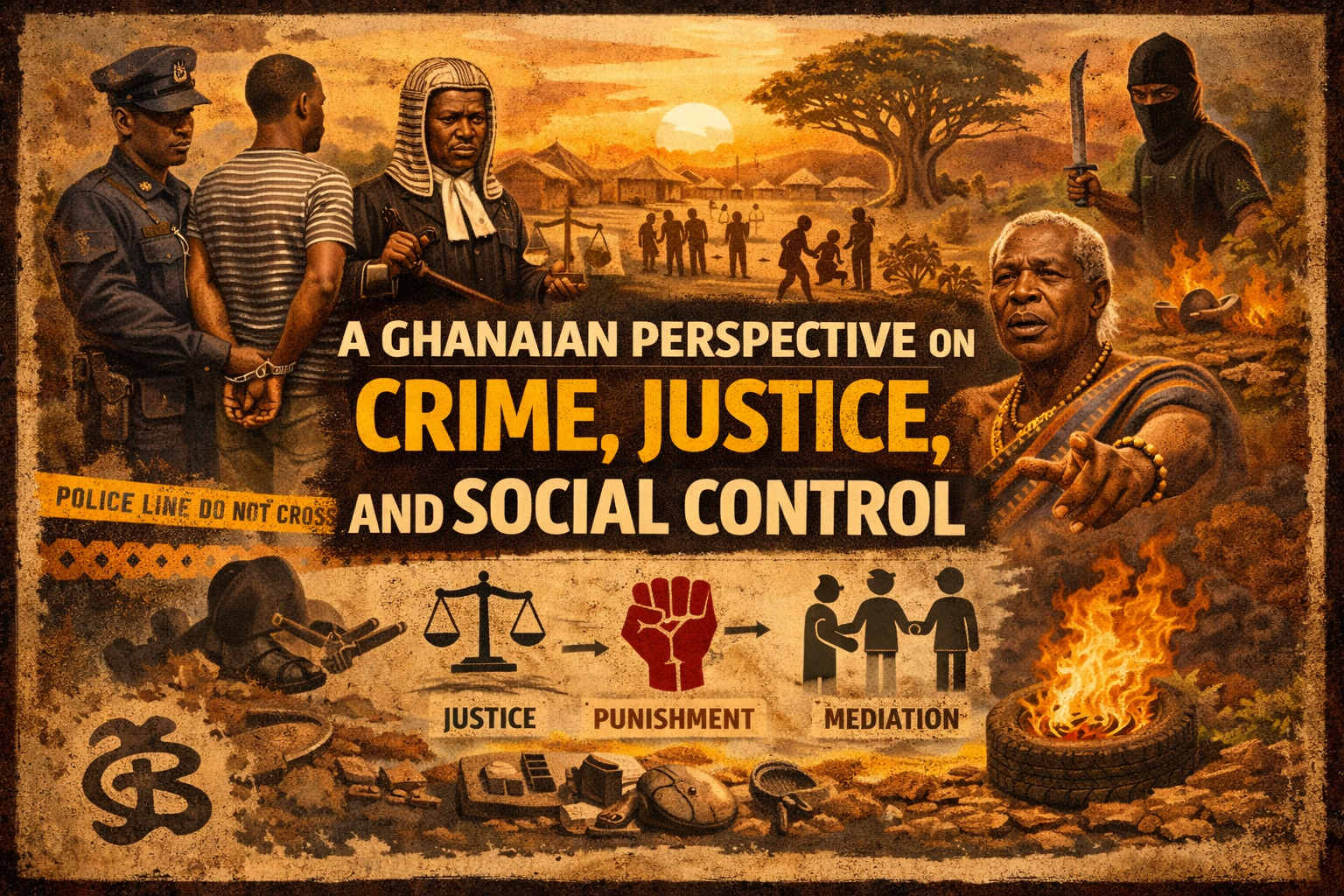
Punishment is a central feature of every organized society, including Ghana. While rewards are designed to encourage conformity and socially approved behavior, punishment exists to negatively sanction deviant behavior. When individuals act in ways that align with societal norms, they are often rewar

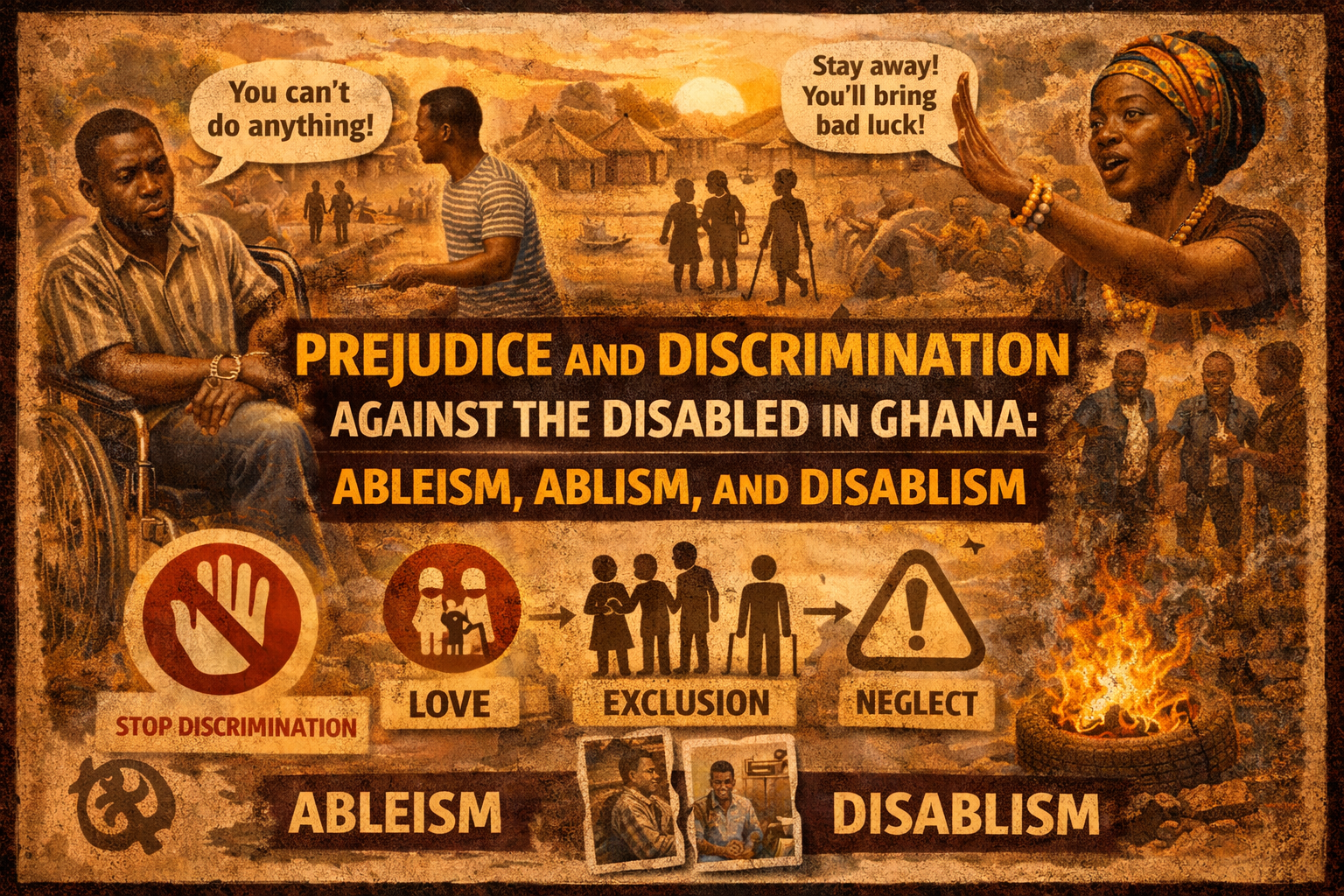
Sociologists use the term ableism to describe prejudice, discrimination, and social exclusion directed against persons with disabilities. The terms ablism and disablism are also used in the scholarly literature to refer to the same phenomenon, namely, the systematic disadvantaging of people whose bo

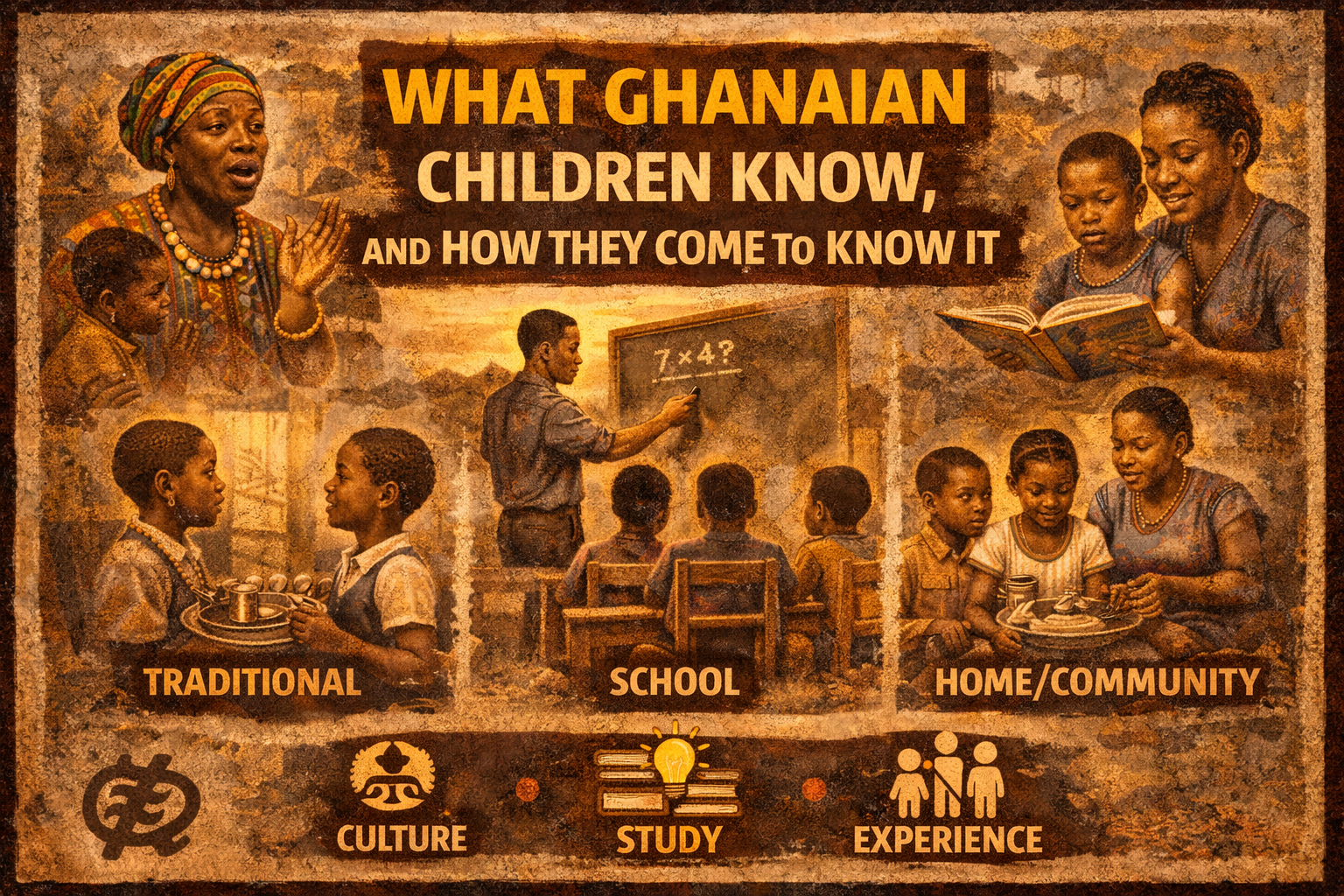
No one is born with knowledge. Human beings are born with the capacity to learn, but what they eventually know—how they speak, think, behave, believe, and interpret the world—is acquired from society. Knowledge, values, attitudes, and skills are socially produced and socially transmitted. By the tim

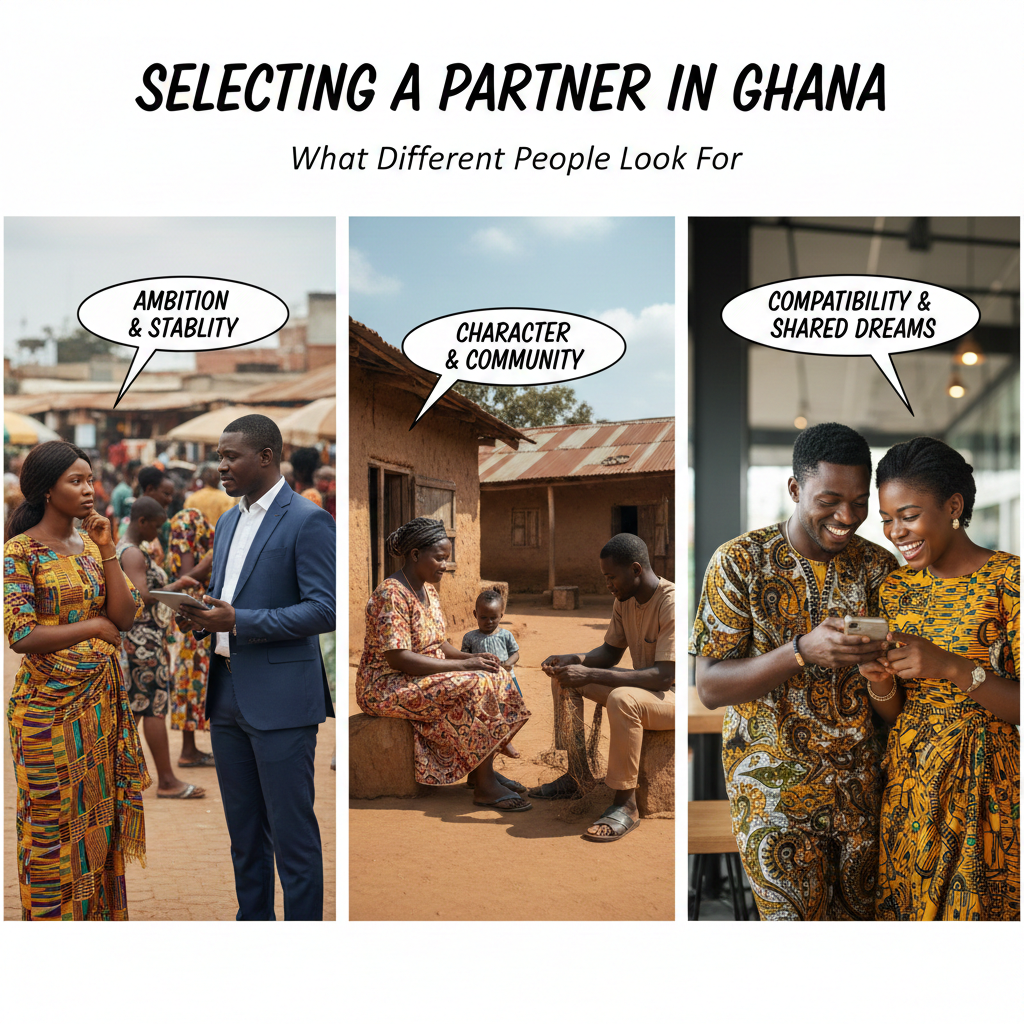
For many people, choosing a marital partner is a deliberate decision. Individuals often consider several factors before deciding who to marry. Sociologists study these choices and use specific terms to describe the different patterns people follow when selecting a spouse. Marrying Up and Marrying Do

A visitor to Ghana will quickly notice something striking on the roads: commercial motor vehicles speak. Tro-tros, buses, taxis, and long-distance vehicles often carry inscriptions—short messages painted boldly on the body of the vehicle. These inscriptions may appear on the back of the vehicle, acr

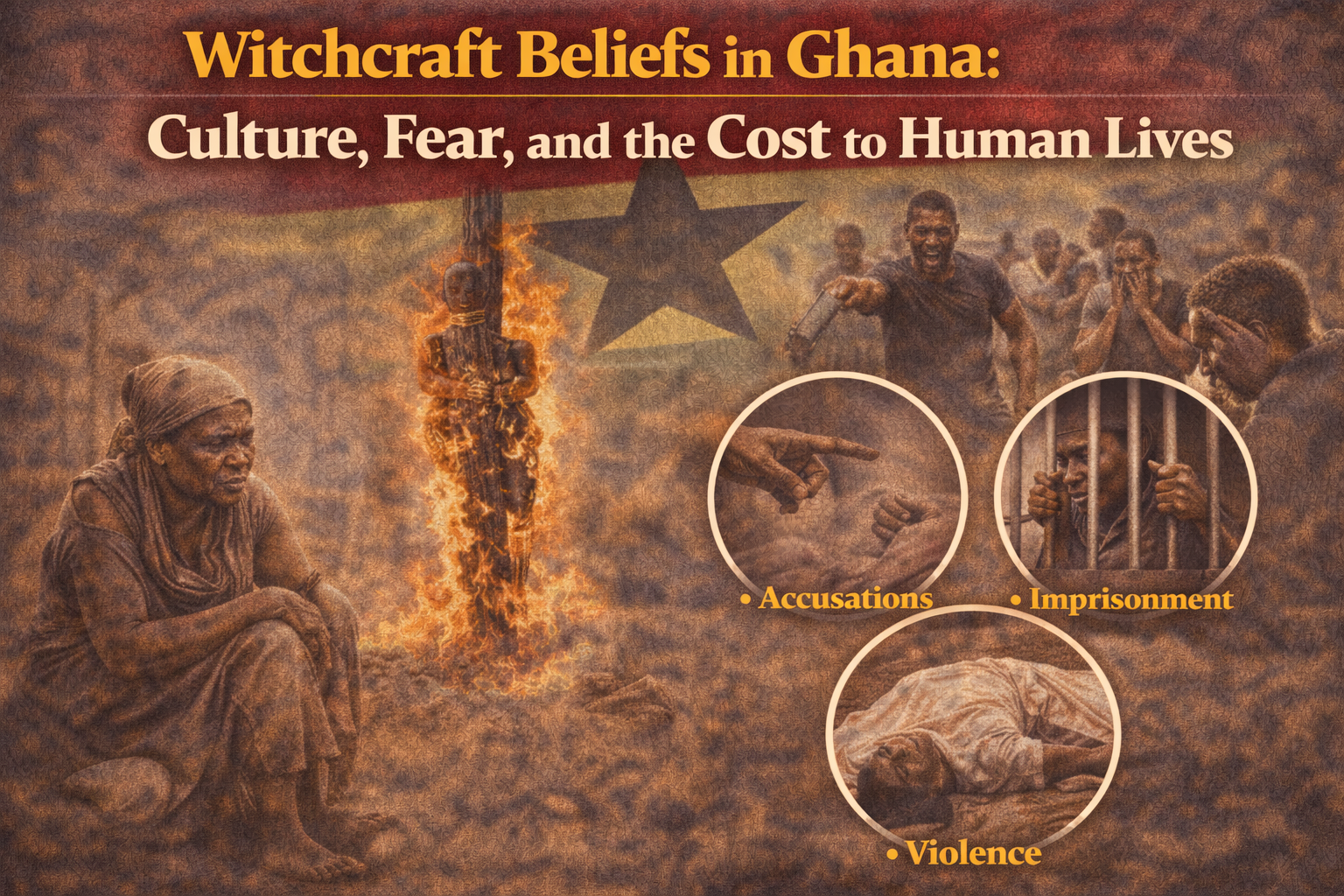
Witchcraft is commonly understood in Ghana as a supernatural power believed to be possessed by some individuals, enabling them to influence the behavior, health, fortune, or misfortune of others—either as victims or beneficiaries. Belief in witchcraft and witches remains widespread and deeply embedd

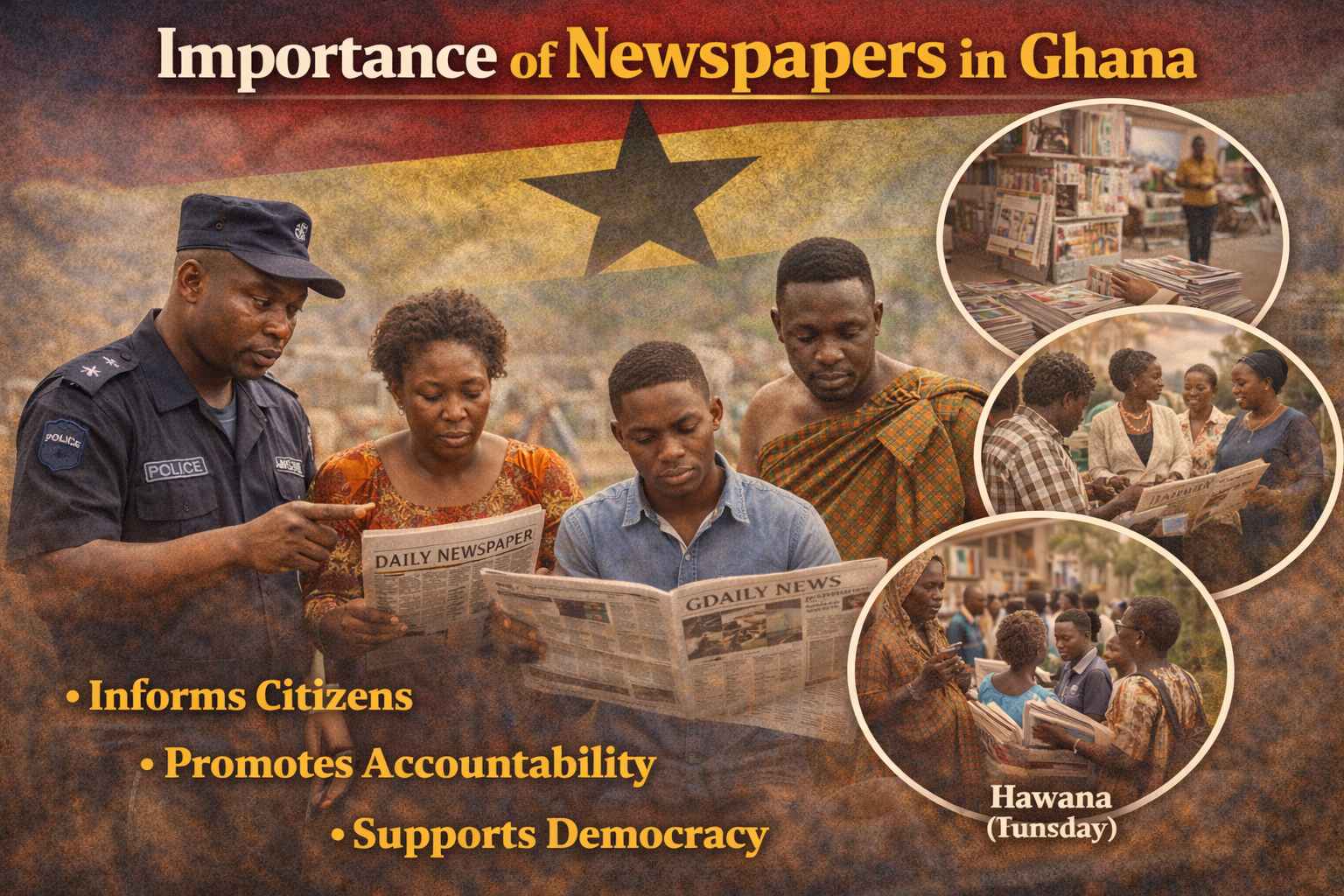
Newspapers occupy an important place in Ghanaian society. Long before the rise of social media and online news platforms, newspapers were the primary source of information for the public. Even today, despite digital competition, newspapers continue to serve critical social, political, educational, a

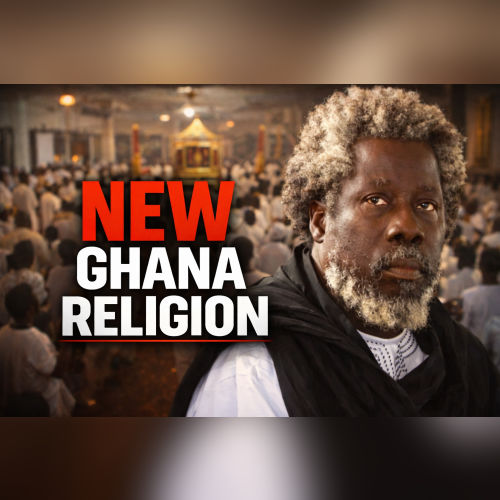
A new religious movement has emerged in Ghana known as Asomdwee Ntonton Som, a name that translates literally as “Peace and Exaltation Religion.” Ghana is a deeply multireligious society, long accustomed to religious plurality. Christianity—represented by historic denominations such as Catholic, Pre

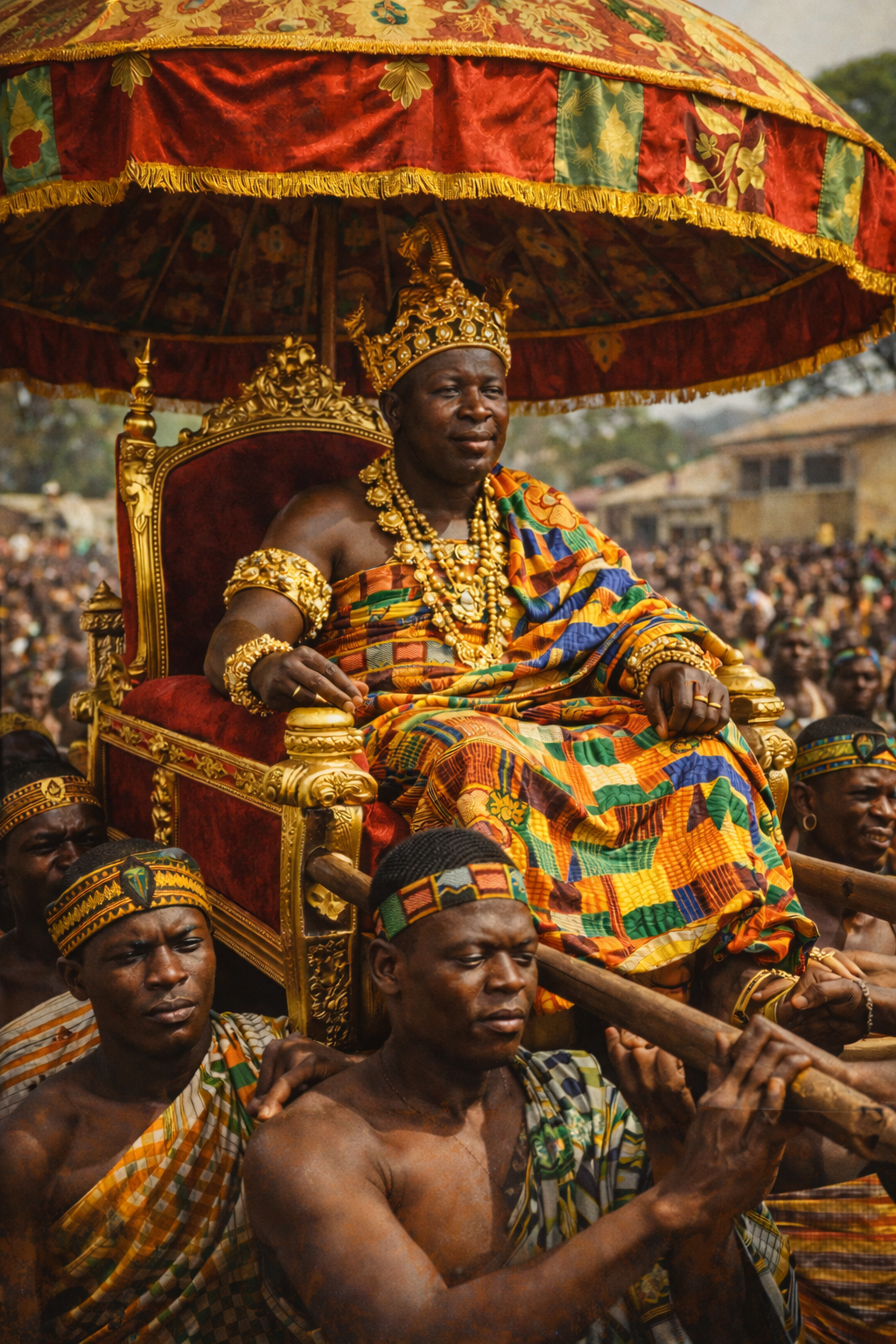
Culture refers to the total way of life of a people. It encompasses both material and non-material elements. Material culture consists of tangible aspects that can be seen and touched, such as cooking practices, eating utensils, earthenware, palanquins, drums, and idiophones. Non-material culture, b

Homicide is the killing of one person by another person. The study of homicide is an important part of criminology and is carried out by criminologists, especially those who specialize in homicide or lethal violence. Homicide is not a single, uniform act. There are many different types of homicide,

Corporal punishment is when an adult uses physical force to discipline or control a child, with the aim of causing pain, though not serious injury. In simple terms, it means hurting a child’s body to punish them. Examples of corporal punishment include beating or caning, slapping or spanking, whippi