Why Is the Star on Ghana's Flag Black?
The article explains why the star in Ghana's flag is black, instead of white, silver or golden
34 results for “Africans”

The article explains why the star in Ghana's flag is black, instead of white, silver or golden

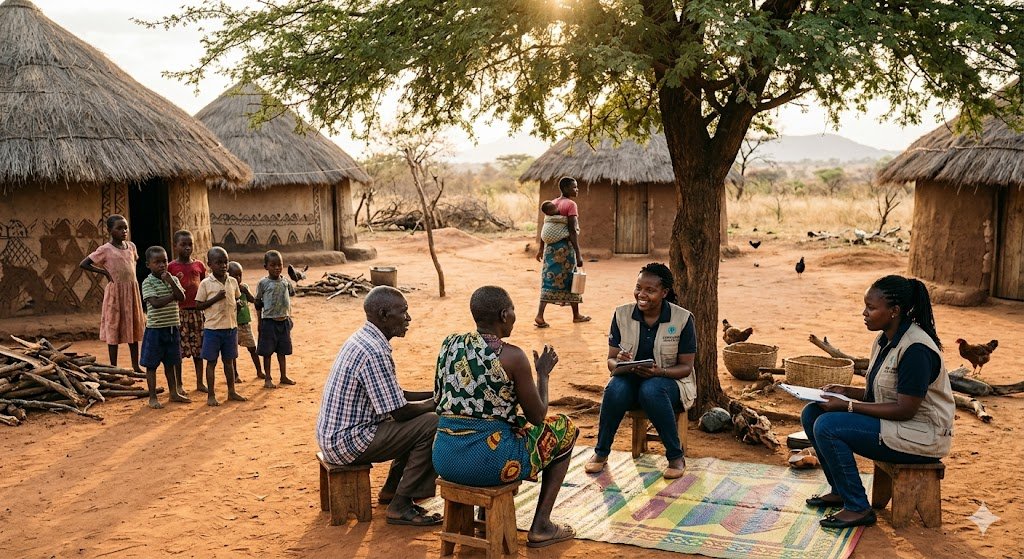
Introduction In today's world, research has become an important part of national development. Governments, universities, hospitals, non-governmental organizations (NGOs), and international agencies r
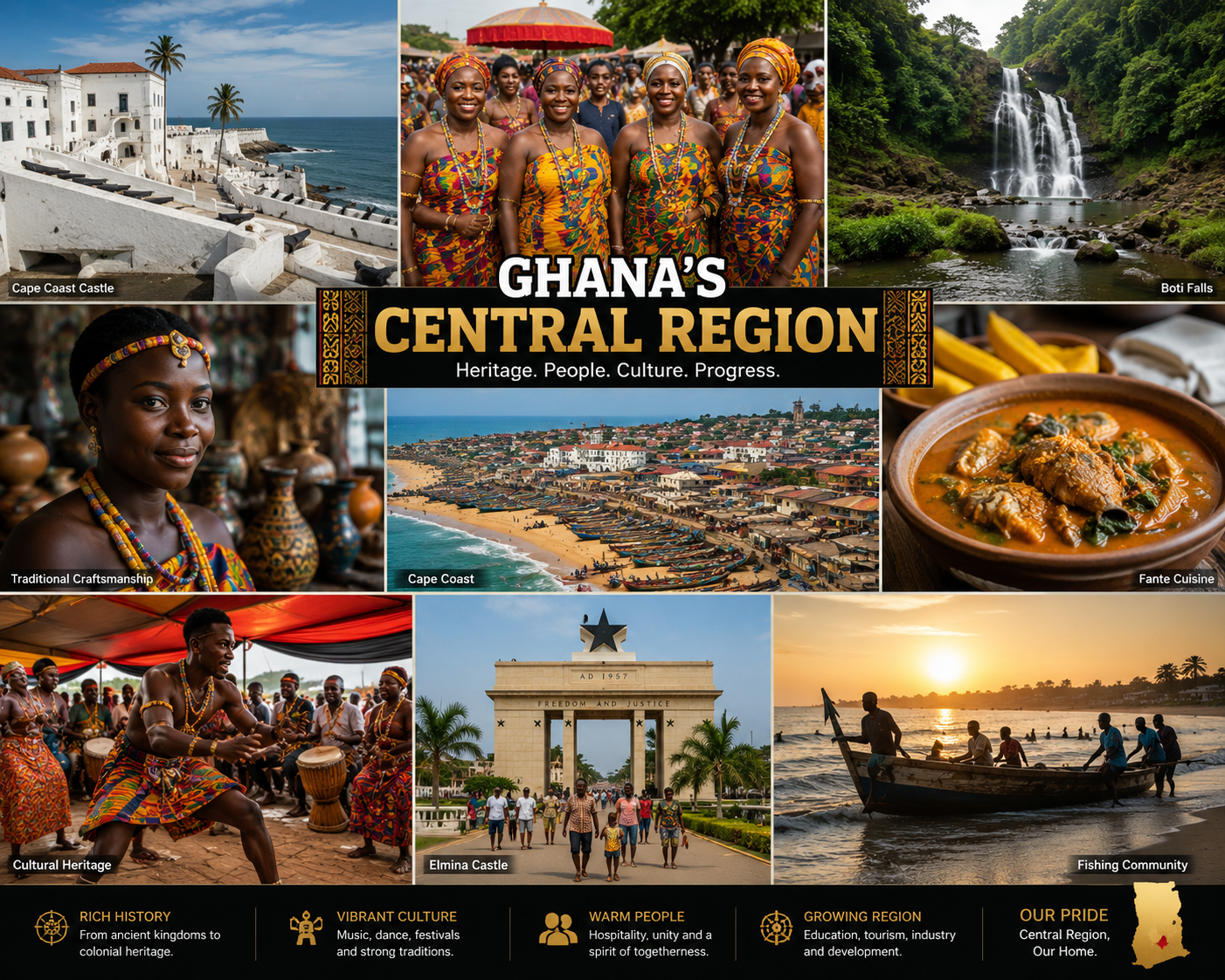
Introduction Among Ghana’s sixteen administrative regions, few possess the historical significance, educational prominence, and cultural richness of the Central Region. Located along Ghana’s southern

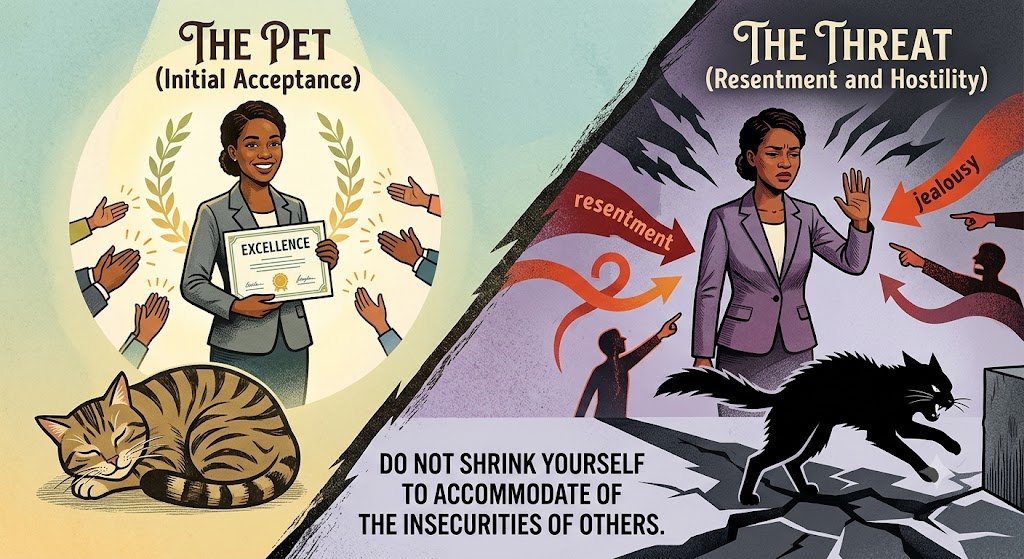
The Pet-to-Threat Phenomenon Many Black people throughout the Diaspora share stories of what has come to be known as the "pet-to-threat" phenomenon. The pattern is remarkably consistent. Initial succ

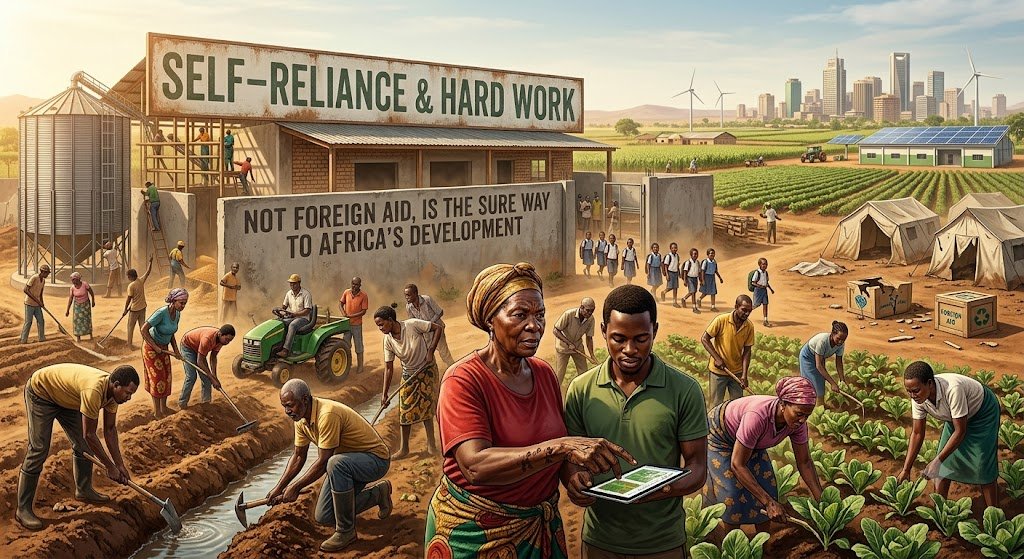
Introduction For decades, African leaders have boarded planes to Europe, North America, Asia, and the Middle East in search of foreign aid. Every year, countless international conferences, donor meet

Introduction The Akan have a wise saying: "If you plant plantain, you will harvest plantain; if you plant cassava, you will harvest cassava; and if you plant pineapples, you will harvest pineapples."

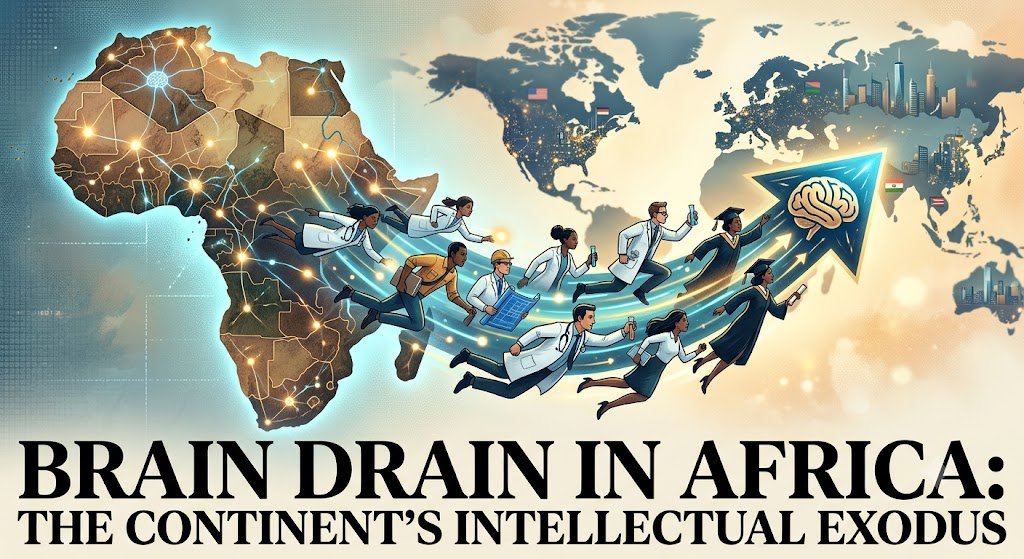
Introduction One of the greatest challenges confronting African countries today is the phenomenon known as "brain drain." Every year, thousands of highly educated and skilled Africans leave their hom

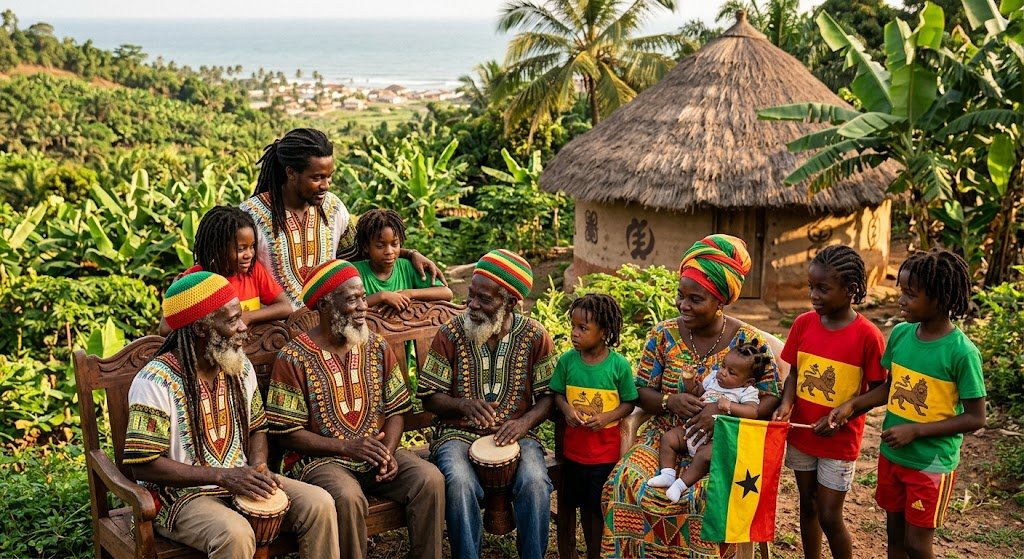
Rastafarians

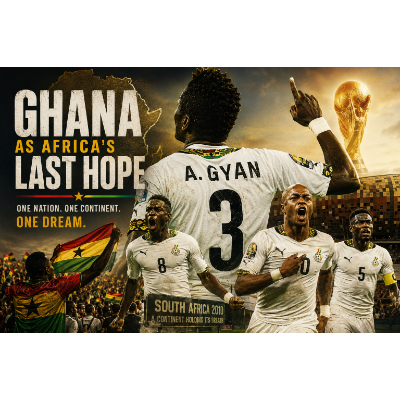
Concluding our series on the Black Stars’ remarkable 2010 World Cup campaign is a feature that reflects on its enduring significance for both Ghanaian and African football

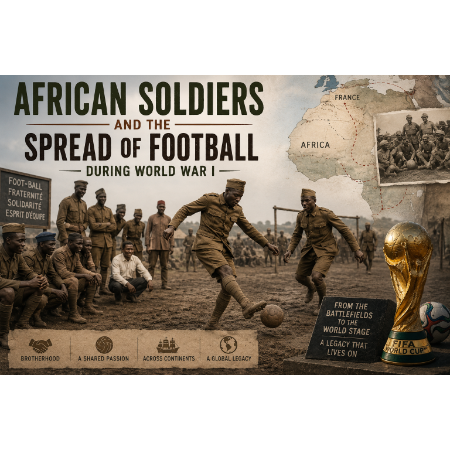
When historians discuss the global spread of football, the story is often told through familiar names and places: English schools, British sailors, South American ports, and European clubs. Yet hidden

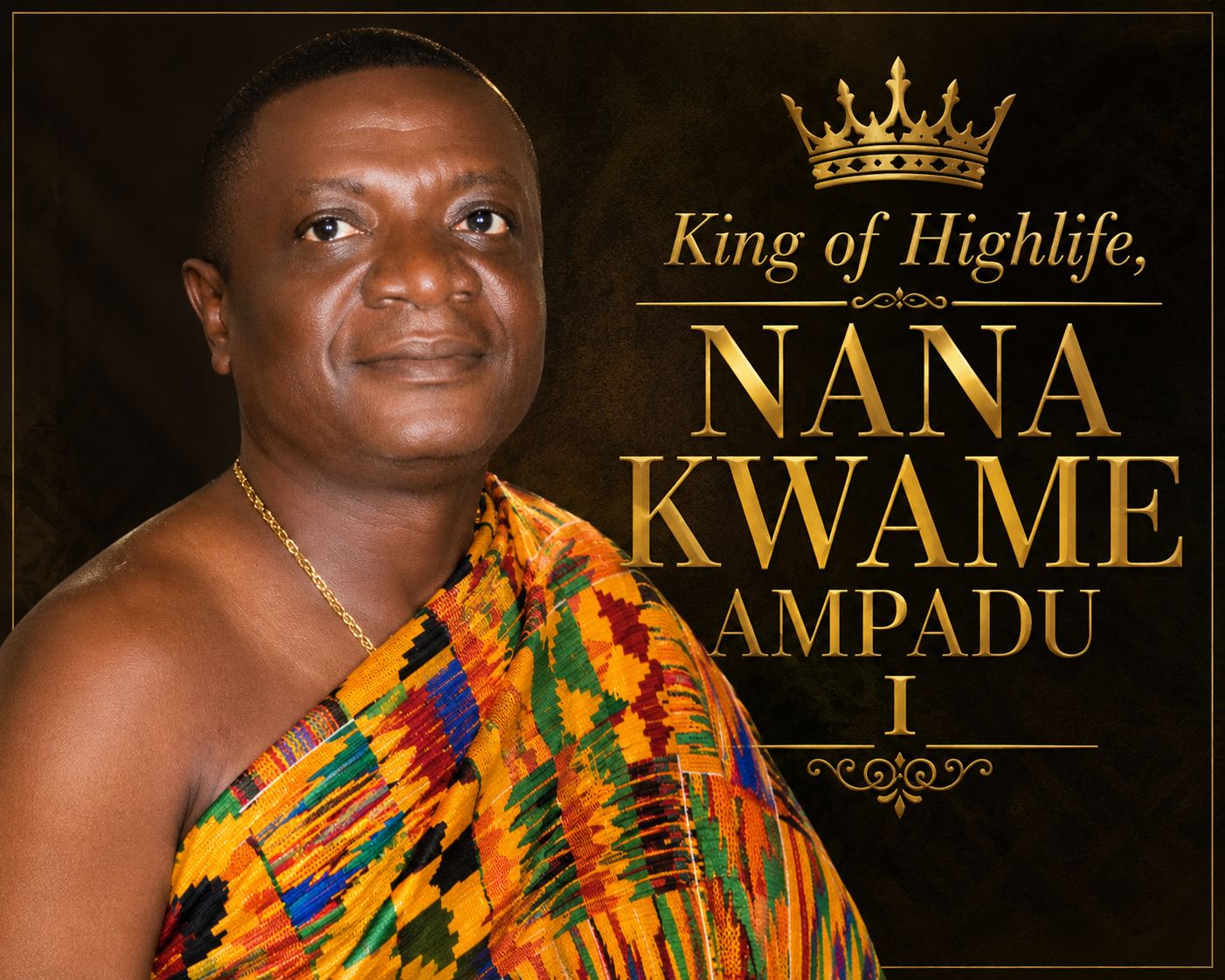
King of Highlife, Nana Ampadu Among the pantheon of Ghanaian musicians who shaped the soundscape of modern West African music, few names command the reverence accorded to Nana Kwame Ampadu I. A compo

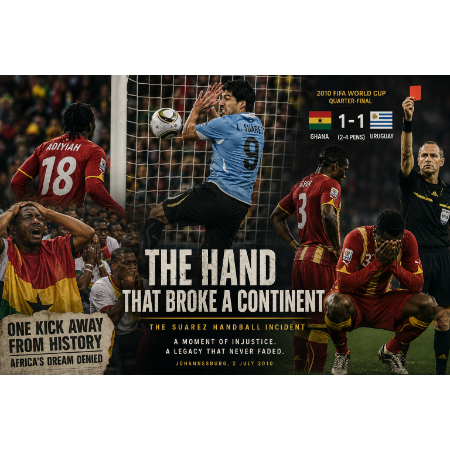
There are football matches that end with a scoreline, and there are matches that never truly end. The 2010 FIFA World Cup quarter-final between Ghana national football team and Uruguay national football team belongs firmly in the second category. More than fifteen years later, the image still burns

In 2019, Ghana made a bold and historic statement to the world. Through an initiative known as the Year of Return 2019, the country invited people of African descent across the globe to reconnect with their roots, history, and identity. This was not just a tourism campaign. It was a deeply symbolic

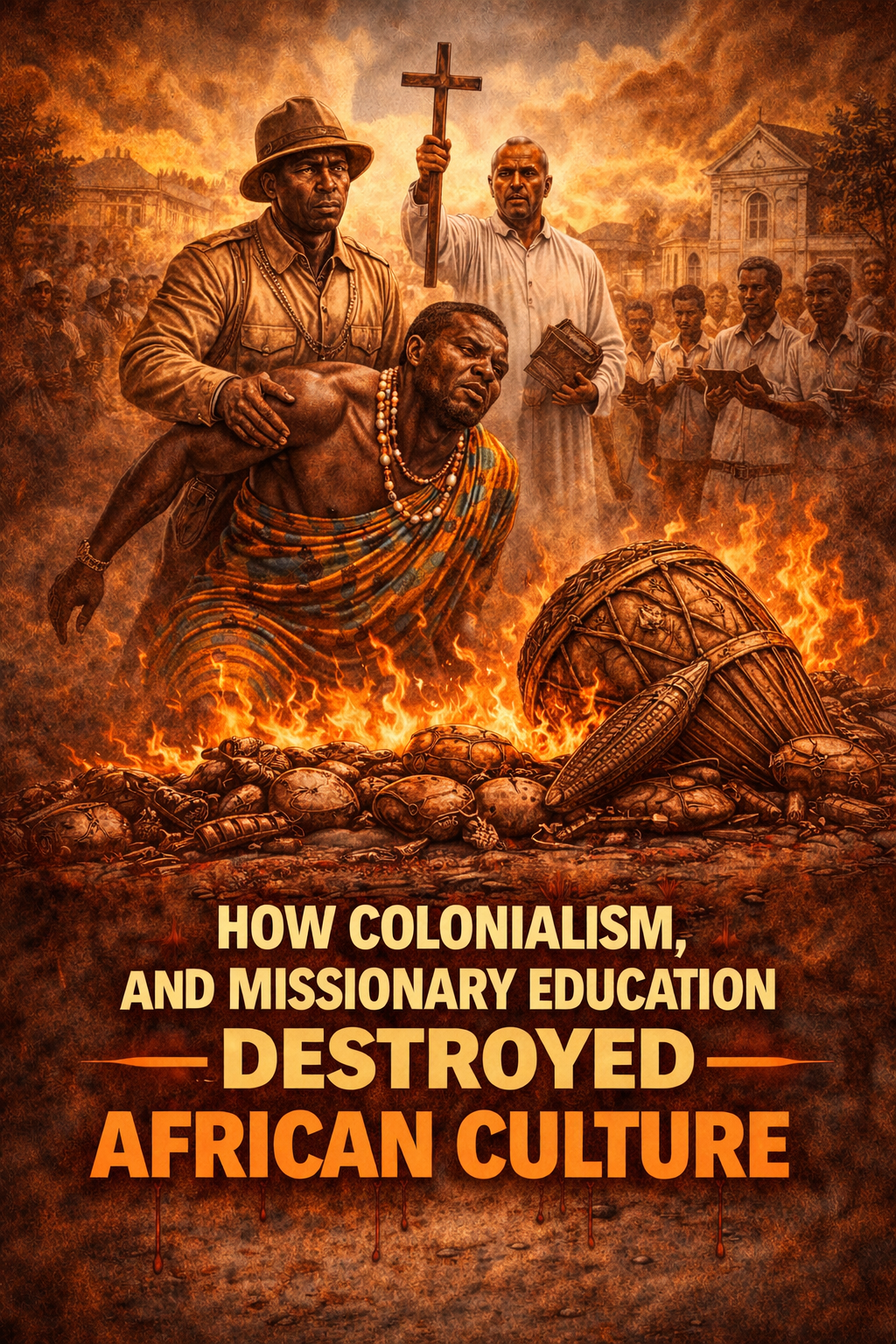
With colonialism came missionaries who sought to convert Africans to Christianity and, in the process, reshape African ways of life. This encounter was not culturally neutral. It involved a systematic attempt—sometimes subtle, often overt—to redefine African identity, values, and social institutions

“Reparation” as an idea or concept refers to the act of making amends for a wrong or injury—especially by providing compensation, restitution, or other forms of redress to those who have been harmed. In its simplest sense, reparation means “repairing the damage” caused by an injustice. In more forma

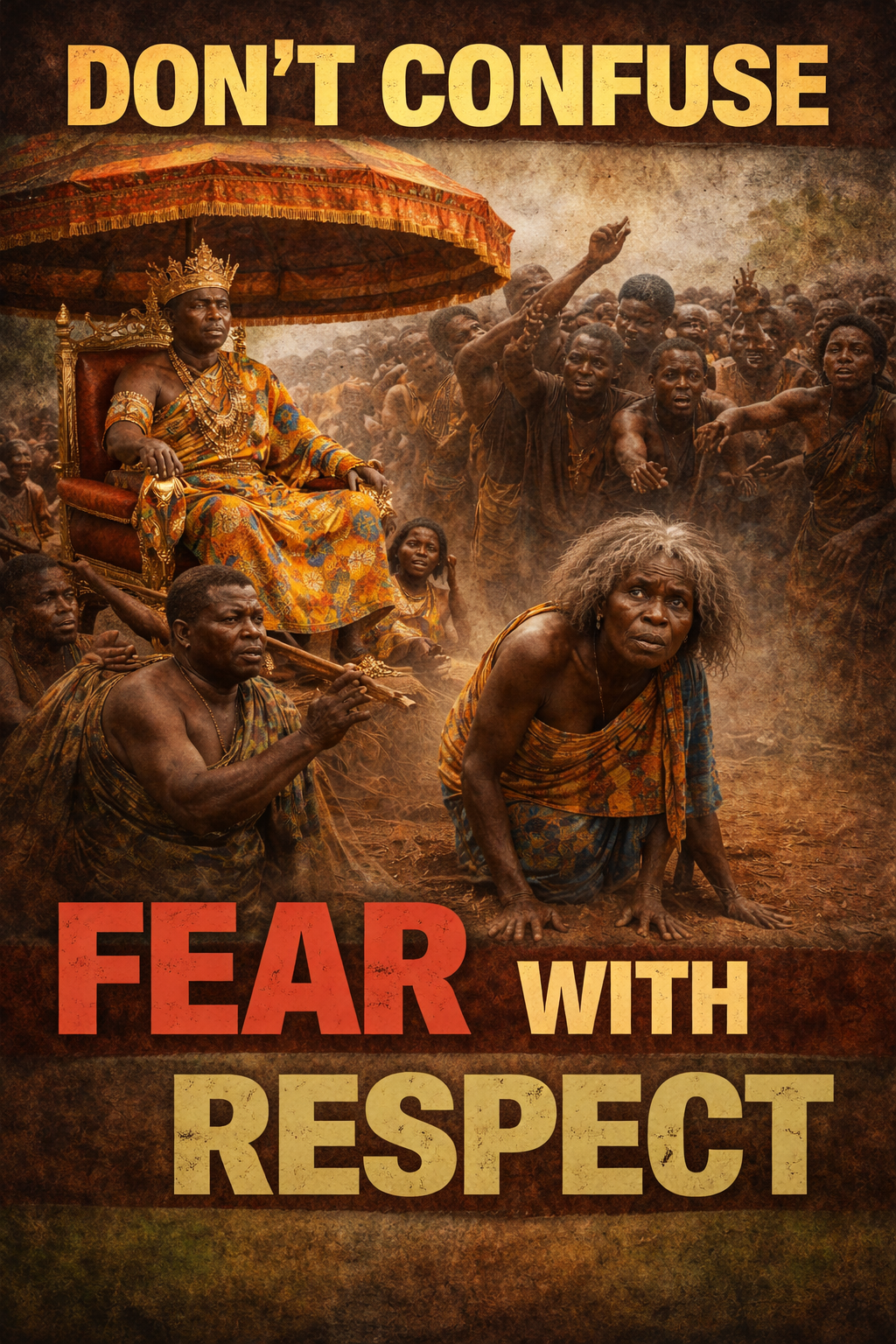
Oftentimes, in Africa, people conflate respect with fear, treating them as if they are interchangeable. Yet within Akan moral language, a clear distinction is maintained between fɛreɛ (respect) and suro (fear). To say “me fɛre wo” is fundamentally different from “me suro wo.” The former connotes est

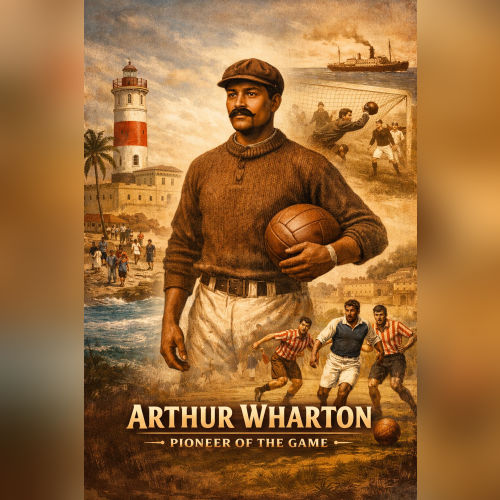
When people discuss the early history of football, the narrative often begins in Britain and gradually expands to the rest of the world. Rarely, however, does the conversation turn toward West Africa—particularly the historic Gold Coast, present-day Ghana. Yet one of the most remarkable pioneers of

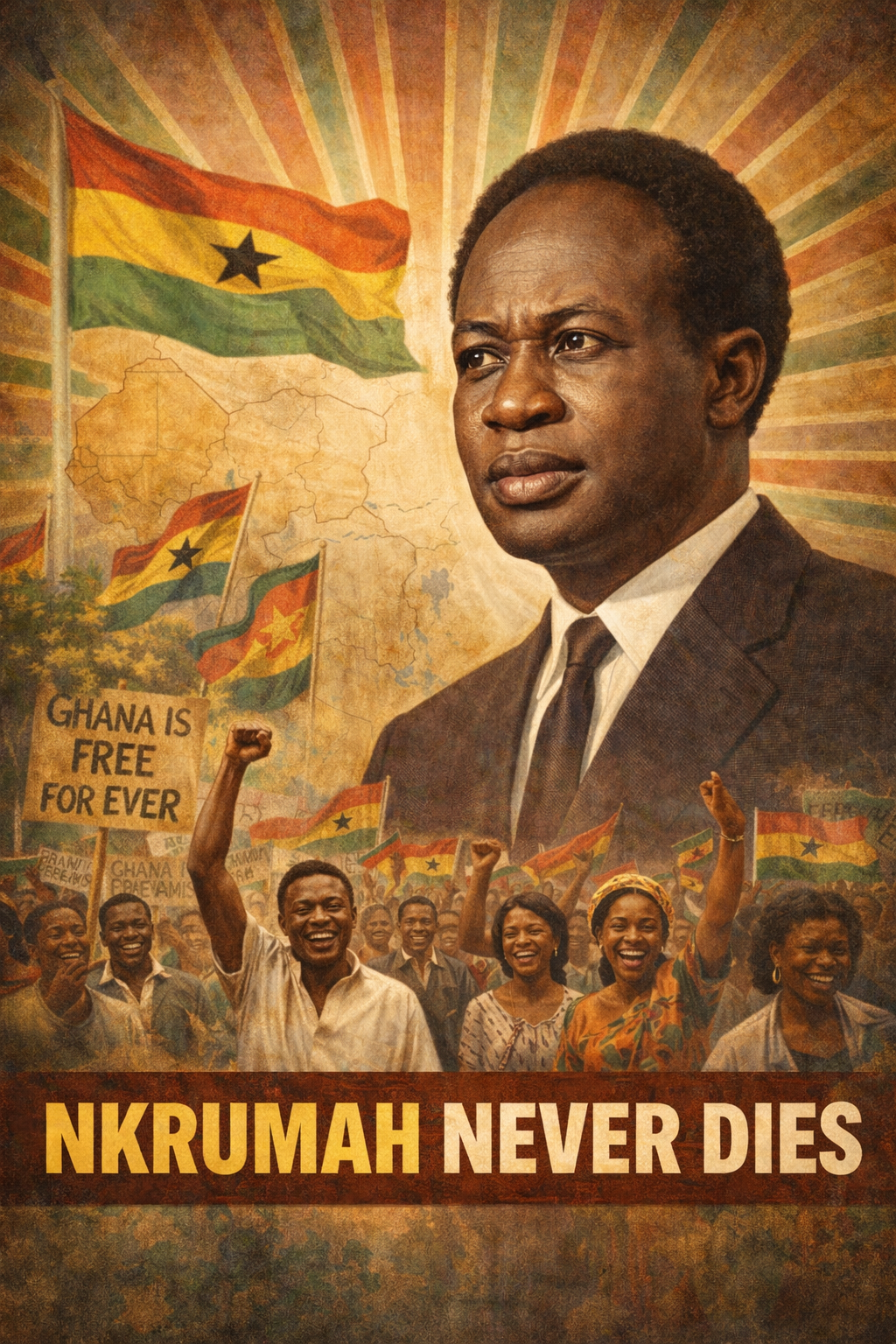
In the history of Ghana, few names command as much reverence and admiration as Kwame Nkrumah. More than half a century after his passing, the memory of the man who led the nation to freedom continues to inspire generations. His words echo in political discourse, his ideas shape national debates, and

When the Gold Coast achieved independence on March 6, 1957, becoming Ghana, the event generated immense public excitement and hope. For millions of Ghanaians, independence was not merely a constitutional change—it represented the promise of economic prosperity, political empowerment, social transfor

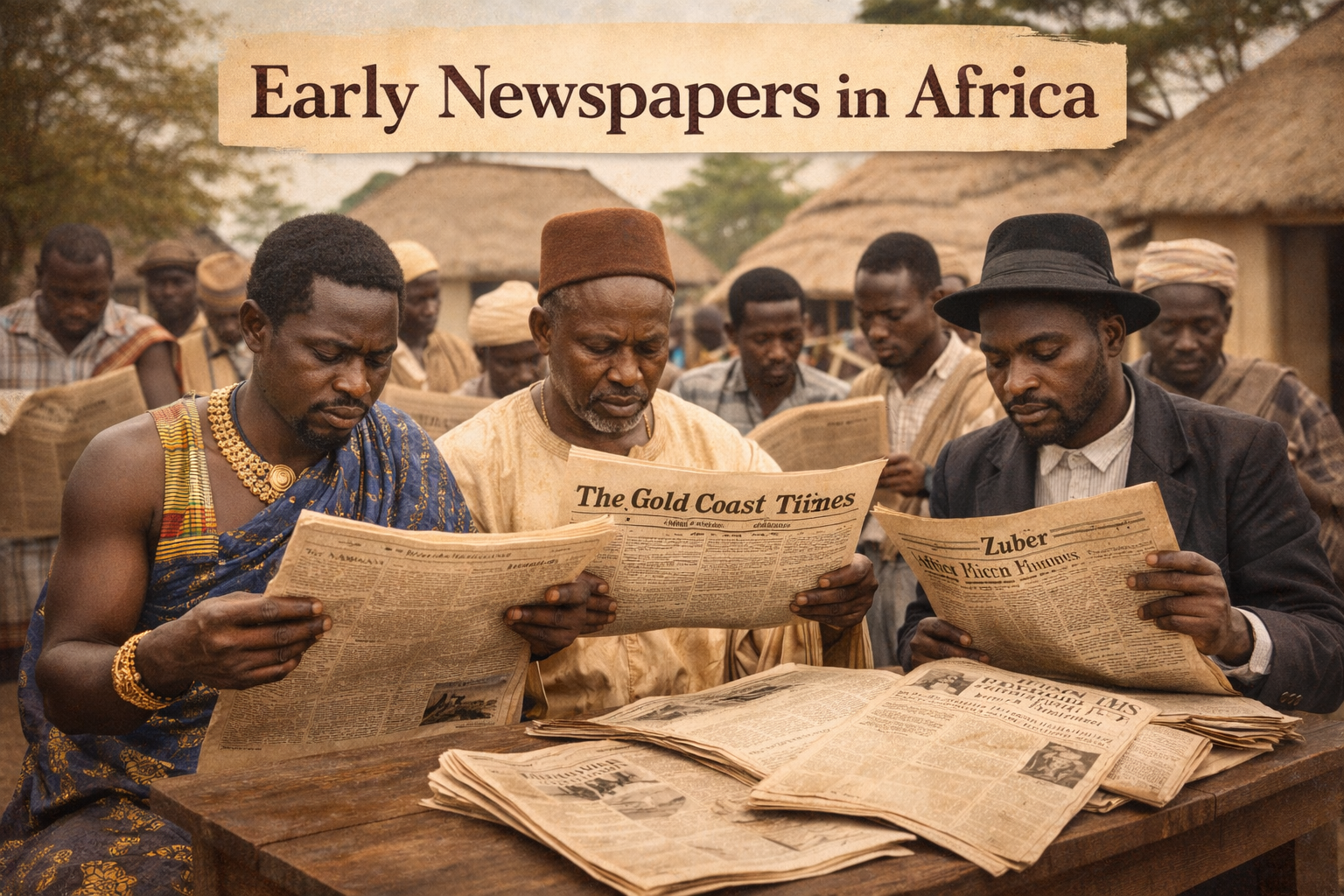
The development of newspaper culture in the Gold Coast—today known as Ghana—was inseparable from the spread of formal education during the nineteenth and early twentieth centuries. Education did far more than teach reading and writing; it fundamentally reshaped social structures, created new intelle

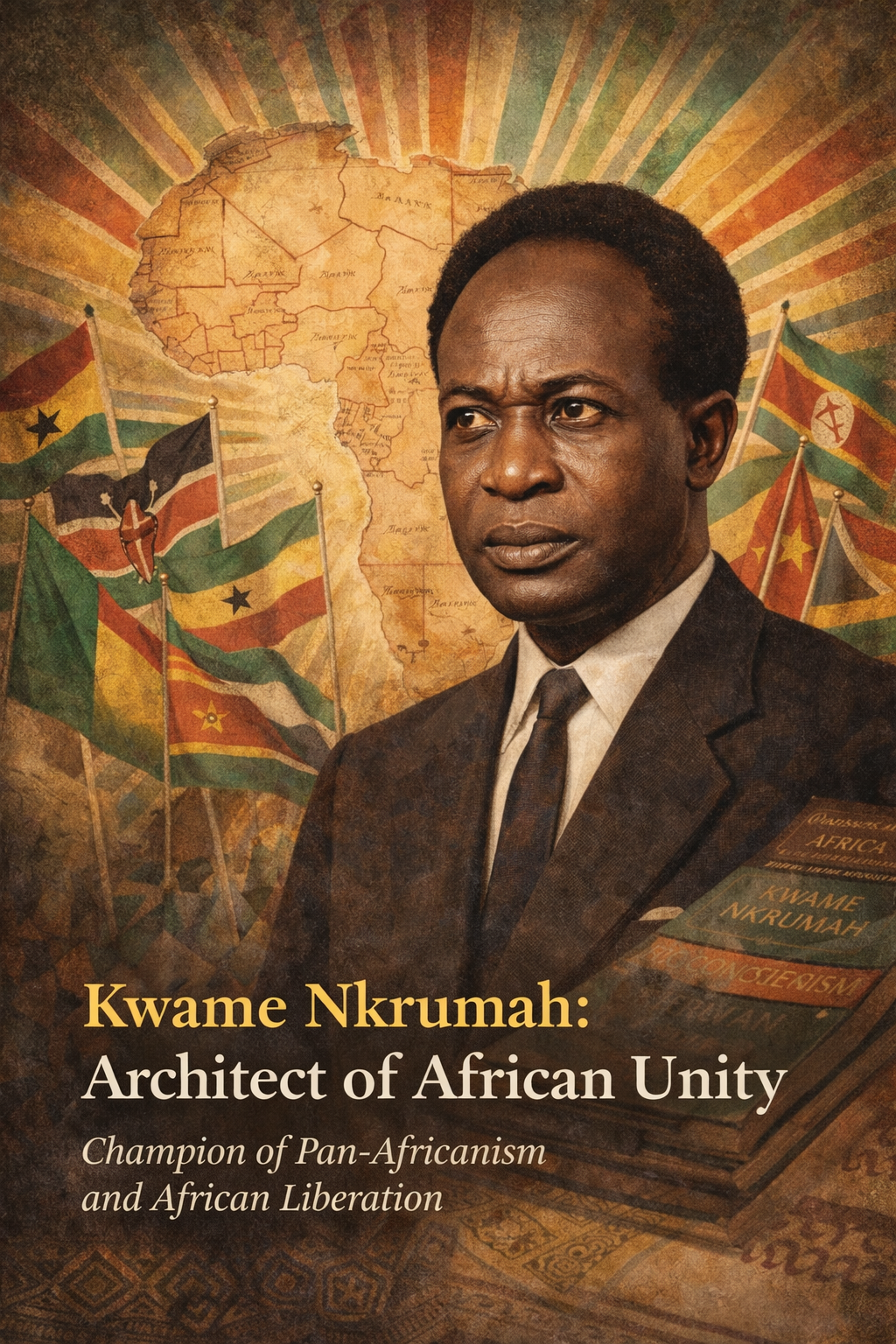
Early Life and Education Kwame Nkrumah was born in 1909 in what Ghana is now, West Africa. He studied both in Ghana and overseas, gaining knowledge that would later shape his vision for his country and the continent. Leader of Ghana’s Independence Nkrumah emerged as one of the most prominent politic

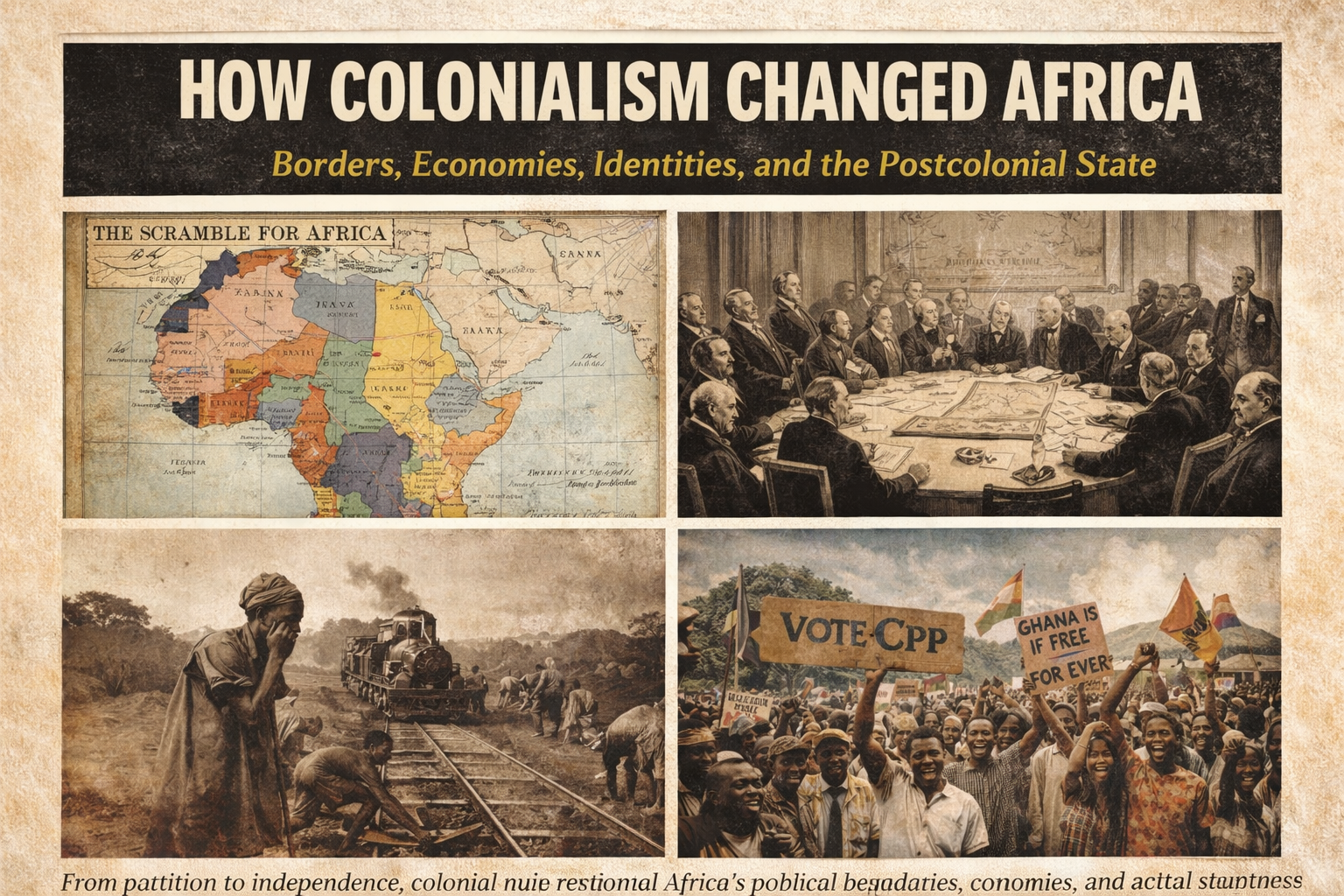
The Slave Trade and Demographic Devastation When we talk about Africa today—its borders, its languages, its religions, its politics—we are also talking about colonialism. The Africa we know in the twenty-first century did not emerge naturally from the past. It was profoundly shaped by centuries of f

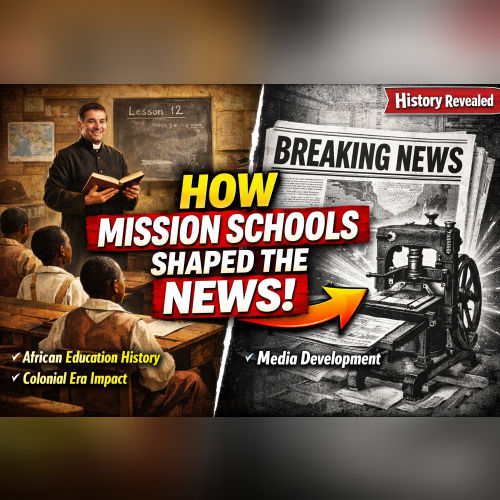
The growth of newspaper readership in the Gold Coast—modern-day Ghana—cannot be understood without examining the critical role played by nineteenth-century mission schools. These educational institutions, established by European Christian missions, were not only centers of religious instruction but

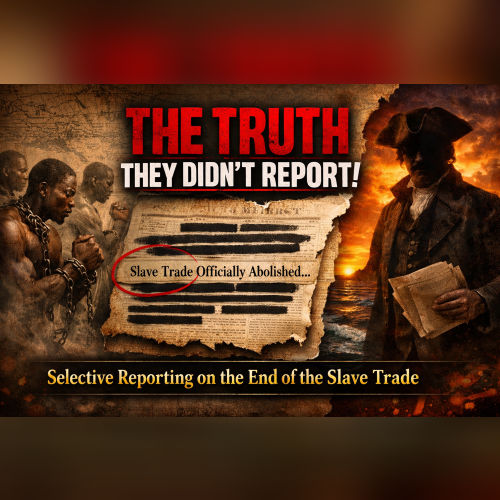
The end of the trans-Atlantic slave trade in the nineteenth century is often presented in historical narratives as a clear moral victory led by European abolitionists. However, in reality, the process was complex, uneven, and frequently misrepresented—particularly in early newspapers and colonial re

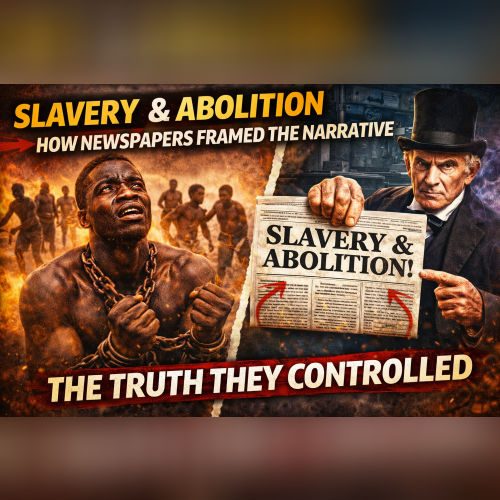
The history of slavery and abolition in the area now known as Ghana is deeply intertwined with global economic systems, imperial expansion, African political structures, and the emergence of print journalism as a powerful instrument of public opinion. From the fifteenth century through the nineteent

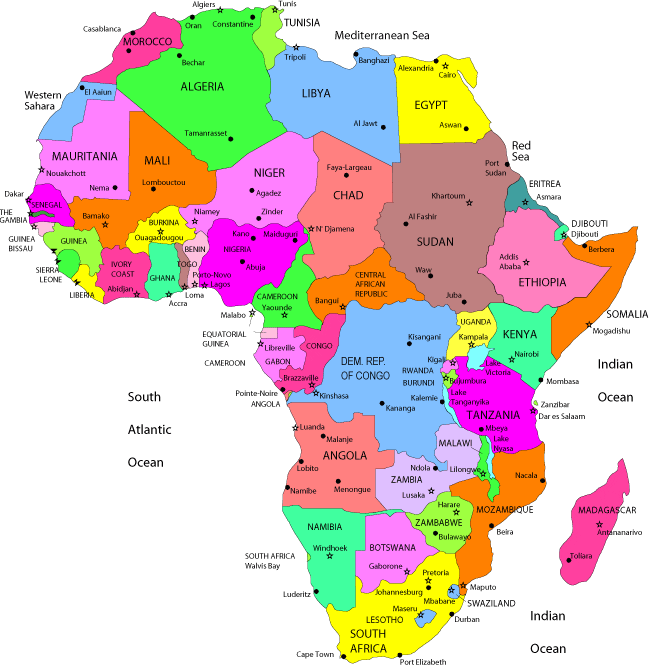
Africa is still the “dark continent” to many people. In spite of its immense size, large population, vast mineral and agricultural resources, militarily strategic location, and tremendous development potential, Africa is undeniably the most misunderstood continent. Very few non-natives of the contin

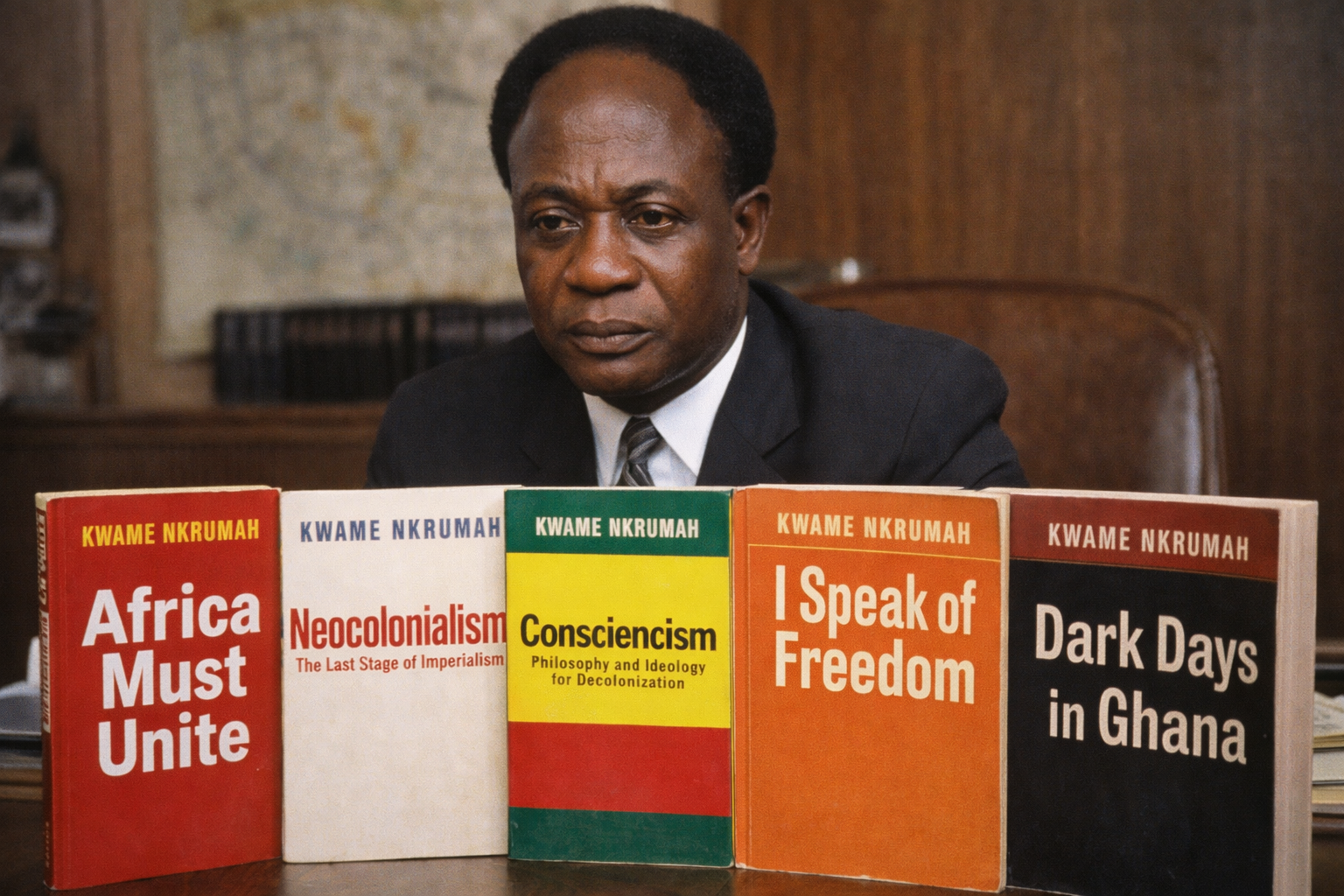
Kwame Nkrumah is one of the foremost Pan-Africanists Africa has ever produced. He devoted his life to the political, economic, and cultural liberation of the African continent. He played a leading role in the establishment of the Organization of African Unity (OAU), now known as the African Union (A
Africa is one of the most misunderstood places in the world. Popular myths—often repeated in classrooms, media, and casual conversation—have distorted global understanding of the continent. Below are some common falsehoods about Africa, alongside the facts. False: Africa Is a Country True: Africa is

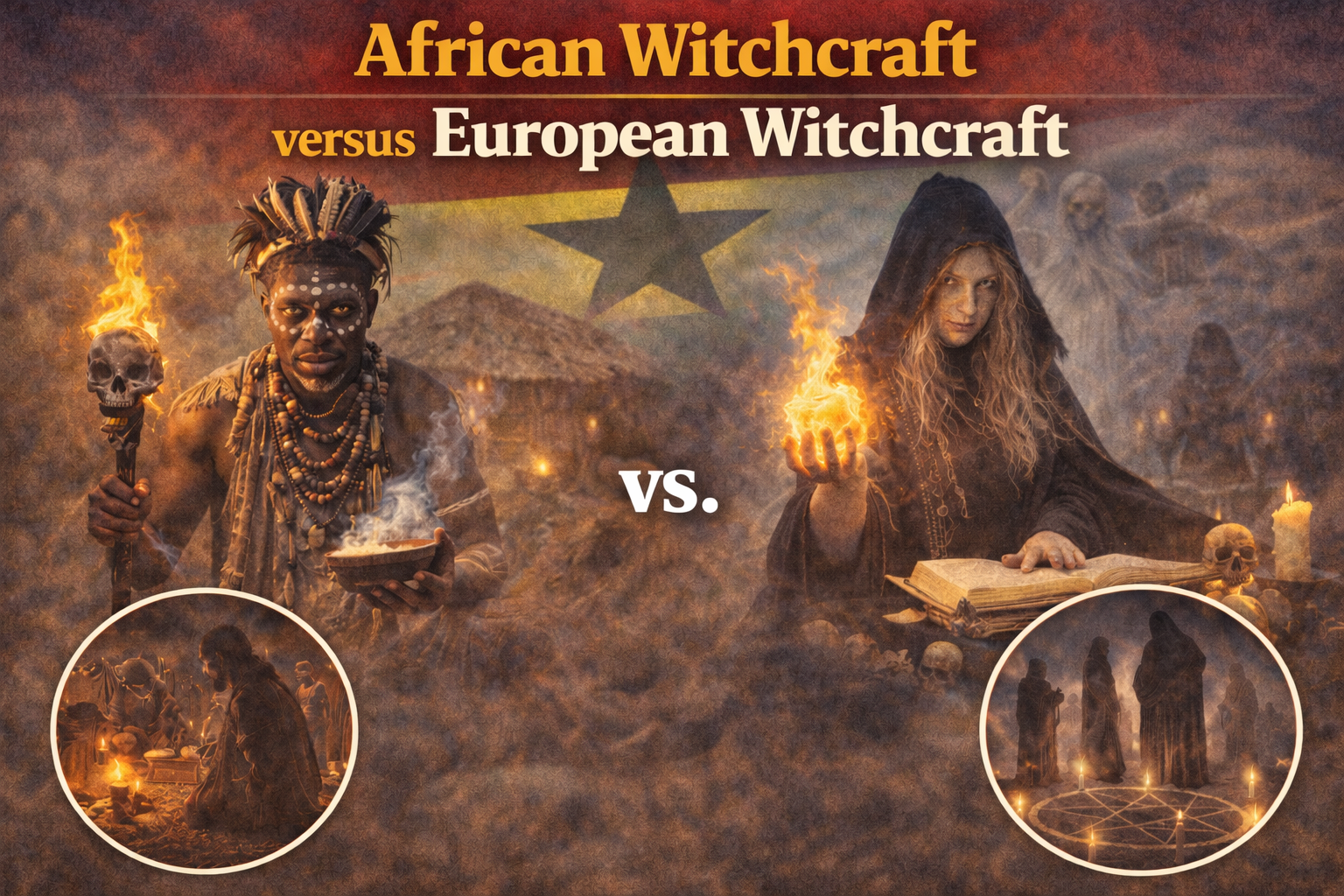
African witchcraft versus European witchcraft have been the focus of local discussions about witchcraft in Ghana for many years. During the period of European colonization, westernization, and the early stages of modernization, people in the Gold Coast (now Ghana) struggled to explain the wide gap i

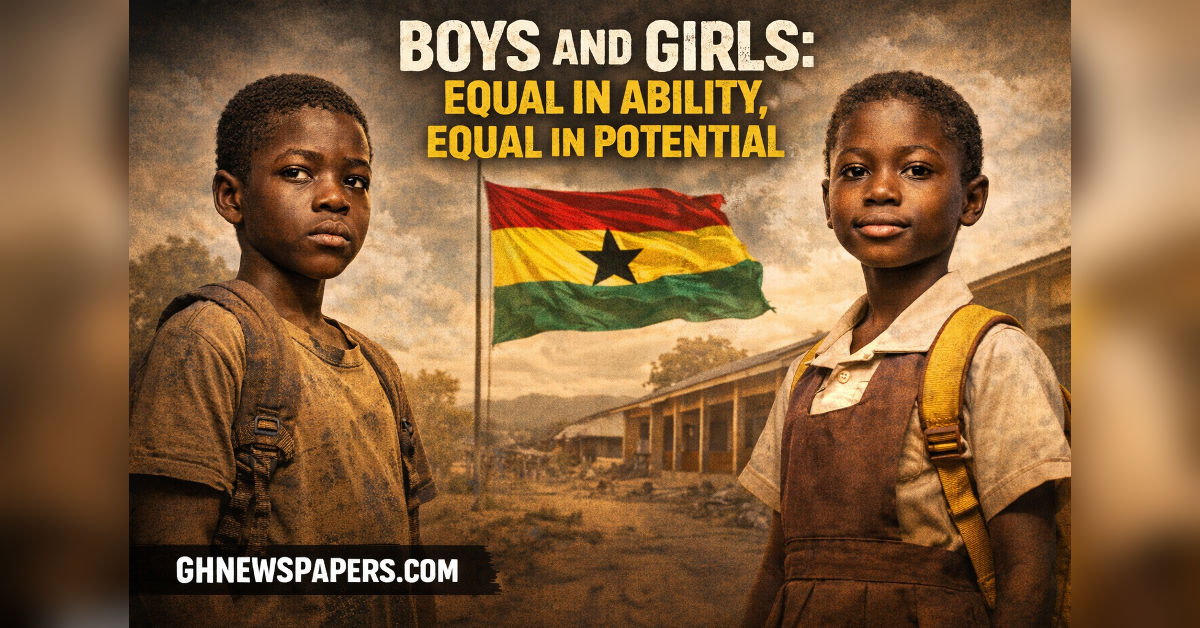
Discarding Outdated Beliefs It is time for Africans to discard the outdated belief that boys and girls differ in abilities and potential. For too long, harmful cultural attitudes have suggested that women should play second fiddle to men. But reality proves otherwise: for everything a boy or a man c

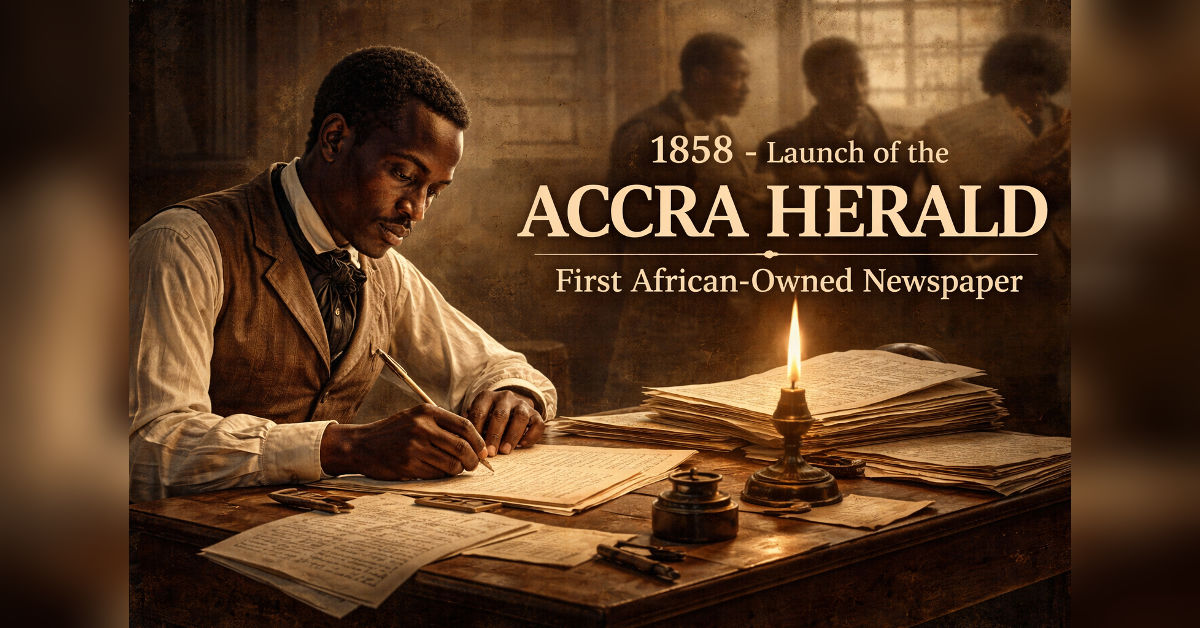
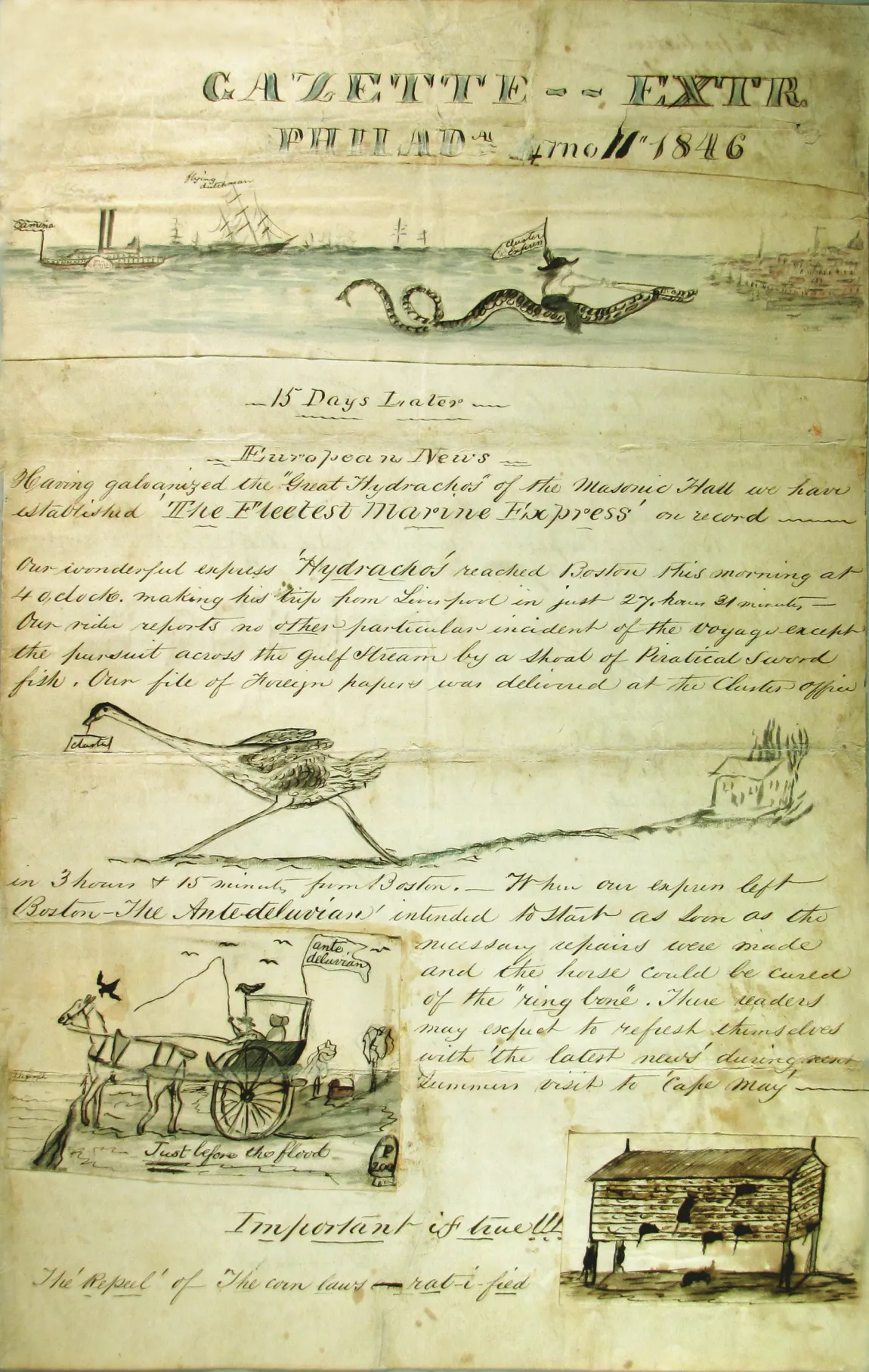
In 1858, Charles Bannerman — the son of a British lieutenant governor and an Asante princess — founded the Accra Herald, recognized as the first African-produced newspaper in West Africa. Unlike the colonial-run press, this handwritten paper reached primarily African readers, circulating among some

The first English newspaper on the continent of Africa was published in Cape Town in 1800. The following year in Sierra Leone, The Royal Gazette and Sierra Leone Advertiser were published in Freetown. Both were European undertakings concerned with matters of government. In 1826, Charles Force, an Am

Royal Gold Coast Gazette & Commercial Intelligencer 📰 Newspaper: Royal Gold Coast Gazette📍 Location: Cape Coast In 1822, the British colonial administration introduced the Royal Gold Coast Gazette & Commercial Intelligencer, marking the birth of journalism in the Gold Coast. The handwritten paper

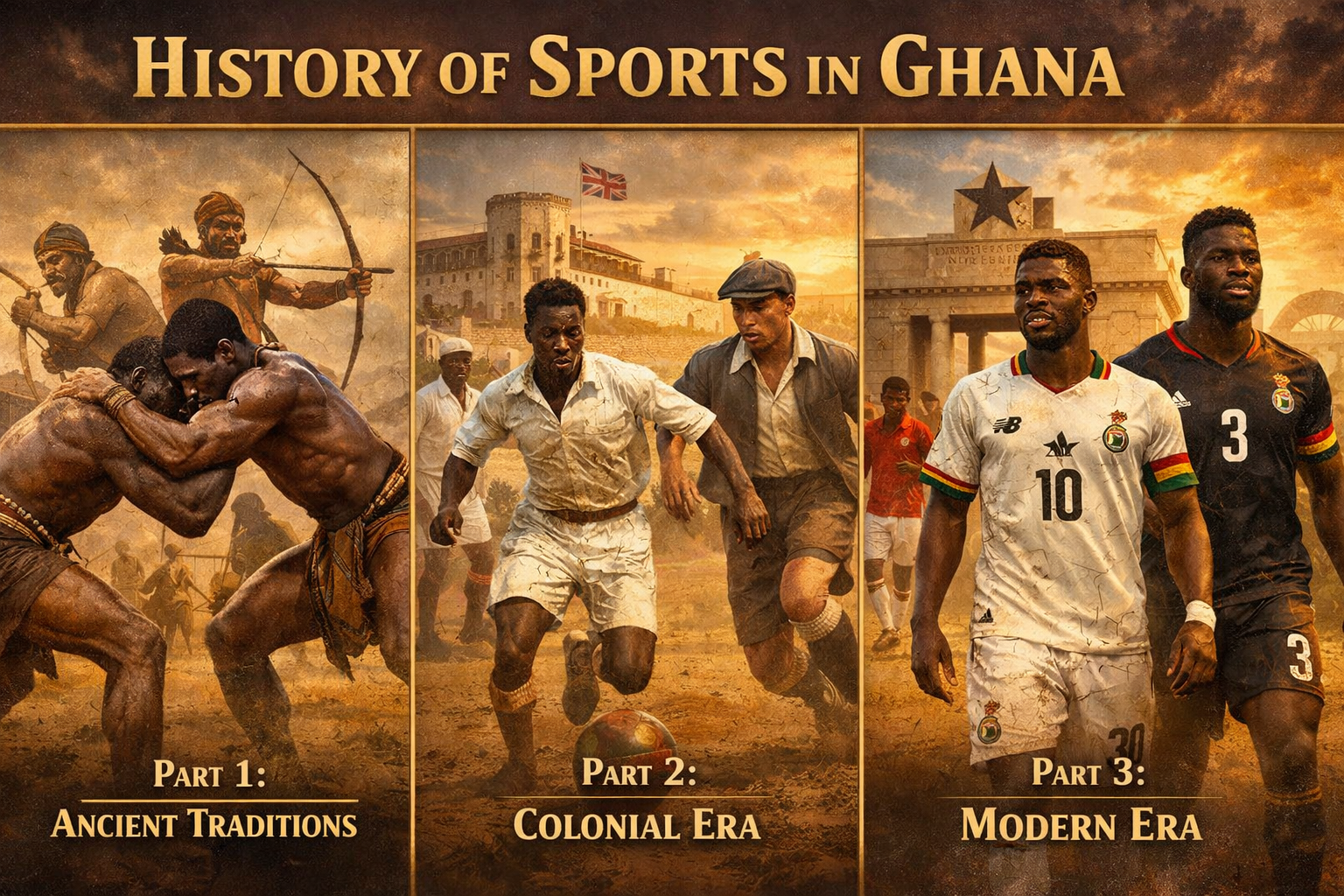
Introduction: Sport as a Mirror of Ghana’s History Long before Ghana was known by its modern name, sport and physical competition were already embedded in the social, political, and spiritual life of its people. From the ancient kingdoms of the Gold Coast to independence in 1957 and into the modern