
Search
35 results for “conjugal visit”
SportsFeb 28, 2026
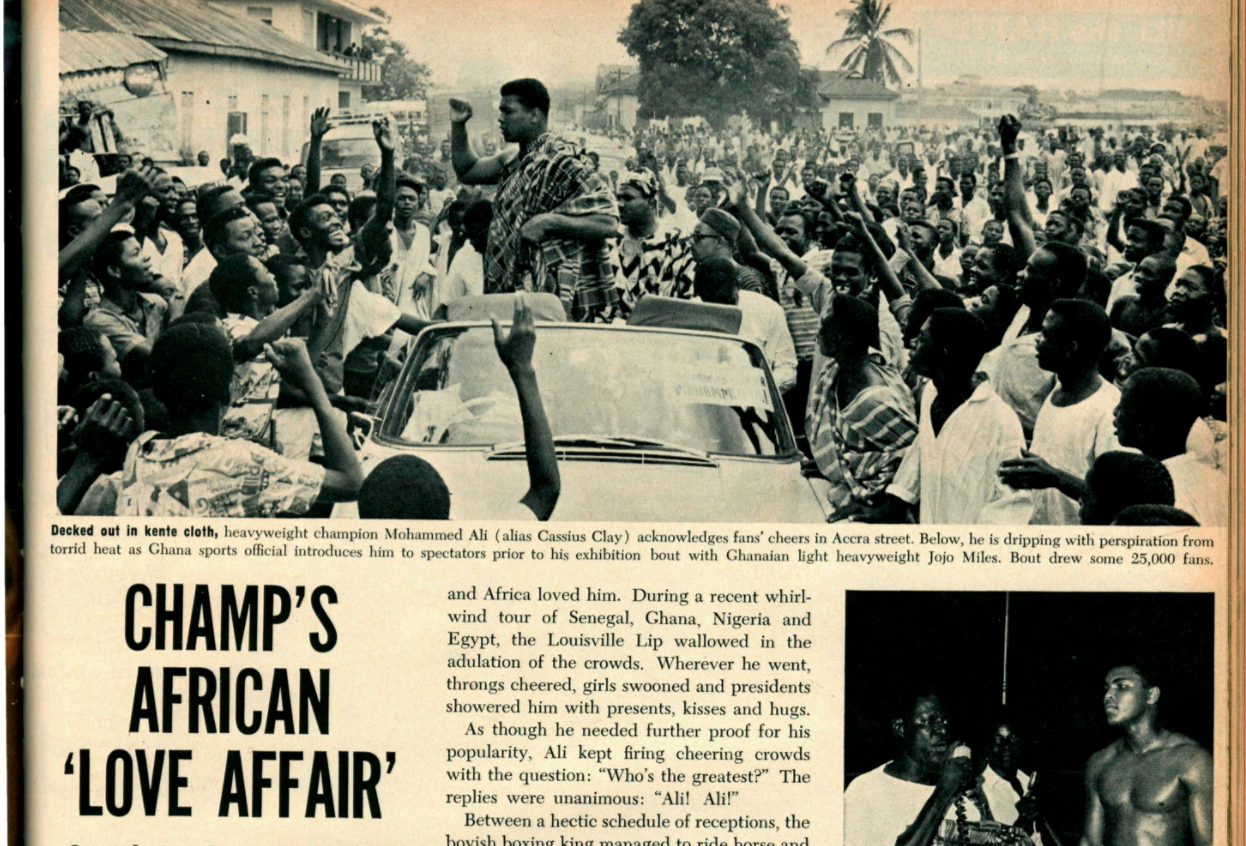
Muhammad Ali’s Visit to Ghana: When “The Greatest” Came Home:
In 1964, at just 22 years old, the newly crowned world heavyweight boxing champion Muhammad Ali stepped onto Ghanaian soil—and into African history. Fresh from his stunning victory over Sonny Liston in Miami, the young champion—then newly renamed Muhammad Ali—embarked on a tour of Africa. One of the
GH Newspapers Editorial Team
WorldJul 30, 2026
The Eskimo Who Came to Ghana: Fact, Folklore, or Legend?
The article explores the veracity of a story told about a foreign visitor who came to Ghana in 1957.

EntertainmentDec 27, 2025
Inscriptions on Ghanaian Commercial Vehicles
A visitor to Ghana will quickly notice something striking on the roads: commercial motor vehicles speak. Tro-tros, buses, taxis, and long-distance vehicles often carry inscriptions—short messages painted boldly on the body of the vehicle. These inscriptions may appear on the back of the vehicle, acr

EntertainmentDec 25, 2025
Is Tourism Beneficial to Ghana?
Every year, thousands of tourists visit Ghana. According to the 2024 Tourism Report published by the Ghana Tourism Authority, Ghana welcomed 1,288,804 international visitors in 2024. The country continues to promote tourism in order to expand the industry and increase its benefits. This raises an im


SocietyJul 28, 2026
Why Is the Star on Ghana's Flag Black?
The article explains why the star in Ghana's flag is black, instead of white, silver or golden
WorldJul 12, 2026
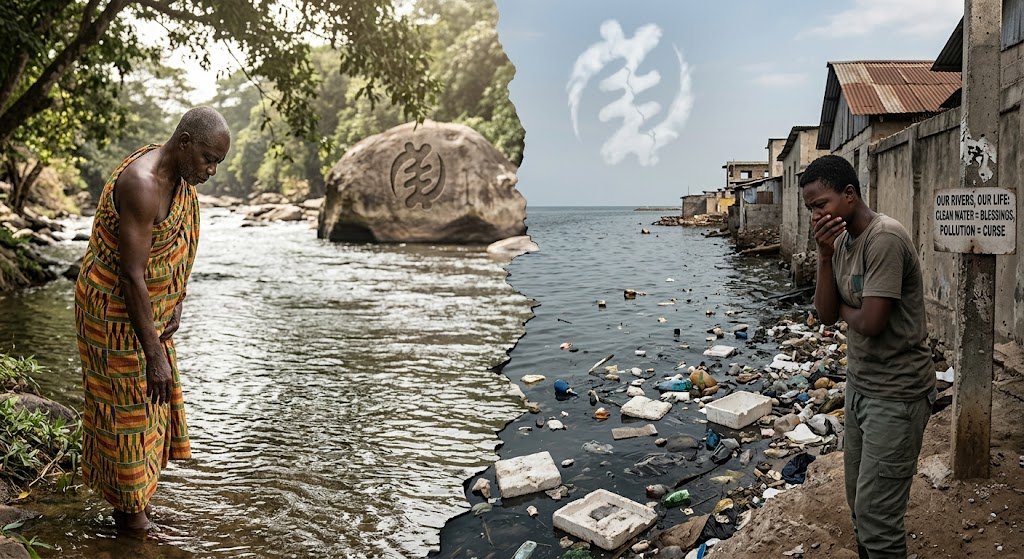
Polluting Rivers and Seas Brings Poverty, Says Okronkronyi Nyame Somafo Yawoh
Filth Has Spiritual Consequences Okronkronyi Nyame Somafo Yawoh teaches that filth is spiritually derogating and spiritually taxing. According to His teachings, acts that pollute the natural environm
GH Newspapers
PoliticsJun 30, 2026
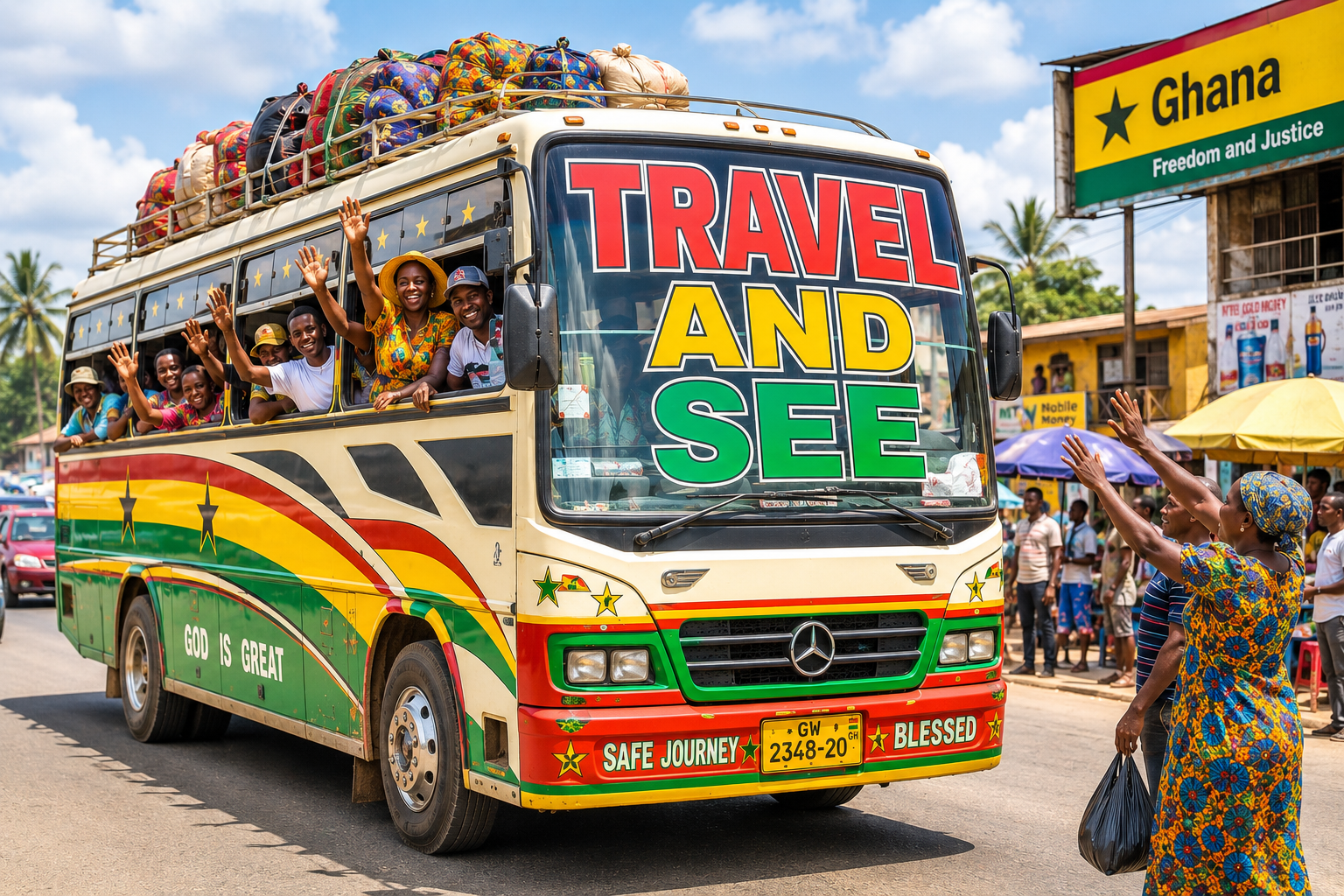
Travel and See
A Popular Ghanaian Vehicle Inscription Ghanaian commercial vehicles are often adorned with colorful inscriptions that convey wisdom, faith, humor, and life lessons. One common inscription seen on veh
PoliticsJun 27, 2026
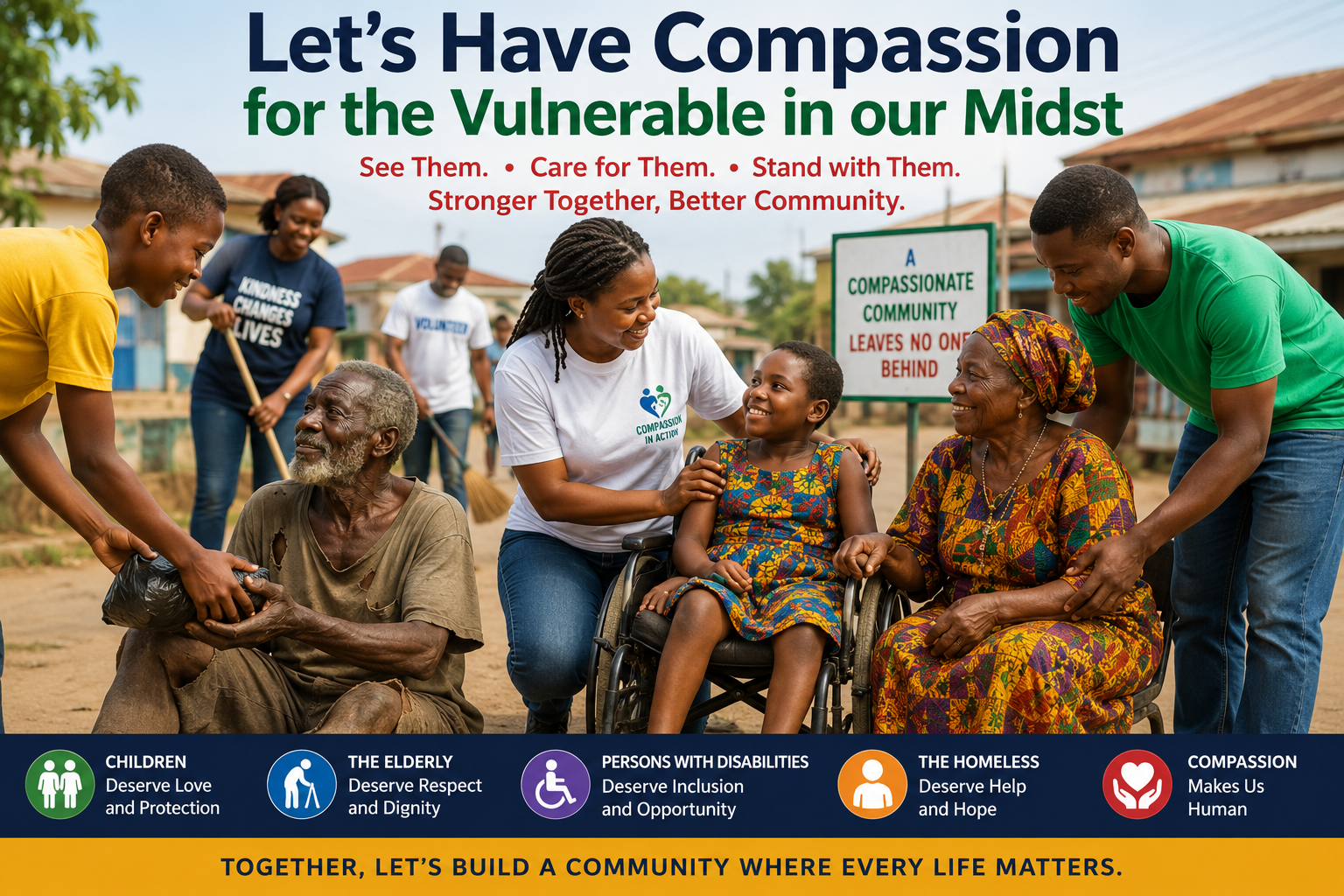
Let's Have Compassion for the Vulnerable in our Midst
Introduction A society is often judged not by how it treats its rich, powerful, and influential citizens, but by how it treats its weakest and most vulnerable members. Children, the elderly, and pers
PoliticsJun 23, 2026
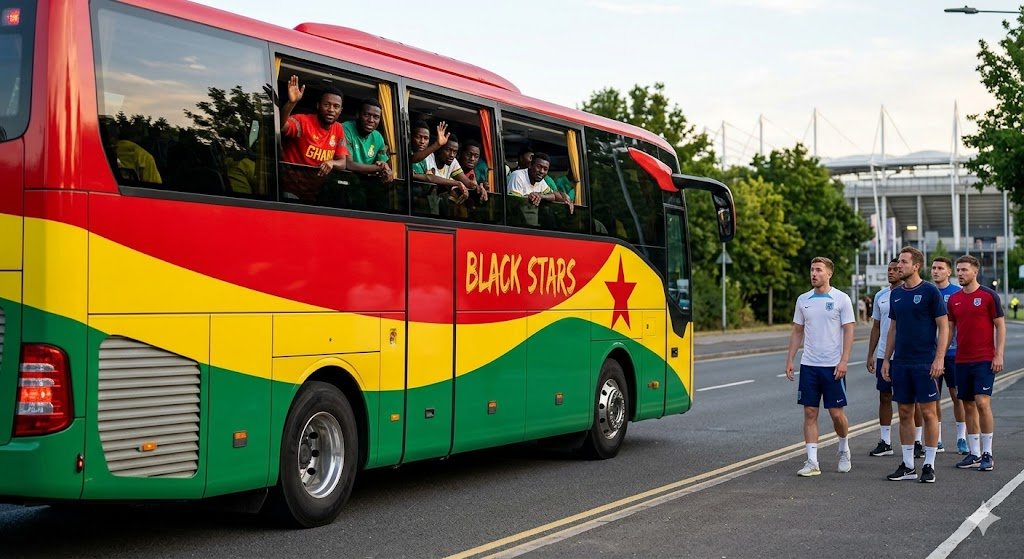
When the Formerly Colonized Holds the Former Colonial Power to a Goalless Draw
A Lesson in Humility On June 23, 2026, football fans around the world witnessed a result that few pundits predicted. The Ghana Black Stars, representing a nation once colonized by Britain, battled co

SportsJun 23, 2026
World Cup 26-Ghana vs England: What the optics don't tell you
The pundits have given their verdict, but well-seasoned by experience and standing beyond the critics, naysayers, and doubters, the Ghanaian heart remains anchored in a truth storied over decades: the optics are never fatal. We bow to none.
Kwabena Nyamekye Mawuli
WorldJun 22, 2026
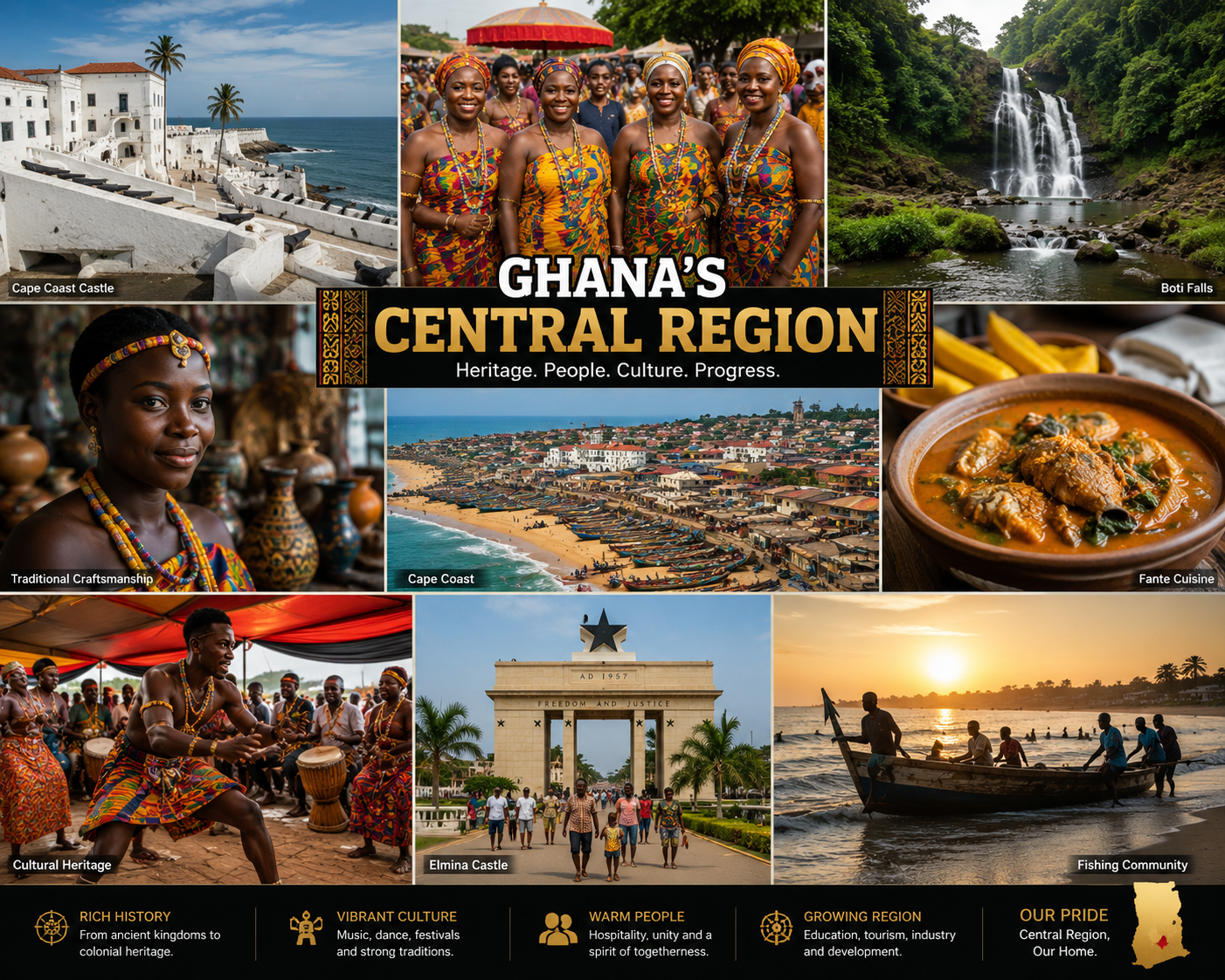
Ghana’s Central Region: The Cradle of Education, Culture, and National Leadership
Introduction Among Ghana’s sixteen administrative regions, few possess the historical significance, educational prominence, and cultural richness of the Central Region. Located along Ghana’s southern
GH Newspapers
WorldJun 22, 2026
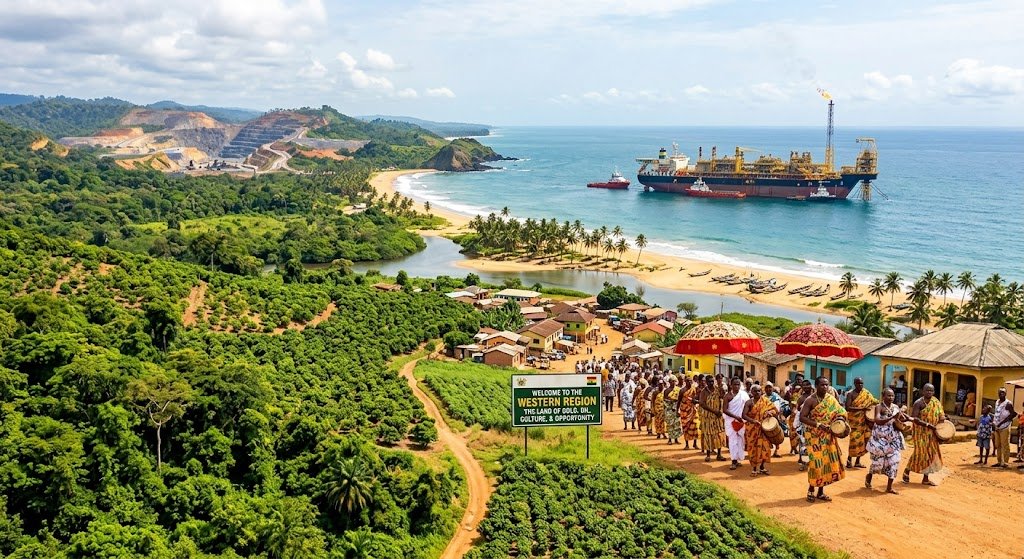
Ghana’s Western Region: The Land of Gold, Oil, Culture, and Opportunity
Introduction Among Ghana’s sixteen administrative regions, few can rival the Western Region in terms of natural wealth, cultural diversity, economic importance, and historical significance. Stretchin
GH Newspapers
EntertainmentJun 11, 2026
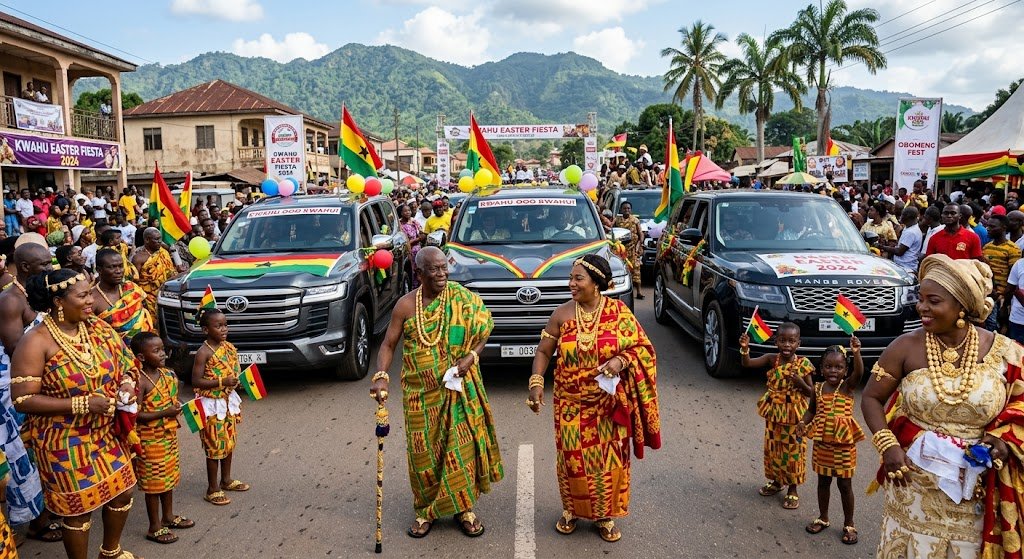
Kwahu Oooo! Kwahu: Why Easter is a Major Celebration in Kwahuland
Introduction Every year, as Easter approaches, a familiar phrase echoes across Ghana's radio stations, television screens, and social media platforms: "Kwahu oooo Kwahu!" The expression has become bo
WorldJun 4, 2026
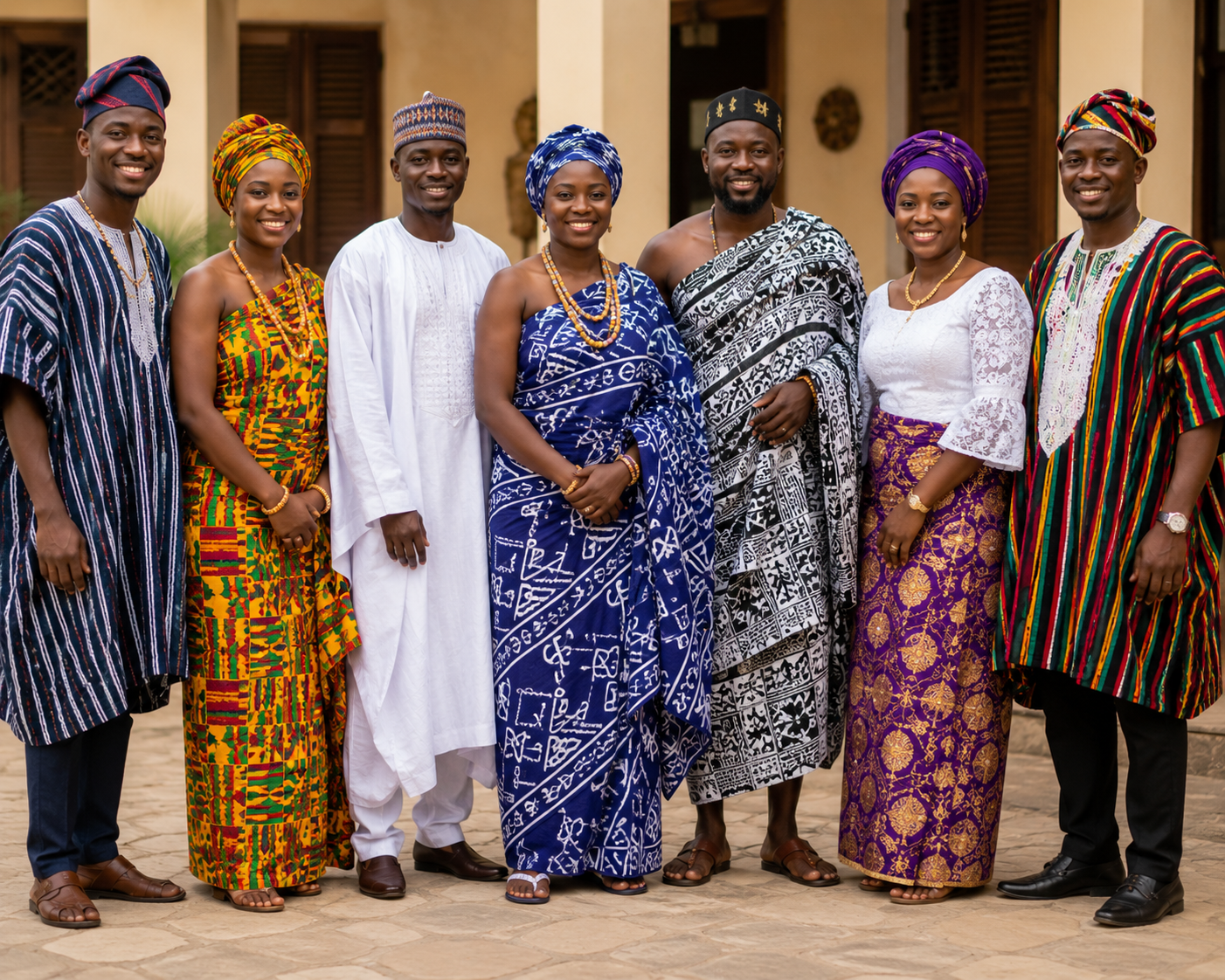
How Cultural Diversity Helps Ghanaians
Ghana is often celebrated as one of Africa’s most peaceful and culturally vibrant nations. From the bustling markets of Accra to the fishing communities along the coast, from the savannah settlements
WorldJun 4, 2026
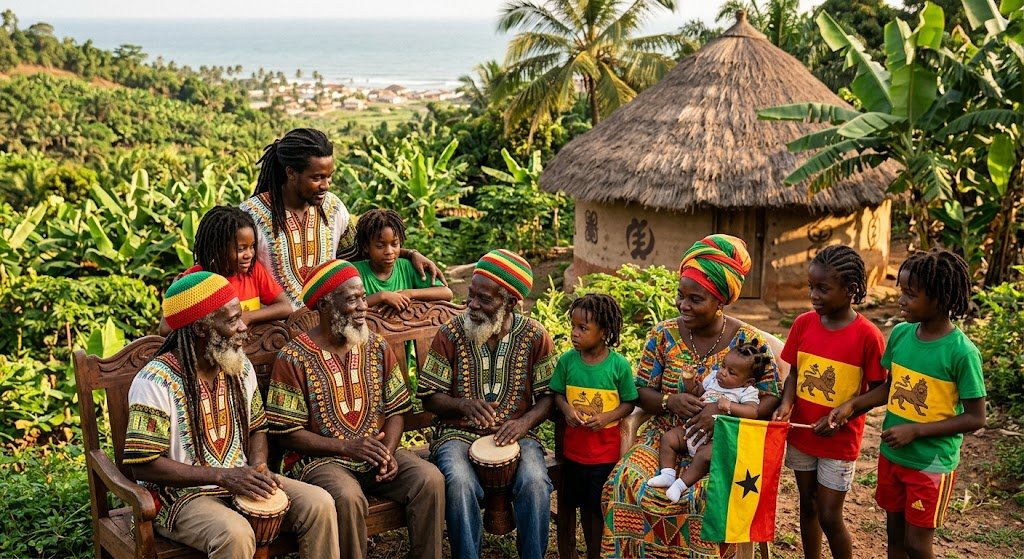
Rastafarians in Ghana: Faith, Identity, and Cultural Expression
Rastafarians
Nana Kwaku Owoahene Acheampong
WorldJun 1, 2026
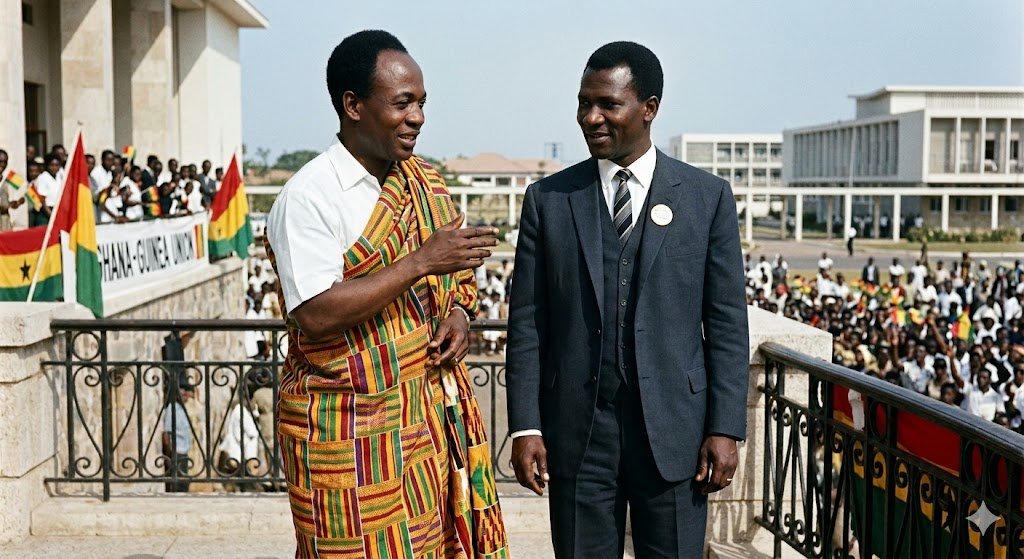
Kwame Nkrumah and Sékou Touré: A Pan-African Friendship That Shaped a Continent
Introduction: When Two Revolutions Met The friendship between Kwame Nkrumah and Ahmed Sékou Touré was not a casual diplomatic acquaintance. It was an ideological alliance forged in the furnace of ant
GH Newspapers

TechnologyApr 27, 2026
The Year of Return 2019: Ghana’s Global Call to the African Diaspora
In 2019, Ghana made a bold and historic statement to the world. Through an initiative known as the Year of Return 2019, the country invited people of African descent across the globe to reconnect with their roots, history, and identity. This was not just a tourism campaign. It was a deeply symbolic
GH Newspapers Editorial Team
WOWorld
WorldMar 7, 2026
What is Kente Cloth? History and Contemporary Influence
Kente cloth is one of the most famous traditional textiles of West Africa and is strongly associated with Ghana. It is a handwoven cloth made from narrow strips of silk or cotton that are stitched together to form a larger fabric. The cloth is distinguished by its brilliant colors, geometric pattern
BusinessMar 2, 2026
GHANA: God Has Anointed the Nation Already — A Nation Richly Blessed
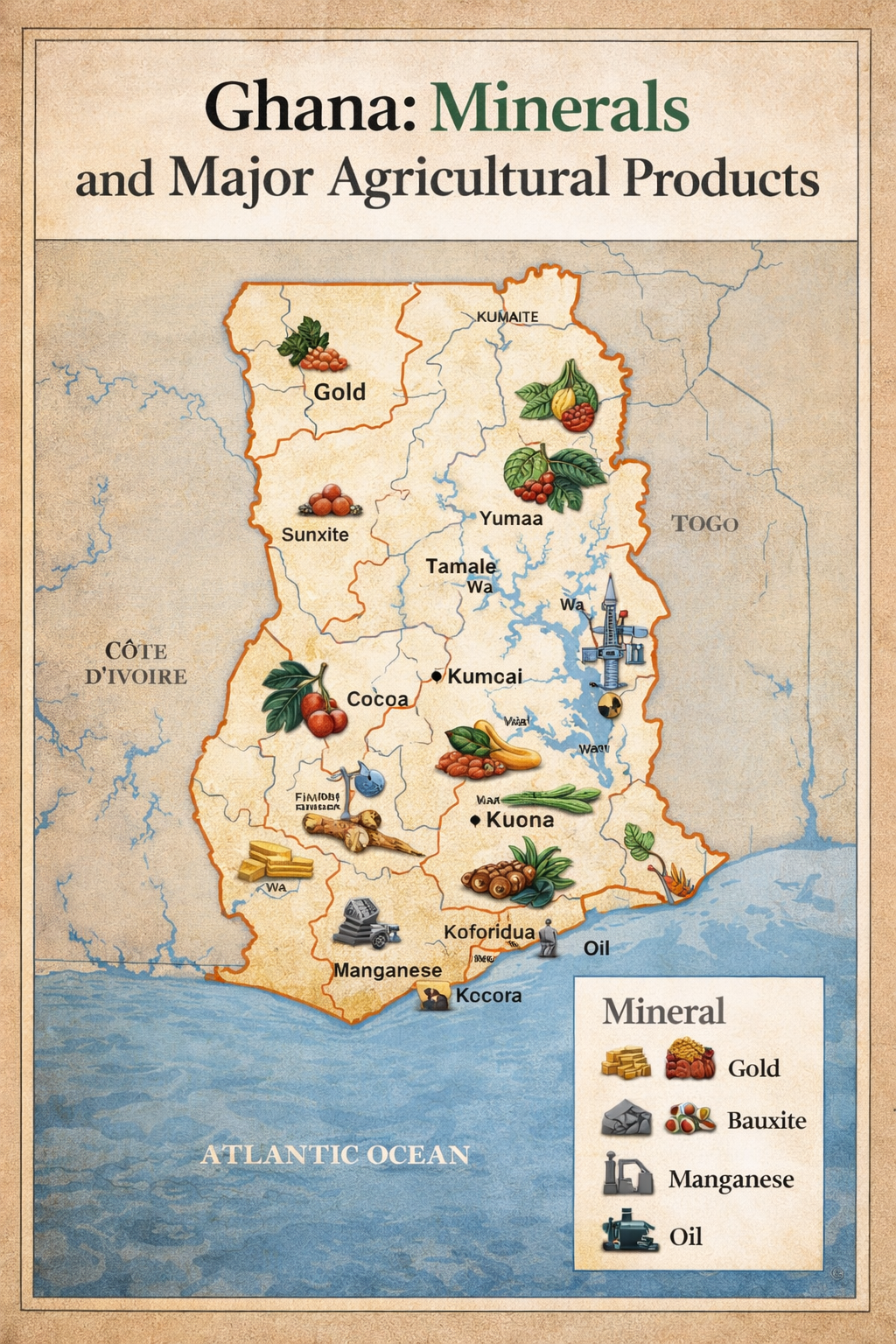
Ghana stands for “God Has Anointed the Nation Already.” Many Ghanaians see their country not merely as a geographical territory in West Africa, but as a land endowed with immense natural, human, and spiritual blessings. From abundant mineral wealth to fertile agricultural lands and a vibrant populat

SportsMar 2, 2026
When the Black Stars locked horns with the Greatest football club: Real Madrid
Introduction: Why March Matters Every year, the month of March occupies a sacred place in Ghana’s historical calendar. On 6 March 1957, under the leadership of Kwame Nkrumah, the Gold Coast became Ghana — the first sub-Saharan African nation to gain independence from British colonial rule. March is
KWABENA NYAMEKYE MAWULI
WorldMar 1, 2026
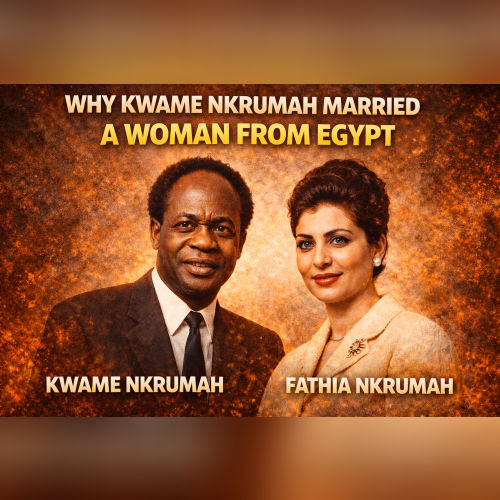
Why did Kwame Nkrumah marry a woman from Egypt?
For many years, this question has generated curiosity, debate, and speculation. But the answer lies not only in romance. It lies in politics, diplomacy, and a bold continental vision during one of the most transformative periods in African history. When Ghana gained independence from Britain on Marc
GH Newspapers Editorial Team

WorldFeb 24, 2026
Newspapers and Ghana’s Independence Day Celebrations
The relationship between newspapers and Ghana’s Independence Day celebrations is deeply rooted in the country’s political history and media evolution. From the late colonial period through the attainment of independence in 1957 and into the post-colonial era, newspapers played a central role in docu
GH Newspapers Editorial Team
TechnologyFeb 19, 2026
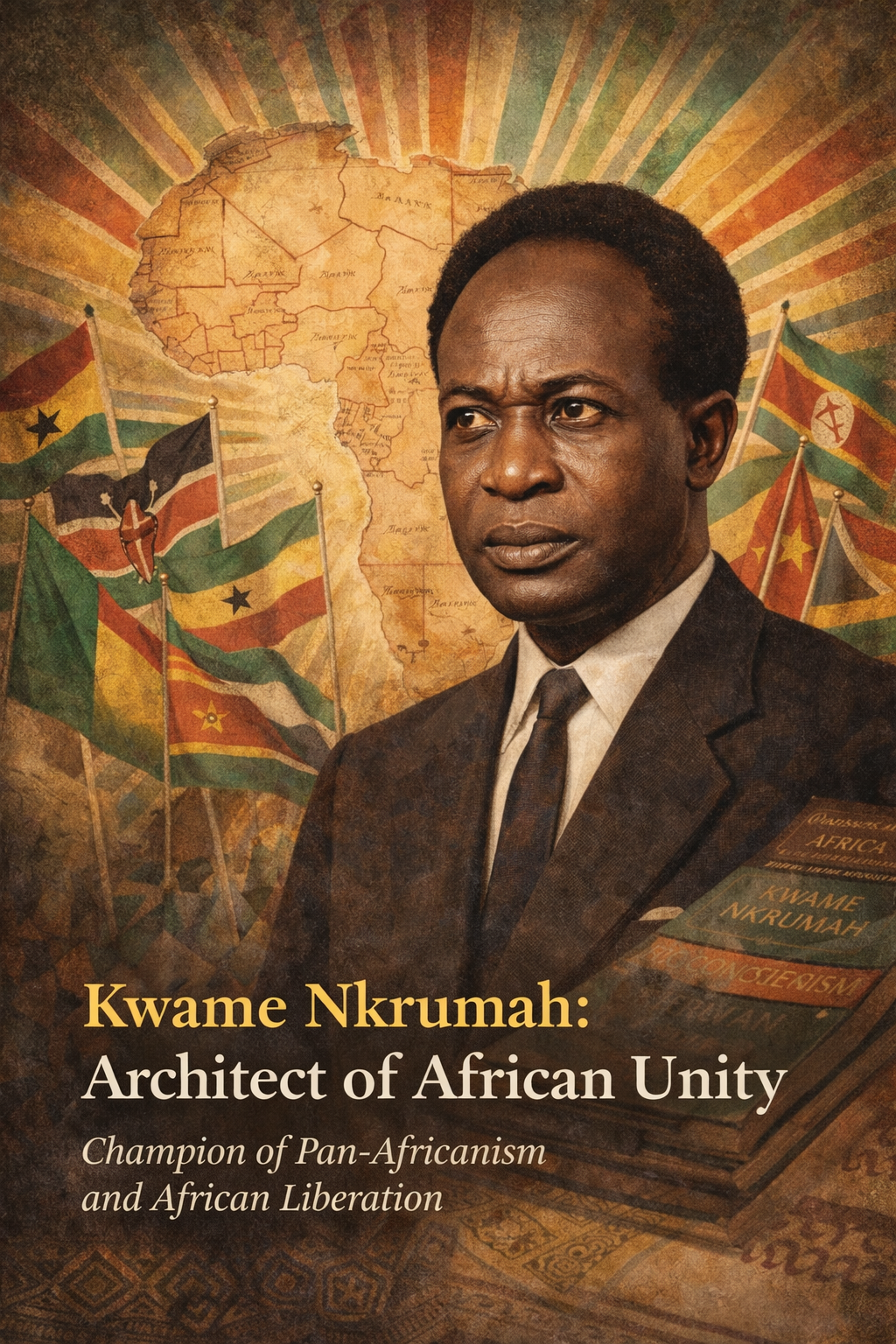
Kwame Nkrumah the Pan-Africanist
Early Life and Education Kwame Nkrumah was born in 1909 in what Ghana is now, West Africa. He studied both in Ghana and overseas, gaining knowledge that would later shape his vision for his country and the continent. Leader of Ghana’s Independence Nkrumah emerged as one of the most prominent politic
TechnologyFeb 19, 2026
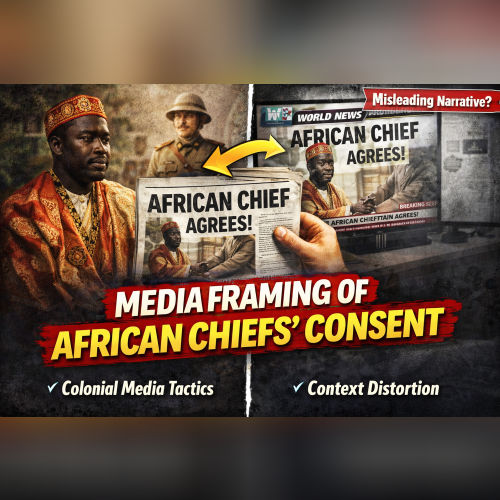
Media Framing of African Chiefs’ Consent
The concept of “chiefs’ consent” occupies a central place in the colonial history of the Gold Coast, present-day Ghana. Throughout the nineteenth and early twentieth centuries, colonial authorities frequently claimed that African chiefs willingly agreed to treaties, land concessions, and administrat
GH Newspapers Editorial Team

WorldFeb 18, 2026
Slavery, Abolition, and How Newspapers Framed the Narrative
The history of slavery and abolition in the area now known as Ghana is deeply intertwined with global economic systems, imperial expansion, African political structures, and the emergence of print journalism as a powerful instrument of public opinion. From the fifteenth century through the nineteent
GH Newspapers Editorial Team
HealthFeb 10, 2026
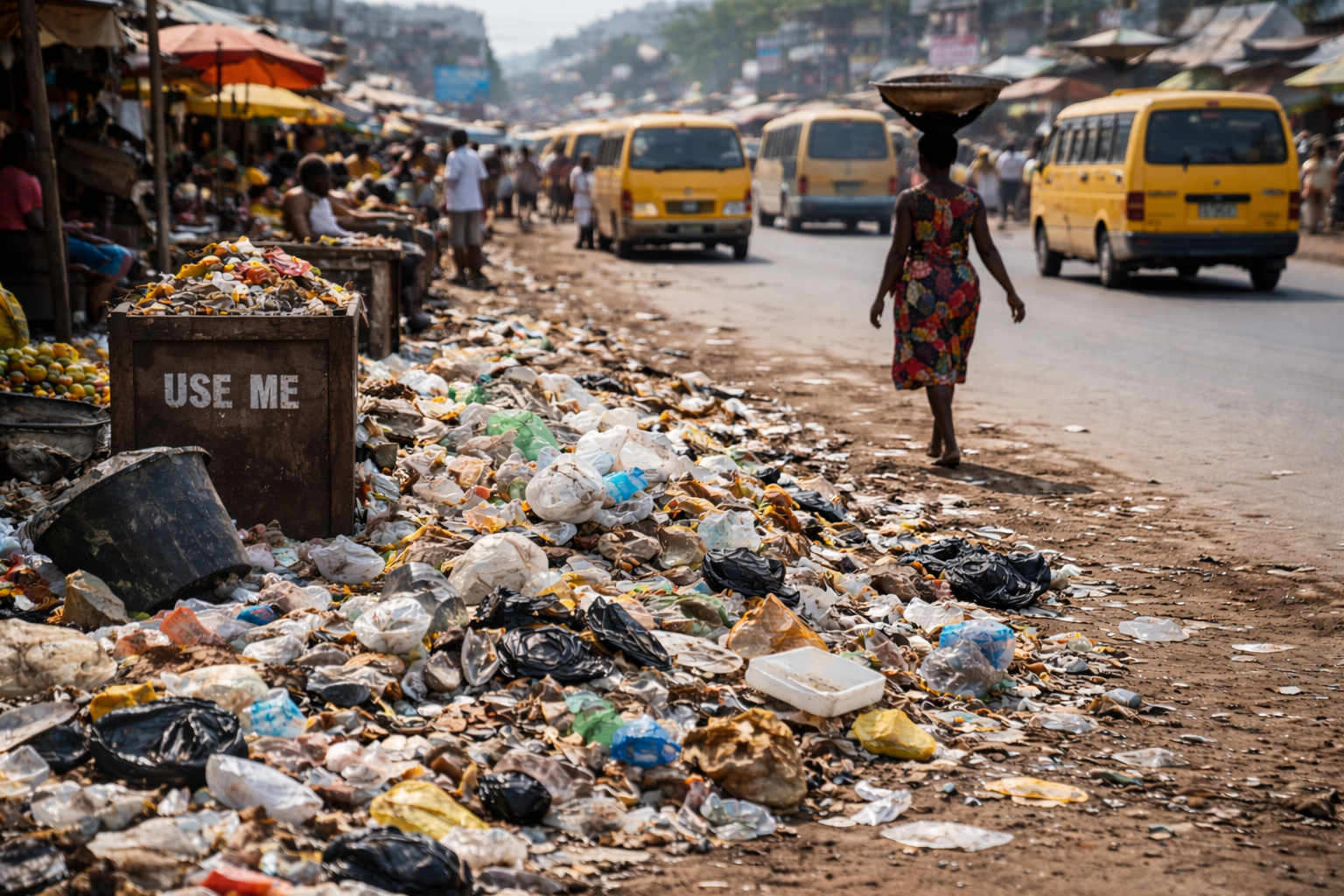
Littering in Ghana: An Environmental Nuisance and a Public Health Threat
Littering is a serious problem in Ghana. Across cities, towns, and rural communities, many people indiscriminately throw away empty drink bottles, plastic containers, plastic wraps, paper, and leftover food on the ground. Streets, gutters, open spaces, and markets are increasingly turned into inform
WorldJan 8, 2026
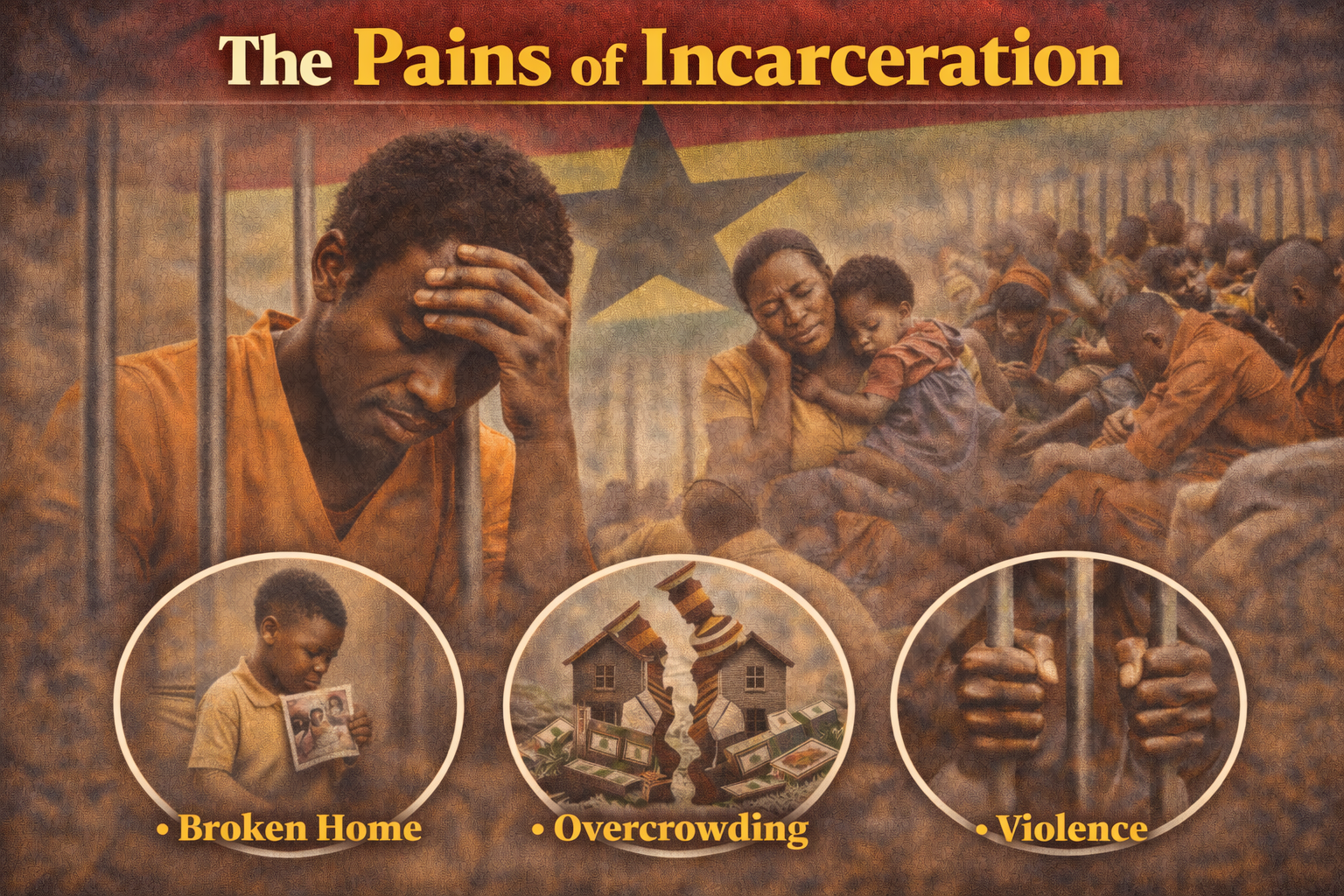
The Pains of Incarceration in Ghana: What Prison Really Means
Imprisonment, also known as incarceration, is one of the most severe penalties imposed by courts in Ghana and elsewhere. Judges and magistrates have several sentencing options at their disposal, including fines, probation, community service, and custodial sentences. Prison is usually reserved for pe
WorldJan 8, 2026
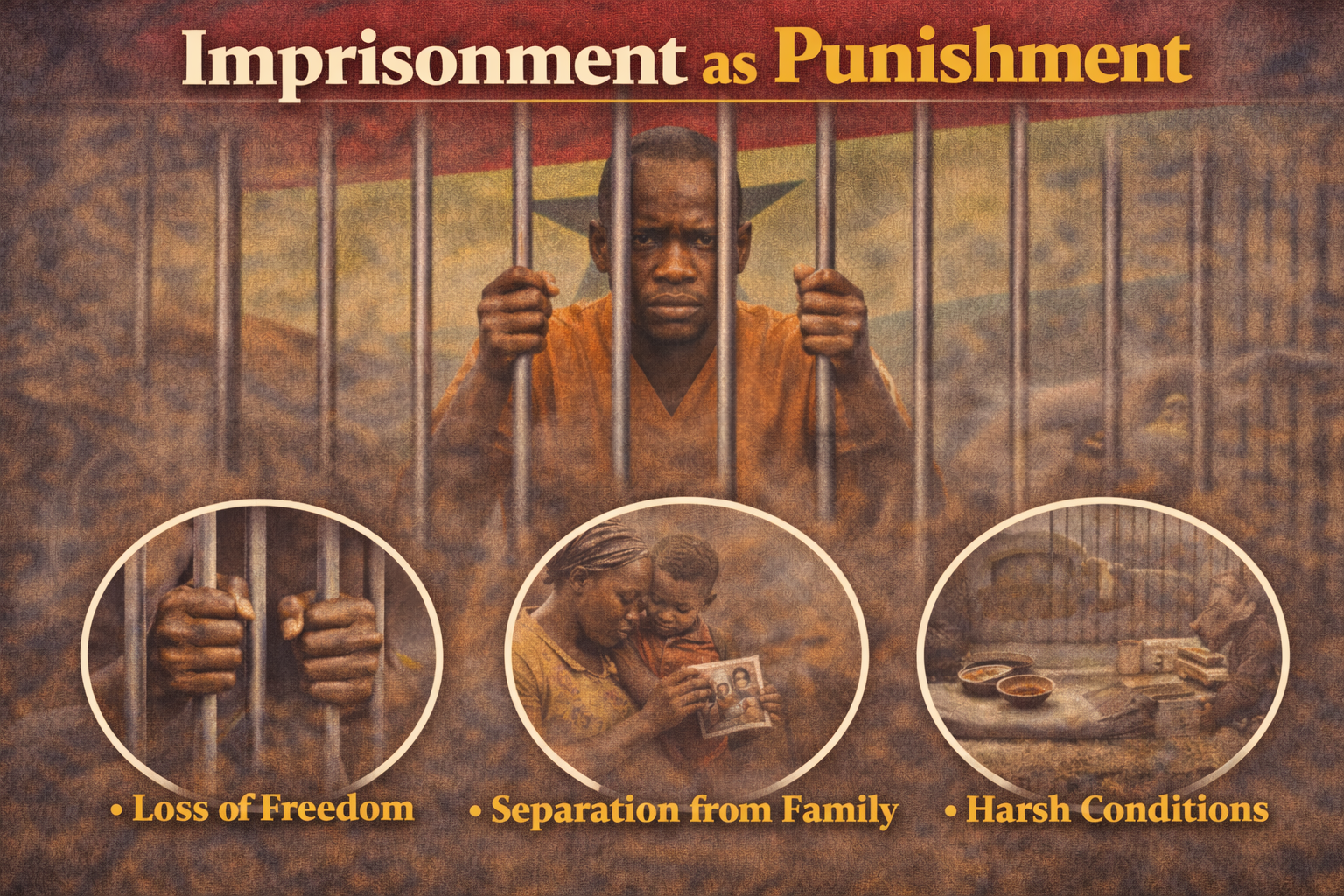
The Pains of Imprisonment
Imprisonment is one of the most common punishments for crime in many societies, including Ghana. It is also known as incarceration. While courts have several options for punishing offenders—such as fines, probation, or community service—prison sentences are usually reserved for serious crimes like r
WorldJan 5, 2026
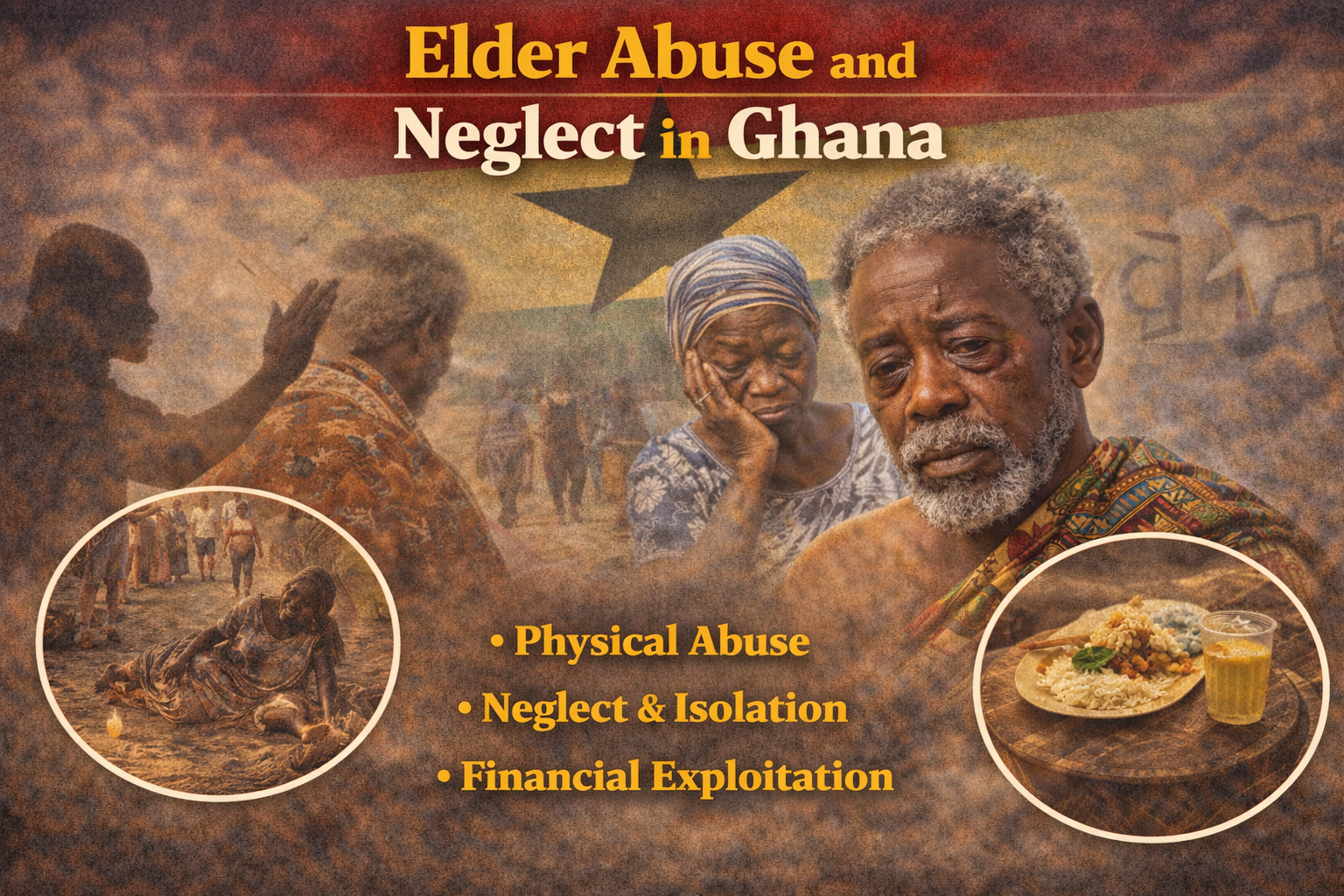
Neglect and Abuse of the Elderly in Ghana
Ghanaian society traditionally values respect for the elderly. Older people are regarded as repositories of wisdom, custodians of tradition, and moral anchors of the family. Yet beneath this ideal lies a troubling reality: many elderly persons in Ghana experience neglect, abuse, and profound social
HealthJan 4, 2026
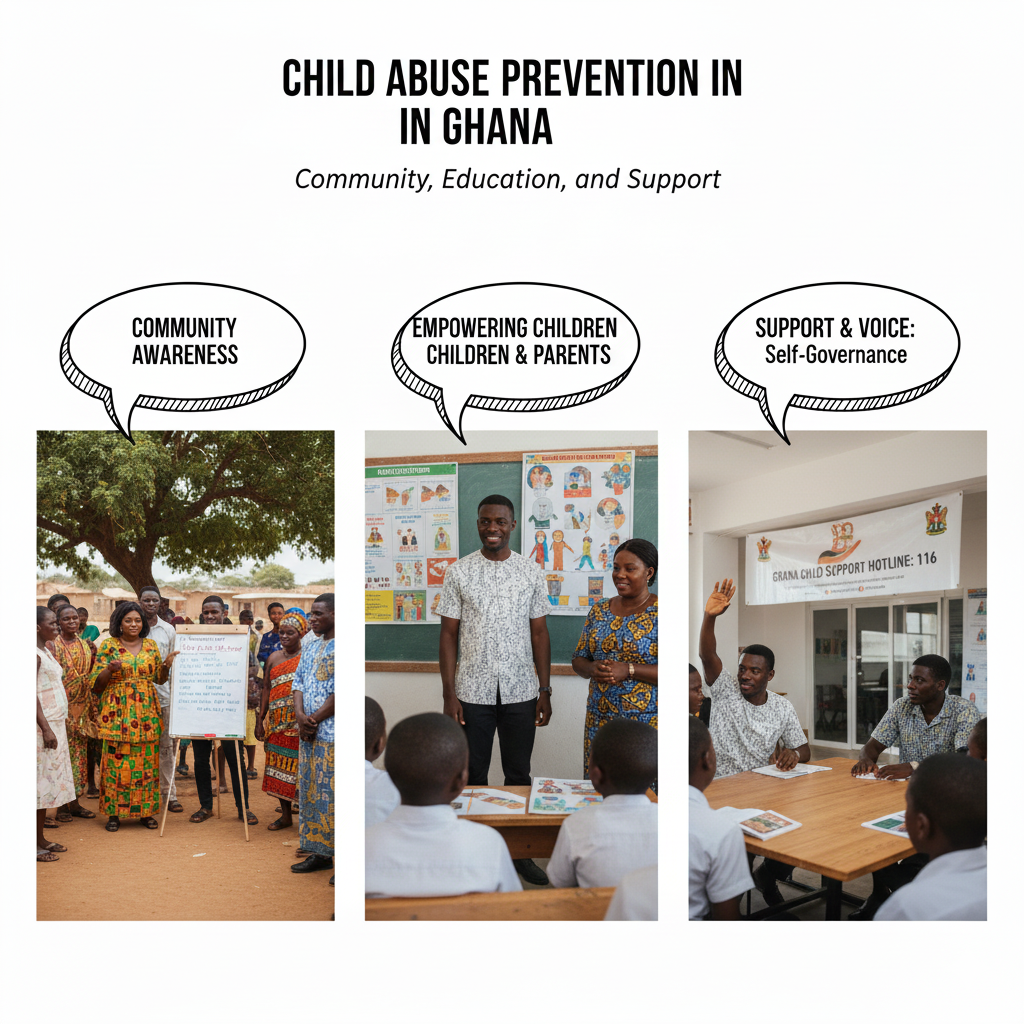
Causes of Child Abuse in Ghana
Every year, thousands of children in Ghana suffer abuse at the hands of those entrusted with their care—parents, guardians, and relatives. Reports of battered, neglected, and traumatized children frequently appear in the Ghanaian mass media, often accompanied by disturbing images and heartbreaking d
EntertainmentDec 26, 2025
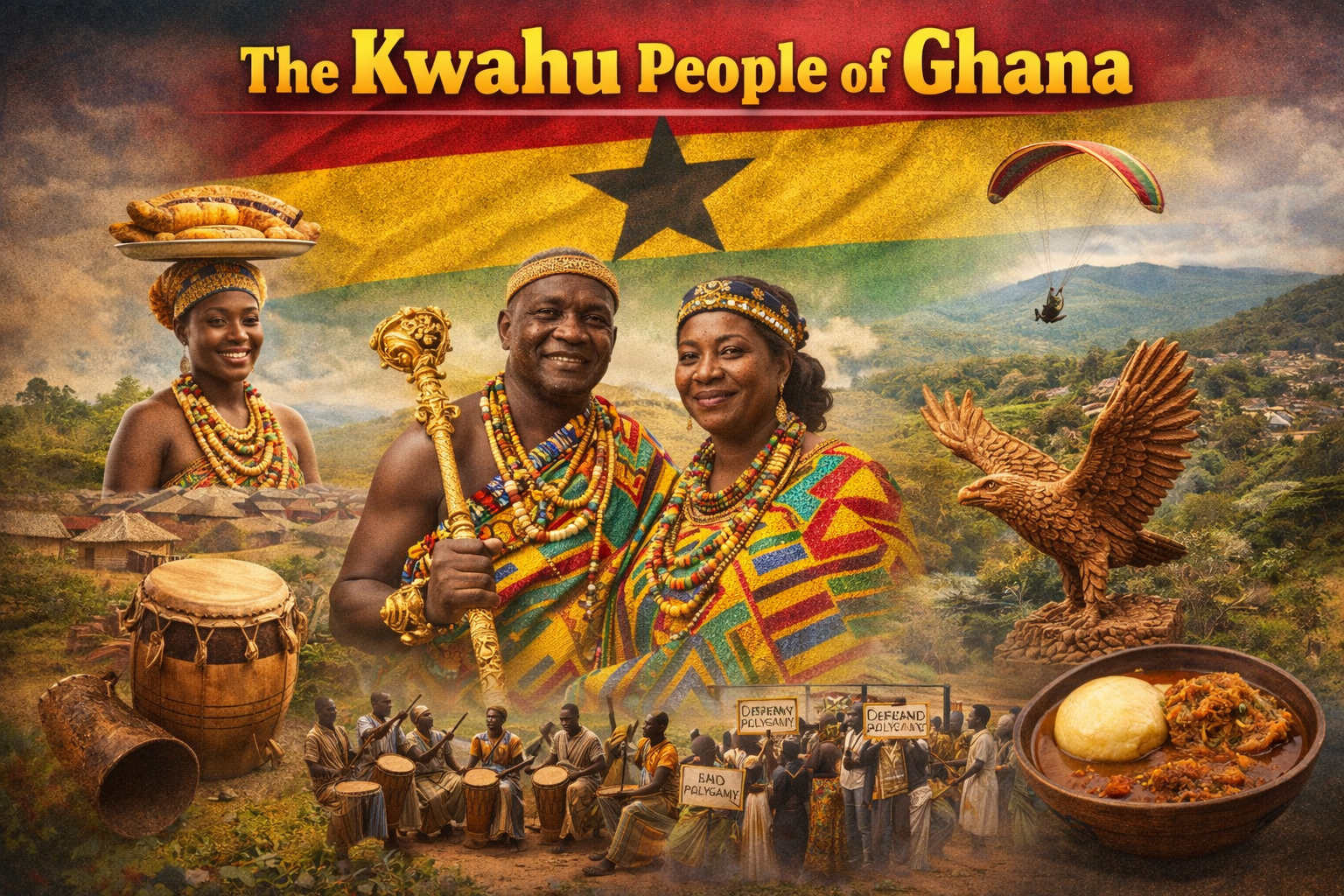
The Kwahu People of Ghana
Ghana is a multiethnic and multilingual country, home to numerous ethnic groups with distinct histories and cultural traditions. Among these groups are the Kwahu people, one of the many subgroups within the larger Akan ethnic group. The Kwahu are primarily located in the Eastern Region of Ghana. The
WorldDec 26, 2025
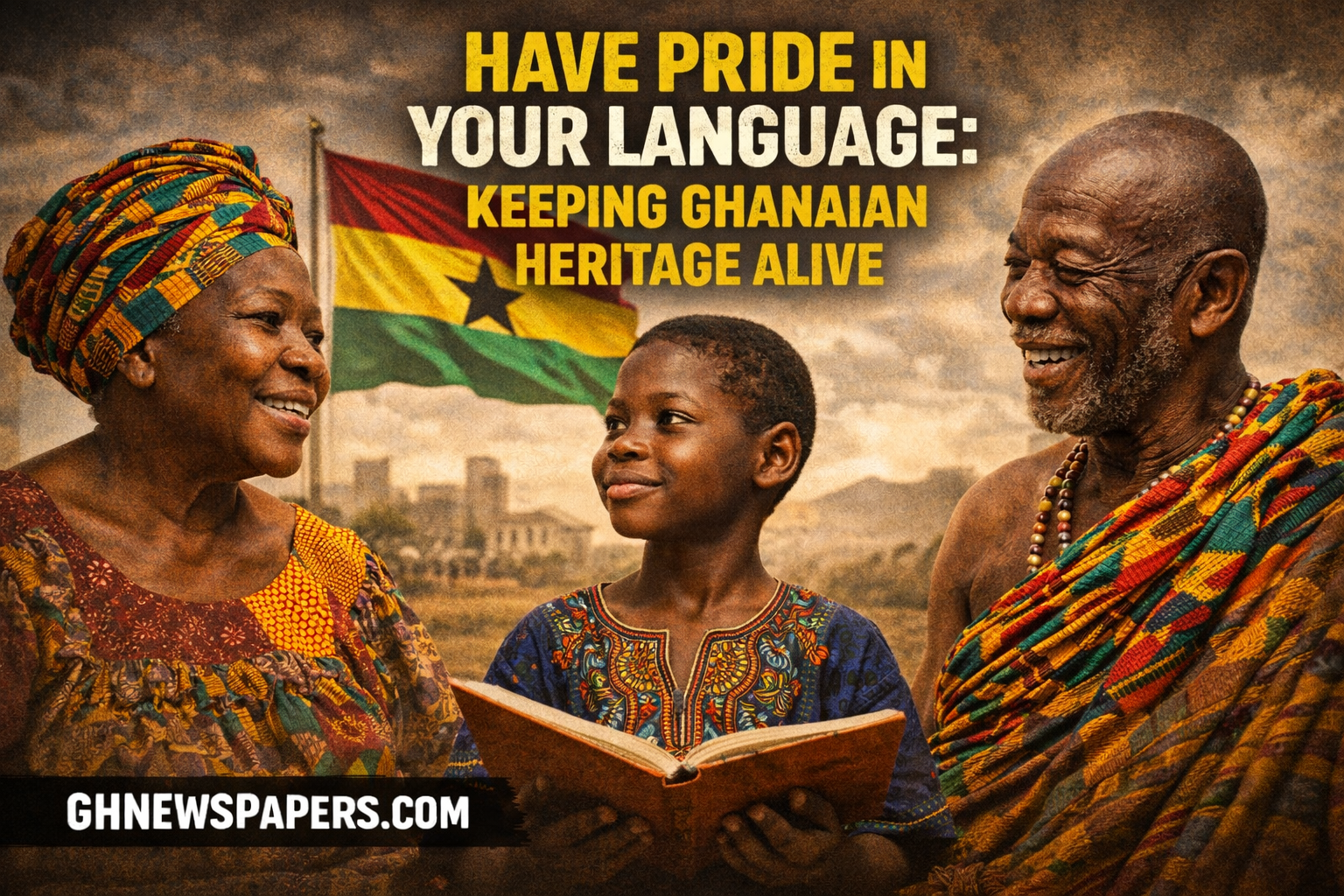
Have Pride in Your Language: Keeping Ghanaian Heritage Alive
In Ghana today, many parents encourage their children to speak English, sometimes at the expense of local languages. This trend is common not only in Ghana but also among Ghanaian families living abroad. While parents may believe that prioritizing English will make their children academically bright

WorldDec 25, 2025
The Use of Corporal Punishment in Ghana
Corporal punishment is when an adult uses physical force to discipline or control a child, with the aim of causing pain, though not serious injury. In simple terms, it means hurting a child’s body to punish them. Examples of corporal punishment include beating or caning, slapping or spanking, whippi