A Century of Witchcraft Research in Ghana
Understanding One of Ghana’s Most Enduring Social Questions Research on witchcraft in Ghana spans nearly a century and reflects the country’s continuing struggle to understand belief, accusation, fea
33 results for “witch camps”

Understanding One of Ghana’s Most Enduring Social Questions Research on witchcraft in Ghana spans nearly a century and reflects the country’s continuing struggle to understand belief, accusation, fea

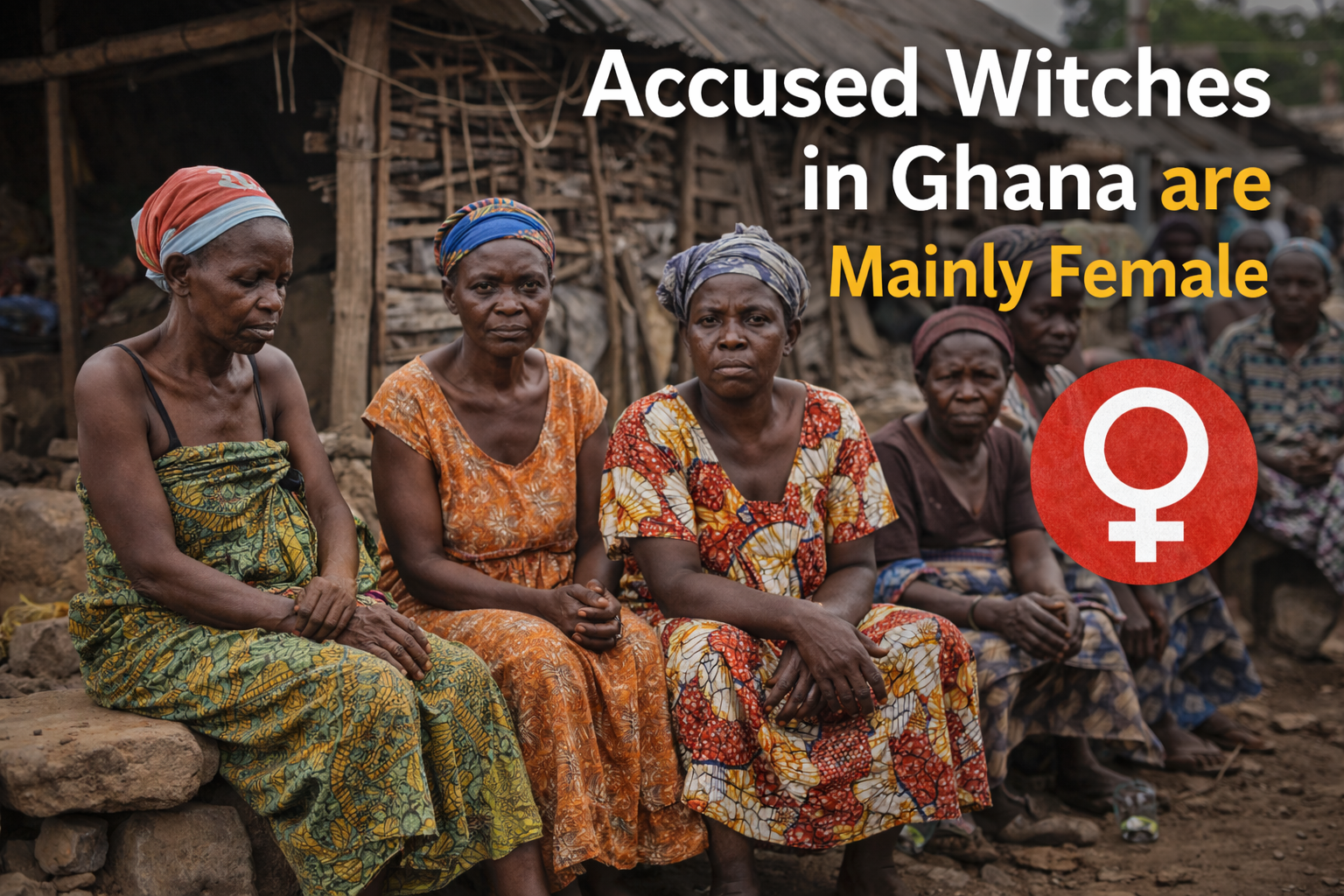
In Ghana, the overwhelming majority of people accused of witchcraft are women and girls. Nearly all victims killed during witch hunts are female. In the so-called “witch camps” or “outcast homes” in northern Ghana, it is rare to find a man among the residents. The population is almost entirely women

Witchcraft is commonly understood in Ghana as a supernatural power believed to be possessed by some individuals, enabling them to influence the behavior, health, fortune, or misfortune of others—either as victims or beneficiaries. Belief in witchcraft and witches remains widespread and deeply embedd

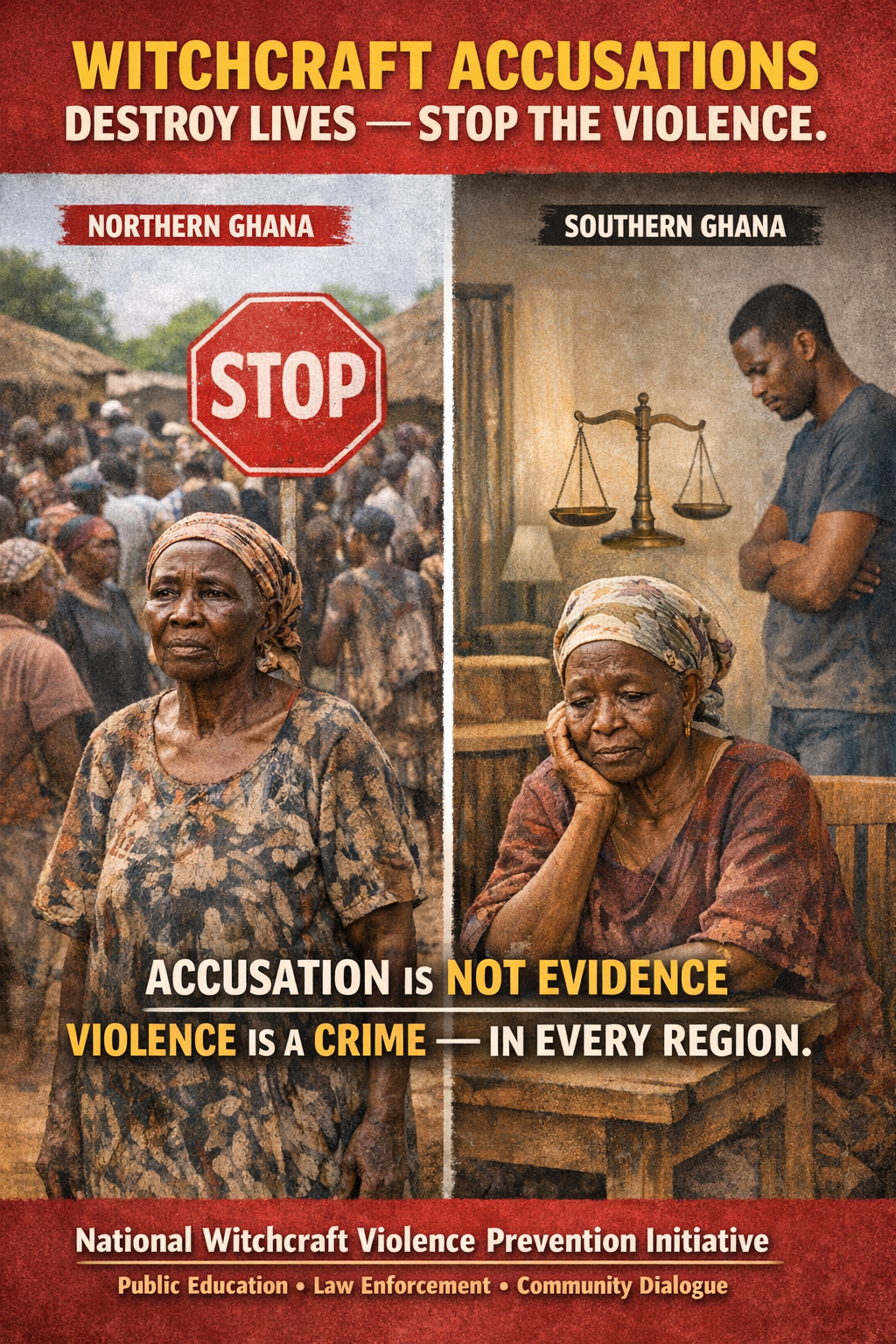
Violence against persons accused of witchcraft remains a troubling reality in parts of Ghana. Although our nation prides itself on hospitality, communal solidarity, and deep respect for human dignity, allegations of witchcraft too often trigger acts of cruelty that contradict these cherished values.


Introduction The question of whether the criminalization of witchcraft accusations would have any meaningful impact in Ghana requires careful and systematic analysis. At present, witchcraft accusations are largely non-criminal, meaning there are no specific laws prohibiting individuals from accusing

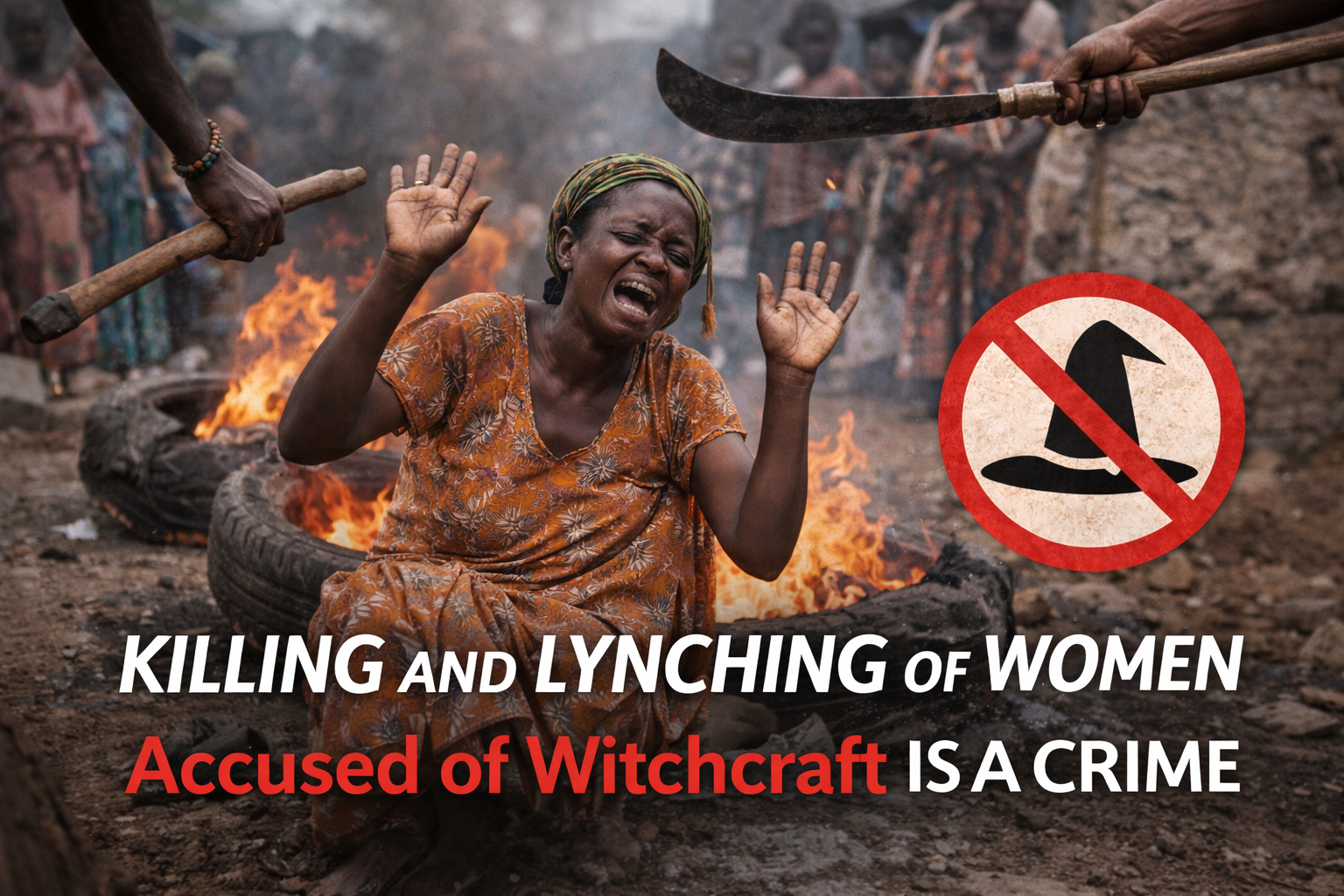
Recent reports in the Ghanaian media have once again drawn attention to a disturbing and persistent problem: the murder, attempted murder, and lynching of women accused of practicing witchcraft. These incidents are often shocking in their brutality and tragic in their consequences. They also raise a

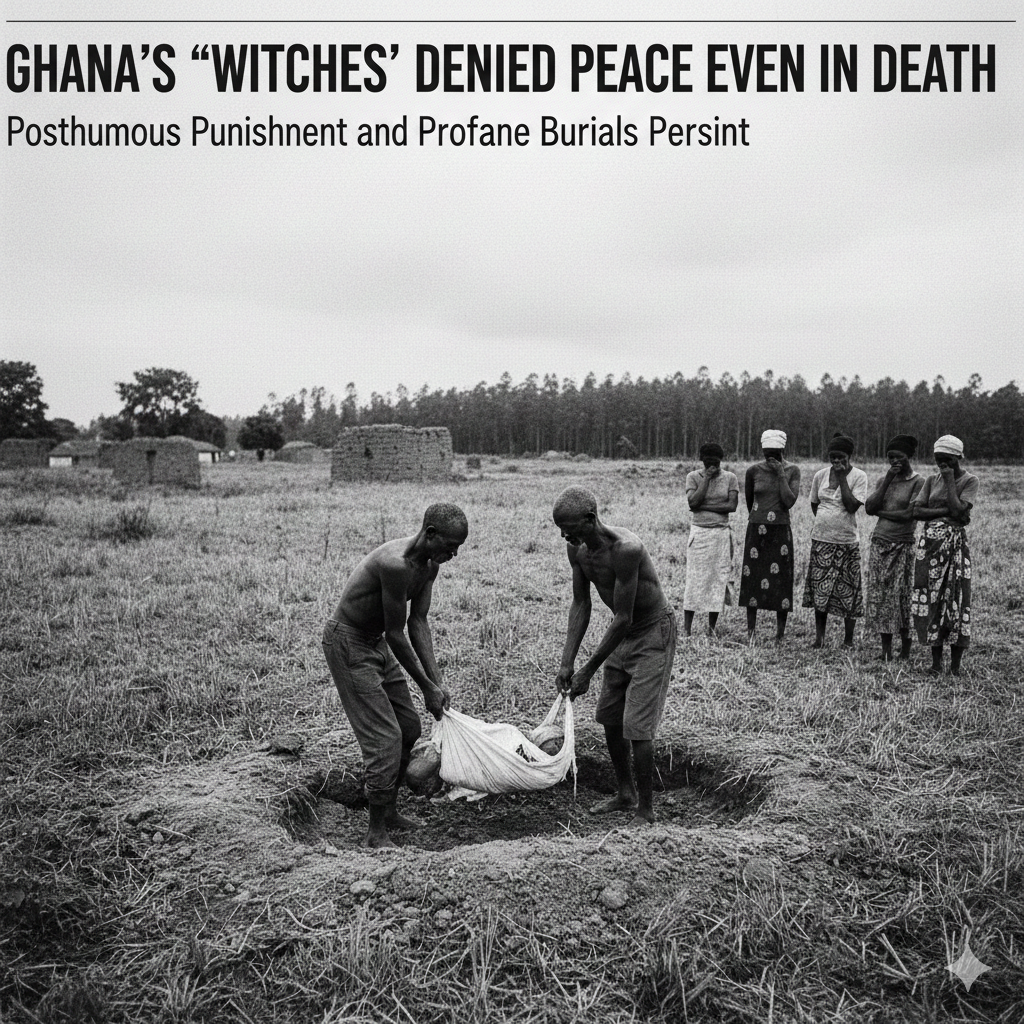
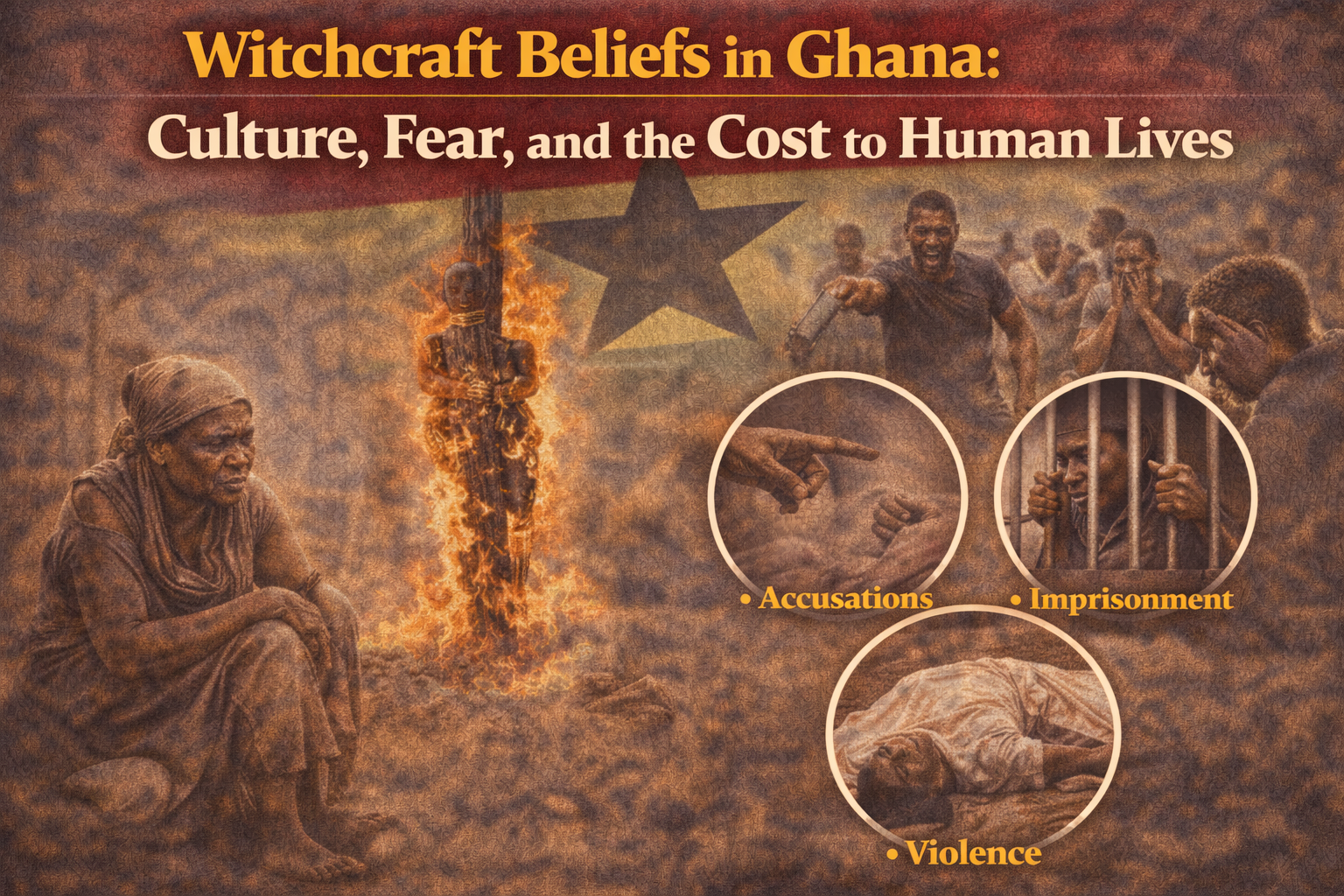
In many Ghanaian communities, accusations of witchcraft generate intense moral outrage and social hostility. Persons believed to be malevolent witches are frequently subjected to verbal abuse, physical assault, forced displacement, and, in extreme cases, extrajudicial killing (Adinkrah, 2004, 2015).

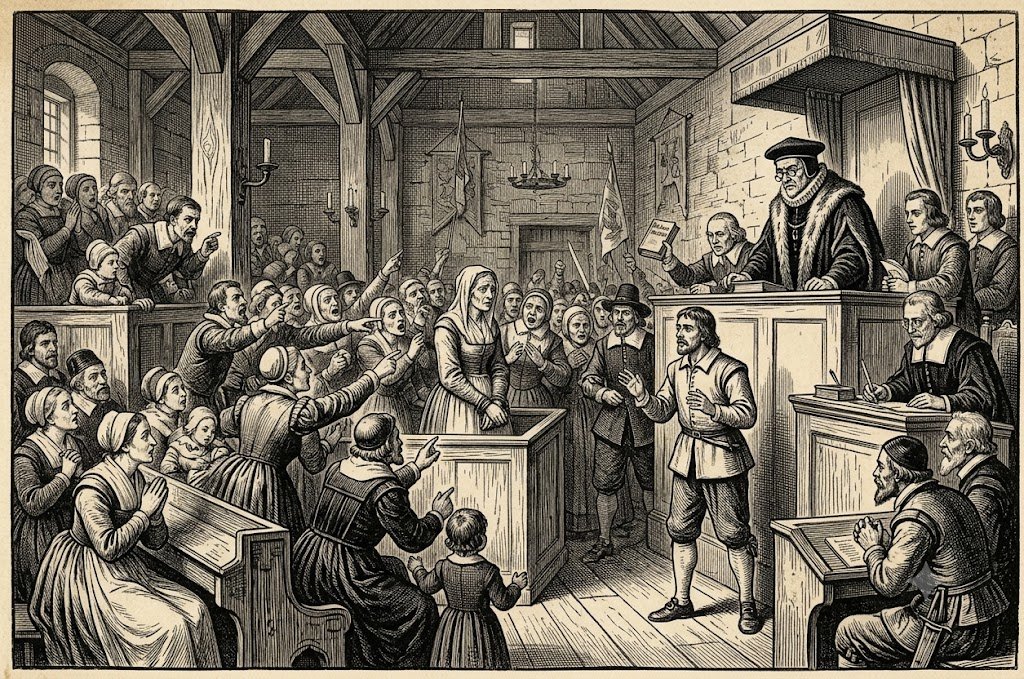
African witchcraft versus European witchcraft have been the focus of local discussions about witchcraft in Ghana for many years. During the period of European colonization, westernization, and the early stages of modernization, people in the Gold Coast (now Ghana) struggled to explain the wide gap i

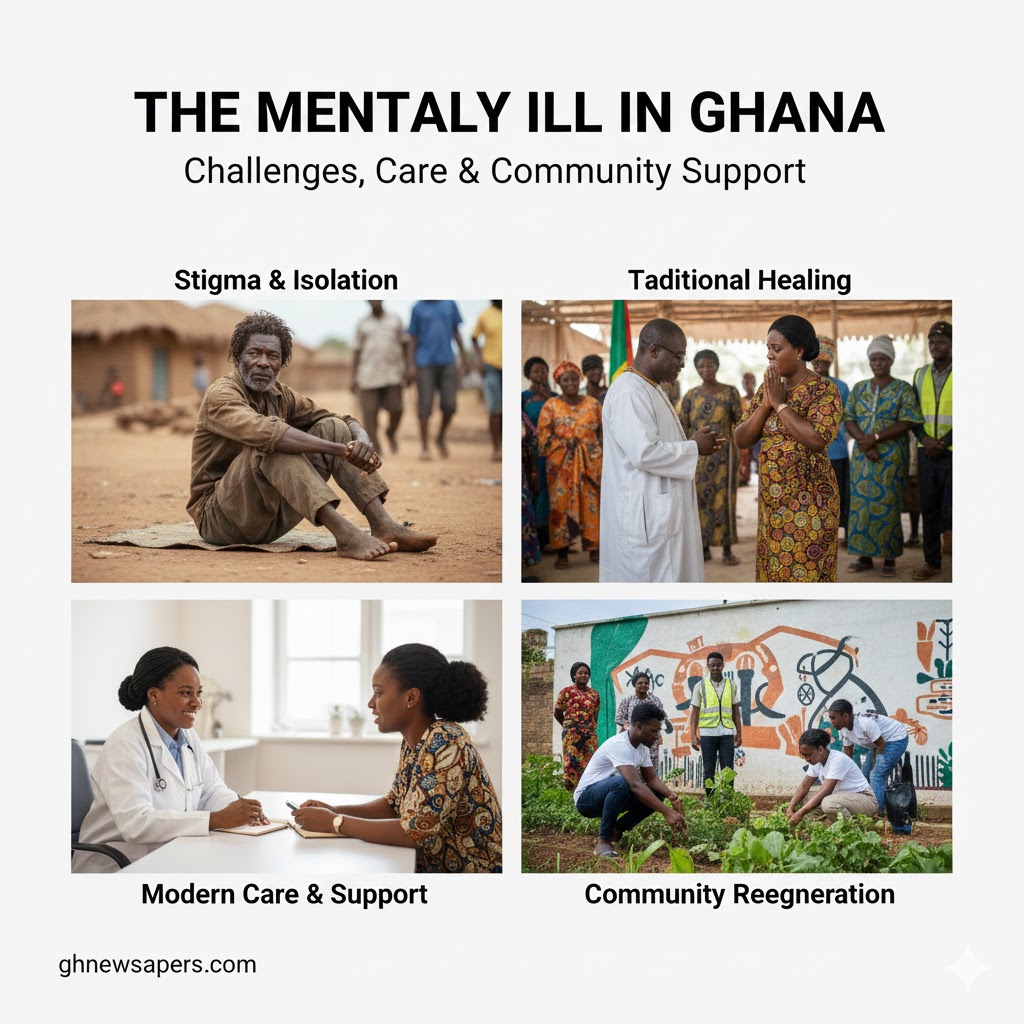
Life on the Streets: A Visible Social Failure On the streets of Ghana, many people living with mental illness wander without care, shelter, or dignity. Some are dressed in dirty, tattered clothing; others are barely clothed, and a few are completely naked. Their presence is a visible reminder of a d

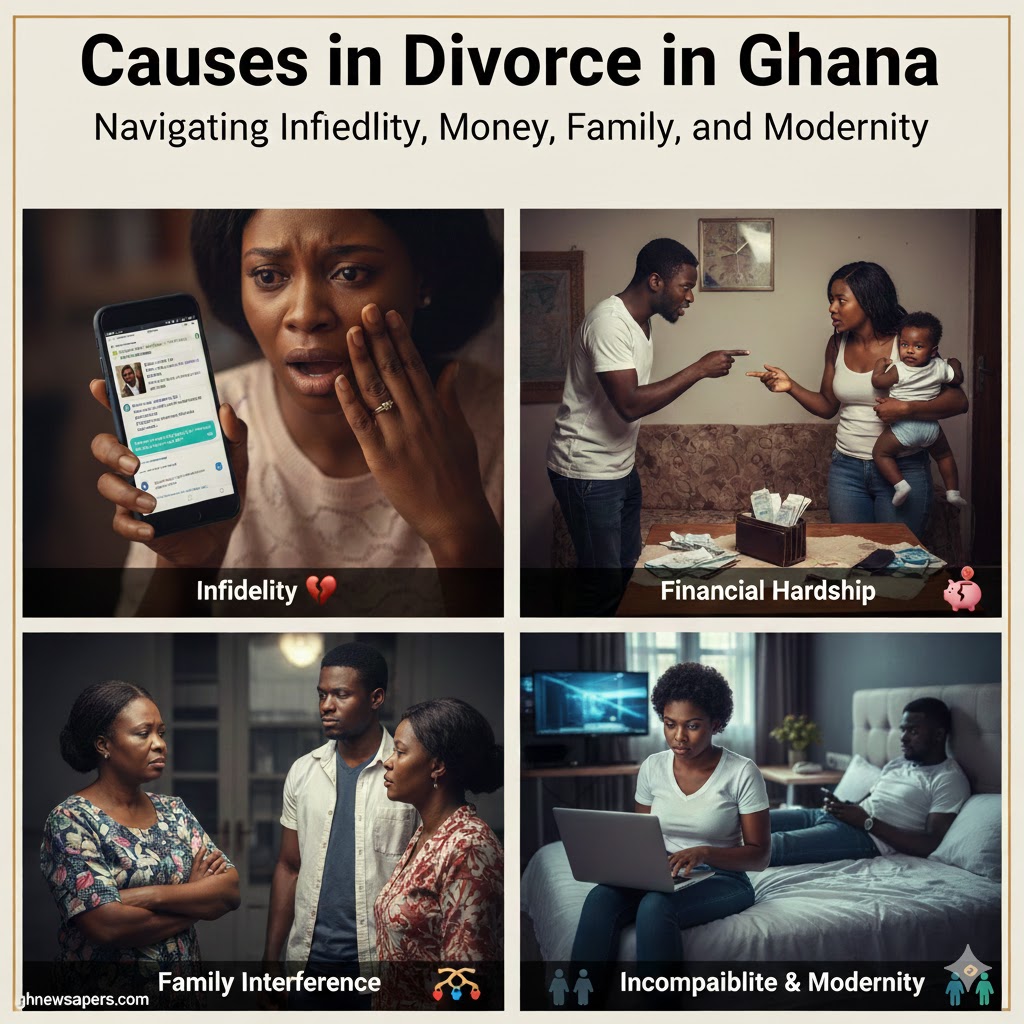
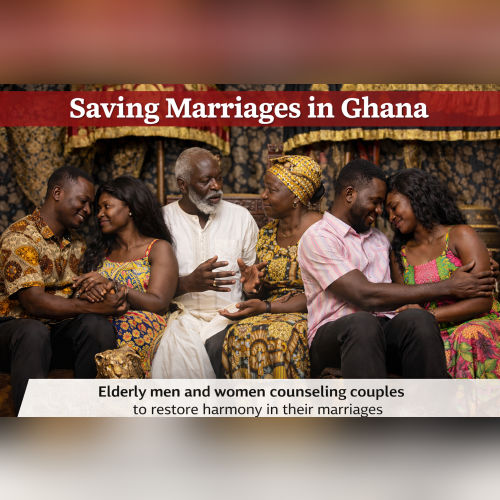
In the past, Ghanaian marriages were widely regarded as enduring unions. Separations were rare, and divorce was uncommon. Marriages were expected to last a lifetime, sustained not only by the couple but also by their extended families and lineages. Today, however, the situation has changed dramatica

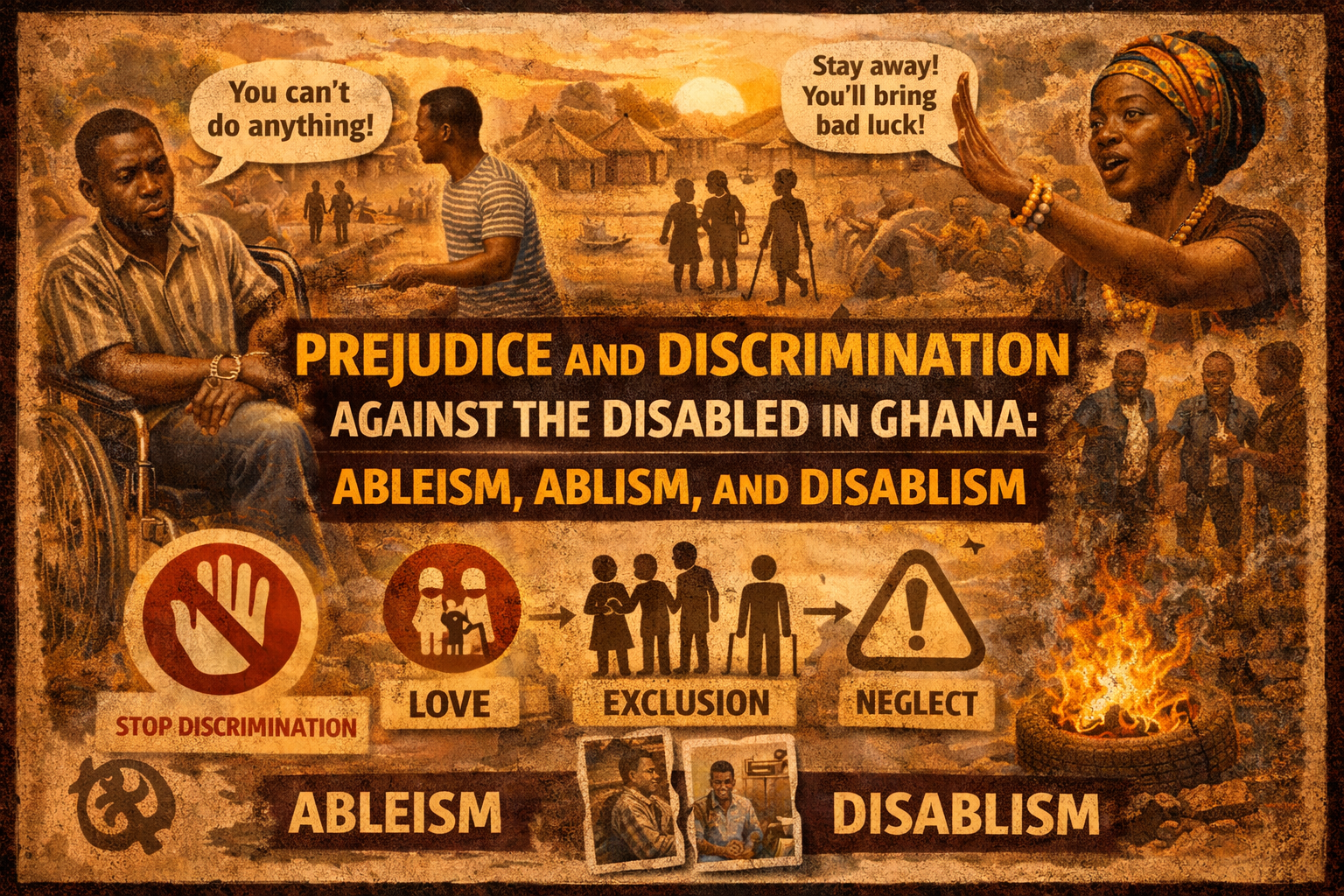
Sociologists use the term ableism to describe prejudice, discrimination, and social exclusion directed against persons with disabilities. The terms ablism and disablism are also used in the scholarly literature to refer to the same phenomenon, namely, the systematic disadvantaging of people whose bo

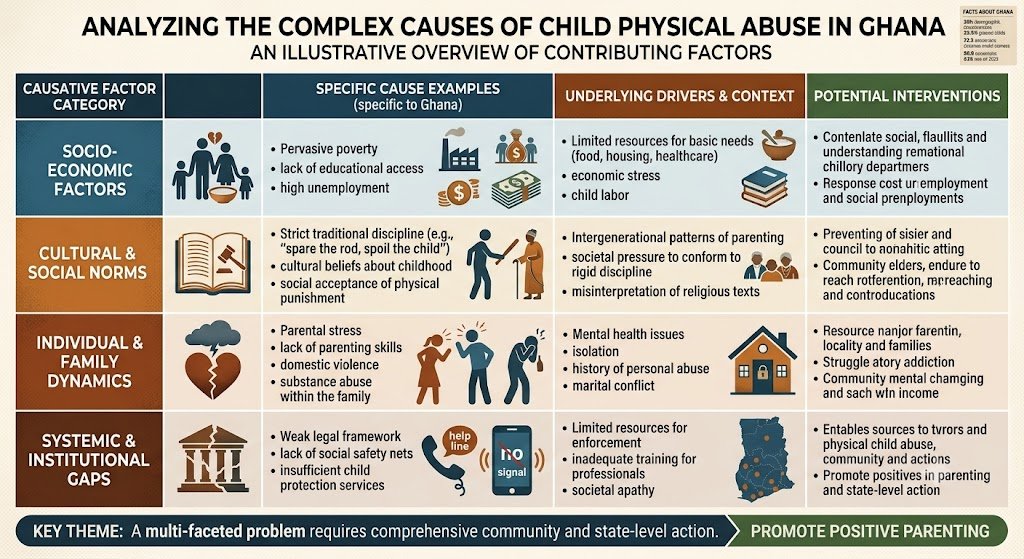
A Disturbing Reality One only needs to read local newspapers or browse Ghana-based online news platforms to appreciate the disturbing frequency of child abuse cases occurring in homes across the coun

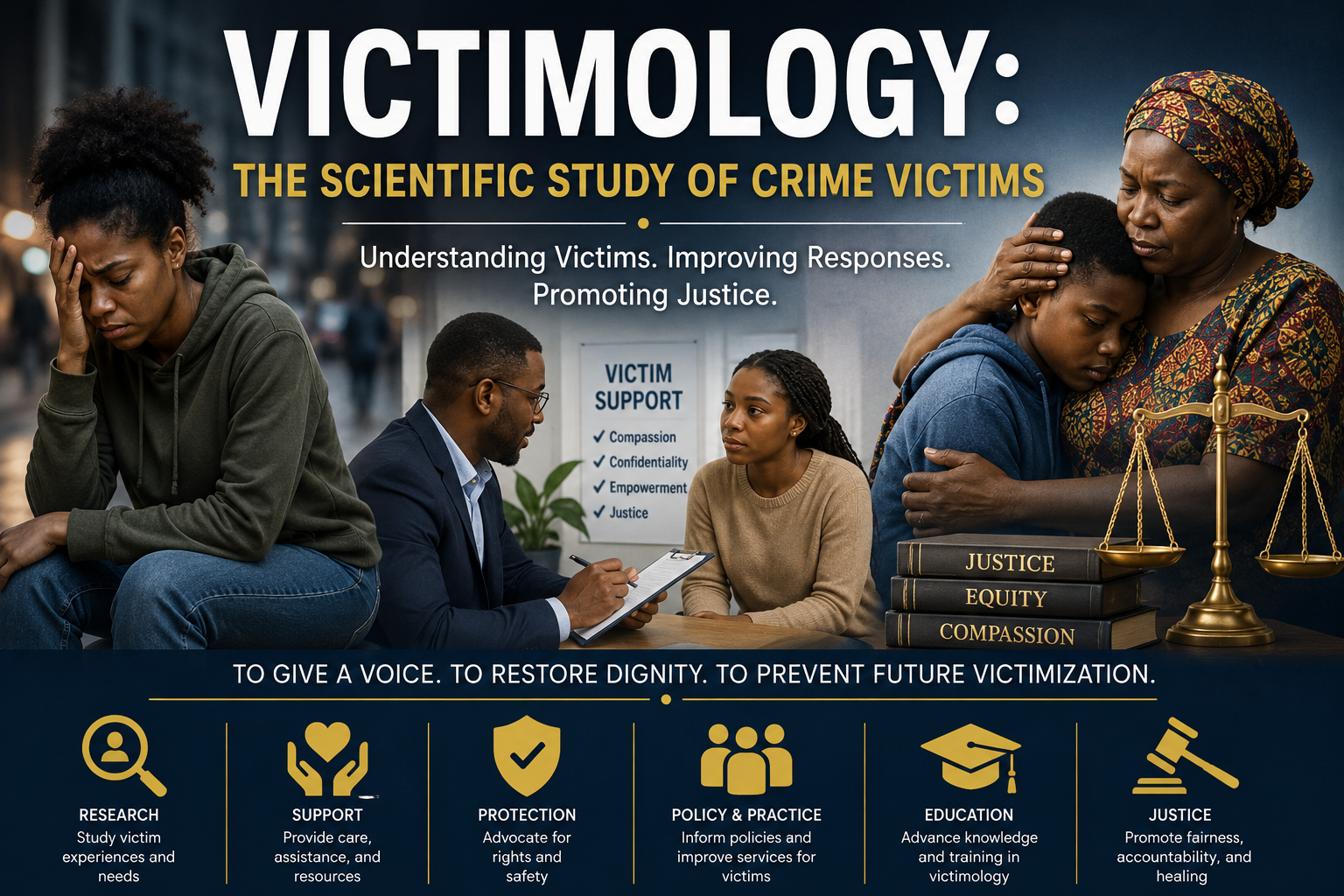
The Neglect of Crime Victims For many decades, the study of crime was largely concerned with offenders. Criminologists focused their attention on criminals, criminal behavior, and the causes of crime

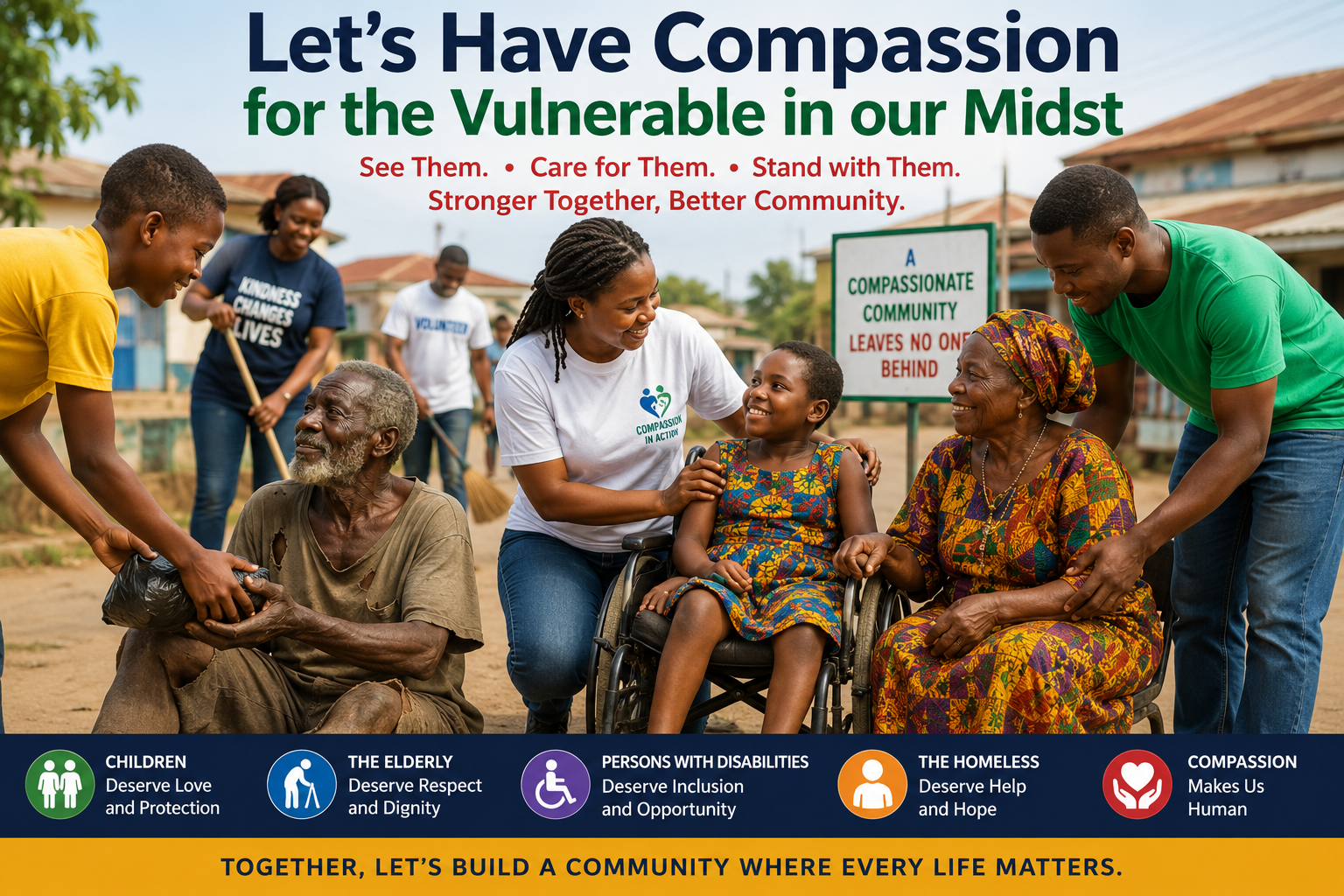
Introduction A society is often judged not by how it treats its rich, powerful, and influential citizens, but by how it treats its weakest and most vulnerable members. Children, the elderly, and pers


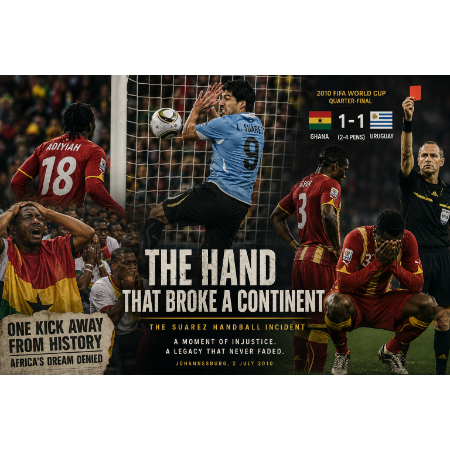
This piece takes us back to another breathtaking highlight from the 2010 world cup where the Black Stars reaffirmed their authority in the game of football when the entire world was watching.

When historians discuss the global spread of football, the story is often told through familiar names and places: English schools, British sailors, South American ports, and European clubs. Yet hidden

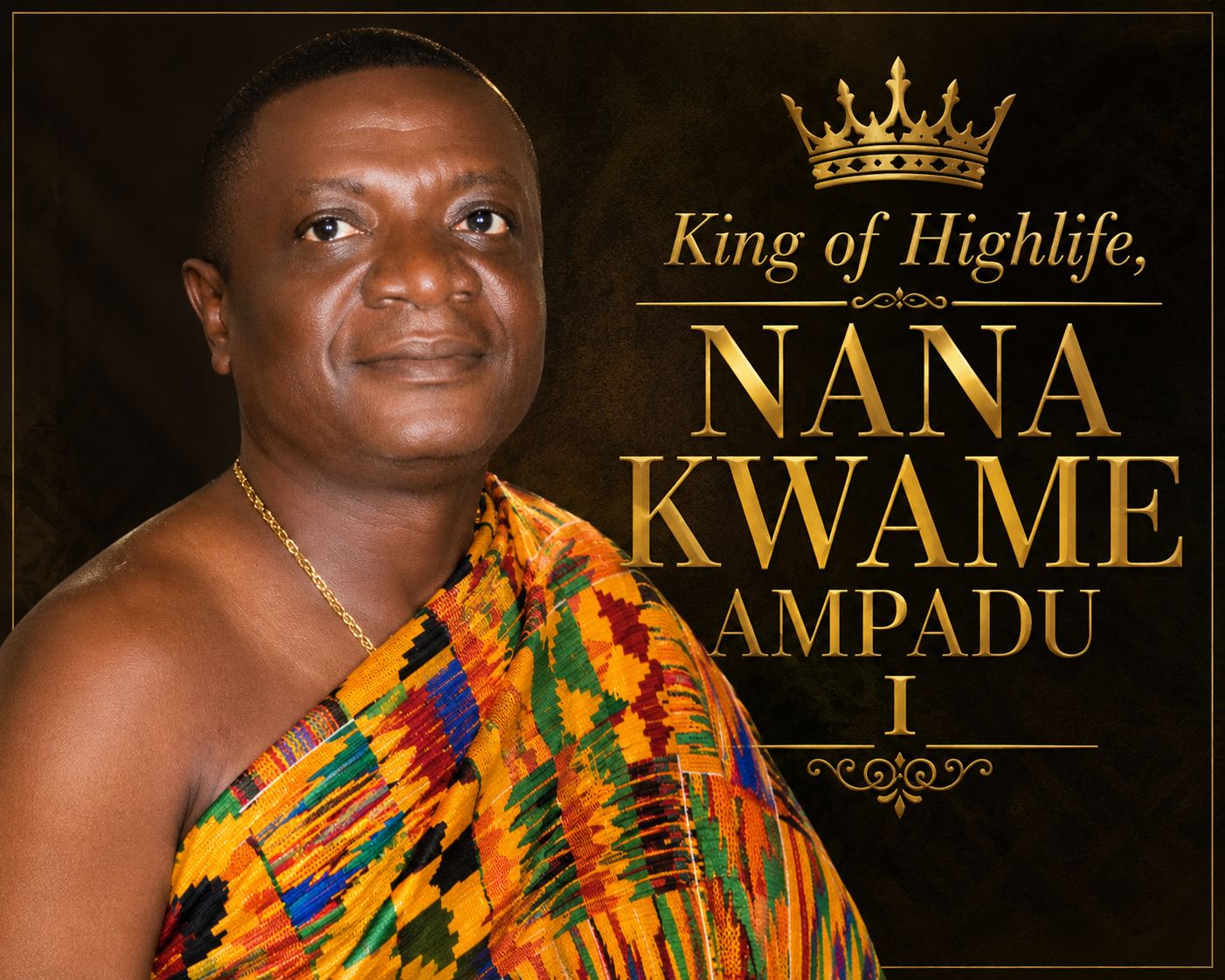
King of Highlife, Nana Ampadu Among the pantheon of Ghanaian musicians who shaped the soundscape of modern West African music, few names command the reverence accorded to Nana Kwame Ampadu I. A compo

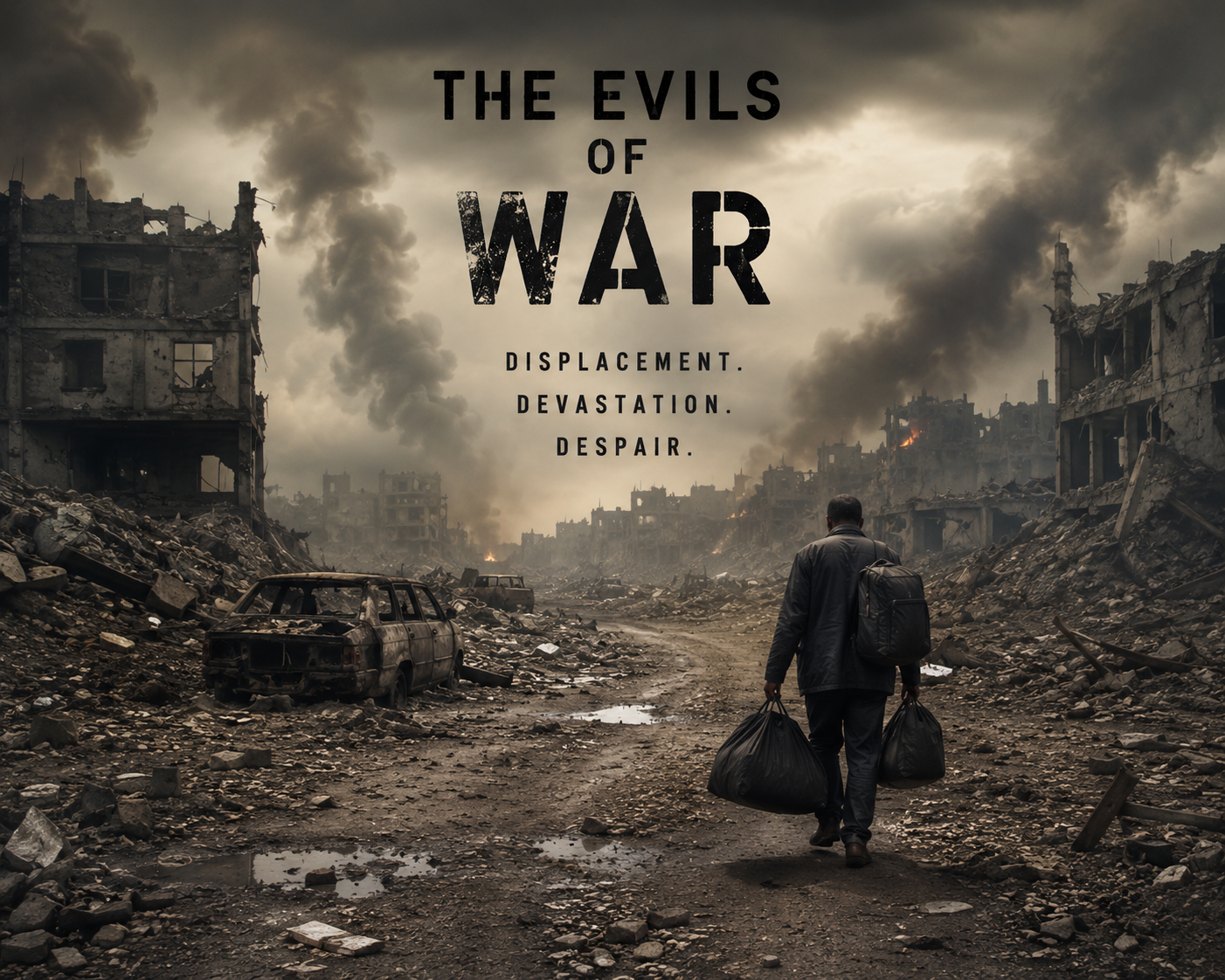
From Childhood Fascination to Lifelong Pacifism My father used to tell us stories about the Second World War. As children, we listened with a mixture of awe and excitement. The accounts of military a

There are football matches that end with a scoreline, and there are matches that never truly end. The 2010 FIFA World Cup quarter-final between Ghana national football team and Uruguay national football team belongs firmly in the second category. More than fifteen years later, the image still burns

The world today is full of religions. By merely casting a cursory glance around us, we encounter Christians and Christianity, Hindus and Hinduism, Muslims and Islam, atheists, agnostics, traditionalists, Zionists, Jews and Judaism, Confucianists and Confucianism, Shintos and Shintoism. Religion, as

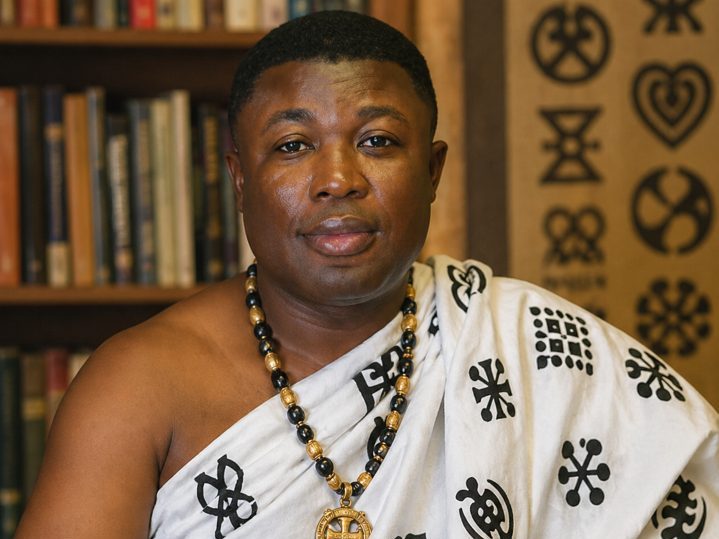
Origins and Cultural Heritage Professor Dr. Mensah Adinkrah, Professor of Sociology, Criminology, and Criminal Justice, is a native of Kwahu-Nkwatia in the Eastern Region of Ghana. Kwahu (also rendered as Kwawu) refers both to a geographical area and to a distinct Akan subgroup inhabiting the region

Femicide refers to the intentional killing of females because they are female. It is widely recognized within criminology and gender studies as a distinct form of homicide, shaped by gender inequality, power imbalances, and cultural norms. Scholars of homicide and lethal violence use several related
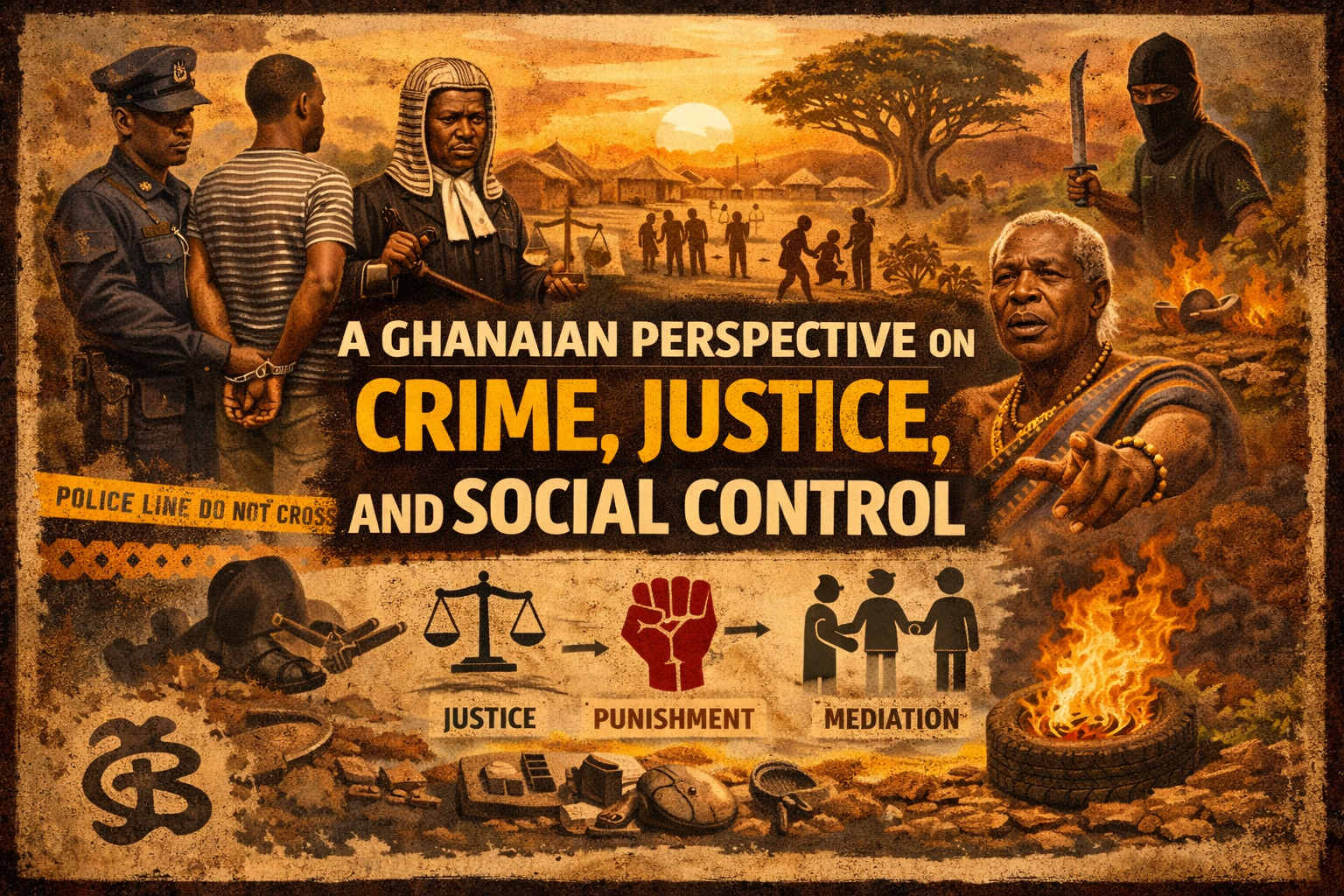
All human societies are governed by rules. These rules regulate behavior by defining what individuals may do and what they must refrain from doing. Without such rules, social life would be chaotic and unpredictable. In sociology, these rules are referred to as norms. Norms are the shared expectation

Rules, Laws, and Social Order All human societies are governed by rules. These rules regulate behavior by defining what individuals may do and what they must refrain from doing. Without such rules, social life would be chaotic, unpredictable, and ultimately unsustainable. Rules make social interacti

In the past, Ghanaian marriages endured. Separation was rare and divorce uncommon. Today, however, marriages are dissolving at an alarming rate. The critical question is this: what can be done to fortify marriages and restore their durability? Many of the challenges confronting contemporary marriage

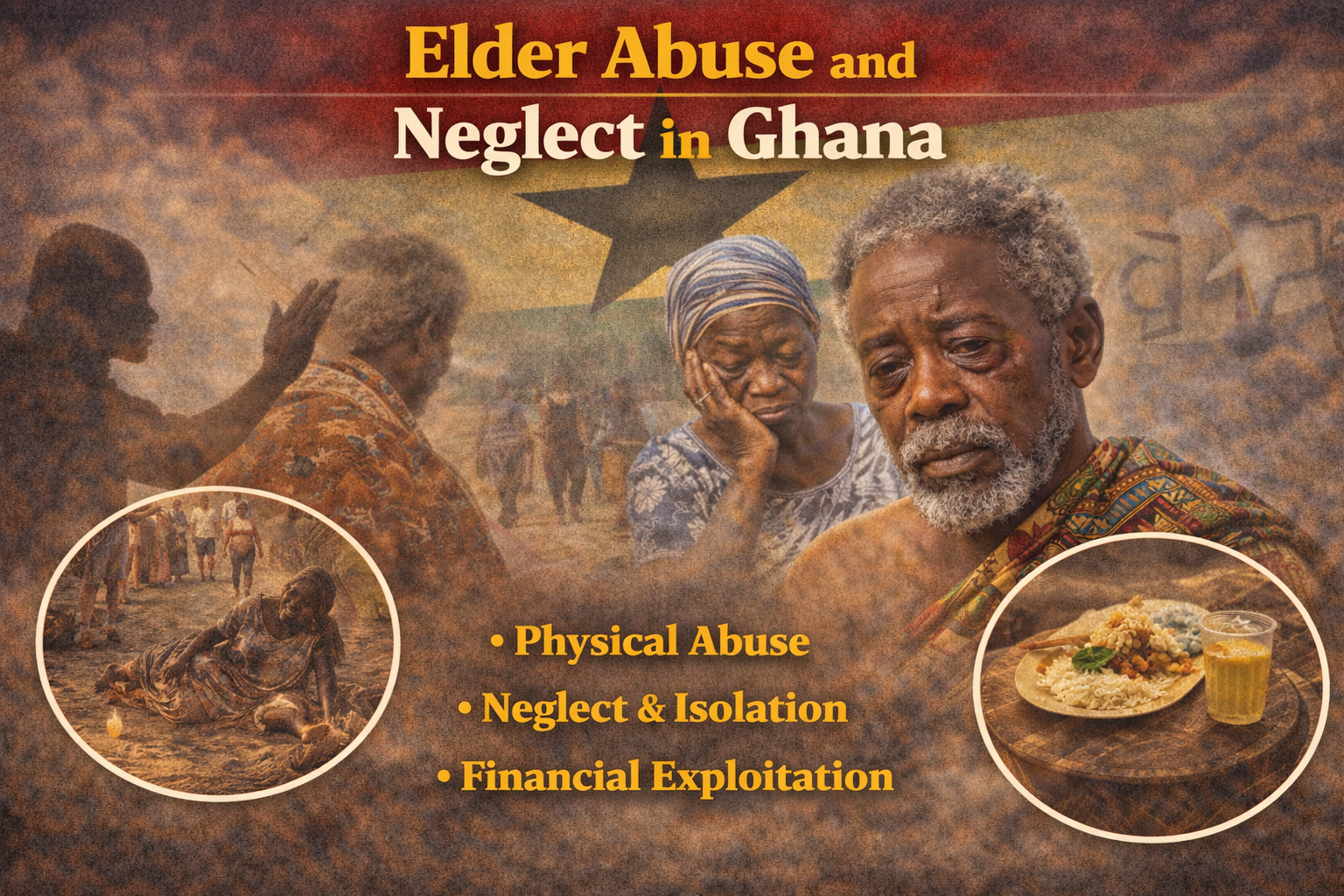
Ghanaian society traditionally values respect for the elderly. Older people are regarded as repositories of wisdom, custodians of tradition, and moral anchors of the family. Yet beneath this ideal lies a troubling reality: many elderly persons in Ghana experience neglect, abuse, and profound social

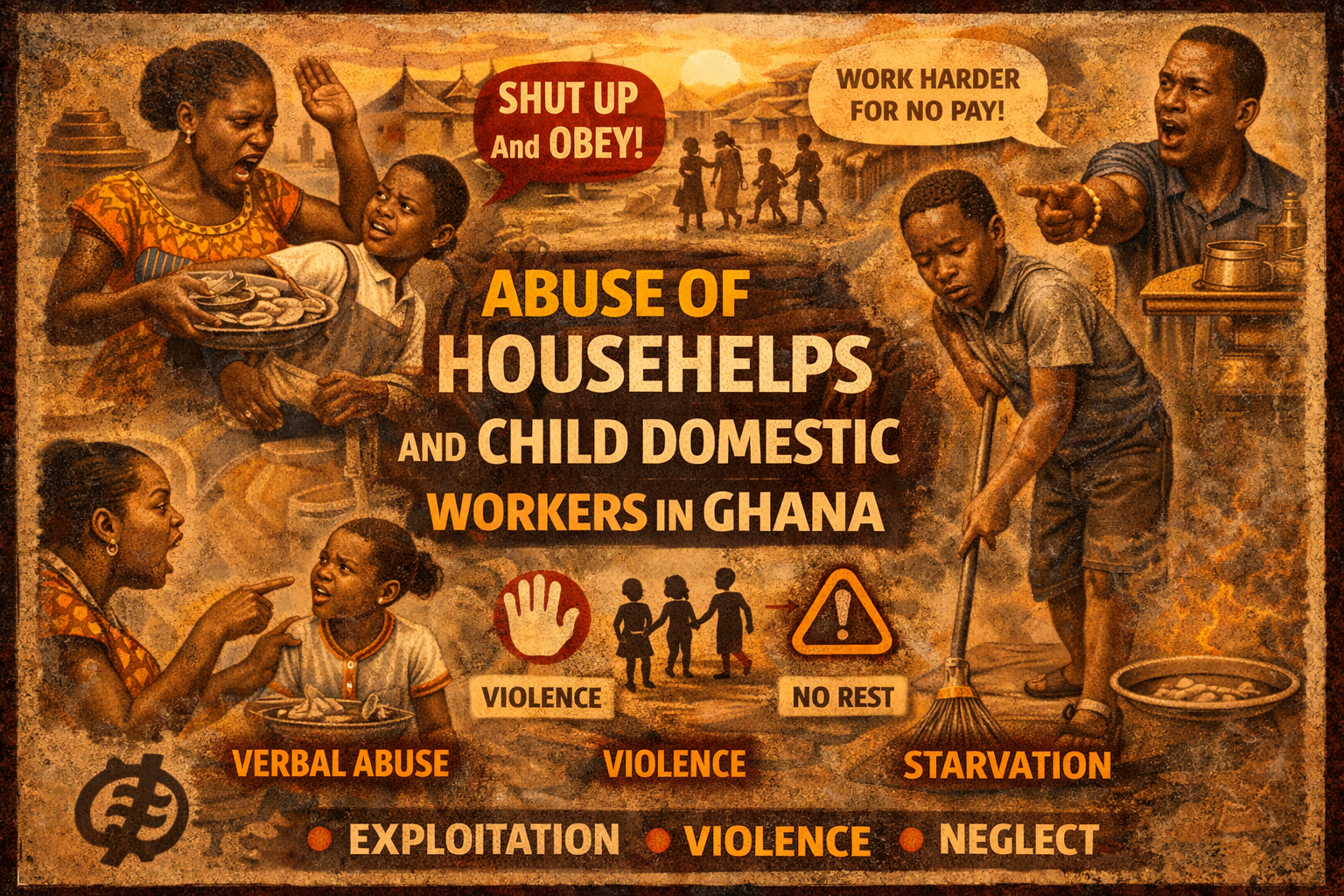
In Ghana, there exists a long-standing practice in which some parents send their children to live with other families as househelps. While this arrangement is often justified as a strategy for providing children with better opportunities, it has, in many cases, become a source of profound exploitati

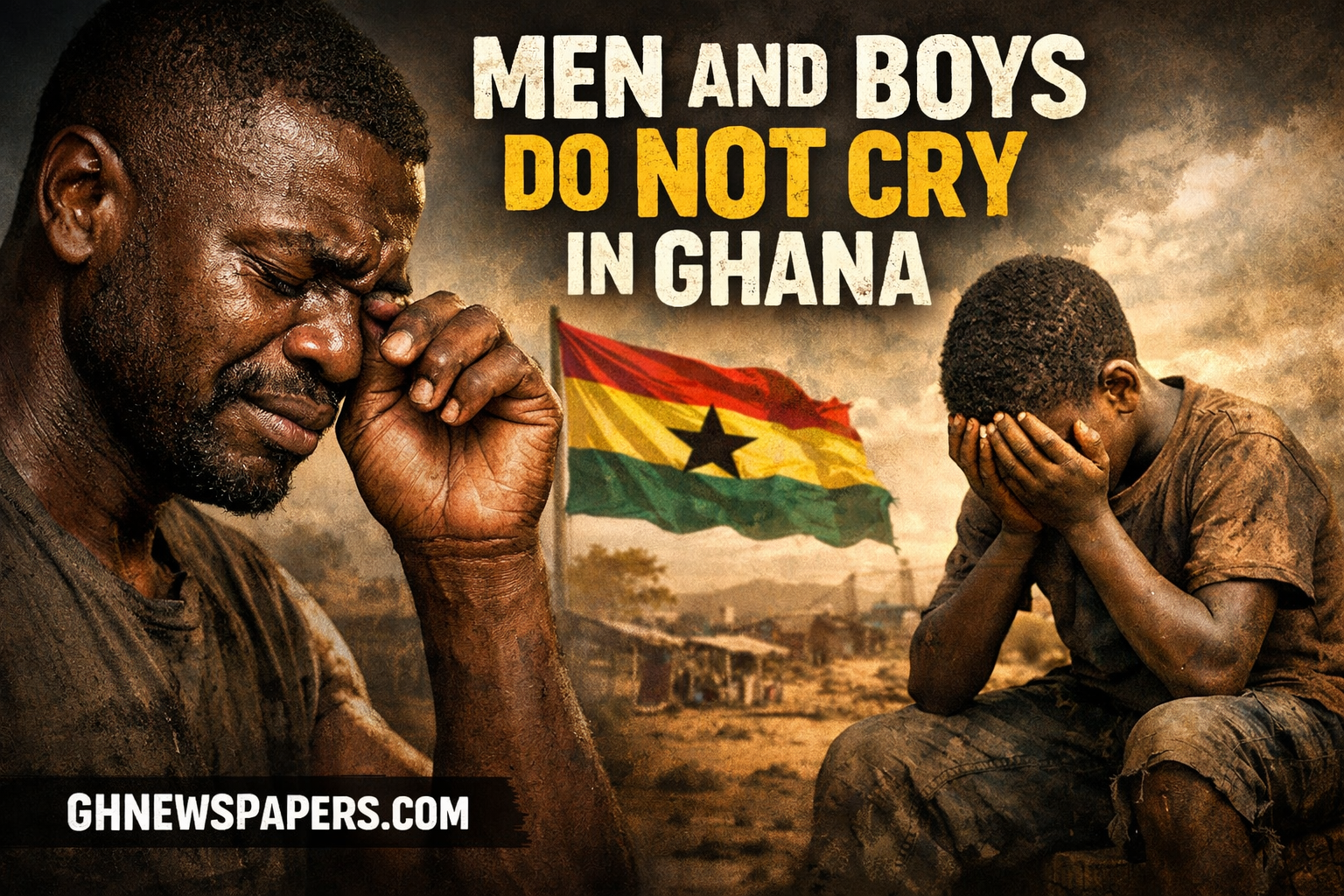
In Ghana, boys are socialized from an early age into the belief that boys do not cry. Among the Akan, any attempt by a boy to cry is frequently met with the admonition “gyae, barima nsu”—literally, “stop, boys do not cry.” This injunction reflects a broader cultural script that equates emotional res

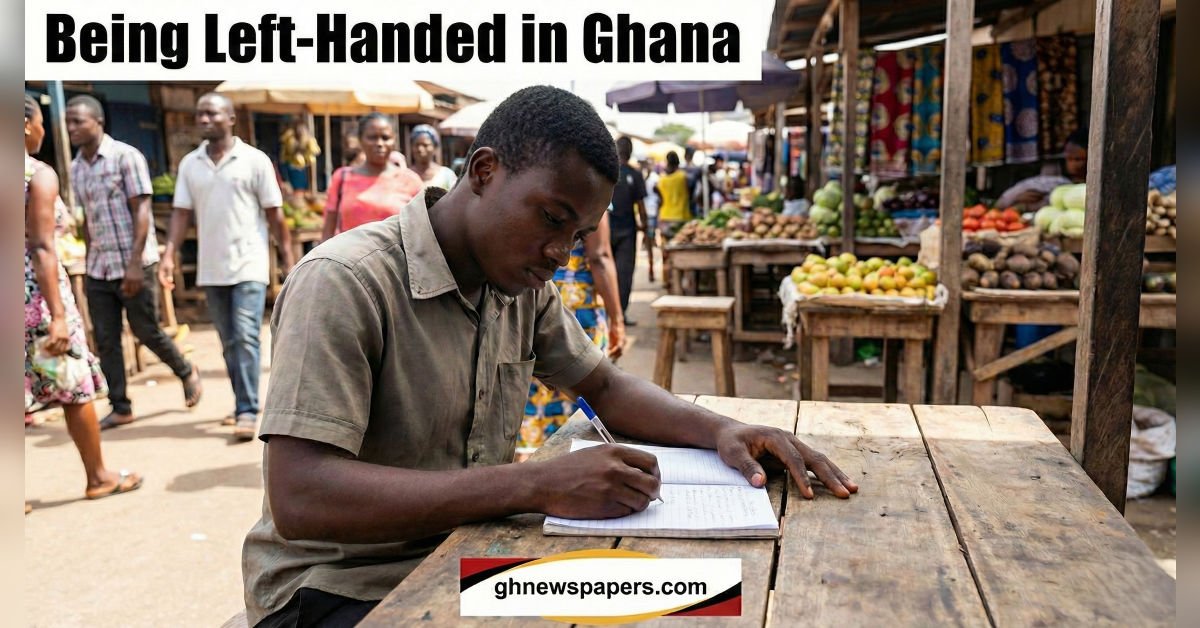
Every society has norms, which are rules that guide behavior. One important norm in Ghana concerns the use of the left hand in social interactions. Traditionally in Ghana, using the left hand in social interactions can be problematic. Giving something to someone or receiving something with the left

Few technological developments have reshaped Ghana as profoundly as the Advancement of communication technology. From the first telegraph lines laid by colonial authorities to today’s smartphones and internet-driven economy, communication has changed how Ghanaians trade, govern, organize, and connec