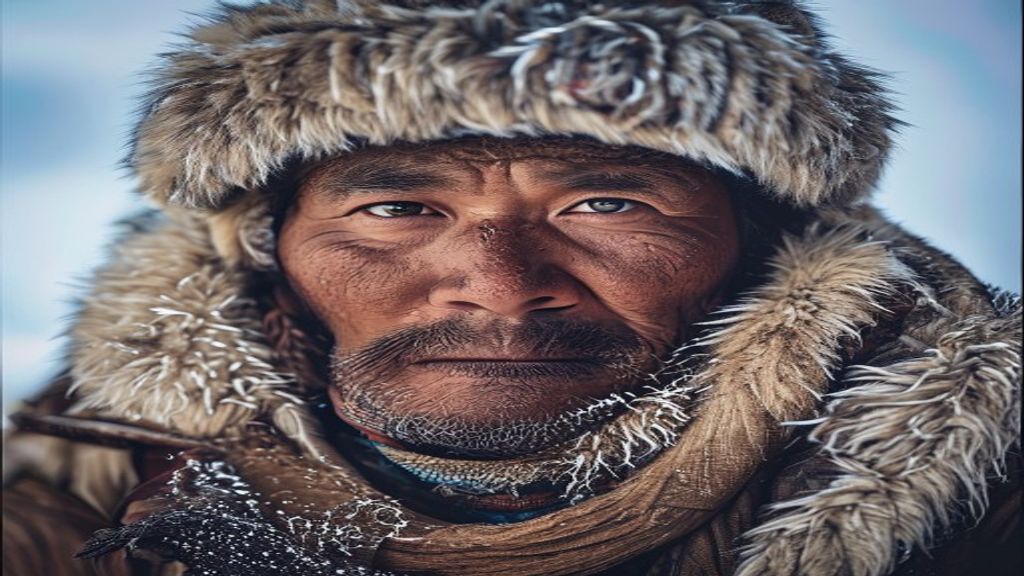
The Eskimo Who Came to Ghana: Fact, Folklore, or Legend?
The article explores the veracity of a story told about a foreign visitor who came to Ghana in 1957.
38 results for “kwame nkrumah”

The article explores the veracity of a story told about a foreign visitor who came to Ghana in 1957.

The article explains why the star in Ghana's flag is black, instead of white, silver or golden

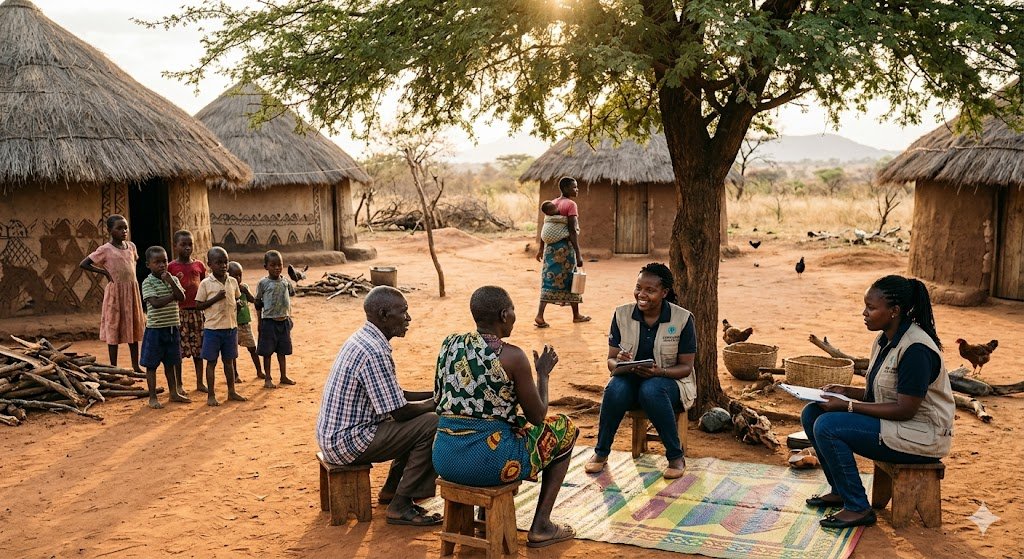
Introduction In today's world, research has become an important part of national development. Governments, universities, hospitals, non-governmental organizations (NGOs), and international agencies r

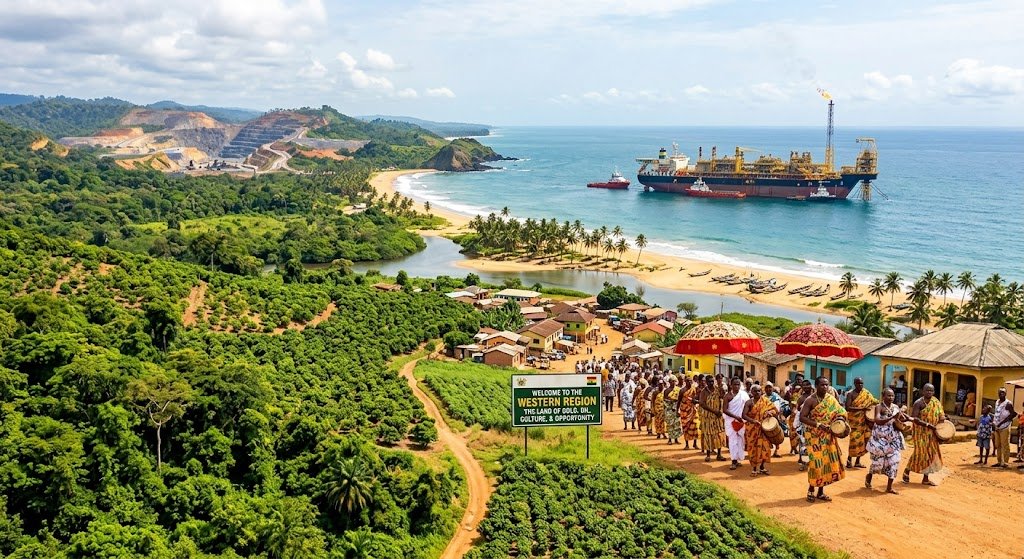
Introduction Among Ghana’s sixteen administrative regions, few can rival the Western Region in terms of natural wealth, cultural diversity, economic importance, and historical significance. Stretchin

Introduction The Akan have a wise saying: "If you plant plantain, you will harvest plantain; if you plant cassava, you will harvest cassava; and if you plant pineapples, you will harvest pineapples."

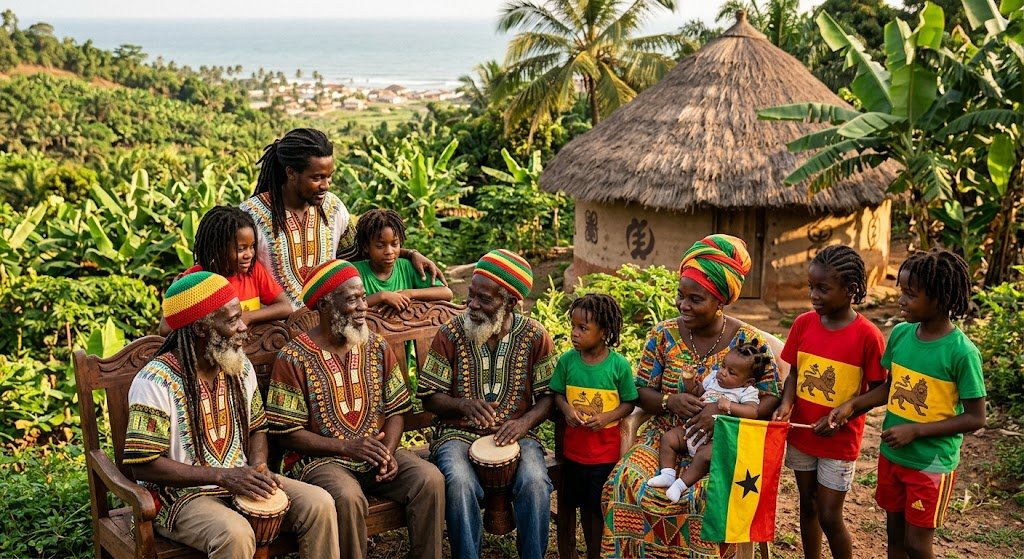
Rastafarians

multilingualism, language

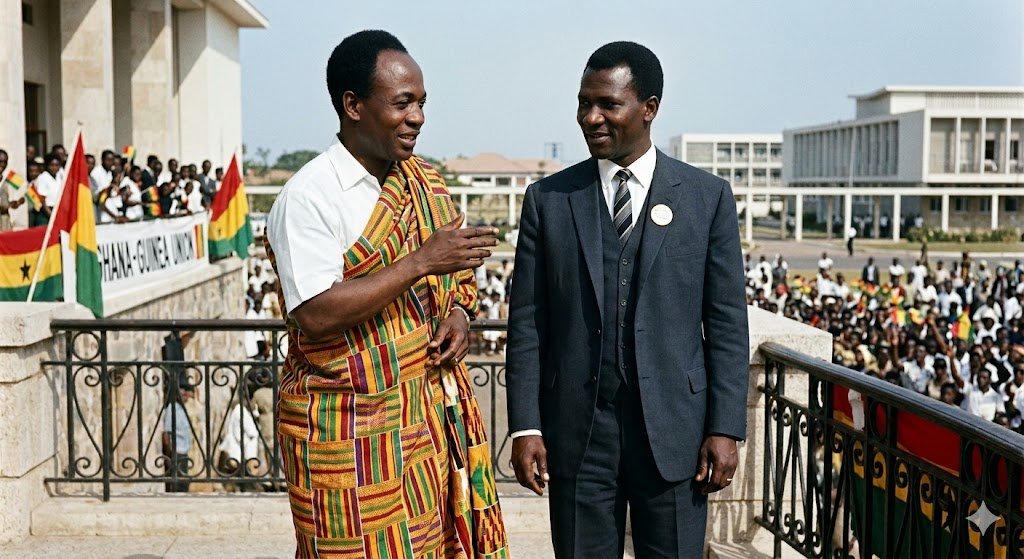
Introduction: When Two Revolutions Met The friendship between Kwame Nkrumah and Ahmed Sékou Touré was not a casual diplomatic acquaintance. It was an ideological alliance forged in the furnace of ant

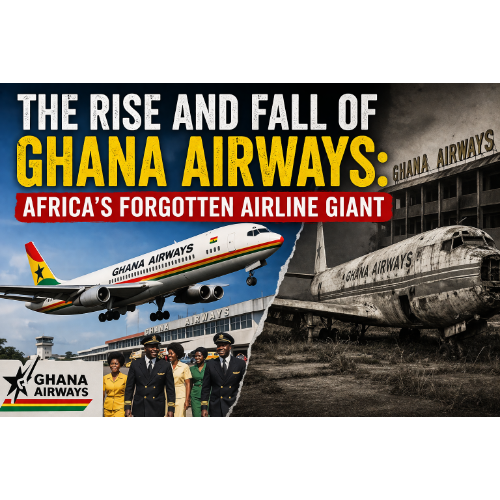
In the years following independence, Ghana set out to build not just a nation, but also a global presence. Among its boldest achievements was the creation of Ghana Airways, once one of Africa’s most respected national carriers. For decades, the airline symbolized ambition, connectivity, and national

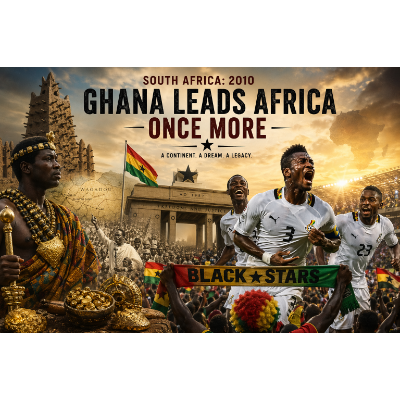
History is rarely linear. It moves in cycles—of rise, dispersal, memory, and resurgence. In July 2010, under the floodlights of Soccer City in Johannesburg, a moment unfolded that seemed to collapse centuries into ninety minutes (and then one hundred and twenty). Ghana’s Black Stars stood on the bri

Few infrastructure projects in the history of Ghana have had as profound an impact as the construction of the Akosombo Dam. Built in the early years of Ghana’s independence, the project symbolized the ambitious development vision of the country’s first president, Kwame Nkrumah, who believed that ind

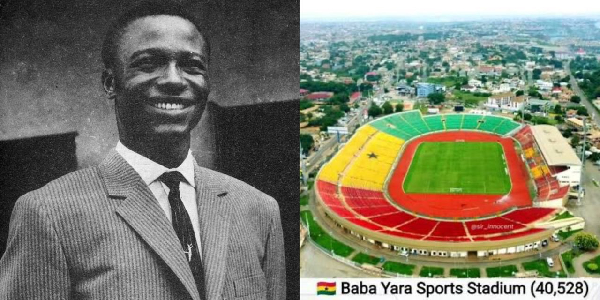
Few names in Ghanaian football command as much reverence as Baba Yara. Gifted, charismatic, and electrifying on the field, Baba Yara remains one of the greatest footballers Ghana has ever produced. Though his career was tragically cut short, his brilliance and influence left an enduring mark on the

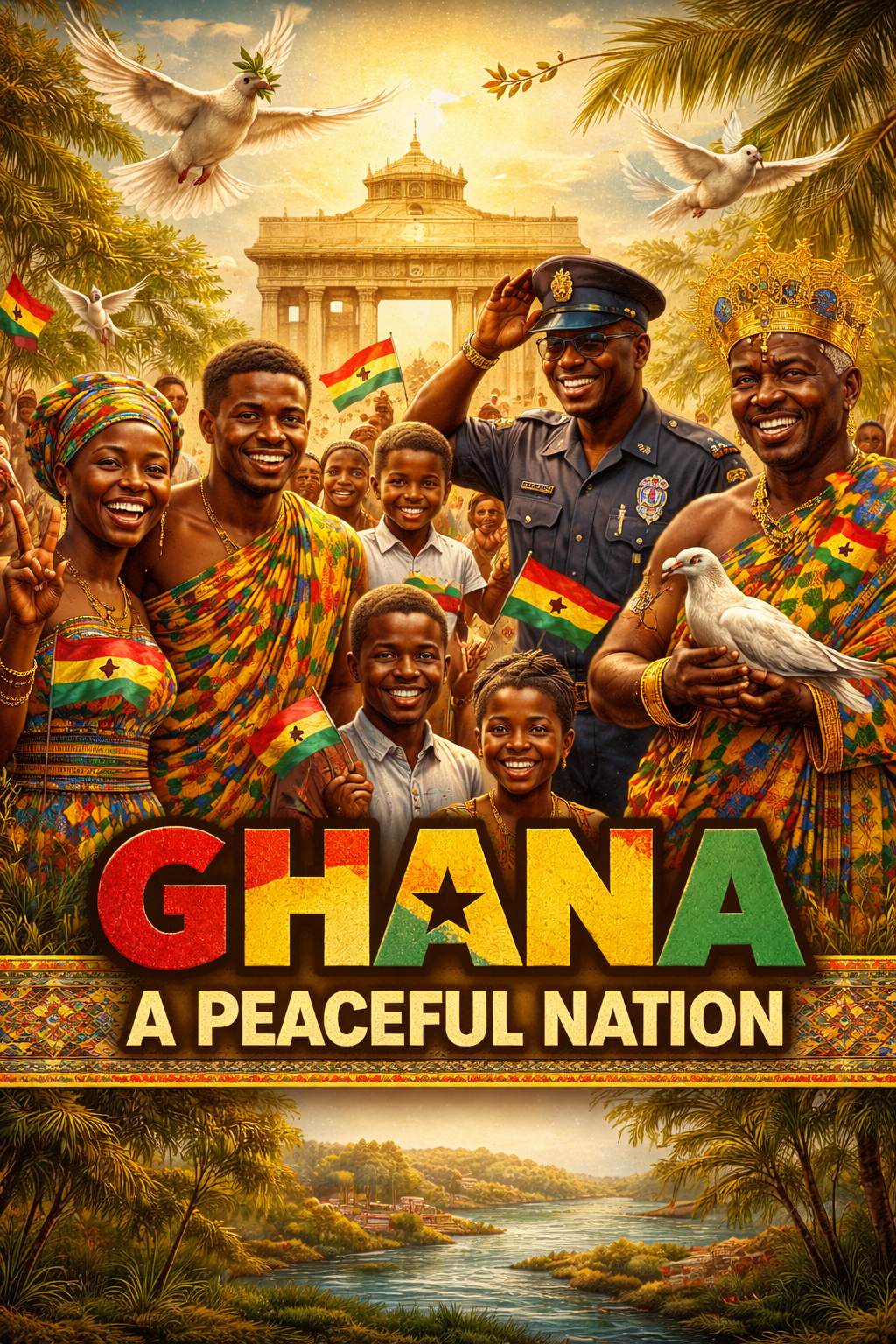
A Nation Defined by Peace In a region and continent that have, at various historical moments, been scarred by conflict and instability, Ghana stands out as a compelling example of relative peace. Since gaining independence in 1957, the country has largely avoided the large-scale civil wars that have

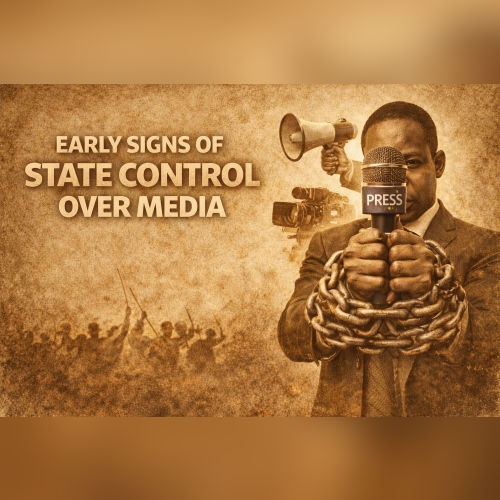
The early years of Ghana’s independence, particularly between 1957 and the mid-1960s, reveal the gradual emergence of state control over the media. While independence initially generated optimism about press freedom, archival newspaper records, government policies, and editorial patterns show that s

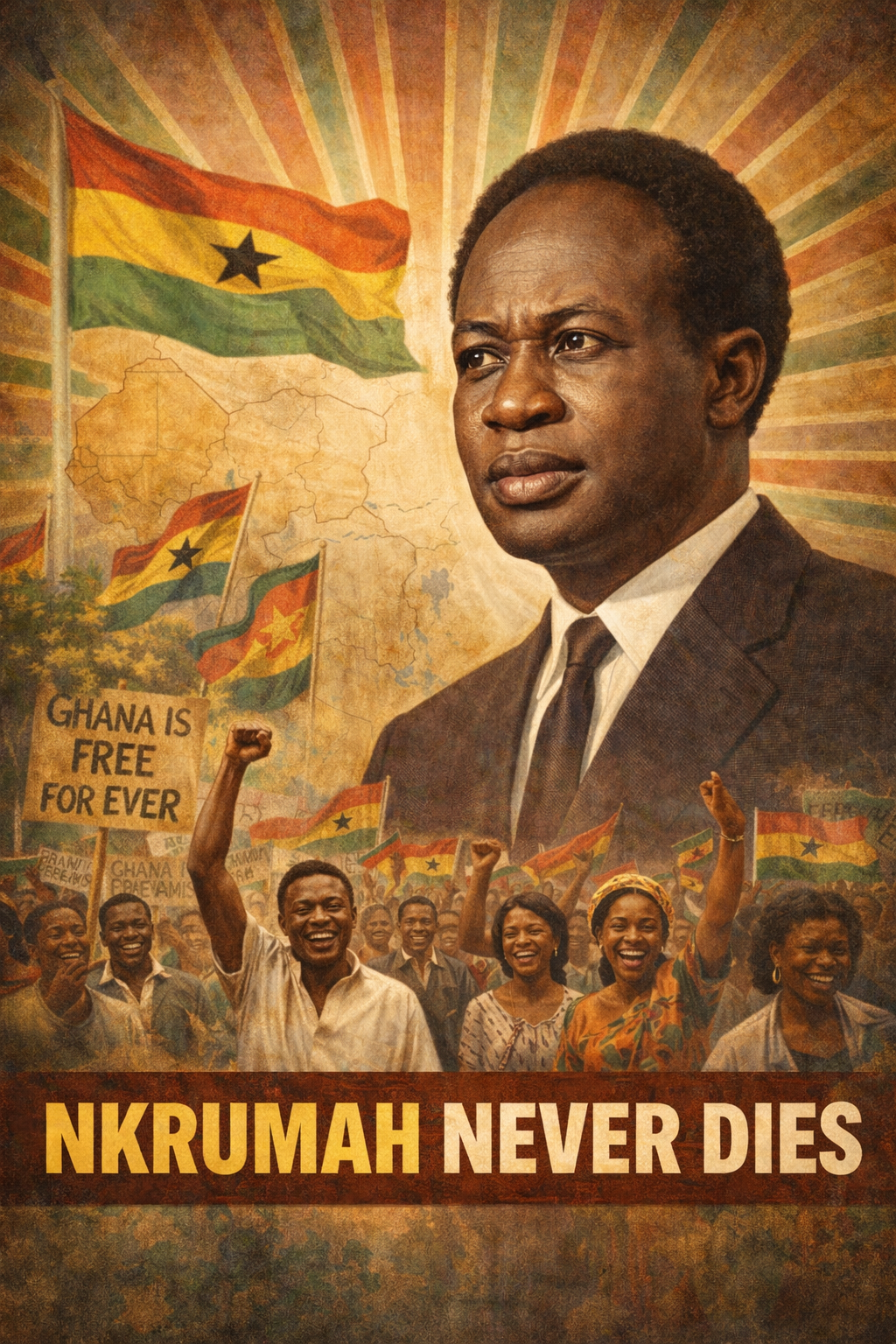
In the history of Ghana, few names command as much reverence and admiration as Kwame Nkrumah. More than half a century after his passing, the memory of the man who led the nation to freedom continues to inspire generations. His words echo in political discourse, his ideas shape national debates, and

Introduction: Why March Matters Every year, the month of March occupies a sacred place in Ghana’s historical calendar. On 6 March 1957, under the leadership of Kwame Nkrumah, the Gold Coast became Ghana — the first sub-Saharan African nation to gain independence from British colonial rule. March is

When the Gold Coast achieved independence on March 6, 1957, becoming Ghana, the event generated immense public excitement and hope. For millions of Ghanaians, independence was not merely a constitutional change—it represented the promise of economic prosperity, political empowerment, social transfor

For many years, this question has generated curiosity, debate, and speculation. But the answer lies not only in romance. It lies in politics, diplomacy, and a bold continental vision during one of the most transformative periods in African history. When Ghana gained independence from Britain on Marc

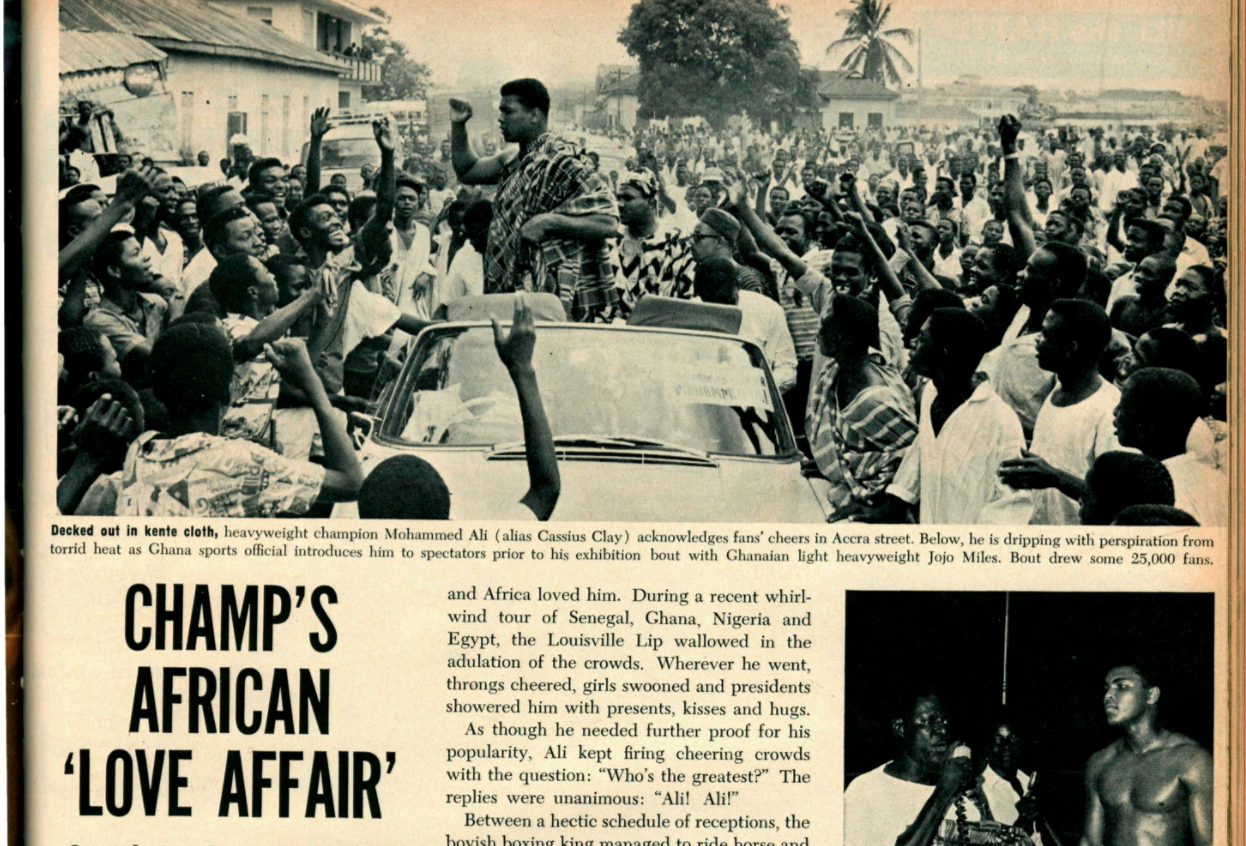
In 1964, at just 22 years old, the newly crowned world heavyweight boxing champion Muhammad Ali stepped onto Ghanaian soil—and into African history. Fresh from his stunning victory over Sonny Liston in Miami, the young champion—then newly renamed Muhammad Ali—embarked on a tour of Africa. One of the

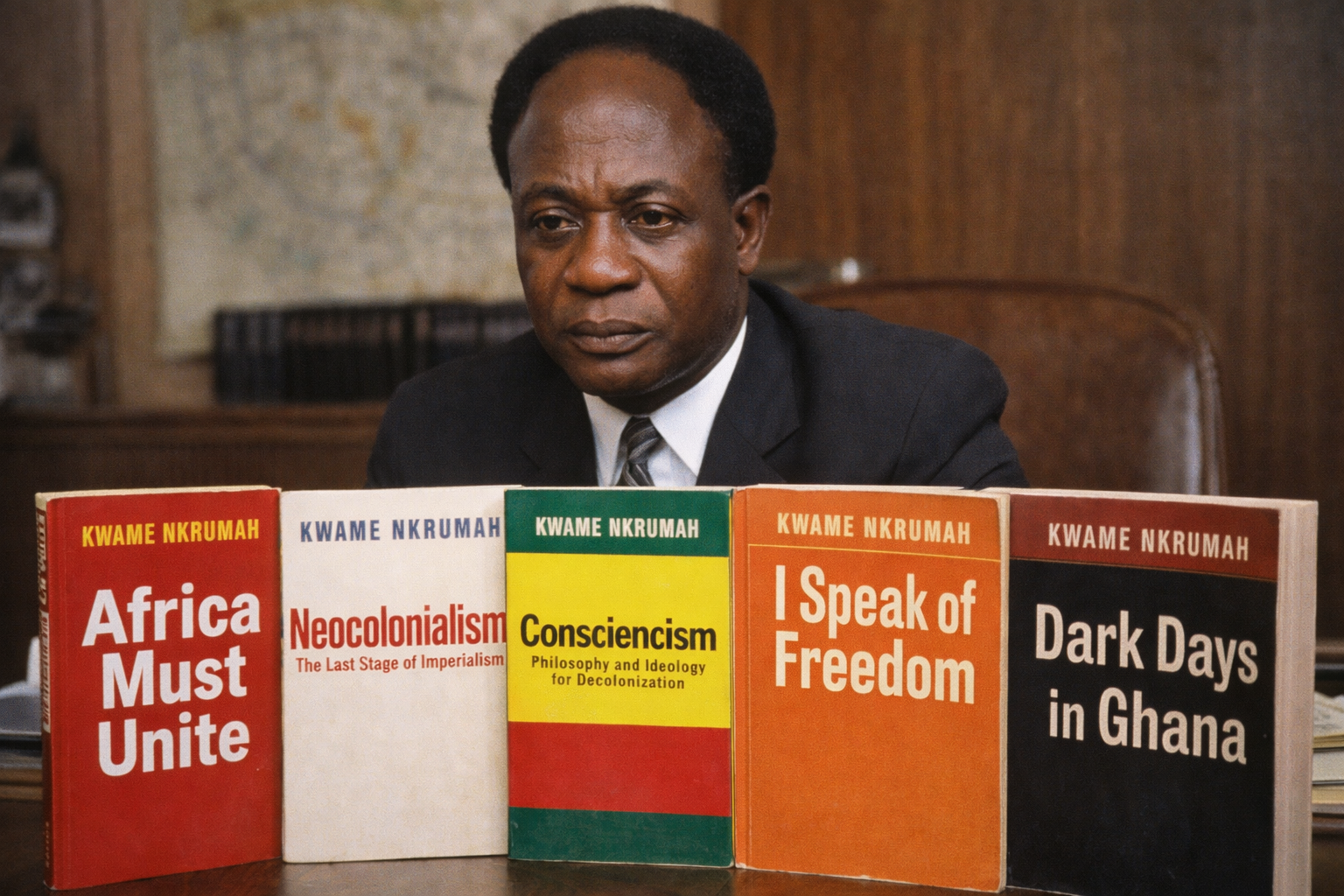
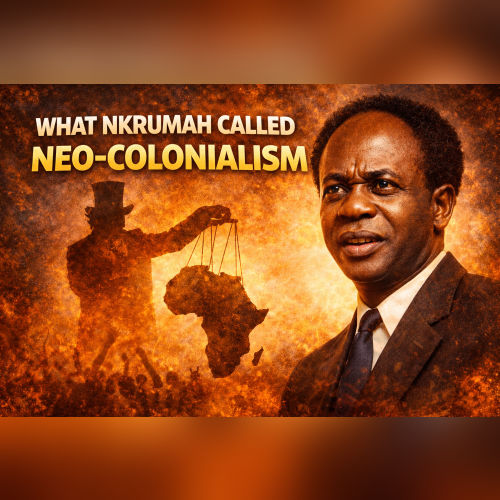
In the years following Ghana’s independence in 1957, one of the most influential political and intellectual concepts articulated by Kwame Nkrumah was “neo-colonialism.” For Nkrumah, independence did not mark the end of foreign domination in Africa. Instead, he argued that a new, more subtle form of

The question of whether independence in 1957 marked the true birth of a free African press in the Gold Coast—now Ghana—is both historically complex and deeply debated. While Ghana’s independence symbolized political liberation from colonial rule, the evolution of press freedom was far more gradual a

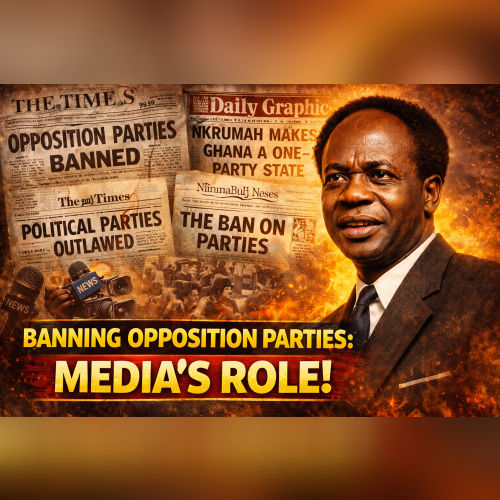
The banning of opposition parties in Ghana during the late 1950s and early 1960s stands as one of the most consequential moments in the country’s political and media history. Newspapers of the era did not merely report the development—they actively shaped how the public understood the meaning of pol

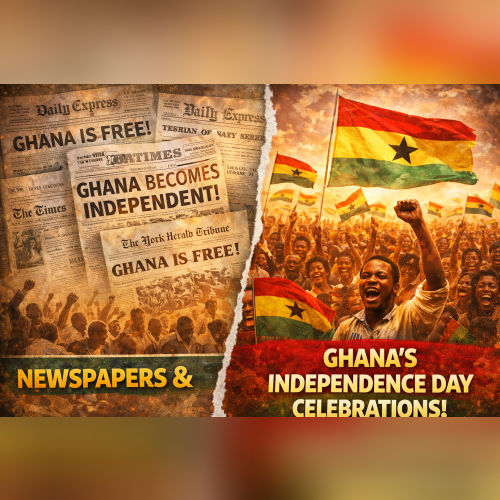
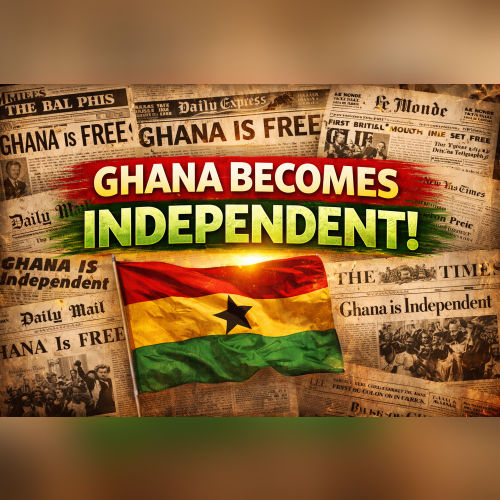
The relationship between newspapers and Ghana’s Independence Day celebrations is deeply rooted in the country’s political history and media evolution. From the late colonial period through the attainment of independence in 1957 and into the post-colonial era, newspapers played a central role in docu

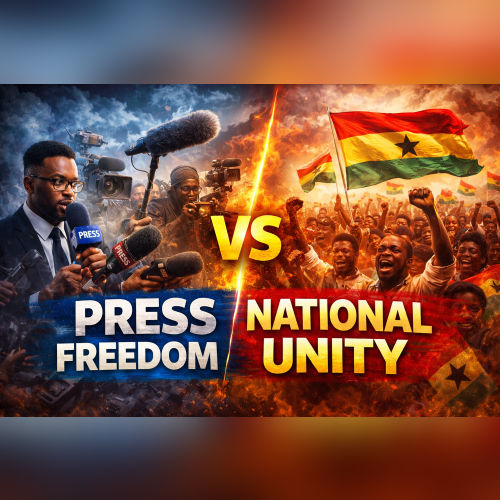
In the years surrounding Ghana’s independence and early nation-building period (roughly the mid-1950s through the early 1960s), one of the most persistent and consequential public discussions revolved around the tension between press freedom and national unity. Newspapers themselves became both the
The emergence of Ghana as an independent nation in 1957 was not only a political milestone but also a global media event. Newspapers—both local and international—played a decisive role in announcing the birth of the new state to the world. Through headlines, editorials, photographs, and diplomatic r

The portrayal of Kwame Nkrumah as a national hero was not simply a spontaneous public perception—it was carefully shaped, amplified, and sustained through newspapers and other media channels during the late colonial and early post-independence periods. In the Gold Coast, now Ghana, the press played
The development of newspaper culture in the Gold Coast—today known as Ghana—was inseparable from the spread of formal education during the nineteenth and early twentieth centuries. Education did far more than teach reading and writing; it fundamentally reshaped social structures, created new intelle

Early Life and Education Kwame Nkrumah was born in 1909 in what Ghana is now, West Africa. He studied both in Ghana and overseas, gaining knowledge that would later shape his vision for his country and the continent. Leader of Ghana’s Independence Nkrumah emerged as one of the most prominent politic

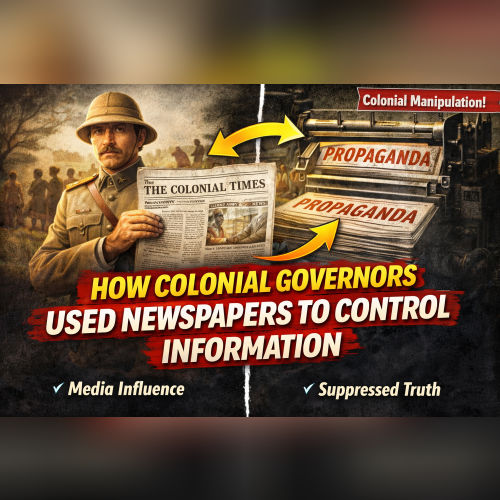
During the colonial period in the Gold Coast—modern-day Ghana—newspapers were not merely instruments of public communication; they were powerful tools of governance and political control. Colonial governors recognized early that controlling the flow of information was essential for maintaining autho
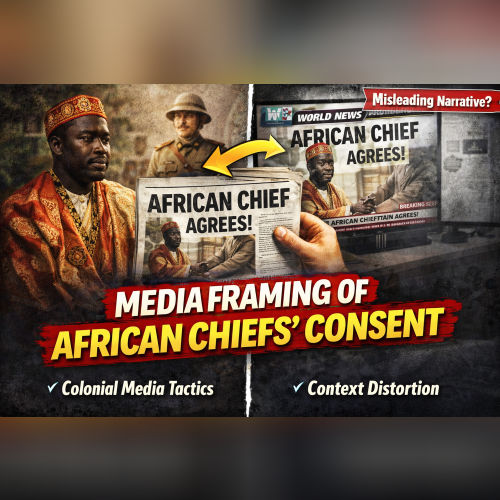
The concept of “chiefs’ consent” occupies a central place in the colonial history of the Gold Coast, present-day Ghana. Throughout the nineteenth and early twentieth centuries, colonial authorities frequently claimed that African chiefs willingly agreed to treaties, land concessions, and administrat

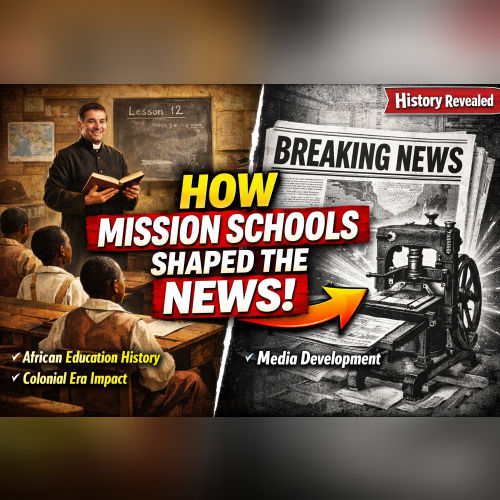
The growth of newspaper readership in the Gold Coast—modern-day Ghana—cannot be understood without examining the critical role played by nineteenth-century mission schools. These educational institutions, established by European Christian missions, were not only centers of religious instruction but
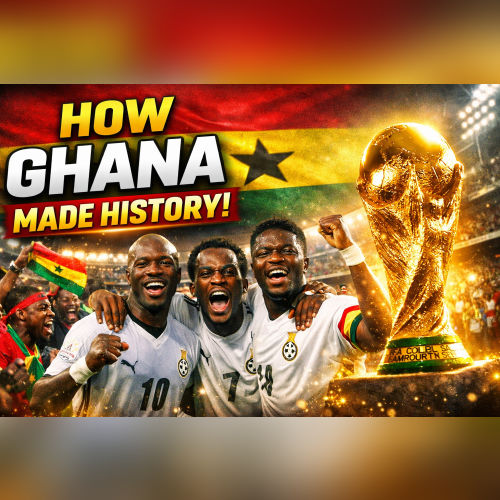
The qualification of the Ghana national football team — popularly known as the Black Stars — for the 2006 FIFA World Cup stands as one of the most transformative milestones in Ghana’s sporting and national history. It was not merely a football achievement; it was the culmination of decades of ambiti
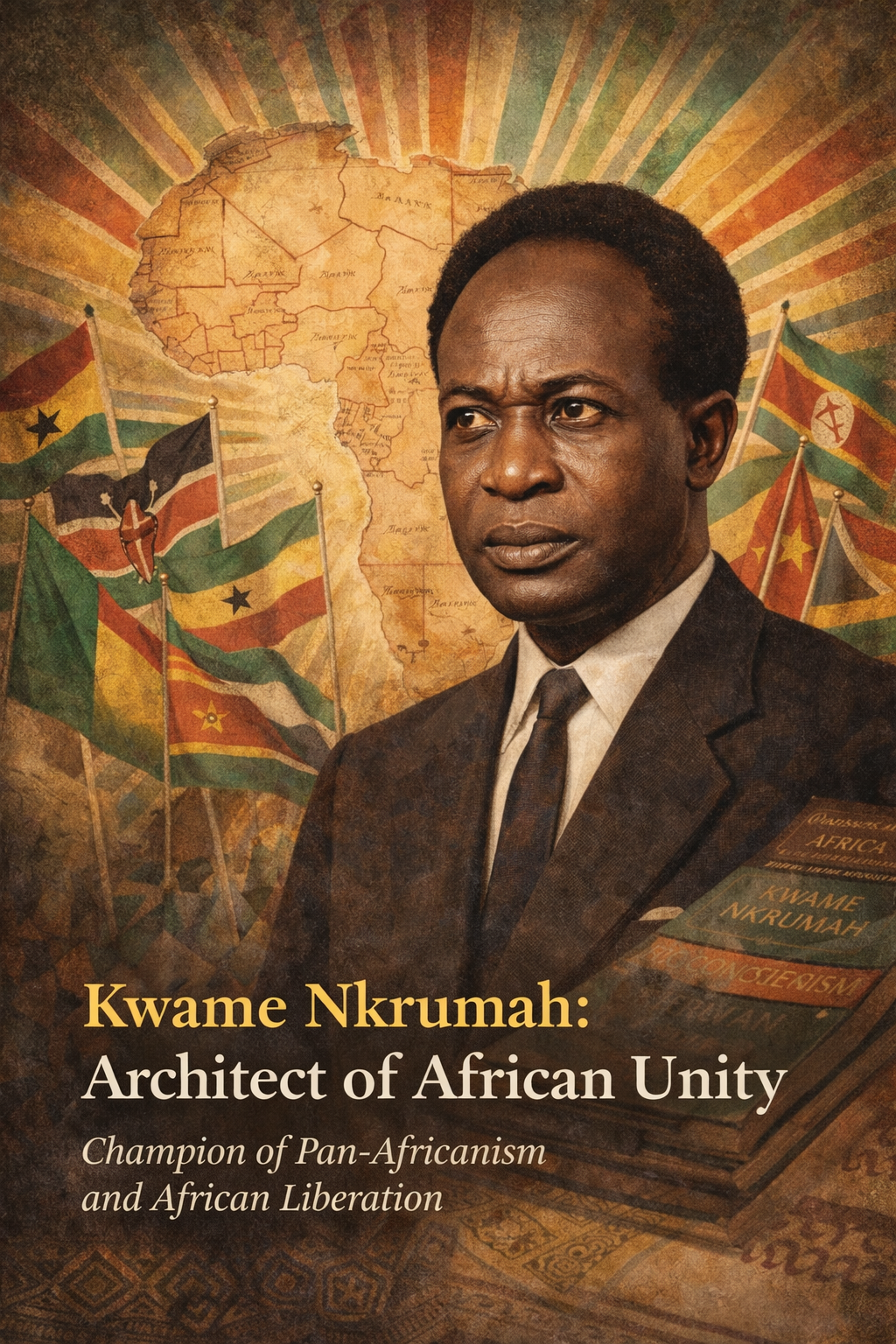
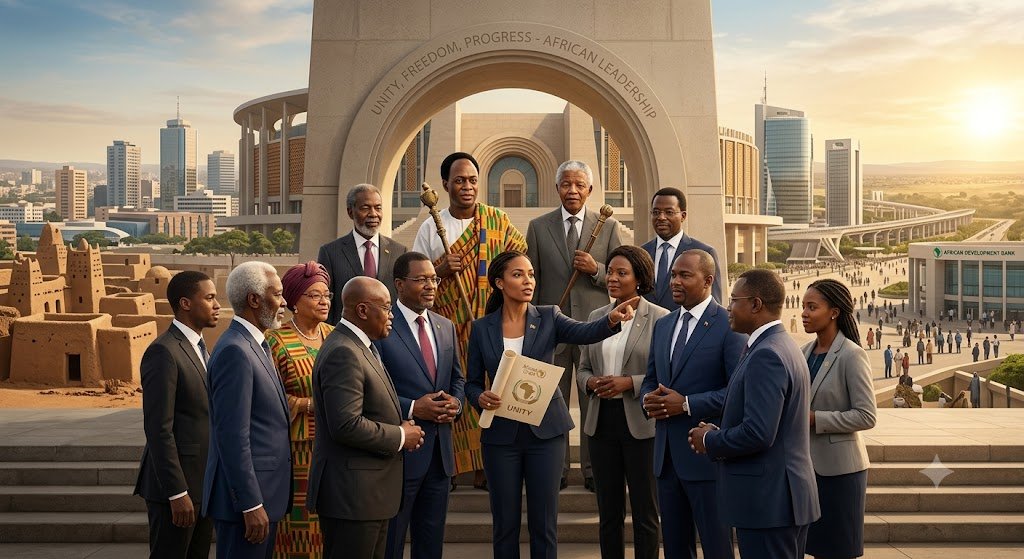
Kwame Nkrumah is one of the foremost Pan-Africanists Africa has ever produced. He devoted his life to the political, economic, and cultural liberation of the African continent. He played a leading role in the establishment of the Organization of African Unity (OAU), now known as the African Union (A

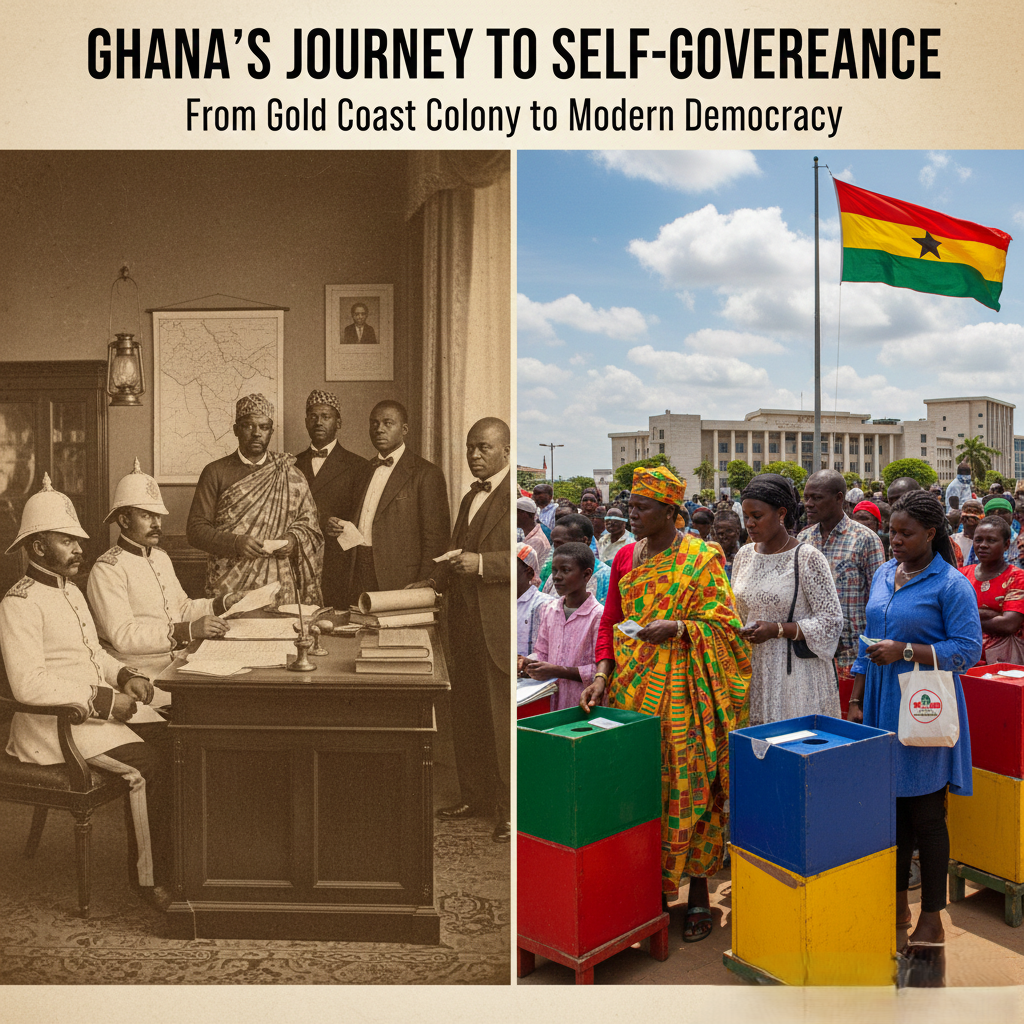
If there is one idea that has mattered more to Ghana than any other from the Gold Coast era to the present, it is the struggle for self-governance and accountable leadership. From colonial domination to modern democracy, Ghana’s history has been shaped by a single, powerful question: Who governs us,

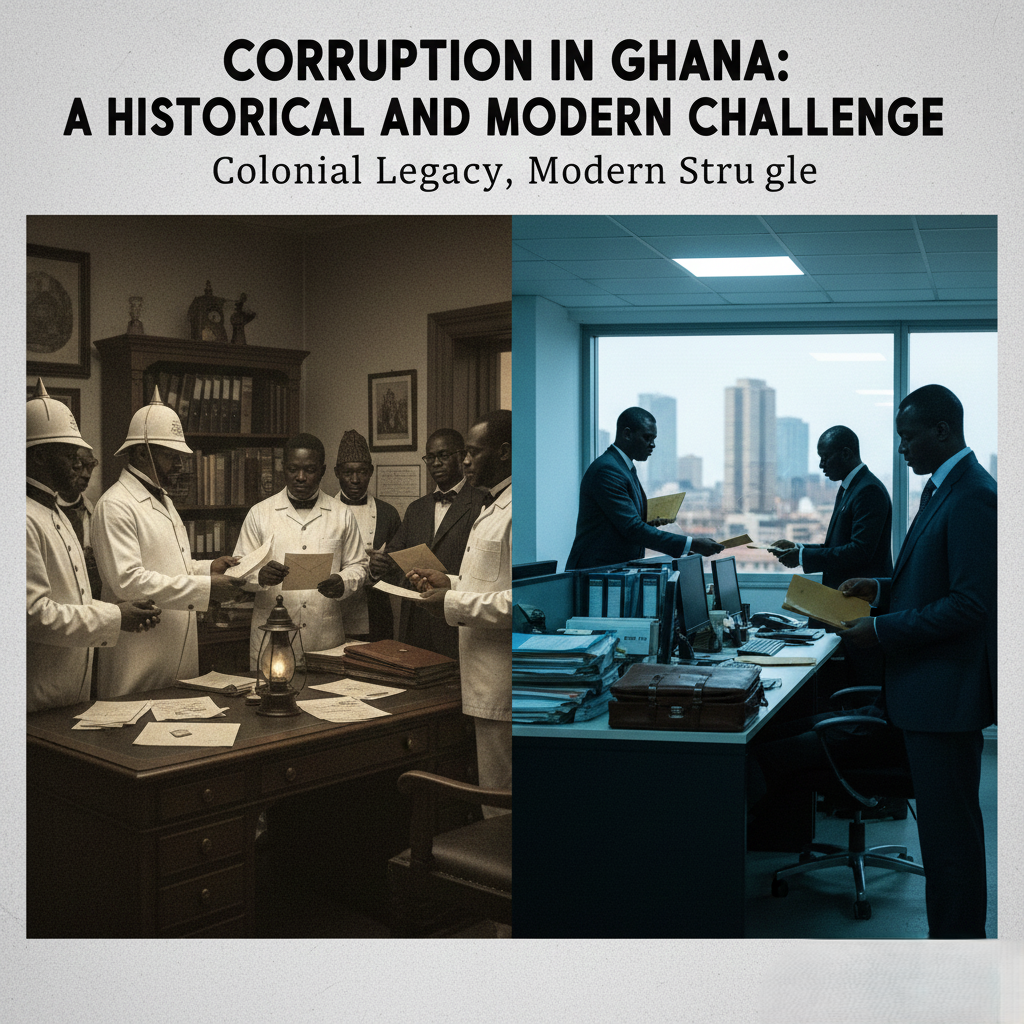
Corruption remains one of the most enduring social challenges confronting Ghana. Its roots stretch back to the colonial Gold Coast era (1821–1957) and continue to influence governance, public trust, and national development today. Understanding this long history is essential to appreciating why corr

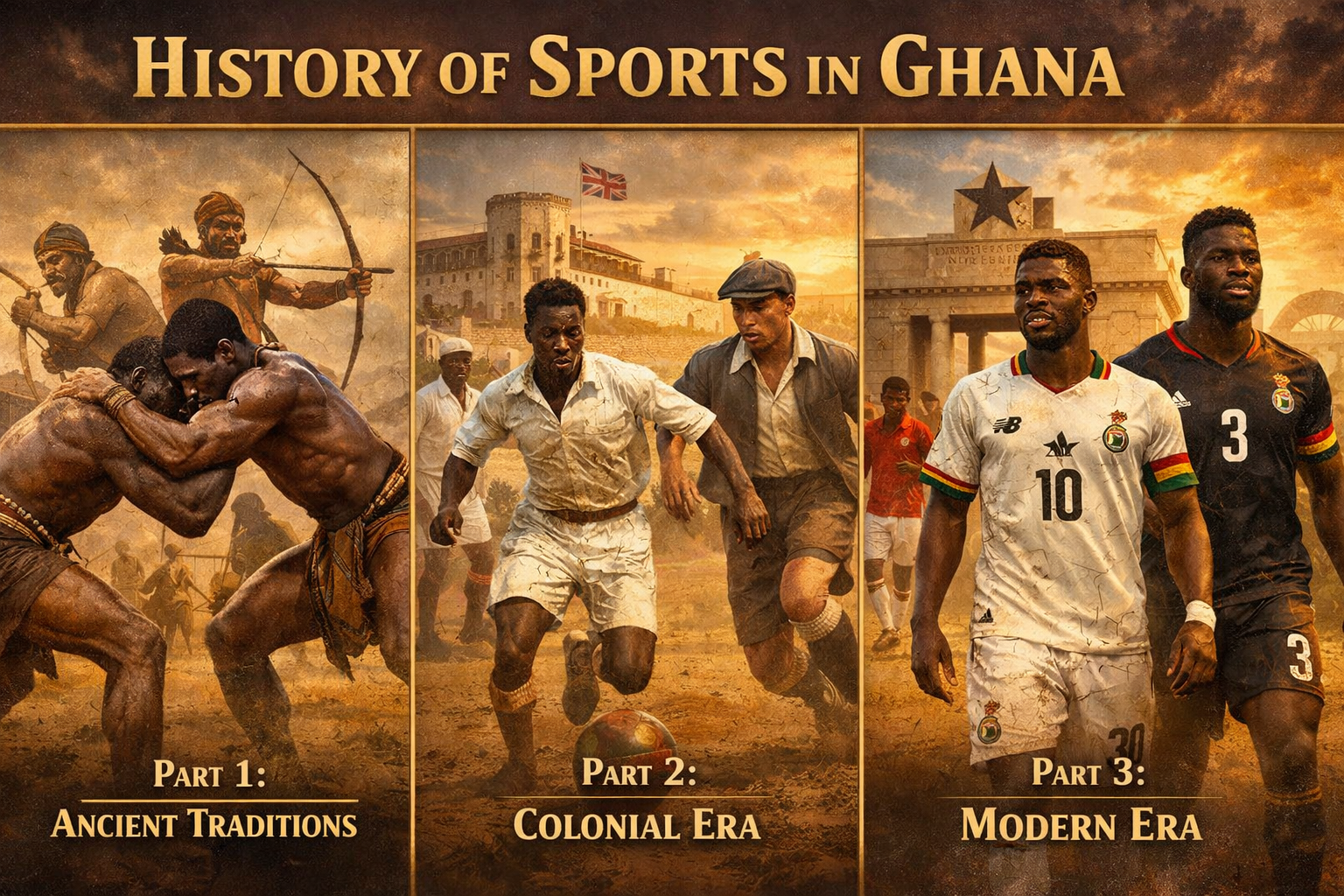
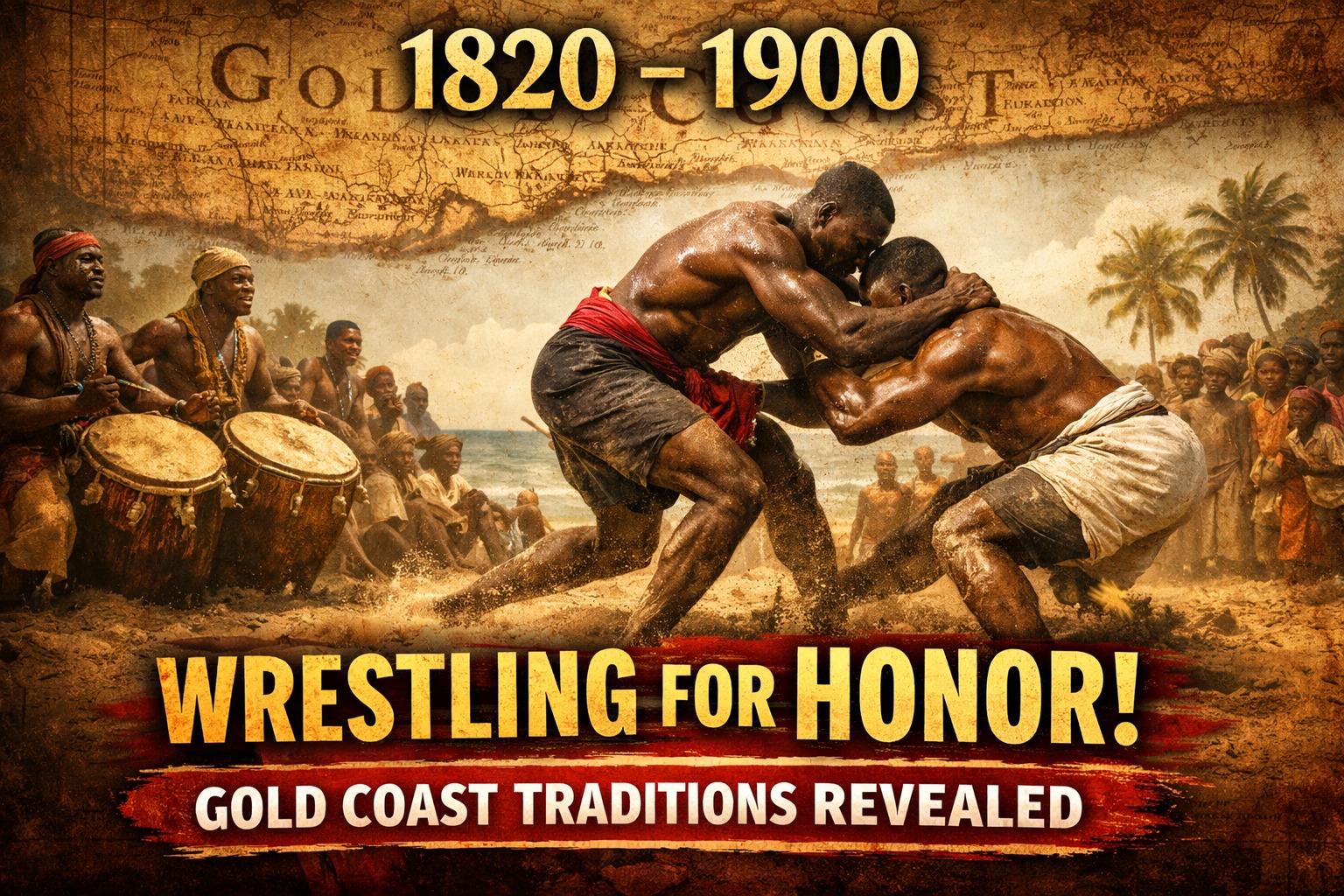
Introduction: Sport as a Mirror of Ghana’s History Long before Ghana was known by its modern name, sport and physical competition were already embedded in the social, political, and spiritual life of its people. From the ancient kingdoms of the Gold Coast to independence in 1957 and into the modern

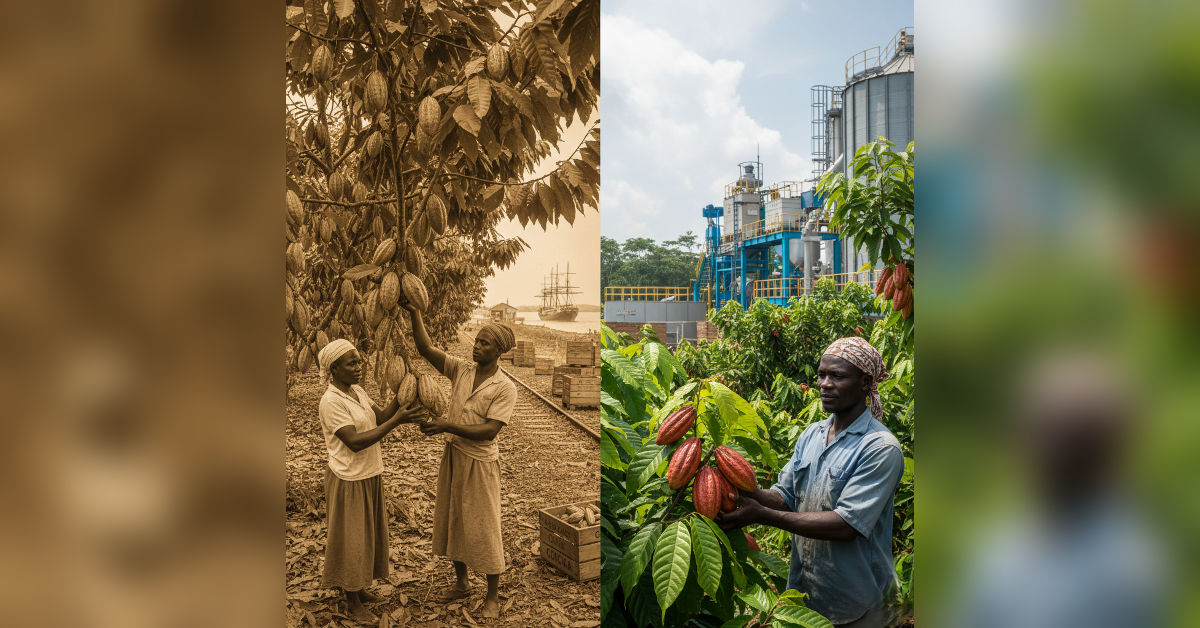
Few business stories have shaped Ghana as deeply and enduringly as cocoa. From a small agricultural experiment in the late 19th century to becoming the backbone of the national economy, cocoa transformed the Gold Coast into one of the world’s most important producers and laid the foundation for mode

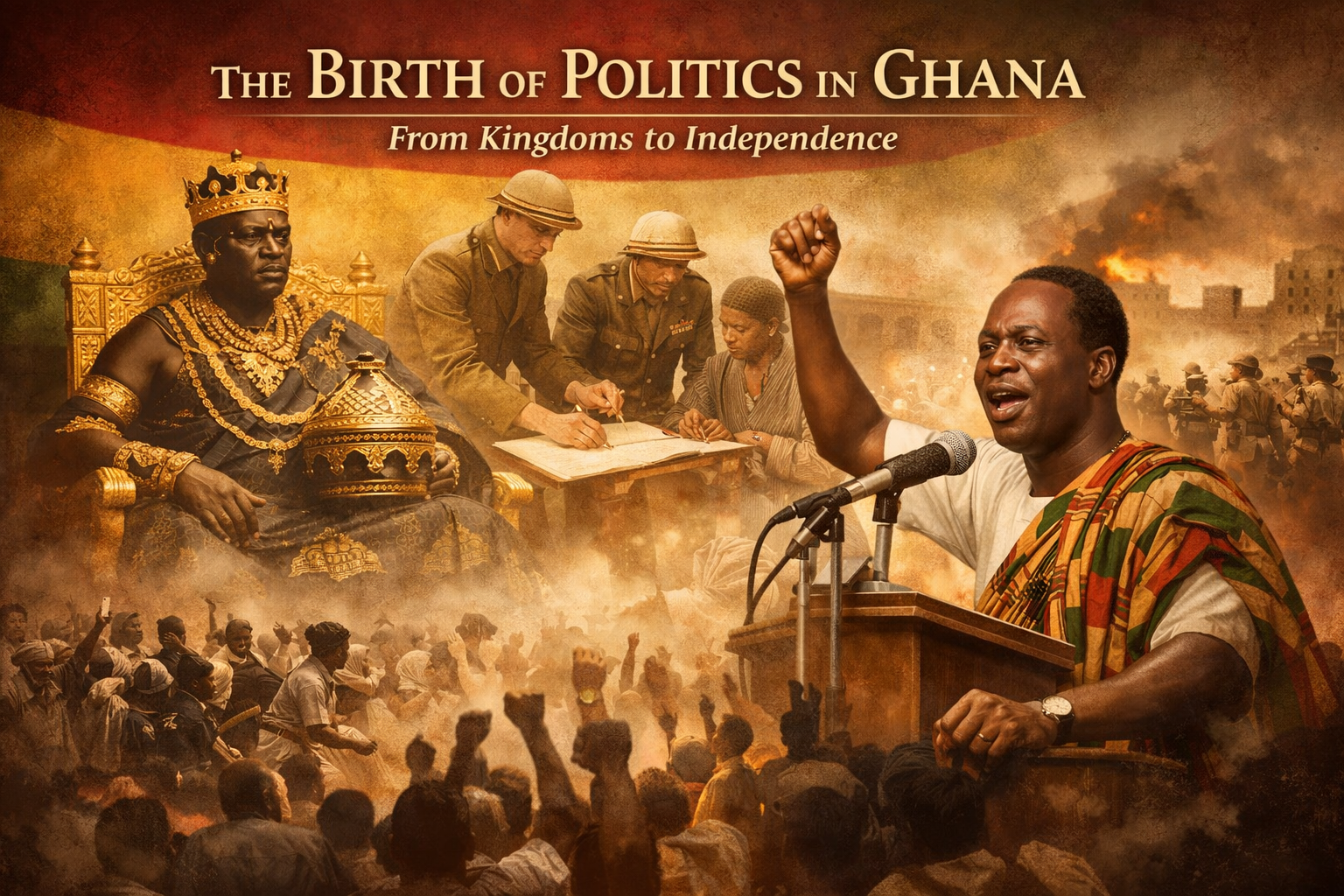
Politics Before the State Called Ghana Long before the name Ghana was adopted in 1957, the land and peoples of the Gold Coast had already developed sophisticated political systems. Politics in Ghana did not begin with Europeans or colonial rule; it evolved from indigenous governance structures, cust