SOSociety
Search
20 results for “forest”
EntertainmentMar 3, 2026
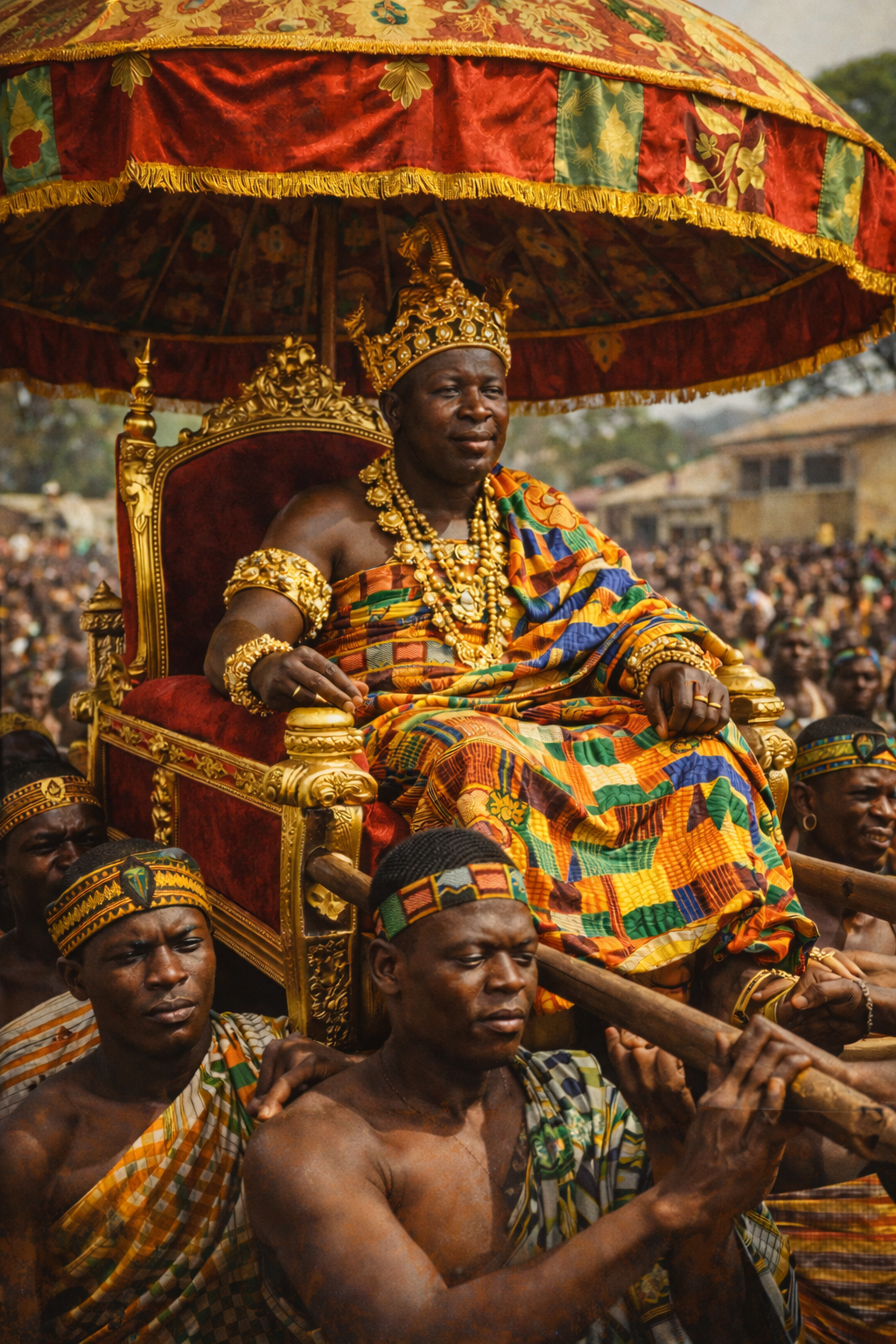
Why Akan Chiefs Are Carried in Palanquins
The Akan of GhanaThe Akan are an ethnic group that live in Ghana. They occupy a broad stretch of territory extending from the coastal areas to the central forest belt of the country. Historically and culturally, the Akan constitute one of the largest ethnolinguistic groups in Ghana and share closely
SocietyJul 28, 2026
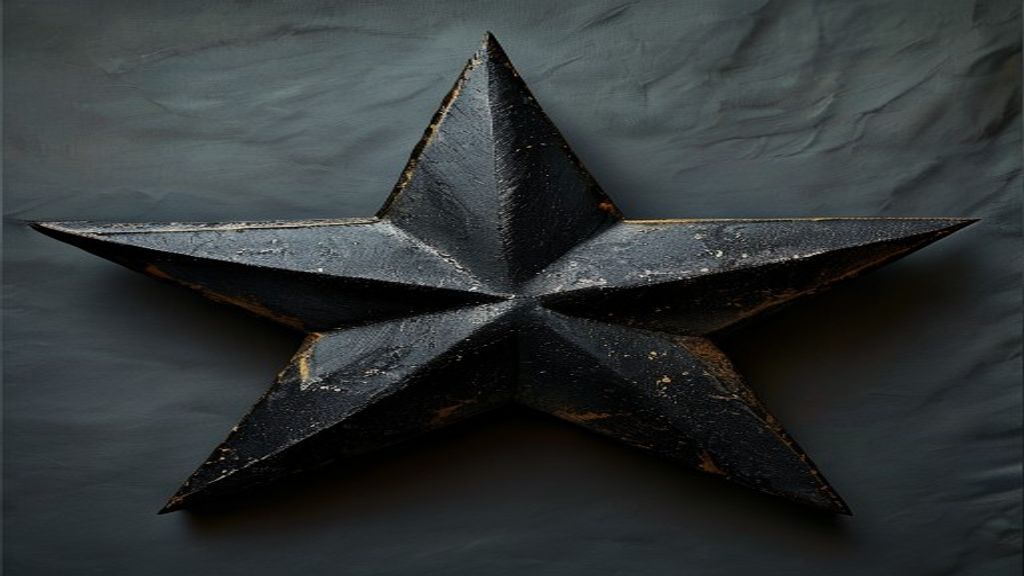
Why Is the Star on Ghana's Flag Black?
The article explains why the star in Ghana's flag is black, instead of white, silver or golden
PoliticsJul 1, 2026
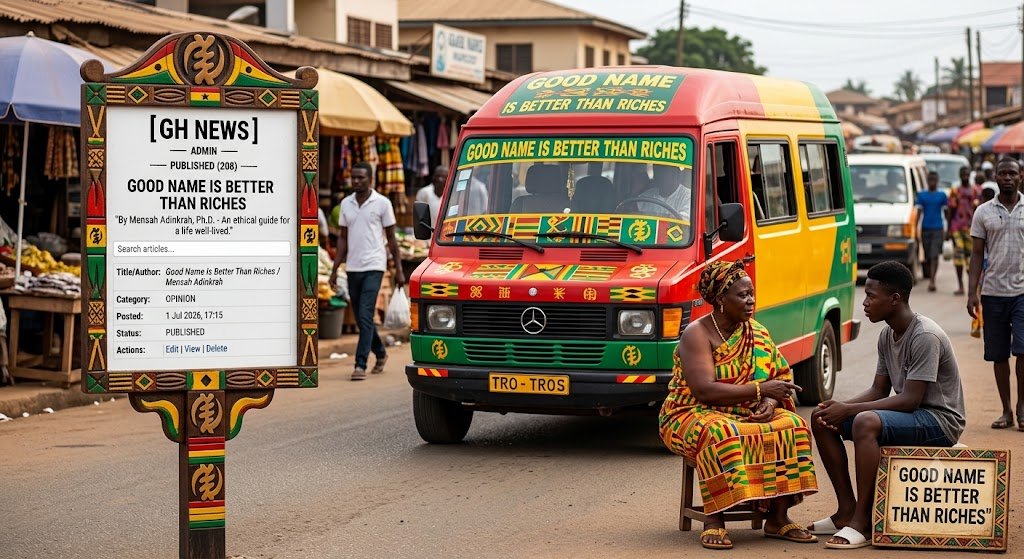
Good Name Is Better Than Riches
Introduction One of the most profound pieces of wisdom in Ghanaian culture is the saying: "Good name is better than riches." The Akan version, "Din Pa Yɛ Sen Ahonya," conveys the same timeless messag
WorldJun 22, 2026
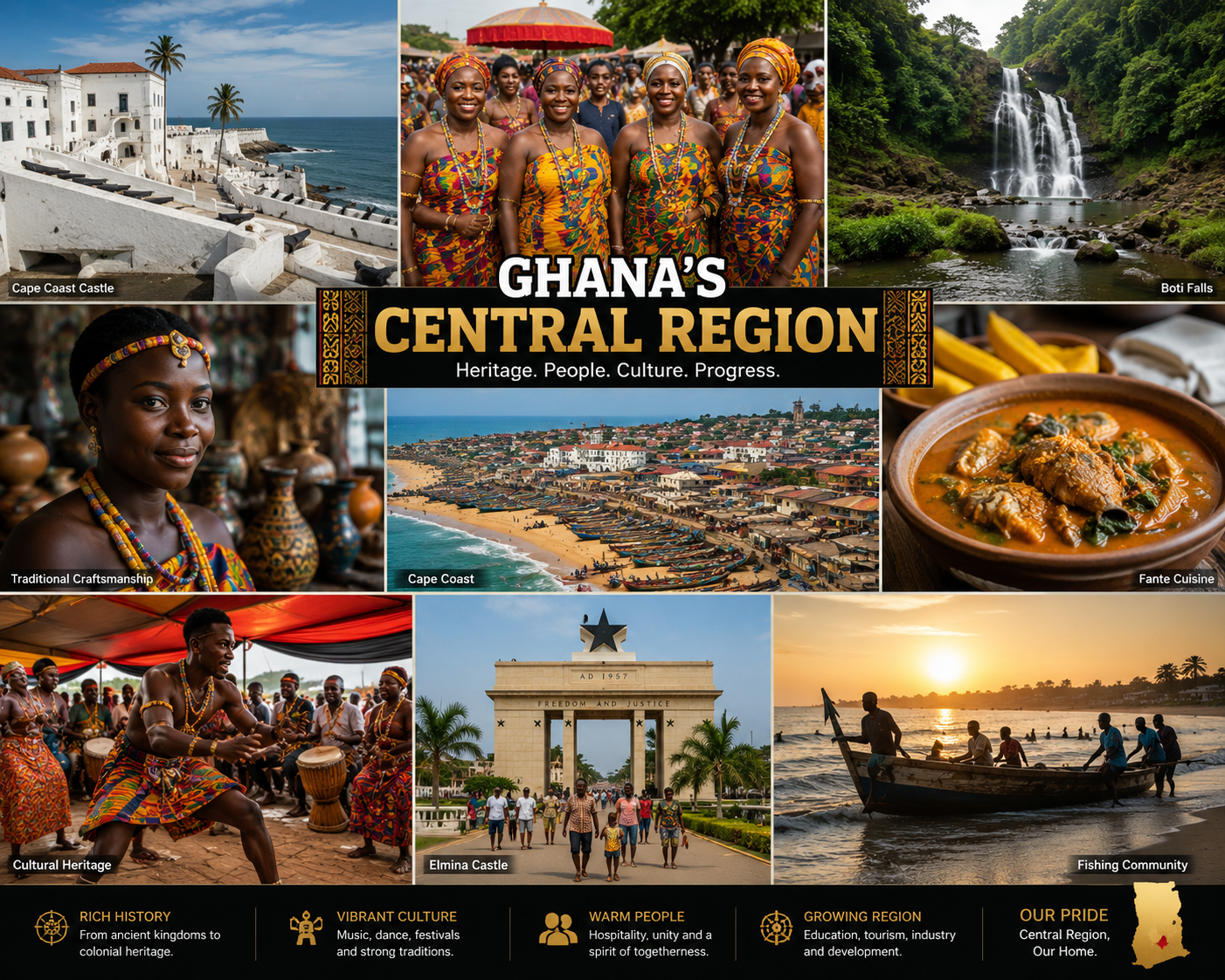
Ghana’s Central Region: The Cradle of Education, Culture, and National Leadership
Introduction Among Ghana’s sixteen administrative regions, few possess the historical significance, educational prominence, and cultural richness of the Central Region. Located along Ghana’s southern
GH Newspapers
WorldJun 22, 2026
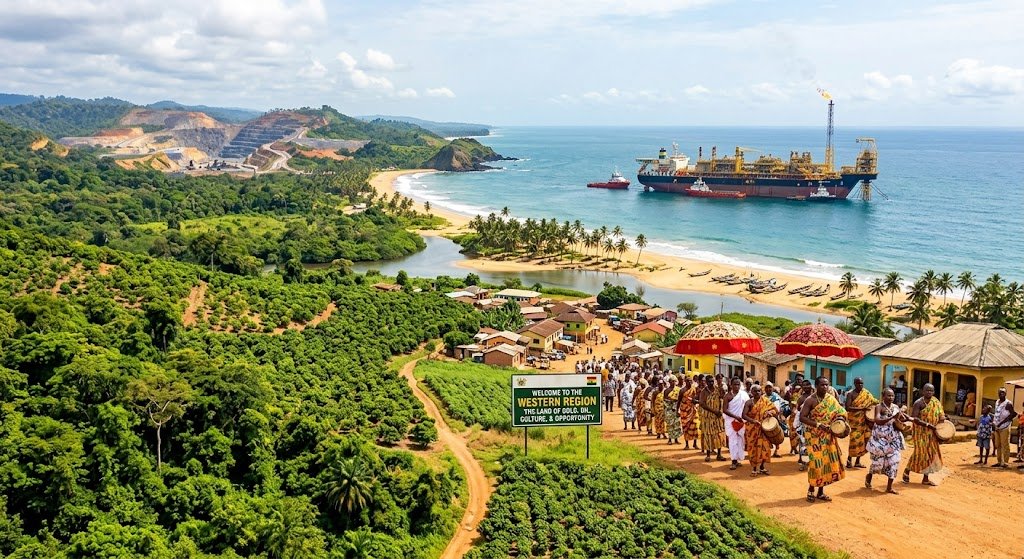
Ghana’s Western Region: The Land of Gold, Oil, Culture, and Opportunity
Introduction Among Ghana’s sixteen administrative regions, few can rival the Western Region in terms of natural wealth, cultural diversity, economic importance, and historical significance. Stretchin
GH Newspapers
PoliticsJun 15, 2026
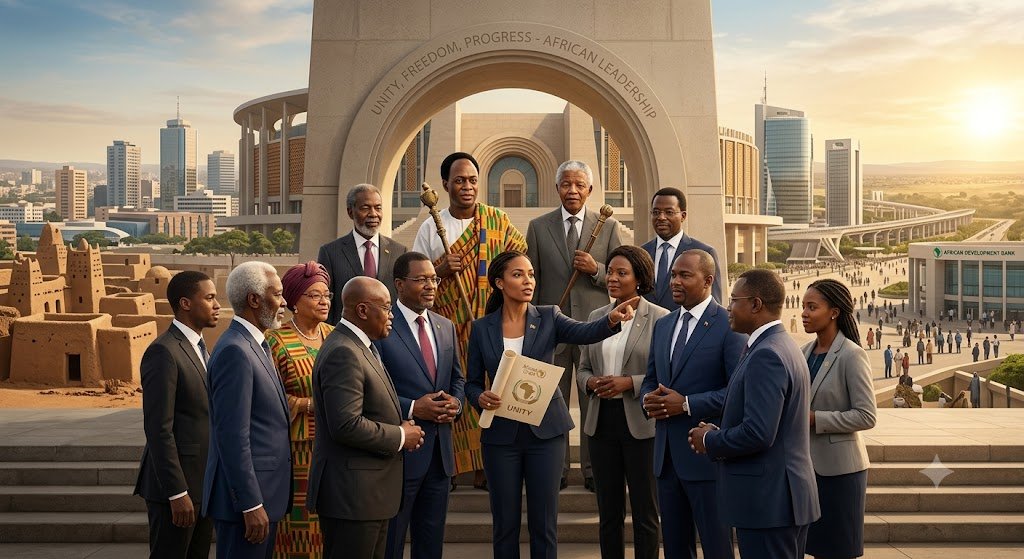
A Time for Africans to Select Progressive Leaders
Introduction The Akan have a wise saying: "If you plant plantain, you will harvest plantain; if you plant cassava, you will harvest cassava; and if you plant pineapples, you will harvest pineapples."
PoliticsJun 11, 2026
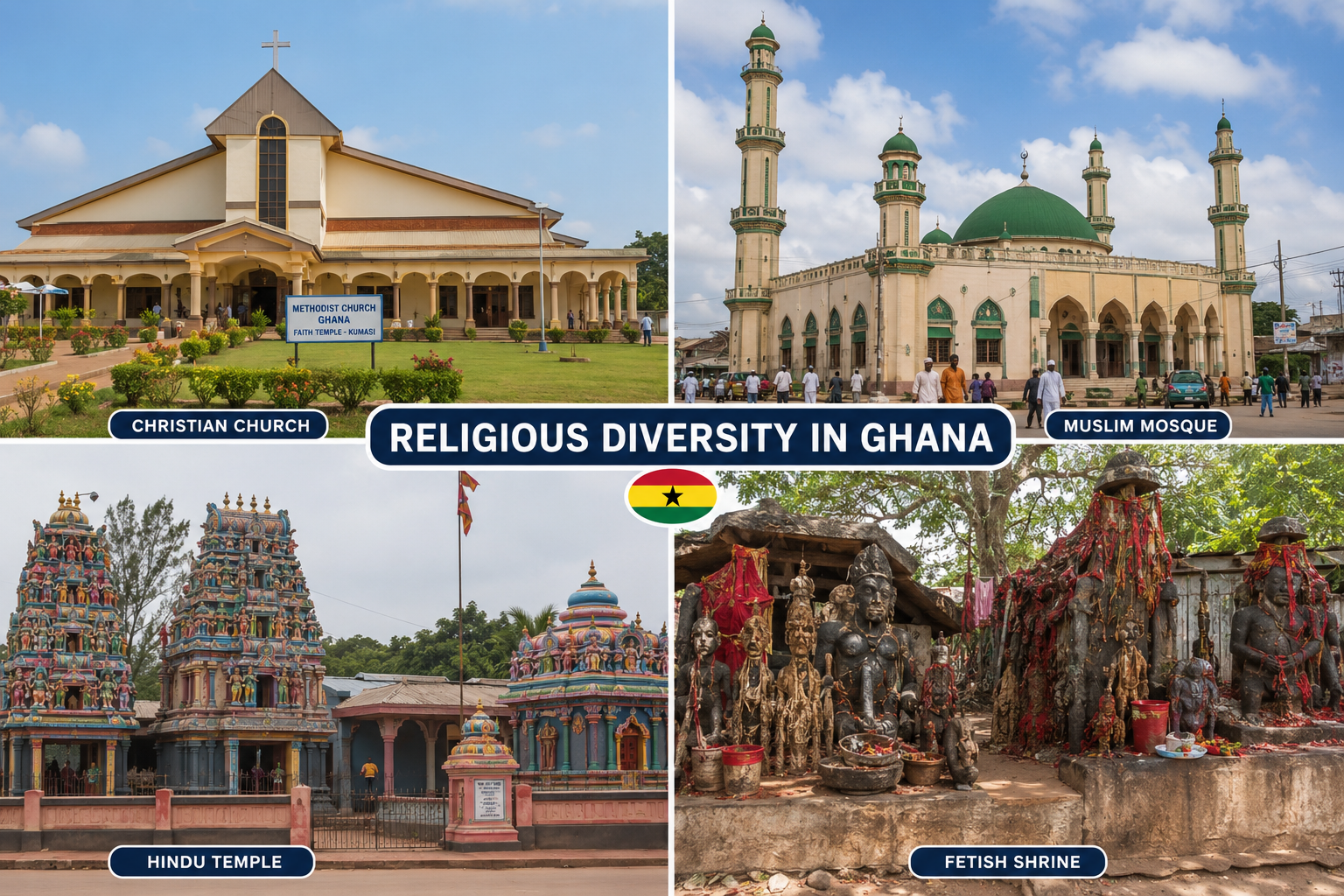
Ghana's Intractable Problems: Could the Answer Be Spiritual?
A Nation Richly Endowed Ghana is richly blessed with natural and human resources. The country possesses some of the world's finest deposits of gold and diamonds. It is endowed with bauxite, manganese
EntertainmentJun 11, 2026
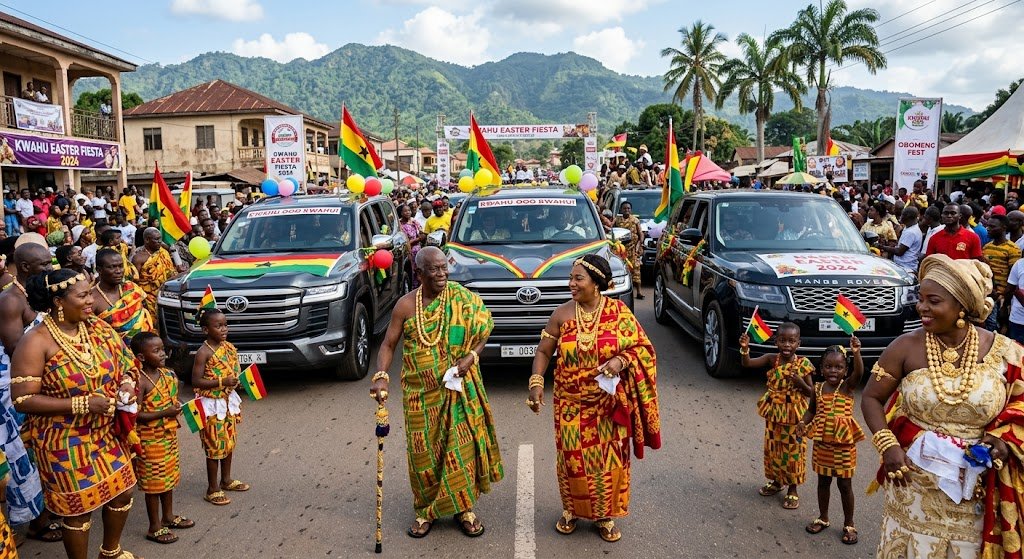
Kwahu Oooo! Kwahu: Why Easter is a Major Celebration in Kwahuland
Introduction Every year, as Easter approaches, a familiar phrase echoes across Ghana's radio stations, television screens, and social media platforms: "Kwahu oooo Kwahu!" The expression has become bo
WorldJun 4, 2026
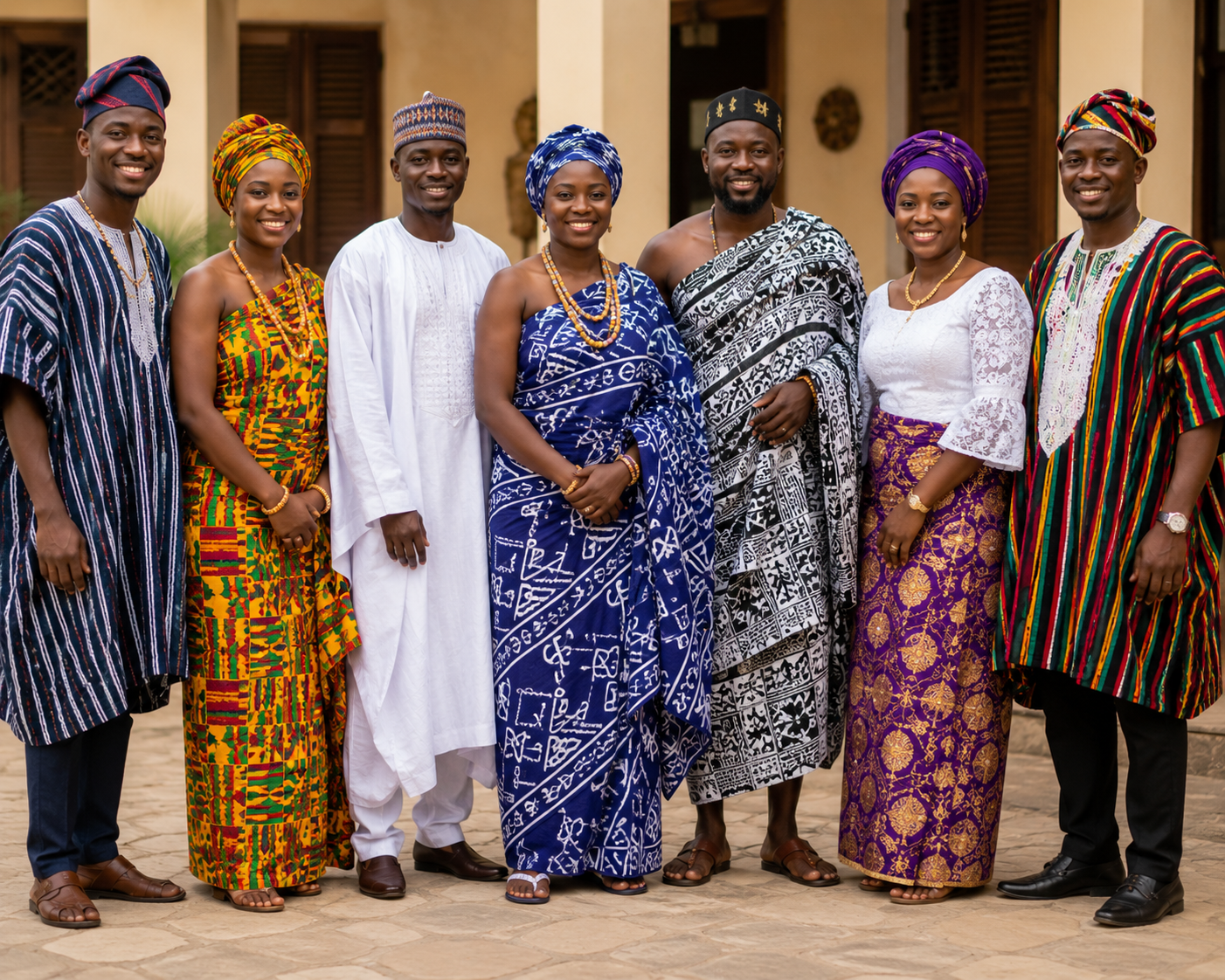
How Cultural Diversity Helps Ghanaians
Ghana is often celebrated as one of Africa’s most peaceful and culturally vibrant nations. From the bustling markets of Accra to the fishing communities along the coast, from the savannah settlements
WorldMay 28, 2026
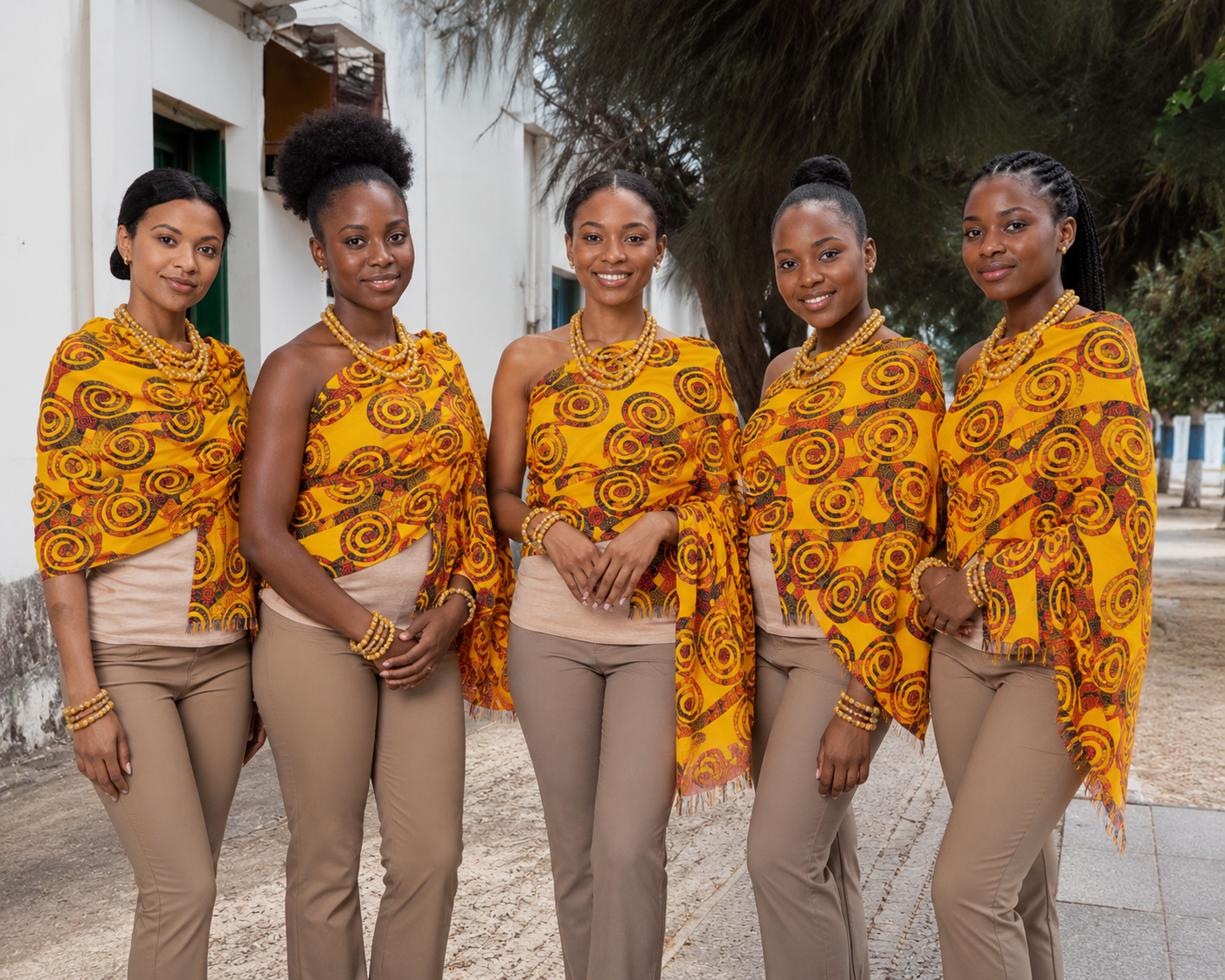
Ghana's Volta Region: History, People and Culture
The Volta Region of Ghana Location and Geography The Volta Region is one of the most culturally rich and geographically diverse regions of Ghana. Located in the eastern part of the country, it share
GH Newspapers
WorldApr 22, 2026
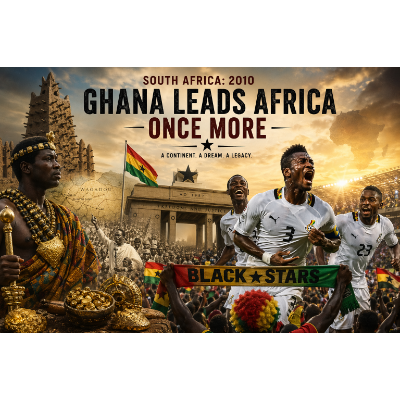
South Africa: 2010, Ghana leads Africa Once More
History is rarely linear. It moves in cycles—of rise, dispersal, memory, and resurgence. In July 2010, under the floodlights of Soccer City in Johannesburg, a moment unfolded that seemed to collapse centuries into ninety minutes (and then one hundred and twenty). Ghana’s Black Stars stood on the bri
KWABENA NYAMEKYE MAWULI
WorldApr 20, 2026
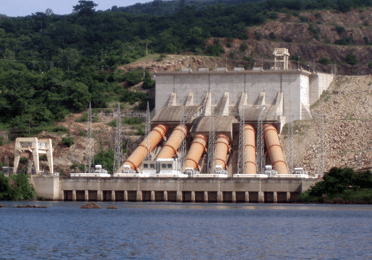
How the Akosombo Dam Changed Ghana’s Economy and Energy Future
Few infrastructure projects in the history of Ghana have had as profound an impact as the construction of the Akosombo Dam. Built in the early years of Ghana’s independence, the project symbolized the ambitious development vision of the country’s first president, Kwame Nkrumah, who believed that ind
GH Newspapers Editorial Team
WOWorld
WorldMar 7, 2026
What is Kente Cloth? History and Contemporary Influence
Kente cloth is one of the most famous traditional textiles of West Africa and is strongly associated with Ghana. It is a handwoven cloth made from narrow strips of silk or cotton that are stitched together to form a larger fabric. The cloth is distinguished by its brilliant colors, geometric pattern
TechnologyFeb 14, 2026
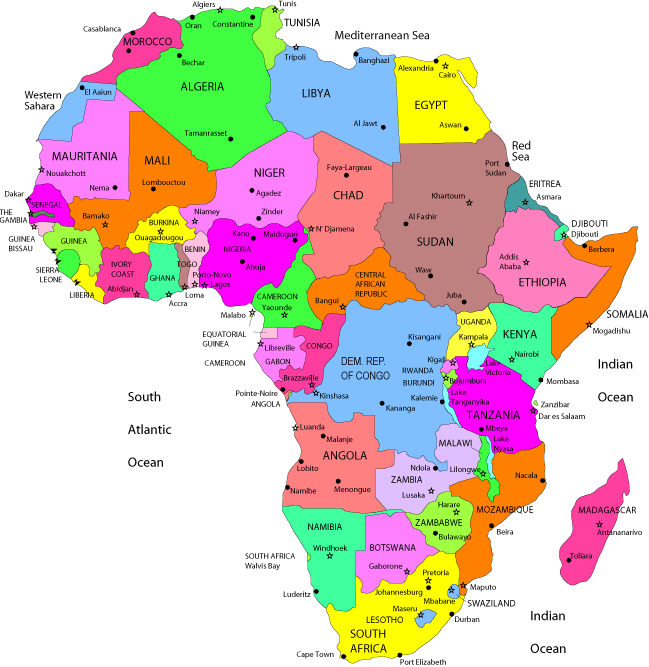
Africa: Myths and Realities
Africa is still the “dark continent” to many people. In spite of its immense size, large population, vast mineral and agricultural resources, militarily strategic location, and tremendous development potential, Africa is undeniably the most misunderstood continent. Very few non-natives of the contin
EntertainmentFeb 11, 2026
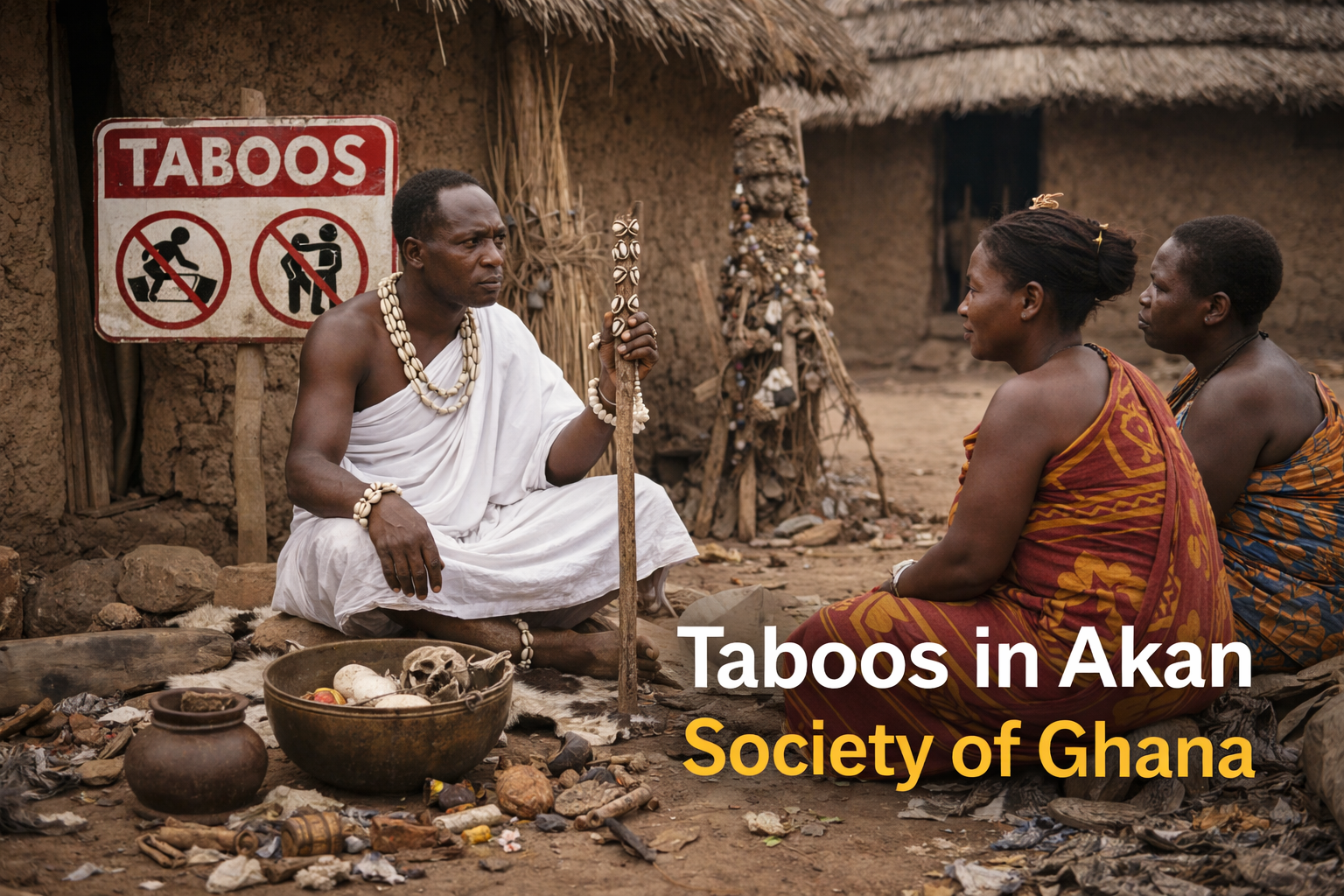
Taboos in Akan Society of Ghana
The Akan constitute one of the major ethnic groups in Ghana, accounting for approximately 46 percent of the national population. They speak Twi, a language that is understood and spoken by nearly 90 percent of the country’s population. The Akan are made up of several subgroups, including the Asante,
TechnologyJan 2, 2026
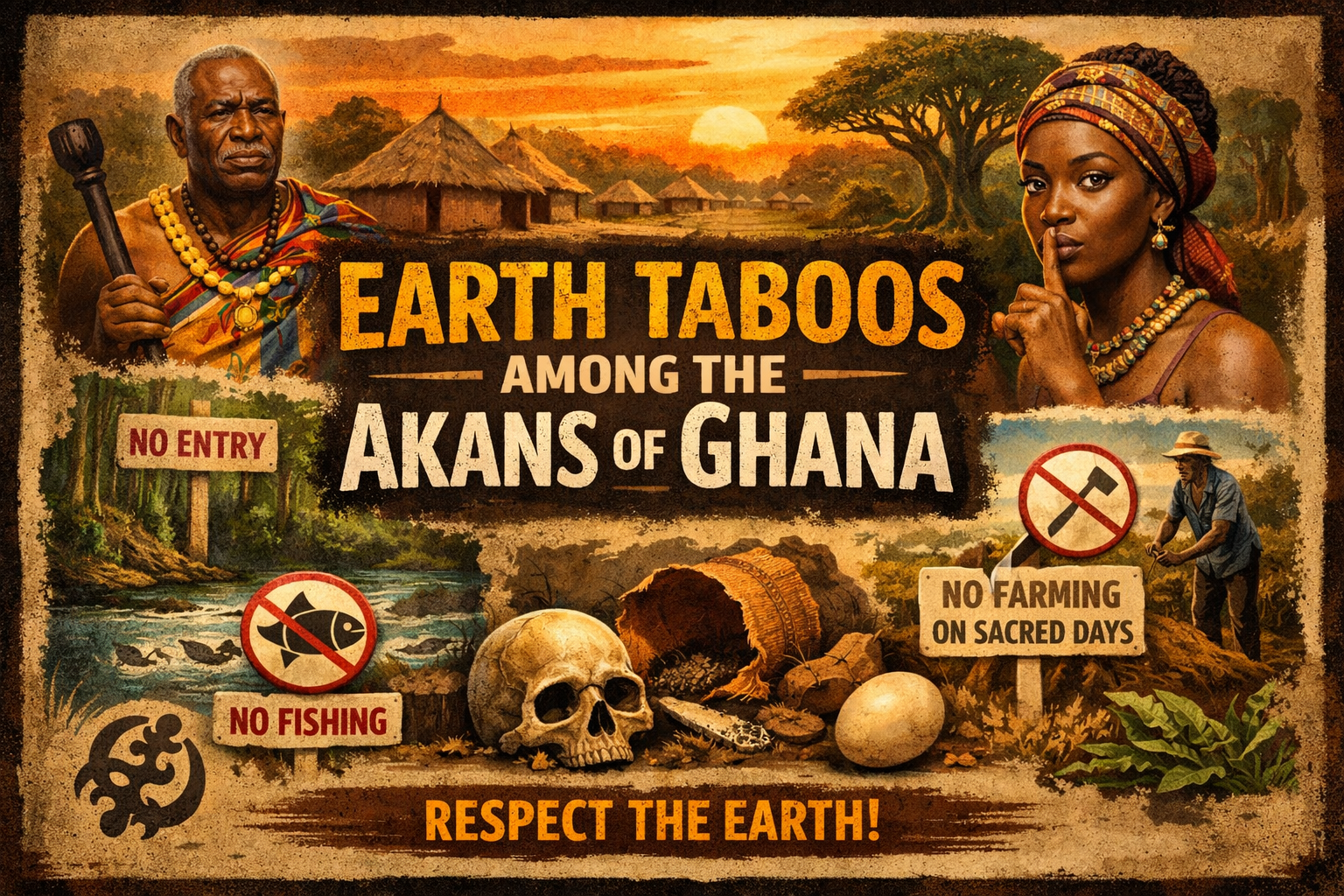
Earth Taboos Among the Akans of Ghana: Asaase Yaa Must Not Be Defiled
A taboo is an act so deeply forbidden that it provokes moral outrage, fear, or spiritual anxiety when violated. Taboos are cultural universals: every society draws invisible lines that must not be crossed. Yet these lines are not the same everywhere. What one society condemns as unthinkable may be o
EntertainmentDec 29, 2025
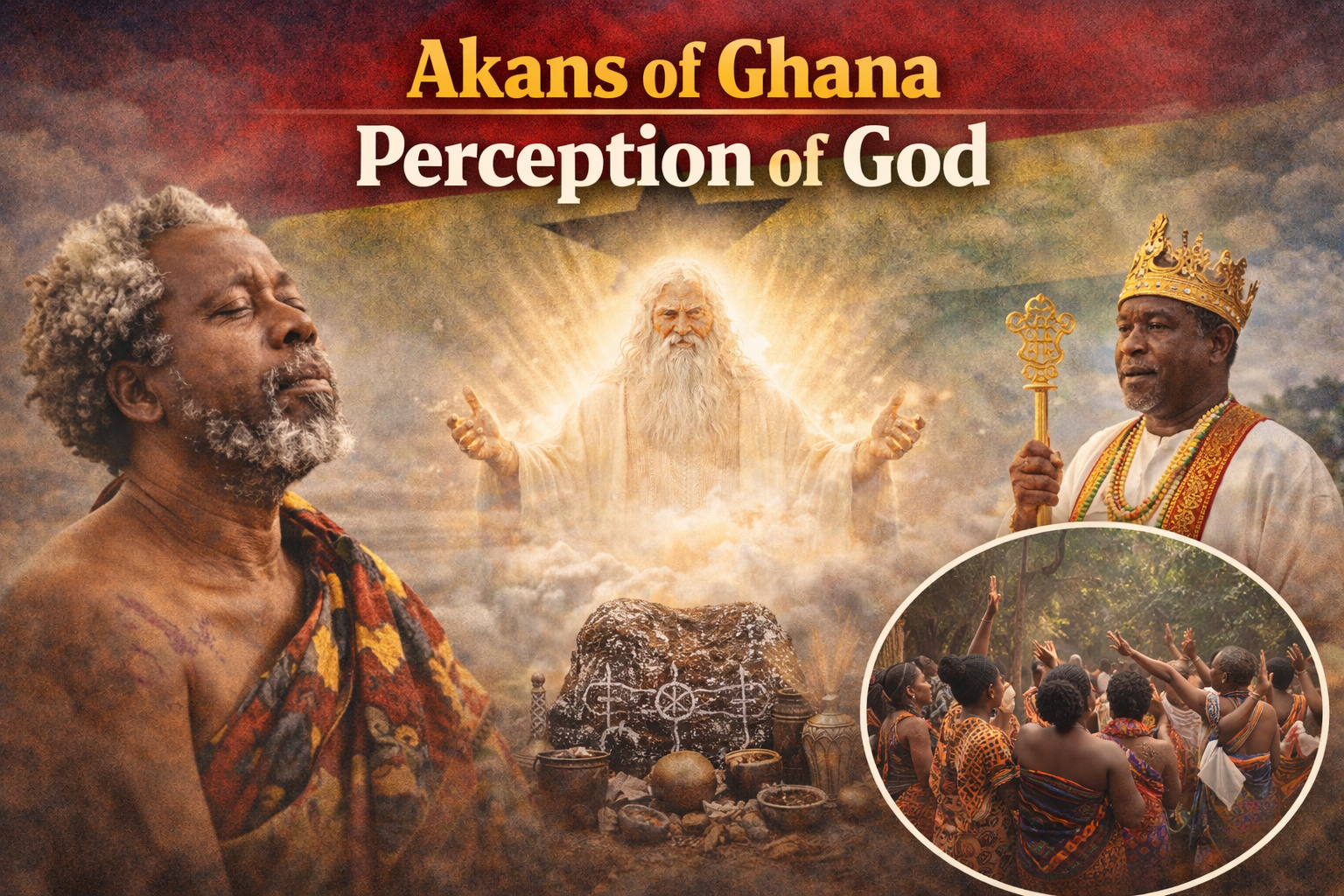
Akan Perceptions of God
Akan perceptions of God can be discerned from the rich array of names and appellations used to describe the Supreme Deity. Among the Akan, the name for God is Nyankopɔn (Onyankopɔn), the Supreme Being. Etymologically, the term is often explained as deriving from “Onyame koro a ɔyɛ pɔn,” meaning “the
EntertainmentDec 26, 2025
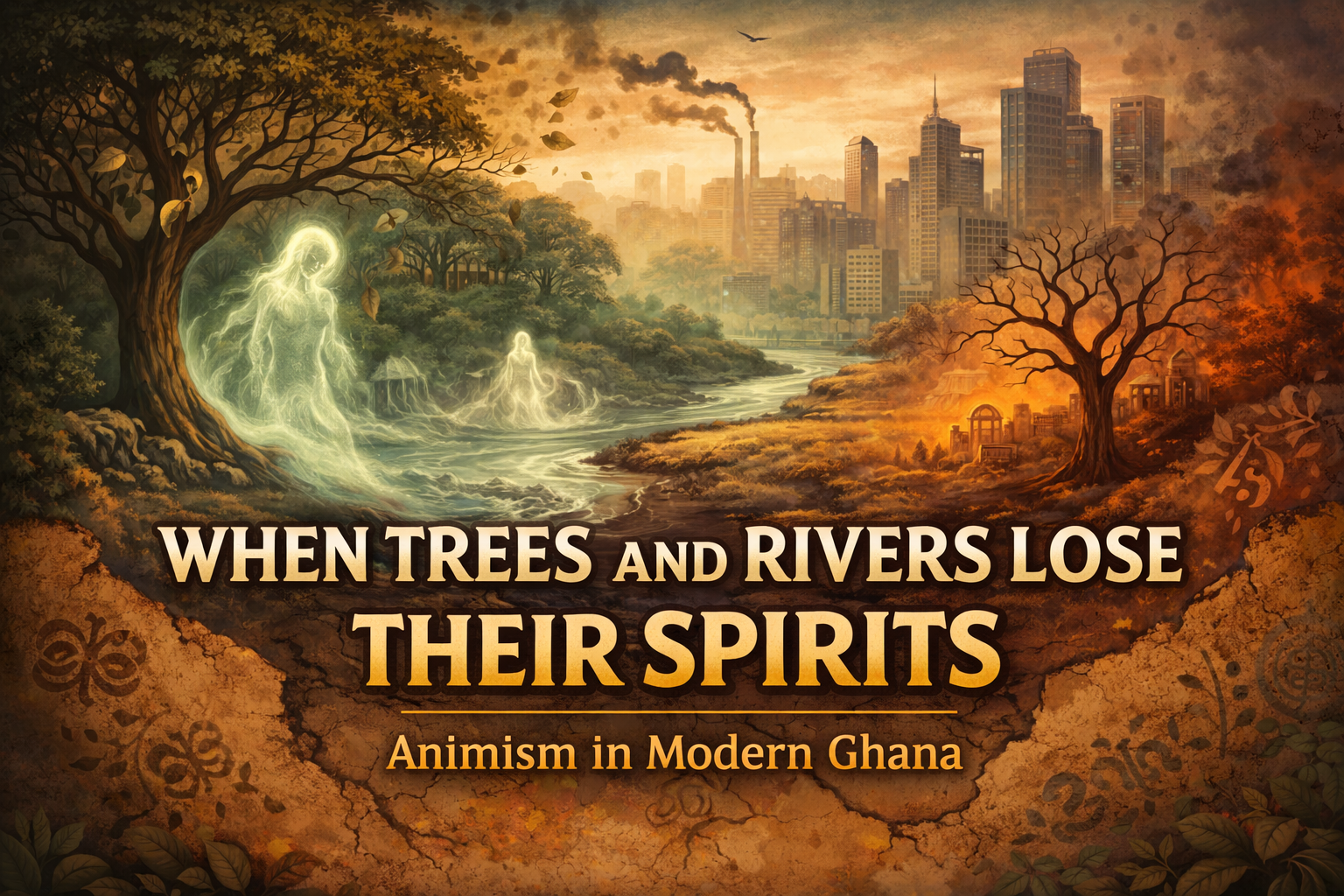
When Trees and Rivers Lose Their Spirits: Animism in Modern Ghana
Animism is the belief that the environment and society are populated with spirits. Many Ghanaians hold animistic beliefs, maintaining that their surroundings are inhabited by spiritual beings. Some of these spirits are believed to be benevolent, while others are considered malevolent. Animistic beli
BusinessDec 19, 2025
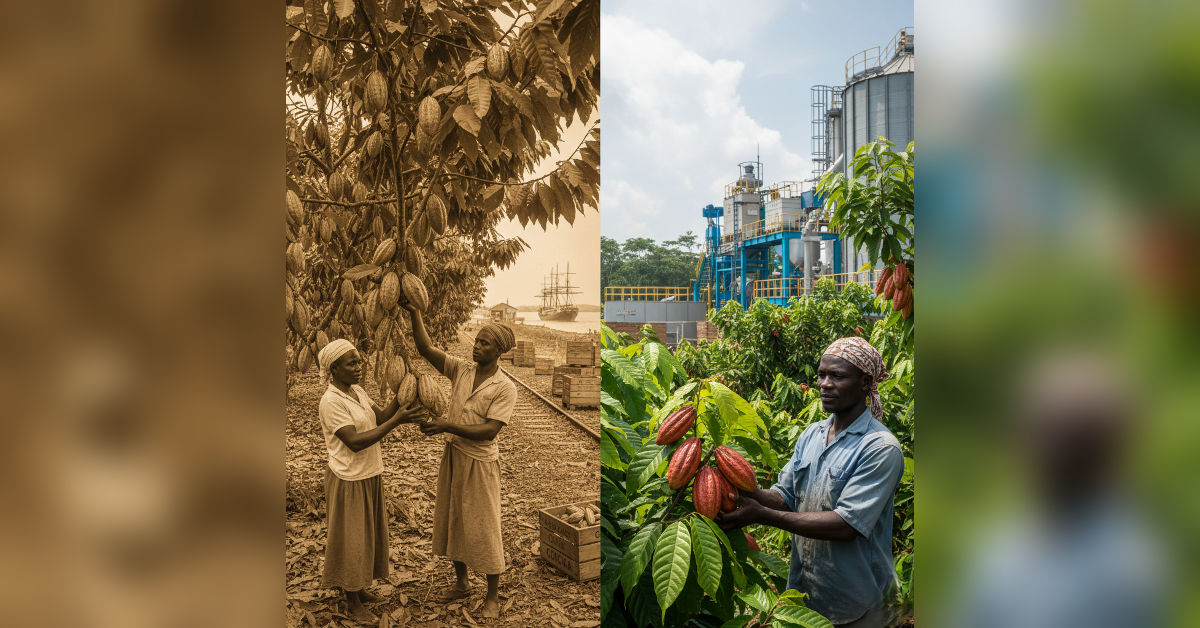
How Cocoa Built Ghana’s Economy from the Gold Coast Era to Today
Few business stories have shaped Ghana as deeply and enduringly as cocoa. From a small agricultural experiment in the late 19th century to becoming the backbone of the national economy, cocoa transformed the Gold Coast into one of the world’s most important producers and laid the foundation for mode
GH Newspapers Editorial Team