Why Is the Star on Ghana's Flag Black?
The article explains why the star in Ghana's flag is black, instead of white, silver or golden
26 results for “Sports”

The article explains why the star in Ghana's flag is black, instead of white, silver or golden

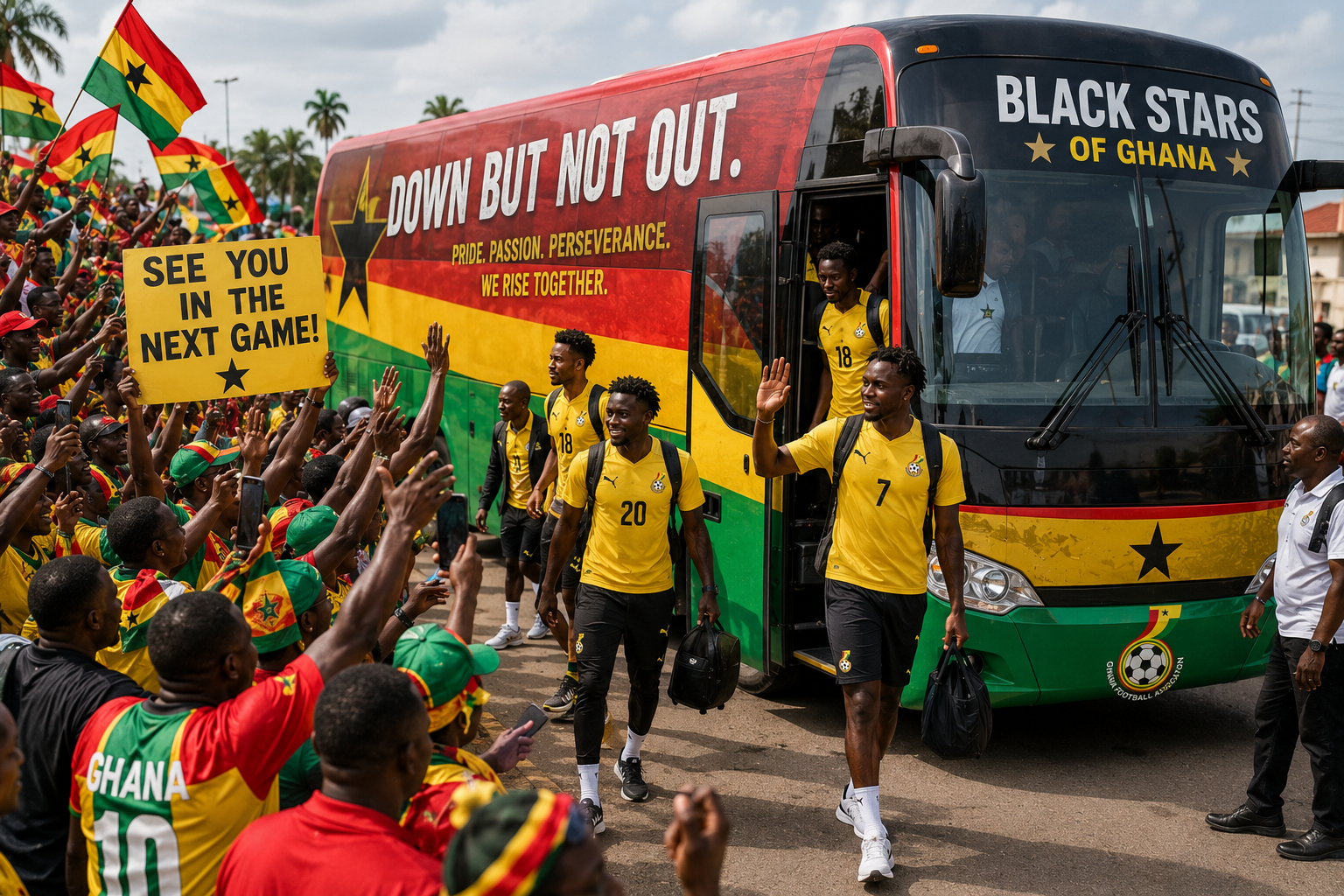
A Disappointing Result Today, June 27, 2026, Ghana's Black Stars faced Croatia in a crucial World Cup match. Across Ghana and among Ghanaians living abroad, millions of passionate supporters rallied

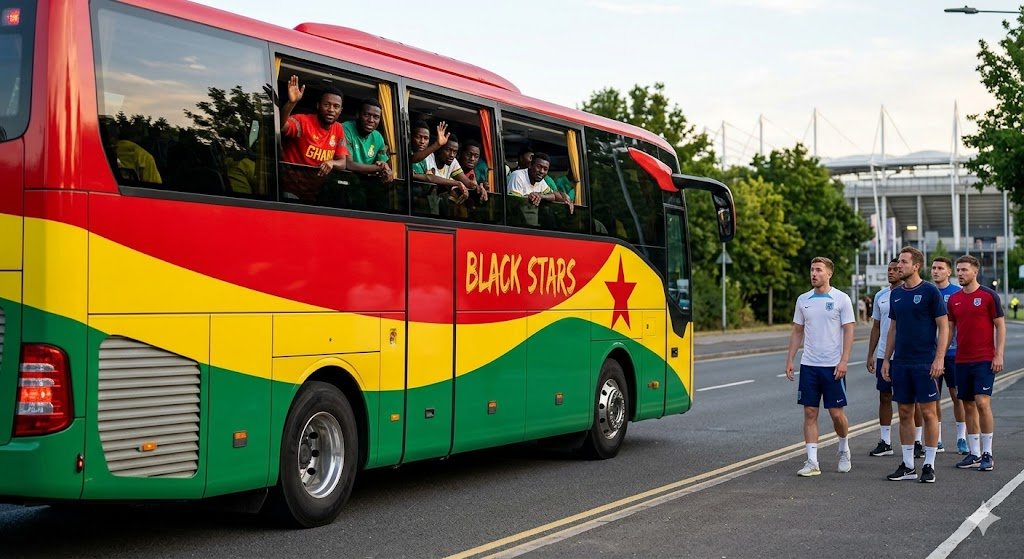
A Lesson in Humility On June 23, 2026, football fans around the world witnessed a result that few pundits predicted. The Ghana Black Stars, representing a nation once colonized by Britain, battled co

The pundits have given their verdict, but well-seasoned by experience and standing beyond the critics, naysayers, and doubters, the Ghanaian heart remains anchored in a truth storied over decades: the optics are never fatal. We bow to none.

A Nation Richly Endowed Ghana is richly blessed with natural and human resources. The country possesses some of the world's finest deposits of gold and diamonds. It is endowed with bauxite, manganese

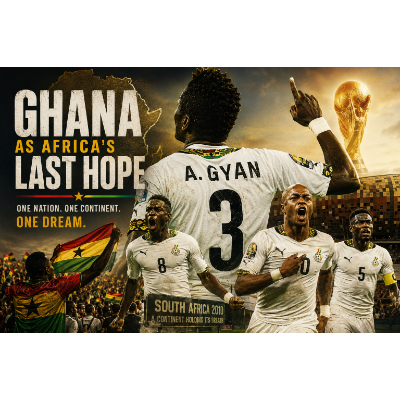
Concluding our series on the Black Stars’ remarkable 2010 World Cup campaign is a feature that reflects on its enduring significance for both Ghanaian and African football

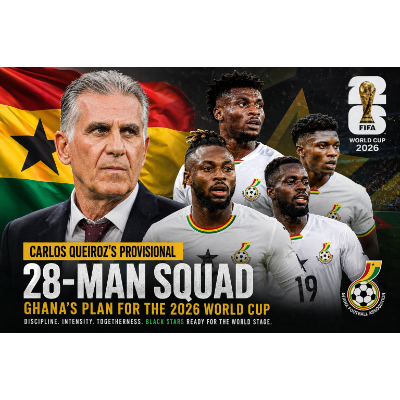
Today's discussion in our series of coverage sports of the black stars heading into the world cup examines the provisional 28-man squad released by Black Stars head coach Carlos Queiroz.

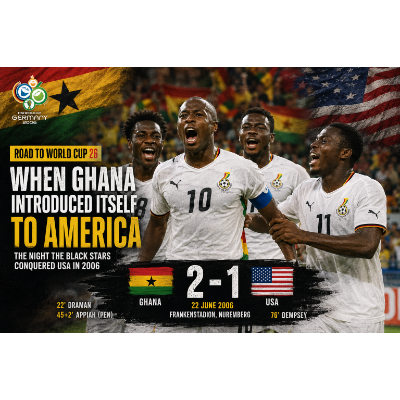
As part of our dive down the memory lane with the Black Stars, we come to you with another incredible and important performance that highlights some of the best moments of the Ghana National team in the 2006 World Cup campaign.

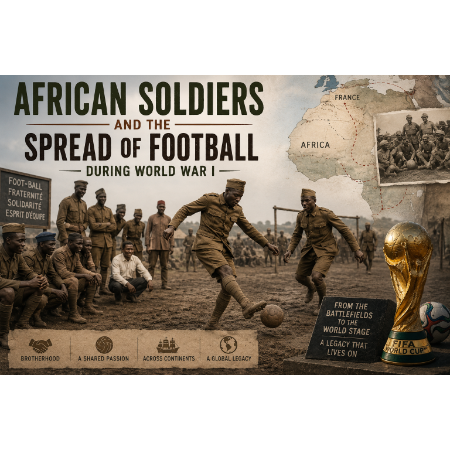
When historians discuss the global spread of football, the story is often told through familiar names and places: English schools, British sailors, South American ports, and European clubs. Yet hidden

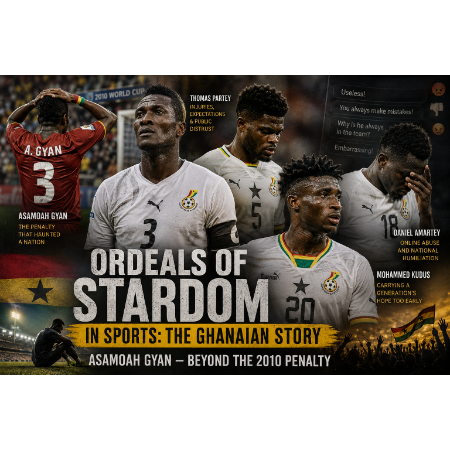
Asamoah Gyan — Beyond the 2010 Penalty There is another layer to Gyan’s ordeal that many people overlook. After the 2010 World Cup heartbreak, he again missed a crucial penalty during the 2012 Afric

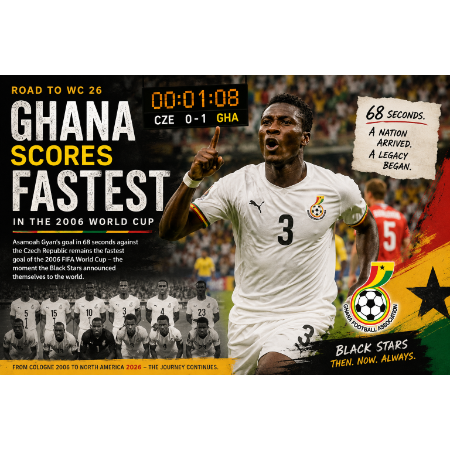
The stadium clock in Cologne had barely ticked past the opening minute when Ghana announced itself to the world. A loose touch in the Czech Republic defence. A flash of movement. Then came the finish

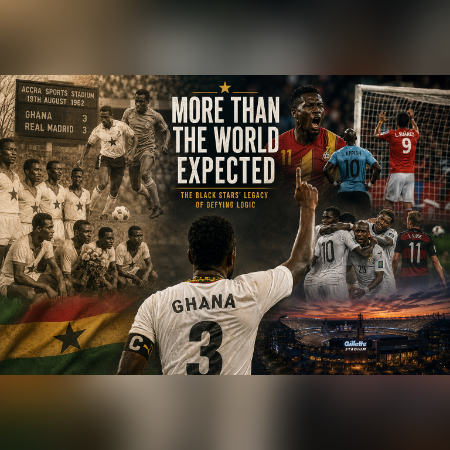
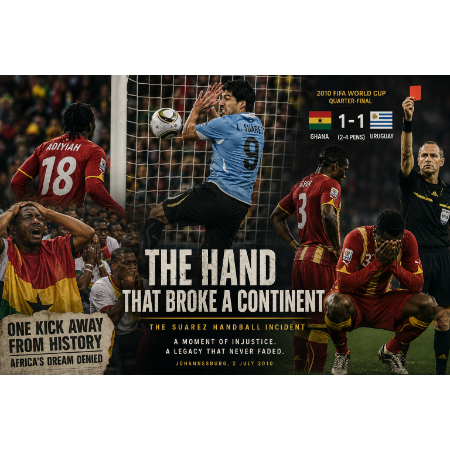
There are football matches that end with a scoreline, and there are matches that never truly end. The 2010 FIFA World Cup quarter-final between Ghana national football team and Uruguay national football team belongs firmly in the second category. More than fifteen years later, the image still burns

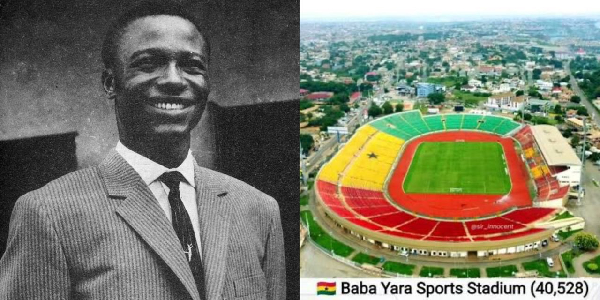
Few names in Ghanaian football command as much reverence as Baba Yara. Gifted, charismatic, and electrifying on the field, Baba Yara remains one of the greatest footballers Ghana has ever produced. Though his career was tragically cut short, his brilliance and influence left an enduring mark on the

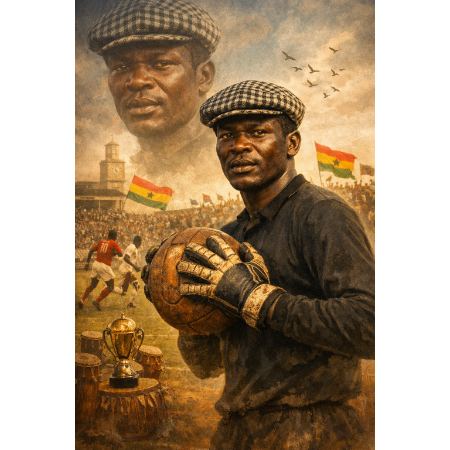
Robert Mensah: A Football Story and Tragedy in the Ghanaian Football In the annals of Ghanaian sporting history, few names evoke as much reverence, myth, and sorrow as Robert Mensah. His story is not merely about football; it is a narrative woven into the socio-cultural fabric of late colonial Gold

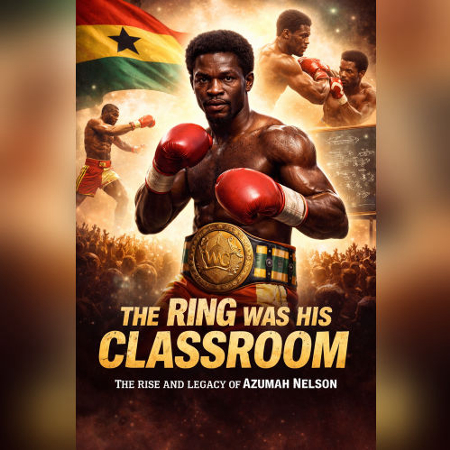
Few names in African sport command as much reverence as Azumah Nelson. In the annals of global boxing history, Nelson stands not merely as a champion but as an embodiment of discipline, intellect, and tactical brilliance. His nickname—“The Professor”—suggests a fighter whose victories were not only

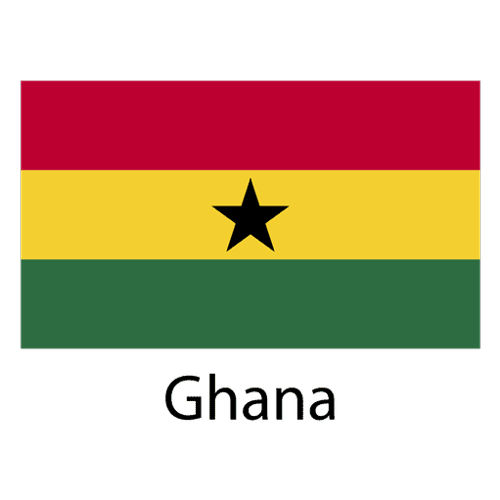
A Historic Emblem of Independence The Ghana national flag is more than a piece of cloth fluttering in the wind; it is a powerful symbol of the country’s history, aspirations, and identity. First officially adopted on March 6, 1957—the same day Ghana became the first African nation to gain independen

Introduction: Why March Matters Every year, the month of March occupies a sacred place in Ghana’s historical calendar. On 6 March 1957, under the leadership of Kwame Nkrumah, the Gold Coast became Ghana — the first sub-Saharan African nation to gain independence from British colonial rule. March is

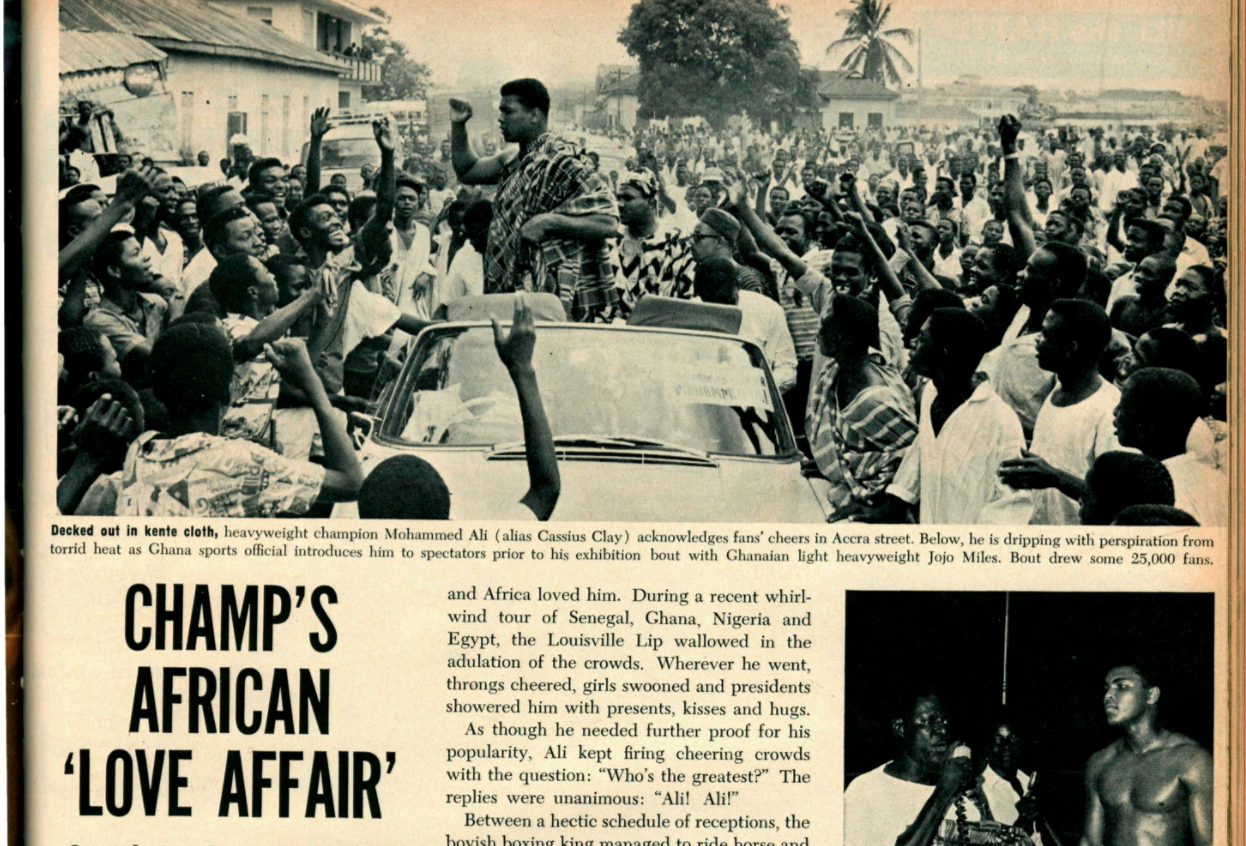
In 1964, at just 22 years old, the newly crowned world heavyweight boxing champion Muhammad Ali stepped onto Ghanaian soil—and into African history. Fresh from his stunning victory over Sonny Liston in Miami, the young champion—then newly renamed Muhammad Ali—embarked on a tour of Africa. One of the

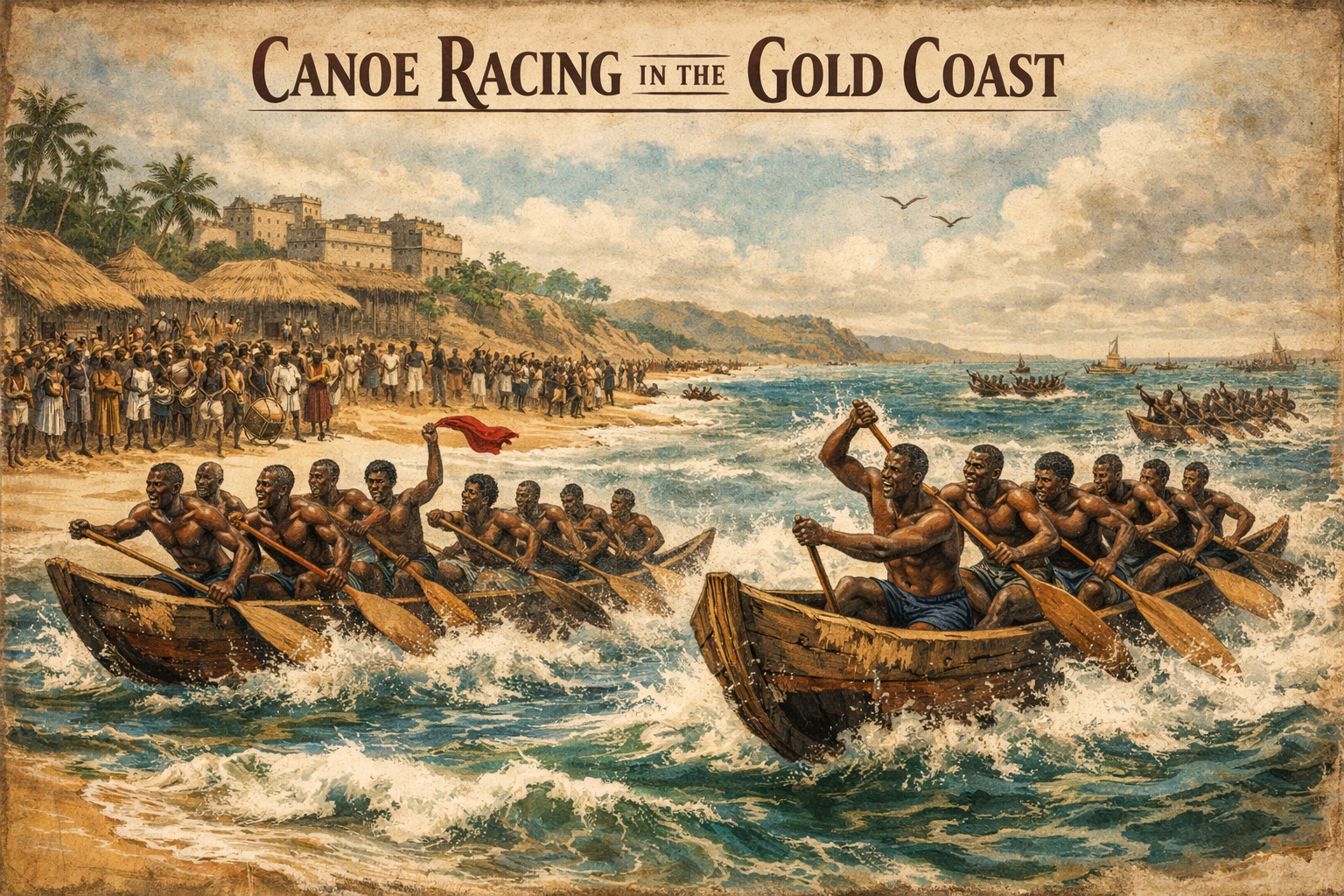
The Atlantic as Living Arena Along the Atlantic edge of the pre-colonial Gold Coast, long before European forts punctuated the shoreline, the sea was already a theatre of movement, daring, and communal pride. The coastal societies of present-day Ghana—particularly the Fante, Ga, and related Akan mar

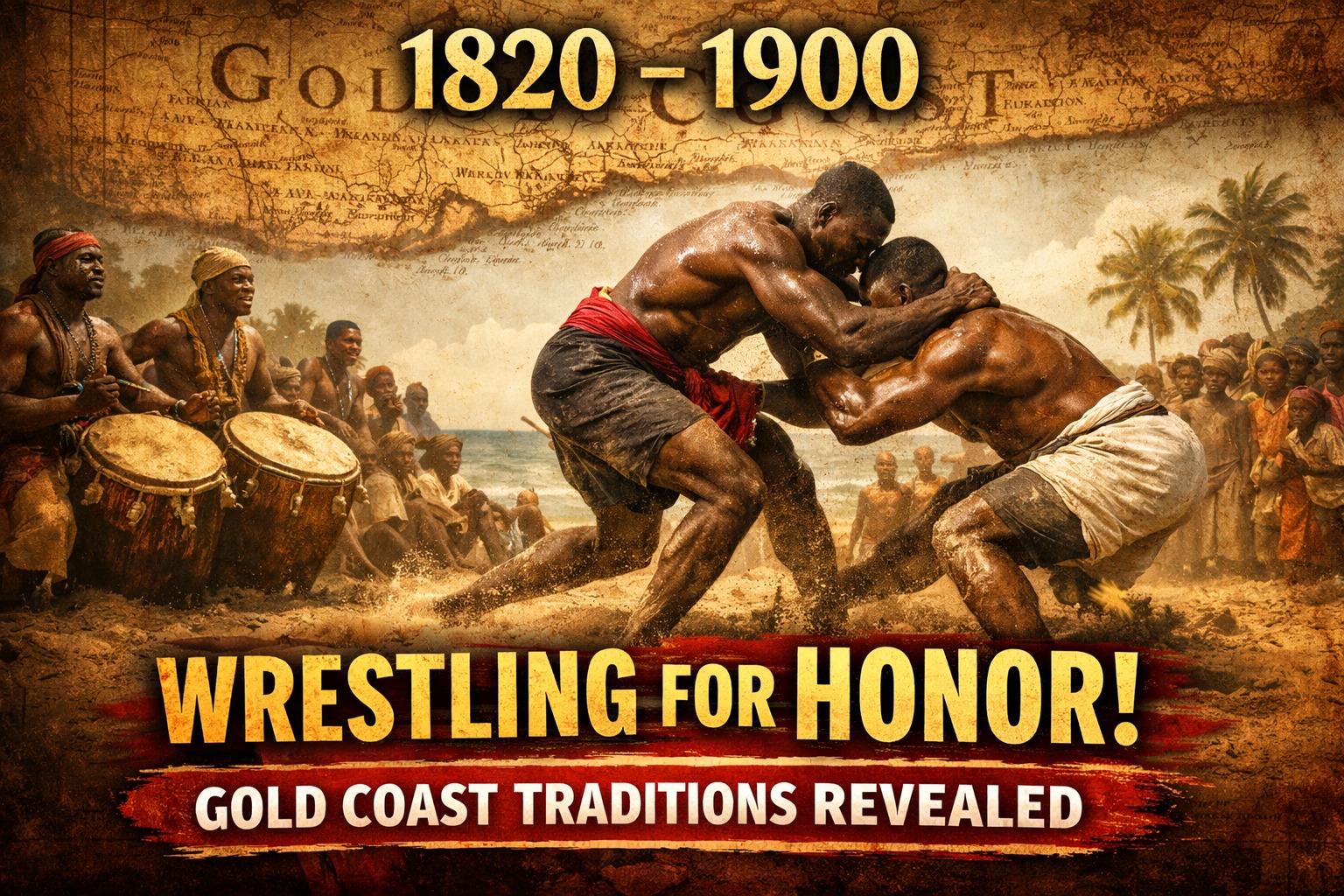
Long before colonial stadium lights and organised leagues, the sandy shores and village squares of the Gold Coast—today’s Ghana—were vibrant arenas where traditional wrestling was among the most respected cultural practices. From the early 19th century up to the turn of the 20th century, indigenous

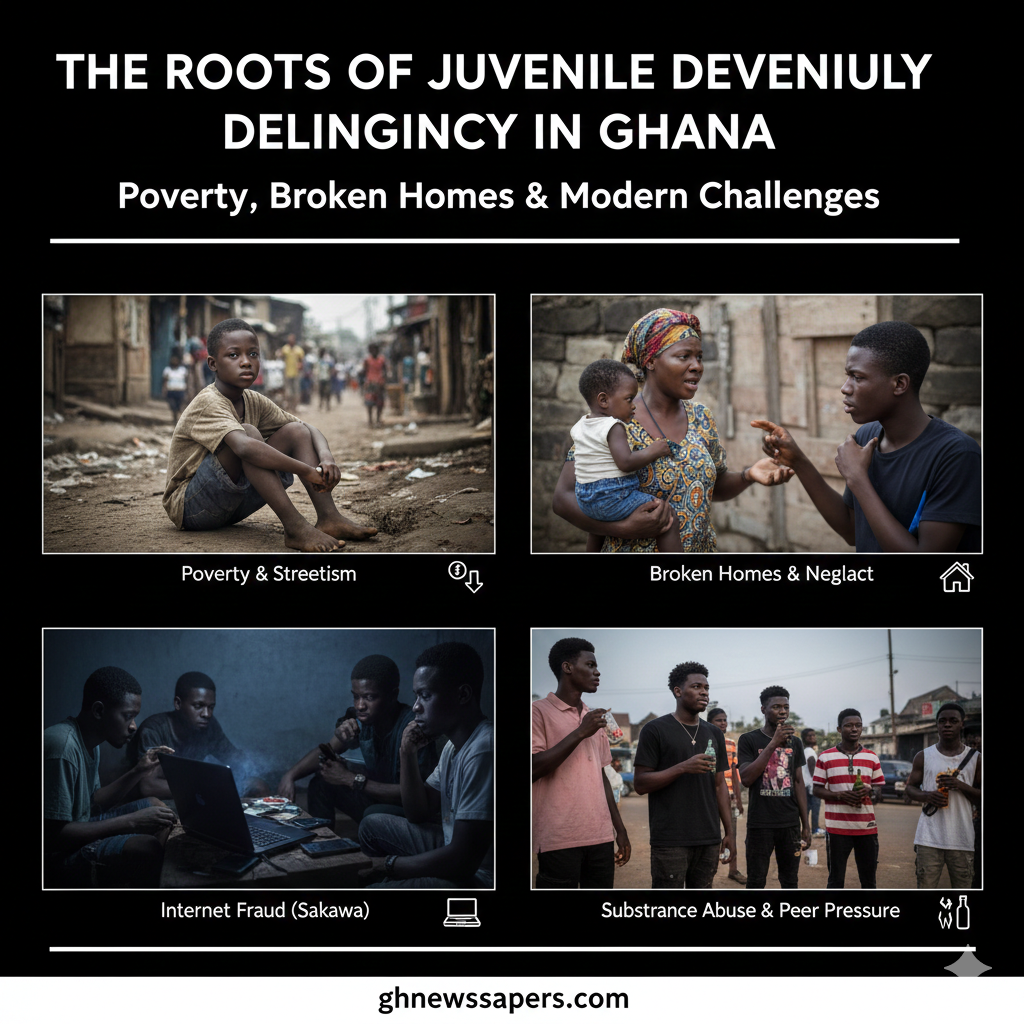
Children and the Future of the Nation Children are the future of every society. When a nation fails to nurture and guide its children properly, it mortgages its own future. Ghana today faces a troubling situation: unless deliberate efforts are made to mould children into disciplined, responsible, an

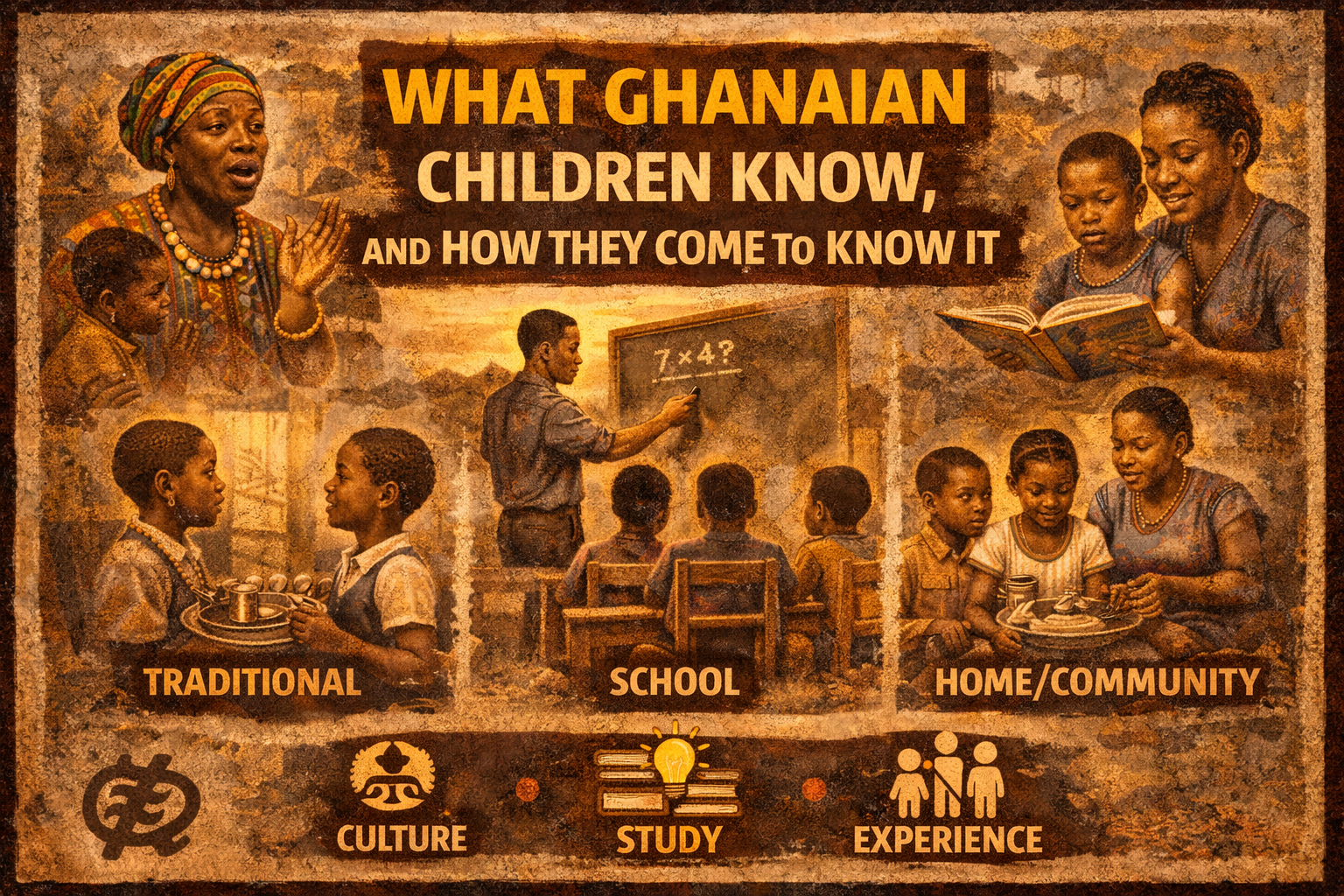
No one is born with knowledge. Human beings are born with the capacity to learn, but what they eventually know—how they speak, think, behave, believe, and interpret the world—is acquired from society. Knowledge, values, attitudes, and skills are socially produced and socially transmitted. By the tim

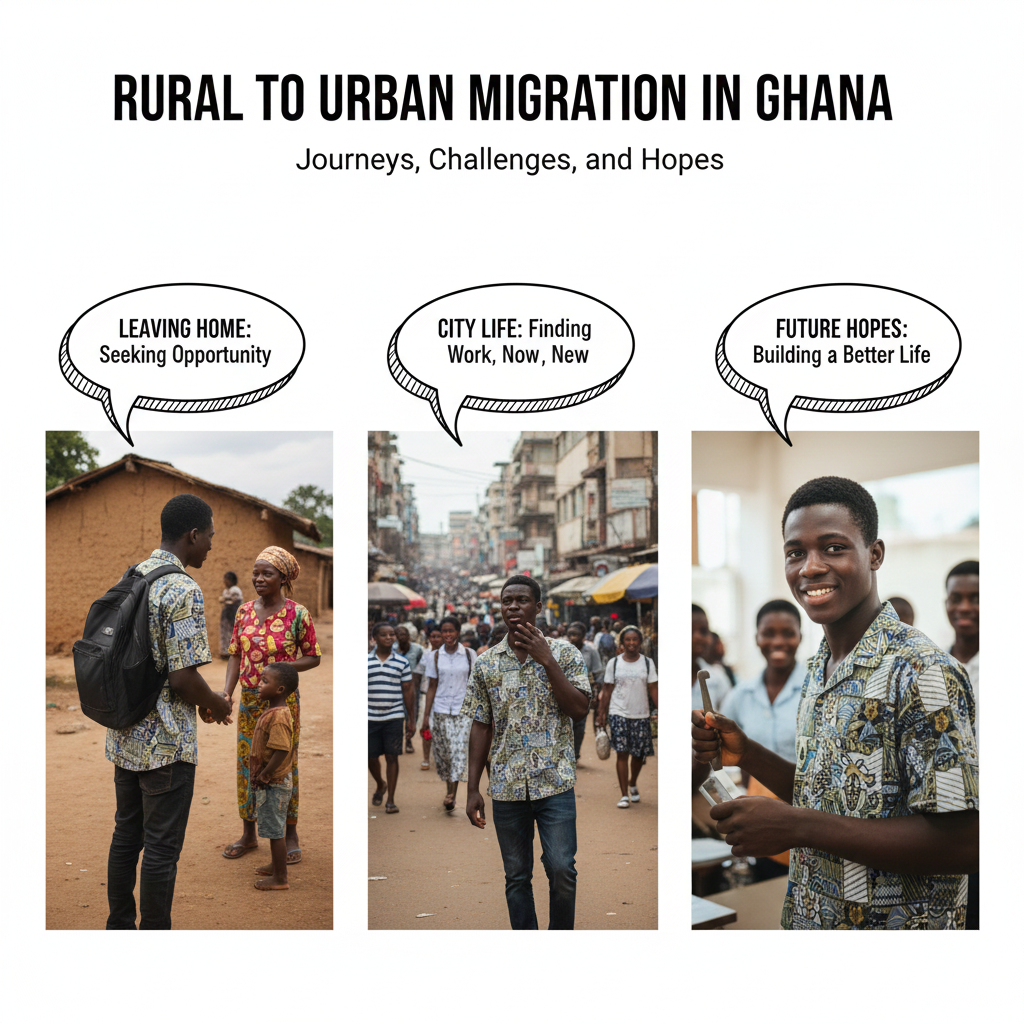
The causes of Rural–Urban Migration are major concerns of African governments like Ghana. Across Ghana and much of Africa, a defining social transformation of the 21st century is the movement of people from the countryside to towns and cities. Every year, thousands of young people leave rural commun

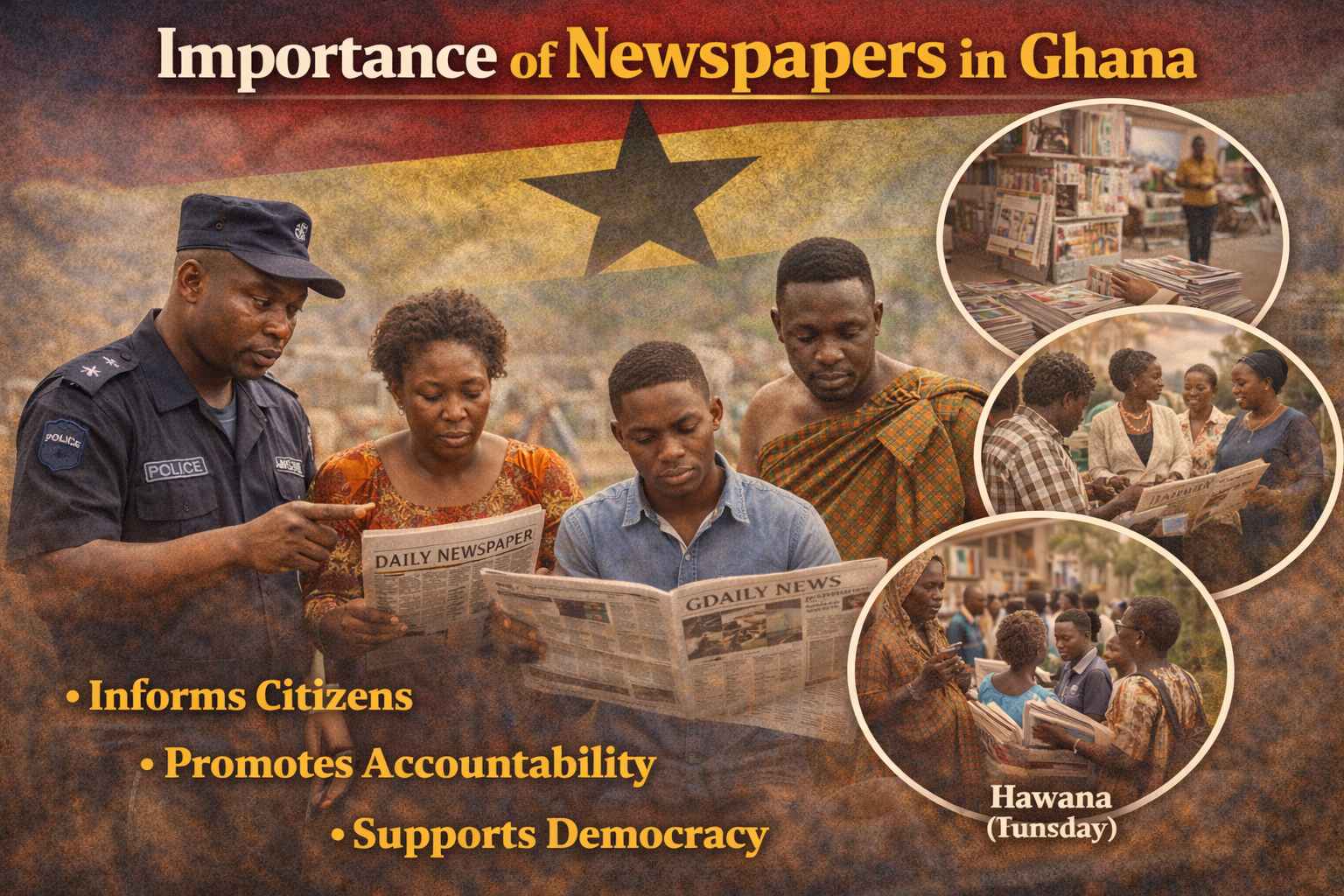
Newspapers occupy an important place in Ghanaian society. Long before the rise of social media and online news platforms, newspapers were the primary source of information for the public. Even today, despite digital competition, newspapers continue to serve critical social, political, educational, a

Prostitution is commonly defined as the exchange of sex for money. People who engage in prostitution provide sexual services in return for payment. A related question is whether exchanging sex for material items other than cash should also be considered prostitution. Some people say yes, others say

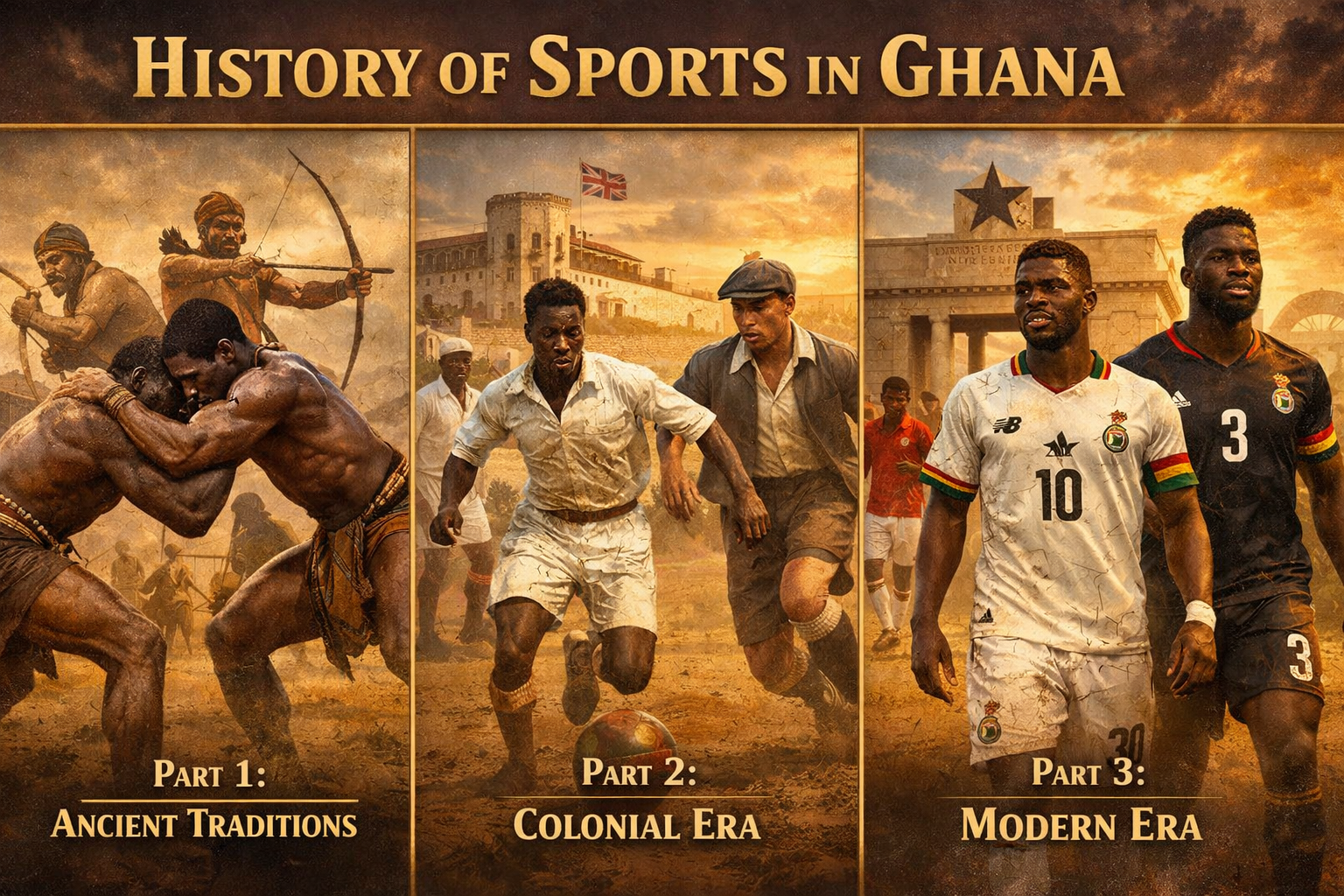
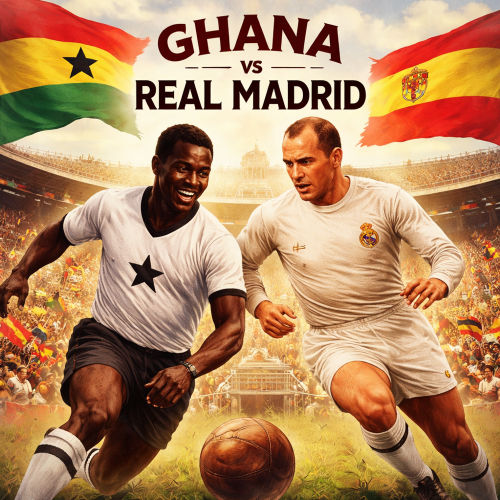
Introduction: Sport as a Mirror of Ghana’s History Long before Ghana was known by its modern name, sport and physical competition were already embedded in the social, political, and spiritual life of its people. From the ancient kingdoms of the Gold Coast to independence in 1957 and into the modern