Why Is the Star on Ghana's Flag Black?
The article explains why the star in Ghana's flag is black, instead of white, silver or golden
19 results for “colonialism”

The article explains why the star in Ghana's flag is black, instead of white, silver or golden

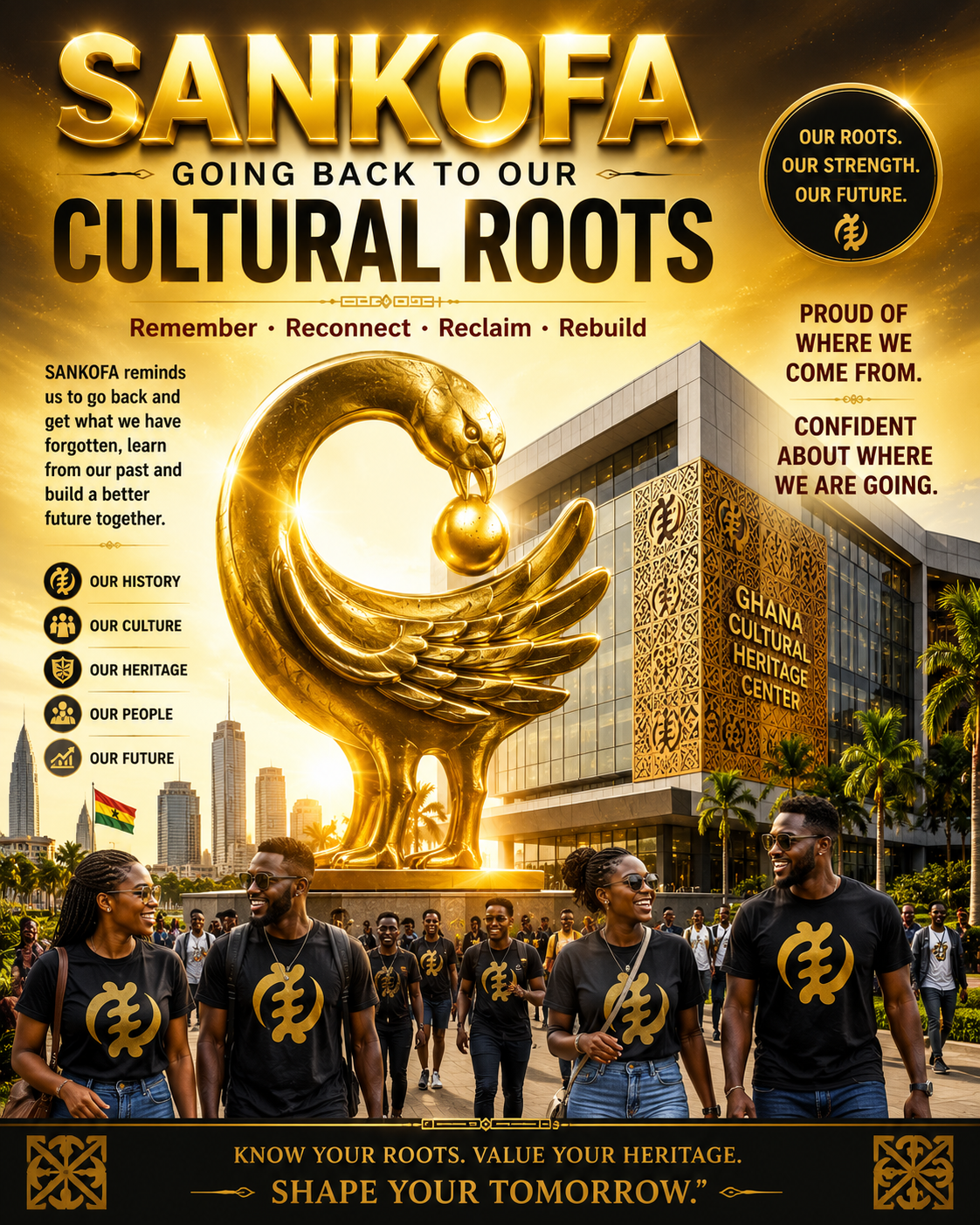
Ghana is a country with a rich and vibrant cultural heritage. Long before the arrival of Europeans, the people who inhabited the territory now known as Ghana had developed sophisticated political syst

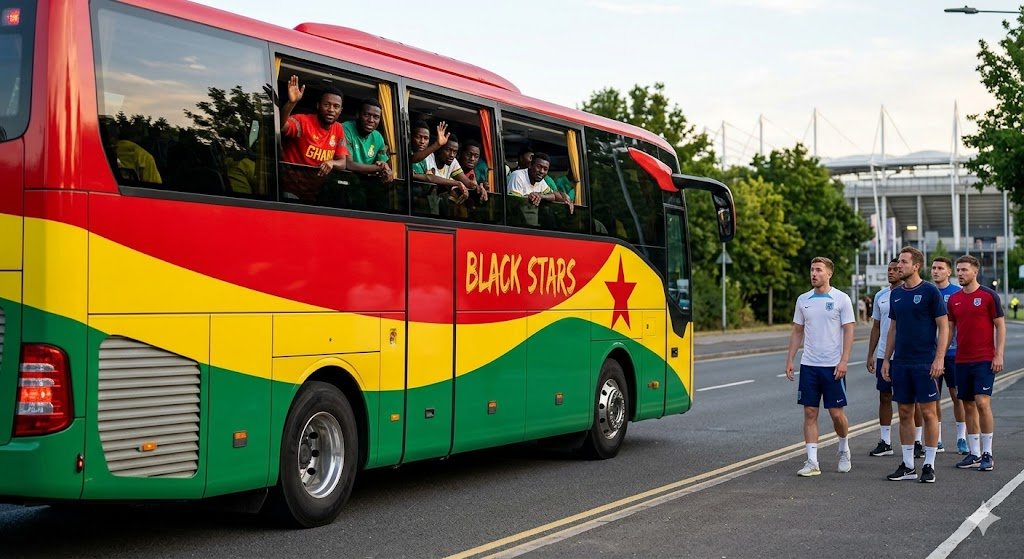
A Lesson in Humility On June 23, 2026, football fans around the world witnessed a result that few pundits predicted. The Ghana Black Stars, representing a nation once colonized by Britain, battled co

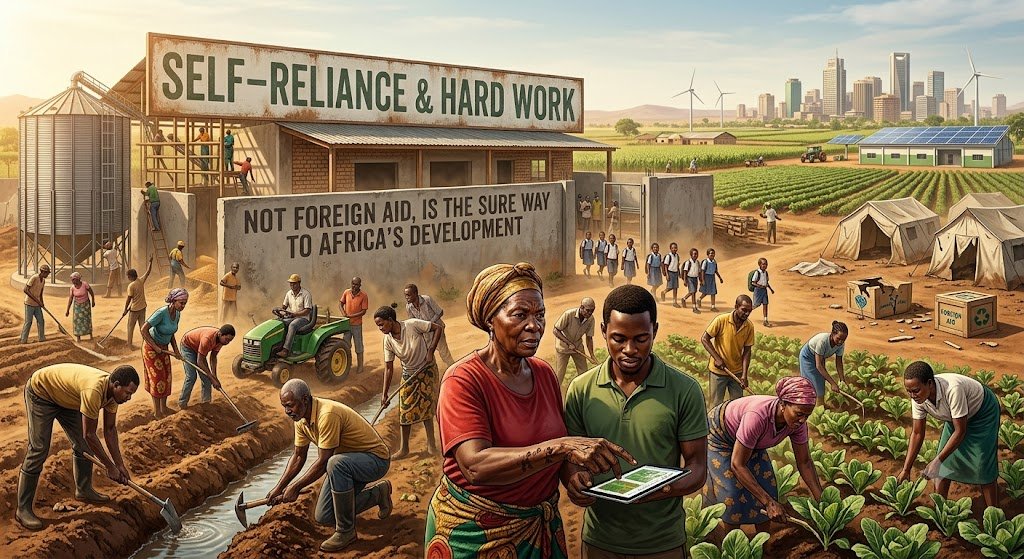
Introduction For decades, African leaders have boarded planes to Europe, North America, Asia, and the Middle East in search of foreign aid. Every year, countless international conferences, donor meet

Introduction The Akan have a wise saying: "If you plant plantain, you will harvest plantain; if you plant cassava, you will harvest cassava; and if you plant pineapples, you will harvest pineapples."

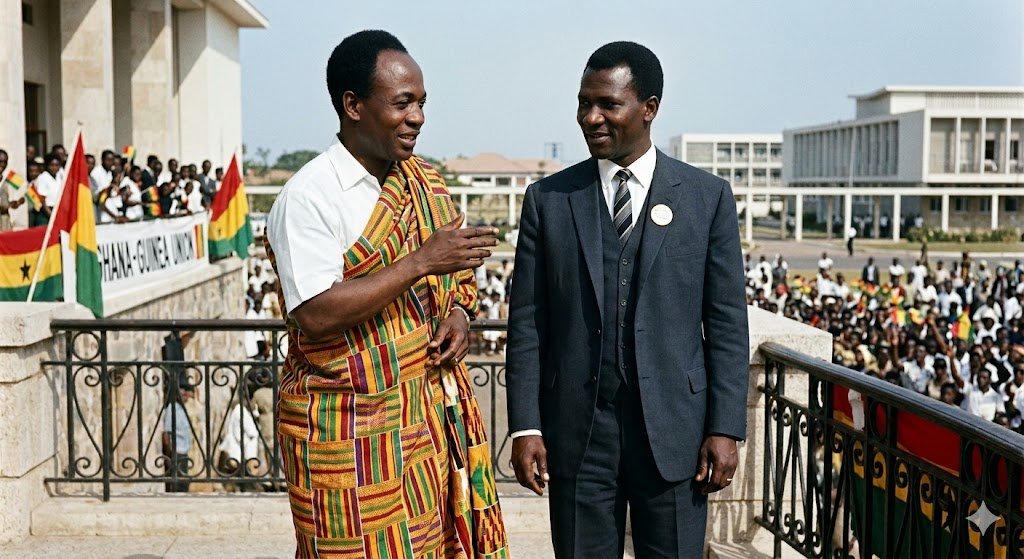
Introduction: When Two Revolutions Met The friendship between Kwame Nkrumah and Ahmed Sékou Touré was not a casual diplomatic acquaintance. It was an ideological alliance forged in the furnace of ant

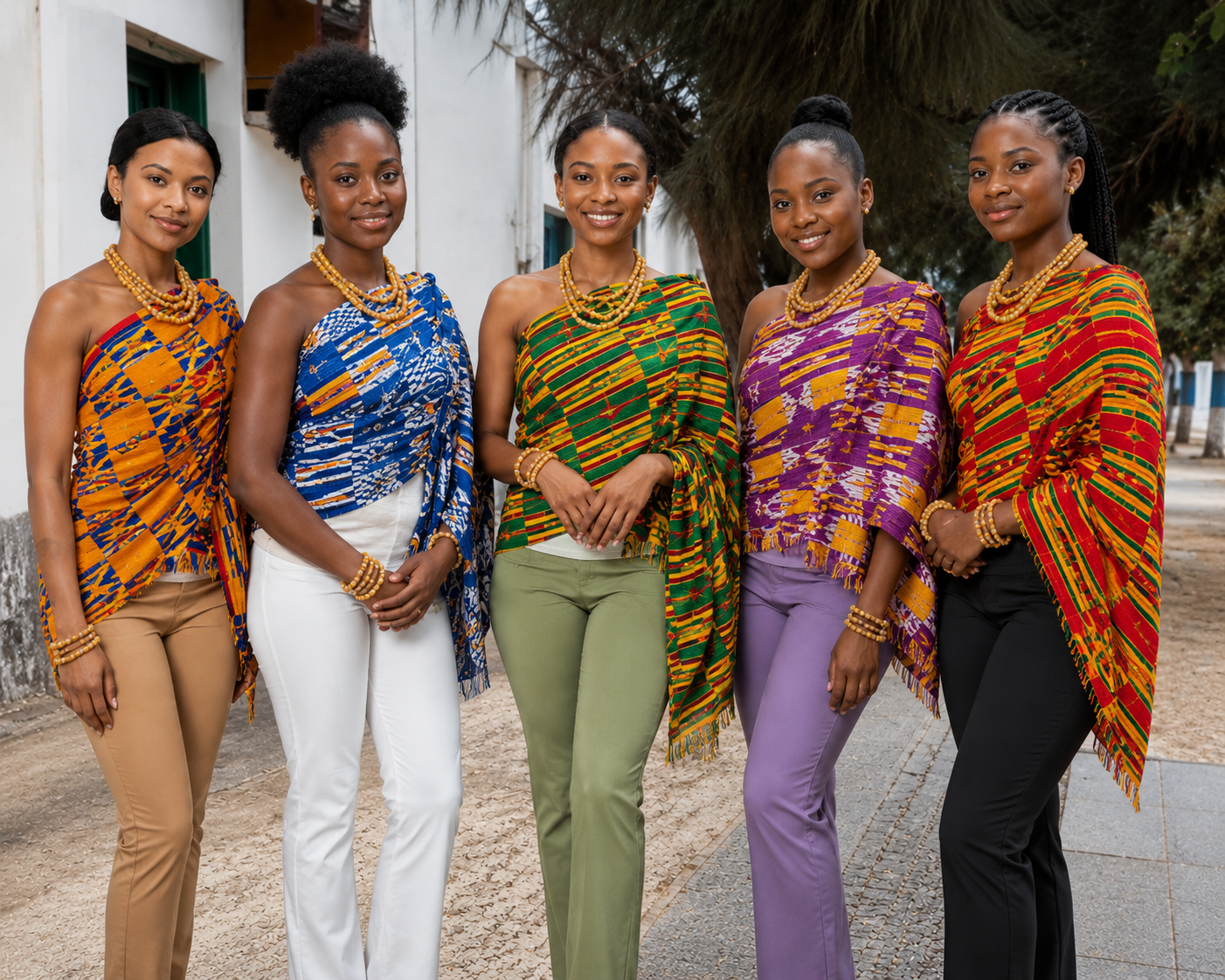
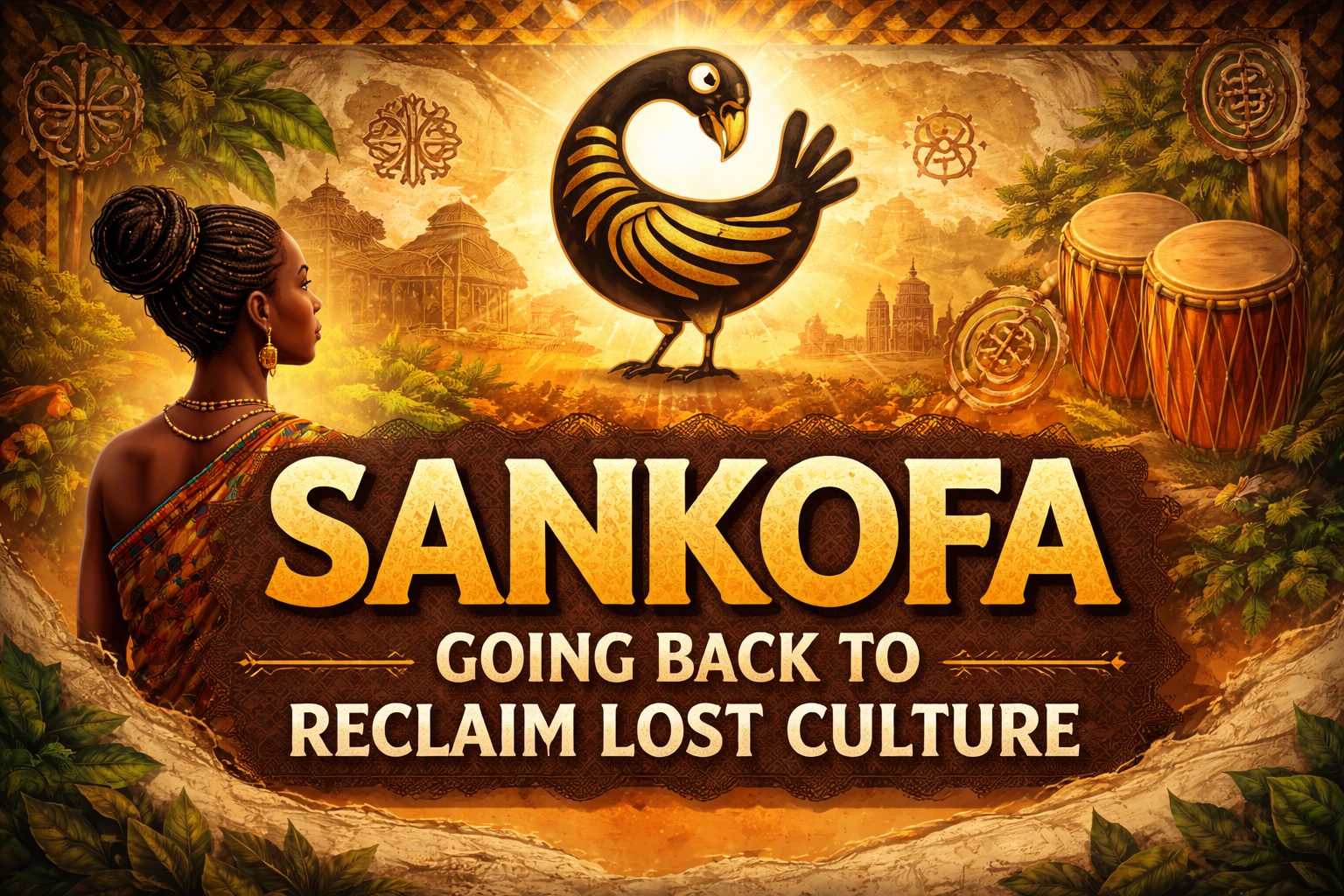
For centuries, Ghana has stood at the crossroads of global cultural encounters. Long before the modern era of globalization, the land now called Ghana was already a bustling center of trade and intera

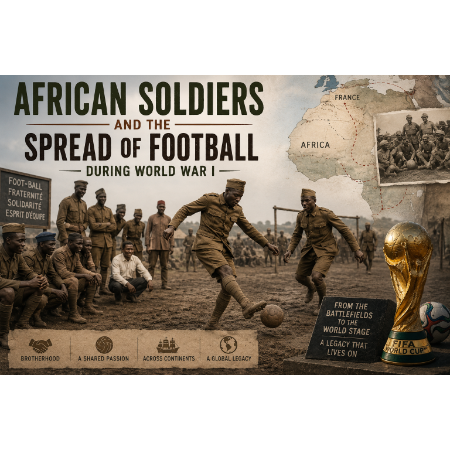
When historians discuss the global spread of football, the story is often told through familiar names and places: English schools, British sailors, South American ports, and European clubs. Yet hidden

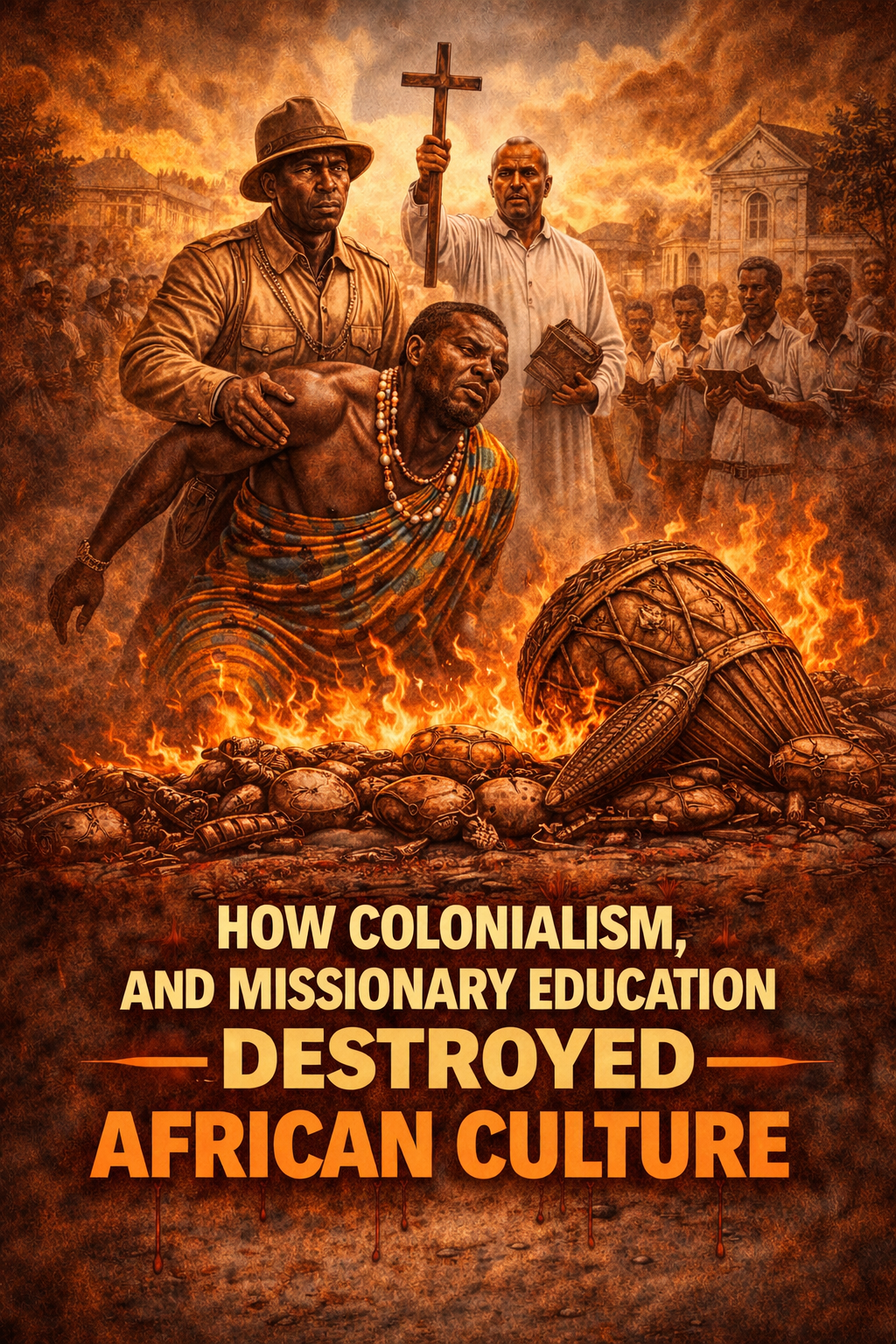
With colonialism came missionaries who sought to convert Africans to Christianity and, in the process, reshape African ways of life. This encounter was not culturally neutral. It involved a systematic attempt—sometimes subtle, often overt—to redefine African identity, values, and social institutions
“Reparation” as an idea or concept refers to the act of making amends for a wrong or injury—especially by providing compensation, restitution, or other forms of redress to those who have been harmed. In its simplest sense, reparation means “repairing the damage” caused by an injustice. In more forma

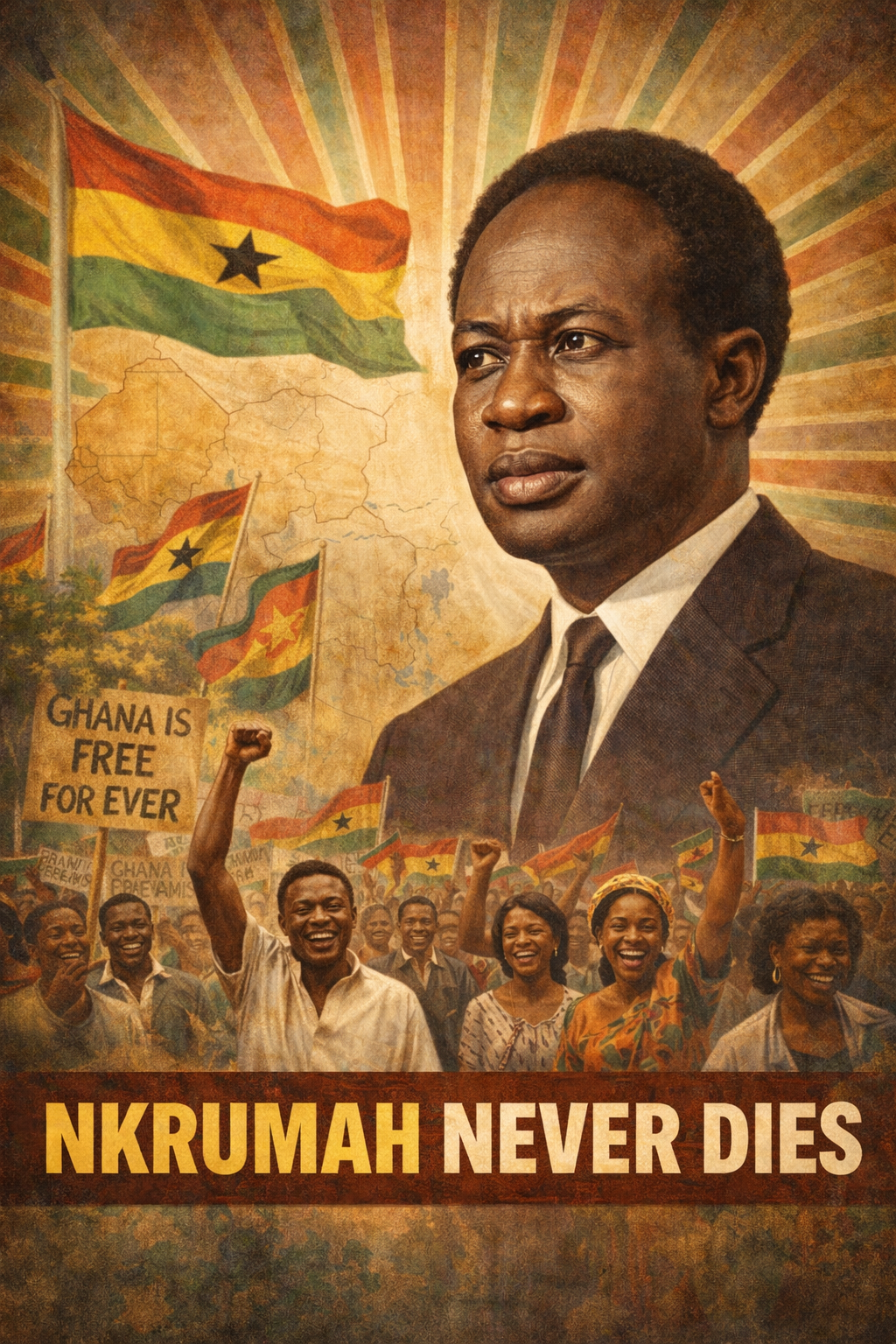
In the history of Ghana, few names command as much reverence and admiration as Kwame Nkrumah. More than half a century after his passing, the memory of the man who led the nation to freedom continues to inspire generations. His words echo in political discourse, his ideas shape national debates, and

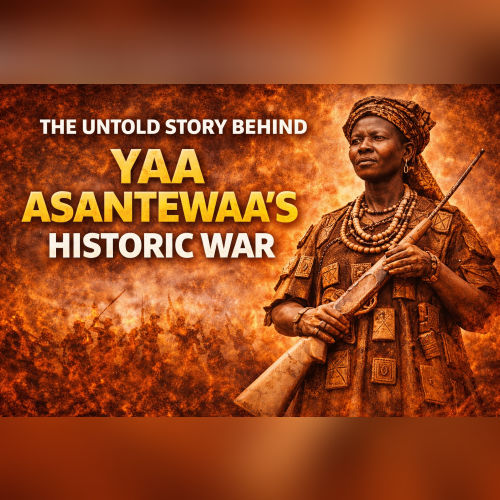
The leadership of Yaa Asantewaa in the 1900 war against British colonial rule remains one of the most extraordinary and symbolically powerful episodes in African resistance history. Her decision to lead the Ashanti (Asante) in armed rebellion was not an accident of circumstance—it emerged from a com

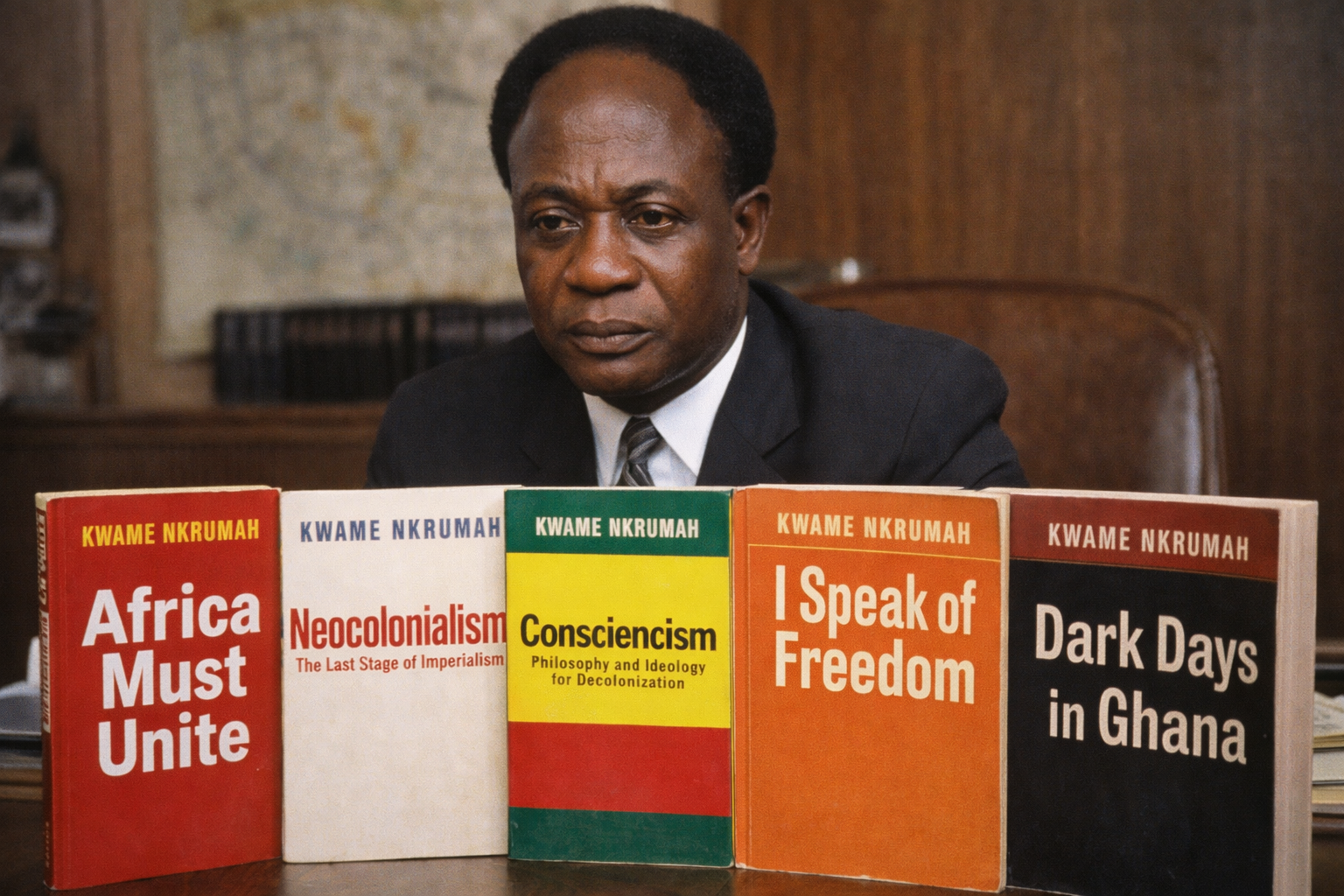
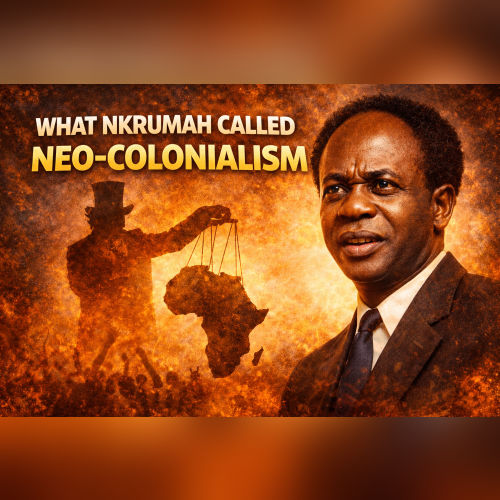
In the years following Ghana’s independence in 1957, one of the most influential political and intellectual concepts articulated by Kwame Nkrumah was “neo-colonialism.” For Nkrumah, independence did not mark the end of foreign domination in Africa. Instead, he argued that a new, more subtle form of

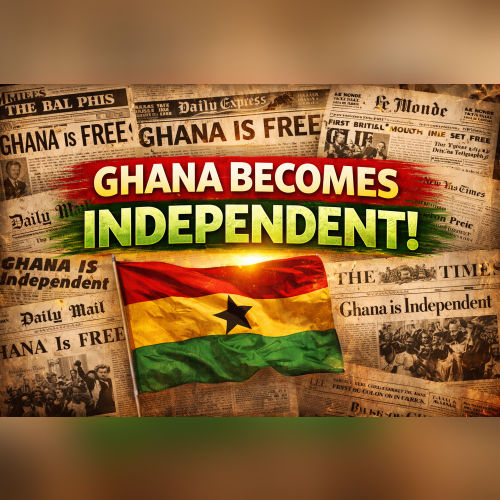
The emergence of Ghana as an independent nation in 1957 was not only a political milestone but also a global media event. Newspapers—both local and international—played a decisive role in announcing the birth of the new state to the world. Through headlines, editorials, photographs, and diplomatic r

Early Life and Education Kwame Nkrumah was born in 1909 in what Ghana is now, West Africa. He studied both in Ghana and overseas, gaining knowledge that would later shape his vision for his country and the continent. Leader of Ghana’s Independence Nkrumah emerged as one of the most prominent politic

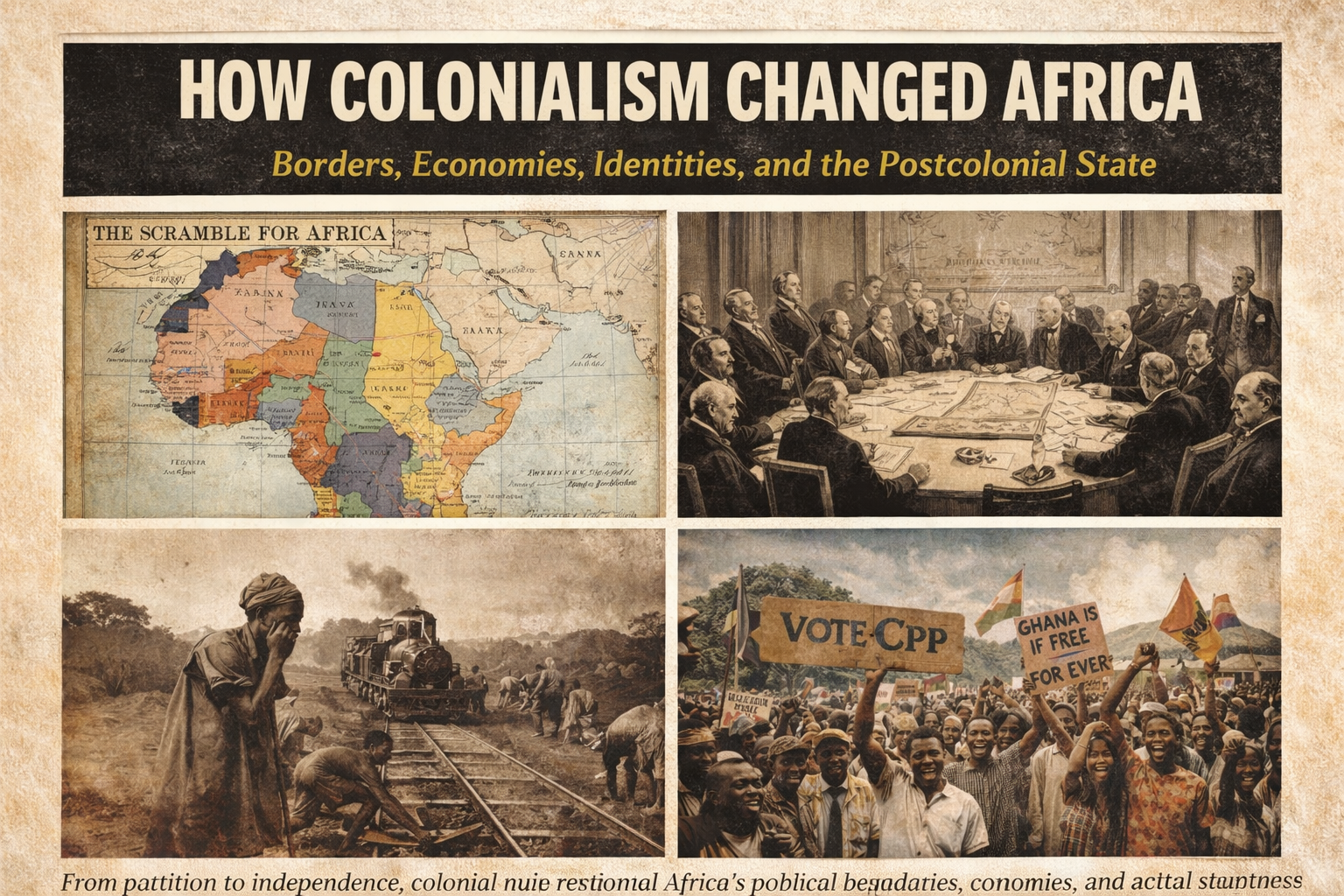
The Slave Trade and Demographic Devastation When we talk about Africa today—its borders, its languages, its religions, its politics—we are also talking about colonialism. The Africa we know in the twenty-first century did not emerge naturally from the past. It was profoundly shaped by centuries of f

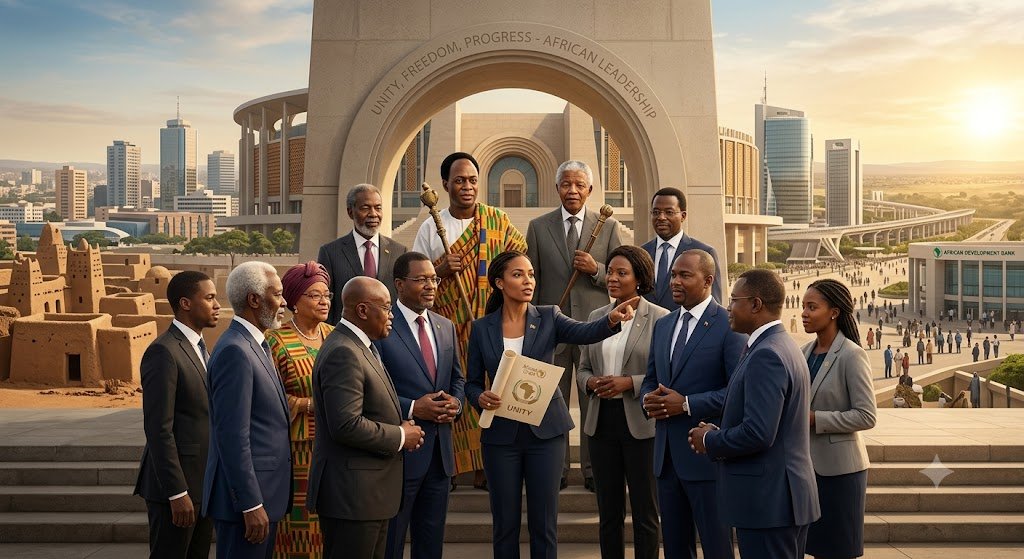
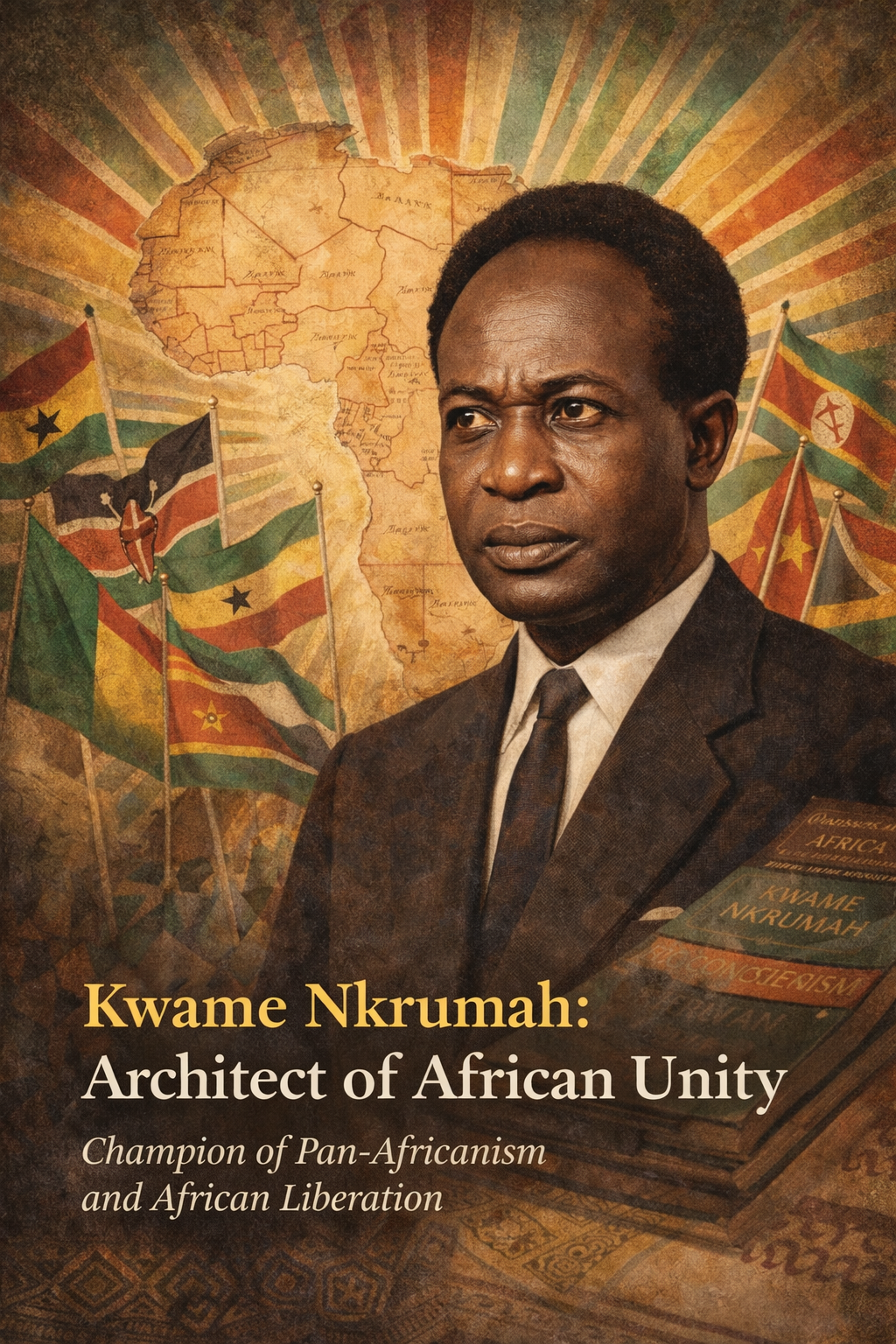
Kwame Nkrumah is one of the foremost Pan-Africanists Africa has ever produced. He devoted his life to the political, economic, and cultural liberation of the African continent. He played a leading role in the establishment of the Organization of African Unity (OAU), now known as the African Union (A

Culture refers to the total way of life of a people. It encompasses both material and non-material elements. Material culture consists of tangible aspects that can be seen and touched, such as cooking practices, eating utensils, earthenware, palanquins, drums, and idiophones. Non-material culture, b

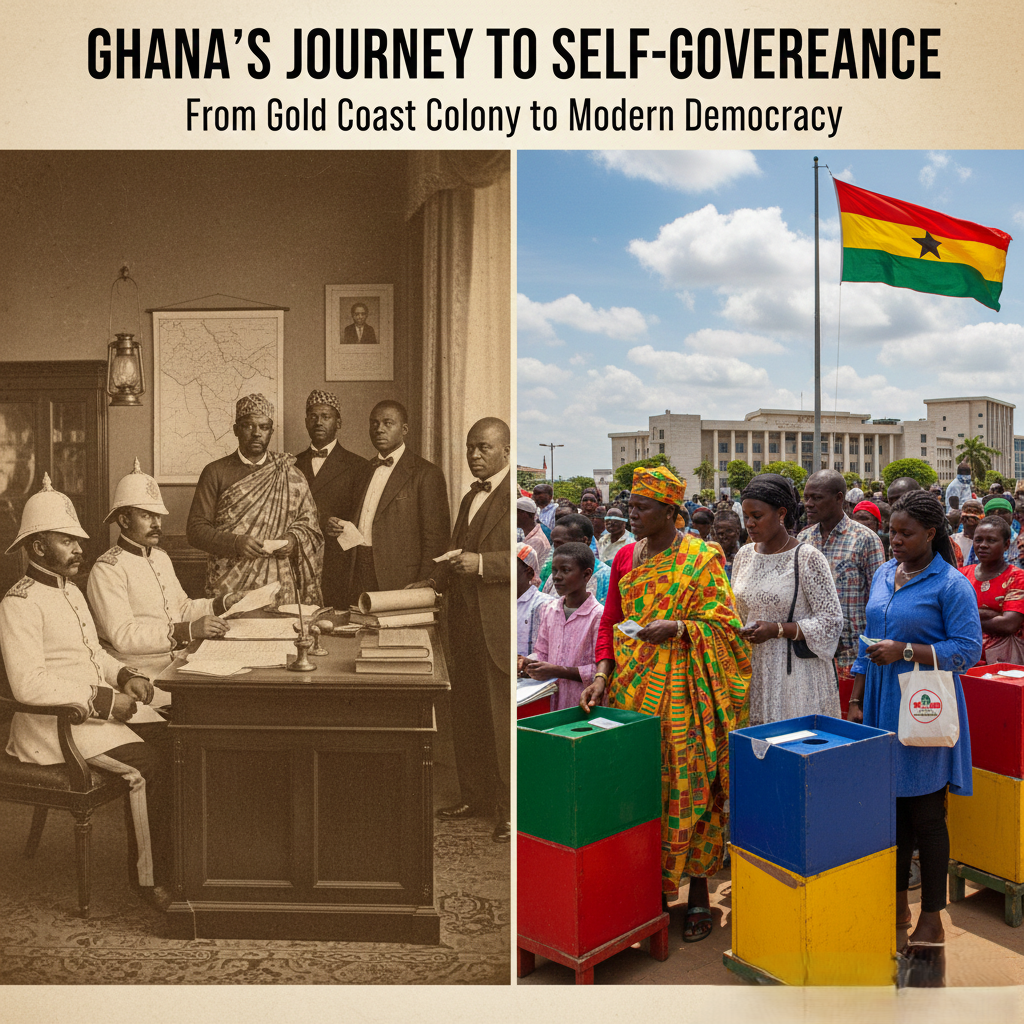
If there is one idea that has mattered more to Ghana than any other from the Gold Coast era to the present, it is the struggle for self-governance and accountable leadership. From colonial domination to modern democracy, Ghana’s history has been shaped by a single, powerful question: Who governs us,