Search
24 results for “animal ownership”

SOSociety
SocietyAug 4, 2026
Badudwan: The Akan Ceremony That Honors Women for Prolific Childbearing
A description of a major Akan cultural ceremony to honor women for prolific childbearing
PoliticsJun 15, 2026
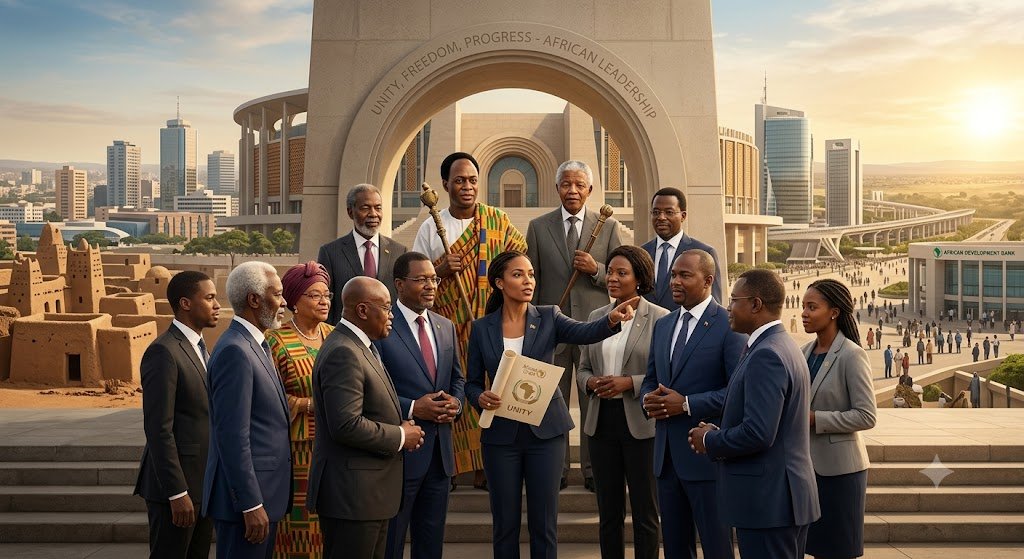
A Time for Africans to Select Progressive Leaders
Introduction The Akan have a wise saying: "If you plant plantain, you will harvest plantain; if you plant cassava, you will harvest cassava; and if you plant pineapples, you will harvest pineapples."
WorldJun 1, 2026
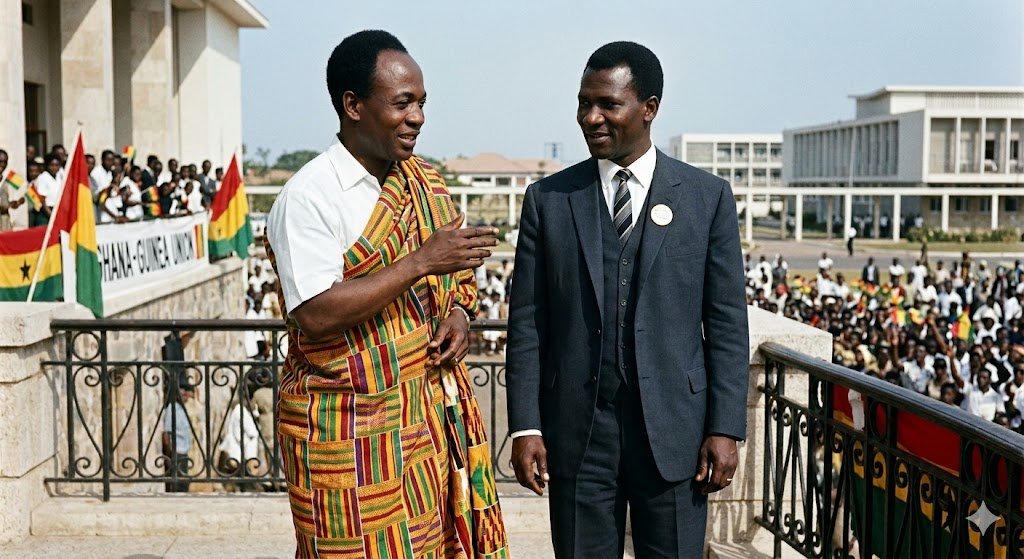
Kwame Nkrumah and Sékou Touré: A Pan-African Friendship That Shaped a Continent
Introduction: When Two Revolutions Met The friendship between Kwame Nkrumah and Ahmed Sékou Touré was not a casual diplomatic acquaintance. It was an ideological alliance forged in the furnace of ant
GH Newspapers
WorldMay 26, 2026
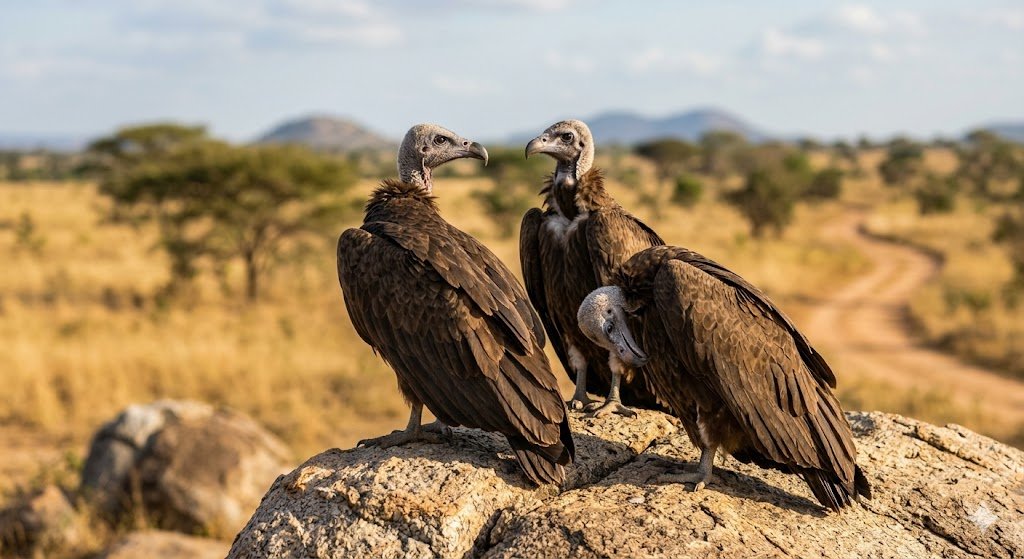
Where Have All The Vultures Gone?
Vultures Were A Once Familiar Presence in Ghana’s Skies About fifty years ago, vultures were a common sight across Ghana. One could hardly walk a short distance without encountering them. They perche
GH Newspapers
EntertainmentMay 23, 2026
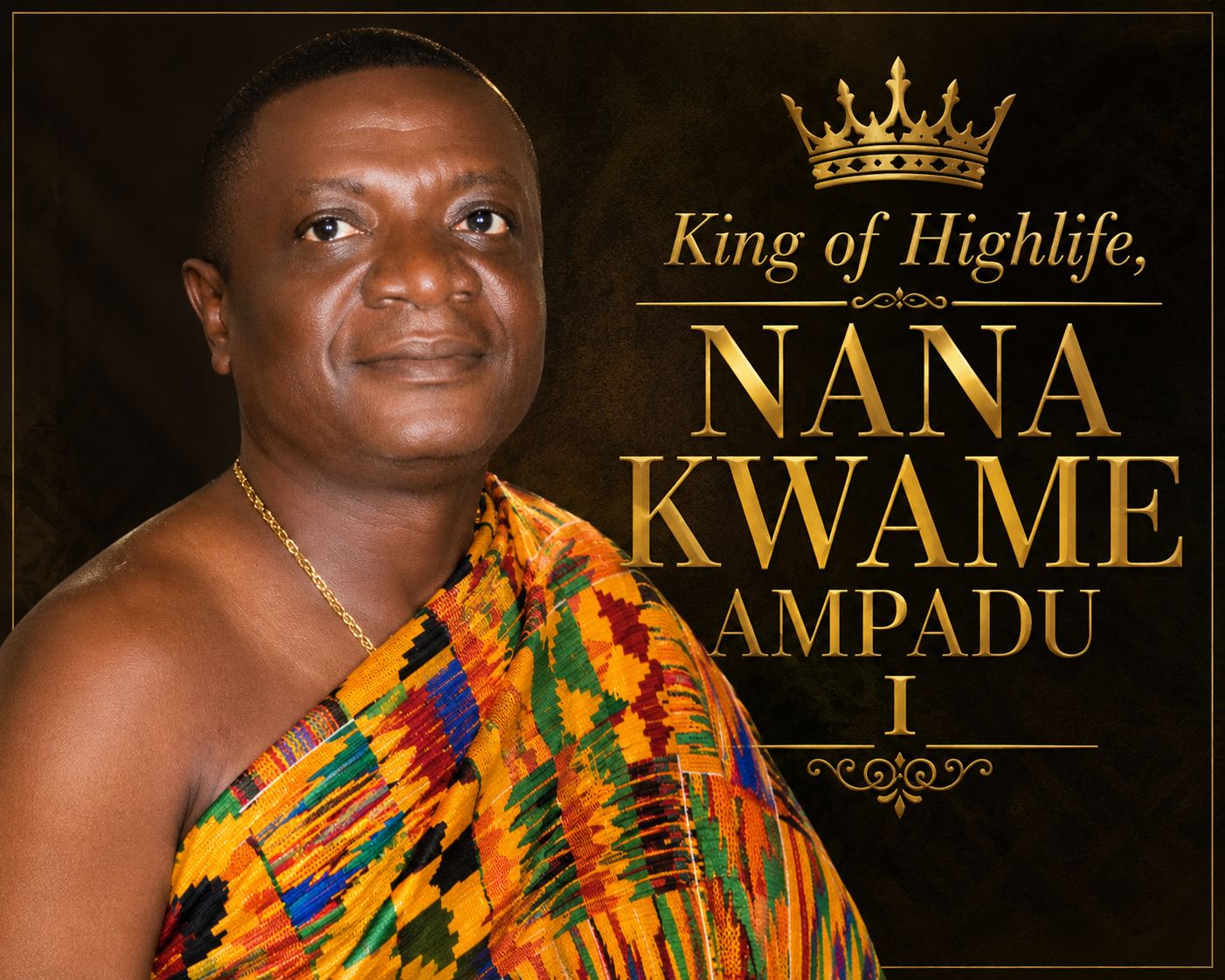
Highlife Legend Nana Kwame Ampadu I
King of Highlife, Nana Ampadu Among the pantheon of Ghanaian musicians who shaped the soundscape of modern West African music, few names command the reverence accorded to Nana Kwame Ampadu I. A compo

SportsMar 8, 2026
Abedi Pele: The name, myth and legend in Ghanaian football
Introduction: A Name That Became a Symbol In the sociological imagination of the Gold Coast—what is today Ghana—names are never merely labels; they are identities, narratives, and sometimes prophecies. The name Abedi Pele transcends the ordinary. It is a fusion of biography, mythmaking, and cultural
KWABENA NYAMEKYE MAWULI
WorldMar 4, 2026
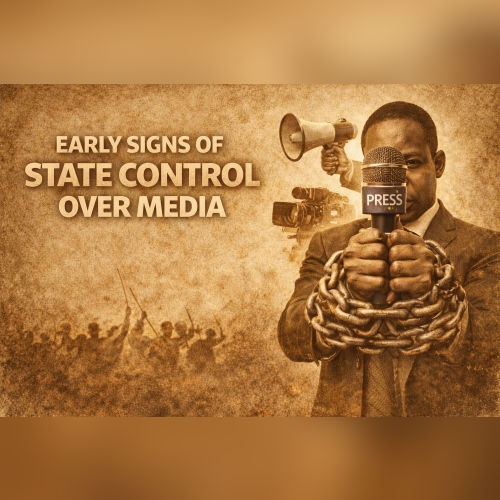
Early Signs of State Control Over Media
The early years of Ghana’s independence, particularly between 1957 and the mid-1960s, reveal the gradual emergence of state control over the media. While independence initially generated optimism about press freedom, archival newspaper records, government policies, and editorial patterns show that s
GH Newspapers Editorial Team
EntertainmentMar 3, 2026
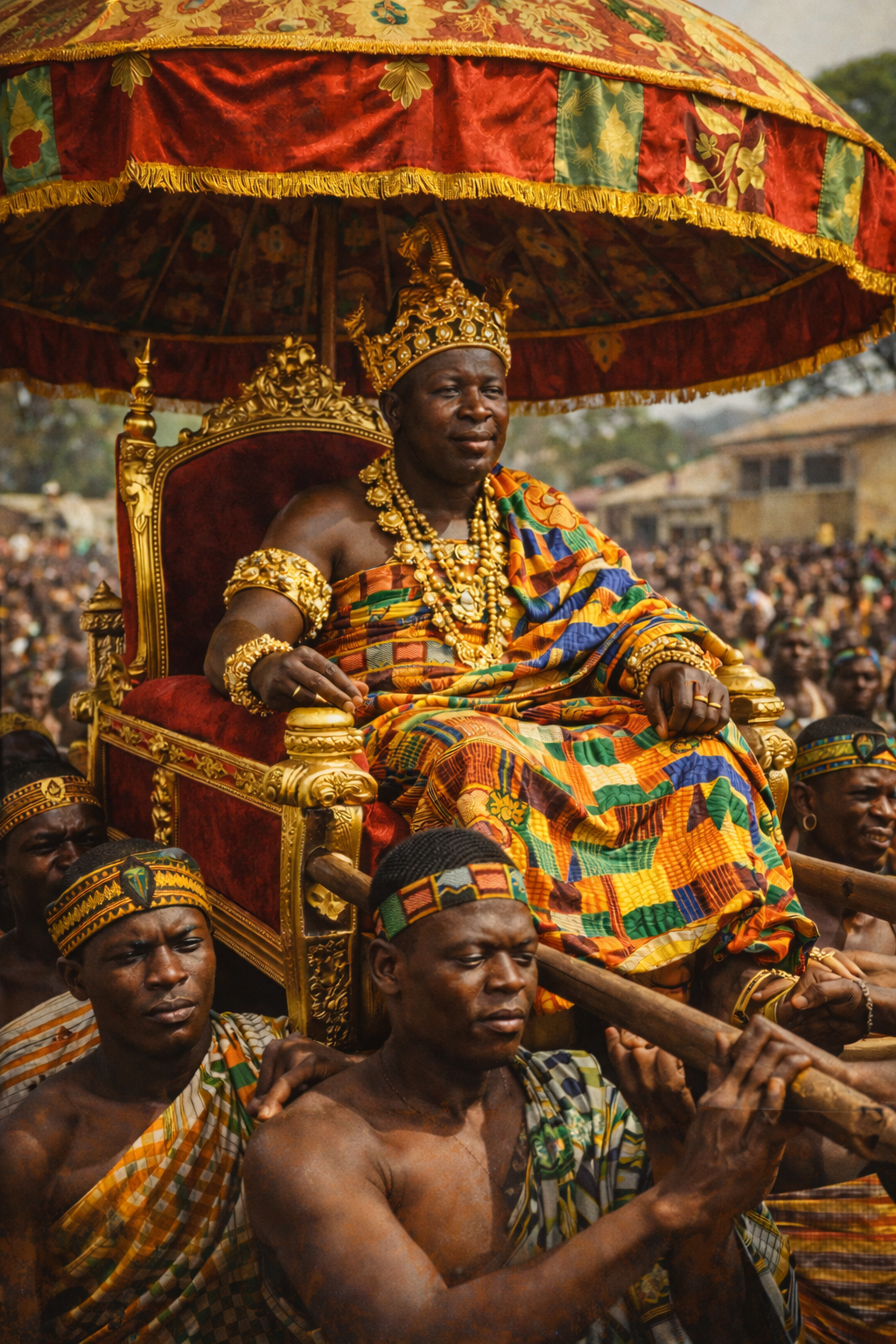
Why Akan Chiefs Are Carried in Palanquins
The Akan of GhanaThe Akan are an ethnic group that live in Ghana. They occupy a broad stretch of territory extending from the coastal areas to the central forest belt of the country. Historically and culturally, the Akan constitute one of the largest ethnolinguistic groups in Ghana and share closely
PoliticsMar 1, 2026
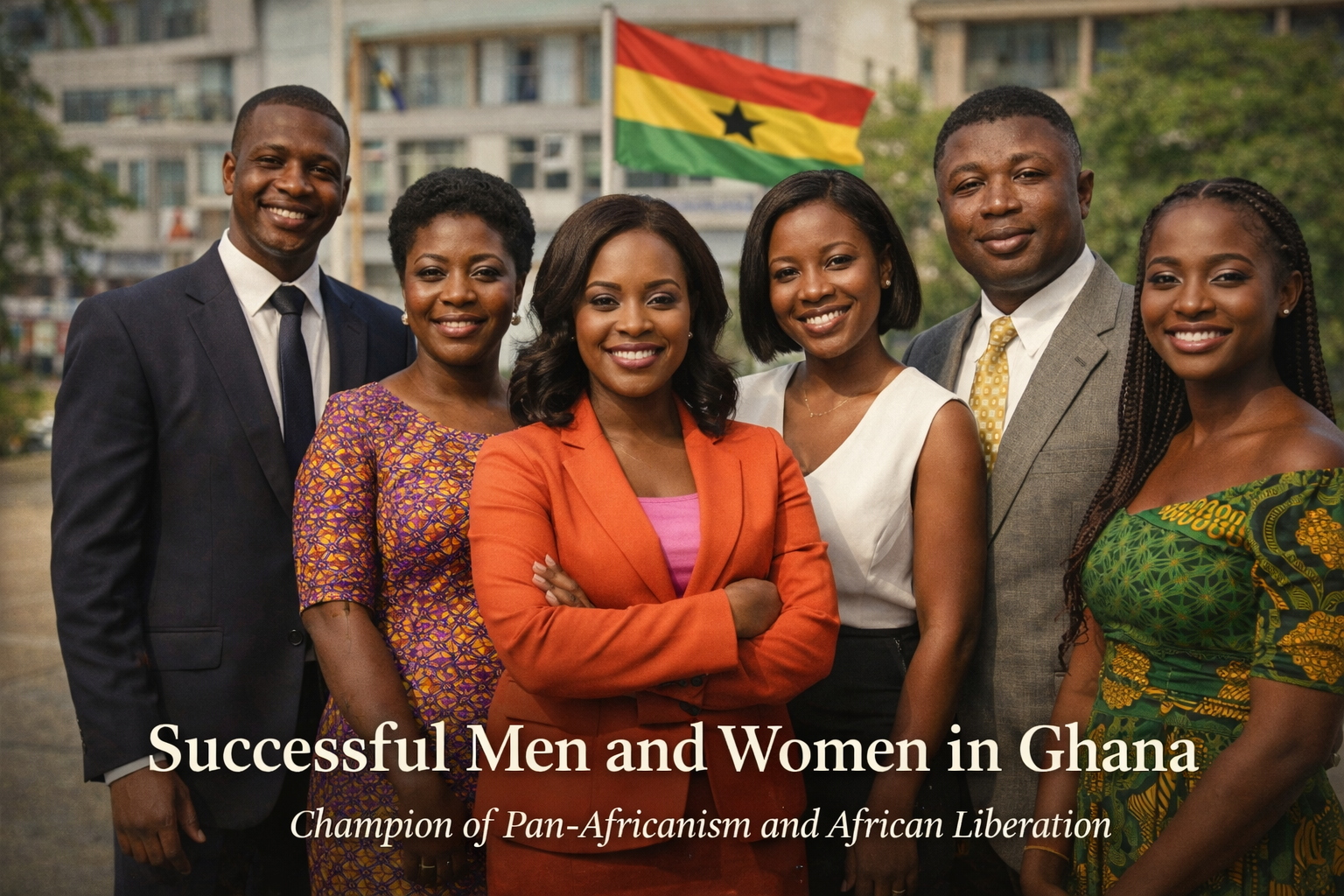
Symbols of Success in Ghanaian Society: What is “The Ghanaian Dream”?
In every society, there are culturally accepted symbols of success. There are also culturally approved means for attaining these symbols of success. These aspirations and goals form what can be called a society’s “dream.” In the same way that some people speak of their national dream, it is possible
WorldFeb 24, 2026
The Birth of a Free African Press?
The question of whether independence in 1957 marked the true birth of a free African press in the Gold Coast—now Ghana—is both historically complex and deeply debated. While Ghana’s independence symbolized political liberation from colonial rule, the evolution of press freedom was far more gradual a
GH Newspapers Editorial Team
PoliticsFeb 24, 2026
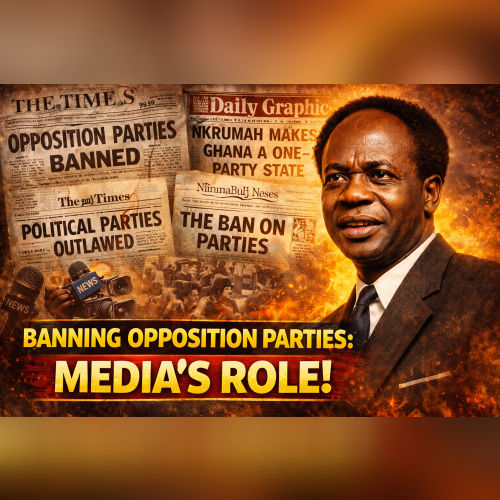
How the Media Covered the Ban on Opposition Parties
The banning of opposition parties in Ghana during the late 1950s and early 1960s stands as one of the most consequential moments in the country’s political and media history. Newspapers of the era did not merely report the development—they actively shaped how the public understood the meaning of pol
GH Newspapers Editorial Team

WorldFeb 23, 2026
Press Freedom vs National Unity Debates
In the years surrounding Ghana’s independence and early nation-building period (roughly the mid-1950s through the early 1960s), one of the most persistent and consequential public discussions revolved around the tension between press freedom and national unity. Newspapers themselves became both the
GH Newspapers Editorial Team
TechnologyFeb 14, 2026
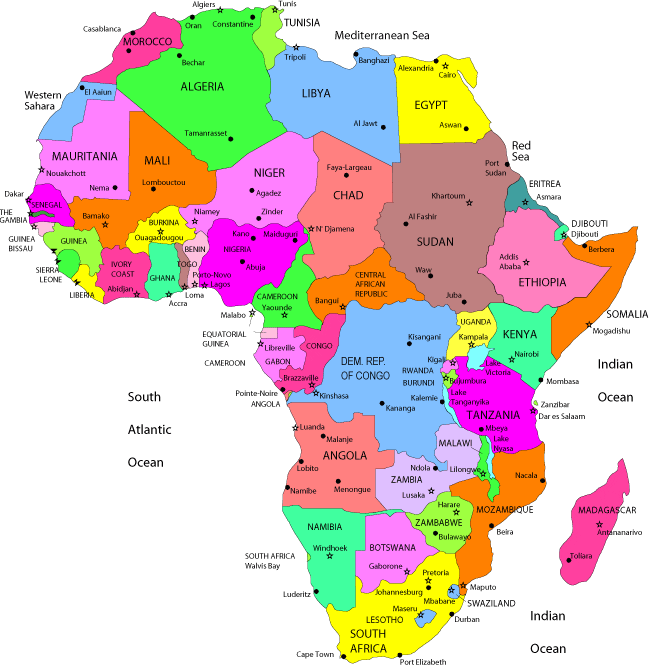
Africa: Myths and Realities
Africa is still the “dark continent” to many people. In spite of its immense size, large population, vast mineral and agricultural resources, militarily strategic location, and tremendous development potential, Africa is undeniably the most misunderstood continent. Very few non-natives of the contin
WorldFeb 13, 2026
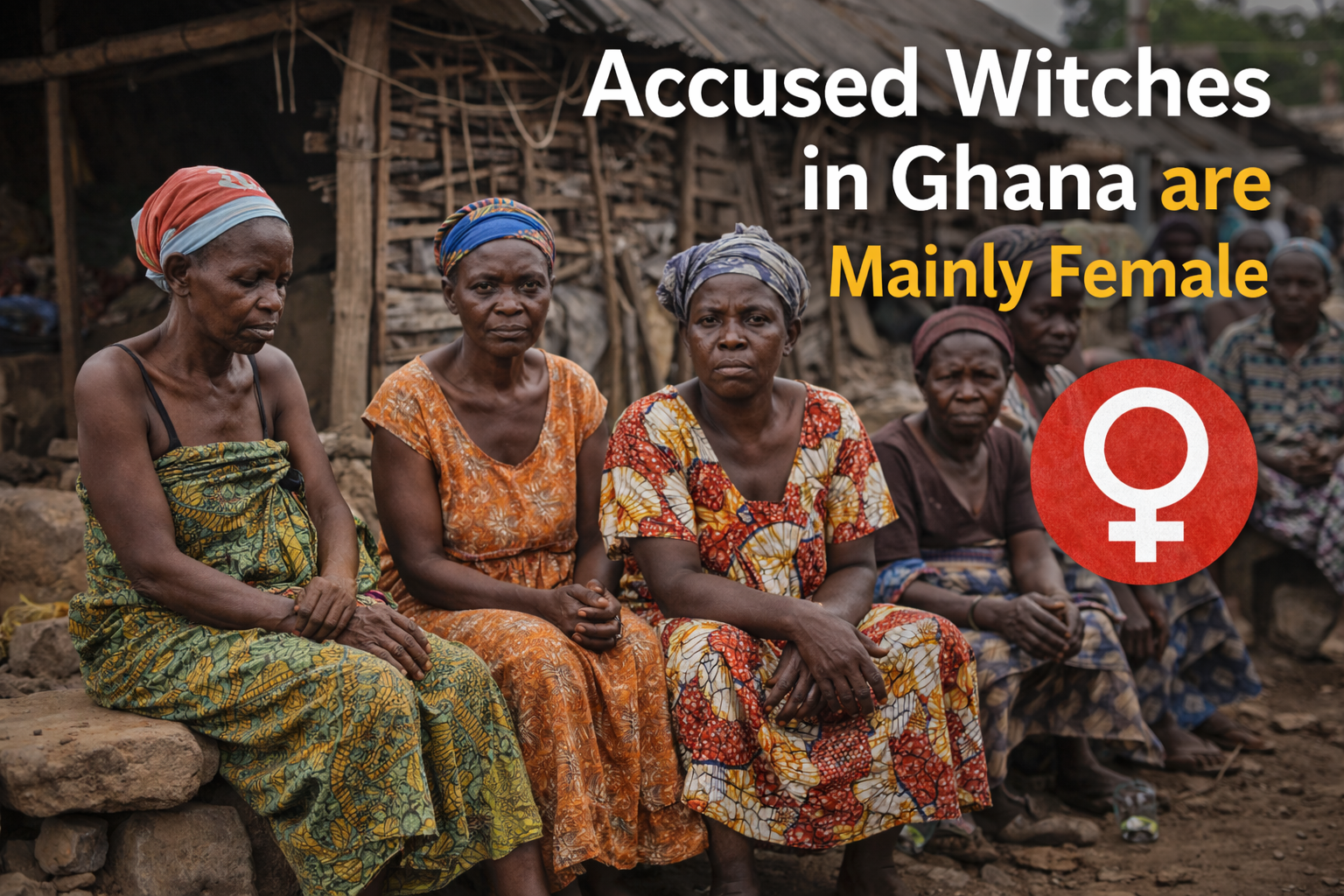
Why Are Ghanaian “Witches” 99% Female?
In Ghana, the overwhelming majority of people accused of witchcraft are women and girls. Nearly all victims killed during witch hunts are female. In the so-called “witch camps” or “outcast homes” in northern Ghana, it is rare to find a man among the residents. The population is almost entirely women
WorldJan 6, 2026
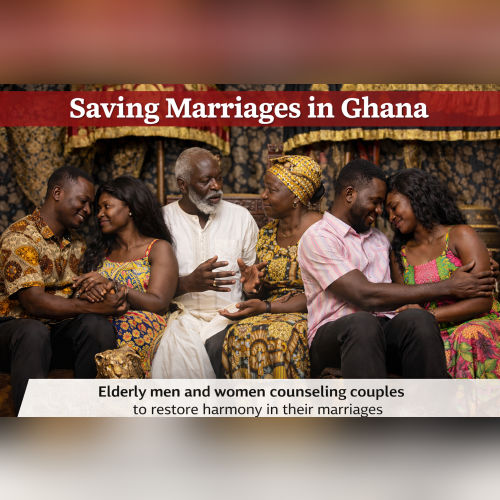
Saving Marriages and Reducing the High Rate of Divorce in Ghana
In the past, Ghanaian marriages endured. Separation was rare and divorce uncommon. Today, however, marriages are dissolving at an alarming rate. The critical question is this: what can be done to fortify marriages and restore their durability? Many of the challenges confronting contemporary marriage
EntertainmentJan 6, 2026
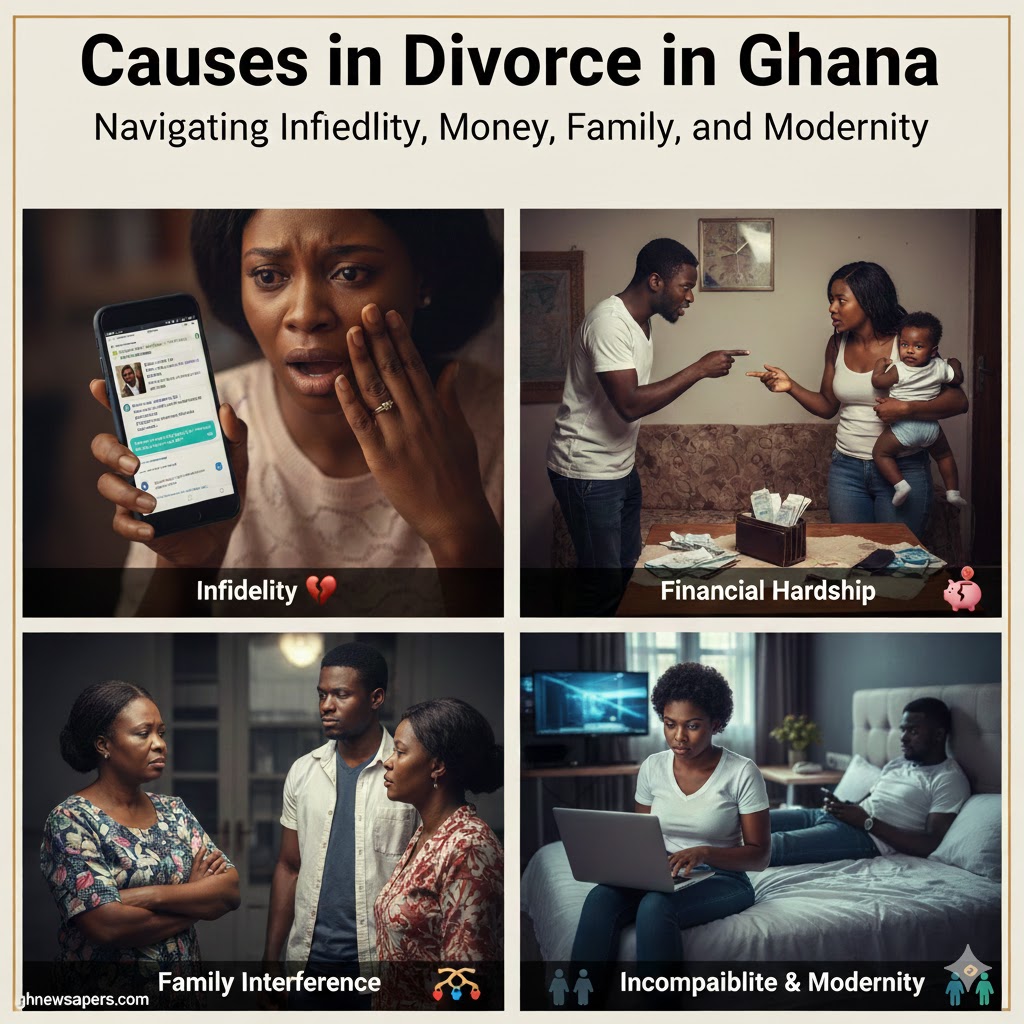
Rising Divorce in Ghana: Why Many Marriages Are Failing
In the past, Ghanaian marriages were widely regarded as enduring unions. Separations were rare, and divorce was uncommon. Marriages were expected to last a lifetime, sustained not only by the couple but also by their extended families and lineages. Today, however, the situation has changed dramatica
EntertainmentDec 31, 2025
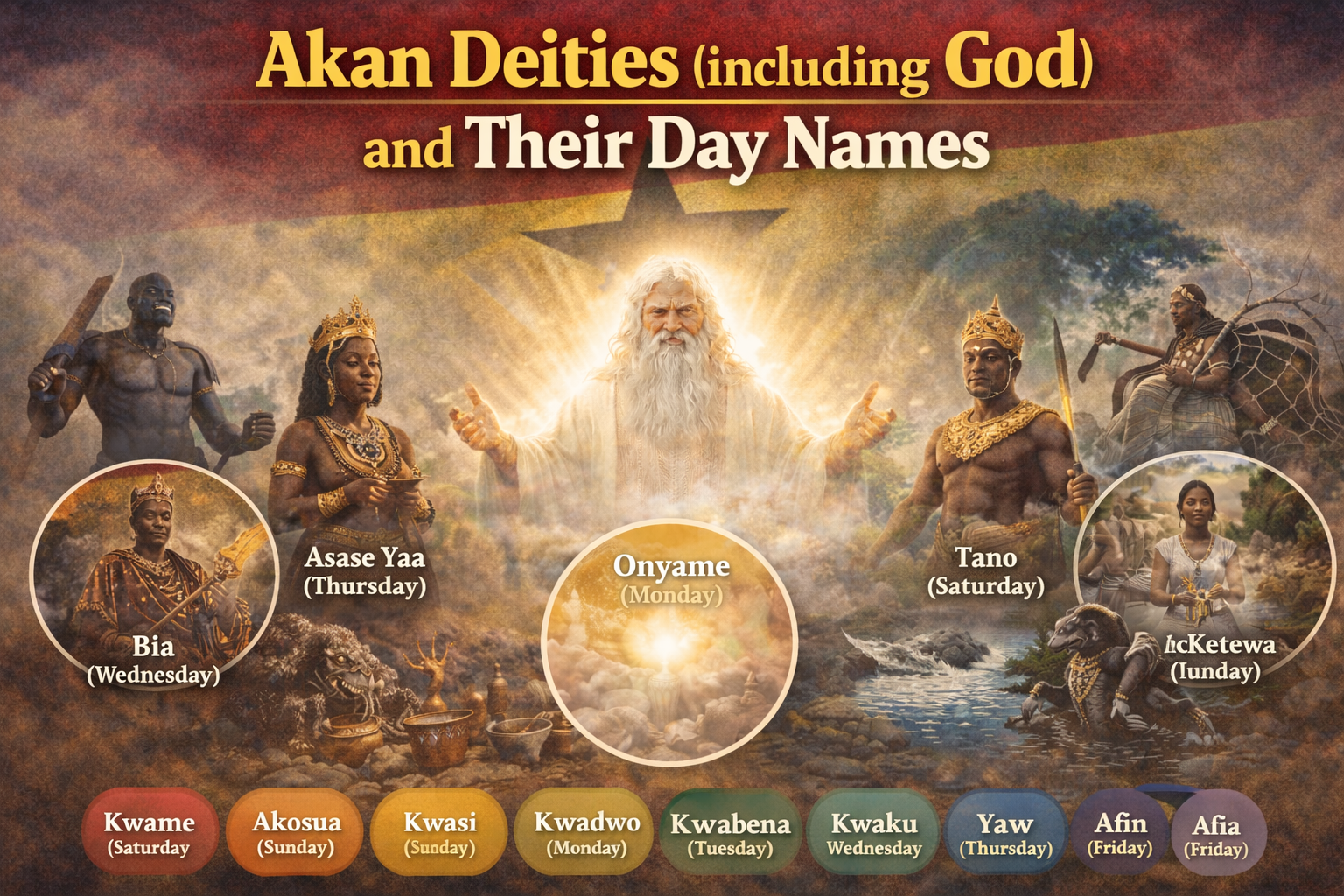
Akan Deities and Their Day Names: Onyankopɔn Kwame, Asaase Yaa, Po Abenaa and Kofi Yesu
Among the Akan of Ghana, naming is never a casual act. Names locate a person in time, history, morality, and the spiritual universe. One of the most distinctive Akan naming practices is the giving of day names (kradin), assigned according to the day of the week on which a child is born. These names
BusinessDec 28, 2025
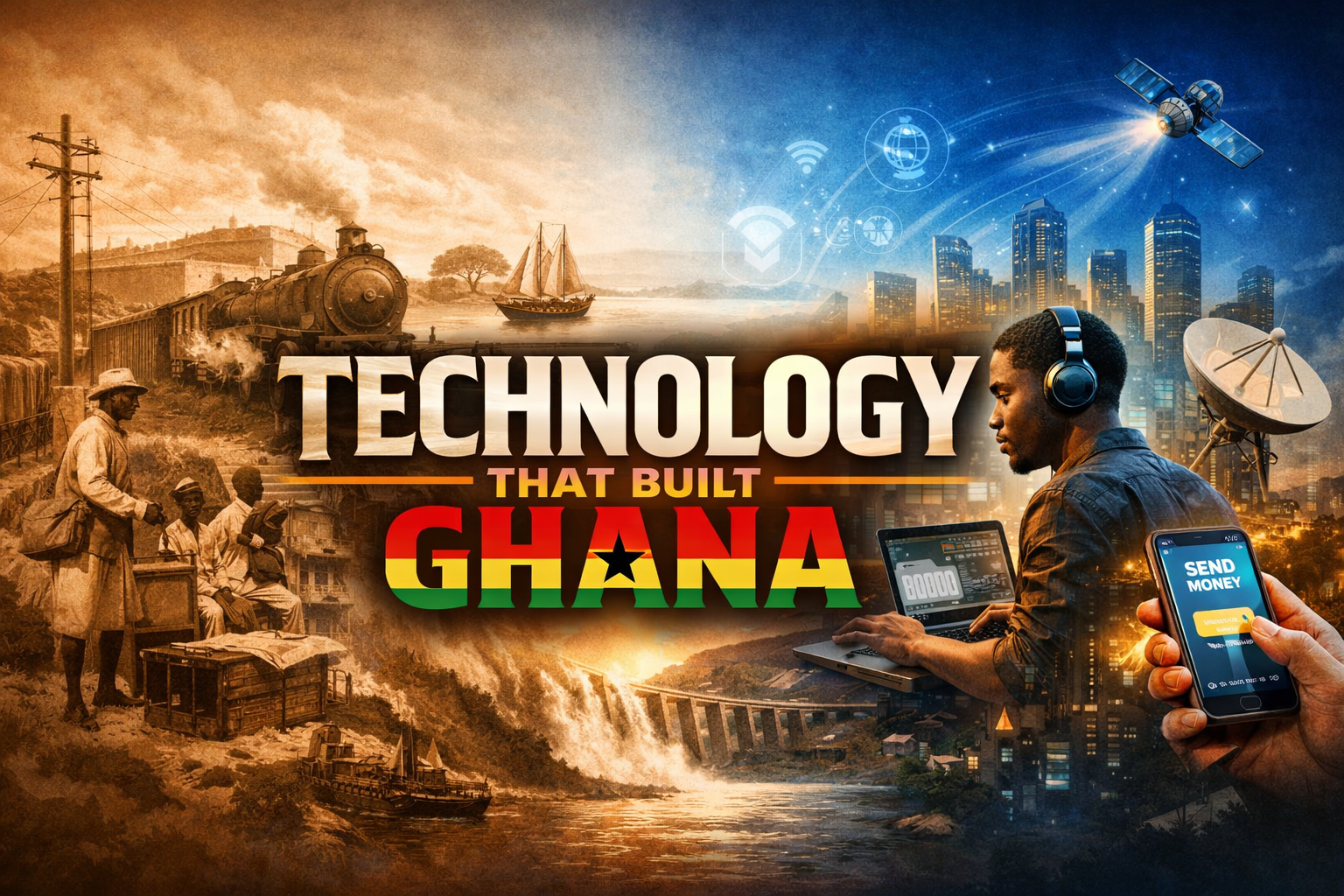
Fintech Revolution: How Digital Finance Changed Ghana More Than Any Bank Ever Did
Few modern technologies have transformed Ghana as deeply and as quickly as financial technology (fintech). What began as simple mobile phone services has grown into a digital financial ecosystem that reshaped banking, trade, and daily survival for millions of Ghanaians. Before Fintech: A Cash-Heavy
GH Newspapers Editorial Team
EntertainmentDec 26, 2025
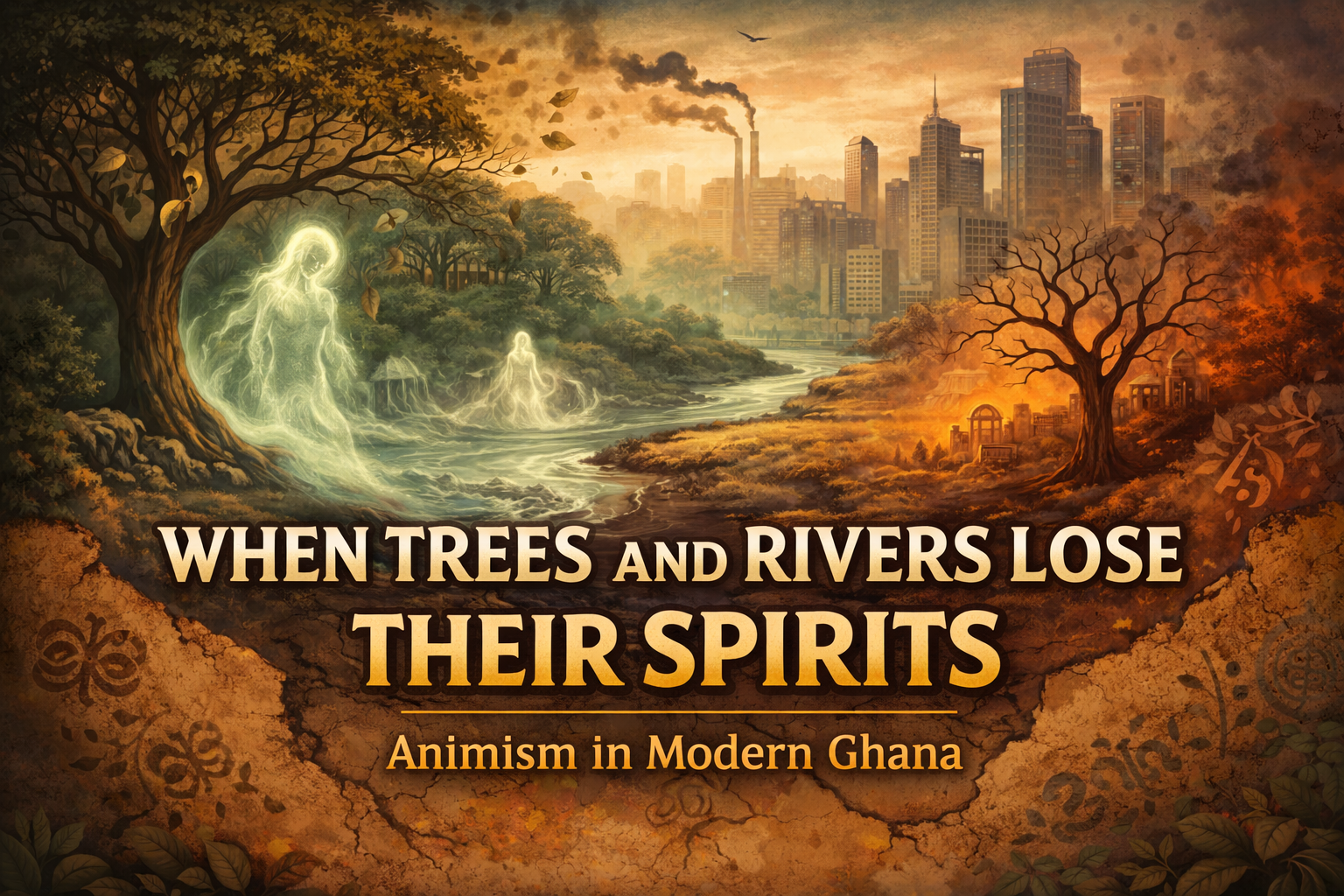
When Trees and Rivers Lose Their Spirits: Animism in Modern Ghana
Animism is the belief that the environment and society are populated with spirits. Many Ghanaians hold animistic beliefs, maintaining that their surroundings are inhabited by spiritual beings. Some of these spirits are believed to be benevolent, while others are considered malevolent. Animistic beli

WorldDec 26, 2025
Ghana’s Roads at Risk: Understanding the Causes of Traffic Accidents
Traffic accidents in Ghana are more than statistics—they are daily tragedies that claim lives, ruin families, and leave survivors with lifelong injuries. Beyond the loss of life, road crashes lead to pain, suffering, disability, and economic hardship for individuals and communities alike. Recent dat
PoliticsDec 19, 2025
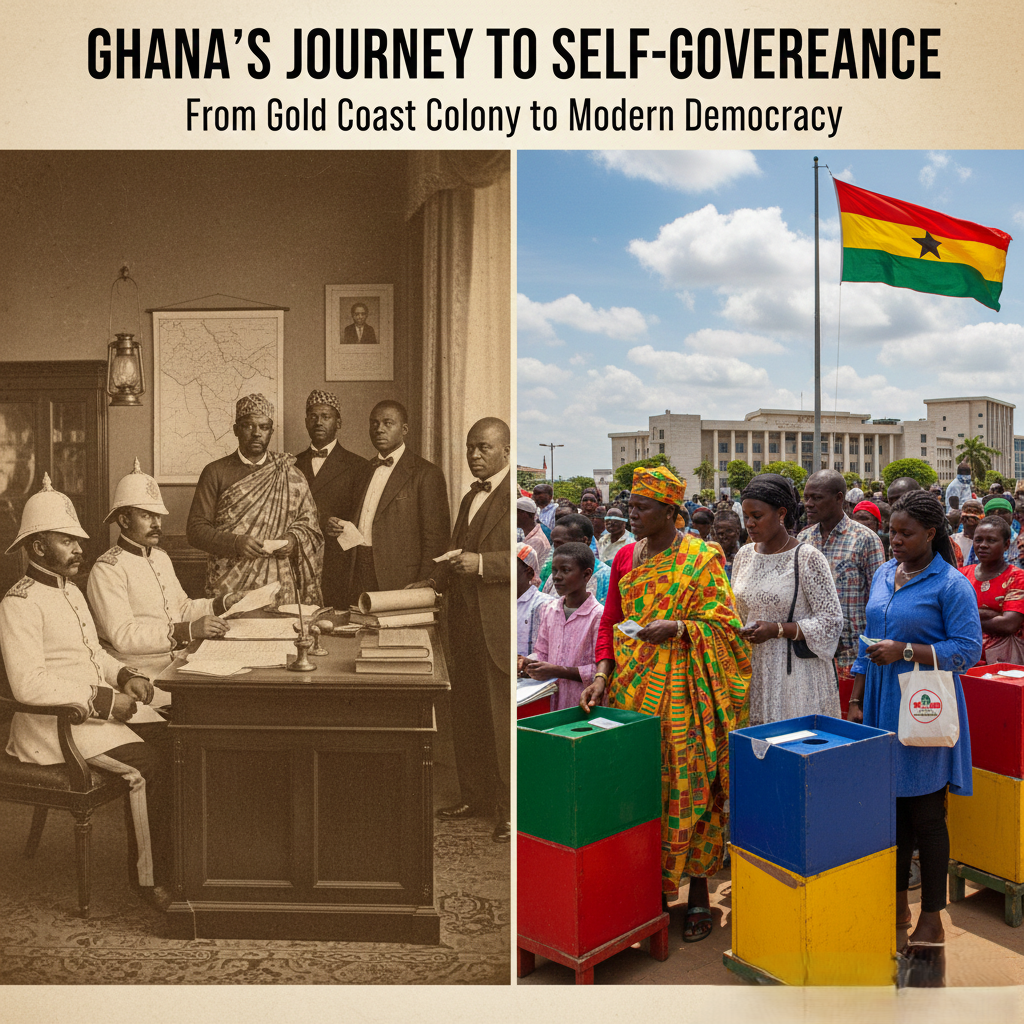
The Struggle for Self-Governance — Ghana’s Most Important Idea from the Gold Coast Era to Today
If there is one idea that has mattered more to Ghana than any other from the Gold Coast era to the present, it is the struggle for self-governance and accountable leadership. From colonial domination to modern democracy, Ghana’s history has been shaped by a single, powerful question: Who governs us,
GH Newspapers Editorial Team