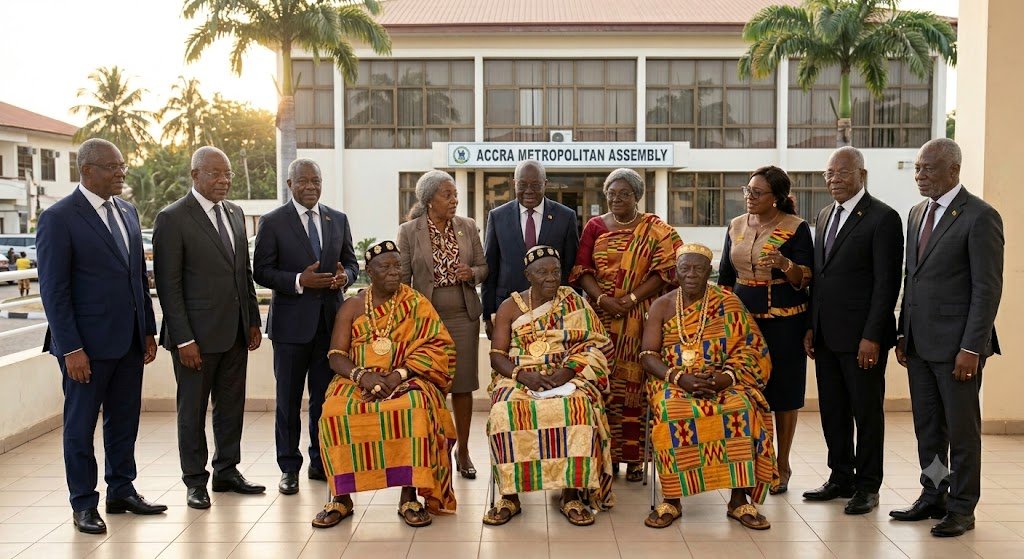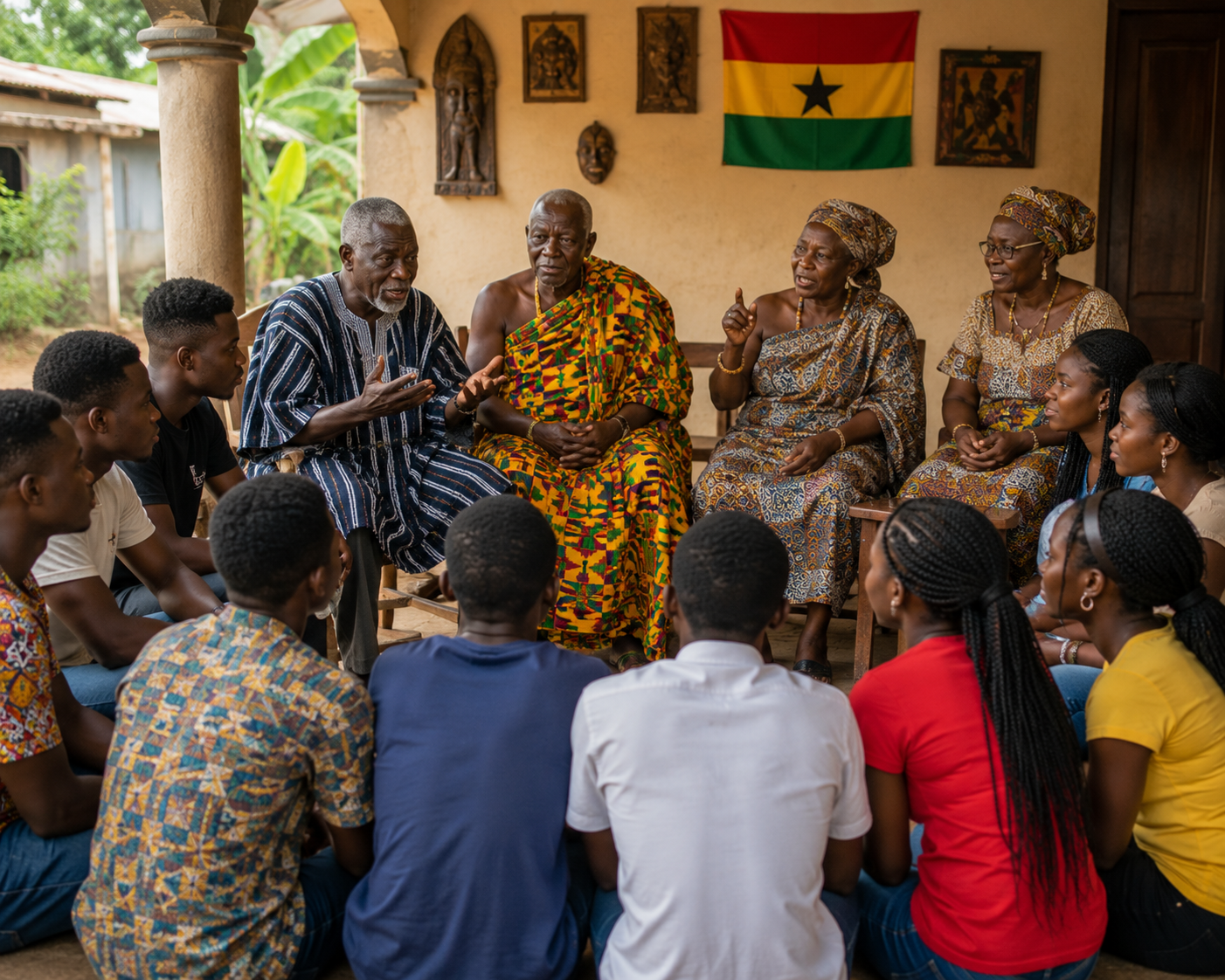
Badudwan: The Akan Ceremony That Honors Women for Prolific Childbearing
A description of a major Akan cultural ceremony to honor women for prolific childbearing
19 results for “elderly”

A description of a major Akan cultural ceremony to honor women for prolific childbearing

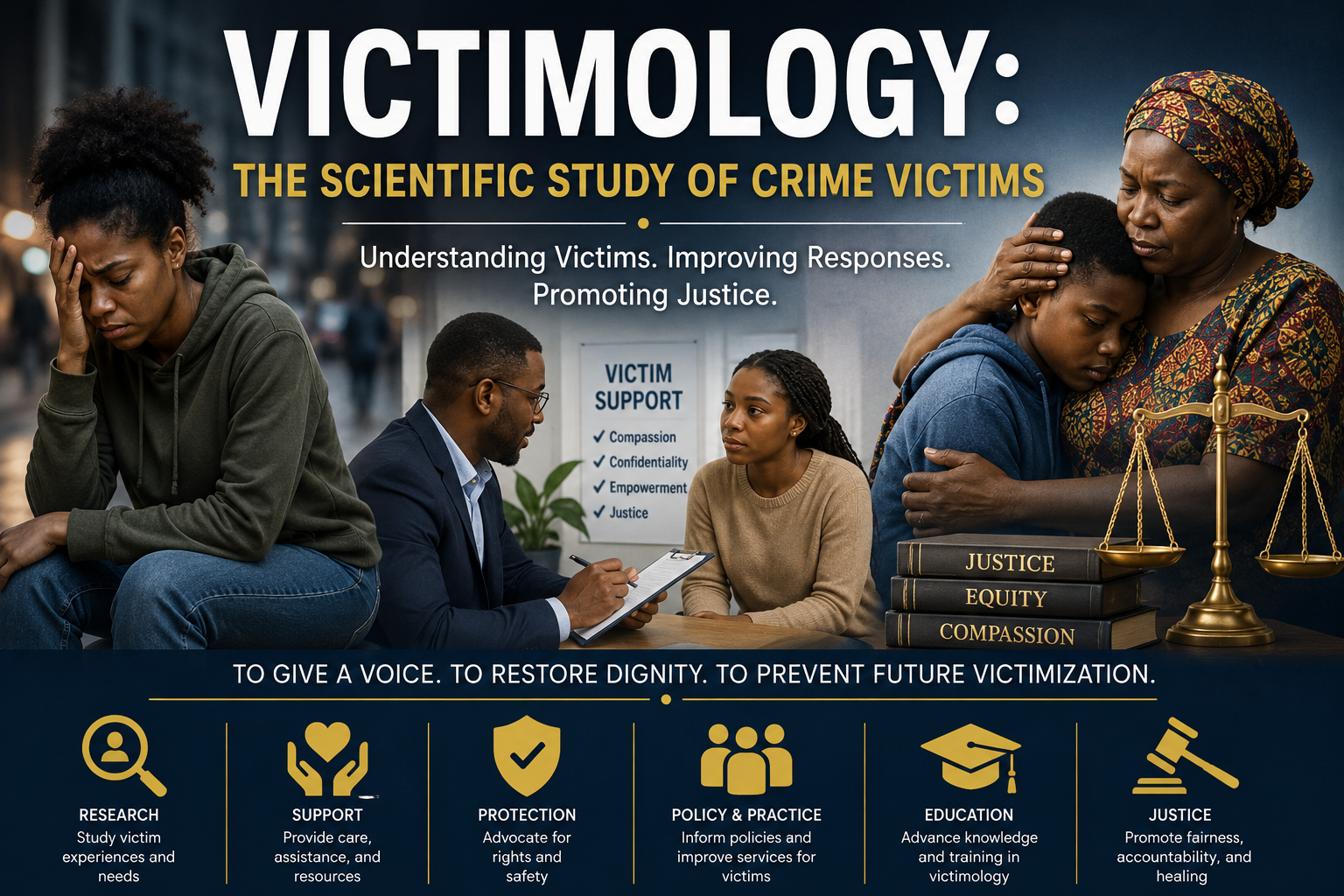
The Neglect of Crime Victims For many decades, the study of crime was largely concerned with offenders. Criminologists focused their attention on criminals, criminal behavior, and the causes of crime

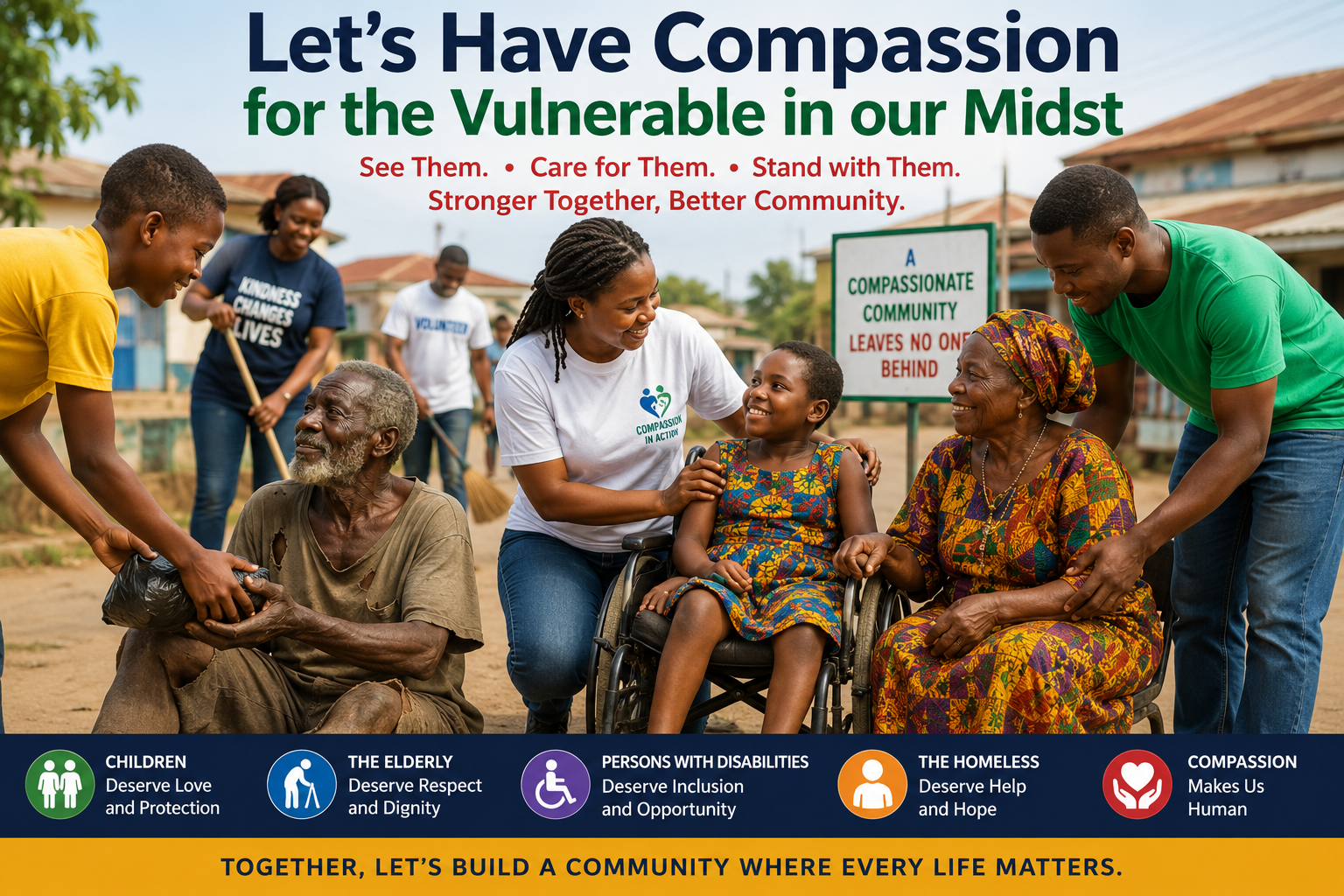
Introduction A society is often judged not by how it treats its rich, powerful, and influential citizens, but by how it treats its weakest and most vulnerable members. Children, the elderly, and pers

Ghana is widely celebrated as one of Africa's most stable democracies. Since the return to constitutional rule in 1992, the country has conducted regular elections, witnessed peaceful transfers of pow

In traditional Ghanaian society, old age is not merely a biological stage of life; it is a position of honor, wisdom, and social responsibility. Elderly men and women occupy a special place within fam
witchcraft

In every society, including Ghana, there exist disabled people living with various forms of disability. These disabilities take many shapes and forms. Some are physical, affecting mobility, sight, hearing, or bodily function. Others are mental or psychological, influencing cognition, emotional regul

Femicide refers to the intentional killing of females because they are female. It is widely recognized within criminology and gender studies as a distinct form of homicide, shaped by gender inequality, power imbalances, and cultural norms. Scholars of homicide and lethal violence use several related
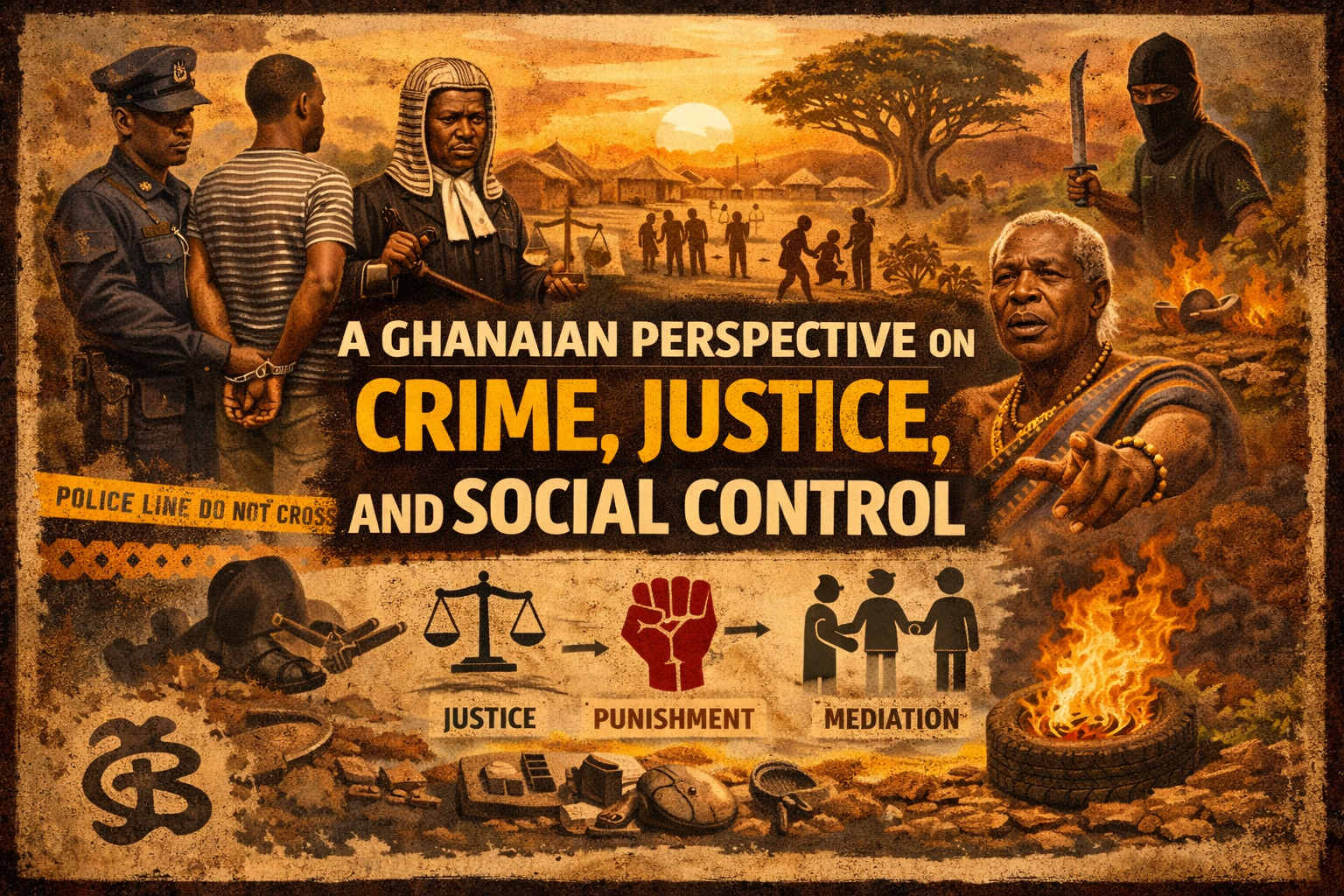
All human societies are governed by rules. These rules regulate behavior by defining what individuals may do and what they must refrain from doing. Without such rules, social life would be chaotic and unpredictable. In sociology, these rules are referred to as norms. Norms are the shared expectation

Rules, Laws, and Social Order All human societies are governed by rules. These rules regulate behavior by defining what individuals may do and what they must refrain from doing. Without such rules, social life would be chaotic, unpredictable, and ultimately unsustainable. Rules make social interacti

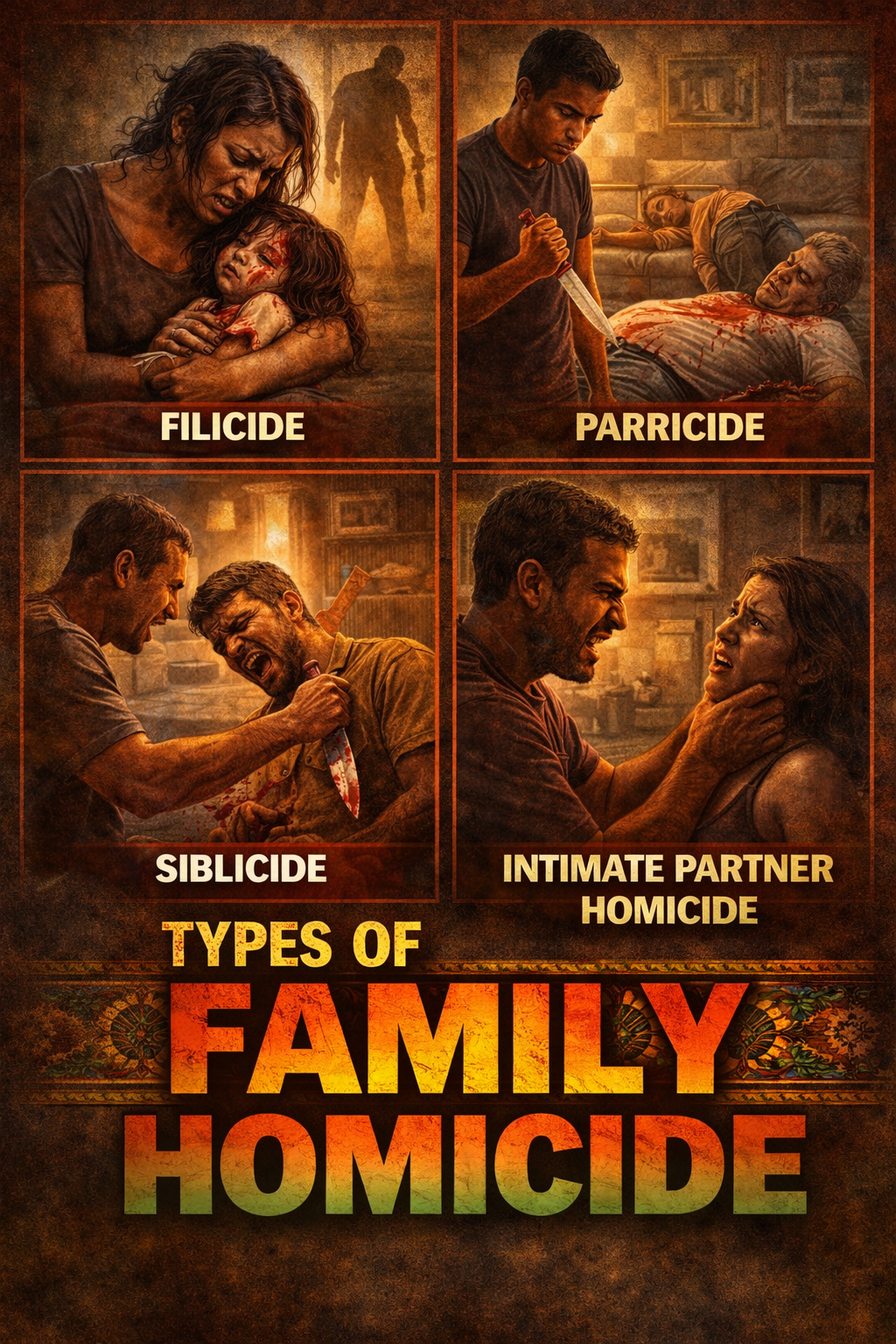
Introduction: The Hidden Face of Family ViolenceHomicide refers to the killing of one person by another, and within this broad category lies a deeply troubling subset known as family homicide, which involves the killing of one family member by another. Although the family is often idealized as a hav

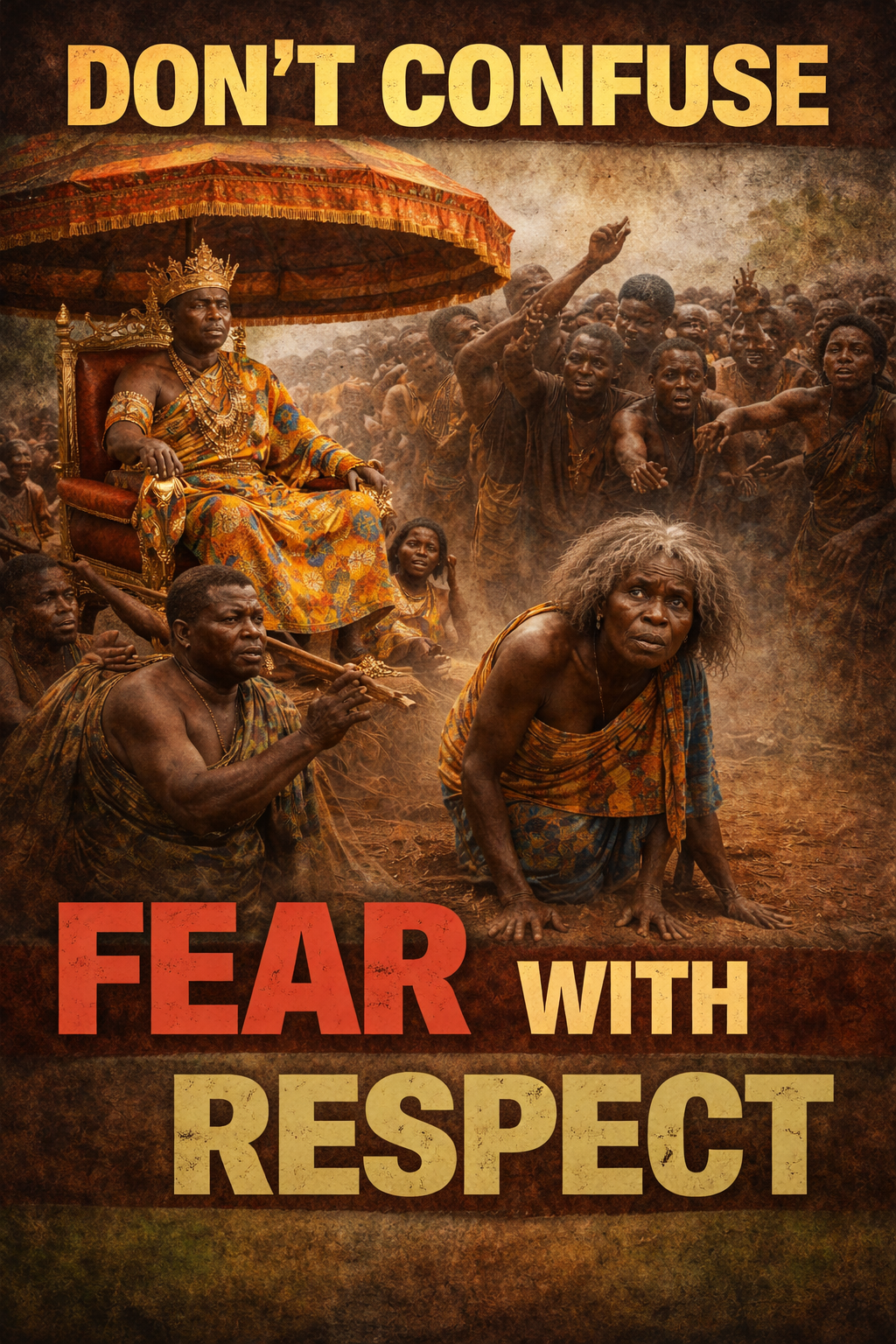
Oftentimes, in Africa, people conflate respect with fear, treating them as if they are interchangeable. Yet within Akan moral language, a clear distinction is maintained between fɛreɛ (respect) and suro (fear). To say “me fɛre wo” is fundamentally different from “me suro wo.” The former connotes est

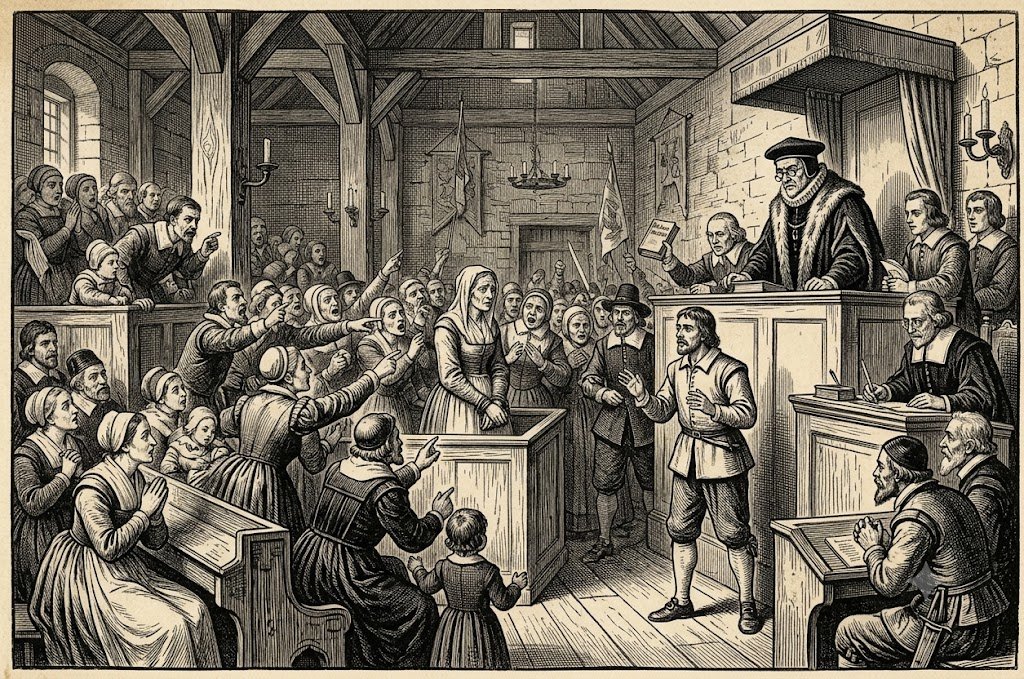
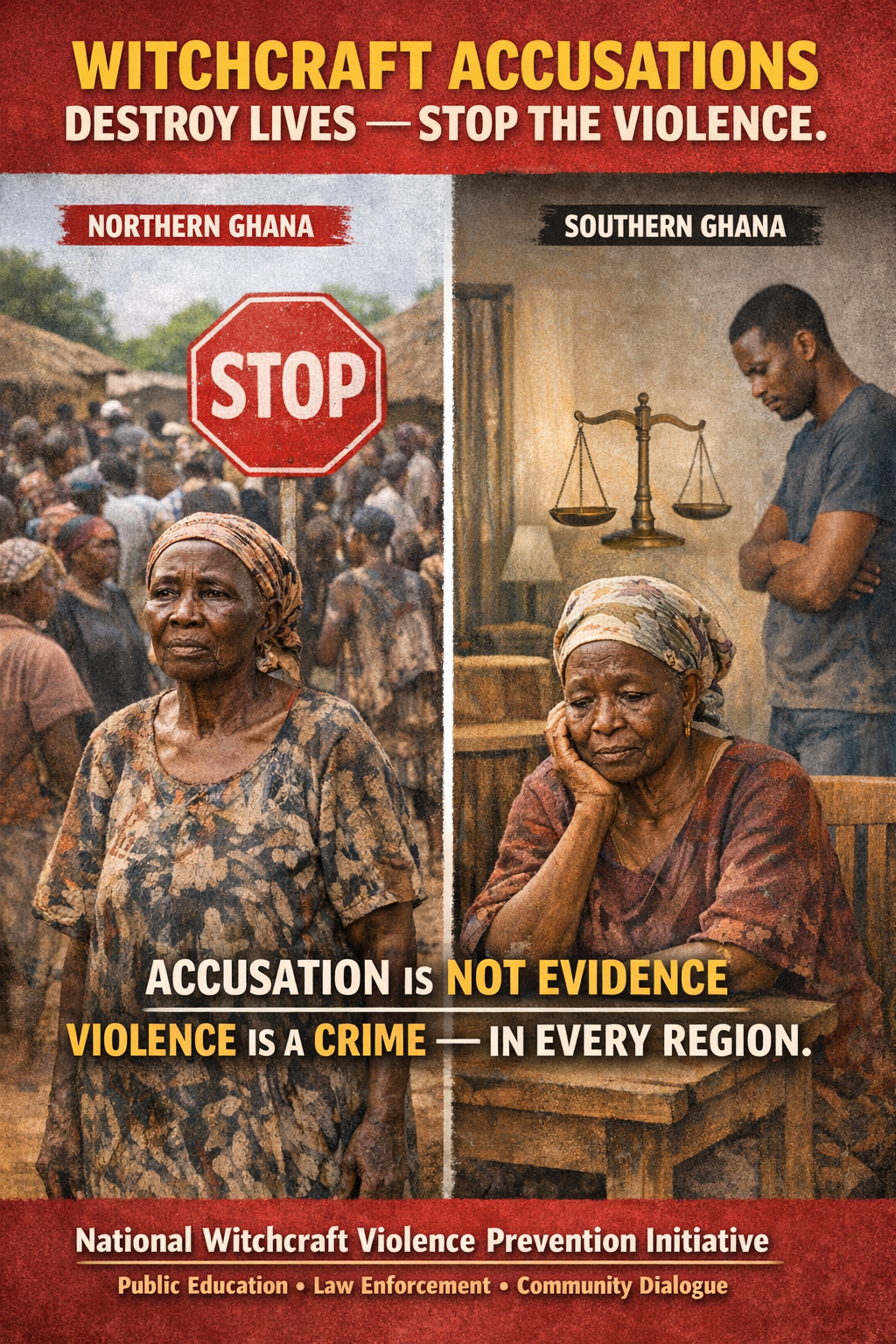
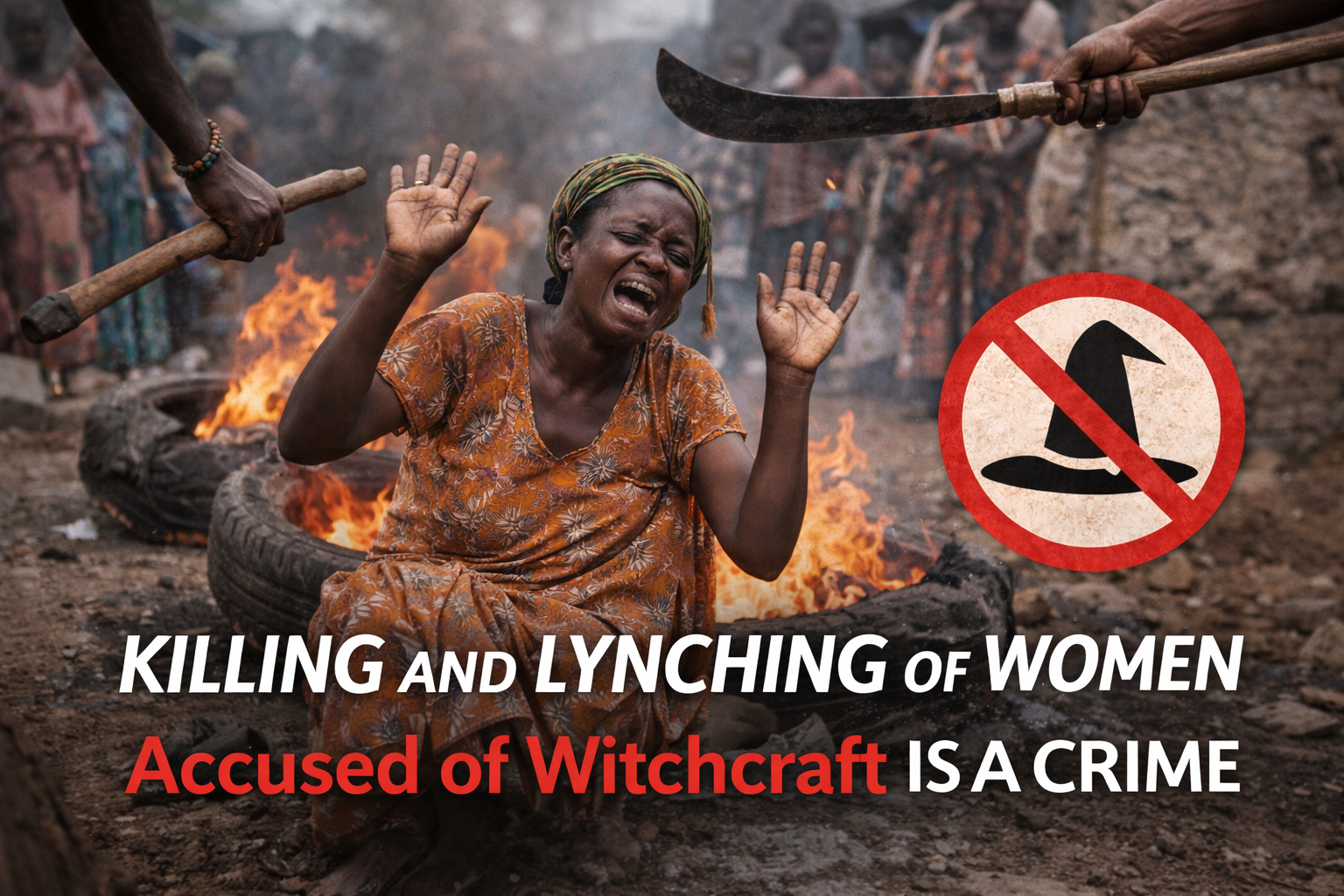
Recent reports in the Ghanaian media have once again drawn attention to a disturbing and persistent problem: the murder, attempted murder, and lynching of women accused of practicing witchcraft. These incidents are often shocking in their brutality and tragic in their consequences. They also raise a

Violence against persons accused of witchcraft remains a troubling reality in parts of Ghana. Although our nation prides itself on hospitality, communal solidarity, and deep respect for human dignity, allegations of witchcraft too often trigger acts of cruelty that contradict these cherished values.

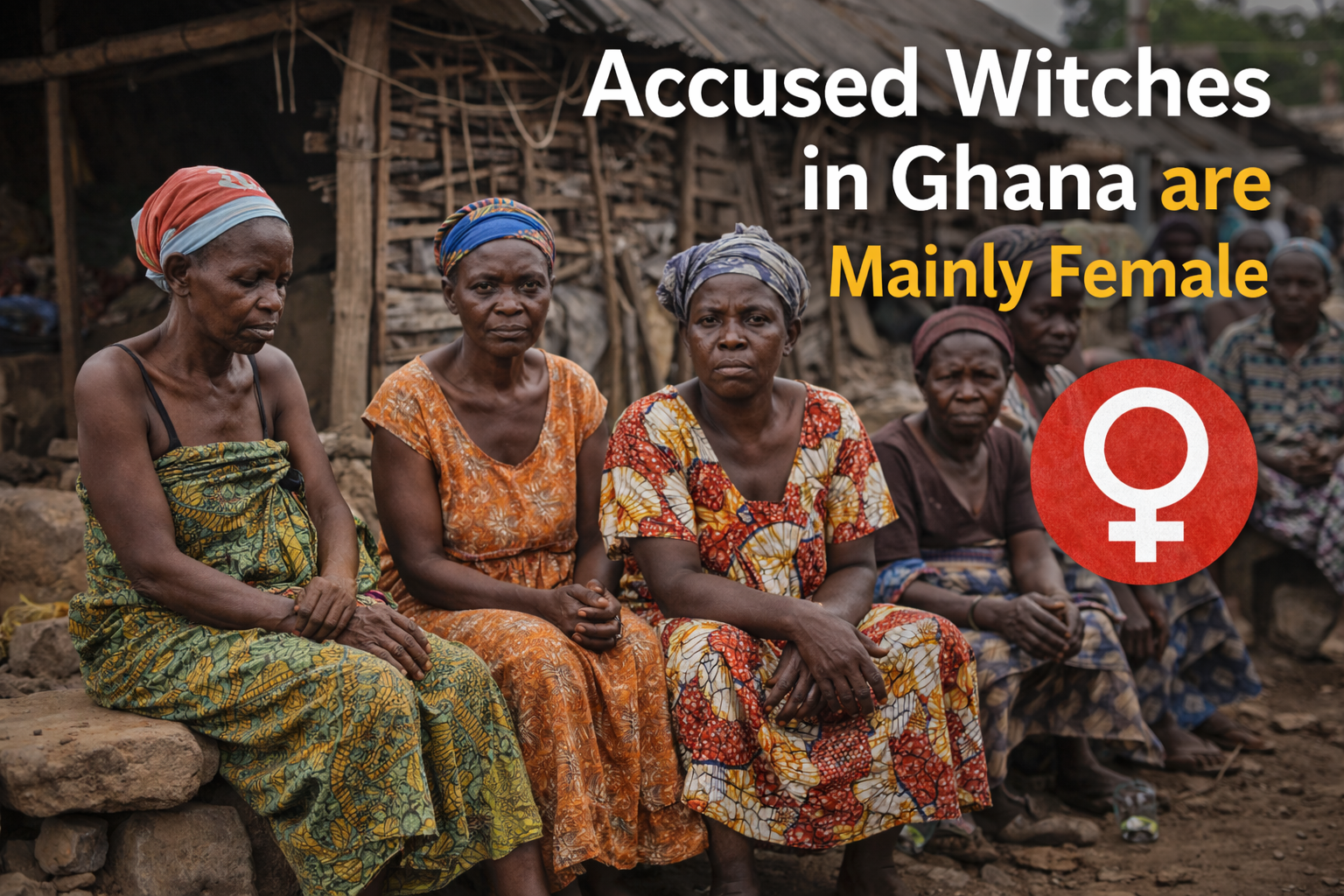
In Ghana, the overwhelming majority of people accused of witchcraft are women and girls. Nearly all victims killed during witch hunts are female. In the so-called “witch camps” or “outcast homes” in northern Ghana, it is rare to find a man among the residents. The population is almost entirely women

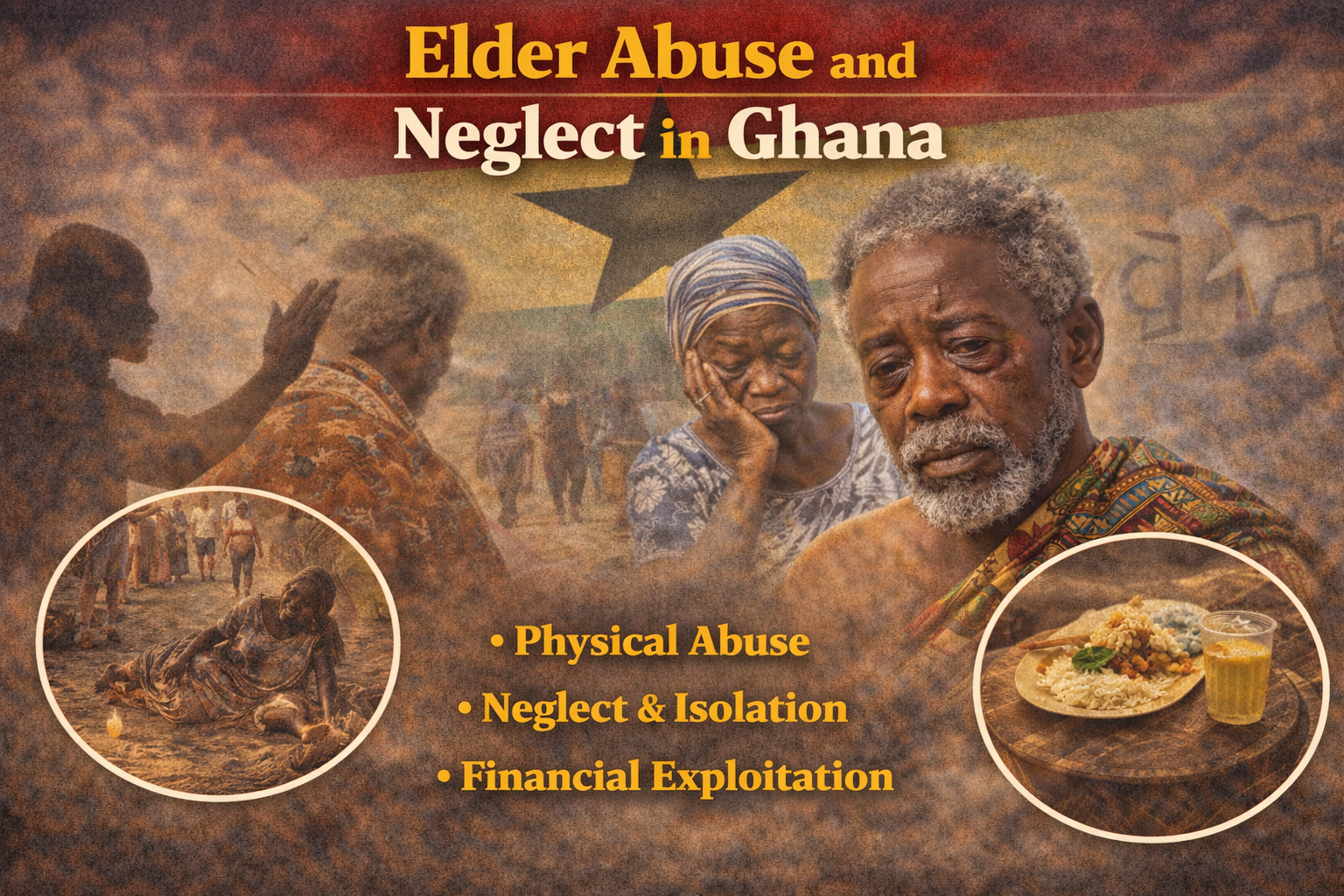
Ghanaian society traditionally values respect for the elderly. Older people are regarded as repositories of wisdom, custodians of tradition, and moral anchors of the family. Yet beneath this ideal lies a troubling reality: many elderly persons in Ghana experience neglect, abuse, and profound social

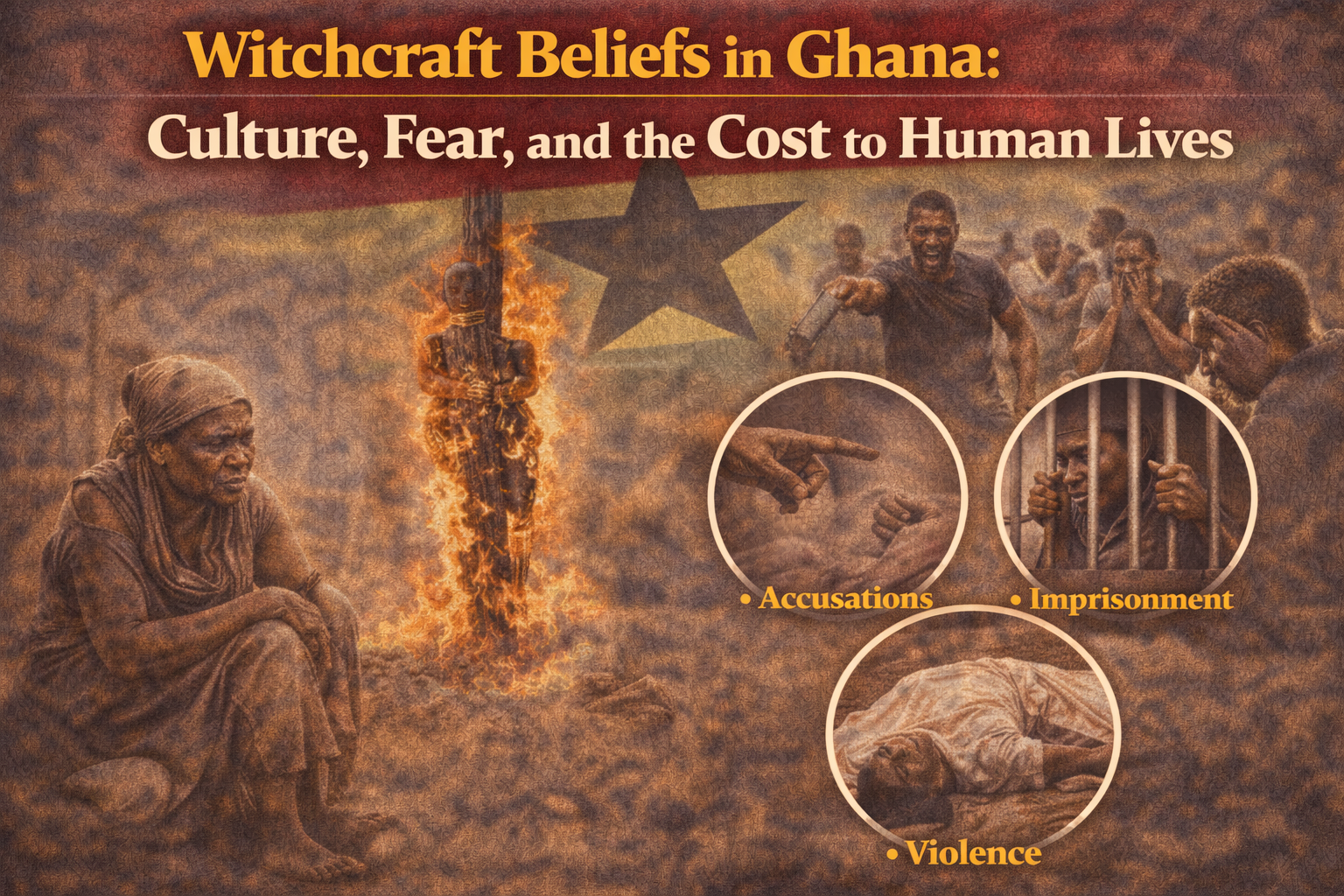
Witchcraft is commonly understood in Ghana as a supernatural power believed to be possessed by some individuals, enabling them to influence the behavior, health, fortune, or misfortune of others—either as victims or beneficiaries. Belief in witchcraft and witches remains widespread and deeply embedd

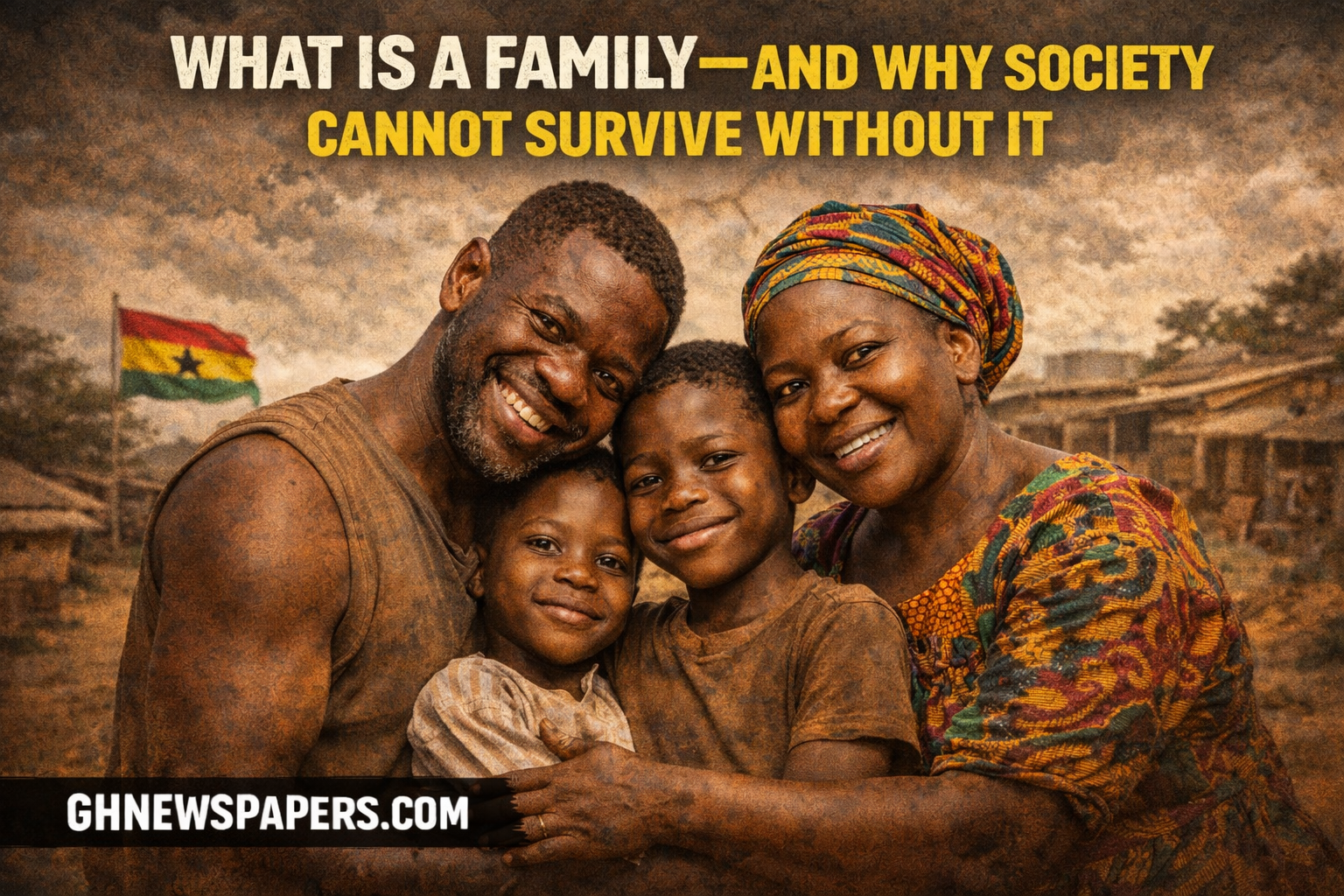
In an age of rapid social change, urbanization, and shifting lifestyles, it is worth asking a simple but important question: What is a family, and why do we still need one? Despite changes in how people live and relate to one another, the family remains the most fundamental institution in every soci

Homicide is the killing of one person by another person. The study of homicide is an important part of criminology and is carried out by criminologists, especially those who specialize in homicide or lethal violence. Homicide is not a single, uniform act. There are many different types of homicide,