Search
12 results for “nationalism”
PoliticsJun 15, 2026
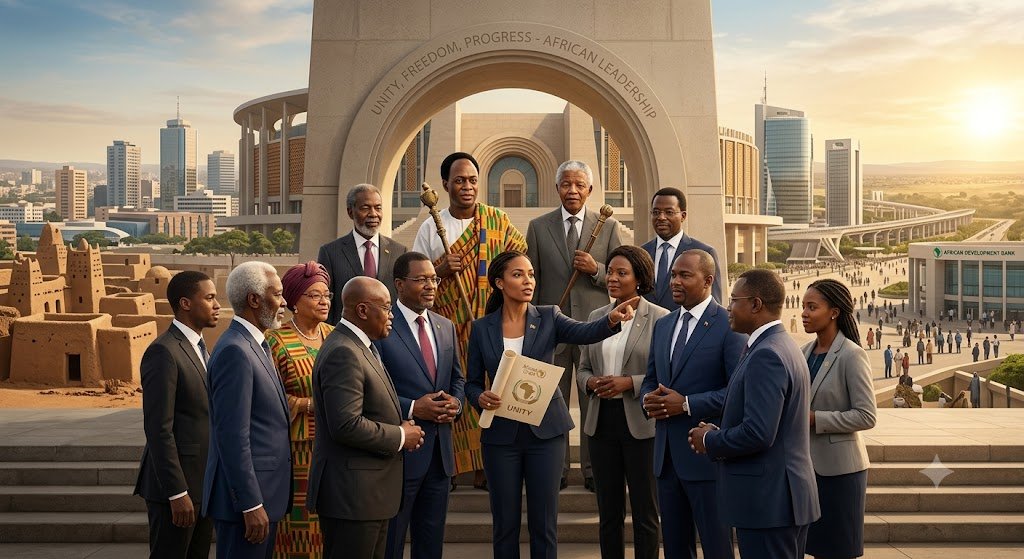
A Time for Africans to Select Progressive Leaders
Introduction The Akan have a wise saying: "If you plant plantain, you will harvest plantain; if you plant cassava, you will harvest cassava; and if you plant pineapples, you will harvest pineapples."
SportsMay 25, 2026
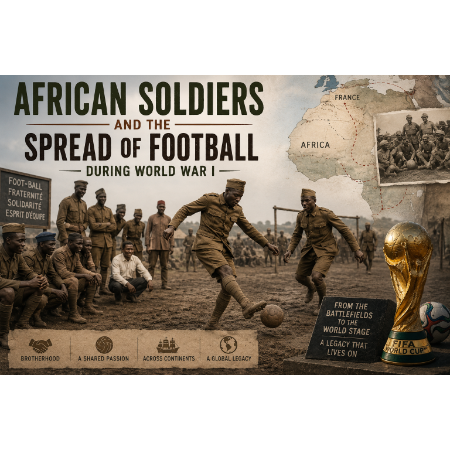
African Soldiers and the Spread of Football During World War I
When historians discuss the global spread of football, the story is often told through familiar names and places: English schools, British sailors, South American ports, and European clubs. Yet hidden
Kwabena Nyamekye Mawuli
WorldMar 3, 2026
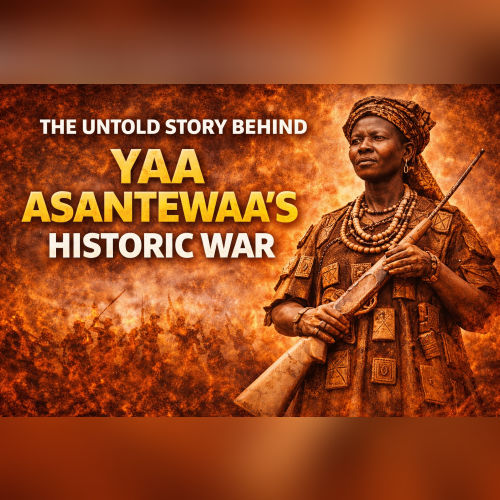
Why Yaa Asantewaa, A Woman, Led the Ashantis to War Against the British Colonialists
The leadership of Yaa Asantewaa in the 1900 war against British colonial rule remains one of the most extraordinary and symbolically powerful episodes in African resistance history. Her decision to lead the Ashanti (Asante) in armed rebellion was not an accident of circumstance—it emerged from a com
GH Newspapers Editorial Team
WorldFeb 24, 2026
The Birth of a Free African Press?
The question of whether independence in 1957 marked the true birth of a free African press in the Gold Coast—now Ghana—is both historically complex and deeply debated. While Ghana’s independence symbolized political liberation from colonial rule, the evolution of press freedom was far more gradual a
GH Newspapers Editorial Team

WorldFeb 24, 2026
Newspapers and Ghana’s Independence Day Celebrations
The relationship between newspapers and Ghana’s Independence Day celebrations is deeply rooted in the country’s political history and media evolution. From the late colonial period through the attainment of independence in 1957 and into the post-colonial era, newspapers played a central role in docu
GH Newspapers Editorial Team

WorldFeb 20, 2026
Education as a Gateway to Newspaper Consumption
The development of newspaper culture in the Gold Coast—today known as Ghana—was inseparable from the spread of formal education during the nineteenth and early twentieth centuries. Education did far more than teach reading and writing; it fundamentally reshaped social structures, created new intelle
GH Newspapers Editorial Team
WorldFeb 19, 2026
Mission Schools and Their Influence on Newspaper Readership
The growth of newspaper readership in the Gold Coast—modern-day Ghana—cannot be understood without examining the critical role played by nineteenth-century mission schools. These educational institutions, established by European Christian missions, were not only centers of religious instruction but
GH Newspapers Editorial Team
PoliticsDec 19, 2025
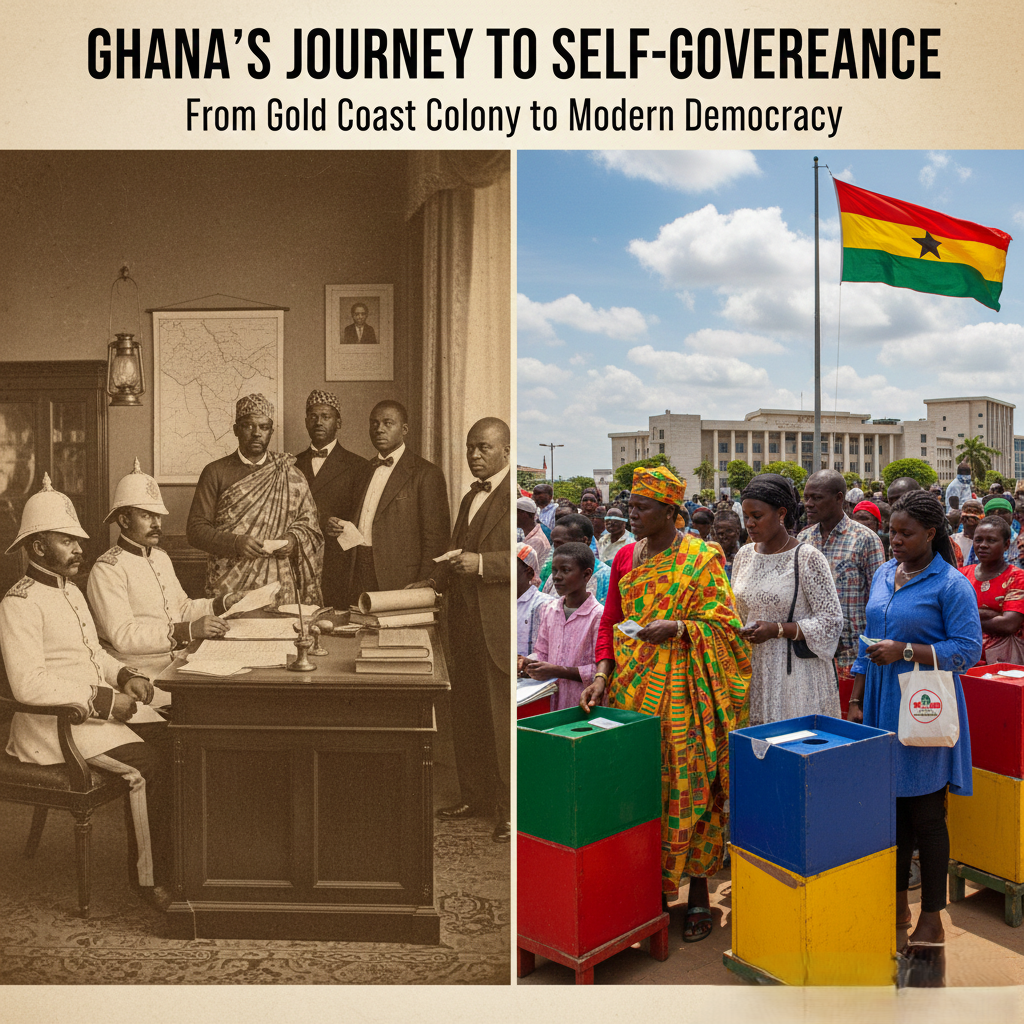
The Struggle for Self-Governance — Ghana’s Most Important Idea from the Gold Coast Era to Today
If there is one idea that has mattered more to Ghana than any other from the Gold Coast era to the present, it is the struggle for self-governance and accountable leadership. From colonial domination to modern democracy, Ghana’s history has been shaped by a single, powerful question: Who governs us,
GH Newspapers Editorial Team
WorldDec 19, 2025
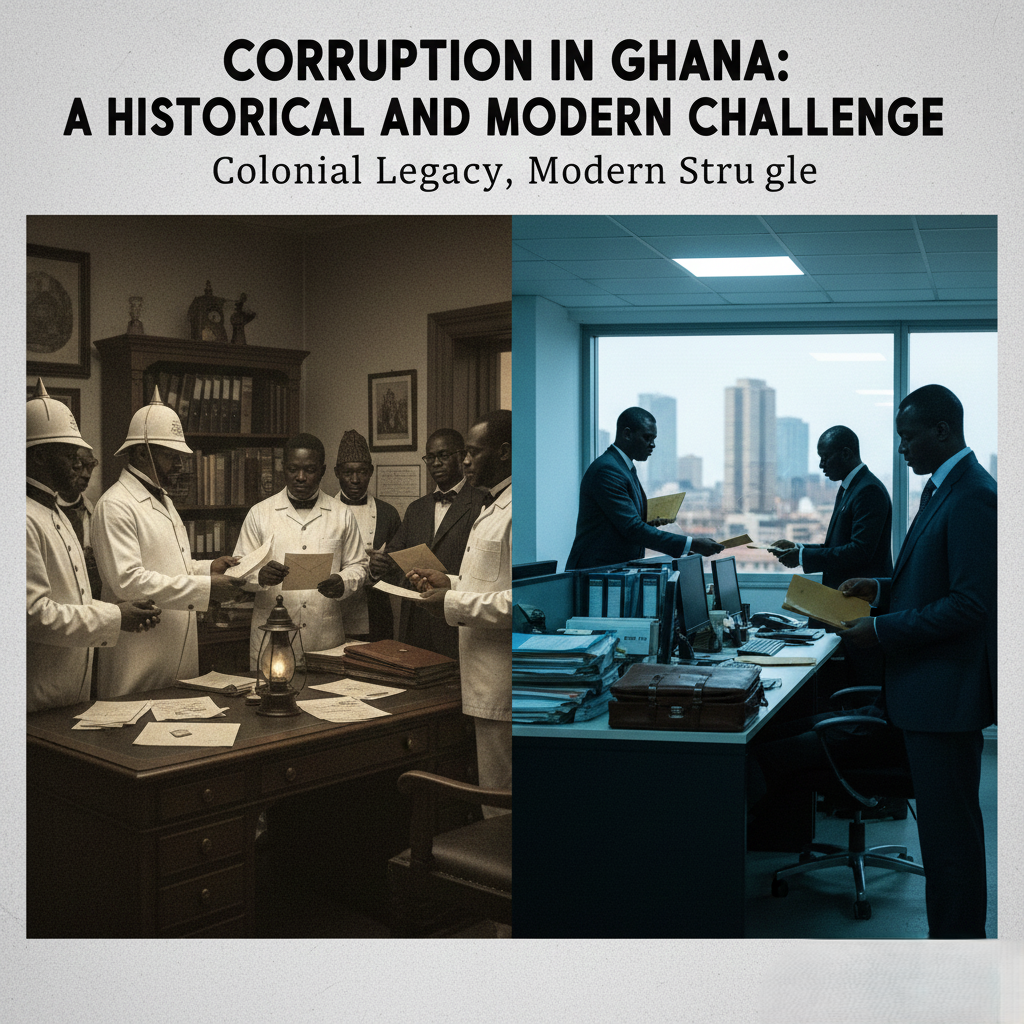
Corruption: A Lingering Social Issue from the Gold Coast Era to Modern Ghana
Corruption remains one of the most enduring social challenges confronting Ghana. Its roots stretch back to the colonial Gold Coast era (1821–1957) and continue to influence governance, public trust, and national development today. Understanding this long history is essential to appreciating why corr
GH Newspapers Editorial Team
SportsDec 19, 2025
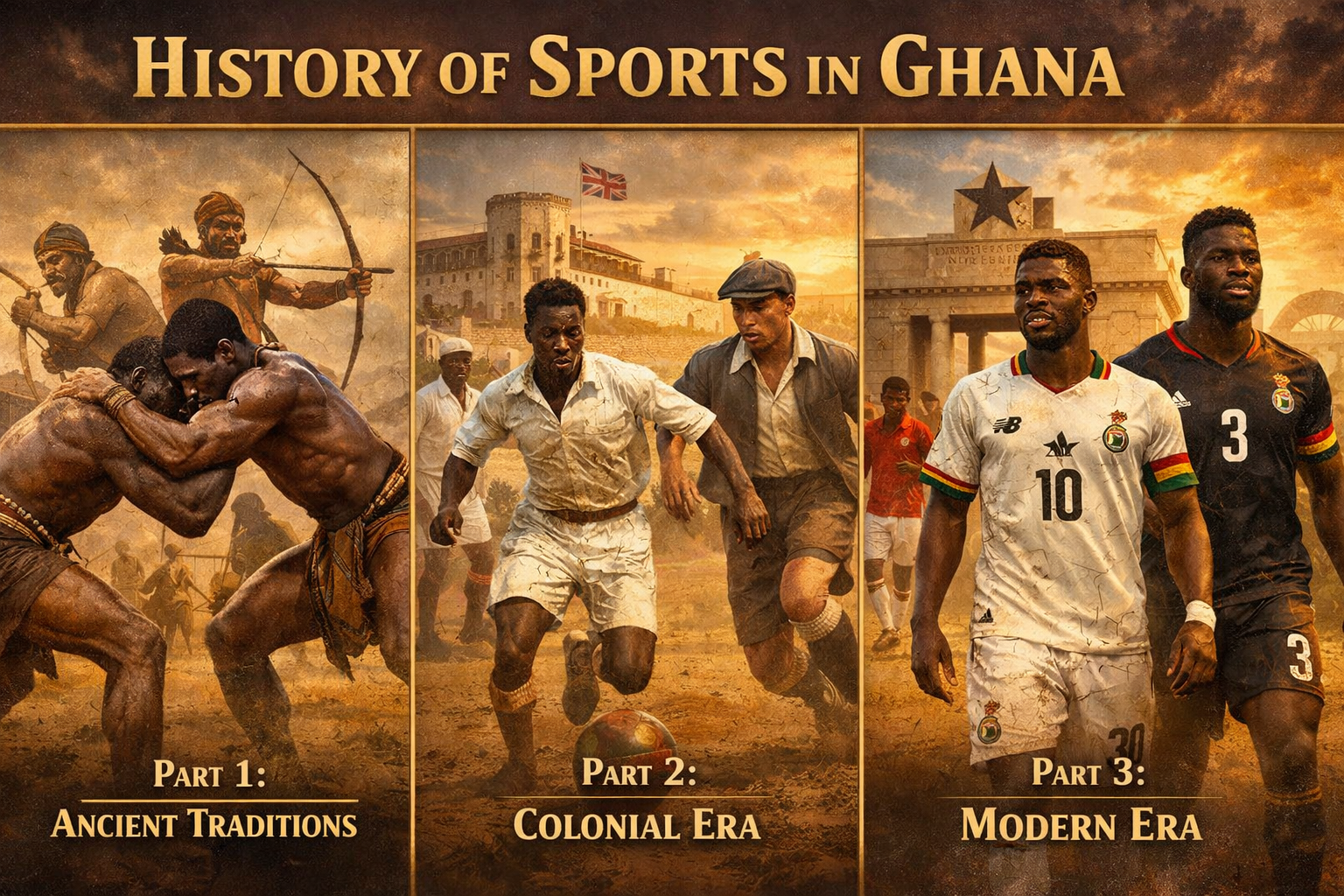
Ghana’s History and the Birth of Sports: From Ancient Traditions to National Identity
Introduction: Sport as a Mirror of Ghana’s History Long before Ghana was known by its modern name, sport and physical competition were already embedded in the social, political, and spiritual life of its people. From the ancient kingdoms of the Gold Coast to independence in 1957 and into the modern
GH Newspapers Editorial Team
PoliticsDec 19, 2025
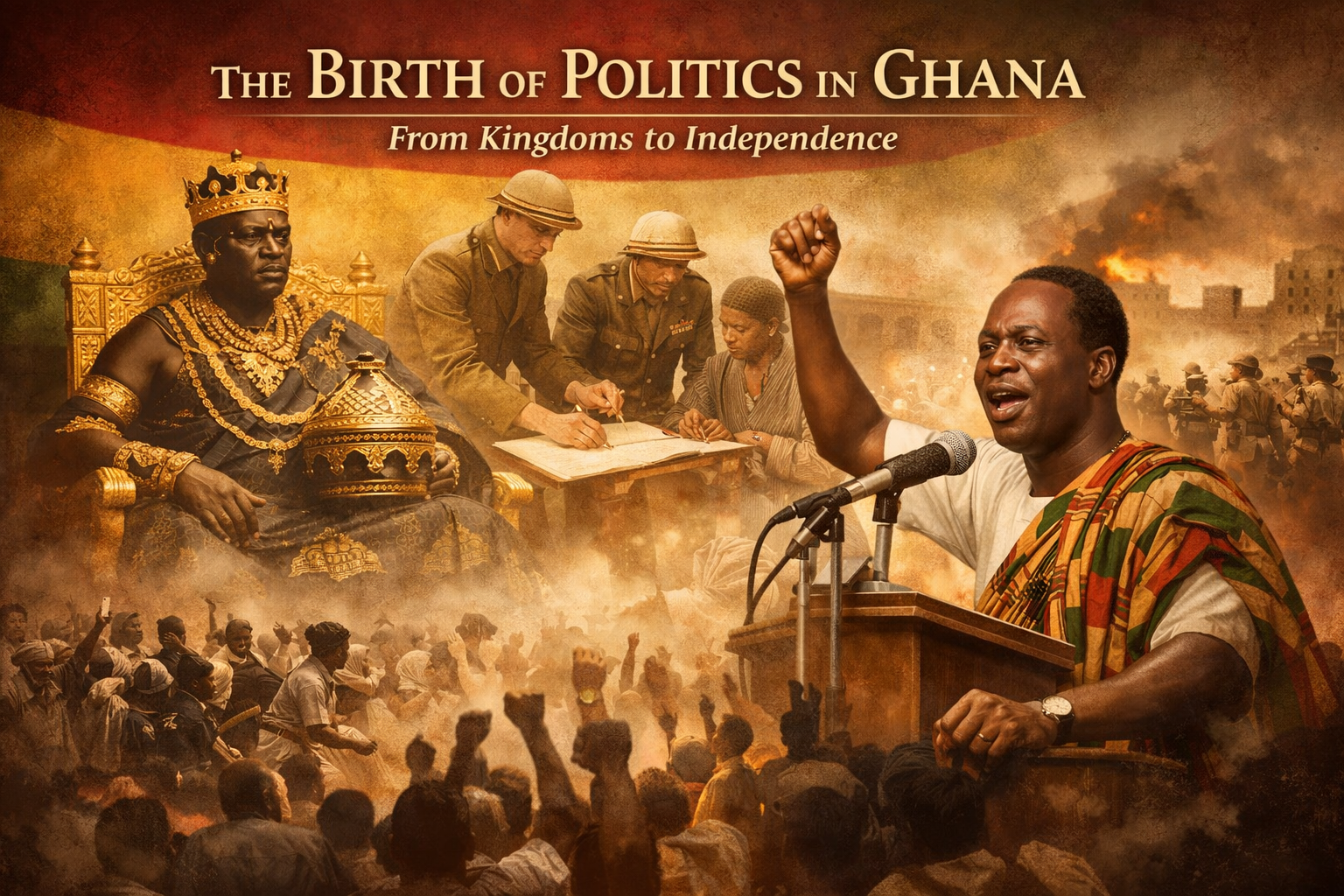
Ghana’s History and the Birth of Politics: From Ancient Kingdoms to Modern Democracy
Politics Before the State Called Ghana Long before the name Ghana was adopted in 1957, the land and peoples of the Gold Coast had already developed sophisticated political systems. Politics in Ghana did not begin with Europeans or colonial rule; it evolved from indigenous governance structures, cust
GH Newspapers Editorial Team