Monday, September 21, 2026Newsroom Login
Breaking
How Many Children Did He or She Leave Behind? When Voluntary Childlessness Is Not an OptionThe Hidden Scars of Teasing and Bullying in Ghanaian SchoolsGive Black Dolls to Black African GirlsIs Sasabonsam Real? The Fearsome Forest Monster of Akan FolkloreThe Enduring Power of Proverbs Among the Akans"Yebisa Wo Fie, Na Yemmisa Sika": The Cultural Importance of House Ownership in GhanaDoes the Devil Cause People to Commit Crimes?Conjugal Visitation in Ghanaian Prisons? Why It is Not a National PriorityFrom Dawuro to WhatsApp: The Evolution of Public Communication in Akan SocietyThe "ISMS" That Hurt: Interpersonal "ISMS" That Harm Human BeingsBadudwan: The Akan Ceremony That Honors Women for Prolific ChildbearingFrom a Small Ghanaian Town to Business Success in America: The Inspiring Journey of MaadwoaThe Eskimo Who Came to Ghana: Fact, Folklore, or Legend?Why Is the Star on Ghana's Flag Black?Victimology: The Study of Crime VictimsMensah Adinkrah: A Preeminent Kwahu Scholar of Global DistinctionAfrica 101: Facts Everyone Should Know about AfricaHow Many Children Did He or She Leave Behind? When Voluntary Childlessness Is Not an OptionThe Hidden Scars of Teasing and Bullying in Ghanaian SchoolsGive Black Dolls to Black African GirlsIs Sasabonsam Real? The Fearsome Forest Monster of Akan FolkloreThe Enduring Power of Proverbs Among the Akans"Yebisa Wo Fie, Na Yemmisa Sika": The Cultural Importance of House Ownership in GhanaDoes the Devil Cause People to Commit Crimes?Conjugal Visitation in Ghanaian Prisons? Why It is Not a National PriorityFrom Dawuro to WhatsApp: The Evolution of Public Communication in Akan SocietyThe "ISMS" That Hurt: Interpersonal "ISMS" That Harm Human BeingsBadudwan: The Akan Ceremony That Honors Women for Prolific ChildbearingFrom a Small Ghanaian Town to Business Success in America: The Inspiring Journey of MaadwoaThe Eskimo Who Came to Ghana: Fact, Folklore, or Legend?Why Is the Star on Ghana's Flag Black?Victimology: The Study of Crime VictimsMensah Adinkrah: A Preeminent Kwahu Scholar of Global DistinctionAfrica 101: Facts Everyone Should Know about Africa

Search

16 results for victim-precipitated homicide

Femicide: When Females Are Victims of Homicide
HealthApr 5, 2026

Femicide: When Females Are Victims of Homicide

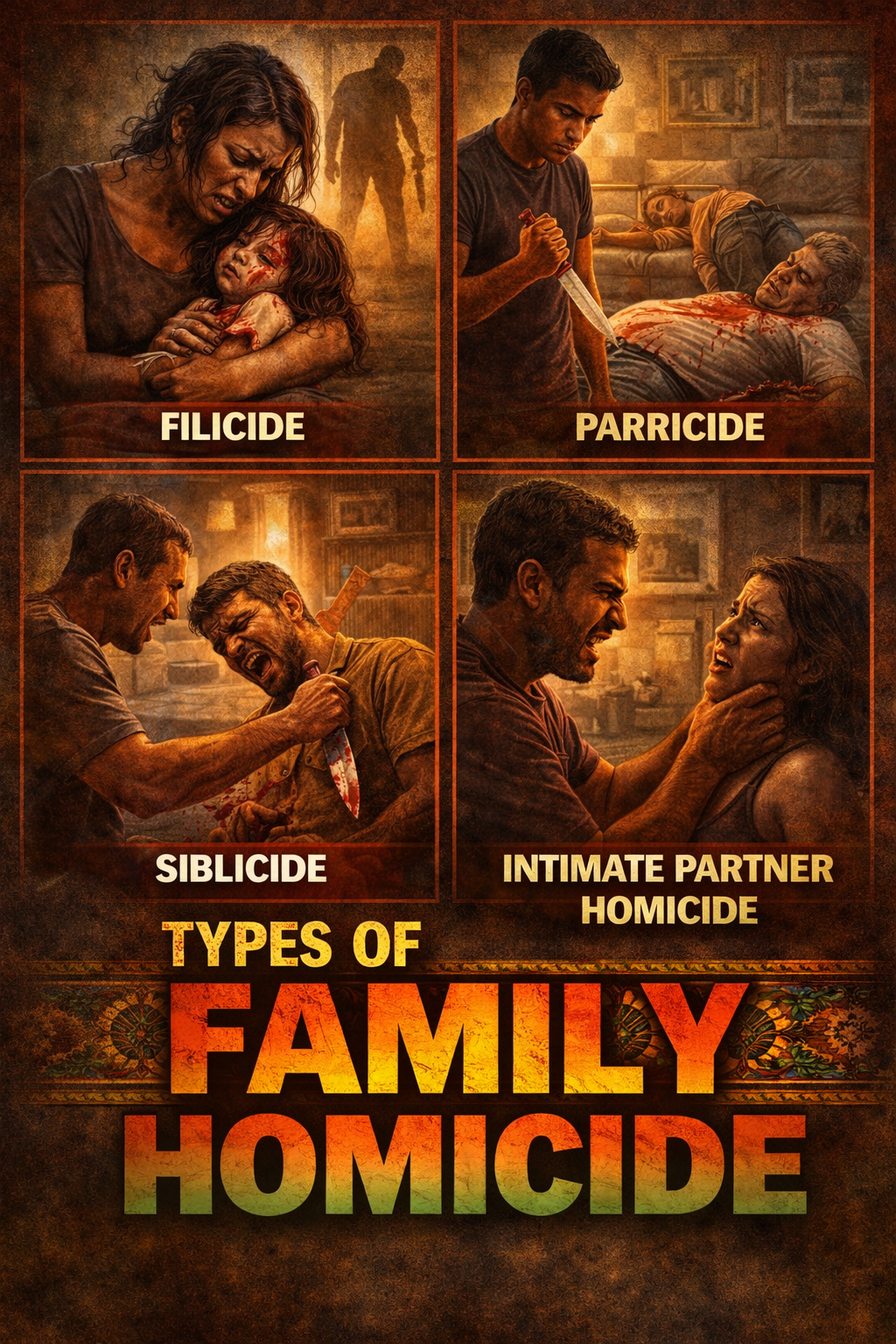
Femicide refers to the intentional killing of females because they are female. It is widely recognized within criminology and gender studies as a distinct form of homicide, shaped by gender inequality, power imbalances, and cultural norms. Scholars of homicide and lethal violence use several related

Homicide: One Crime, Many Types, Different Terms
WorldDec 25, 2025

Homicide: One Crime, Many Types, Different Terms

Homicide is the killing of one person by another person. The study of homicide is an important part of criminology and is carried out by criminologists, especially those who specialize in homicide or lethal violence. Homicide is not a single, uniform act. There are many different types of homicide,

What is Homicide?
WorldDec 25, 2025

What is Homicide?

We often hear the word homicide, but many people do not fully understand its meaning or the nature of the crime. In this essay, I discuss what homicide is, the different types of homicide, and why it is considered one of the most serious crimes in society. Homicide is the killing of one person by…

How Rules Become Laws: Examples from Ghana
WorldApr 4, 2026

How Rules Become Laws: Examples from Ghana

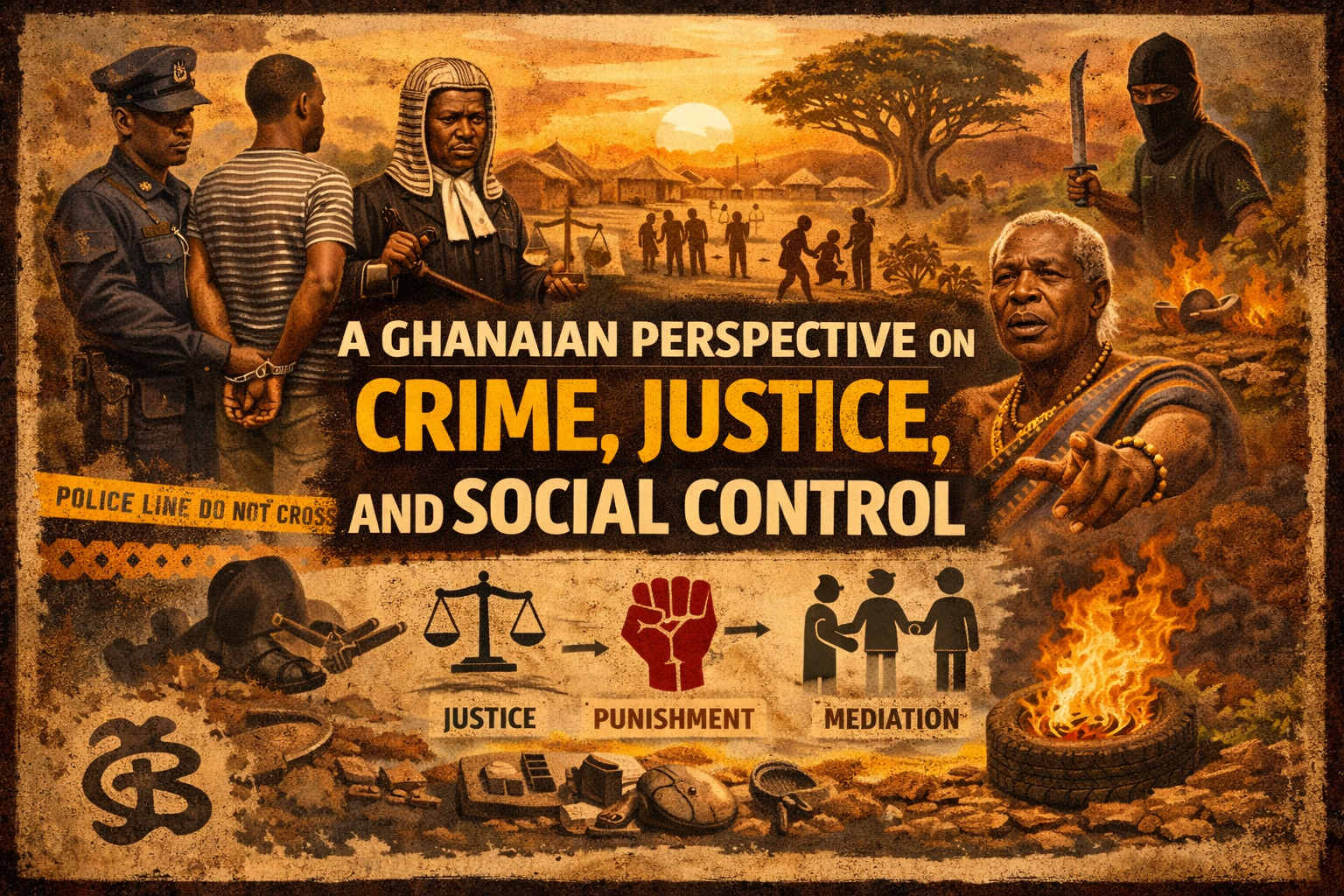
Rules, Laws, and Social Order All human societies are governed by rules. These rules regulate behavior by defining what individuals may do and what they must refrain from doing. Without such rules, social life would be chaotic, unpredictable, and ultimately unsustainable. Rules make social interacti

Posthumous Treatment of Accused Witches in Ghana
EntertainmentDec 30, 2025

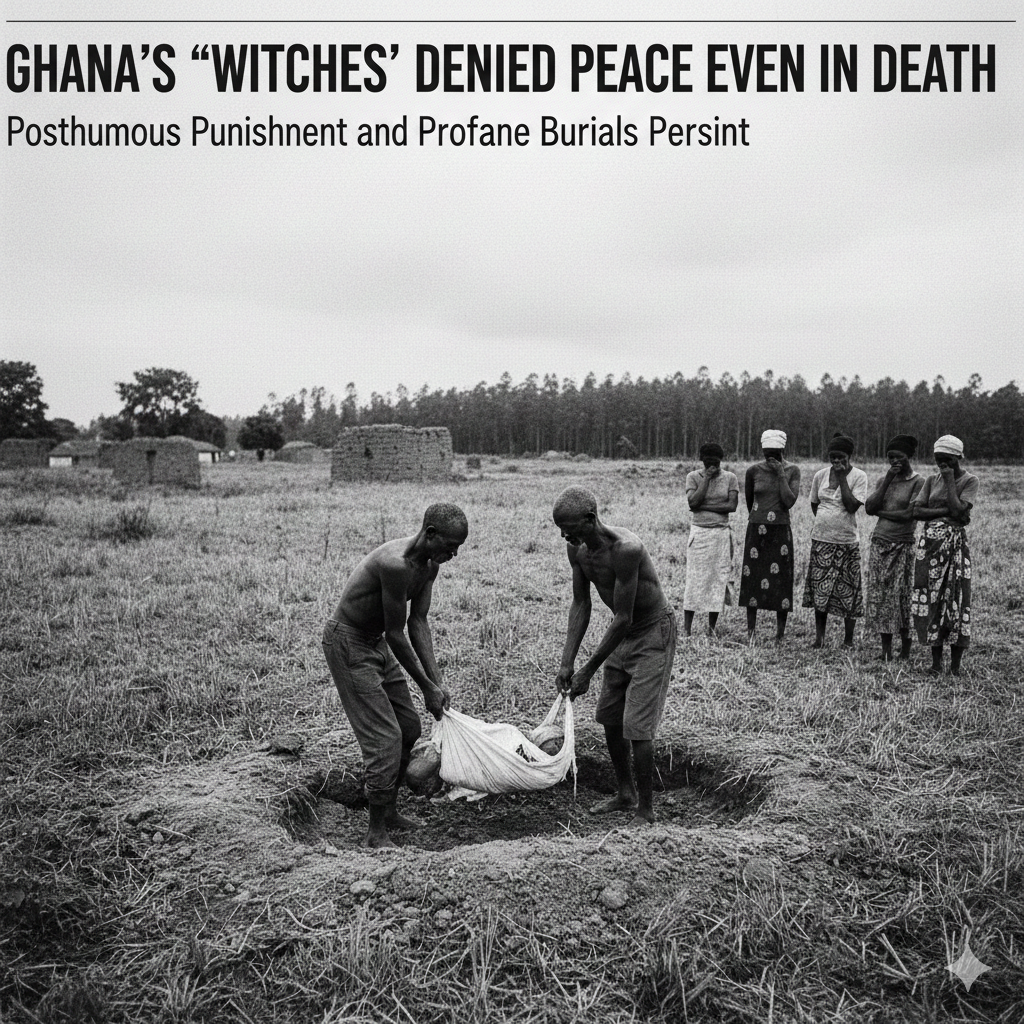
Posthumous Treatment of Accused Witches in Ghana

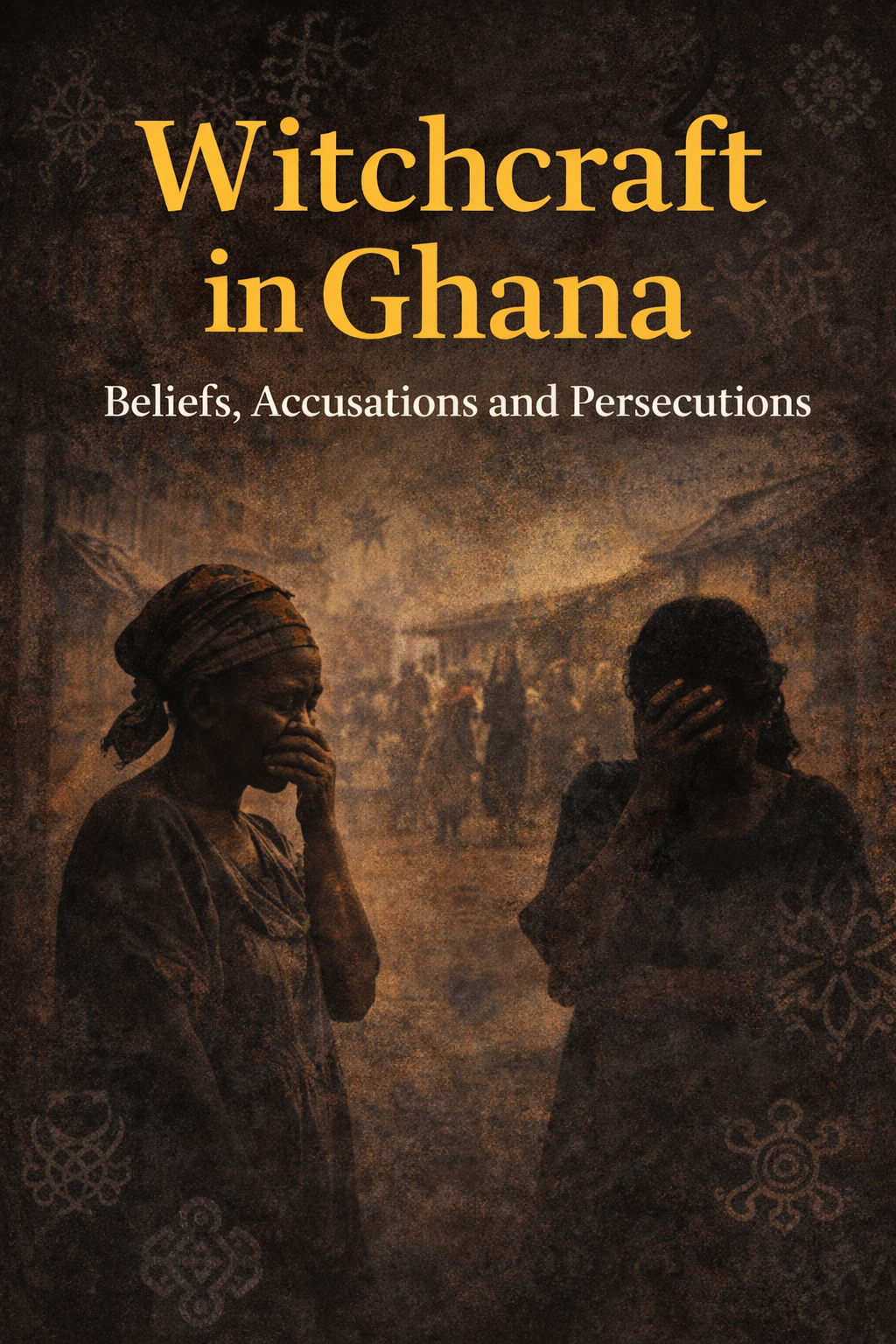
In many Ghanaian communities, accusations of witchcraft generate intense moral outrage and social hostility. Persons believed to be malevolent witches are frequently subjected to verbal abuse, physical assault, forced displacement, and, in extreme cases, extrajudicial killing (Adinkrah, 2004, 2015).