Search
7 results for “childlessness”
SocietyAug 4, 2026
Badudwan: The Akan Ceremony That Honors Women for Prolific Childbearing
A description of a major Akan cultural ceremony to honor women for prolific childbearing
WorldFeb 15, 2026
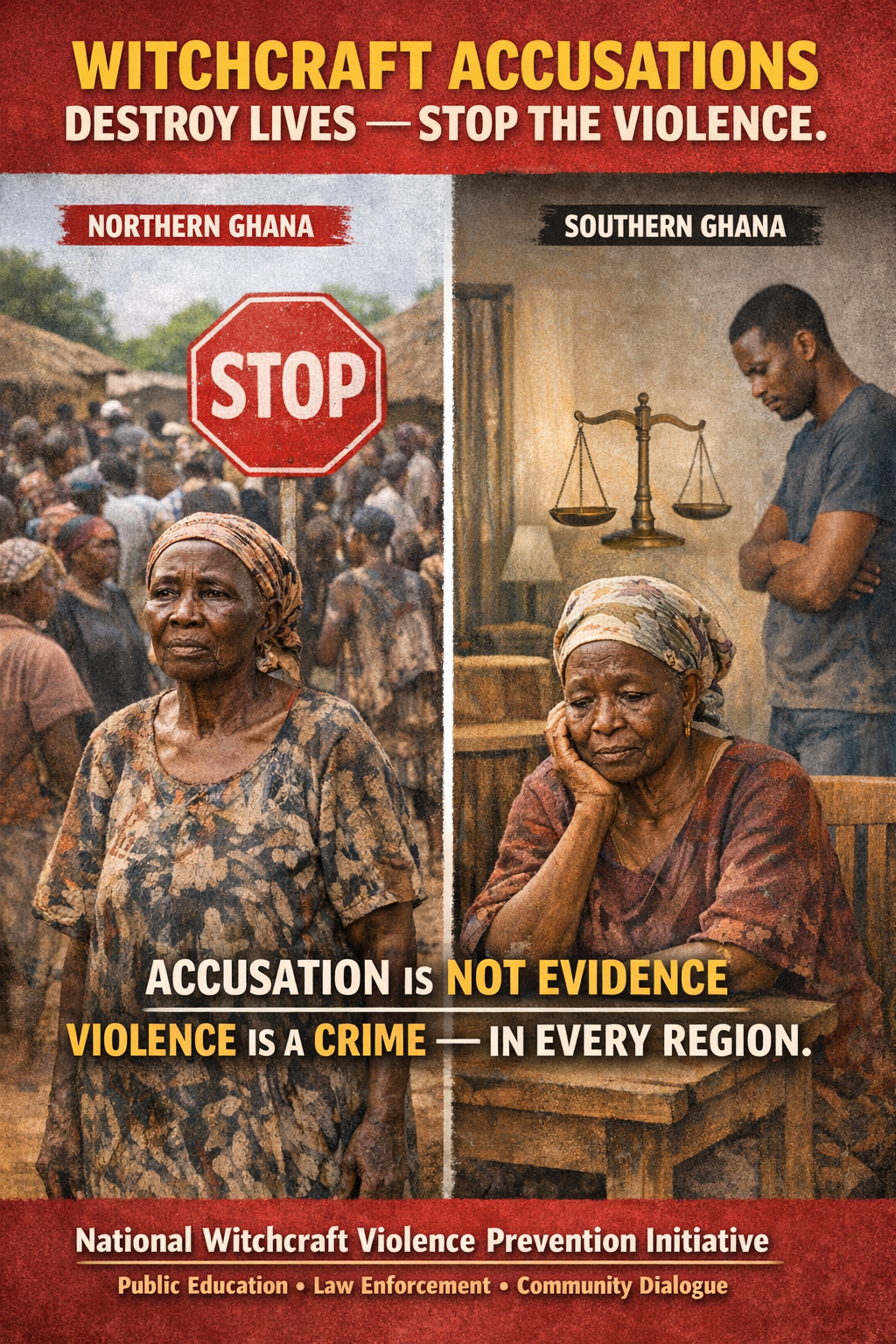
Allegations of Witchcraft Are Not a Matter for Northern Ghanaians Alone
Recent reports in the Ghanaian media have once again drawn attention to a disturbing and persistent problem: the murder, attempted murder, and lynching of women accused of practicing witchcraft. These incidents are often shocking in their brutality and tragic in their consequences. They also raise a
WorldFeb 13, 2026
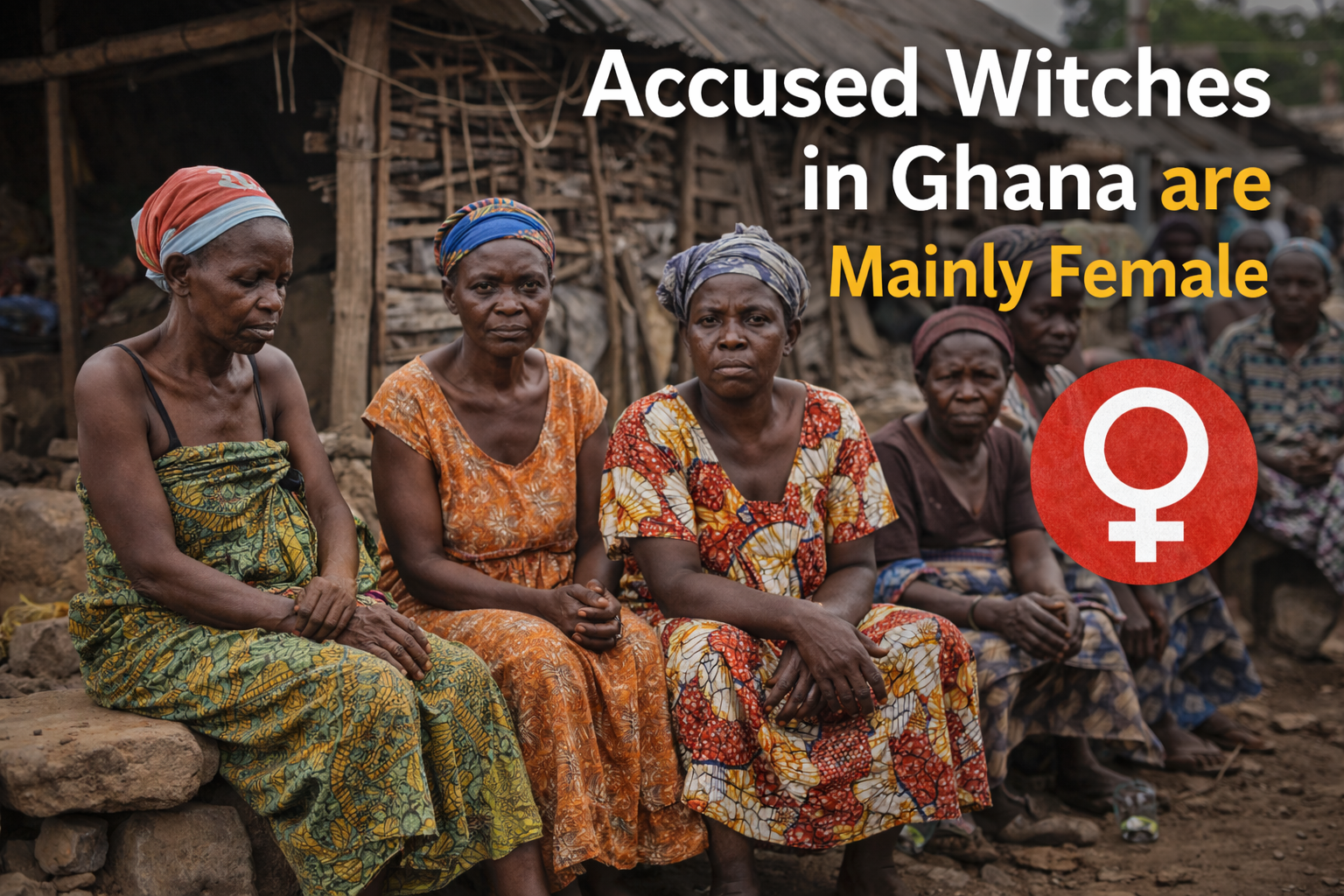
Why Are Ghanaian “Witches” 99% Female?
In Ghana, the overwhelming majority of people accused of witchcraft are women and girls. Nearly all victims killed during witch hunts are female. In the so-called “witch camps” or “outcast homes” in northern Ghana, it is rare to find a man among the residents. The population is almost entirely women
EntertainmentJan 3, 2026
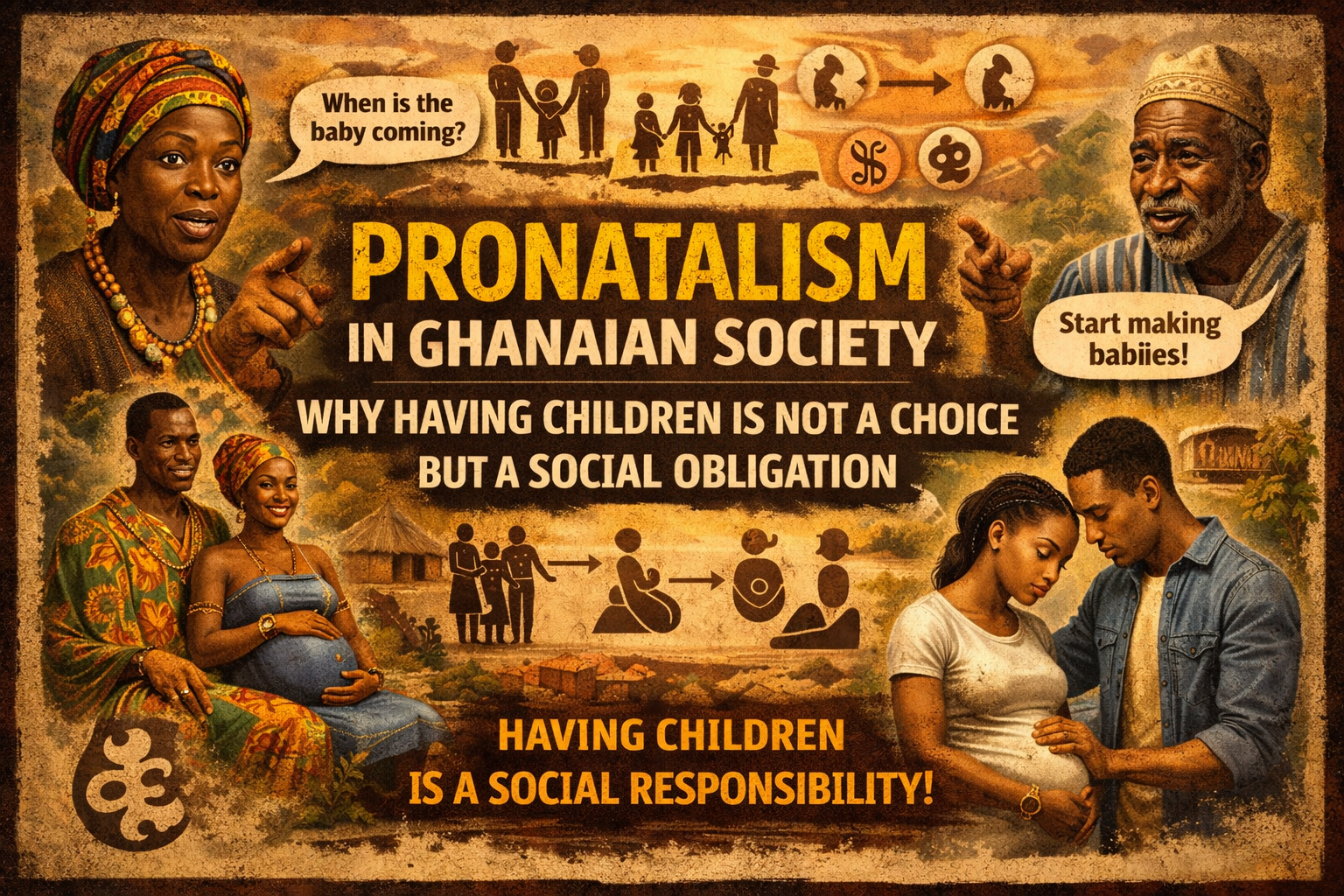
Pronatalism in Ghanaian Society: Why Having Children Is Not a Choice but a Social Obligation
Pronatalism refers to a strong cultural and social preference for having children, often accompanied by expectations that adults should reproduce as a normal and desirable life course. In Ghanaian society, having one’s own child is not merely a personal choice; it is widely regarded as a social obli
EntertainmentDec 31, 2025
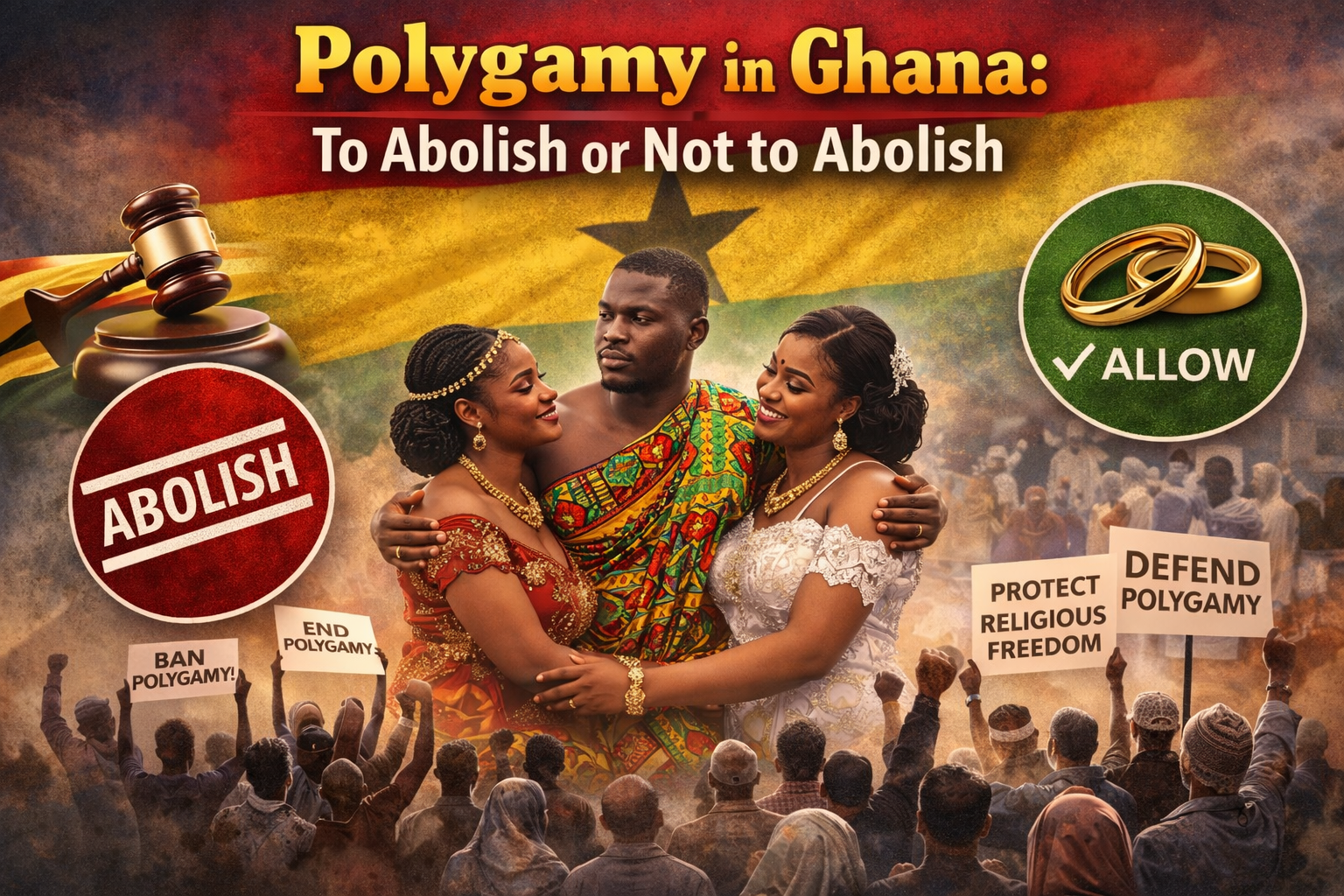
Polygamy in Ghana: To Abolish or Not to Abolish?
Polygamy refers to a marital arrangement in which a person is permitted to have two or more spouses at the same time. Although the term polygamy is often used loosely in everyday conversation, sociologists and anthropologists make important distinctions among its different forms. There are two main
WorldDec 27, 2025
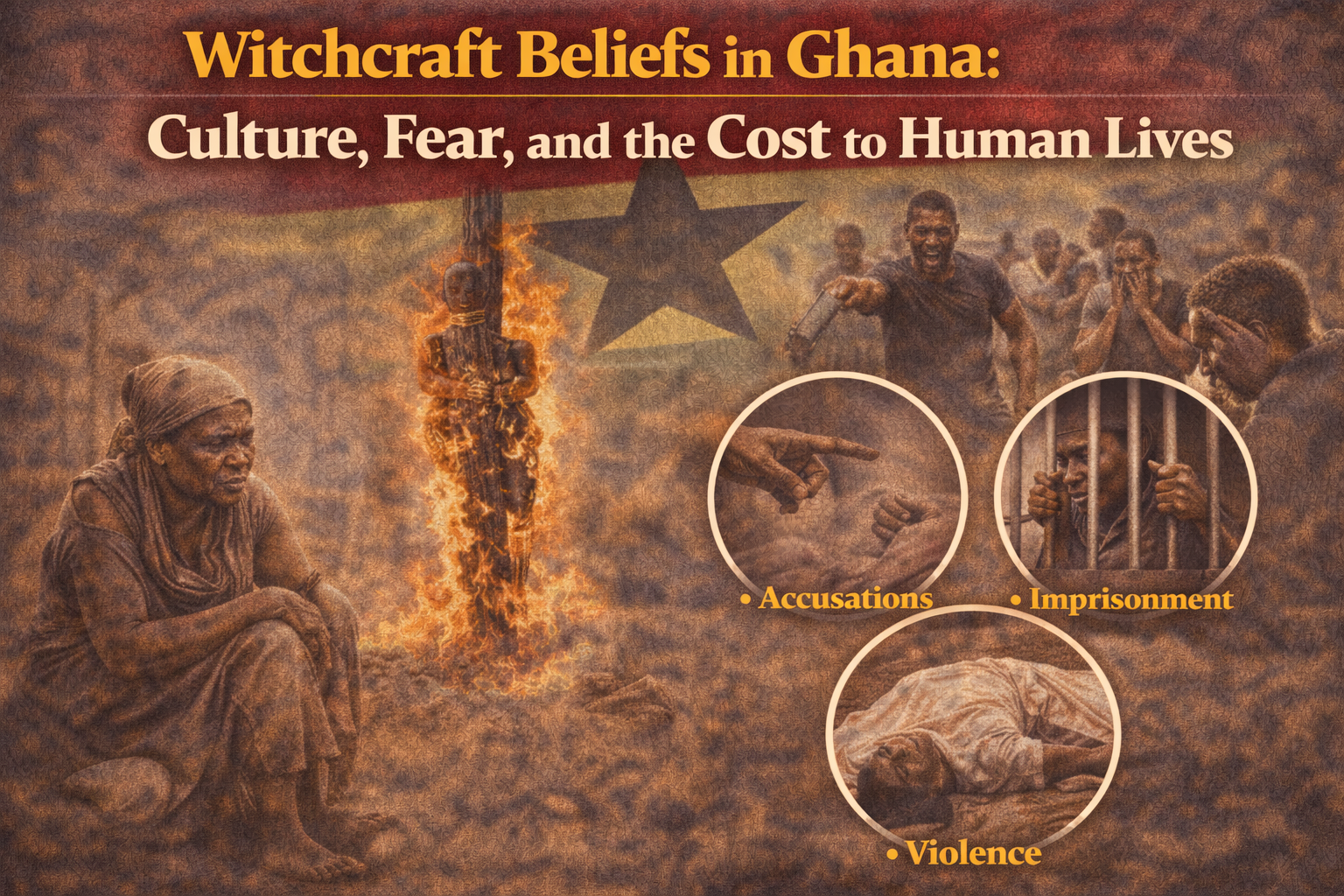
Witchcraft Beliefs in Ghana: Culture, Fear, and the Cost to Human Lives
Witchcraft is commonly understood in Ghana as a supernatural power believed to be possessed by some individuals, enabling them to influence the behavior, health, fortune, or misfortune of others—either as victims or beneficiaries. Belief in witchcraft and witches remains widespread and deeply embedd